Category: Projects

  • TYPES OF CRANES FOR PRECAST BUILDING CONSTRUCTION

    About Crane:

    Cranes are used for loading and unloading the precast walls on yard or site. Each precast walls or components are usually large and heavy weight, so cranes are required to lift them. And also, cranes are easily done when set the precast position while erecting on site. It will help to reduce manpower and cost of precast wall lifting and also to reduce construction time delay.

    We mainly used two types of cranes on both factory and site.

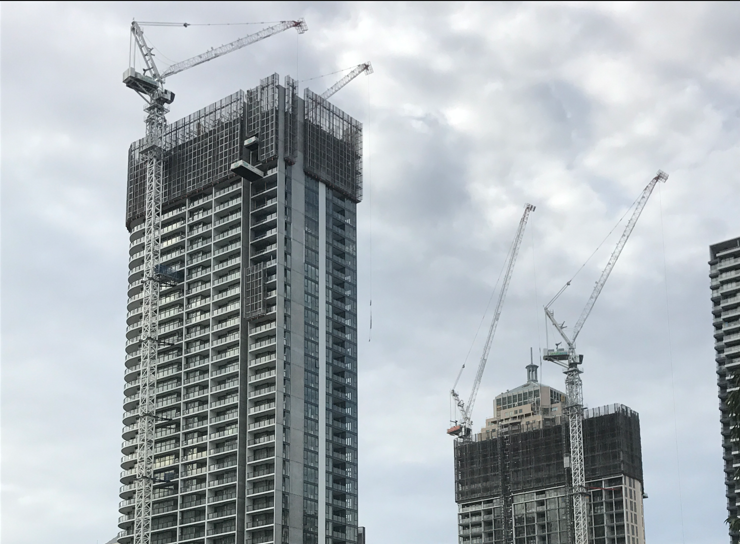
    1. Tower crane (Ref. Fig 01)
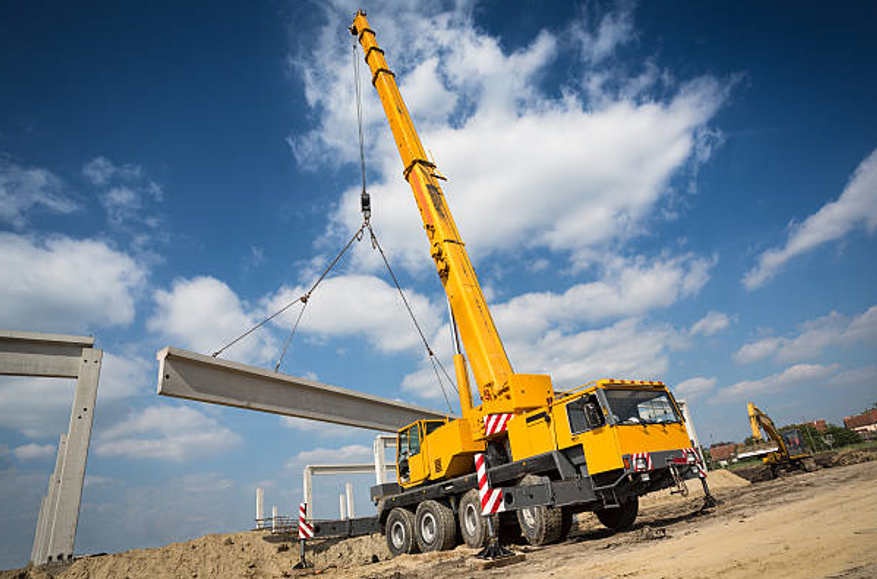
    2. Mobile crane (Ref. Fig 02)

      1. Tower Crane:
    • For precast construction the tower cranes are playing major role to handle precast walls in the yard and also during erection on site.
    • It’s mainly used for multi storied building construction.
    • Tower cranes are inbuilt on site. So, safety, selection, placement, and reliability of tower cranes are very important to completion of Precast buildings on time.
    • It is proven to be safe, long lasting and very fast in construction
    • The big issue is wind acting on the tower crane. The small collision may lead to big accidents or damage the precast elements and also delay in completion of job. So, while fixing the tower crane we need to fix in proper placement to avoid unwanted damages and waste of cost.
    • Tower cranes are fixed on site so it can’t be moved to one place to another.
    • Tower crane is used to multi-levels building’s to lifting the panels from ground floor to needed level. But it has limitations to cover wide area.


    Fig.01

    2. Mobile crane:

    • Mobile cranes can be used to lift, carry, and place materials in many applications.
    • For tilt-up construction jobs can be completed quickly, accurately, and safely.
    • Sometimes mobile cranes are help for tower cranes to rotate and move the precast walls from truck or site.
    • It will also help for loading and unloading the precast walls from the truck.
    • The wind energy will not affect while lifting precast walls when compared to tower cranes.
    • Mobile cranes are movable. So, if we need to move any other places it is easy.
    • And it’s used for mainly single-story building construction.
    • It is compact in size so it’s can’t occupy more place on site.
    • Compare to tower crane we can’t use this crane for multi-levels building. But it’s used to cover the wide range of area on site.

    Fig.02

  • PURPOSE OF SPANDREL OVER ON MARKING PLAN

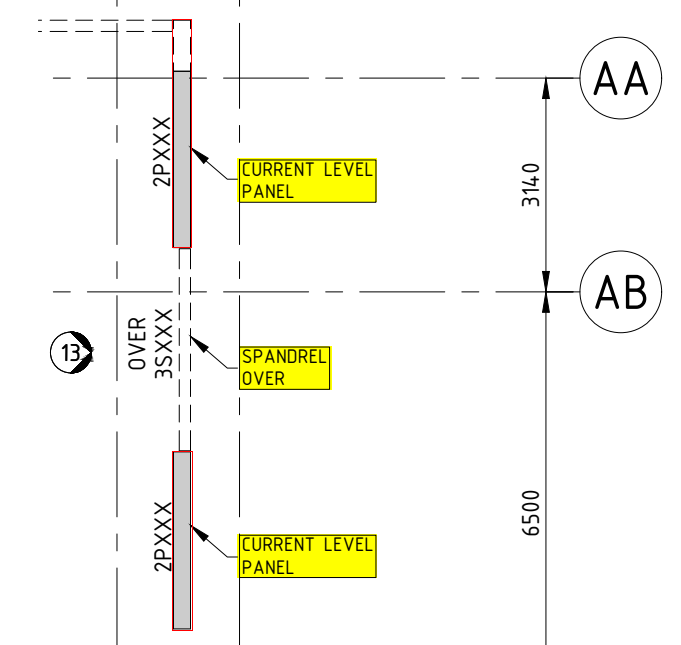
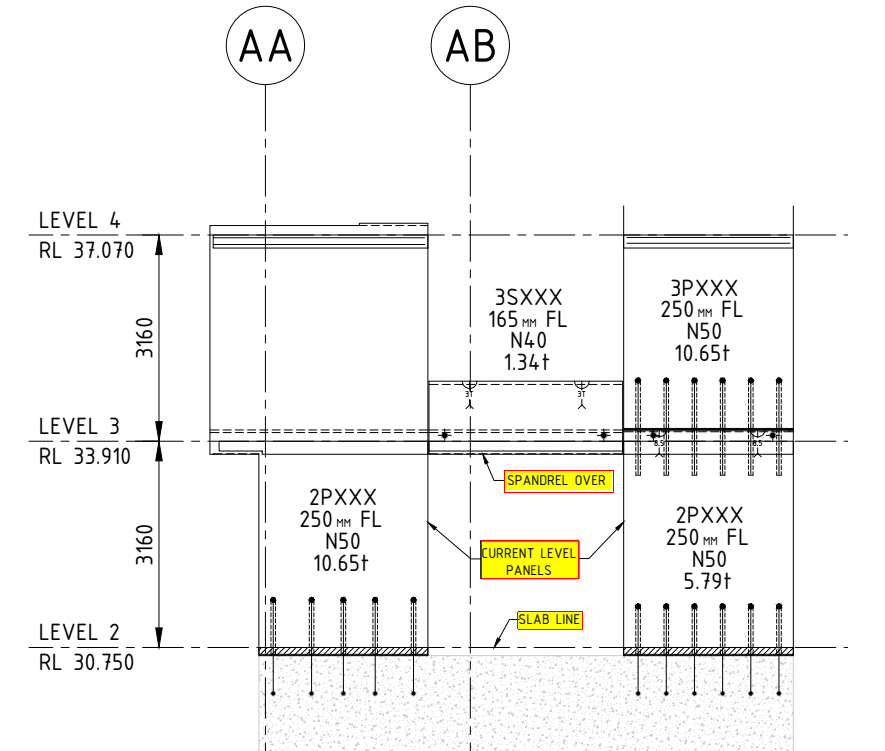
    • When preparing marking plans, we need to show all spandrels set-outs on the plan layout that are fixing into the slab over. (Refer Fig.01 & 02)
    • It will help to find out which spandrel comes at level above.
    • While scheduling the current level panels, mean time it will helps to scheduling the above level spandrels.
    • And, it will help to manufacturing and erecting the spandrels with lower-level panels at same time.
    • For site crews, they also aware when pouring slab and erecting panel sequence without any time delay on site with reference marking plan.
    • It will reduce time consumption to plan for both manufacturing and erecting panels.
      Fig. 01 (Snap for Reference Marking Plan)


    Fig. 02 (Snap for Reference Elevation)

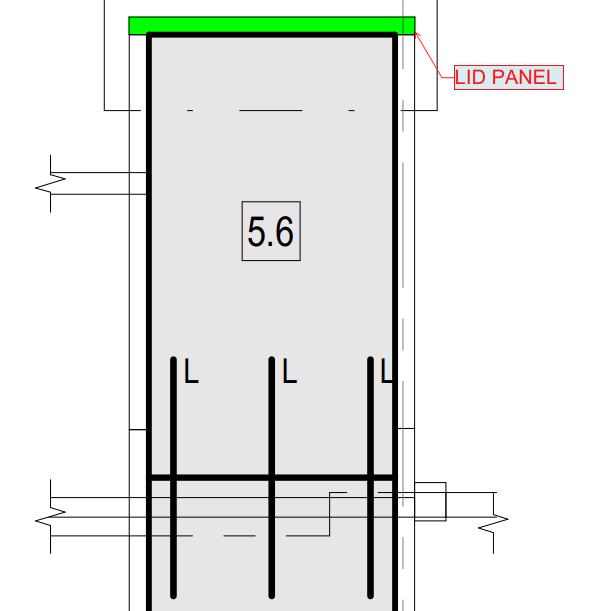
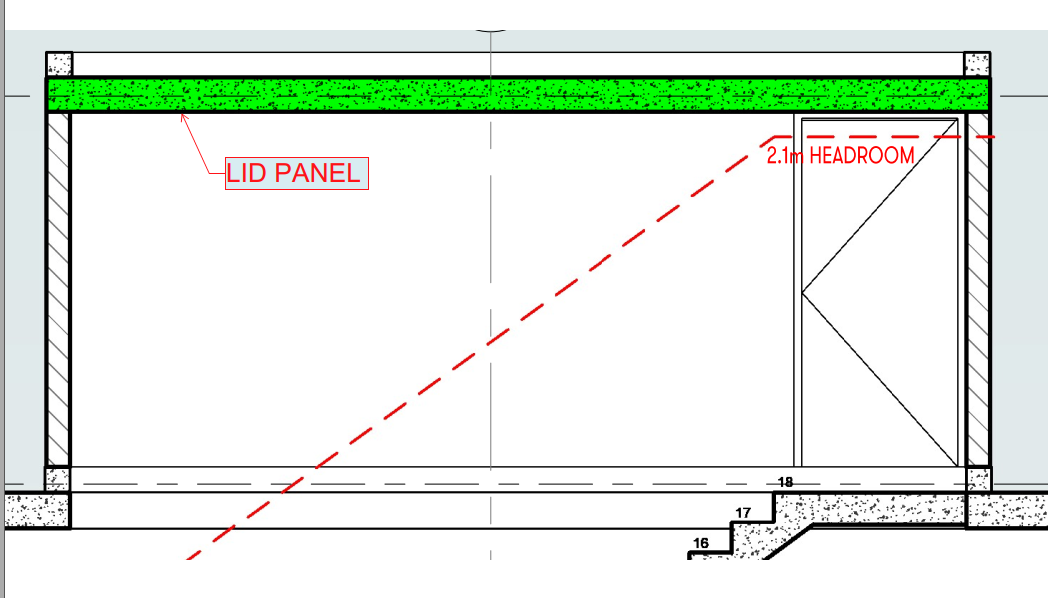
  • CONSIDERATION OF PRECAST LID SHOP DWGS

    The purpose of LID panel:

    LID panels are most commonly used for covering up the openings on building roof areas and also some inner part of the building where the precast slab is required. It can be seen in locations like lifts, stairs, water tanks, etc.

    LID PANEL ON LIFT

    LID PANEL ON STAIR

    Manufacturing consideration of LID panels:

    • Viewing direction of the lid panel is either plan view or view from below. Depending on consideration of manufacturing difficulties and near face finish and different profile requirements, it may change as vice-versa.
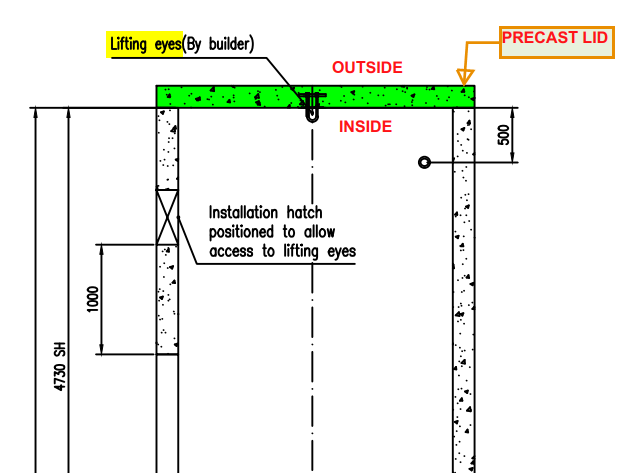
    • If lifting eye/ hook is projecting outside of lid means, we have to view the face with lifting eye as near face for manufacturing purposes. (Refer lifting hook/eye elevation view)
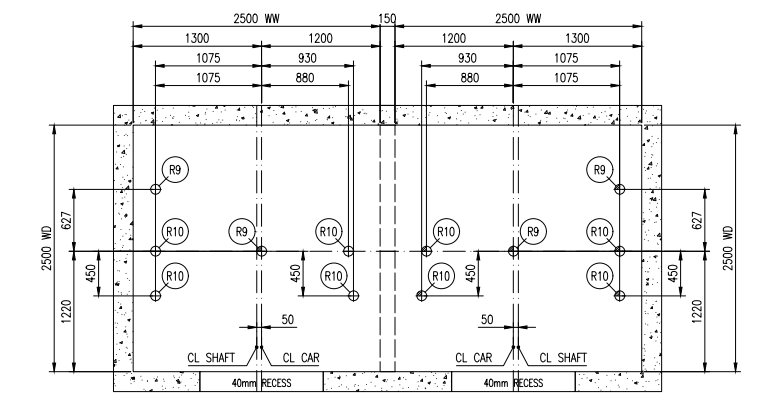
    • In lift lid, lifting hook/ lifting eye needs to be provided if it needs to be cast in the lid. Lifting hook detail normally given in lift drawing. (Refer lifting hook/eye placement plan view)
    • We can provide face lifters and either top or side lifters used for erection, lifting off table and transportation purposes.
    • Face lifters were used for installation of the lid on site. Whether its need to be near face or Far face is decided by viewing direction.
    • Bottom connection of lid most likely by grout tube to its lower panel or In-situ.

    LIFTING HOOK/EYE ELEVATION VIEW

    LIFTING HOOK/EYE PLACEMENT PLAN VIEw

  • Difference between Normal Table and Tilt up Table

    General Details about table:

    • Tables are used for fabrication of precast panels in factories or yards with good quality, finish, curing and low time consumption.
    • Different types of materials used for tables like timber, aluminum and steel. But steel is mainly used for tables because it’s good for repetitions, gives good vibration to concrete, it’s not easily damaged and tables do not expand when it’s wet, etc.
    • The cleaning process is also easily done for steel tables with the help of air blowing or cotton waste.
    • In the yard there are different types of tables used for fabrication.
      For example normal fabrication tables and tilt up tables.

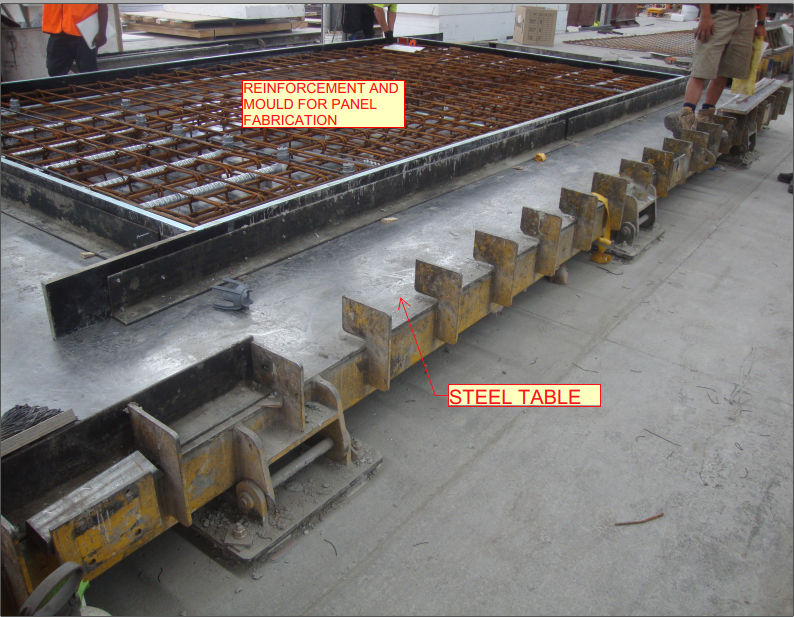
    Normal table:

    • Normal tables are mainly used to fabricate most of the precast panels.
      (Refer Fig 1)

    Fig 1

    • Advantages:
    • Normal tables will not take more manpower for cleaning and fabrication of precast panels.
    • The maintenance is easy
    • The cost is low when compared to other types of table.
    • It can easily fix where we need to fabricate the panels.
    • It will be fixed on the floor, so the visibility of the table is good for all.
    • Disadvantages:
    • It’s not suitable for doors or big opening panels. Because in case of lifting panels it may break.
    • Normal table needs additional lifting support.

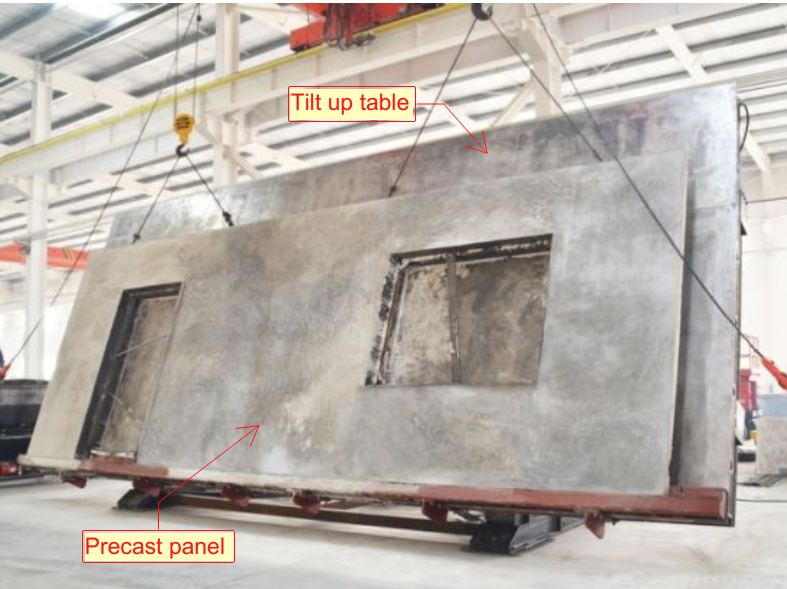
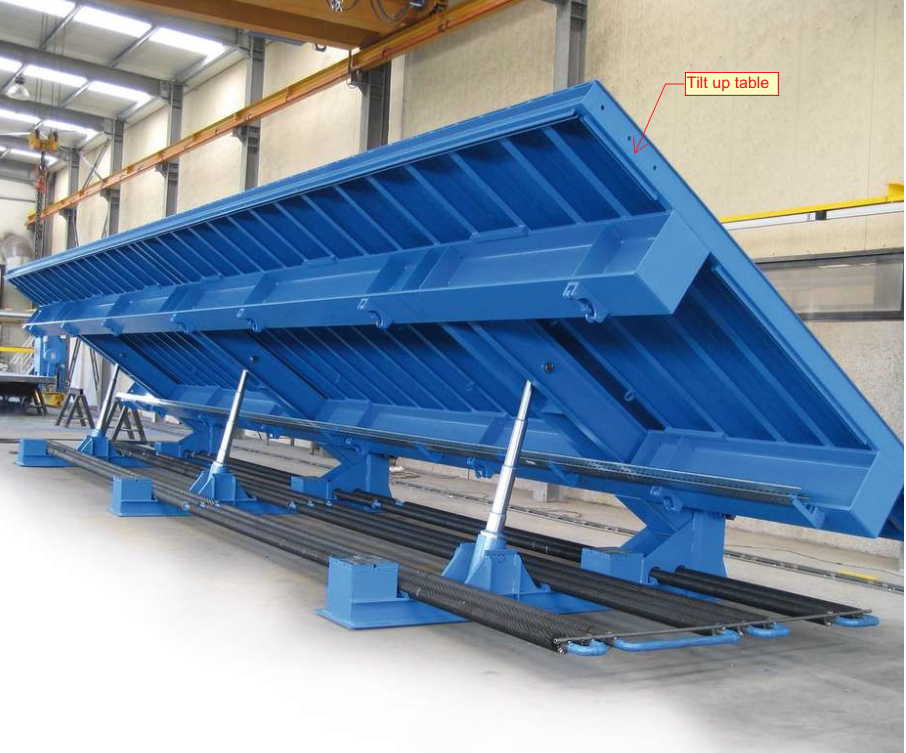
    Tilt up table:

    • The tilt up tables are mainly used for Doors and big opening panels and also other types of panels. (Refer Fig 2 & 3)
    • The tilting process allows the precast concrete element to be removed safely and without damaging it.
    • The titling tables are designed in particular for mobile use and can be quickly transported from the yard.
      Fig 2


      Fig 3

    • Advantages:
    • This table is good for fabricating and lifting the door, opening type of panels.
    • Hydraulic Tilt up Tables reduce manufacturing time because it’s not require more pouring time to lift the panel from table.
    • Vibration technology based operation ensures qualitative compaction of concrete and a consistency in quality.
    • It’s very high level of concrete compacting with low noise.
    • Minimal costs when transporting the tilt up table.
    • Disadvantages:
    • Manpower is necessary and also needs knowledgeable people for handling.
    • The maintenance is difficult
    • The cost is high
    • It’s not movable, so we need to collect materials at a nearby table.
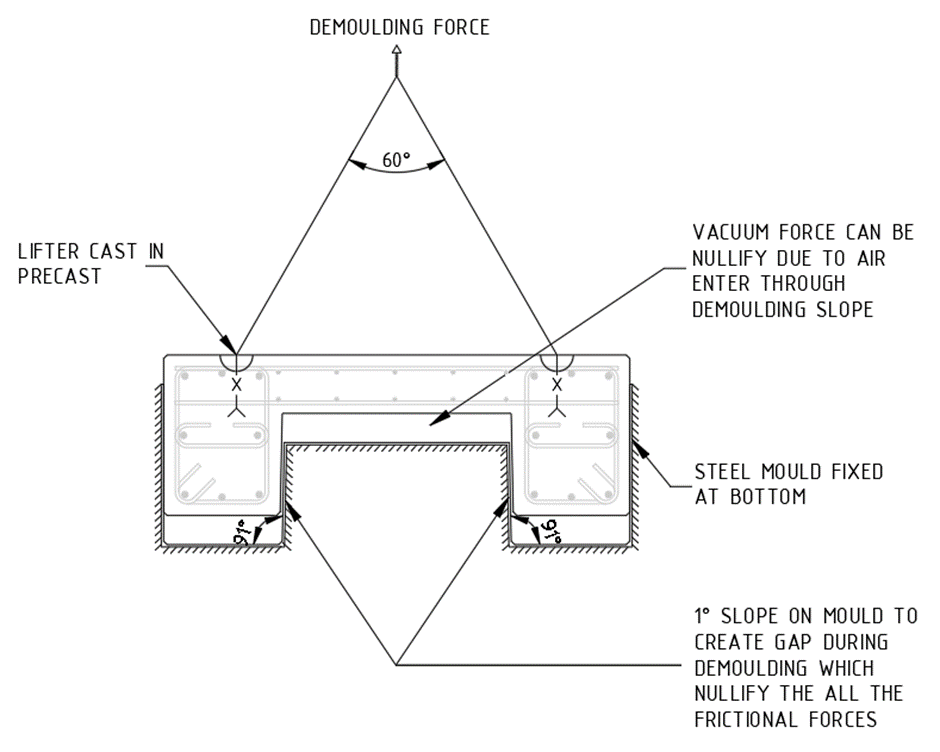
  • DEMOULDING SLOPE

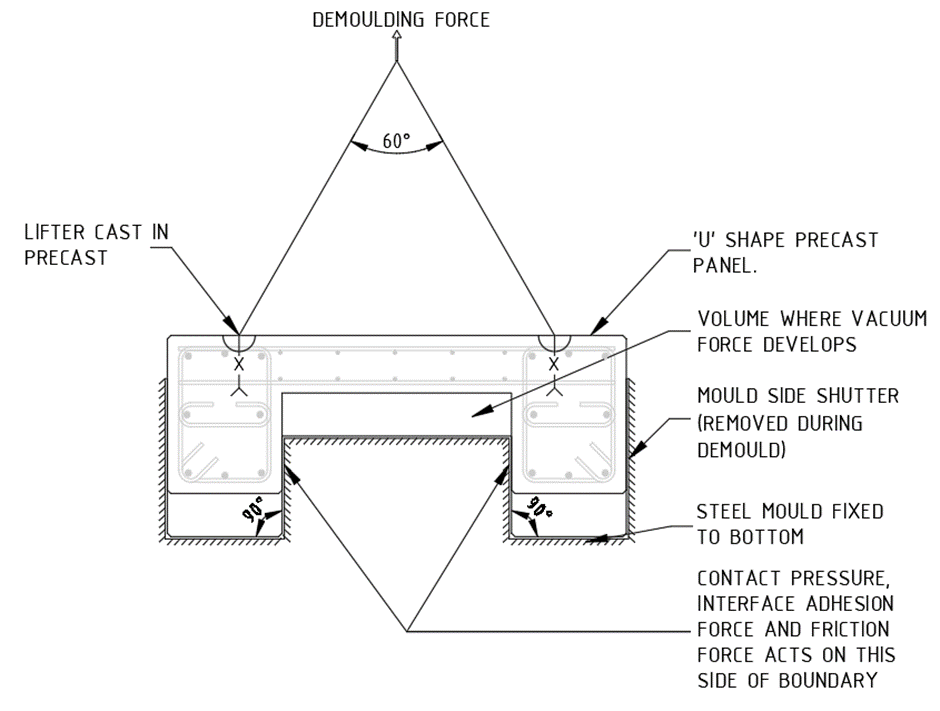
    Demoulding of precast member without damage to either the components like lifter or mould is critical to successful replication process for the particular complicated design. During mould design, the designers concentrate to make minimum draft (nearly 10 ) on mould to wherever the possible  to minimize demoulding force and resultant stress on lifters and prevent on weaker part of the precast member.

    For Example,

    CONTRIBUTORS DURING DEMOULDING WITHOUT SLOPE

    The above picture shows influencing factors for demoulding force. In this case the resultant DEMOULDING forces like vacuum & friction (Area of contact, Coefficient of friction & Normal contact Pressure) along with self-weight of precast will increase demoulding force. If the demoulding force exceed the lifter capacity limit leads to fail the lifters. So, we can’t able to lift this precast member. To eliminate this type of failure. We need to provide slope where contact pressure or interface adhesion develop.

    CONTRIBUTORS DURING DEMOULDING WITH SLOPE

    The above picture shows the effect of demoulding slope. Where the 10 slope didn’t affect too much the original shape of precast, but considerably minimize the demoulding force. The slope reduces the frictional force & provide passage to air enter where vacuum force develops.

  • CONCRETE WITH SPECIFICATION DIFFERENCE (N & S)

    CONCRETE:

     (AS 1379 Specification and supply of concrete) A mixture of Cement, aggregates and water with or without the addition of chemical admixtures or other materials.      

    Cement: (AS 3972 Portland or blended cement) A hydraulic binder composed of Portland or blended cement used alone or in combination with one or more supplementary cementitious materials.

    Concrete is defined as follows,

    • Plastic concrete:

    Concrete in the state between completion of mixing and initial set as defined in AS 1012.18 Methods of determining setting time of fresh concrete, mortar and grout by penetration resistance.

    • Hardened concrete:

    Concrete after initial set, as represented by test specimens that have been subjected to a specified process and duration of curing.

    • Normal- Class Concrete:

    Concrete that is specified primarily by a standard compressive strength grade up to 50 MPa and otherwise in accordance with Clause 1.5.3.

    • Special- Class Concrete:

    Concrete that is specified to have certain properties or characteristics different from, or additional to, those of normal-class concrete and otherwise in accordance with Clause 1.5.4.

    SPECIFICATION OF CONCRETE:

    Concrete shall be specified,

    (a) as either

    (1) Normal-class(N), or

    (2) Special-class(S), or

    (b) By strength grade or other readily verifiable parameter by which compliance with the specification can be assessed.

    NOTE: Standard strength grades should be specified wherever possible.

    • NORMAL-CLASS CONCRETE:

    Normal-class concrete shall be specified only by the parameters given in Clause 1.5.3.2(Basic parameter), and shall have the following attributes:

    • A mass per unit volume in the range 2100 kg/m3 to 2800 kg/m3 when determined in accordance with (AS 1012.12.1 Determination of mass per unit volume of hardened concrete) in the saturated, surface-dry condition.
    • Acid-soluble chloride and sulfate contents within the limits given in Clause 2.7, when determined in accordance with Clause 5.5.2.
    • A shrinkage strain not exceeding 1000 × 10−6, when determined in accordance with Clause 5.6 after 56 days drying.

    NOTE: This maximum value of 1000 × 10−6 is consistent with the use for design purposes of a median basic shrinkage strain value of 850 × 10−6.

    • A mean compressive strength at 7 days, assessed in accordance with Clause 5.7, of not less than the values of Grade designation for N20-9MPa, N25-12MPa, N32-16MPa, N40-20MPa & N50-25MPa.
    • A cement complying with (AS 3972 Portland or blended cement) alone or in combination with one or more supplementary cementitious materials.
    • No lightweight aggregate as defined in AS 2758.1 Aggregates and rock for engineering purposes Concrete aggregates.

    Basic parameters of normal-class concrete:

    The following basic parameters shall be specified by the customer:

    • A standard strength grade selected from 20MPa,25MPa,32MPa,40MPa, 50MPa,65MPa,80MPa or 100MPa and designated as one of N20, N25, N32, N40 or N50.
    • The slump at the point of acceptance, selected as one of 20 mm, 30 mm, 40 mm, 50 mm, 60 mm, 70 mm, 80 mm, 90 mm, 100 mm, 110 mm or 120 mm.

    NOTES:

    1. The customer should carefully consider that the specified slump of concrete suits the placement method.
    2. For residential slabs and footings, if the slump is not specified by the customer, the specified slump should be considered to be 100 mm.
    3. The maximum nominal size of aggregate, selected as one of 10 mm, 14 mm or 20 mm. Unless otherwise specified, the default value shall be taken as 20 mm.
    4. The intended method of placement, including relevant details of equipment.
    5. If project assessment is required to be carried out by the supplier (see Note).

    NOTE: If unspecified, it will be assumed that project assessment is not required.

    • If required, a level of air entrainment up to a maximum of 5.0%.

    (2) SPECIAL- CLASS CONCRETE:

    Concrete other than normal-class concrete shall be specified by the customer as specialclass and, if applicable, by strength-grade. The parameters and attributes that should be specified for special-class concrete should be as set out listed below with reference to Appendix B and Table B1 on AS1379.

    Special-class concrete commonly has the same basic parameters as normal-class concrete with some additions and(or) exceptions. Parameters or attributes that are different from, or additional to, those of normal-class concrete should be included in specification below. If the requirements of specification for any concrete are inconsistent with those for normal-class concrete then the requirements of specification take precedence for that concrete.

    Where any parameter other than strength grade requires the specification of a special-class concrete, or the proportions of the mix are specified, the concrete should be identified by an appropriate code agreed to between the supplier and customer that identifies that particular mix.

    Basic parameter for specification of special-class concrete:

    • It is recommended to select from standard strength grades of S20, S25, S32, S40, S50, S65, S80 and S100.
    • Where concrete is specified as special-class and a strength grade is applicable, the strength grade is designated by the prefix:

    S, for compressive strength grades;

    SF, for flexural strength grades; or

    ST, for indirect-tensile strength grades.

    Where concrete is special-class and any property other than strength grade is Specified as the principal criterion, or the proportions of the mix are specified, it is designated by an appropriate alphanumeric code, agreed between the supplier and the customer, to indicate the criterion.

    • Special-class concrete should be subject to project assessment.
    • Certain concrete exposure classifications may require special provisions for aggregate durability (AS 2758.1 Aggregate & Rock for engineering Purposes.)
    • Any departures from the parameters or composition, or both, of normal-class concrete and any other criteria or limitations shall be specified by the customer in consultation with the supplier.

    NOTE: A summary list of several such parameters, some or all of which may be specified for the production of special-class concrete for a project, is given in Appendix B on AS 1379.

    • Other requirements additional to these parameters may be specified.
  • Toongabbie

    3D Fly-Over

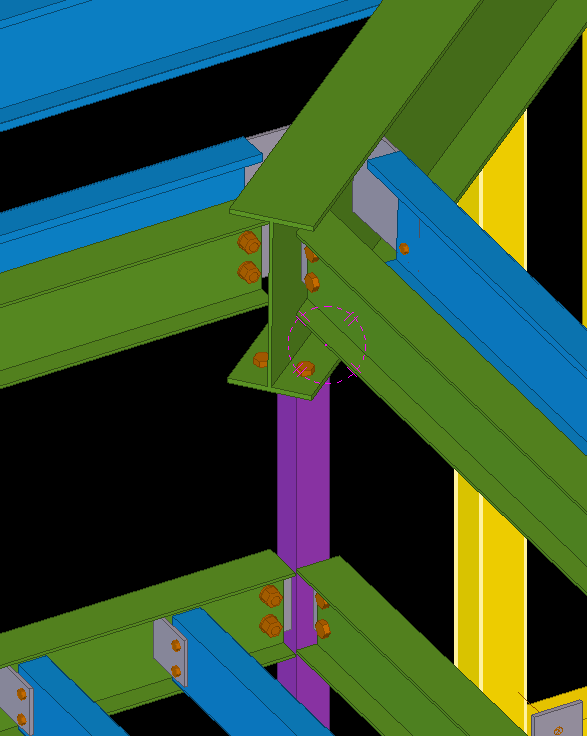
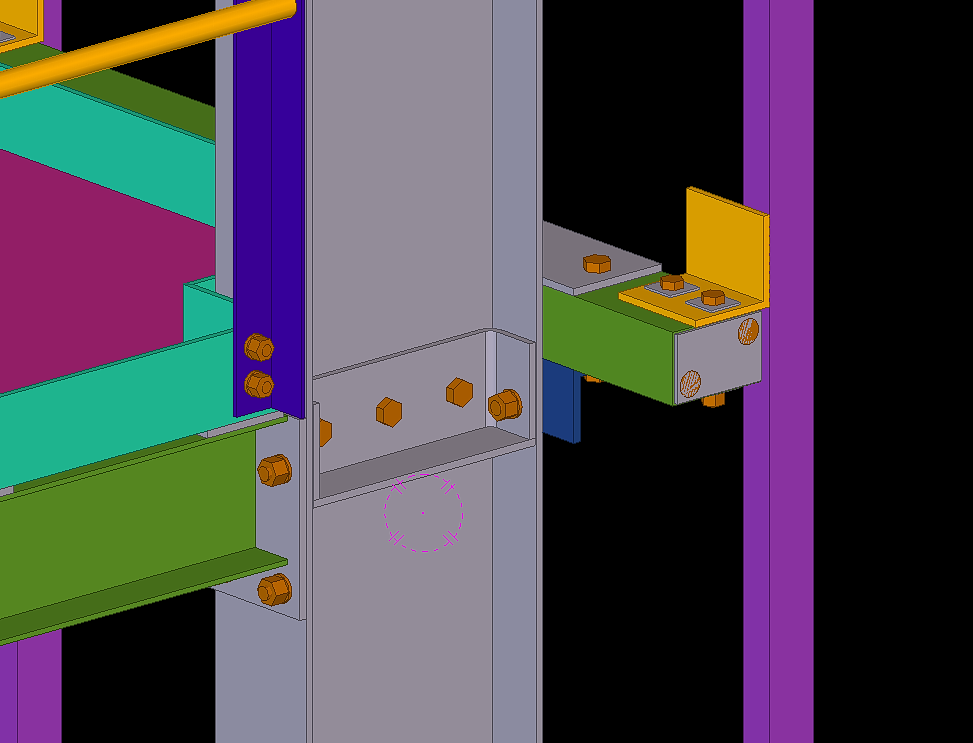
    Find Below Model Snips:

    Blog by Bharath – Tek1.
    Visit www.tek1.com.au for further enquiries.

  • Outdoor Screen

    3D Fly-Over
    Connection Snip
    Connection Snip
    Connection Snip
    Tekla Model Snip
    3D Snip

    Blog by Bharath – Tek1.
    Visit www.tek1.com.au for further enquiries.