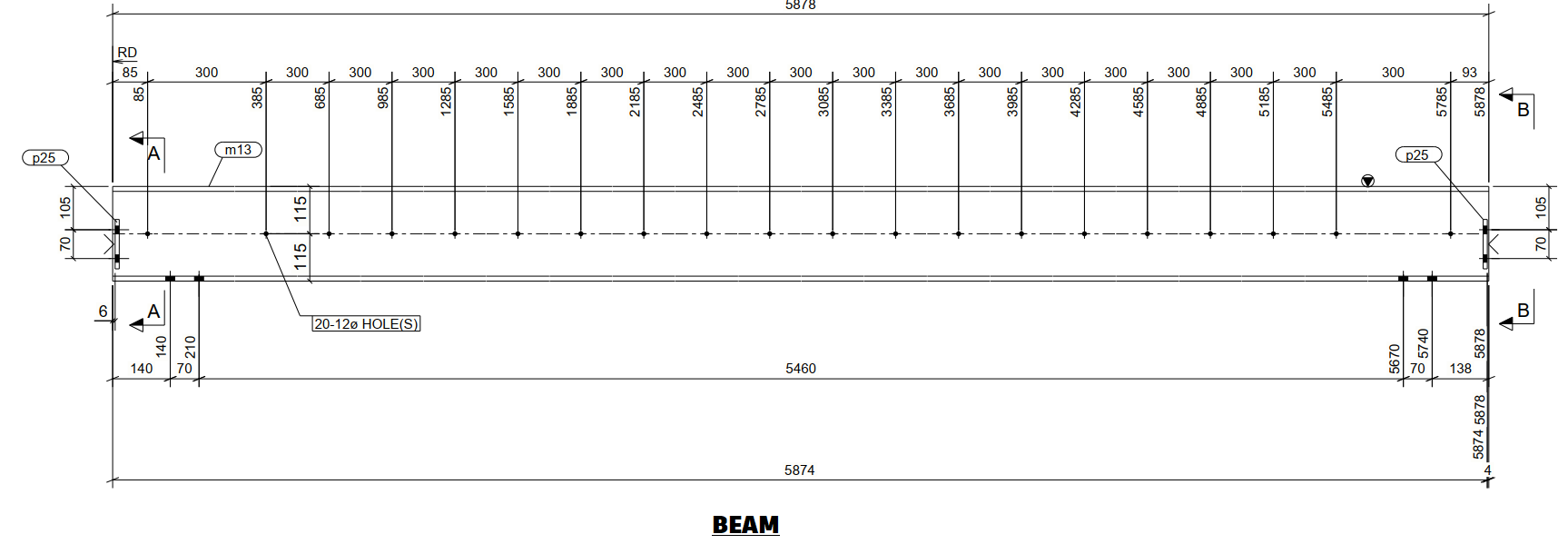
This means that they they can only be transported outside business hours – big trucks will slow down traffic.
Also you need a special crane to lift such large beams into place. They ain’t cheap: $600 per hour. And remember, you cannot just hire it for one hour, you have to hire it for an entire day / week.
If there’s a problem with the cleat, then you might find it difficult to fix on site. This means you have to bring the beam back down to the ground. Where are you gonna keep it?
Are you going to send the truck away? Of course not – you’ll need the truck.
And you’ll need the crane for an extra day.
And you’ll need to pay overtime rates.
……..so the question is, if something goes wrong, who’s carrying the can?
What should you do?
Make sure everyone’s on the same page. Seek an approval from the engineer. When everything’s fine, then party keeps going. But when there’s a mistake, and huge costs, and liquidated damanges, fingers will be pointed.
Addressing Design Discrepancies in Fixing Timber Wall to Steel Structures: An RFI Necessity
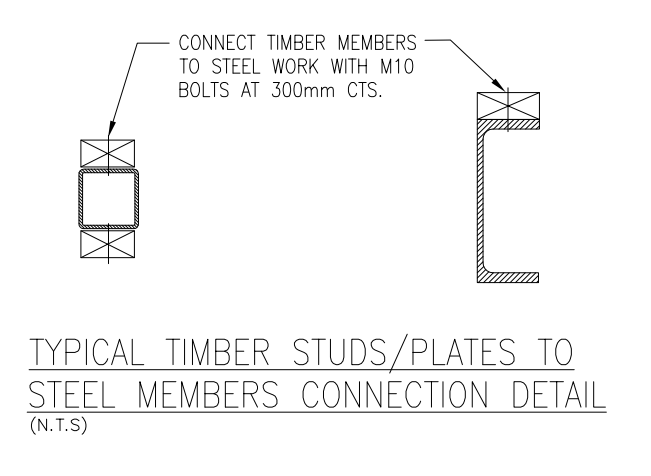
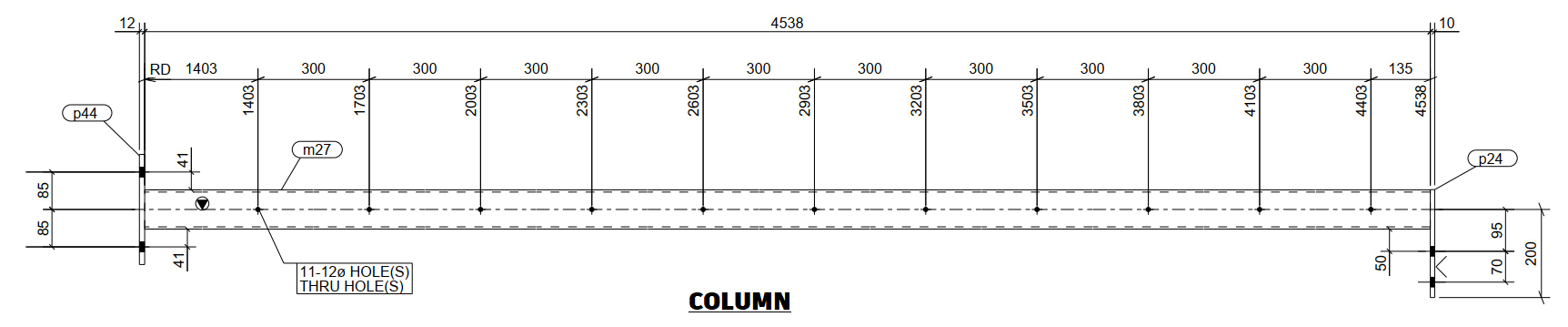
When it comes to construction projects, precision and adherence to design specifications are critical. However, sometimes, practical considerations highlight the need for adjustments to those specifications. One such scenario involves the fixing of a timber wall to steel SHS columns and beams, where the original design calls for M12 bolts spaced 300 mm on centers.
The Issue with 300 mm Spacing
While the design specifies M12 bolts at 300 mm centers, this spacing is notably narrow for this type of application. Typically, such close spacing is reserved for situations where exceptional load-bearing capacity or additional structural support is required. In this context, a spacing of 600 mm on centers would be more than sufficient to secure the timber wall effectively, without compromising structural integrity.
The concern with the 300 mm spacing is not just overengineering but also the practical implications on the job site. Implementing such close spacing requires more materials, labor, and time, leading to increased costs and potential delays. Moreover, drilling excessive holes into steel SHS columns for fixing purposes could weaken the structural integrity of the columns, which is an outcome that must be avoided.
Alternative Solution: Gun-Fixing the Studs
Given that the primary objective is to secure the timber wall to the steel structure, an alternative approach could be considered. Gun-fixing the timber studs directly onto the steel columns, without the need for drilled holes, is a viable option. This method is not only faster but also maintains the strength of the steel columns by avoiding unnecessary perforations.
Raising the Issue: The Importance of an RFI
Before proceeding with the job, it is essential to address this issue through a Request for Information (RFI). An RFI will formally document the concern regarding the overly narrow bolt spacing and propose the alternative method of gun-fixing. By raising an RFI, the project team can seek clarification and approval from the design engineers or the client to adjust the specifications accordingly.
This step ensures that all parties are aligned, and any modifications to the original design are officially approved, reducing the risk of rework or disputes later in the project. It also demonstrates due diligence and a commitment to delivering a project that is both cost-effective and structurally sound.
Conclusion
In summary, while the original design calls for M12 bolts at 300 mm on centers to fix the timber wall to steel SHS columns and beams, this spacing is unnecessarily narrow. A 600 mm spacing would be sufficient, and an alternative method of gun-fixing the studs to the columns should be considered. Before commencing work, this issue must be addressed via an RFI to ensure that all stakeholders are in agreement and that the project proceeds smoothly and efficiently.
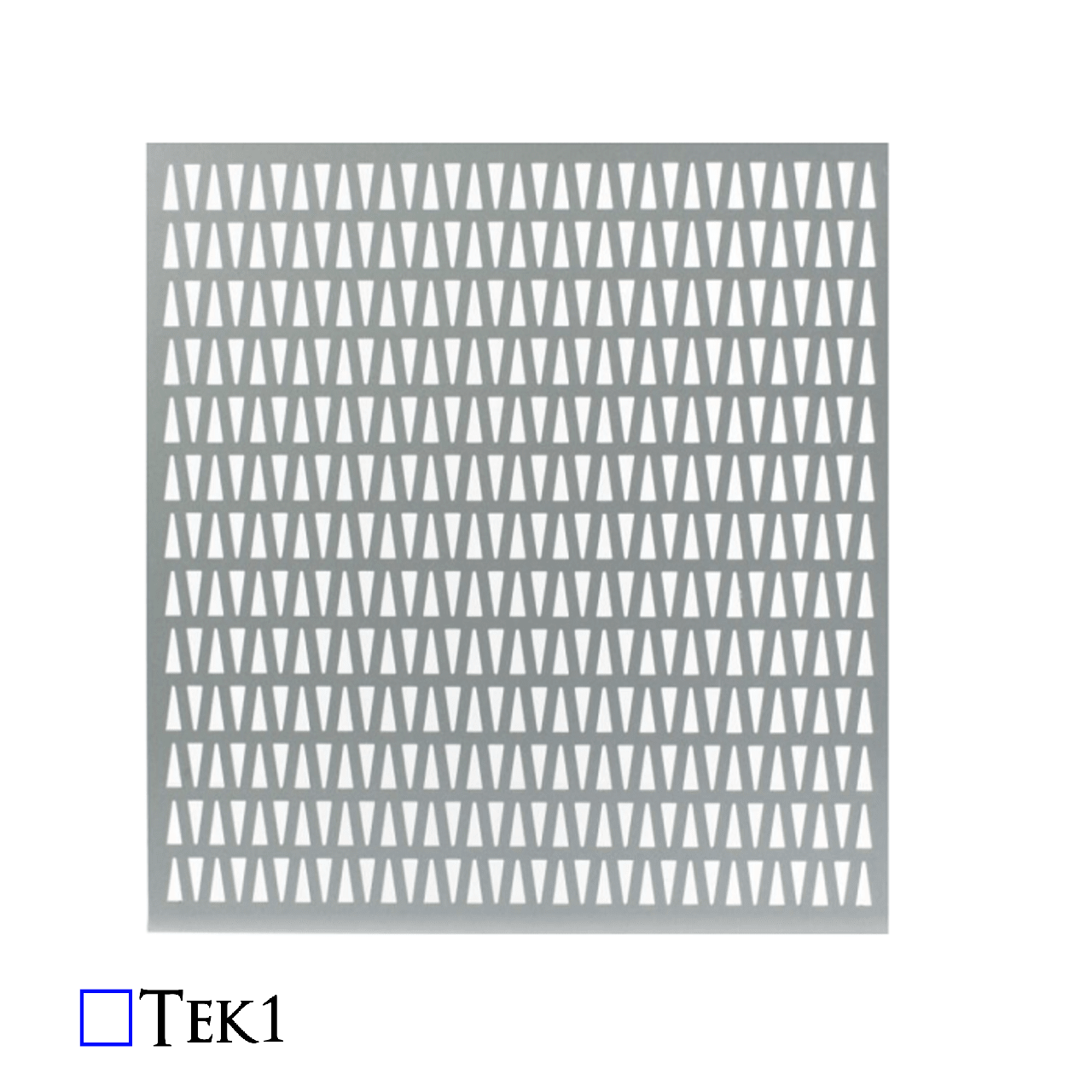
When working with elements like cladding plates, balustrade infills, decorative panels, and chequer plates, the approach to modelling them differs significantly from that used for standard structural plates. Ensuring accuracy in these cases hinges on a thorough understanding of working points and the rotation property, which are essential for ensuring the correct orientation of the visible side when generating drawings or DXF files.
Understanding the Critical Role of Working Points
It might seem simple to assume that these sheets can be flipped or rotated as needed after they are cut. However, this is a common misconception that can lead to significant errors during fabrication. The key to avoiding such issues lies in setting up the working points correctly, particularly when dealing with intricate designs or surface finishes.
The Importance of Proper Rotation
Take a stair panel, for example. If the panel features any patterns or surface differences, the working point must run in the direction from left to right when facing the stair panel. Additionally, the rotation must be set to either “top” or “front”—never “bottom” or “back.” This ensures that the visible side of the panel is correctly positioned.
Symmetry Doesn’t Eliminate the Need for Attention
Even in cases where the pattern is symmetrical or there appears to be no pattern at all, the orientation of the face of the sheet is crucial. It’s easy to think that since the machine will cut the plate according to the DXF file, it doesn’t matter how the drawing is flipped or rotated. However, this is where problems can arise.
Avoiding Aesthetic Imperfections
During the cutting process, the machine can leave minor marks on the material. These marks are typically left on the non-visible side of the sheet. Therefore, it’s critical to feed the sheet into the machine with the correct side facing outwards. If not, the marks could end up on the visible side, compromising the aesthetics of the final product.
Conclusion: Precision is Key to Quality
Proper modelling and careful consideration of working points and rotation properties are essential when dealing with cladding plates, balustrade infills, decorative panels, and chequer plates. By ensuring the visible side is correctly oriented from the start, you can avoid costly mistakes and ensure a high-quality finish.
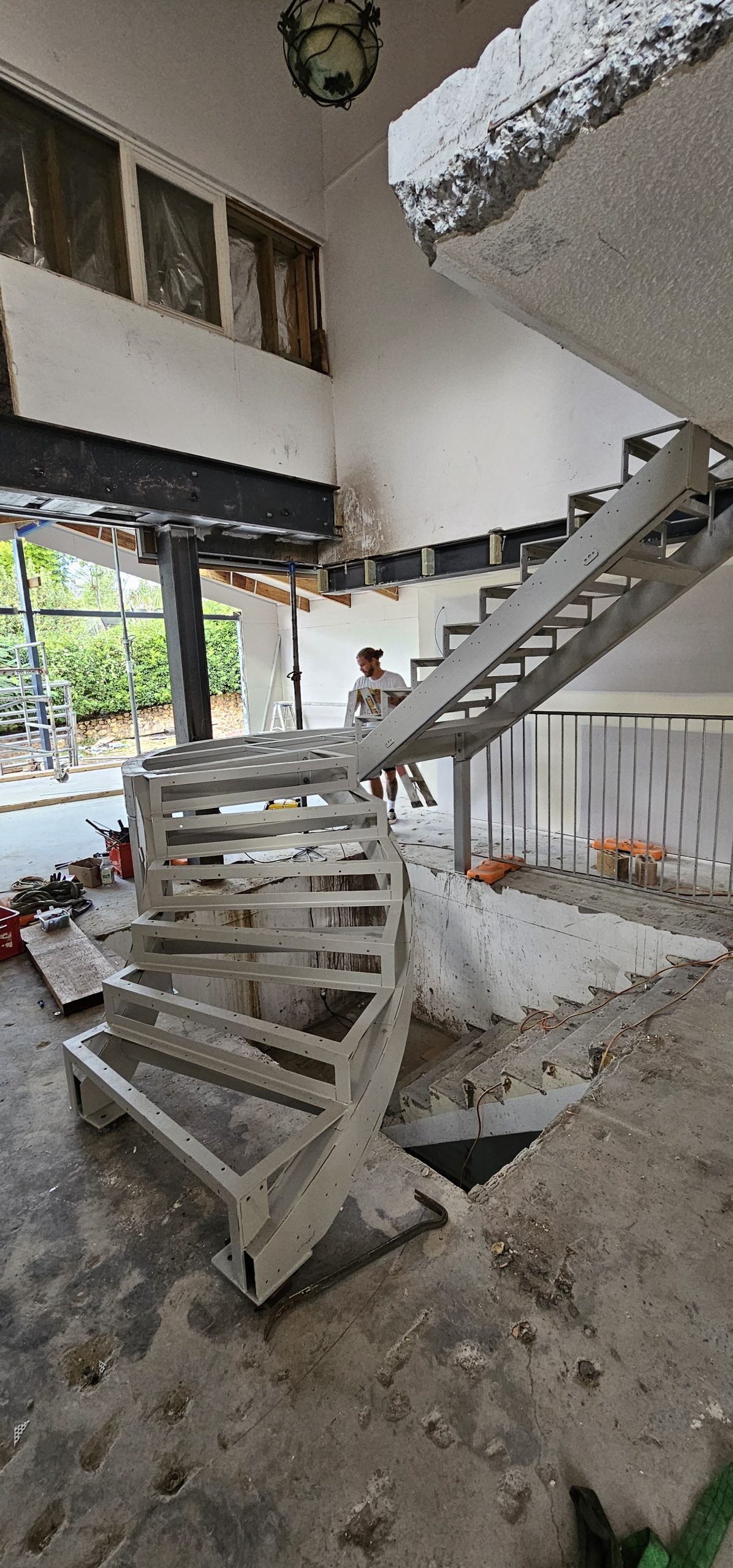
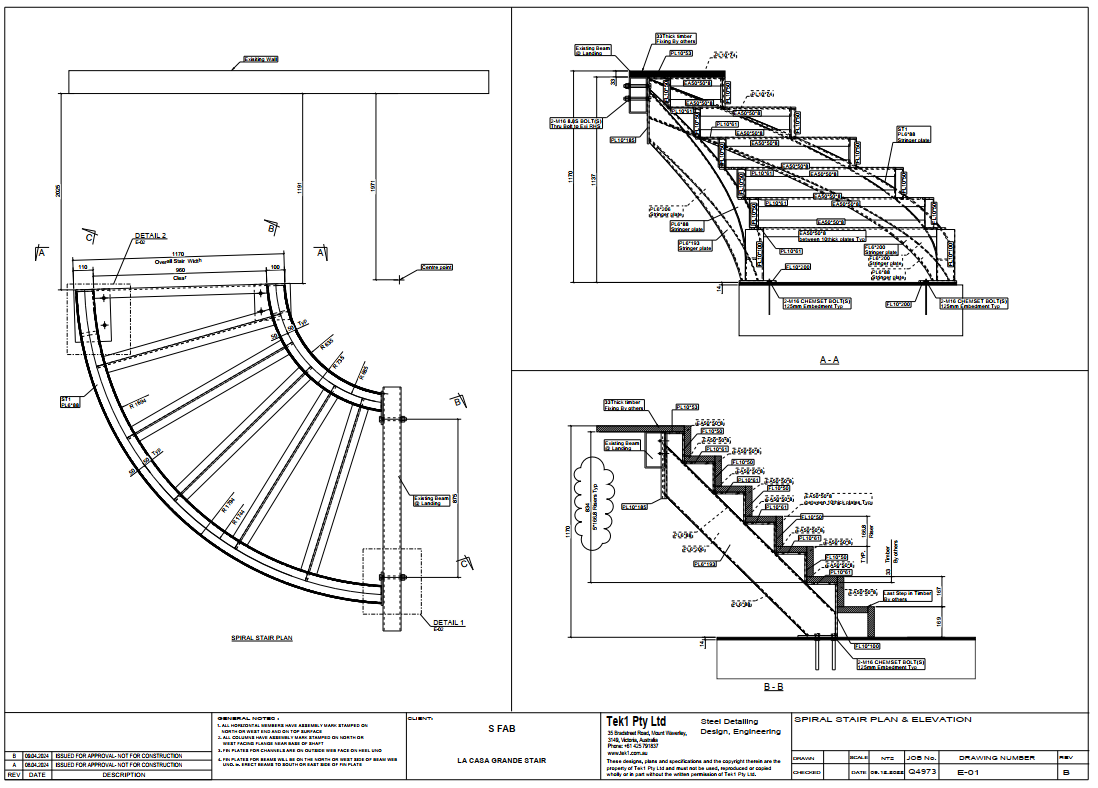
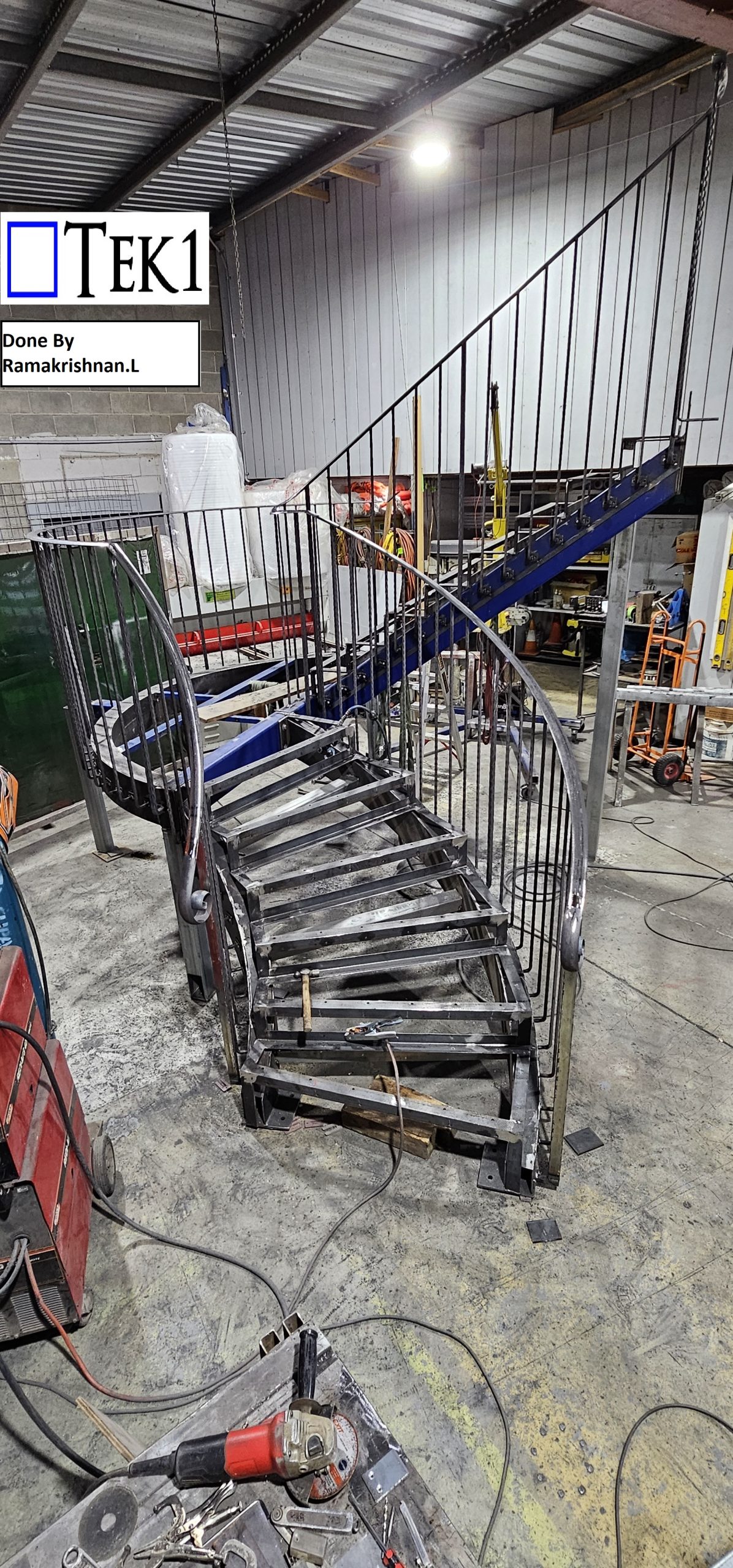
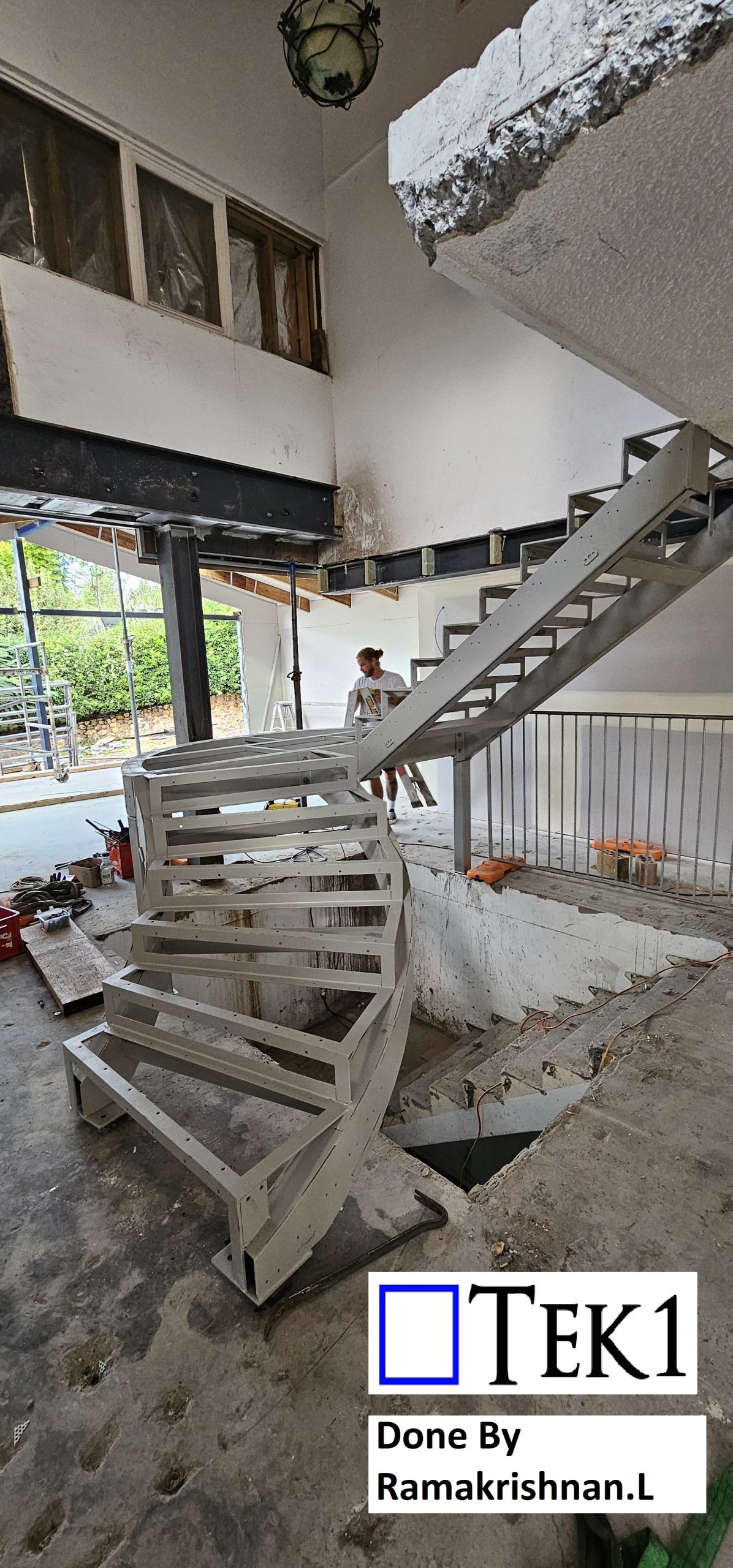
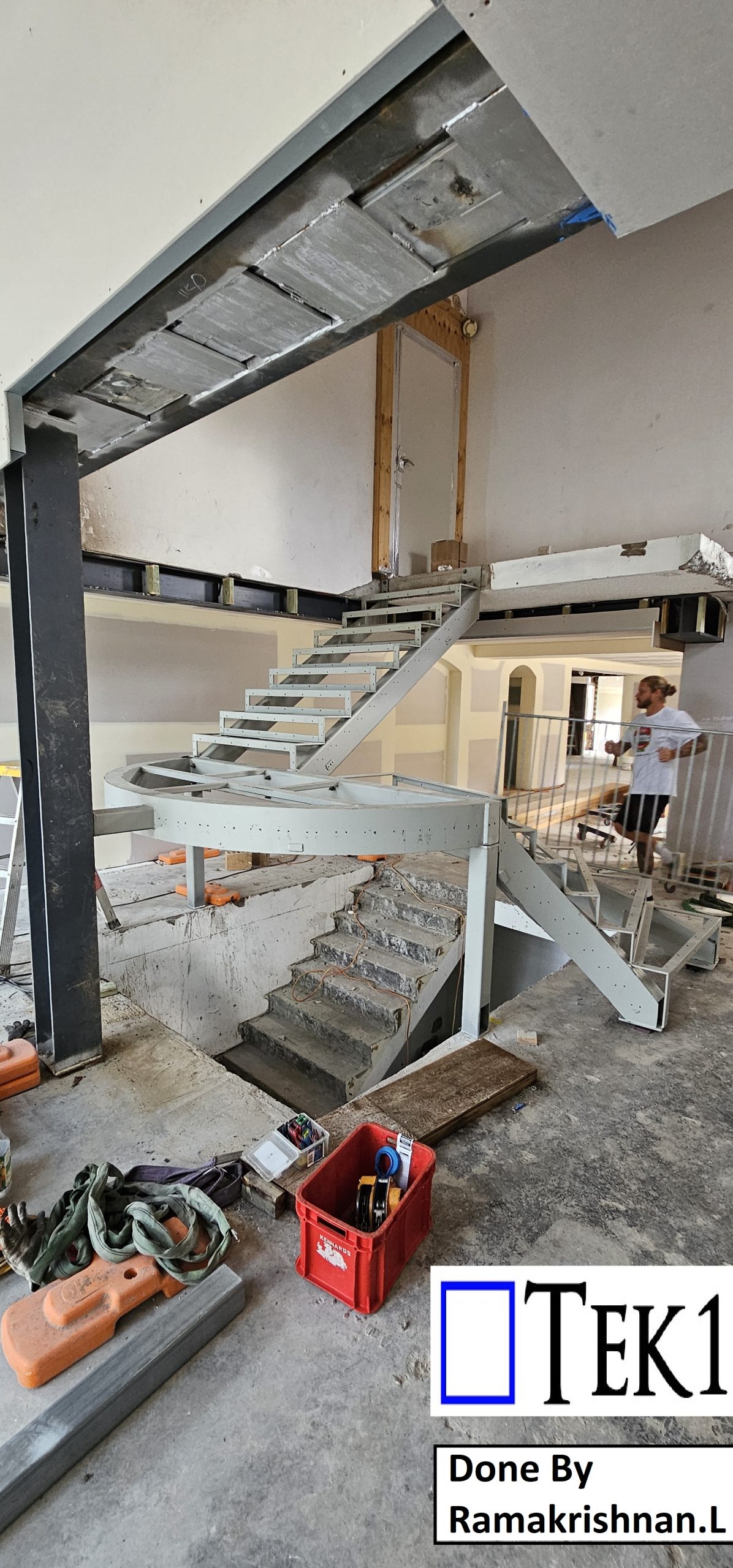
We are pleased to inform you that TEK1 has accepted the task of detailing the spiral plate-formed RHS stringer stair as requested by our client. Our team is well-equipped to handle this design, ensuring that all details meet the highest standards.
At TEK1, we have consistently provided top-notch miscellaneous steel detailing services to our esteemed clients, adhering to all relevant codes and standards. We are committed to delivering precise and reliable shop drawings tailored to your needs.
Should you have any queries related to miscellaneous steel shop drawings, please do not hesitate to contact us. We will promptly provide you with the necessary answers and support.
For any steel shop drawings you require for an ongoing project, feel free to reach out to Koshy at (03) 9560 6397 or +61 3 9560 6397.
Changes were required on the project necessitating variations – at double the cost of the original quote!
When this happens, it is ESSENTIAL that you call the client before you put in your variation documentation.
Why?
The client will suffer from “sticker shock” after he sees your price.
“Sticker shock” means that the client will be so surprised, and shocked, that he will fall off his chair.
The client will lose trust in you.
The client will try to negotiate everything down.
What should I do instead?
Call the client and say that the changes are huge.
Do not send variation documentation before addressing the “sticker shock issue”.
We cannot and do not negotiate on prices.
Going forward clients can choose between: (i) a fixed price quote – where we take on-board the risks of an infinite amount of variations, or (ii) where we charge variations but come in at a lower price.
In the realm of steel detailing, it’s not enough to simply follow design drawings and IFC models. As detailers, a thorough understanding of general standards is crucial to ensure accuracy and compliance.
The Importance of Standards
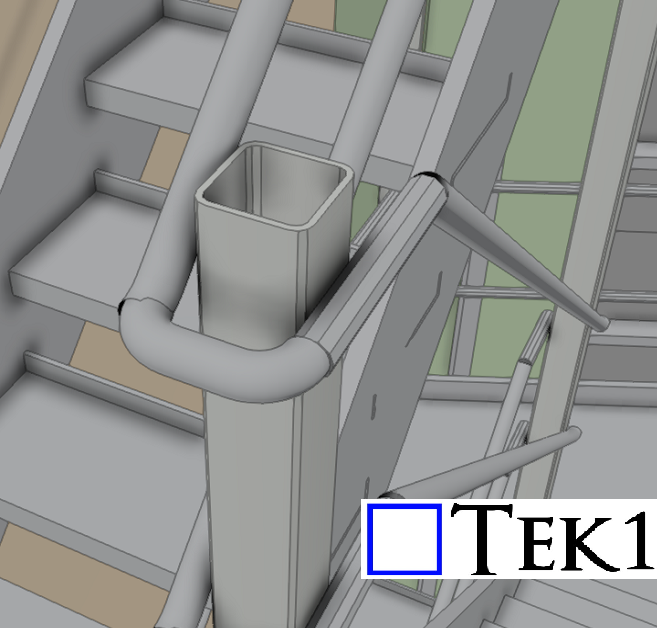
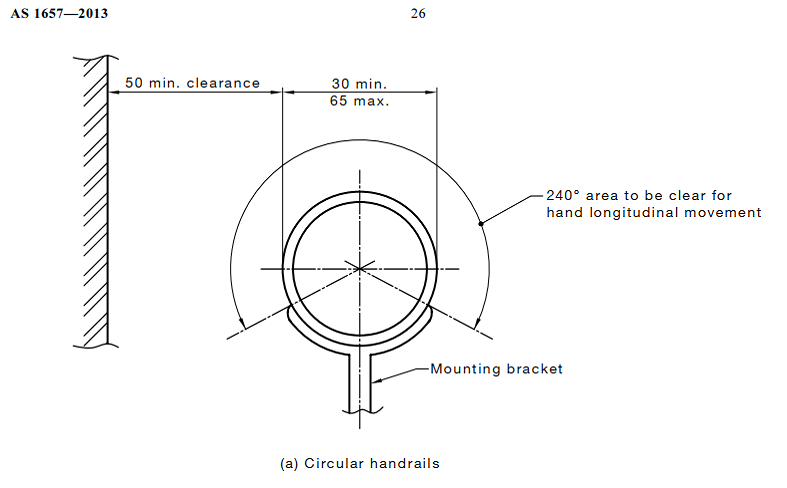
For instance, consider the Australian stair standards AS1657, which require a clear handrail area of 240° with a minimum clearance of 50mm. In the example below, the designer overlooked this standard, focusing solely on structural aspects without accounting for necessary clearances.
Identifying and Addressing Errors
As detailers, it is our responsibility to identify such discrepancies. In this case, the handrail does not meet the required clearance standards, which could lead to safety issues and non-compliance.
When we encounter designs that do not meet standards, it’s essential to raise queries with the client. This proactive approach ensures:
Compliance with Standards: Adhering to necessary safety and design standards.
Cost and Time Efficiency: Preventing costly rework and project delays. Enhanced Quality: Ensuring the final product is safe, functional, and compliant.
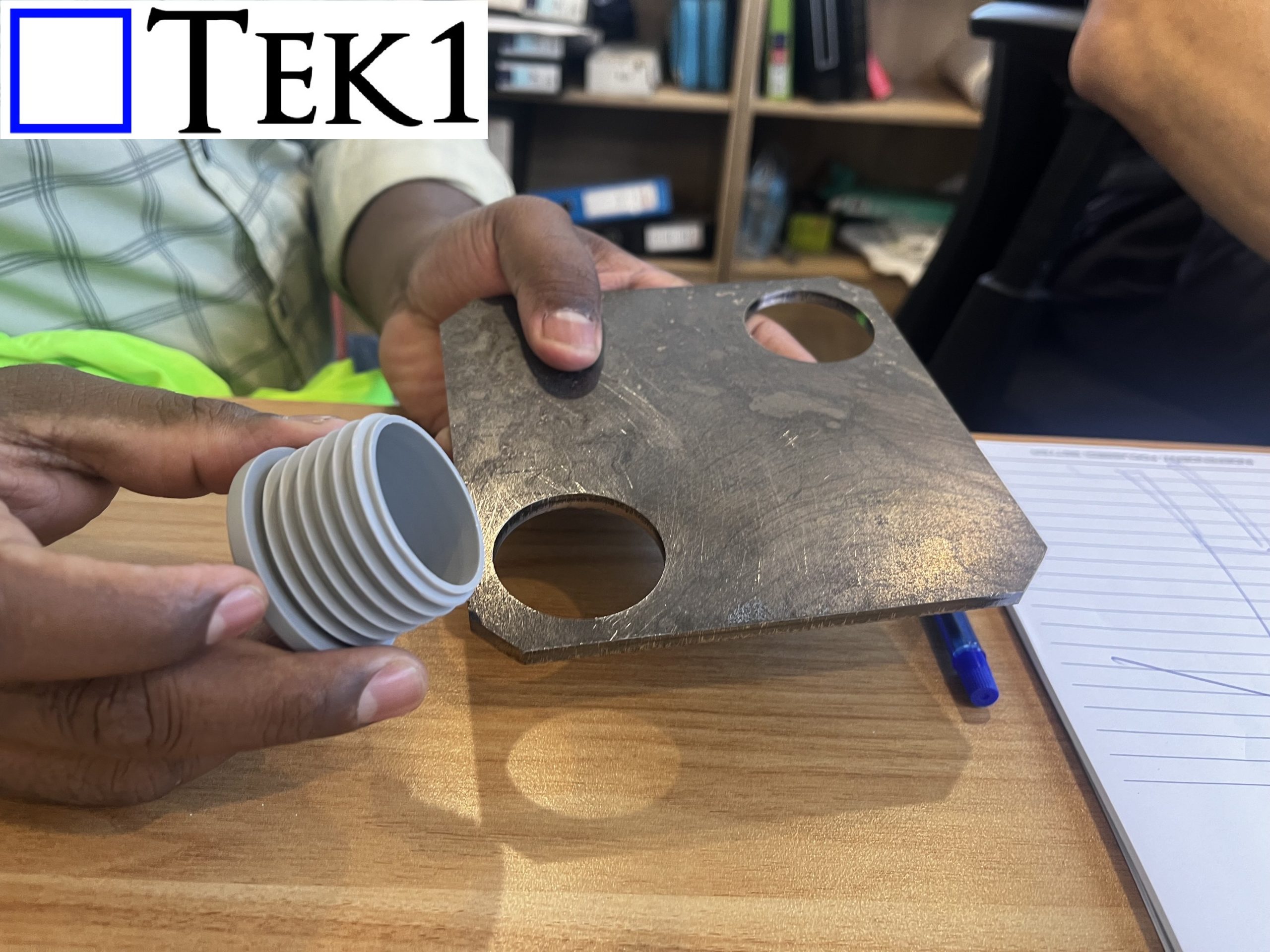
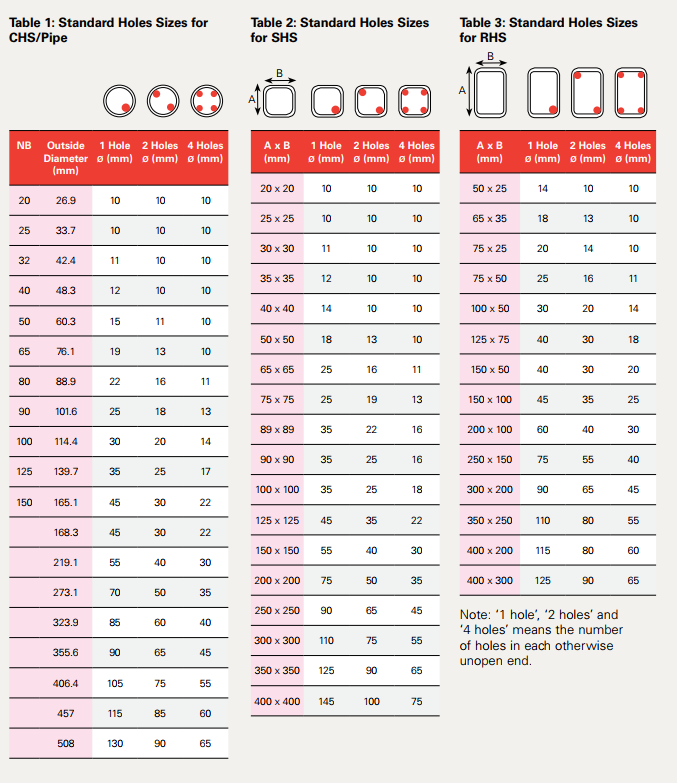
During a recent client visit, we encountered an issue with the size of galvanizing holes. In Australian detailing, we typically use a standard catalogue for specifying galvanizing holes. We followed this standard and provided the holes in the end plate accordingly.
However, the client pointed out that the caps used to seal these holes after the galvanizing process did not fit. This was the first time we faced this issue, and it highlighted a crucial point.
Key Takeaway
When providing galvanizing holes, it’s essential to confirm the hole size with the client rather than relying solely on the standard catalogue. This approach ensures compatibility with the caps used and can save a significant amount of money by preventing rework.
By aligning specifications with client requirements from the outset, we can avoid similar issues in the future and ensure a smoother project execution.
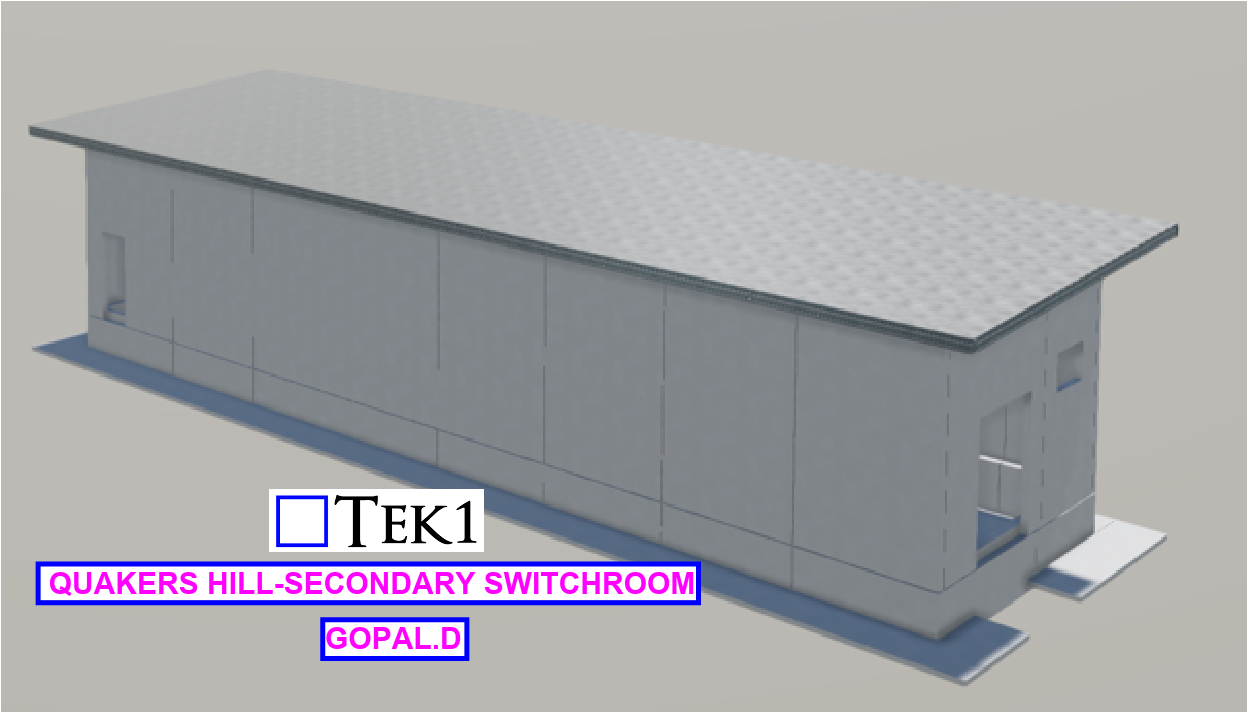
When it comes to construction, the integration of different materials and components is crucial for the success of any project. Steel detailing, particularly when combined with precast concrete, involves intricate planning and coordination. In the case of the Quakers Hill Secondary Switch Room, this integration posed potential challenges that were efficiently managed through the collaboration of our teams. This blog post explores how the synergy between steel and precast detailing led to a flawless execution of this project.
The Challenge of Integrating Steel with Precast
Typically, projects involving both steel and precast components require meticulous coordination. Each element, from the structural steel frames to the precast concrete panels, must align perfectly to ensure structural integrity and aesthetic coherence. The complexity increases as each contractor brings their own schedules, specifications, and work processes.
Coordination with Precast Contractors
In many projects, coordinating with precast contractors can be time-consuming. Differences in detailing standards, communication gaps, and timing issues often lead to delays and errors. The precision required in such tasks cannot be understated, as even minor misalignments can lead to significant problems down the line.
The Tek1 Advantage
For the Quakers Hill Secondary Switch Room project, our in-house team, Tek1 Precast, handled both the steel and precast detailing. This unique setup provided several advantages.
Streamlined Communication
Having both detailing responsibilities under one roof significantly streamlined communication. The teams were able to work closely, share real-time updates, and make adjustments swiftly without the usual back-and-forth with external contractors.
Enhanced Accuracy
With Tek1 managing both components, the accuracy of the detailing process improved dramatically. The team used integrated models to ensure that all elements fit together perfectly, reducing the likelihood of errors during construction.
Time Efficiency
This coordination not only enhanced the quality of the output but also saved time. The project moved faster because there were fewer delays in communication and problem-solving. This efficiency is particularly crucial in projects with tight deadlines.
Project Outcomes
The Quakers Hill Secondary Switch Room project was completed with zero errors in the steel and precast detailing. This flawless execution can be attributed to the effective collaboration and expertise of the Tek1 team.
Zero Error Delivery
Achieving zero errors in a project of this complexity is a significant accomplishment. It speaks volumes about the precision and dedication of our team, and the benefits of having a unified detailing approach.
Client Satisfaction
The client was immensely satisfied with the outcome. The project not only met but exceeded their expectations in terms of quality, timing, and overall execution. This success has further solidified our reputation as a leader in integrated steel and precast detailing.