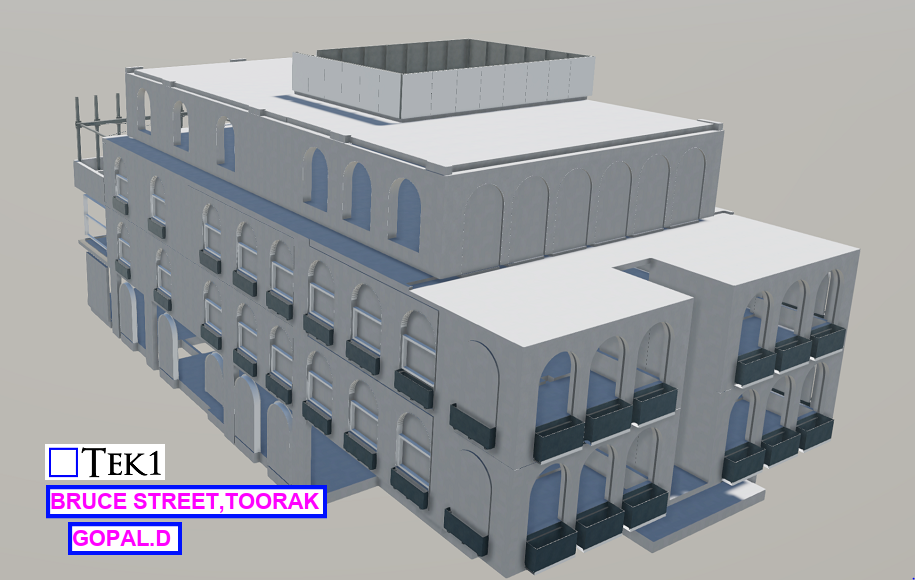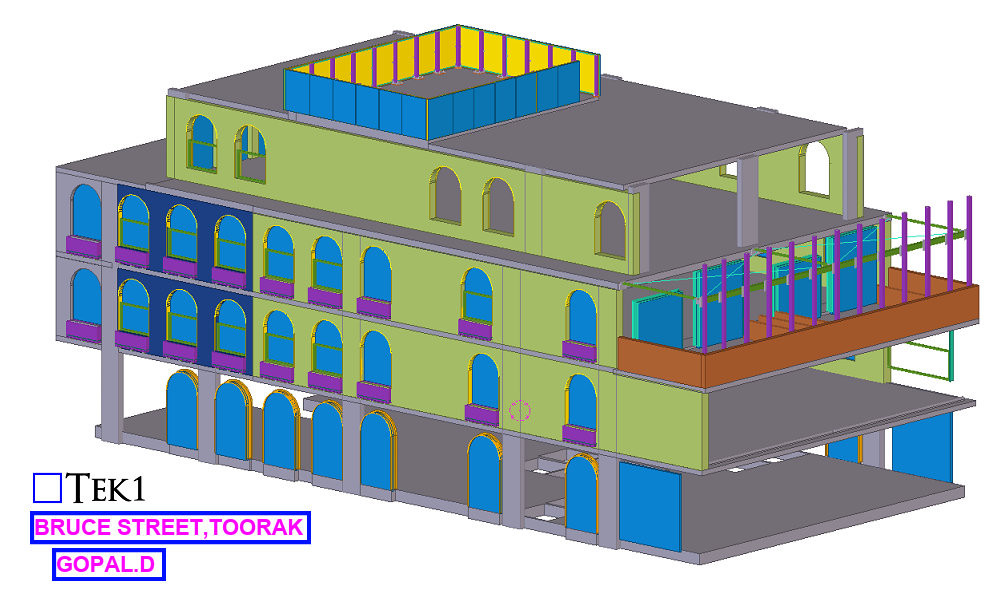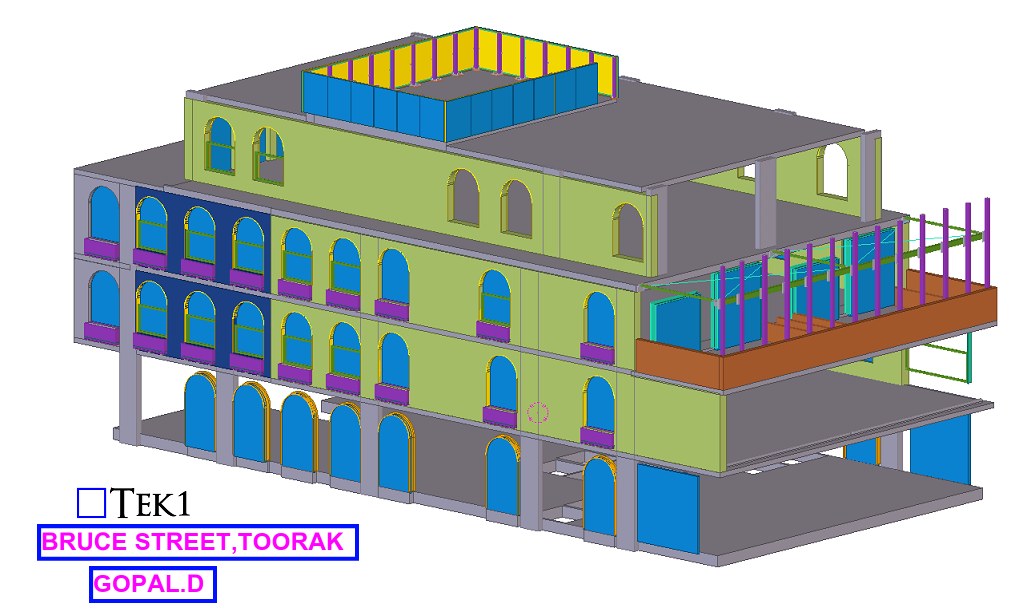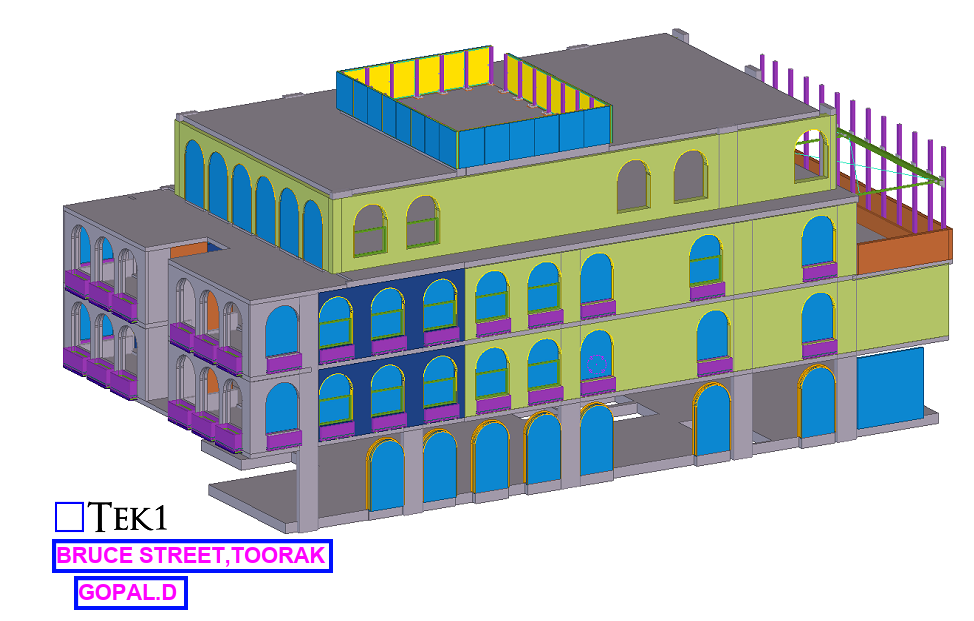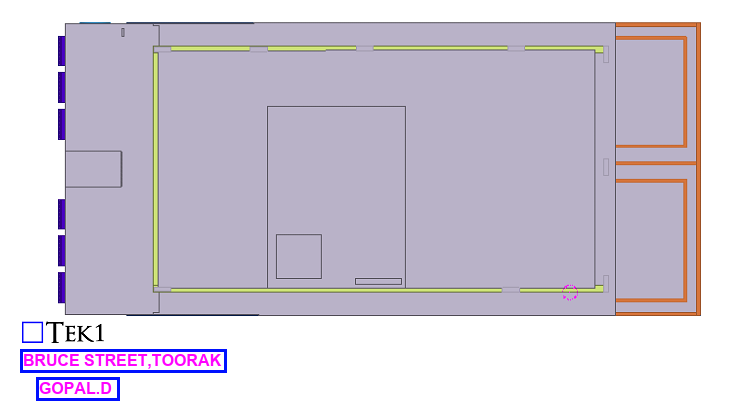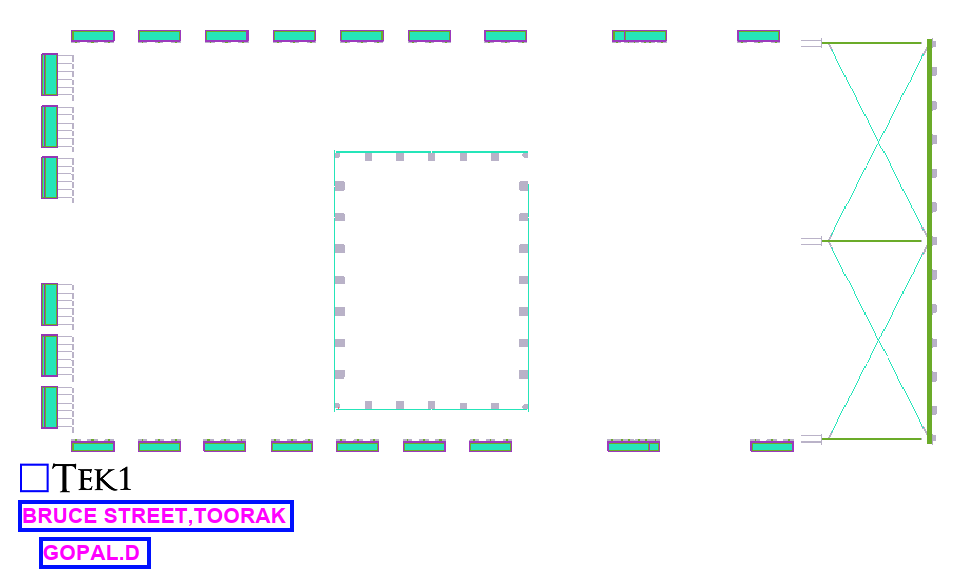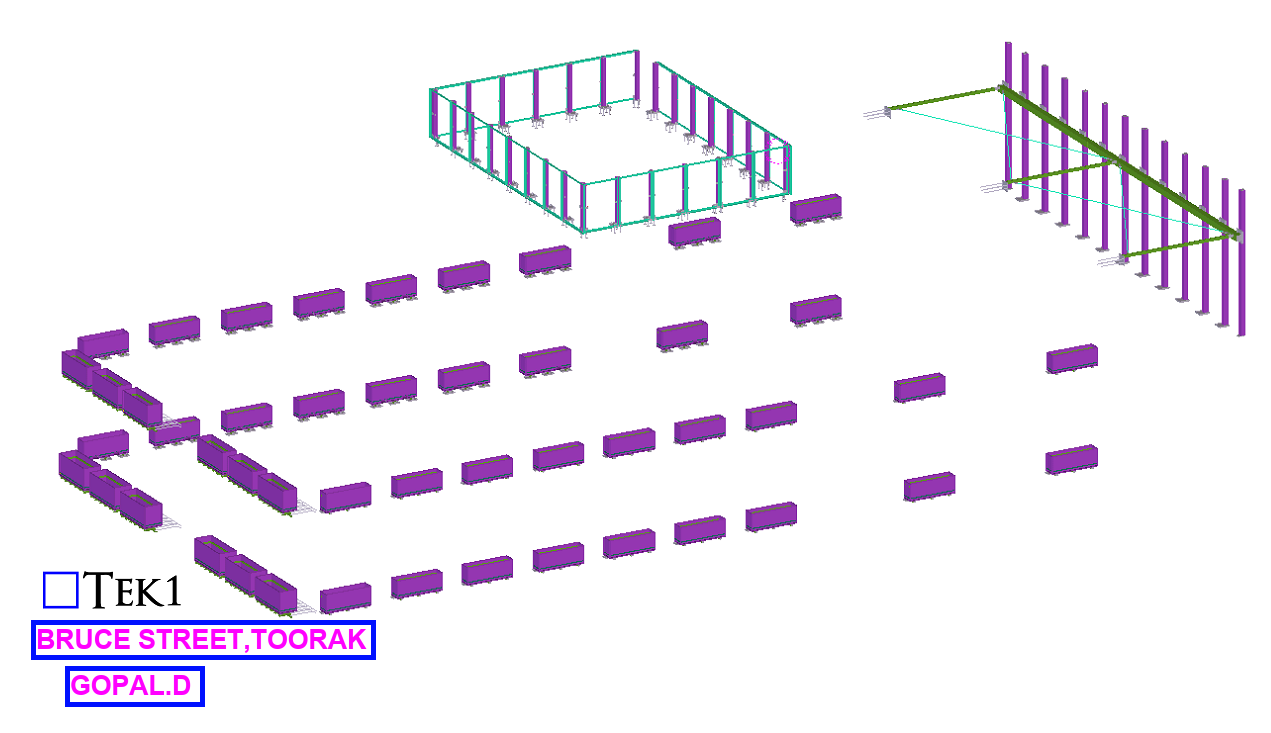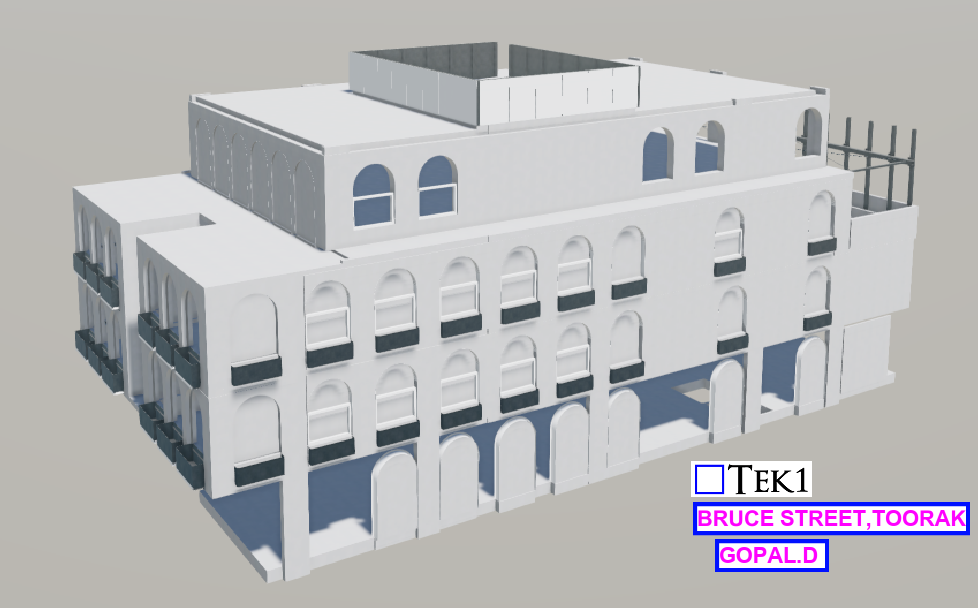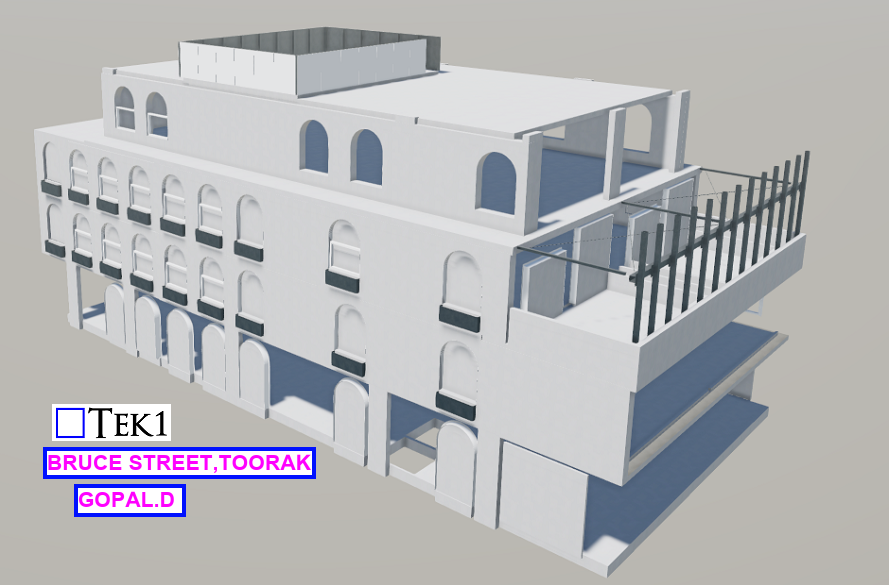
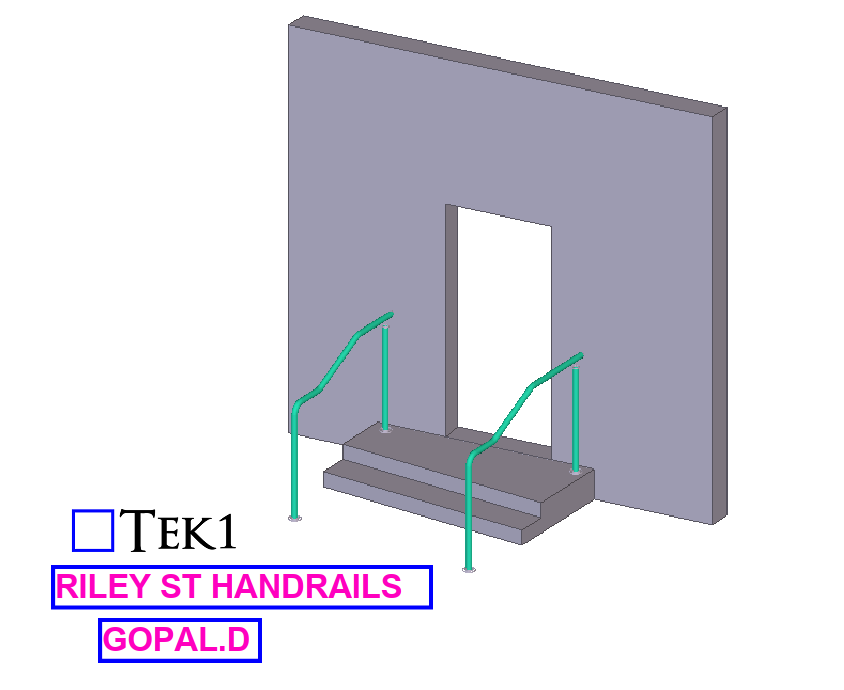
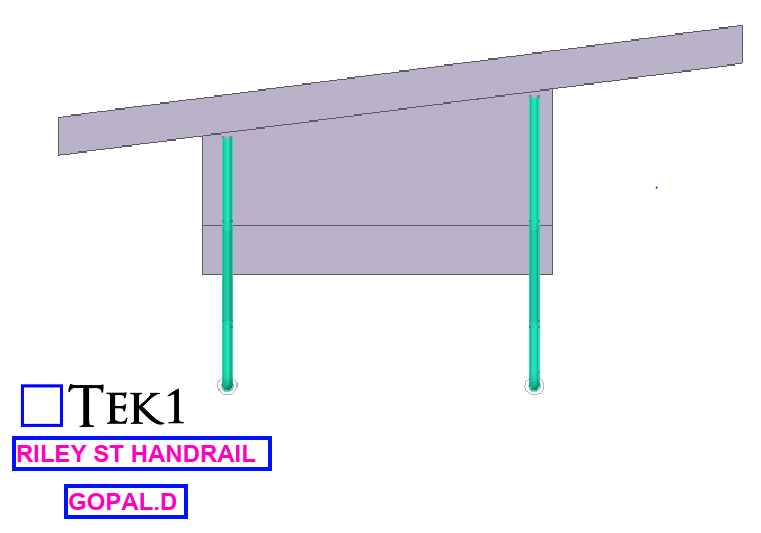
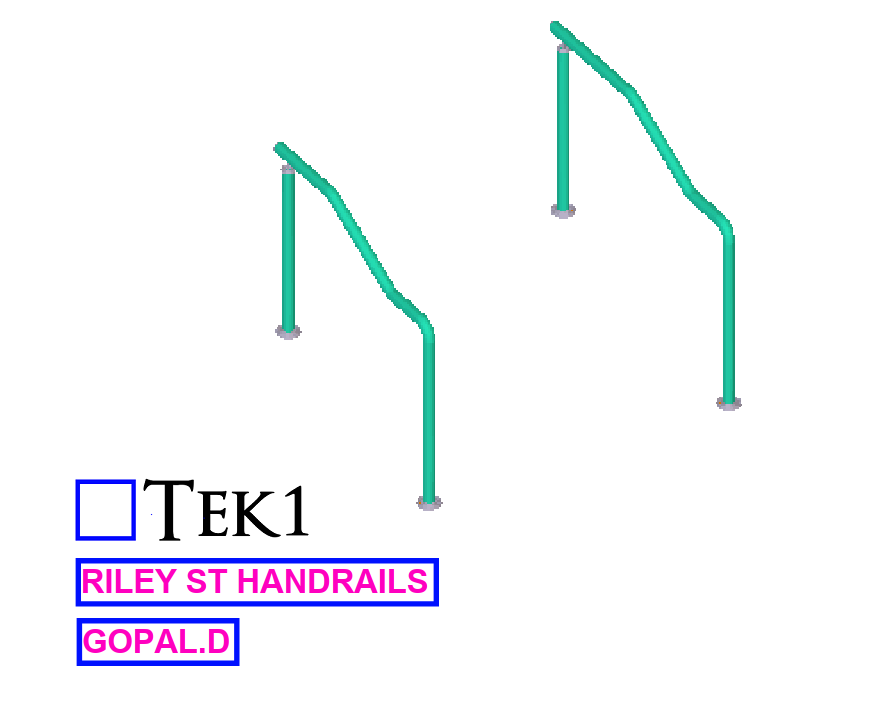
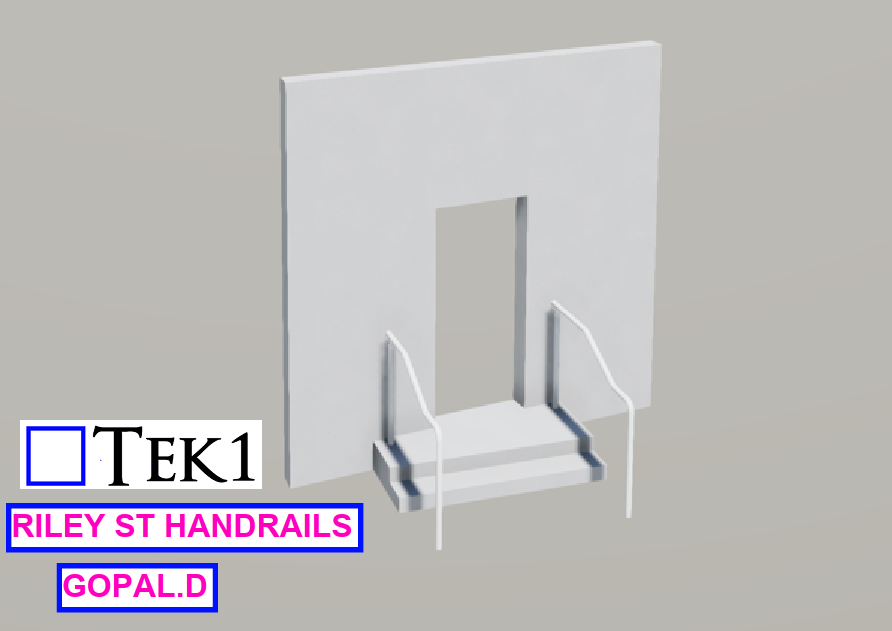
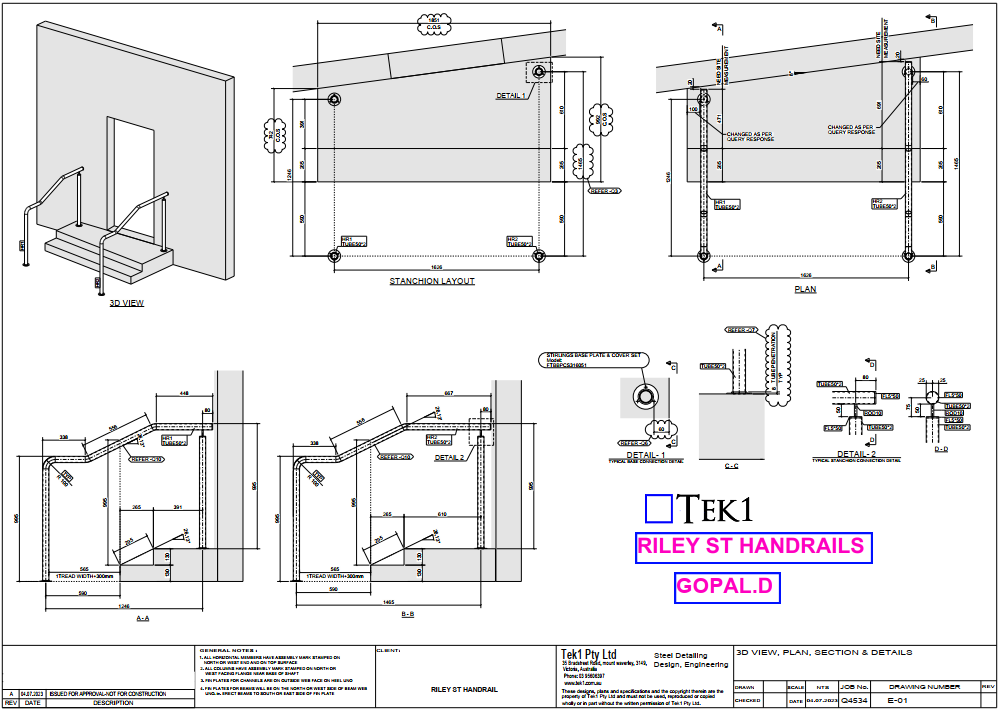
This page show cases some of the Steel Detailing projectgs completed in Melbourne, Sydney, WA, Brisbane Tek1 has completed
Footings are the foundation elements that transfer the load from the structure to the ground ensuring stability and strength. Choosing the appropriate type of footing is crucial for the overall safety and performance of the building. Failure in ensuring appropriate footing is used or the if the footing lacks in strength or stability leads to the building to settle unevenly, develop cracks, tilt, and even face catastrophic failure. This jeopardizes safety and results in expensive repairs.
Commonly used types of Footings:
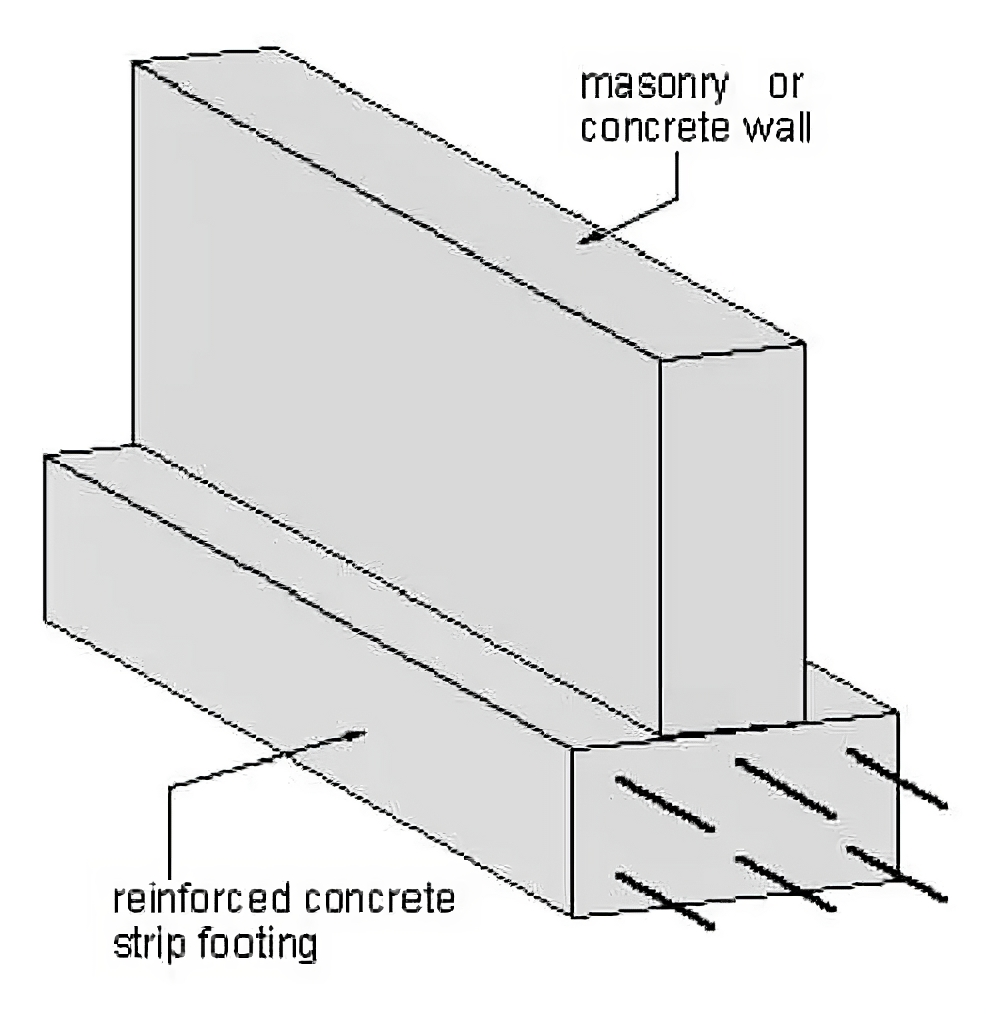
1. Strip Footing:
Strip footings provide support for a row of columns or a continuous load-bearing wall. They are ideal for structures with a even distribution of load along a straight line. These are commonly used alongside steel framing.
2. Isolated Footing:
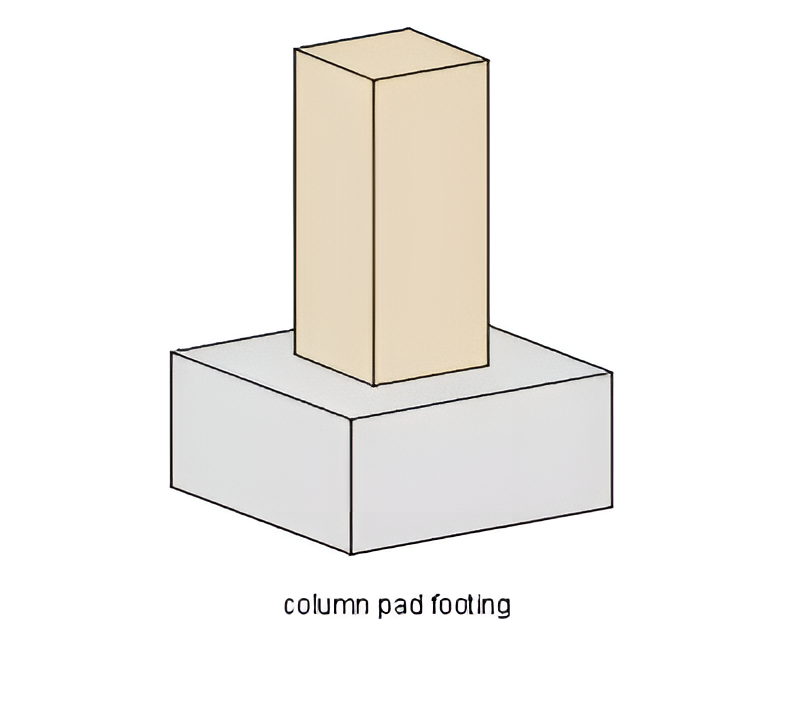
Isolated footings, also known as pad footings, are designed to support single columns. These are usually square, rectangular, or circular pads that provide stability for light to moderate loads.
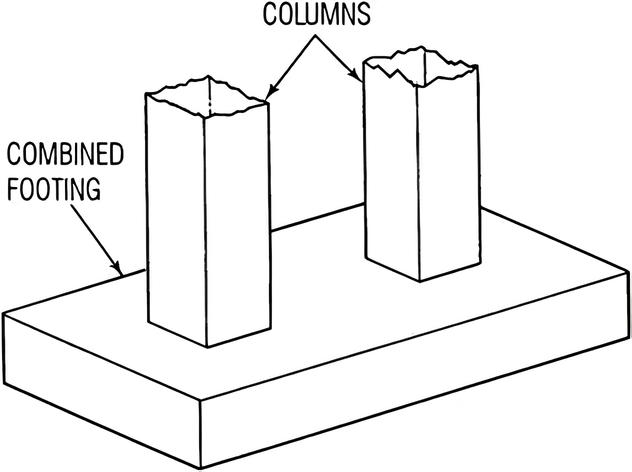
3. Combined Footing:
When steel columns are spaced closely, combined footings serve as an efficient foundation. They prevent overlapping of individual footings and ensure stability under heavy loads.
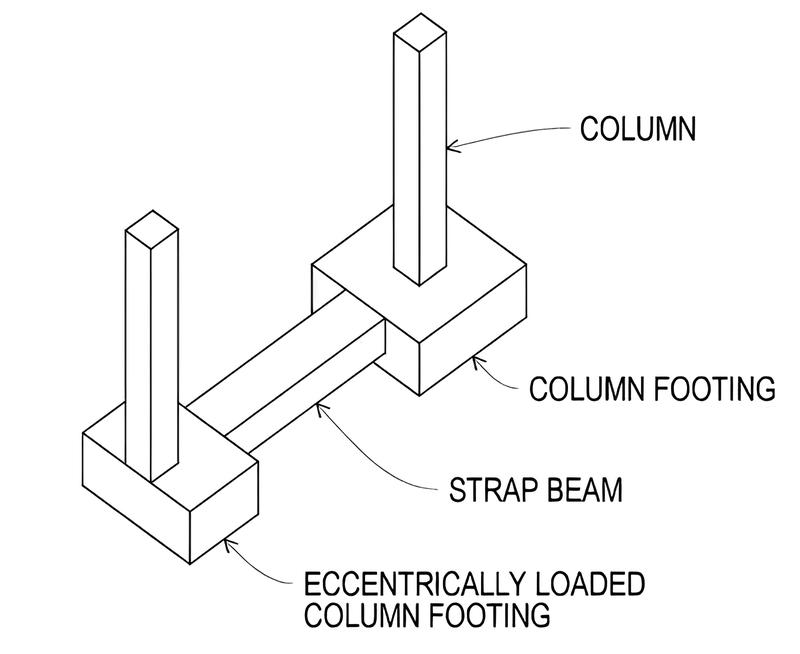
4. Strap Footing:
Strap footings connect isolated footings with a concrete beam. This strap beam transfers the load from a heavily loaded column to a less loaded column, balancing the pressure on the soil . This is particularly useful for unevenly spaced steel columns.
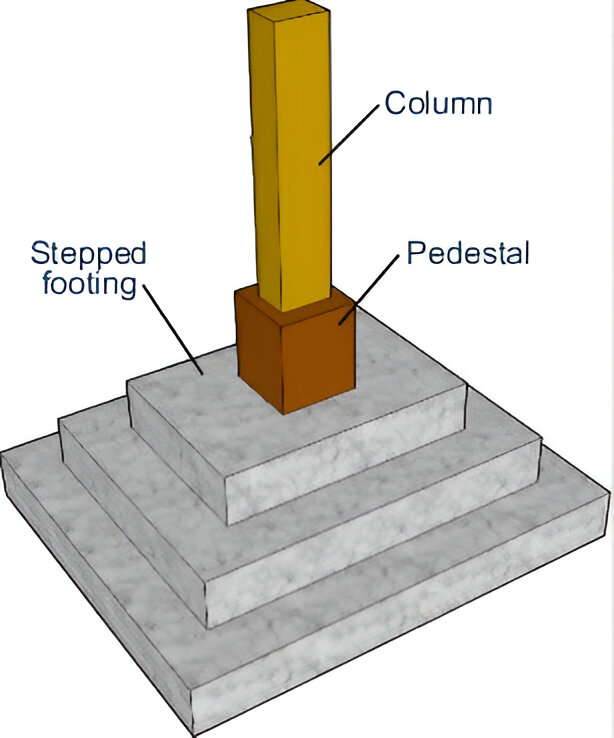
5. Stepped Footing:
Stepped footings are ideal for sloped sites or uneven terrain. The steps help in maintaining level support for columns and walls while minimizing excavation.
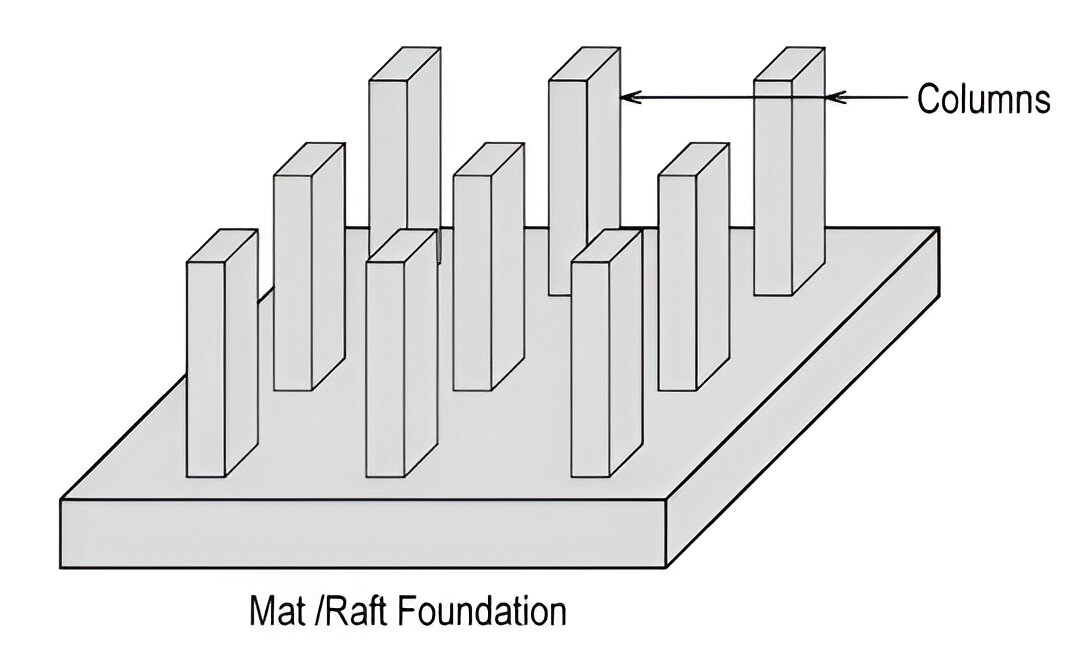
6. Raft Footings:
Raft footings also known as mat footings are large, thick concrete slabs that support the entire building footprint, distributing loads evenly across the foundation area. They are particularly useful in steel structures with high loads or poor soil conditions.
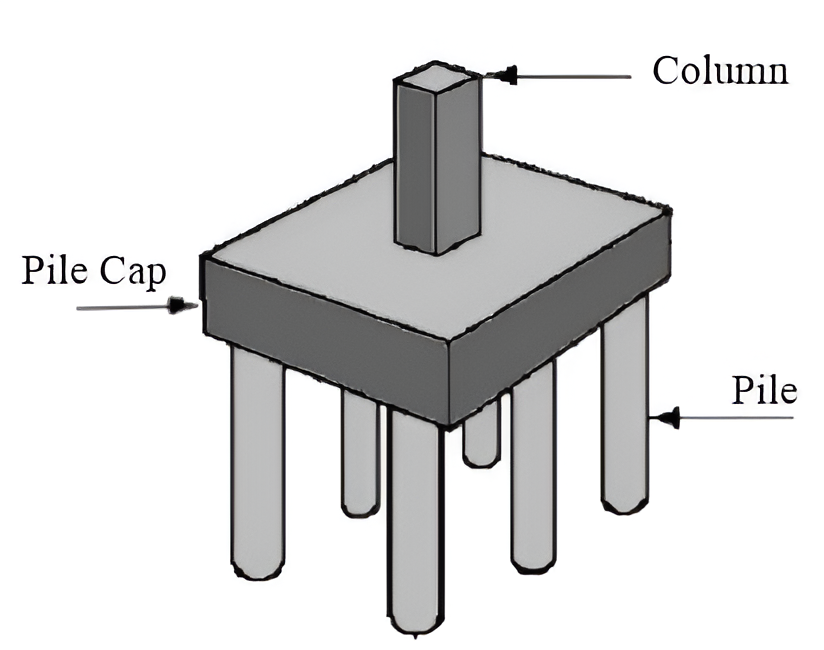
7. Pile Footings:
Pile footings are deep foundations used when surface soil cannot support the structure. Piles are driven deep into the ground to reach more stable soil layers or bedrock.
Factors for choosing the correct type of footing :
Sources :
5 Types of footing – Best footing – Images – Uses [PDF] – Definecivil
Types of footing Used in Building Construction (7 Different Types) (constructionor.com)
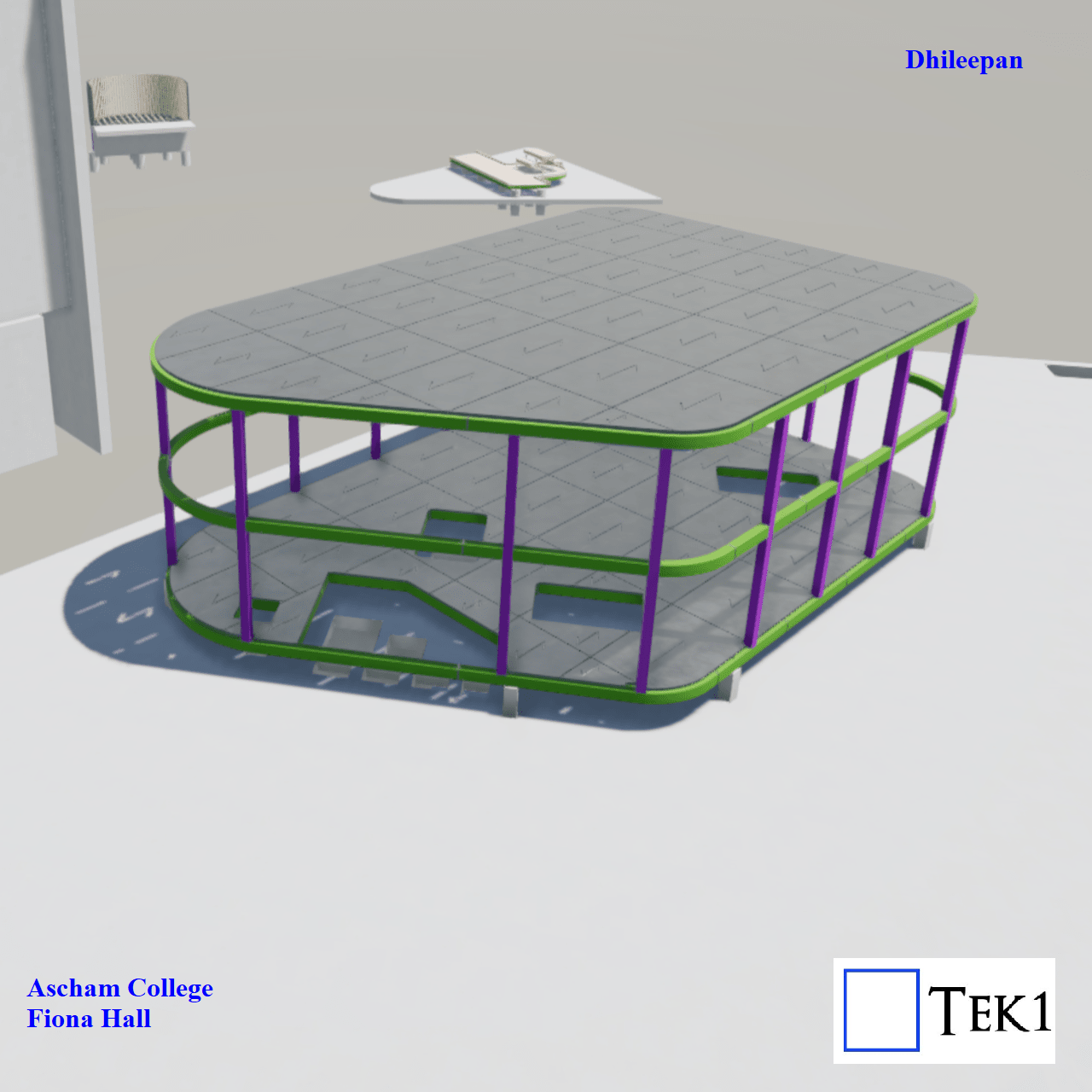
In a recent project, we encountered a challenge with a plant room constructed from SHS members, featuring grating on both the floor and the roof.
Problem 1:
The original structural drawings specified vertical splice plates bolted together. However, these splice plates would protrude through the floor & roof gratings, creating a potential trip hazard.
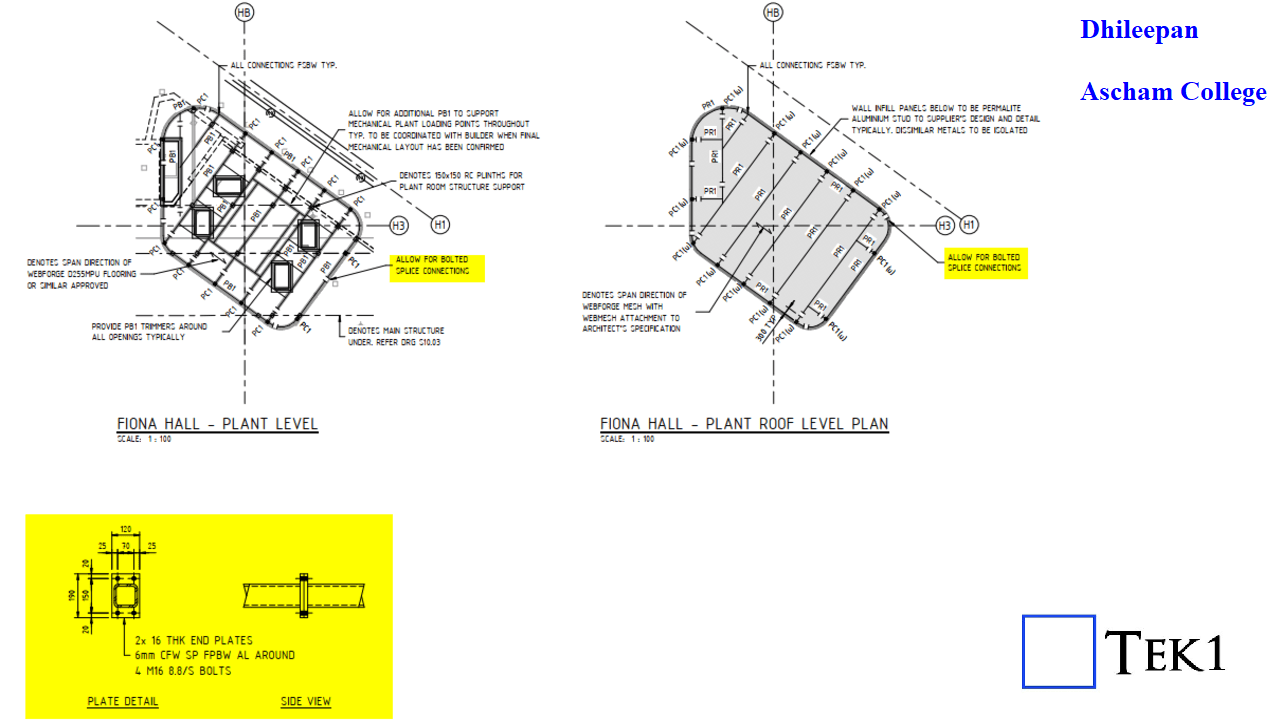
Upon identifying this issue, we notified the structural engineer, who then changed the bolted connections to site-welded connections. While this solution addressed the trip hazard, it introduced a new problem: site welding approximately 40 splices would be both costly and time-consuming.
When this issue was discussed with the fabricator, they proposed shop welding the SHS frames into just two large assemblies for the entire plant room which they had the capacity to transport as large units. This approach significantly reduced the number of site welds required.
Problem 2:
However, another challenge arose: these large assemblies were to be galvanised and were too big for the galvanising bath. We consulted with the fabricator regarding the maximum size of the galvanising bath and suggested subsequently splitting the plant room assemblies accordingly. This adjustment reduced the number of site welds to around 20, making the process more efficient.
Two primary problems were identified and solved:
By identifying and rectifying these issues at the planning stage, we saved significant time and money.
If you’re interested in having me (Dhileepan) manage your project, please send a quote request to our principal at koshy@tek1.com.au and mention that you want Dhileepan to manage your project.
What is Grating:
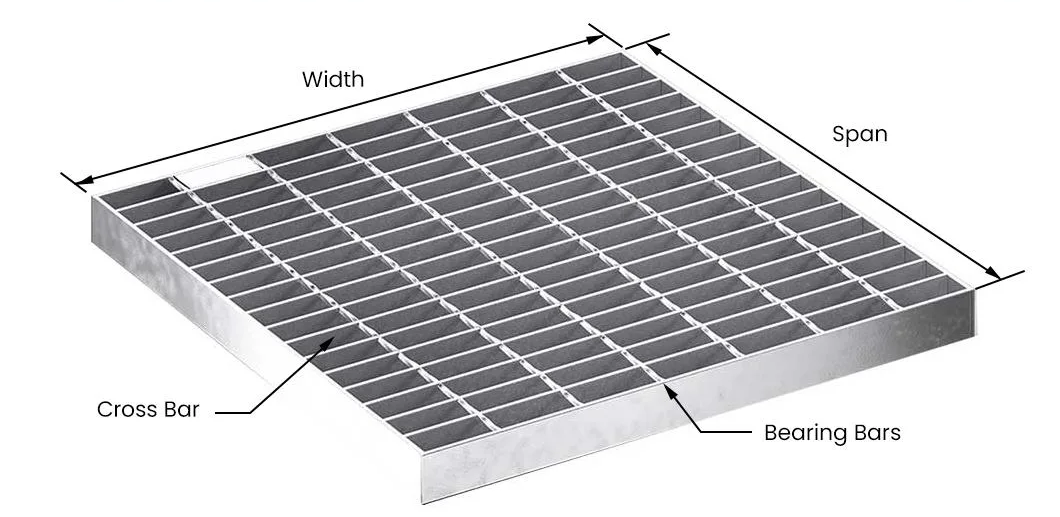
Metal grating is a framework made from metal bars, plates or mesh arranged in a grid pattern. It allows for the passage of light, air and water while providing a strong platform.
Types of Gratings:
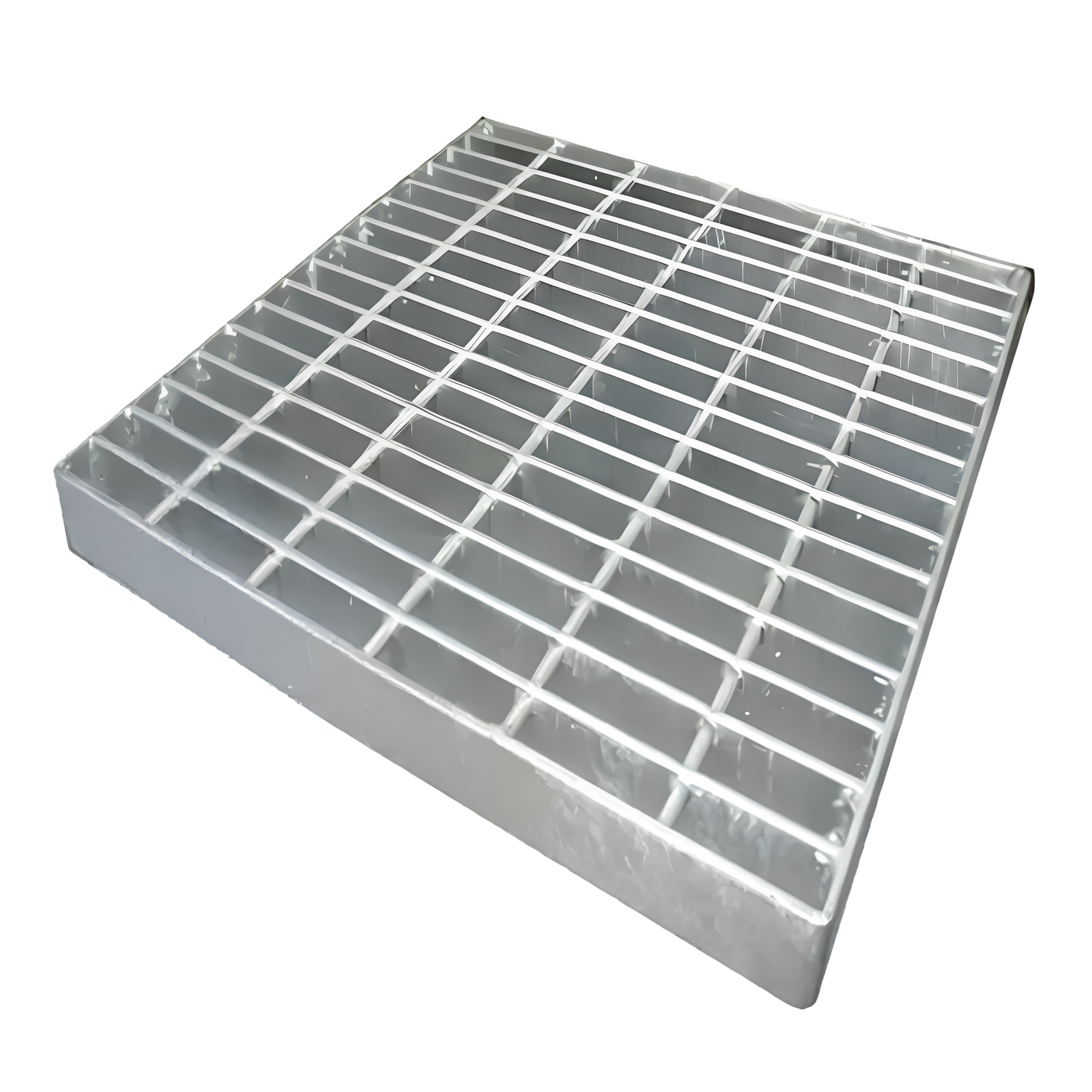
1. Bar Grating:
Bar grating is composed of a series of parallel bars joined by perpendicular crossbars connected using methods like welding, riveting, or press-locking. Bar grating is the most common type of metal grating.
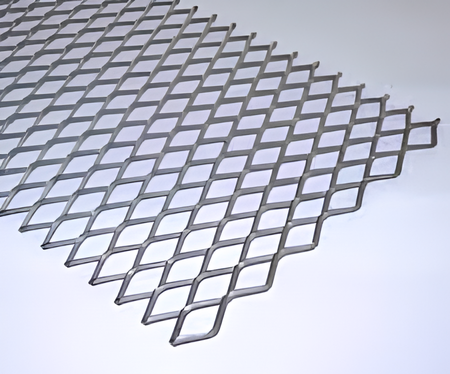
2. Expanded Metal Grating:
Expanded metal grating created by cutting and stretching a sheet of metal, resulting in a mesh with diamond-shaped openings. The resulting diamond-shaped pattern creates a slip-resistant surface.
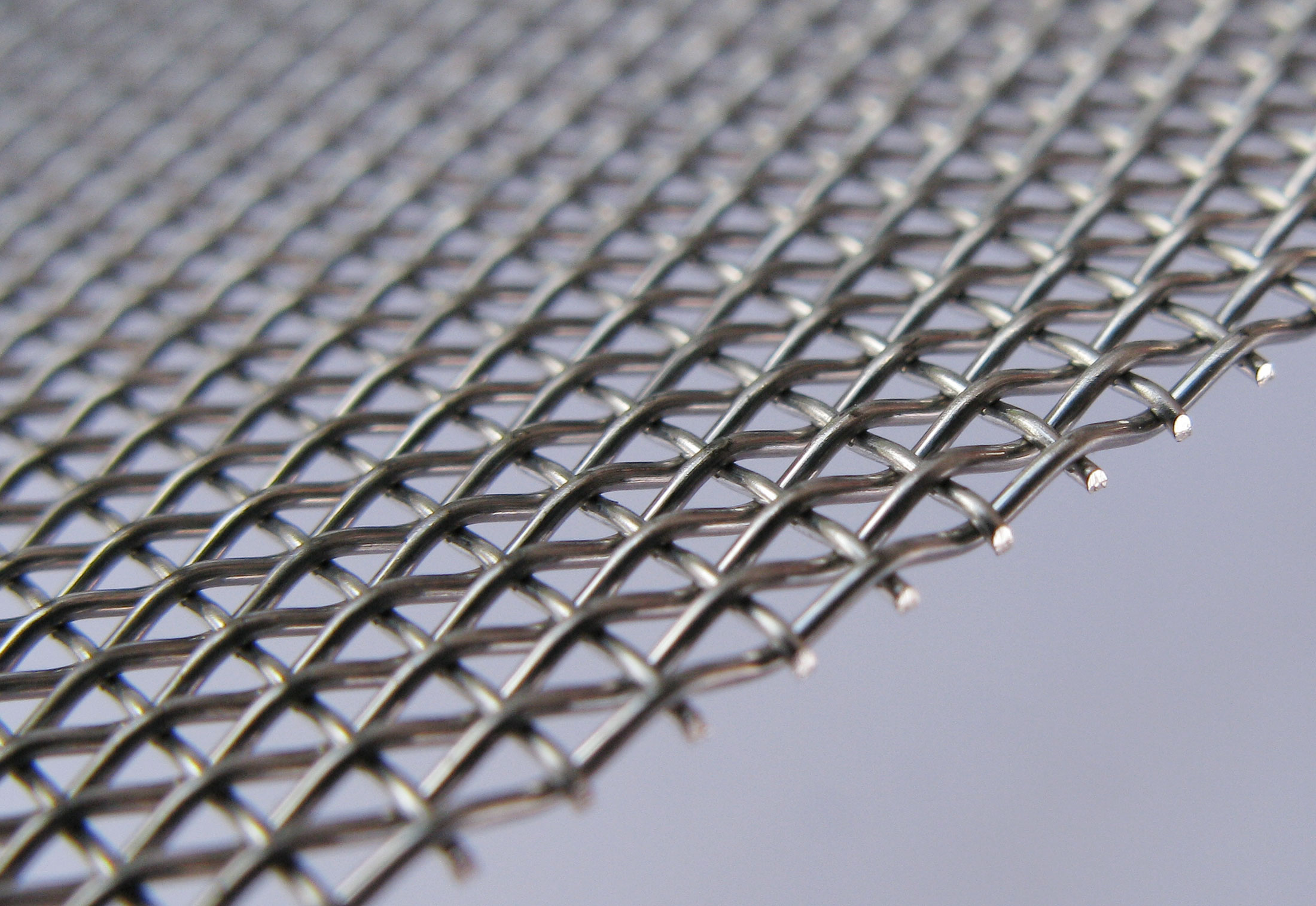
3. Wire Mesh Grating:
Wire Mesh Grating is produced by using rows and columns of intersecting steel wires forming a grid-like pattern. This grating offers excellent load-bearing capacity due to its grid structure.
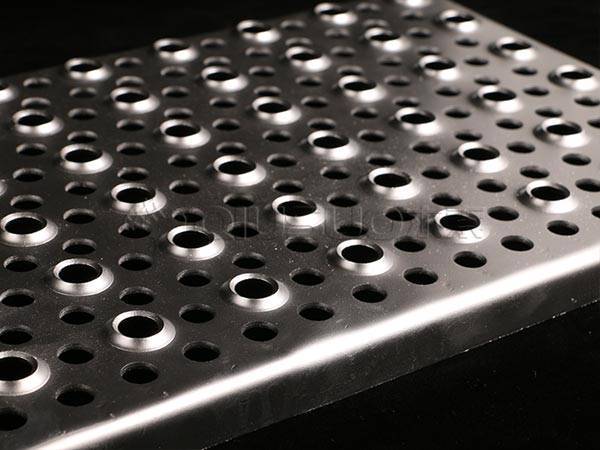
4. Safety Grating:
Safety grating features a serrated or perforated surface that is created by forming and punching the grating. The primary function of safety grating is to prevent slips and falls, especially in wet or oily conditions.
Sources :
What is Metal Grating? Types and Uses of Metal Gratings – What Is Piping
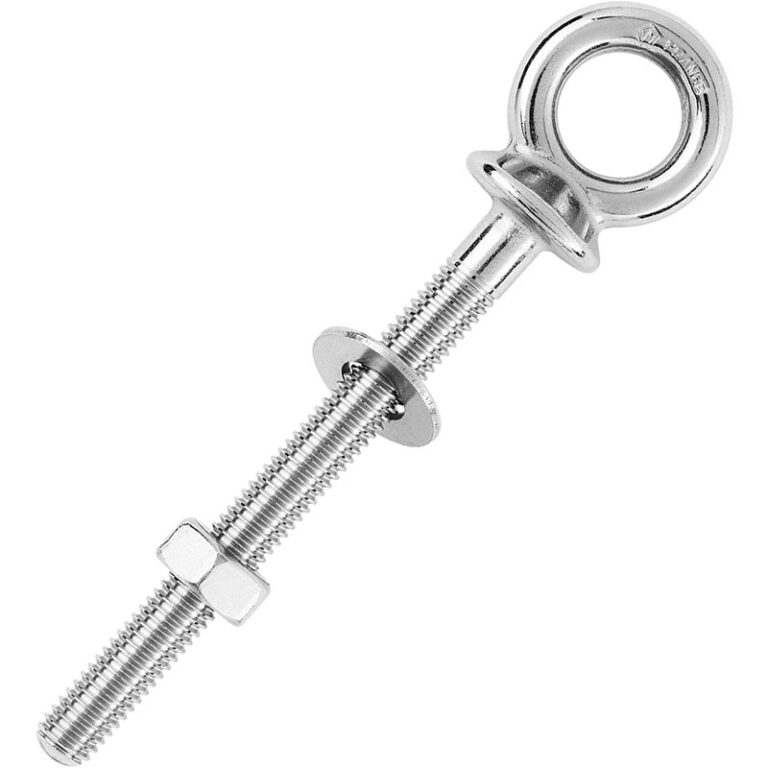
While conversing with the team leader about the construction of buildings, he mentioned the use of eye bolts for lifting purposes.
What is an Eye Bolt:
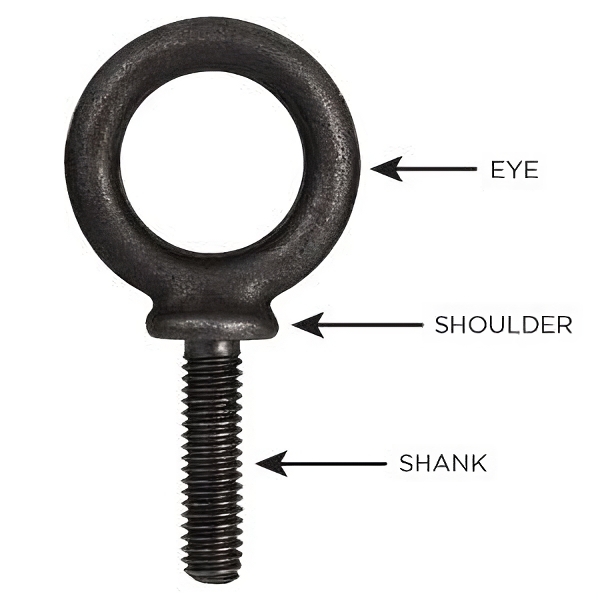
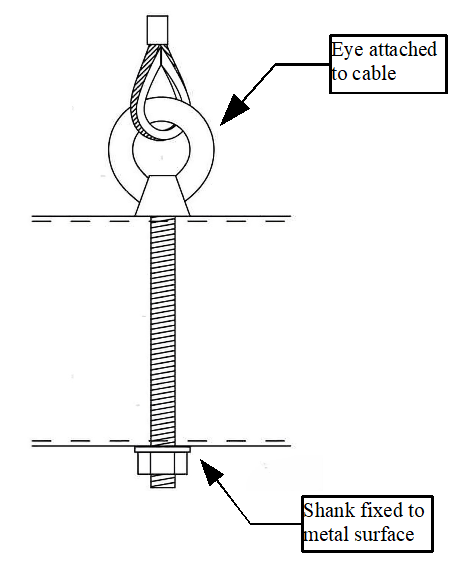
Eye bolt is a type of bolt that contains a loop or eye at one end and threaded shank at the other end with or without shoulder between them. They are designed to be used as secure connection point in lifting systems. The threaded shank is anchored into the metal surface and the eye or loop is attached with ropes, cables or other rigging.
Types of Eye Bolts:
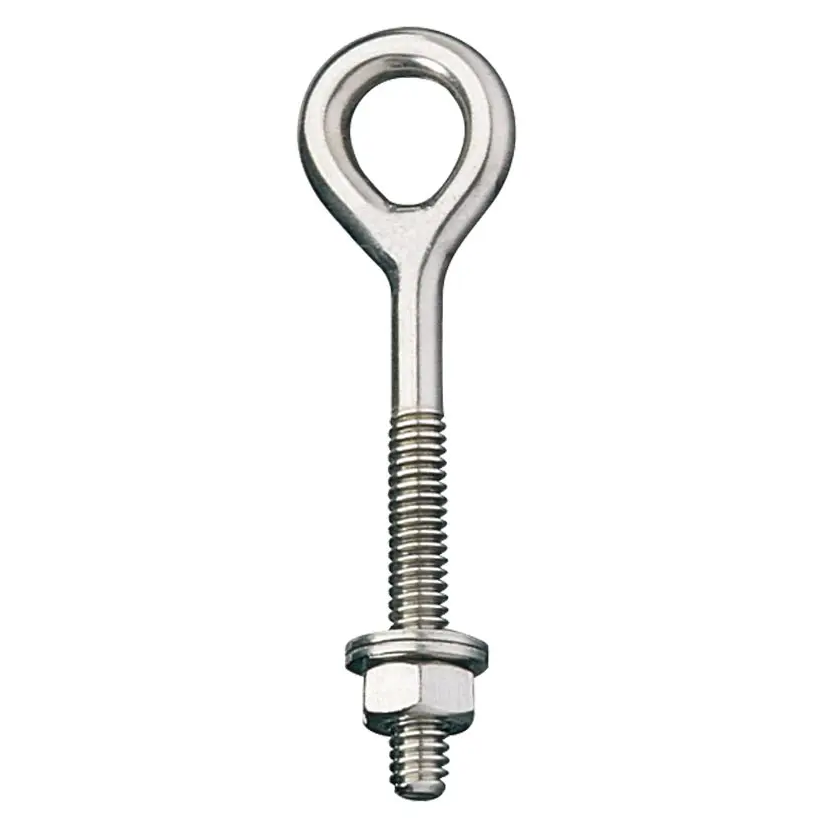
1.Regular Eye bolts:
Simplest type of eye bolt featuring a loop and a threaded shank without any additional features. They are suitable for vertical lifting applications with minimal to none angular forces.
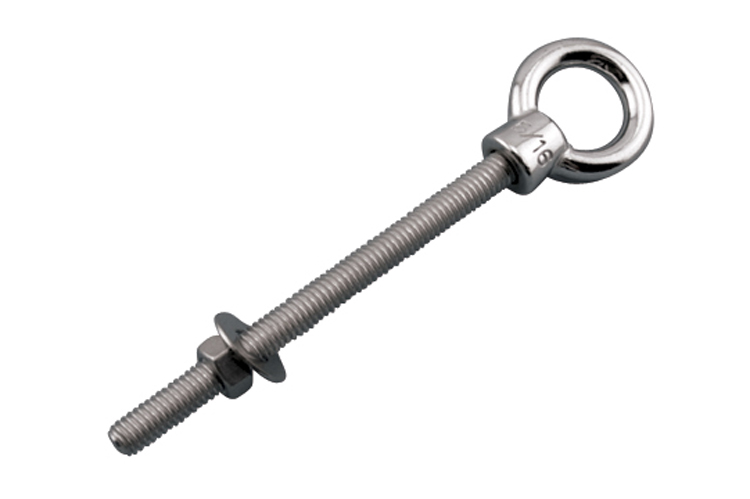
2.Shoulder Eye Bolts:
Shoulder eye have a shoulder below the eye which provides extra support. This shoulder prevents the bolts from deformation or bending under angular loads.
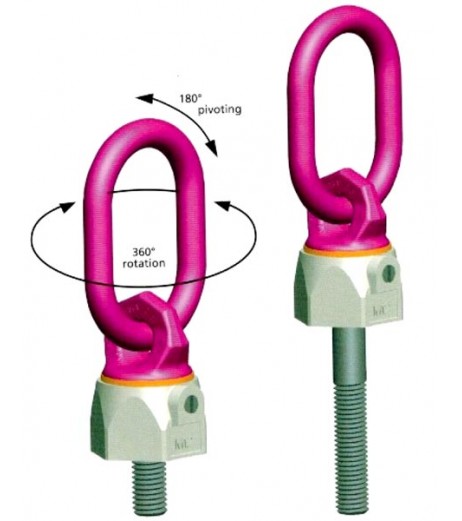
3.Swivel Eye Bolts:
Swivel eye bolts feature a swivel mechanism between the eye and the threaded shank, allowing for rotation. This minimizes the chances of twisting and potential harm to lifting gear, rendering it well-suited for situations demanding adaptability.
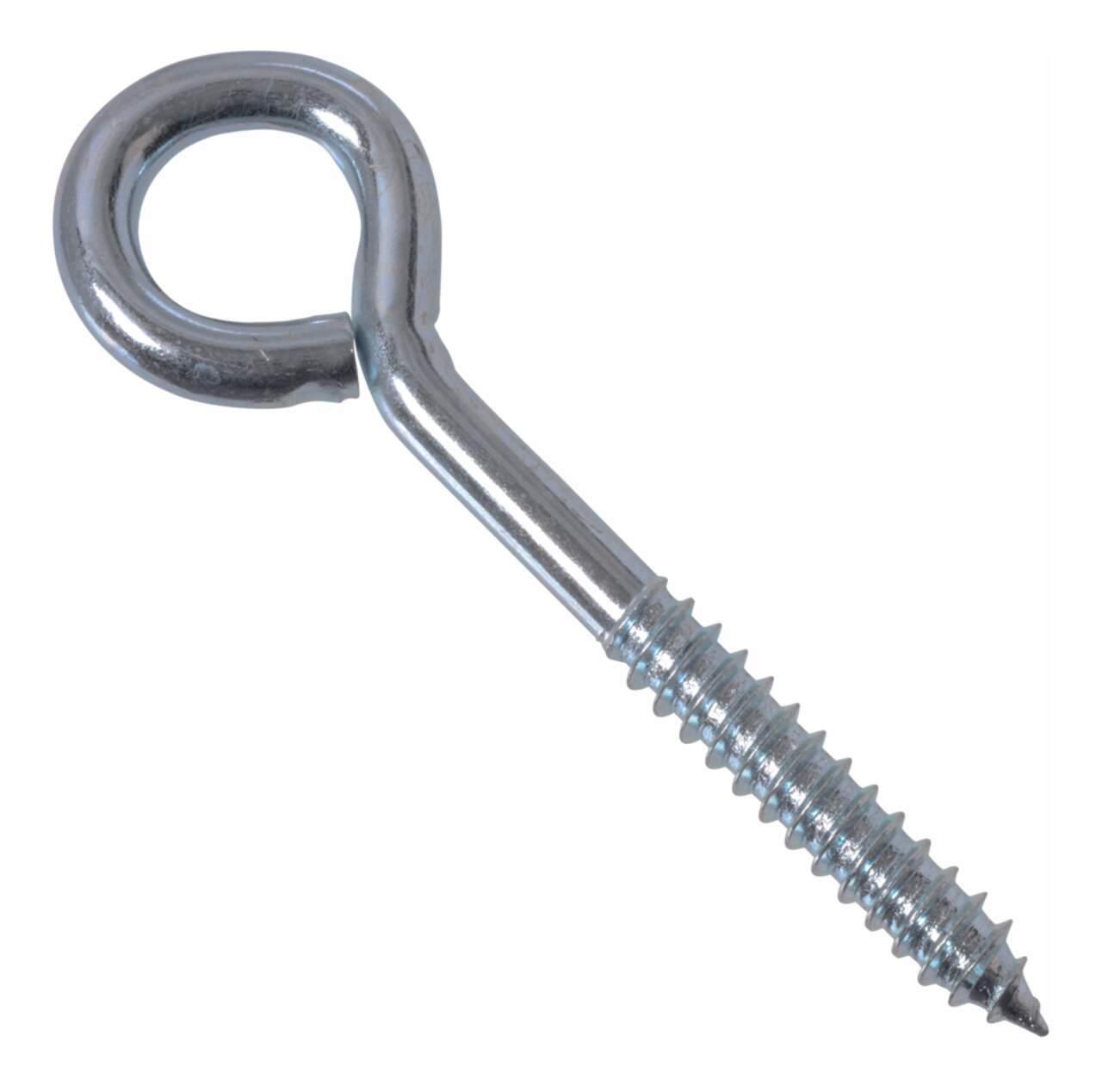
4.Lag Eye Bolts:
Although called a lag eye bolt, it is essentially a screw with an eye and threaded shank. They are specifically designed for wood and is directly screwed into the wood. Its load capacity depends upon the wood’s type and condition.
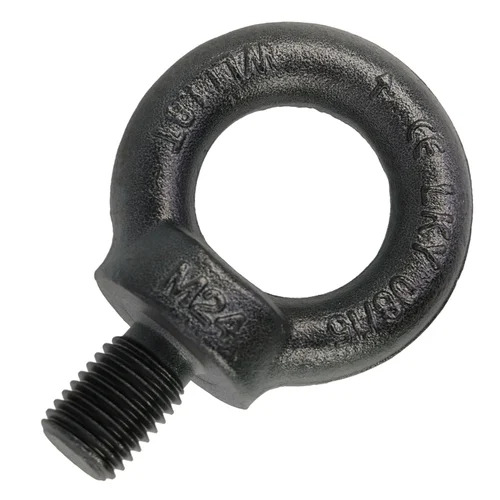
5.Machinery Eye Bolts:
These bolts are specifically designed to use in machinery. These have a short shank length and large eye diameter. These bolts are often used as permanent lifting points in machinery.
Applications of Eye Bolts:
Sources :
What Are The Different Types of Eye Bolts Used for Overhead Lifts? » Mazzella Companies
Commonly used stairs in Australia:
1. Straight Stairs:
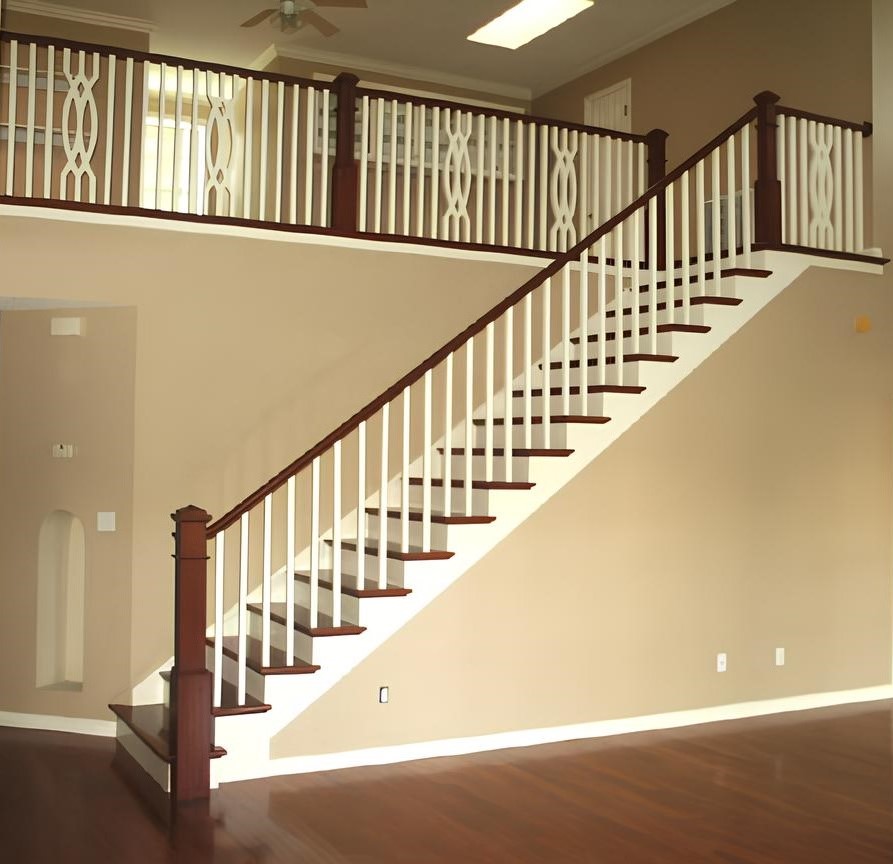
Straight stair consists of a single stair flight from lower to upper level. Straight stairs are the most common type of stair used in residential, commercial and industrial buildings not just in Australia but all over the world as it is easy to design and build.
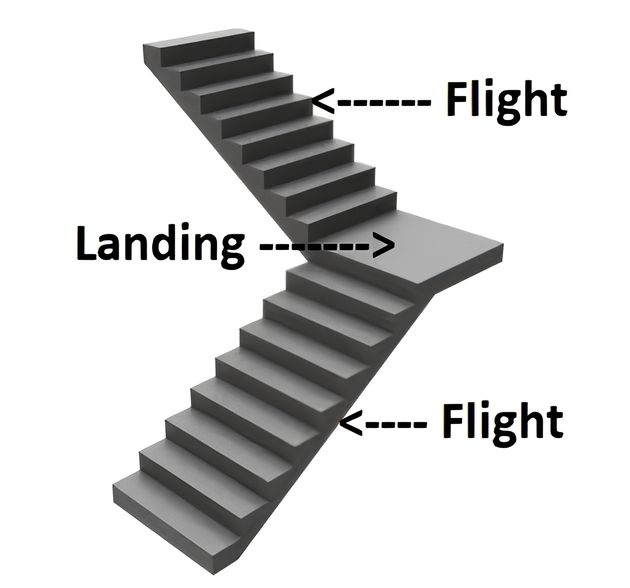
Stair Flight: It refers to a series of steps or a staircase that leads from one level or floor to another.
2. L-Shaped stairs:
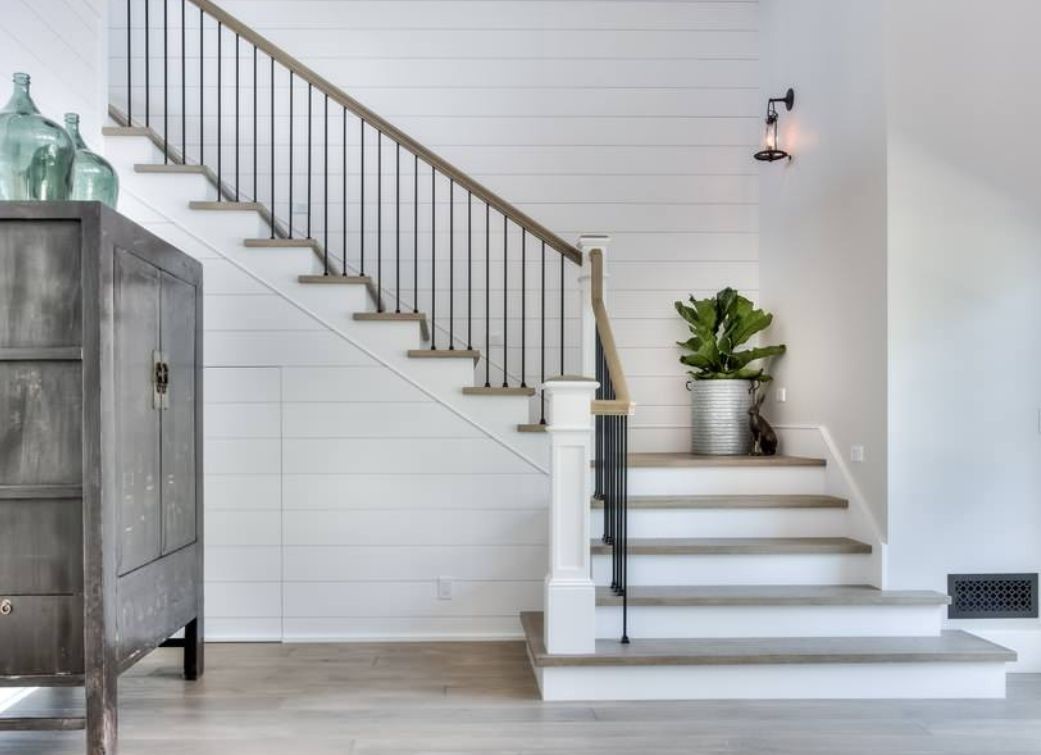
L-Shaped stair consists of 2 stair flight which bends by 90° at the landing forming a L shape. It is used when staircase is needed to fit in the corner of the building. It is more visually appealing than straight stairs.
Landing: A Stair landing is a level platform found at the top, bottom or in the middle of the stairs. An Intermediate landing acts as connecting platform between two stair flights.
3. U-Shaped stairs:
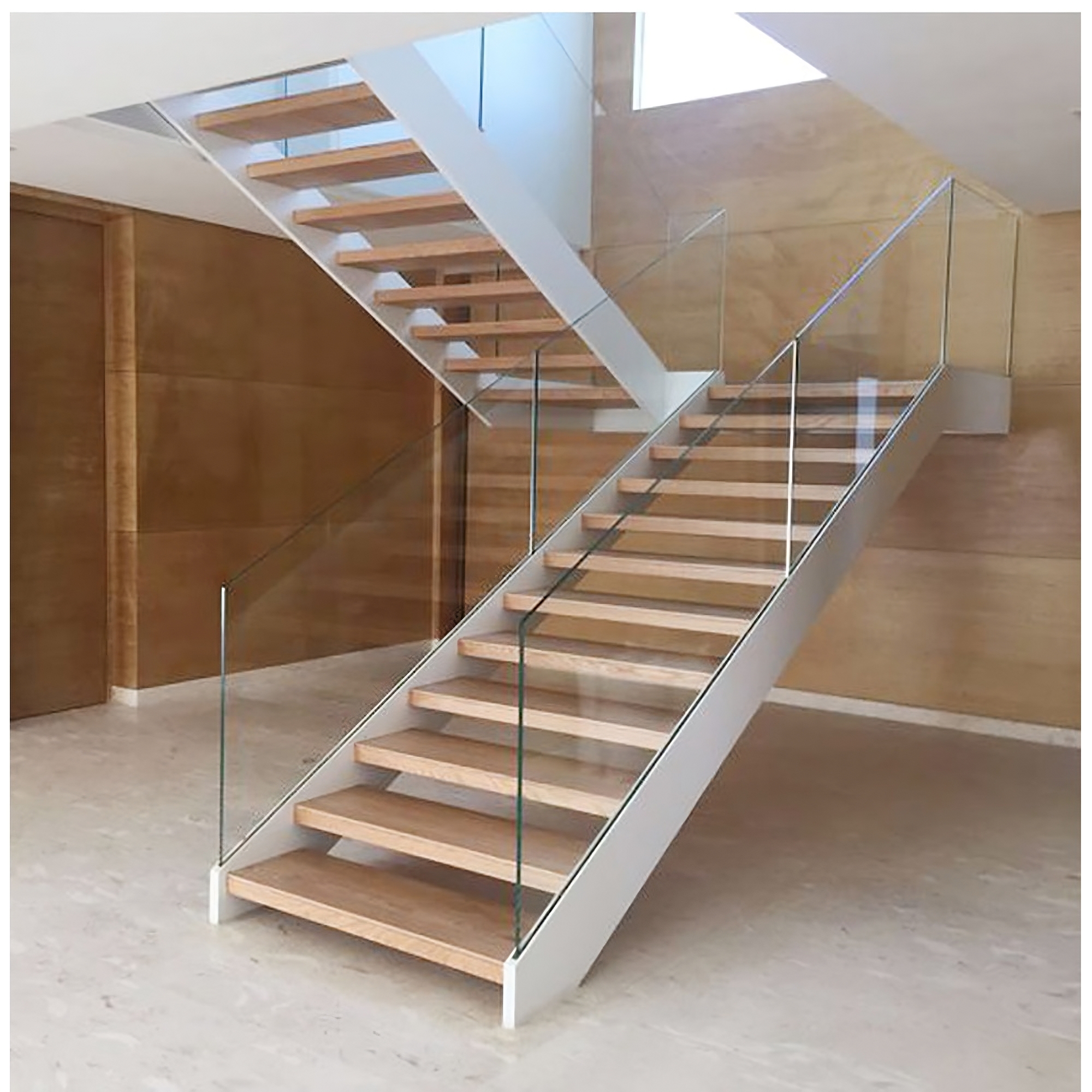
U-Shaped stair consists of 2 stair flights which bends by 180° at the landing forming a U shape. It is commonly used in multistory buildings.
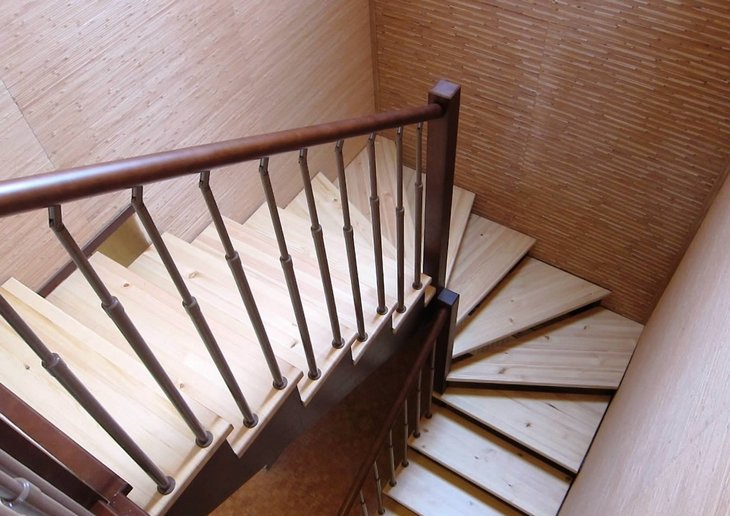
4. Winder Stairs:
Winder Stair is similar to L-shaped stair and U-shaped stair, but here the landing is replaced by triangular or trapezoidal steps. It is commonly used in older homes or used as a secondary stair.
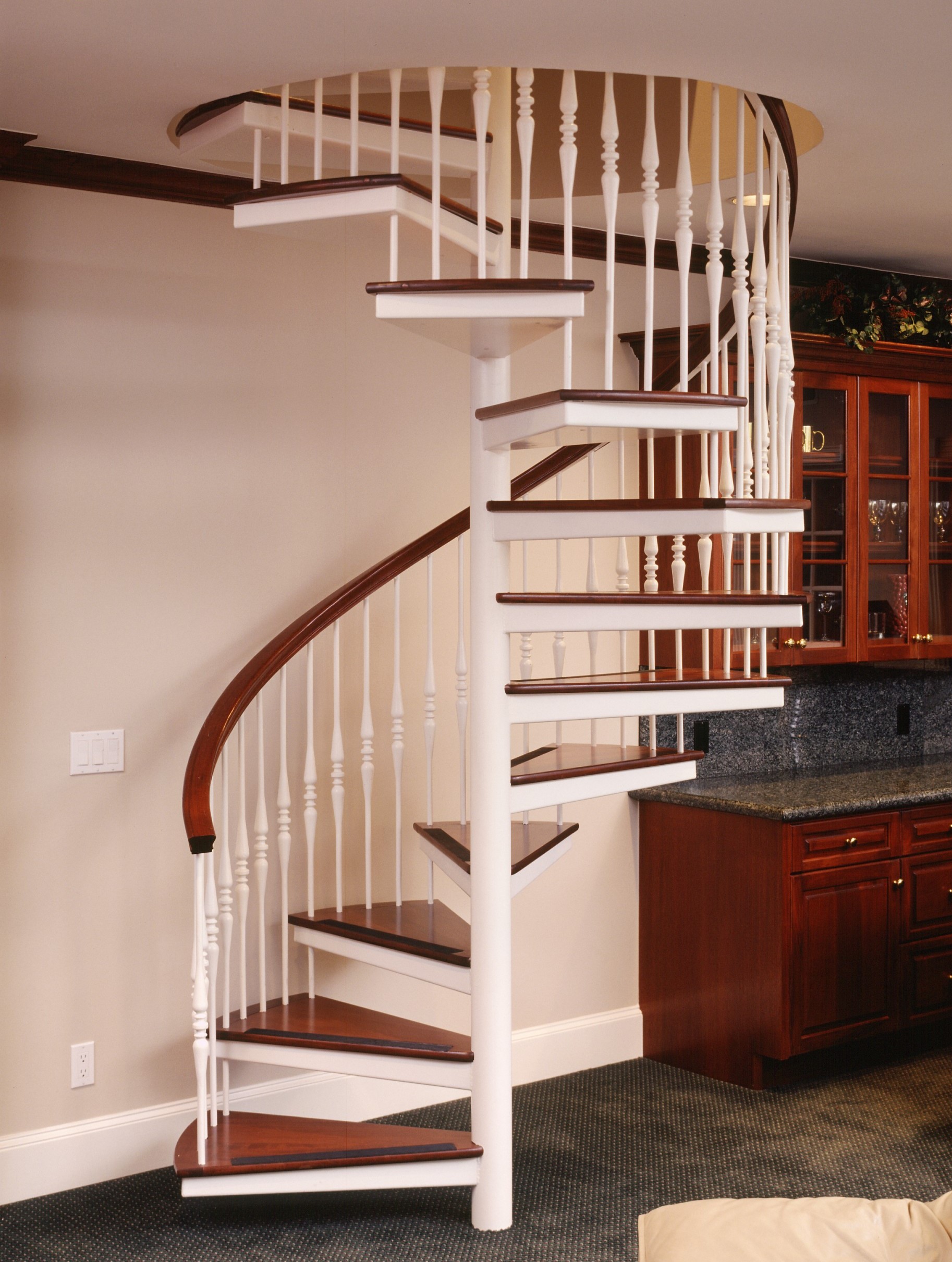
5. Spiral Stairs:
Spiral Stairs have a circular or helical shape with stair flight winding around a central pole or column. It is commonly used in space-constrained areas and as outdoor stairs. Spiral stairs can be challenging to use for people with mobility issues.
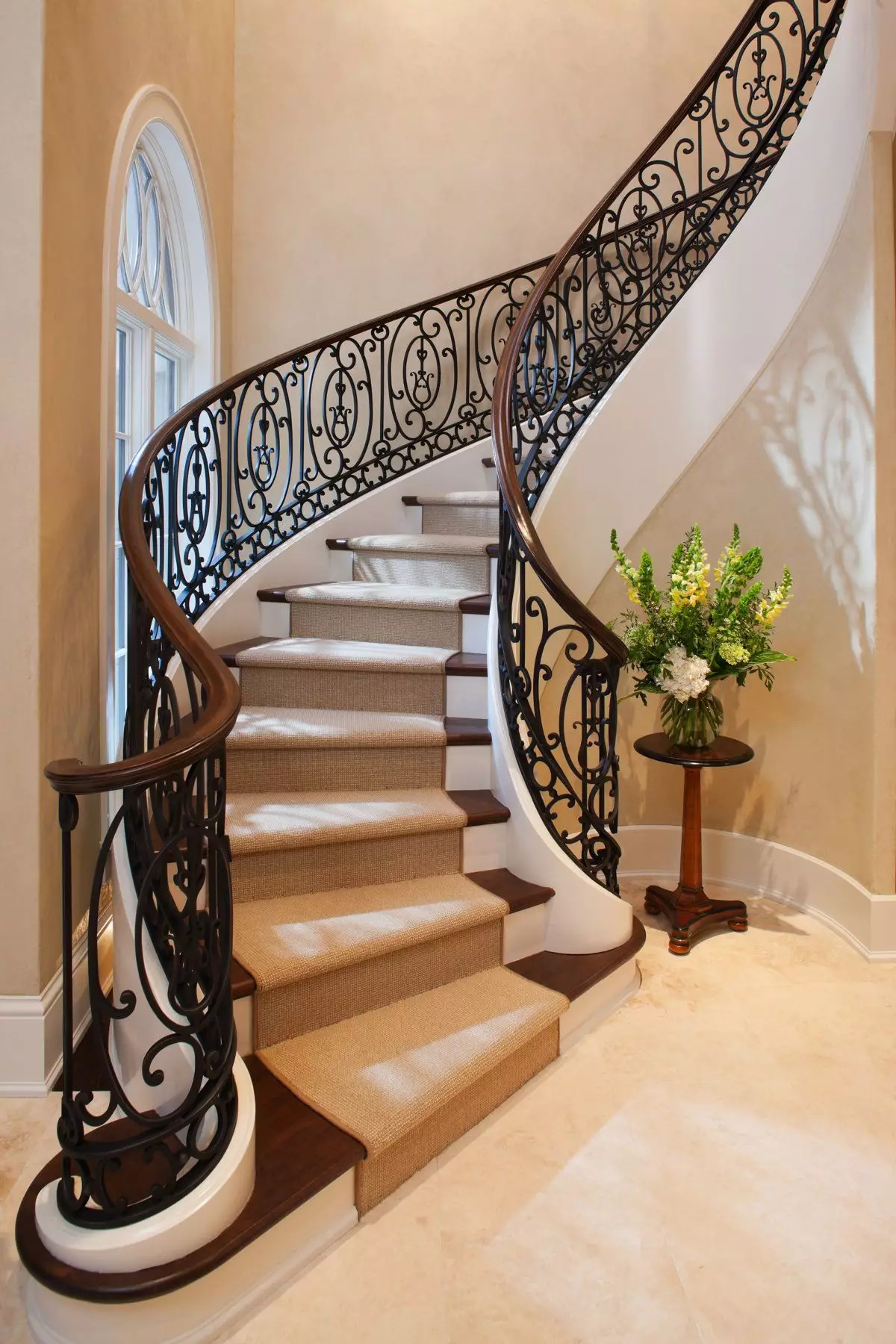
6.Curved Stairs:
Curved Stair’s stair flight follows a curved or circular path. Curved stairs are mostly used for its aesthetic appeal rather than functionality. Curved stairs can be challenging to use for people with mobility issues.
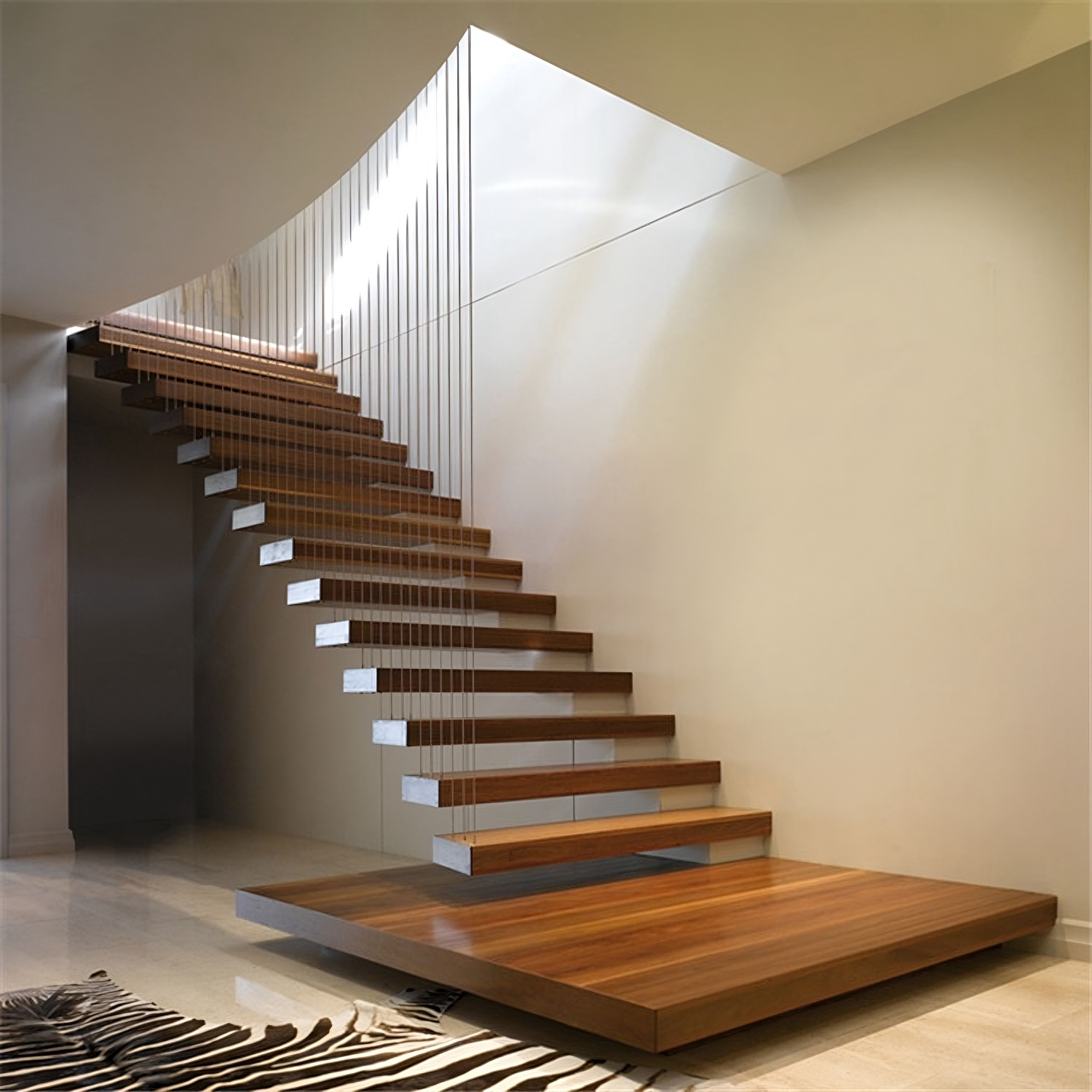
Floating Stairs are also known as cantilever stairs. These stairs are anchored to the wall on one side while leaving out the other side support less, thus creating an illusion of floating. Floating stairs are used where minimalistic design is desired by the architect.
Sources:
Staircase Building Regulations: Our Comprehensive Guide (adara.co.uk)
STAIRCASE TERMINOLOGY | An Architect Explains | ARCHITECTURE IDEAS
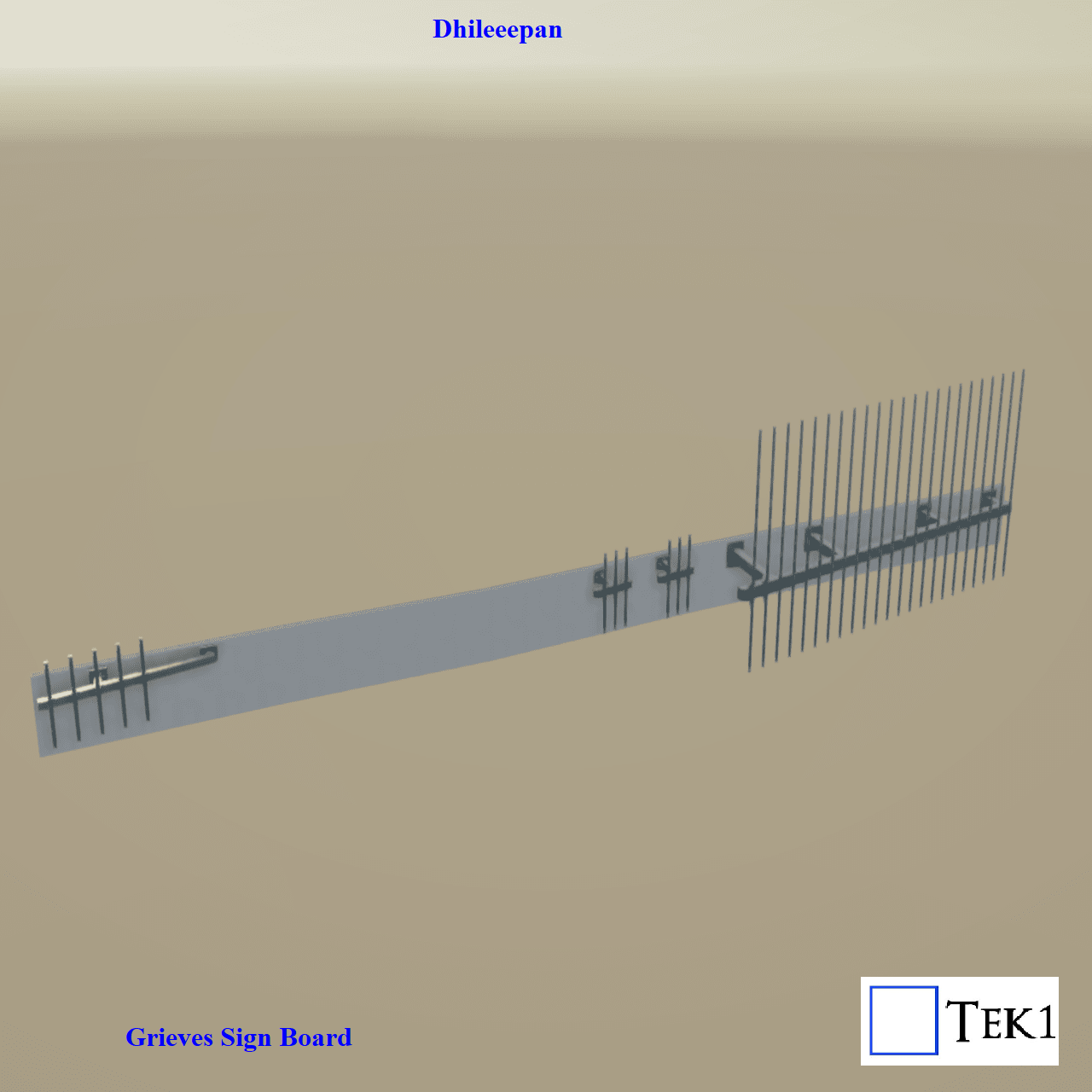
A recent project involving the installation of a static sign board on a highway required a significant change in structural design. The task involved detailing steel frames for supporting different sized sign board. However, a particular challenge arose when one of the static sign boards exceeded the maximum size allowable for its designated steel frame type.
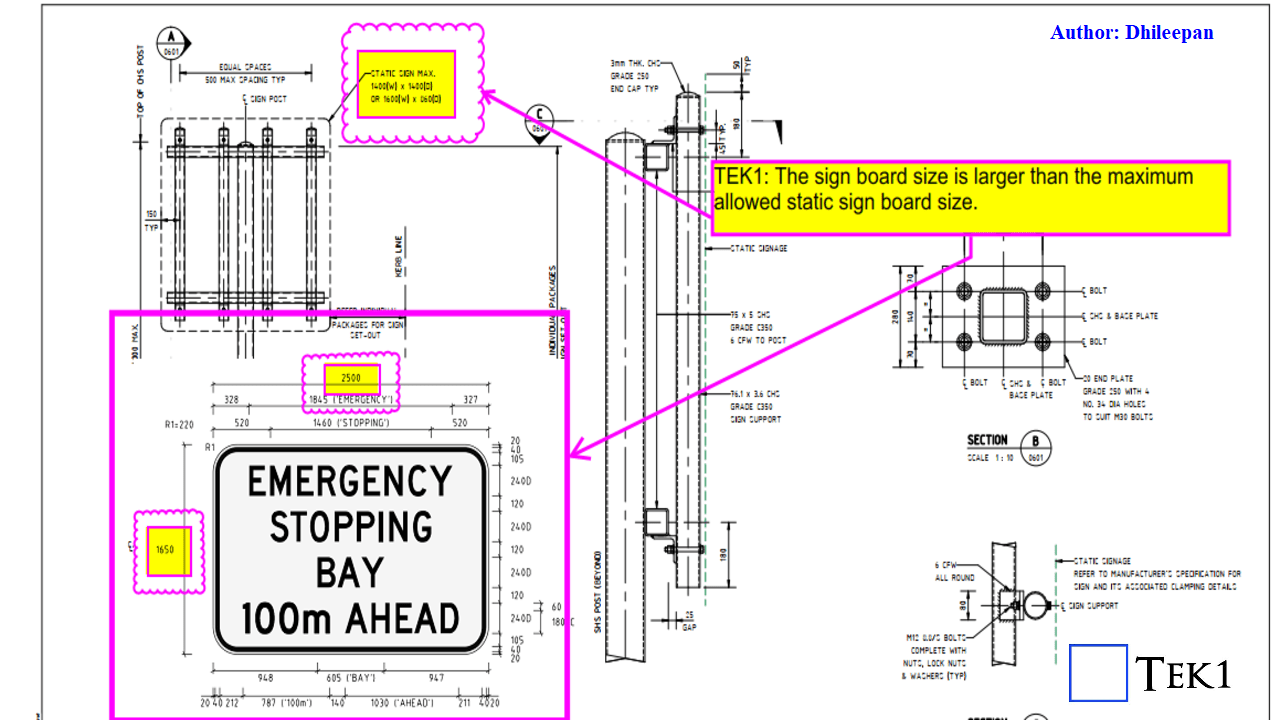
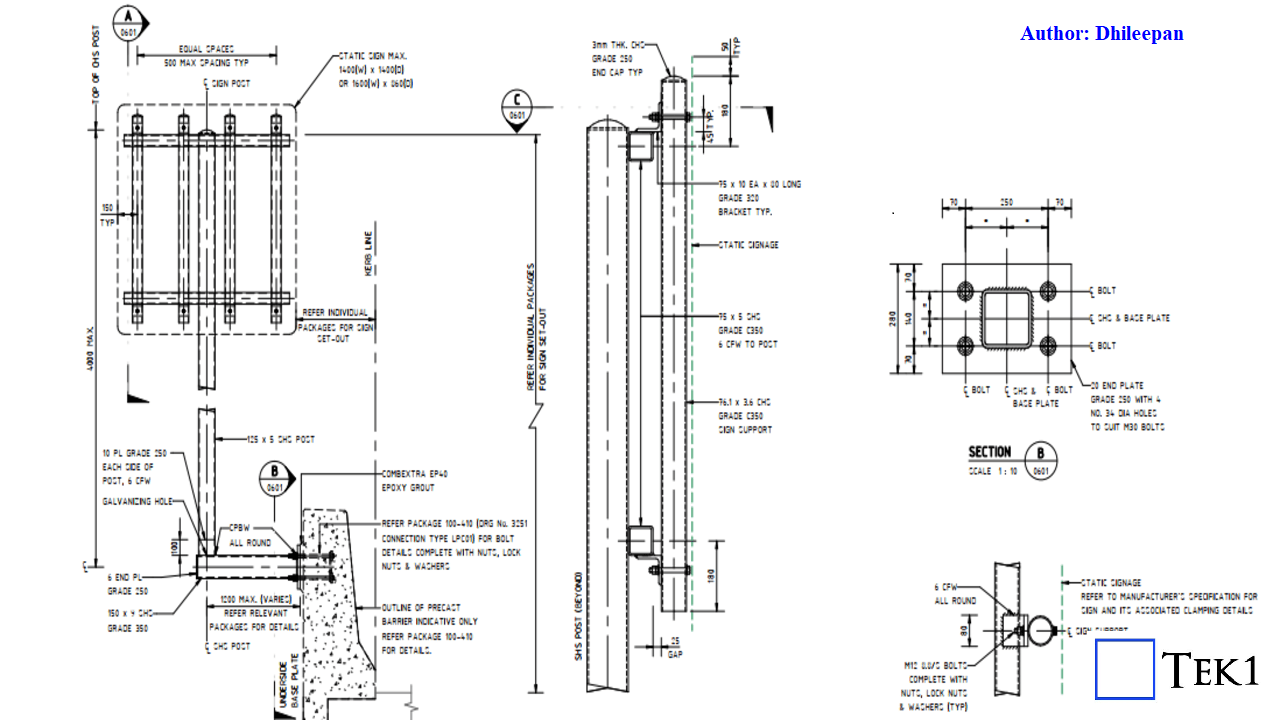
We promptly raised a query regarding this discrepancy with the structural engineer. The project was subsequently put on hold to address this critical issue.
The structural engineering team responded by revising the original frame design and also the sign board’s size. This adaptive approach ensured that the structural integrity and safety of the sign board were not compromised. The revised frame design was then implemented, allowing the project to proceed smoothly.
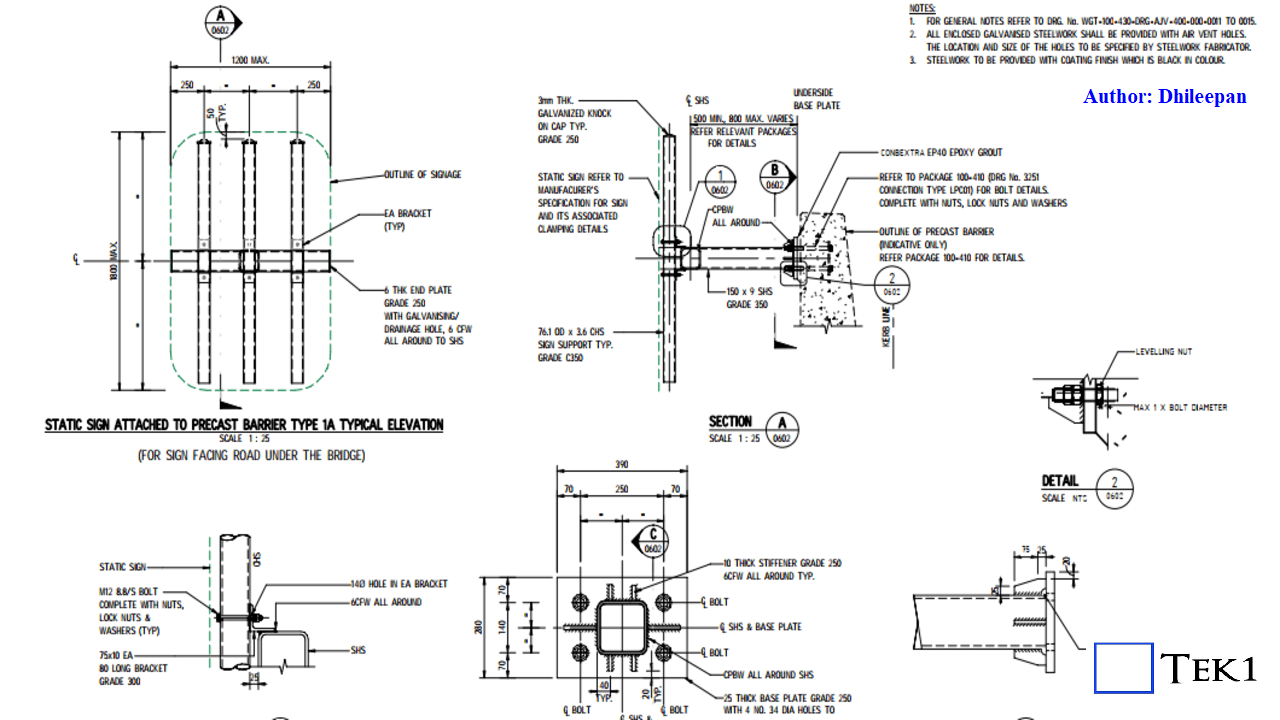
NEW DESIGN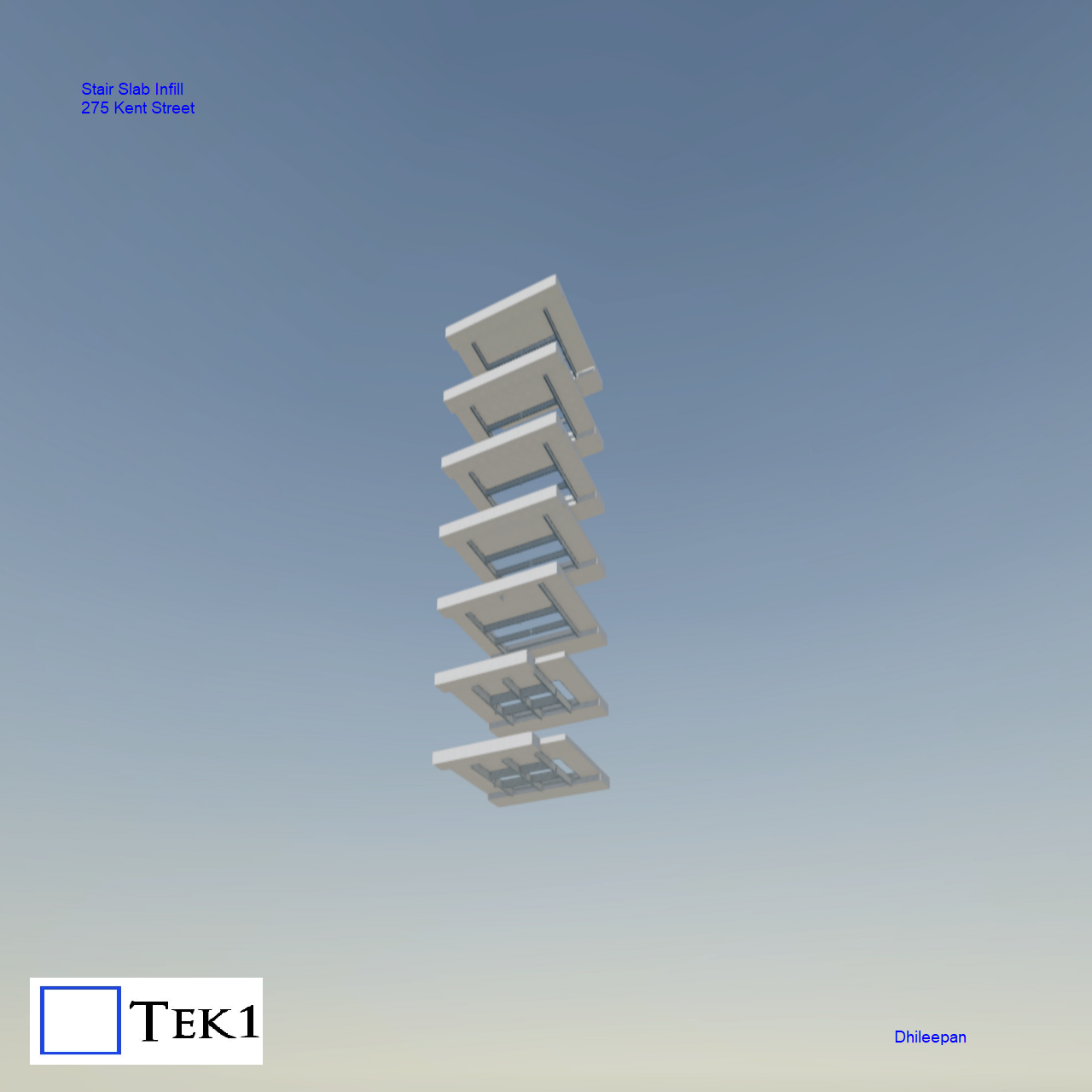
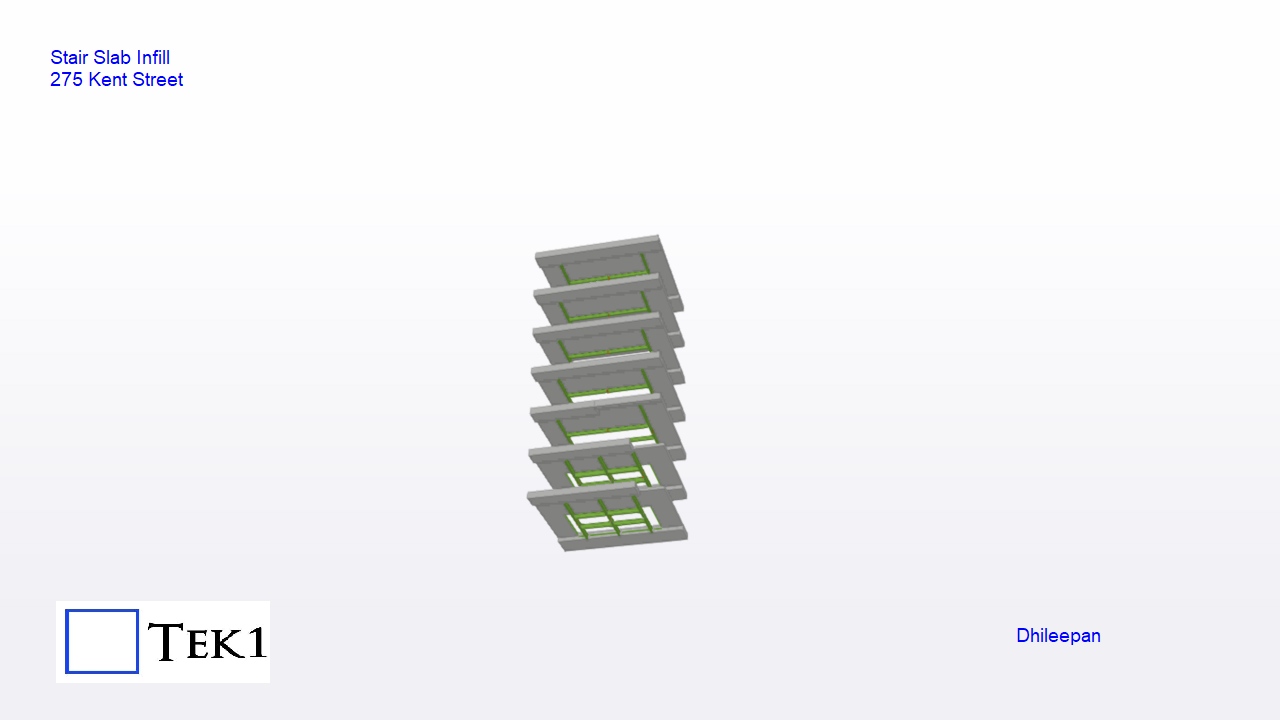
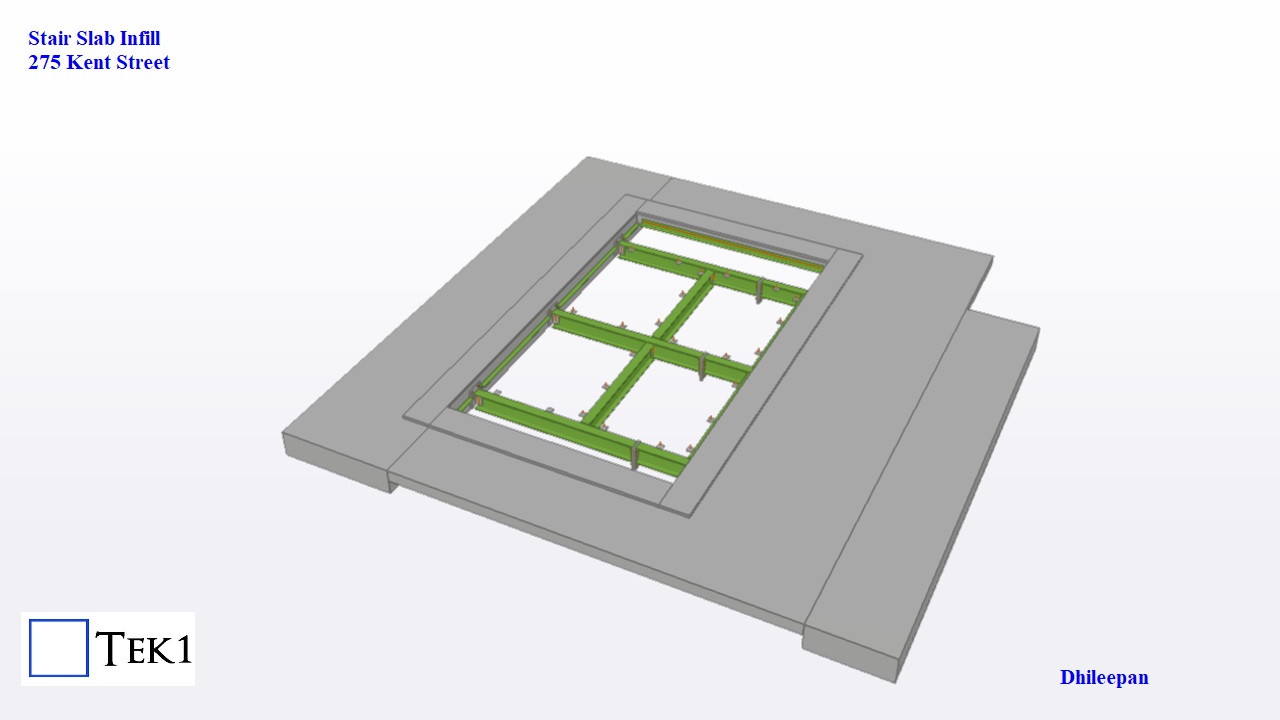
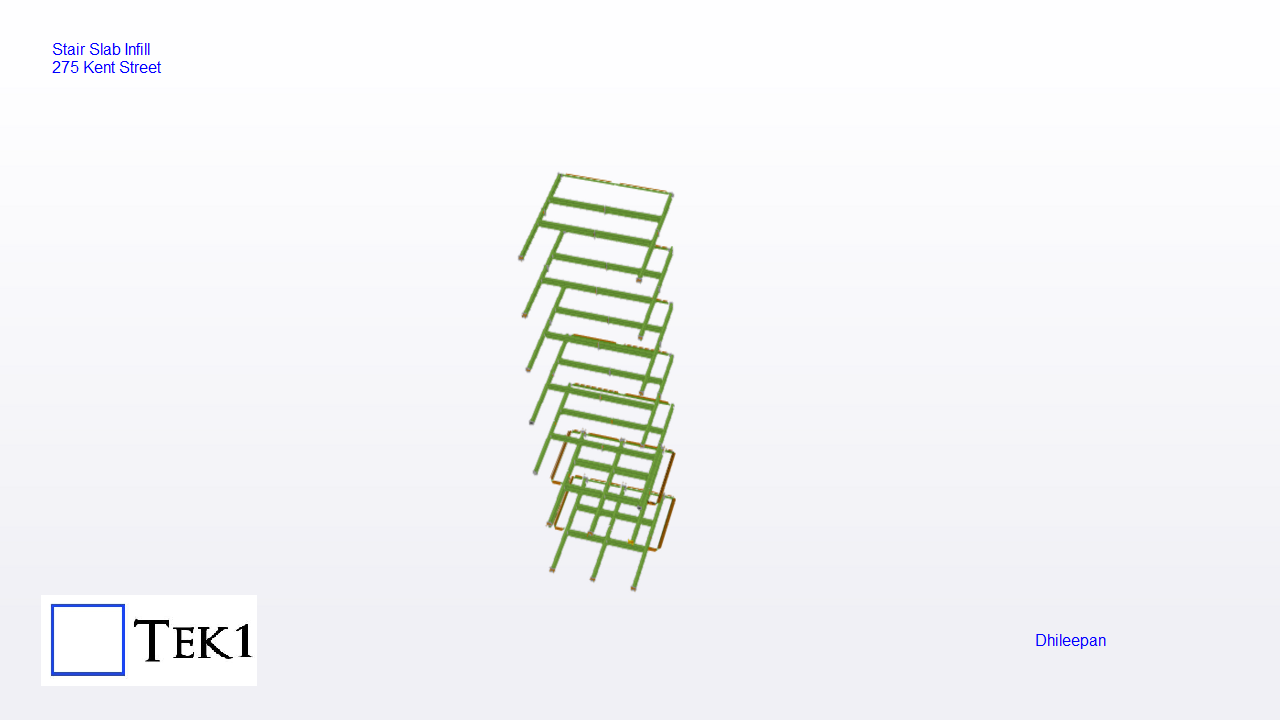
The stairwell at 275 Kent Street had been demolished, leaving open slab areas that needed to be closed. Our task was to support these closures with meticulously detailed steel beams. Following a comprehensive site survey, we supplied steel beams tailored to different levels.
Initially, the project scope included orders for only three levels. However, after completing these, four additional levels were incorporated to fully close the openings.