Category: Steel Detailing Blog

This page show cases some of the Steel Detailing projectgs completed in Melbourne, Sydney, WA, Brisbane Tek1 has completed

  • Can you spot the problem – #5

    We continue our blog post series.

    Pop-Quiz: What’s wrong with the below connection detail?

    Consider the details below. It’s time for a pop-quiz: what issues can you see here?
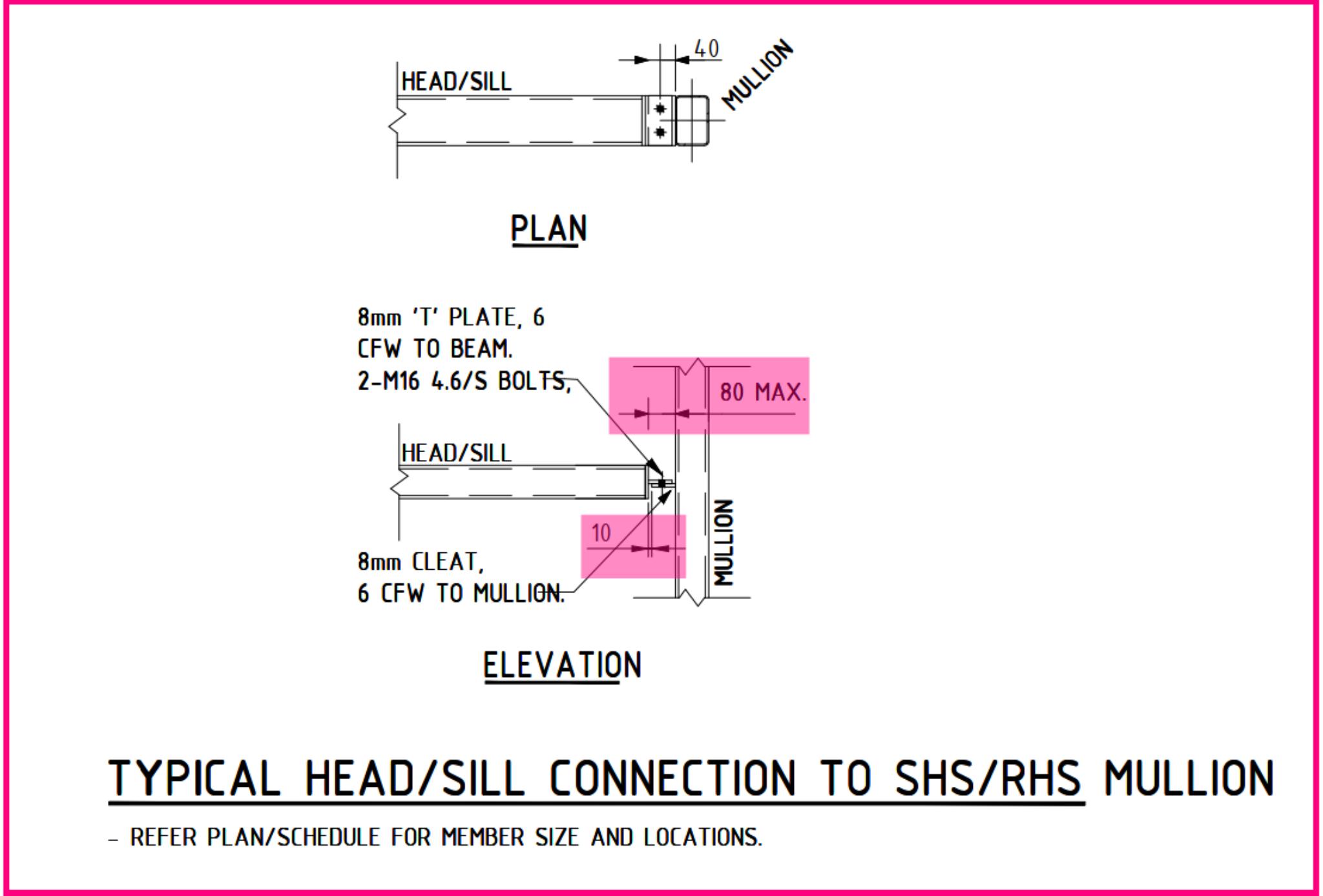
    Structural Engineer’s Drawing: Connection details


    Answer:

    The structural engineer provided the gusset connections with a 10mm erection clearance (see the snap above). But as a steel detailer we must provide a standard min erection clearance for all the connections. (We shouldn’t follow blinding, but we have to think before using their details.).

    We must need to provide 15mm min as erection clearance. (because the weld takes up to 8mm). If we give 10mm clearance then the connection plate will hit the weld. It makes erection issue at site. Erection issues are costly and time consuming: resources will need to be occupied on site. Labour is expensive in Australia – and time is expensive anywhere. These sorts of issues need to be absolutely avoided with good detailing practices.


    Please refer to the snap below snap: it shows an example of site issues due to insufficient erection clearance. Also we have attached our sketch shows our standard typ connection details.
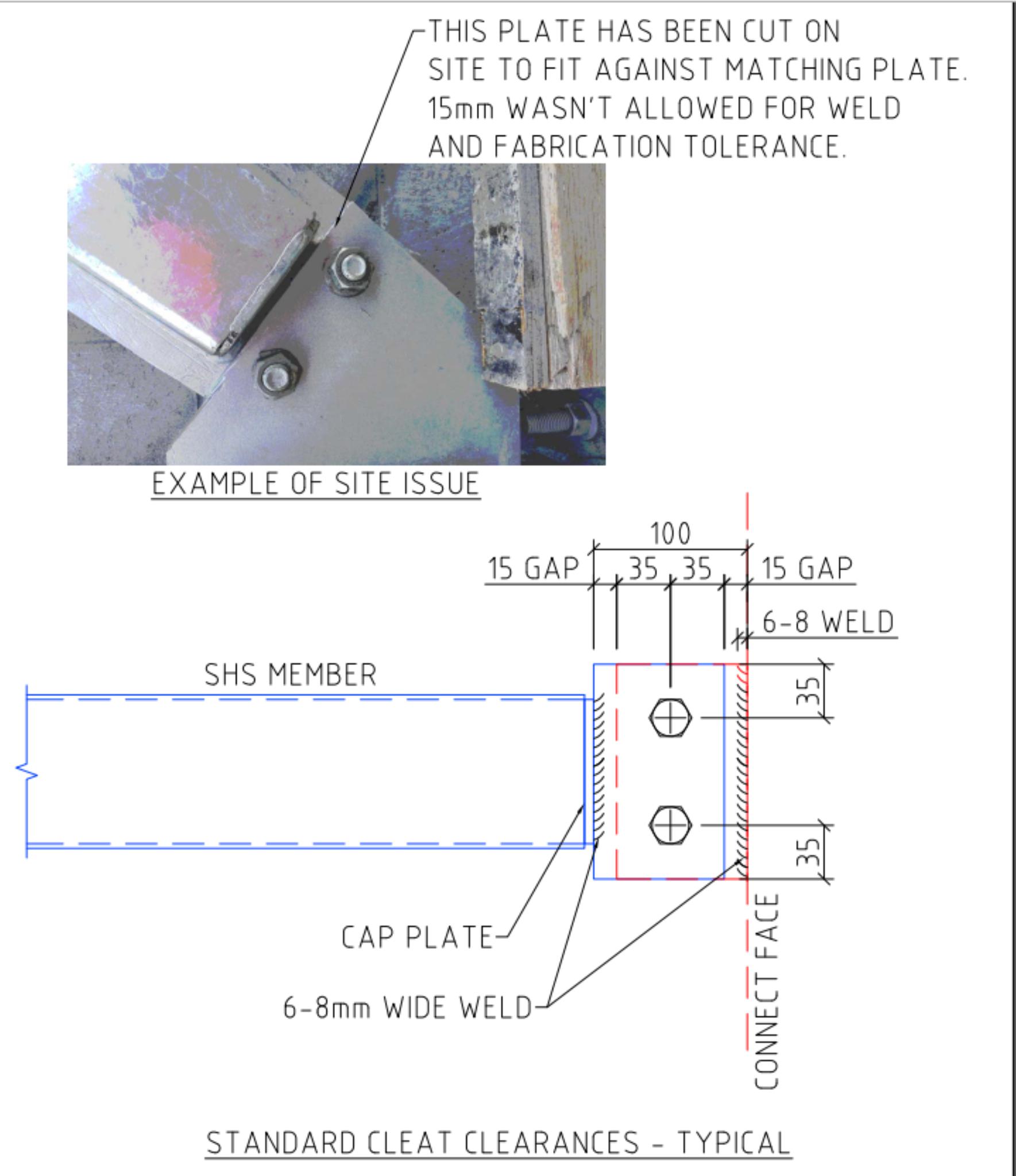
    You need some clearance for the weld. We have also attached a connection detail.


    Bonus Marks

    What further issues can you see above?

    Answer: The plates are of a non-standard size. This means that the fabricator needs to custom make a plate. That involves extra labour, for something that is entirely unnecessary. Plates need to be custom made only when absolutely required.
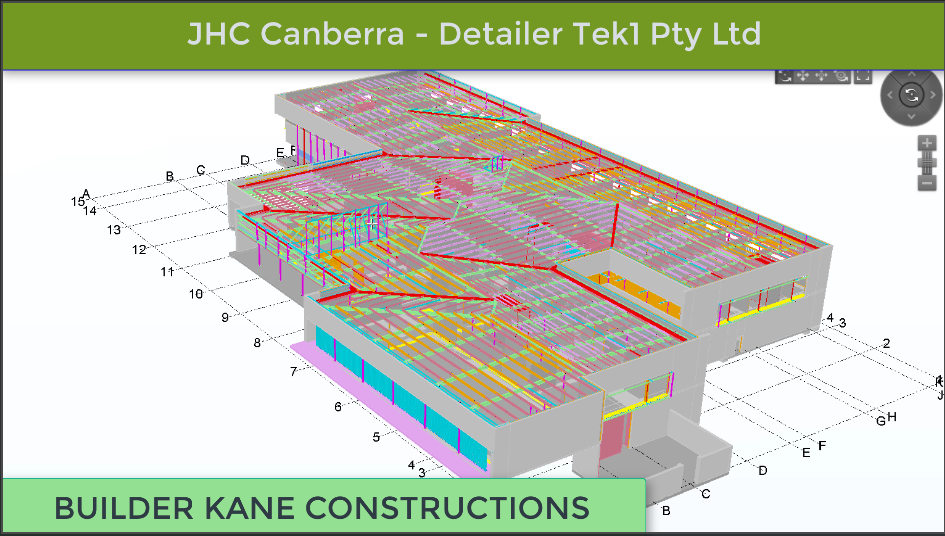
  • Tek1 Completes Detailing of JHC Canberra

    Kudos to the engineers and architects on this project. Their support had been brilliant. We have never come across another engineer or architect who had been so prompt in resolving issues on this project. We were able to complete this project very quickly mainly because of the super support i

    steel detailing
    JHC Canberra

    n resolving RFIs from the engineers architect and the builder. The builder is Kane Constructions.

  • Can you spot the problem – #4

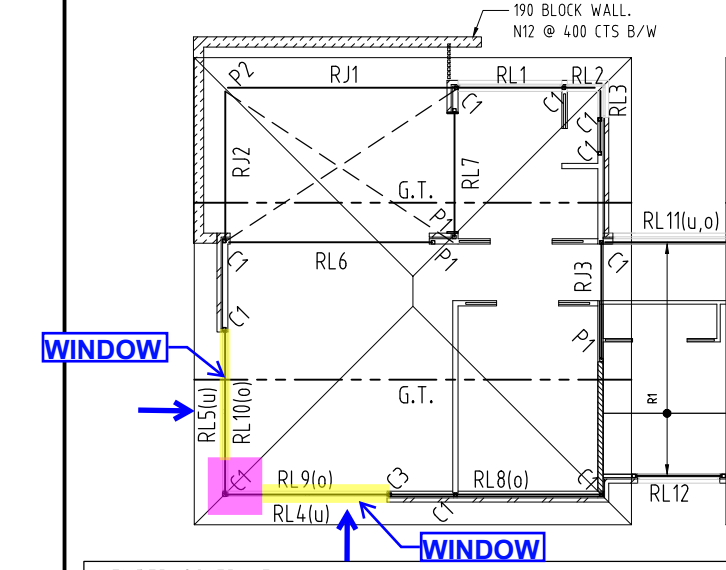
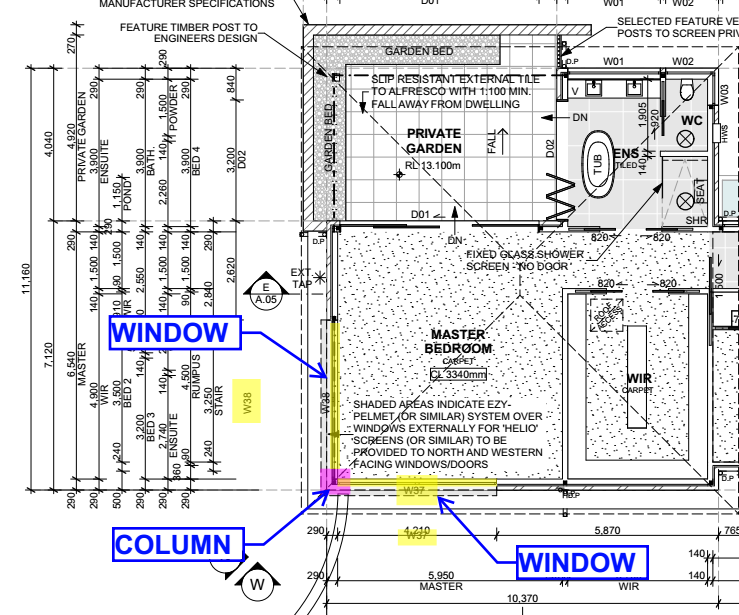
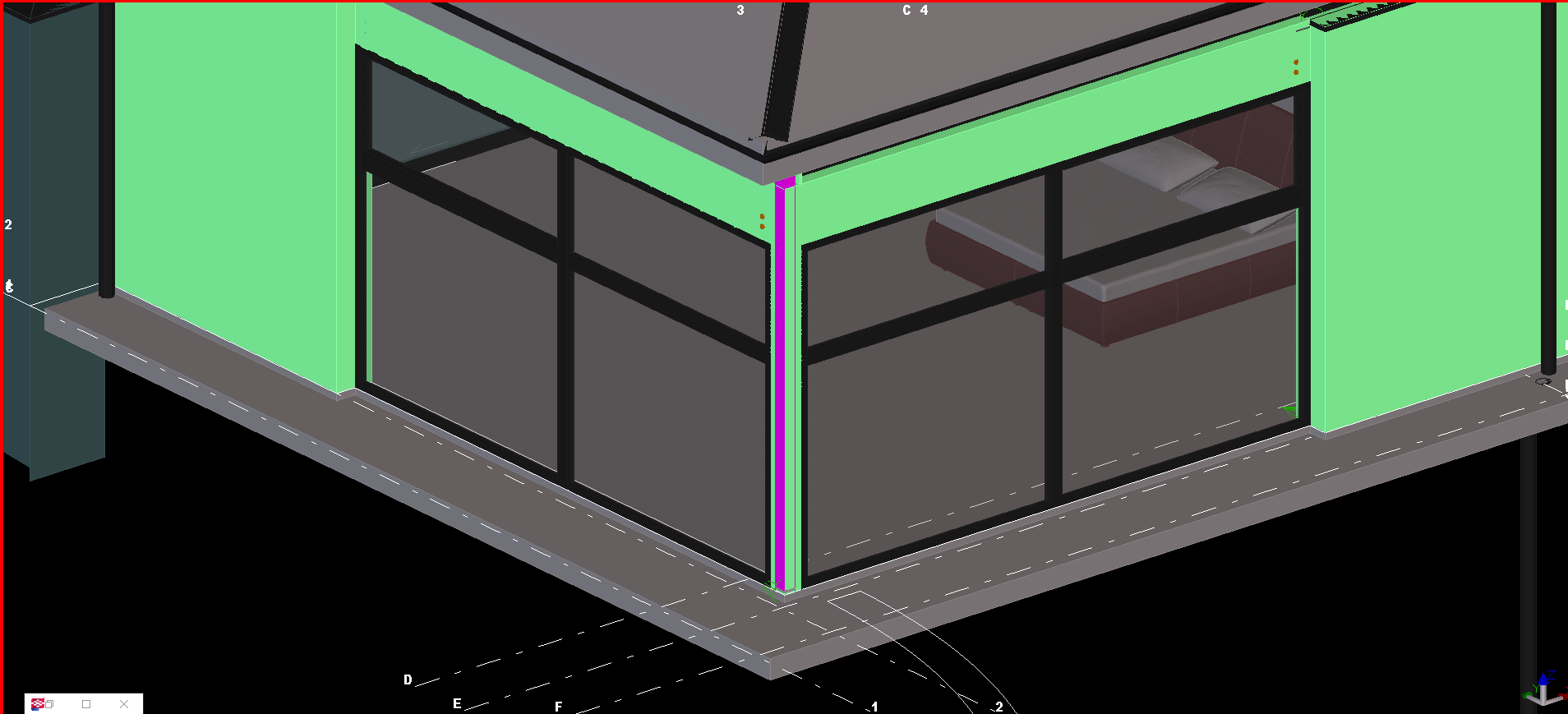
    The design drawing requested one column at the wall corner. Also both sides of the corner wall had windows that stand from the finished floor level.

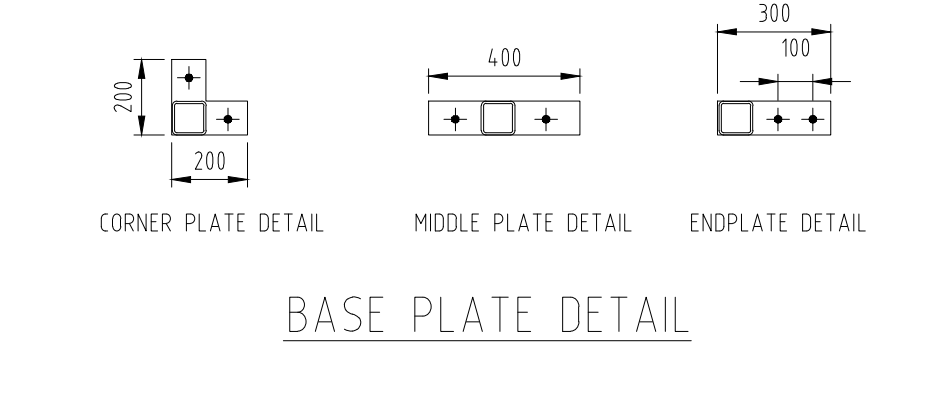
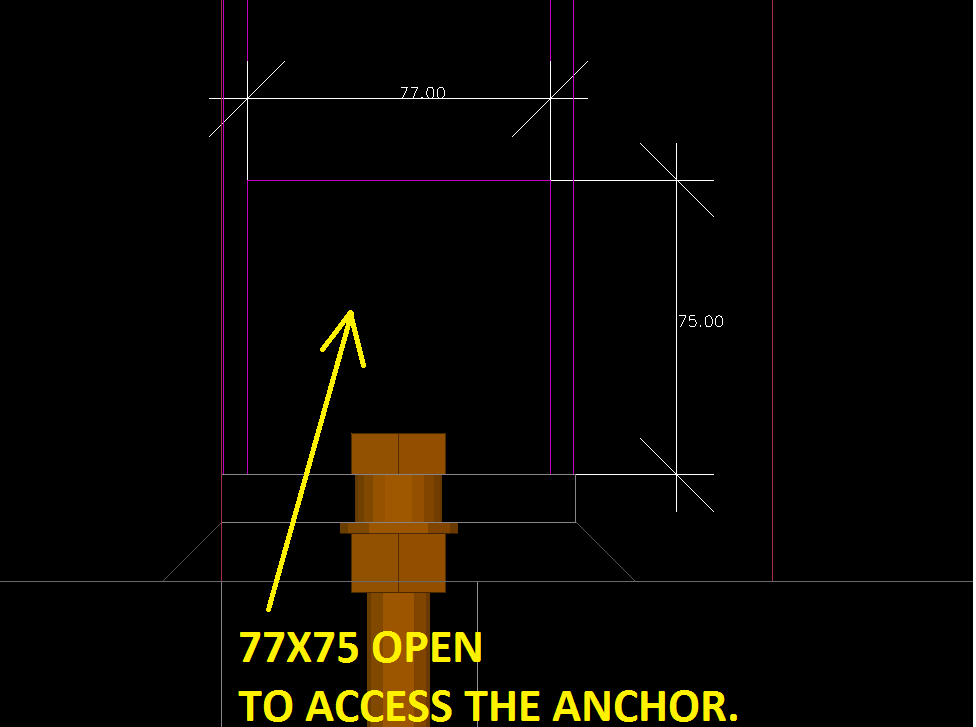
    In this instance, we couldn’t follow the structural engineer’s recommended base plate details, because the base plate and anchors will interfere with the window clear open area.

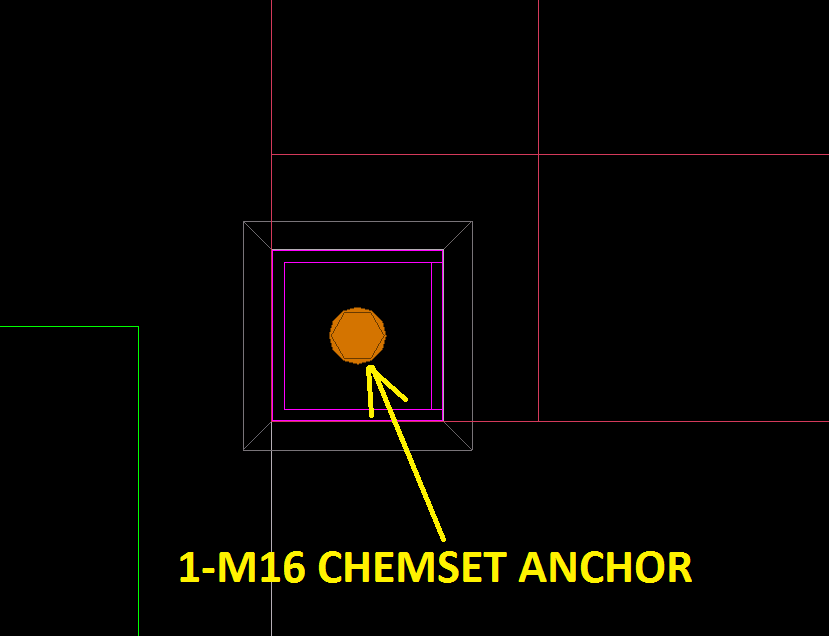
    So we suggested the single anchor at the center of the column and make with one access hole in the column web.

    The client accepted our suggestions for this case. See the attached snap to understand the issue, and try to spot the problem, and try to solve the problem as if you were facing it for the first time.

    Shows the column and the windows.
    Shows the column and the windows.

    See the structural design drawings:

    Base Plate Details


    Structural details
    Structural details


    The architectural design:

    Architectural Design


    The Proposed Solution:

    A solution.
    Shows the proposed base plate. Profile View.
  • Can you spot the problem – #3

    Hello friends

    Consider the below drawings.

    Do you notice any issues?


    Can you spot any issues?


    Can you spot any issues?
    Can you spot any issues?


    Can you notice any issues which may arise?
    Can you notice any issues which may arise?


    Here were our suggestions:

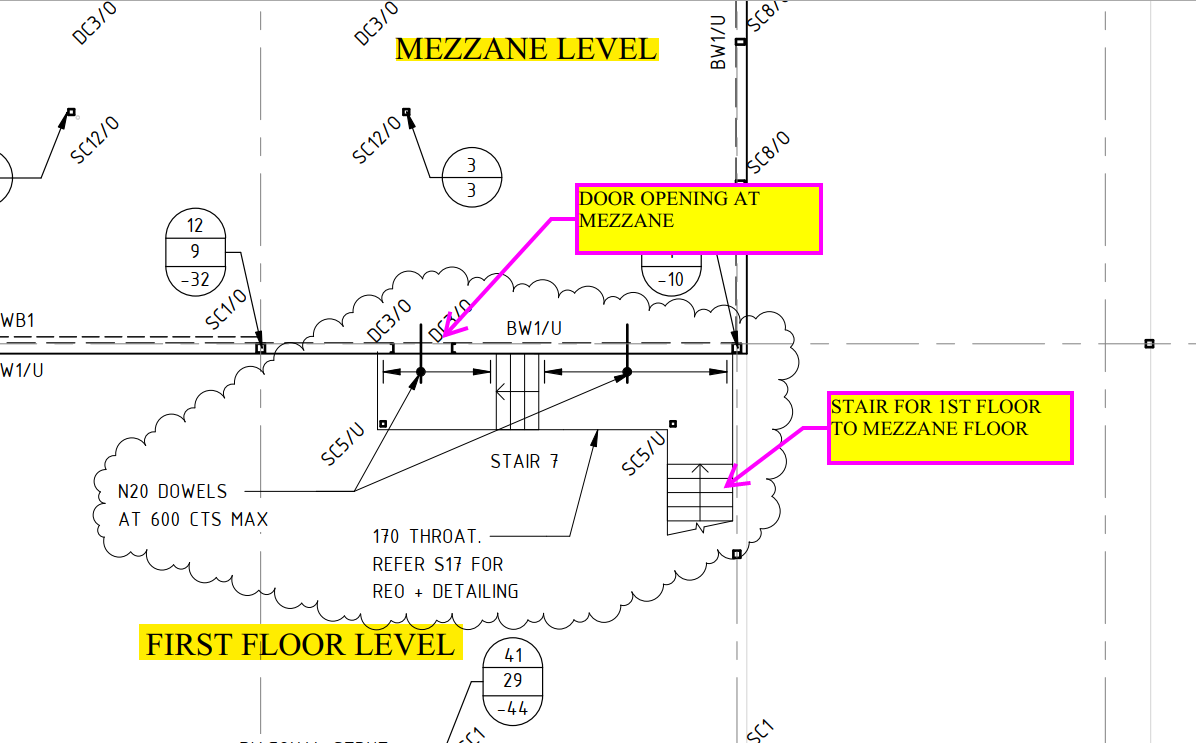
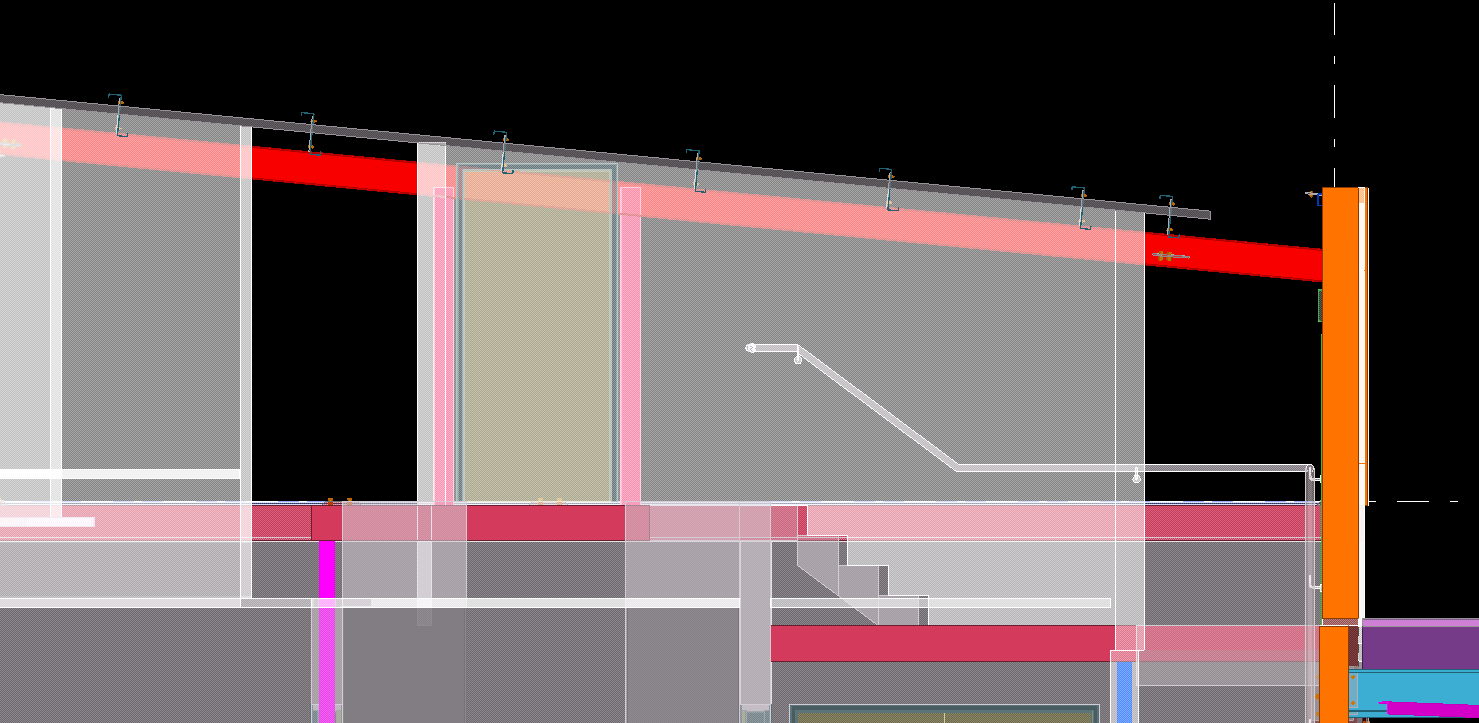
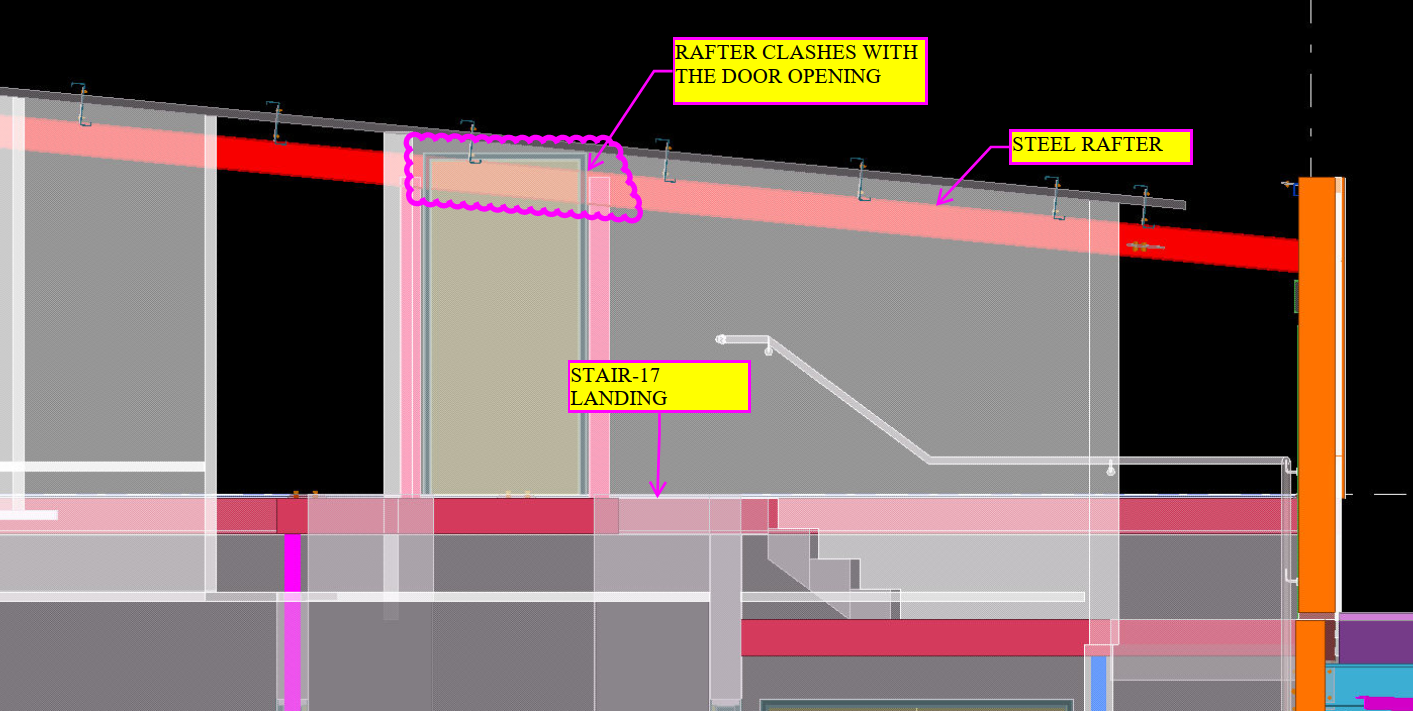
    Our detailers identified & noticed that the roof rafter falls at the door opening which runs at 5.5° slope.

    The Roof rafter is concealed inside the stud wall, also the Stud wall runs above the Rafter up to the top of parapet RL. The height of parapet wall is the same throughout, hence the top of the wall runs at the same 5.5° slope as the roof.

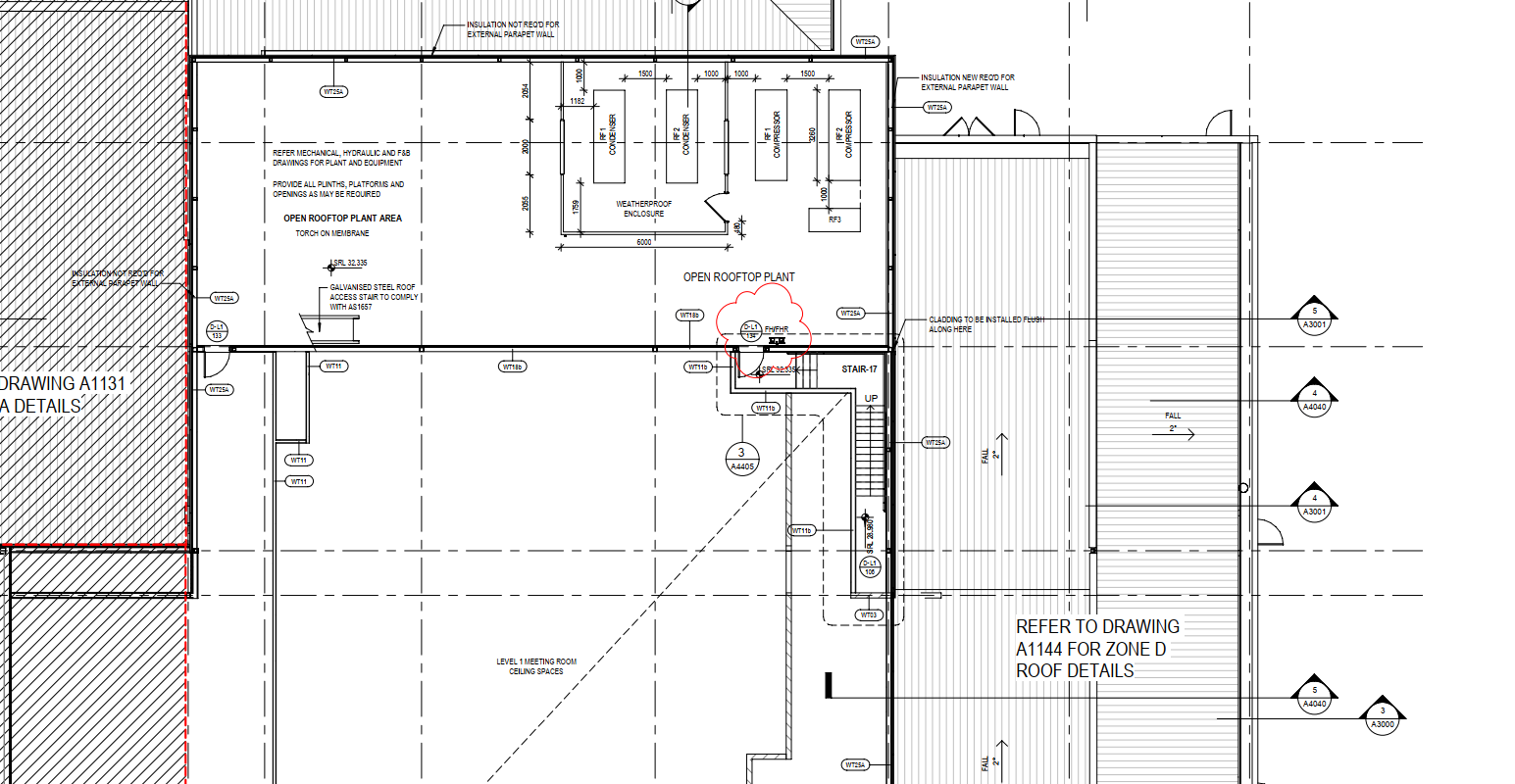
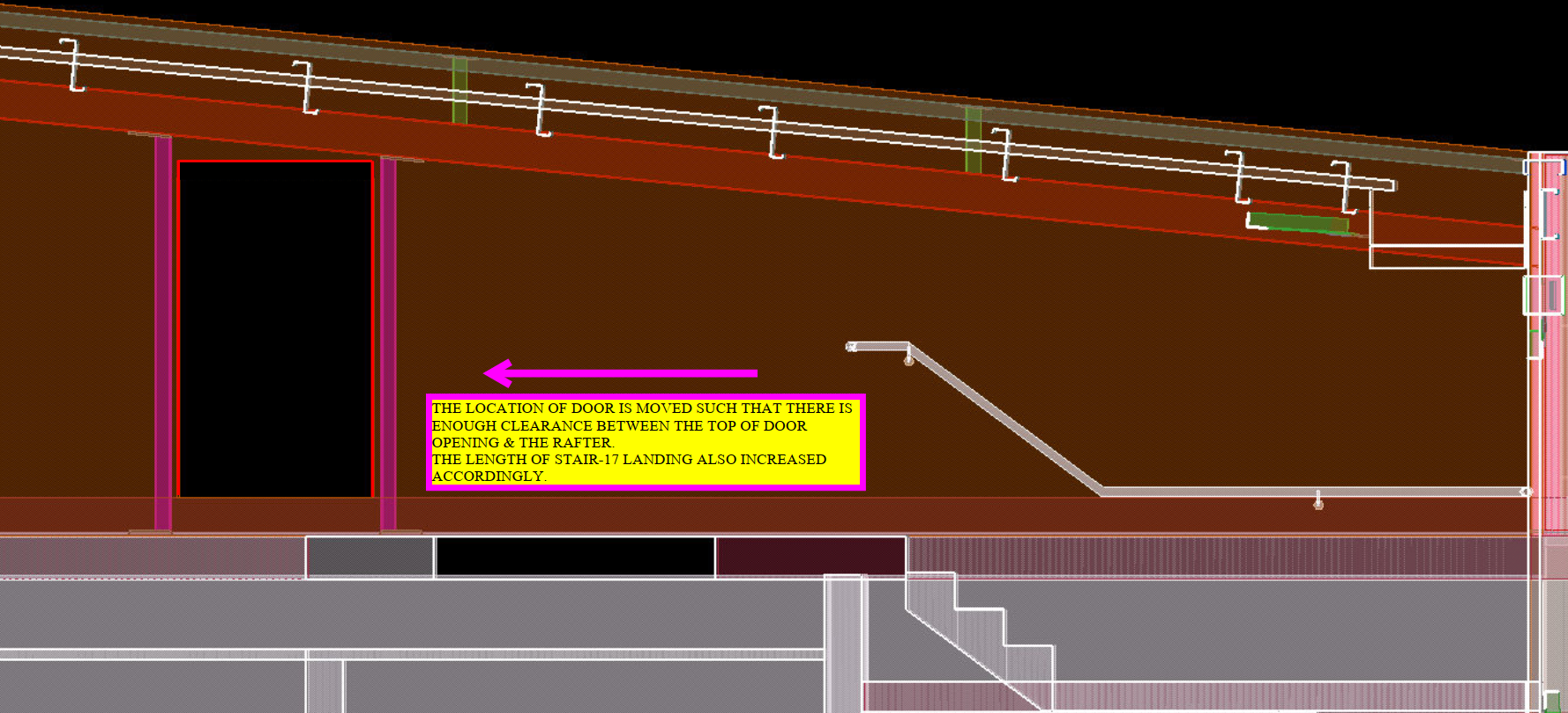
    There is an access door near the lower end  of the stud wall/Roof. We noticed that the rafter falls inside the door opening and suggested the client to move the door & increase the Stair landing length accordingly.

    The suggestion is accepted and the door is moved in such a way that there is enough clearance between the top of door opening and the rafter soffit.

    Rafter clashes with the door opening.
    Rafter clashes with the door opening.


    We can move the door to a new location.


  • Can you spot the problem – #2

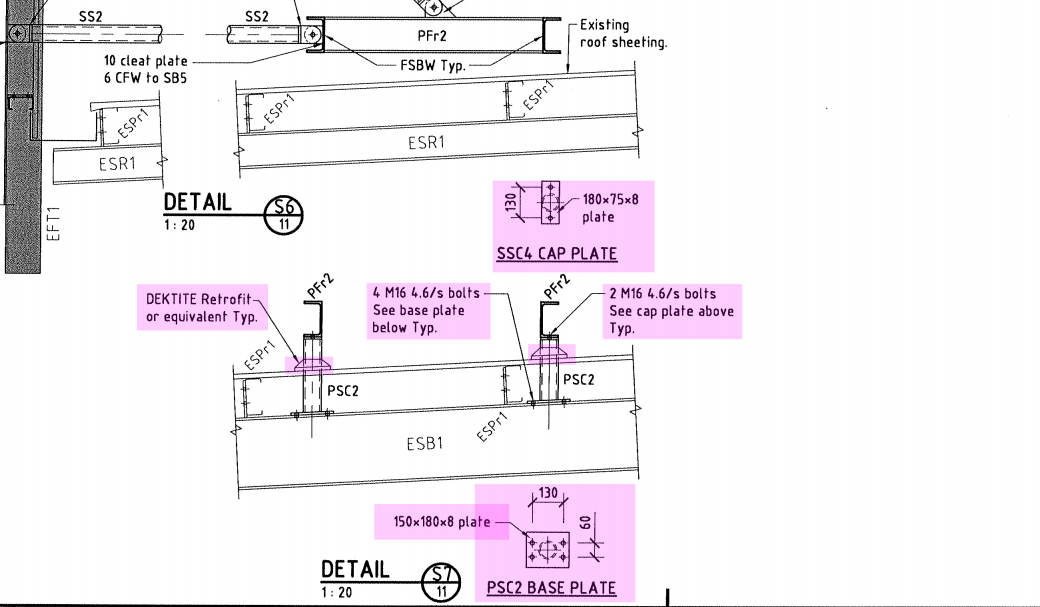
    Please study the following drawing. The engineer has called for these details. But as detailers, can you see any issues which may come up? Consider the problem carefully and let us review the issues below. (Given information: the below is a drawing of a corrugated roof. There is a deck to be placed on top of the roof. Hint: waterproofing is the primary concern).


    Can you spot any issues with the above drawing?

    What is going on here?

    The issue lies with water proofing. Corrugated roofing is not flat. It is bent and curved. In this case we have a beam that is penetrating through the roof. In these circumstances, water proofing is critical, and we need some type of Decktite (or equivalent) to be placed on the roof to ensure that water does not seep through. But then, what is the problem here?

    To understand this issue, you would do well to watch these two videos first:

    1. https://www.youtube.com/watch?v=SSouJZBFjTw
    2. https://www.youtube.com/watch?v=xHA-lwY7aS8

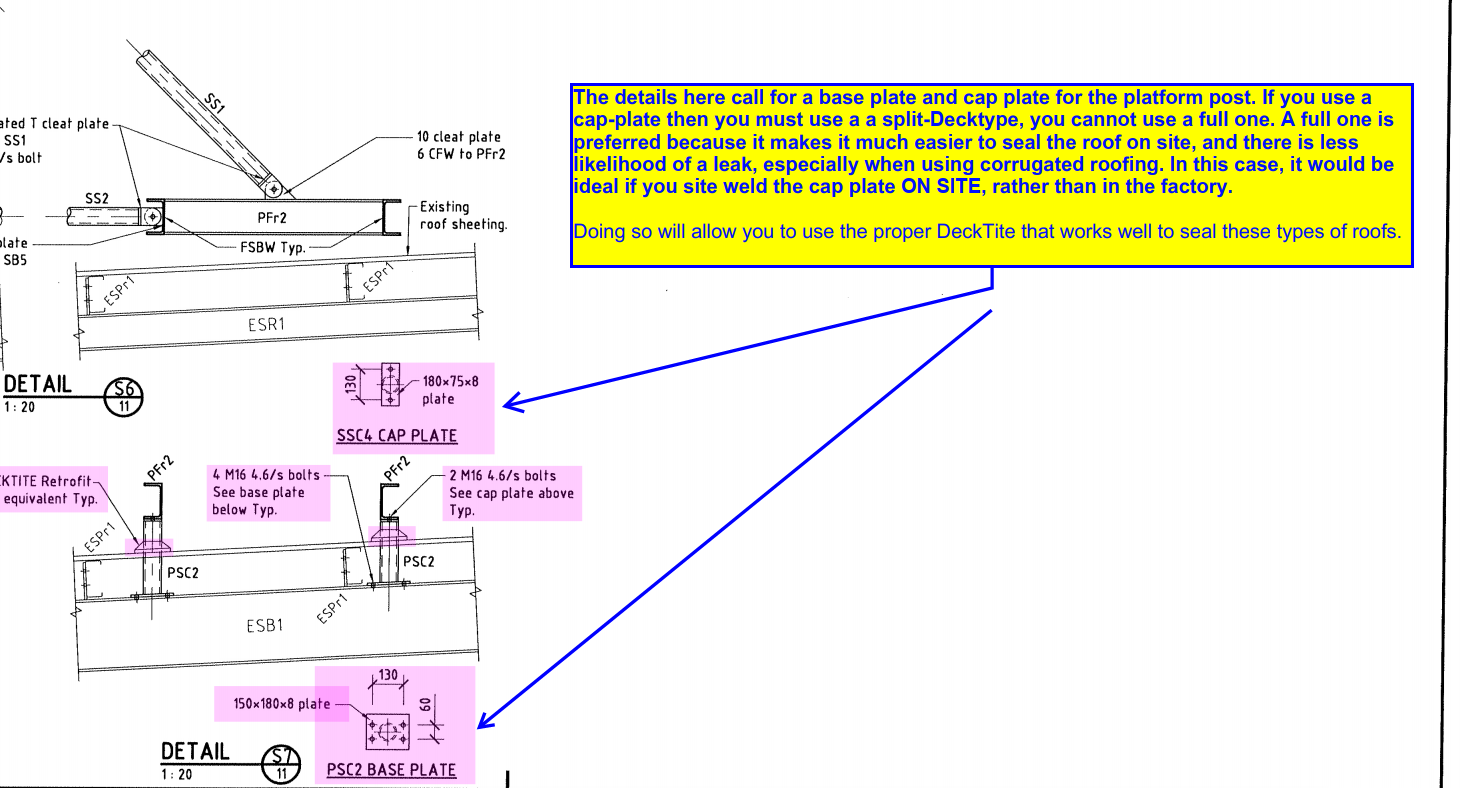
    The problem lies in the fact that the drawing calls for a cap plate. That is extremely problematic when you are using Decktite. The usual and preferred practice is to pull some Decktite over a pole and slide it down – much like pulling a T-shirt over your head.  You can think of the DeckTite as the T-shirt, and your head as a pole. The hole in the T-shirt fits snugly around your neck. But if you have a cap plate, the situation becomes different. In effect, to continue the analogy, having a cap plate is like expanding your head so that it is impossible large to be able to pull a T-shirt over it.  You simply cannot put on a t-shirt if your head is too large! The only way to wear the garment is to use a jacket, which can be split and wrapped around – which in this case means using a split Decktite. The problem with using split Decktite on corrugated roofing is that it doesn’t seal as well, and is cumbersome to install.

    In this case, you ought to confirm with the client how they want to handle this issue. If you bolt a cap plate on top of the column, then you are forced to use a split-Decktite. But if you want to weld on site, then you can use Decktite that is not split, and can largely avoid the complications of leaks occurring on the roof.


    Shows the issues which may crop up if the drawings is followed. You need to confirm these types of issues with the client.


  • Can you spot the problem – #1

    Attention detailers,

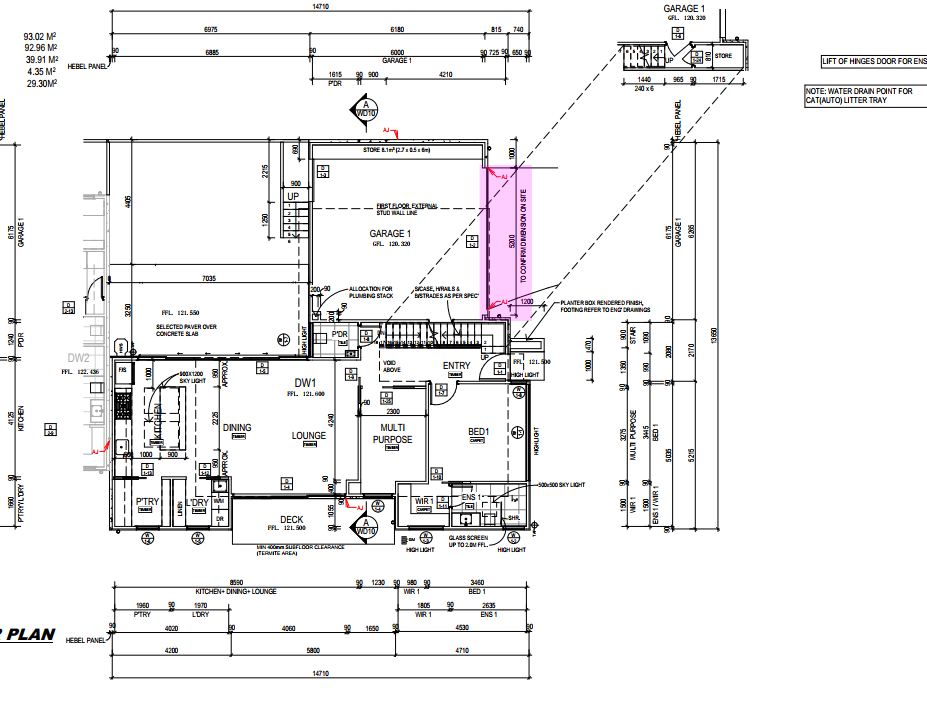
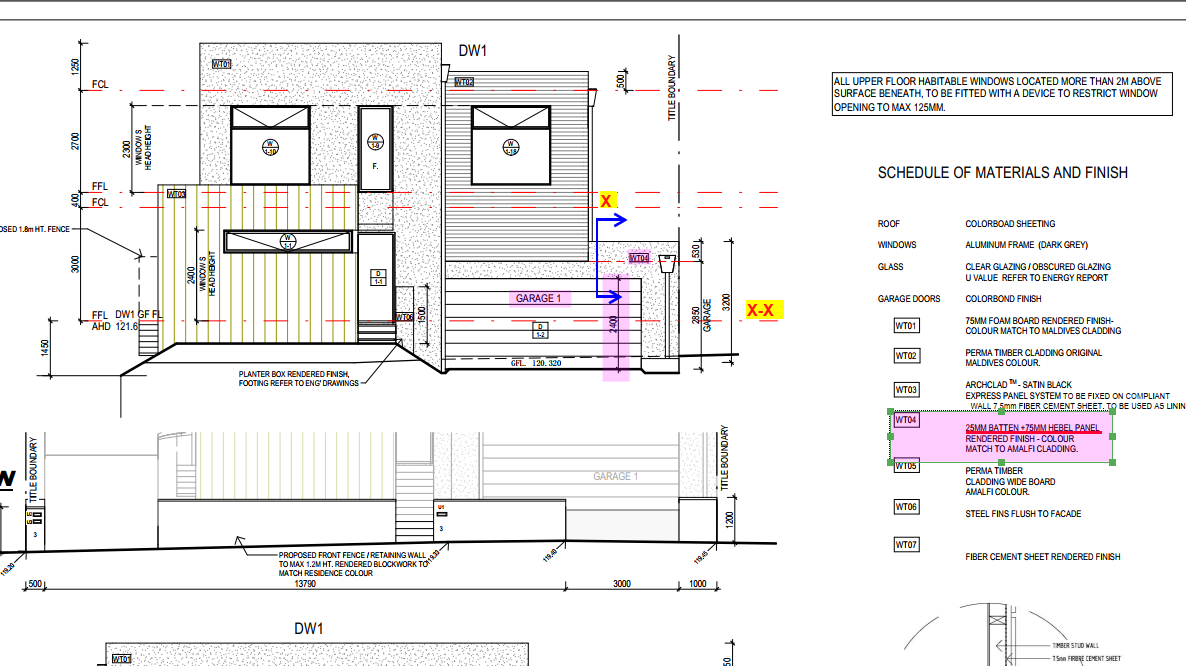
     Take a look at the following below and see if you can identify the issue/problem at hand. Take careful note of what I have marked up, and try to identify the issue.

    Spot the problem
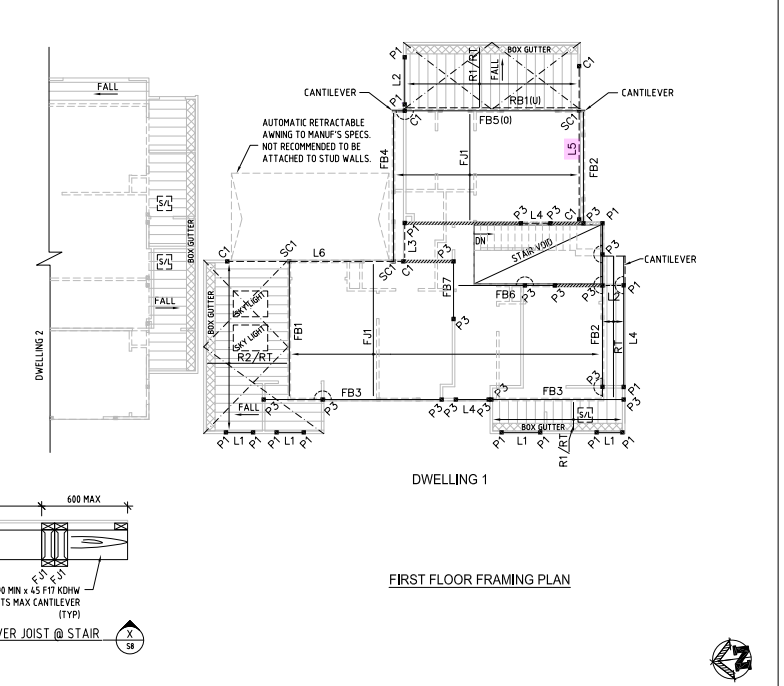
    Consider the structural input drawing image as well, and see if you can spot the problems between the two.

    This is the second image – please do compare it with the structurals.


    Here are the structural drawings:

    Compare the structurals with the arch drawings to find the issue.
    Compare the structurals with the arch drawings to find the issue.

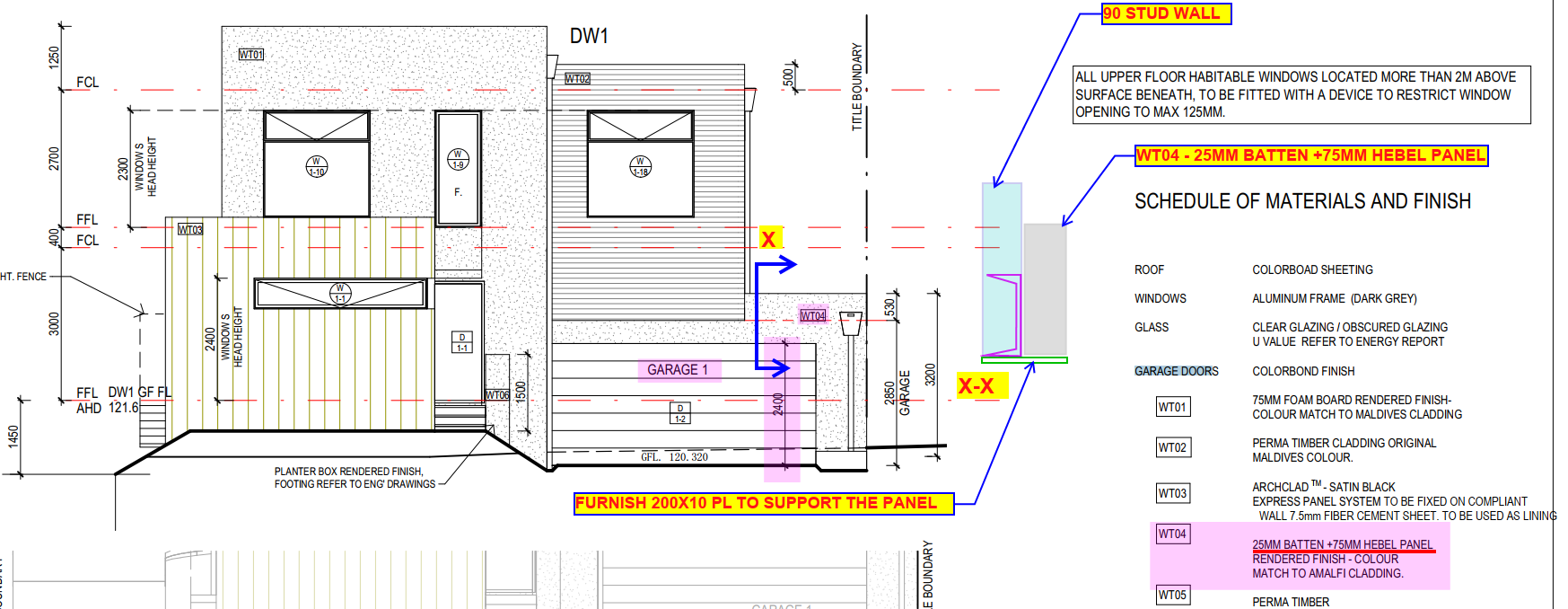
    Answer:

    There is an unsupported hebel panel here. Without support, the panel will surely break off. Therefore it needs a PL to support that panel, notwithstanding the engineer’s omission.

    This is the answer. You need to add a support for the Hebel panel.

    Take a look at the mark up above.

  • D NUT BRACING OR CLEAT BRACING?

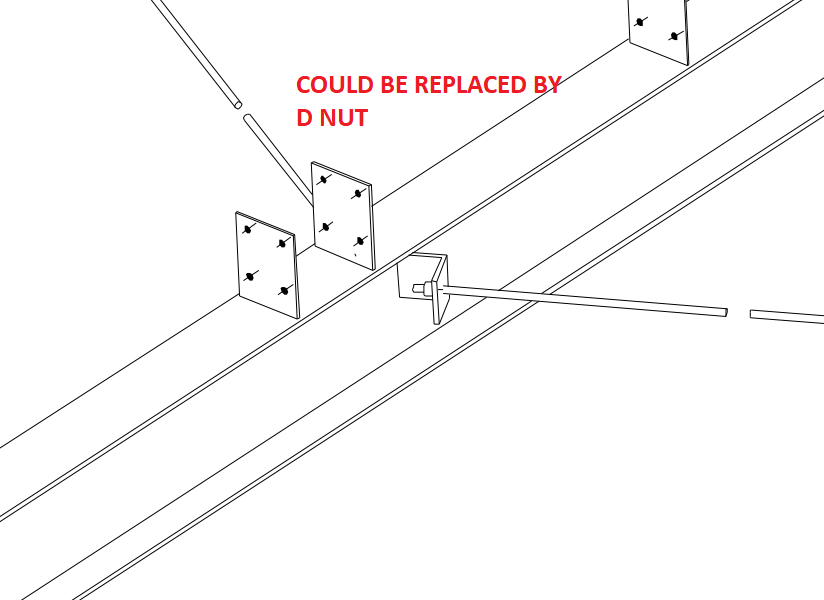
    D NUT BRACING
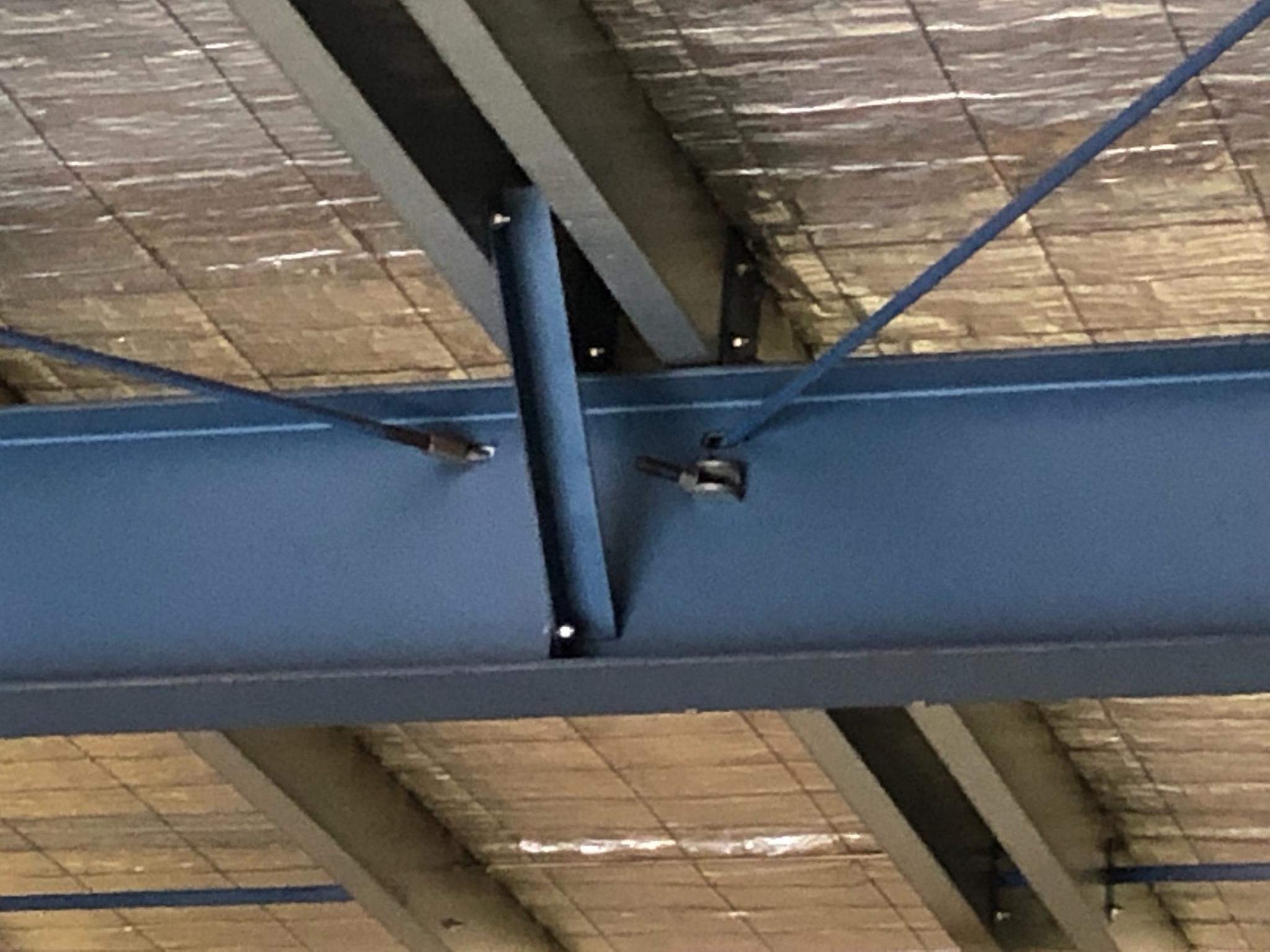
    D NUT INSTALLATION ON A RAFTER

    A lot of fabricators prefer D Nut bracing over cleat bracing because it is much simpler and cheaper. If the engineer has specified cleat bracing the detailer must investigate whether a D Nut bracing will be sufficient. If yes, then please RFI the engineer with D Nut bracing proposal. The fabricator could prefer this connection. Make sure the maximum angles of the D Nut is observed


    BRACING
    BRACING AT RAFTER
  • Modeling Cage Bolts

    There is no need to spend a lot of time trying to model bolt cage accurately if the drawings can be annotated to get the final accurate final intent

    Here I am showing an example of a bolt cage. There is not need to model the helix to avoid the clash. No one can make a lig with clash. Physically impossible. So no need to model avoiding clash. Let it clash. When the fabricator makes the lig he will do it without clash.

    Also,

    https://youtu.be/8HsKLxGPBNc

    another point to note is that we need not model tight to the anchor rod. Let one side extend a little bit to avoid the radius riding into the anchor bolt. It will be easier for modeling and manufacturing. There is no compromise in the final intended outcome.

  • TRIM OR EXTEND GRID LINES IN ADVANCED STEEL

    This tutorial explains how to trim or extend grid lines in advanced steel.

    The is the last tutorial on basic grid lines. There are other advanced options like curved grid lines. But for the time being in a beginner course this is enough.

    If you can do this much confidently and correctly you will handle majority of the cases