Month: September 2024

  • Address Erection Feasibility While Detailing Structural Steel

    Address Erection Feasibility While Detailing Structural Steel

    The Issue:

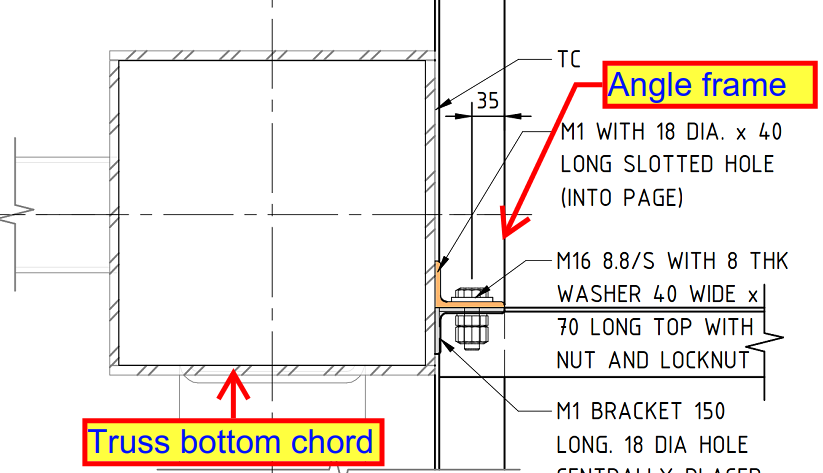
    • According to the design, the bottom angle (as shown in the below design) is welded to the truss chord and top angle is welded to another frame.
    • However, this creates a challenge when it comes to erecting the top angle, since both top and bottom angles need to be bolted together.
    • The all-around weld on the bottom angle complicates the positioning of the top angle, as the weld at the top obstructs proper placement.
    How did we resolve the issue?

    Ensure that no weld is applied at the top of the bottom angle. This makes it easier to  position the top angle during erection.If the welding had already been completed, you could grind the weld at the top of the bottom angle. This would afford enough clearance for the top angle to be fitted.
  • Memo 43 – Cut the Crap from your marketing materials

    I see this type of thing all too often from Tek1 staff – from both our offices:

    At Tek1, we believe in pushing the boundaries of conventional design to provide our clients with superior results. This project exemplifies our dedication to innovation and quality in every detail

    Cut it out. It’s nothing but BS / Crap.

    Here is another example

    In the fact paced world of engineering projects, time management is critical. Recently I encountered a situation that highlighted the importance of accurate time estimation and the complexities involved in project rework. Here is a detailed account of my experience.

    Again, please cut the crap.

    It doesn’t look good at all. People will think that you have very, very poor English skills, and that you used ChatGPT to formulate your answer.

    This will reflect very poorly on your name, and mine.

    Incidental, you should not praise yourself. Let someone else do that for you. Adhere to the adage:

    Let someone else praise you, and not your own mouth; an outsider, and not your own lips. (Proverbs 27:2 )

  • Safety Standards in Building Design – Key Requirements for Barriers, Handrails, and Fall Prevention

    Safety Standards in Building Design – Key Requirements for Barriers, Handrails, and Fall Prevention

    If you would like me to assist with your project, please send an email to koshy@tek1.com.au with your project specifications. Kindly use ‘Raj’ as the subject header.

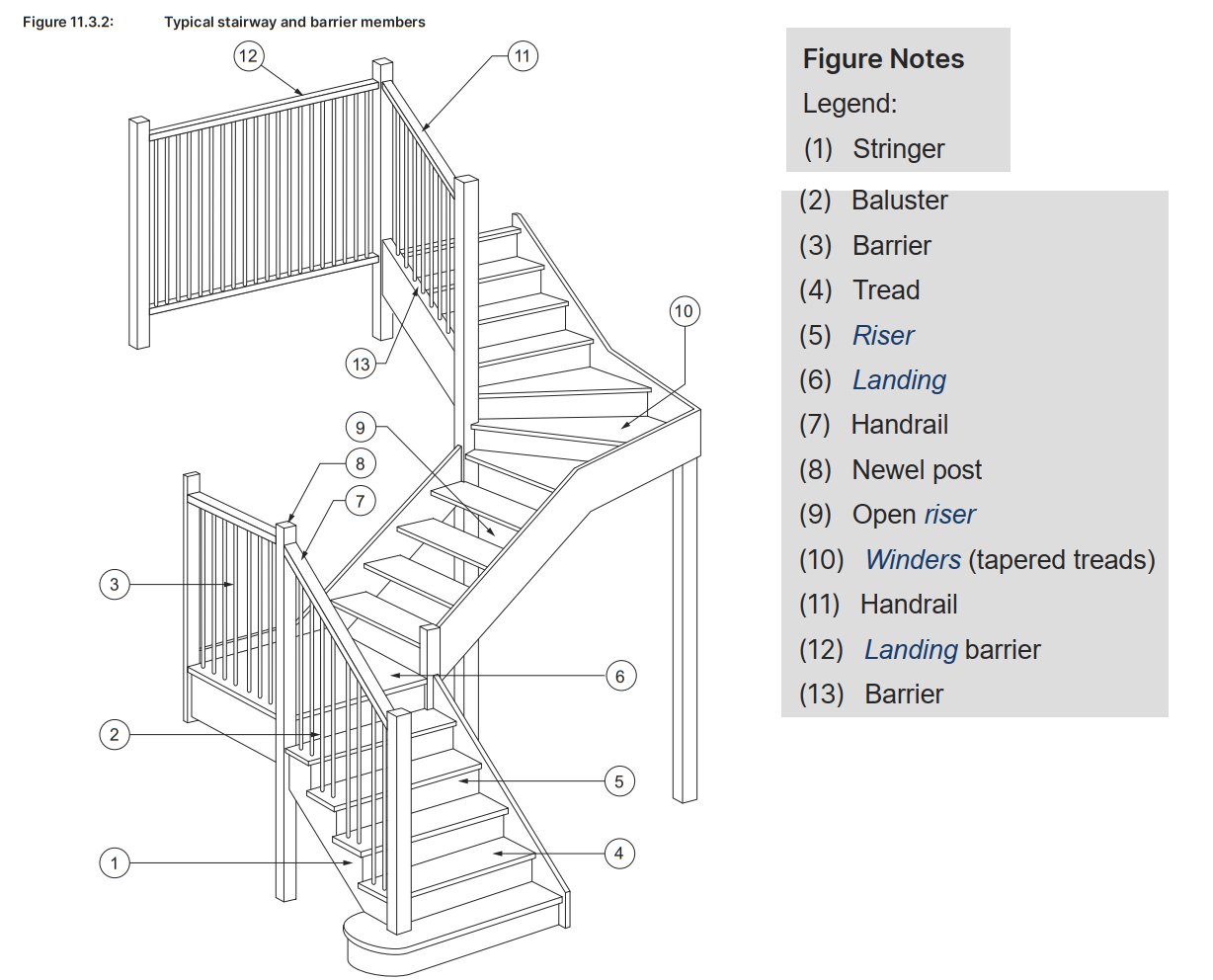
    1. Barriers to Prevent Falls (Section 11.3.3)

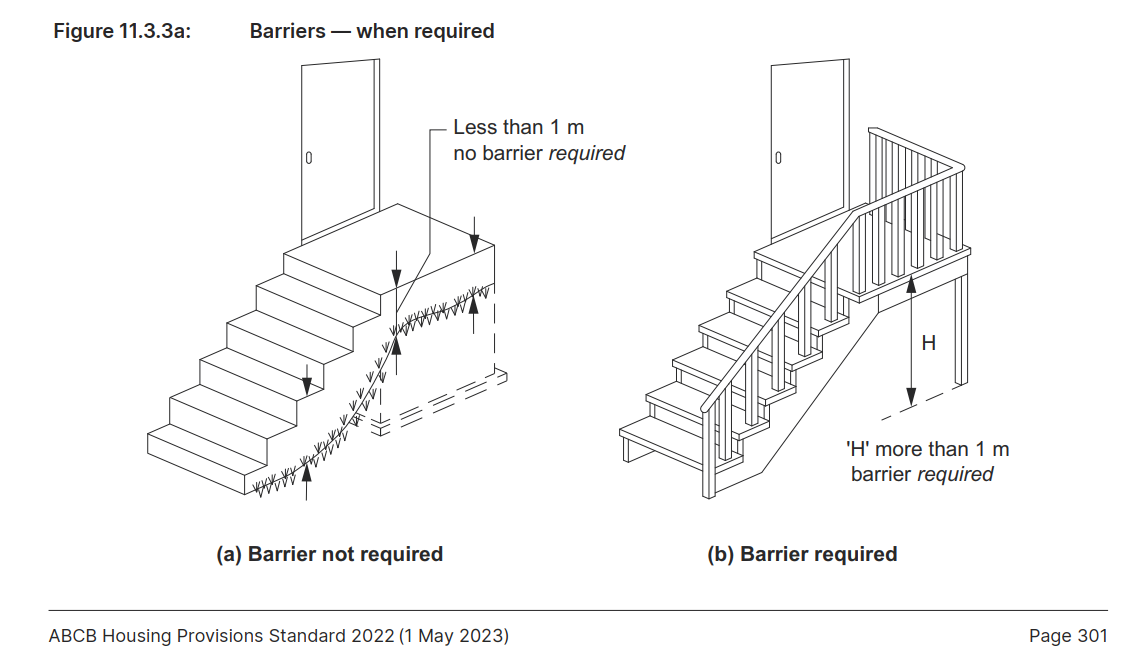
    • Purpose: Barriers are required on various elevated surfaces to prevent falls.
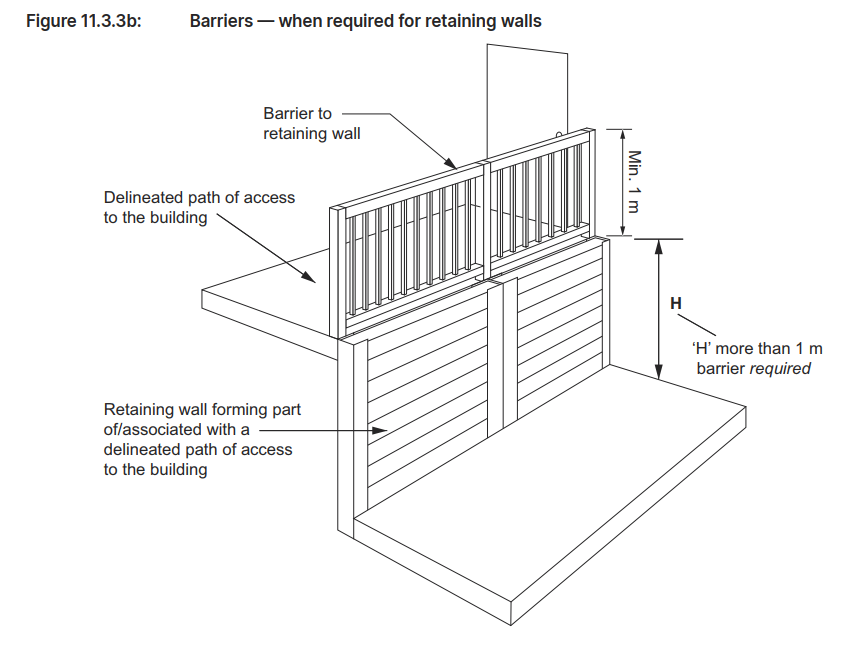
    • Where Required: Install barriers along stairways, ramps, balconies, and any surface where a fall of 1 meter or more is possible. (see Figure 11.3.3a).
    • Exceptions:
      • Retaining walls (unless they are part of an access path). (see Figure 11.3.3b).
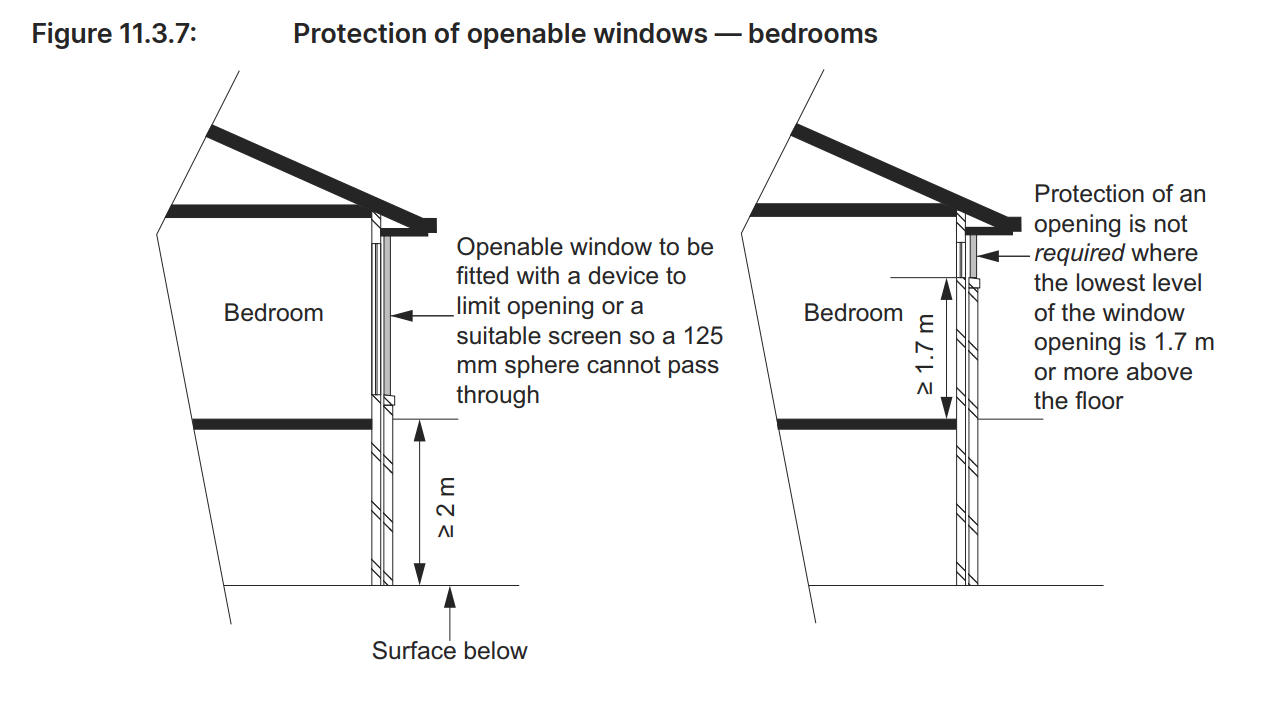
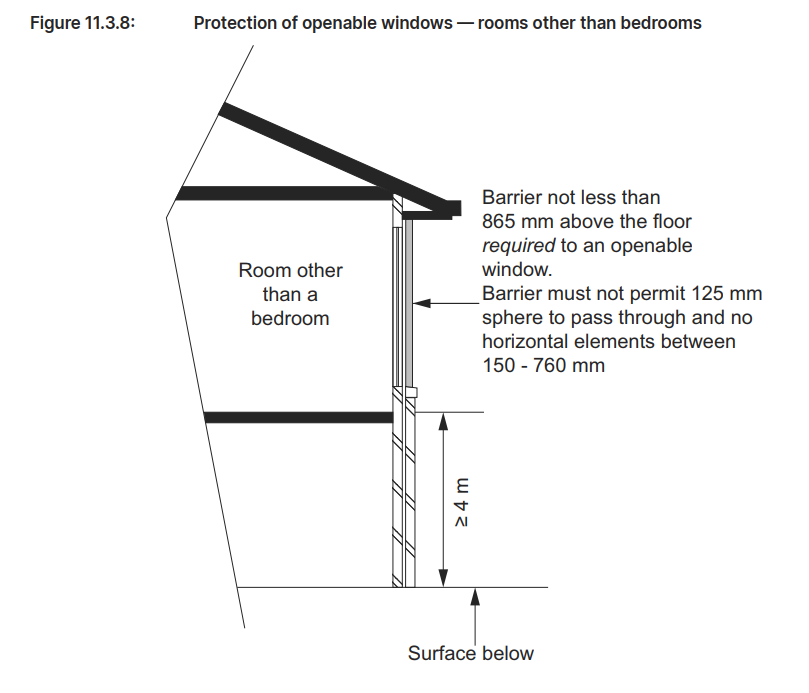
      • Certain window openings covered by specific provisions. (see Figure 11.3.7 and 11.3.8).

    2. Barrier Construction Standards (Section 11.3.4)

    • Height Requirements:
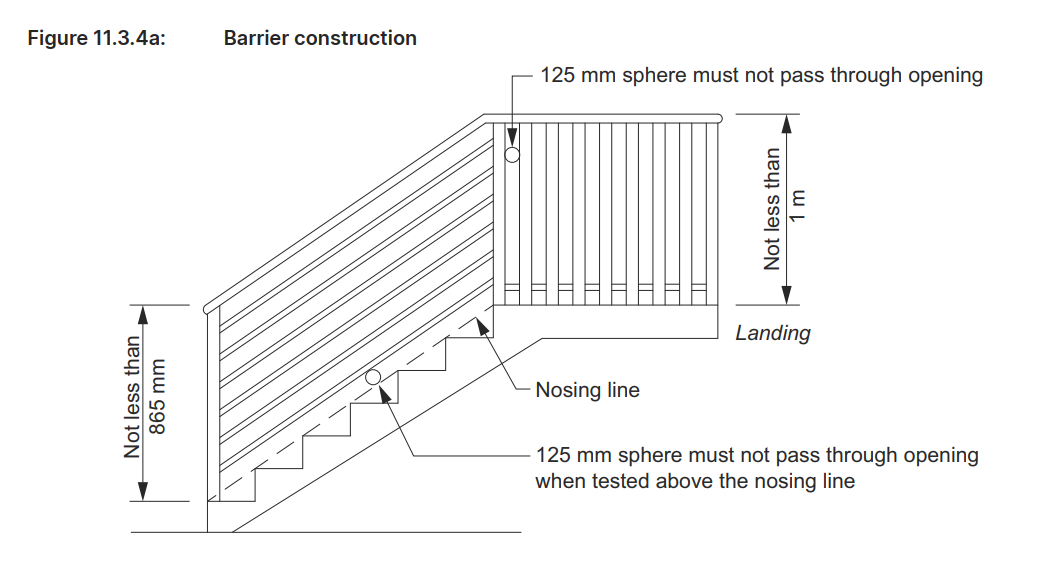
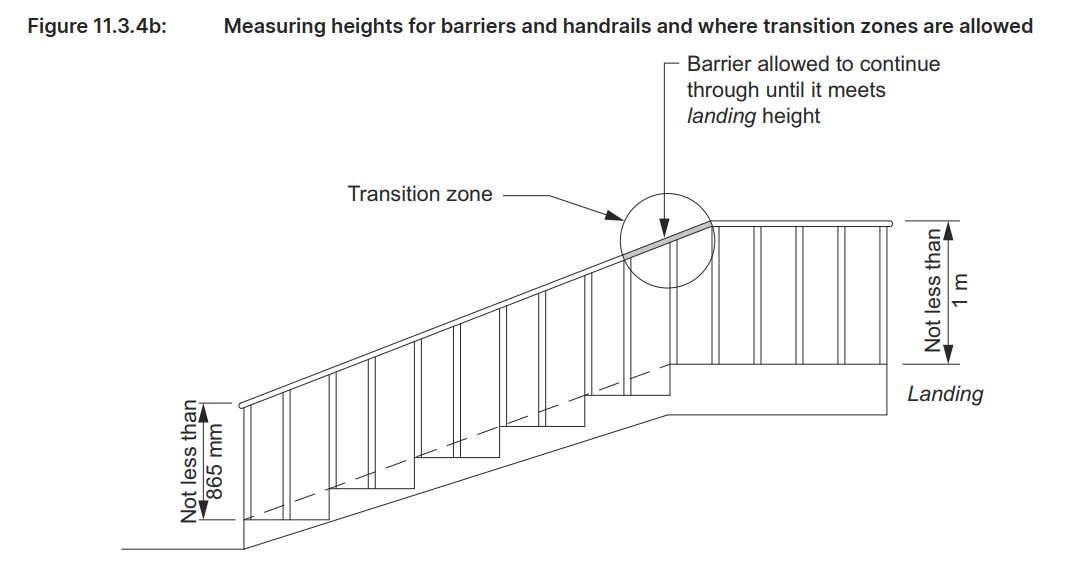
      • Stairs/Ramps: Minimum 865 mm above the stair treads or ramp floor. (see Figure 11.3.4a).
      • Other Elevated Surfaces: Minimum 1 meter for landings, balconies, and similar elevated areas. (see Figure 11.3.4a).
    • Design for Child Safety:
      • Openings in barriers should not allow the passage of a 125 mm sphere, the opening is measured above the nosing line of the stair treads, minimizing the risk of children slipping through. (the opening is measured above the nosing line of the stair treads)
      • Avoid horizontal elements between 150 mm and 760 mm above the floor, as they can facilitate climbing​. (see Figure 11.3.4b).

    3. Handrail Requirements (Section 11.3.5)

    • Placement: Handrails should be installed on at least one side of stairways or ramps, providing continuous support along their full length.
    • Height: The top of the handrail must be at least 865 mm above the stair treads or ramp surface. (see Figure 11.3.4b).
    • Continuity: Handrails should be continuous without interruptions, with exceptions for elements like newel posts.
    • Exceptions to Handrail Requirements:
      • Handrails are not necessary for stairways or ramps with elevation changes of less than 1 meter, on landings, or for winders with a newel post for support​

    This guide emphasizes key elements in designing safe, compliant buildings that align with the Australian Building Codes Board (ABCB) standards for fall prevention, especially around barriers and handrails. These regulations aim to protect all building users, especially vulnerable groups such as children, from potential fall hazards.

  • Light Gauge Steel vs. Traditional Materials: A Quick Comparison

    Light Gauge Steel vs. Traditional Materials: A Quick Comparison

    Light Gauge vs Wood vs Concrete? Let’s examine the pros and cons:

    1. Strength, Durability and Preference:

    • LGS: Reasonable strength (for residential loads), resistant to: termites, and rot (but is susceptible to rust – in the long term). Neither wood nor steel does well when exposed to water. Light gauge can be “squeaky”
    • Wood: Susceptible to decay, rot and termites. Is very stable.
    • Concrete: Very strong. Not commonly used for residential single storey houses.

    2. Speed and Cost:

    • LGS: Prefabricated off-site, allowing quick assembly on-site. This reduces labour costs and project timelines significantly. LGS is great if your building site is remote, and it is difficult to procure tradespersons: most of the work can be fabricated in a workshop in a metro area – and then transported to the remote location, where it can be assembled with comparatively minimal labour.
    • Wood: Often cheaper initially, but long-term costs can rise due to maintenance requirements. The tendency is to cut on site.
    • Concrete: Often more expensive due to labour, planning, reinforcement and trucking. Is suitable for high rise structures.

    Conclusion

    LGS does well in terms of speed of construction. Traditional carpenters who cut and erect on site –  may take many months. LGS beats the pants of this mode of construction. Entire houses can be framed in a few weeks. Note: it is also possible to prefabricate wooden frames and erect on site.
    Weigh up the costs and benefits accordingly.

    At Tek 1, we provide Light Gauge Steel detailing services.

  • Concrete and Steel – Hidden Snags to Watch out For –A Case Study in Duffy’s Forrest – An Example of Something that can Kill your client

    Concrete and Steel – Hidden Snags to Watch out For –A Case Study in Duffy’s Forrest – An Example of Something that can Kill your client

    “In the world of steel detailing, failing to account for concrete variances can cost your client dearly. This case study from Duffy’s Forest serves as a vital reminder of why site surveys in steel detailing are non-negotiable. Without accurate site measurements, you risk massive on-site rectification costs—including crane hire and specialized labor crews—that can easily exceed thousands of dollars.”

    Anyone who’s a detailer should be aware of this issue.

    If you’re not aware: you can cost your client dearly. How?

    • On site rectification costs:
    • crane, ($500 / hour for example)
    • crew: supervisor, boiler makers, riggers (x2) – it become expensive.

    You need operations to occur as fast as possible. This means you have to advise your client about potential issues.

    Consider the following:

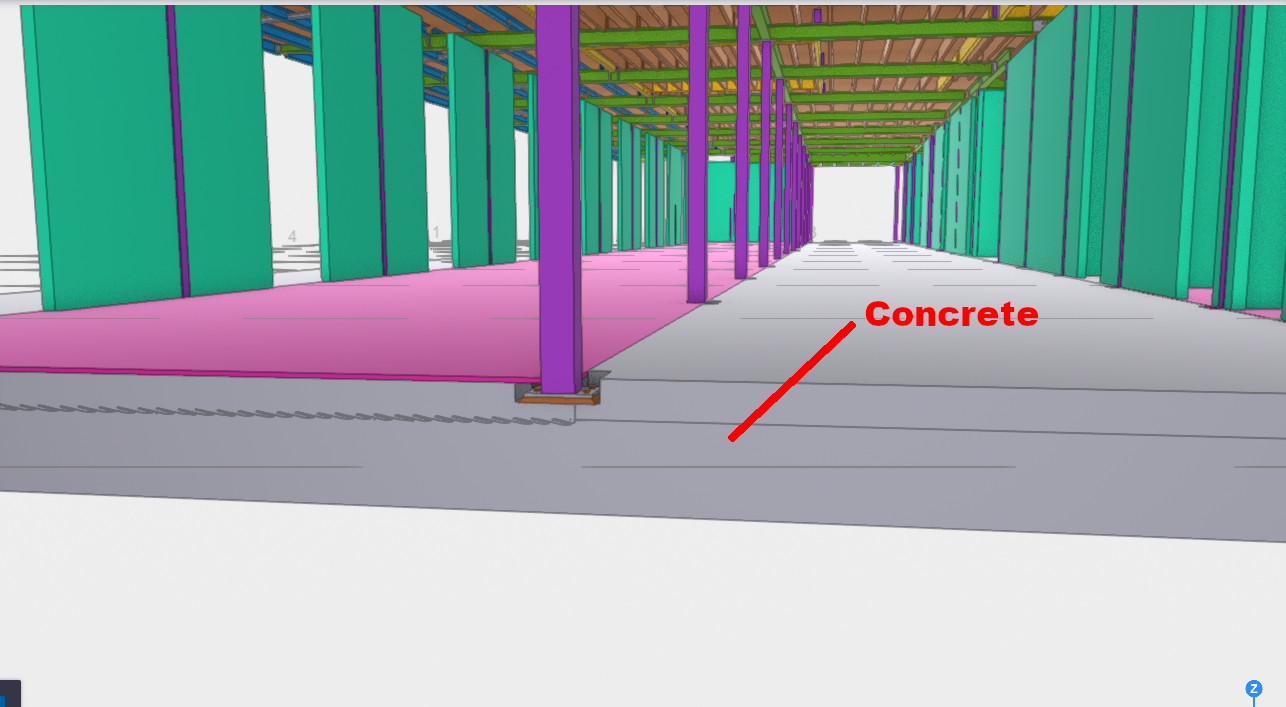
    What is an issue that can kill your client regarding the below:

    Lessons Learned:

    • The concrete has already been poured.
    • But the steel has not yet been cut and fabricated.
    Concrete in Steel Detailing

    Check out the live model link here to Duffy’s Forrest.

    Be warned:

    • We keep repeating this again and again: very rarely is the concrete where it should be!
    • The pockets may not be properly aligned.
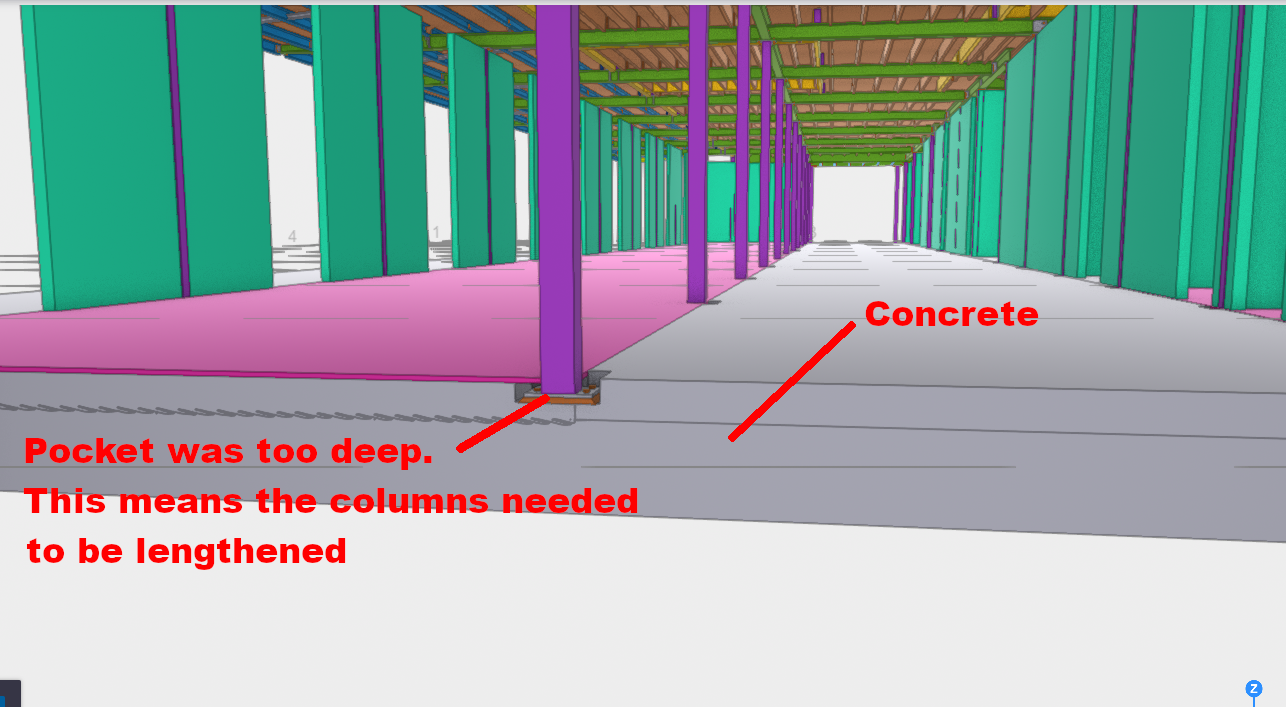
    • The pockets may be too deep – as it was in this case.
    site-survey-steel-detailing-case-study

    How Steel Detailers Can Prevent Costly On-Site Errors.

    • Detailers should ensure that their clients conduct site surveys to ensure everything is ok.
    • Detailers should make sure that the pockets are the correct depth.

    In this case the pockets were too deep – this means that the columns need to be lengthened.

    If the columns were not lengthened, then once it is taken to site – nothing would fit. And now site rectification costs would be immense.

    Expert Steel Detailer | Melbourne | Sydeny