
https://drive.google.com/file/d/1MEP_XmNrzvBmIHcFmgUyuFDjC8ZQH43Y/view?usp=sharing

Please note that the spacing and edge distances given in the ferrule tables is for design purposes only and not a minimum for actual installation. That is the dimensions given are for each insert to achieve 100% capacity. They can be placed closer. It just means their combined capacity will be reduced. The same is for drilled and epoxied bars.
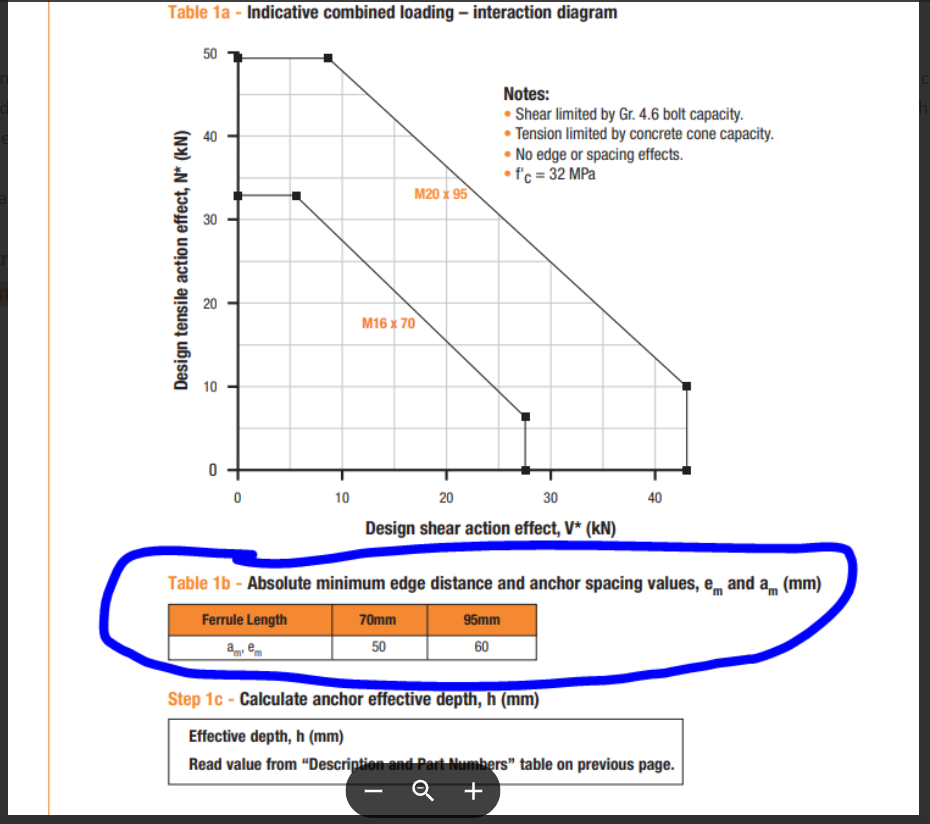
Please refer to the following techical standards for one of our clients.
When writing subject line in emails, DO NOT JOIN WORDS WITH “_”.
Example Q10231_MACORNA ST SUP BRIDGE.
In the above subject line words are connected by underscore. On mail search by subject line, a search for Q10231 will not bring up the mail
A better approch will be do not use underscore separate by space
These are our terms
VariationsVariations affect our cash flow adversely. In the event of any variations, we may need payment prorata for work already completed, before we take up variations — if they cause major delays in the submission of approval drgs. Variations are charged at the above mentioned rate. You will be notified of variations as and when they appear and are applicable. If you do not agree to the variations we are claiming,please inform us within 72 hours of us sending you the notice. If we do not receive a notification from you refusing our claim then this we will presume you to accept the variation, and we will continue to implement the applicable changes required in the drawing and bill it accordingly. Variations will be billed every week and is payable within 7 days. If payments are not made on time, we reserve the right to stop work without being liable for any consequential losses which may arise as a result
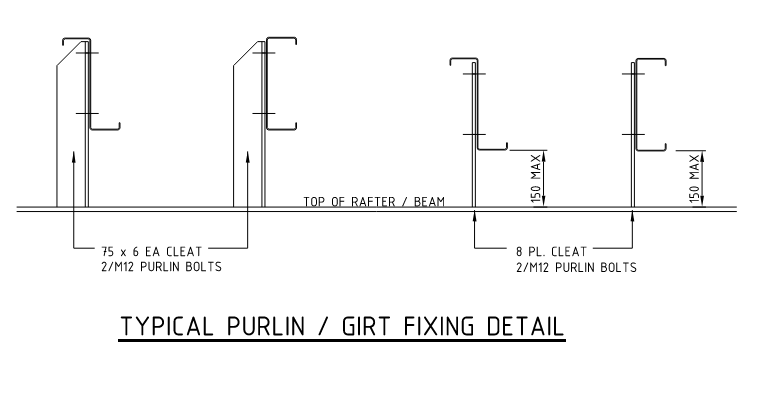
There are recommended maximum heights for purlins and Girts. If you want more heights the options are increase cleat thickness ore change cleat profile to may be equal angle profile.
Expert steel detailers will know what to do and will use the appropriate thickness and profile
If you are using 8 mm plate cleat, you can go upto 150 mm max
Beyond that use an EA cleat
75×6 EA is good.
Increasing plate thickness may not be a good option because of PB30 bolt where the bolt length is only 30 mm.
Steel Detailing companies will benefit by watching this video on tekla Tips and Tricks.
Tek1 posts regularly on Tekla Structures tips and tricks
If you need any API development, we can help there as well
All staff should have access to the relevant Standards.
You should be familiar with them, and master them – otherwise you will embarrass yourself, and the firm, if you claim knowledge but demonstrate ignorance. The latter is especially costly to clients, and detrimental to your name and reputation (as well as the firm’s) – you certainly will not be getting repeat work if you prove ignorance.
Please access them at the firm’s google drive location here.
Standards available amongst many others:
This memo clarifies the process for handling drawing approvals and issuance to ensure project coordination and minimize potential errors.
Drawing Approval Reviews:
When receiving approved drawings, carefully review them for any markups that may significantly impact other trades or existing structural elements (e.g., slabs, foundations, anchor bolts).
Example: If an approved drawing introduces a slab pocket where none existed in the original design, ensure the following steps are taken:
Failure to take these steps can lead to costly rework and project delays.
Issuing Drawings Before Approval:
Construction drawings should only be issued prior to approval if specifically requested by the client. In such cases, the drawings must be clearly marked and include a disclaimer.
Scenario 1: Client Does Not Require “For Construction” Marking
Scenario 2: Client Requires “For Construction” Marking
This process ensures clear communication and accountability in the drawing issuance process, mitigating potential risks associated with using unapproved drawings.