Author: admin
-
-
Design of Sheds
Relevant Australian Standards
AS/NZS 1170.0 General Principles
AS/NSZ 1170.1 Permanent and Imposed Actions
AS/NSZ 1170.2 Wind Actions
AS NSZ 1170.4 Earth Quake Actions
Member Design Standards
AS/NZS 4600 Cold Formed Steel Structures
AS 4100 : Steel Structures
AS/NZS 5131 Fabrication and Erection of Structural Steelwork
The Foundation Standards
AS 2870 Residential Slabs and FootingsAS 3600 Concrete Structures
AS 2159 Piling Design and Installation
Material Specifics
AS/NSZ 3679.1 Hot Rolled bars and sections
AS/NZS 1163 Cold formed structural steel hollow sections.
AS/NSZ 1397 Steel sheet and strip
-
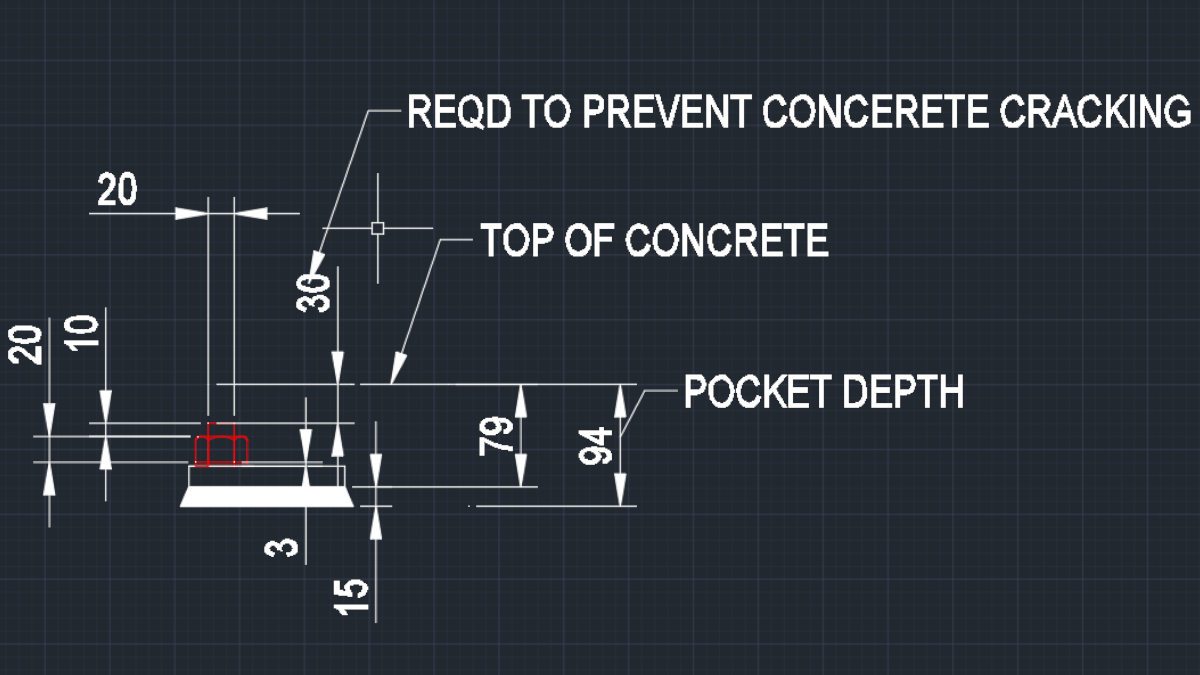
Minimum Pocket Depth for Coloumns
What is the minimum pocket depth required for rebated coloumns
The minimum washer size is 3 mm. This could be different. If nothing is mentioned use 3 mm.
The minimum bolt stick out should be 1 pitch. For M20 it is 2.5 mm. Use 10 mm stick out.
Also there is grout. Pockets when cast could be of different depths. Use design grout of 15 mm minimum.
The top of the bolt should be 35 mm below slab level to prevent concrete Cracking.
Hence to be practical use 100 mm pocket depth with a base plate thickness of 16 mm and bolt size of 20 mm.
-
Foot Bridges | WalkWays | Pedestrian over passes
-
Foot Bridges | WalkWays | Pedestrian over passes
-
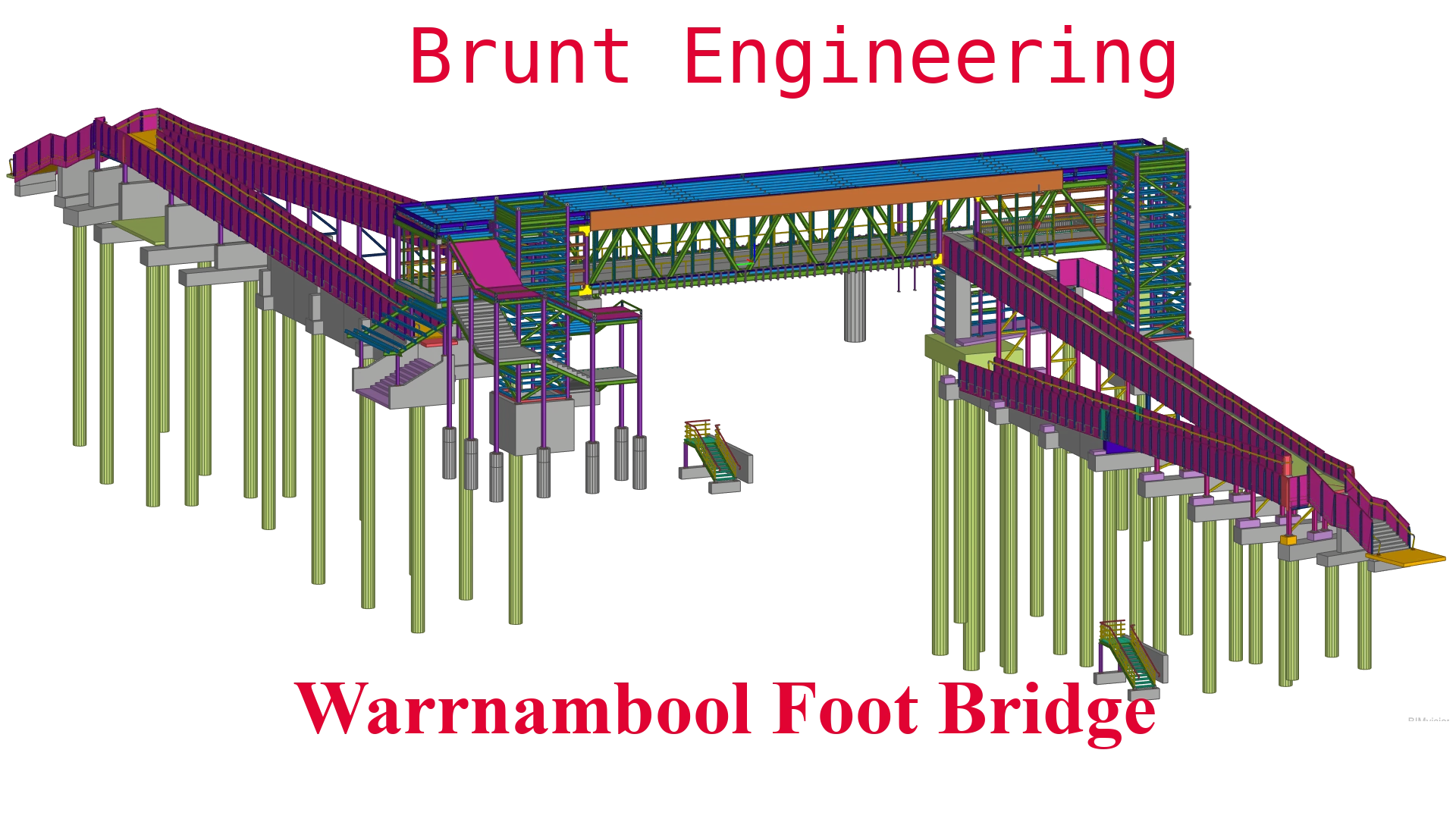
Warrnambool Foot Bridge
-
-
Warrnambool Foot Bridge
Pedestrian overpass Foot Bridge steel drafting
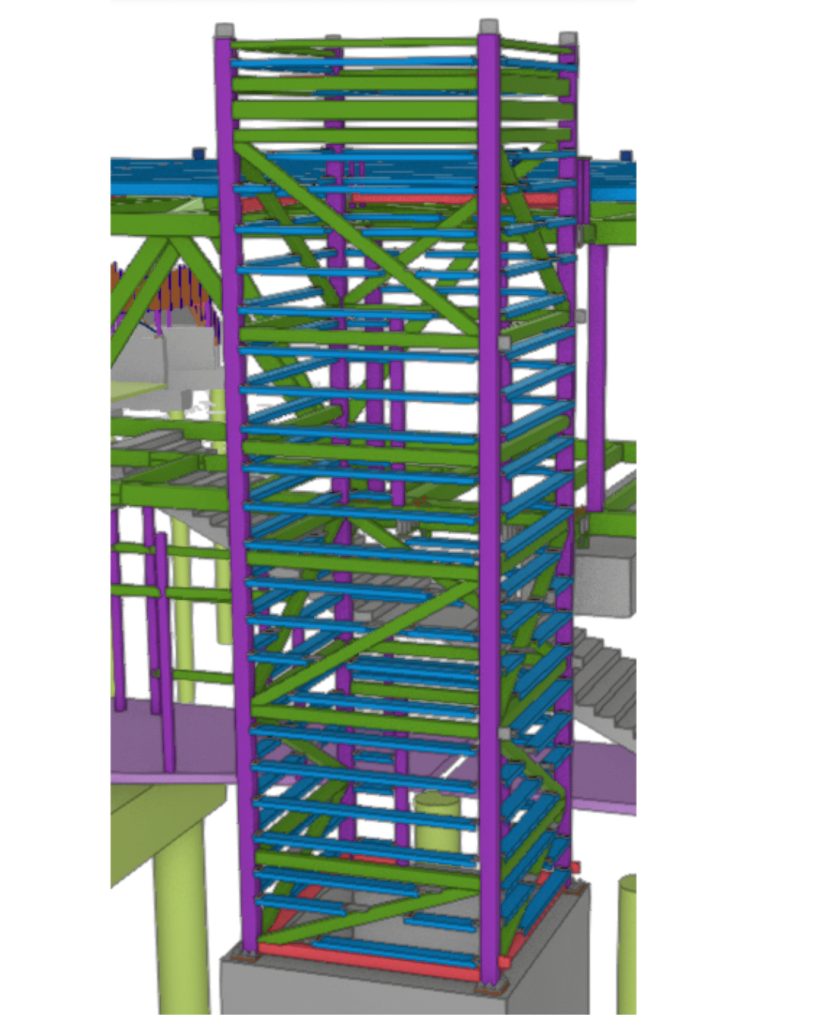
Expert Steel Draftsman | Foot bridge | Pedestrian over pass | Walk Ways
Street Address Warnambool State Victoria Country Australia Modeler Ganesh | Ramakrishnan -
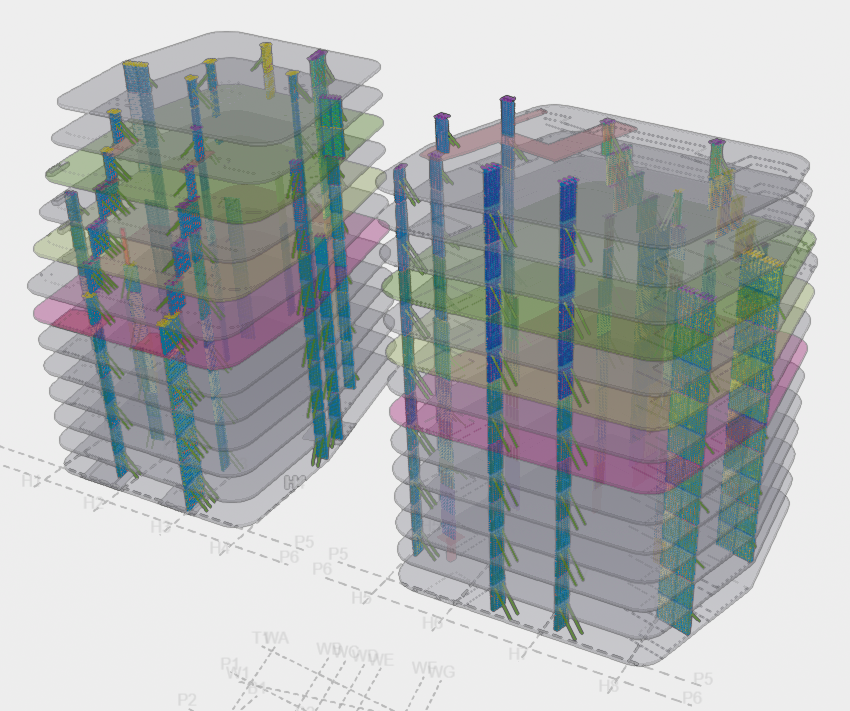
Precast Blogs
-
Chalet 1 – White Horse Village
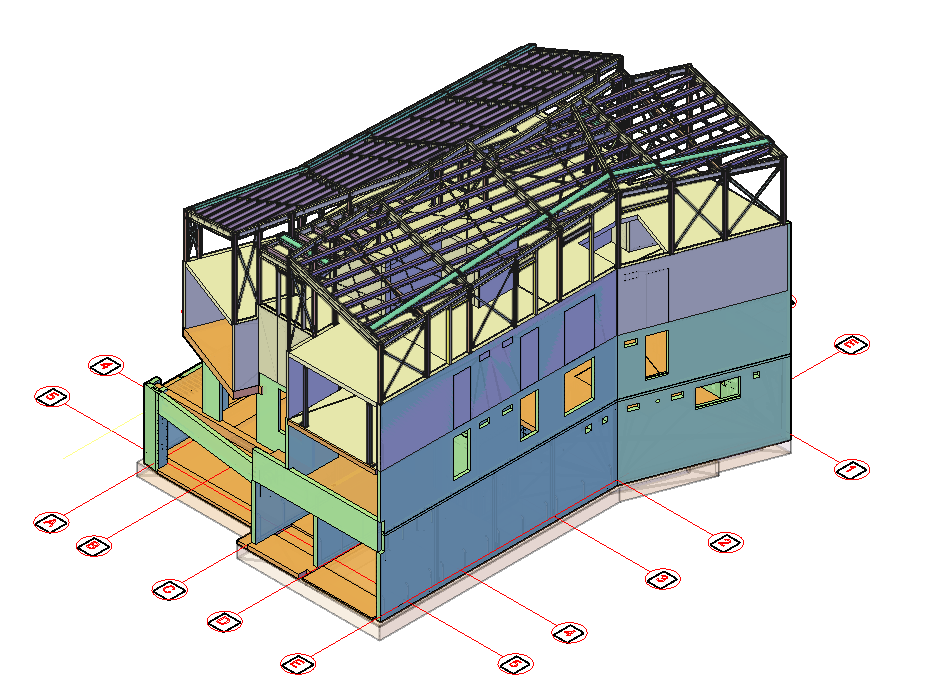
We are proud to showcase our contribution to Chalet 1 – White Horse Village, a unique and technically demanding project located in a mountainous region. This development presented several engineering and detailing challenges, and our team was honoured to be part of the solution — delivering precision, coordination, and innovation from start to finish. Technical…
-
PREFABRICATED CONCRETE ELEMENTS
(Temporary Fixing Inserts for As-Cast Element Tolerances) INTRODUCTION: To ensure proper alignment and structural efficiency in the handling and installation of prefabricated concrete elements by placing temporary fixing inserts within the allowable as-cast dimensional tolerances as specified in Australian Standard AS 3850.2:2015. Inserts for the temporary attaching of prefabricated concrete elements shall be placed within…
-
STAGGERED FERRULES PLACEMENT ON PRECAST PANEL
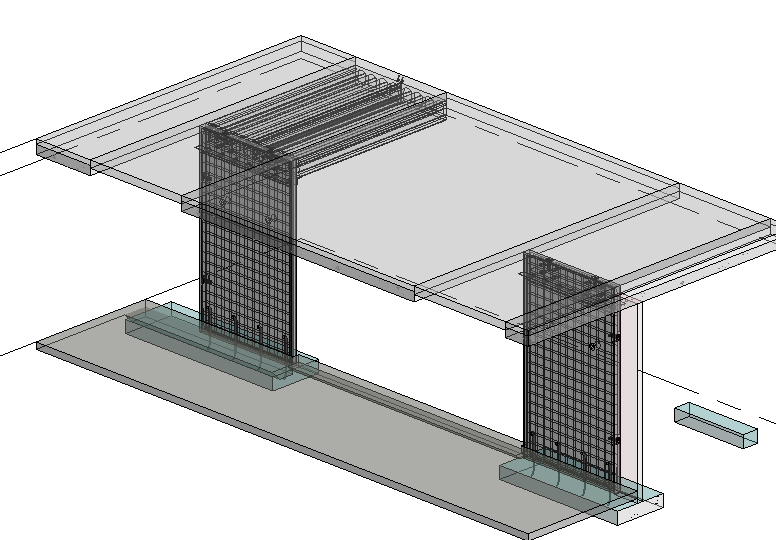
The design drawings for one of our Precast Project we were working on suggests ferrules must be placed staggered as noted below. The Problem: However, these casting components, such as ferrules cannot be placed on both sides of a precast panel with a thickness of less than 250mm. This mainly causes ferrules to clash along…
-
-
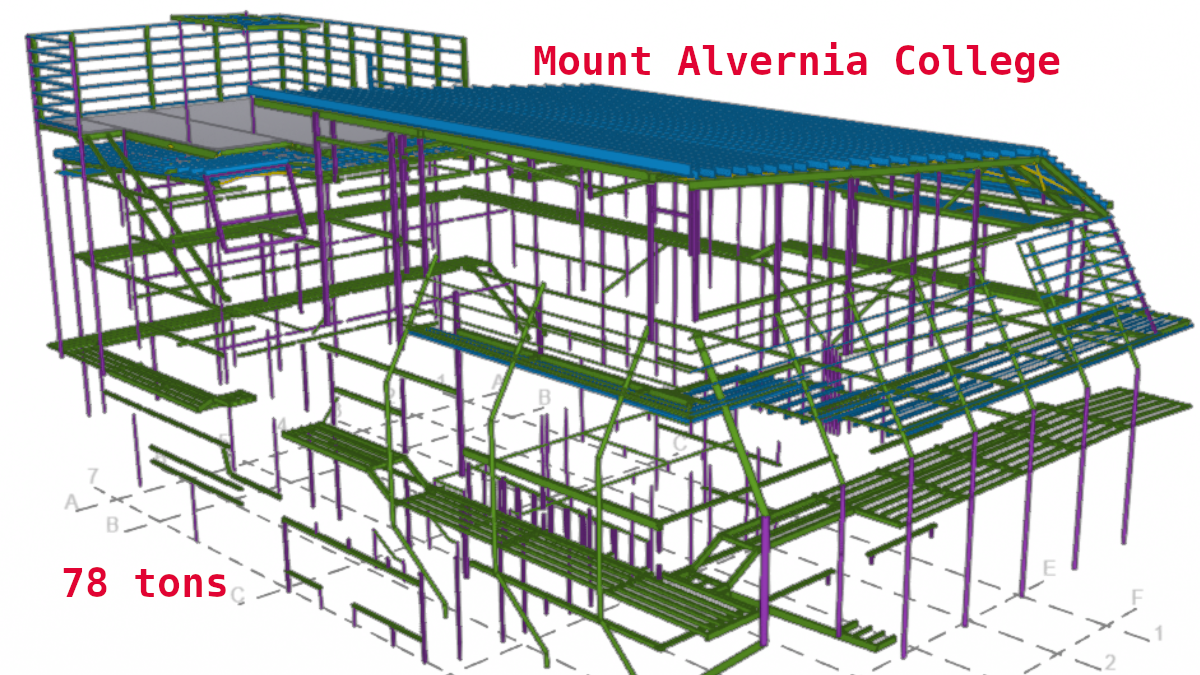
Mount Alvernia College
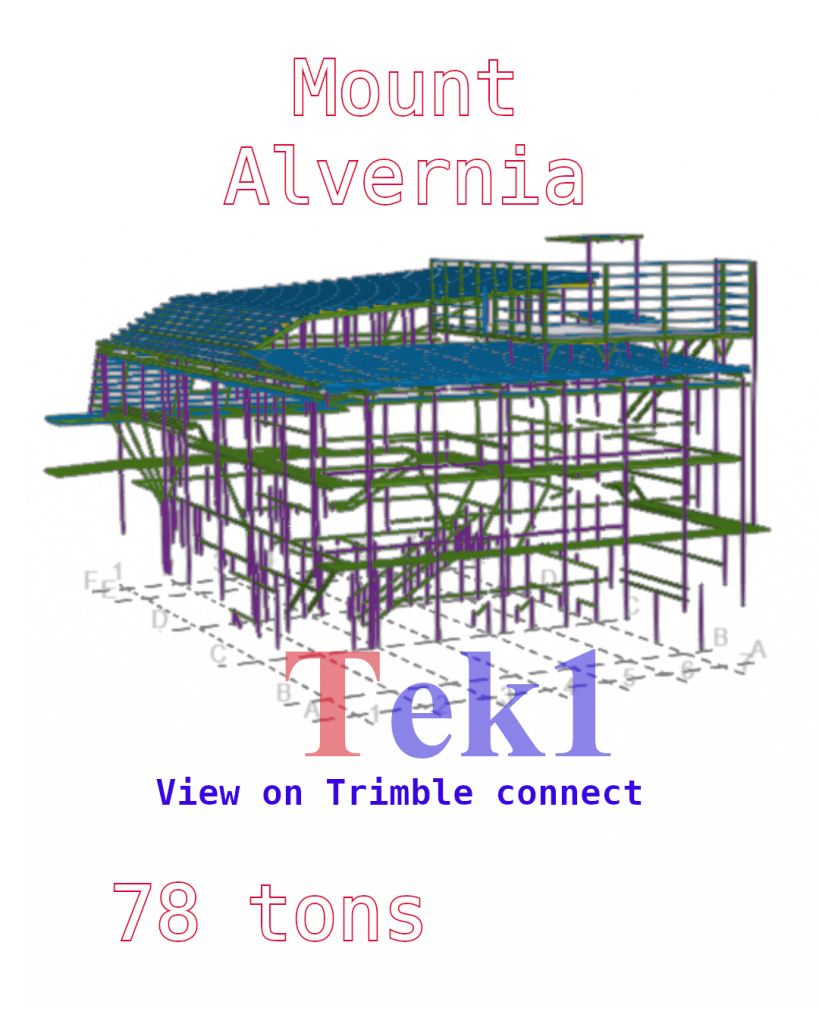
Expert Take Off Service from Tek1 Mount Alvernia College
Expert MTO. Fast. Low Cost call us on.
Expert Material Takeoff and Steel Estimation Services
Competitve pricing
Tel: 0425791837
-
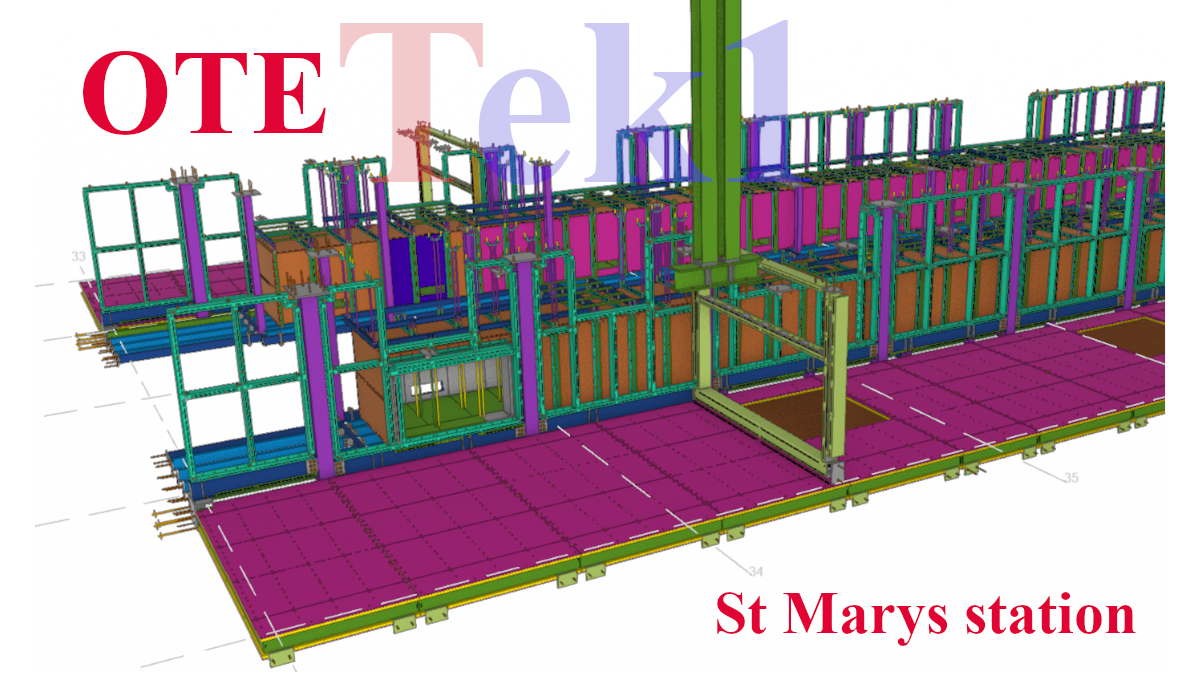
Navigate a million Changes?
Meticulous Care – Expertise alone not sufficent
Meticulous Care – Expertise alone not sufficent With many many changes, Mulitple site meaures, point cloud data, unless the processes are good and the care is meticulous, the knowledge and expertise will not count Street Address ATL Station State NSW Country Australia Modeler Ganesh Kumar
With many many changes, Mulitple site meaures, point cloud data, unless the processes are good and the care is meticulous, the knowledge and expertise will not count
Street Address ATL Station State NSW Country Australia Modeler Ganesh Kumar -
.Net | Python Ruby on Rails
-
How to insert Reference Models into Tekla
Wouldn’t it be handy if we could pro grammatically insert reference models into Tekla? Well you can now do so quite easily. And if you want to see a video demonstration, here it is: Here is the code which does the hard work. (You will of course add the appropriate references and directives):
-
Adding a Dimension to a Beam – Drawing – (Tekla Open API Tutorial)
This is an example of a hello world program which dimensions a beam. I found this code in the Tekla Drawing Samples folder. You can see it in action here: Let’s walk through it: We have to get the relevant drawing. Then we have to get the relevant part we want to dimension. Then…
-
Stair Outline Routine (AutoCAD .net + Code attached)
We continue delving into our discussion of stairs. The boss hates it when I do things like this – releasing code to the public. But it’s too good not to share. Below is a routine you might find useful. We use it to model stairs – it’s super fast, and efficient. It allows us…
-
Why do we set copy local to false?
When you first get into .net API programming – for AutoCAD plugins, you learn this cardinal rule: make sure the three AutoCAD dlls you refer to have copy local set to false. Why exactly is this the case? I couldn’t find a better answer than the one offered by Fenton Webb. Here it is…
-
Converting Engineering Components to Detailing Components
What do we want to do? We have received a Tekla model from someone. The model we have received was built using an Engineering Modelling license. We have a full detailing license. There are components in this model, but we can’t number them because they were produced using an engineering license. If you want to…
-