Author: admin

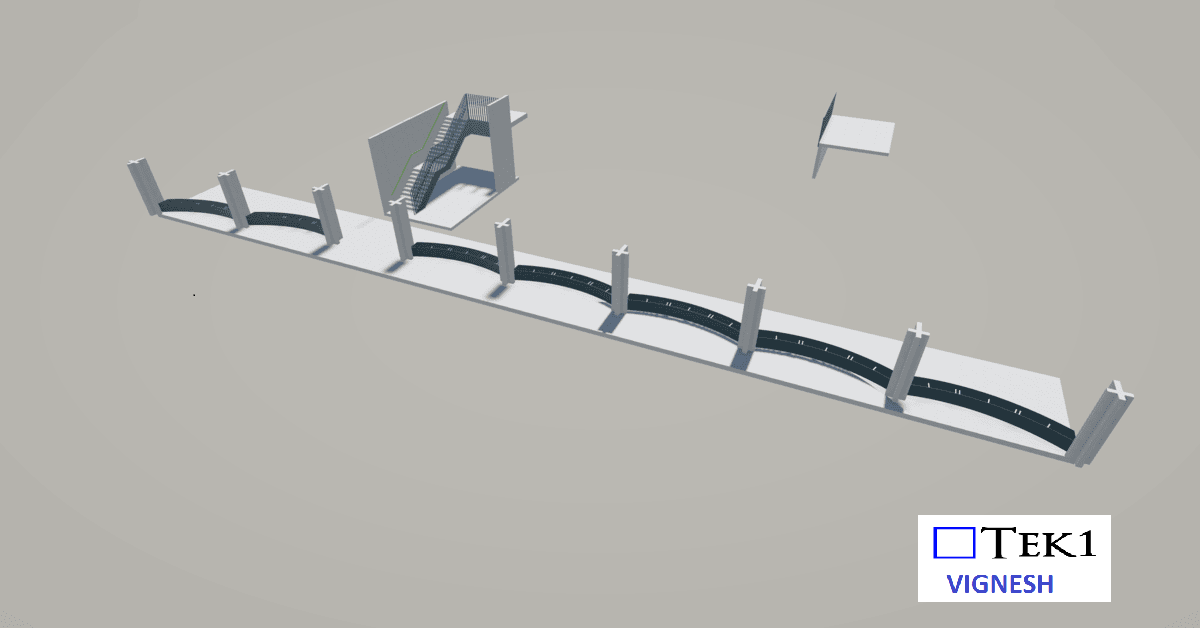
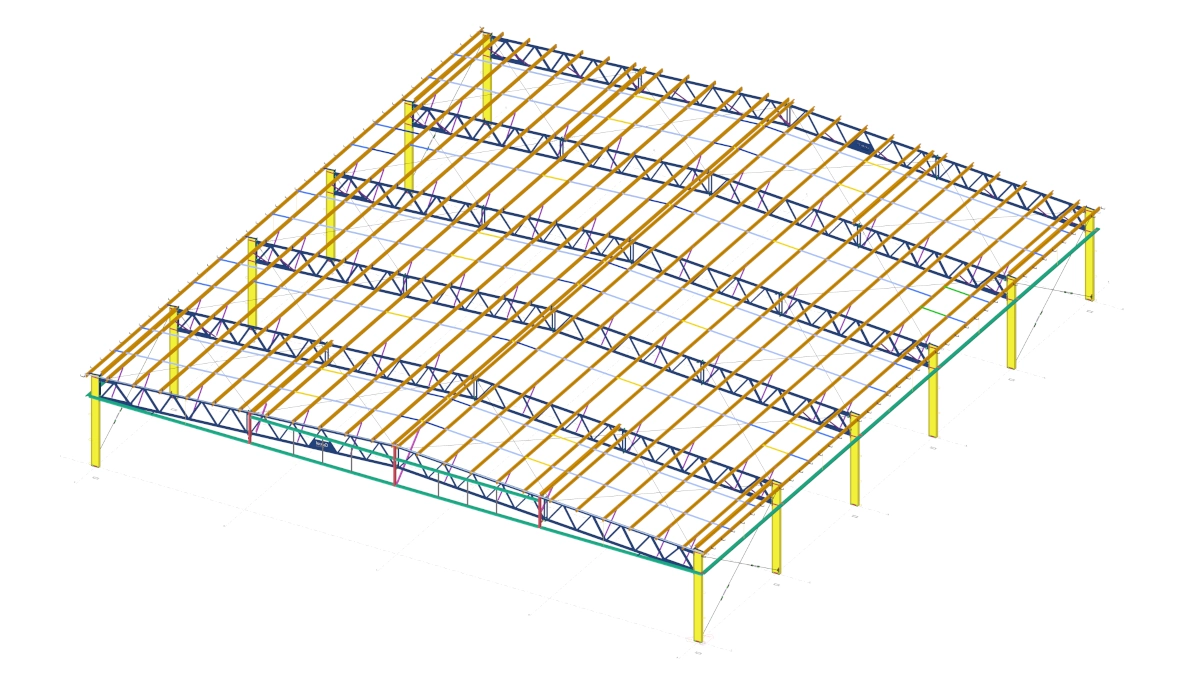
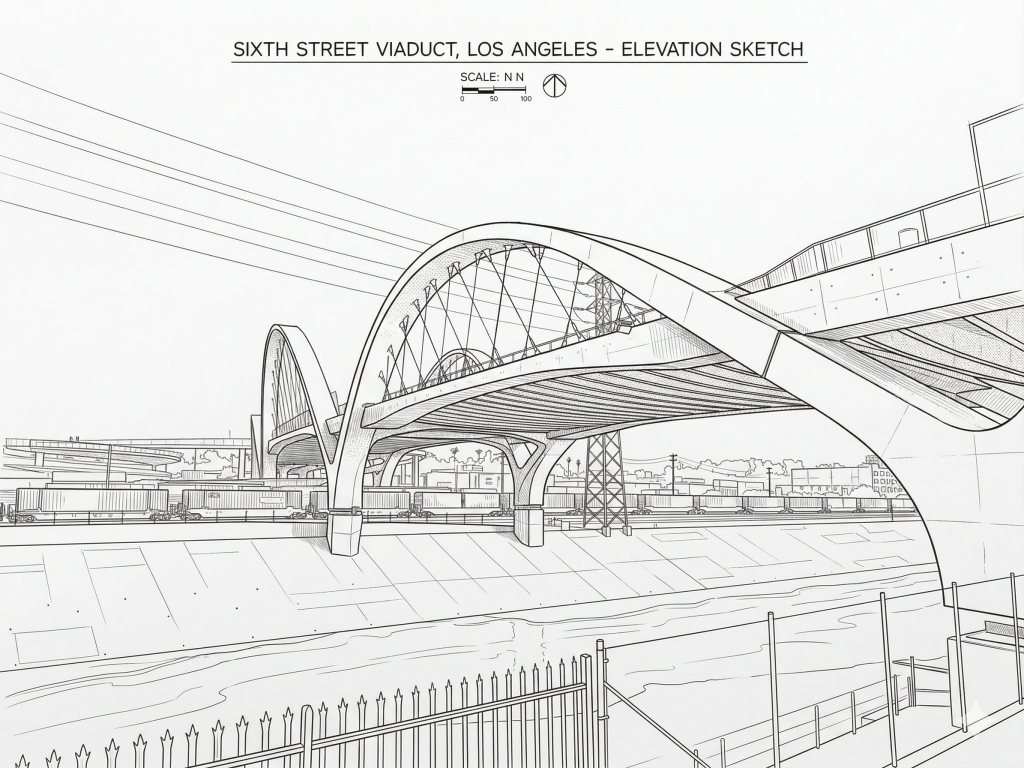
  • Emu In the Sky – The world is singing about this structure.

    Here is the post by CPB contractors.

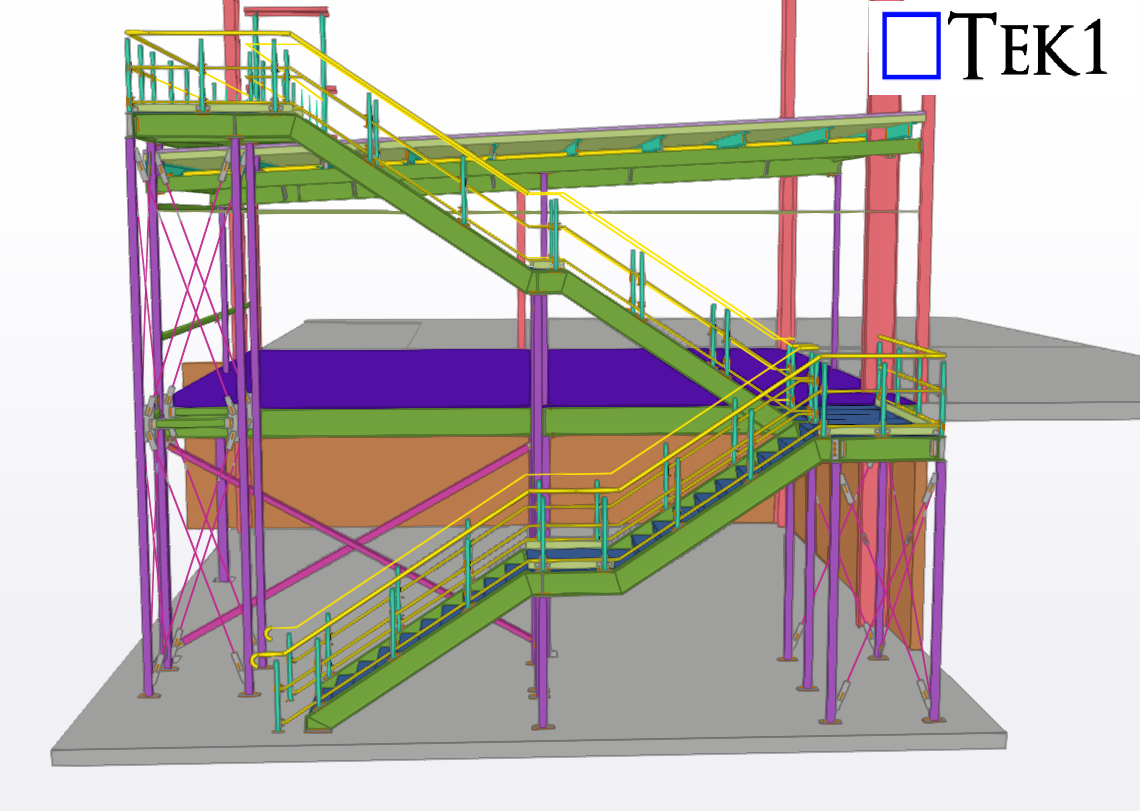
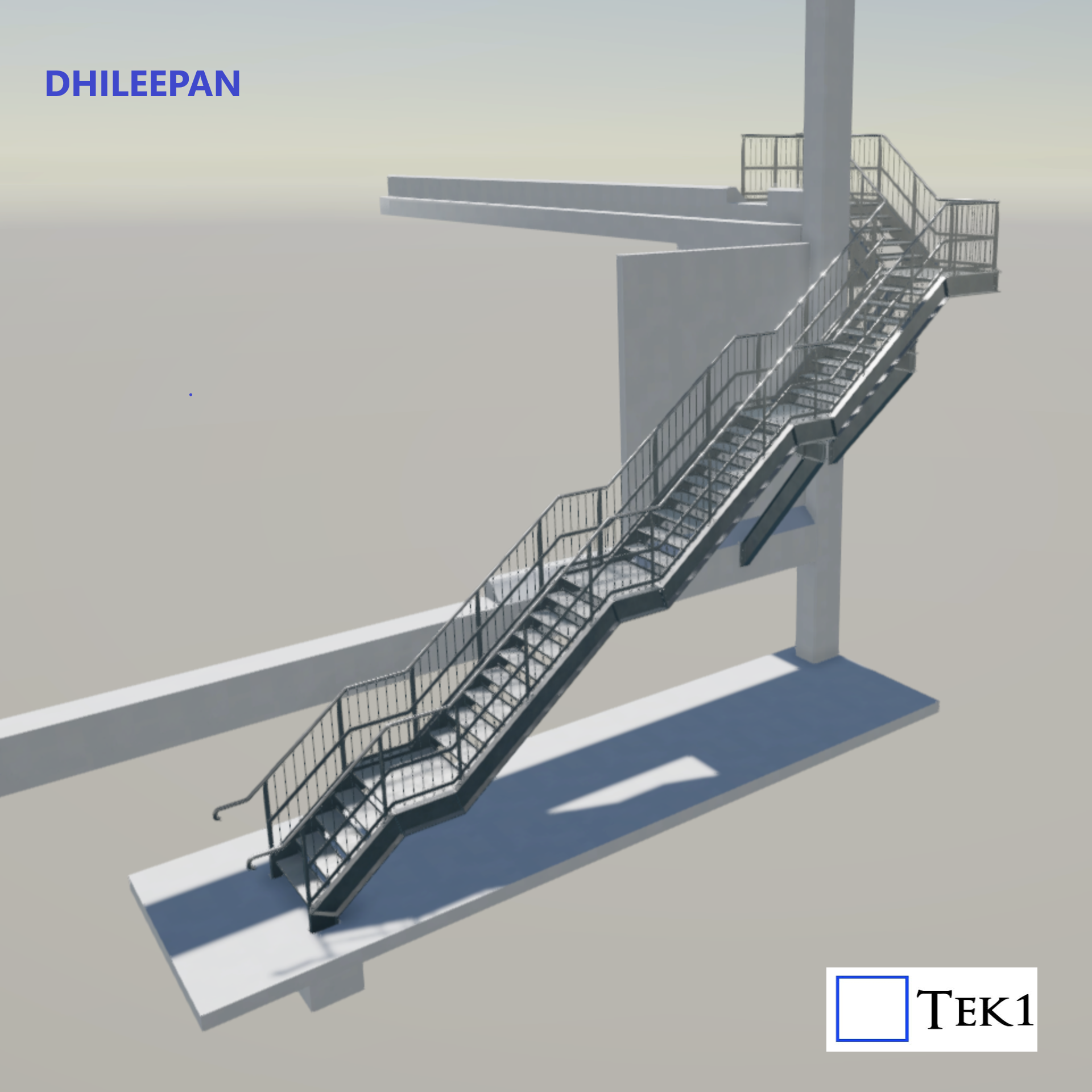
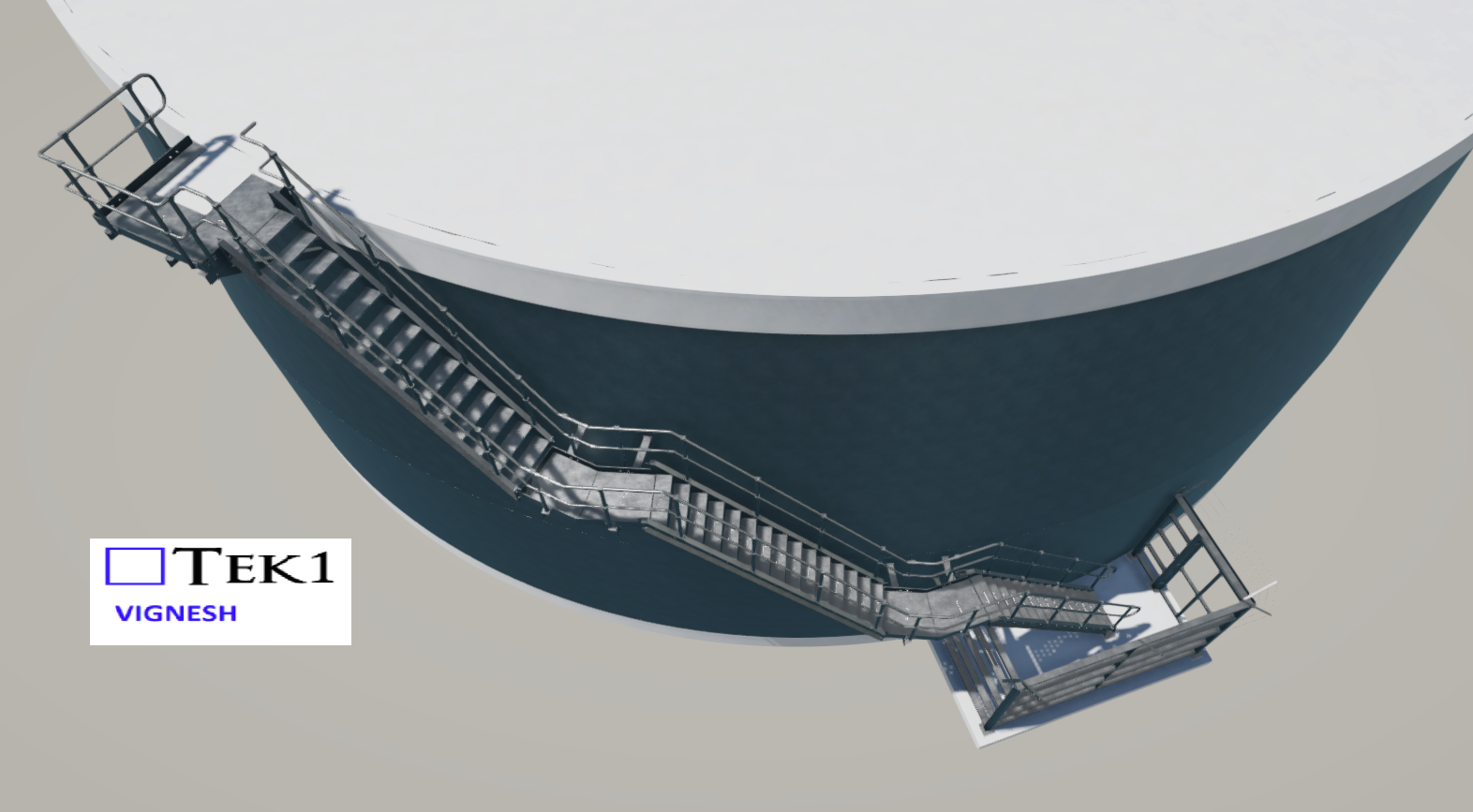
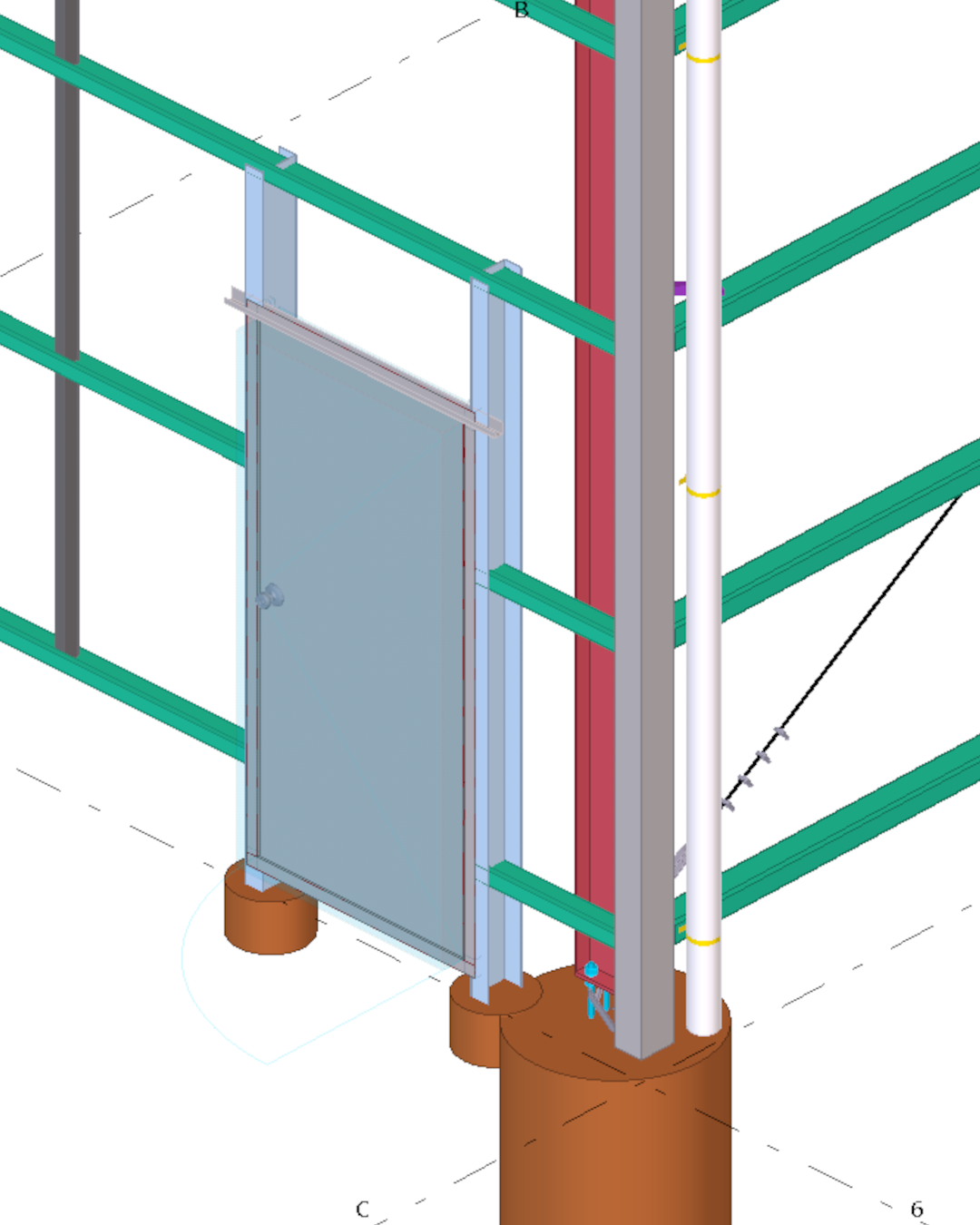
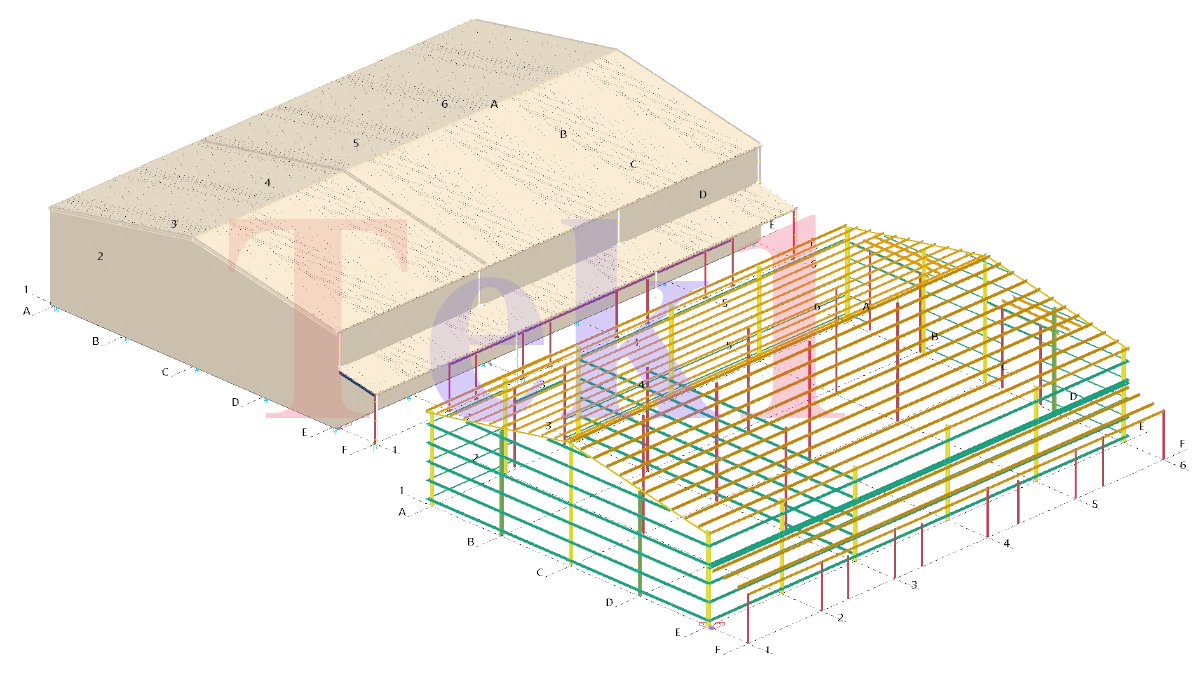
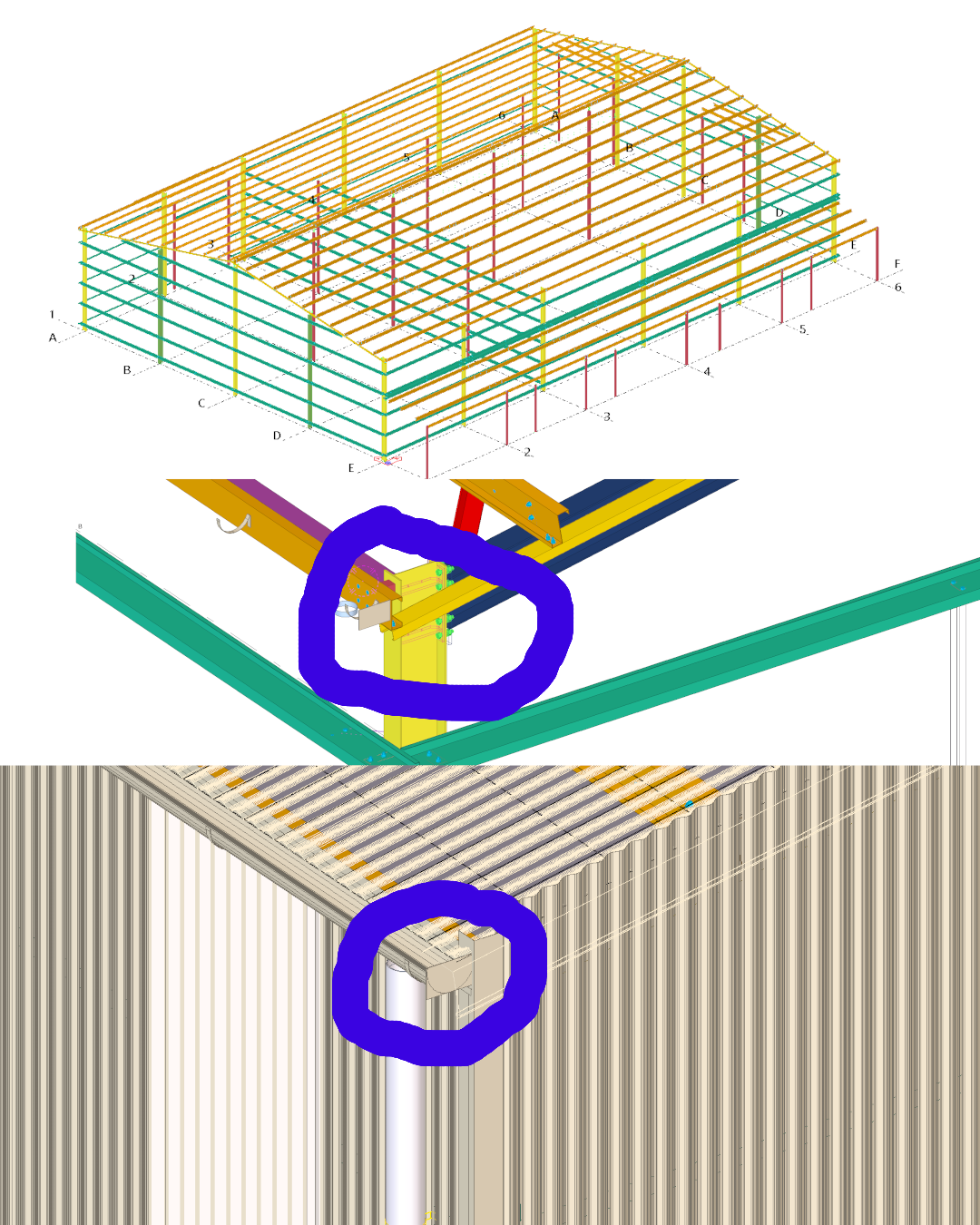
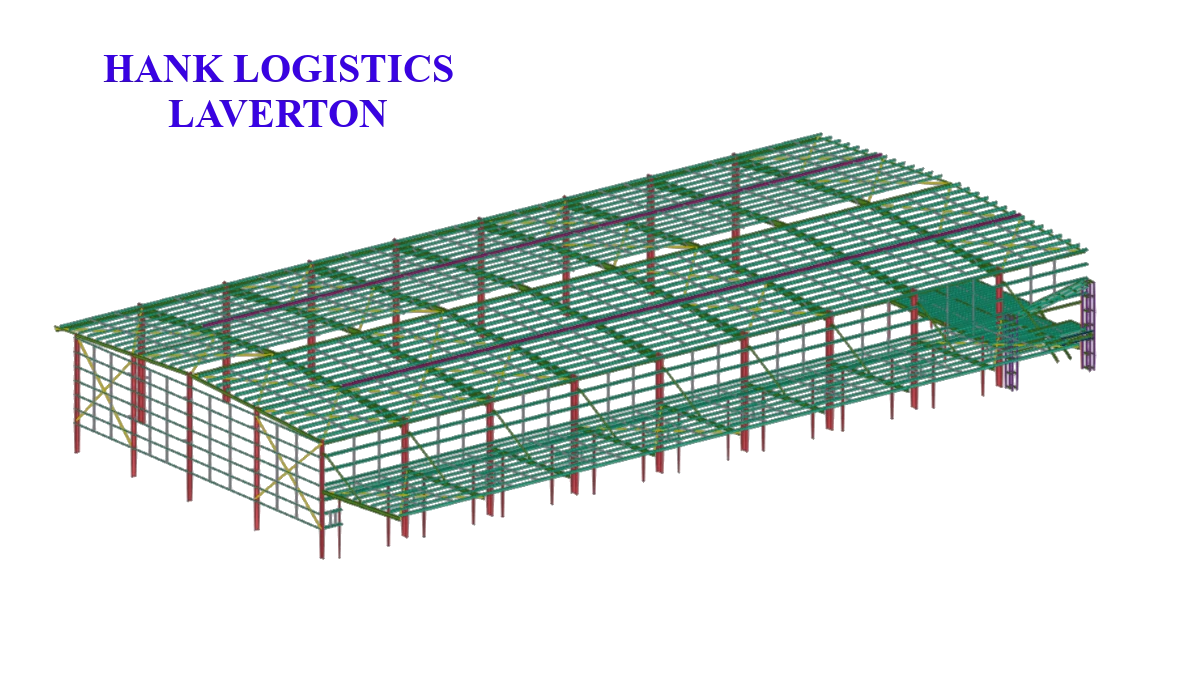
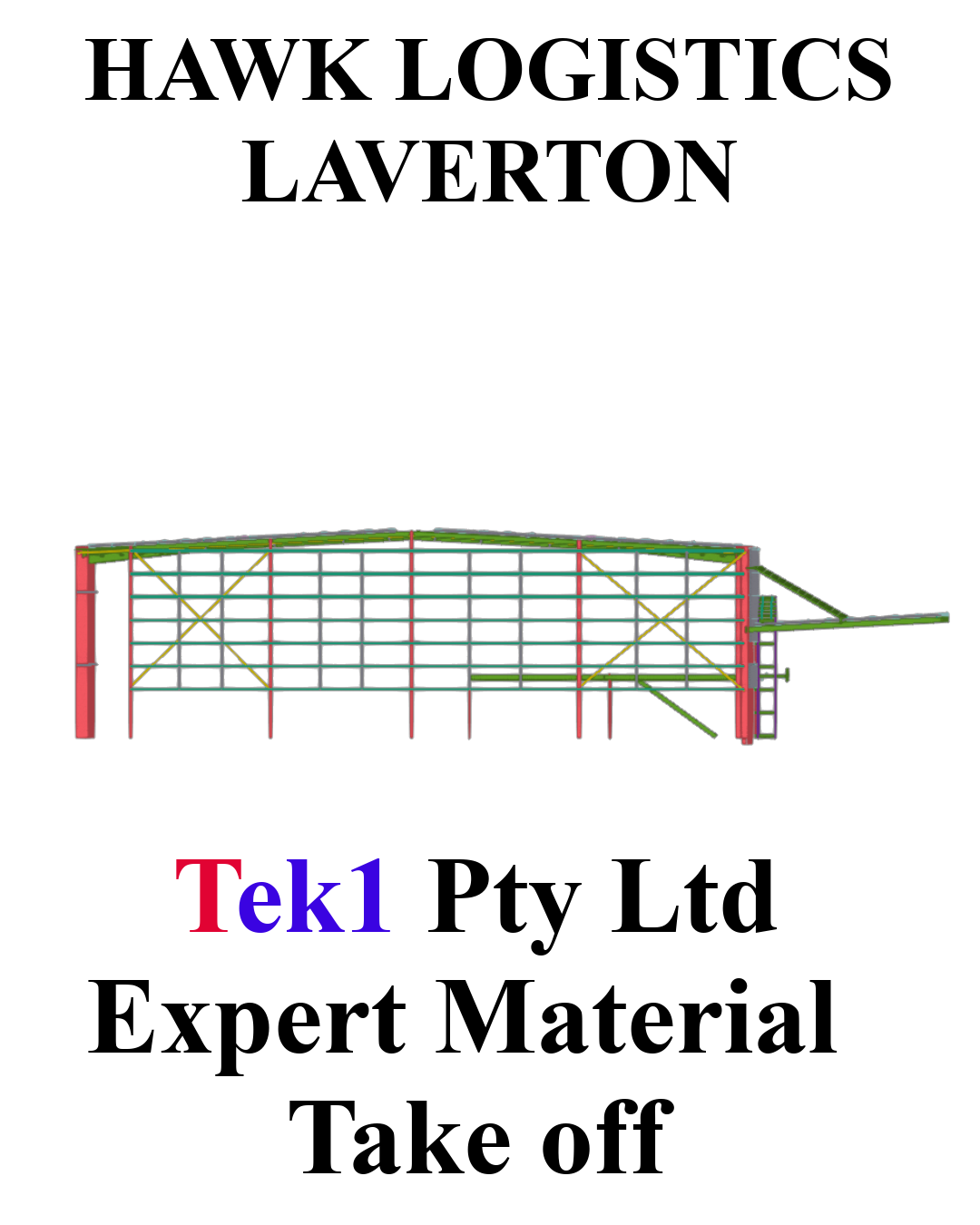
    Tek1 has detailed this project with ZERO problems.

    View the trimble connect model on our website tek1.com.au

  • Steel Finishes – what are they? Why should I care?

    What is HGD?  

    • It is an acronym for hot dipped galvanising.
    • It’s when you dip steel into a bath of molten zinc. But why? To protect steel from the elements.
    • Watch this video: https://www.youtube.com/watch?v=gXm9DlMfQtQ
    • Note: you will need to prepare steel in order to galvanise. This may involve adding holes to the steel, in order explosions in the galvanising bath, so that air can always escape.

    What is primer?

    • It is a coating you apply to steel, in order to help paint stick on to it. It can also have some durability benefits e.g. preventing corrosion.
    • Reference: https://www.youtube.com/watch?v=nLO-lv1mNLo

    What is EPOXY?

    • A type of primer.

    You must follow the finish notes listed in Engineer and Architectural drawings.

    If the steel is exposed to the elements, it will usually be specified as Hot Dip Galvanized (HDG). For interior structural steel, a primer coating is typically applied. And perhaps, where required, a top coat finish will be applied to make it look aesthetically pleasing.

    What happens if you ignore or avoid finishes?

    • Rework & Labor Costs:
      Mistakes in applying paint, primer, or epoxy can lead to complete rectivication works. HDG requires a lead time and is particularly expensive.
    • Increased Maintenance: with poorly applied finishes.
    • Structural Damage Repair: with mis-specified finishes.
    • Legal and Warranty Implications: You could lose insurance.
    • Financial Impact: Could be significant.

    What is the lesson learned?

    • When steel detailing, it is critical that you look carefully at the finishes of steel. 
  • Memo 47 – Mediocre Work will incur demerits

    Axiomatic statement:

    Clients will only pay for fantastic work, not “mediocre” work.

    If the work is mediocre here is what will happen:

    • Client will not pay you for your existing jobs.
    • The client will walk away.
    • If that happens, how do you plan to get paid?
    • If you have any remaining clients, and if you service them poorly – then you will lose those clients as well.
    • Then you will be forced to reduce your prices, out of desperation in order to win the little work available.

    Every business in the world faces this problem.

    We are not a government office. We are operating in a highly competitive and commodified market. This means it’s easy for clients to get another detailer. And if that happens en masse then we will all lose our jobs. Every one of us.

    Till now, it has been the policy of the firm to make corrections by mere words.

    This has not proven very effective because mistakes have been repeated: especially when people have been warned via memos, training videos, phone calls, messages etc. I will accept that not everyone will bother to educate themselves – which is fine. From now on you will be educated by a demerit system:

    • A formal record of your performance (of mediocre work).
    • And you may incur a tariff which will be applied against your bonuses / EBs.

    YOU HAVE BEEN WARNED. Igorance of this memo is not a good excuse.

  • Claiming Variations Made Easy

    Navigating the Maze of Contract Variations: Documentation is Your Compass

    Estimating contract variations can feel like navigating a minefield – time-consuming, fraught with disputes, and often leading to costly litigation. Securing payment for variations hinges on one crucial element: impeccable documentation that leaves no room for argument.

    It’s no secret that estimators command significant salaries, largely dedicated to the intricate task of unraveling and quantifying these changes.

    So, how does Tek1 empower you to confidently claim contract variations when design drawings shift?

    We understand firsthand the frustration of pursuing variation claims without bulletproof evidence. That’s why we developed a proprietary app – a game-changer for our clients. This isn’t a publicly available tool; it’s an exclusive advantage for those who partner with us on their projects.

    Unlocking the Power of Real-Time Documentation

    Our app revolutionizes the variation claim process by putting the power directly in the hands of those closest to the changes: the detailers.

    Imagine this: As soon as a drawing change occurs, the detailer meticulously documents it within the app. This includes:

    • Precise markups of the alterations on the drawings.
    • Detailed reports of added or removed materials with quantities.
    • Specific notes on additional work required, both in detailing and fabrication.
    • A clear breakdown of the detailer’s associated costs.
    • All this information compiled into a single line item, complete with supporting attachments.

    Instantly, our clients gain access to this comprehensive documentation, alongside readily available Excel spreadsheets and PDF reports (with and without pricing).

    Effortless Claiming for Our Clients

    Claiming for variations becomes a streamlined process:

    • Instant Access: All the necessary data is available at the click of a button. No more time wasted chasing information or sifting through emails.
    • Transparent Costing: Our detailed breakdown provides a clear foundation for your claim.
    • Simplified Upstream Process: Your team can easily integrate our costs, add your own material and labor expenses, and confidently present a well-supported variation claim. (While the final upstream process involves your specific procedures, our app provides the bedrock of information you need.)

    The Undeniable Value of This Level of Reporting

    Consider the tangible benefits our app delivers:

    • Eliminate Time-Consuming Collation: No more hours spent gathering and organizing change-related information.
    • Strengthen Justification: The detailed documentation speaks for itself, significantly reducing the potential for disputes.
    • Instant Excel Reports: Generate comprehensive reports with a single click, ready for upstreaming with your added costs.

    By providing this level of clarity and detail, Tek1 empowers our clients to claim variations accurately, efficiently, and with the confidence that comes from having indisputable documentation at their fingertips.

  • Our process of Precast Estimation

    Our process of Precast Estimation

    Are you finding precast estimation a demanding task?

    Imagine offloading the time-consuming aspects of this process, freeing you to focus on more critical activities. At Tek1 Pty Ltd, we excel in providing fast and accurate takeoffs for precast projects, often at a fraction of the cost you might expect. You can rely on our expertise and extensive experience to deliver exceptional results.

    Our process begins with your structural and architectural PDFs. Utilizing the panel spliting details from the structural precast elevations, we proceed with a detailed analysis.

    We meticulously number all panels, assigning crucial data such as thickness, material, and panel type. This intelligent data within our takeoff model allows for comprehensive report generation later in the process.

    The panel type information also captures reinforcement details, including rebar weights, perimeter bars, and any additional mesh. For panels requiring patterned or special moulds, including brick snap panels, we identify and mark them accordingly, even specifying the number of special moulds needed.

    Our summary report provides a comprehensive overview, including:

    • Number of panels
    • Thickness summary
    • Gross and net area calculations
    • Concrete volume
    • Panel weight (concrete + reo)
    • Number of meshes and reo weight (excluding ligatures)
    • Perimeter bar weight
    • Caulking and grout lengths
    • Panel types and strengths
    • Concrete mix and any colored concrete specifications
    • Quantities of Bricsnap, Reckli, and Feature panels
    • Number of moulds required
    • Maximum panel size and its corresponding number
    • IFC model compatibility with Trimble or Autodesk
    • A QR code linking directly to the model for easy viewing
    • Thickness summary

    Furthermore, we proactively identify any potential for optimization or issues related to buildability and transportation, providing comments along with the relevant panel mark numbers.

    If you believe our services can bring significant value and allow you to concentrate on higher-priority tasks, please don’t hesitate to call or email us.

    You will be surprised how economically we can do the take off for you

  • QR code for Trimble Connect

    QR Code for Trimble Connect to be on Every GA drawing.

    Produce Steel only IFC Model, upload to trimble connect.

    Use the following link to download QR Code Generator

  • Why aren’t the user defined attributes being defined – in Tekla’s “Open” API

    Why aren’t the user defined attributes being defined – in Tekla’s “Open” API

    If you want to waste time on a poorly documented API (which doesn’t make any sense) I would highly recommend getting on Tekla. I’m documenting this so some poor soul doesn’t waste a day trying to debug this:

    // what’s wrong with this?
    
      Beam b = new Beam();
    
      b.SetUserProperty("USER_FIELD_1", "your data");
    
      b.Insert();

    Do you see the problem? First insert the beam, and then apply the UDA and it should work:

    // it only works AFTER you insert
    
      Beam b = new Beam();
    
      b.Insert();
    
      b.SetUserProperty("USER_FIELD_1", "your data");

    What glorious waste of time trying to work out why it failed!

    But the problem is not with you – the problem is with the API. It fails silently, and the documentation is poor. Hopefully this note saves someone a lot of headaches.

  • How to check if you have a legitimate Tekla Profile using the Tekla Open API

    Our use case?

    1. Detailers copy / paste profiles from structural drawings into a CSV file.
    2. This CSV file is then used to create a model.
    3. It is essential that the profiles are recognisable by Tekla.

    How can we check?

    • Through a data validation directly in Excel. Or
    • By validating the data directly in your code.
    using Tekla.Structures.Catalogs;
    // download this dll from Nuget
    
                    public bool CSVProfilesAreCorrect(List<CSVFieldsImplemented> dataRows)
            {
                HashSet<string> csvProfiles = dataRows.Select(row => row.Profile).ToHashSet<string>();
                HashSet<string> teklaProfiles = getAllTeklaProfiles().ToHashSet<string>();
    
                if (_areCSVProfilesCorrect())
                {
                    return true;
                }
                else
                {
                    throw new SystemException($"The CSV files have these profiles which don't exist in Tekla: {String.Join(", ", string.Join(", ", csvProfiles.Except(teklaProfiles)))}");
                }
    
                bool _areCSVProfilesCorrect()
                {   
                    // all the csv profiles
                    // must be contained in tekla profiles
    
                    return csvProfiles.All(profile => teklaProfiles.Contains(profile));
                }
            }
    
    // and we call it like so:
    CSVValidator validator = new CSVValidator(db);
    
    if (validator.CSVProfilesAreCorrect(extractor.CSVRecords))
    {
        // do the modelling
    }        

    Voila! Now it’s hard to make a mistake.

    If you want to get all materials – it’s very similar to the above. Use the CatalogHandler.GetMaterialItems() method along with the materialItem.MaterialName property. The code to actually do that – I will leave as an exercise to the reader.

  • Precast Material Take Off

    Estimate precast concrete panels for your quotes

    Tek1 provides material take off for precast panels.

    Deliverables for Precast MTO

    • Marked up elevation and Plans
    • Panel break ups considering
      • minimization of mould sizes.
      • Transportation constraints
      • Lifting constraints at factory and site.
      • Buildability
    • Concrete volume
    • Painting requirements
    • Reckli requirements
    • Mould requirements
    • Reo Weights
    • Lifters
    • Cast in Plates
    • Grout tubes.
    • Mesh (Not sq m of Mesh, but based of how many sqm of Mesh to cover N panels)
    • Rebar schedule
      • Not every panel is estimated for rebar. Typical panels are calculated and applied across similar.
    • Quick turn around.

    Note

    We do not include ferrules in the take off.