Author: Magesh K

  • WATERPROOFING AND ITS ADVANTAGES

    • Waterproofing:
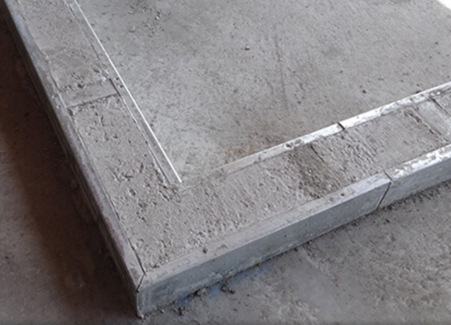
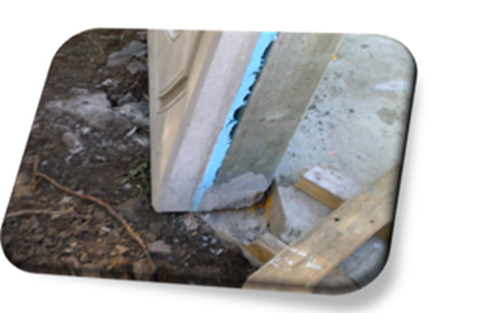
      Normally exterior precast walls are constructed with joints and window openings. It can be easily affecting the moisture infiltration. Waterproof materials are applied in these areas to eliminate the moisture intrusion to the precast panel.

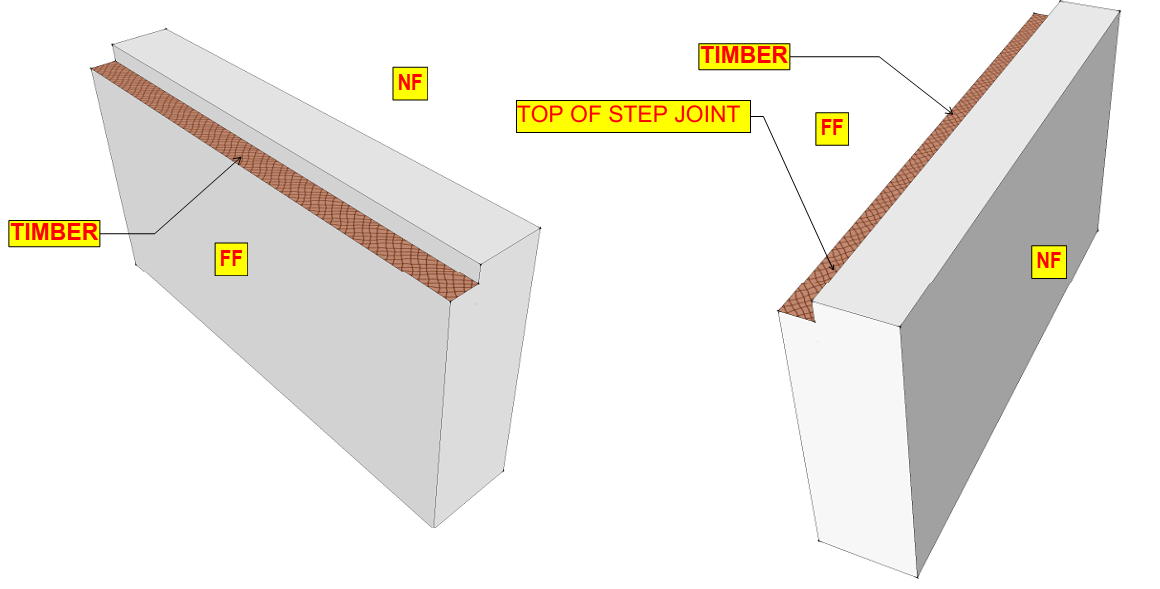
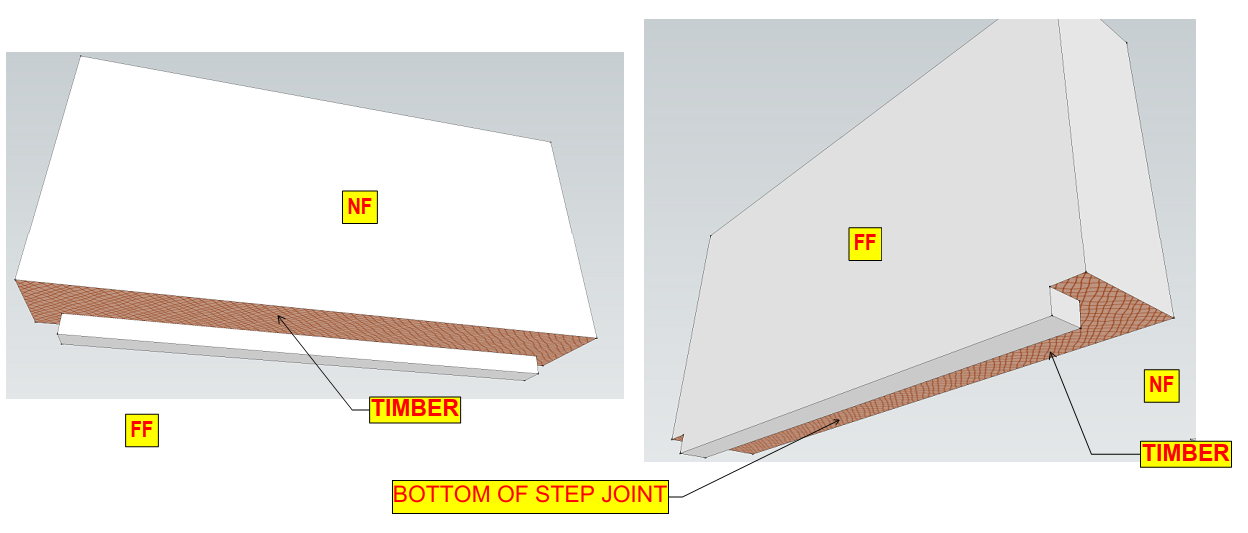
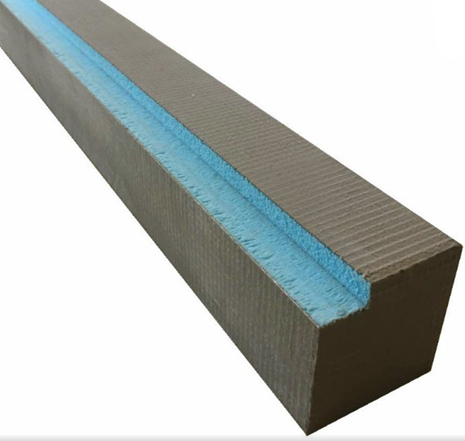
      we are defined edges are used to avoid this, it made upon wood or Foam (Thermocol).
      Top of Step Joint.
      Bottom of Step joint.

      If we require any special type of edges, it’s formed related to the above edges.
      Below images are given to reference the edges.

    • Advantages:
      1. Increase the lifespan of the structural Elements.
      2. Prevents the rusting of reinforcement in wall.
      3. Reduced the maintenance cost of the building.
      4. Prevents wetness inside of the building.
      5. Prevents leakages from the walls and ceiling.
      6. Prevents the formation of cracks on the surface of the building.
      7. Water absorption will be reduced.
  • SHOP DRAWING AND ITS COMPONENTS

    Shop Drawing:
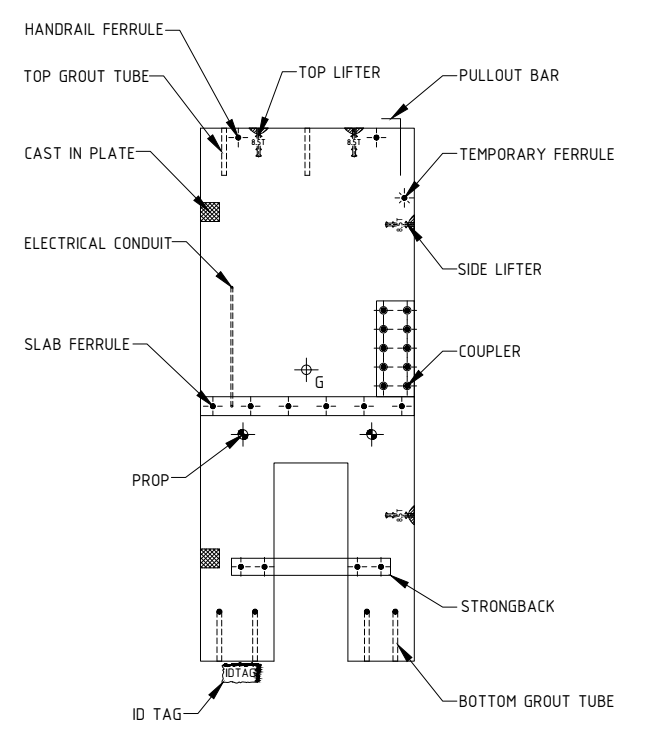
    Shop drawings is detailed drawing of the original design of the building. It’s a drawing or set of drawings given to our consultant or Fabricator. It is used to produce the individual precast panels in the factory. Shop drawings are typically required some prefabricated components, they are Listed below.

    Shop Drawing Components:

    1. Lifter’s [Edge lifters – (Top & side) and face lifter’s].
    2. Grout tubes & Dowel bars (Top & Bottom).
    3. Props. (Face & Edge props)
    4. Ferrules (Handrail, Temporary connection ferrule & Slab rebate ferrule,
    steel connection ferrule).
    5. Couplers.
    6. Pull-out bars and starter bars.
    7. Cast in Plate.
    8. Strong back.
    9. ID tag.
    10. Any special components required for some special cases like Conduits etc.


                   SAMPLE SHOP DRAWING ELEVATION WITH COMPONENTS

  • UPSTAND Vs CORBEL

    Upstand:
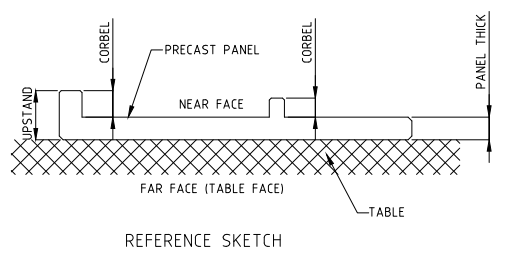
    Upstand is typically used for return legs in a precast element (Panel, Column, Spandrel). Generally, upstand preferred near face in shop drawing. If any special requirement (architectural design) only goes for Far face.
    Because far face is a table face, so we can’t provide upstand on Far face due to manufacturing difficulties.

    Corbel:
    Corbel is typically used for panel thickening increases in a precast element. Its also preferred near face in shop drawing.

    Thickness for Upstand:
    Total length of return value (sum of panel thickness) to be considered as upstand thickness.

    Thickness for Corbel:
    Thickness increase value (Apart from panel thickness) to be considered as corbel thickness.

    Advantages:
    1. The upstand and corbel profile formation used to avoid small size precast elements manufacturing.
    2.And also it will help to avoid some small part of in-situ elements on site.
    3. The construction time will be reduced.
    4. The cost of manufacturing also will be reduced.

  • STRONGBACK AND TYPES

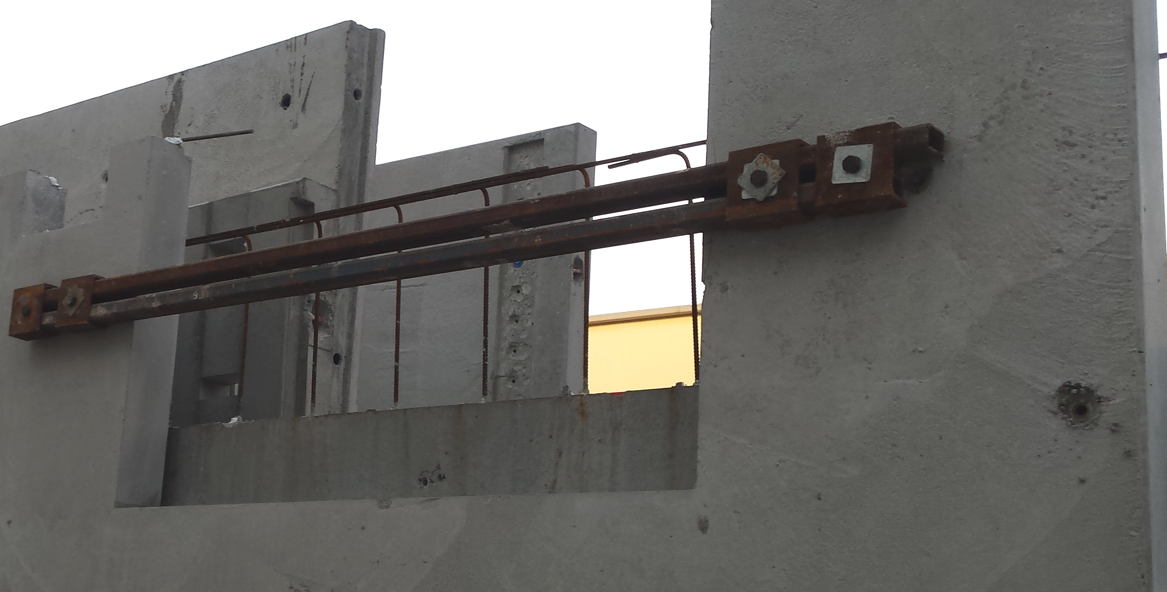
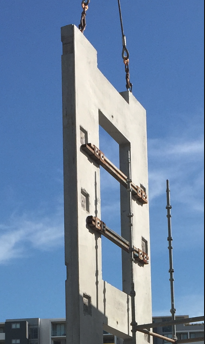
    Normally we are using the strongback in window, Door opening, uneven profile and panel handling purpose. It’s used to avoid the panel breakup, crack and damage during the panel lifting from table, Transportation (Loading & Unloading) and Panel erection on site. We are using three types strongback based on the required strength.

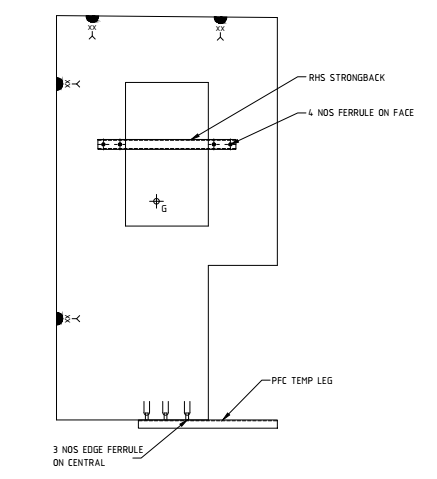
    1. PFC Strong back.
    First is the PFC member which can be bolted to the face or welded to plates on edge.

    2. RHS (Right hand side) Strongback.

    Second is the New and preferred RHS which is bolted to the panel face.

    3. Elbow Strongback.
    Third is the Elbow strongback which is bolted to the panel face and hangs over one edge.

    PFC and RHS Strongback used in SHOP DRAWING.

    Strongback Photos reference for PRECAST PANEL.

  • TYPES OF BEAMS – Depending on how they are supported.

    According to the types of supports provided for the beams, they are classified as:
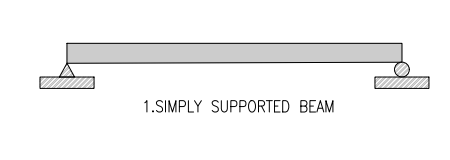
    1. Simply supported beam.
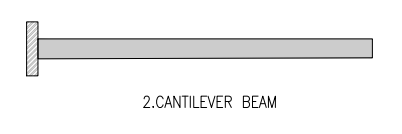
    2. Cantilever beam.
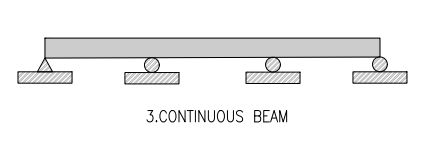
    3. Continuous beam.
    4. Overhanging beam.
    5. Fixed beam.

    1. SIMPLY SUPPOETED BEAM:
      This type of beam is supported at both ends consisting of pin support at one of the ends and roller support at the other end.
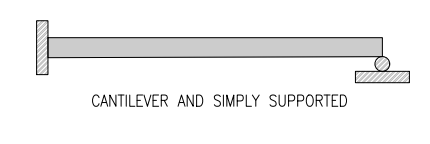
    2. CANTILEVER BEAM:
      A beam with one end free and the other end is fixed is called Cantilever.
    3. CONTINUOUS BEAM:
      A beam which is supported on more than two supports is called a continuous beam.
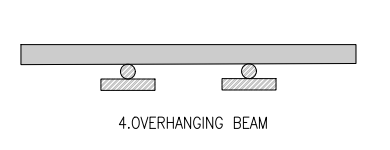
    4. OVERHANGING BEAM:
      Overhanging beam is the combination of cantilever and a simply supported beam. This type of beam in which the end portion of the beam extends more from the support. It’s divided in to two types.

    A) Single overhanging beam (This type of beam is extended beyond the support at one end only)
    B) Double overhanging beam. (This is of beam is extended beyond the support at both ends)

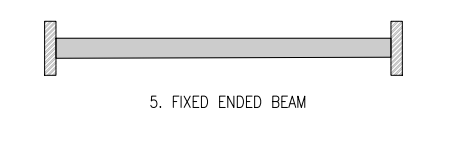
    1. FIXED BEAM:
      This type of beam is fixed at both ends it called fixed beam.


  • BEAM Vs COLUMN

    BEAM Vs COLUMN

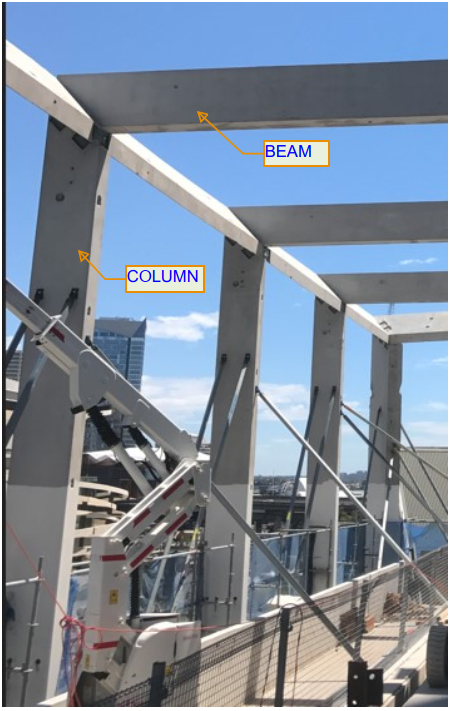
    BEAM: A beam is a horizontal structural component that resists vertical loads. Its mode of deflection is primarily bending. It transfers loads imposed along its length to its endpoints to walls, column and foundations.

    The beam is structural element that stands against the bending. Mainly beam carries vertical gravitational forces, but also pull the horizontal loads on it.

    (If structural member transfers any load whichever is acting on it through bending, then that element will be refer as a beam.)

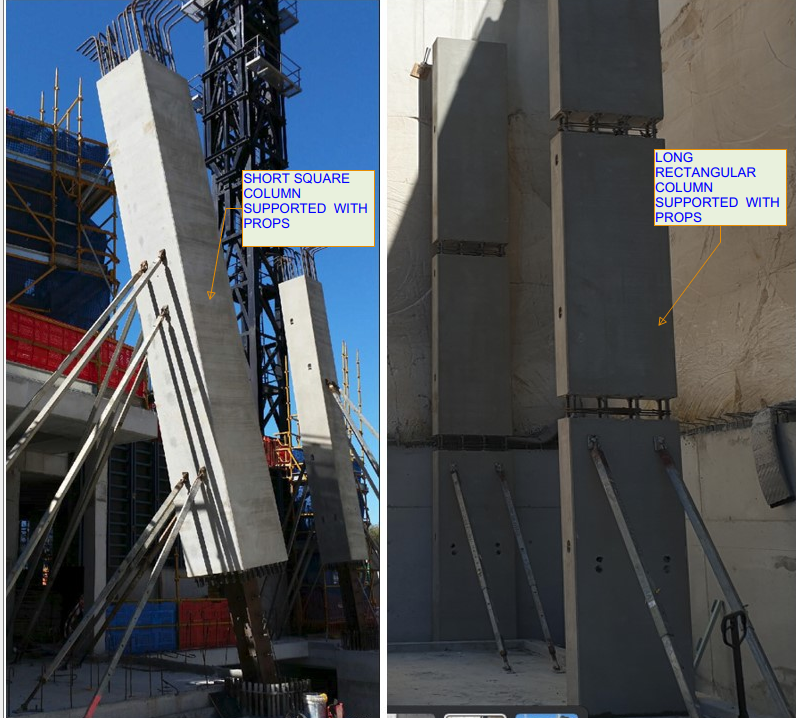
    COLUMN: A column is a vertical structural compression element that bears loads mainly in compression. It might transfer loads from a ceiling, floor slab, roof slab to a floor or foundation, it usually transfers loads from superstructure to foundation.

    Column plays an essential role in the entire load transfer system, though many columns are embedded forming part of a wall.

    Columns are commonly used to support beams or slabs or arches on which the upper parts of walls or ceilings rest. Sometimes a column is a decorative element as well as for structural purpose.

    (If structural element transfers the load through compression, it will be called as column.)

    DIFFERENCE BETWEEN BEAM AND COLUMN

    SL.NO

    DESCRIPTION

    BEAM

    COLUMN

    1

    Built

    Without a beam, a structure can be constructed.

    Without a column, a structure can’t be built.

    2

    Support

    They are supported by the column one end or both ends.

    They are directly built from the foundation.

    3

    Weight transfer

    It carries weight of slabs, ceiling. Floor, Roof of a building and transfer it to columns.

    It carries load transferred by beam and ultimately transfer it to footing and ground.

    4

    Classification

    Beams are classified based on their support end condition.

    Columns are classified based on their cross-section shape, material for construction and types of loading.

    5

    Shape

    A beam may be square, rectangular, T-shape, I-shape and H-shape.

    A column may be rectangular, circular, square, t-shape, L-shape and C-shape.

    6

    Simple Terms

    Beam is structural member carrying transverse loads.

    Column is also structural member carrying axial loads.

    IMAGES FOR BEAM AND COLUMN

    EXAMPLE:
    we have a rod of length 5 meter made out of steel and a load “P” to support
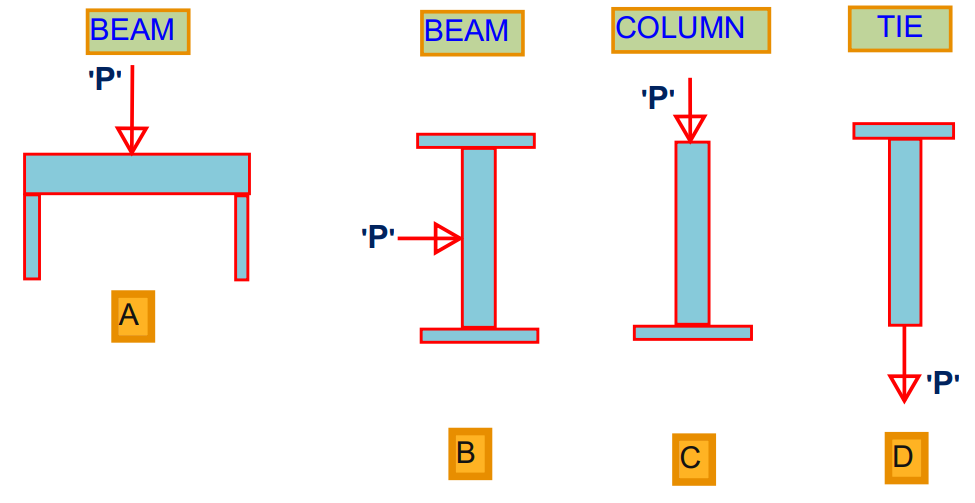
    1. We keep the rod on two supports and then place load on top of it. This time the primary mode of load transfer is by bending and thus we call it a Beam.
    2. We keep the rod vertical and apply load Horizontally to it. This time the primary mode of load transfer is also be bending and thus we call it a Beam.
    3. In this case the rod is kept vertically on the floor and the load is placed on top of it. Now the load is being transferred by compression and thus we call it a Column.
    4. We decide to hand the rod from ceiling and hook the load to the other end of the rod. The load in this case being transferred primarily by tension and thus we call it a Tie.
  • HOB AND ITS TYPES

    HOB
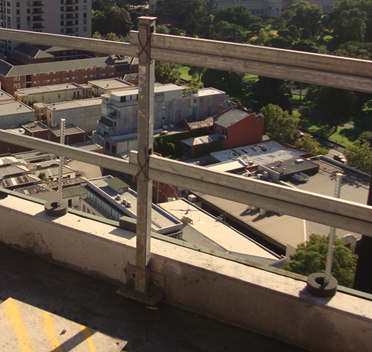
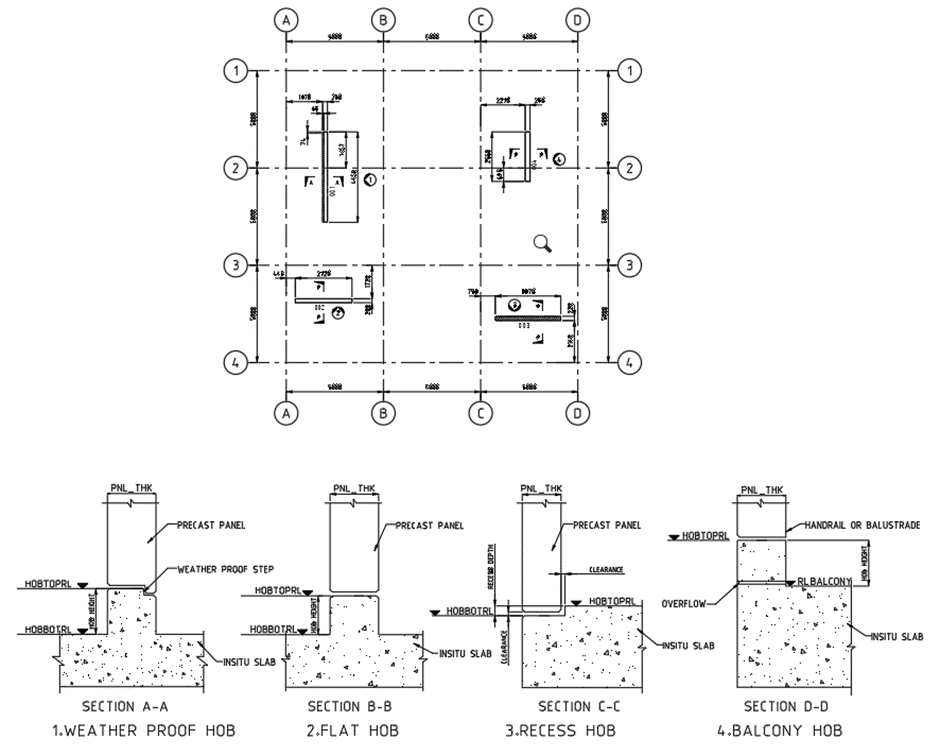
    Hob is projection or recess on the top of slab, which is made up of concreate or sometimes precast. It will act as a base or foot for the precast panels and balustrade which are to be placed above the actual SSL (Structural surface level) and a locating guide sometimes with weather proof.

    HOB TYPES

    1. Weather proof Or Stepped Hob:
          This type of hob has projection from slab SSL, which is used to separate inside (living spaces) and outside (balconies and wet areas) of the building to resist water to enter the building. It has recess at the outside of the building on top of the hob, which means top face has step along the outside of building. Refer Section A-A for weather proof hob.

    2. Flat hob:
         It is also projection type hob, but top face is in full width flat without step. Usually, it will locate between either inside-inside or outside-outside area. Refer Section B-B for flat hob.

    3. Recess hob:
      
      It is further back from SSL or ditch or recess on slab. It will also act as weather proof. This hob needs some gap clearance on the higher side to make easily sit precast on it. Refer Section C-C for recess hob.

    4. Balcony hob:
         
    Balcony hob also be the projection type; it is used to outside of the building in outermost wall to resist spill of water or use as balustrade. Balustrade purpose hob have considerably higher than the all-other hobs. Refer Section D-D Balcony hob.

    5. Model hob plan drawing:

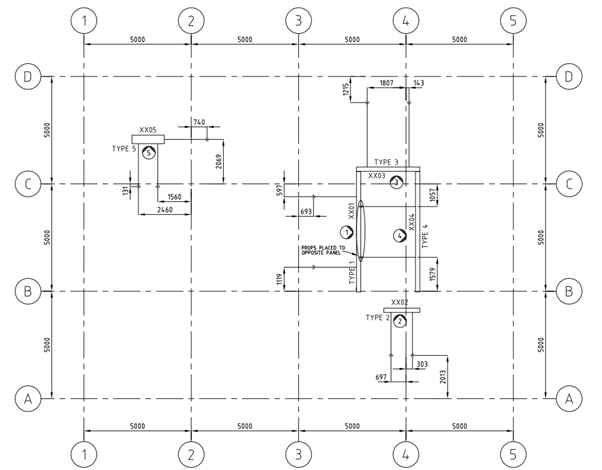
  • Types of Brace (Prop) Plan

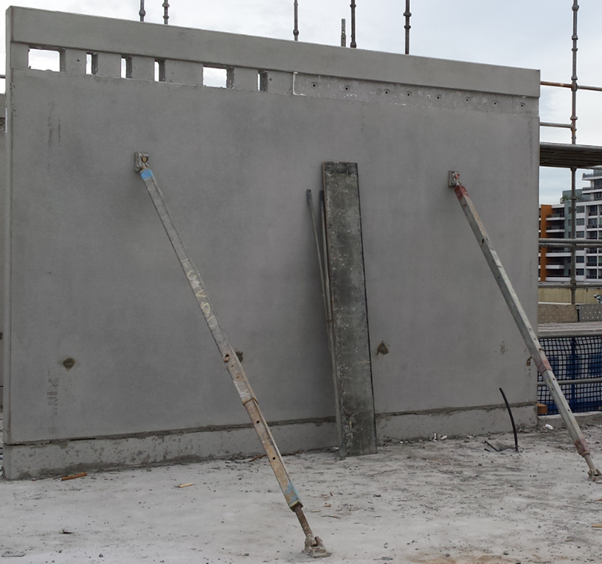
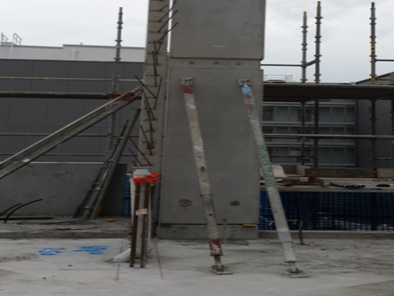
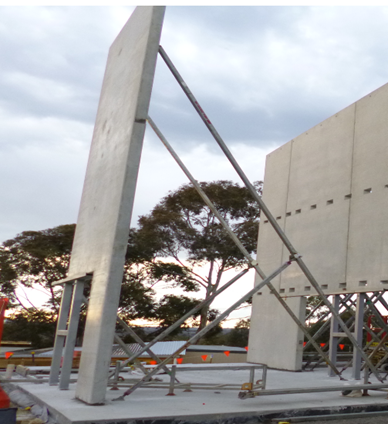
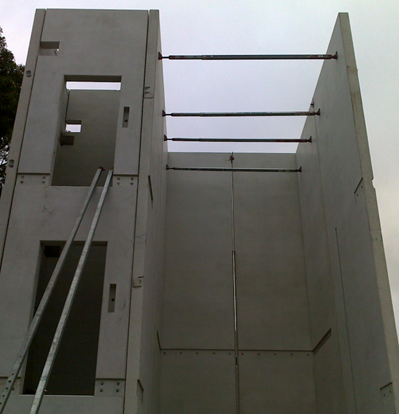
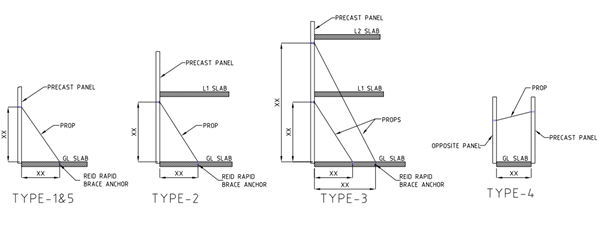
    Brace are used for temporarily support precast concrete elements until the permanent fixing are made.
    1. Single storey (Drop-in) panel propping
    2. Double storey (Spin-up) panel propping
    3. Panel higher than double storey propping
    4. Panel to panel propping
    5. Edge Propping
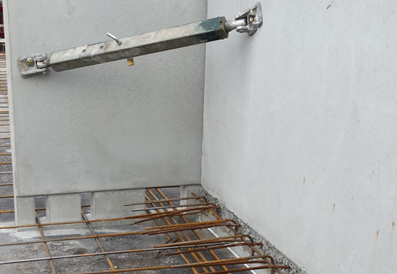
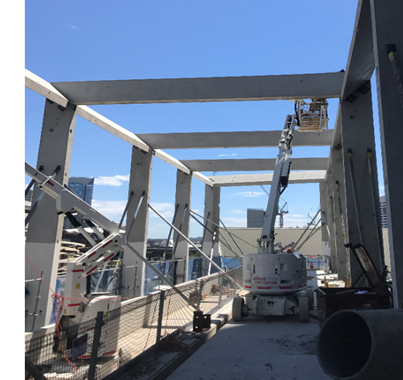
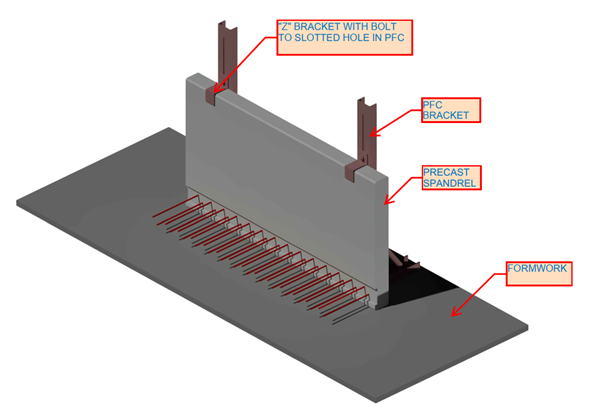
    6. Spandrels propping

    1. Single storey panel propping:
          Single story panel are normally used 2 props a panel. Some times more than 2 props are used based on panel design.

    2. Double storey panel propping:
         
          Double story panel are normally 2 props placed 200mm below the underside of slab. Some times more than 2 props are used based on panel design.


    3. Panel higher than double storey panel propping:
           This type of panel needs two level of propping. Two props on the below level and two props on the above level. If there is a slab in above level the propping system will pass through the below level slab by providing a pocket on the slab

    4. Panel to panel propping:
       
    Provide ferrule in the opposite panel Or Adjacent panel for propping. Especially this kind of propping system are applicable for lift and stair core area, where there will be no slab to support the prop.

    5. Edge Propping:

        These types of propping are used for column and some panel having cantilever. Provide ferrule in the edge of the panel.

    6. Spandrels propping:
       
    These types of propping are used for spandrels. Provide ferrule at the top of panel. Where the ferrule will be connected with the member which hold the propping system.

    Model brace plan drawing: