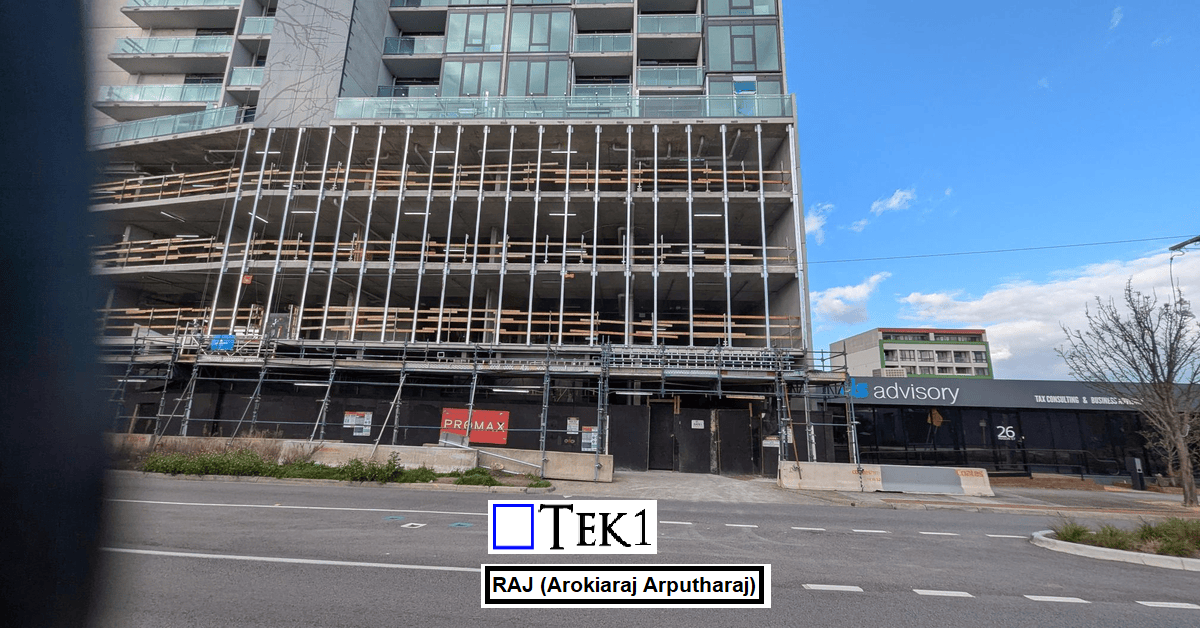
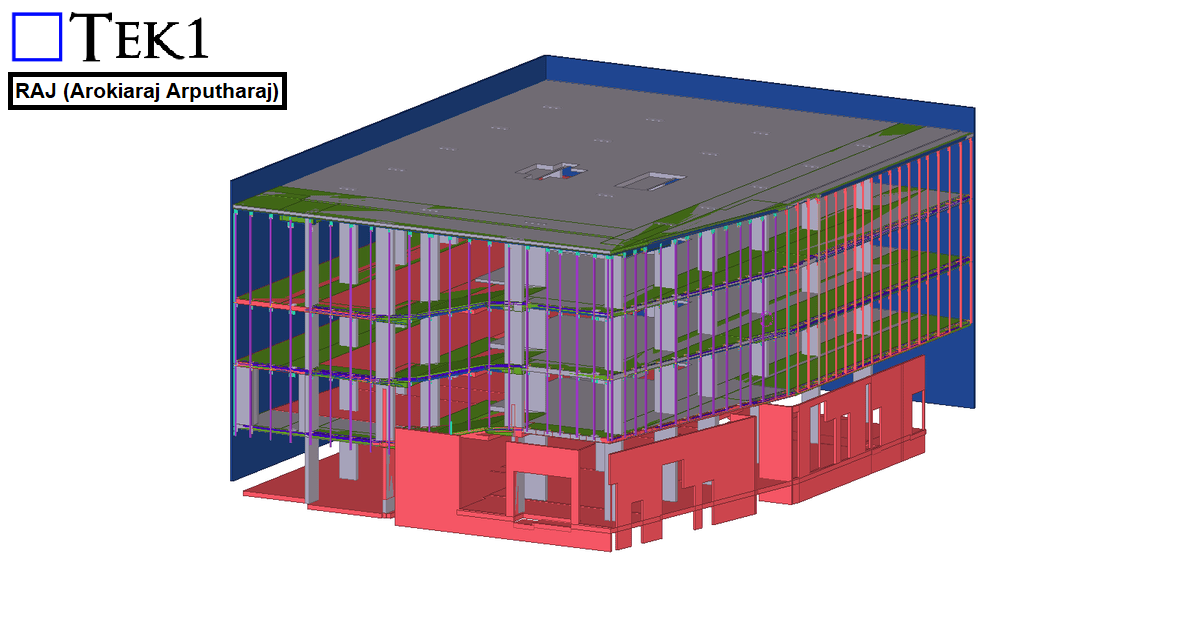
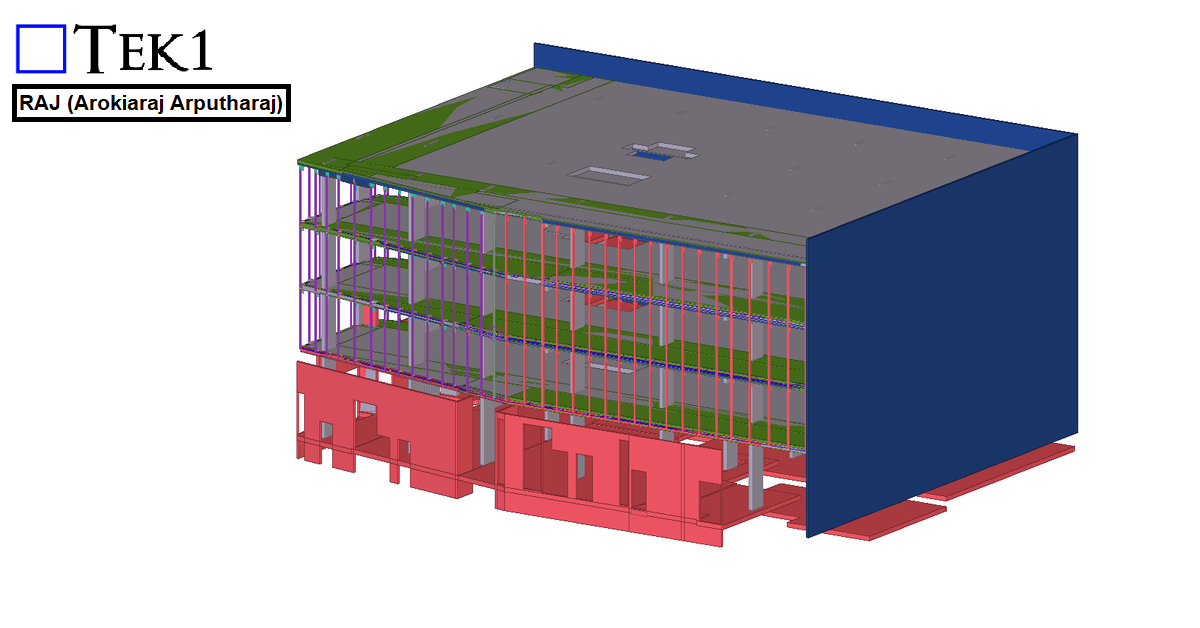
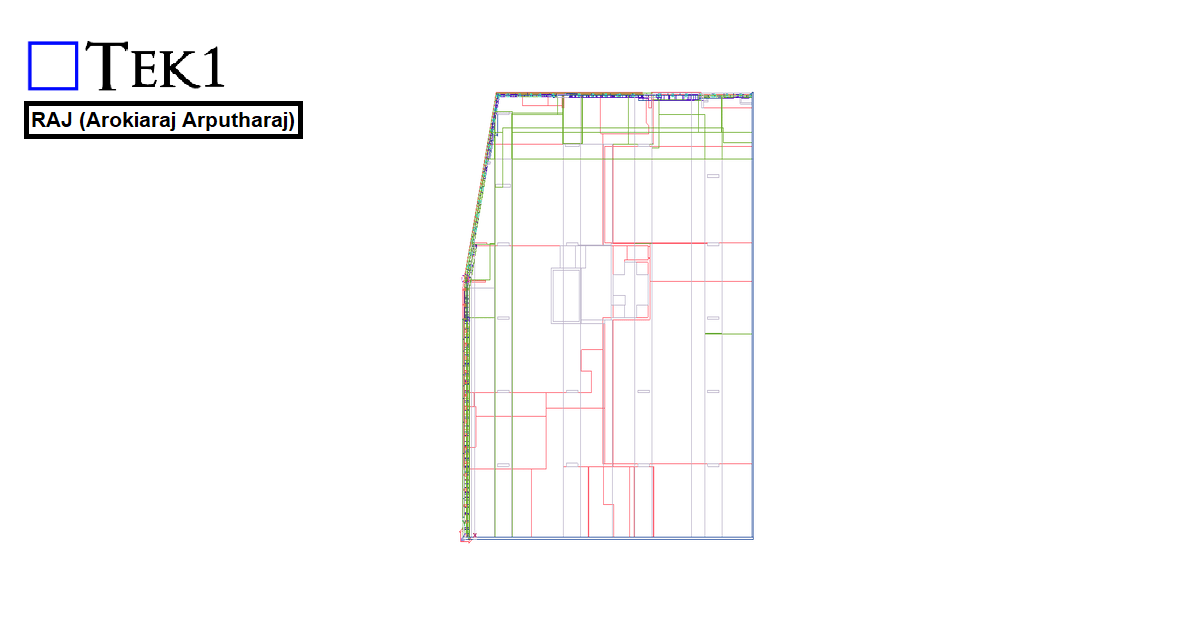
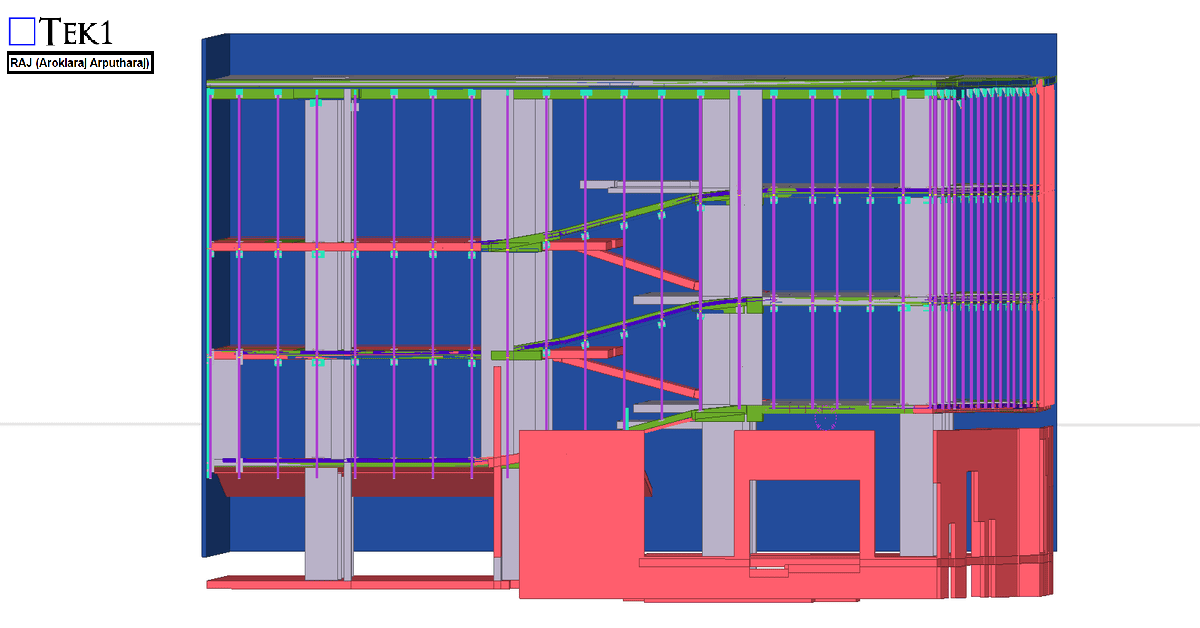
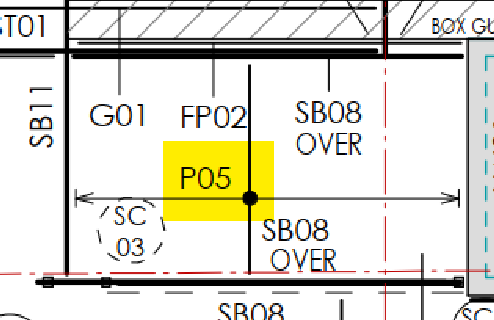
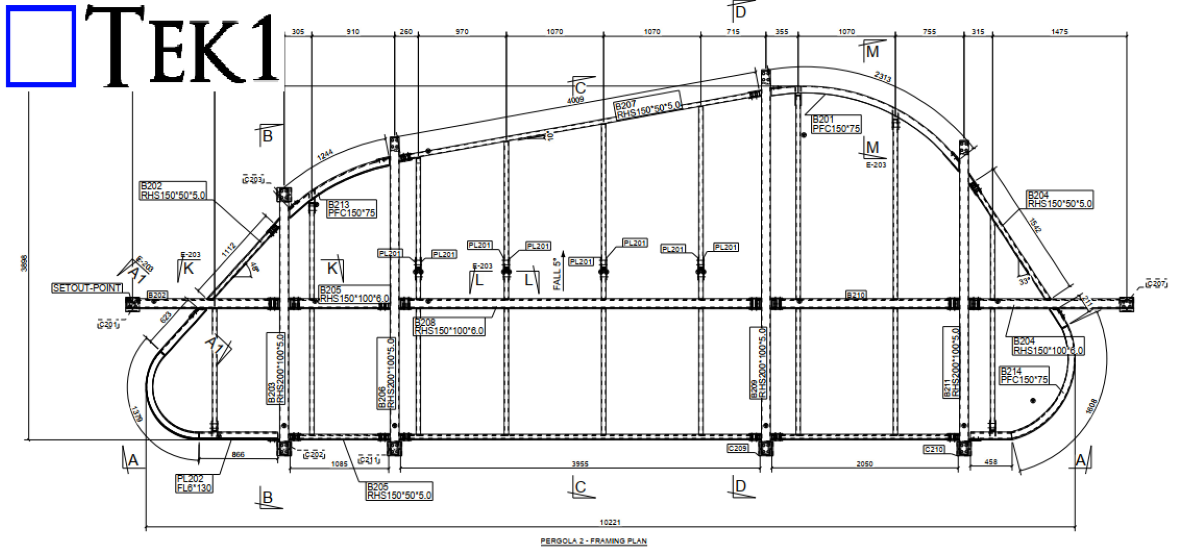
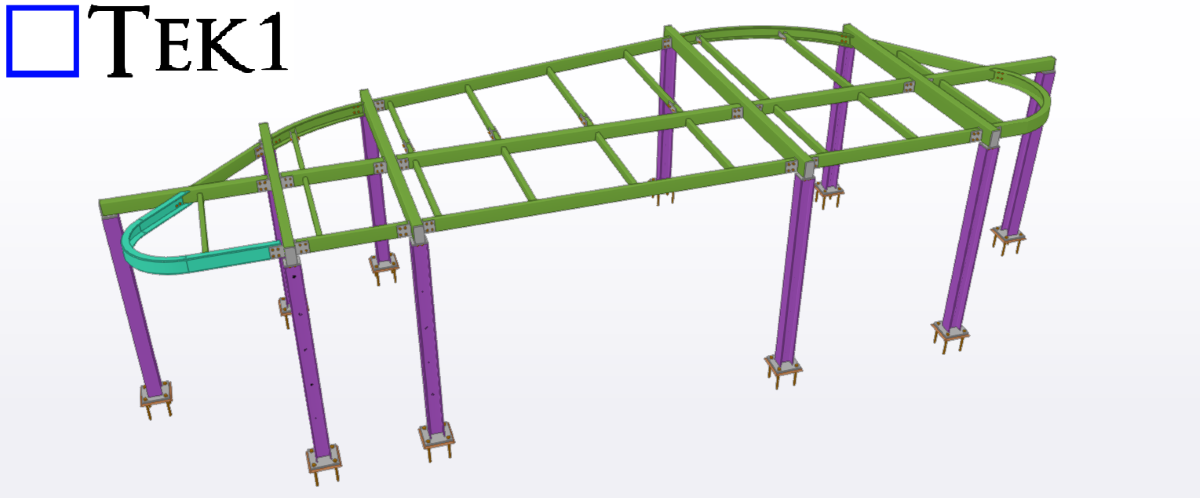
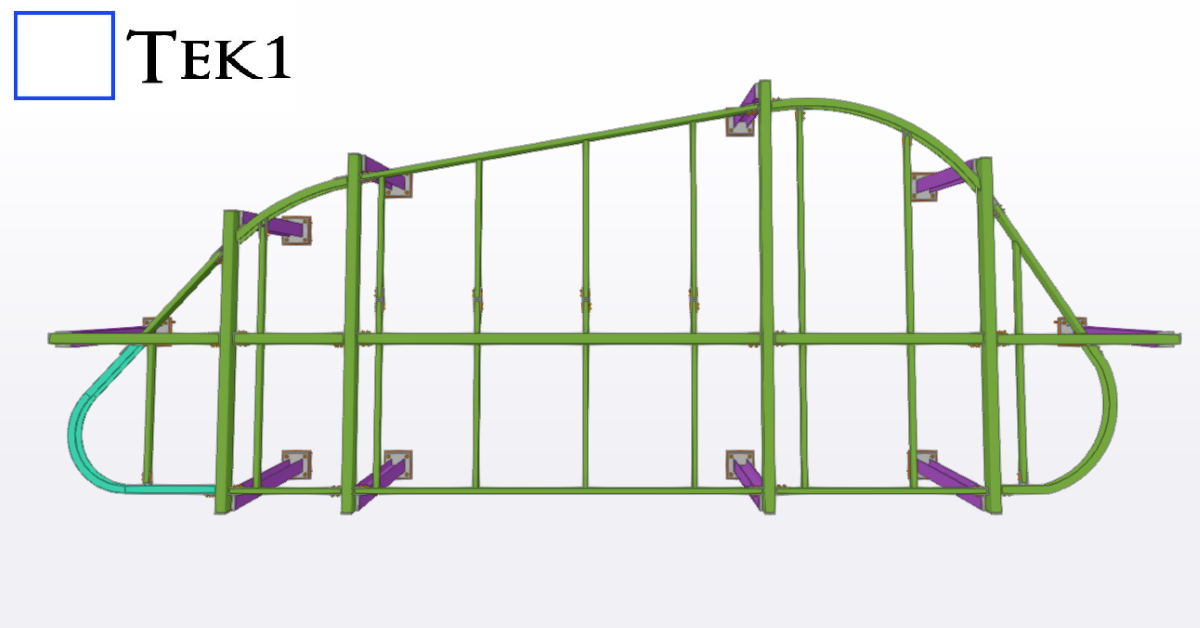
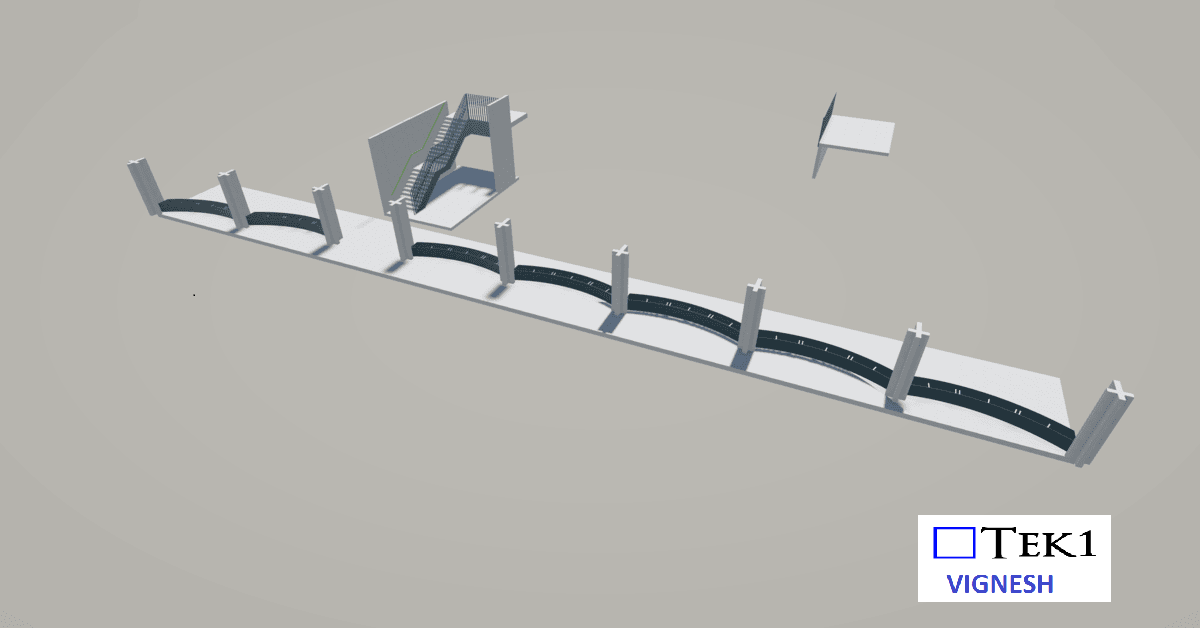
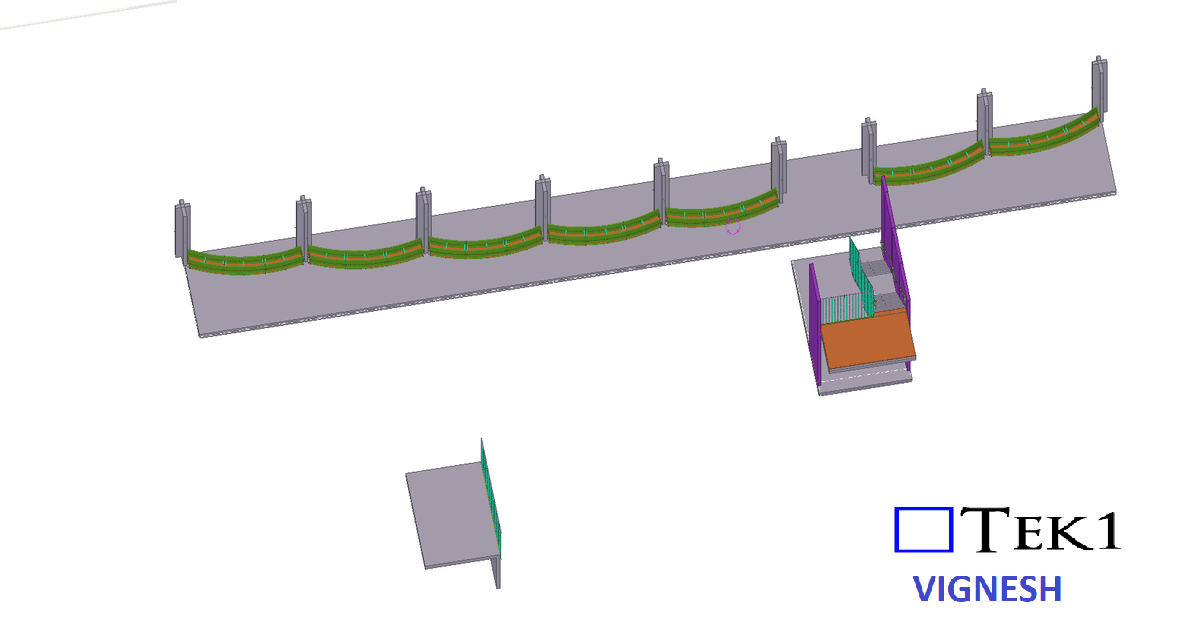
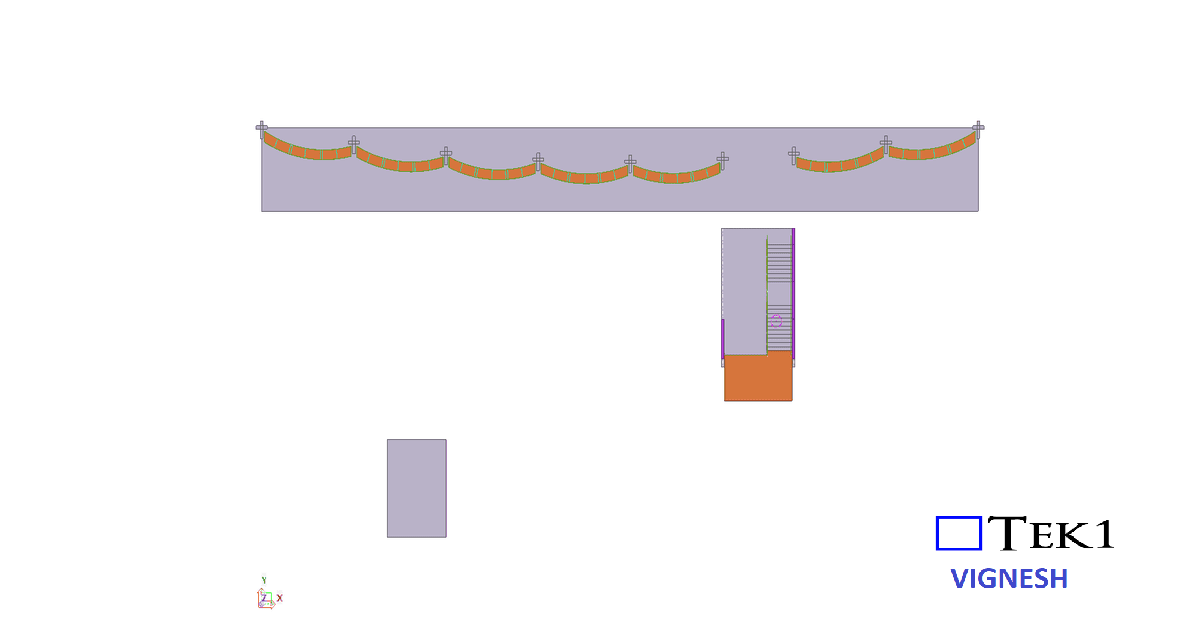
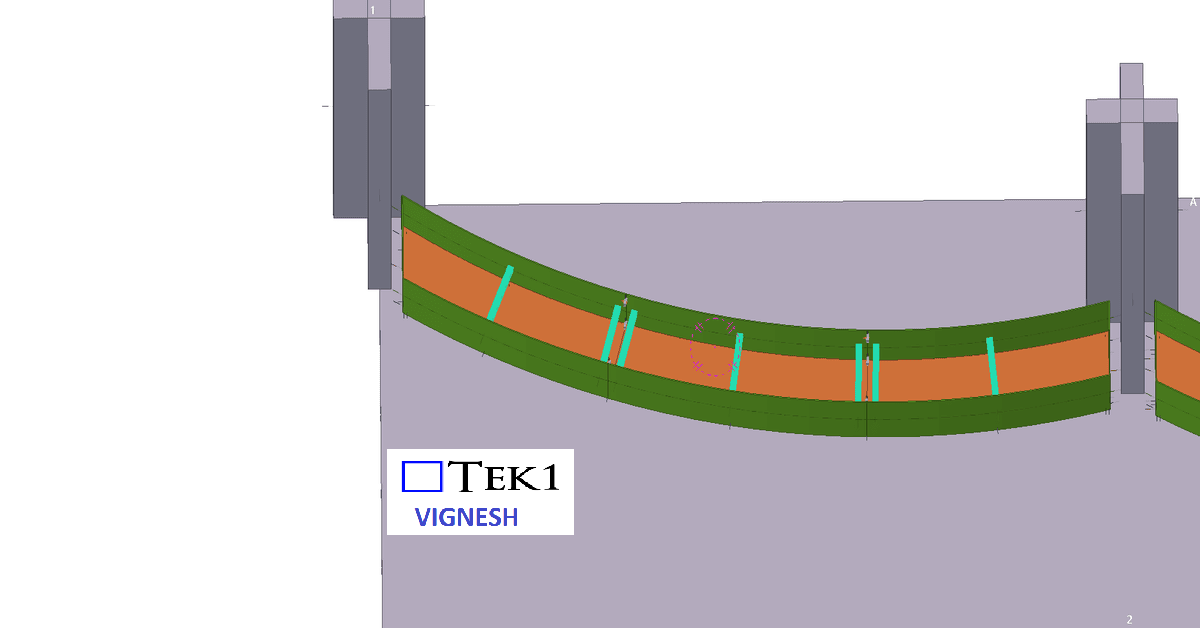
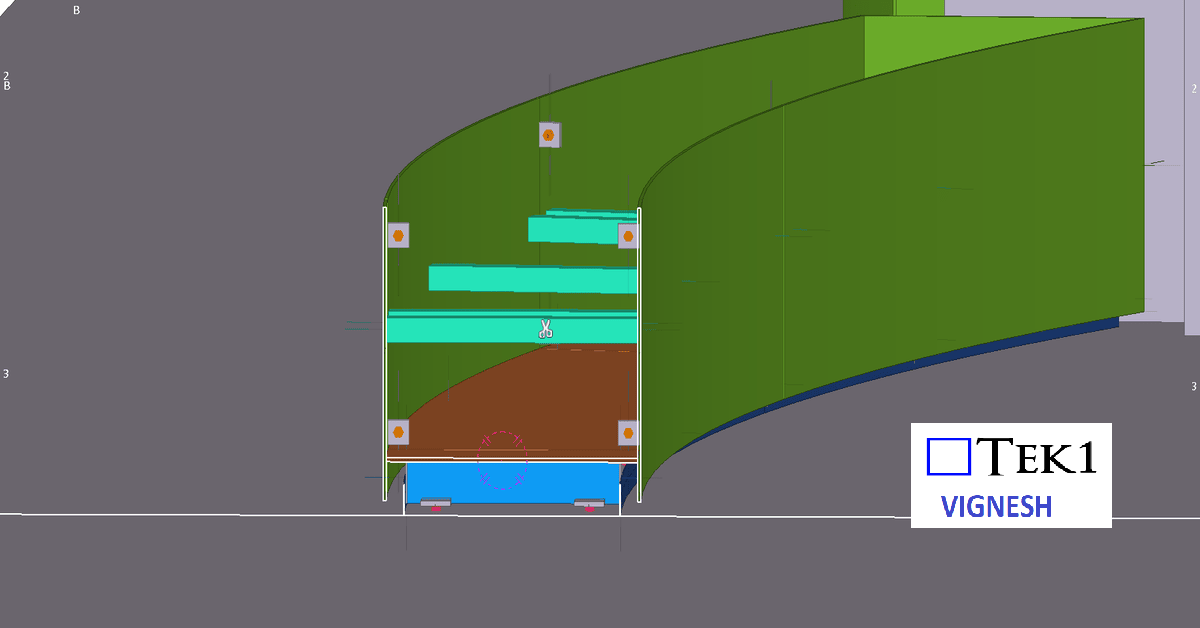
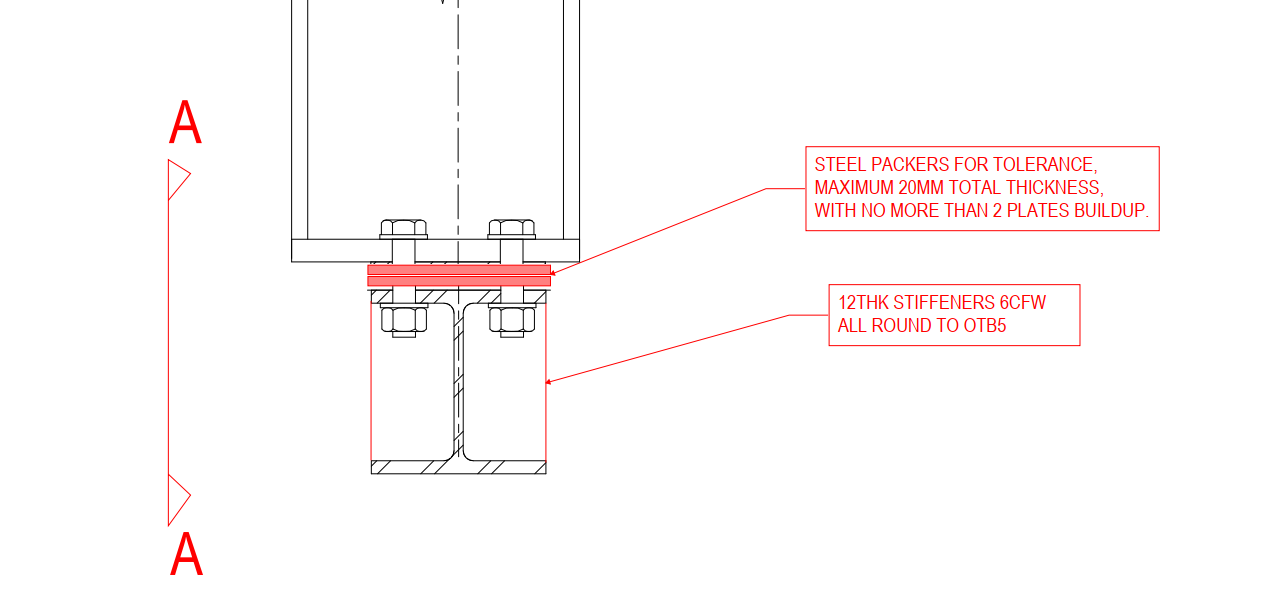
For the 27 Scott Street project, the client requested that the façade posts be installed with sufficient clearance so that the fixing anchors do not clash with the PT cable lines.
We carefully followed the client’s requirements and coordinated the design to ensure that the anchors clear the PT cable lines. The steel was successfully erected without any issues.
We would like to thank the client for giving us the opportunity to be part of this project.
In Australian steel detailing, understanding roof and purlin specifications is essential for delivering precise and efficient designs. In this blog, I’ll share an experience highlighting the significance of addressing roof slope issues during detailing.
The Issue
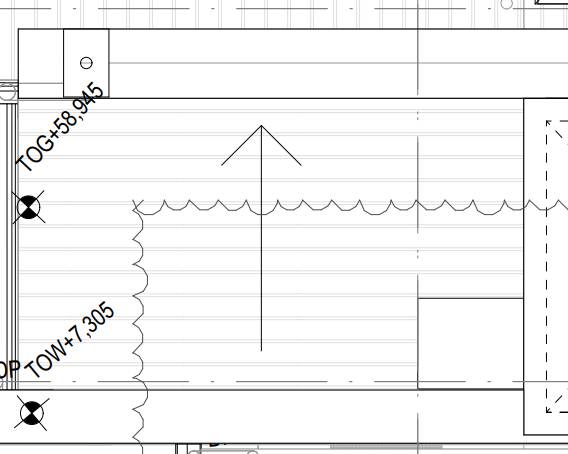
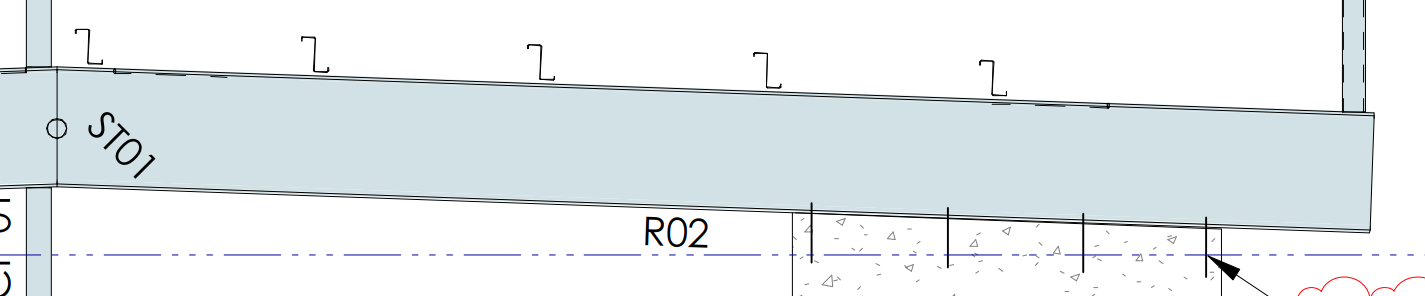
In a structural drawing, the purlins were shown running north-south, which suggested that the roof slope would be east-west (since purlins are always perpendicular to the roof slope). However, when we reviewed the architectural drawings, the roof slope was indicated as running north-south—a direct contradiction.
The Resolution
We raised the issue with the client, who confirmed that the architectural drawings superseded the structural ones. Following this clarification, updated drawings were issued, with the roof slope correctly aligned in the east-west direction.
Key Takeaways
Cross-Check Drawings: Always verify alignment between structural and architectural drawings, especially for critical elements like roof slopes.
Communicate Early: Raising discrepancies early saves time and prevents costly rework.
Stay Updated: Ensure you work with the most recent drawings to avoid confusion.
Roof and purlin alignment might seem straightforward, but even small errors can have significant implications. Attention to detail and proactive communication are key to successful detailing.
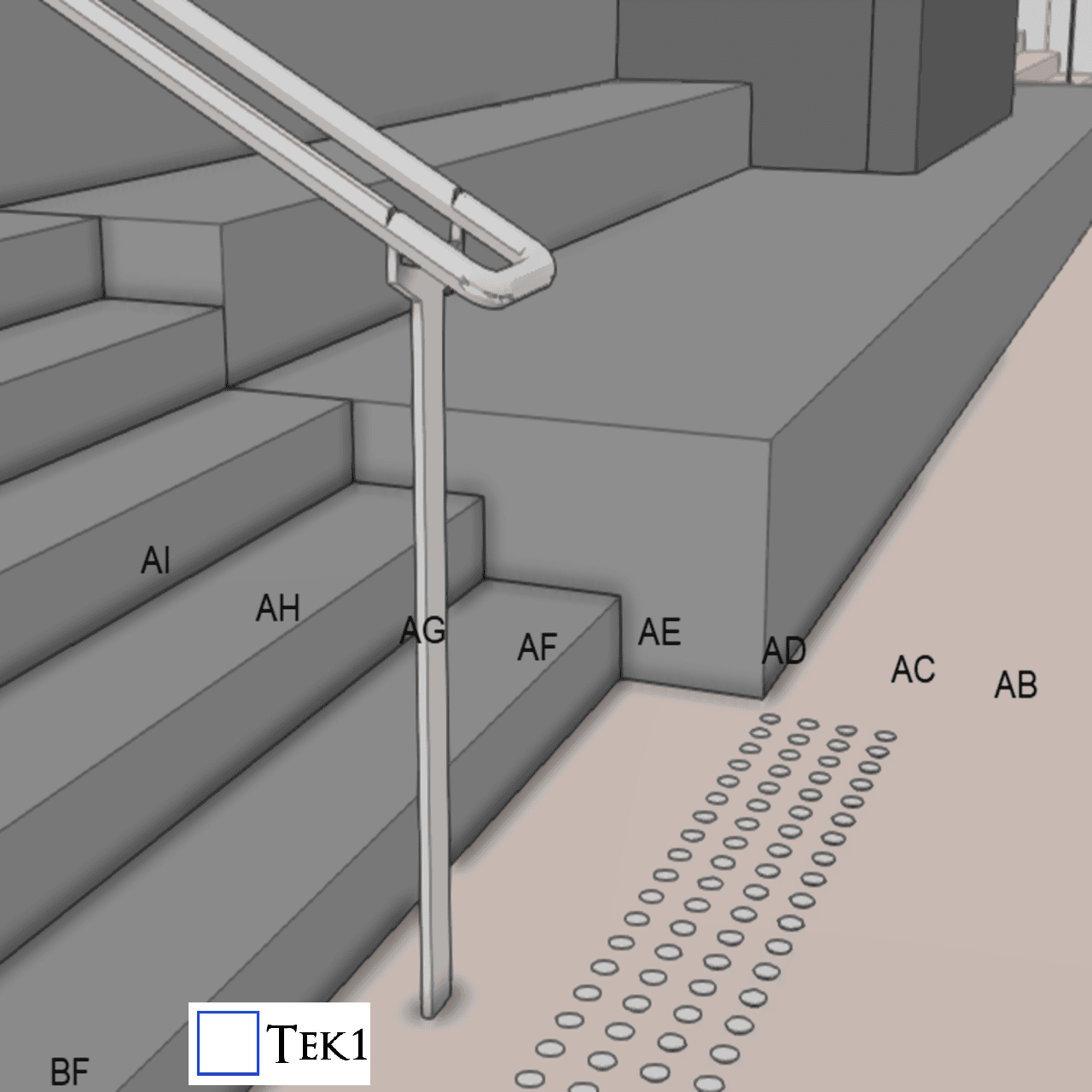
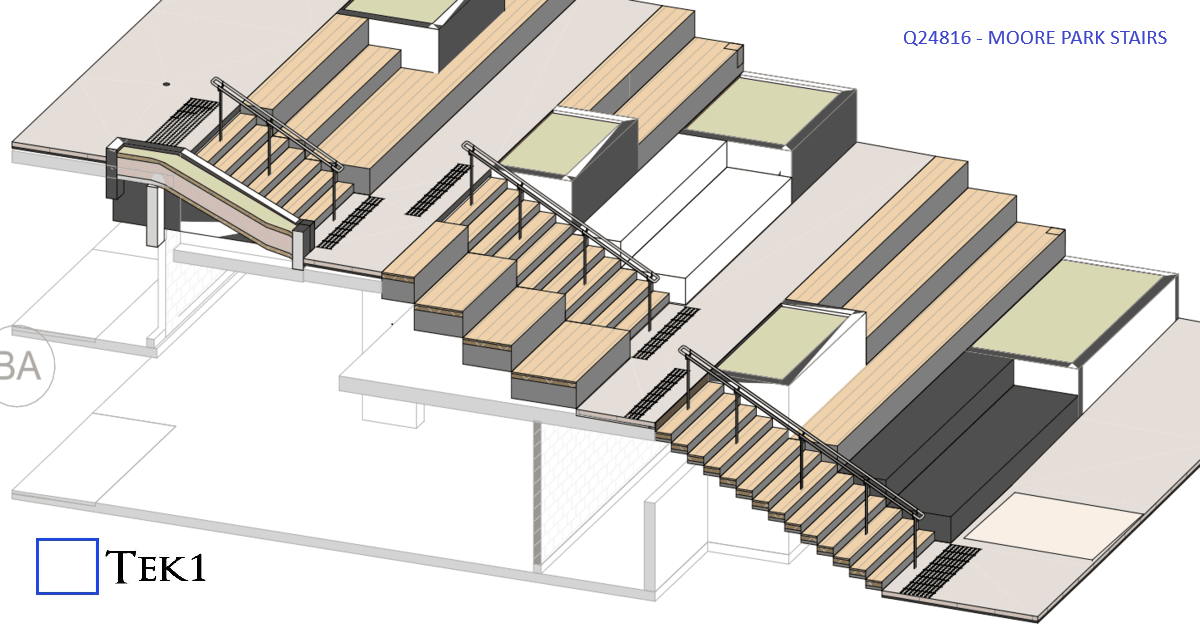
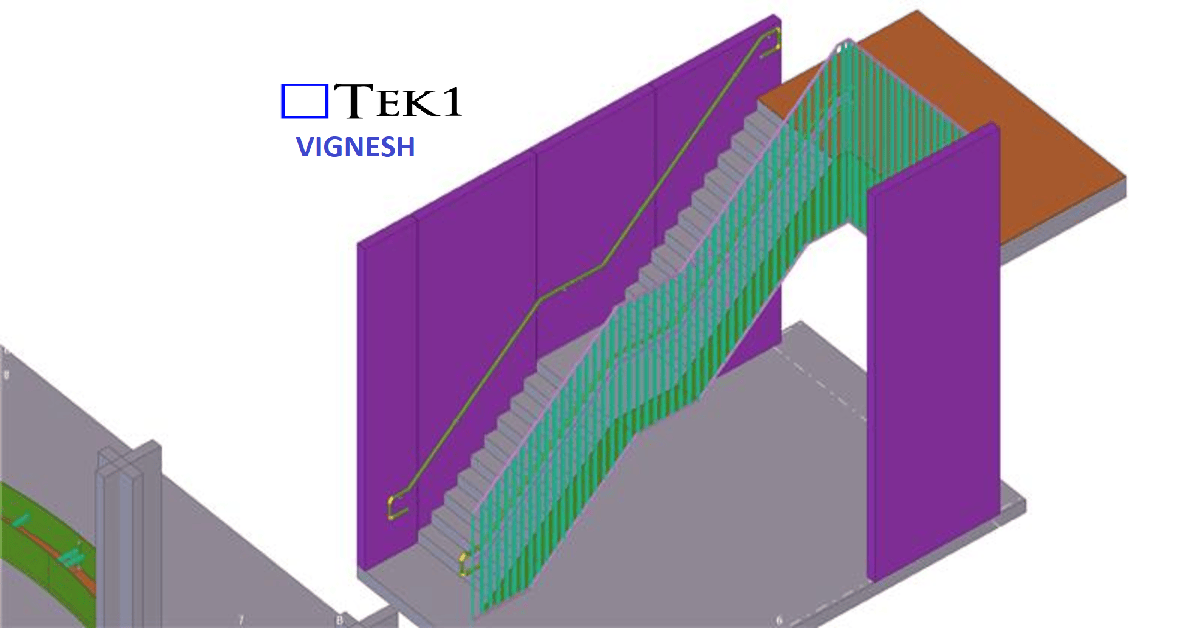
At Moore park, there are several stairs & ramps. Among them is a stair which connects walkways at different levels. The direction of the stairs is perpendicular to the direction of the walkways.
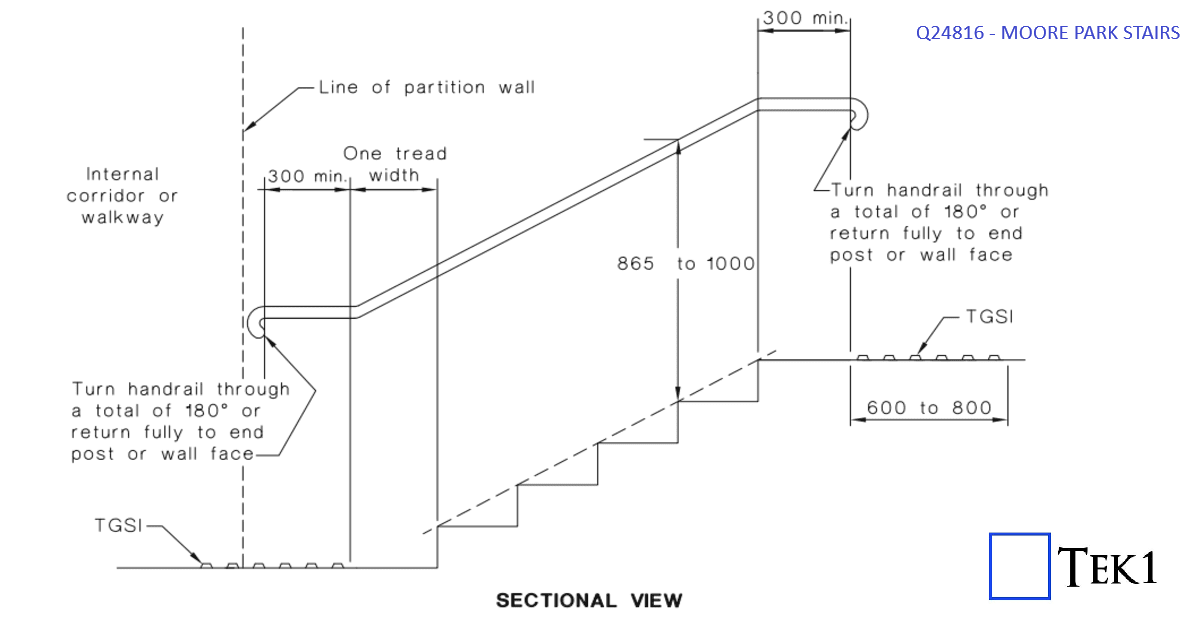
According to the sandards, handrails at stairs must extend beyond the stair flight to improve accessibility and safety. The standard requires:
300 mm extension beyond the landing nosing at the top, and
The going of the first tread + 300 mm extension at the bottom.
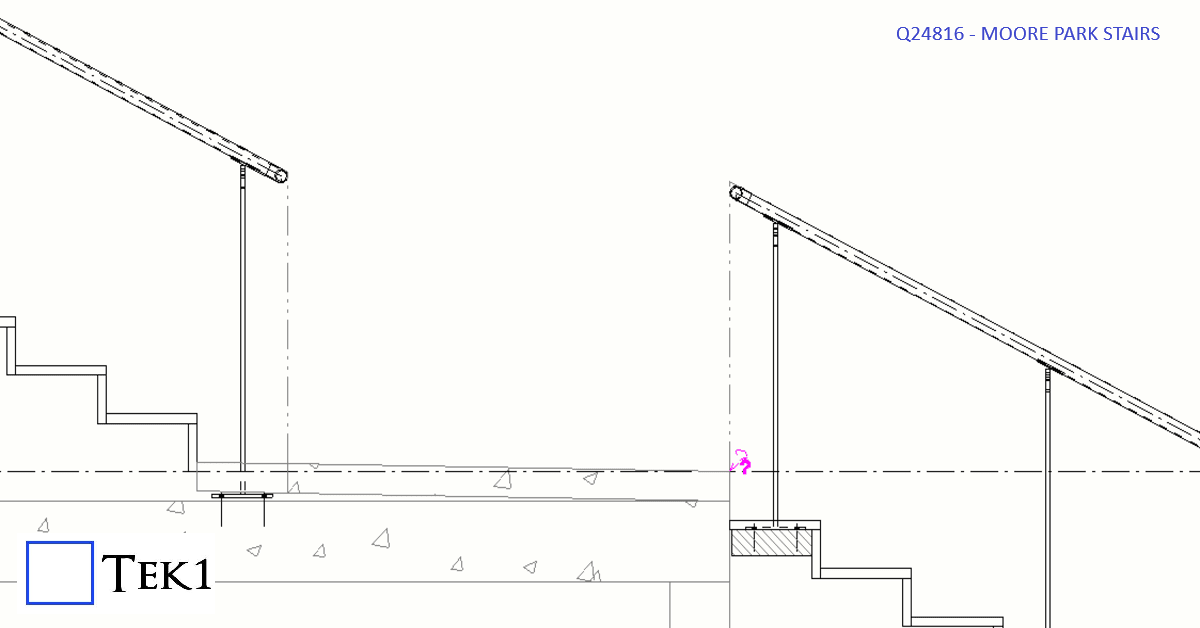
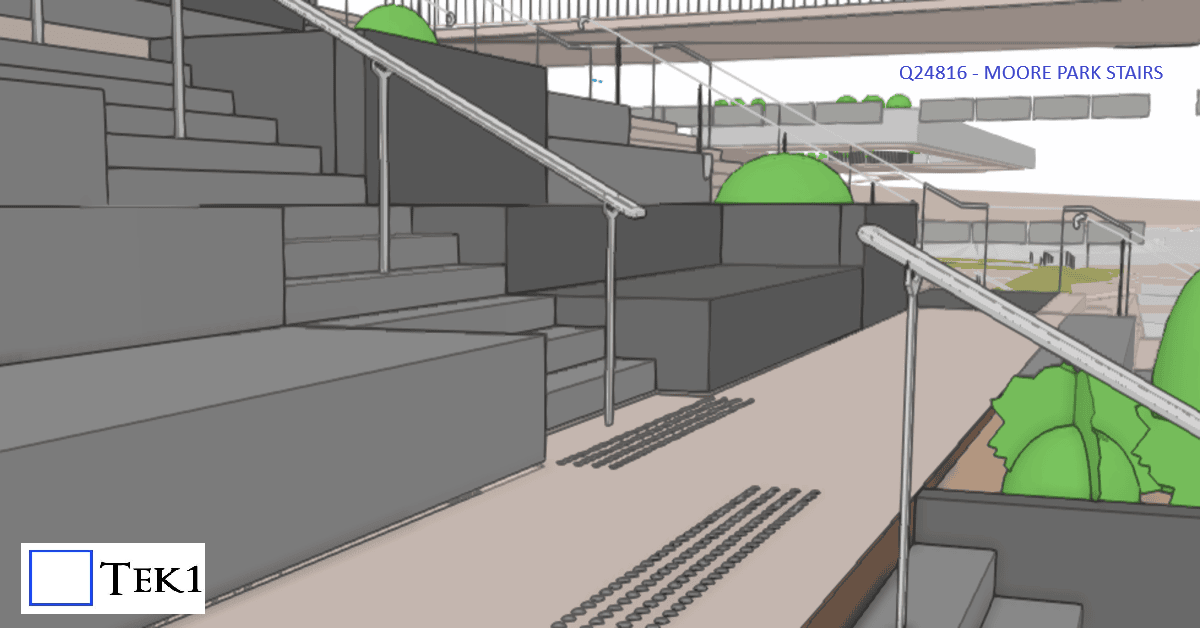
However, extending the handrail rail would protrude in the walkway & could cause collision hazard or reduce the effective width of the walkway.
To avoid this, the handrail extension was omitted. The architect has marked this as performance solution & this is one of the few cases where this 300mm extension does not apply.
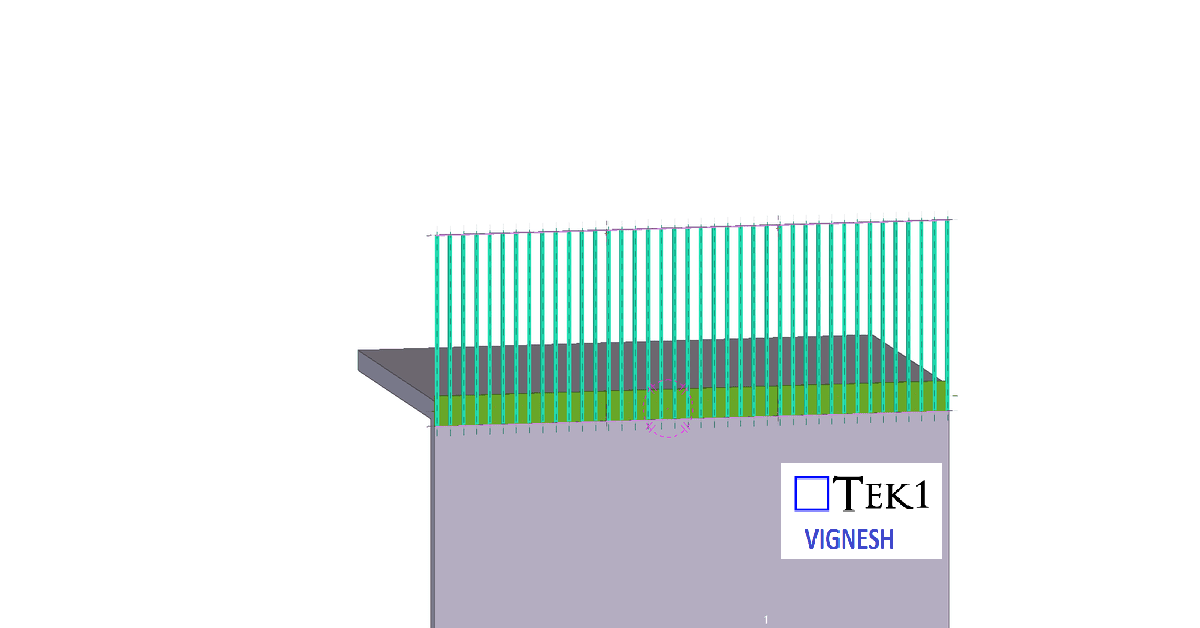
We are proud to be a part of the team in Marymede Planter box project.
Our detailing team worked closely with architects to ensure tolerances and offsets were met without compromising design intent With a limited fabrication and erection window, our detailing team adopted a fast-track workflow using Tekla Structures for 3D modeling.
This allowed us to provide early shop drawings for procurement and parallel review of sections still under coordination.
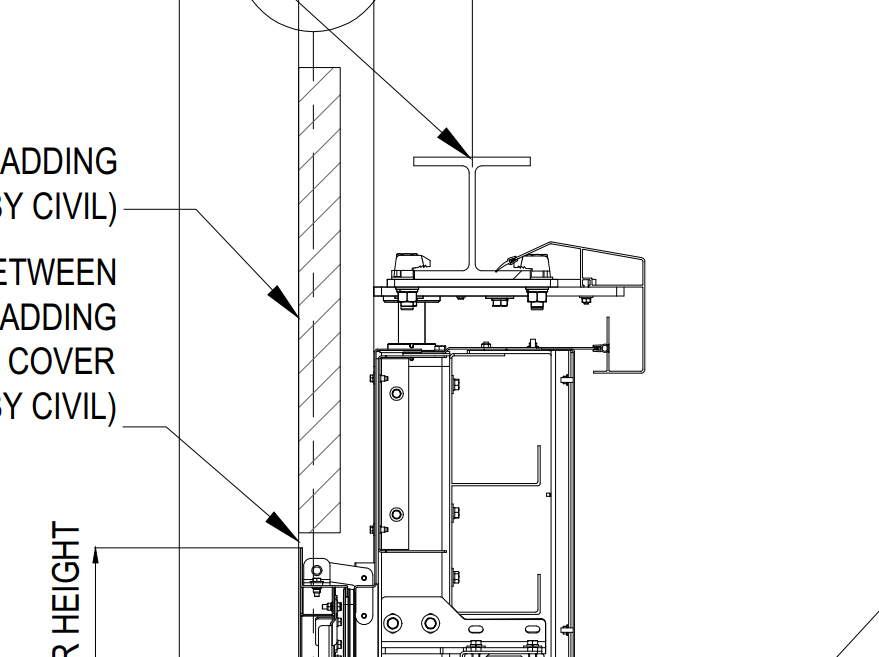
In this blog, I’d like to share an issue we faced while detailing Platform Screen Door (PSD) support beams in a metro station project.
Our scope was to provide structural beams to support the platform screen doors. The design also required stiffeners in these beams for structural strength.
The Issue We Identified
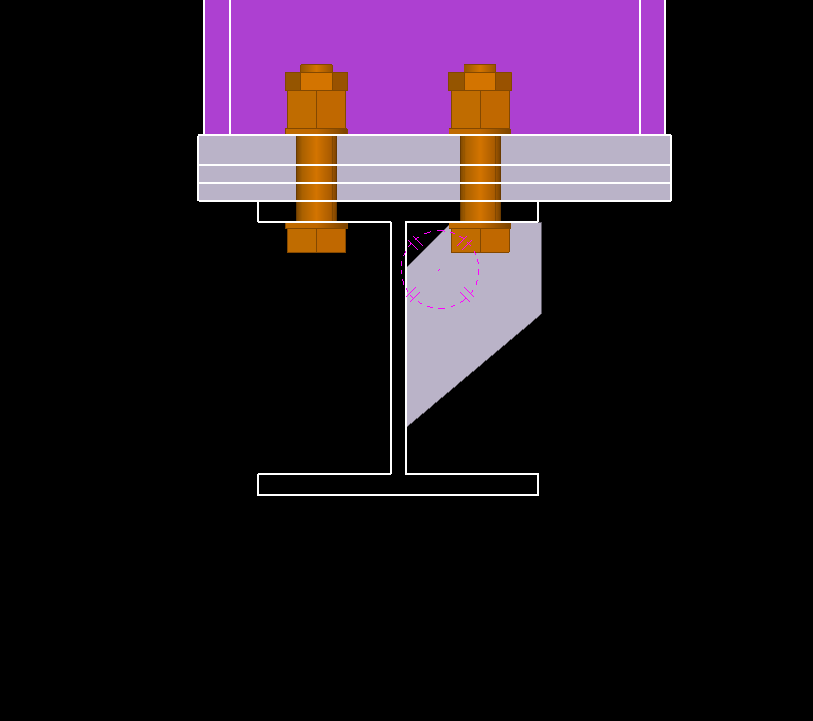
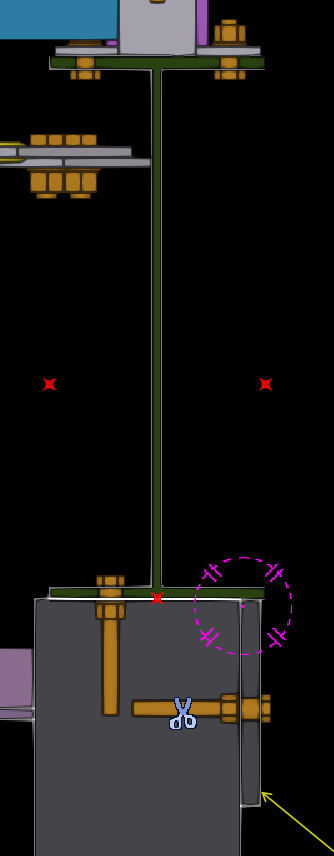
Before placing the stiffeners as per the design, we reviewed how the door frames would connect to the beams. During this check, we realized that the stiffeners could clash with the door frame supports.
As expected, when we reviewed the door frame support details, the clash became clear.
We raised this issue with the relevant team, and they advised us to modify the stiffener size so it would not interfere with the door frame supports.
As detailers, we shouldn’t just place elements exactly as shown in the design. We must also think about how other components will connect and function.
This is especially important when our steel supports secondary steel, equipment, or framing systems. A little extra attention during detailing can prevent major issues during installation.
Detailers must exercise caution when working with bolts and edge distances, as these are common areas for errors in structural detailing. In this blog, I’ll share my experience with a bolt edge distance issue and how it was resolved.
The Scenario
In a recent project, the design required a UB (Universal Beam) to sit on a 200mm-thick concrete wall, secured with M20 chemset bolts.
Upon review, it became clear this setup wasn’t feasible:
Anchor Distance: M20 bolts require a minimum anchor distance of 120mm.
Edge Distance: A minimum edge distance of 80mm is necessary.
Additionally, the beam wasn’t centered on the wall, further complicating the bolt placement.
The Proposed Solution
To address the issue, I proposed welding plates to the bottom of the beam. This adjustment allowed the beam to be bolted to the side of the wall rather than its top.
The Engineer’s Feedback
After reviewing the proposal, the engineer suggested a simpler solution: using a single row of bolts instead of two. This change eliminated the edge distance problem.Engineer mentioned that one row of bolt is enough for this beam.
In this project, the engineer did not accept our proposal, as they determined that the beam does not require that level of support. However, as detailers, it is our responsibility to highlight the issue and propose suitable solutions.
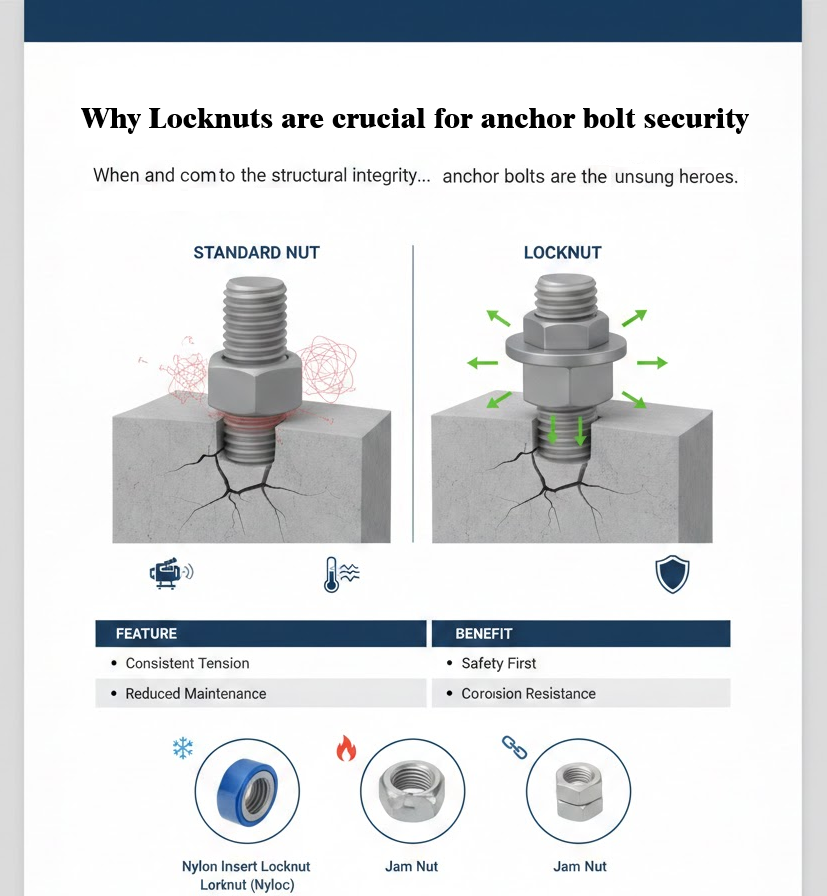
Why Locknuts Are the Unsung Heroes of Anchor Bolt Integrity
Anchor bolts are the literal foundation of structural stability. They secure steel columns, heavy machinery, and critical structural components to concrete foundations, resisting uplift, shear, and dynamic forces.
But even the strongest anchor bolt is only as reliable as its ability to stay tight.
In industrial environments where vibration, movement, and thermal cycling are constant, relying on a standard nut alone is often not enough. This is where locknuts become a non-negotiable component of anchor bolt assemblies.
The Hidden Risk: Vibration-Induced Loosening
When we think about structural failures, we often imagine snapped steel or crumbling concrete. However, one of the most common—and preventable—failure points is vibration-induced loosening. Enter the locknut – the small but mighty component that ensures your anchor bolts stay steadfast.
The Mechanics of Loosening
Standard nuts rely on the friction between the bolt threads and the nut threads, maintained by the tension (clamp load) of the bolt. However, two main factors can compromise this:
Thermal Expansion: Fluctuating temperatures cause the bolt and the fixture to expand and contract, periodically reducing the clamp load.
Vibration: Constant motion from machinery or wind loads can cause minute “slips” in the threads.
What is a Locknut and Why Does it Matter for Anchor Bolts?
A locknut is a specialized fastening device designed to resist loosening when subjected to vibration and torque. Unlike standard nuts, which rely solely on friction created by initial tension, locknuts incorporate various mechanisms to maintain their grip, even when external forces try to reduce that tension.
Conclusion
Don’t let a $2.00 part jeopardize a $200,000 project. Using high-quality locknuts on your anchor bolts ensures longevity, reduces maintenance costs, and—most importantly—guarantees structural safety.
When the model is amended after issuing the first set of drawings, the affected assembly drawings will appear as “Parts Modified” after numbering is completed. While updating such drawings, certain considerations are important to ensure effective and quick detailing.
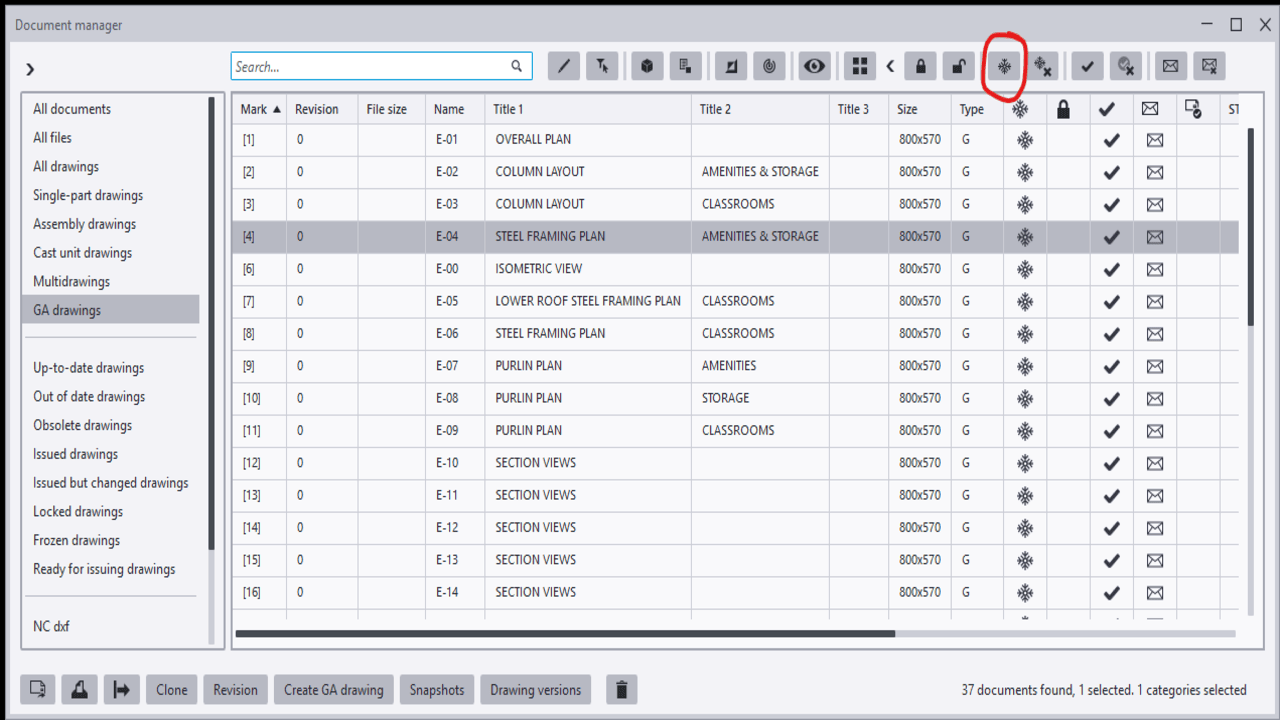
1. Freeze Option
When Freeze is OFF, Tekla automatically updates dimensions according to the movement of parts. While this may seem convenient, the decision to turn Freeze ON or OFF depends on the nature of the amendment.
If no new members are added to the assembly and only existing parts are moved, it is recommended to keep Freeze OFF, as Tekla will correctly update the dimensions.
If new parts are added to the assembly and Freeze is turned OFF, Tekla will automatically generate additional dimensions for the new members and may also alter existing dimensions. This can result in extra work to restore the original dimensioning arrangement.
Guideline:
When no new parts are added, turn Freeze OFF.
When new parts are added, turn Freeze ON.
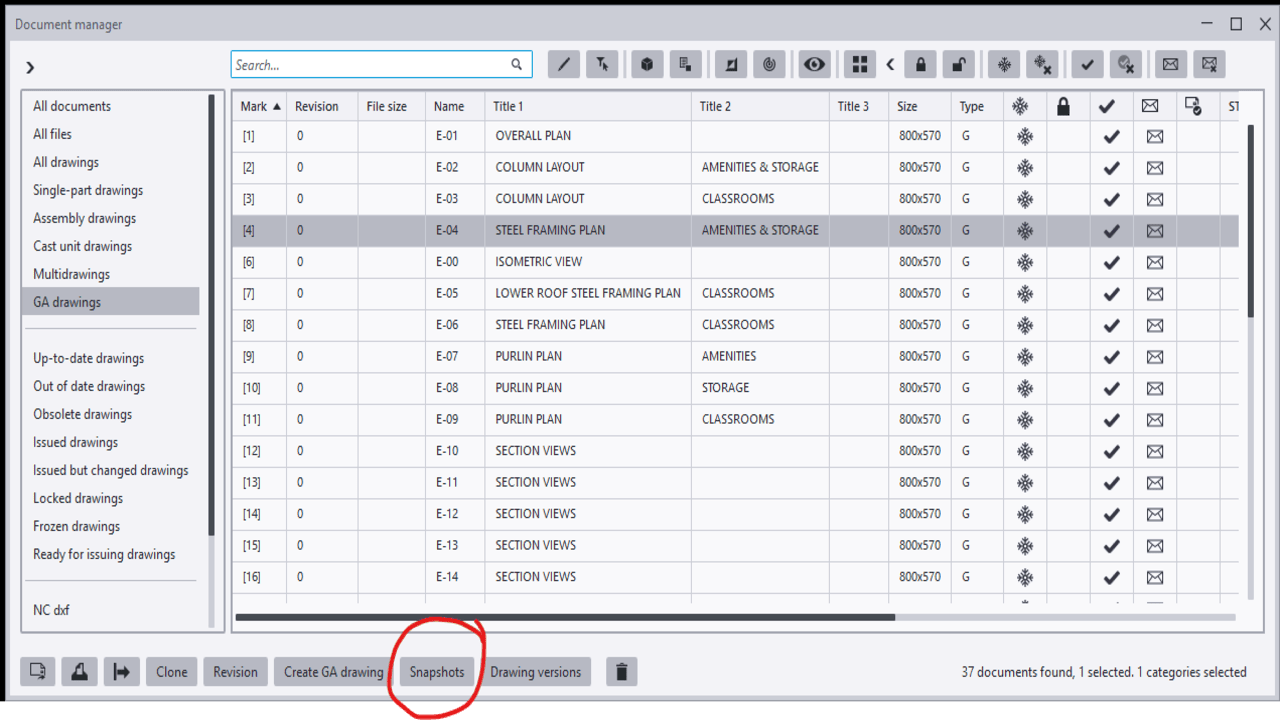
2. Snapshot Option
Among the drawings marked as “Parts Modified,” not all drawings necessarily contain actual changes. Some assembly drawings may appear as modified because they share common connection components with other assemblies that were amended.
In such cases, the drawing may not have any visible changes and may only require an open-and-close action. However, there is a risk that certain dimensions may be automatically deleted or altered by Tekla during the update.
To avoid missing dimensions or unintended changes, the Snapshot option is highly useful. It allows detailers to compare the drawing before and after the update. By reviewing the differences, any unnecessary or unintended modifications can be identified and corrected, thereby minimizing the risk of errors.