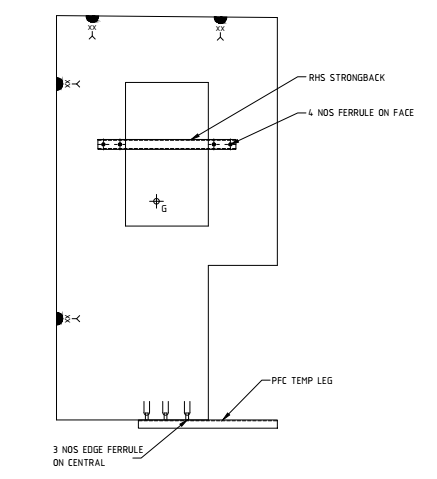
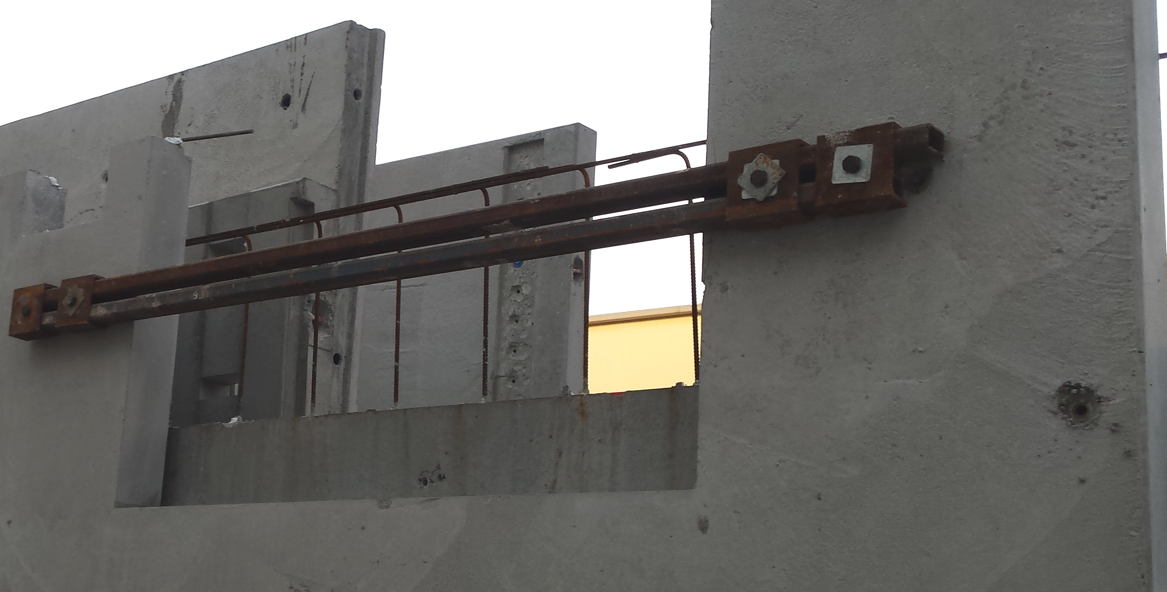
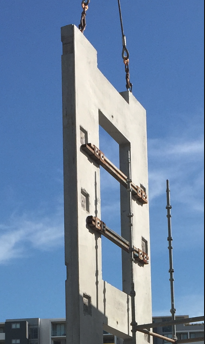
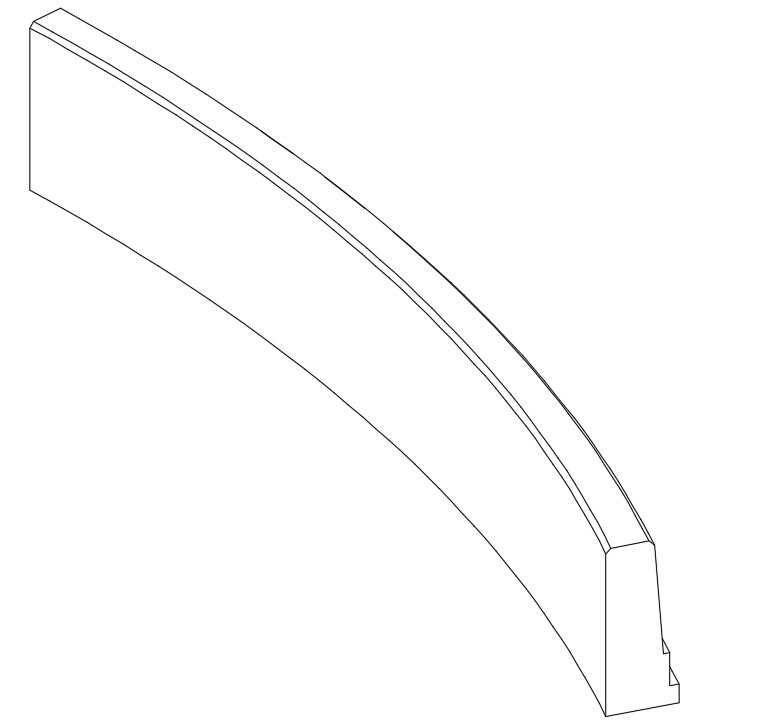
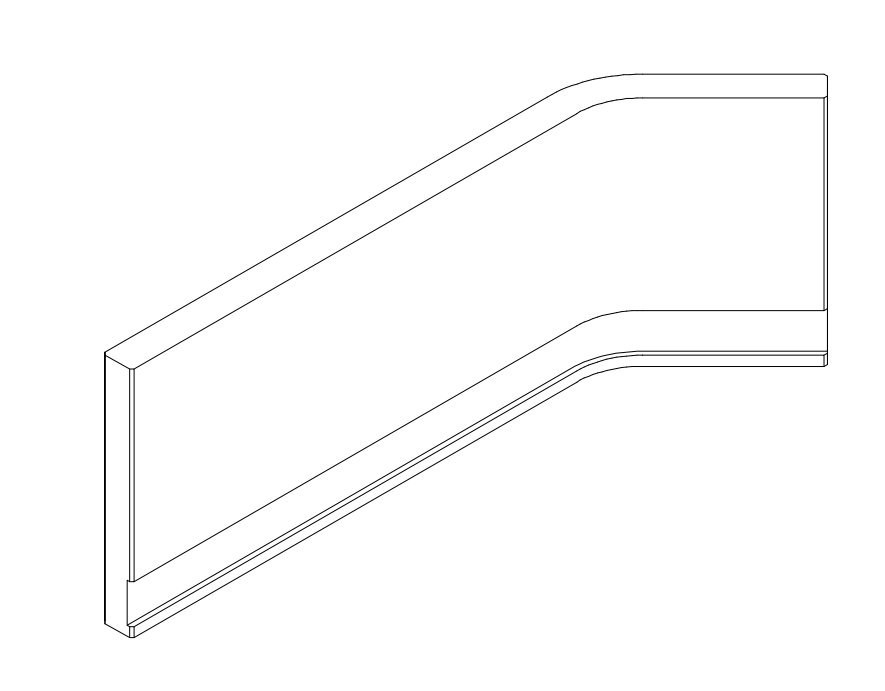
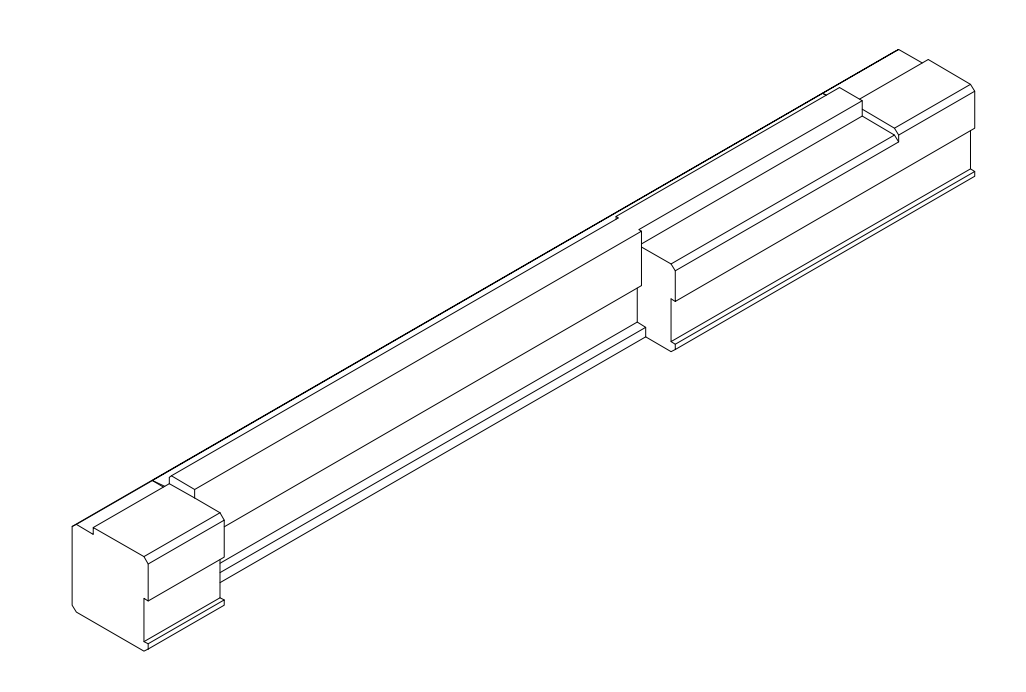
Normally we are using the strongback in window, Door opening, uneven profile and panel handling purpose. It’s used to avoid the panel breakup, crack and damage during the panel lifting from table, Transportation (Loading & Unloading) and Panel erection on site. We are using three types strongback based on the required strength.
1. PFC Strong back.
First is the PFC member which can be bolted to the face or welded to plates on edge.
2. RHS (Right hand side) Strongback.
Second is the New and preferred RHS which is bolted to the panel face.
3. Elbow Strongback.
Third is the Elbow strongback which is bolted to the panel face and hangs over one edge.
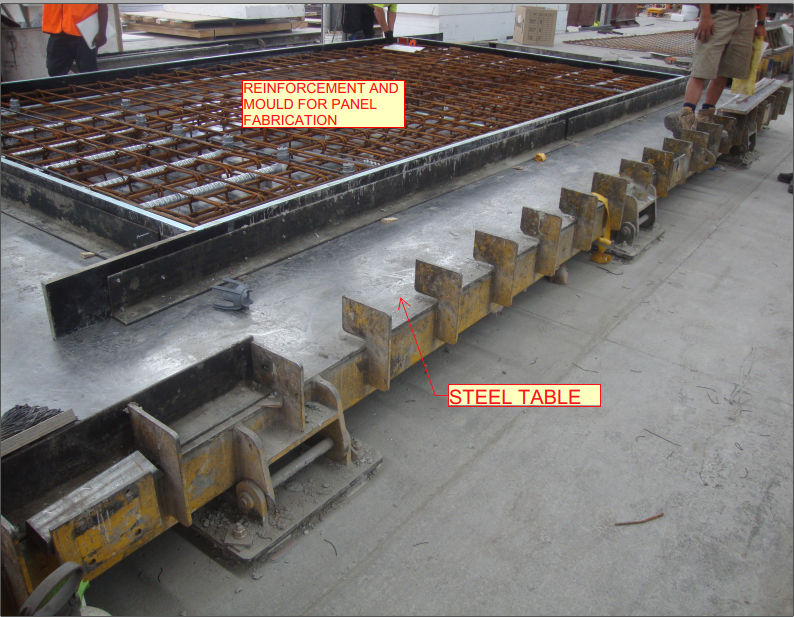
Tables are used for fabrication of precast panels in factories or yards with good quality, finish, curing and low time consumption.
Different types of materials used for tables like timber, aluminum and steel. But steel is mainly used for tables because it’s good for repetitions, gives good vibration to concrete, it’s not easily damaged and tables do not expand when it’s wet, etc.
The cleaning process is also easily done for steel tables with the help of air blowing or cotton waste.
In the yard there are different types of tables used for fabrication.
For example normal fabrication tables and tilt up tables.
Normal table:
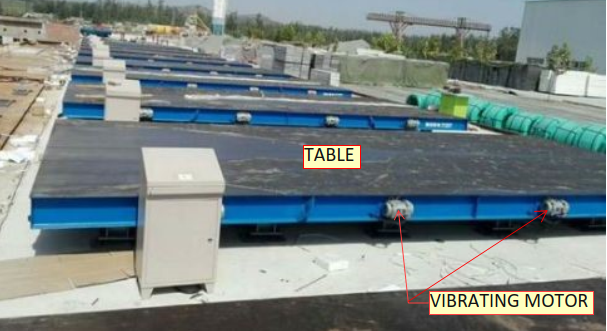
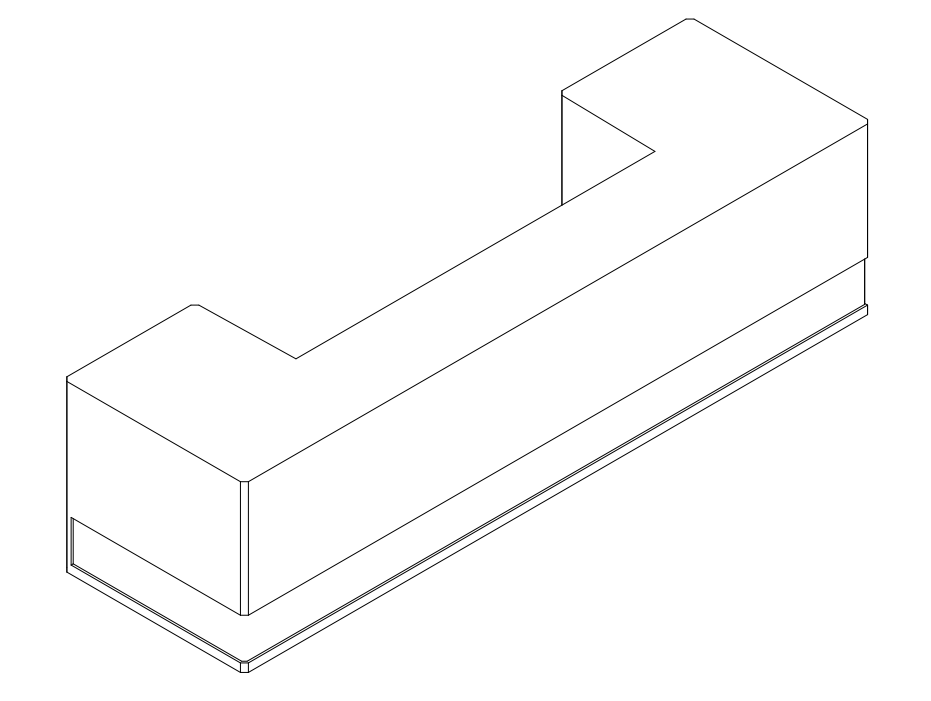
Normal tables are mainly used to fabricate most of the precast panels.
(Refer Fig 1)
Fig 1
Advantages:
Normal tables will not take more manpower for cleaning and fabrication of precast panels.
The maintenance is easy
The cost is low when compared to other types of table.
It can easily fix where we need to fabricate the panels.
It will be fixed on the floor, so the visibility of the table is good for all.
Disadvantages:
It’s not suitable for doors or big opening panels. Because in case of lifting panels it may break.
Normal table needs additional lifting support.
Tilt up table:
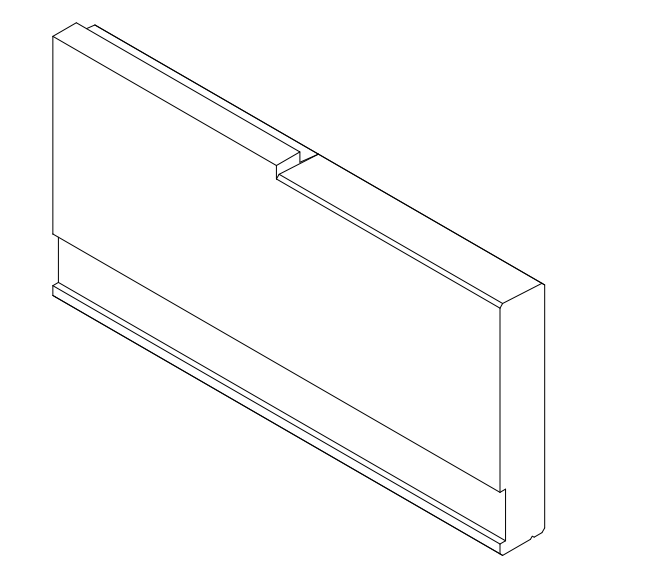
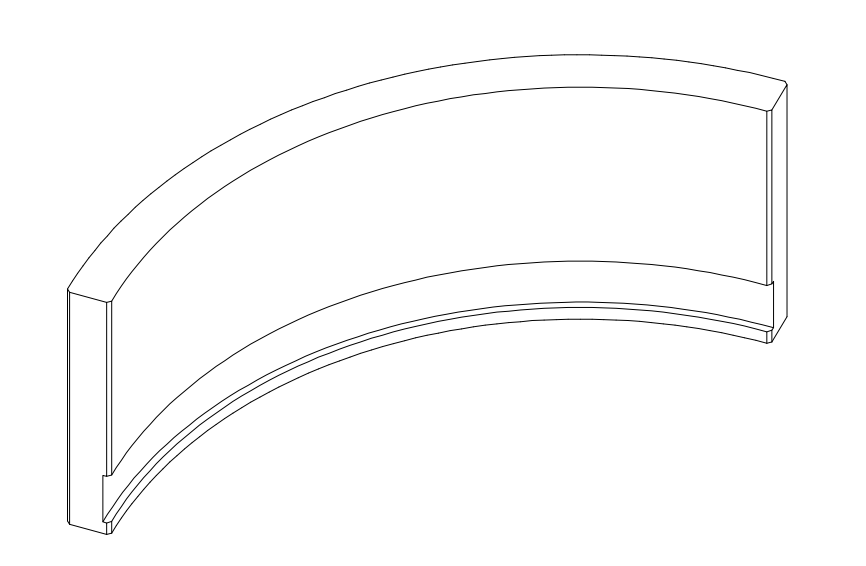
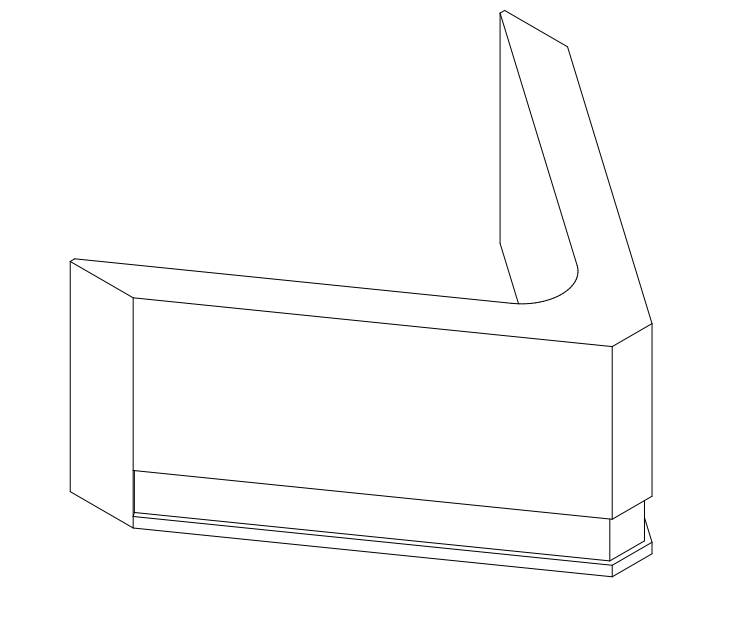
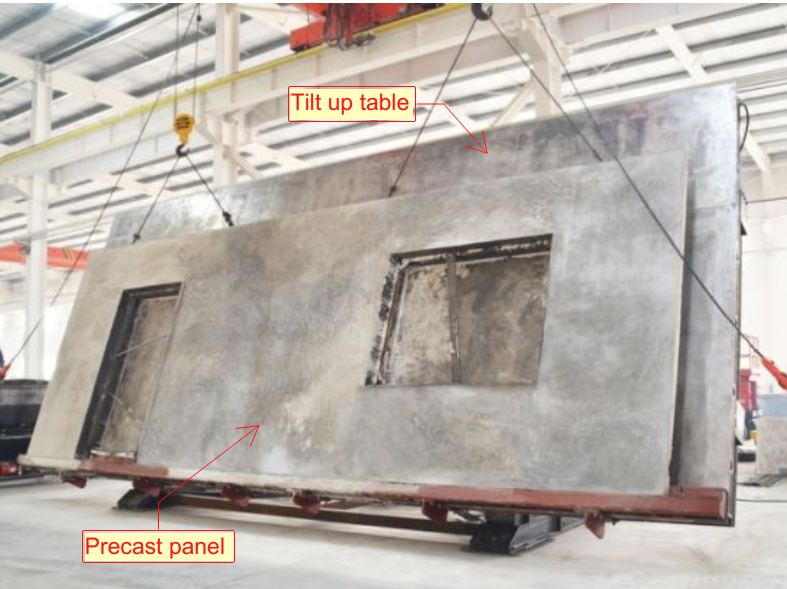
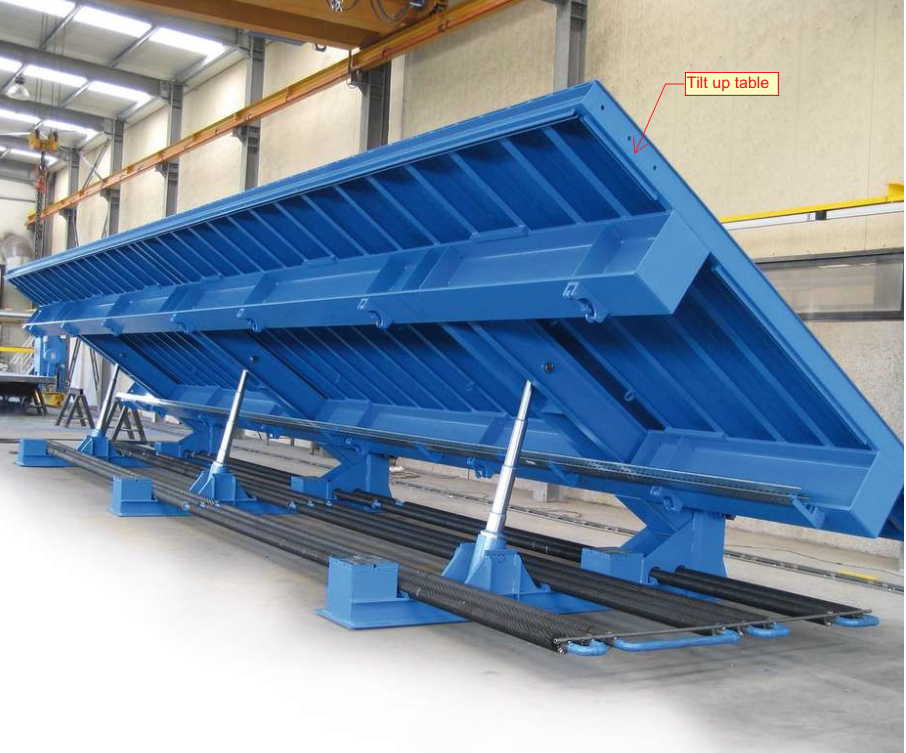
The tilt up tables are mainly used for Doors and big opening panels and also other types of panels. (Refer Fig 2 & 3)
The tilting process allows the precast concrete element to be removed safely and without damaging it.
The titling tables are designed in particular for mobile use and can be quickly transported from the yard.
Fig 2
Fig 3
Advantages:
This table is good for fabricating and lifting the door, opening type of panels.
Hydraulic Tilt up Tables reduce manufacturing time because it’s not require more pouring time to lift the panel from table.
Vibration technology based operation ensures qualitative compaction of concrete and a consistency in quality.
It’s very high level of concrete compacting with low noise.
Minimal costs when transporting the tilt up table.
Disadvantages:
Manpower is necessary and also needs knowledgeable people for handling.
The maintenance is difficult
The cost is high
It’s not movable, so we need to collect materials at a nearby table.
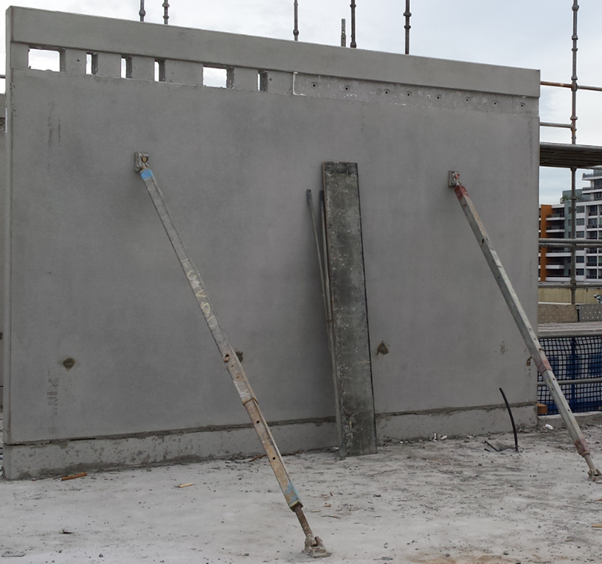
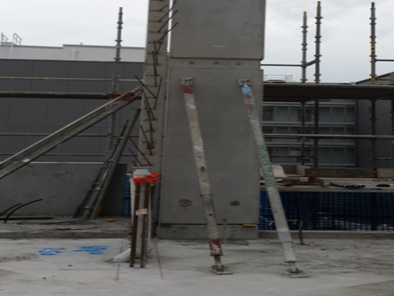
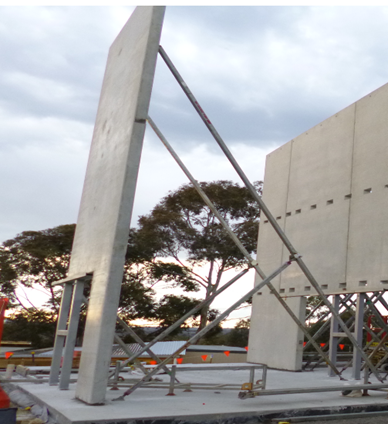
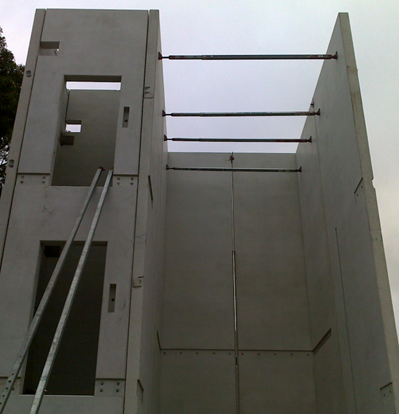
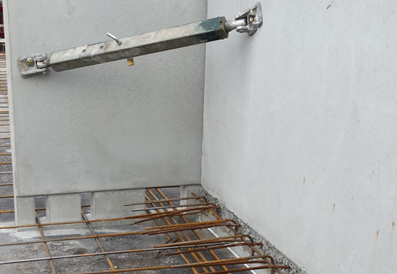
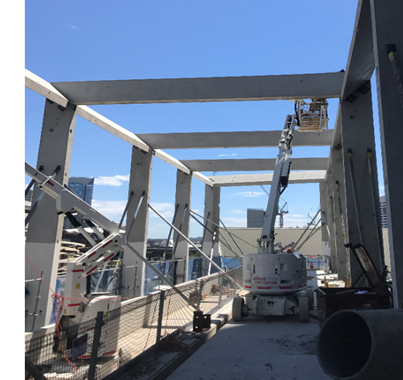
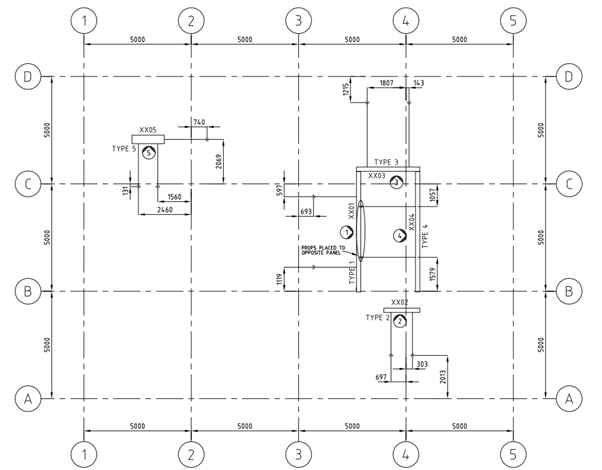
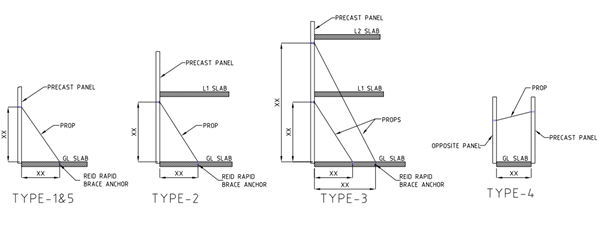
Brace are used for temporarily support precast concrete elements until the permanent fixing are made. 1. Single storey (Drop-in) panel propping 2. Double storey (Spin-up) panel propping 3. Panel higher than double storey propping 4. Panel to panel propping 5. Edge Propping 6. Spandrels propping
1. Single storey panel propping: Single story panel are normally used 2 props a panel. Some times more than 2 props are used based on panel design.
2. Double storey panel propping: Double story panel are normally 2 props placed 200mm below the underside of slab. Some times more than 2 props are used based on panel design.
3. Panel higher than double storey panel propping: This type of panel needs two level of propping. Two props on the below level and two props on the above level. If there is a slab in above level the propping system will pass through the below level slab by providing a pocket on the slab
4. Panel to panel propping: Provide ferrule in the opposite panel Or Adjacent panel for propping. Especially this kind of propping system are applicable for lift and stair core area, where there will be no slab to support the prop.
5. Edge Propping:
These types of propping are used for column and some panel having cantilever. Provide ferrule in the edge of the panel.
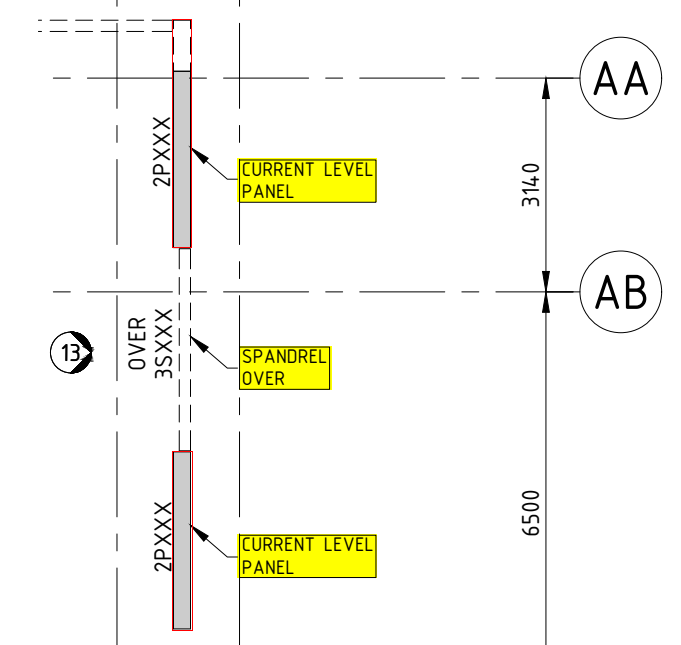
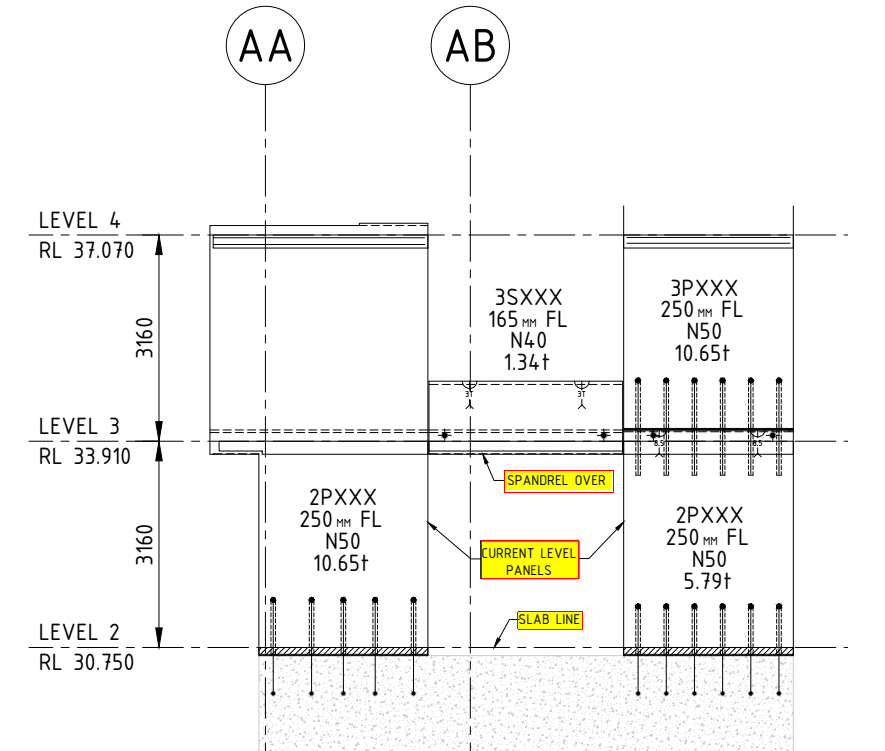
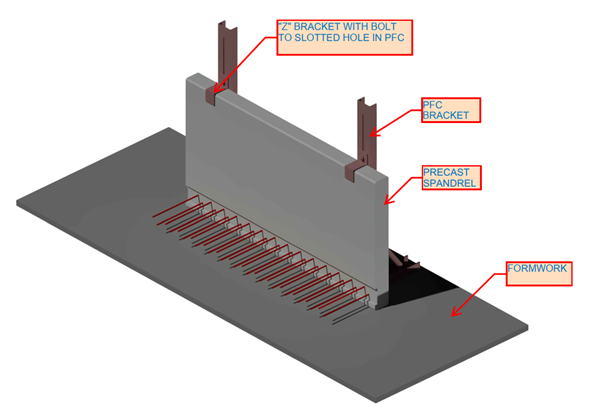
6. Spandrels propping: These types of propping are used for spandrels. Provide ferrule at the top of panel. Where the ferrule will be connected with the member which hold the propping system.
When you are dealing with 100s, and perhaps even up to a 1000 panels per building, this can become extremely cumbersome and time consuming. Why not automate the entire process? This allows you to do things faster, to get the drawings out faster, and (hopefully) to build the panels faster, and ultimately the building faster. Speed is absolutely paramount! The faster a builder can get on and off of a construction site, the faster they can get paid. This lowers their working capital needs, and accordingly, their financing costs (however that may arise). Speed is king!
Considerations When Transporting Panels to Site
Every truck has a:
Size limitation (both length and height), as well as a:
Weight limitation (there is a maximum capacity).
Secondly, trucks have different limitations, depending on where they are transporting a panel. E.g.
Trucks passing through the CBD (central business district) have different: length/height and mass requirements compared to those that are not, furthermore, these requirements are different depending on whether the truck has a permit or not.
Let’s suppose you have the following hypothetical situation – take out a sheet of paper and pen and try and solve this by hand:
Truck A
Length limitation: 6 m
Height limitation: 3 m (but a height limit of 2.5 m in the CBD; and a height limit of 3.2 m with a permit)
Weight Limit: 12 tonnes.
Truck B
Length limitation: 4 m
Height limitation: 4 m (but a height limit of 2.5 m in the CBD; and a height limit of 3.2 m with a permit)
Weight Limit: 18 tonnes.
How on earth are you going to work out, quickly and efficiently, whether your fleet can transport the following panels:
ABC1 – Mass: 13 tonnes, Length: 5 m, Height 3 m
ABC2 – Mass: 10 tonnes, Length: 3 m, Height 2 m
ABC3 – Mass: 12 tonnes, Length: 4 m, Height 2.5 m
Problem
Are you able to transport your panels by any of the trucks in your fleet?
Which of your trucks can you use to safely transport a particular panel?
How was this particular problem was solved using the AutoCAD .net API?
I created a data structure for each of the limitations imposed by a truck.
Similarly, I created a data structure for each of the limitations imposed by each panel.
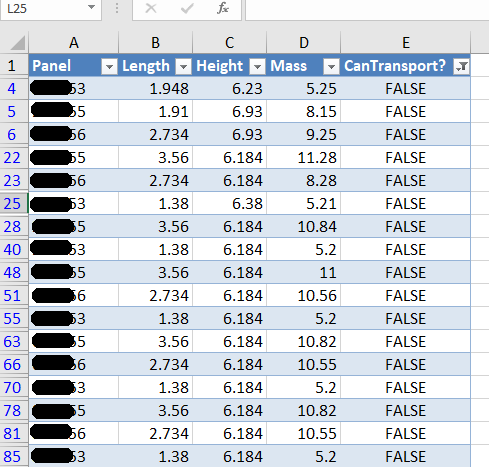
And very simply asked whether a truck and lift a panel? The output was compiled and put into an Excel report. They key method tying this all together is the `CanLift` method on the Truck class.
I used ClosedXML to combine it all together to produce a report.
Here is an example of the results:
A sample of the report produced when running the command. This is showing all the panels that failed.
Here are the key server classes:
Summary
Tek1 has the resources and expertise in order to do Precast Panelling jobs fast and
Accurately
These are just the tip of the ice burg in terms of the checks and processes we employ.
There are situations where you may prefer to cast in a Reckli groove.
If the Reckli is contained within one panel, then you must surely cast it in. However, if the flashing groove runs past several panels, it may be better to saw cut the groove at site.