Tag: precast profile

  • VARIOUS SPANDREL PROFILES

    • Spandrel profiles are designed based on architectural aspects on Elevation purpose.
    • When doing this kind of profiles, it’s challenging and more interesting to achieve.
    • And also, it will help to improve our drawing knowledge and skill.
    • We handled and come across different types of precast spandrel profiles as per below,
    1. Spandrel with straight profile
    2. Spandrel with curve profile
    3. Spandrel with curve & triangle profile
    4. Spandrel with L shaped profile
    5. Spandrel with U shaped profile
    6. Spandrel with V shaped profile
    7. Beam type spandrel1. Spandrel with straight profile (Ref. Fig.01)
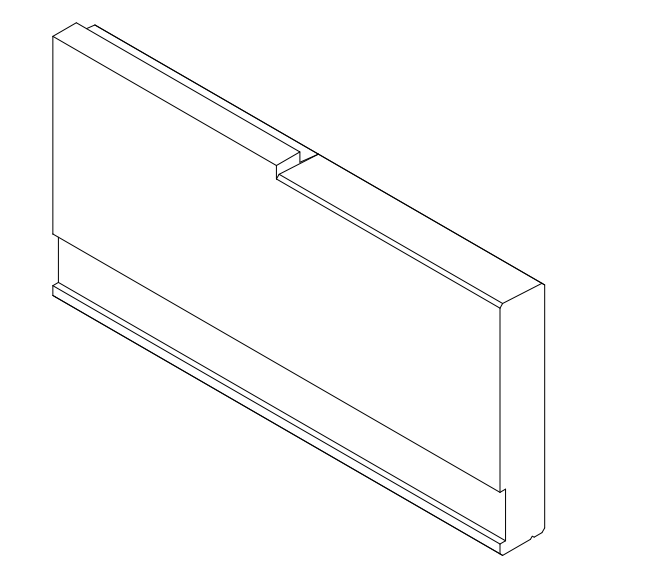
    Fig.01

    2. Spandrel with curve profile (Ref. Fig.02)
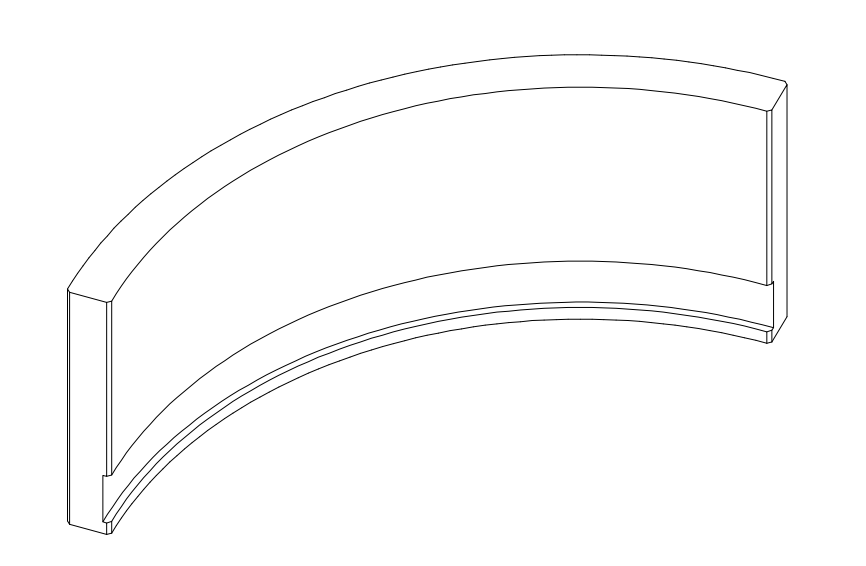
    Fig.02

    3. Spandrel with curve & triangle profile (Ref. Fig.03)
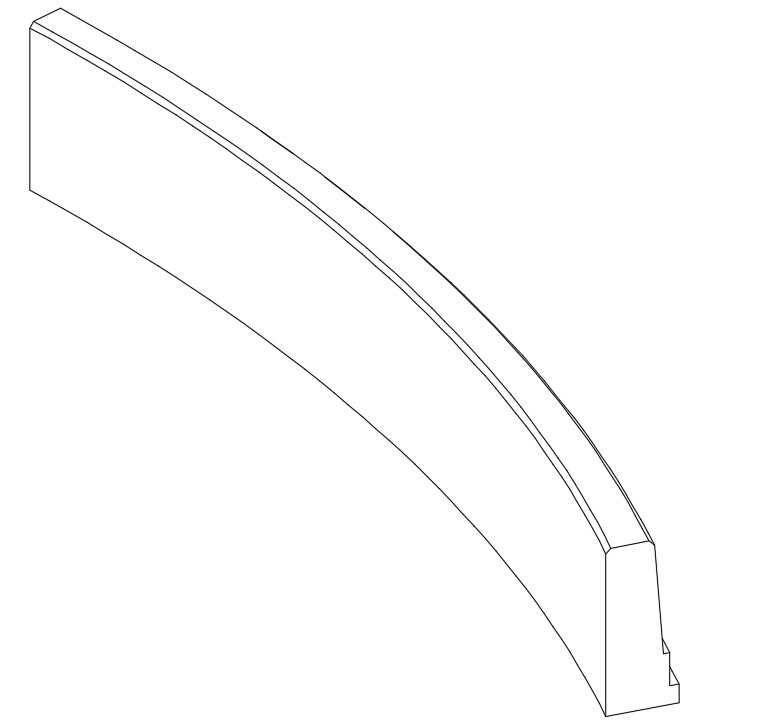

    Fig.03

    4. Spandrel with L shaped profile (Ref. Fig.04)
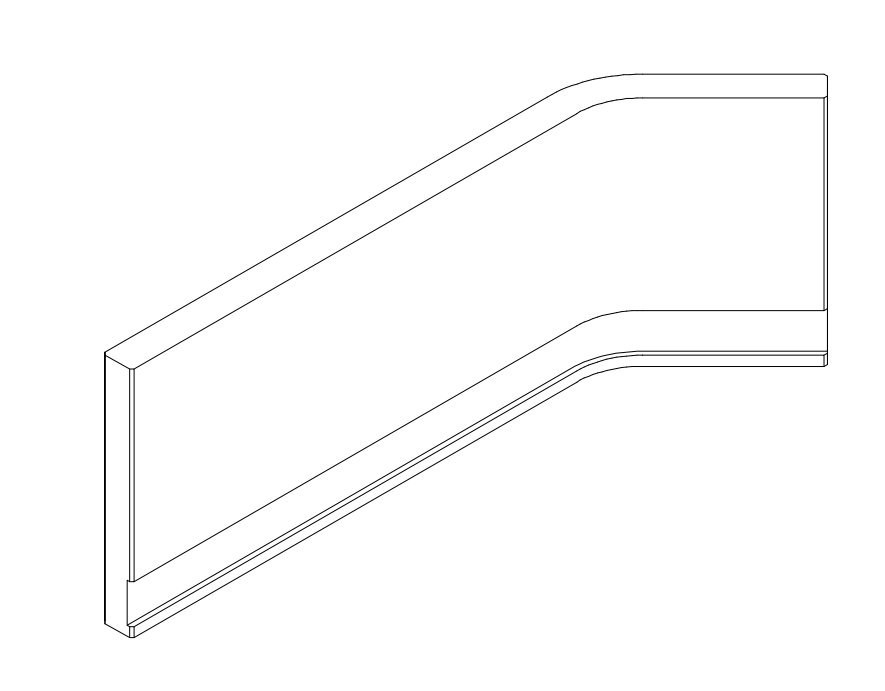
    Fig.04

    5. Spandrel with U shaped profile (Ref. Fig.05)
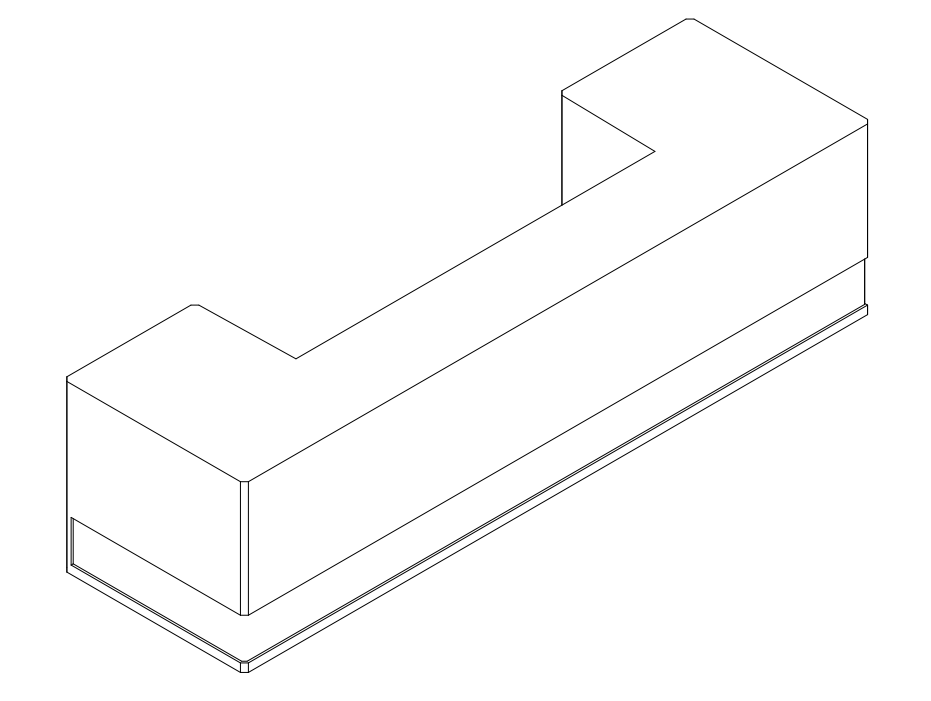
    Fig.05

    6. Spandrel with V shaped profile (Ref. Fig.06)
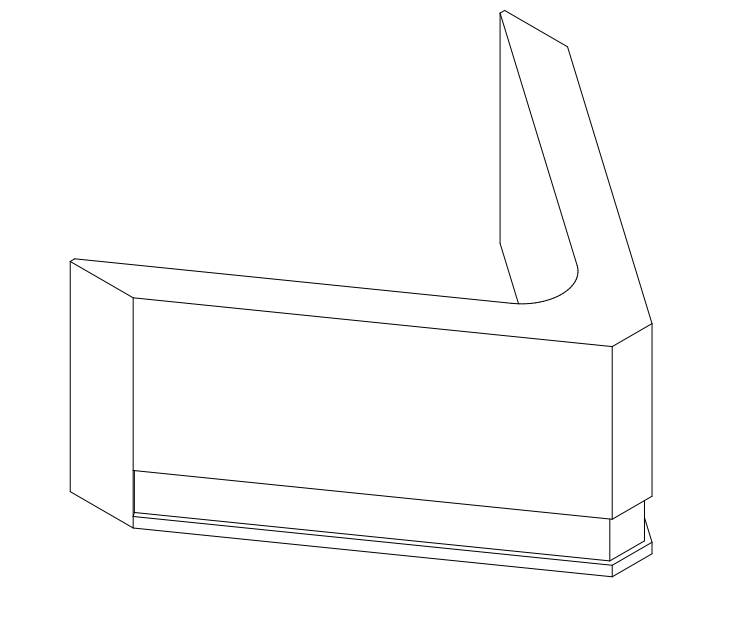
    Fig.06

    7. Beam type spandrel (Ref. Fig.07)
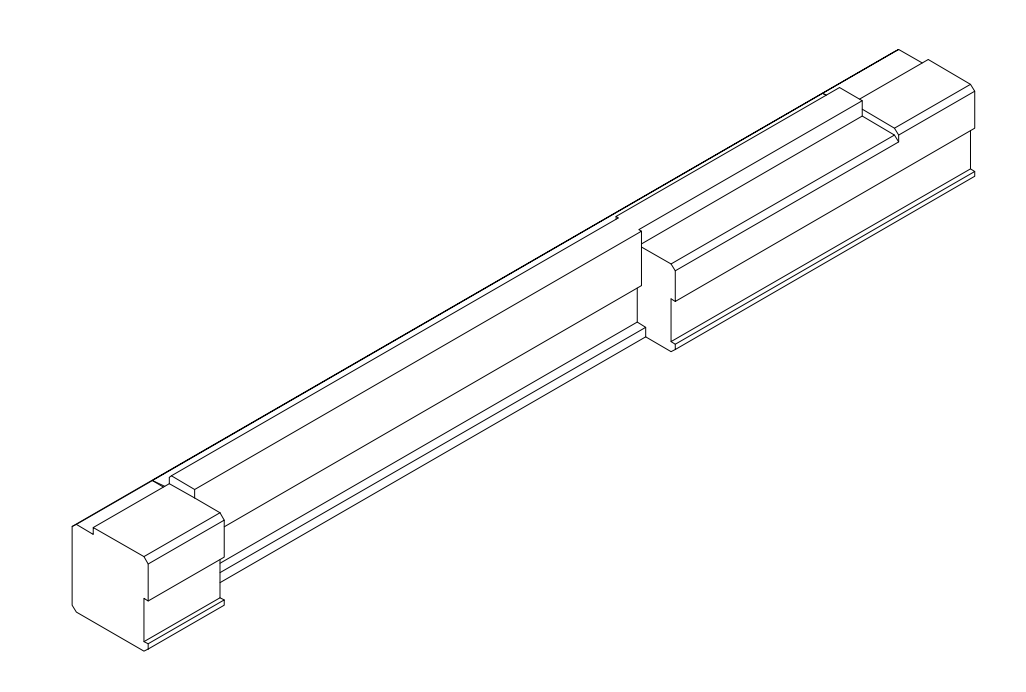
    Fig.07
  • PURPOSE OF SPANDREL OVER ON MARKING PLAN

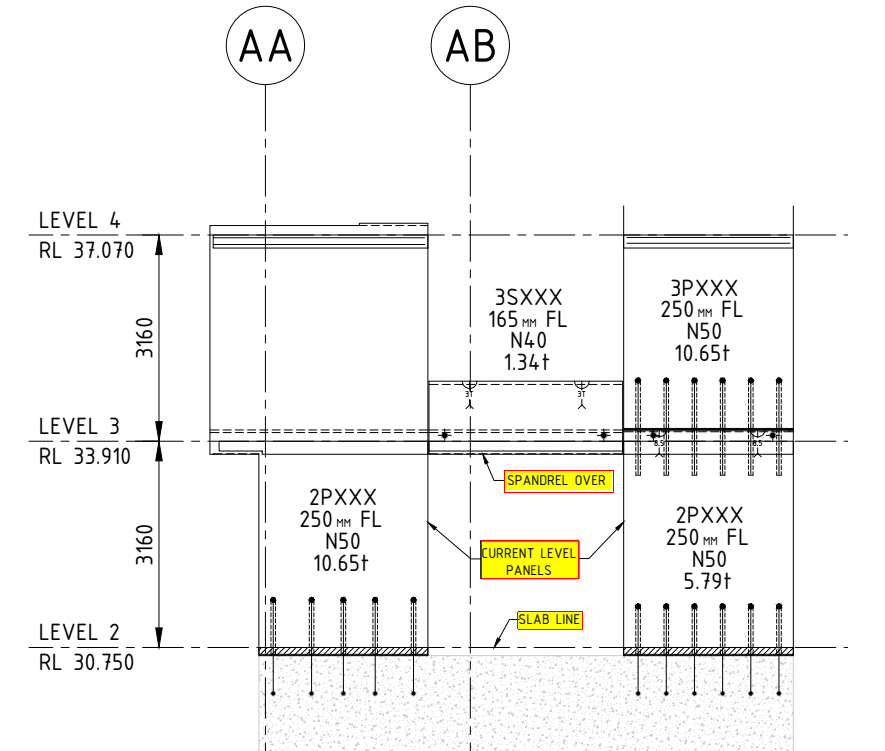
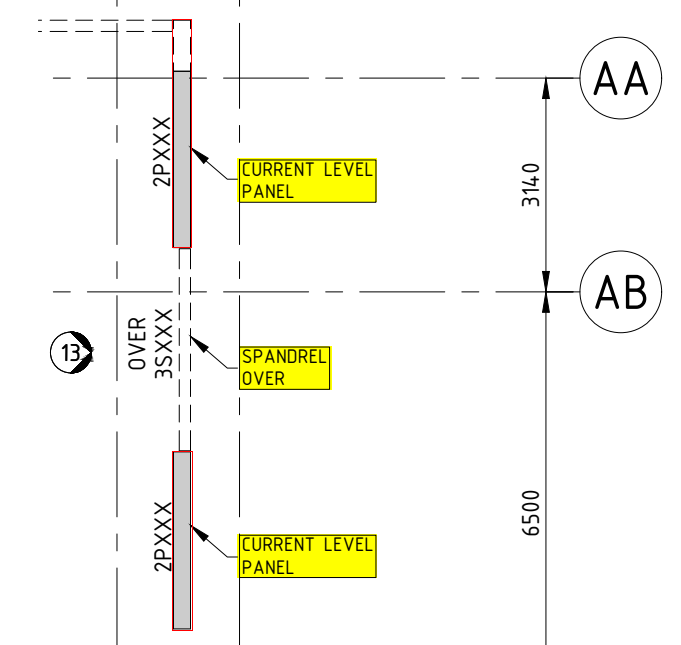
    • When preparing marking plans, we need to show all spandrels set-outs on the plan layout that are fixing into the slab over. (Refer Fig.01 & 02)
    • It will help to find out which spandrel comes at level above.
    • While scheduling the current level panels, mean time it will helps to scheduling the above level spandrels.
    • And, it will help to manufacturing and erecting the spandrels with lower-level panels at same time.
    • For site crews, they also aware when pouring slab and erecting panel sequence without any time delay on site with reference marking plan.
    • It will reduce time consumption to plan for both manufacturing and erecting panels.
      Fig. 01 (Snap for Reference Marking Plan)


    Fig. 02 (Snap for Reference Elevation)

  • Difference between Normal Table and Tilt up Table

    General Details about table:

    • Tables are used for fabrication of precast panels in factories or yards with good quality, finish, curing and low time consumption.
    • Different types of materials used for tables like timber, aluminum and steel. But steel is mainly used for tables because it’s good for repetitions, gives good vibration to concrete, it’s not easily damaged and tables do not expand when it’s wet, etc.
    • The cleaning process is also easily done for steel tables with the help of air blowing or cotton waste.
    • In the yard there are different types of tables used for fabrication.
      For example normal fabrication tables and tilt up tables.

    Normal table:

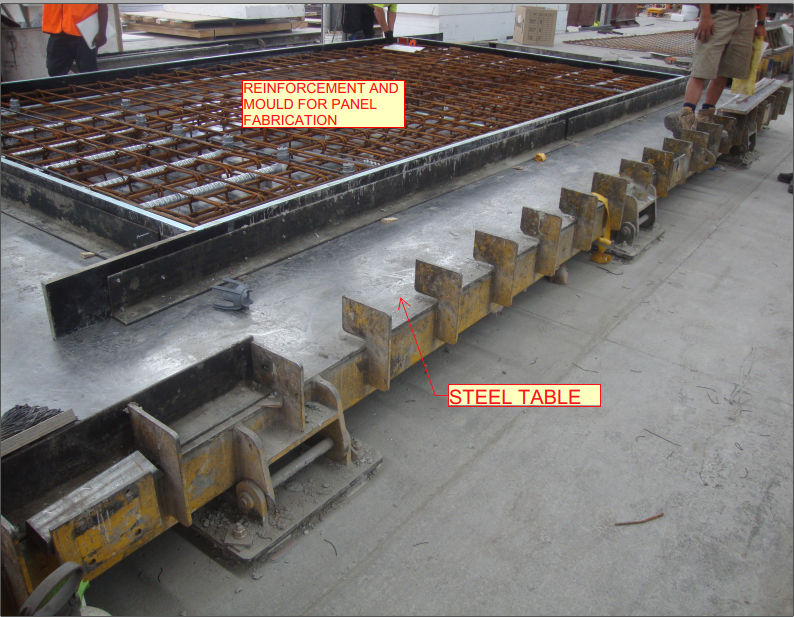
    • Normal tables are mainly used to fabricate most of the precast panels.
      (Refer Fig 1)

    Fig 1

    • Advantages:
    • Normal tables will not take more manpower for cleaning and fabrication of precast panels.
    • The maintenance is easy
    • The cost is low when compared to other types of table.
    • It can easily fix where we need to fabricate the panels.
    • It will be fixed on the floor, so the visibility of the table is good for all.
    • Disadvantages:
    • It’s not suitable for doors or big opening panels. Because in case of lifting panels it may break.
    • Normal table needs additional lifting support.

    Tilt up table:

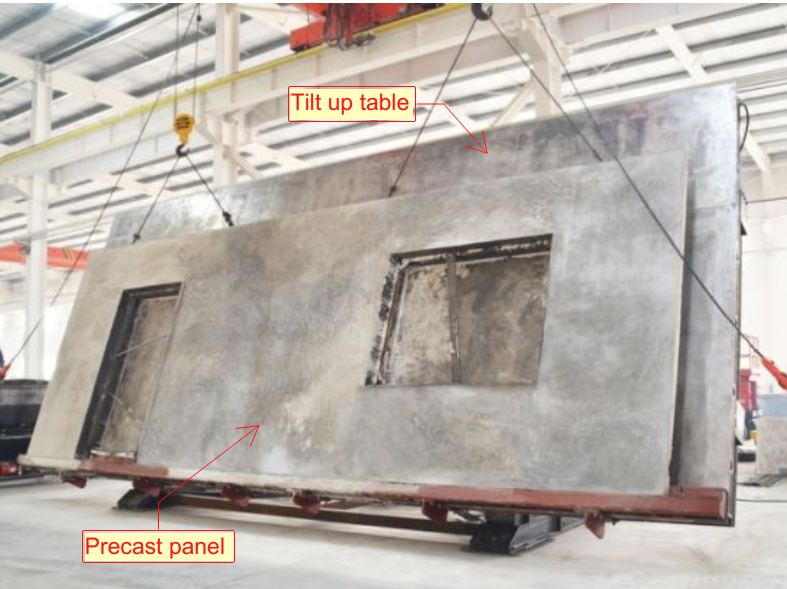
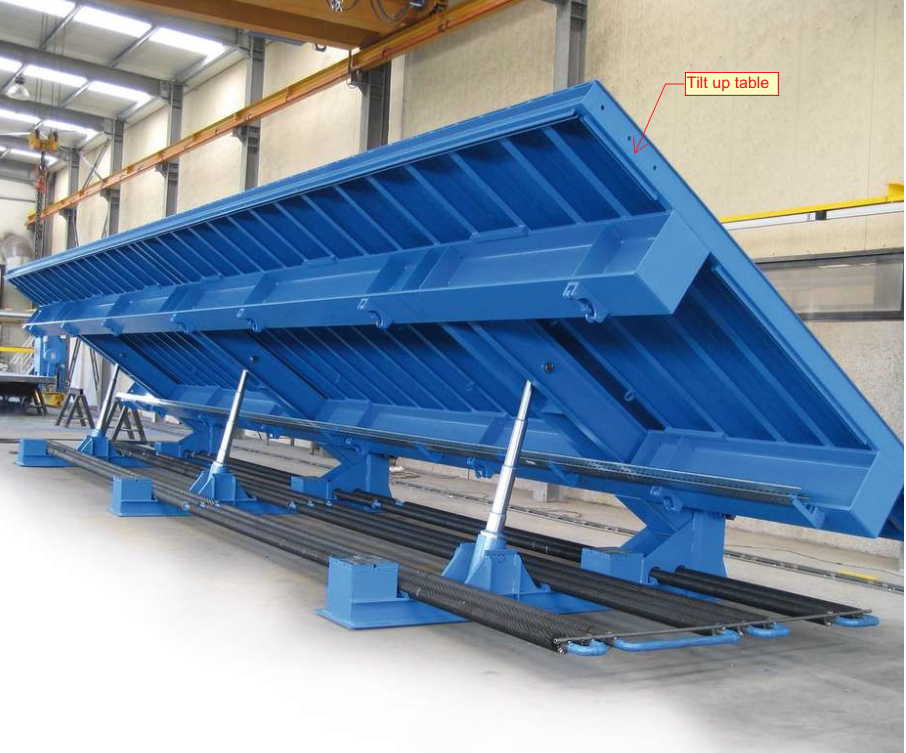
    • The tilt up tables are mainly used for Doors and big opening panels and also other types of panels. (Refer Fig 2 & 3)
    • The tilting process allows the precast concrete element to be removed safely and without damaging it.
    • The titling tables are designed in particular for mobile use and can be quickly transported from the yard.
      Fig 2


      Fig 3

    • Advantages:
    • This table is good for fabricating and lifting the door, opening type of panels.
    • Hydraulic Tilt up Tables reduce manufacturing time because it’s not require more pouring time to lift the panel from table.
    • Vibration technology based operation ensures qualitative compaction of concrete and a consistency in quality.
    • It’s very high level of concrete compacting with low noise.
    • Minimal costs when transporting the tilt up table.
    • Disadvantages:
    • Manpower is necessary and also needs knowledgeable people for handling.
    • The maintenance is difficult
    • The cost is high
    • It’s not movable, so we need to collect materials at a nearby table.