Month: October 2025

  • Bathroom Pods — The Future of Modular Construction, Powered by LGS

    Bathroom Pods — The Future of Modular Construction, Powered by LGS

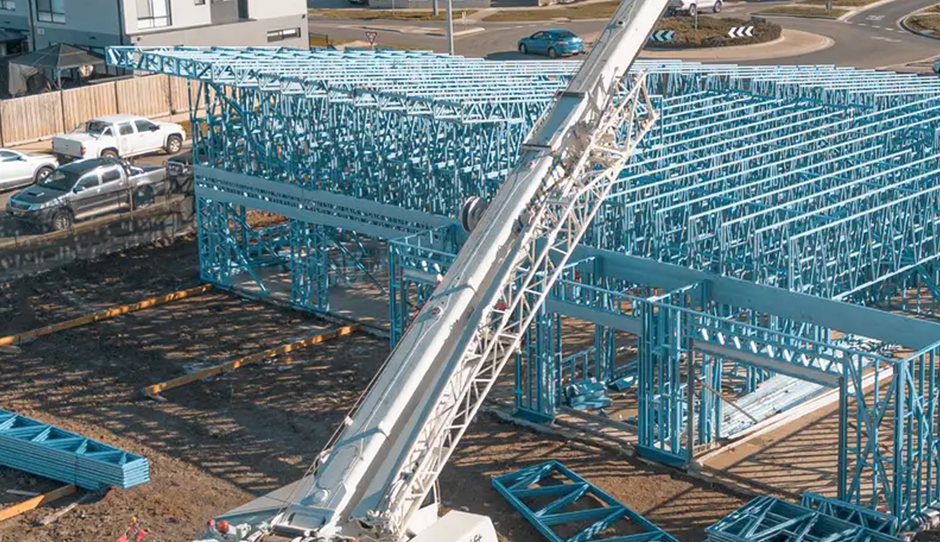
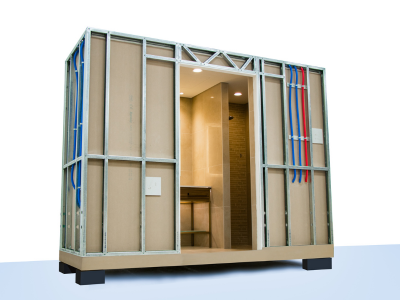
    Tek1 introduces Light Gauge Steel (LGS) Bathroom Pods — a complete, prefabricated, and installable bathroom solution designed to bring unmatched speed, accuracy, and reliability to your construction projects. Manufactured off-site in a quality-controlled environment, these pods arrive fully finished and ready to connect, minimizing on-site work and maximizing efficiency.

    ⚙️ What is a Bathroom Pod?

    A bathroom pod is a self-contained, factory-built unit that includes all the essential components — toilet, shower, vanity, plumbing, and electrical connections — ready to be installed directly into the building. Using LGS framing, these pods are lightweight yet robust, making transport, installation, and long-term performance seamless.

    🚀 Why Choose Tek1 LGS Bathroom Pods?

    Our pods are crafted using Scottsdale’s automated LGS technology, ensuring precision-built steel frames within ±0.5 mm accuracy.
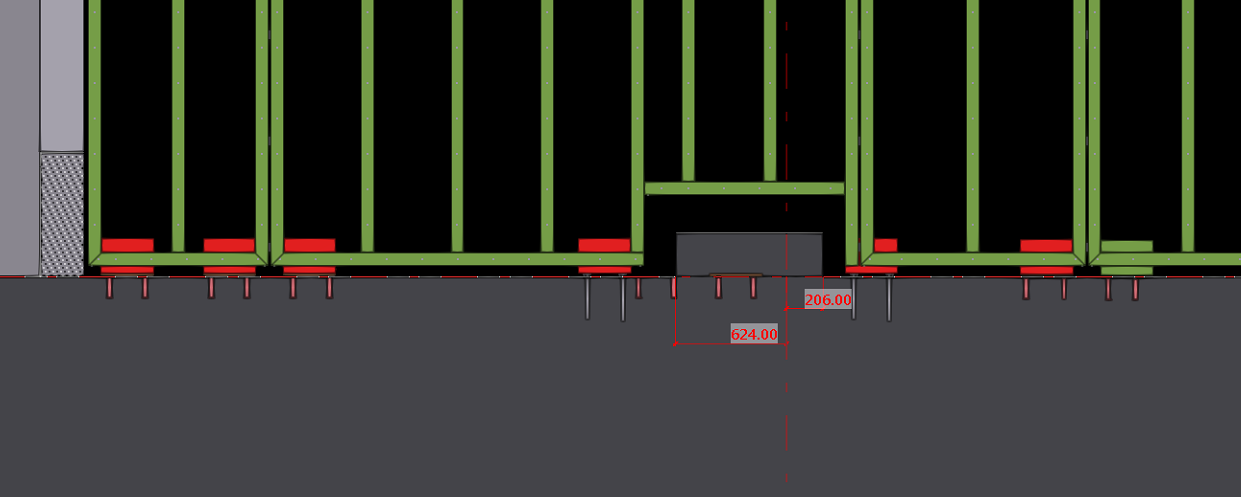
    Each pod is detailed and engineered using the same AutoCAD layout received from the client, eliminating dimensional mismatches and design rework.

    Key Benefits:

    • Off-site fabrication = faster project delivery
    • Consistent quality with factory-controlled manufacturing
    • Fire, pest, and corrosion resistance
    • Easy installation and minimal site disruption
    • Design flexibility to match your project’s aesthetics
    • Ideal for apartments, hotels, hospitals, student housing & modular projects

    🧰 Tek1 Advantage:

    • Design-to-Delivery Workflow: From client sketches or CAD layouts to final installation.
    • Fast-Track Detailing: Complete LGS detailing and reports within a day for smaller pods or shed frames.
    • On-Time Documentation: Approval drawings, fabrication files, and reports delivered efficiently.
    • Scalable Solutions: Start small, scale big — from site cabins and temporary sheds to fully integrated modular bathrooms.

    🌍 Applications:

    • Apartments & Multi-story buildings
    • Hotels & Resorts
    • Hospitals & Healthcare facilities
    • Student accommodations & Hostels
    • Remote sites, labor camps, and container units
    • Portable cabins and prefab sheds

    🧩 Simple Installation:

    Each Tek1 bathroom pod arrives on site fully assembled and pre-plumbed — ready to “plug and play.” Just position, connect to services, and it’s ready for use. With minimal on-site labor and reduced coordination hassles, you save both time and cost.
  • Transforming Construction Efficiency with LGS Bathroom Pods

    Transforming Construction Efficiency with LGS Bathroom Pods

    In today’s construction world, speed, precision, and consistency are no longer optional — they’re essential for achieving construction efficiency.

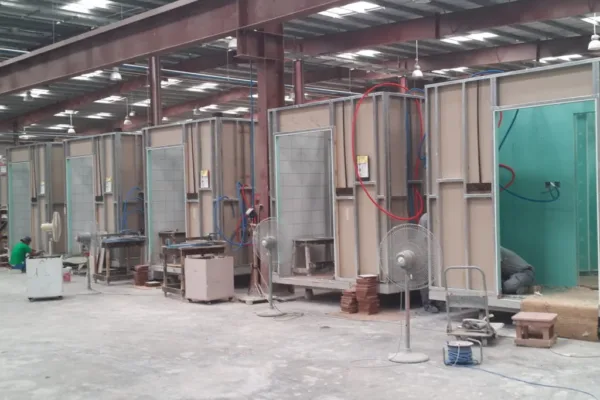
    I’ve seen firsthand how Tek1’s approach is redefining the process. Instead of building bathrooms on-site, we now build them inside a precision-controlled manufacturing setup — where every frame, fixture, and finish is handled with engineering accuracy, improving construction efficiency considerably.

    Using Scottsdale’s advanced LGS framing system, Tek1 produces lightweight yet incredibly durable bathroom modules — all designed for plug-and-play installation. These features enhance construction efficiency with LGS bathroom pods significantly, meeting modern demands.

    Each pod starts as a concept and moves seamlessly through AutoCAD detailing and 3D DXF modeling, before reaching the production stage. Every step is digitally linked, ensuring precision that traditional methods simply can’t match. Thus, construction efficiency with LGS bathroom pods achieves unparalleled quality assurance.

    Why LGS Bathroom Pods Work:

    1. Speed of Construction: Built off-site, installed on-site in hours.
    2. 🧱 Quality Assurance: Factory-controlled builds ensure consistent finish, enhancing efficiency.
    3. 👷‍♂️ Reduced Labor: Replaces up to 12 trades with one complete module.
    4. 🎨 Design Flexibility: Fully customizable in layout, fixtures, and finishes.
    5. 🌱 Sustainability: Minimal waste, fully recyclable steel frames.

    Commitment:

    Our goal has always been simple — to build smarter.
    Whether it’s a single bathroom pod, a portable cabin, or a modular complex, the team’s expertise in LGS detailing and engineering ensures construction efficiency with these bathroom pods, faster timelines, better quality, and predictable outcomes. Construction efficiency with LGS bathroom pods translates to a paradigm of building cleaner, faster, and smarter than ever before.

    It’s a new way of thinking — combining technology, design, and manufacturing precision to make construction cleaner, faster, and smarter.

    Closing:

    The future of construction is modular — and LGS Bathroom Pods are leading that transformation.

    Storyteller’s Note — by Priyan Gandhi:
    Every great build starts with a smarter idea.
    If modular precision inspires you like it does us, let’s connect.
    Together, we can shape the future of construction — one pod at a time.


  • IRON_ARENA_SPORTS_CENTRE

    IRON_ARENA_SPORTS_CENTRE

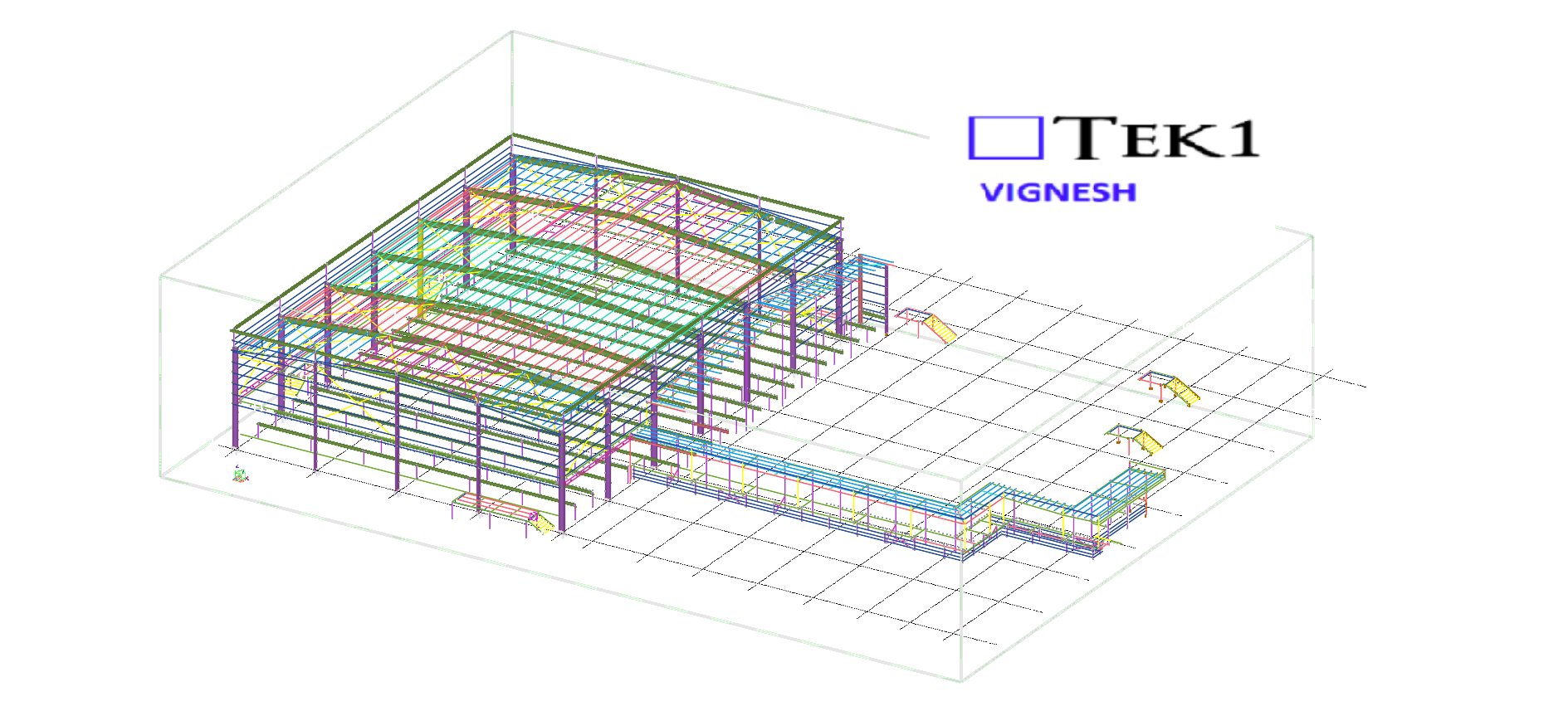
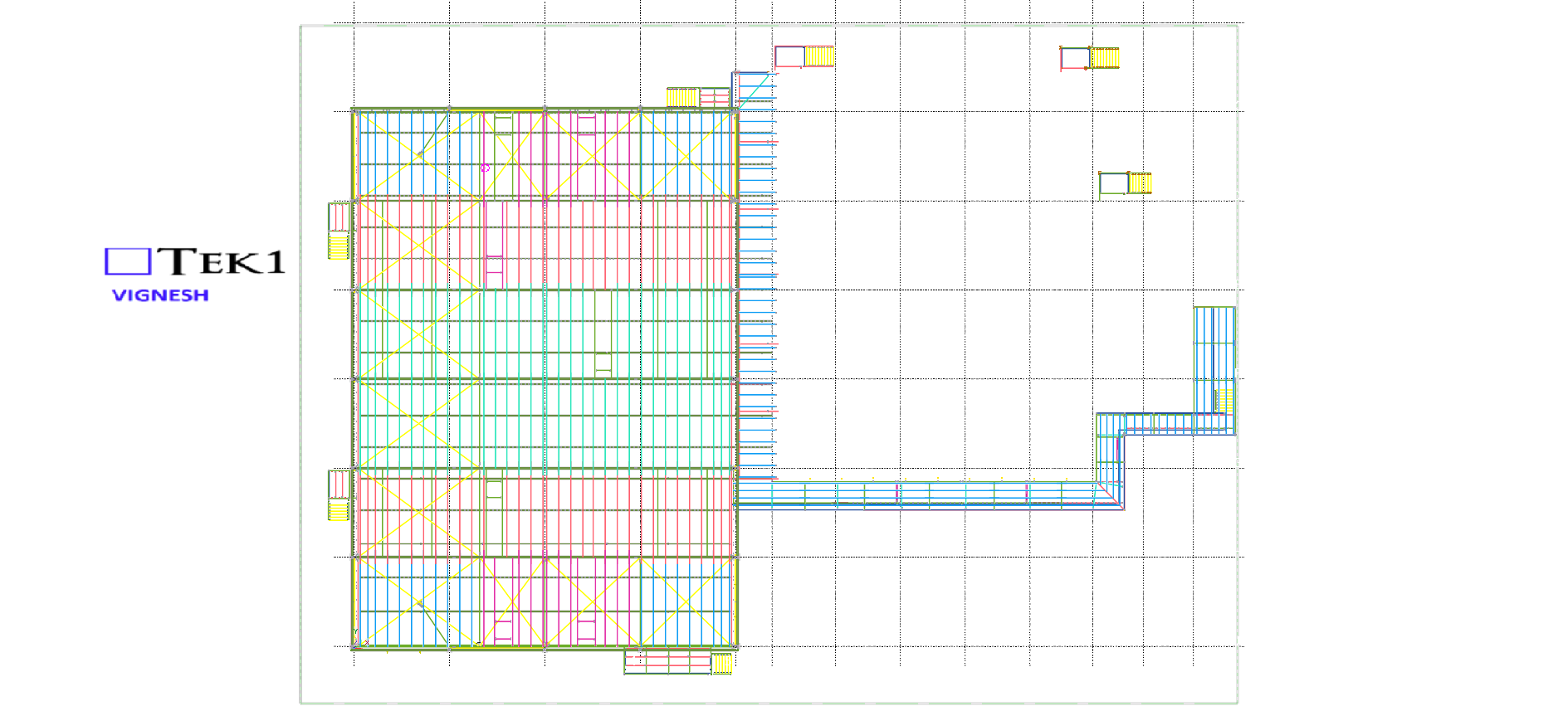
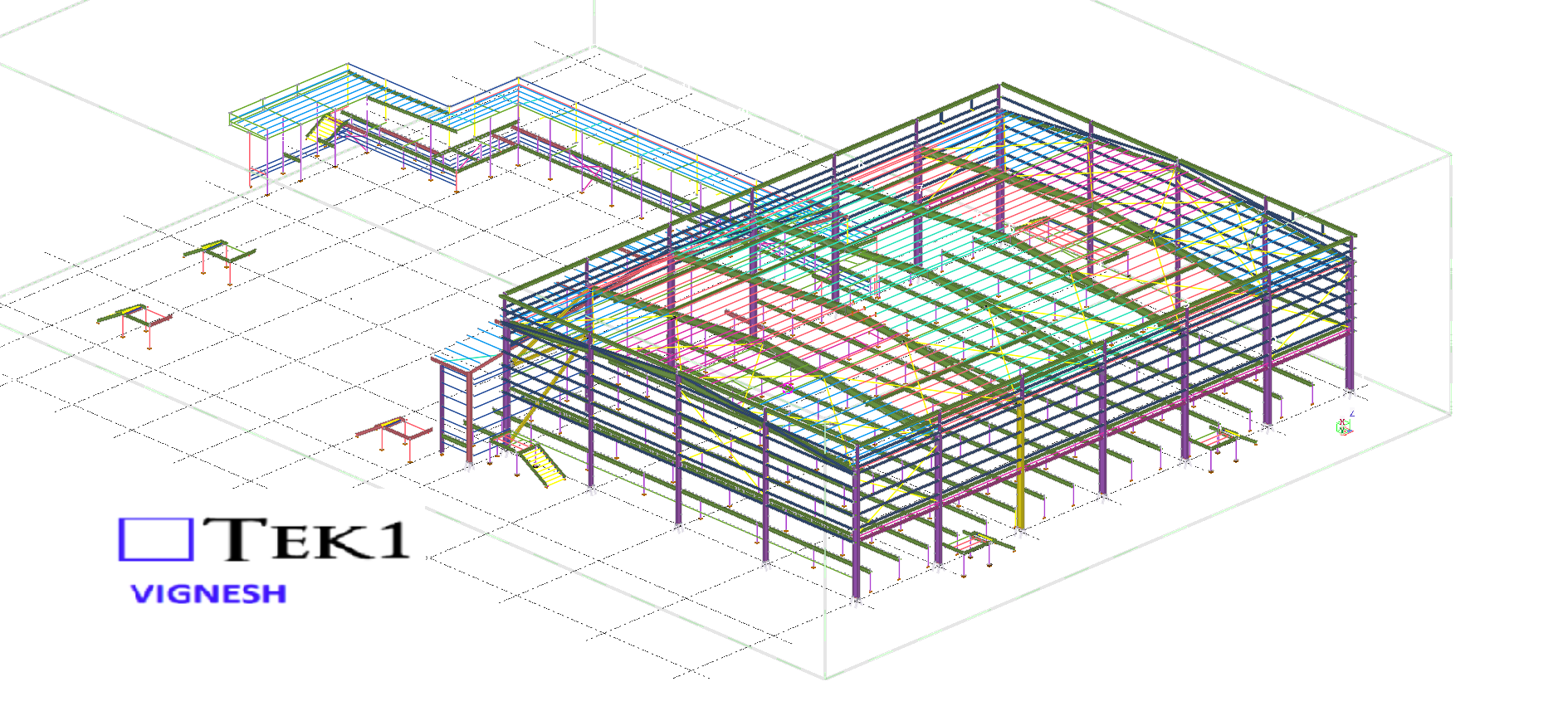
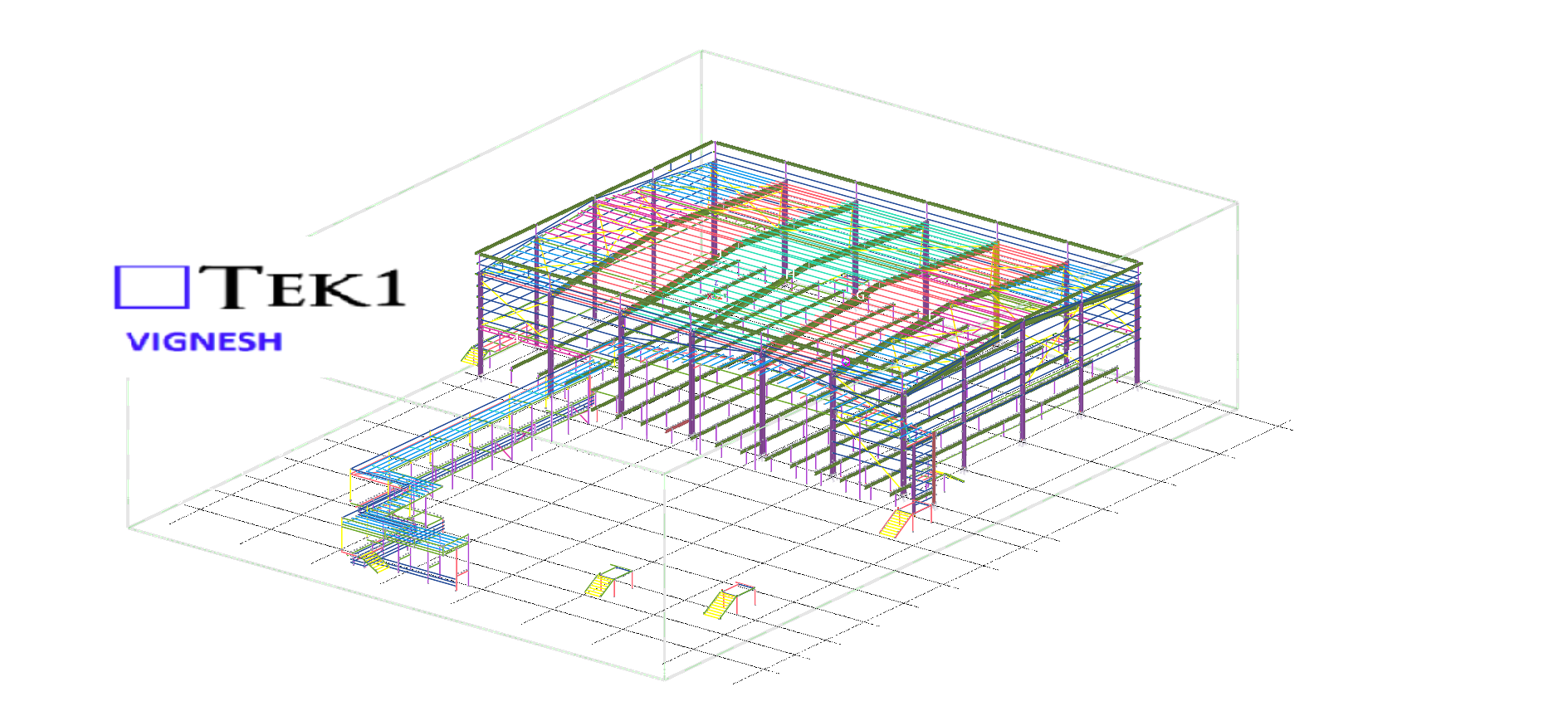
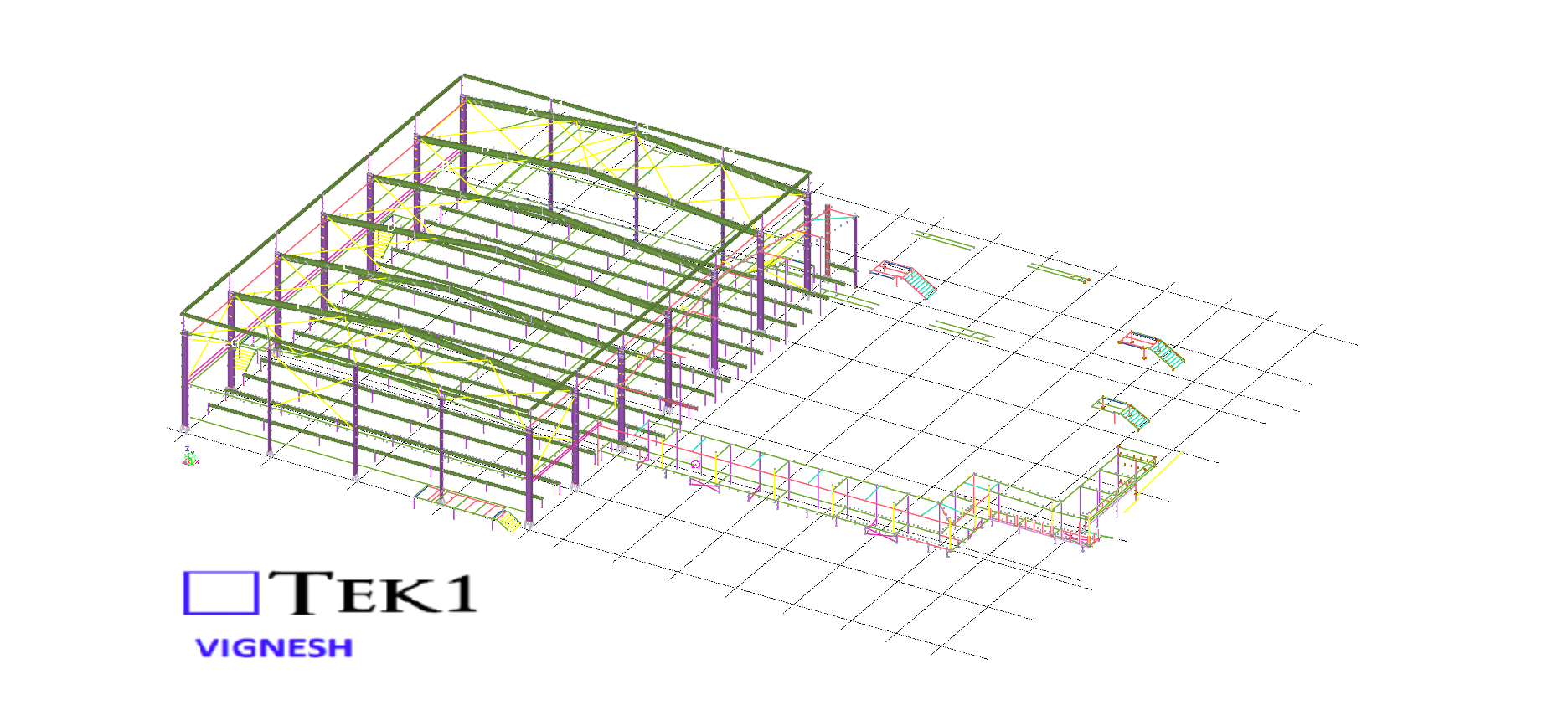
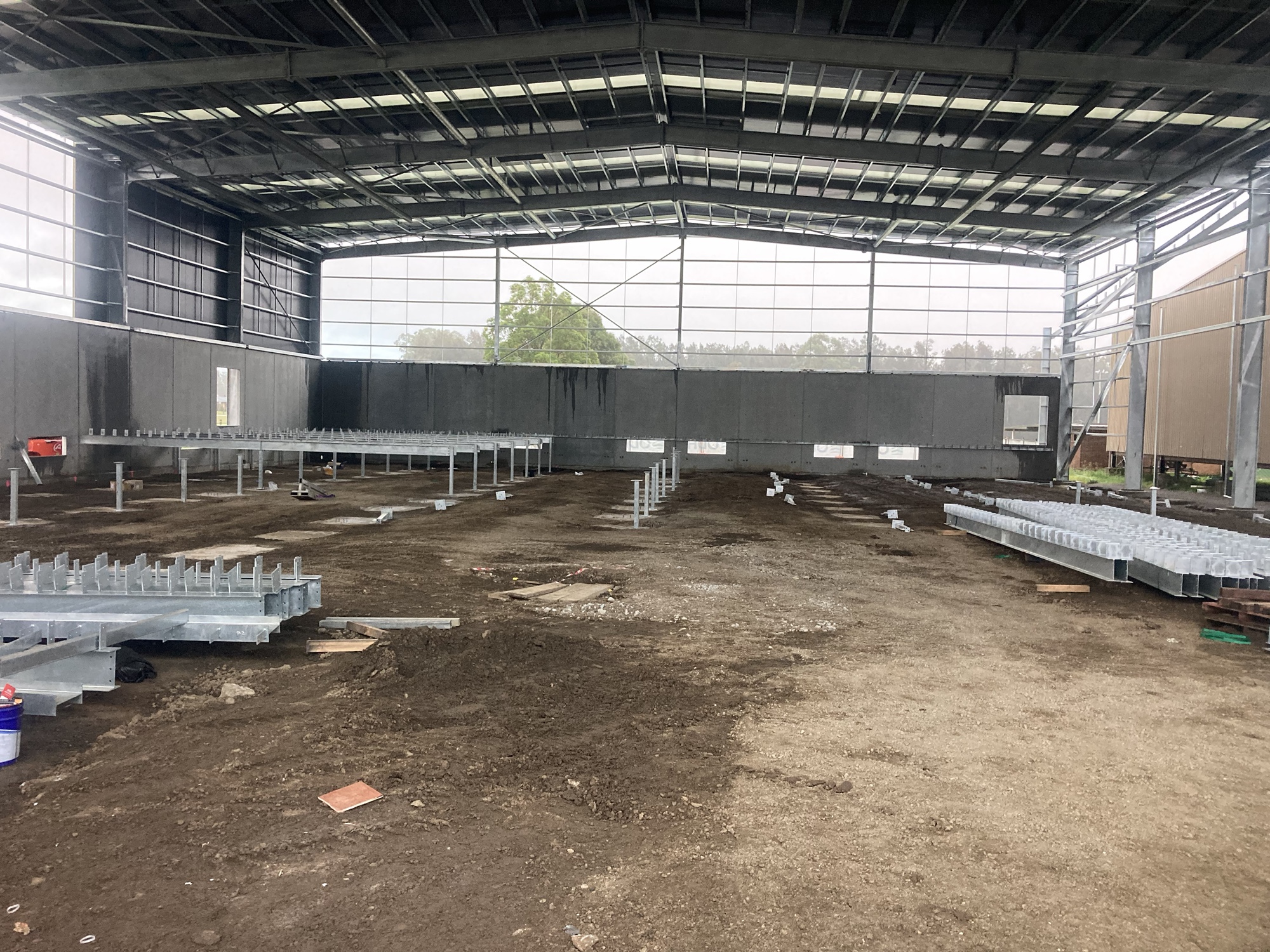
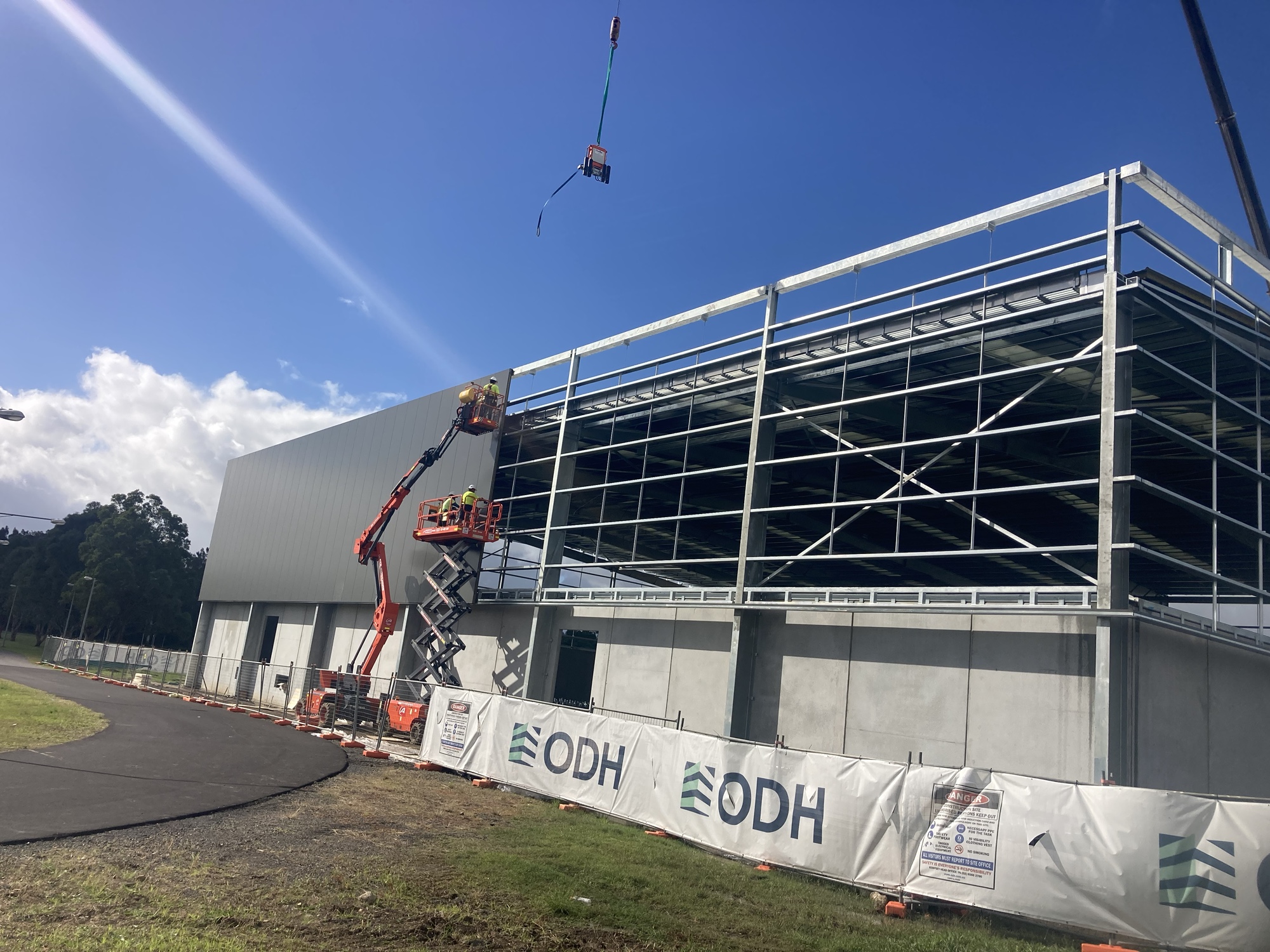
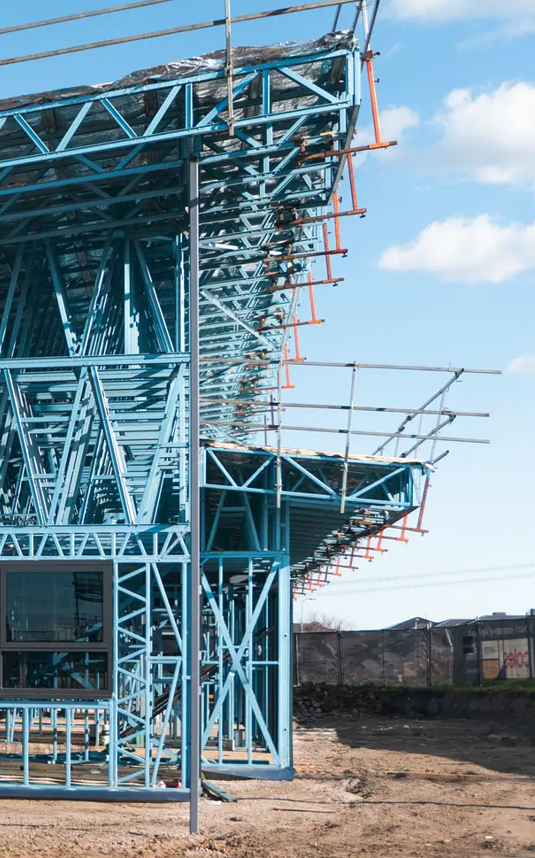
    Our detailing team worked closely with architects to ensure tolerances and offsets were met without compromising design intent With a limited fabrication and erection window, our detailing team adopted a fast-track workflow using Tekla Structures for 3D modeling.

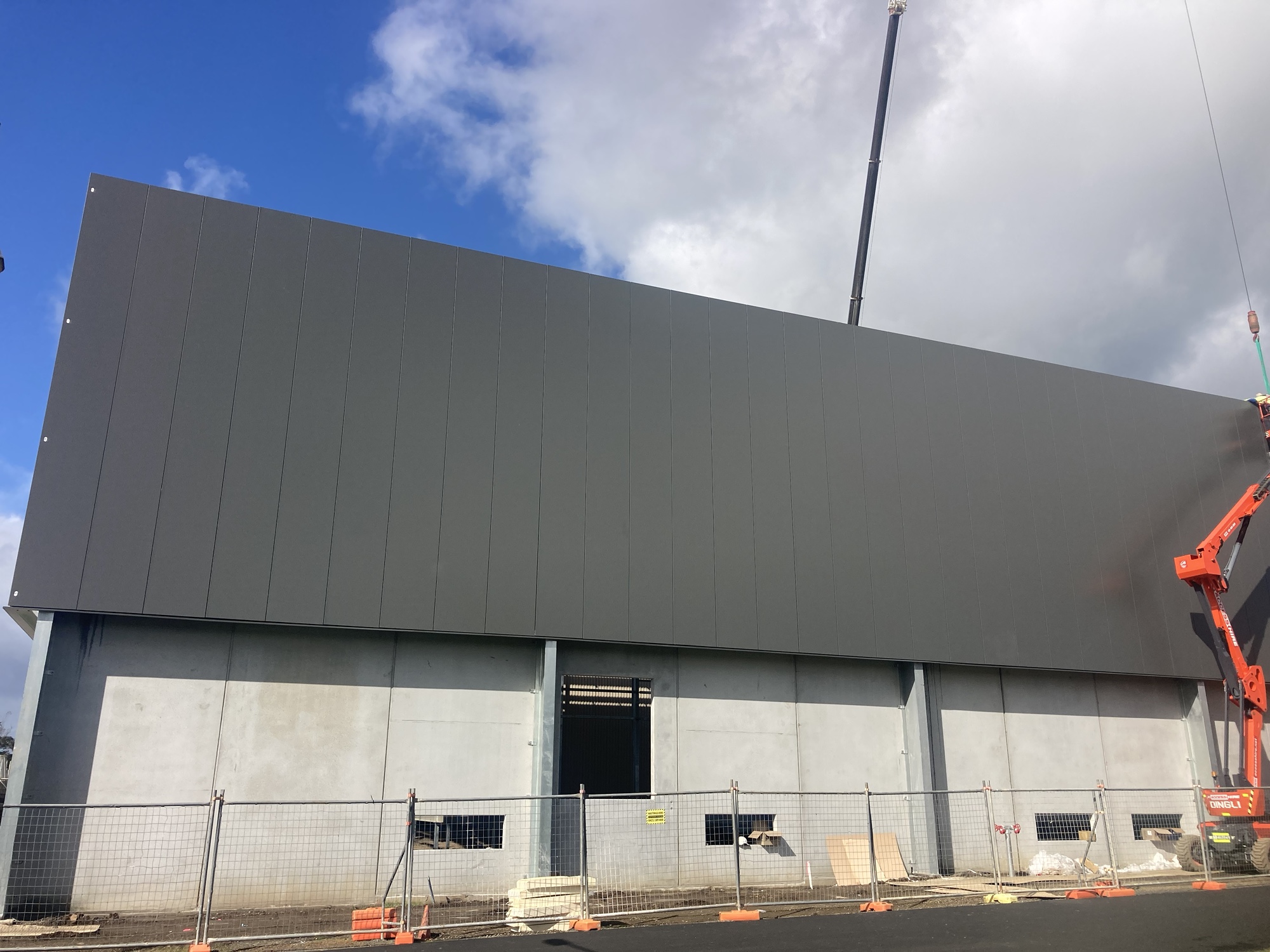
    We are proud to be a part of the team in IRON_ARENA_SPORTS_CENTER project.

    This allowed us to provide early shop drawings for procurement and parallel review of sections still under coordination.

  • Major Project in Australia

    Ammaroo Phosphate Project

    Australia-Asia Power Link (AAPowerLink)

    Australia-Asia Power Link (AAPowerLink)

    Bonaparte Carbon Capture and Storage ProjectPty Ltd

    Broken Hill Cobalt Project

    Cape Hardy Green Hydrogen Projec

    Gonneville Critical Minerals Project

    Goschen Rare Earth Mineral Sands Project

    Kalgoorlie Nickel Project

    Download Excel

  • Steel Detailing Tips – How to fix “path” too long errors

    Steel Detailing Tips – How to fix “path” too long errors

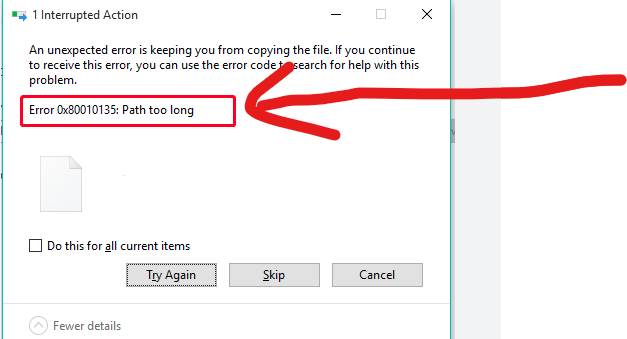
    In the construction business – you will often find yourself zipping / unzipping large sets of documents, and copying them from A to B etc. Often when dealing with deeply nested folder structures, you will get an error – regarding long path names. Like this:

    Path too long error.

    This is especially annoying if you are copying large sets of documents.

    Ordinarily I would suggest that clients avoid deeply nested folder structures – but then I thought: who am I to presume to how anyone should structure their affairs?

    Why not allow for long file paths in the first place? This is how you can do it?

    • In the Administrator terminal, run the following command

    Set-ItemProperty 'HKLM:\SYSTEM\CurrentControlSet\Control\FileSystem' -Name 'LongPathsEnabled' -Value 1

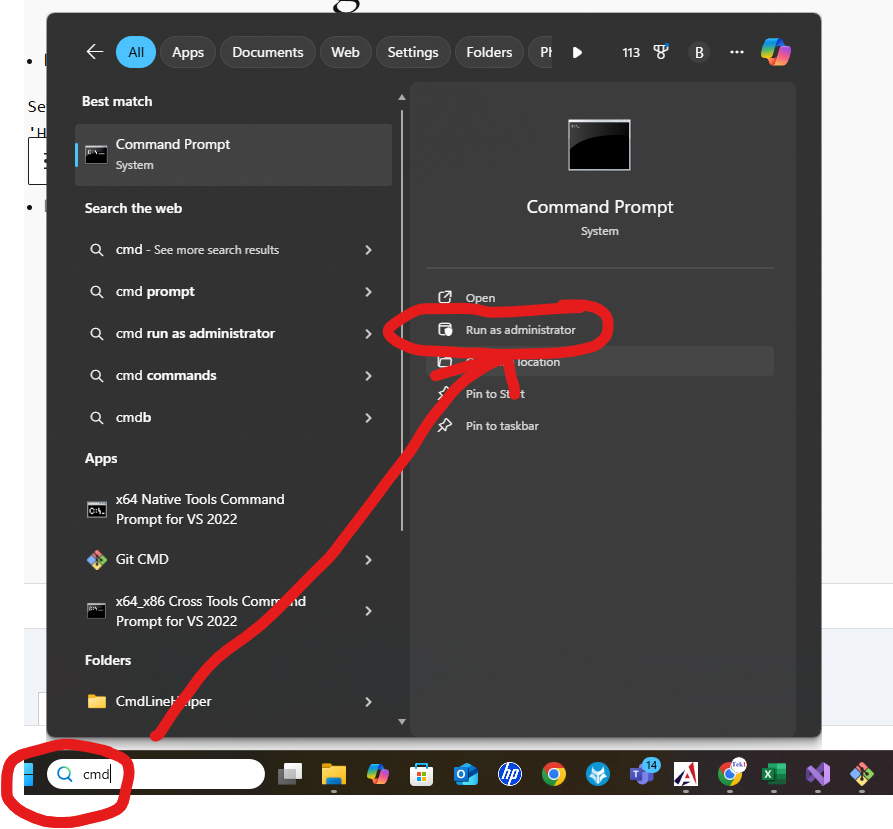
    Here’s how to open the terminal in admin mode:

    • So to the Windows search bar.
    • Type in “CMD”
    • Then click on “Run as administrator”

    How you can unzip deeply nested folder structures, in your own deeply nested folder.

  • Tekla Open API: How to access a Tekla Model Object from the Equivalent Object in a Drawing?

    Tekla Open API: How to access a Tekla Model Object from the Equivalent Object in a Drawing?

    The trick is to use to the drawing’s “PartIdentifier” to select the relevant object in the model space.

    Once you’ve done that, you can query the model object for whatever you want.

    Here is a code sample I’ve extracted from one of our Tekla API Applications. The basic steps:

    • Get the Drawing
    • Get the part identifier
    • Select it in the model
    SinglePartDrawing singlePartDrawing = (SinglePartDrawing)drawing;
    Tekla.Structures.Model.ModelObject modelObject = model.SelectModelObject(singlePartDrawing.PartIdentifier);
    Tekla.Structures.Model.Part part = (Tekla.Structures.Model.Part)modelObject;

  • Why Detailing is the Hidden Hero of Zero-Error Projects

    Why Detailing is the Hidden Hero of Zero-Error Projects

    When people admire a perfectly built structure, they rarely see the detailing behind it — the hundreds of micro-decisions that make “zero-error” projects possible.
    In one of our recent projects, a simple roof overhang turned into an unexpected test of coordination, precision, and creative problem-solving.

    The Challenge — Roof Overhang Dilemma

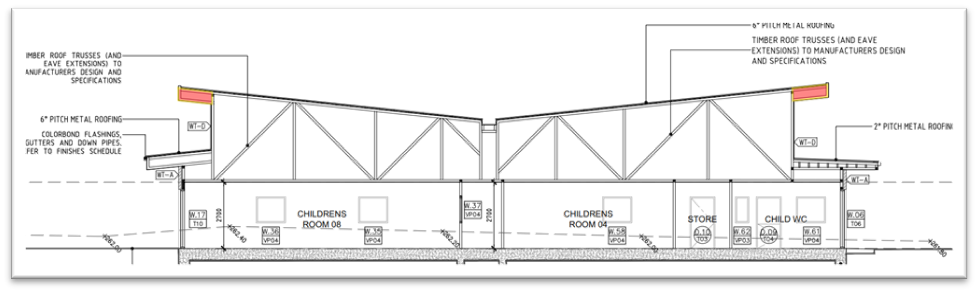
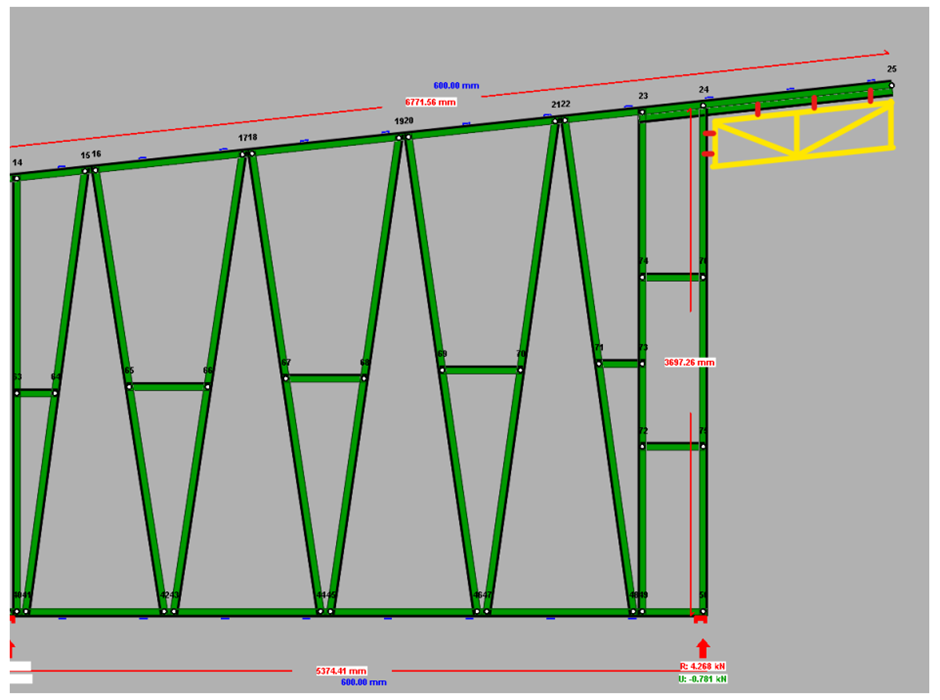
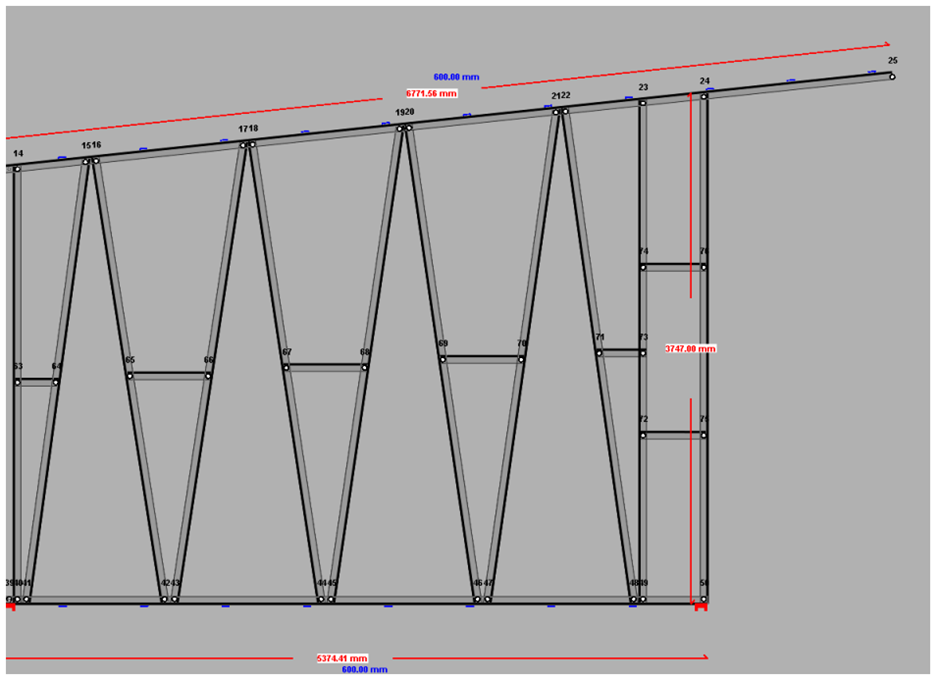
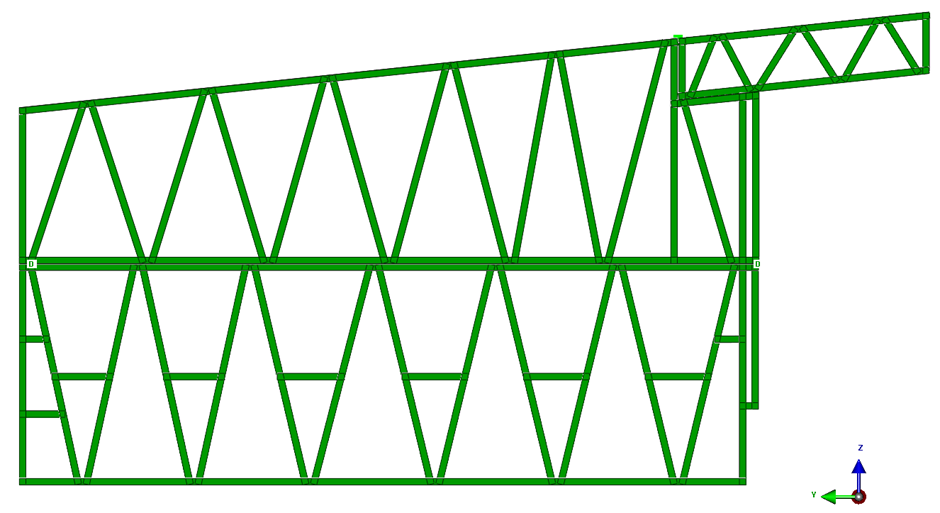
    The project had a roof overhang of 1450mm length and 450mm depth, designed to be done with LGS framing.

    While this may sound straightforward, the reality was far from it — the overhang design needed to balance aesthetic, transport, and structural limits all at once.

    My First Approaches

    I explored three options for solving the problem:

    1. Double Top Chord Approach
      I doubled the top chord to allow a separate fixing for the Overhang during installation.
      (This option seemed viable — simple, yet effective.)

    2 . Extended Top Chord Approach
    I extended the top chord to carry the soffit, allowing on-site fixing flexibility.
    (Good for design, but not effective and required transport consideration.)

    3 . Trimmed Top Chord + Roof Panel Approach
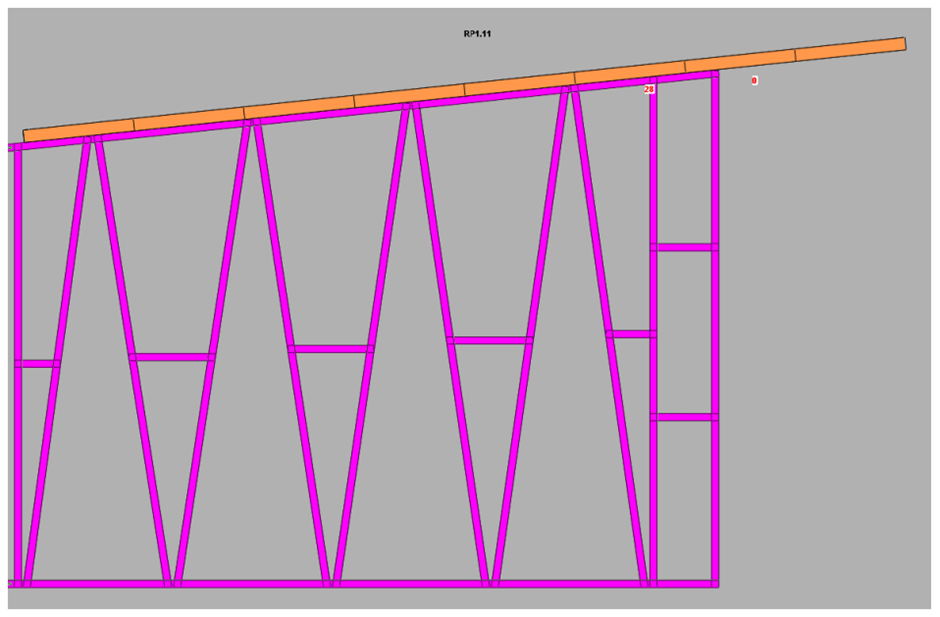
    Here, I trimmed the top chord to align with the truss heel, added a roof panel, and extended it to the overhang — ensuring a neat soffit installation later.
    (Structurally solid, but introduced additional material use.)


    Client Collaboration — The Turning Point

    After reviewing my proposal, the client replied:

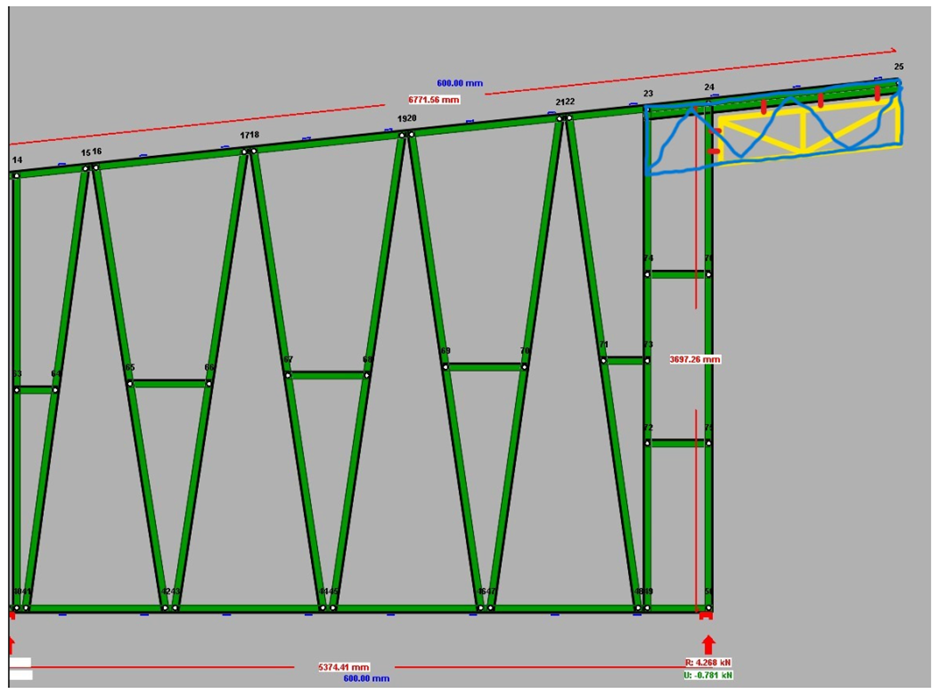
    “The issue with the eave bit sticking out is that it creates transport challenges, so we’d prefer to avoid overhangs altogether.
    Would it be possible to design the truss as shown in the attached image — with the blue section as a separate truss fixed on-site and the green truss cut to receive it?”

    That feedback led to the best possible outcome — a practical, transport-friendly solution without compromising design intent.


    The Result — From Coordination to Perfection

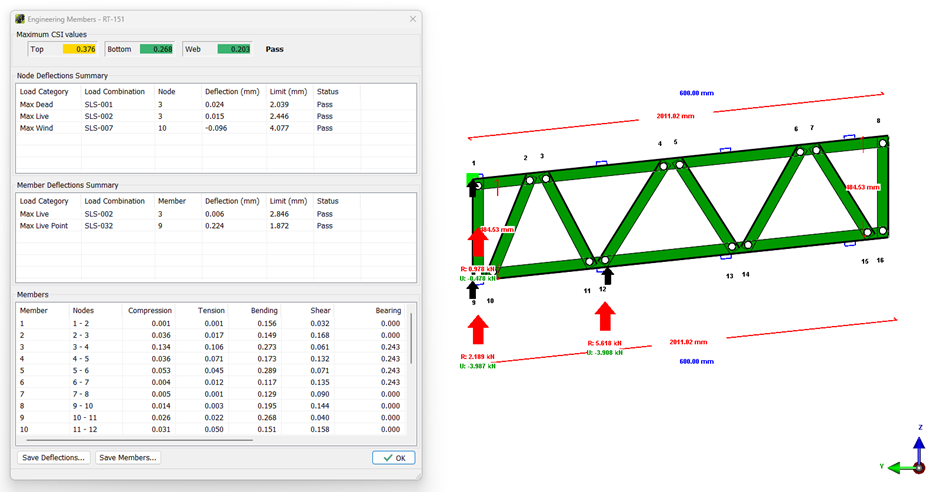
    I incorporated the proposed changes into the model, checked the load transfer through truss engineering, and validated every connection.

    The on-site erection went smoothly — no clashes, no rework, no errors.


    Lessons Learned

    This project reinforced one key truth:

    Detailing is not just drawing lines — it’s engineering foresight in action.

    Every “minor” RFI, every sketch review, and every coordination call contributes to something bigger — a zero-error build that saves time, cost, and credibility on site.


    I believe coordination and detailing excellence turn complex designs into effortless builds.

    If you’ve faced a similar challenge or want to see how our detailing approach ensures precision from model to site — let’s connect.

    Priyan Gandhi
    LGS Detailer, TEK1 Pty Ltd


  • Hunter Street Ramps & Gates

    Hunter Street Ramps & Gates

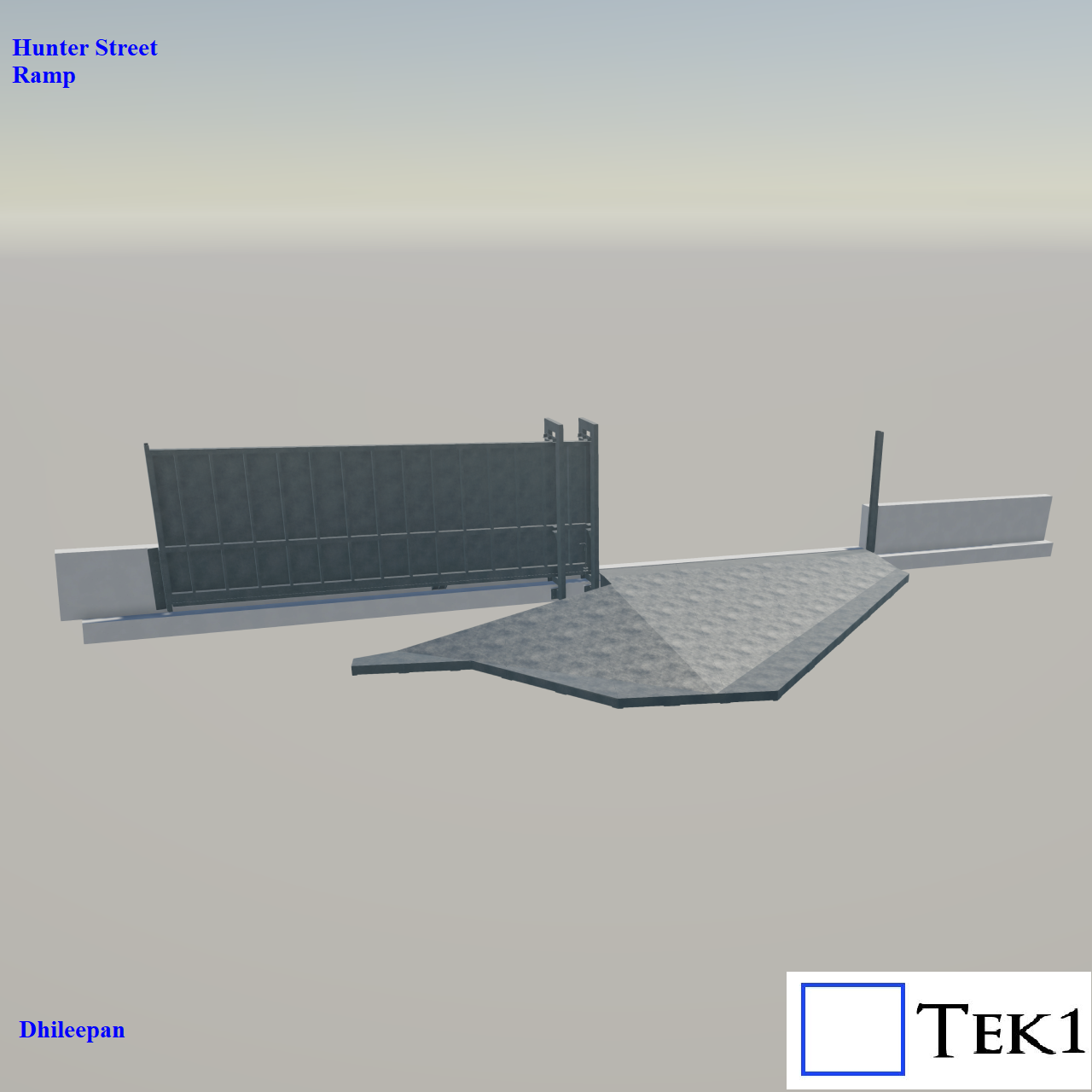
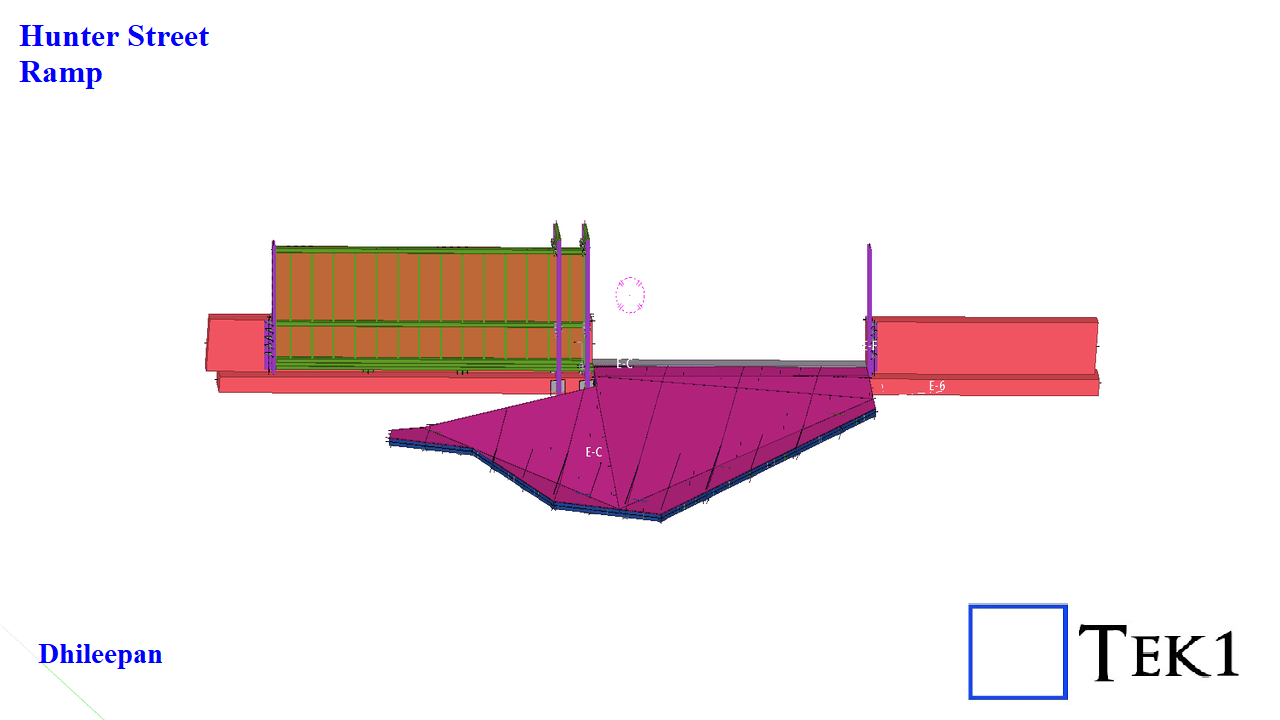
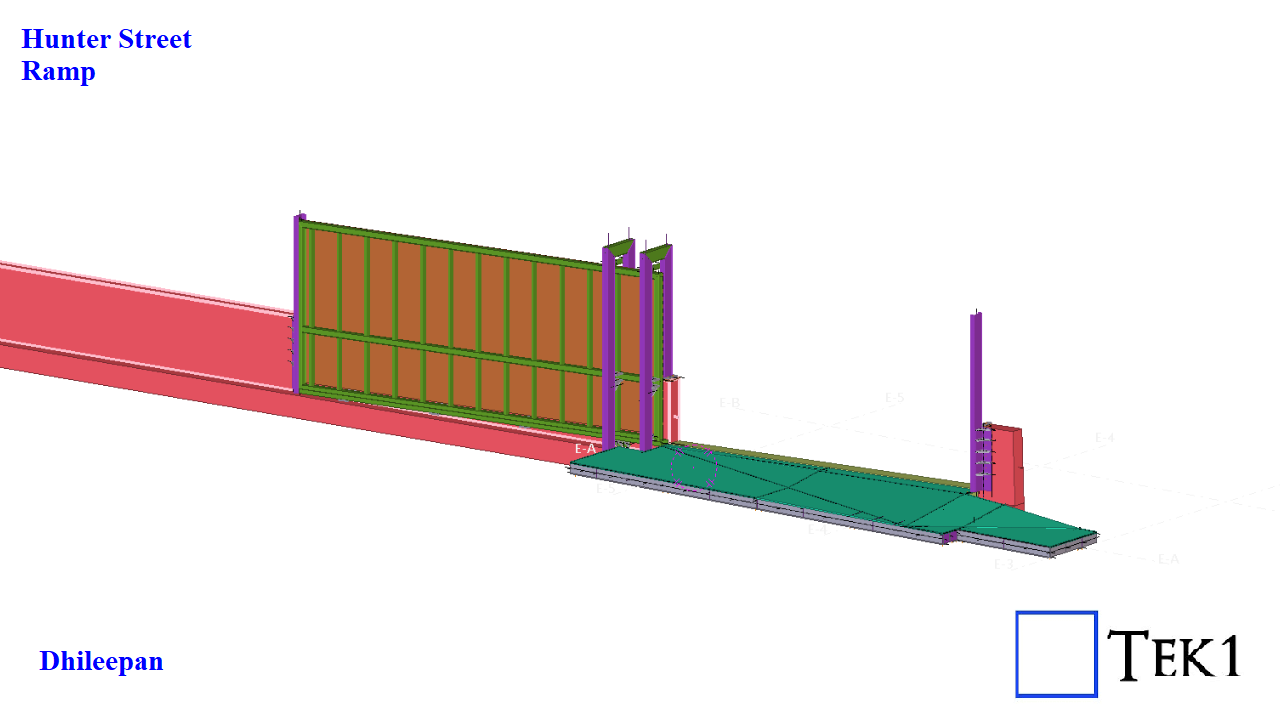
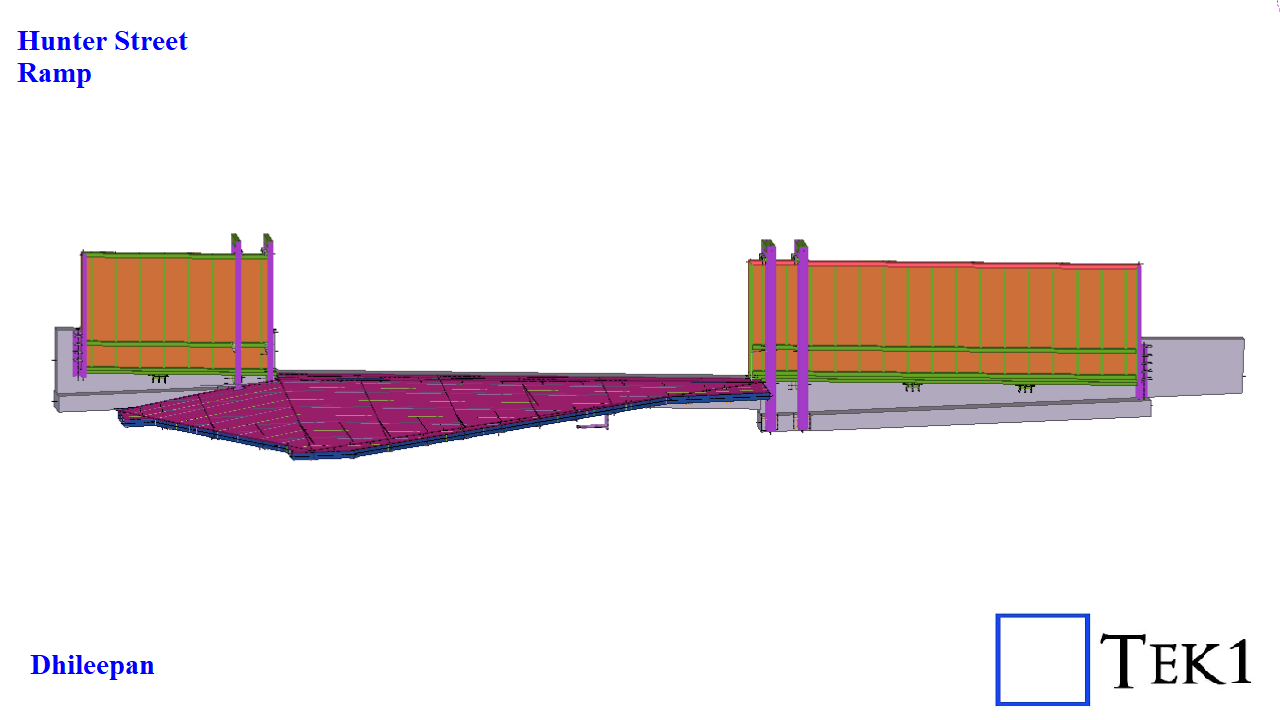
    The Hunter Street Project involves a total of three unique ramp and gate assemblies, each designed with a distinctive geometry and function.

    Unlike conventional ramps that slope in a single direction or follow a straight alignment, these ramps are far from ordinary. Each one features multiple slopes and apex lines, requiring precise modeling and coordination to achieve seamless transitions and accurate fitment on site.

    The associated gate systems include both single-leaf and double-leaf sliding gates, each integrated carefully with the ramp slopes to ensure smooth operation and proper clearances.

    Structurally, each ramp is composed of a series of 4 to 8 frames.
    Every frame includes:

    • A chequer plate deck at the top for slip resistance and durability.
    • A base plate at the bottom for connection and stability.
    • Waffle-type stiffeners sandwiched between, providing rigidity while minimizing weight.

    This setup requires engineering precision and modeling expertise. Tek1 had to provide inputs and suggestions to design the slopes in a way that ensures smooth operation of the sliding gates without imbalance.

  • TEK1’s Steel Detailing for Sydney Metro – Resolving Design Challenges – 5

    TEK1’s Steel Detailing for Sydney Metro – Resolving Design Challenges – 5

    We hope you found our previous blogs on the Sydney Metro project insightful. If you missed them, check them out.

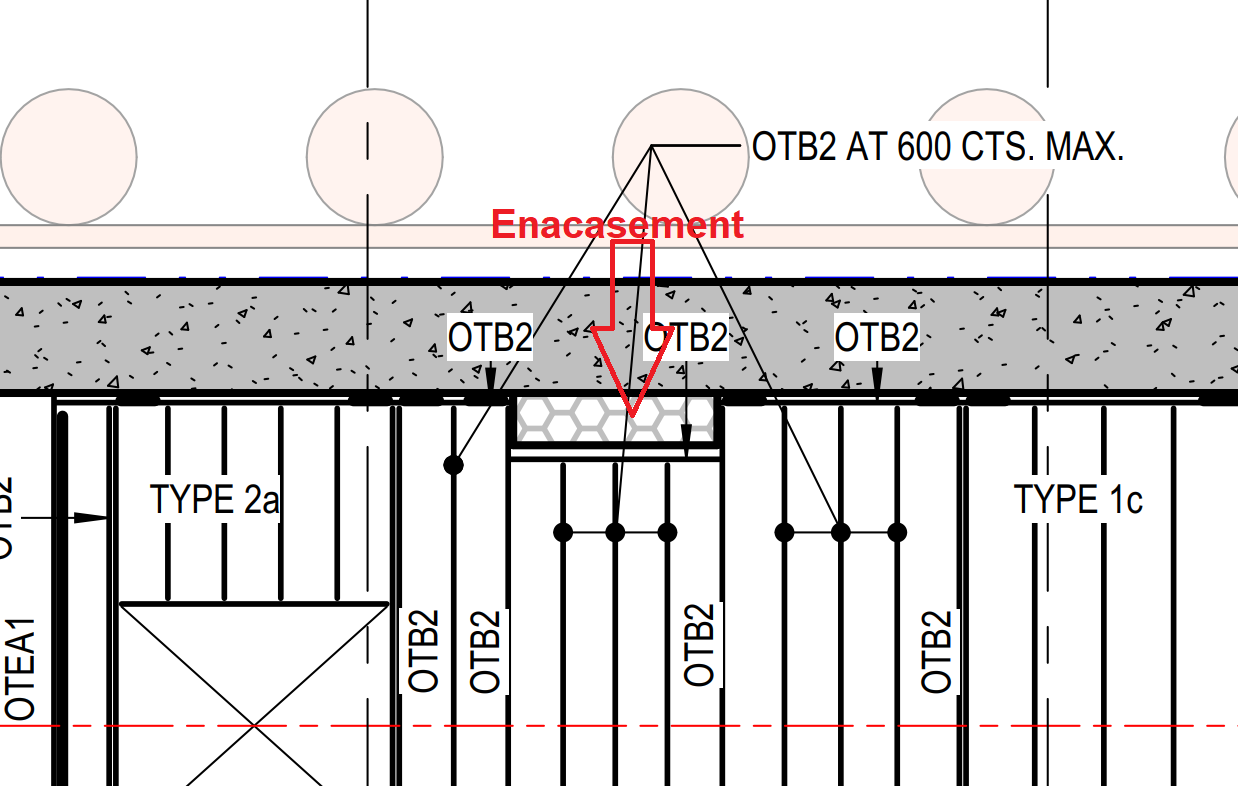
    In this blog, I’d like to share an important lesson about concrete encasement for conduits that every steel detailer should keep in mind.Normally, conduit encasement falls under electrical scope, so detailers don’t focus much on it. However, the encasement’s location and size can directly affect the steel layout — as we discovered in one of our projects.

    We detailed the steel as per design drawings, but on-site, the encasement dimensions varied. Some conduits were larger, others smaller, which caused clashes between the steel and the encasement, and in some areas, created unwanted gaps. This required on-site modifications to our steel.

    When detailing steel near conduit encasements, always verify the actual encasement size and location before releasing fabrication drawings. Small checks early in the process can prevent major issues and rework on-site.