

The Intersection of High-Performance Engineering and Precision Steel Detailing
The contemporary built environment demands a “tripartite alliance” between engineers, architects, and fabricators. While steel provides the strength, detailing provides the feasibility.
Beyond High-Rises: The Complexity of Residential & Architectural Metalwork
As urban density increases and sustainability mandates tighten, understanding the evolving significance of steel is critical for industry leaders.
1.Architectural Fluidity and Aesthetic Expression
For architects, structural steel is the primary enabler of spatial liberation. Its high strength-to-weight ratio allows for:
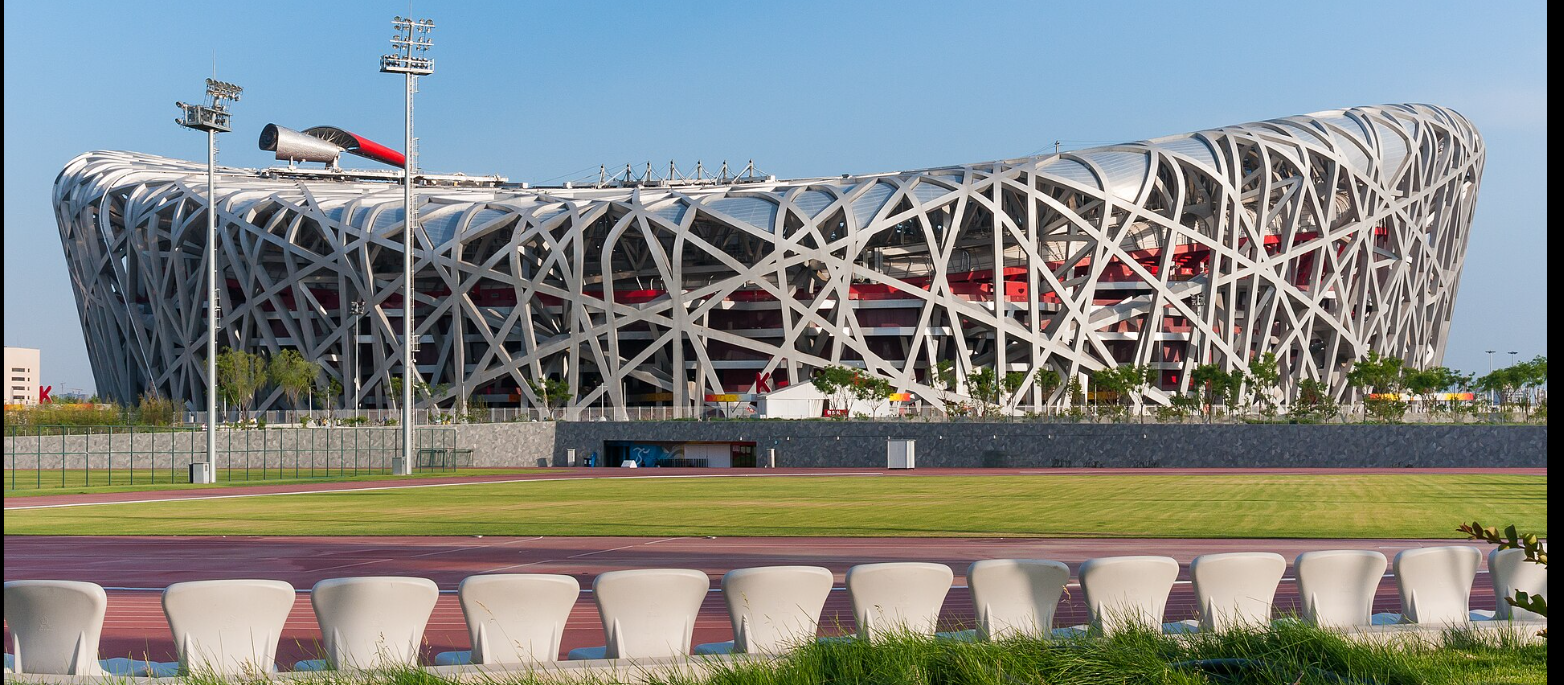
- Massive Clear Spans: Facilitating column-free interiors essential for stadiums, hangars, and open-plan offices.
- Geometric Complexity: Unlike the linear constraints of timber or the bulk of masonry, steel can be curved, tapered, and cantilevered to create iconic silhouettes.
- Visual Transparency: The slenderness of steel sections allows for expansive glazing systems, blurring the line between interior and exterior environments
2.Engineering Precision and Predictability
For the structural engineer, steel offers a level of isotropy and reliability that few other materials can match.
- Material Uniformity: Produced under stringent factory conditions, steel’s properties are consistent, allowing for high-precision calculations and reduced safety factor bloat.
- Seismic Resilience: Steel’s inherent ductility allows it to undergo significant deformation before failure, absorbing energy during seismic events and protecting the integrity of the structure.
- Adaptability: Steel structures are uniquely capable of being reinforced or modified post-construction, accommodating changes in building use over decades.
3. The role of Steel Detailer
Knowledge for Fabrication Methods
The modern steel detailer is expected to have a good grasp of steel fabrication and erection methods and processes.
Steel detailer must know what can be rolled, welded fabricated. What tolerances are achievable with each of these processes.
The architectural needs must be taken into consideration by the steel detailer to check whether the design and the fabrication method will meet the architectural needs.
Knowledge of basic Structural Engineering
While the steel detailer is not expected to engineering analyis, he/she must have a clear idea of the structural requirements, standards.
Steel Detailer is the last stop in implementing a structural design. If the steel detailer is able to identify potiential isses of the structure, he must notify the architect and the engineer of that.
A good steel detailer can save tens of thousands of dollars on projects.
For small budget project like residential buildings, the value of a top class steel detailer is immense.
The few extra dollars the fabricator pays to for a top class steel detailer is an excellent investment as an expert detailer will save the fabricator thousands of dollars on a single project.
4.The Fabricator’s Edge : Efficiency and Off-Site Modularization
The significance of steel for fabricators lies in the shift toward Design for Manufacture and Assembly (DfMA).
- Precision Pre-fabrication: Utilizing BIM (Building Information Modeling) and CNC technology, fabricators can produce components with sub-millimeter accuracy, drastically reducing on-site errors.
- Compressed Timelines: Because steel components are manufactured off-site concurrently with foundation work, the “dry” assembly process significantly shortens the critical path of the construction schedule.
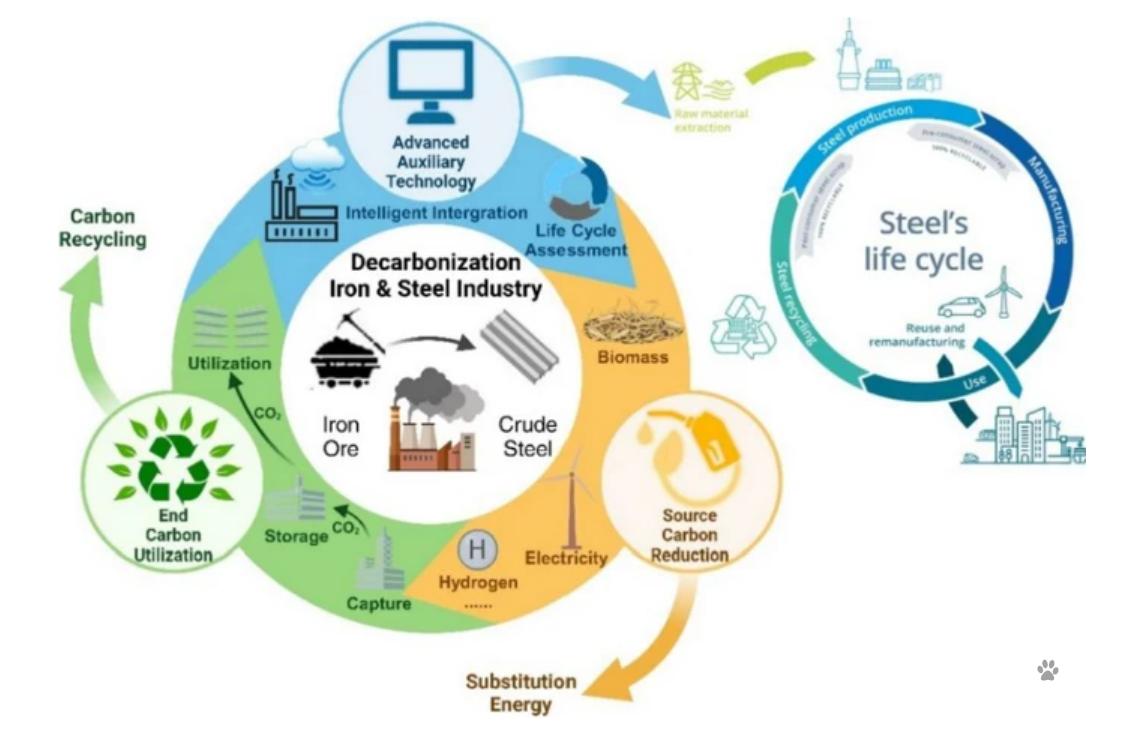
- Waste Mitigation: Steel is the most recycled material on the planet. Fabrication shop scrap is 100% recoverable, and the ability to deconstruct and reuse members aligns with the principles of the circular economy.
5.Comparitive Advantage: Structural Steel Vs Reinforced Concrete
| Feature | Structural Steel | Reinforced Concrete |
| Strength-to-Weight | High (lighter foundations) | Low (heavy self-weight) |
| Construction Speed | Rapid (all-weather assembly) | Slower (curing time required) |
| Sustainability | Highly Recyclable | High Carbon (Cement production) |
| Modifiability | High (Easy to bolt/weld additions) | Low (Difficult to alter) |
.
6.The Future : Decarbonization and Digital Twins
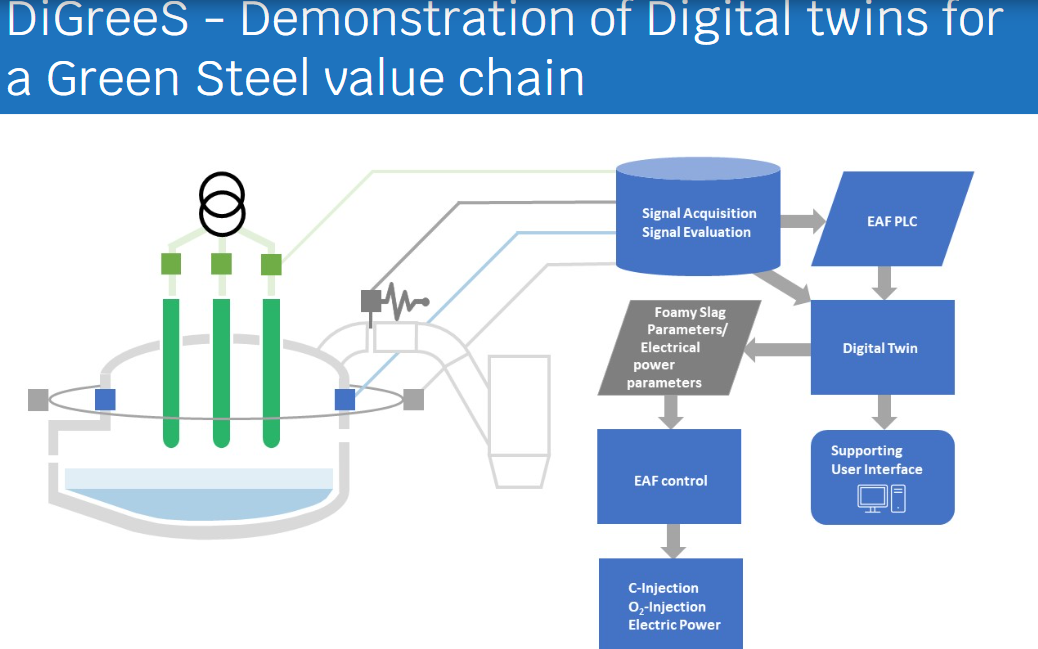
The industry is currently witnessing a pivot toward “Green Steel.” The move from traditional blast furnaces to Electric Arc Furnaces (EAF) powered by renewables is significantly lowering the embodied carbon of steel sections.
Simultaneously, the integration of Digital Twins allows fabricators and engineers to track the lifecycle of every beam. This data-rich approach ensures that the significance of structural steel will only grow as we transition into an era of smarter, more sustainable, and increasingly complex infrastructure.
Industry Insight: The synergy between the architect’s vision, the engineer’s calculation, and the fabricator’s execution is most potent when steel is selected early in the design phase, allowing for optimized sections and reduced material tonnage.
Leave a Reply