1.What is Structural Steel
- Structural steel is a specialized type of steel used in construction to form the framework of buildings, bridges, and other infrastructure.
- It acts as the backbone of modern construction because it provides strength and structural support.
2.Types of Structural Steel
- Common types include carbon steel, alloy steel, and stainless steel.
- Each type has different mechanical properties suited for specific construction needs.
3.Common Structural Steel Shapes
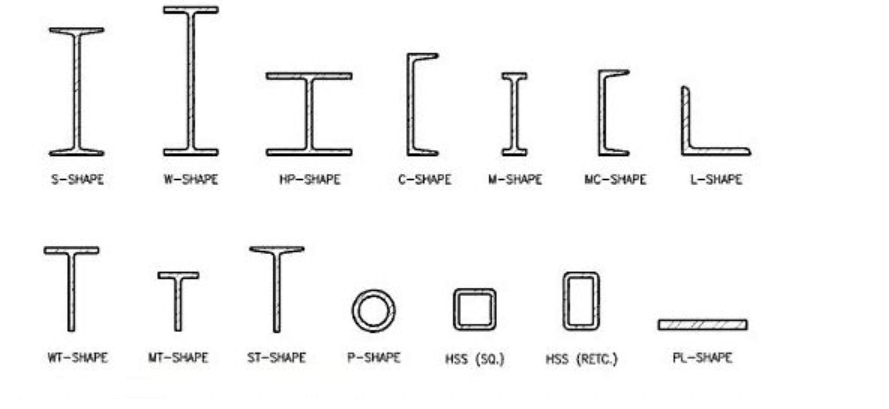
- Structural steel is manufactured in different shapes such as I‑beams, H‑beams, channels, angles, and plates.
- These shapes serve different structural purposes depending on load‑bearing requirements.
4.Manufacturing Process
- Structural steel is produced through controlled processes such as hot rolling and cold forming.
- Quality control and testing ensure the material meets engineering standards for strength and reliability.
5.Applications
- Structural steel is widely used in skyscrapers, bridges, industrial plants, warehouses, and infrastructure projects.
- It supports heavy loads and allows engineers to construct large and complex structures.
6.Advantages
- High strength and durability.
- Cost‑effective over the long term.
- Environmentally friendly because steel is recyclable.
- Resistant to environmental stress and natural forces.
7.Importance in Modern Construction
- Structural steel is considered one of the most important building materials because of its versatility and reliability
Leave a Reply