Category: Steel Detailing Projects

Steel Detailing projects Show case projects details by Tek1 pty ltd

  • RHS/SHS Material Grade – Client Alert for Grade 450

    Client must be informed of NON-STANDARD Grades.

    In many projects, RHS/SHS members are commonly supplied in Grade 350. However, if the structural design specifically requires Grade 450, this must be identified and brought to the client’s attention at the MTO or detailing stage.

    Why we have to identify the Grade 450?

    Grade 450 is a higher-strength material compared with Grade 350. The higher material grade can also affect the material availability, procurement cost and project quotation.

    Therefore, Grade 450 requirement identified early can help the client account for the correct material cost in the quotation and procurement stage.

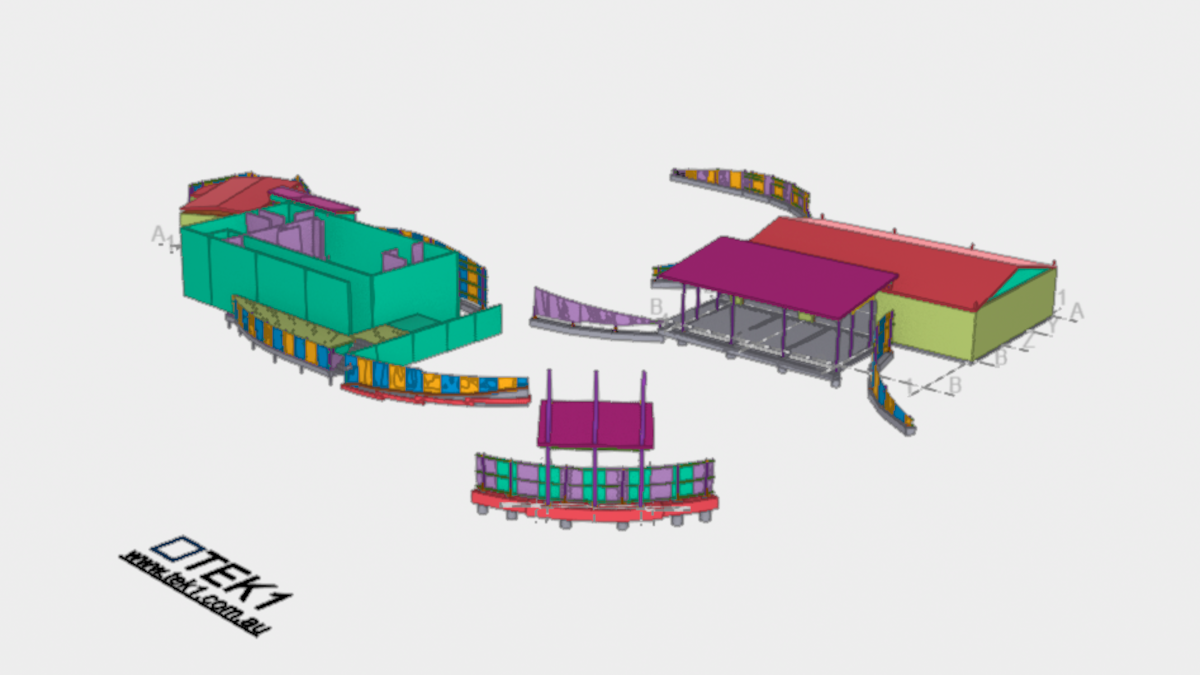
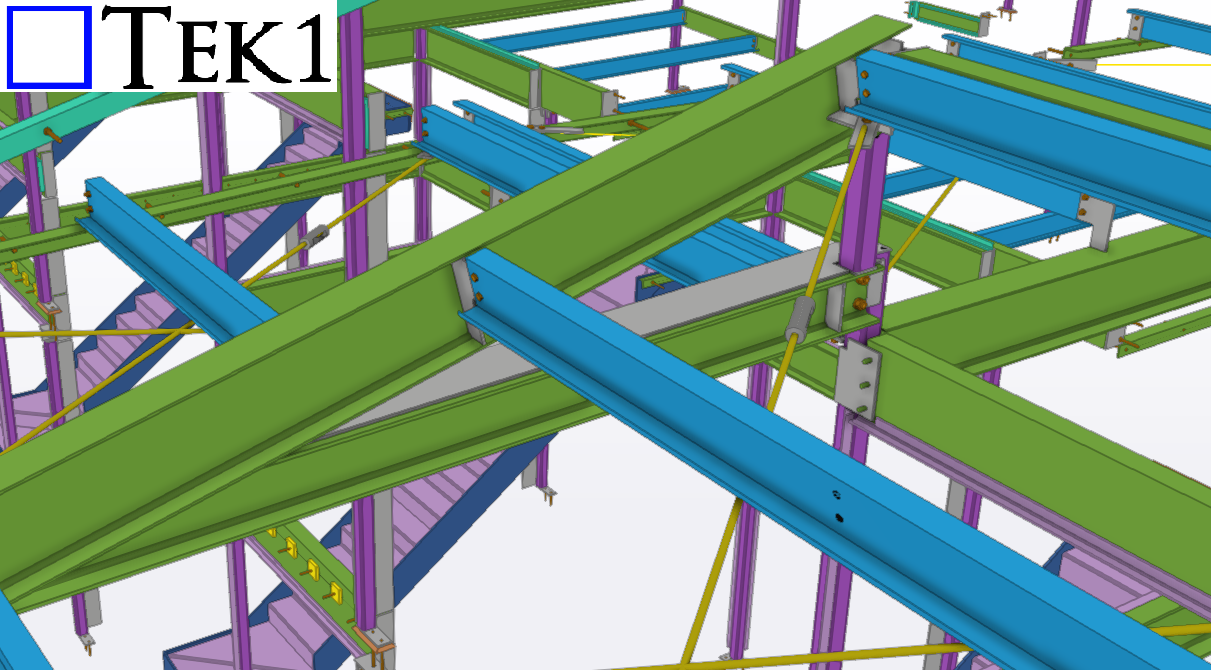
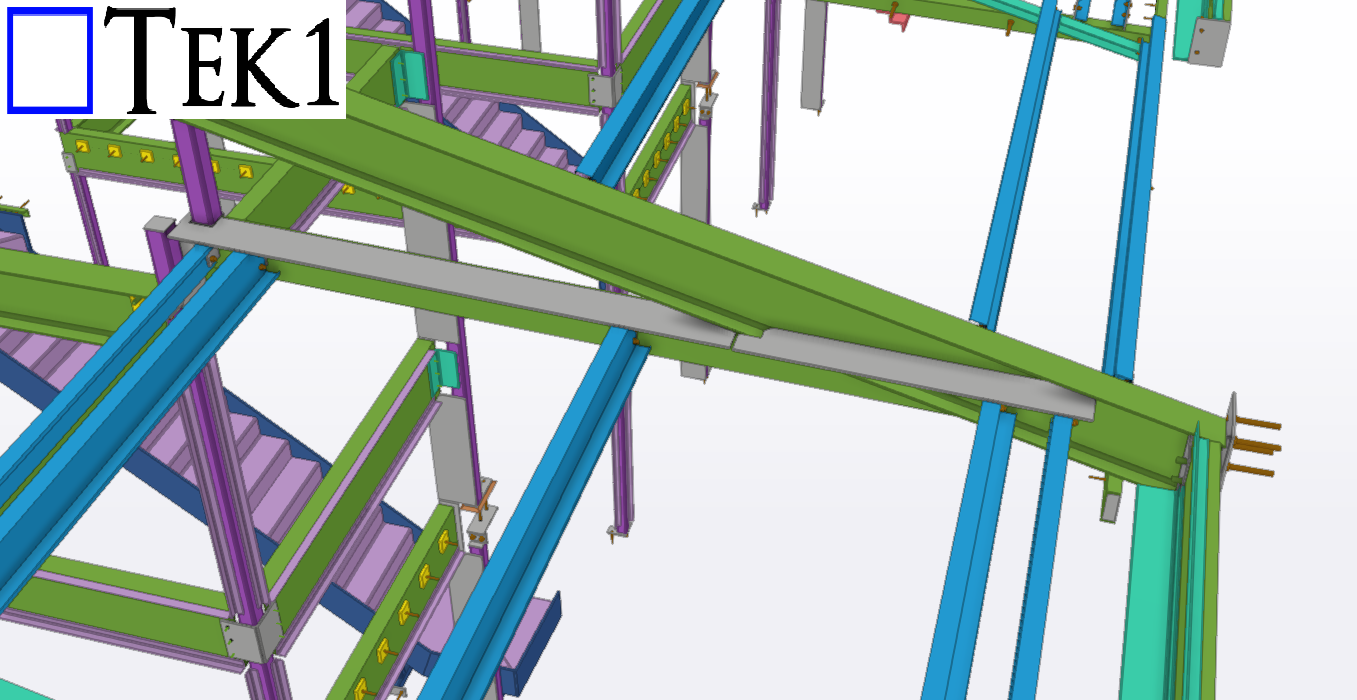
  • The lonsdale-27 Scott St-FACADE-GRID-D-A

    The lonsdale-27 Scott St-FACADE-GRID-D-A

    Local Steel Detailer

    Some jobs need a site visit. This one need a couple of visits. Result is less problems – rather NO problem, excellent work. 20 years of detailing experience shows

    (more…)

    Local Steel Detailer

    Some jobs need a site visit. This one need a couple of visits. Result is less problems – rather NO problem, excellent work. 20 years of detailing experience shows

    (more…)

    Local Steel Detailer

    Some jobs need a site visit. This one need a couple of visits. Result is less problems – rather NO problem, excellent work. 20 years of detailing experience shows

    (more…)
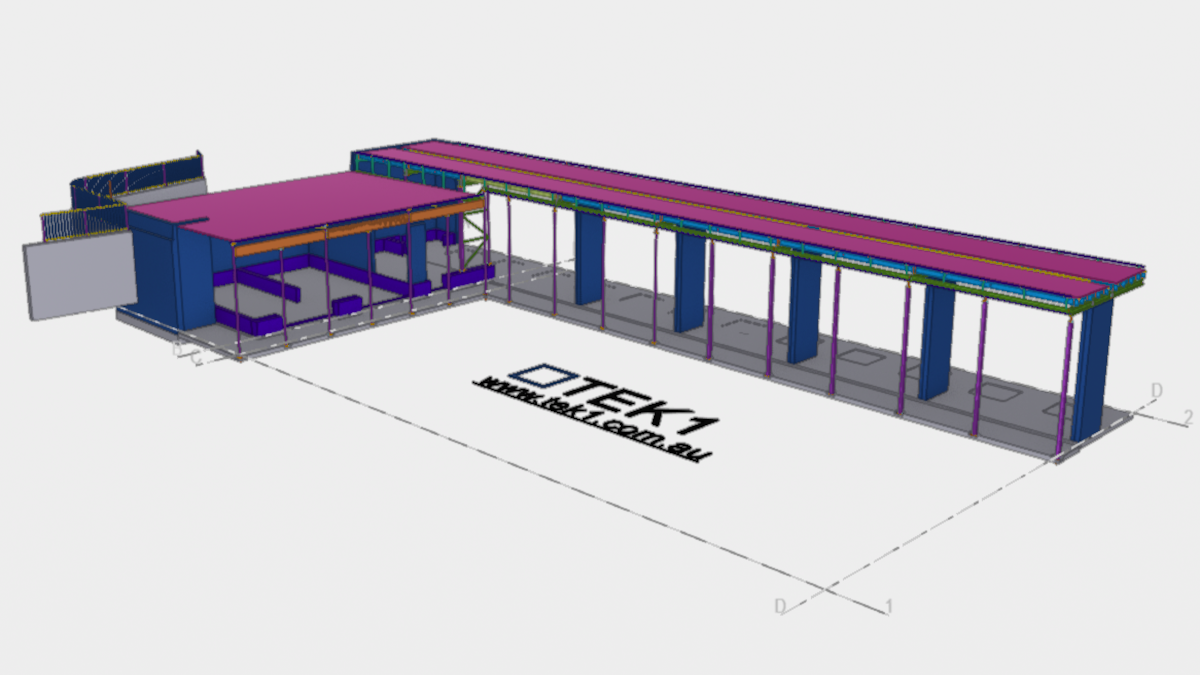
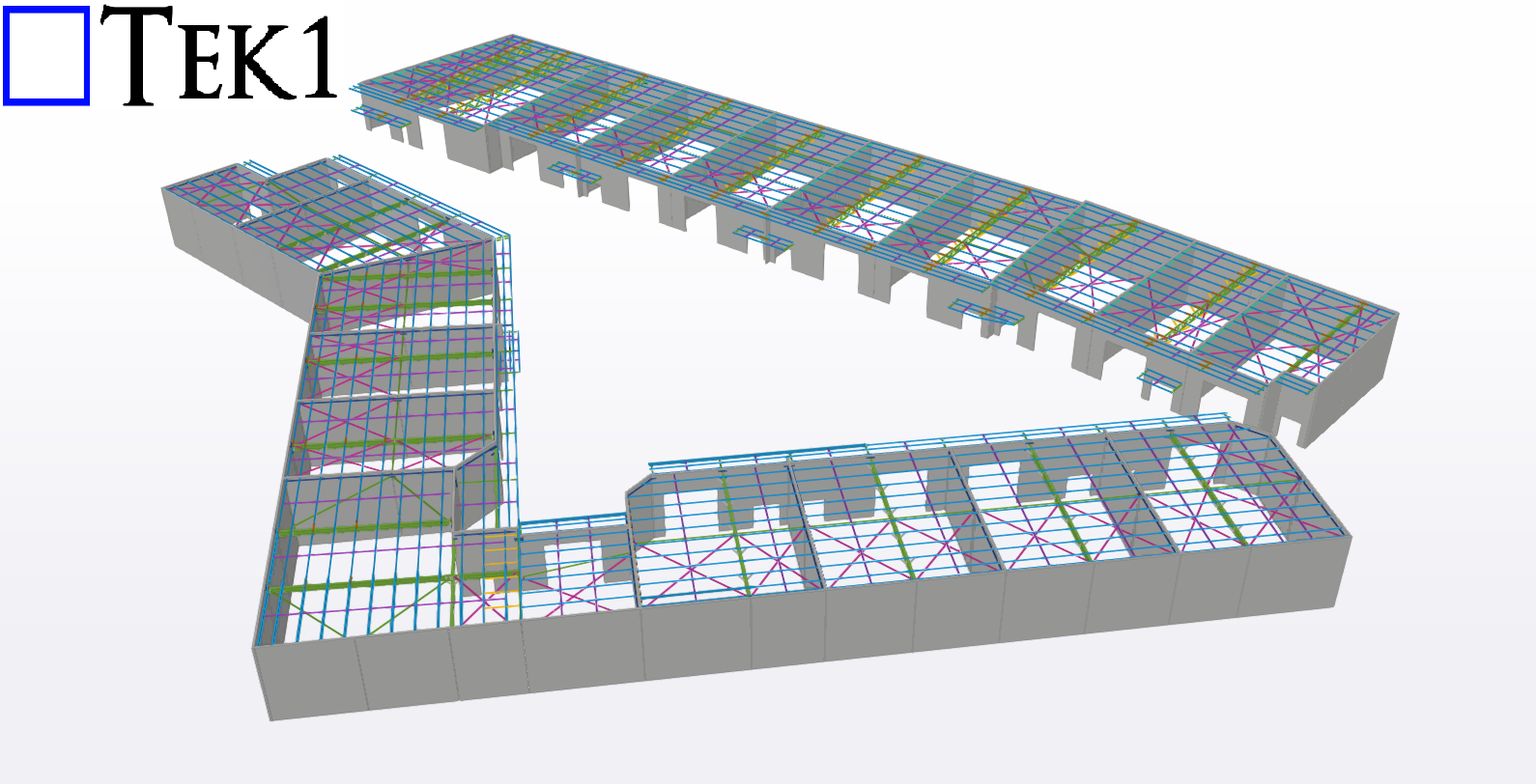
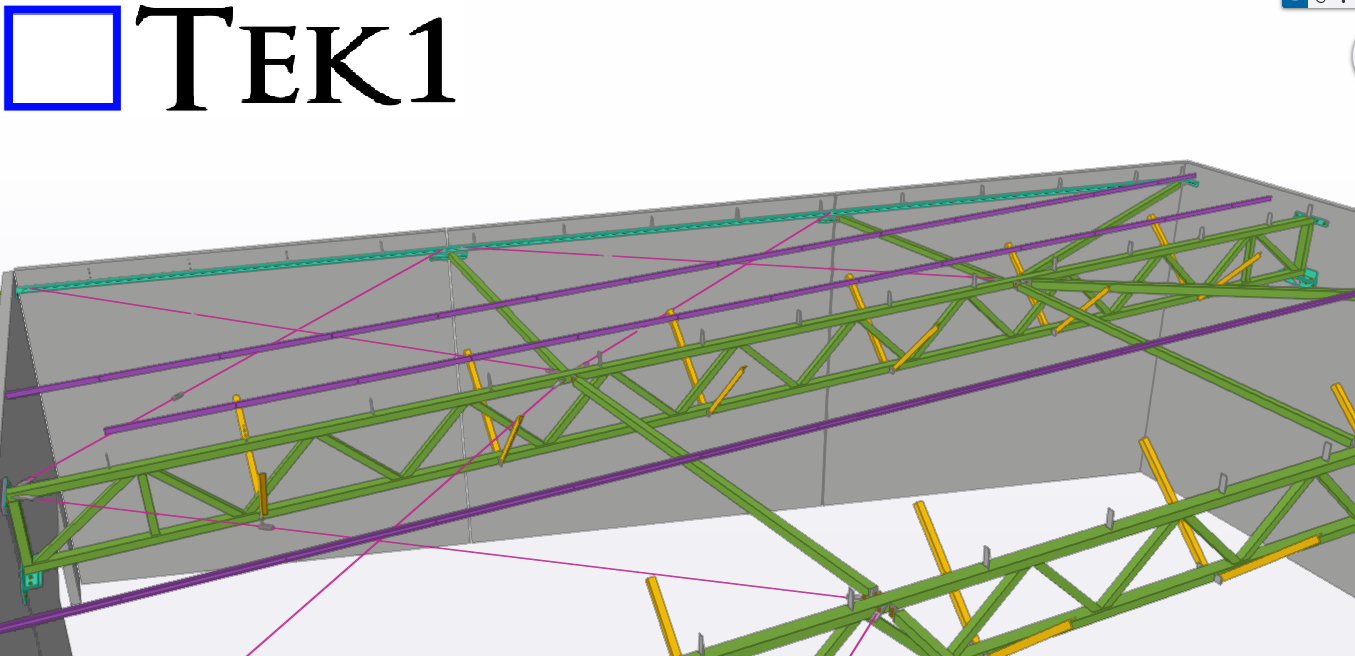
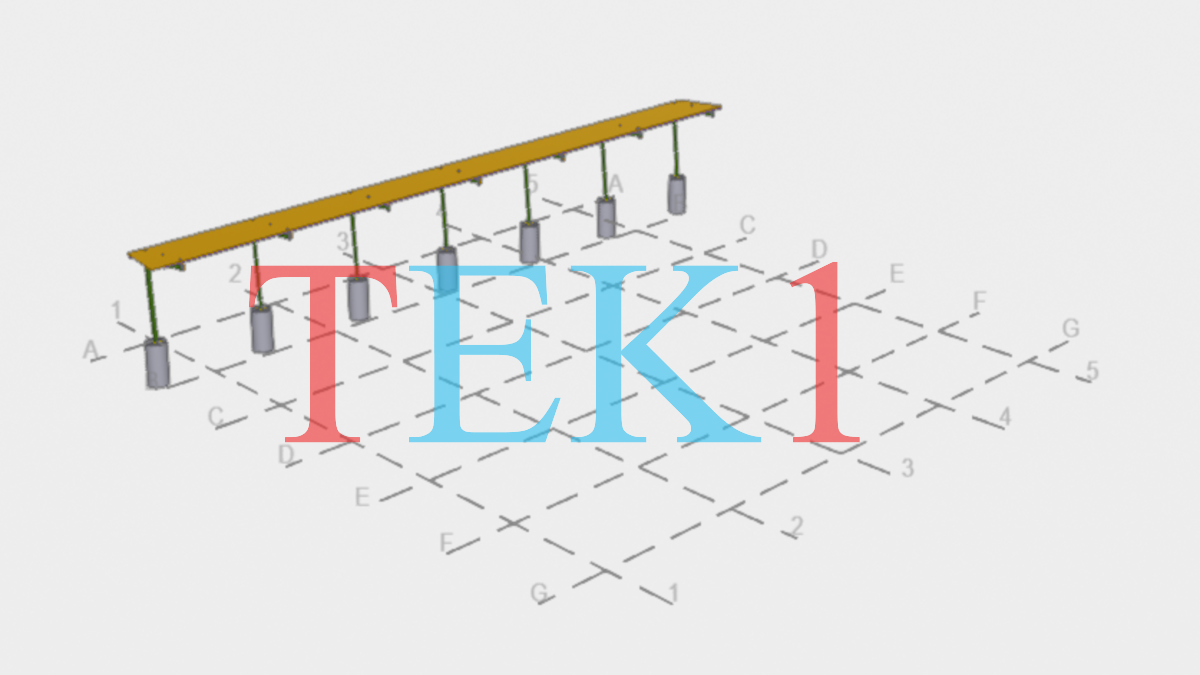
  • Kew Golf Club-Hitting Bays and Rooof Structure

    Kew Golf Club-Hitting Bays and Rooof Structure

    Structural steel shop drawings

    We dont blindly replicate what is on the drawing. We look at constructability, Whether any Australian standards are violated, Erection feasibility.

    with huge experience and a large detailing team, Tek1 Deliver

    (more…)

    Structural steel shop drawings

    We dont blindly replicate what is on the drawing. We look at constructability, Whether any Australian standards are violated, Erection feasibility.

    with huge experience and a large detailing team, Tek1 Deliver

    (more…)

    Structural steel shop drawings

    We dont blindly replicate what is on the drawing. We look at constructability, Whether any Australian standards are violated, Erection feasibility.

    with huge experience and a large detailing team, Tek1 Deliver

    (more…)
  • Wonnarua Cultural & Education Hub

    Wonnarua Cultural & Education Hub

    Detailing of Mulitpurpose Structures

    Another detailing job well executed

    (more…)

    Another detailing job well executed

    (more…)

    Another detailing job well executed

    (more…)
  • Tekla Part Mark Issue with 1° Rotated Slotted Holes

    Tekla Part Mark Issue with 1° Rotated Slotted Holes

    This article explains the Tekla Part Mark Issue with 1° Rotated Slotted Holes and provides a practical solution.

    One common issue in Tekla Structures is assigning the same part mark to different-looking plates.

    This occurs when two plates have identical dimensions, thickness, material, and slotted hole size.

    One plate contains a standard horizontal slotted hole.

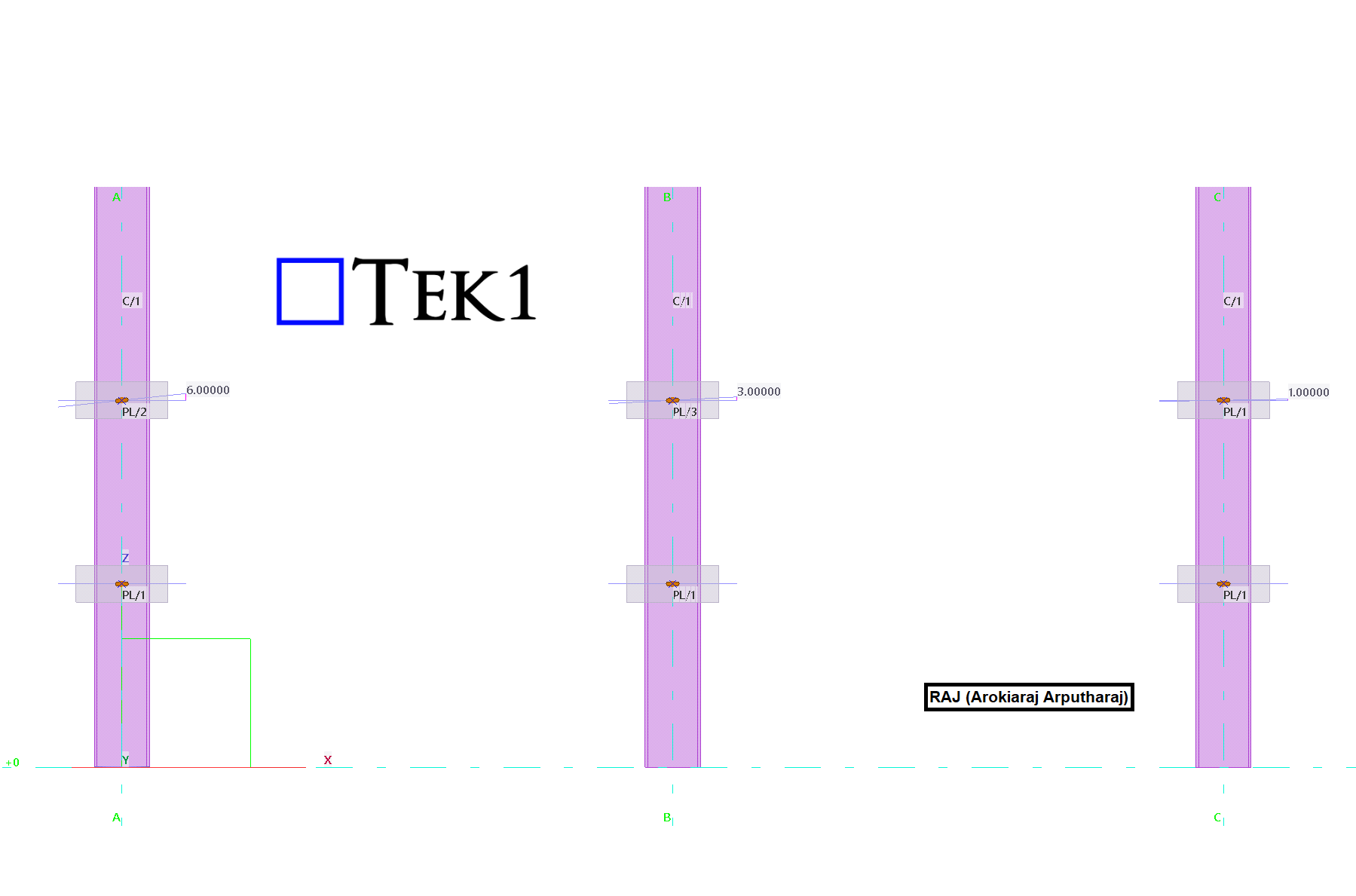
    The other plate has the same slot rotated by only 1°.

    Although the slot orientations differ, Tekla evaluates both plates using its 1 mm geometry tolerance.

    The 1° rotation creates a geometric difference within this tolerance.

    Therefore, Tekla considers both plates identical.

    As a result, Tekla automatically assigns the same part mark.

    The Tekla Part Mark Issue with 1° Rotated Slotted Holes occurs because Tekla compares geometry using its default tolerance.

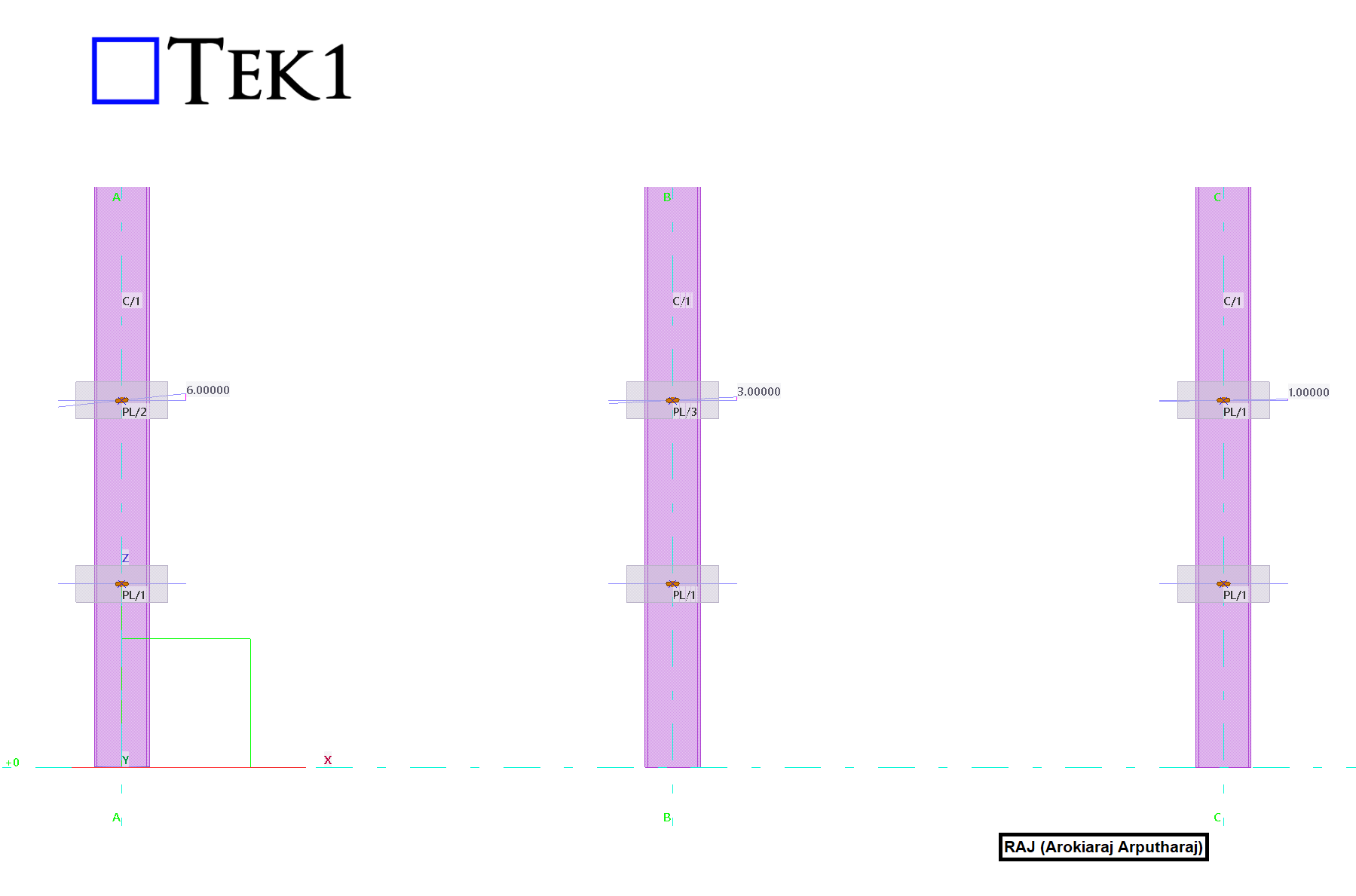
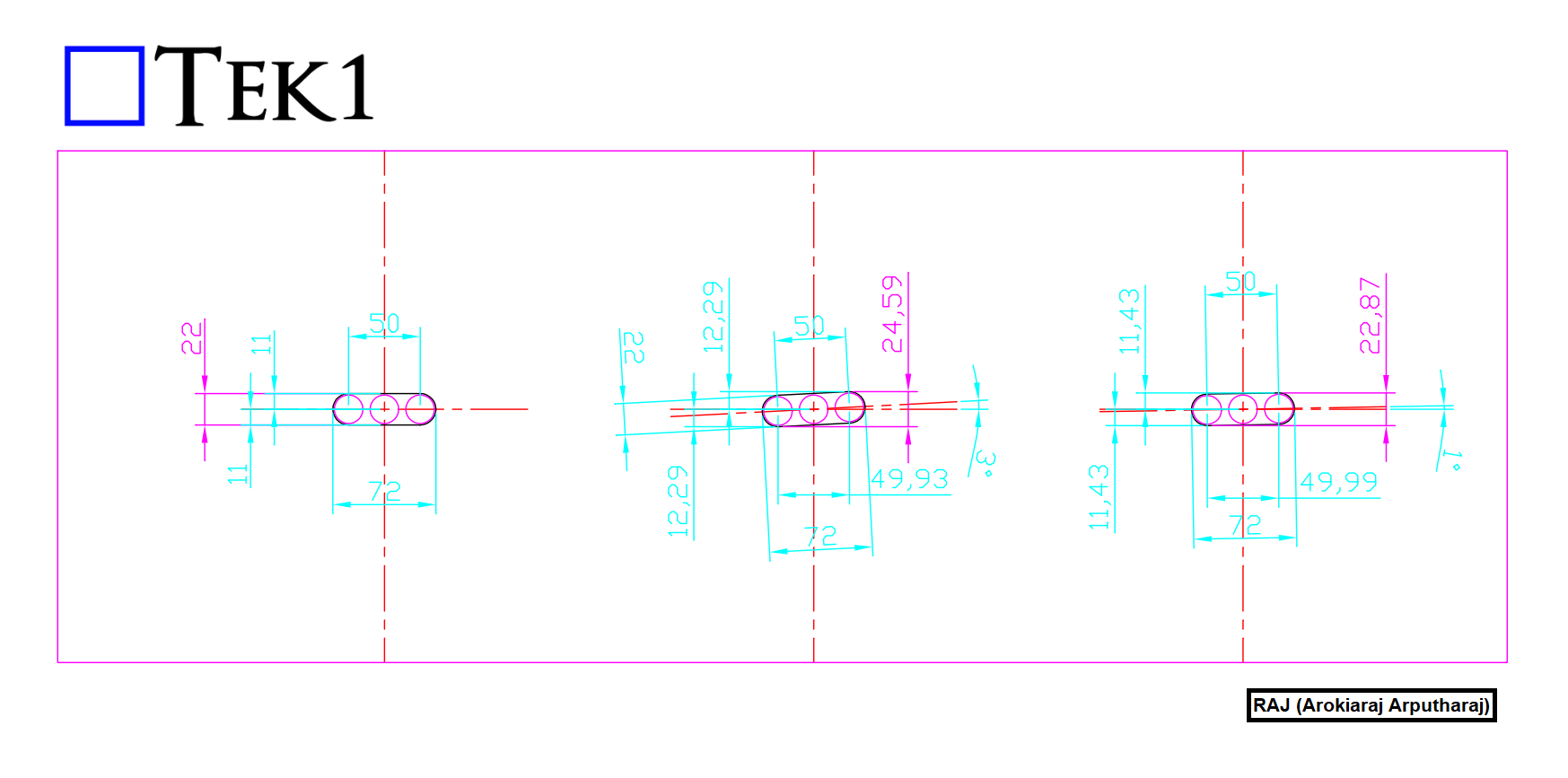
    Please see the attached snapshot. Tekla is assigning different part marks to plates even though the only difference is that the slots are rotated by 1°. This results in additional time and cost for both the detailing and fabrication processes.

    This behavior can create confusion during detailing and fabrication.

    Detailers may expect different part marks because the slot directions are different.

    Fabricators may struggle to identify the correct plate for each connection.

    The issue can also affect CNC data generation.

    Quality inspections may become more difficult.

    Site assembly can also be affected when slot orientation is important.

    Solution to Resolve the Part Mark issue Between Plates with Horizontal Slots and 1° Rotated Slotted Holes

    Understanding the Tekla Part Mark Issue with 1° Rotated Slotted Holes helps detailers avoid unnecessary part variations.

    A simple solution is to standardize the slot geometry.

    Avoid creating separate plates with slightly rotated slots.

    Instead, use a larger diameter horizontal slot for all similar plates.

    The larger diameter slot accommodates the required installation tolerance for the 1° Rotated Slotted Holes.

    Every similar plate then shares the same geometry.

    All plates also receive the same part mark by design.

    This approach removes unnecessary part variations.

    It also maintains the required functionality and installation fit.

    By following this method, you can permanently resolve the Tekla Part Mark Issue with 1° Rotated Slotted Holes.

    Please see the attached snapshot. When comparing the overall height of the standard horizontal slot with the slot rotated by 1°, there is only a 1 mm difference. Therefore, we can increase the standard horizontal slot diameter by 1 mm so that the same slot size can be used for both situations. This will allow us to assign a single part mark to all identical plates, simplifying both the detailing and fabrication processes.

    Standardizing slotted holes provides several additional benefits.

    It reduces the number of unique parts in the model.

    It simplifies detailing and drawing production.

    Fabrication becomes easier and more consistent.

    CNC programming also becomes simpler.

    The risk of manufacturing errors is reduced.

    Assembly errors are less likely to occur.

    Inventory management also becomes easier.

    Fewer unique plate types need to be tracked.

    This method is considered a best practice whenever extra slot tolerance is acceptable.

    Always verify that the larger diameter slot meets project requirements.

    Confirm compliance with engineering specifications before implementation.

    Also ensure the connection design remains unchanged.

    Using standardized slots creates cleaner Tekla models.

    It improves fabrication efficiency

    and reduces unnecessary detailing work.

    also eliminates part mark conflicts caused by minor slot rotations.

    By following this method, you can permanently resolve the Tekla Part Mark Issue with 1° Rotated Slotted Holes.

    Key Benefits

    • Eliminates duplicate part mark issues.
    • Standardizes plate geometry and fabrication.
    • Reduces the number of unique plate types.
    • Simplifies detailing and CNC programming.
    • Improves manufacturing efficiency.
    • Prevents confusion during production and assembly.
    • Helps maintain a cleaner and more consistent Tekla model.

    We hope this guide helps you solve the Tekla Part Mark Issue with 1° Rotated Slotted Holes in your future Tekla projects.

    Read more Tekla tips and technical guides on our Blog

  • Prefab concrete industrial unit -South grafton

    Prefab concrete industrial unit -South grafton

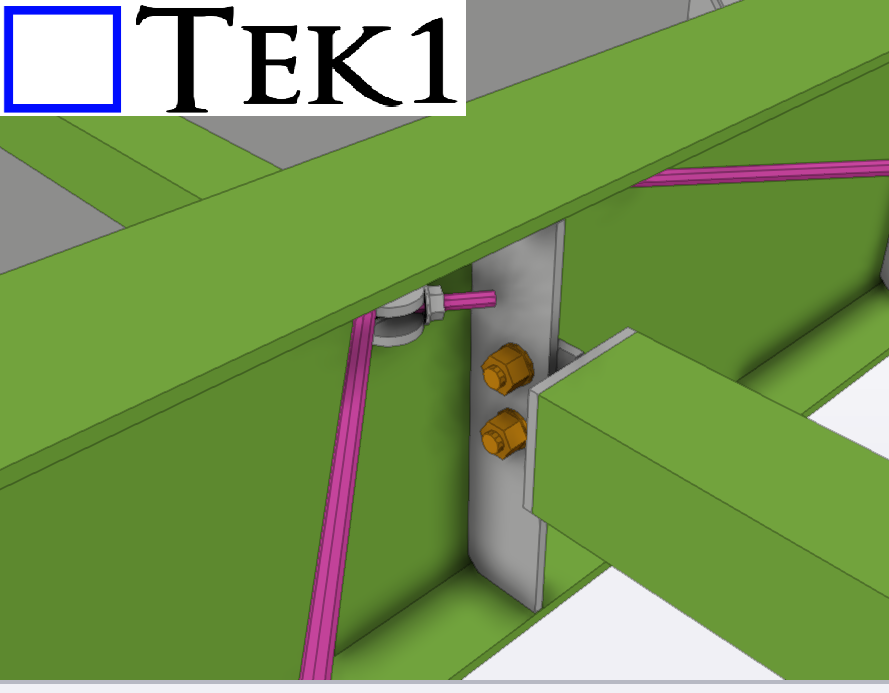
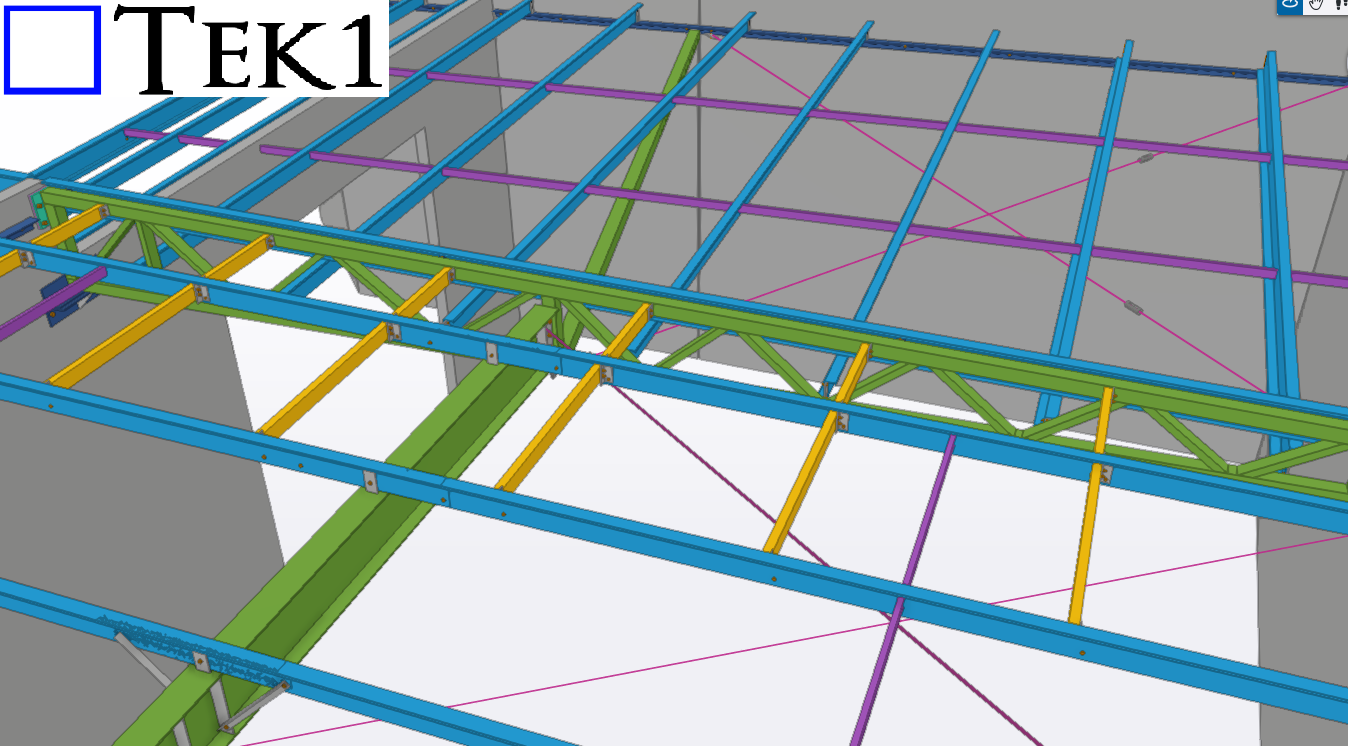
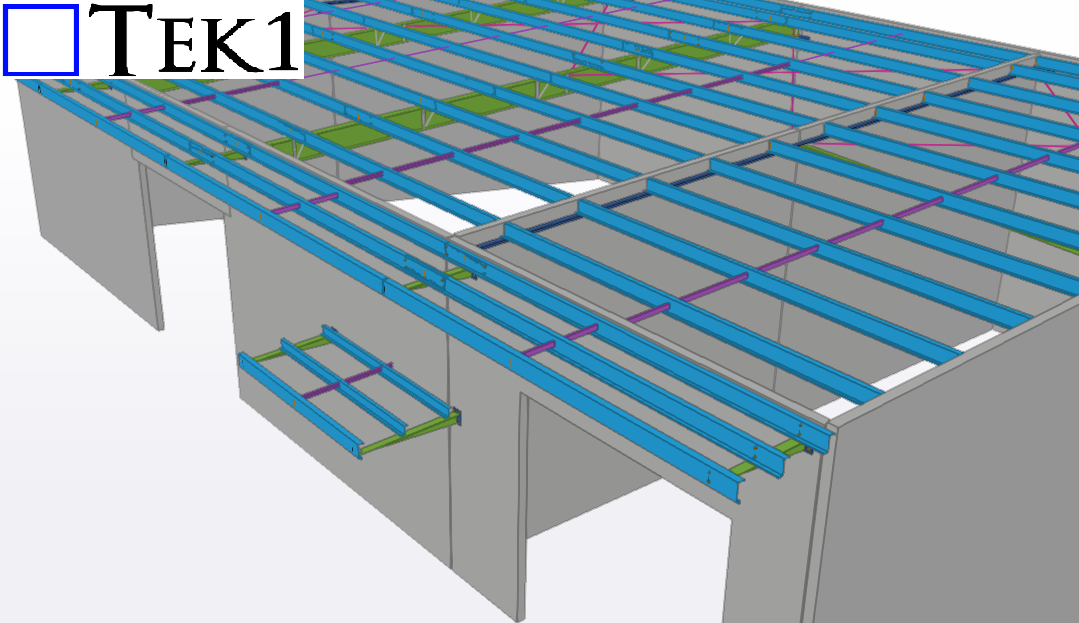
    TEK1 completed a residential project for a prominent organization in Australia. Our primary scope was to provide the detailing drawings for the industrial units.

    The project required close coordination with the precast detailer, as all the roof steel was supported by precast walls rather than conventional steel columns. This made accurate coordination critical to ensure all connections aligned correctly.

    To achieve this, we conducted numerous coordination meetings with the client and the precast team, helping the project progress smoothly and minimizing the risk of site issues and rework.

    .

  • Randwick new market – S3

    Randwick new market – S3

    TEK1 completed a residential project for a prominent organization in Australia. Our primary scope was to provide the detailing drawings for the townhouse.

    As this was a residential building, the project required extensive coordination with multiple disciplines, including the timber contractor, cladding contractor, and site team. We conducted numerous coordination meetings with the client and other teams to ensure the support cleats were correctly positioned and that all interfaces worked together seamlessly.
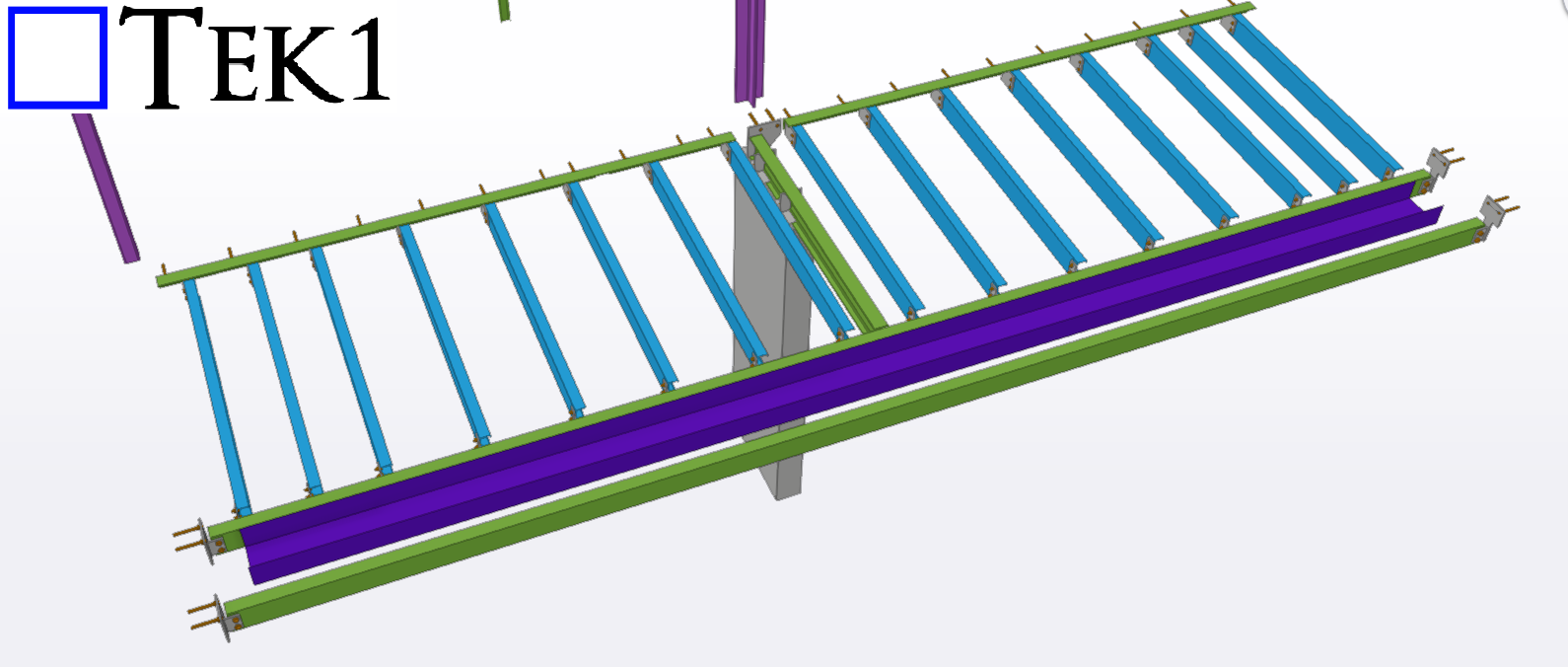
  • School Walkways & Awning

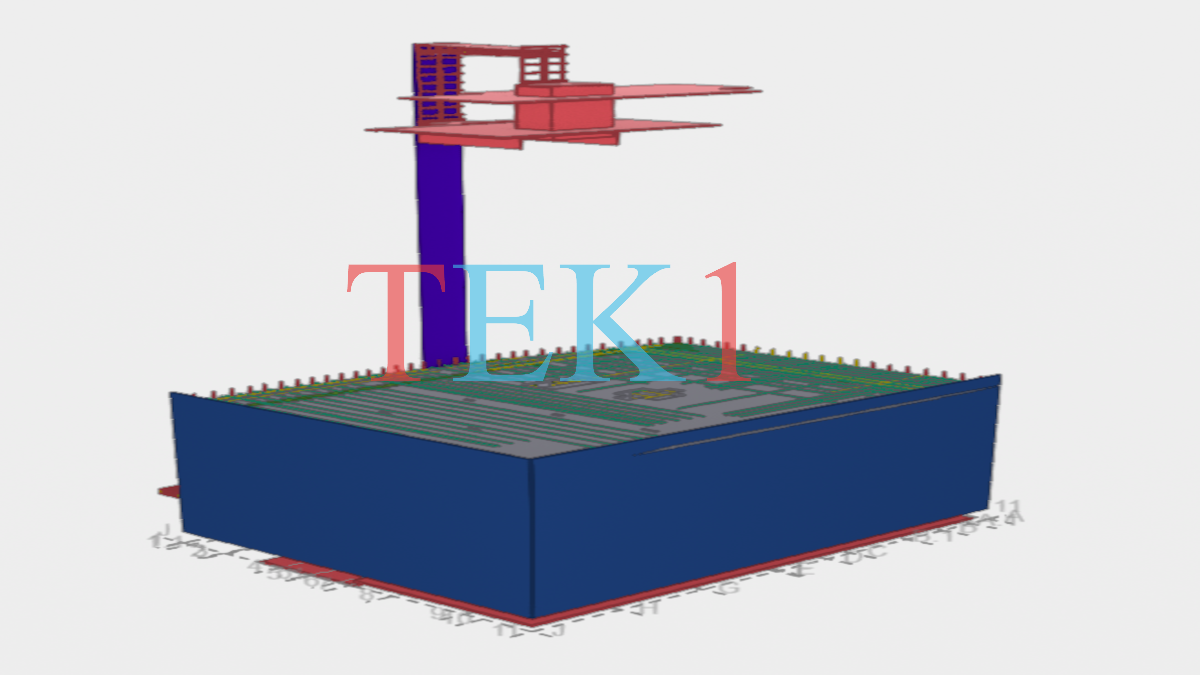
    School Walkways & Awning

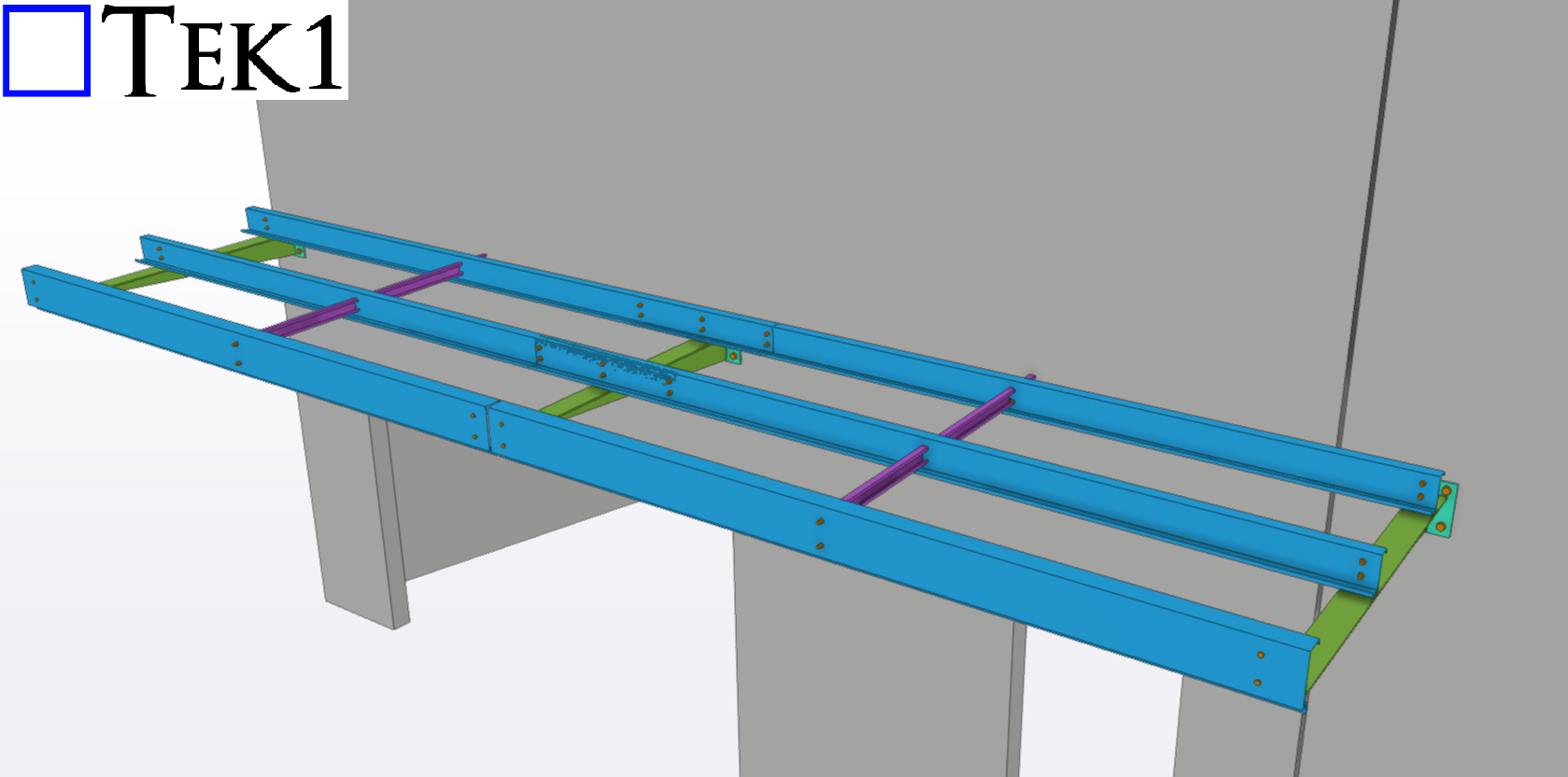
    Walkways and Awnings for Schoos

    Walkways and Awning Shop drawings with Tekla

    (more…)

    Walkways and Awnings for Schoos

    Walkways and Awning Shop drawings with Tekla

    (more…)

    Walkways and Awnings for Schoos

    Walkways and Awning Shop drawings with Tekla

    (more…)
  • Kimberly Estate Bridge

    Kimberly Estate Bridge

    Anti throw Screens Shop Drawings

    Expert Steel Detailers Handling anti throw Screen Shop drawings.

    Our detailers guided by Experienced Team Leads will handle your projects in a flawless way

    (more…)

    Anti throw Screens Shop Drawings

    Expert Steel Detailers Handling anti throw Screen Shop drawings.

    Our detailers guided by Experienced Team Leads will handle your projects in a flawless way

    (more…)

    Anti throw Screens Shop Drawings

    Expert Steel Detailers Handling anti throw Screen Shop drawings.

    Our detailers guided by Experienced Team Leads will handle your projects in a flawless way

    (more…)