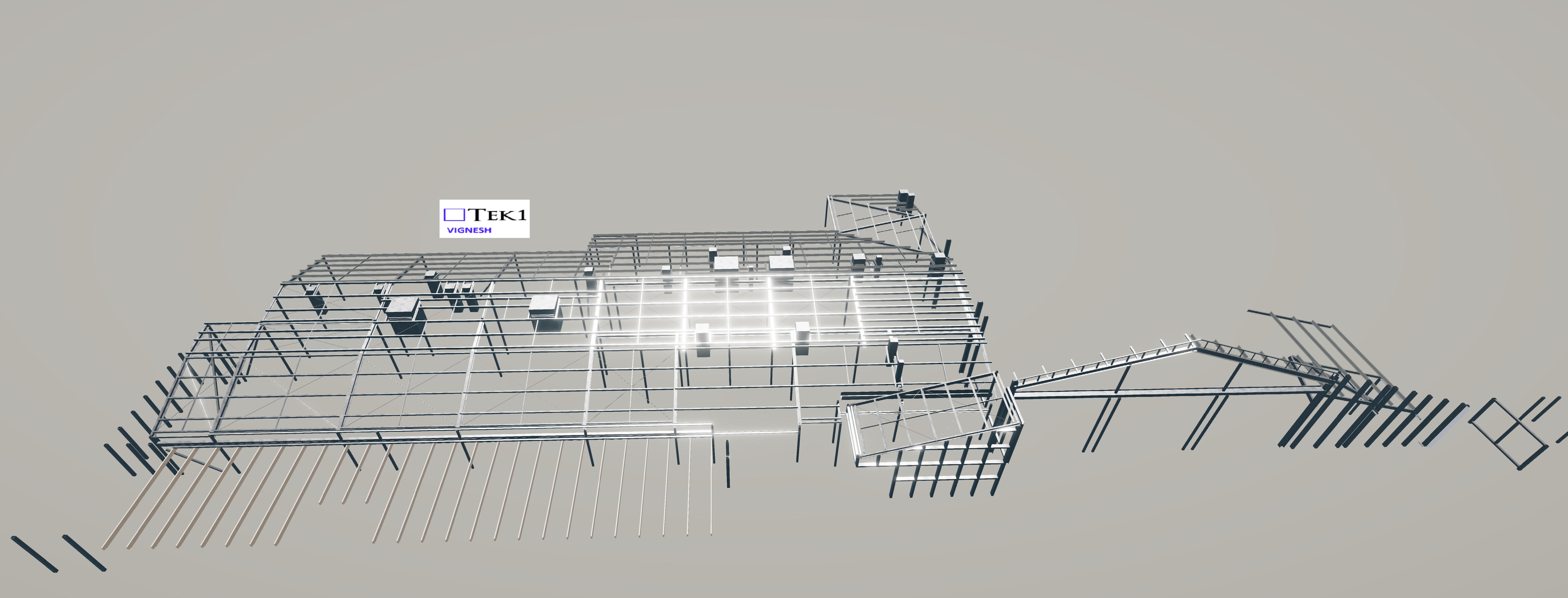
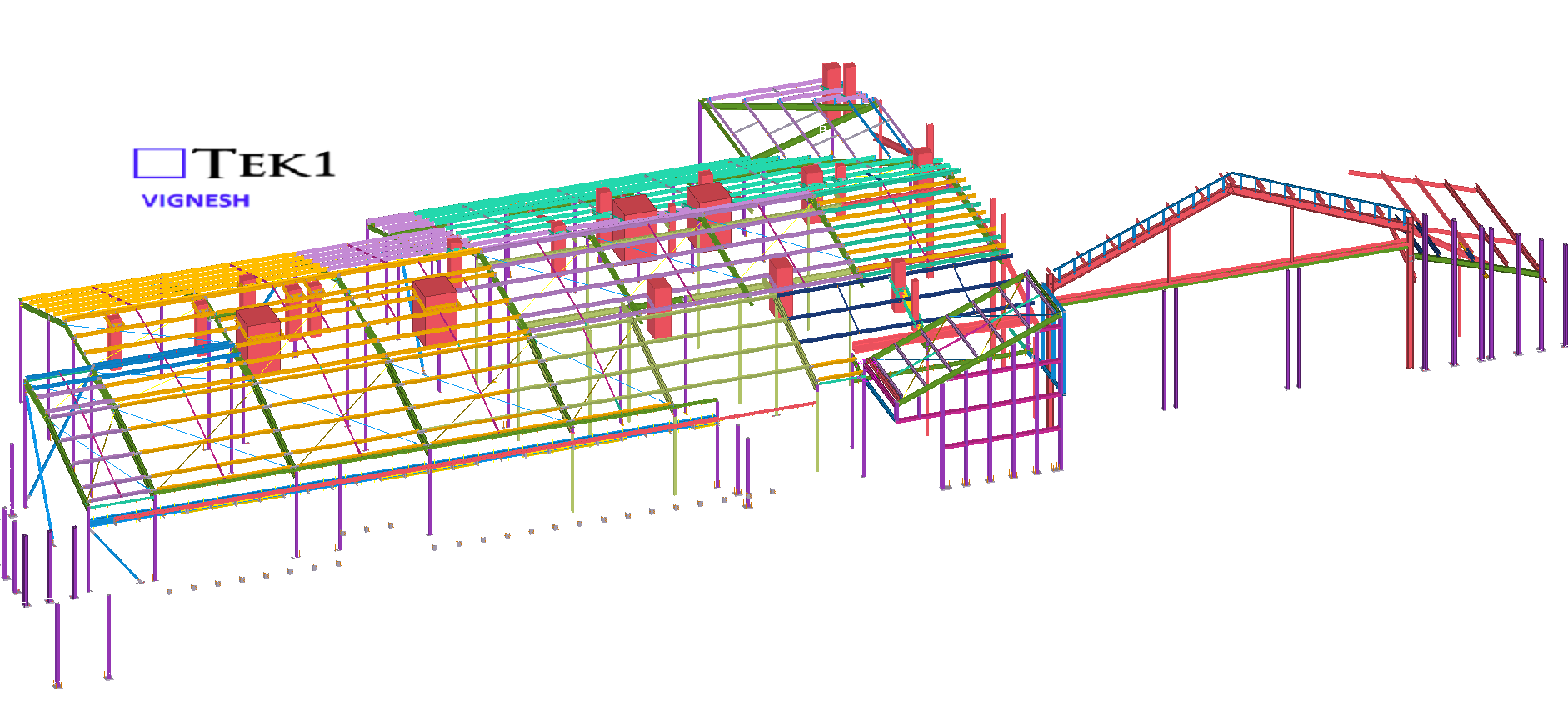
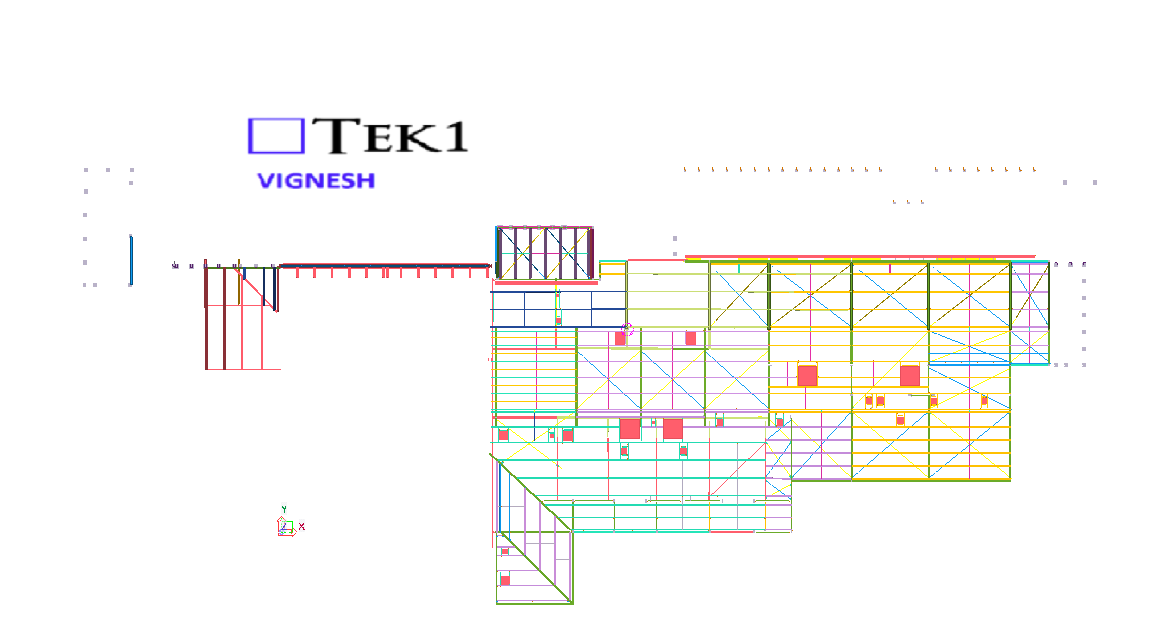
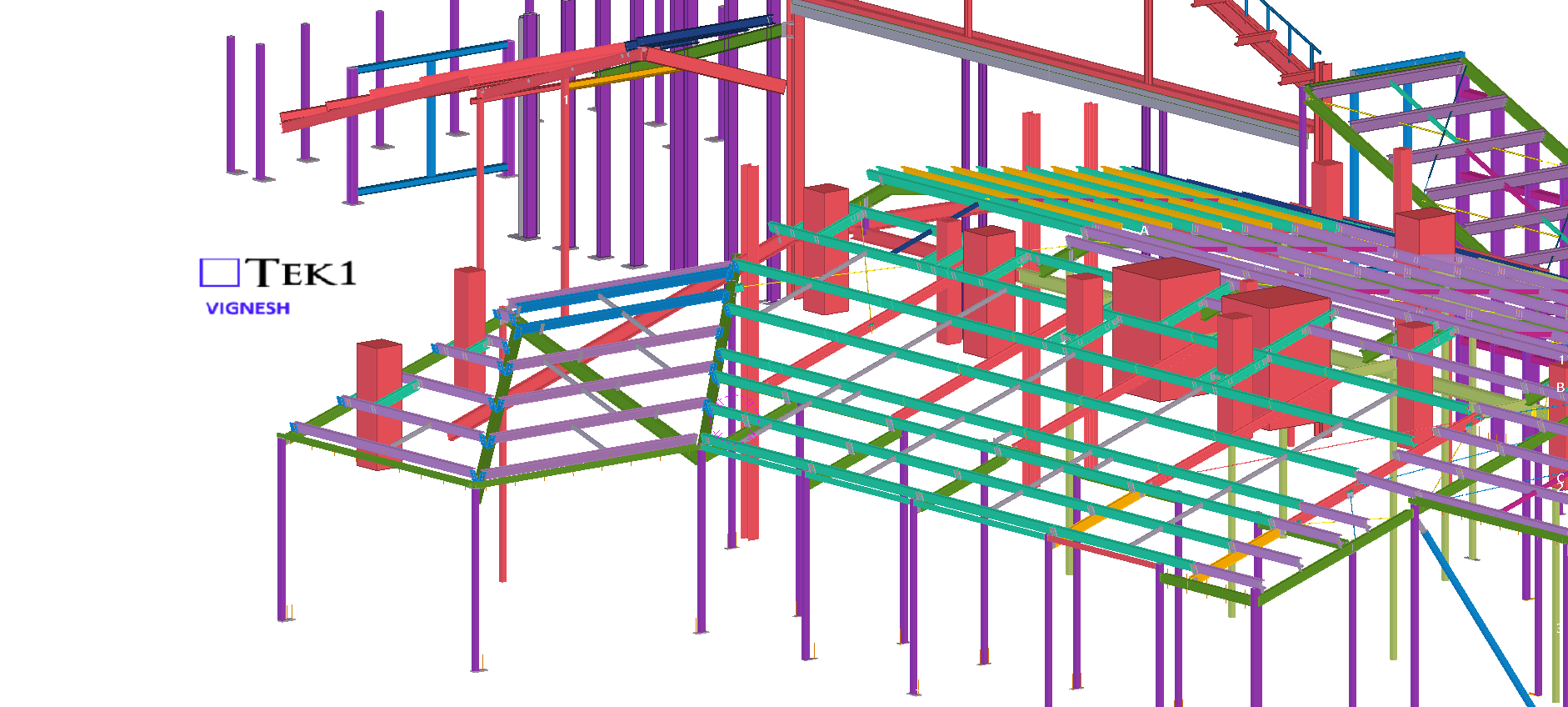
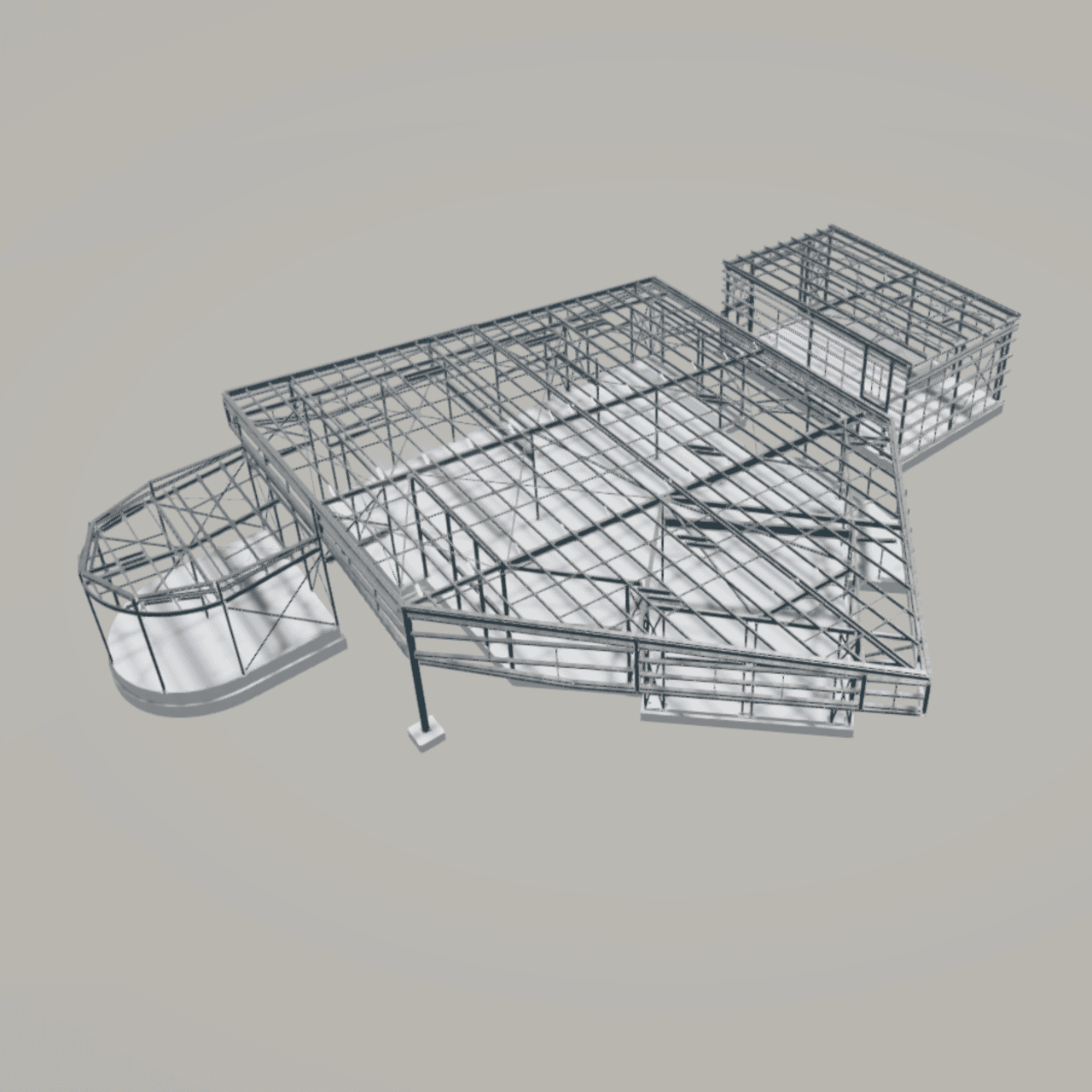
In Australian steel detailing, understanding roof and purlin specifications is essential for delivering precise and efficient designs. In this blog, I’ll share an experience highlighting the significance of addressing roof slope issues during detailing.
The Issue
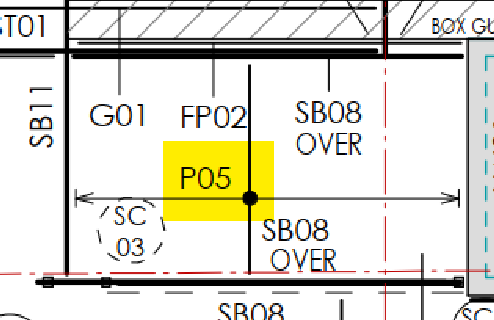
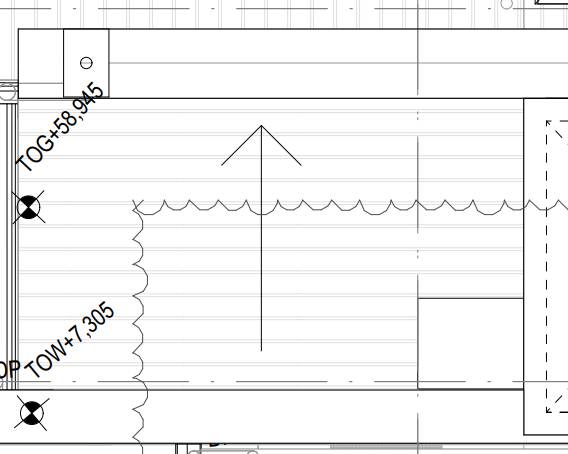
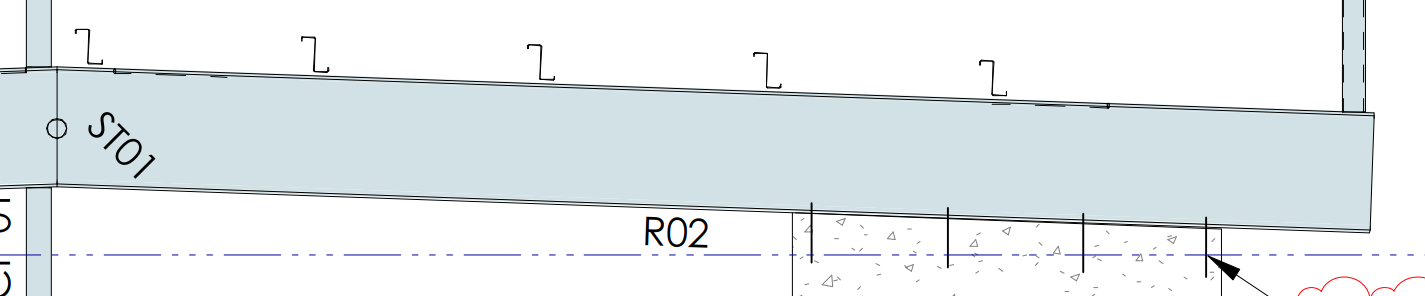
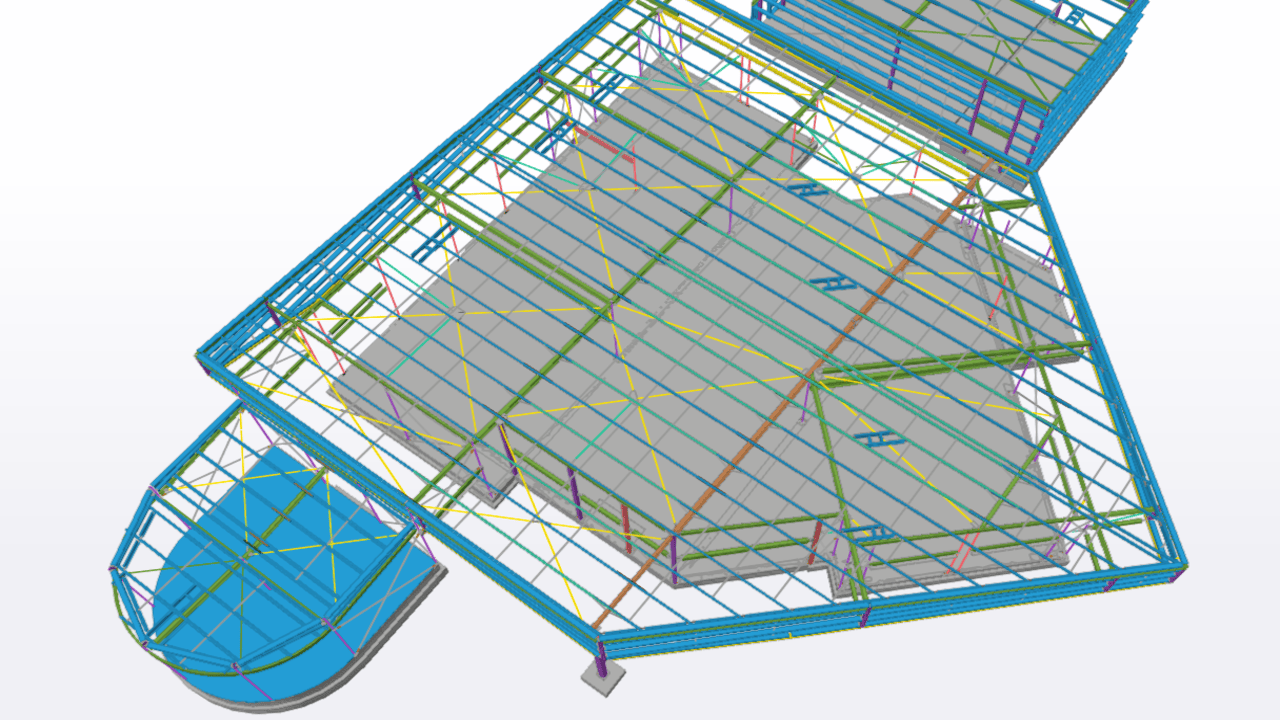
In a structural drawing, the purlins were shown running north-south, which suggested that the roof slope would be east-west (since purlins are always perpendicular to the roof slope). However, when we reviewed the architectural drawings, the roof slope was indicated as running north-south—a direct contradiction.
The Resolution
We raised the issue with the client, who confirmed that the architectural drawings superseded the structural ones. Following this clarification, updated drawings were issued, with the roof slope correctly aligned in the east-west direction.
Key Takeaways
Cross-Check Drawings: Always verify alignment between structural and architectural drawings, especially for critical elements like roof slopes.
Communicate Early: Raising discrepancies early saves time and prevents costly rework.
Stay Updated: Ensure you work with the most recent drawings to avoid confusion.
Roof and purlin alignment might seem straightforward, but even small errors can have significant implications. Attention to detail and proactive communication are key to successful detailing.
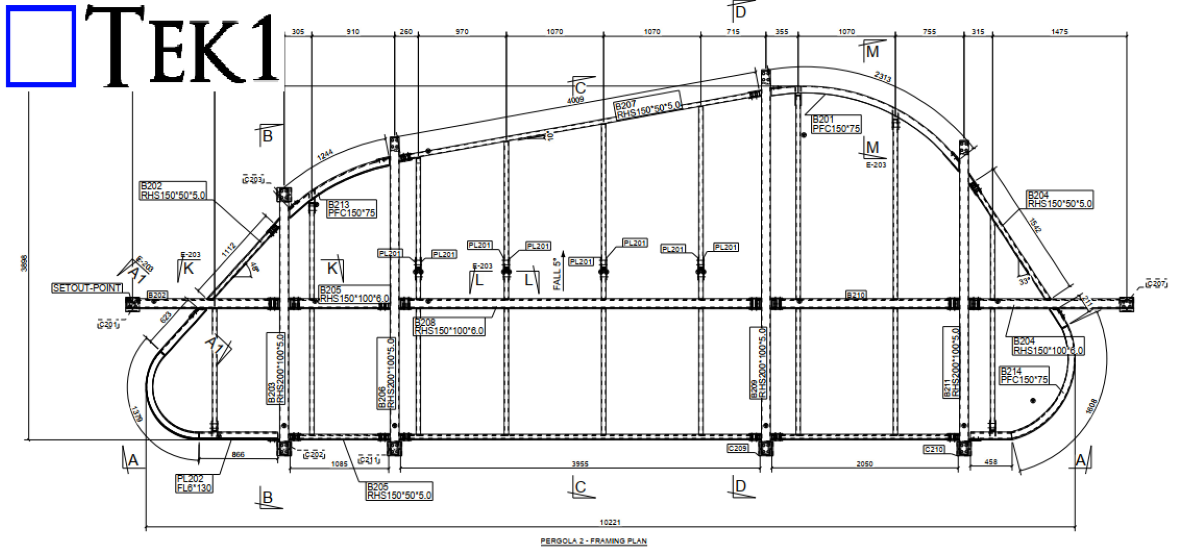
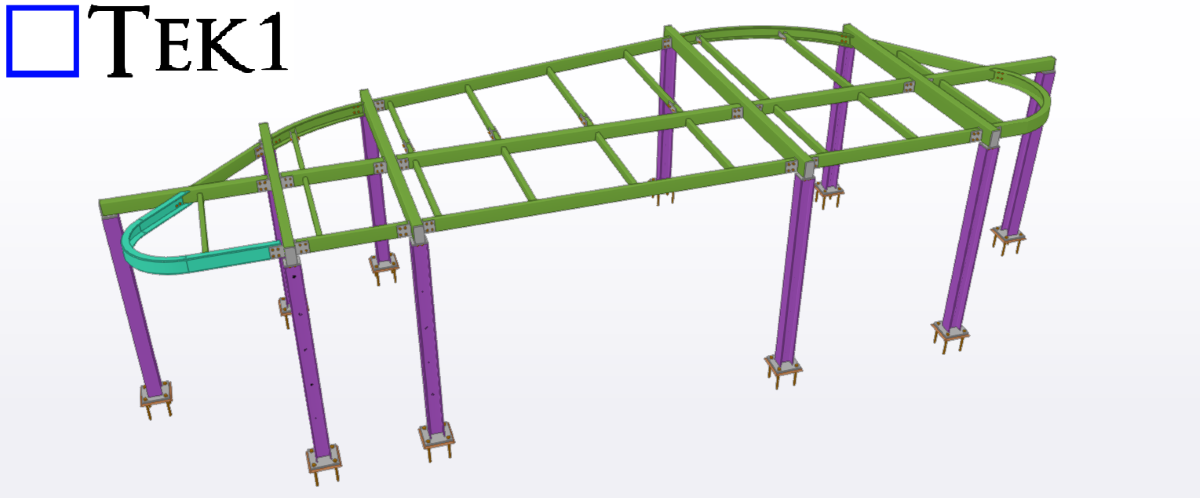
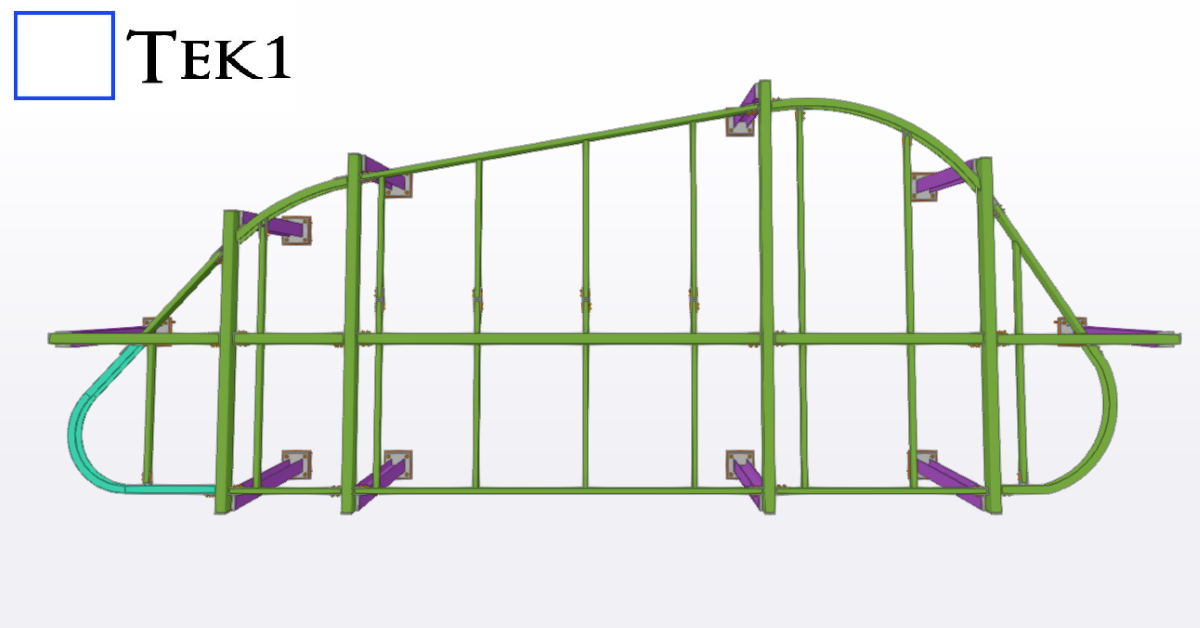
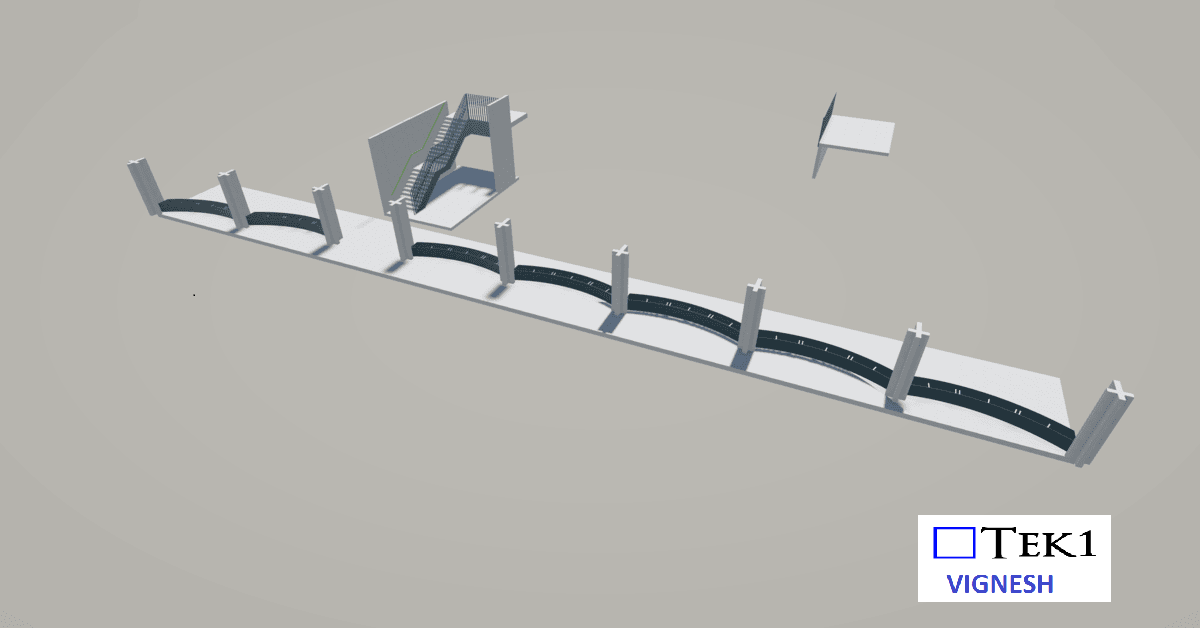
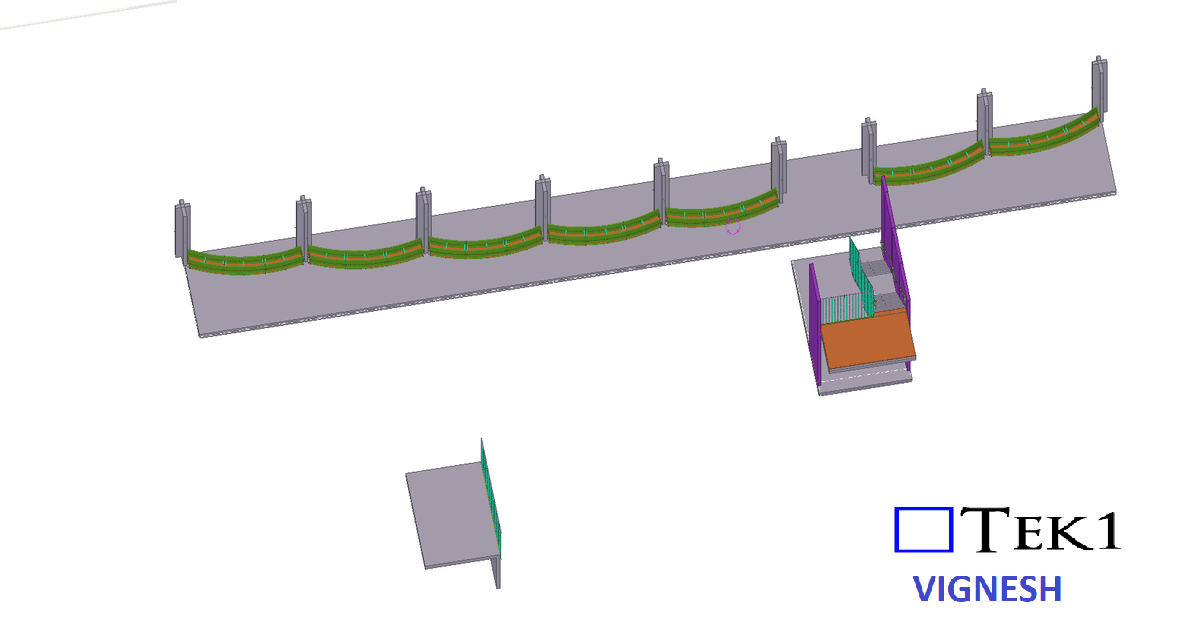
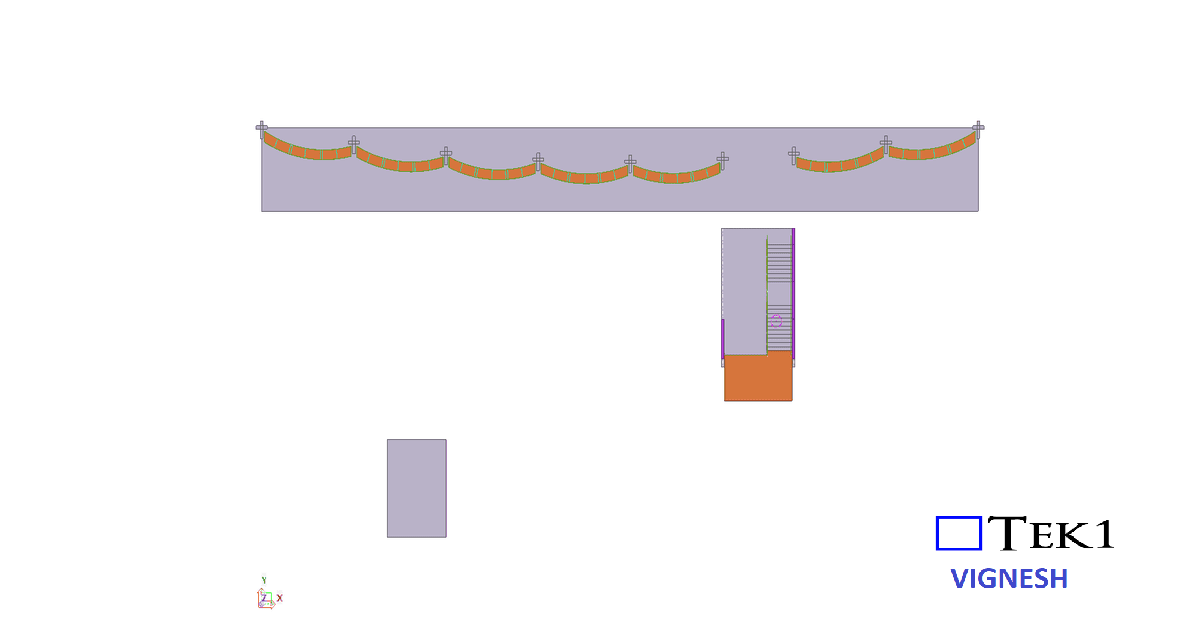
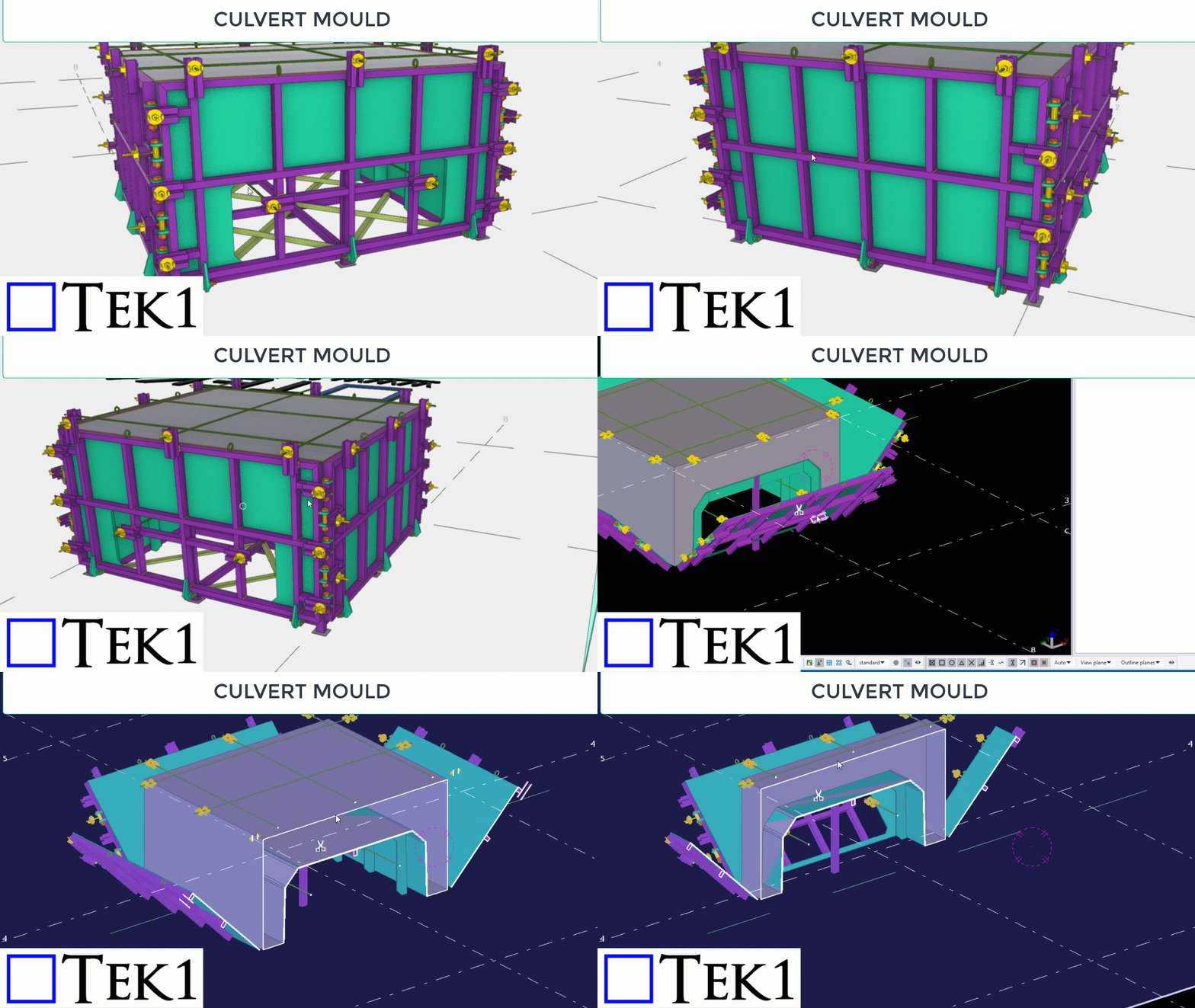
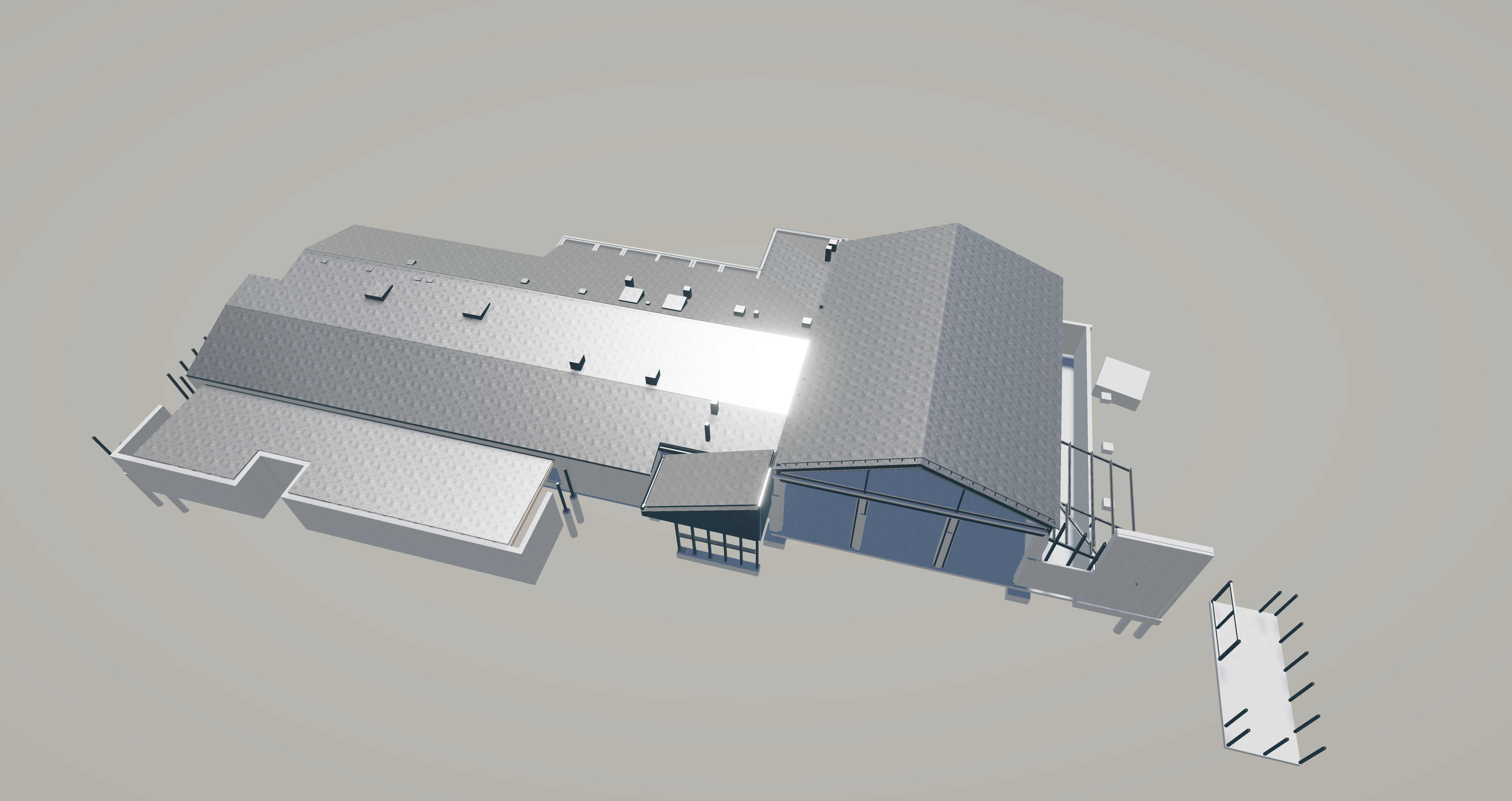
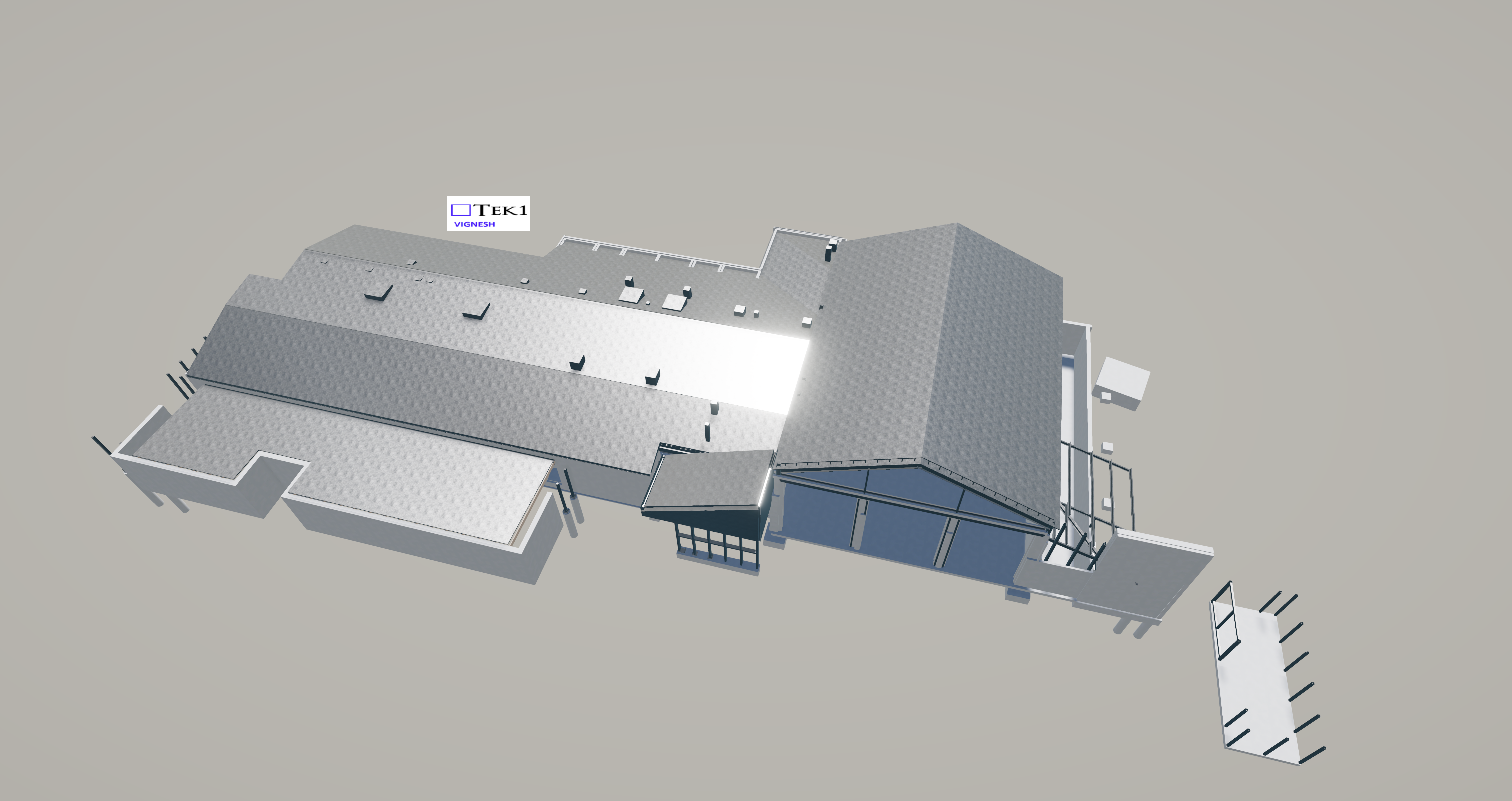
We are proud to be a part of the team in Marymede Planter box project.
Our detailing team worked closely with architects to ensure tolerances and offsets were met without compromising design intent With a limited fabrication and erection window, our detailing team adopted a fast-track workflow using Tekla Structures for 3D modeling.
This allowed us to provide early shop drawings for procurement and parallel review of sections still under coordination.
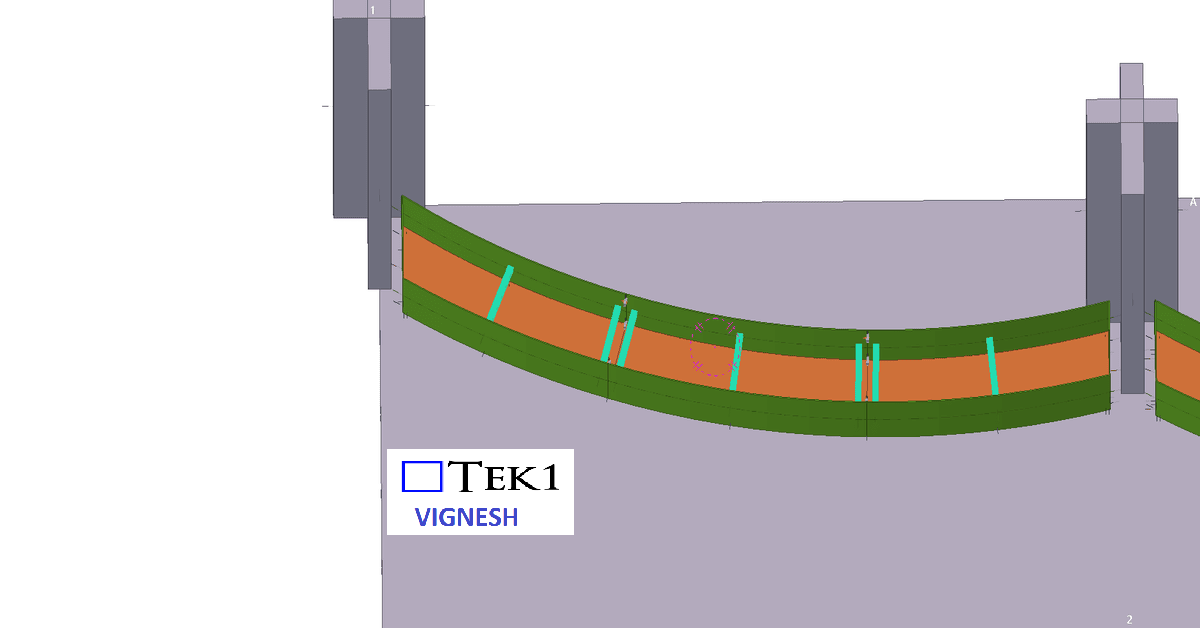
In this blog, I’d like to share an issue we faced while detailing Platform Screen Door (PSD) support beams in a metro station project.
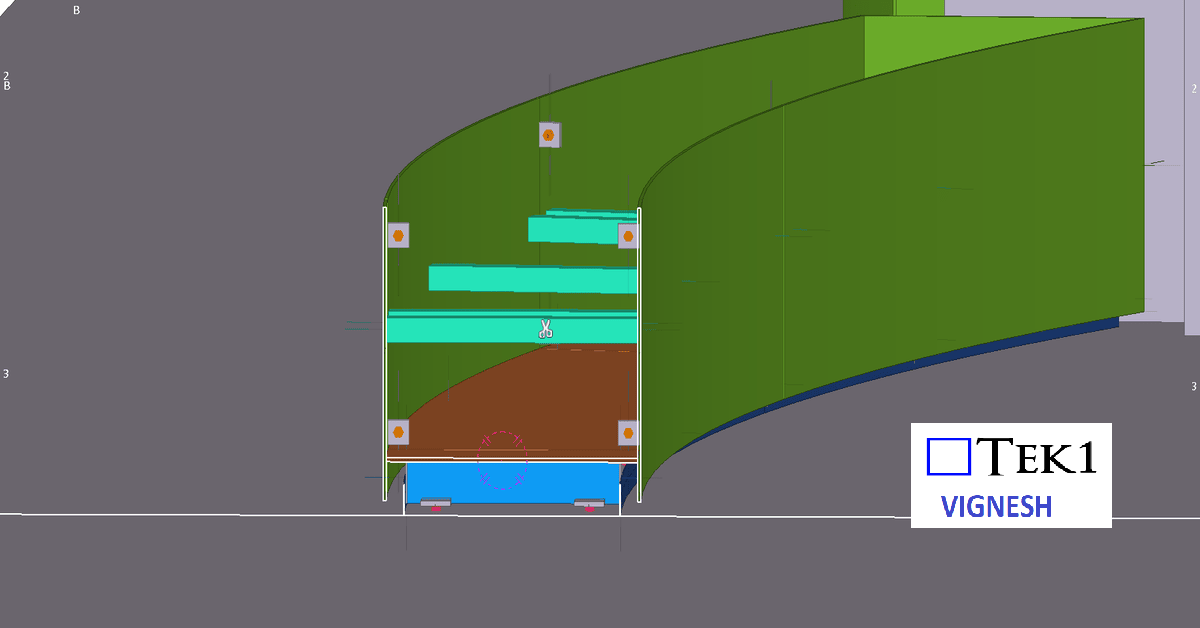
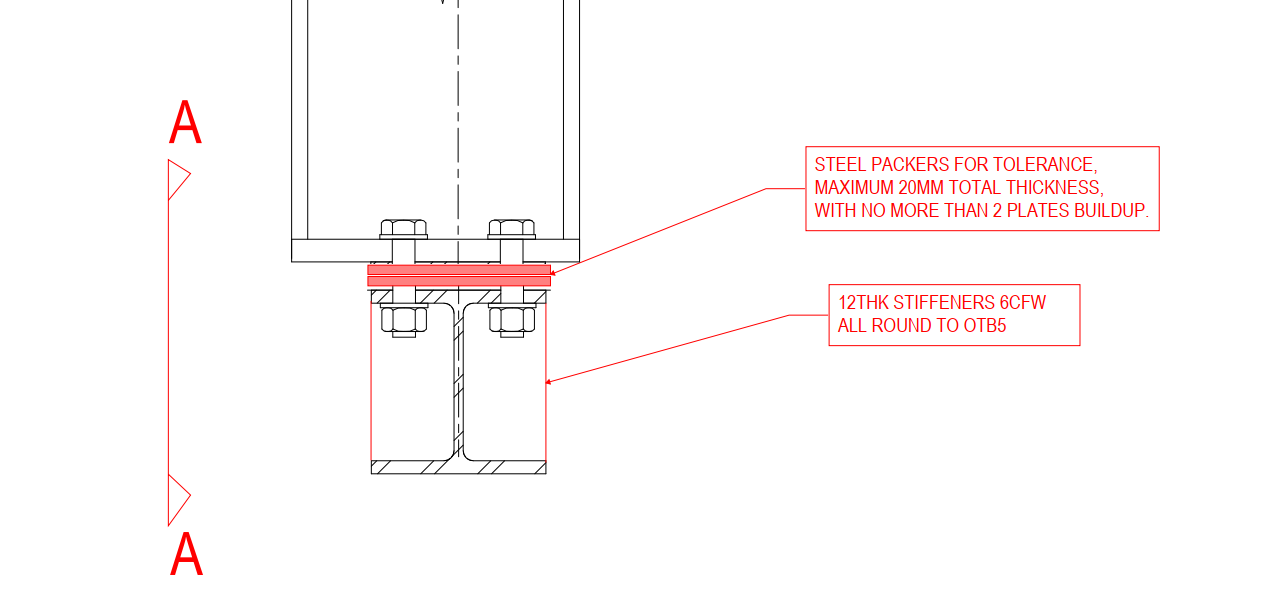
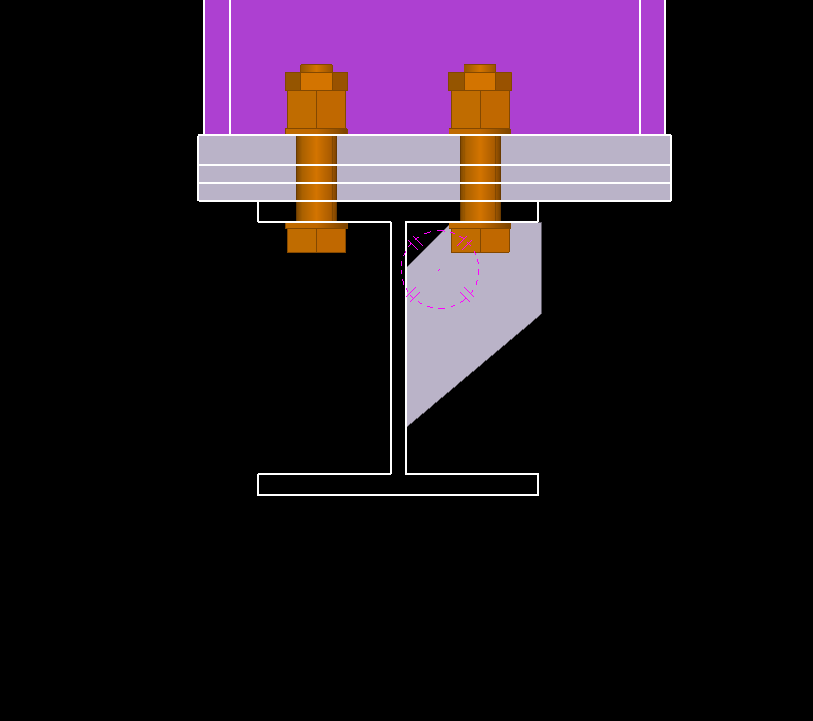
Our scope was to provide structural beams to support the platform screen doors. The design also required stiffeners in these beams for structural strength.
The Issue We Identified
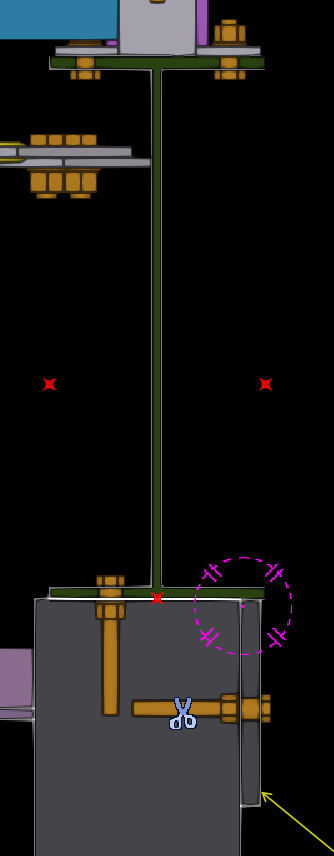
Before placing the stiffeners as per the design, we reviewed how the door frames would connect to the beams. During this check, we realized that the stiffeners could clash with the door frame supports.
As expected, when we reviewed the door frame support details, the clash became clear.
We raised this issue with the relevant team, and they advised us to modify the stiffener size so it would not interfere with the door frame supports.
As detailers, we shouldn’t just place elements exactly as shown in the design. We must also think about how other components will connect and function.
This is especially important when our steel supports secondary steel, equipment, or framing systems. A little extra attention during detailing can prevent major issues during installation.
Detailers must exercise caution when working with bolts and edge distances, as these are common areas for errors in structural detailing. In this blog, I’ll share my experience with a bolt edge distance issue and how it was resolved.
The Scenario
In a recent project, the design required a UB (Universal Beam) to sit on a 200mm-thick concrete wall, secured with M20 chemset bolts.
Upon review, it became clear this setup wasn’t feasible:
Anchor Distance: M20 bolts require a minimum anchor distance of 120mm.
Edge Distance: A minimum edge distance of 80mm is necessary.
Additionally, the beam wasn’t centered on the wall, further complicating the bolt placement.
The Proposed Solution
To address the issue, I proposed welding plates to the bottom of the beam. This adjustment allowed the beam to be bolted to the side of the wall rather than its top.
The Engineer’s Feedback
After reviewing the proposal, the engineer suggested a simpler solution: using a single row of bolts instead of two. This change eliminated the edge distance problem.Engineer mentioned that one row of bolt is enough for this beam.
In this project, the engineer did not accept our proposal, as they determined that the beam does not require that level of support. However, as detailers, it is our responsibility to highlight the issue and propose suitable solutions.
The Stage 3 Works at Muswellbrook TAFE, located on Maitland Street, NSW, represent a significant milestone in the campus’s ongoing development and modernization.
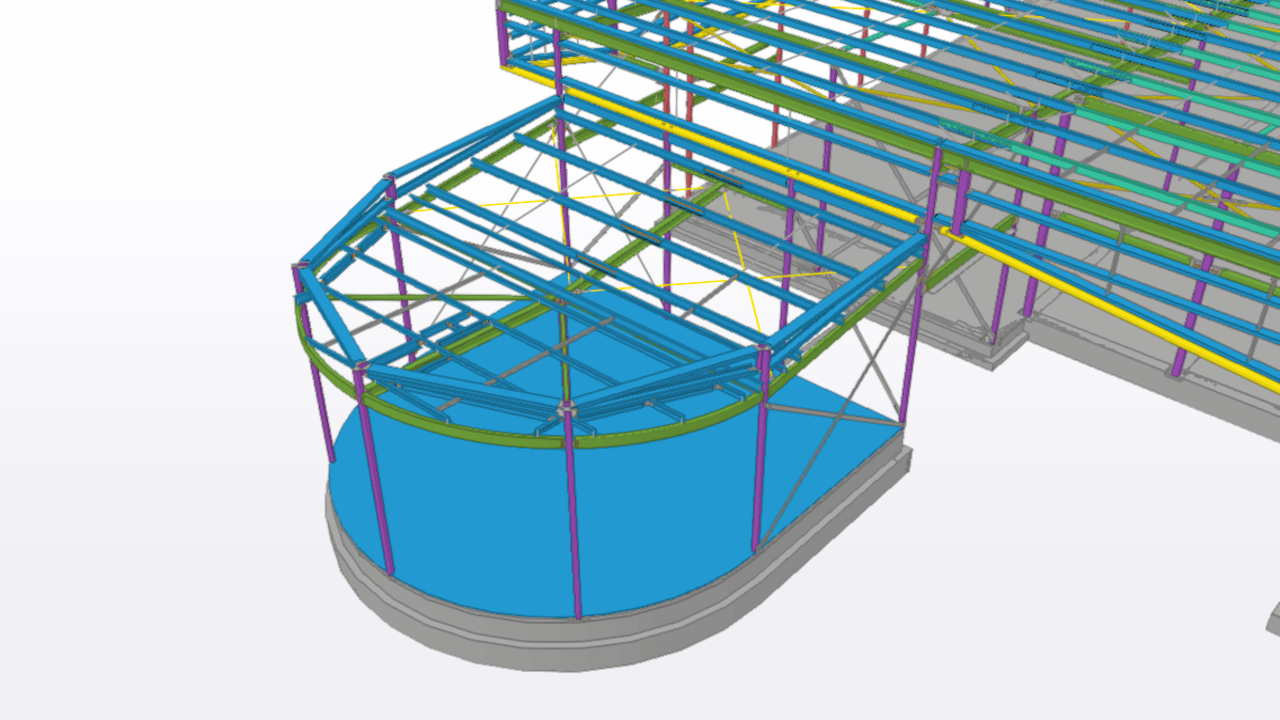
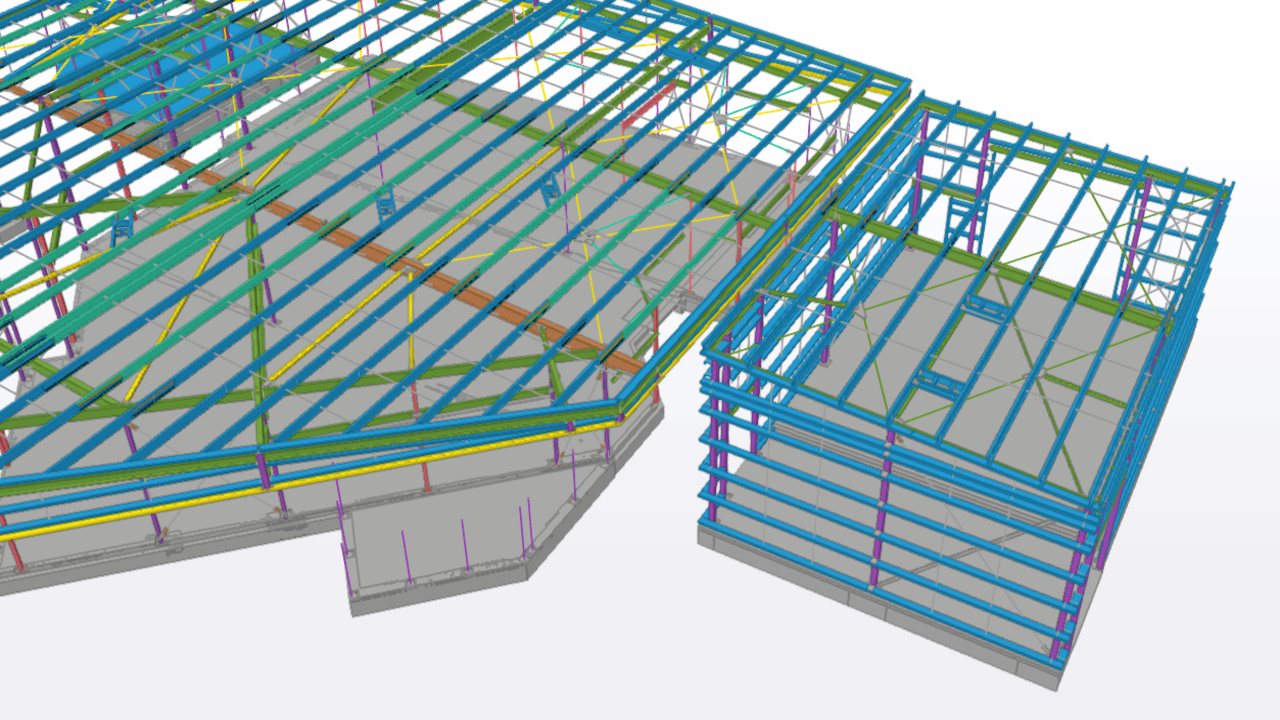
The new development comprises a storage warehouse, a curved amenities area, and multiple classrooms housed within a large integrated structure. The project involved a complex structural steel framework designed to support diverse functional spaces under one roof.
A key challenge during this stage was coordination with the mechanical services contractor, as several ducts and ventilation systems initially clashed with the structural steel members. Through collaborative design reviews, practical solutions were agreed upon—relocating steel members at certain locations and adjusting duct routes at others—to achieve optimal constructability without compromising structural integrity or service performance.