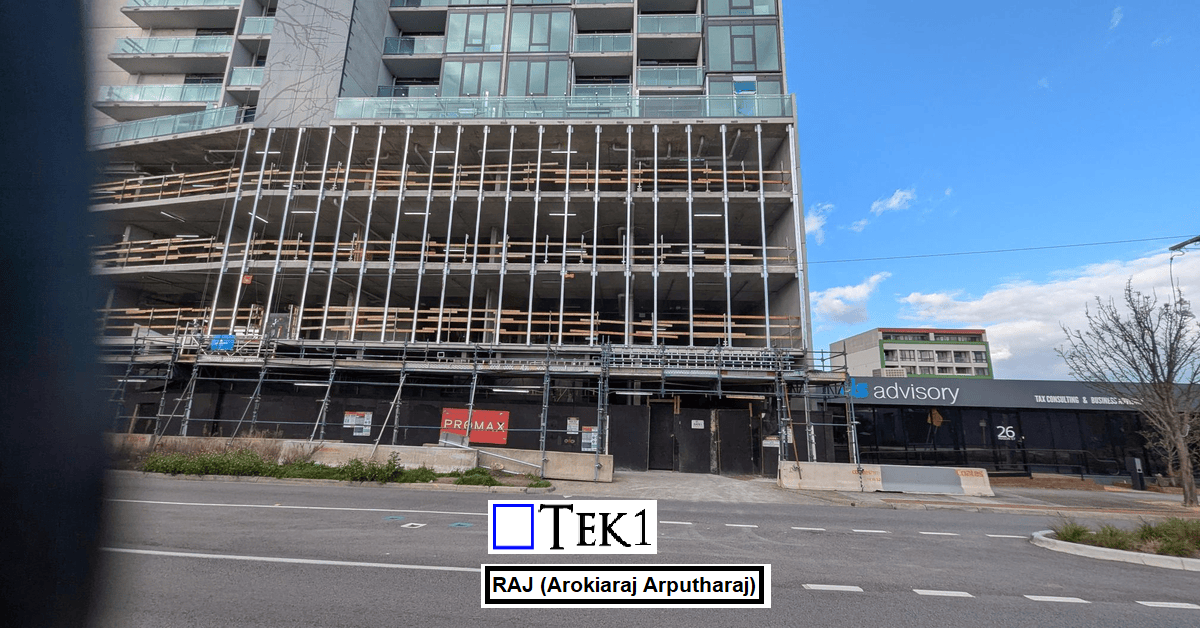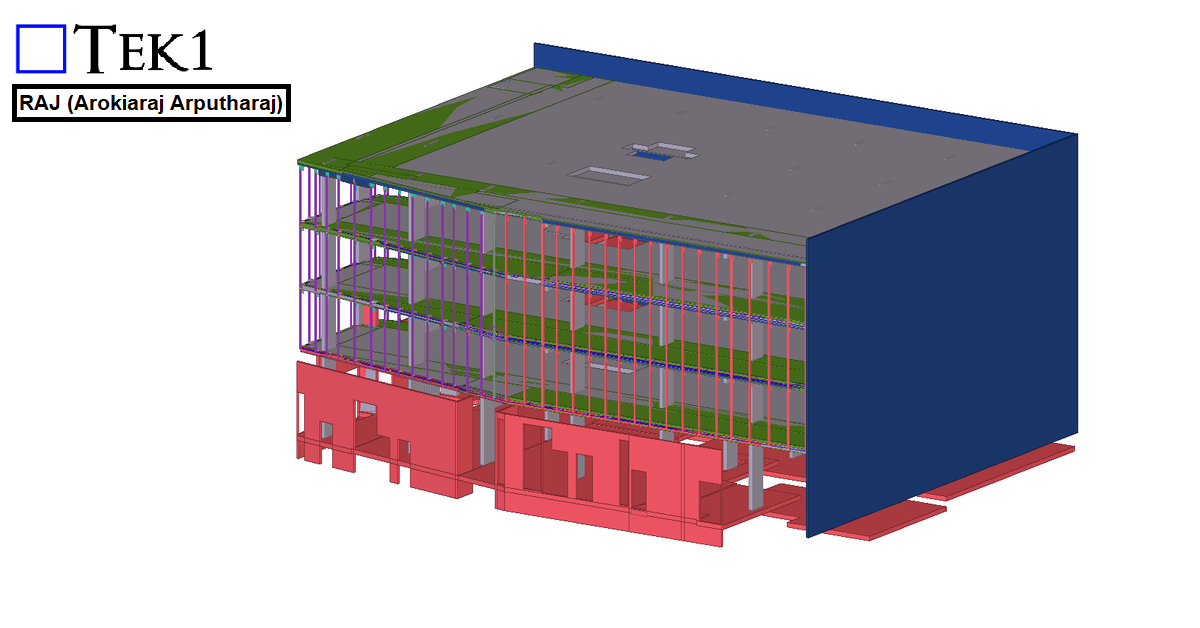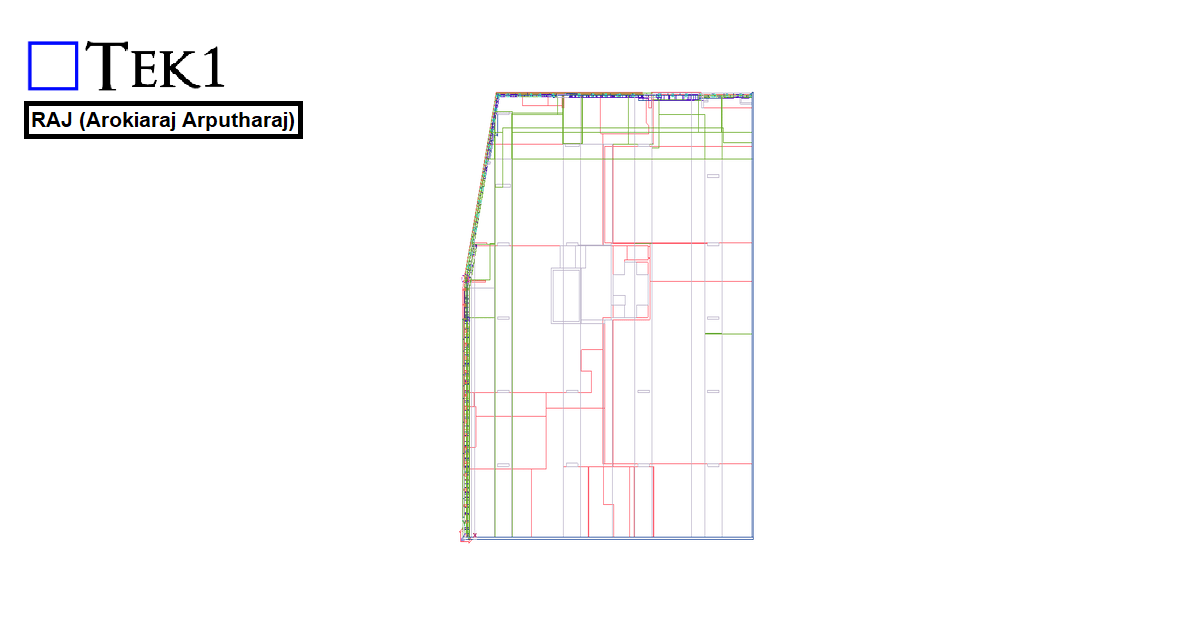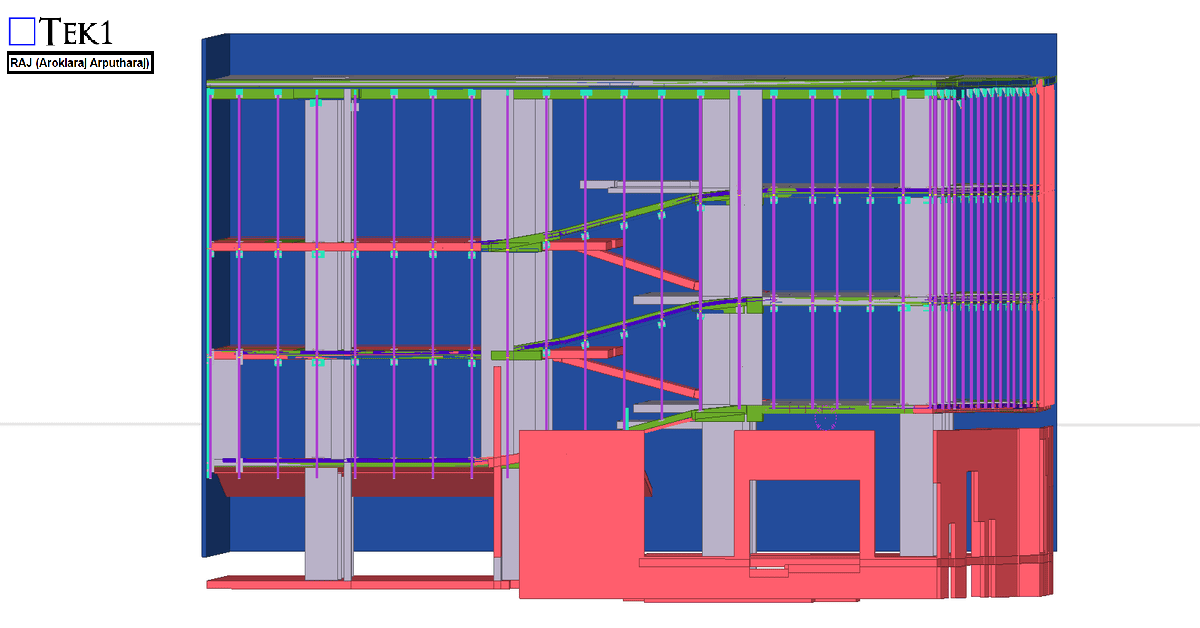
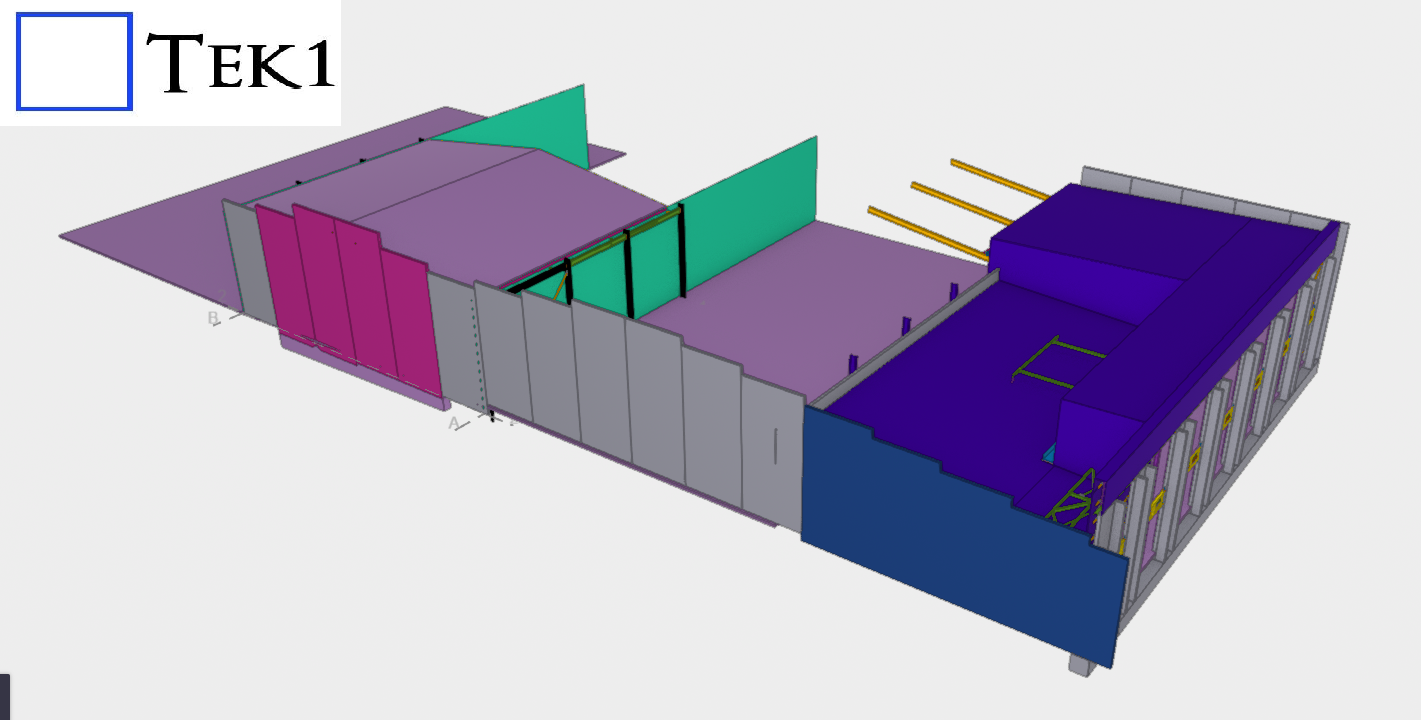
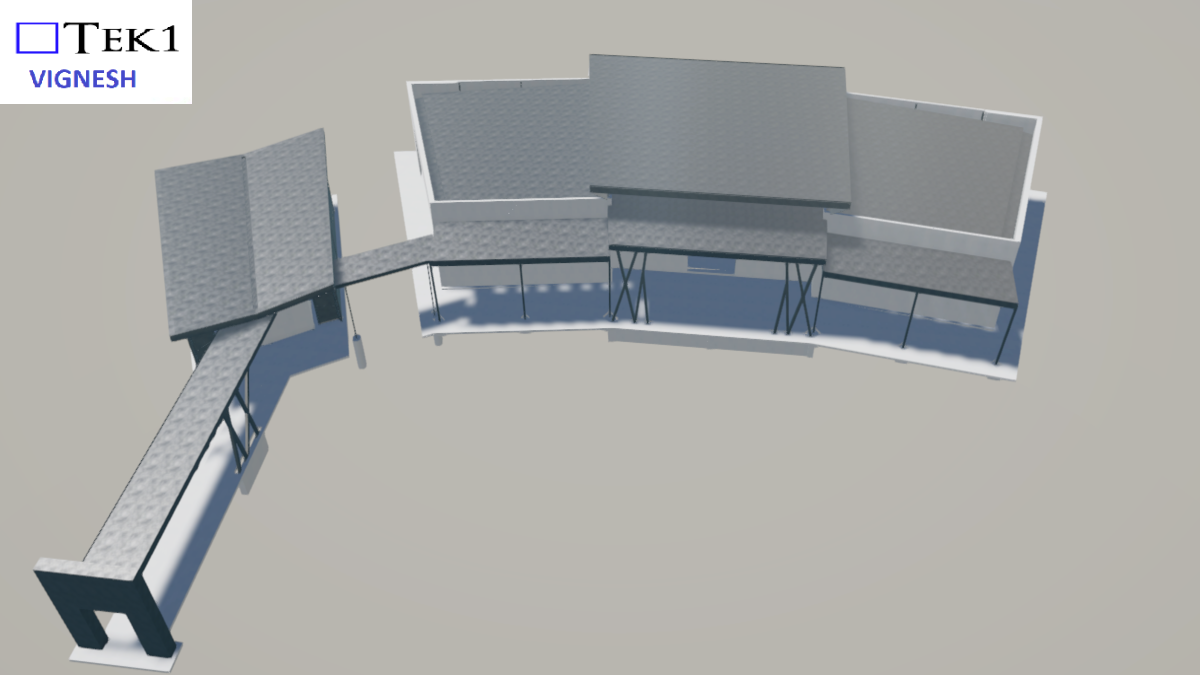
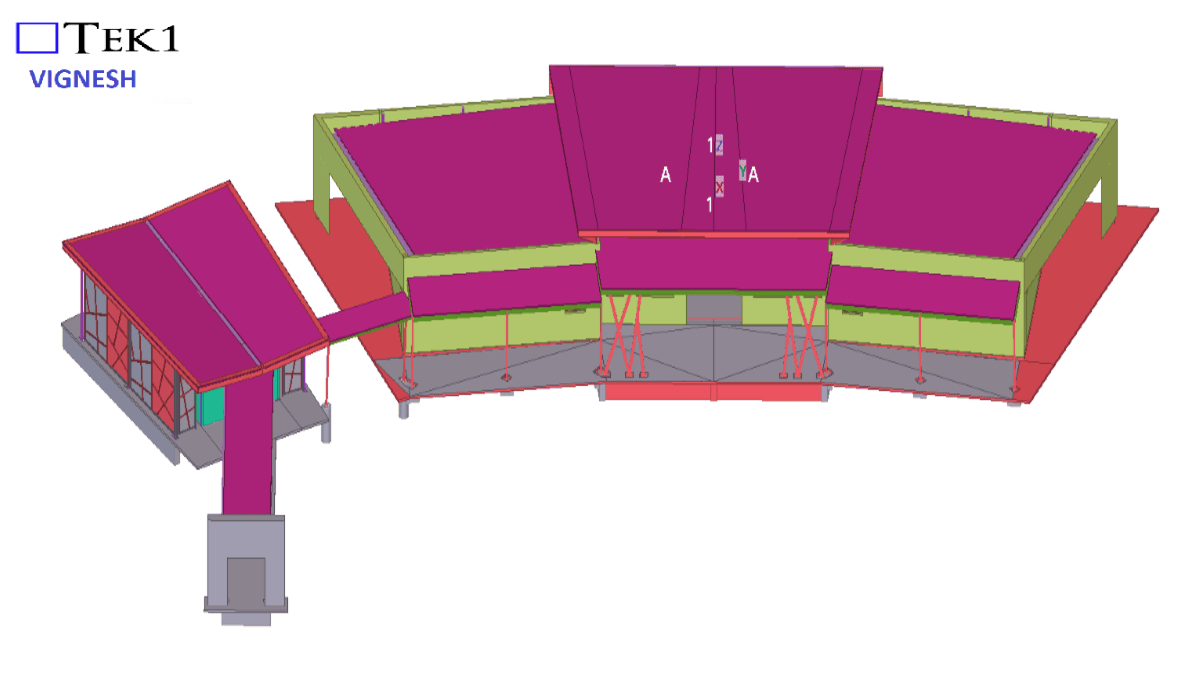
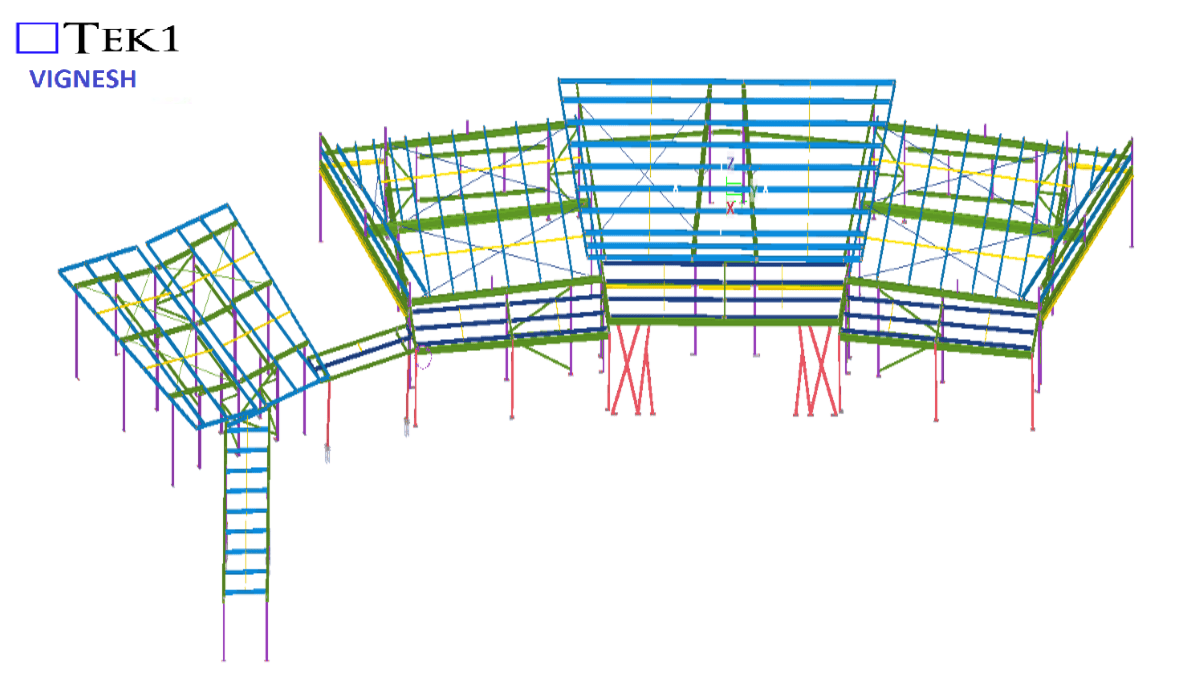
TEK1 completed a showroom extension project for a prominent organization in Australia. The goal was to provide drawings for the showroom extension. This project involves a lot of site measures because we are taking support from the existing steel.
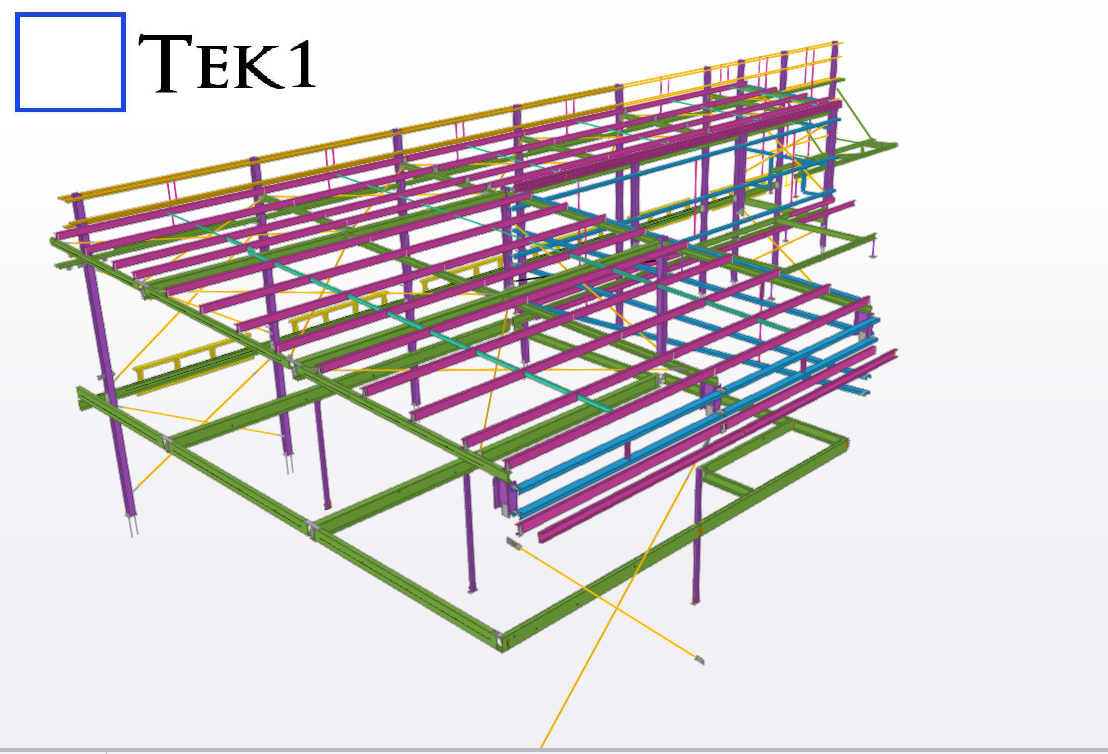
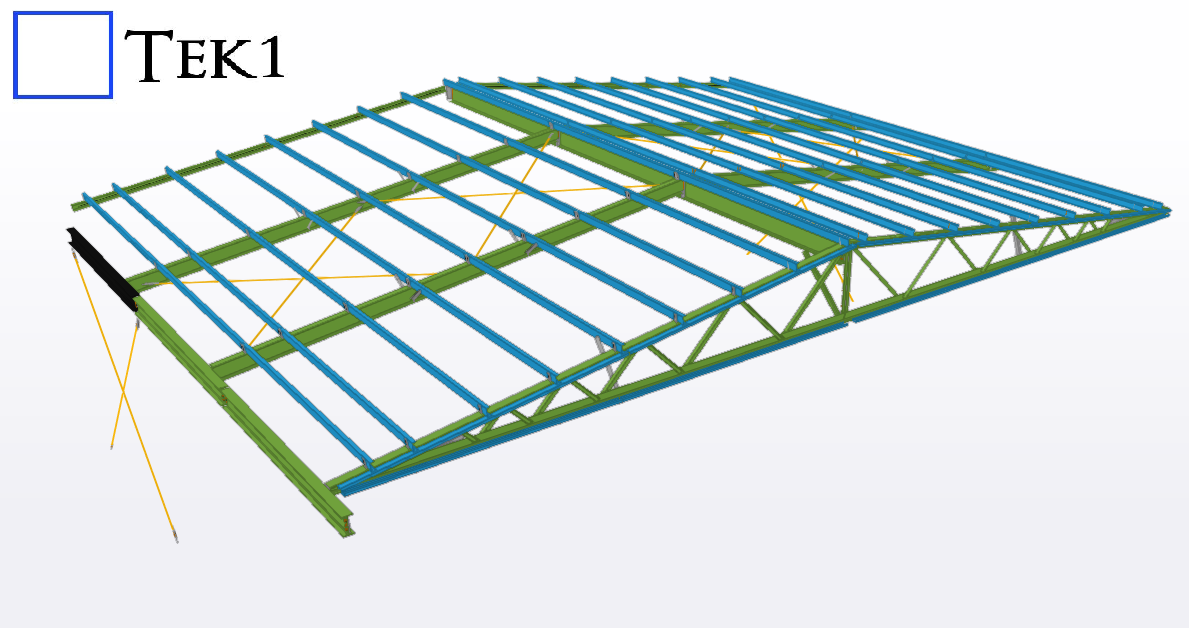
Steel Detailing projects Show case projects details by Tek1 pty ltd
TEK1 completed a showroom extension project for a prominent organization in Australia. The goal was to provide drawings for the showroom extension. This project involves a lot of site measures because we are taking support from the existing steel.
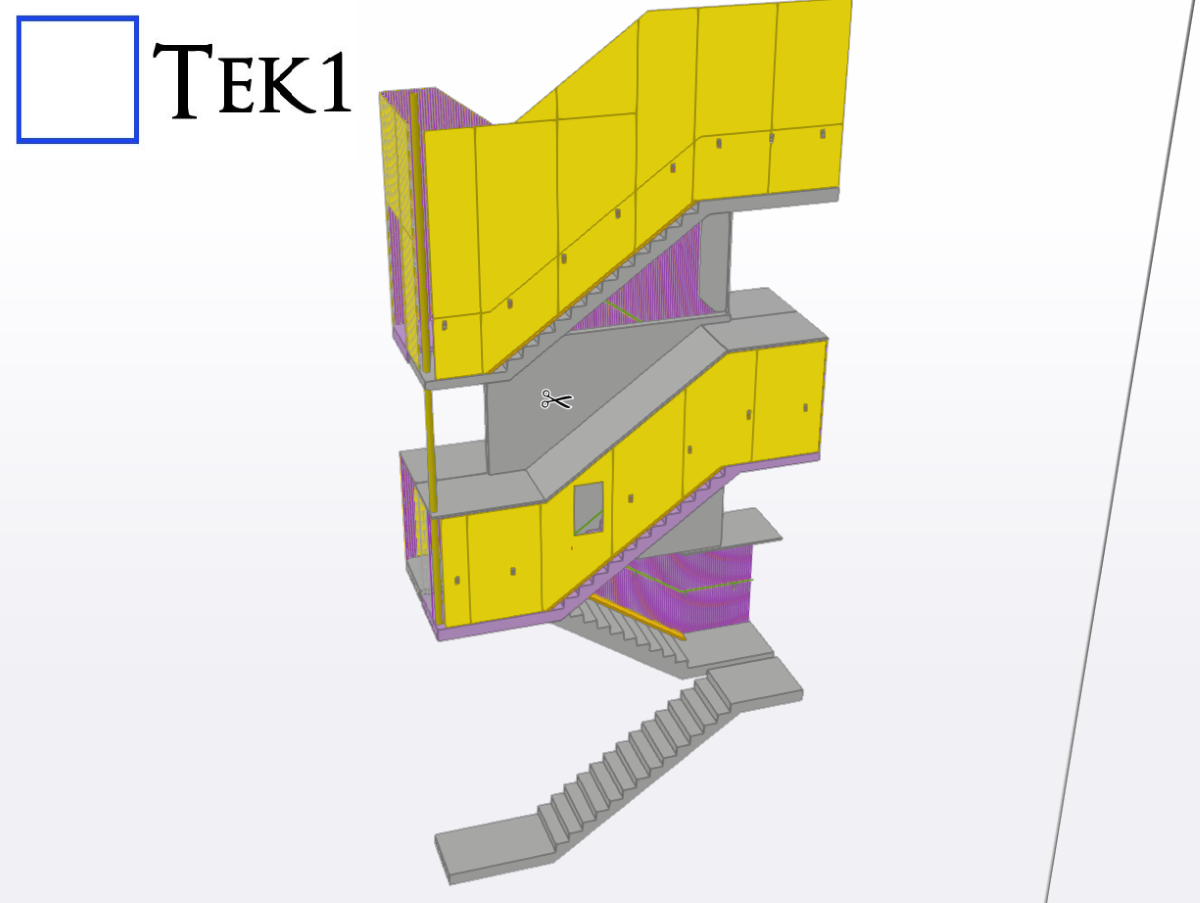
TEK1 completed a stair project for a prominent organization in Australia. The goal was to provide drawings for the stair and cladding. Apart from that, the client also wants us to detail handrails for the stairs.
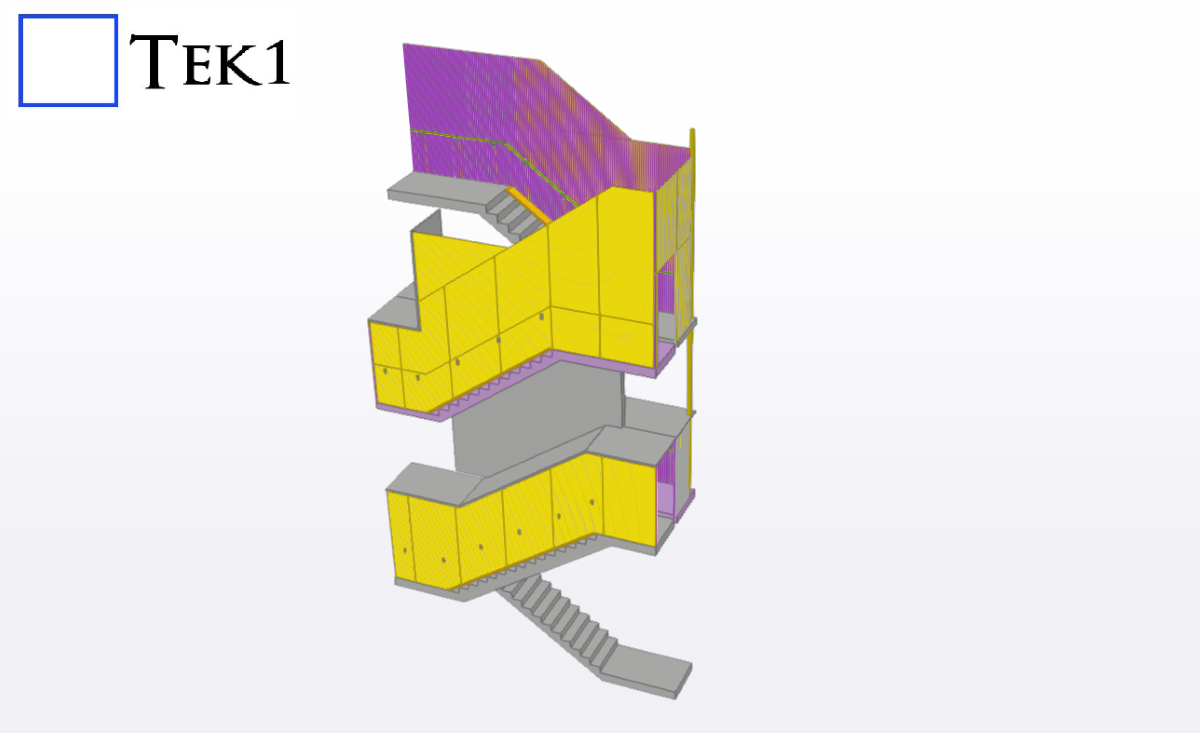
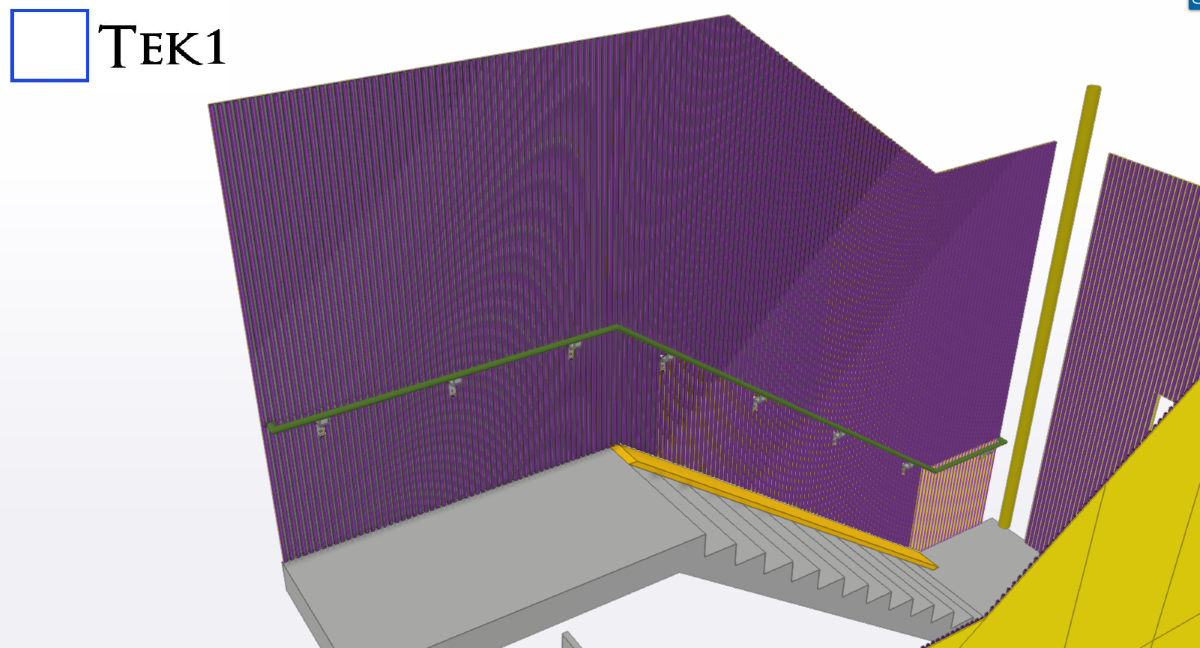
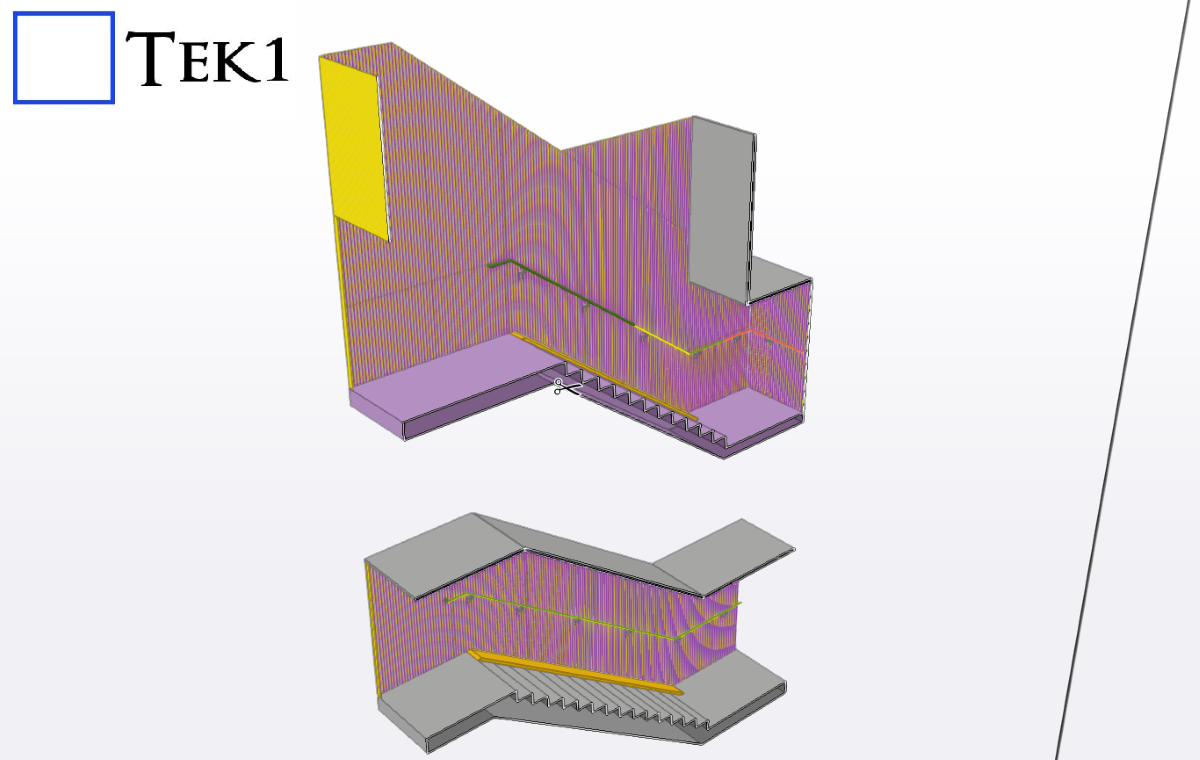
We are proud to be a part of the team in Mildura Christian College project.
Our detailing team worked closely with architects to ensure tolerances and offsets were met without compromising design intent With a limited fabrication and erection window, our detailing team adopted a fast-track workflow using Tekla Structures for 3D modeling.
This allowed us to provide early shop drawings for procurement and parallel review of sections still under coordination.
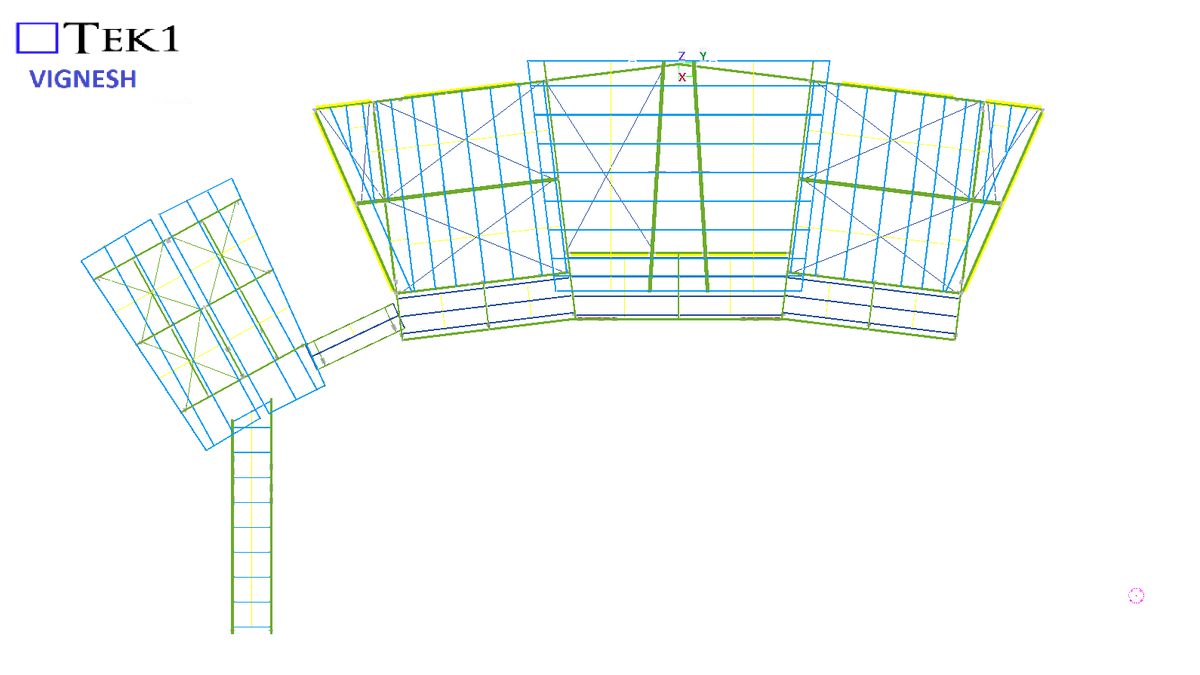
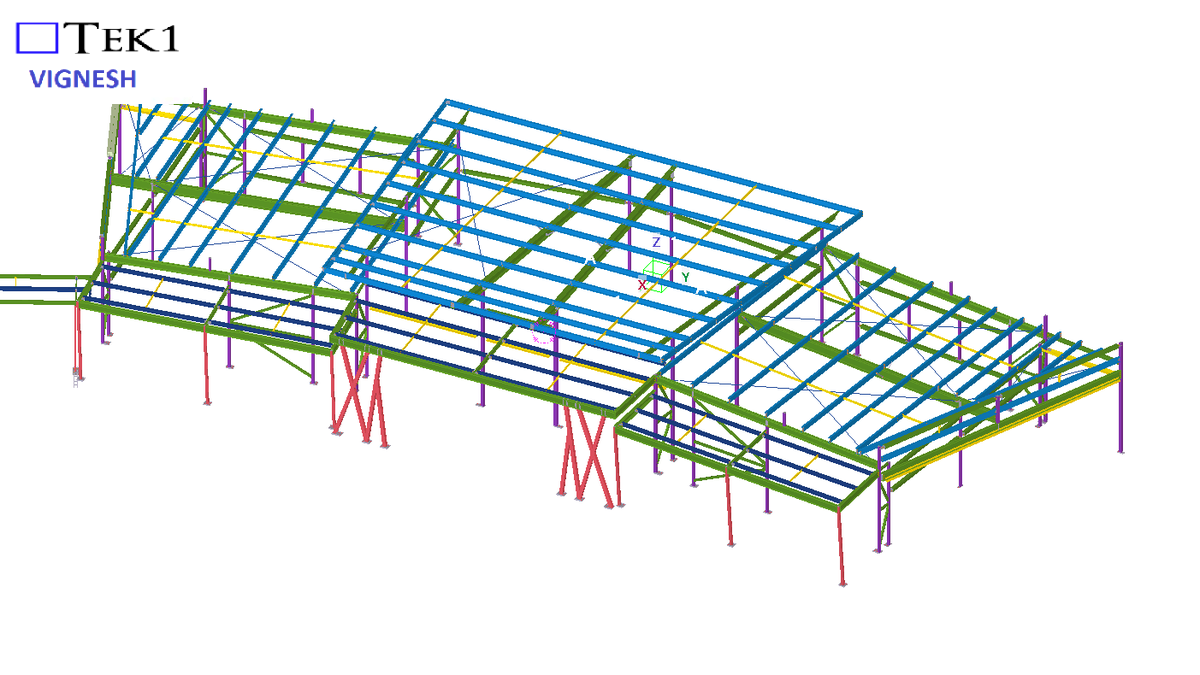
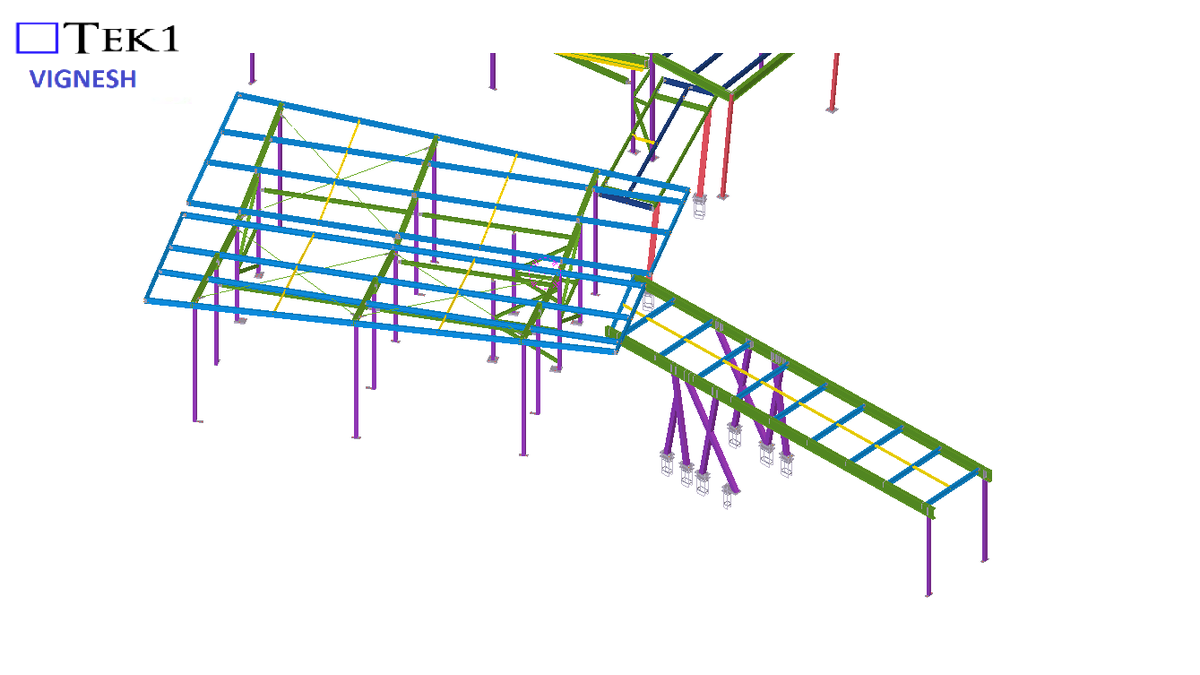
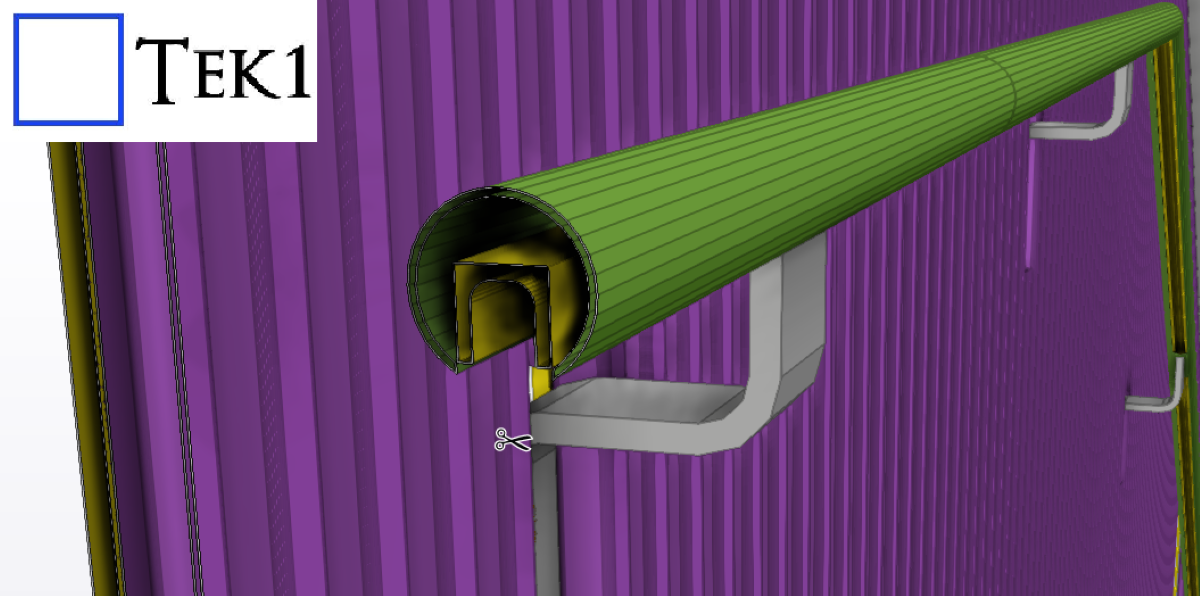
TEK1 completed a cladding project for a prominent organization in Australia. The goal was to provide claddings to buildings for aesthetic purposes. Apart from that, the client also wants us to detail handrails & glass balustrades for the stairs.
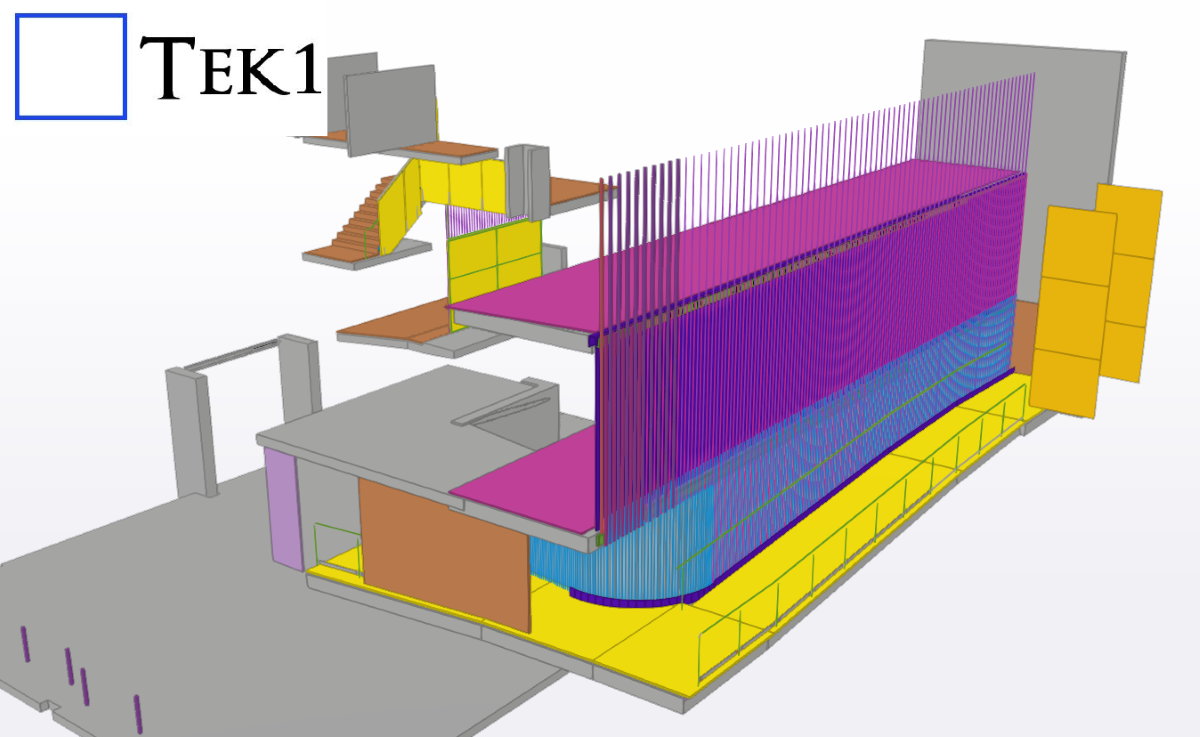
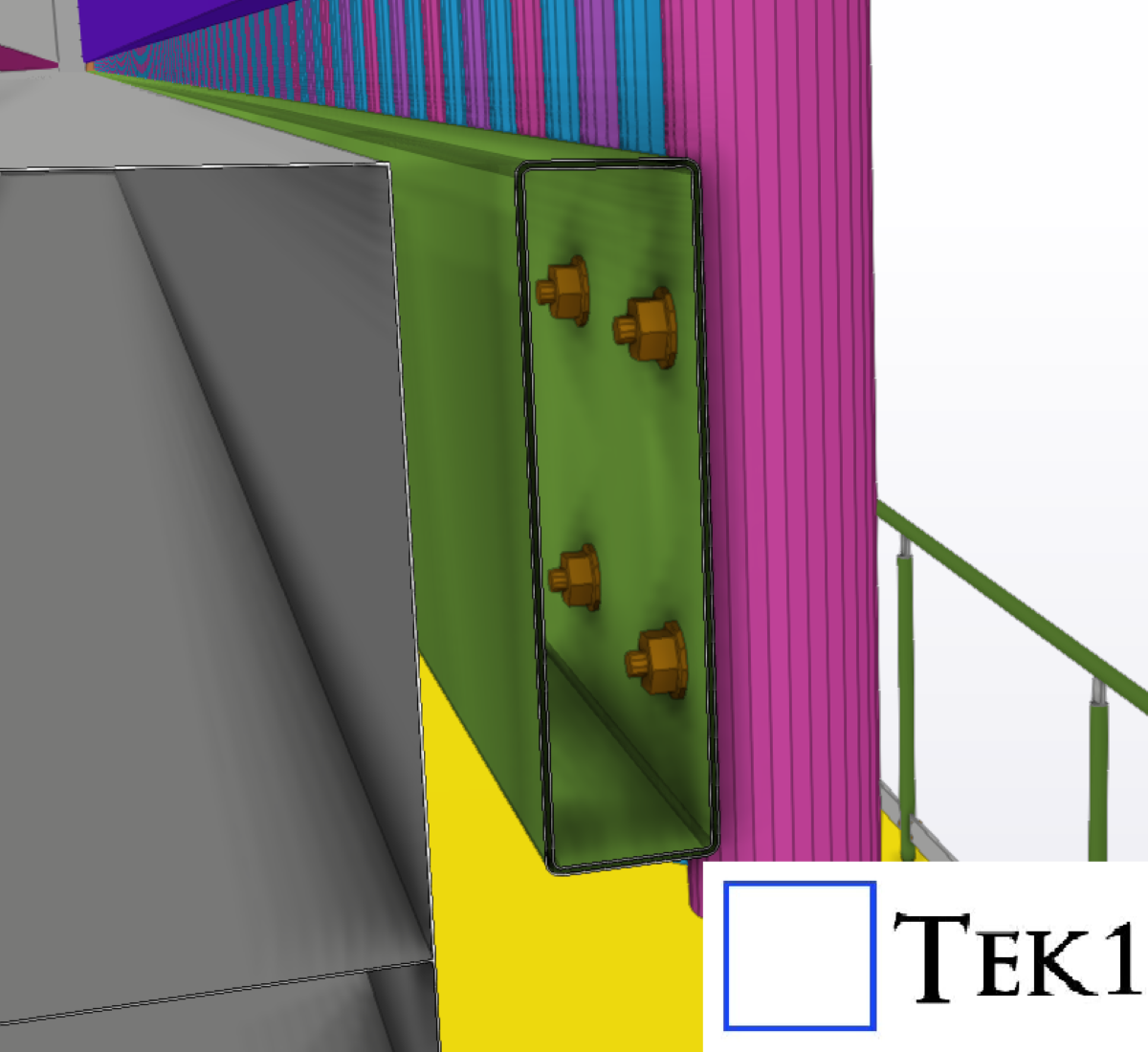
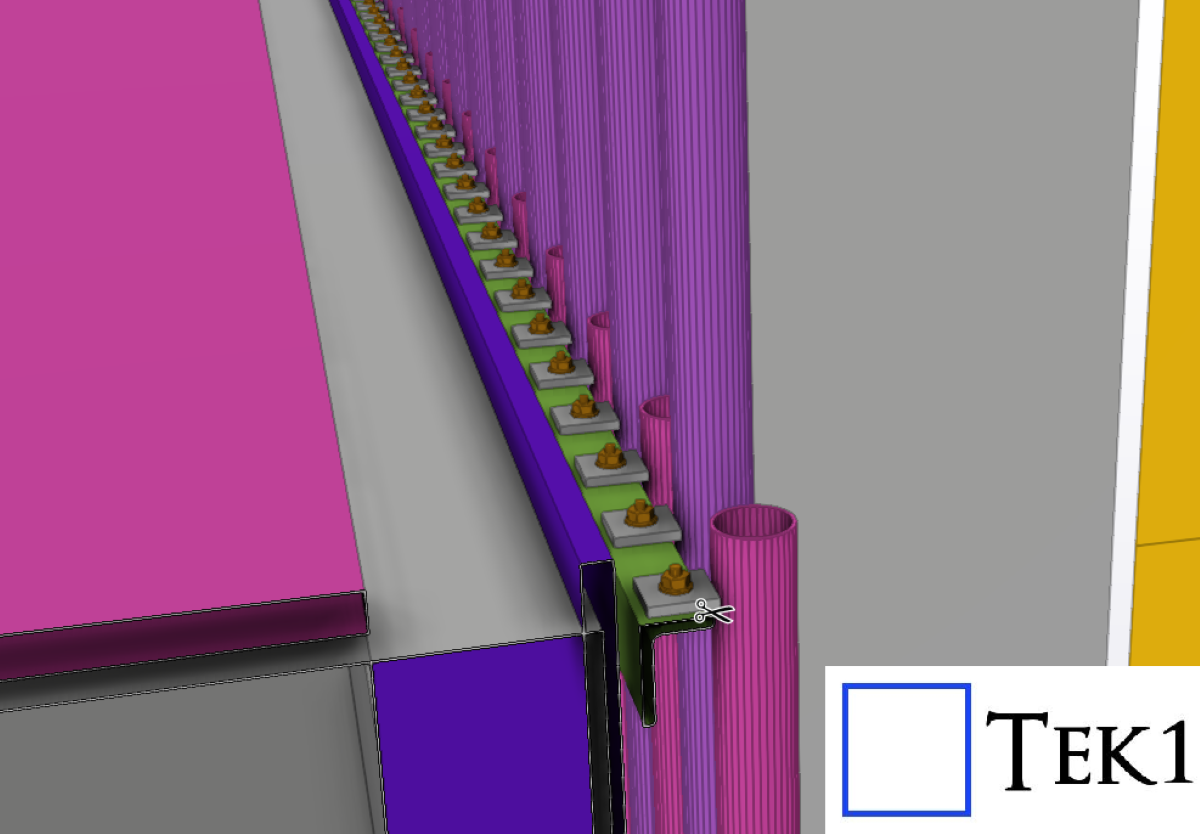
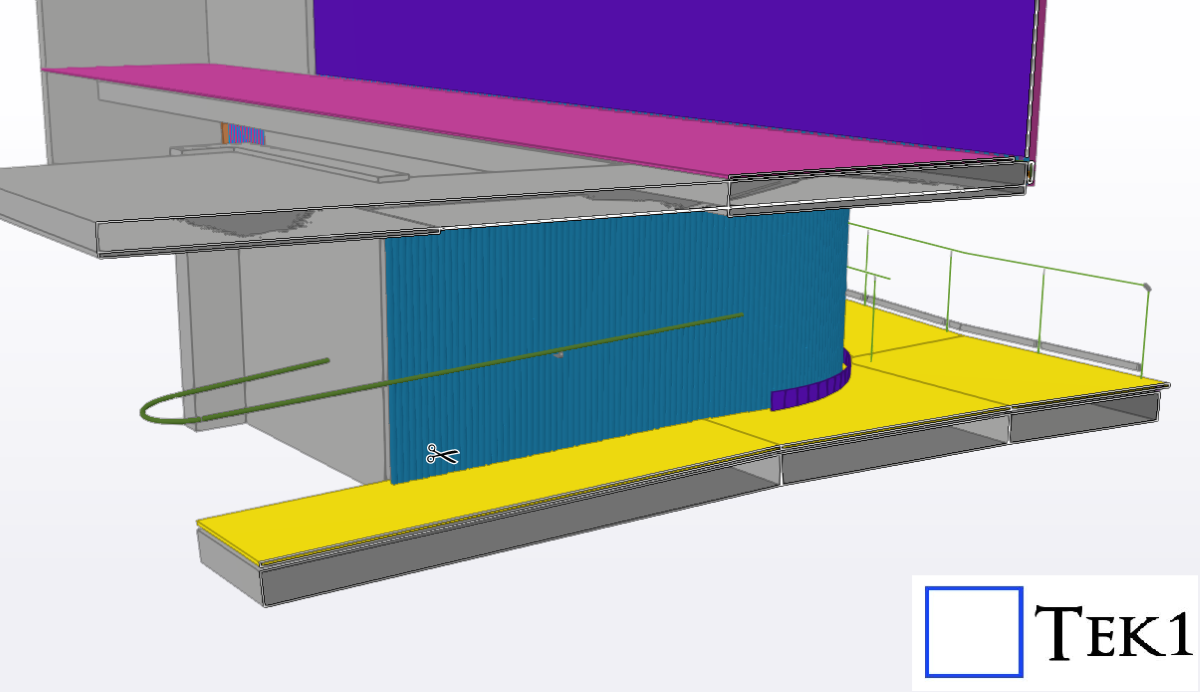
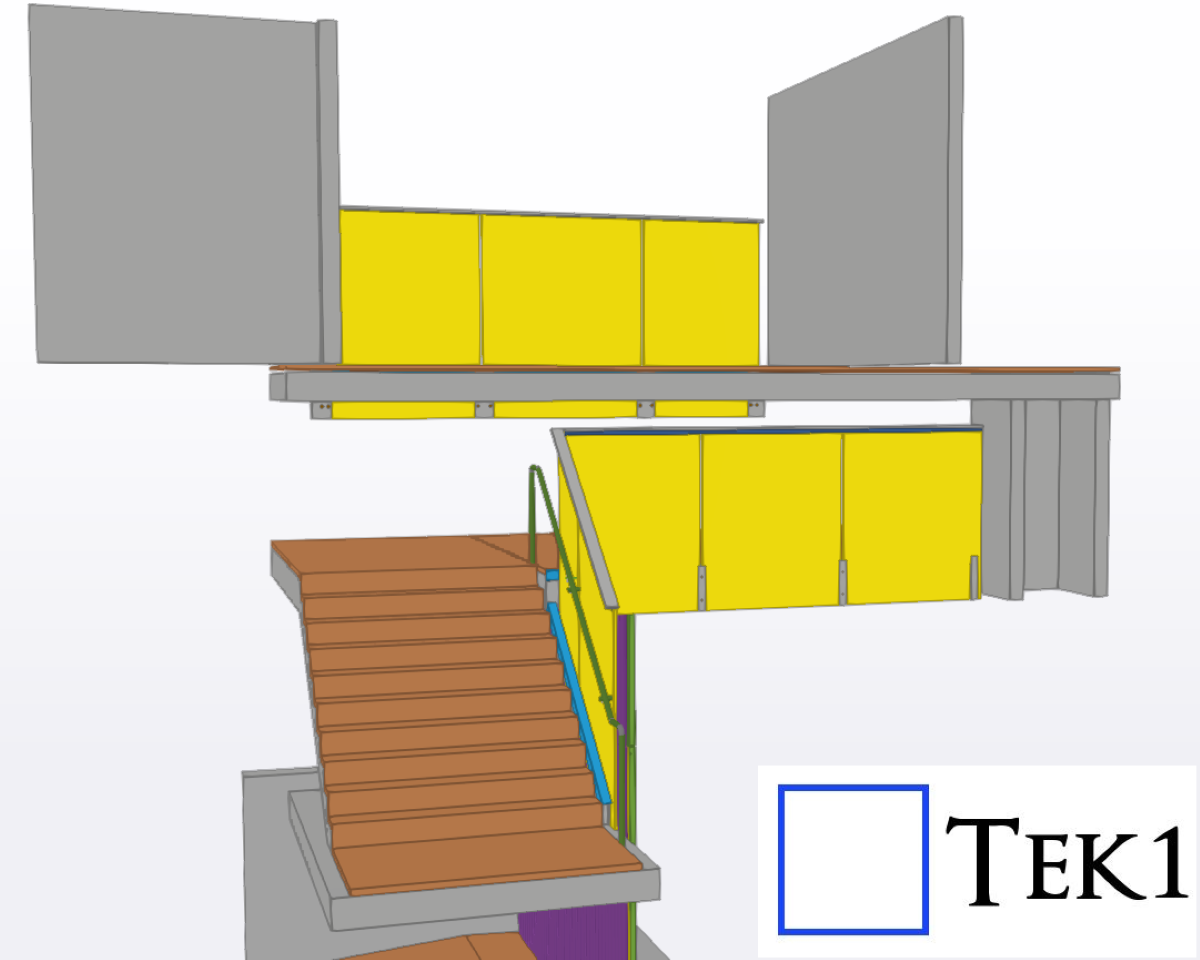
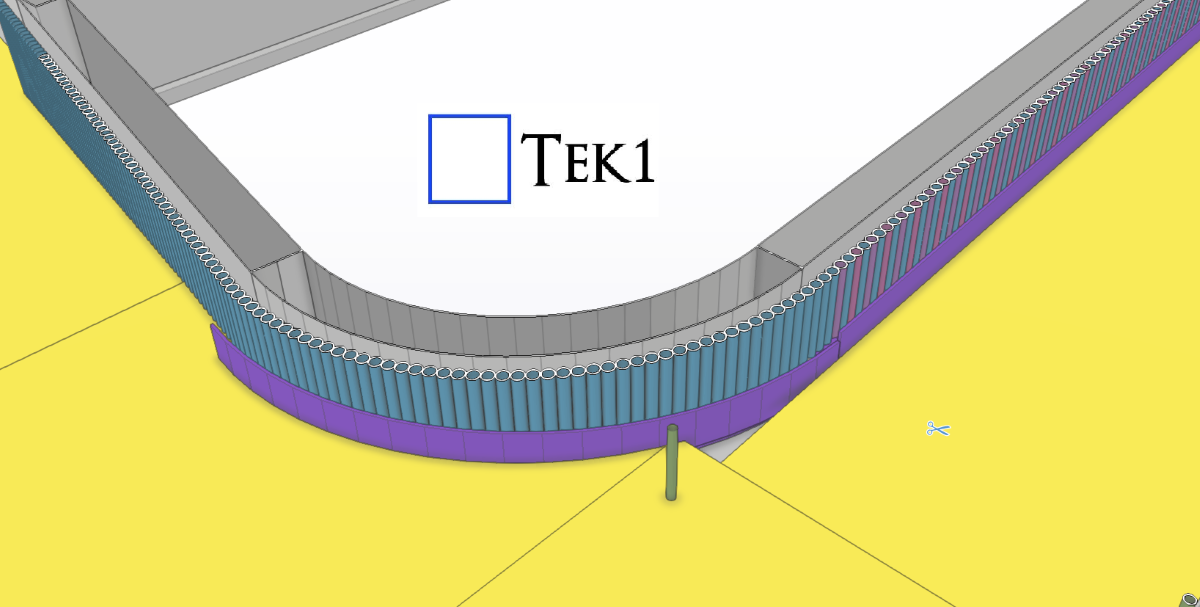
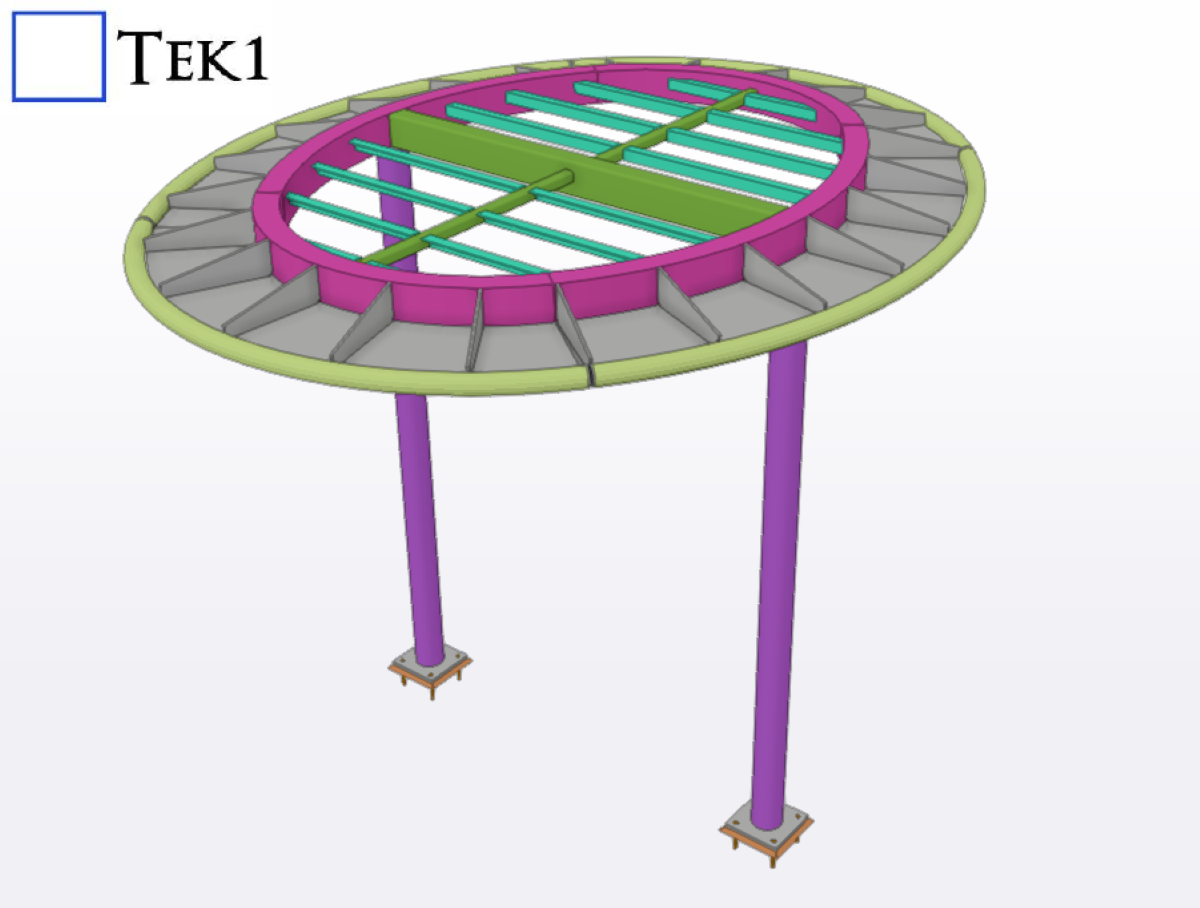
TEK1 completed a canopy project for a prominent organization in Australia. The goal was to provide detailed support for steelwork canopies.
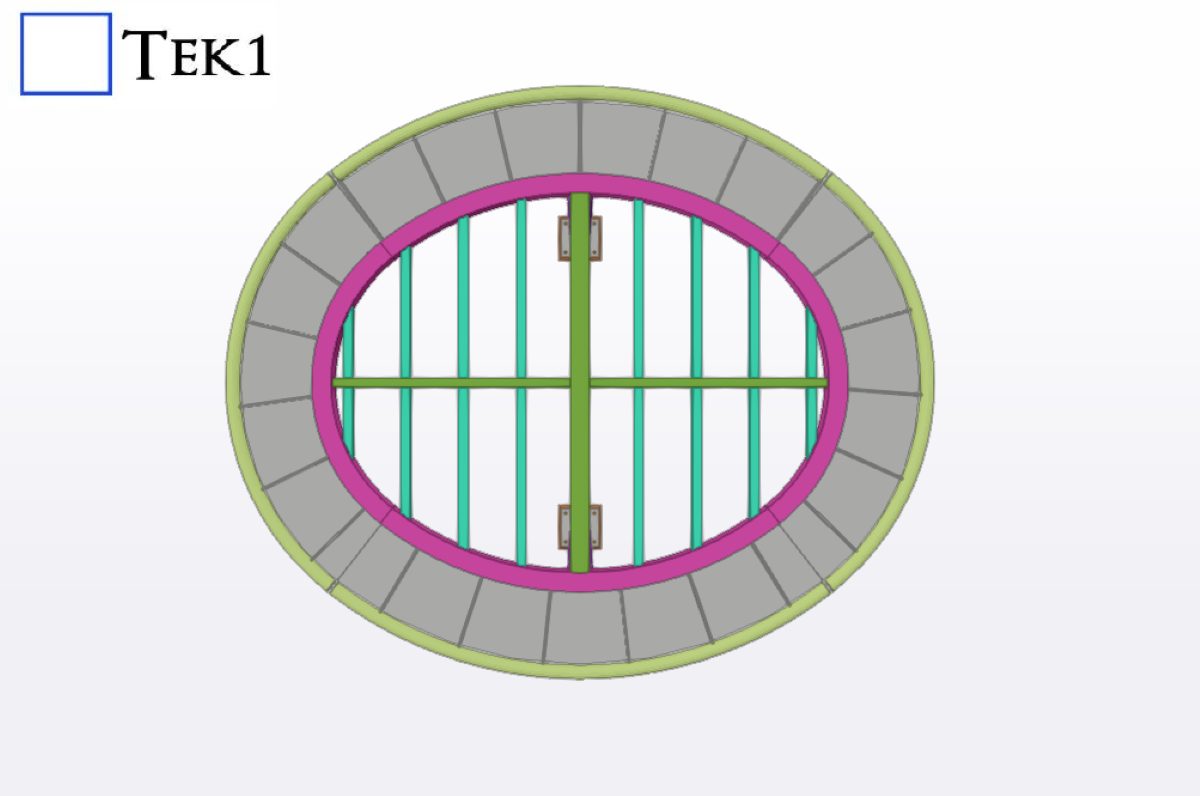
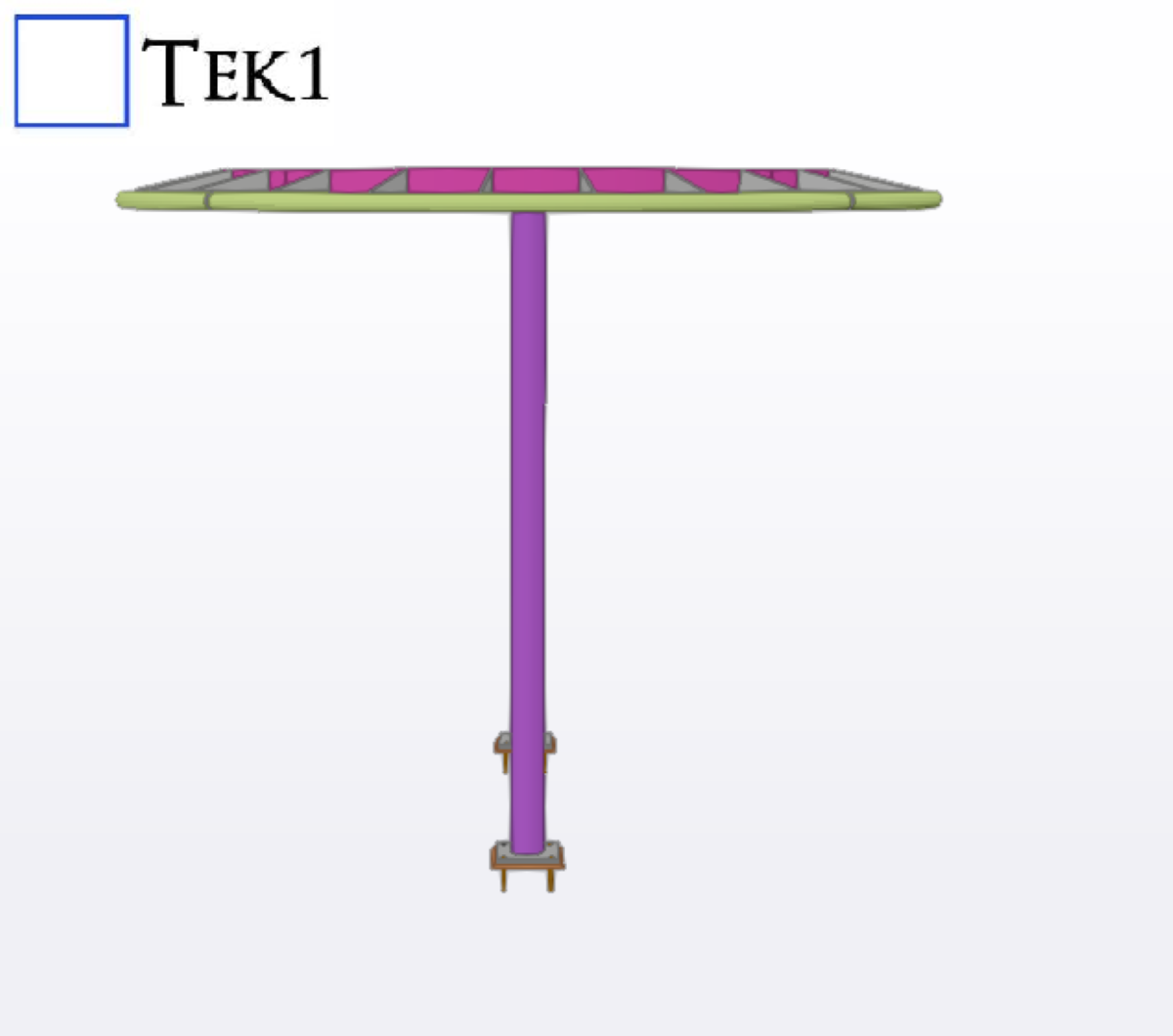
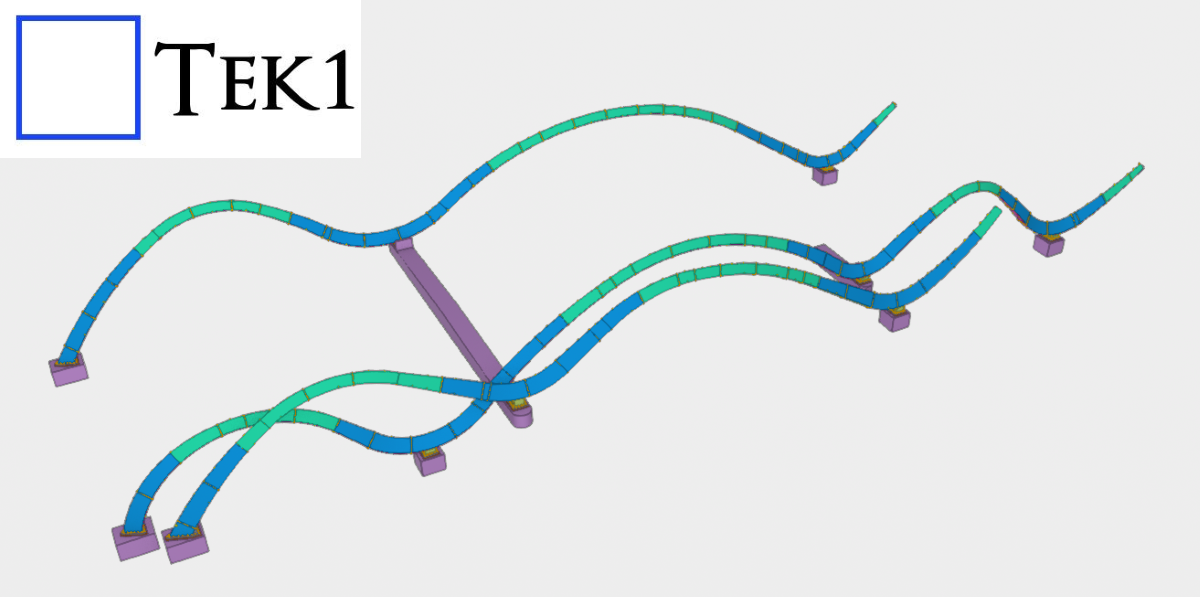
Recently, we were awarded a project to detail a curved section on the bridge for a reputed organization in Australia. The geometry involved presented some unique challenges.
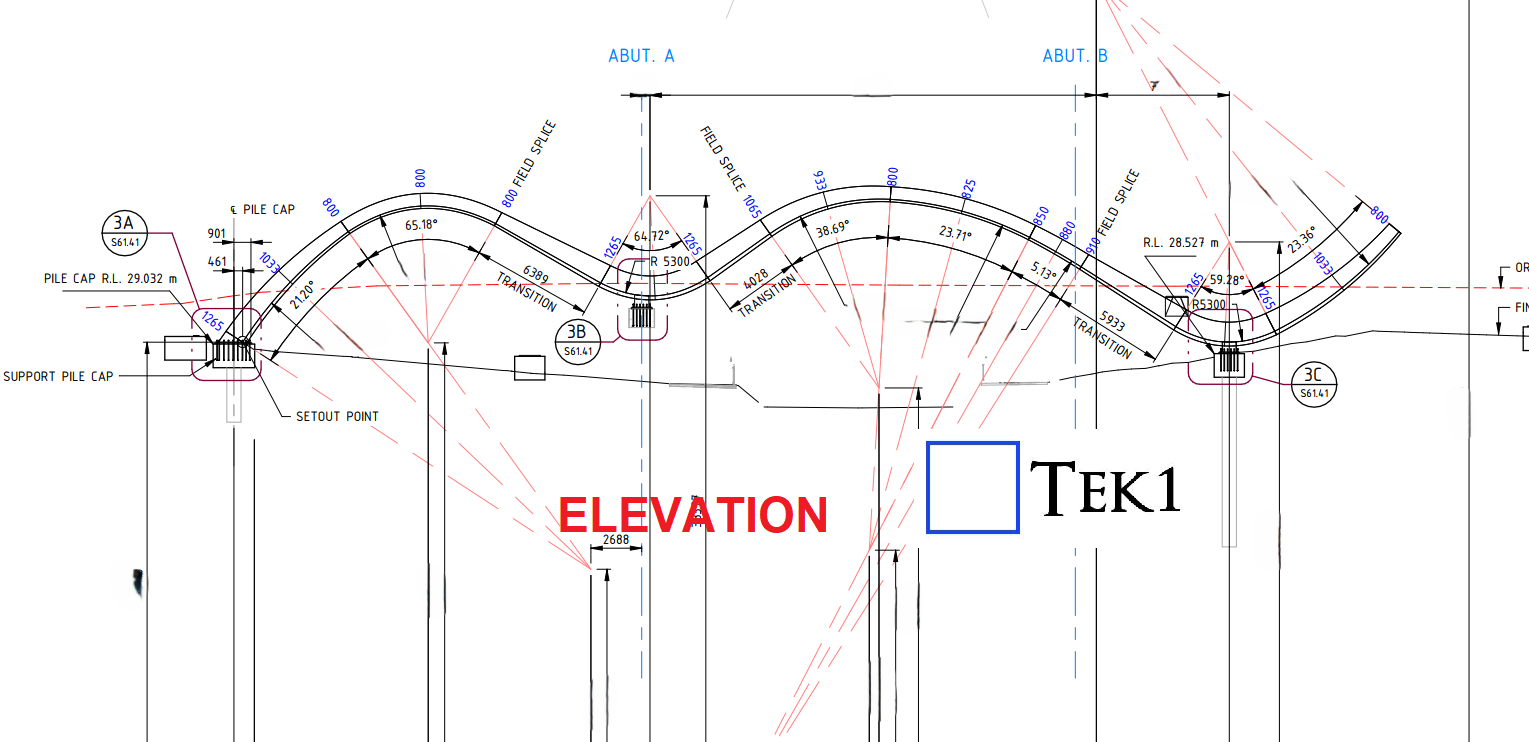
From the elevation, the structure followed a non-linear zig-zag curvature, creating a dynamic and aesthetically driven form.
(more…)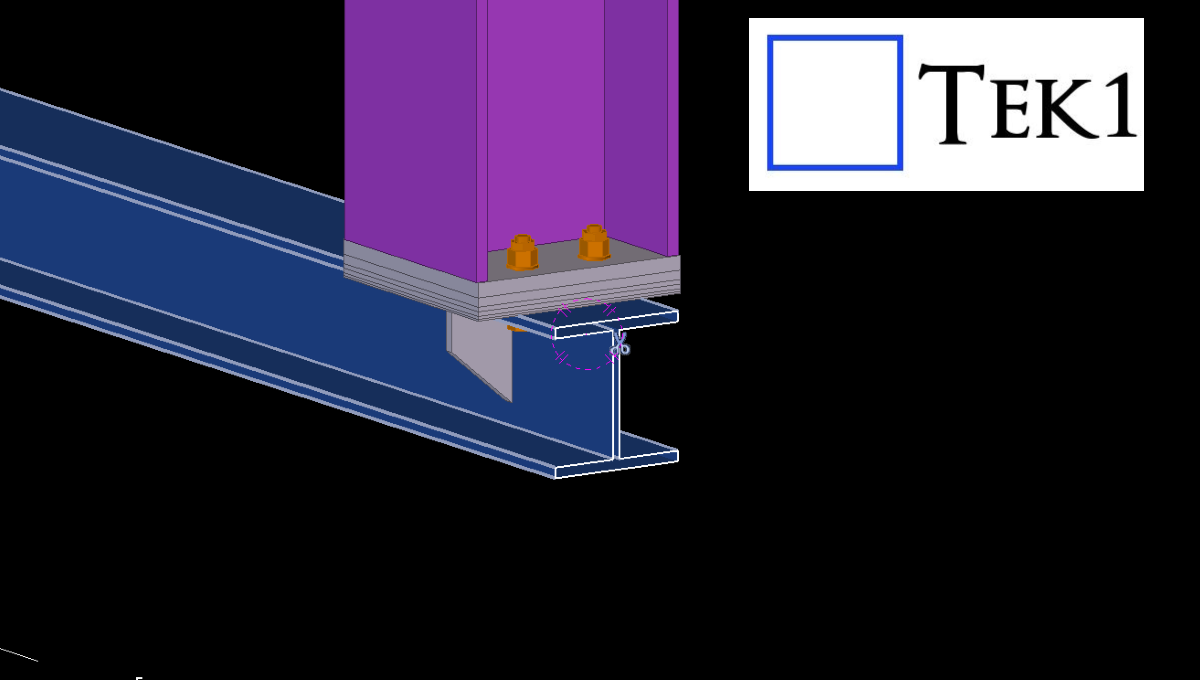
In this blog, we share a proposal we made to the builder to make installation easier on-site.
In the OTE platform steel, we provided a PSD beam (OTB5) to support the platform screen doors below. These beams will later need to coordinate with the door manufacturer’s system.
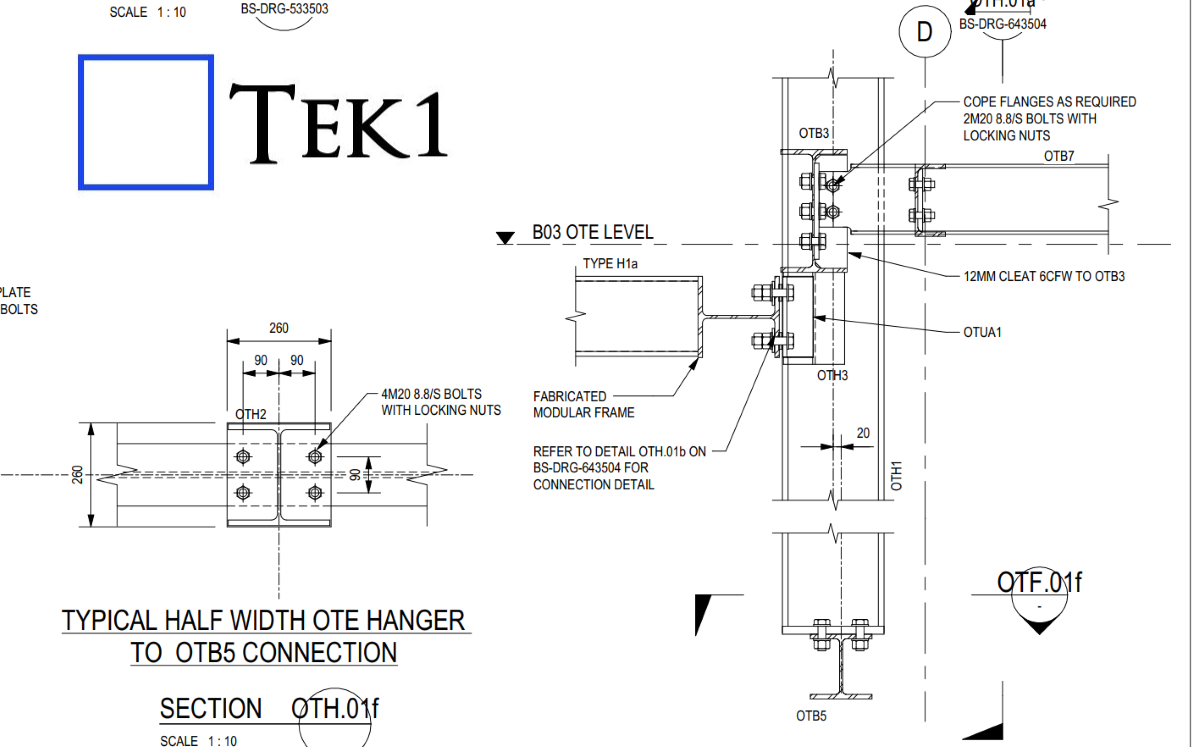
However, in practice, structural steel is rarely placed in the exact designed level due to factors like concrete alignment, mill tolerances, and site conditions. If the beam is installed as per the design without adjustment options, it may not match the required level for the doors.
To solve this, we proposed adding packer plates so the PSD beam level can be adjusted during installation.
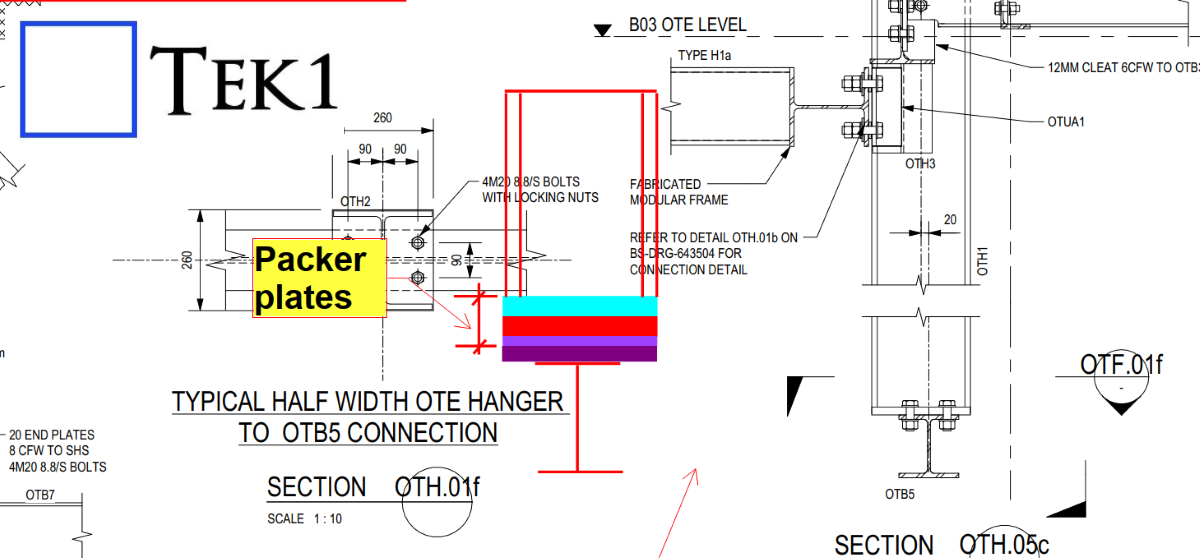
The client accepted our proposal, and this solution will make the erection and alignment process much easier on site.
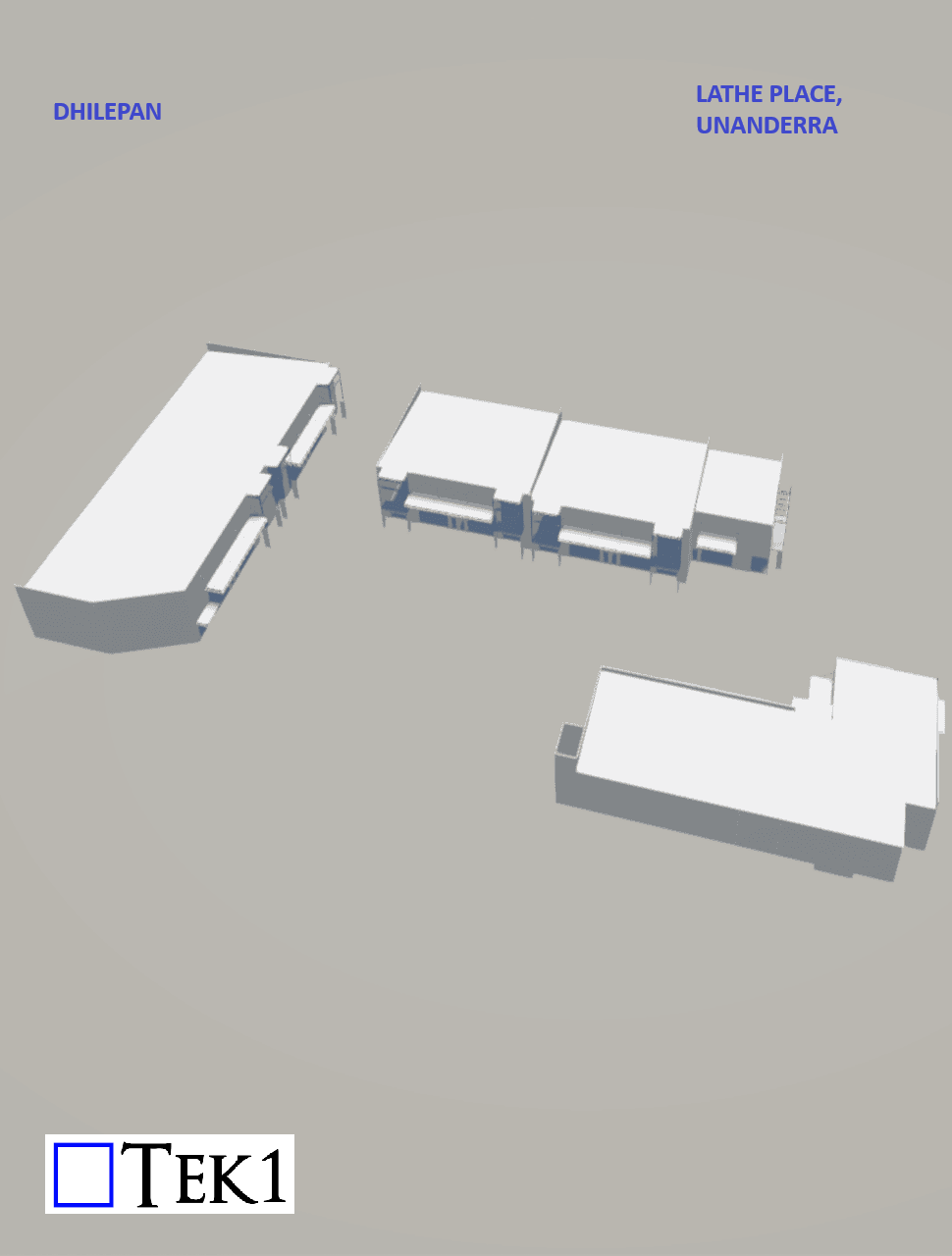
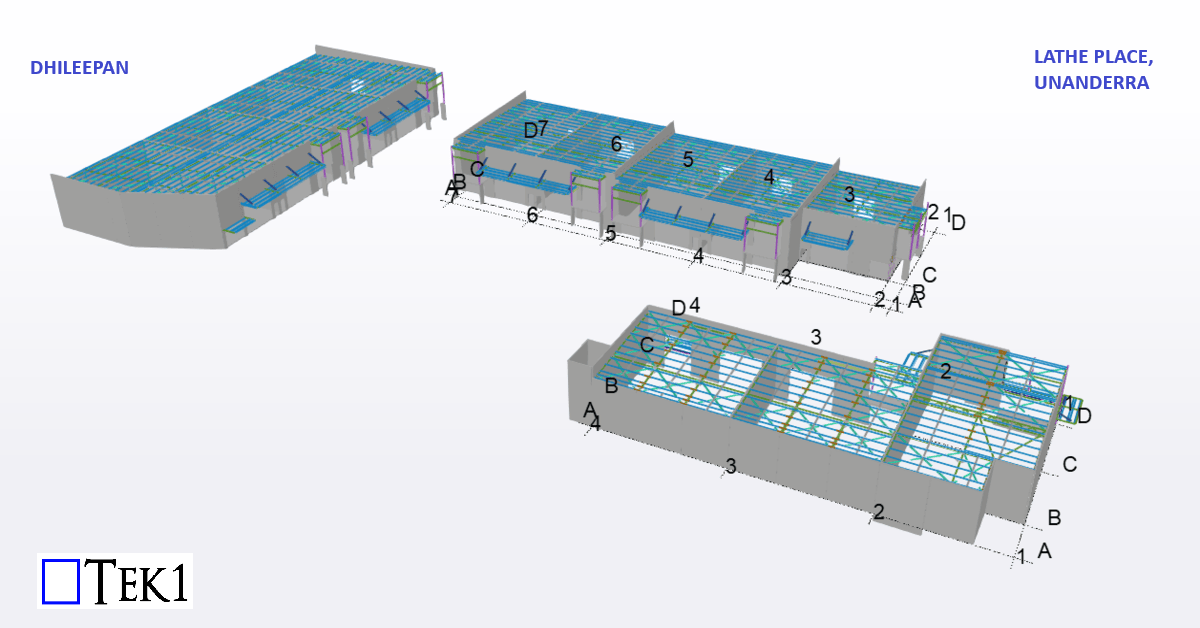
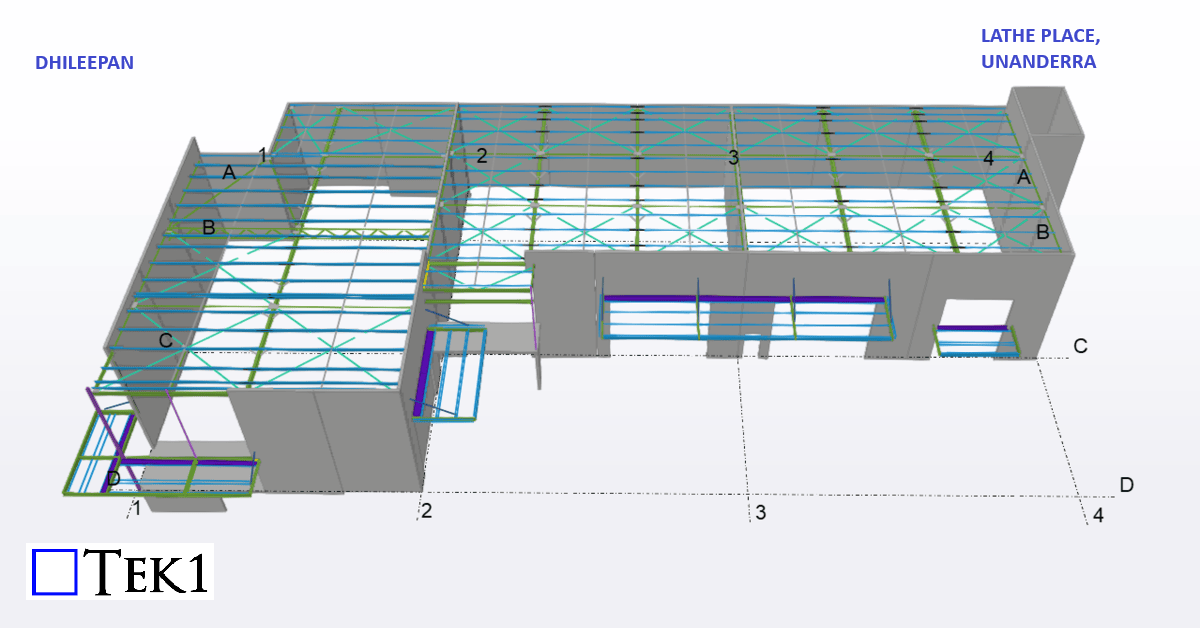
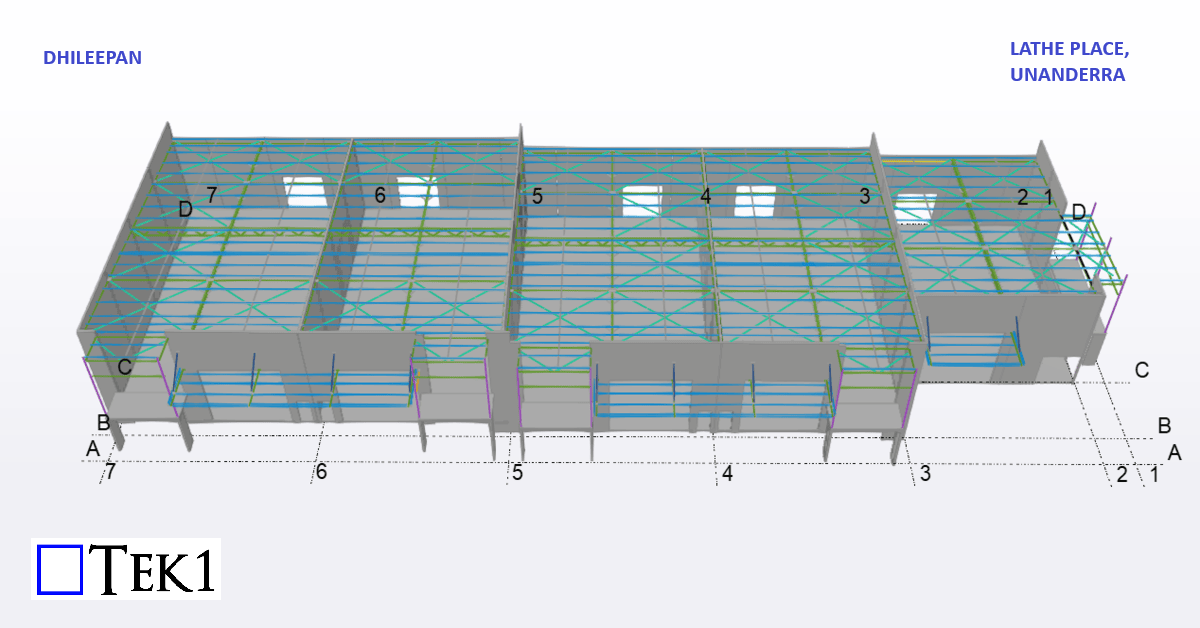
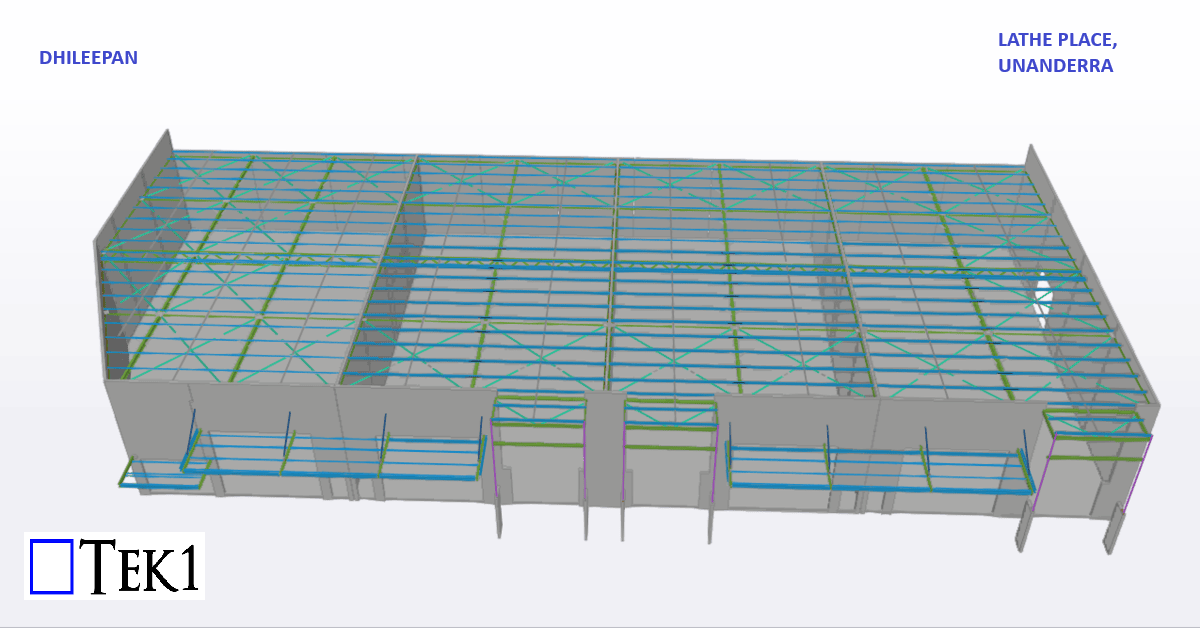
This blog provides an overview of the modelling and detailing work completed for the Lathe place project at Unanderra.
This industrial development has 3 block comprising of 12 units. Each block has precast panels all around with steel roof & awnings.
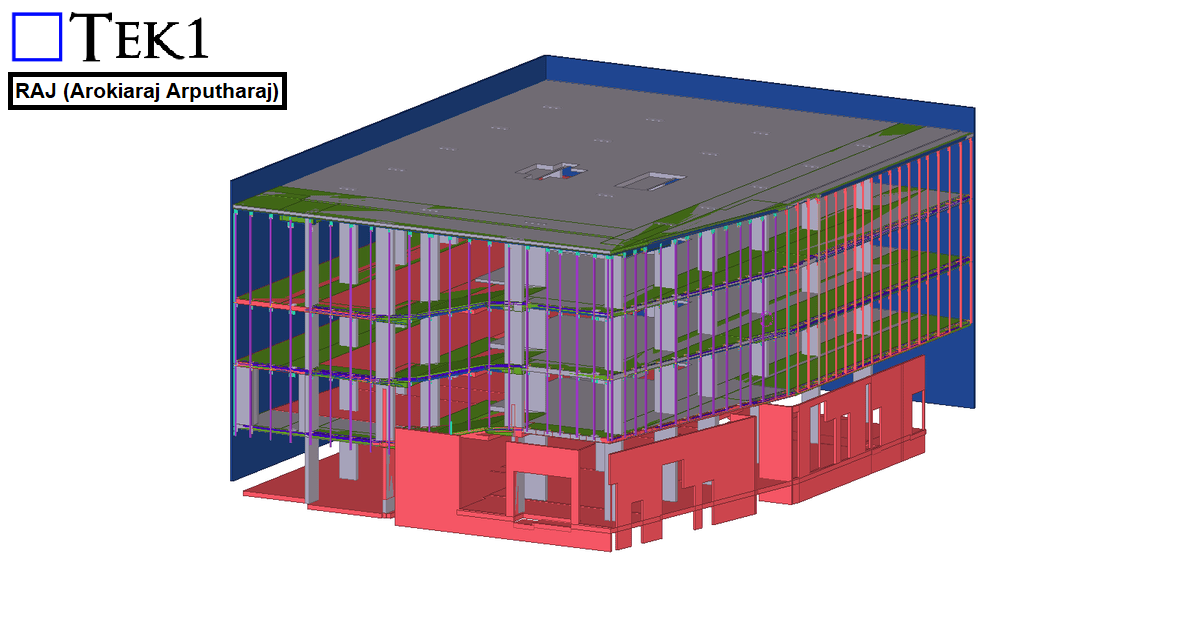
For the 27 Scott Street project, the client requested that the façade posts be installed with sufficient clearance so that the fixing anchors do not clash with the PT cable lines.
We carefully followed the client’s requirements and coordinated the design to ensure that the anchors clear the PT cable lines. The steel was successfully erected without any issues.
We would like to thank the client for giving us the opportunity to be part of this project.