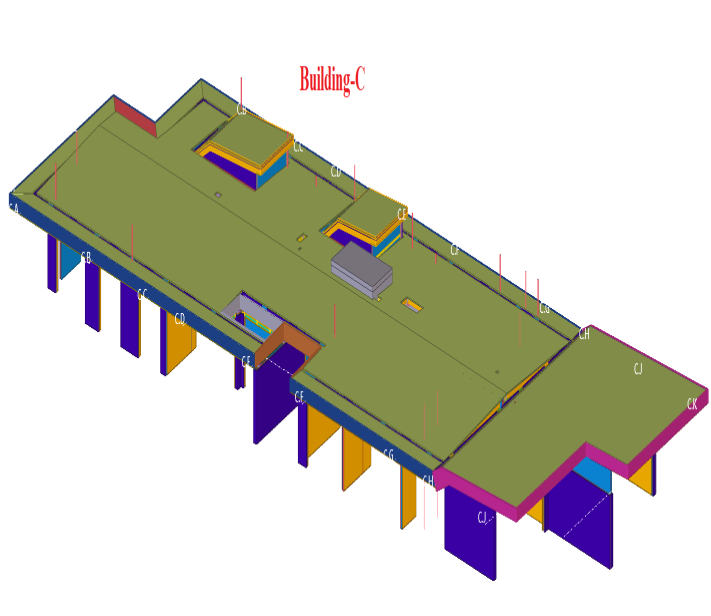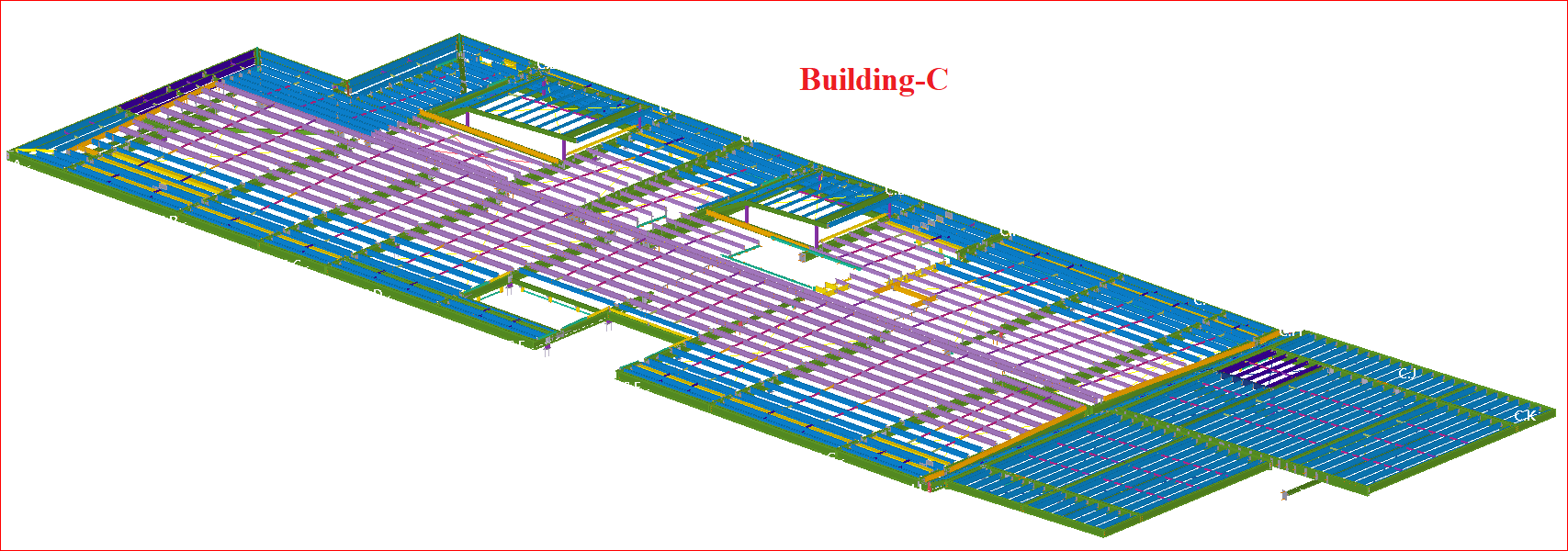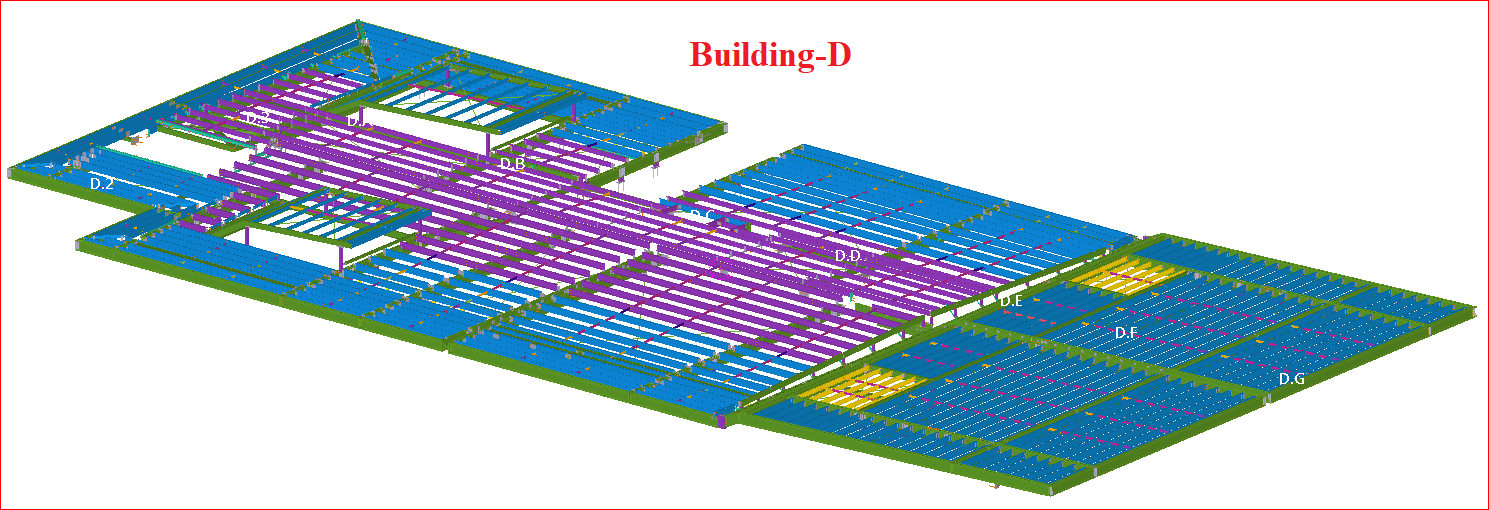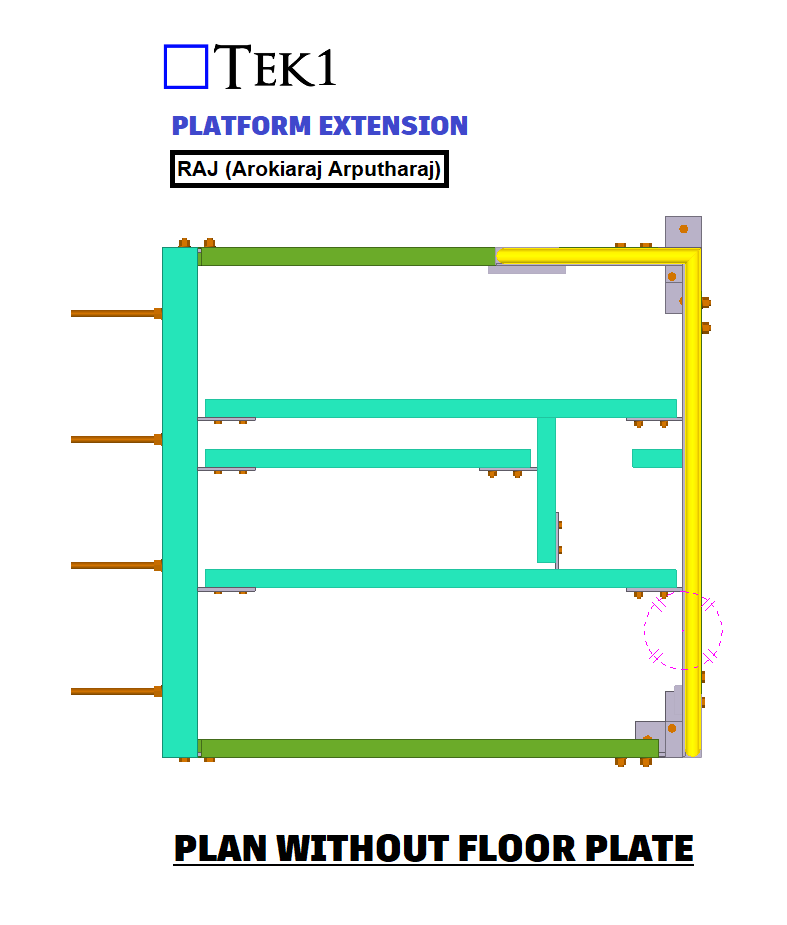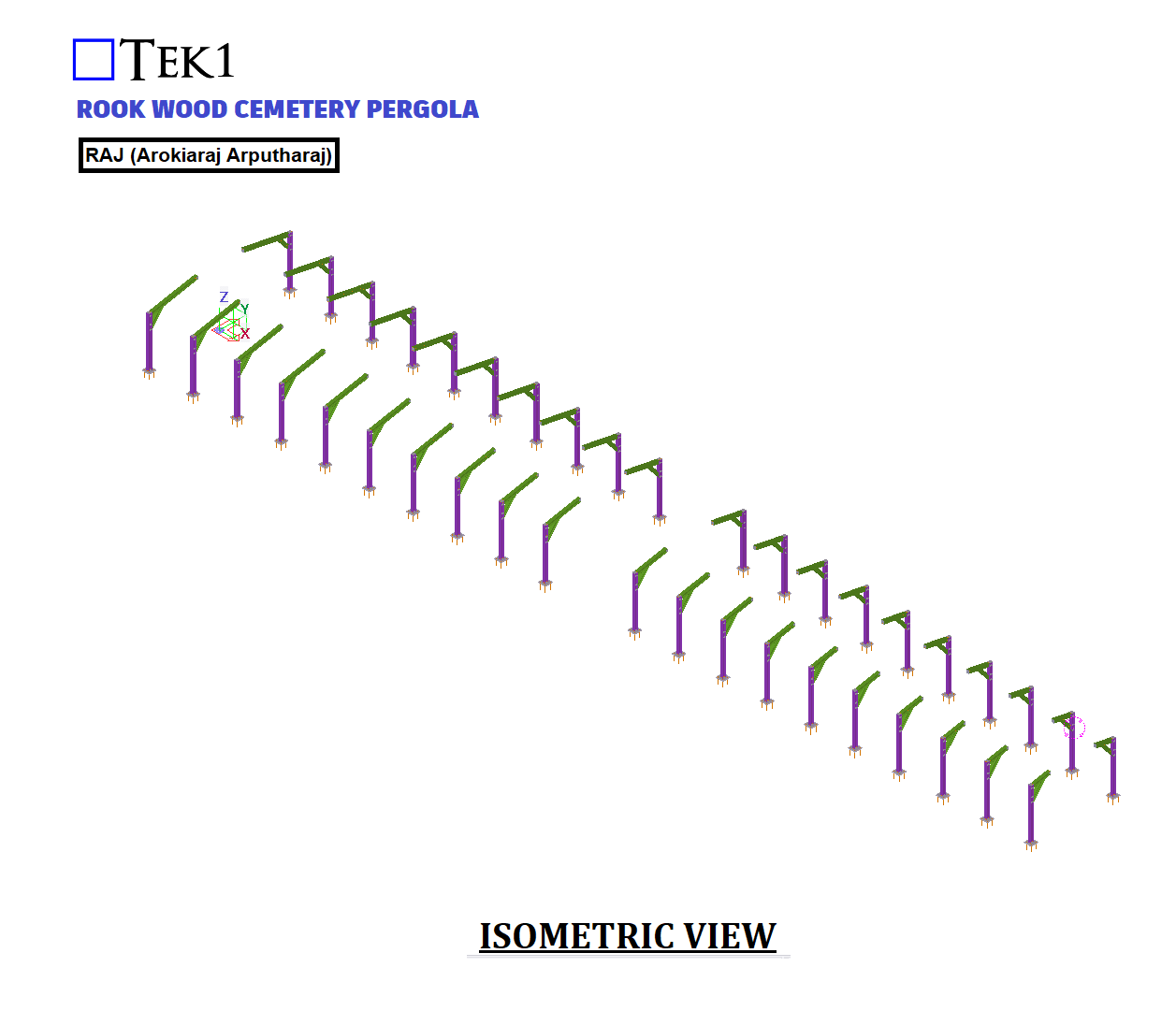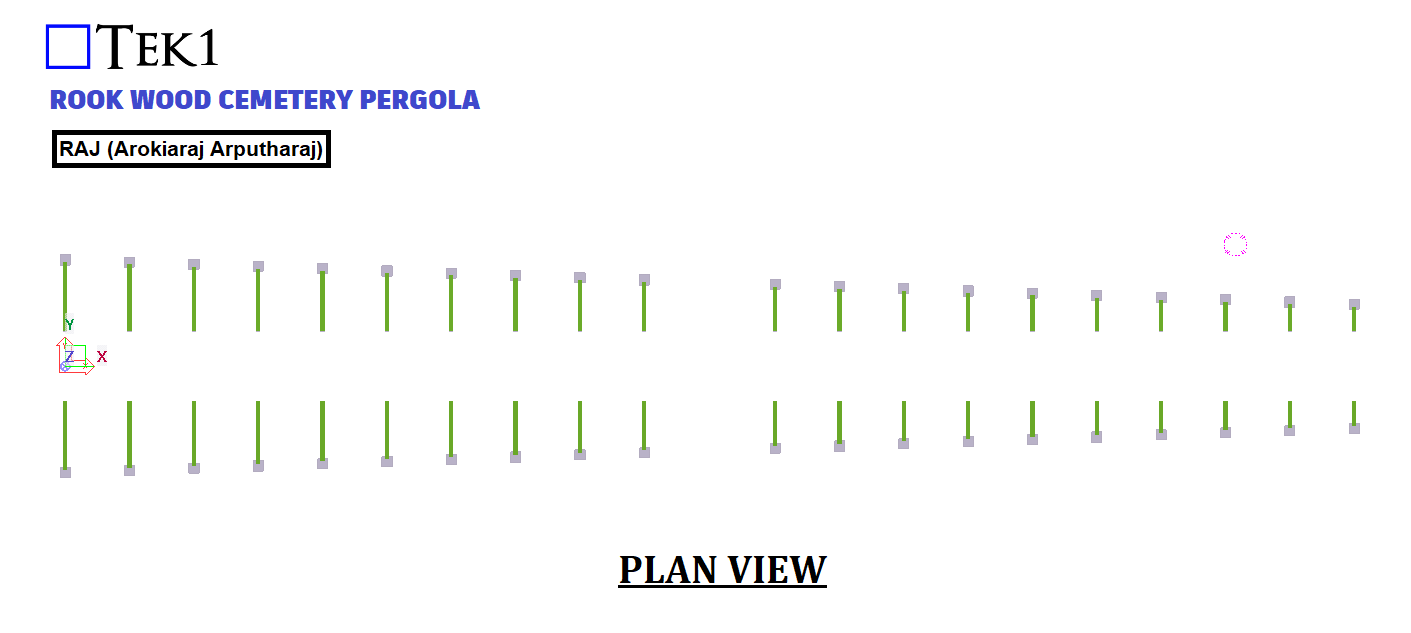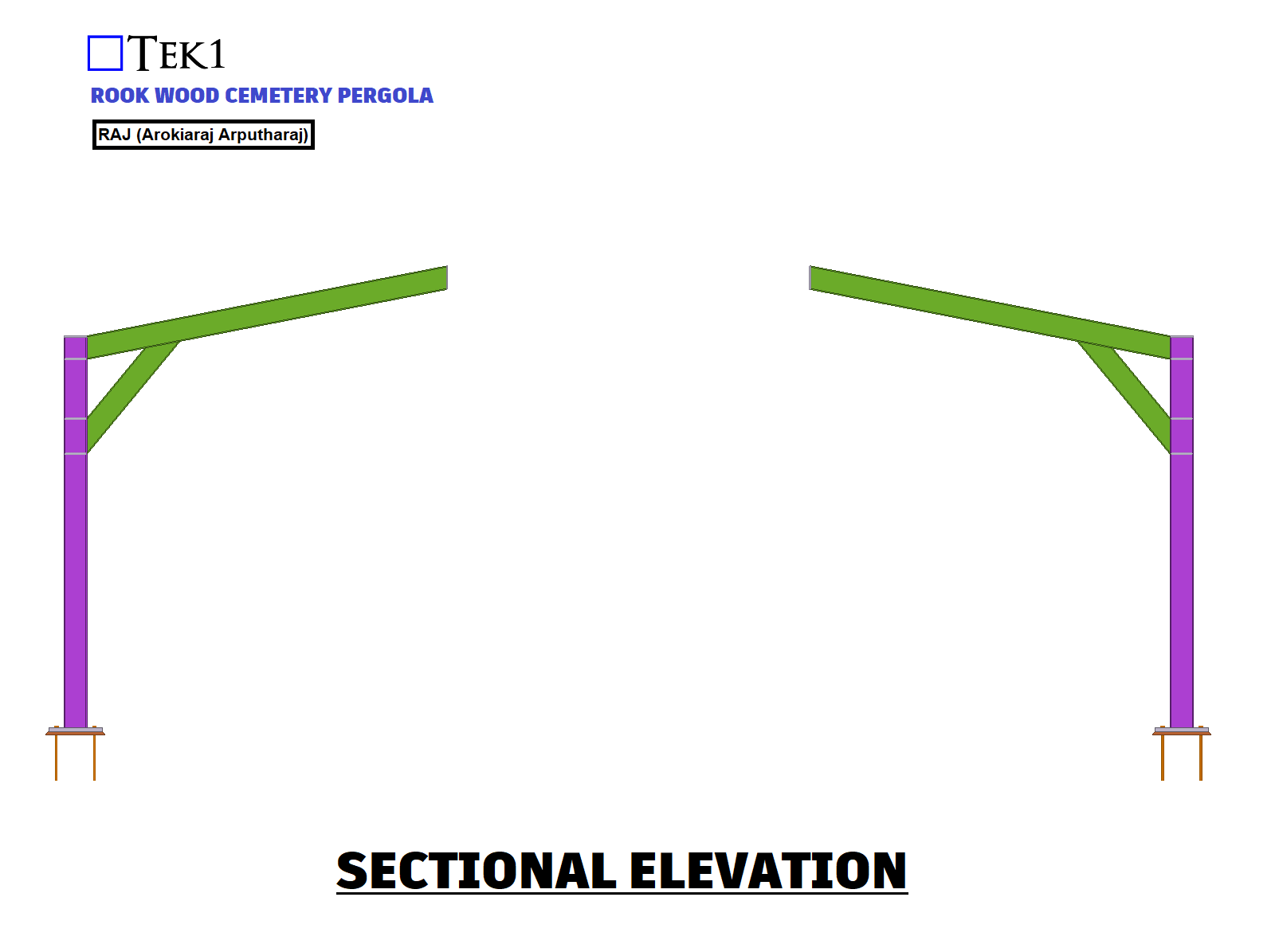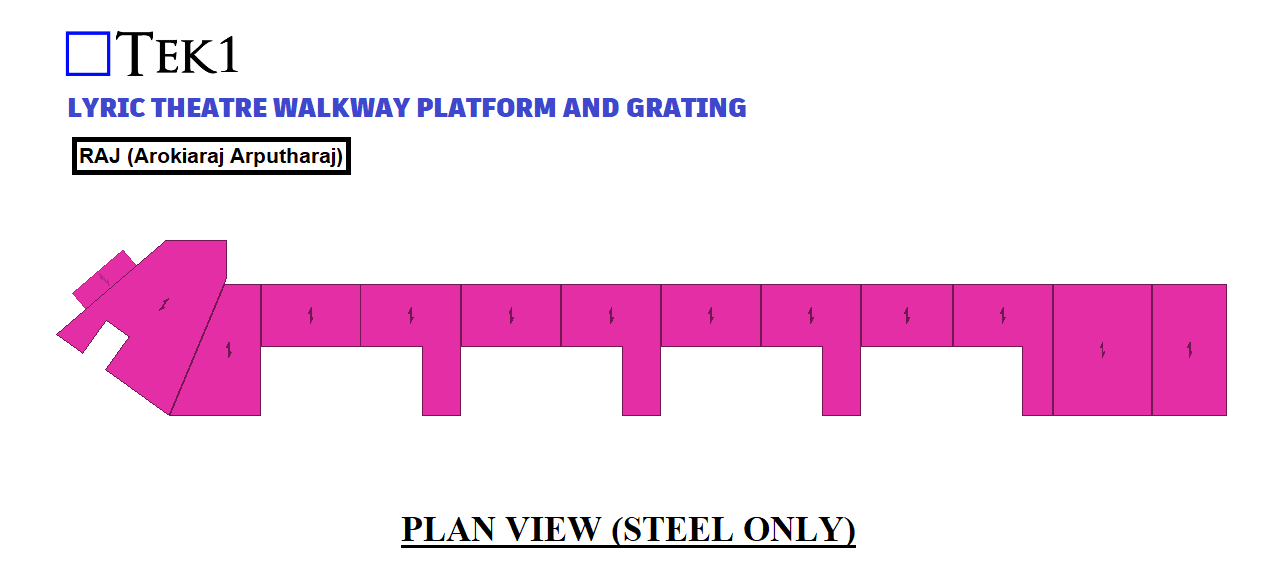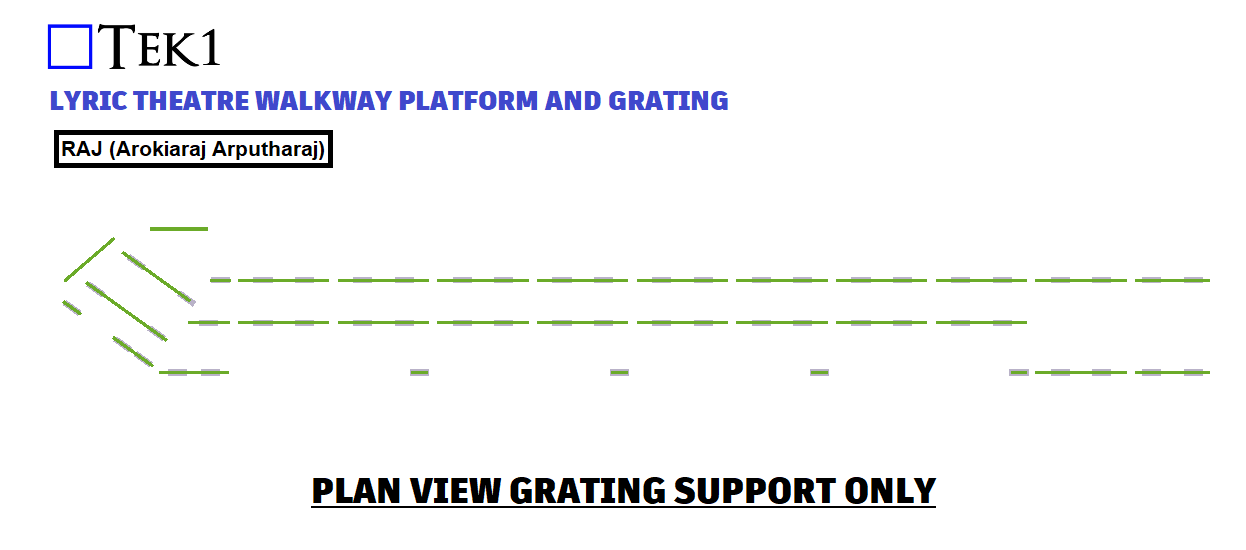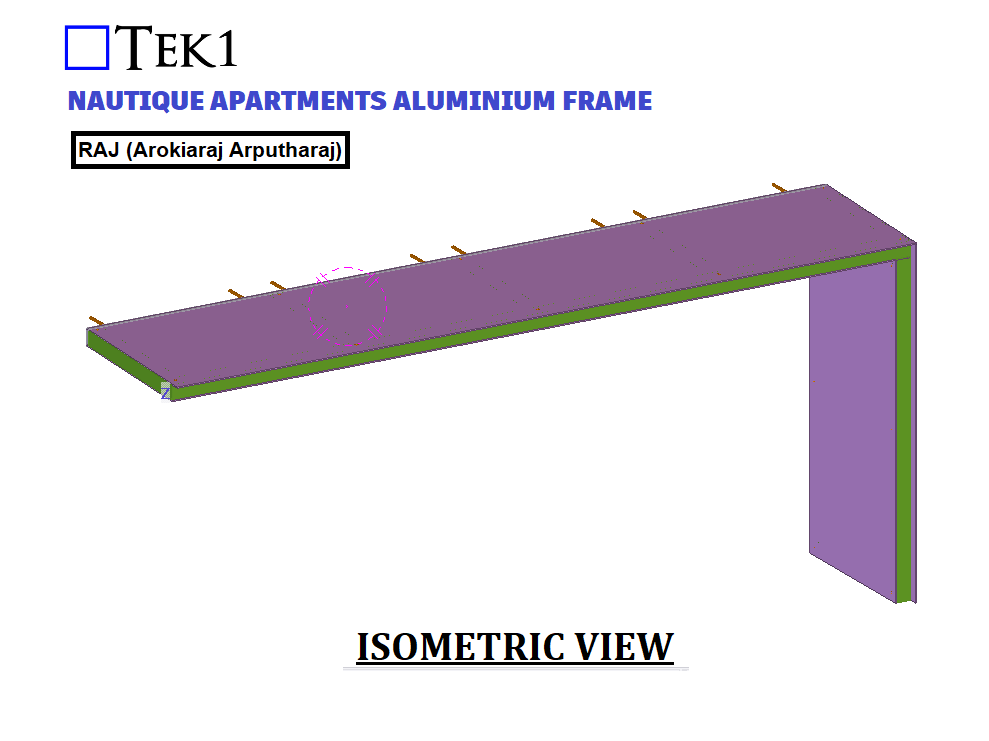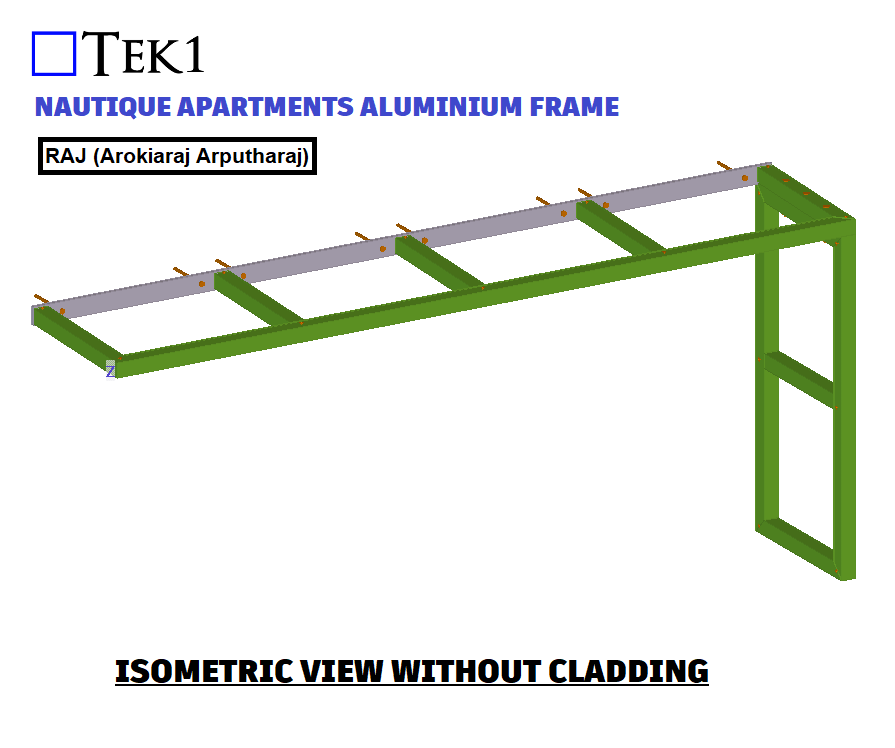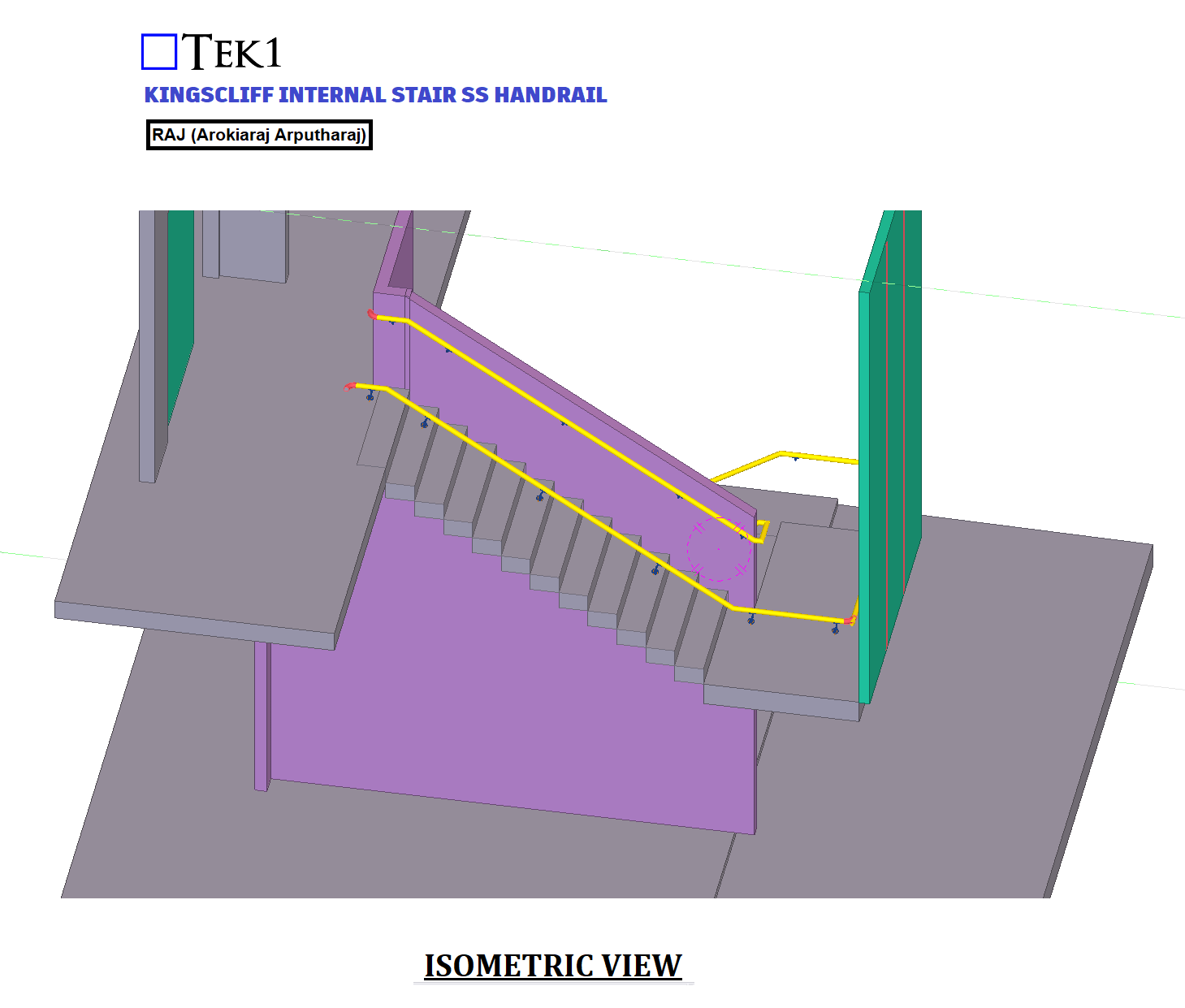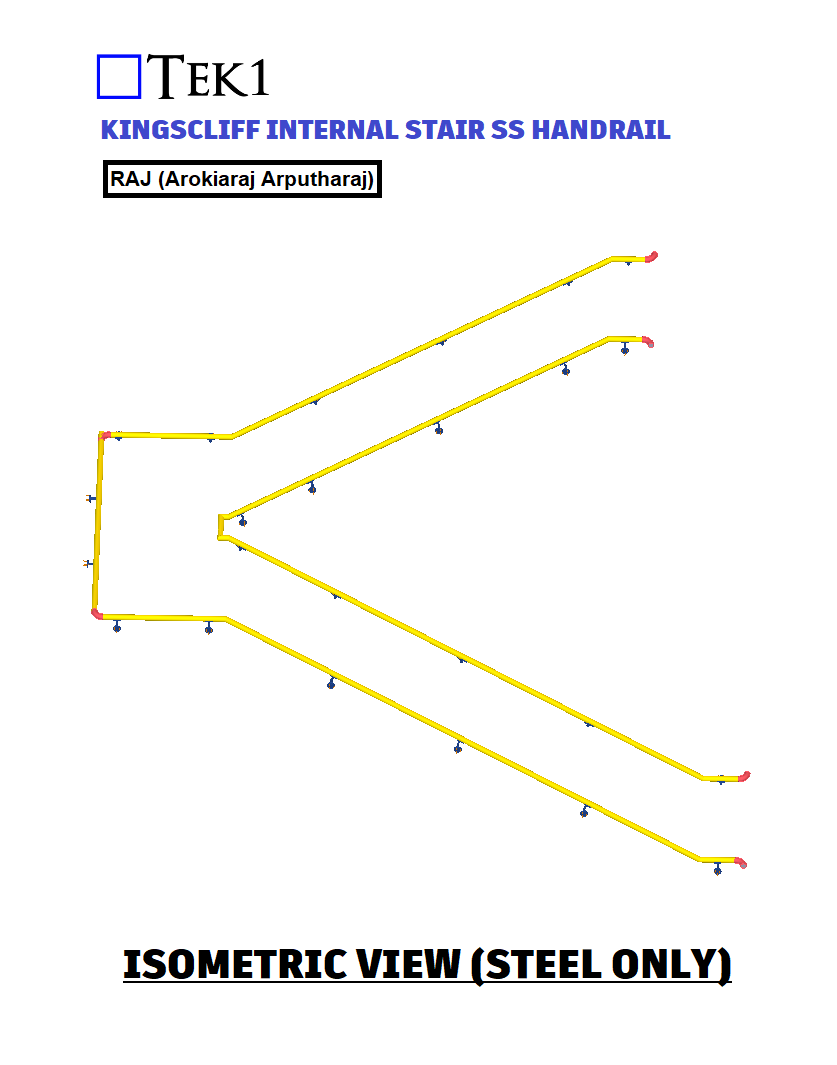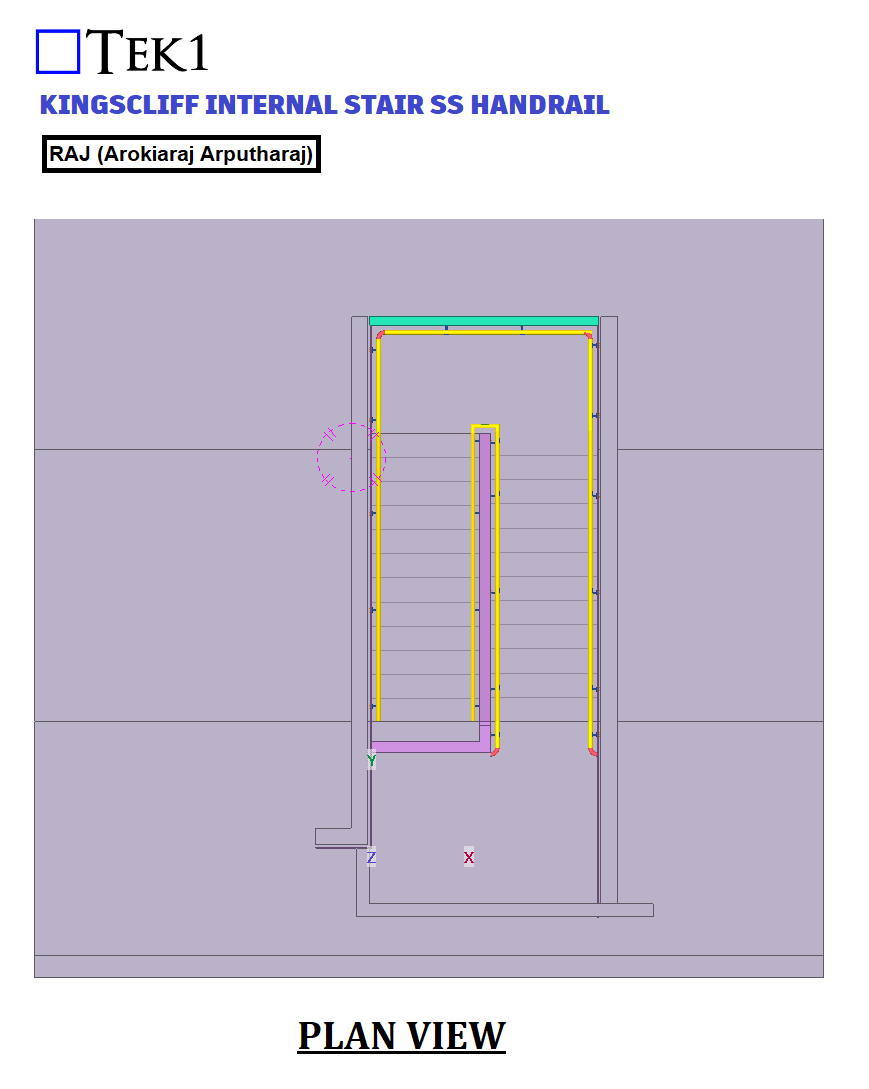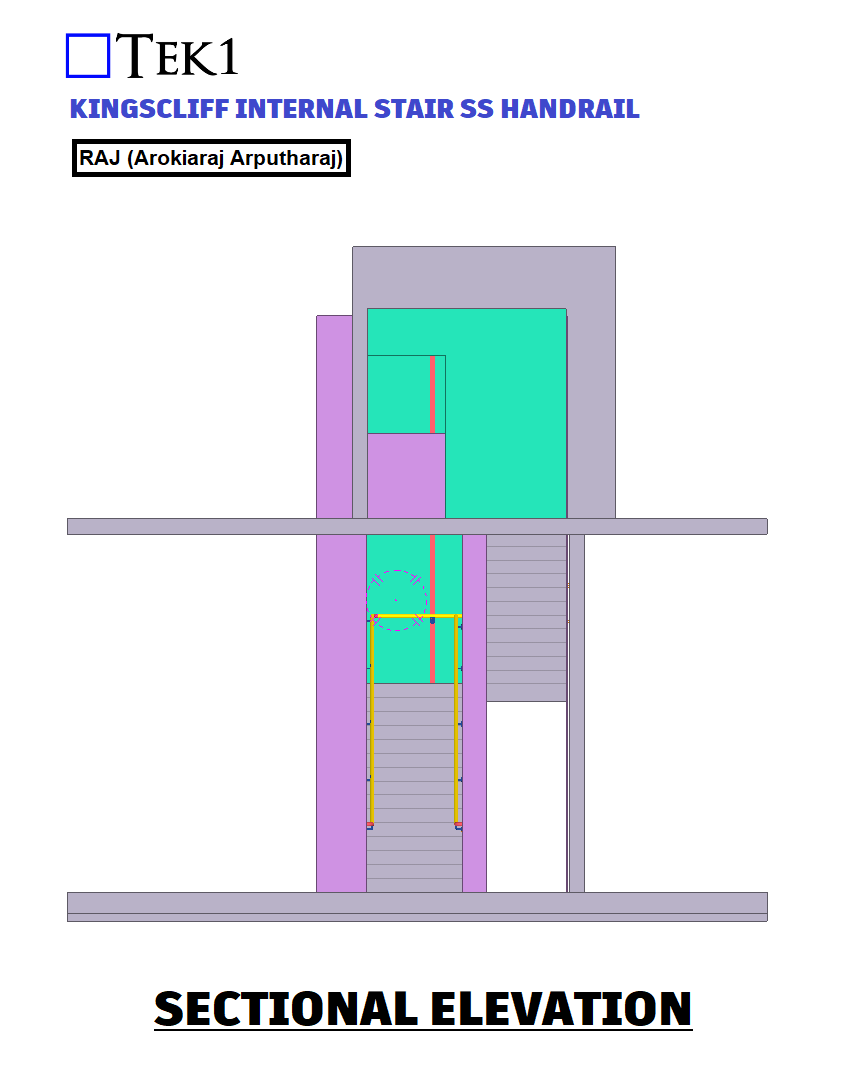


This page show cases some of the Steel Detailing projectgs completed in Melbourne, Sydney, WA, Brisbane Tek1 has completed

In a recent project, we encountered a challenge with a plant room constructed from SHS members, featuring grating on both the floor and the roof.
Problem 1:
The original structural drawings specified vertical splice plates bolted together. However, these splice plates would protrude through the floor & roof gratings, creating a potential trip hazard.

Upon identifying this issue, we notified the structural engineer, who then changed the bolted connections to site-welded connections. While this solution addressed the trip hazard, it introduced a new problem: site welding approximately 40 splices would be both costly and time-consuming.
When this issue was discussed with the fabricator, they proposed shop welding the SHS frames into just two large assemblies for the entire plant room which they had the capacity to transport as large units. This approach significantly reduced the number of site welds required.
Problem 2:
However, another challenge arose: these large assemblies were to be galvanised and were too big for the galvanising bath. We consulted with the fabricator regarding the maximum size of the galvanising bath and suggested subsequently splitting the plant room assemblies accordingly. This adjustment reduced the number of site welds to around 20, making the process more efficient.
Two primary problems were identified and solved:
By identifying and rectifying these issues at the planning stage, we saved significant time and money.
If you’re interested in having me (Dhileepan) manage your project, please send a quote request to our principal at koshy@tek1.com.au and mention that you want Dhileepan to manage your project.

A recent project involving the installation of a static sign board on a highway required a significant change in structural design. The task involved detailing steel frames for supporting different sized sign board. However, a particular challenge arose when one of the static sign boards exceeded the maximum size allowable for its designated steel frame type.


We promptly raised a query regarding this discrepancy with the structural engineer. The project was subsequently put on hold to address this critical issue.
The structural engineering team responded by revising the original frame design and also the sign board’s size. This adaptive approach ensured that the structural integrity and safety of the sign board were not compromised. The revised frame design was then implemented, allowing the project to proceed smoothly.

NEW DESIGN
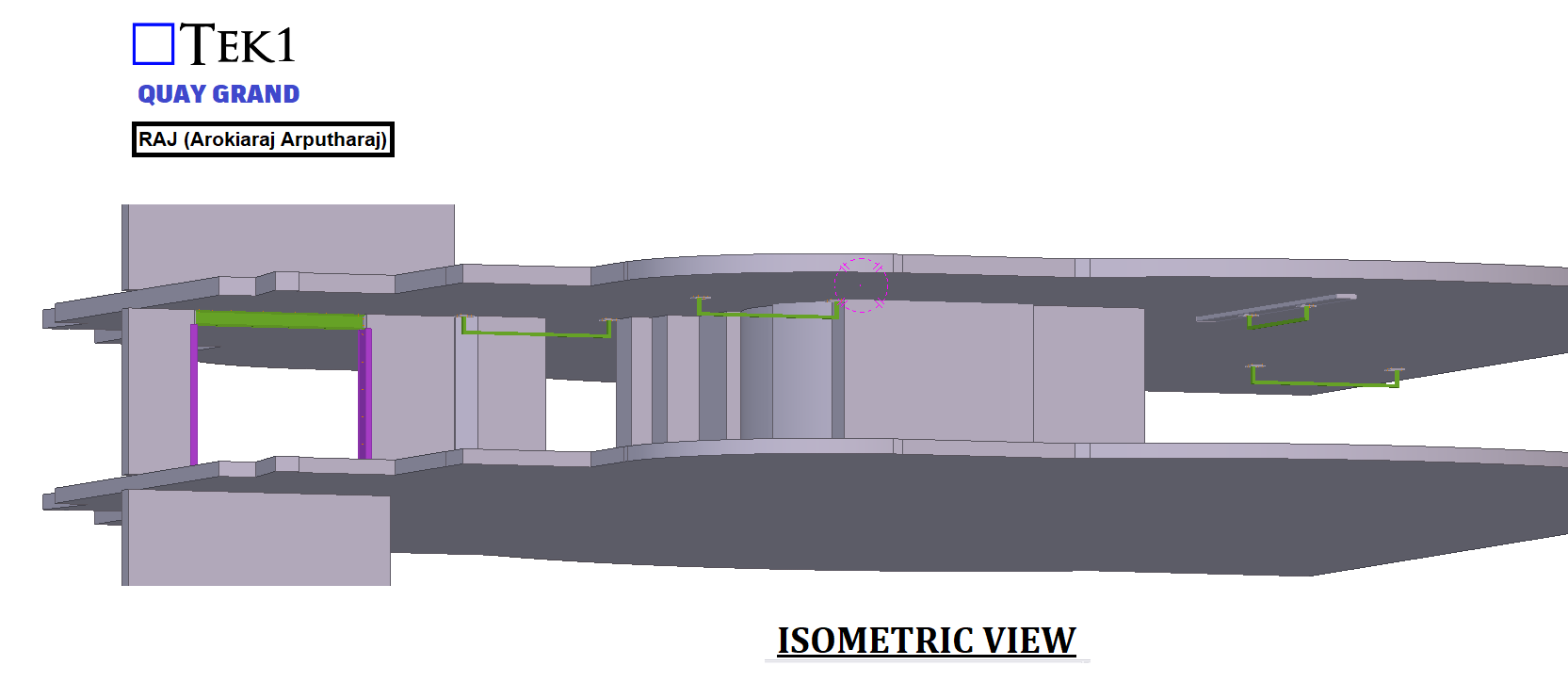
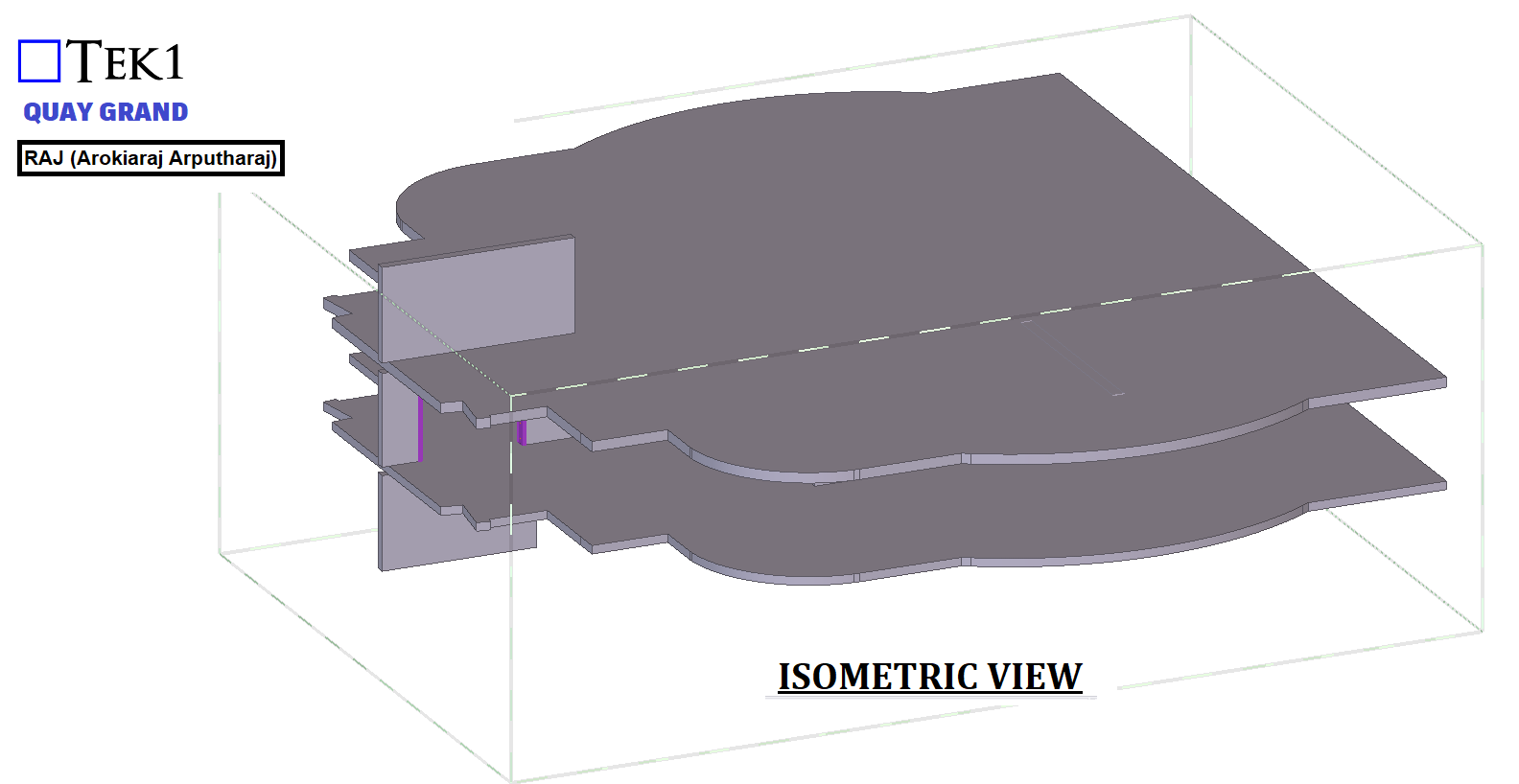
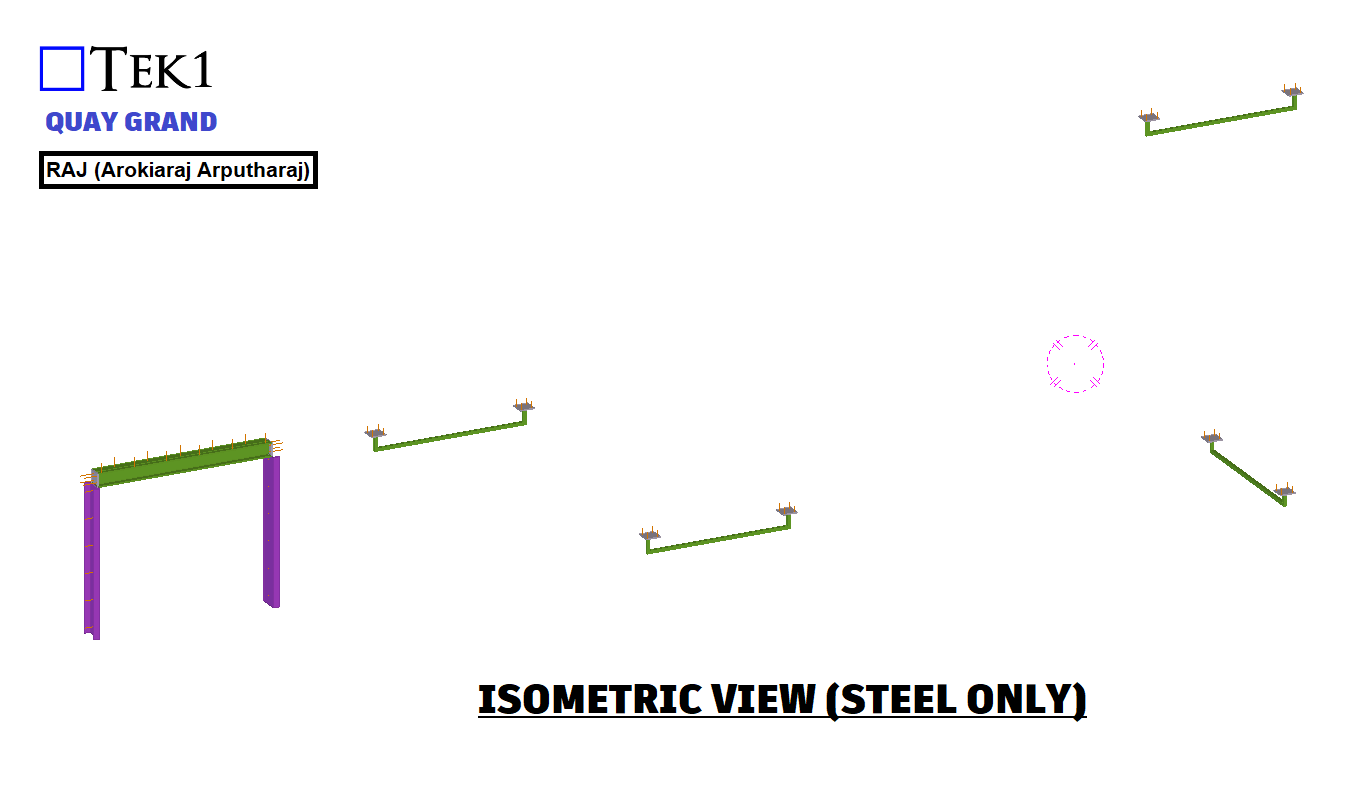
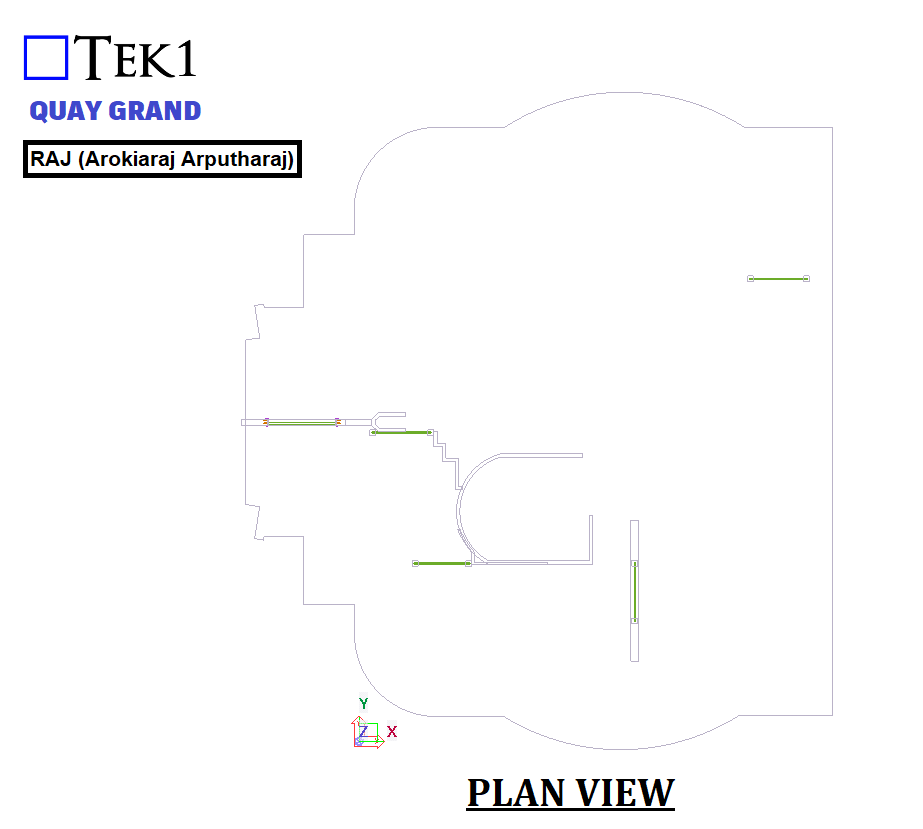
The stairwell at 275 Kent Street had been demolished, leaving open slab areas that needed to be closed. Our task was to support these closures with meticulously detailed steel beams. Following a comprehensive site survey, we supplied steel beams tailored to different levels.
Initially, the project scope included orders for only three levels. However, after completing these, four additional levels were incorporated to fully close the openings.


See the image below: there is a very serious potential issue here. Can you spot it?
If you want to see a live link – please click here:

What’s the problem?
Our steel is tied into concrete.
What’s wrong with steel on concrete?
What happened in this case?

What happens if I dimension to concrete?
Summary:
What should I do?

As a steel detailer working on projects for public access areas or residential buildings, you must be familiar with the essential standards to ensure safety and compliance.
In this blog post, we’ll delve into the significance of following standards, with a specific focus on AS1428, AS1657, and BCA, through a real-world case study near the iconic Melbourne Cricket Ground (MCG).
During a recent visit to the vicinity of the Melbourne Cricket Ground, I observed that the installed stair handrail did not meet the compliance as specified in AS1428. The end handrail protrudes with sharp edges, causing safety issues for the public.
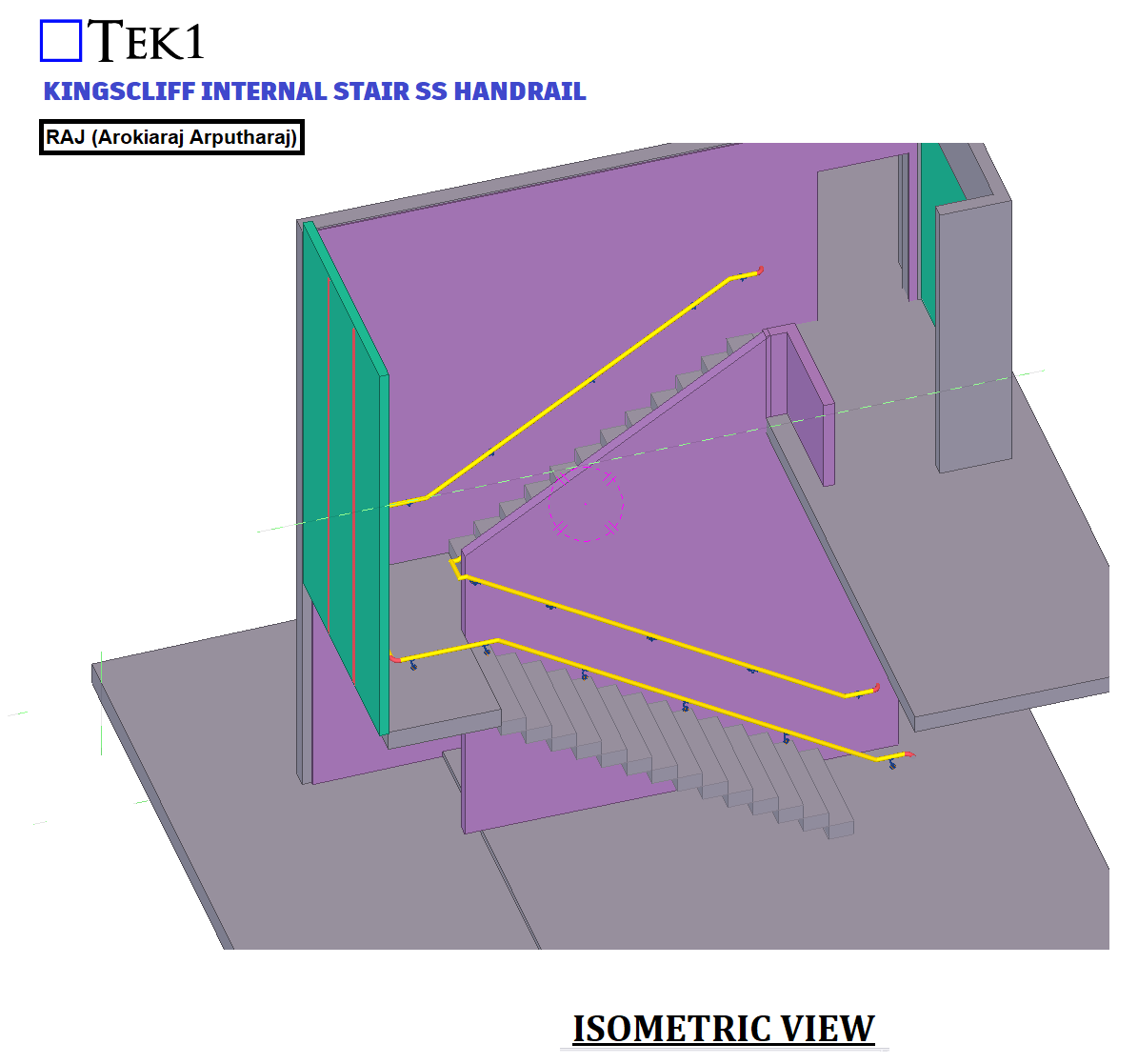
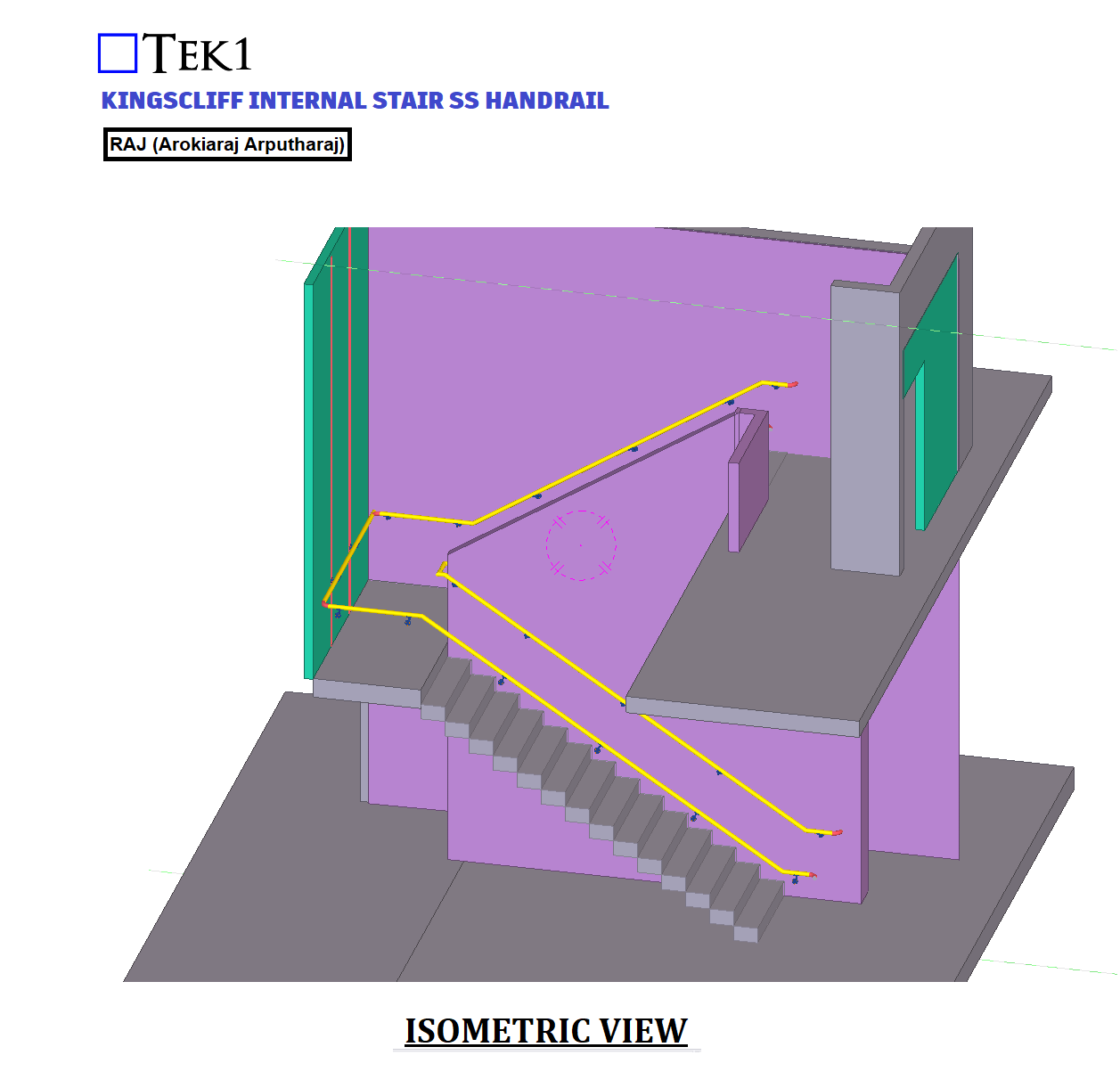
Please refer to the snapshot below, taken at the entrance of JOHN CAIN Arena, Near MCG. Additionally, we have attached another snapshot that refers to the standard handrail which needs to be used in public areas.


Understanding the Standards: AS1428, AS1657, and BCA
Before commencing any detailing project, it’s crucial to have a comprehensive understanding of the relevant standards. AS1428 covers design for access and mobility, providing guidelines for elements such as handrails, ramps, and doorways to ensure accessibility for all individuals. AS1657 specifies requirements for fixed platforms, walkways, stairways, and ladders, emphasizing safety and structural integrity. Meanwhile, the Building Code of Australia (BCA) sets forth regulations governing construction, including provisions for structural adequacy and fire safety.

A small lantern has been added to the east wing of the parliament house. Despite its modest size, we take great pride in having contributed to such a prestigious project.
The assembly consists of a single frame with welded columns, positioned atop existing beams. Prior to project commencement, TEK1 provided a detailed sketch outlining the necessary site measurements. With this, we were able to guidance the erection of the lantern for the parliament house accurately and seamlessly.


A new outdoor basket ball court has been added adjacent to the existing building in the Ballina High School. The roof design is similar to a warehouse.
A new outdoor basket ball court has been added adjacent to the existing building in the Ballina High School 57, Cherry Street, Balliana, NSW 2478
(more…)A new outdoor basket ball court has been added adjacent to the existing building in the Ballina High School 57, Cherry Street, Balliana, NSW 2478
(more…)