Category: Uncategorized

  • Load Bearing & Non-load bearing concepts in precast

    What is load bearing precast element?

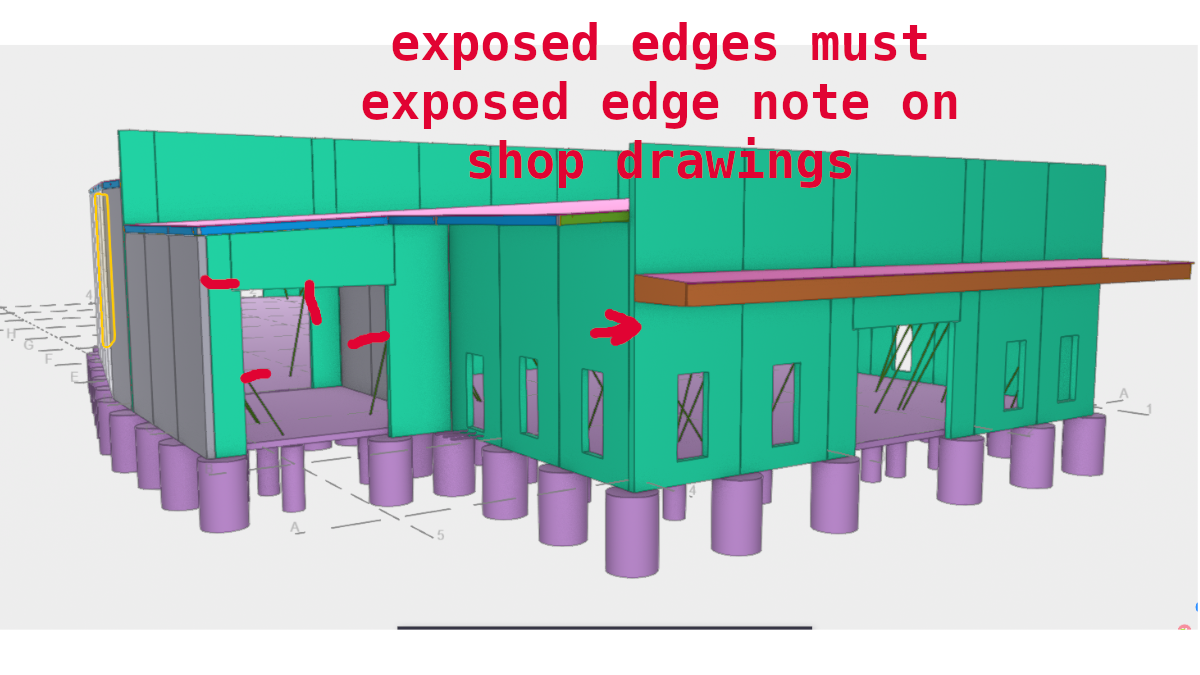
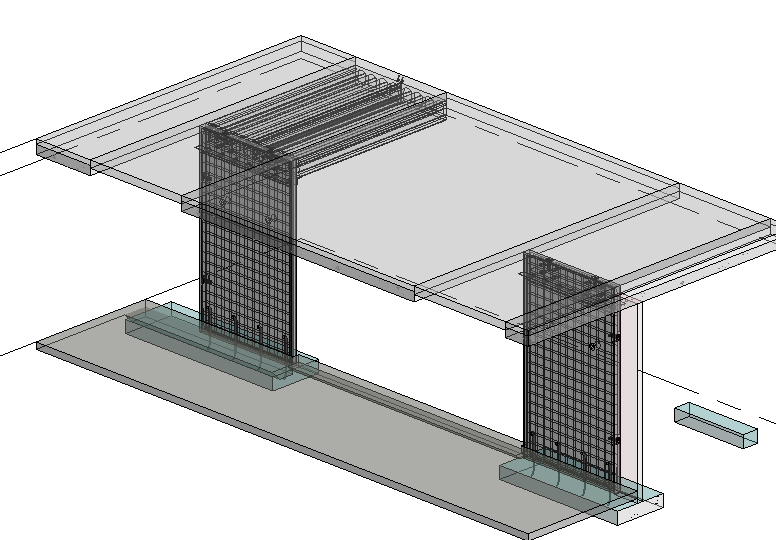
    Load bearing precast element is anything that receives load from a precast or structural members and transfers the load to another structural member or precast. These precast elements can also be used along as façade, boundary walls, or for architectural design purposes.

    What is non-load bearing precast element?

    Non-load bearing precast element is anything that may receive load but must not transfer loads to any other structural members or precast. Normally these kind of walls are used only for partition, façade, boundary walls, or for architectural design purposes

    What is Partially-load bearing precast element?

    Partially-load bearing precast element is anything that receives load from a precast or structural members and transfers the load to another structural member or precast. But only a portion of precast receives and transfers load and the remaining portions will act as non-load bearing ones. (Single precast element which acts both as load bearing & non-load bearing)

    Data’s, panel types  & other details for

    Load-bearing element  Non-bearing element  Partially-load bearing element
    Grade, can be higher upto 80MPaGrade enough be 40MPa (UNO)Grade, can be higher up to 80MPa
    Gap between two elements are filled with grouting material of required gradeGap between two elements are filled with Soft joint caulking only. no grouting.Gap between two elements are filled with grouting material of required grade, extent of filling is for load bearing portion. Remaining portion will be soft joint caulking only
    Dowels to be black finish (UNO)Dowels to be Galvanized finishDowels to be Black or Galvanized finish, as per load bearing extend (UNO)
    Dowel length, size & spacing as per Engineer’s requirementDowel length, size & spacing as minimum as possible after discussing with Manufacturer or EngineerDowel length, size & spacing as per Engineer’s requirement  for LBP portion Dowel length, size & spacing as minimum as possible for NLBP portion
    Dowel & Grouting materials will transfer load to adjoining elementDowel will be used to position the precast element & no grouting material present to transfer load. So loads will not be transferred.Combination of LB & NLB criteria
    No ring seal around the dowelHigh density foam ring seal around the dowelNo ring seal around the black dowel High density foam ring seal around the Galvanized dowel
    Grouting material will cover the dowel, so oxidation in dowel is negligibleNo Grouting material, oxidation in dowel is possible. So high density foam ring seal is used and dowels are galvanized to prevent oxidation in dowelCombination of LB & NLB criteria
    No additional tubes or caps neededPlastic tube will be placed over upper half of dowel. Compressible cap will be placed over the top of the dowel bar.Combination of LB & NLB criteria
    Connection with slab mustConnection with slab may not needed with respect to engineer requirementCombination of LB & NLB criteria
  • Privacy Policy

    Privacy Policy

    Last Updated: 03/03/2026

    1. Information We Collect

    We collect information to provide better services to our users. This includes:

    • Information you provide: Names, email addresses, or billing info when you sign up or contact us.
    • Automated Information: Your IP address, browser type, and usage data collected via cookies when you navigate our site.

    2. How We Use Your Information

    We use the data we collect to:

    • Operate and maintain our services.
    • Improve user experience and personalize content.
    • Communicate with you (e.g., newsletters or support tickets).
    • Ensure security and prevent fraud.

    3. Sharing Your Data

    We do not sell your personal data. We only share information with third parties in the following cases:

    • Service Providers: Tools like payment processors or email delivery services that help us run our business.
    • Legal Requirements: If required by law or to protect our rights.
    • Consent: With your explicit permission.

    4. Your Rights and Choices

    Depending on your location, you may have the right to:

    • Access the personal data we hold about you.
    • Request Deletion of your data (“Right to be Forgotten”).
    • Opt-out of marketing communications at any time.

    5. Cookies

    We use cookies to track activity on our service. You can instruct your browser to refuse all cookies, but some portions of our service may not function properly if you do.

    6. Security

    We implement industry-standard security measures to protect your data. However, no method of transmission over the internet is 100% secure, and we cannot guarantee absolute security.

    7. Contact Us

    If you have questions about this policy,

    please contact us at: Email: info@tek1.com.au

  • Major Project in Australia

    Ammaroo Phosphate Project

    Australia-Asia Power Link (AAPowerLink)

    Australia-Asia Power Link (AAPowerLink)

    Bonaparte Carbon Capture and Storage ProjectPty Ltd

    Broken Hill Cobalt Project

    Cape Hardy Green Hydrogen Projec

    Gonneville Critical Minerals Project

    Goschen Rare Earth Mineral Sands Project

    Kalgoorlie Nickel Project

    Download Excel

  • Addressing Stair Landing Slopes with Steel Modifications

    Addressing Stair Landing Slopes with Steel Modifications

    In our previous blogs, we discussed common mistakes that can occur while detailing a stair landing with slopes. You can find the link to the previous blog here: https://www.tek1.com.au/australian-standards/designing-a-multi-level-staircase-common-mistakes-and-key-considerations/


    Now, the designers have replaced precast slabs with pavers. Since pavers cannot have varying thicknesses, we were instructed to do something with the steel structure to achieve the required falls.
    The stair landing system has steel frames, 10mm plates on their top & EA support members to bolt them. The 50mm pavers are placed on top of the 10mm plates.


    TEK1 played a key role in designing the modifications, adjusting the steel supports and slopes to achieve the necessary fall. If the required slope were unidirectional, achieving it would be straightforward. However, in this case, the stair turns 180°, and the mid-landing’s fall transitions in three directions.


    Handling Slope Transitions
    The landing below Flight-02 and the top of Flight-01 are in opposite 180° directions.
    A single rectangular plate cannot connect these two slopes seamlessly.
    To address this, we introduced two triangular plates in the middle to enable a smooth transition between the slope directions.


    Structural Adjustments

    The main steel structural members remain consistent throughout the mid-landing.
    We adjusted the RL (Reduced Level) and slopes of the EA support members to match the required slope of the 10mm plates that support the pavers.


    By implementing these changes, we successfully accommodated the required falls while ensuring structural integrity and proper drainage. This approach maintains a practical and efficient solution when using pavers instead of precast slabs in stair landings.

  • Chronicle of the project

    Introduction

                    It is very important to have the full detail about the project in single place and handy documents, like project planning, project status and projects history. So, to make this handy we have a introducing an application that we called as a The Quote App

    Let’s see more about the Quote App, it’s an online application developed by Tek1 Where all the activities of the project are recorded and whenever it has been updated, it will be intimated to the client also, and keep updated who all are involved in that project

    https://tek1-quotes.herokuapp.com/organisations/2/users/sign_in this is that web page
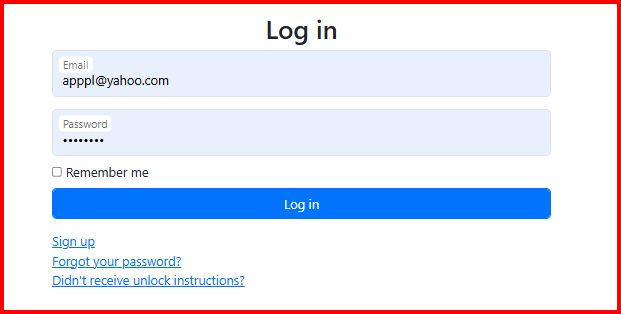
    Once you log in, you can see the project allocated for you
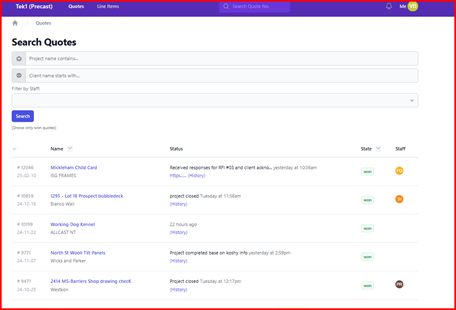
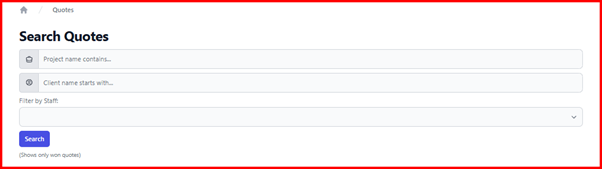
    And you also have a search box where you can search for the project you are looking for it
    Each project has link for history and Live link it will take you the chronicle of the project and live link will take you the live model of the project
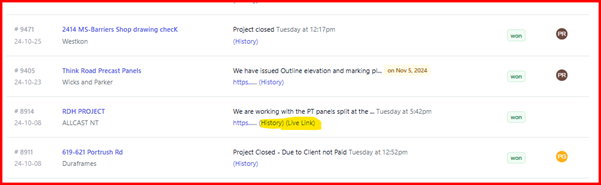
    As below
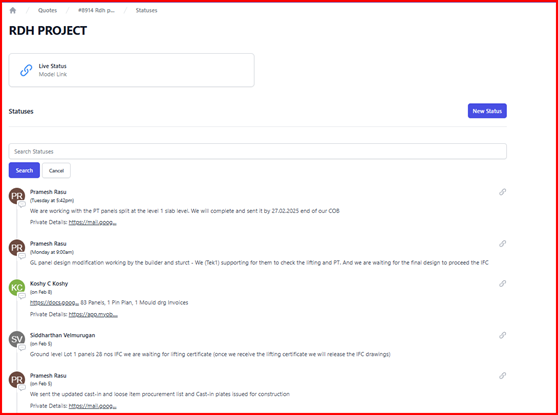
    Conclusion so this app will be handy to give the full detail of the project and it can be updated with all the person who involved in this project via email and they can review this application at any time for the future reference about the projects. Thank you

  • Are you Fabricating in China with Local Design?

    Find equivalent sections available in other countries

    Chose alternate sections quickly and easily

    • Compare
    • LXH
    • Weight per meter
    • Section Modulus

    Also, if you are thinking of replacing one section with another, you can easily compare, LxW , Weight Per Meter, Section Modulus.
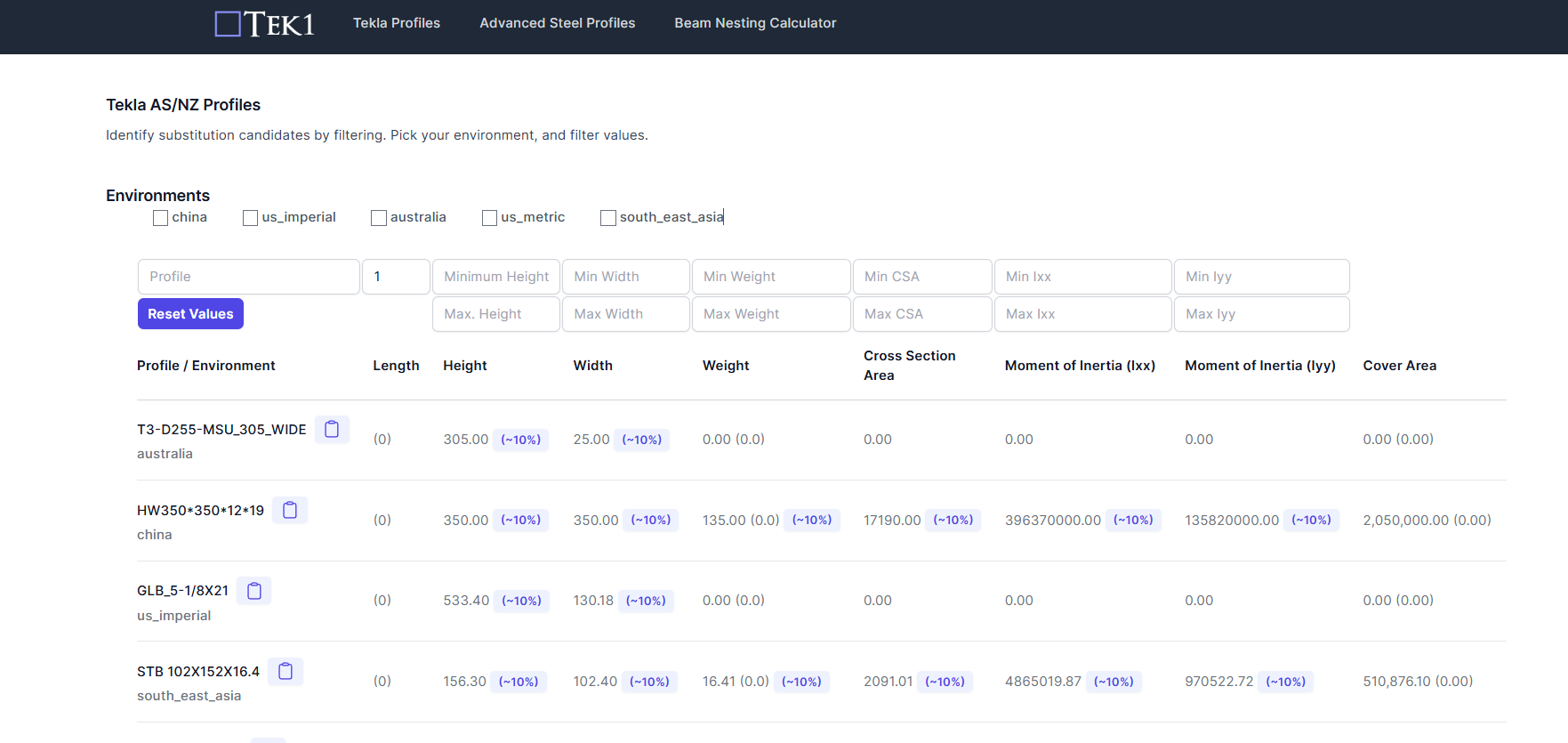
    Compare profiles between, Australian, US, Chinese, South Asian Sections to replace one with the Other

    Visit our web app https://www.bepin.tek1.com.au/

    Bepin

    https://www.bepin.tek1.com.au

  • Asymmetric Zed Purlin

    Asymmetric Zed Purlin

    Author: Pon Dhileepan

    Lysaght Zed sections feature one broad & one narrow flange, sized so that two sections of the same size fit together snugly, making them suitable for lapping.
    The table below from the lysaght catalogue clearly shows the difference in sizes of each flanges.

    Lysaght Zed Purlin Catalogue

    The purlin bolts are always placed equidistant from the centre & hence the steel modeller does not have to worry about whether the broad flange of a purlin comes at top or the narrow flange. The broad & narrow flanges will be placed alternatively at the site. This is the case for almost all the times.

    But very rarely, there might be additional bolts/holes at the top flange or bottom flange and the steel modeller has to consider modelling the purlins with their exact orientation i.e, whether broad flange of a purlins comes at top or the narrow flange.

    For instance, the below design demands for M12 bolts or hook rods from the top flange of the Zed purlin to support the nearby gutter. Hence the modelling has to be precise about the broad flange & narrow flange for each purlin in a continuous row.

    Example Design