Author: RAJ (Arokiaraj Arputharaj)
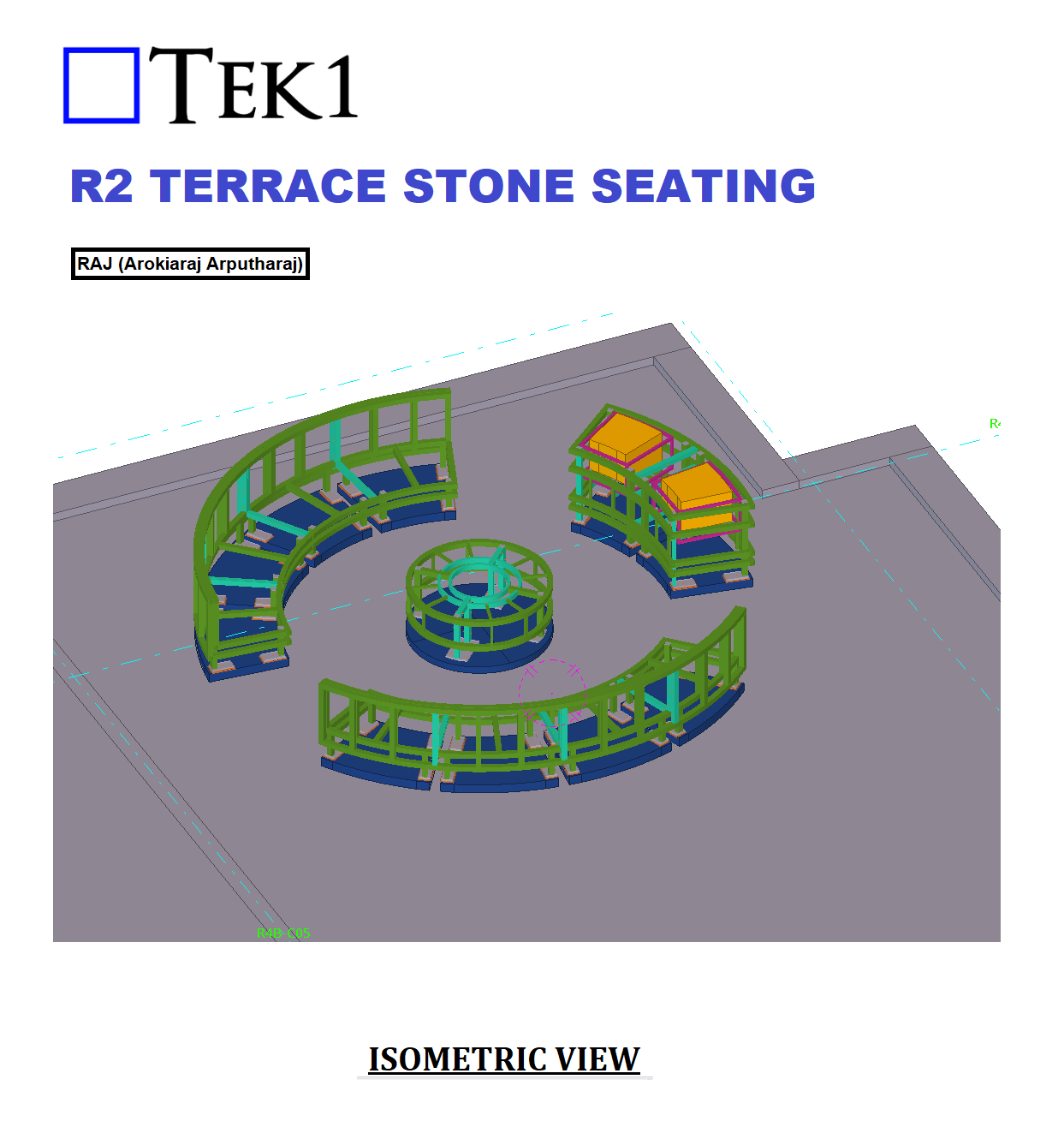
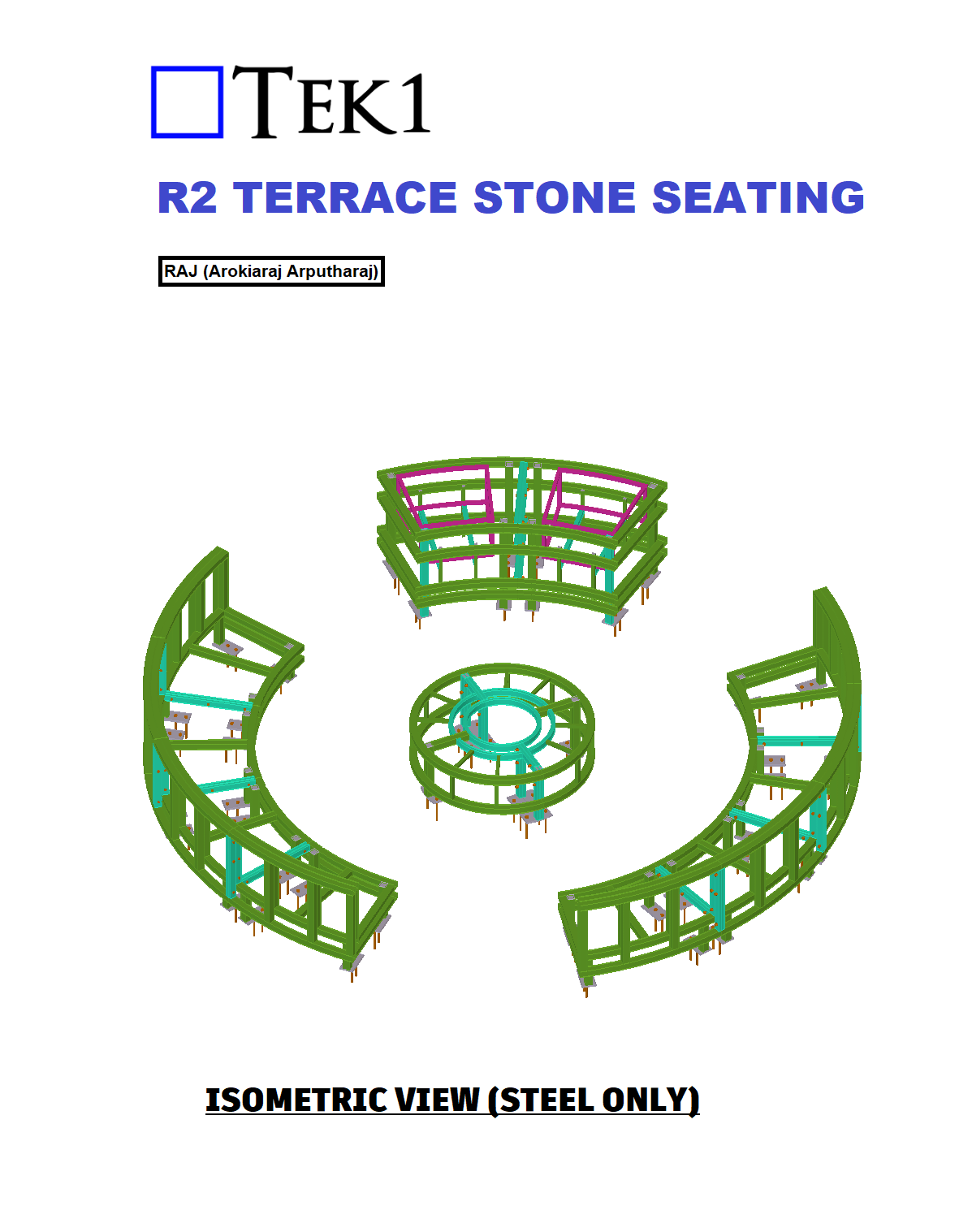
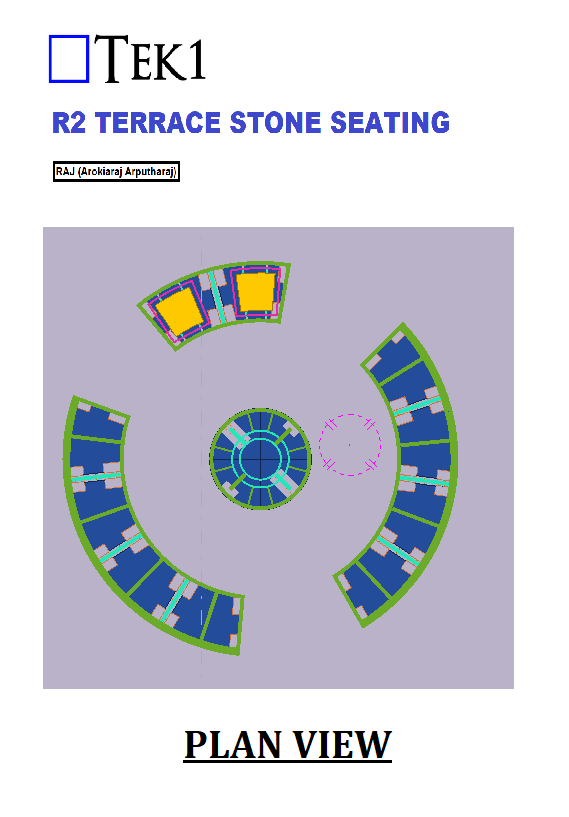
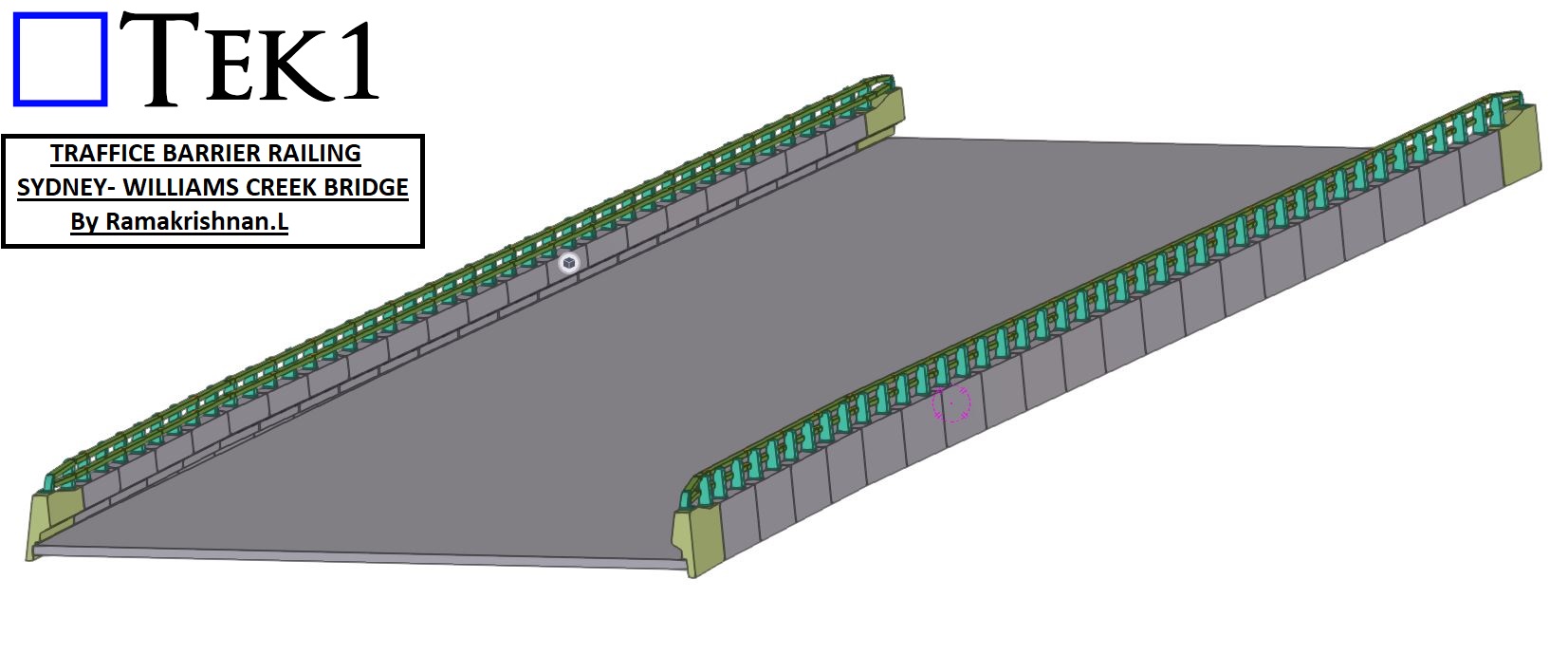
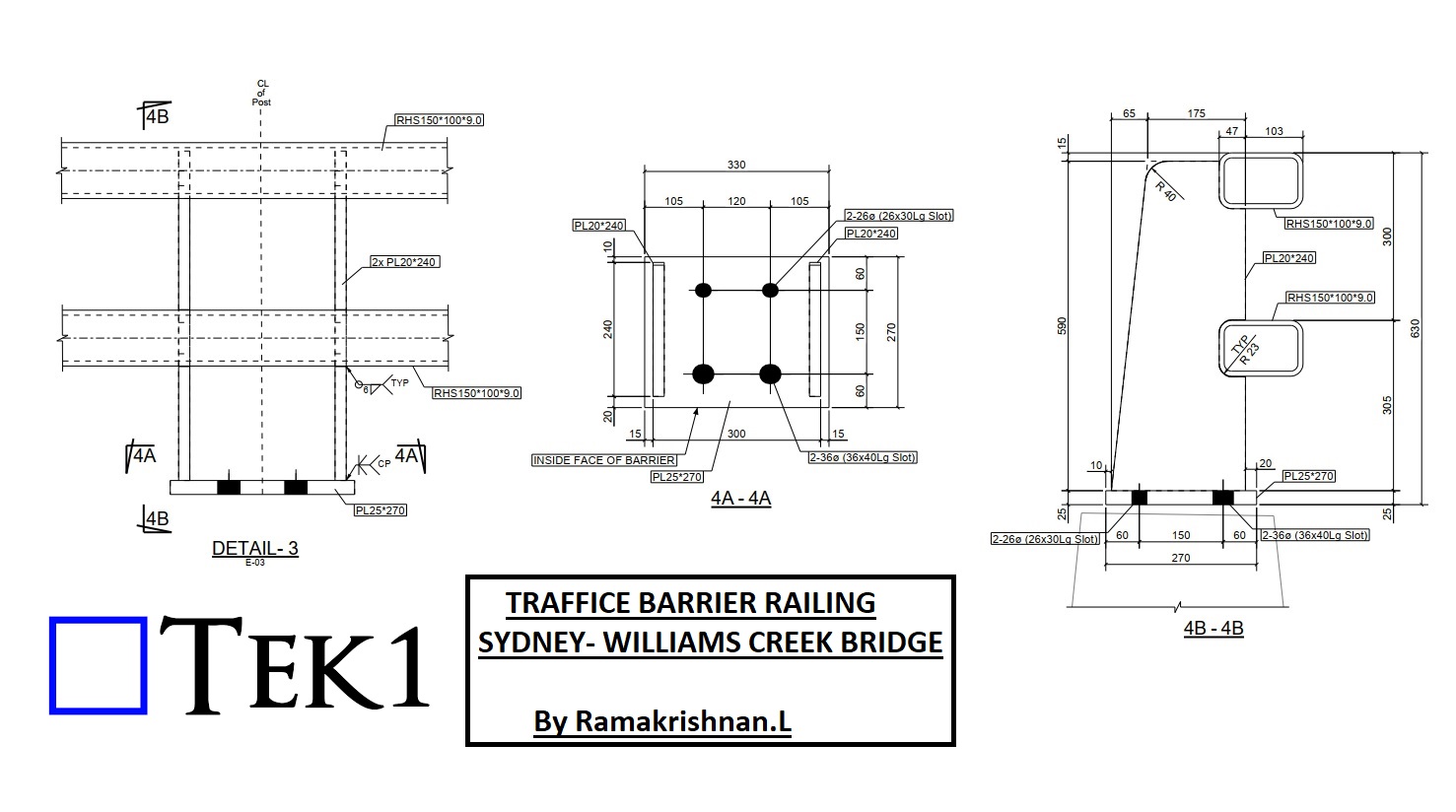
TEK1 recently completed the project TRAFFICE BARRIER RAILING project for the William Creek Bridge in Sydney. .
Project Overview
The primary focus of this project was the detailing and coordination of the barrier railing connections with respect to the precast barrier. These connections are integral to ensuring the railing system’s strength, stability, and compliance with safety standards.
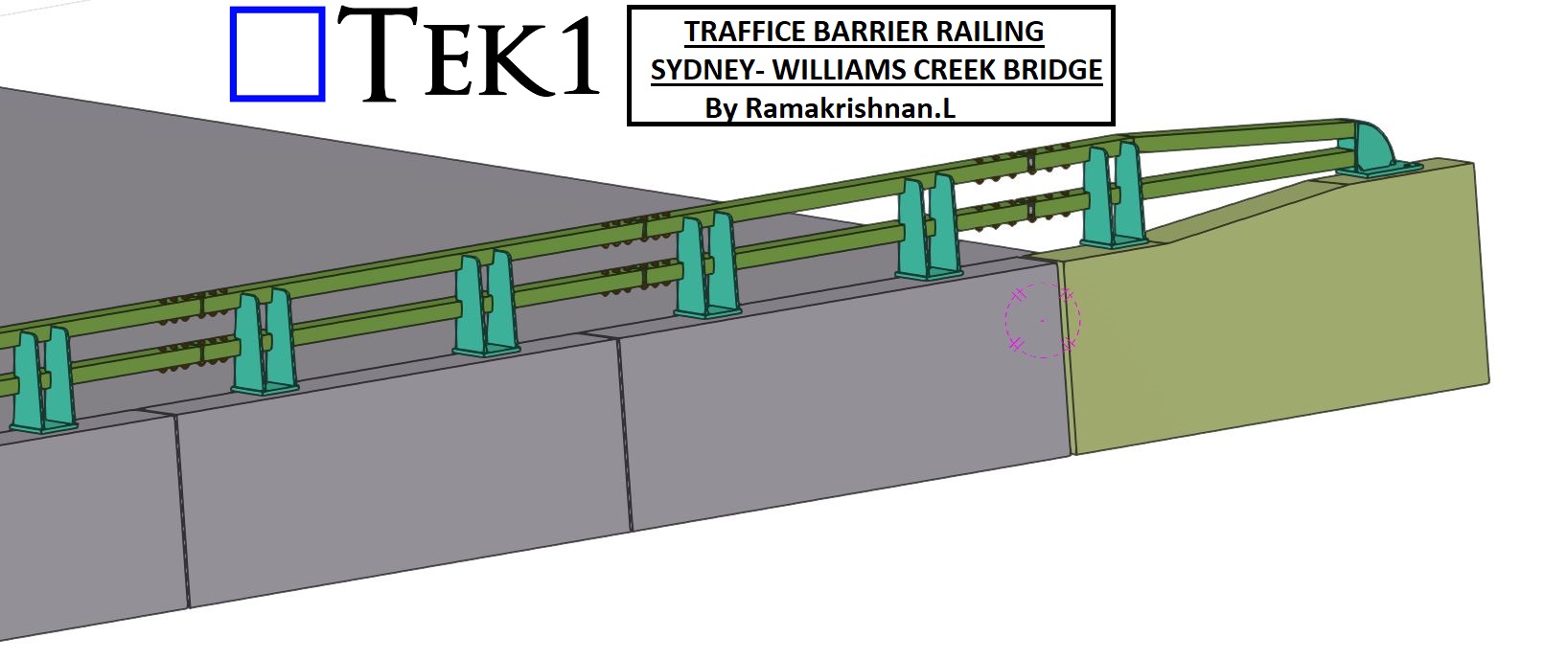
Key Features of the Railing Connections
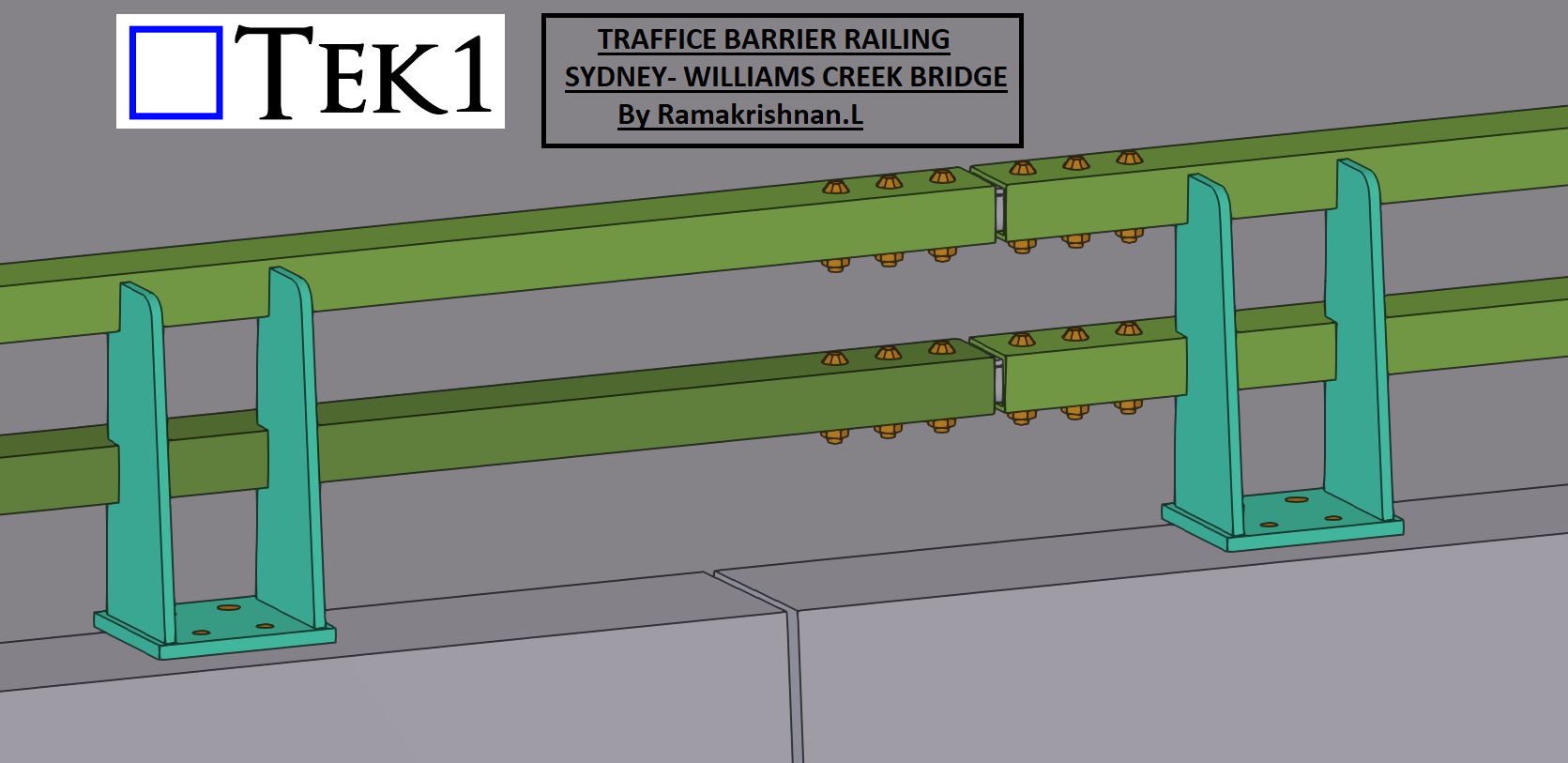
Conclusion
TEK1’s work on the William Creek Bridge reflects our commitment to enhancing public infrastructure through precision detailing. By focusing on both safety and functionality, we’ve delivered a barrier railing system that meets the highest standards.
Stay tuned for more updates as we continue to contribute to impactful projects that make a difference in our communities.
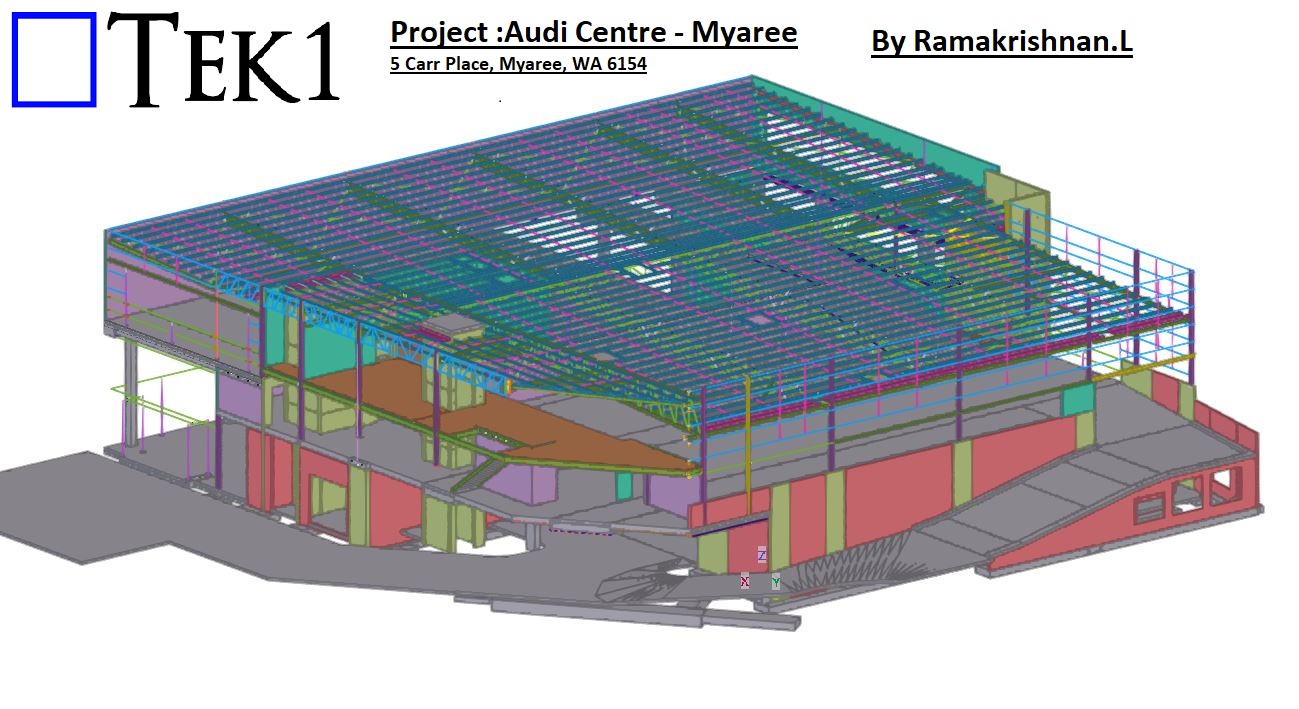
5 Carr Place, Myaree, WA 6154
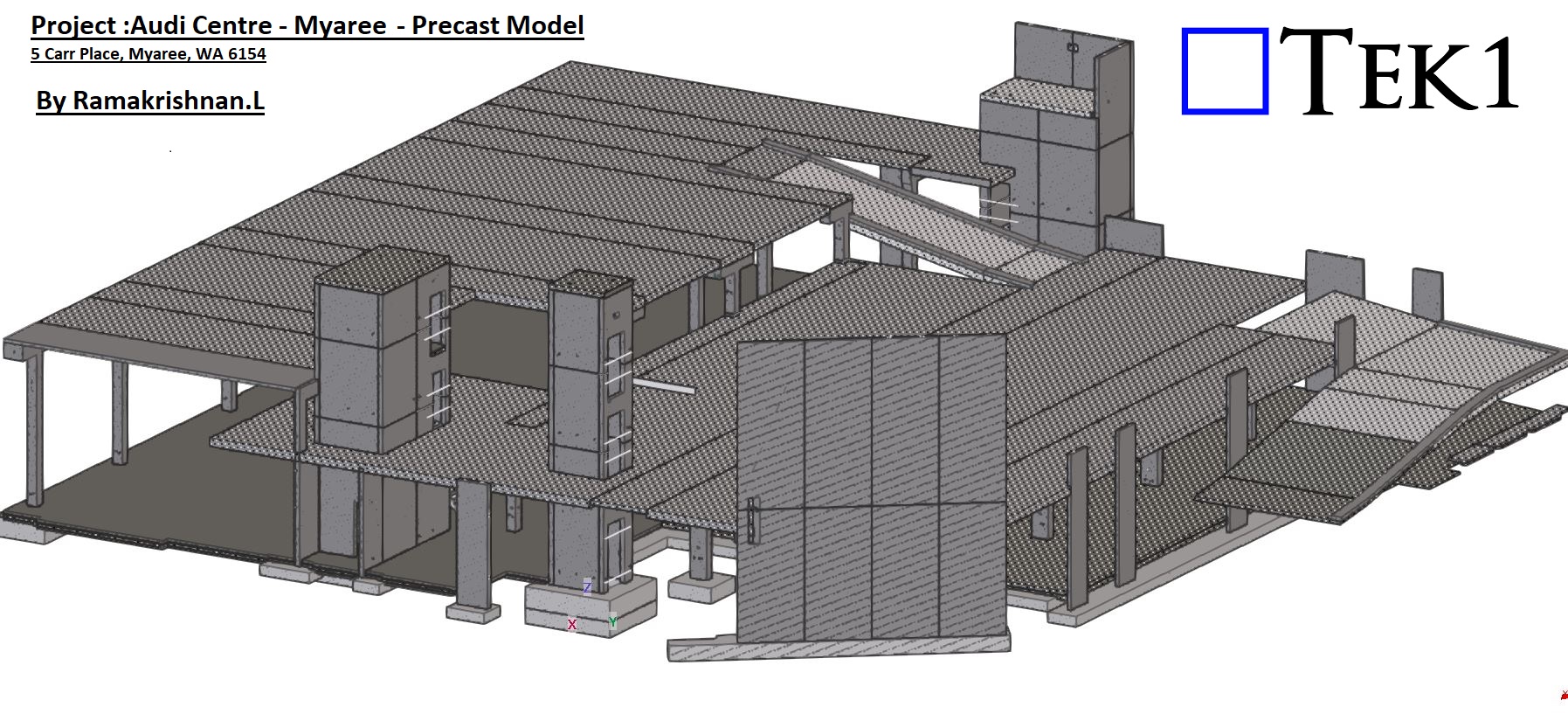
TEK1 recently completed the project Audi Centre Myaree a Audi Car showroom in Western Australia. This impressive structure is a 100-tonne steel building, featuring two floors and a main roof, exemplifying modern design and engineering precision.
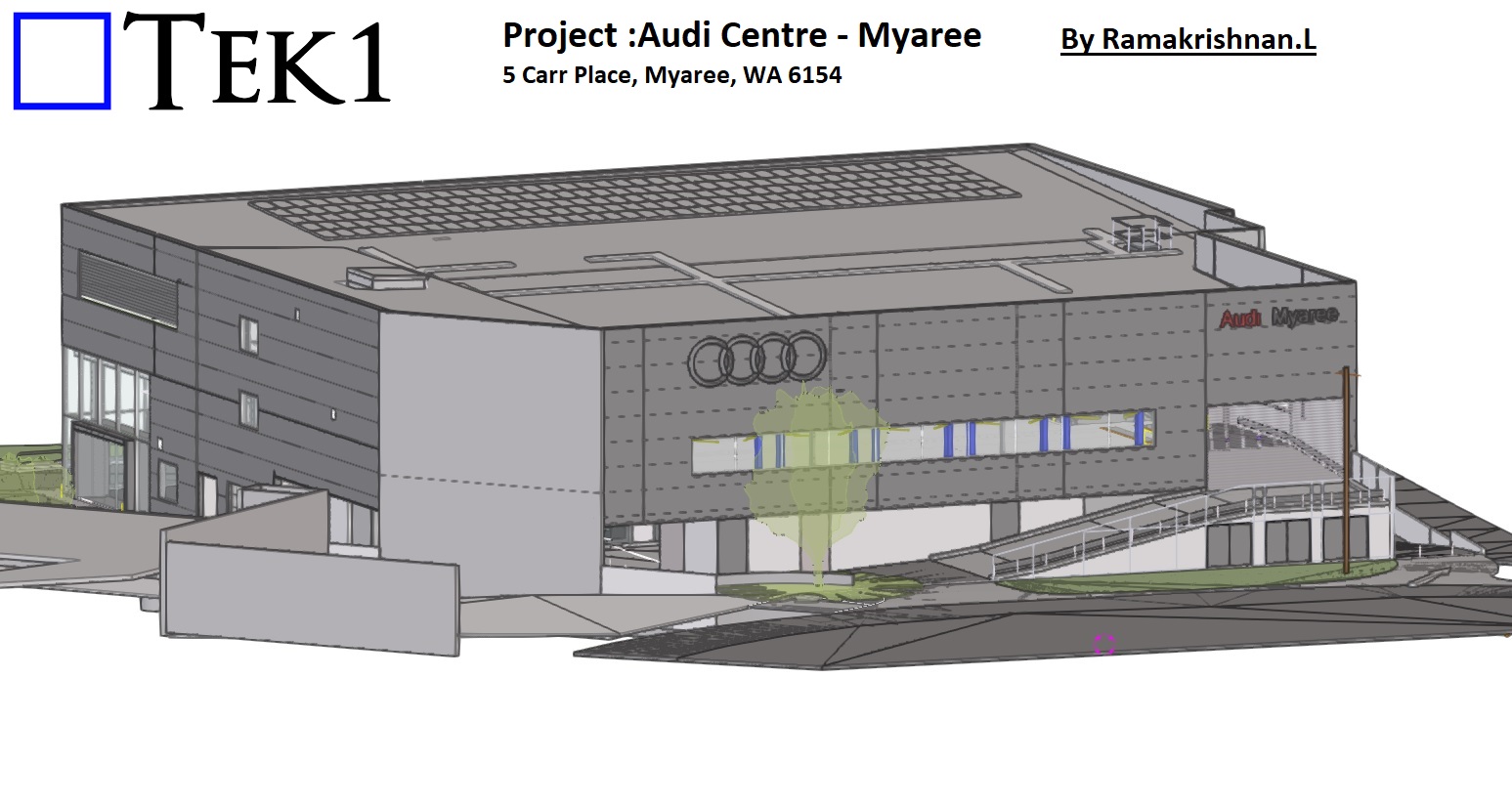
Scope of Work: Steel and Precast Panels
Our scope for this project included detailing both steel and precast panels. Managing these two critical elements simultaneously required meticulous coordination and attention to detail. The integration of steel and precast detailing enabled us to ensure accurate connections between the two systems, delivering a seamless result.
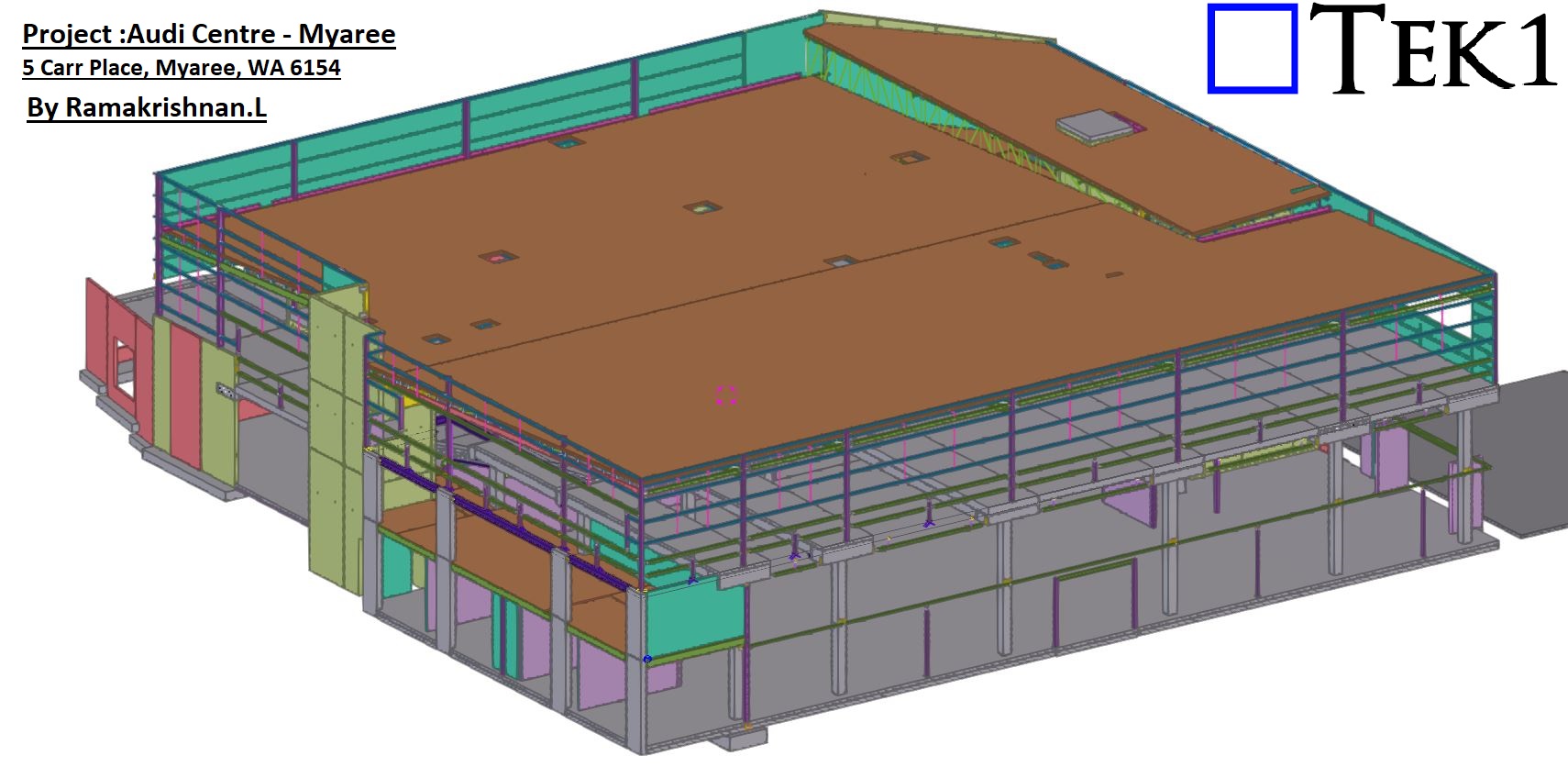
Overcoming Challenges with Precision
Handling both steel and precast in a single project can often lead to coordination challenges. However, thanks to TEK1’s skilled team and advanced detailing processes, we completed the project without any hitches. Our approach ensured that all connections were detailed precisely, aligning perfectly with the design and site requirements.
Precast Model
Conclusion: A Milestone in Steel Detailing
The Audi Centre Myaree stands as a testament to TEK1’s ability to manage complex projects involving multiple structural elements. By combining expertise, coordination, and a commitment to excellence, we delivered a showroom that reflects the high standards of the Audi brand.
At TEK1, we continue to set benchmarks in steel and precast detailing, ensuring that every project we undertake is marked by efficiency, accuracy, and success.
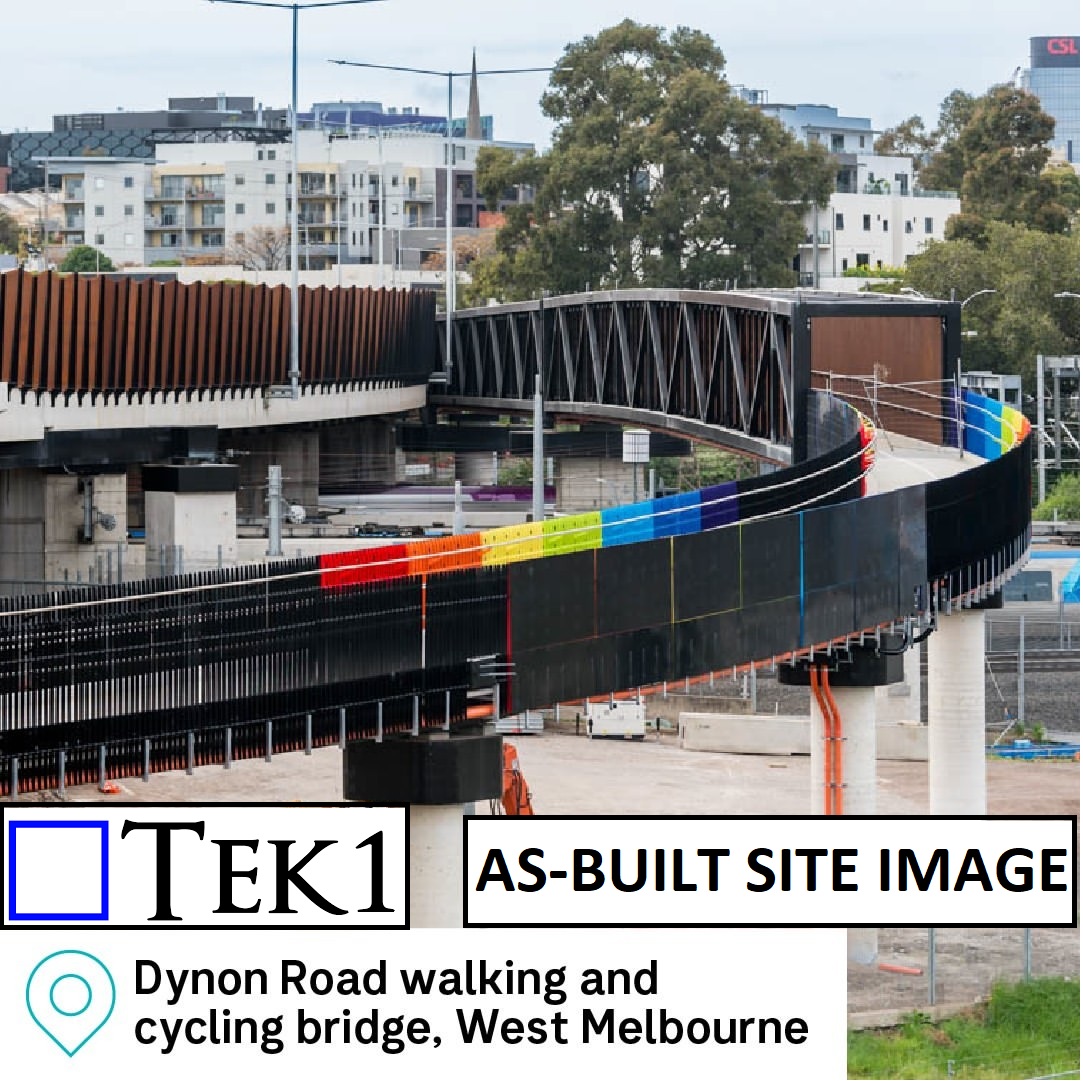
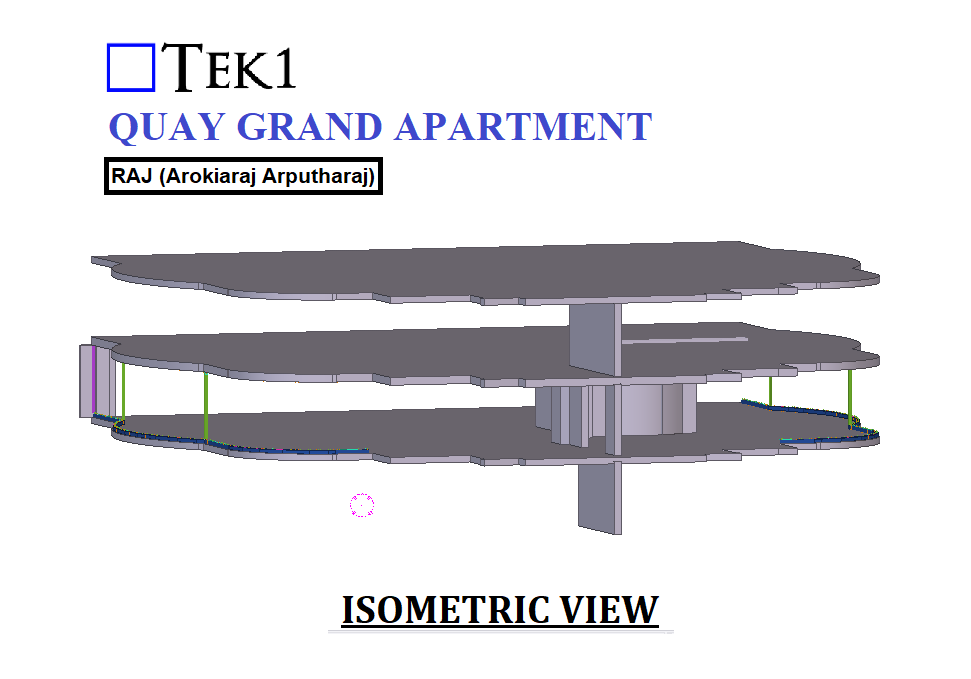
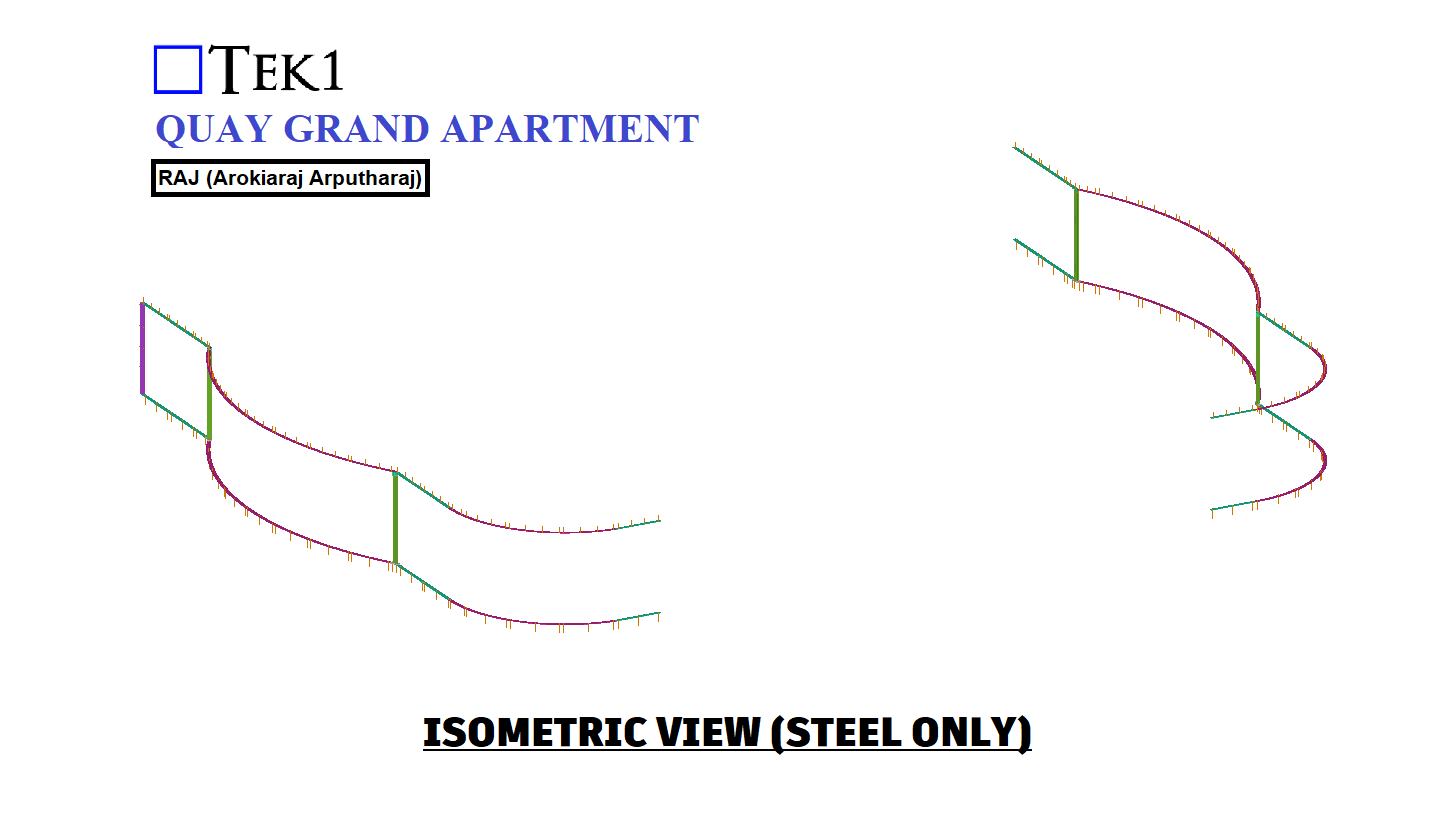
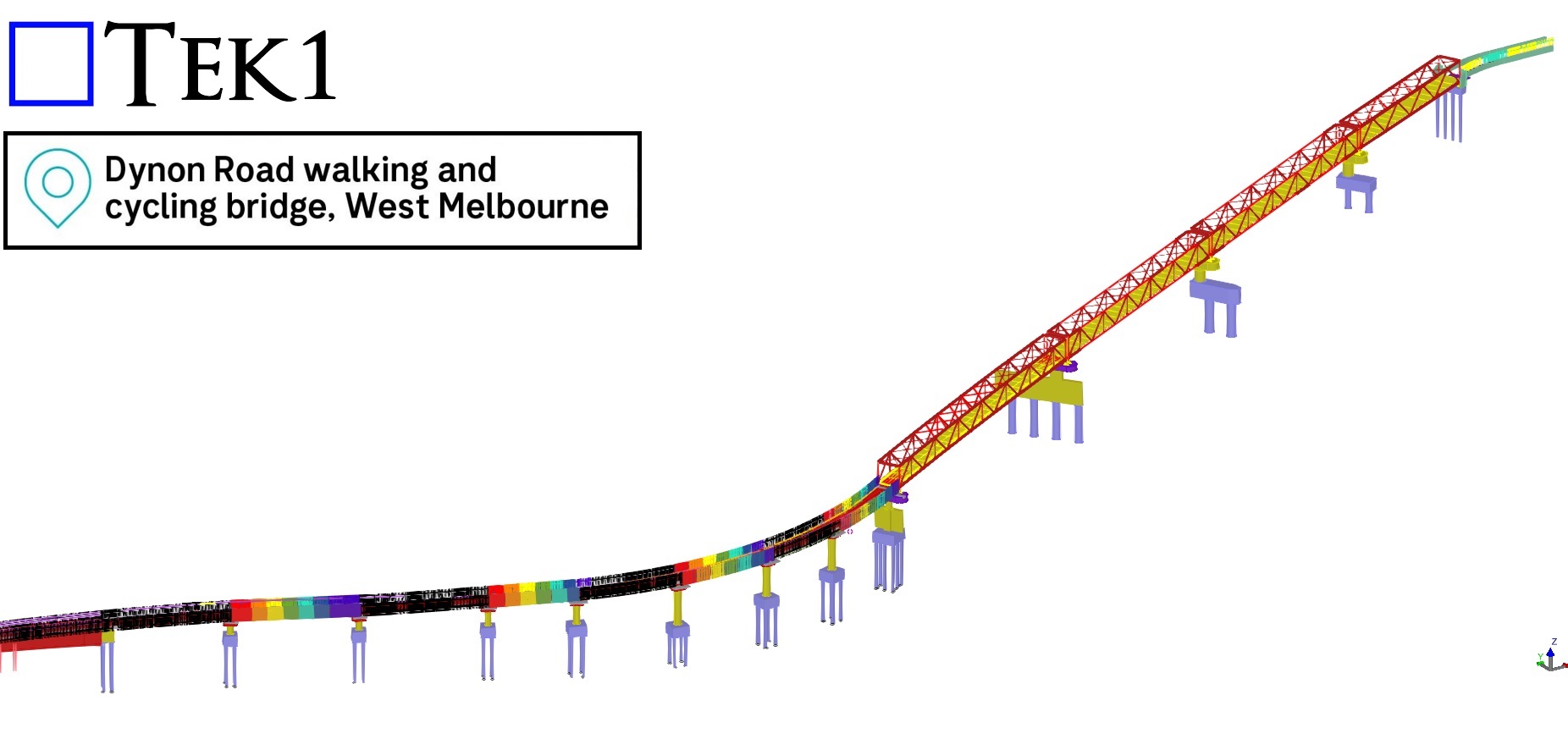
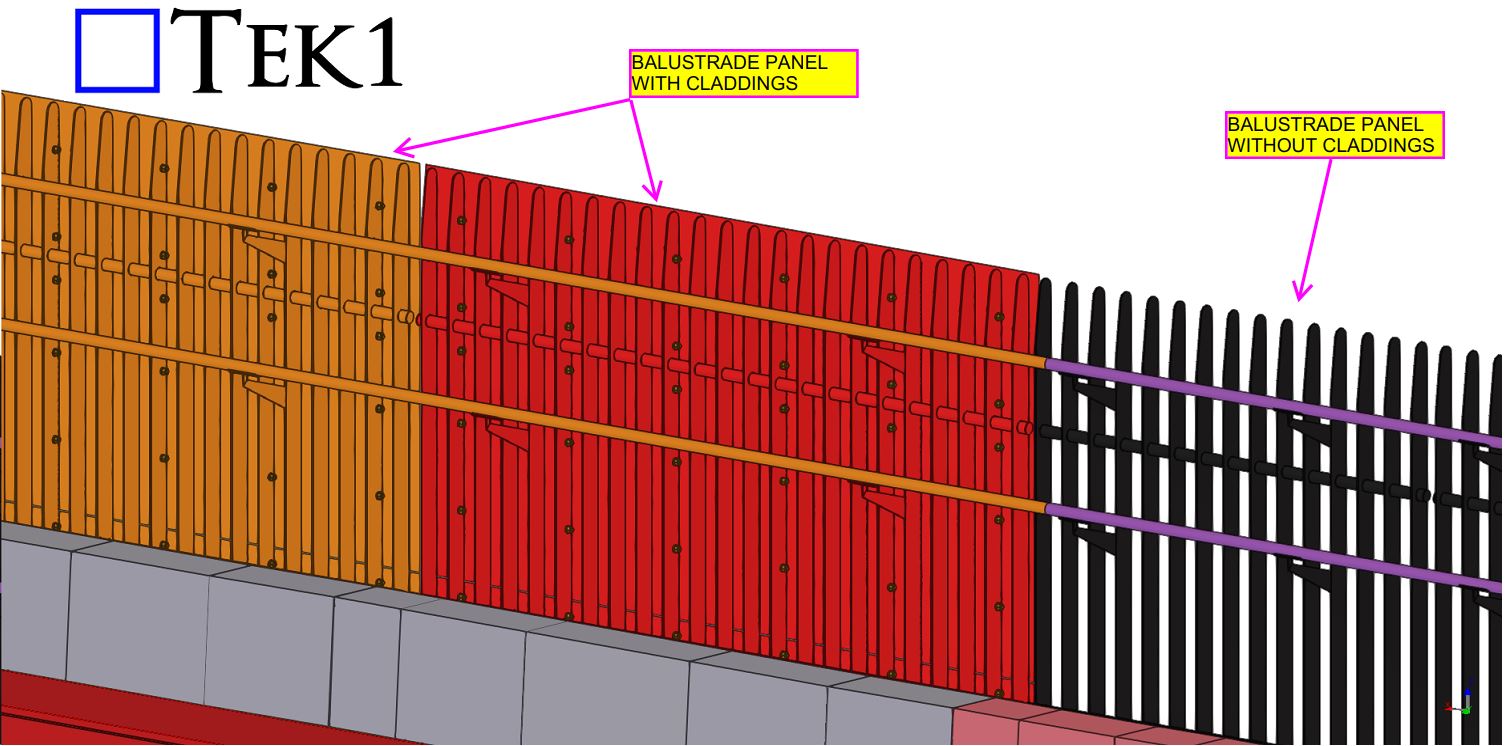
Workshop drawings for balustrades of Bridge#84 Dynon Road Walking & Cycling bridge, West Melbourne.
The fabrication drawings for the 230-meter-long balustrade panels, which feature vibrant, rainbow-colored finishes were delivered with NIL mistakes and on time.
Challenges in the As-Built Stage
One of the most intriguing aspects of this project was the challenge posed by the as-built ramp slope and its curve, which deviated significantly from the original design coordinates. These deviations added a layer of complexity to detailing the balustrades, as each panel had to align perfectly with the precast kerbs.
To address this, we worked closely with the builder and requested precise site measurements. These measurements were essential for us to adjust our detailing to account for the as-built ramp’s unique coordinates, ensuring every panel fit perfectly into place.
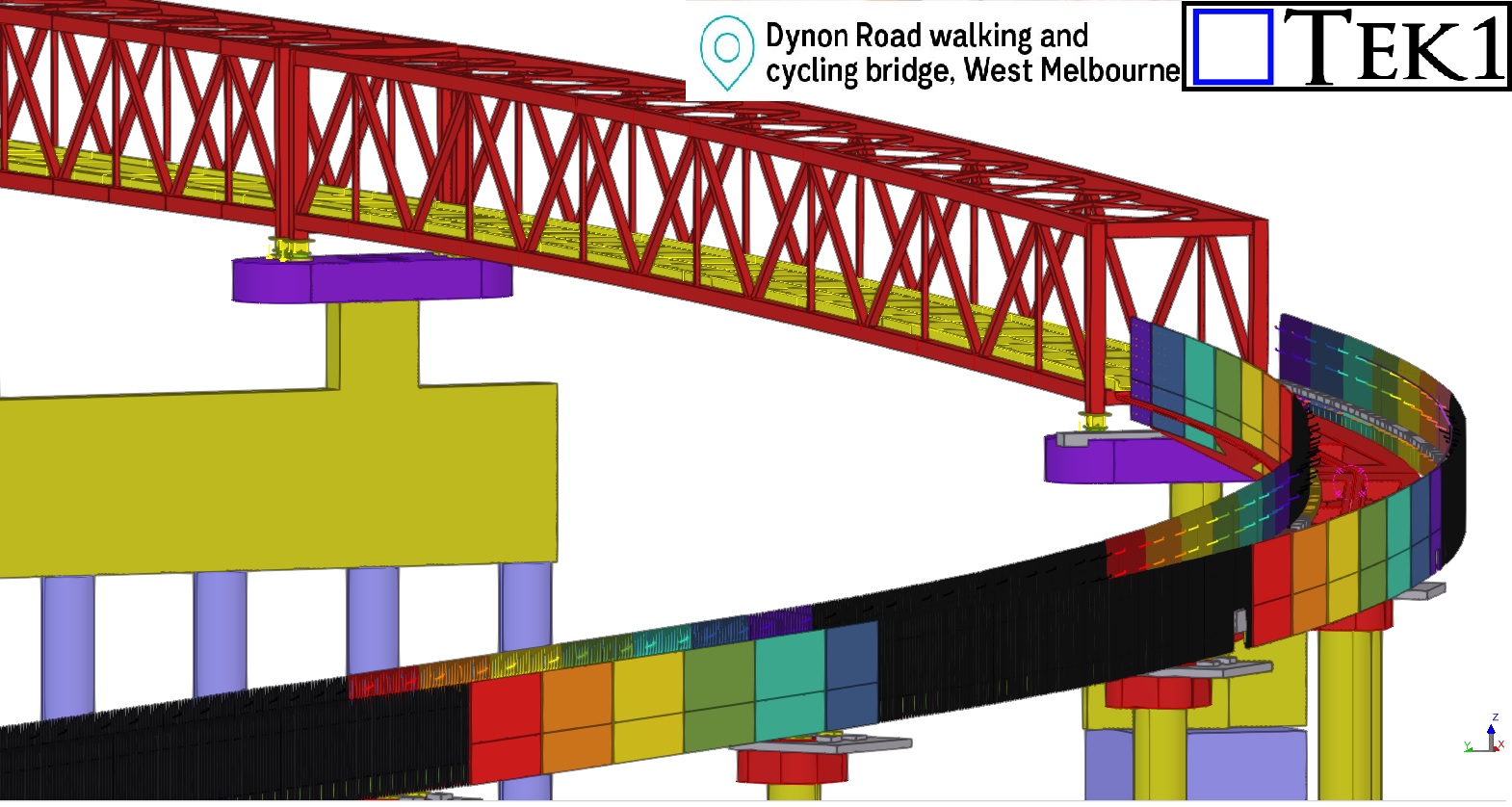
Tailored Solutions for On-Site Realities
The balustrade panels were fixed to the precast kerbs using as-built ferrules, demonstrating the adaptability required in projects where site conditions differ from the initial design. By leveraging the site measurements provided, we completed the detailing of all balustrades with precision, overcoming the complexities introduced by the ramp’s deviations.
Conclusion:
The Dynon Road Walking & Cycling Bridge is not just a pathway; it’s a vivid example of how meticulous detailing and innovative problem-solving can overcome challenges to deliver exceptional results. Its rainbow-colored balustrades are now a standout feature in West Melbourne, adding vibrancy and charm to the community.
If you would like me to assist with your project, please send an email to koshy@tek1.com.au with your project specifications. Kindly use ‘Raj’ as the subject header.
Overview
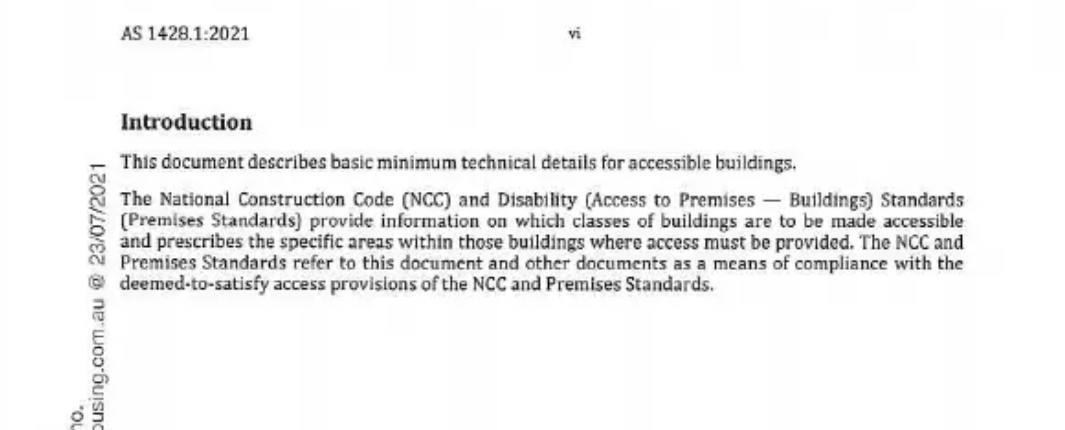
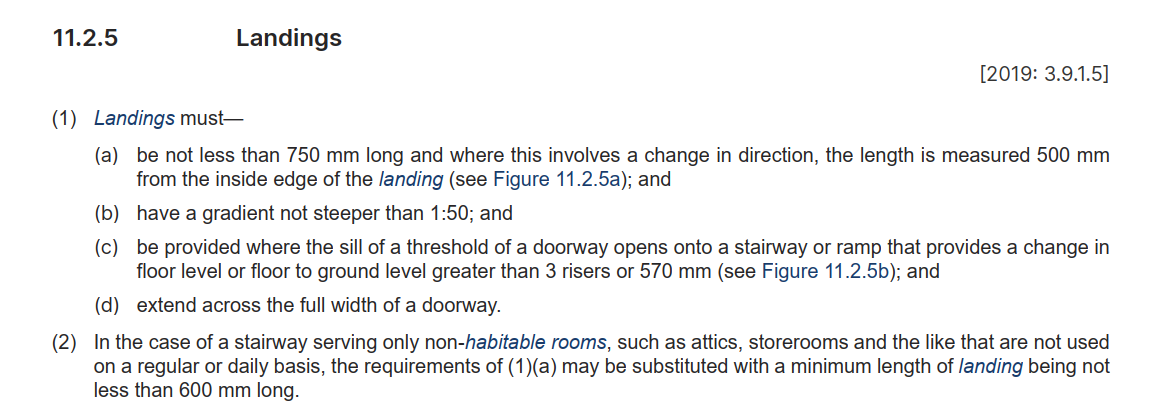
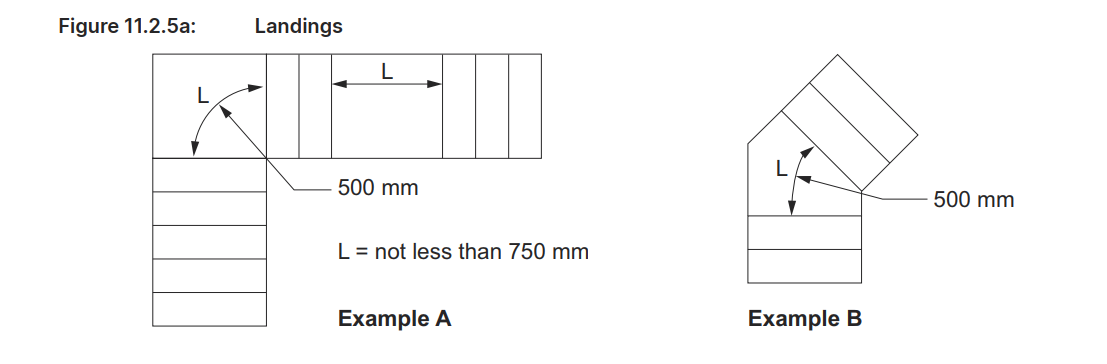
This guide provides instructions for designing and detailing commercial stairs per the Australian Standards AS1428.1 and ABCB Housing Provisions Standard 2022. These standards ensure safe and accessible stairways in commercial buildings, with specific provisions related to the National Construction Code (NCC) and the Disability (Access to Premises-Buildings) Standards.
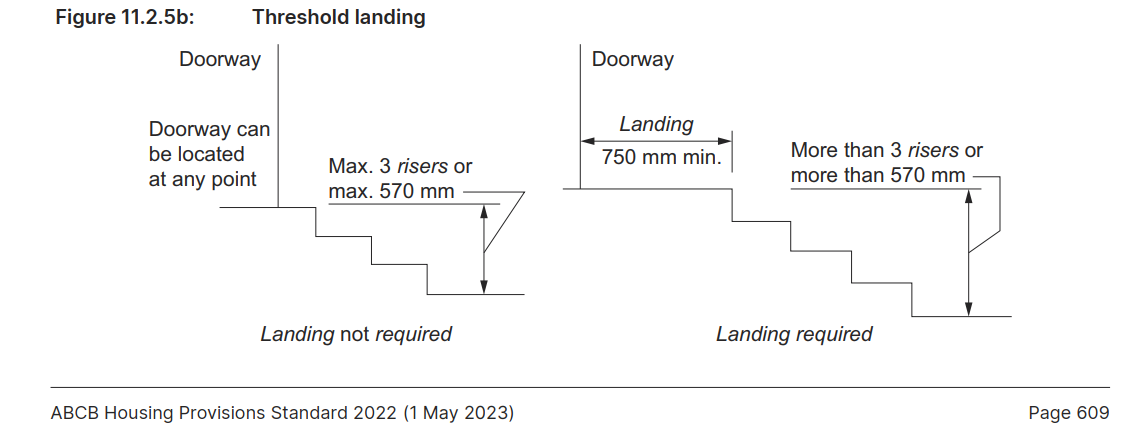
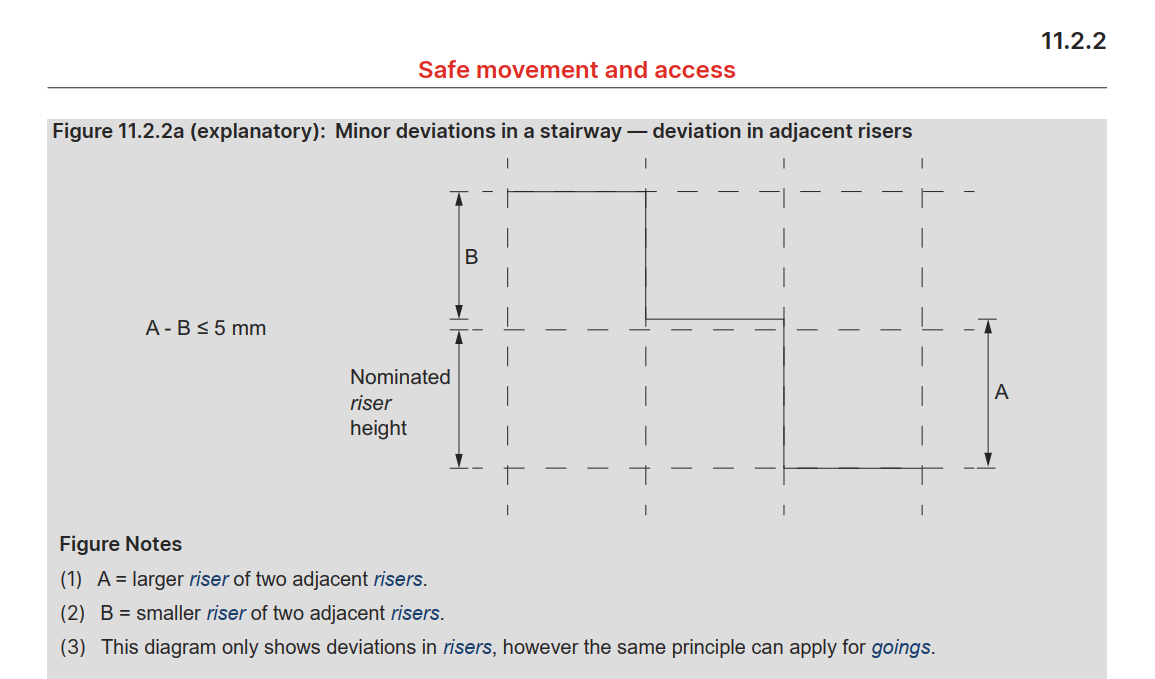
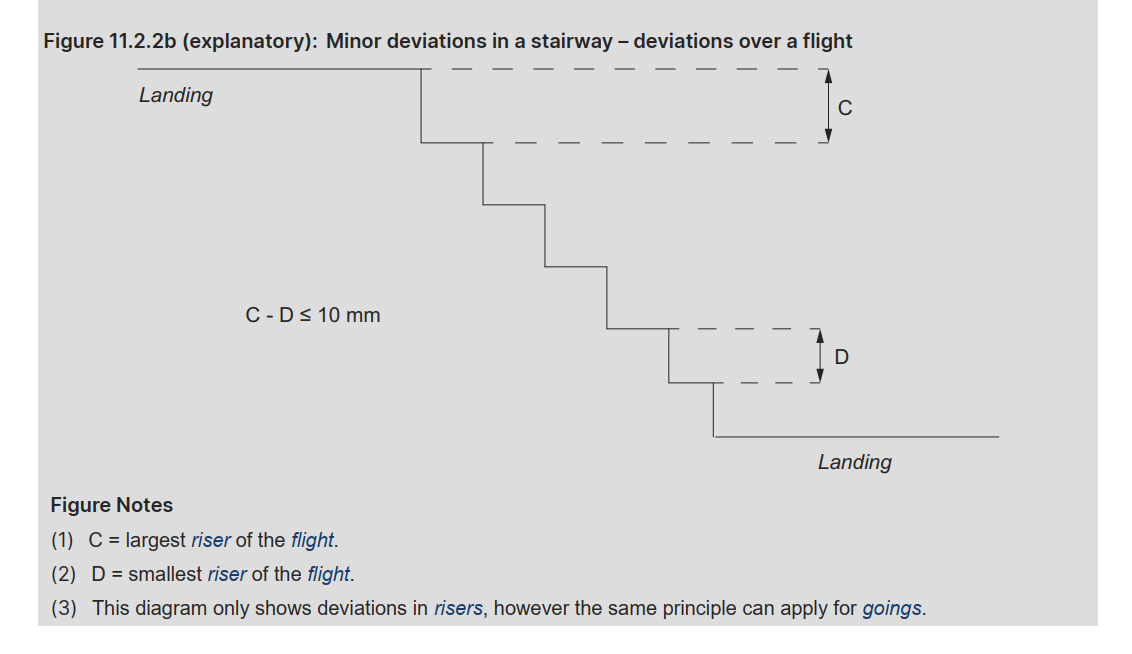
By following these steps, builders and architects can ensure that commercial stairs meet the safety and accessibility requirements established in AS1428.1 and the ABCB Housing Provisions Standard 2022.
If you would like me to assist with your project, please send an email to koshy@tek1.com.au with your project specifications. Kindly use ‘Raj’ as the subject header.
When performing detailed engineering for commercial staircases and balustrades, it’s essential to ensure that all aspects comply with AS 1428.1 and the relevant provisions from the Building Code of Australia (BCA), particularly those regarding accessibility and safety. Here’s a breakdown of the critical points you must address:
Compliance with AS 1428.1:
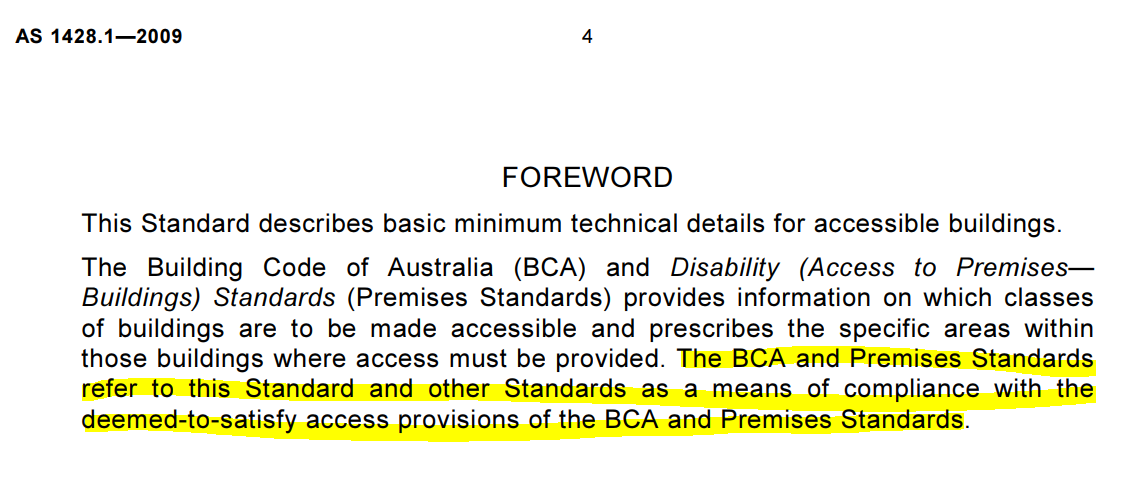
1. This standard outlines the minimum technical requirements for accessible buildings. Engineers must reference the BCA to align with safety and access provisions. AS 1428.1 directs engineers to follow BCA for detailed requirements related to stair and balustrade design, ensuring all safety standards are met, particularly for disabled access.
2. BCA 3.9.1.3 – Riser Opening Requirement:
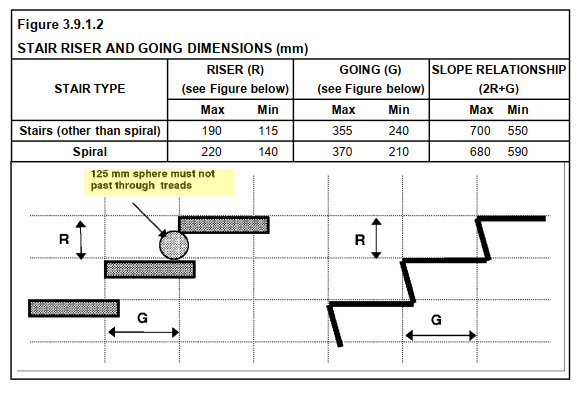
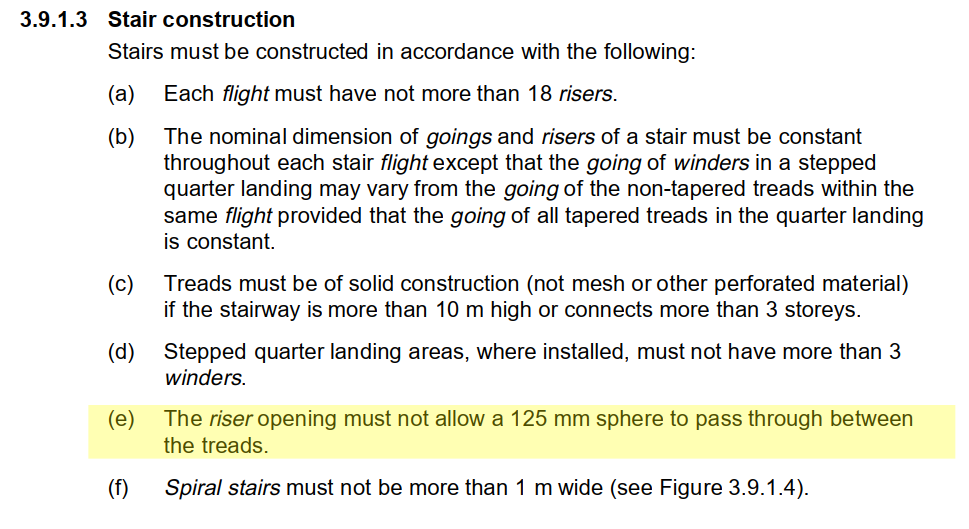
One of the key safety provisions under BCA 3.9.1.3 is ensuring that the riser openings on stairways are restricted. Specifically, the gap between treads must not allow a 125 mm sphere to pass through. This rule is vital for preventing accidents, such as children slipping through open risers. As a detailed engineer, you must ensure that this riser opening specification is incorporated into the technical drawings and calculations to meet safety compliance.
3. BCA 3.9.1.4 – Riser and Going Dimensions:
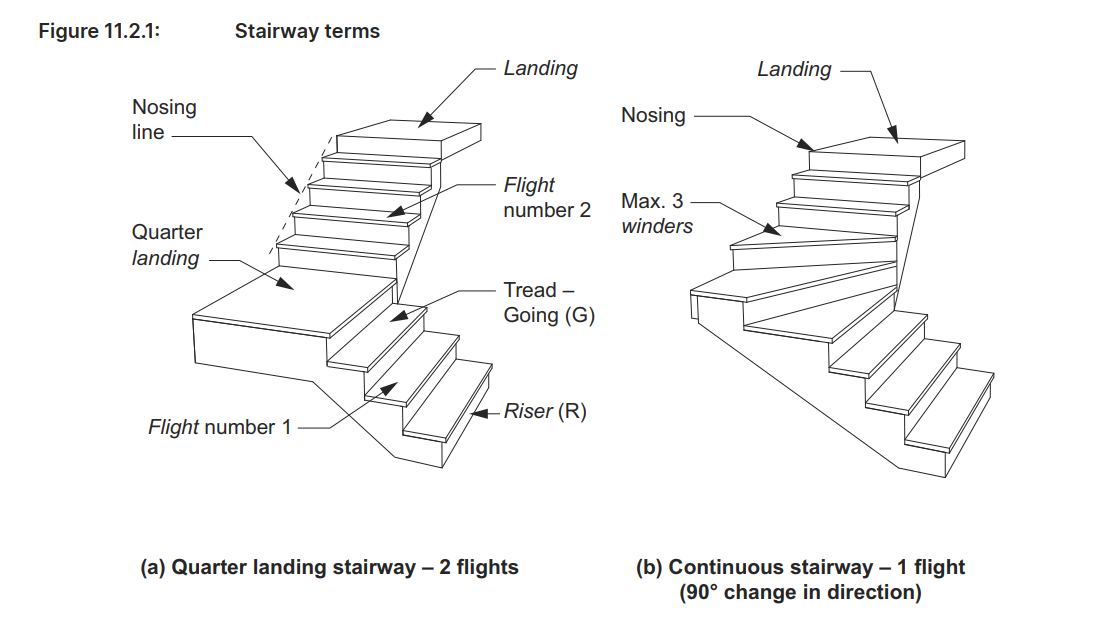
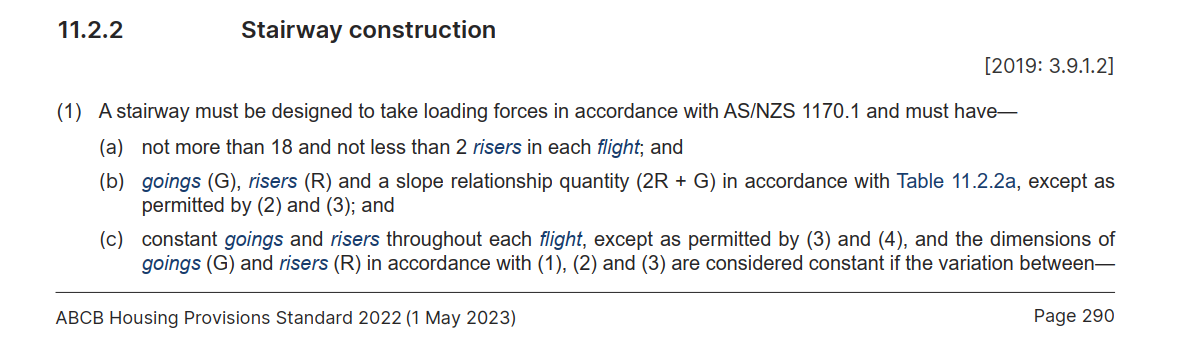
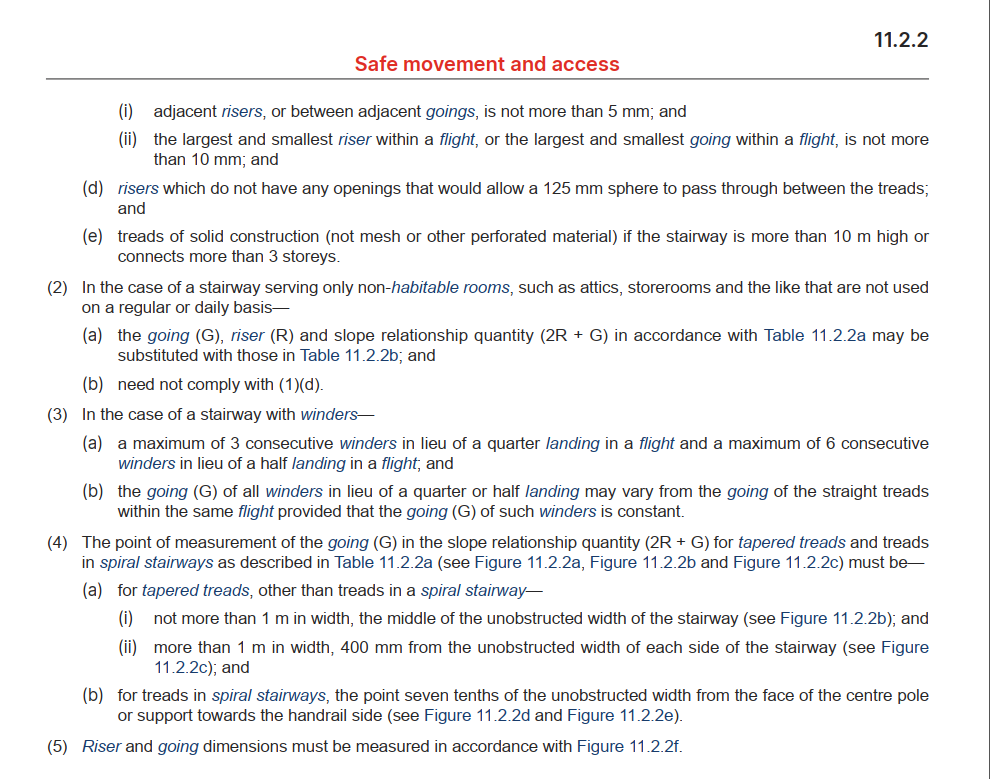
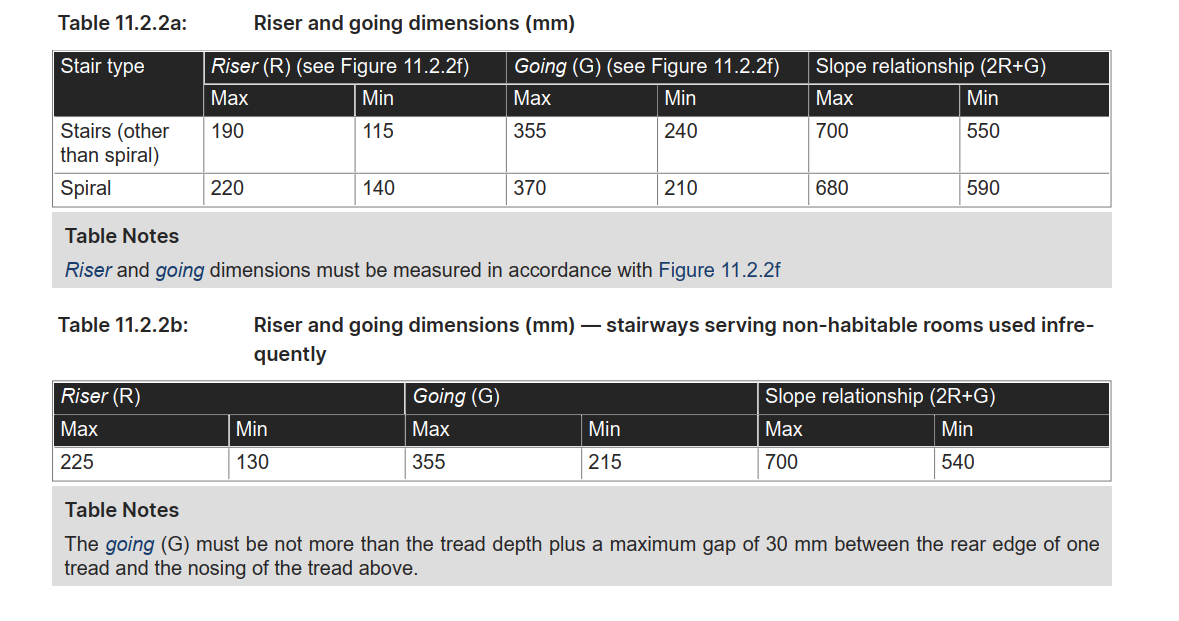
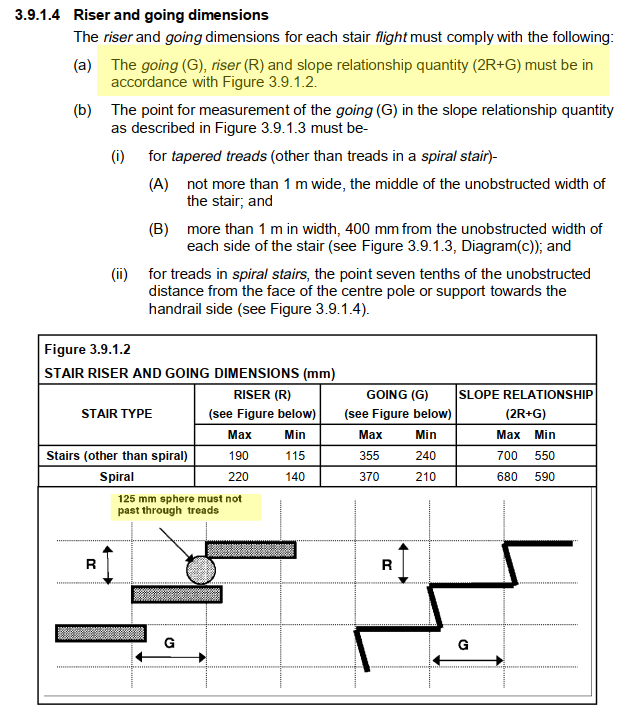
Further, BCA 3.9.1.4 provides specific dimensional requirements for stair risers and goings, as illustrated in Figure 3.9.1.2. This figure shows the maximum and minimum values for risers (R) and goings (G), as well as the slope relationship (2R + G). Engineers must adhere to these dimensions for both spiral and non-spiral staircases to ensure that the stairs are not only safe but also ergonomically comfortable for users.
4. Critical Figures:
Riser (R): Must be within the maximum and minimum values—115 mm to 190 mm for standard stairs and 140 mm to 220 mm for spiral stairs.
Going (G): Must be within the maximum and minimum values—240 mm to 355 mm for standard stairs and 210 mm to 370 mm for spiral stairs.
Slope Relationship (2R + G): Must fall between 550 mm and 700 mm for standard stairs and 590 mm to 680 mm for spiral stairs. These values ensure that stairs provide both safety and comfort.
5. Ensuring Compliance:
As part of the detailed engineering process, it’s your responsibility to ensure that all specifications, such as the 125 mm riser opening limit and the exact riser and going dimensions, are strictly followed in the drawings, materials, and construction processes. This involves validating these measurements on-site and ensuring they are reflected accurately in both the design and construction stages.
In conclusion, the detailed engineering process must ensure compliance with AS 1428.1 and the BCA, particularly regarding the requirement that the riser opening must not exceed 125 mm, as outlined in BCA 3.9.1.3. Additionally, the riser and going dimensions must conform to the standards specified in BCA 3.9.1.4. By adhering to these standards, you will ensure that commercial stairs and balustrades are safe, accessible, and compliant with Australian building regulations.
If you would like me to assist with your project, please send an email to koshy@tek1.com.au with your project specifications. Kindly use ‘Raj’ as the subject header.
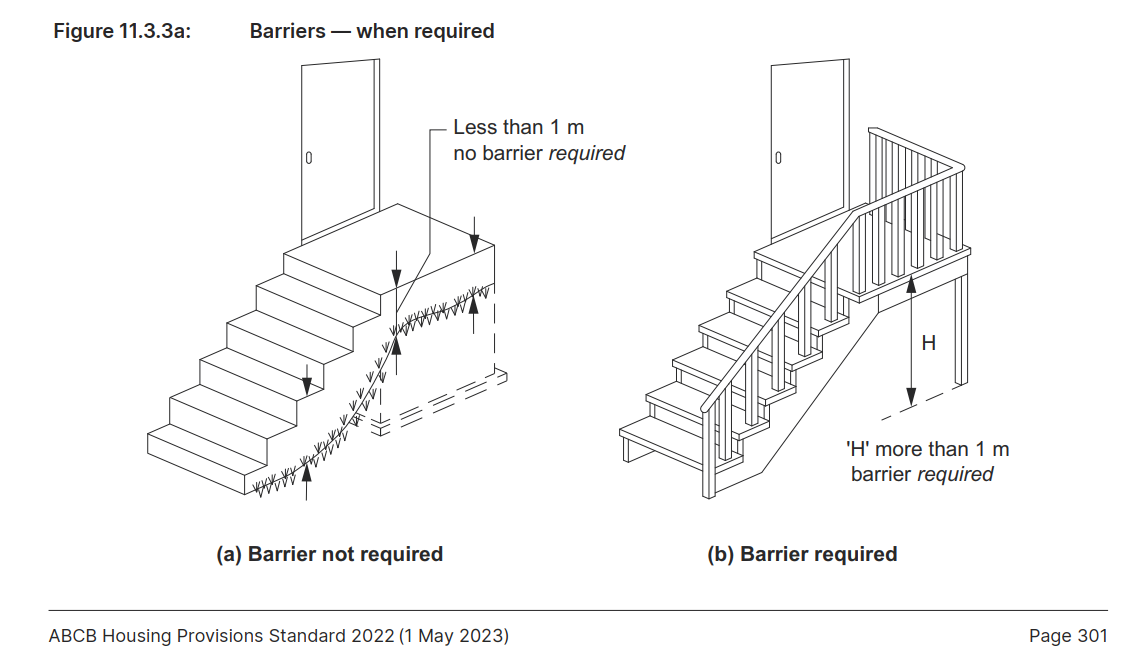
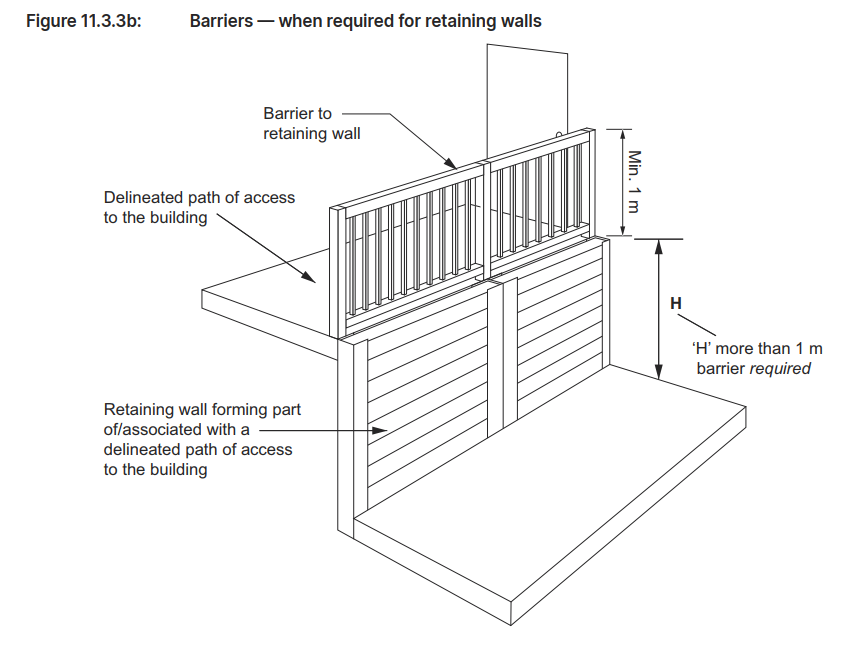
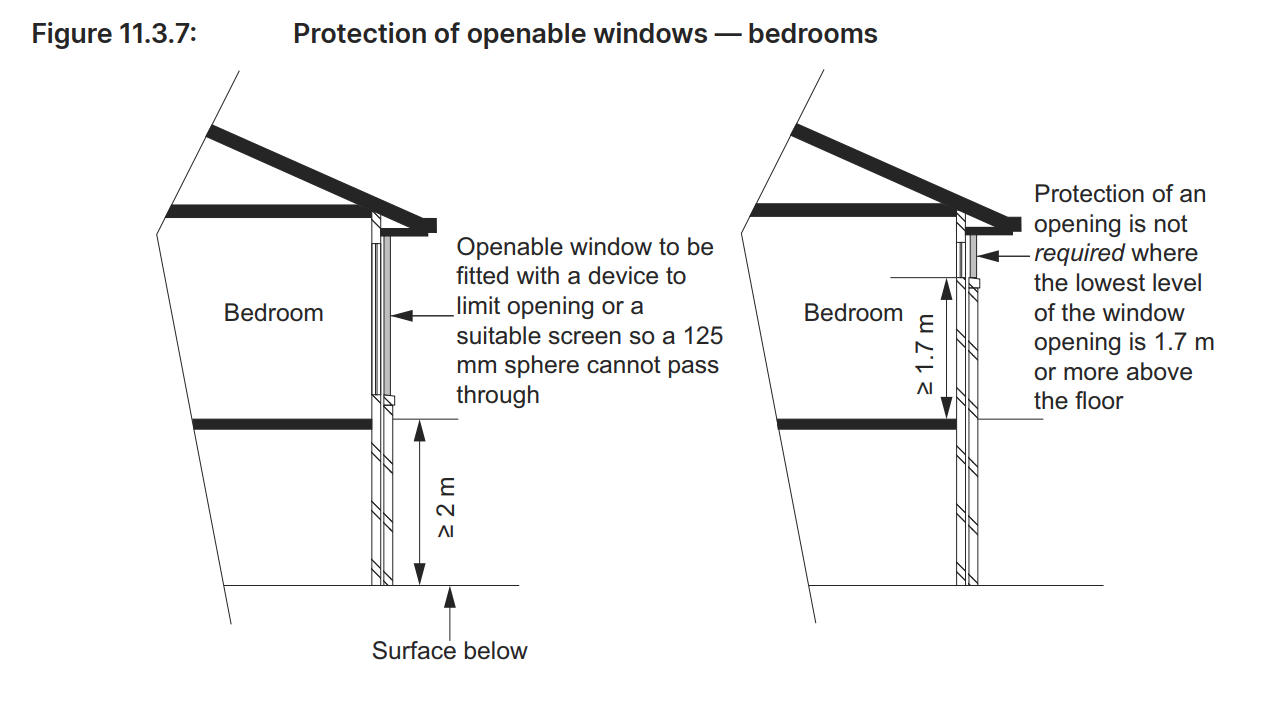
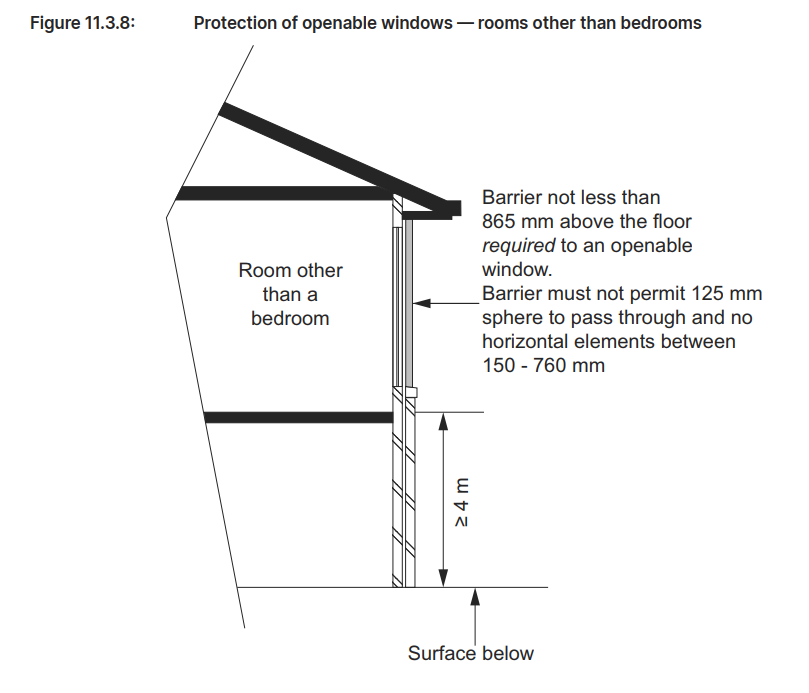
Australian Standard AS 1428.1.
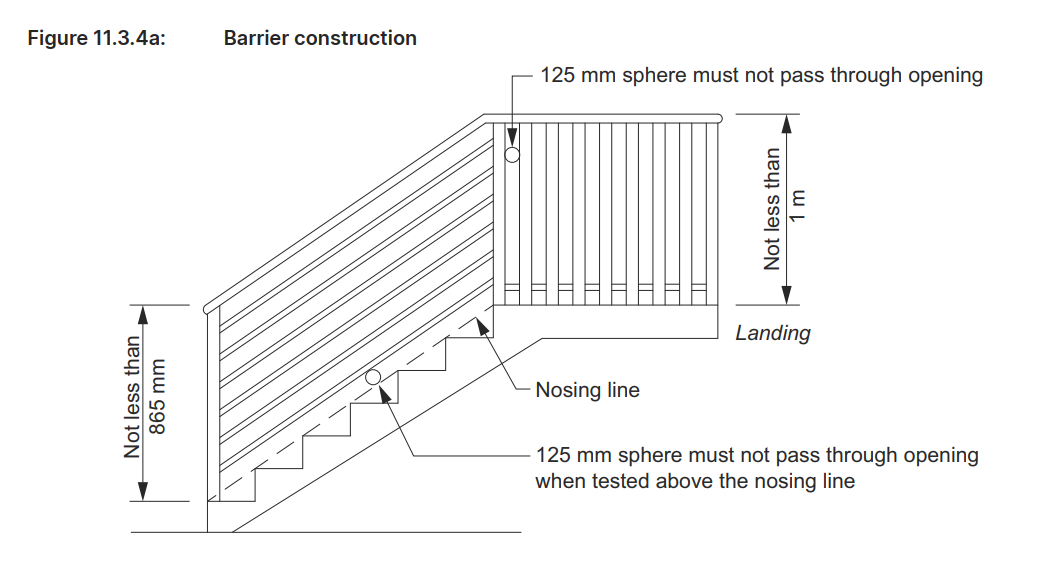
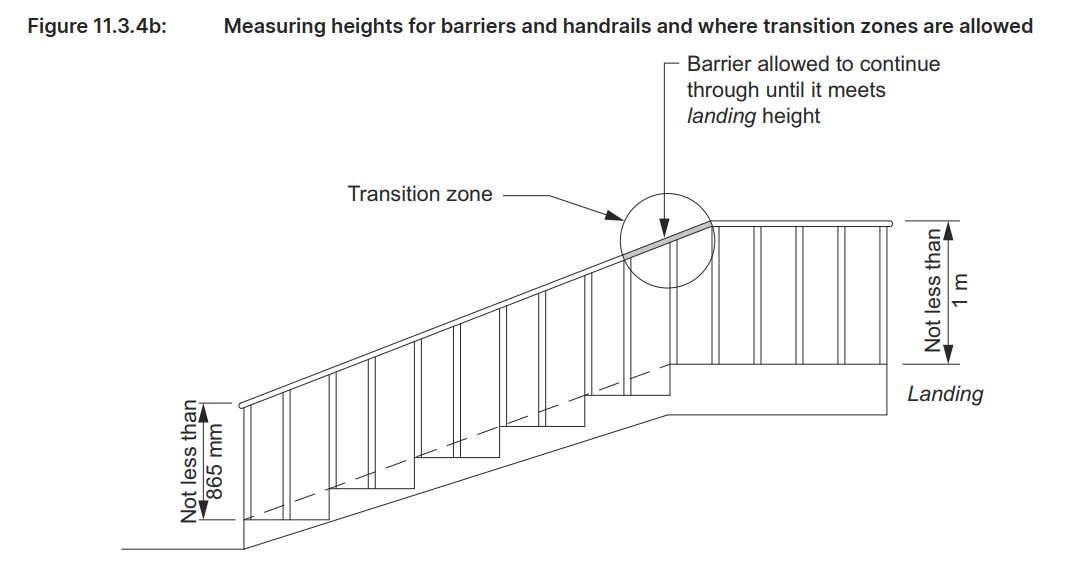
This guide emphasizes key elements in designing safe, compliant buildings that align with the Australian Building Codes Board (ABCB) standards for fall prevention, especially around barriers and handrails. These regulations aim to protect all building users, especially vulnerable groups such as children, from potential fall hazards.
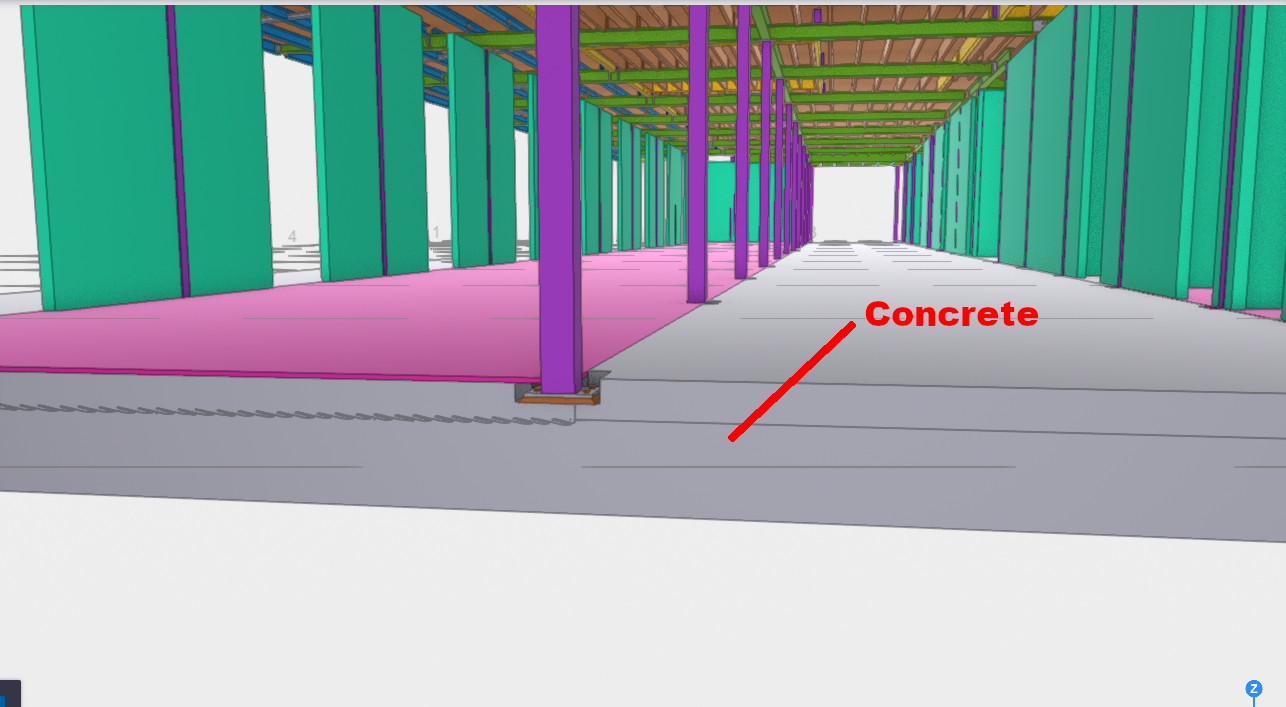
“In the world of steel detailing, failing to account for concrete variances can cost your client dearly. This case study from Duffy’s Forest serves as a vital reminder of why site surveys in steel detailing are non-negotiable. Without accurate site measurements, you risk massive on-site rectification costs—including crane hire and specialized labor crews—that can easily exceed thousands of dollars.”
Anyone who’s a detailer should be aware of this issue.
If you’re not aware: you can cost your client dearly. How?
You need operations to occur as fast as possible. This means you have to advise your client about potential issues.
Consider the following:
What is an issue that can kill your client regarding the below:
Check out the live model link here to Duffy’s Forrest.
Be warned:
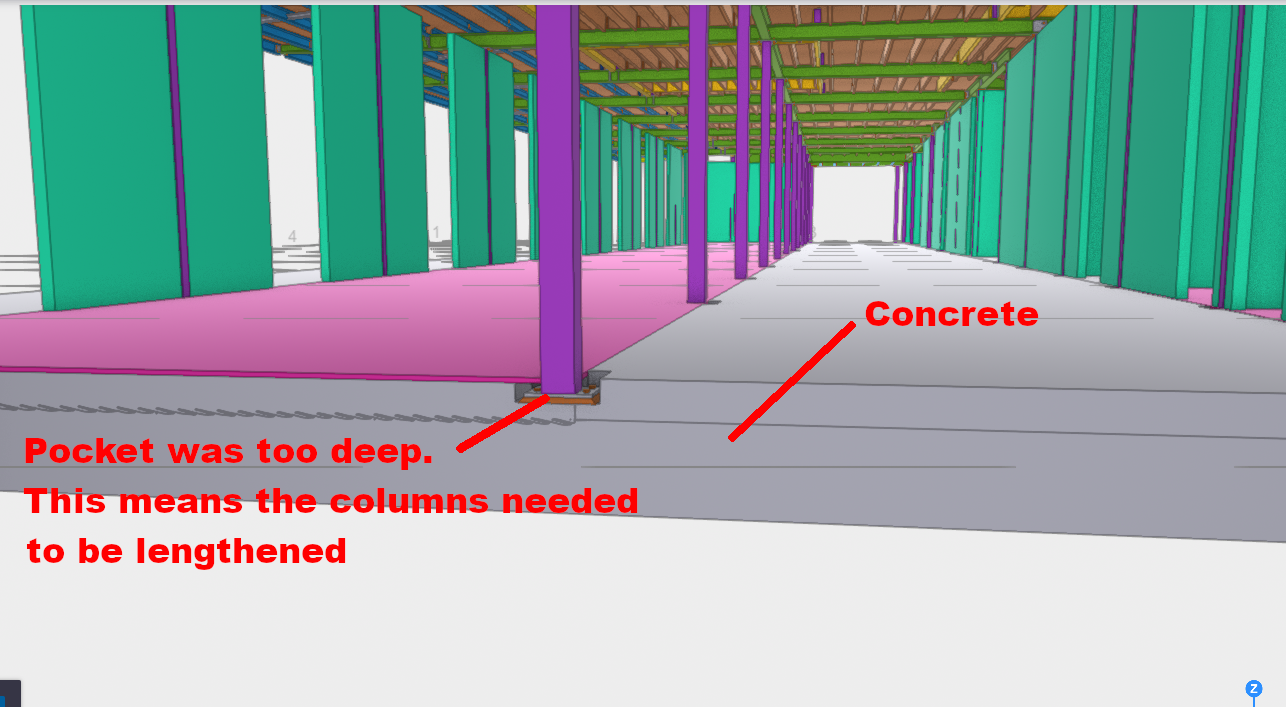
How Steel Detailers Can Prevent Costly On-Site Errors.In this case the pockets were too deep – this means that the columns need to be lengthened.
If the columns were not lengthened, then once it is taken to site – nothing would fit. And now site rectification costs would be immense.
Expert Steel Detailer | Melbourne | Sydeny