Tag: steel detailing

  • Fabrication drawing requirements : Modelling for Non-Structural Plates: A Guide

    Fabrication drawing requirements : Modelling for Non-Structural Plates: A Guide

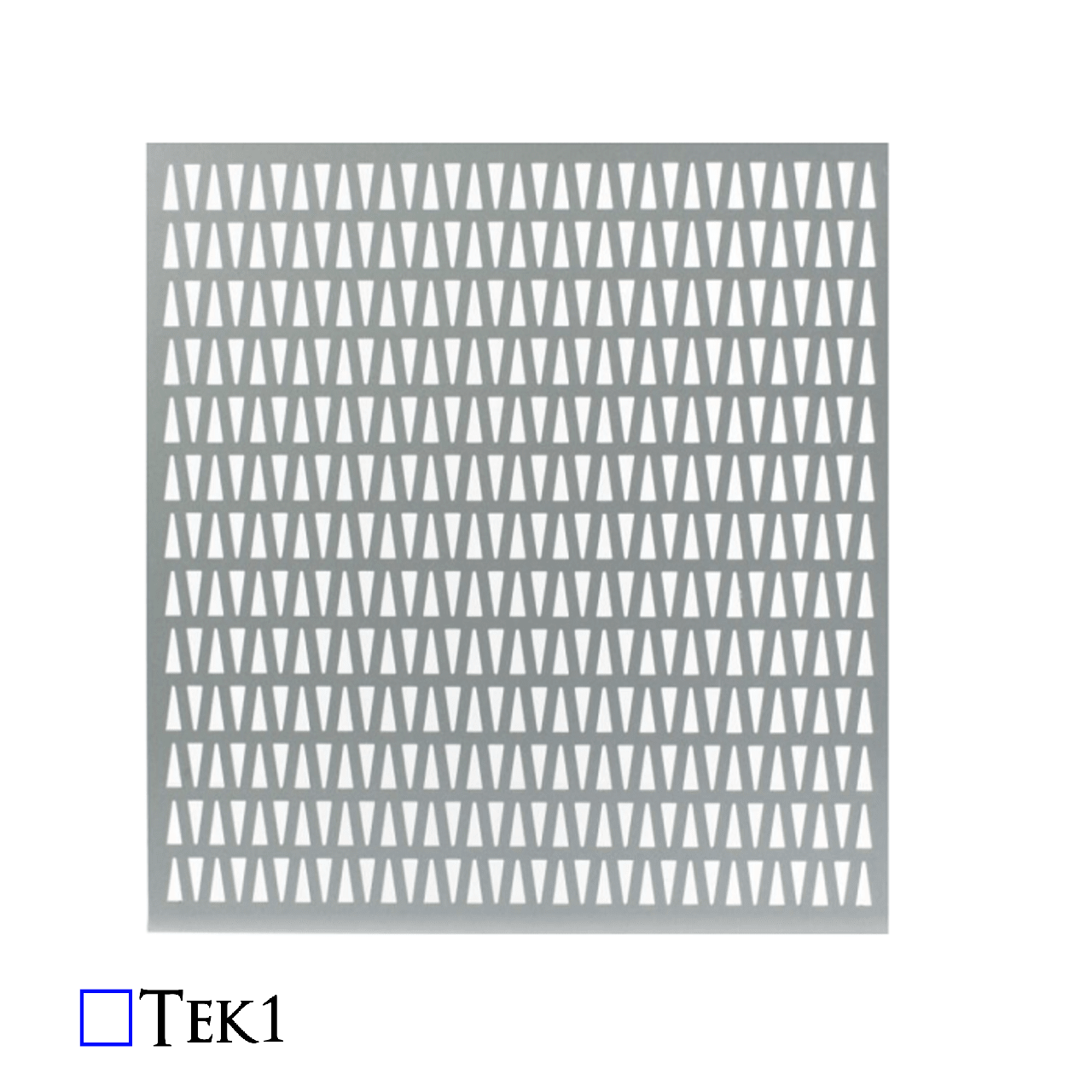
    When working with elements like cladding plates, balustrade infills, decorative panels, and chequer plates, the approach to modelling them differs significantly from that used for standard structural plates. Ensuring accuracy in these cases hinges on a thorough understanding of working points and the rotation property, which are essential for ensuring the correct orientation of the visible side when generating drawings or DXF files.

    Understanding the Critical Role of Working Points

    It might seem simple to assume that these sheets can be flipped or rotated as needed after they are cut. However, this is a common misconception that can lead to significant errors during fabrication. The key to avoiding such issues lies in setting up the working points correctly, particularly when dealing with intricate designs or surface finishes.

    The Importance of Proper Rotation

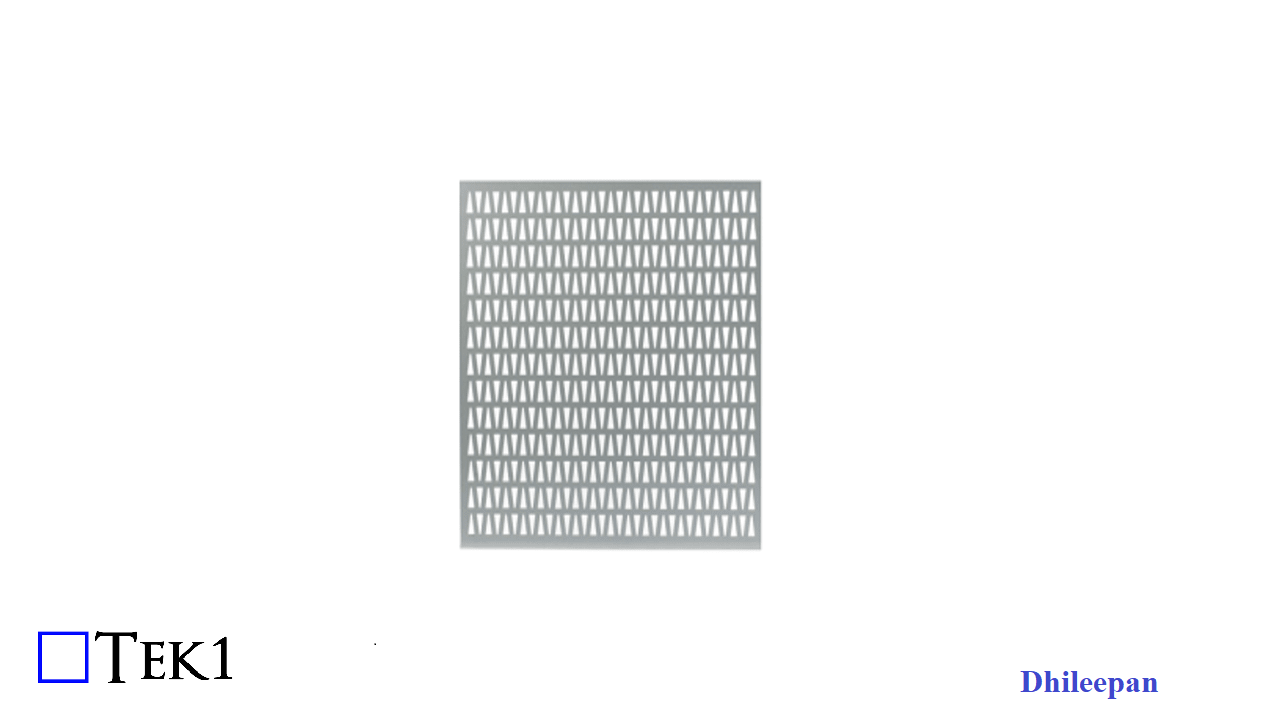
    Take a stair panel, for example. If the panel features any patterns or surface differences, the working point must run in the direction from left to right when facing the stair panel. Additionally, the rotation must be set to either “top” or “front”—never “bottom” or “back.” This ensures that the visible side of the panel is correctly positioned.
    Symmetry Doesn’t Eliminate the Need for Attention

    Even in cases where the pattern is symmetrical or there appears to be no pattern at all, the orientation of the face of the sheet is crucial. It’s easy to think that since the machine will cut the plate according to the DXF file, it doesn’t matter how the drawing is flipped or rotated. However, this is where problems can arise.

    Avoiding Aesthetic Imperfections

    During the cutting process, the machine can leave minor marks on the material. These marks are typically left on the non-visible side of the sheet. Therefore, it’s critical to feed the sheet into the machine with the correct side facing outwards. If not, the marks could end up on the visible side, compromising the aesthetics of the final product.

    Conclusion: Precision is Key to Quality

    Proper modelling and careful consideration of working points and rotation properties are essential when dealing with cladding plates, balustrade infills, decorative panels, and chequer plates. By ensuring the visible side is correctly oriented from the start, you can avoid costly mistakes and ensure a high-quality finish.
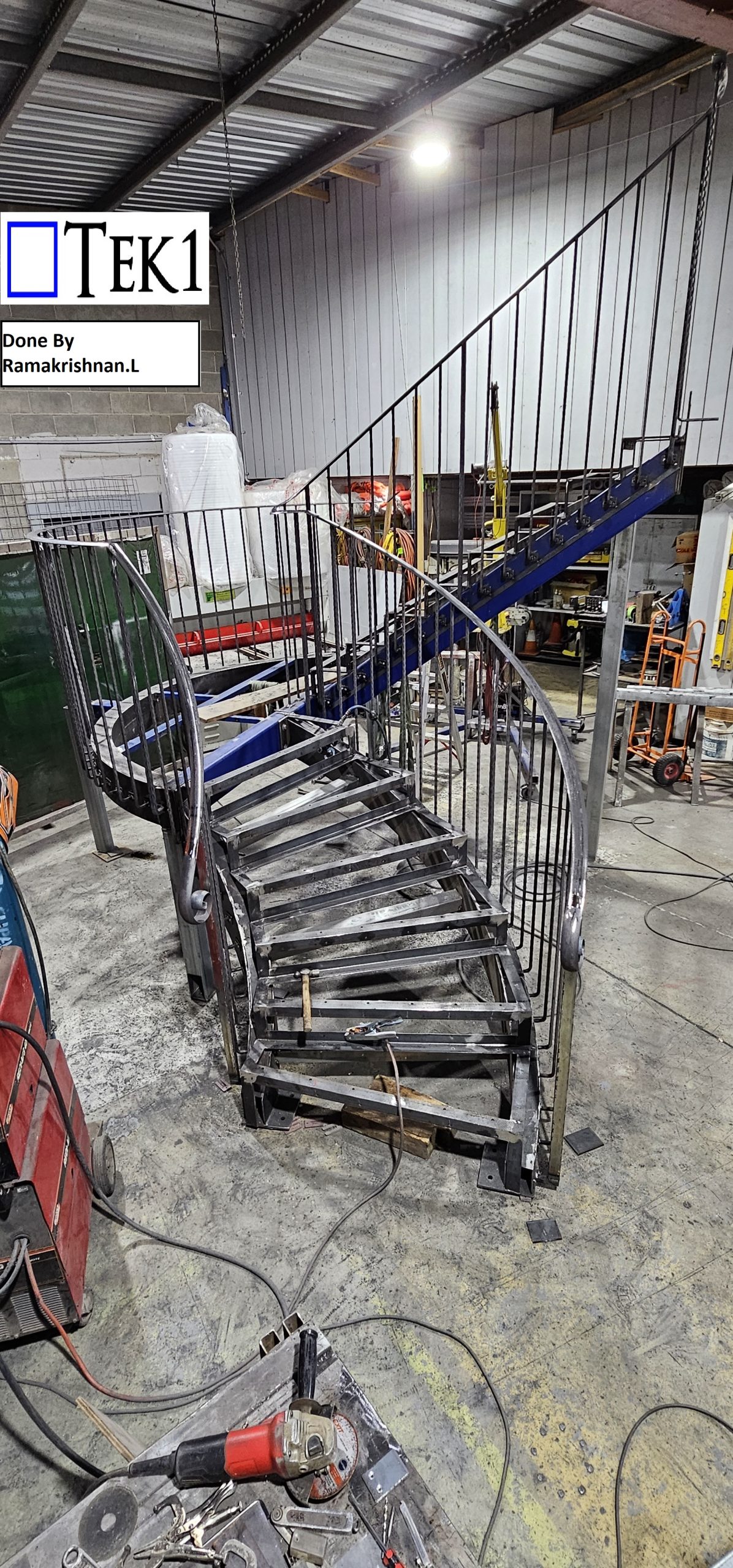
  • Plate Formed Spiral Stair

    Plate Formed Spiral Stair

    Author : Ramakrishnan.L

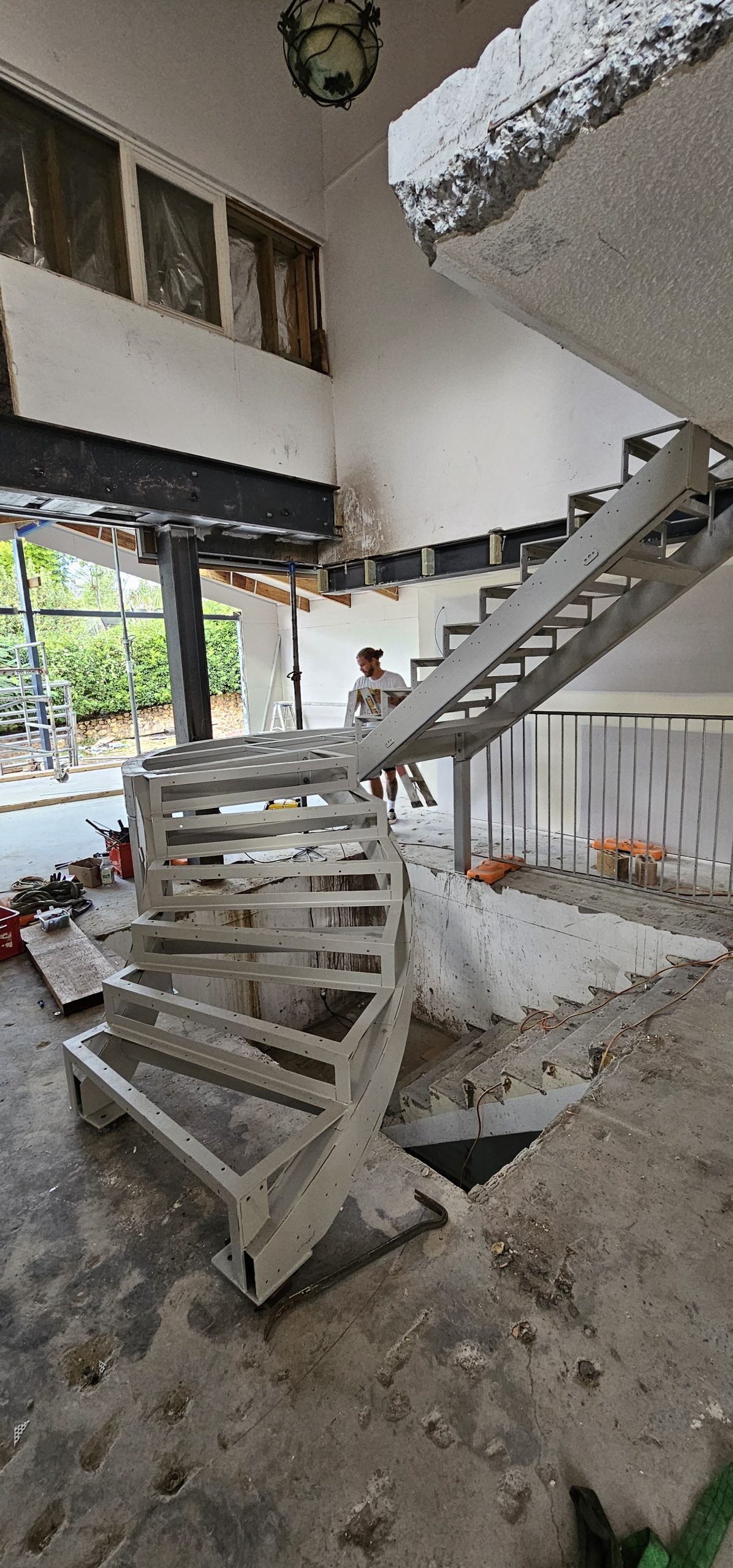
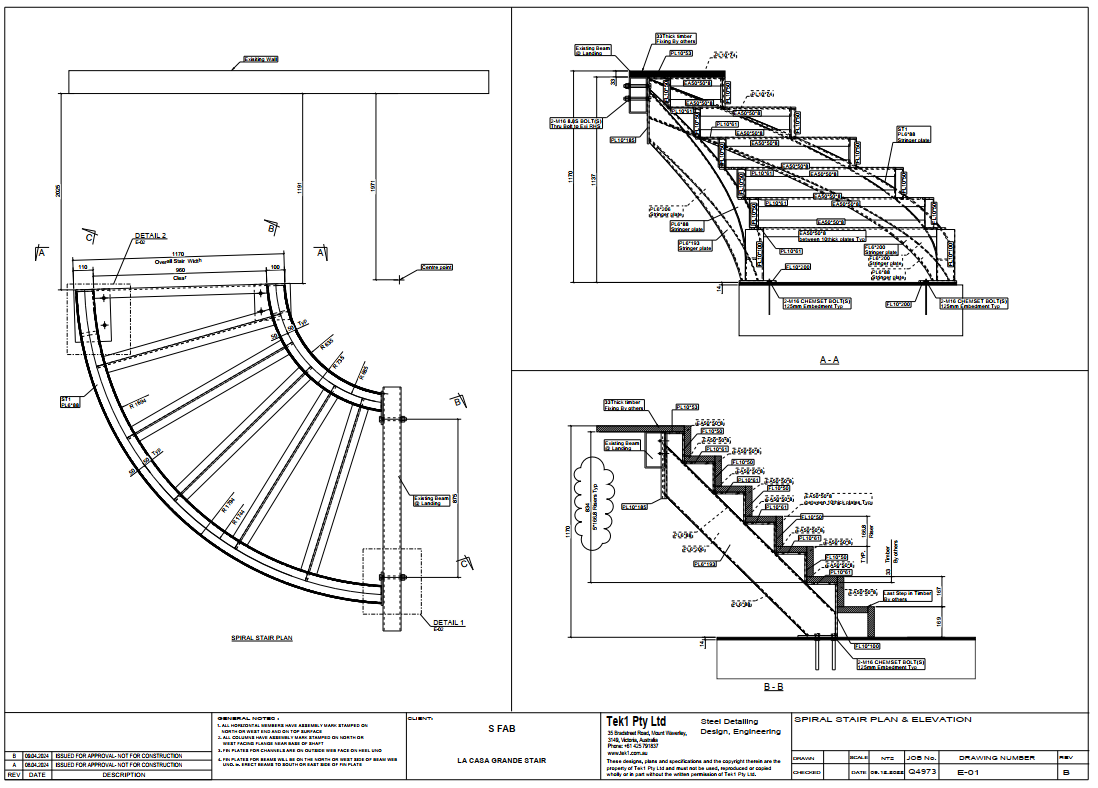
    We are pleased to inform you that TEK1 has accepted the task of detailing the spiral plate-formed RHS stringer stair as requested by our client. Our team is well-equipped to handle this design, ensuring that all details meet the highest standards.

    At TEK1, we have consistently provided top-notch miscellaneous steel detailing services to our esteemed clients, adhering to all relevant codes and standards. We are committed to delivering precise and reliable shop drawings tailored to your needs.

    Should you have any queries related to miscellaneous steel shop drawings, please do not hesitate to contact us. We will promptly provide you with the necessary answers and support.

    For any steel shop drawings you require for an ongoing project, feel free to reach out to Koshy at (03) 9560 6397 or +61 3 9560 6397.

  • Drawing Stamped Not Satisfactory

    When drawing is stamped as ‘NOT STATISFACTORY’ RFI should be raised as to whether we update markups and submit as IFC or do we resubmit

  • Managing Sticker-shock

    Managing Sticker-shock

    Author: RAJ (Arokiaraj Arputharaj)

    • The initial project was quoted at: $x
    • Changes were required on the project necessitating variations – at double the cost of the original quote!

    When this happens, it is ESSENTIAL that you call the client before you put in your variation documentation.

    Why?

    • The client will suffer from “sticker shock” after he sees your price.
    • “Sticker shock” means that the client will be so surprised, and shocked, that he will fall off his chair.
    • The client will lose trust in you.
    • The client will try to negotiate everything down.

    What should I do instead?

    • Call the client and say that the changes are huge.
    • Do not send variation documentation before addressing the “sticker shock issue”.
    • We cannot and do not negotiate on prices.
    • Going forward clients can choose between: (i) a fixed price quote – where we take on-board the risks of an infinite amount of variations, or (ii) where we charge variations but come in at a lower price.
    • Our variations are FIXED in price.
    • They are not negotiable.

  • Vent Holes in Steel Detailing

    Vent Holes in Steel Detailing

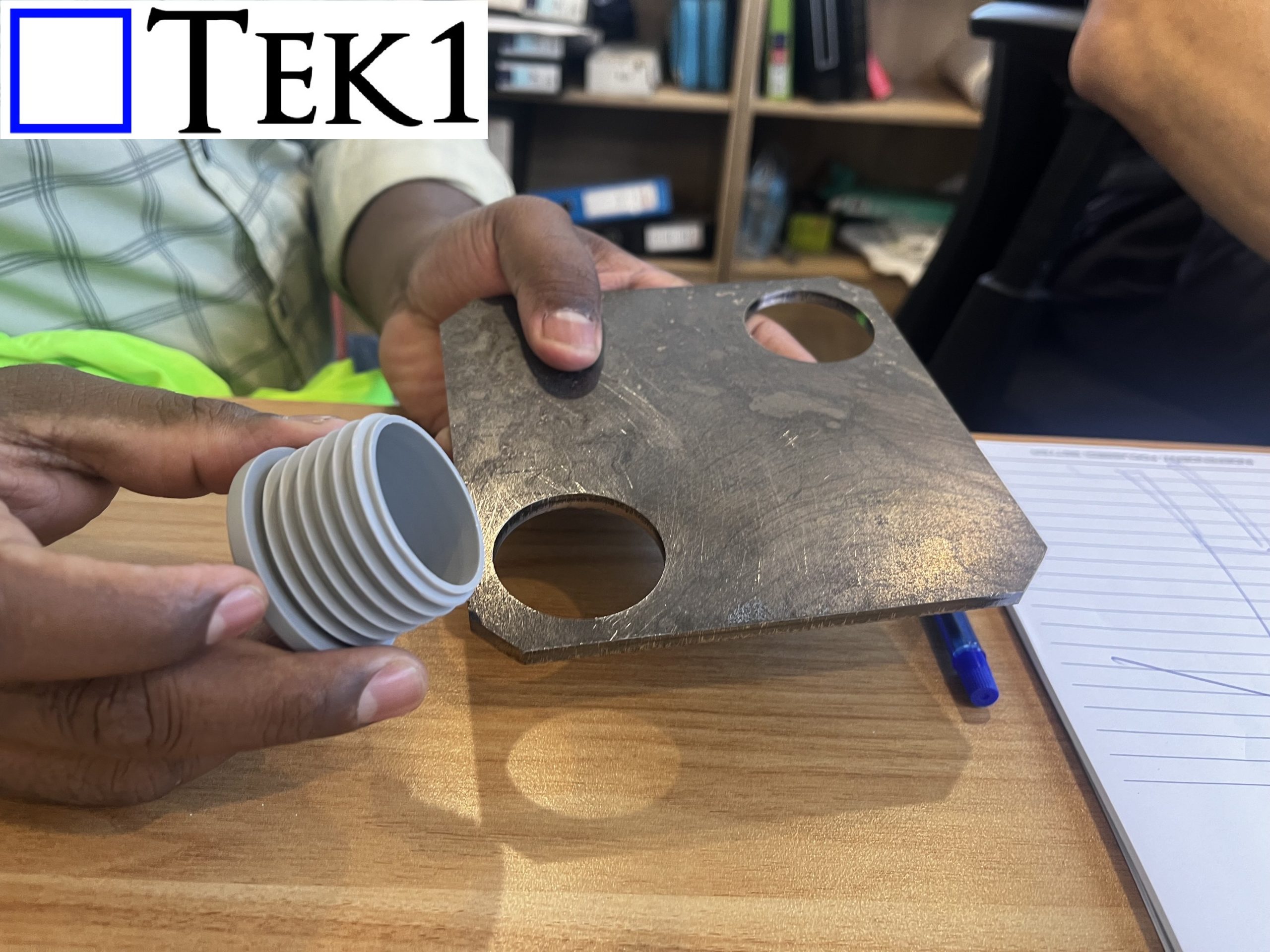
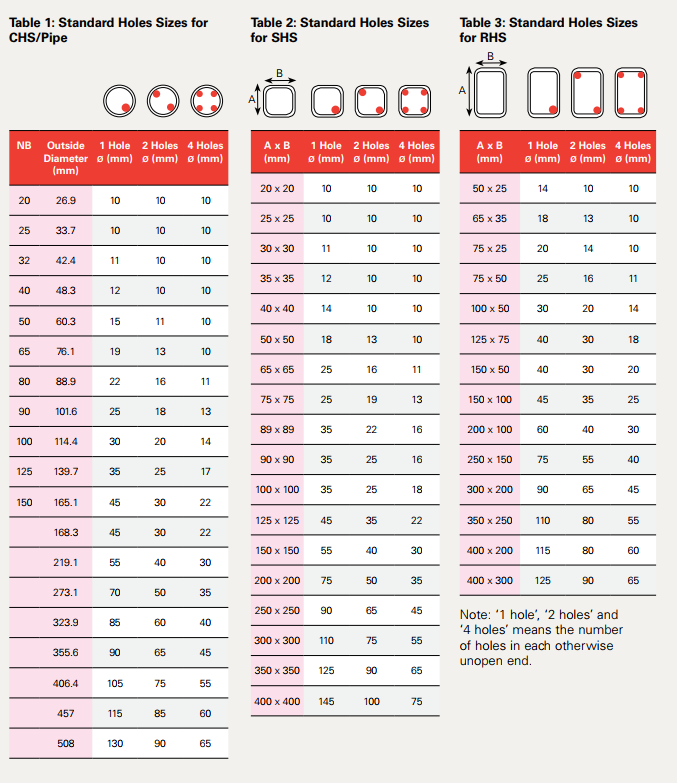
    During a recent client visit, we encountered an issue with the size of vent holes. In Australian detailing, we typically use a standard catalogue for specifying galvanizing holes. We followed this standard and provided the holes in the end plate accordingly.

    Adequate venting at correct location is very important for efficient galvanizing

    However, the client pointed out that the caps used to seal these holes after the galvanizing process did not fit. This was the first time we faced this issue, and it highlighted a crucial point.

    Key Takeaway

    When providing galvanizing holes, it’s essential to confirm the hole size with the client rather than relying solely on the standard catalogue. This approach ensures compatibility with the caps used and can save a significant amount of money by preventing rework.

    By aligning specifications with client requirements from the outset, we can avoid similar issues in the future and ensure a smoother project execution.

  • How We are helping our Client Save $100,000s on the Iconic  “EMU IN THE SKY” Project

    How We are helping our Client Save $100,000s on the Iconic “EMU IN THE SKY” Project

    How we saved our 30% (i.e. hundreds of thousands of dollars) in Costs on the “Emu In the Sky” Project

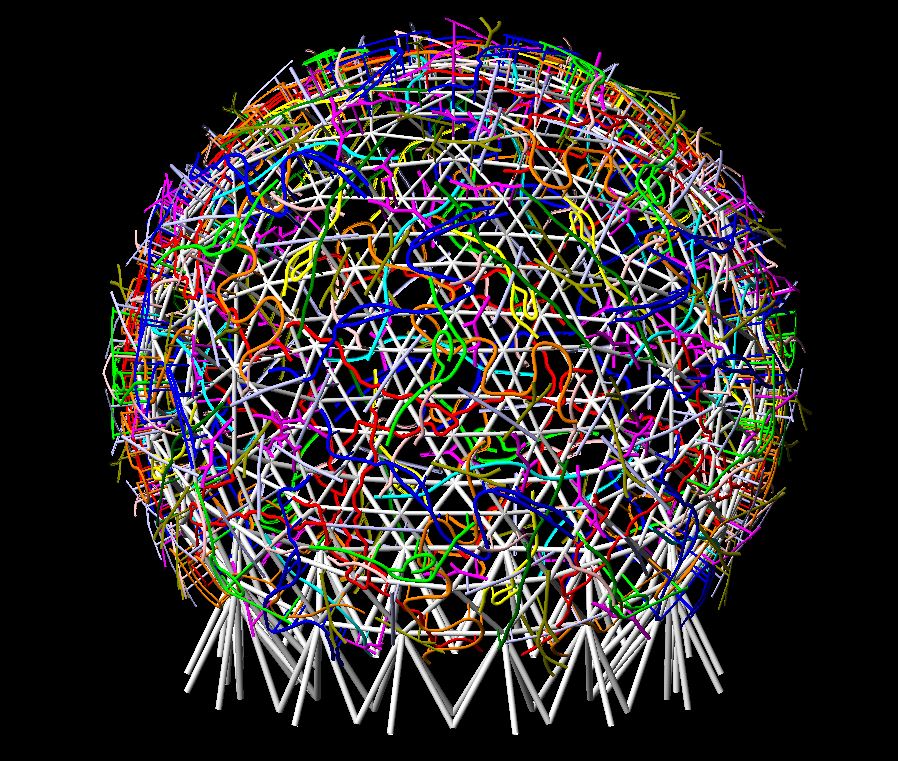
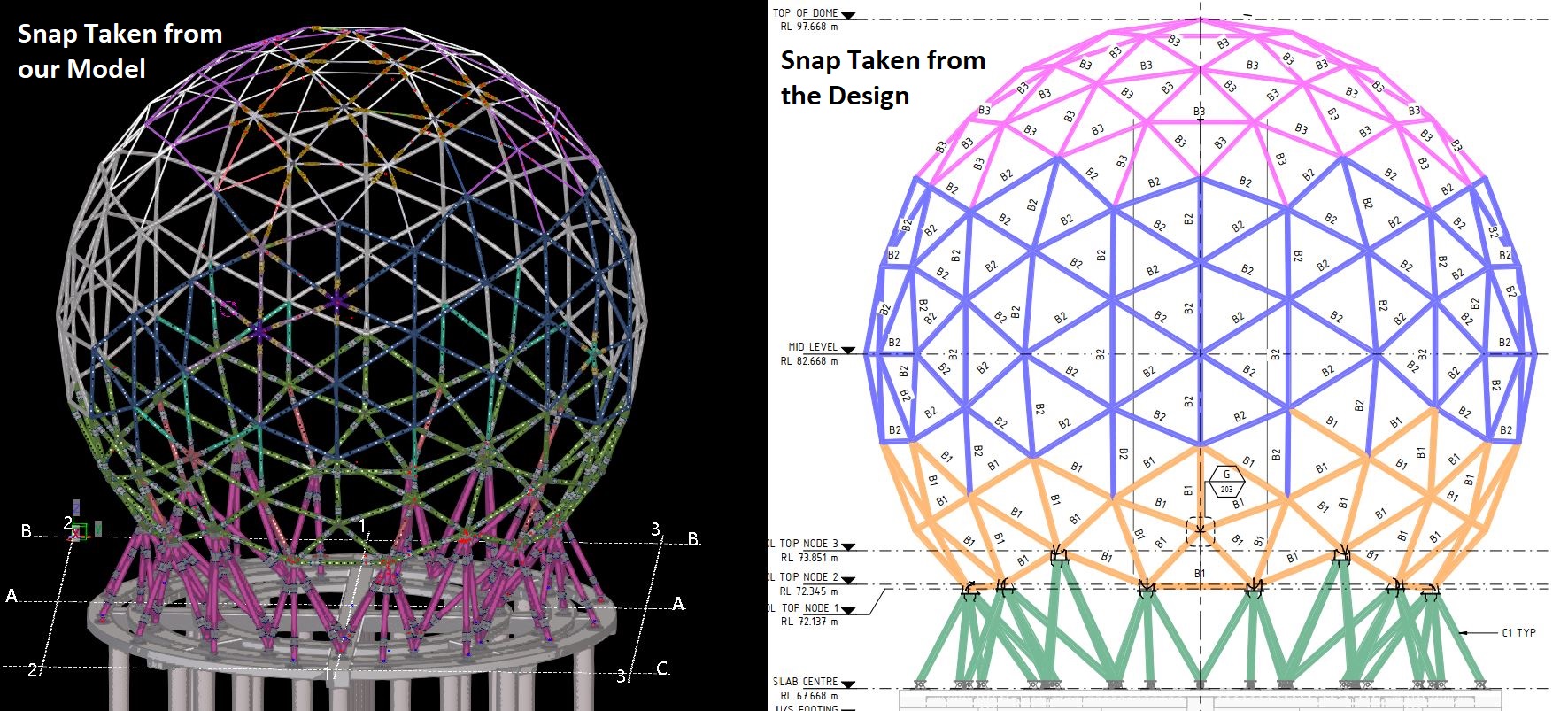
    Recently, we have been detailing one of Australia’s most iconic projects, the “EMU IN THE SKY.” The structure of this project is a 30m globe,
    and as part of the steel detailing, numerous connections are involved.

    How did we do it?

    TEK1 has proposed

    • several solutions for the connections required.
    • proposed as easy way to acheive more accurate fabrication
    • Reduce Fabrication Time
    • and ultimately saved the client in the order of hundreds of thousands of dollars.

    Hexagon Joint Connections:

    The Problem

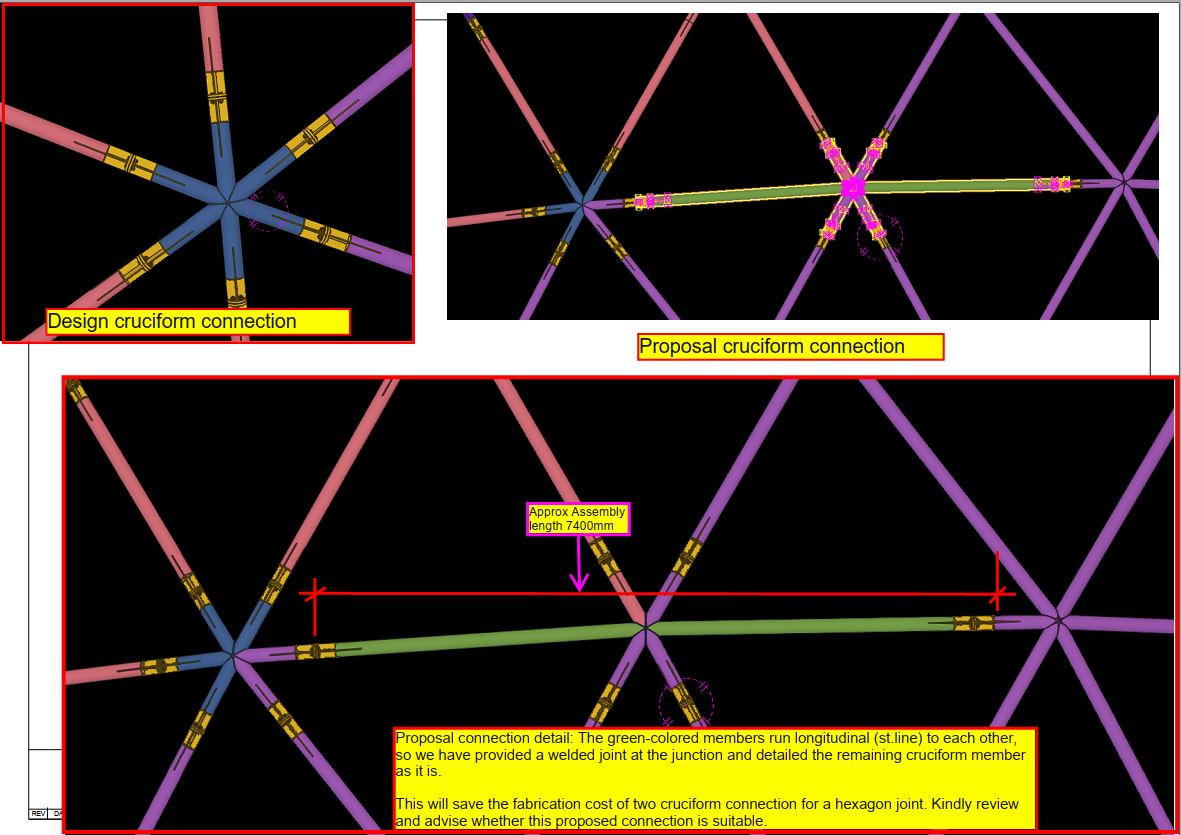
    • This design contains numbers of Hexagon join involved & it required six cruciform connections per hexagon joint. The weight of one Cruciform joint is 60-70kg approx

    The Solution

    • The TEK1 Team (Ramakrishnan)proposed an alternative solution that reduced the number of cruciform connections required for a hexagon joint..
    • By implementing our proposal, we eliminate two cruciform connection per hexagon joint, resulting in substantial savings N-numbers of connections in terms of fabrication.
    • This involves saving of Material cost & Fabrication cost.
    • Our client was very pleased to see these cost-saving proposals coming from the steel detailer.
    • Please refer to the following snaps which showing the detailed info about the proposal

    Cruciform Connection Accuracy

    The Problem

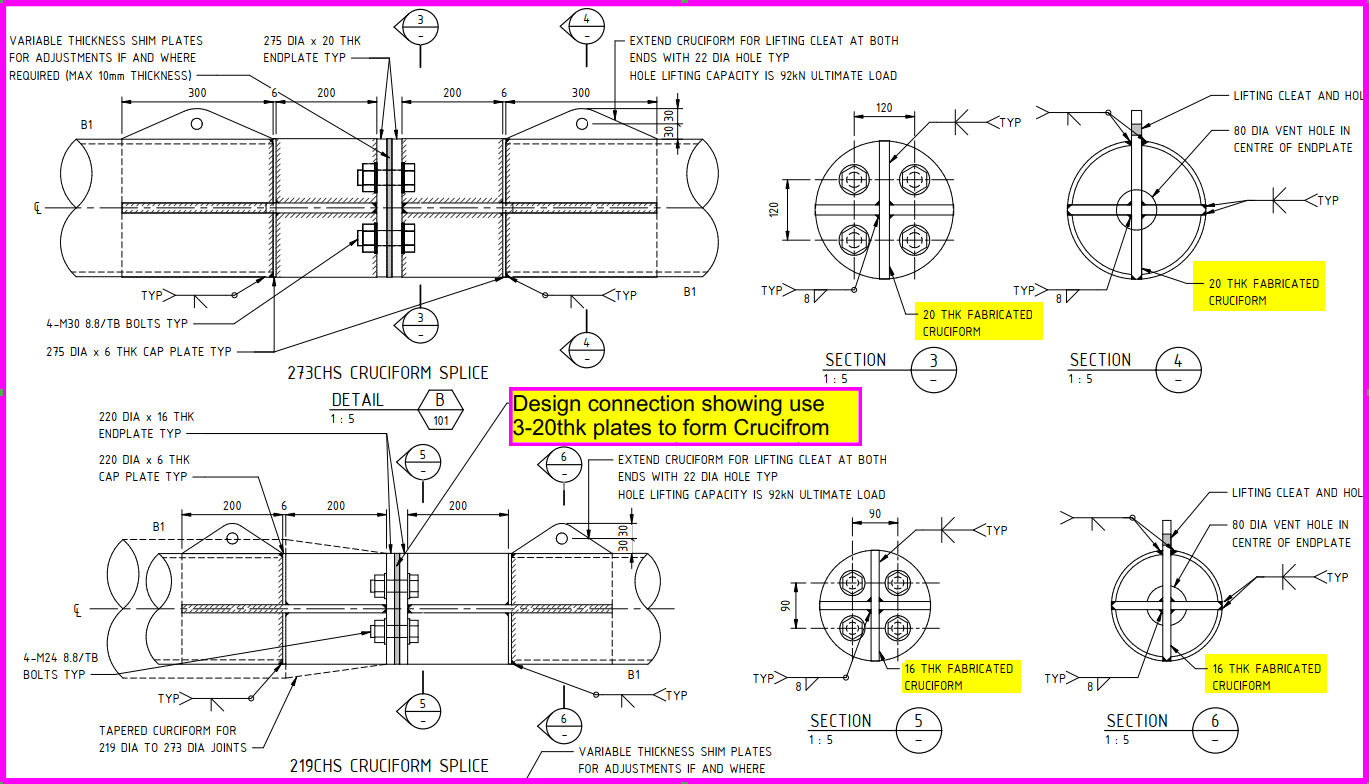
    Another example involves the cruciform design connection, where the initial design called for three 20mm thick plates to be welded
    together to form the joint. This connection demands high accuracy in fabrication, as all plates must be perfectly aligned at 90º to avoid
    significant erection issues. During welding, there is a possibility of distortion, making it difficult to maintain the desired shape.

    This is risky for the client – if they get it wrong they will lose: $abc and lose xyz months

    The Solution

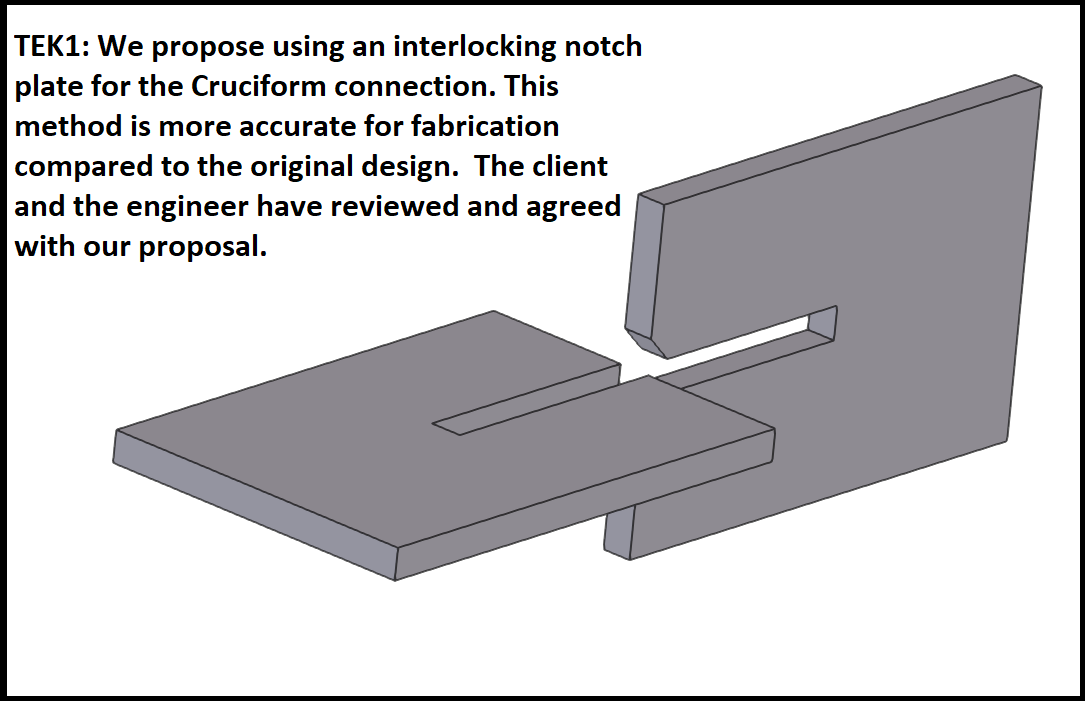
    To address these challenges, TEK1 proposed a notched cruciform connection. Instead of three plates, we use only two plates, each with a
    notch. By interlocking the notched plates, we can avoid steel distortion and achieve the desired design shape more easily. This approach
    not only improves fabrication accuracy but also simplifies the assembly process.

    Again our client was very pleased to see these cost-saving proposals coming from the steel detailer & we implemented this in our current model.

  • The Importance of Adhering to Standards in Steel Detailing: A Case Study

    The Importance of Adhering to Standards in Steel Detailing: A Case Study

    As a steel detailer working on projects for public access areas or residential buildings, you must be familiar with the essential standards to ensure safety and compliance.

    In this blog post, we’ll delve into the significance of following standards, with a specific focus on AS1428, AS1657, and BCA, through a real-world case study near the iconic Melbourne Cricket Ground (MCG).

    The Case of the Handrails Near MCG

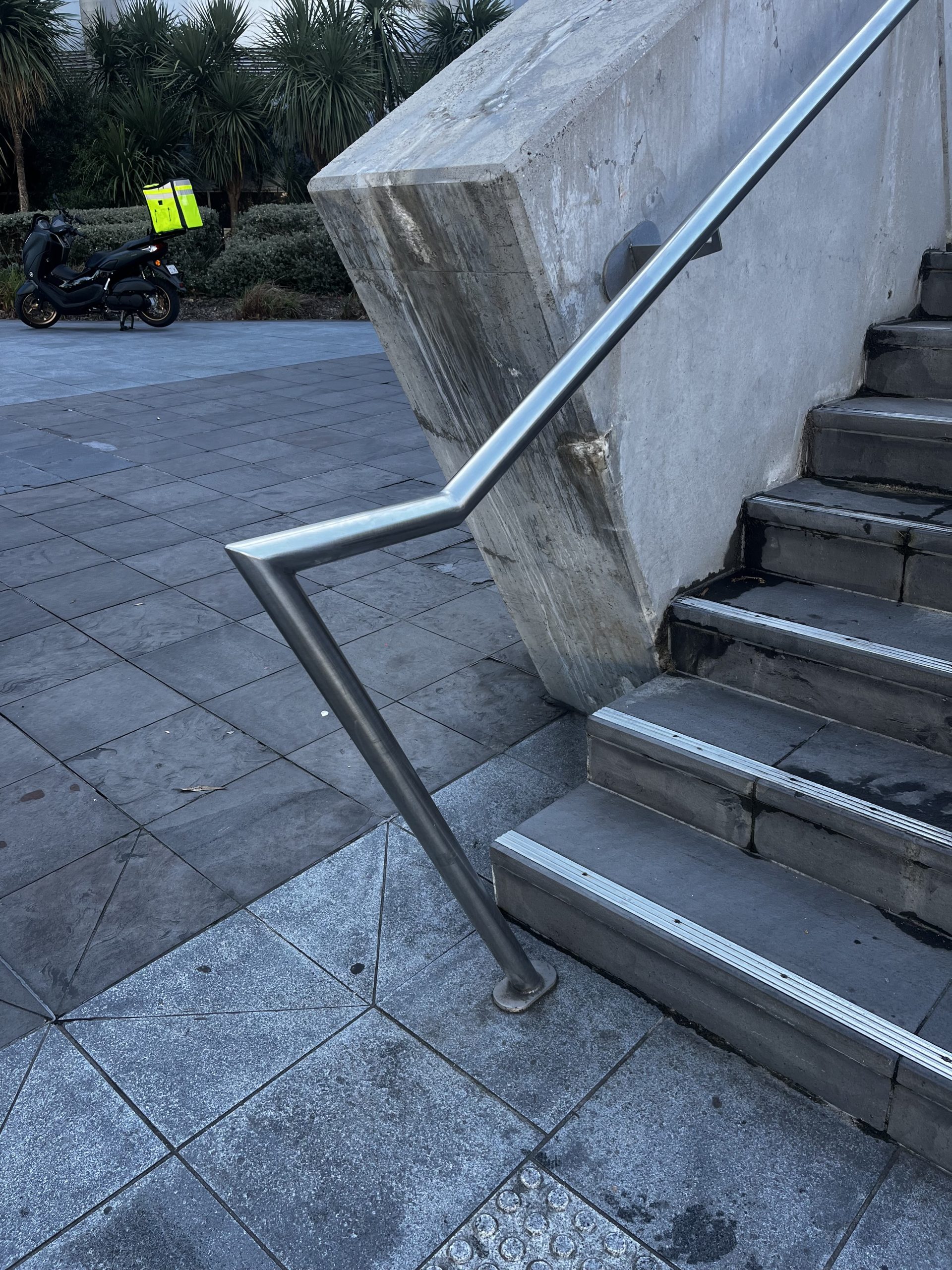
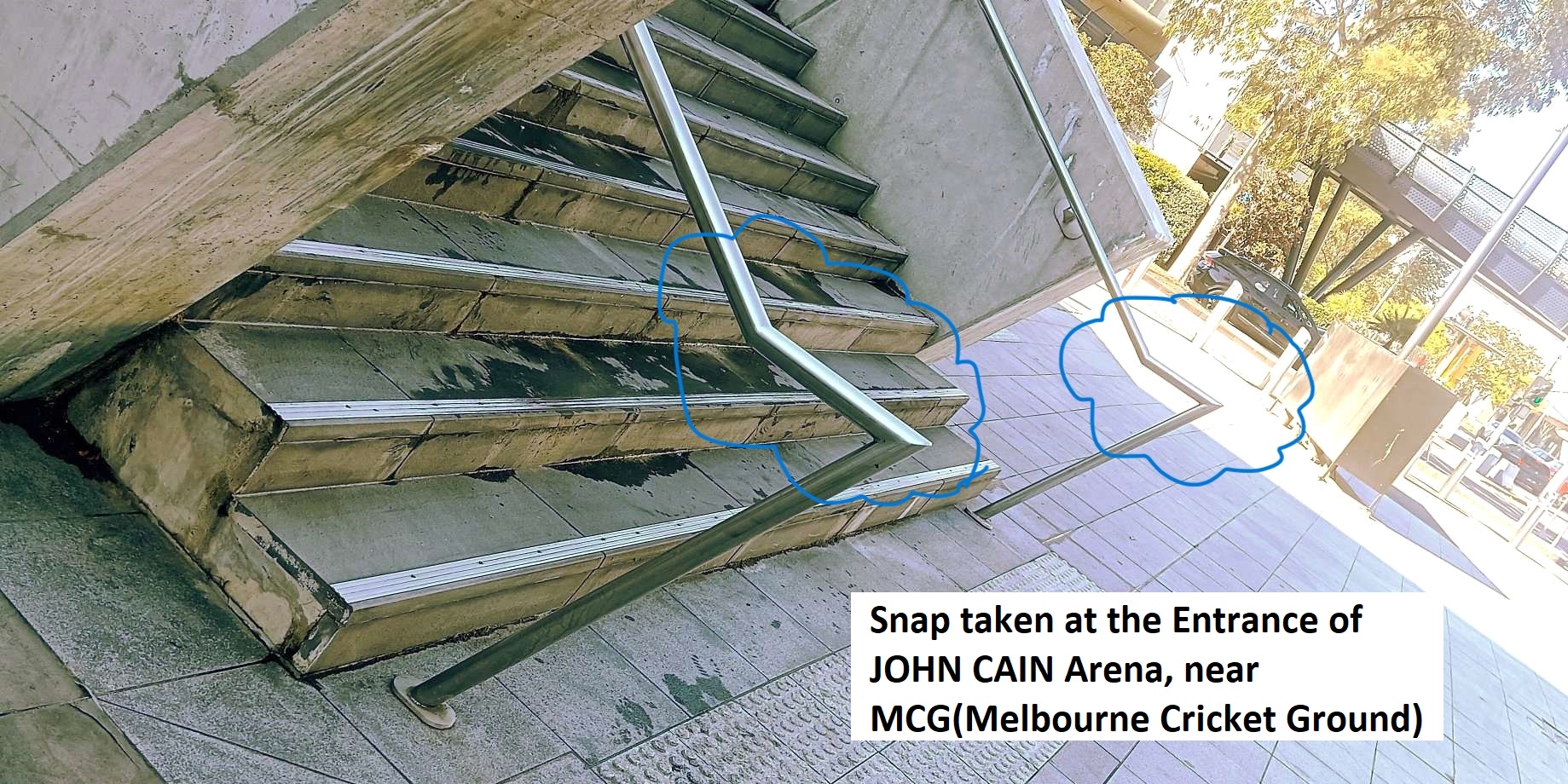
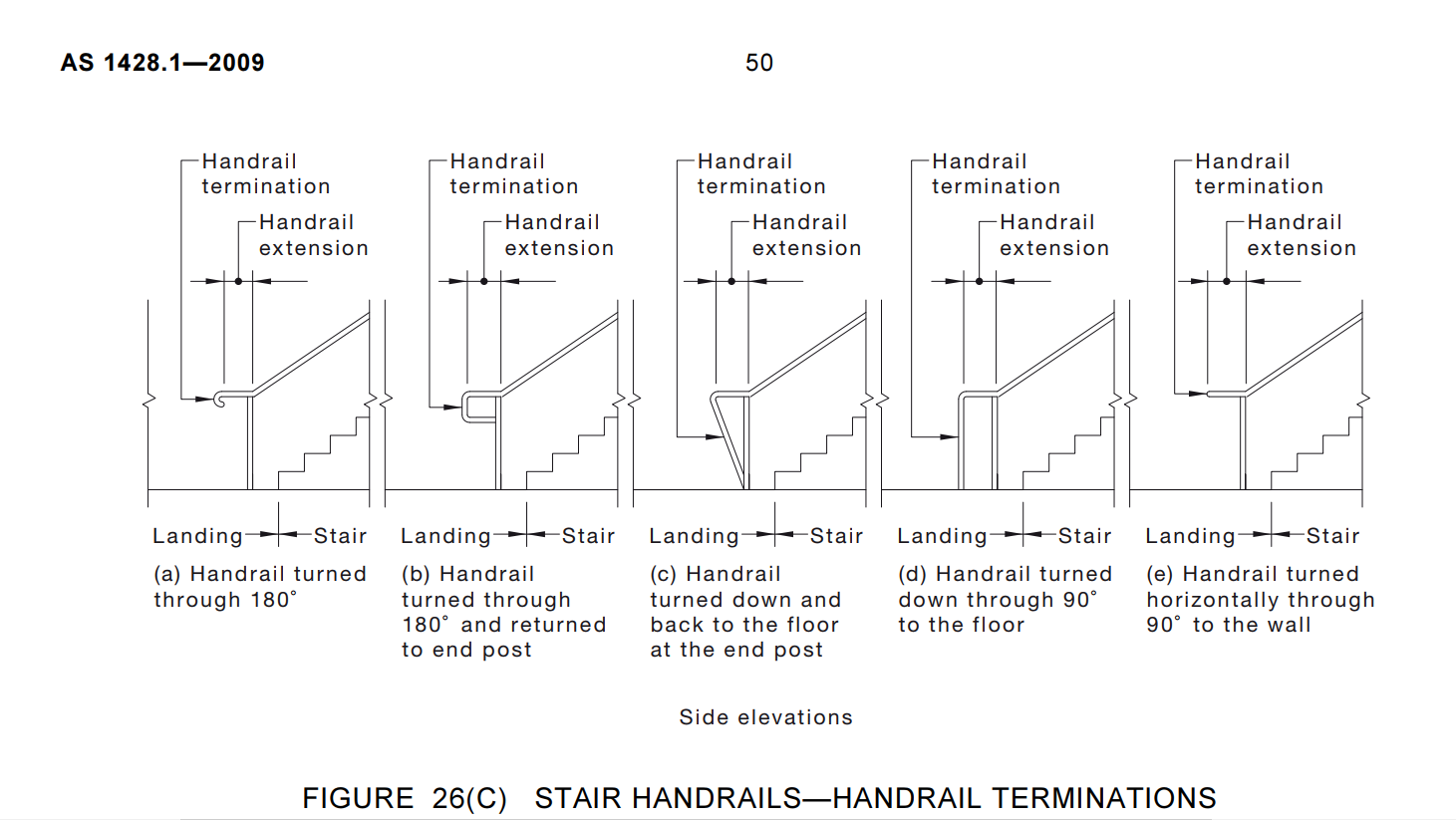
    During a recent visit to the vicinity of the Melbourne Cricket Ground, I observed that the installed stair handrail did not meet the compliance as specified in AS1428. The end handrail protrudes with sharp edges, causing safety issues for the public.

    Please refer to the snapshot below, taken at the entrance of JOHN CAIN Arena, Near MCG. Additionally, we have attached another snapshot that refers to the standard handrail which needs to be used in public areas.

    Conclusion

    Understanding the Standards: AS1428, AS1657, and BCA
    Before commencing any detailing project, it’s crucial to have a comprehensive understanding of the relevant standards. AS1428 covers design for access and mobility, providing guidelines for elements such as handrails, ramps, and doorways to ensure accessibility for all individuals. AS1657 specifies requirements for fixed platforms, walkways, stairways, and ladders, emphasizing safety and structural integrity. Meanwhile, the Building Code of Australia (BCA) sets forth regulations governing construction, including provisions for structural adequacy and fire safety.

  • Proactive Solutions Save Time and Money at Surry Hills Village

    Proactive Solutions Save Time and Money at Surry Hills Village

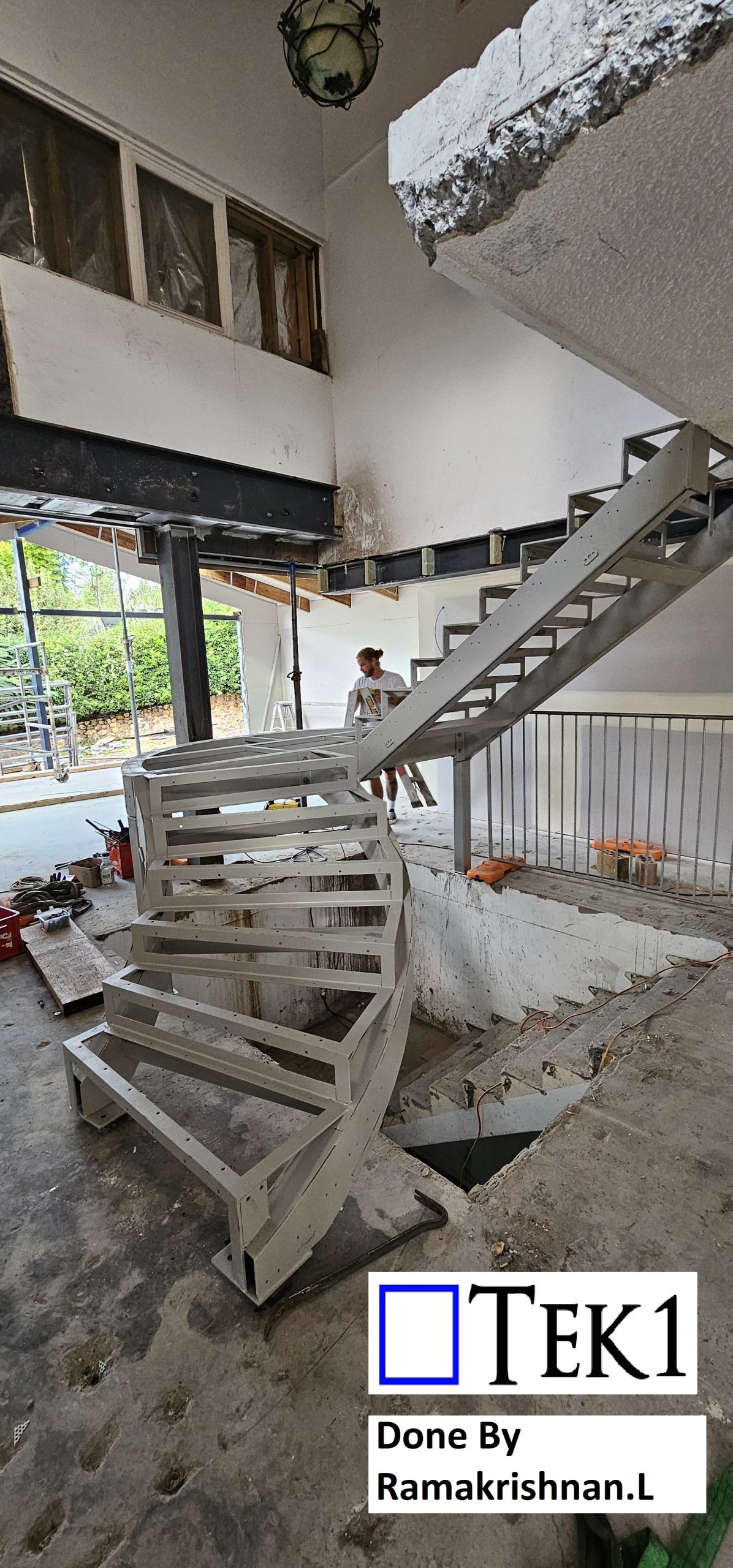
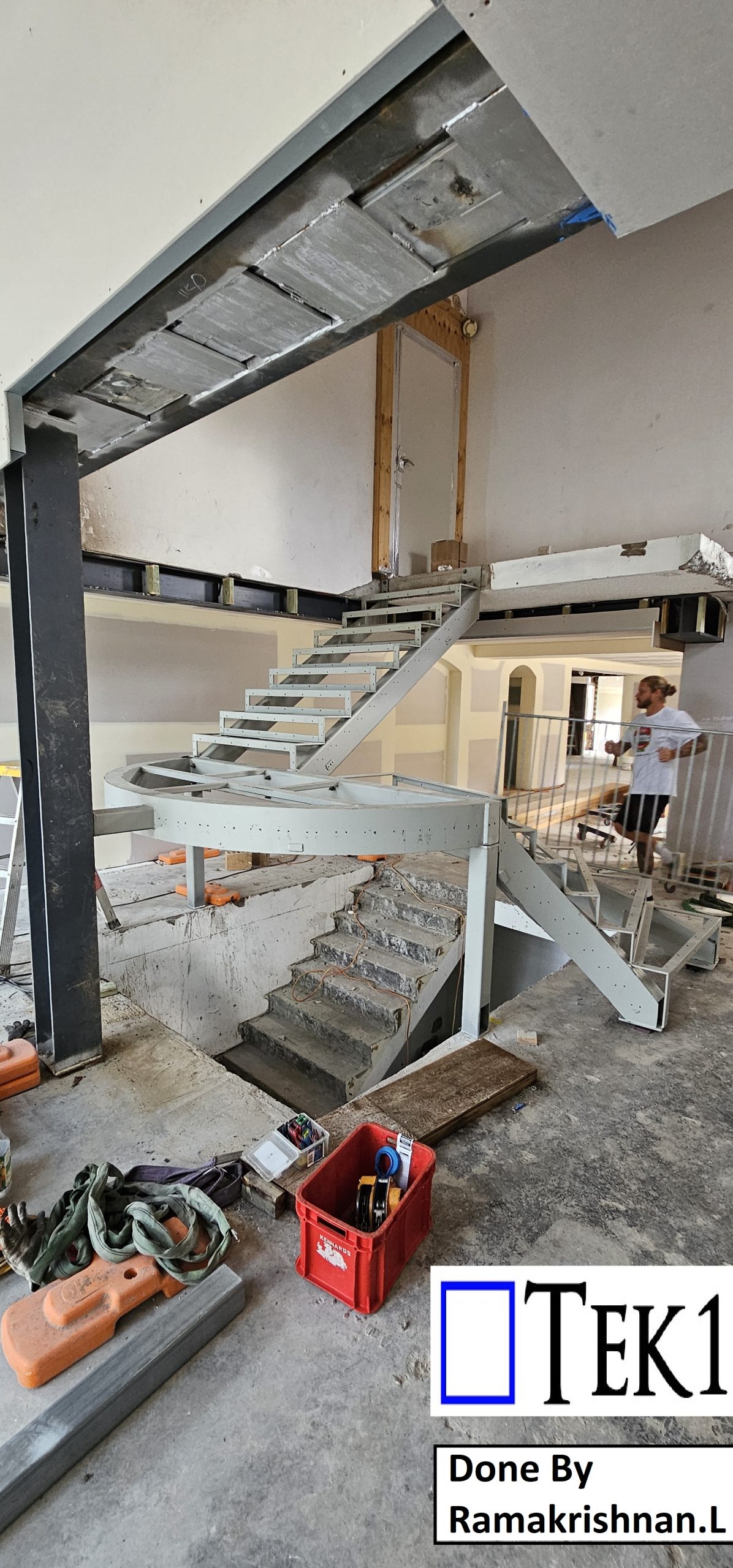
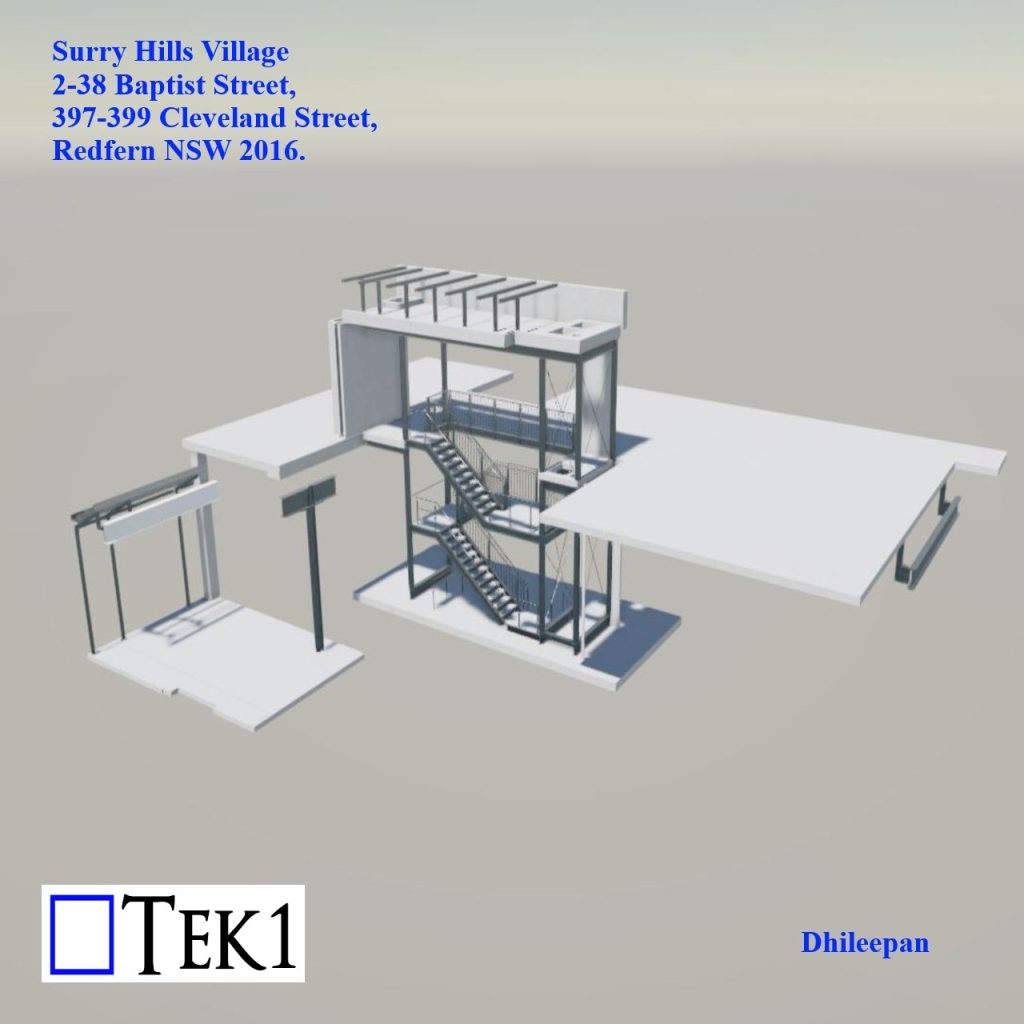
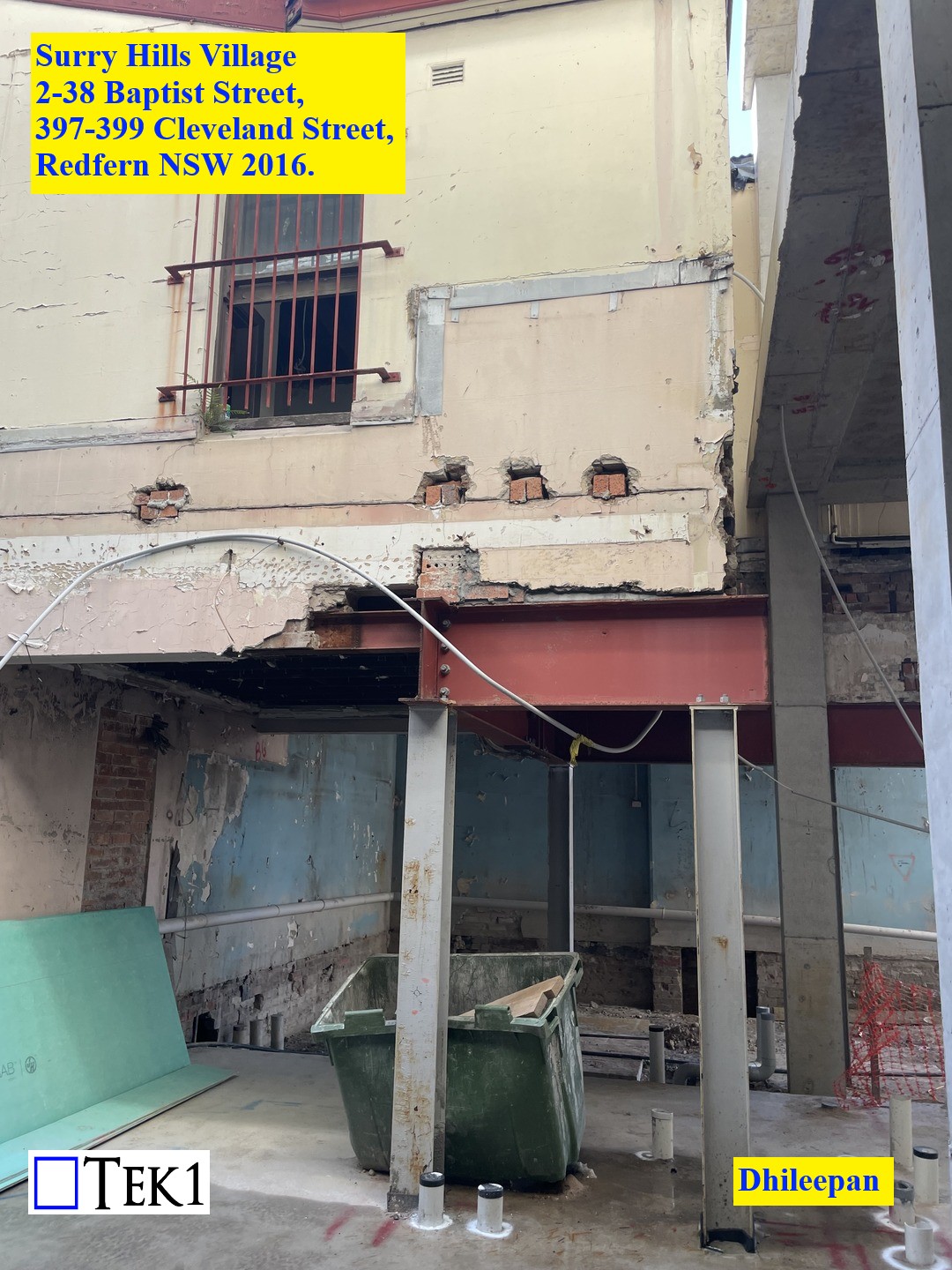
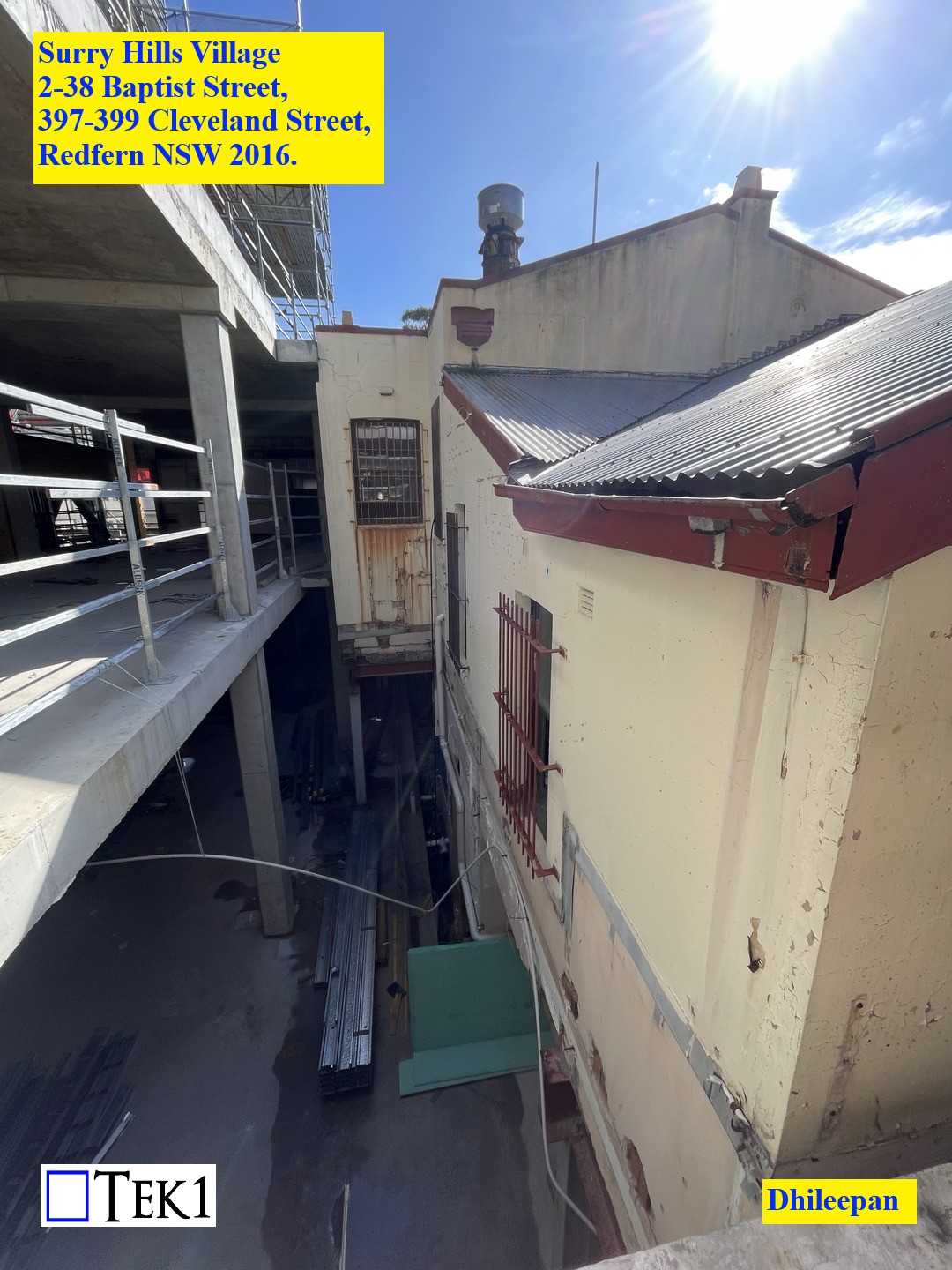
    Tek1’s proactive approach played a pivotal role in saving time and money on site by effectively addressing challenges before they escalated. When detailing a stair in an already constructed building at Surry Hills Village, Tek1 requested site measurements and images of the existing structures. Analysing the received site images, Tek1 identified potential clashes, such as the extension of an existing beam conflicting with a new column and the roof of a nearby block encroaching on the new stair’s landing.

    With this foresight, Tek1 proposed the removal of the conflicting portions, mitigating potential disruptions to the workflow. By identifying and resolving these clashes early on, Tek1 ensured a smoother construction process, preventing costly delays and rework. This proactive approach not only saved valuable time but also optimized resources, demonstrating Tek1’s commitment to delivering efficient and cost-effective solutions to its clients.

  • Cardinia Road, Pakenham

    Cardinia Road, Pakenham

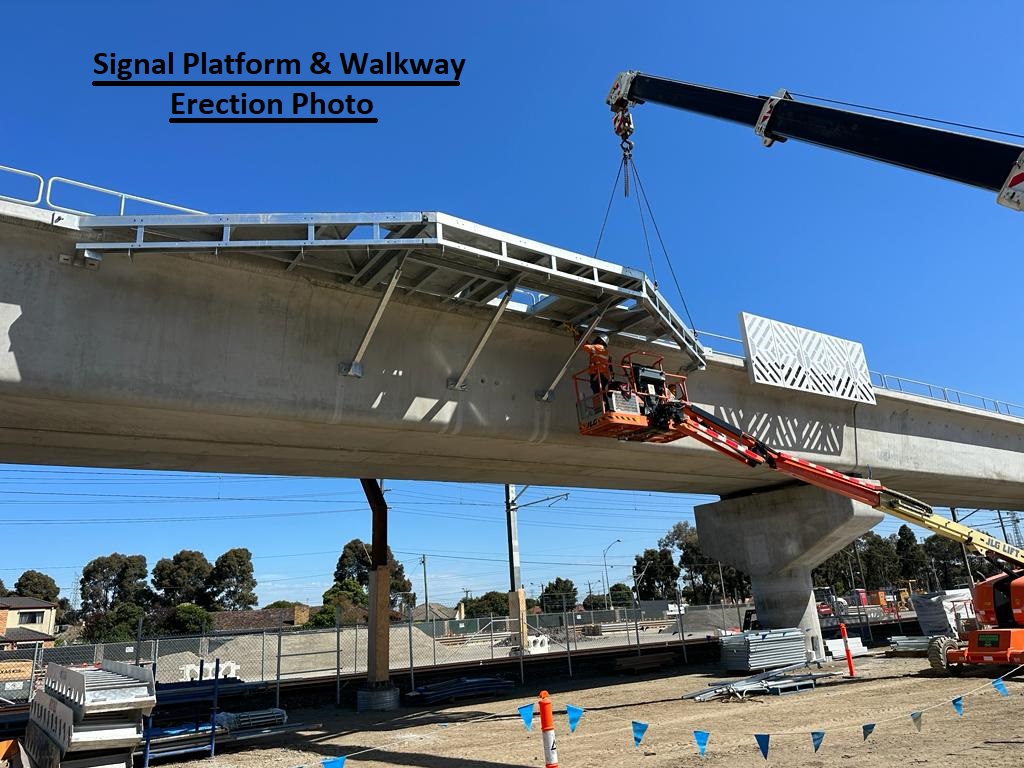
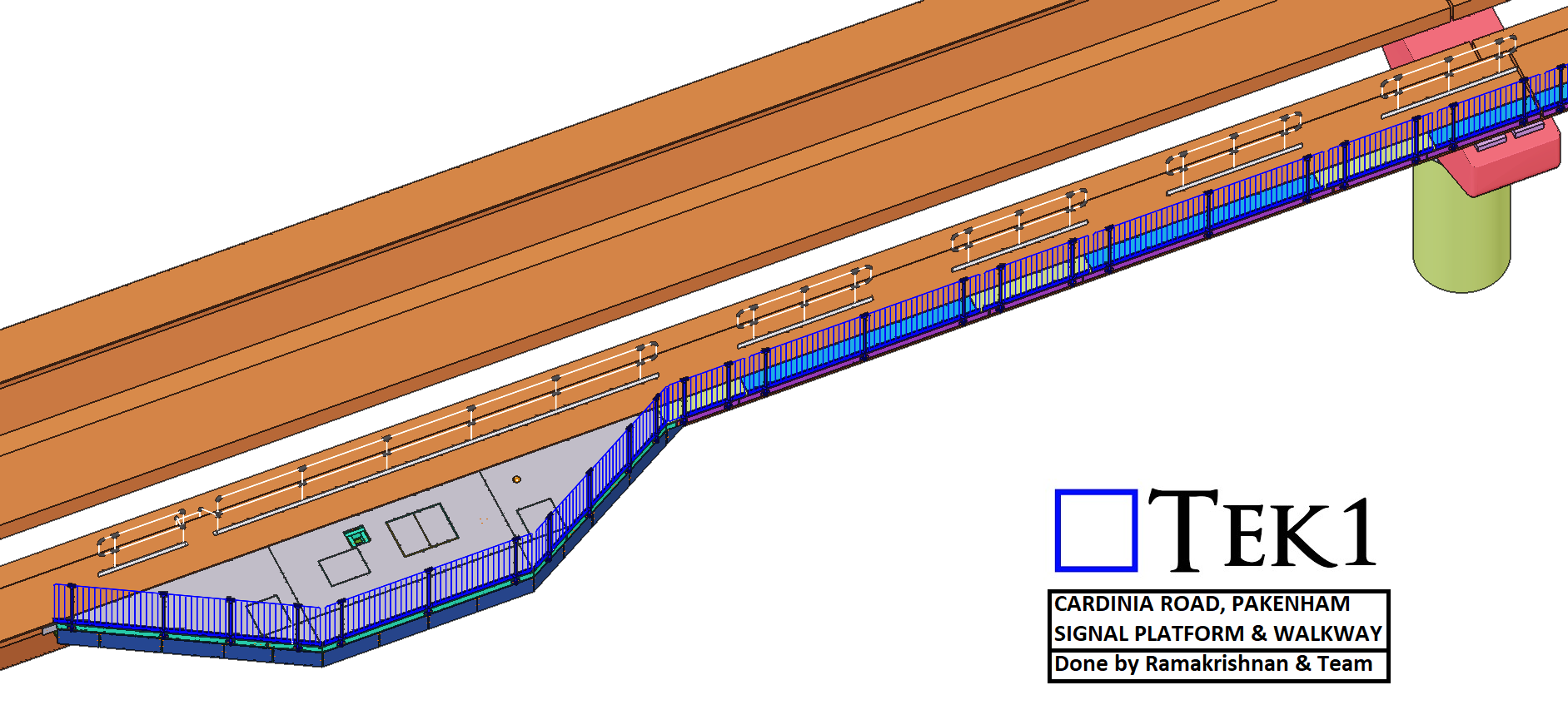
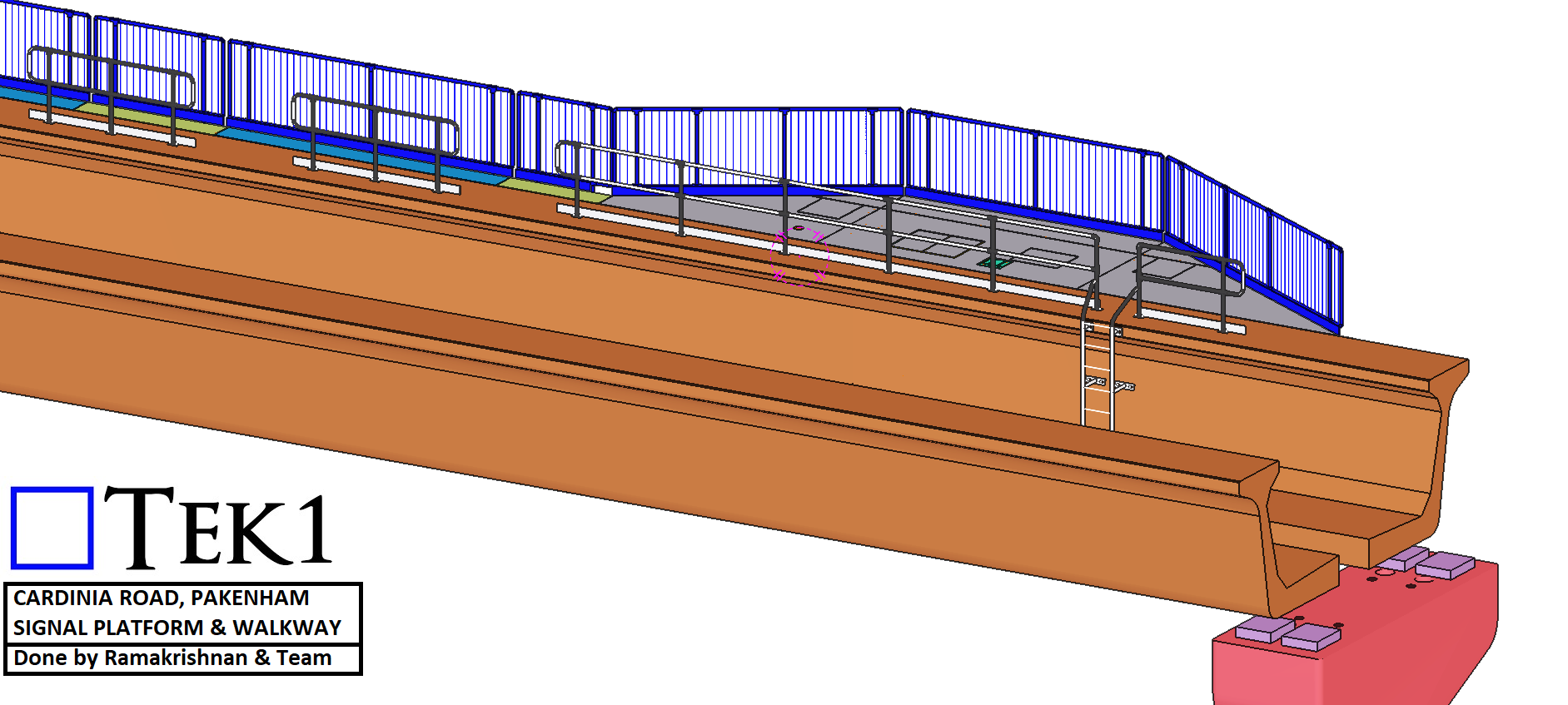
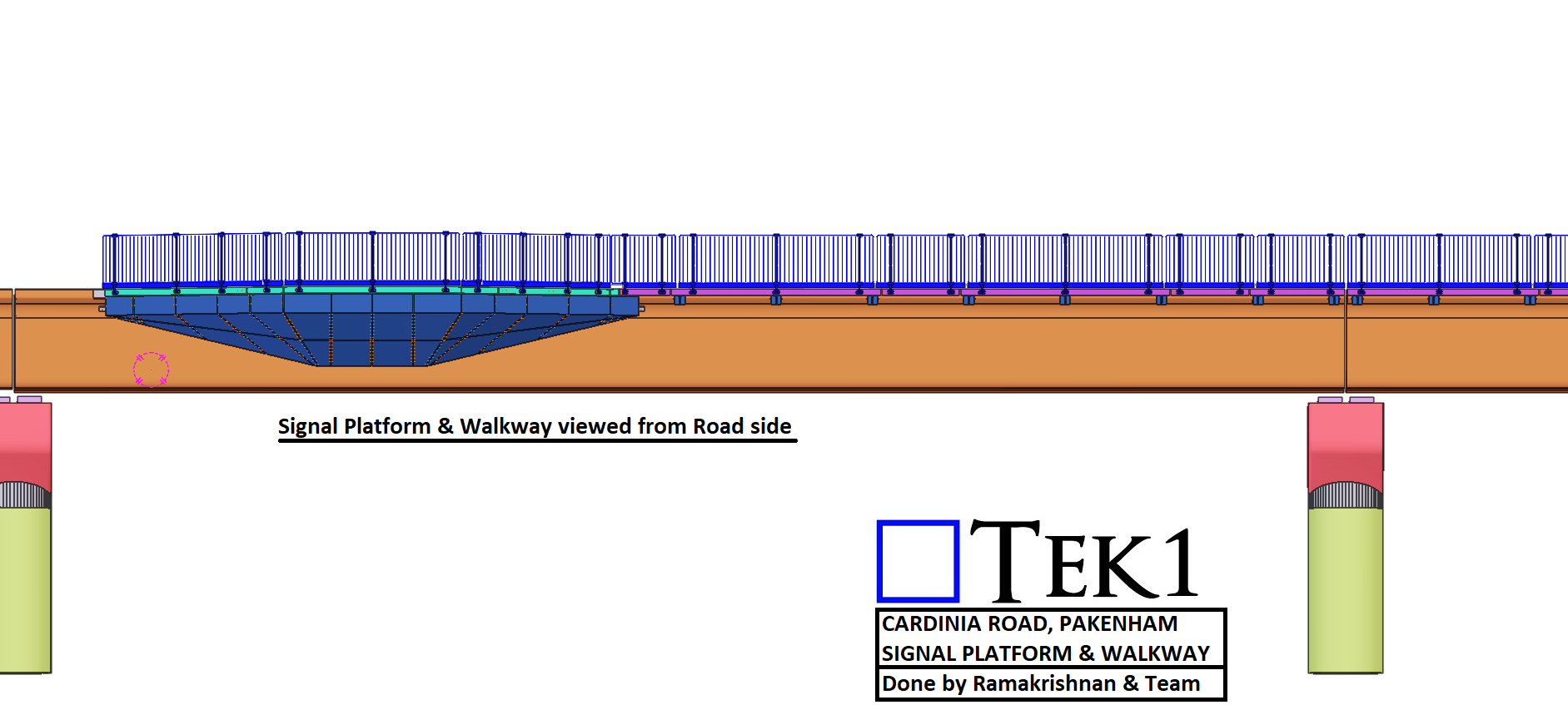
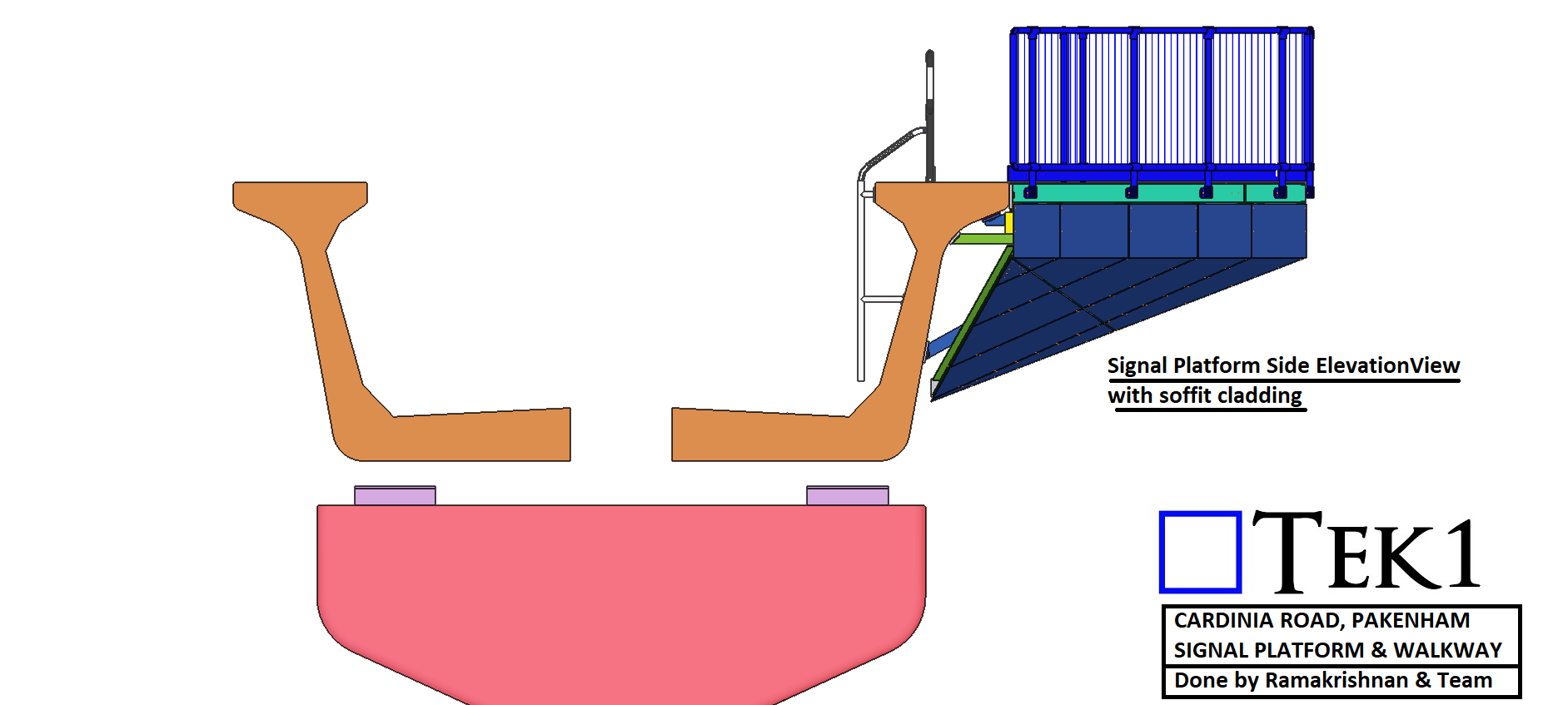
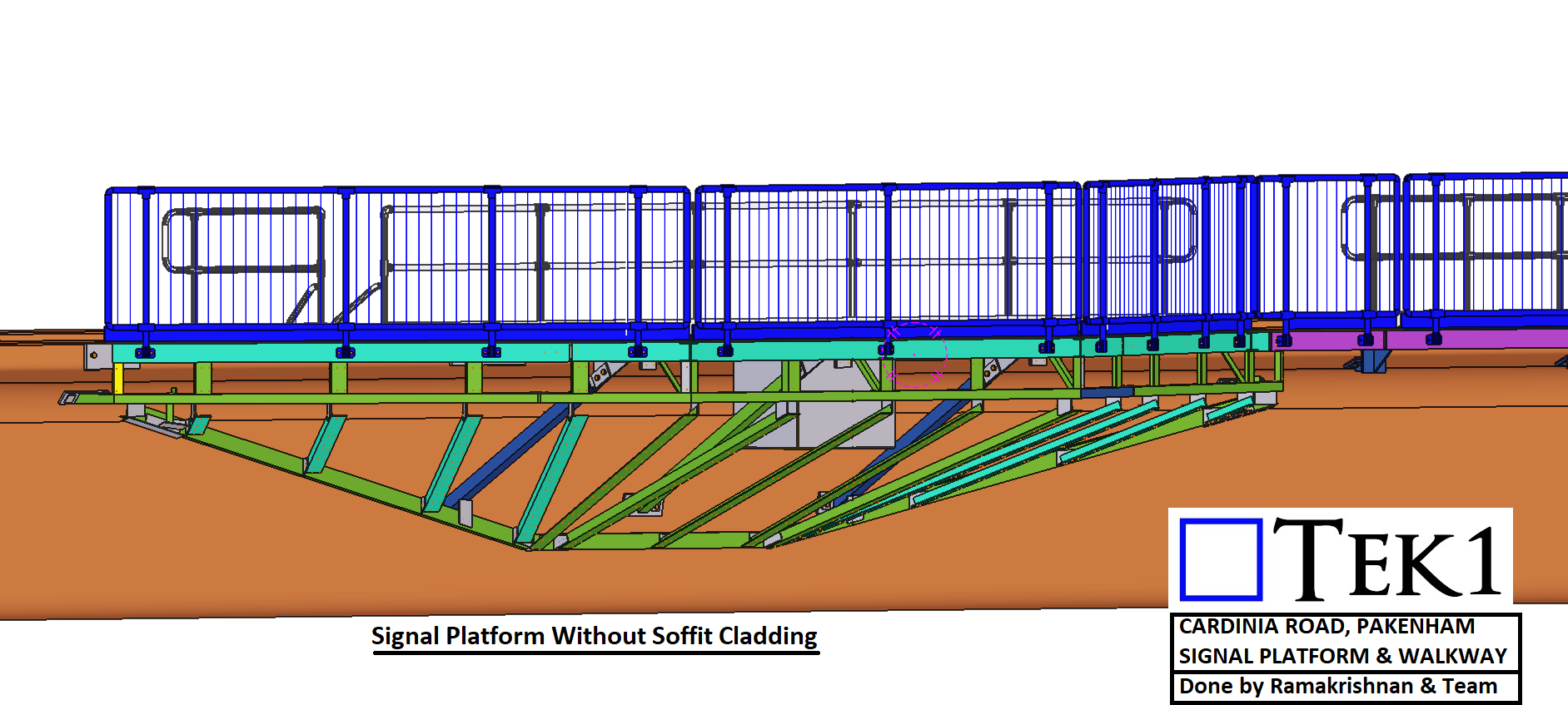
    • Four signal platform structures along with their walkway steel structures.

    Below are the Site Erection photos of Signal Platform & Walkway.

    We’ve done a lot of work on pedestrian bridges, anti-throw screens, platforms, walkways and stairs. Check out our steel projects for more examples.