Month: February 2026

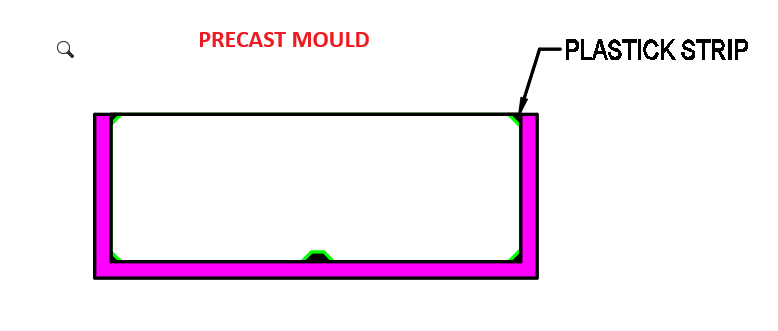
  • Panel Gaps and Dummy Grooves

    Panel Gaps and Dummy Grooves

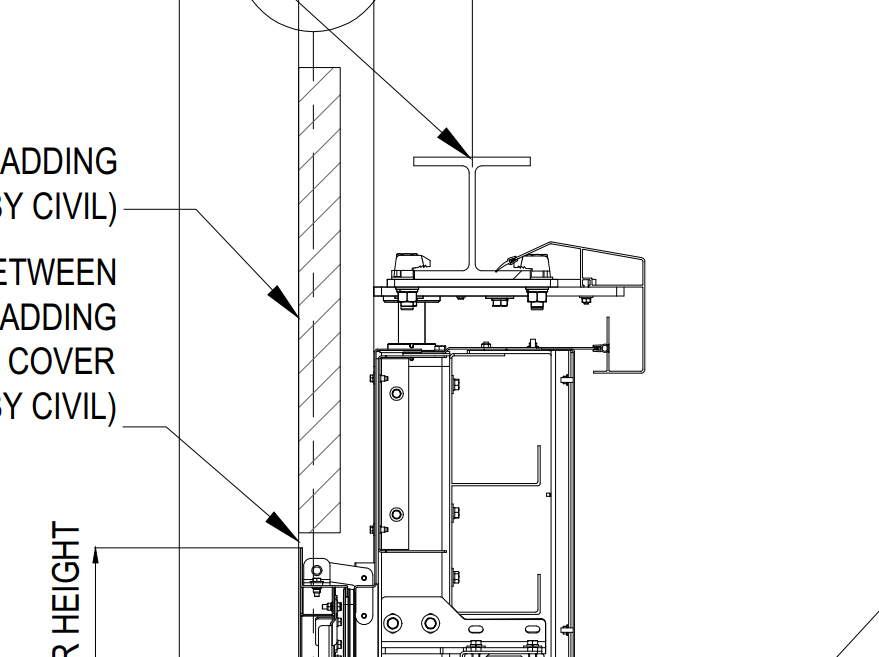
    The video explain relationship of panel gaps and dummy grooves.

    As detailer you have RFI what is the panel chamfer and Size of Dummy groove.

    The RFI should be addressed the to precast panel manufacturer and not anyone else.

    If you get this wrong, there will be a fair bit of rework.

    Hence it is important that this is address

    For more videos like this visit.

  • TEK1’s Steel Detailing for Sydney Metro – Resolving Design Challenges – 7

    TEK1’s Steel Detailing for Sydney Metro – Resolving Design Challenges – 7

    In this blog, I’d like to share an issue we faced while detailing Platform Screen Door (PSD) support beams in a metro station project.

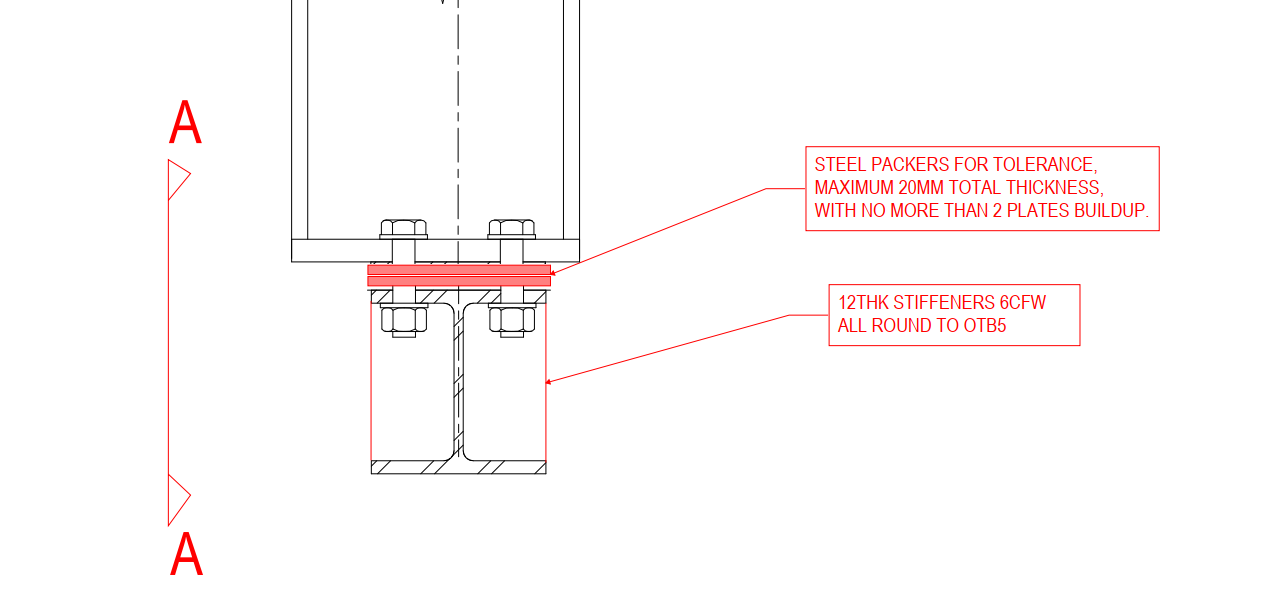
    Our scope was to provide structural beams to support the platform screen doors. The design also required stiffeners in these beams for structural strength.

    The Issue We Identified

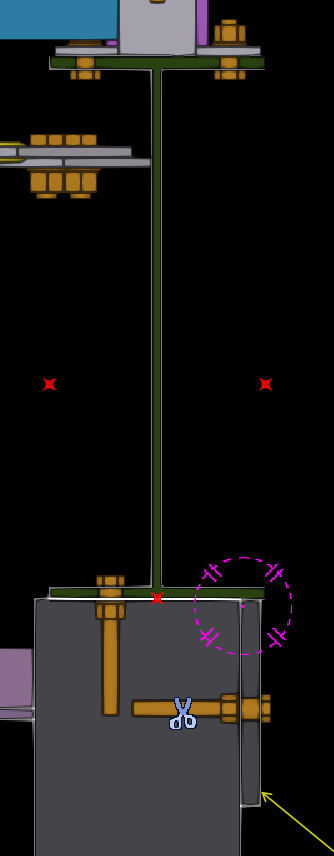
    Before placing the stiffeners as per the design, we reviewed how the door frames would connect to the beams. During this check, we realized that the stiffeners could clash with the door frame supports.

    As expected, when we reviewed the door frame support details, the clash became clear.

    We raised this issue with the relevant team, and they advised us to modify the stiffener size so it would not interfere with the door frame supports.

    As detailers, we shouldn’t just place elements exactly as shown in the design. We must also think about how other components will connect and function.

    This is especially important when our steel supports secondary steel, equipment, or framing systems. A little extra attention during detailing can prevent major issues during installation.

  • The Importance of Bolt Placement and Edge Distance in Detailing

    The Importance of Bolt Placement and Edge Distance in Detailing


    Detailers must exercise caution when working with bolts and edge distances, as these are common areas for errors in structural detailing. In this blog, I’ll share my experience with a bolt edge distance issue and how it was resolved.


    The Scenario


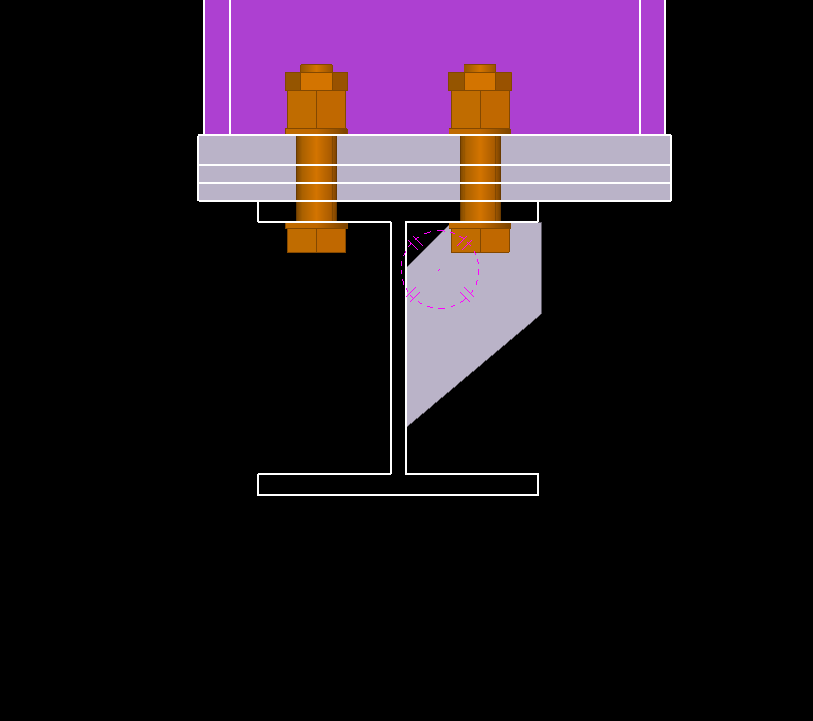
    In a recent project, the design required a UB (Universal Beam) to sit on a 200mm-thick concrete wall, secured with M20 chemset bolts.

    Upon review, it became clear this setup wasn’t feasible:

    • Anchor Distance: M20 bolts require a minimum anchor distance of 120mm.
    • Edge Distance: A minimum edge distance of 80mm is necessary.

    Additionally, the beam wasn’t centered on the wall, further complicating the bolt placement.


    The Proposed Solution

    To address the issue, I proposed welding plates to the bottom of the beam. This adjustment allowed the beam to be bolted to the side of the wall rather than its top.


    The Engineer’s Feedback


    After reviewing the proposal, the engineer suggested a simpler solution: using a single row of bolts instead of two. This change eliminated the edge distance problem.Engineer mentioned that one row of bolt is enough for this beam.

    In this project, the engineer did not accept our proposal, as they determined that the beam does not require that level of support. However, as detailers, it is our responsibility to highlight the issue and propose suitable solutions.

  • Memo 50: When coordinating with others, you have to charge; When the scope changes, your price need not change simply

    When coordinating with others, you have to charge; When the scope changes, you price need not change simply;

    (A) Prices need not be reduced by crossing out a line item

    Please see below:

    Hi Koshy,

    Sorry to do this, but we will need to remove line item 5 from the invoice. The structural steel components of Lift 11 have already been modeled by a different company. We will be receiving the model soon and will send that to you to work on the other parts of the scope that you priced for.

    Do you mind sending through an invoice without Line item 5 so we can put it through with this months invoices?

    This is not uncommon. Clients are wont to shop around for the lowest price. Which I don’t mind.

    Except it is a PITA to manage with admin, invoicing and purchase orders. Second, when I price a job, I look at the overall make-up of a job. If they remove an item, piecemeal, then that changes the make-up, of the job entirely – viz you can think of it like this: e.g. when you go to MacDonald’s you can purchase the following individually:

    1. Burger – $8
    2. Fries – $4
    3. Coke – $2
    4. Total: $14 (as separately priced items)

    or you can purchase them in a combination for $10 for example (discount):

    1. Burger – $3
    2. Fries – $4
    3. Coke – $4
    4. Combination: $10

    And then after you agree on purchasing all three, imagine then a customer cuts the scope and says: “actually I only want the burger”……………. Well then if you want just the burger, the price does not remain at $3, it will have to rise to $8. You do not have to cut the price in line, if the customer changes the scope. If I can afford to drop the customer, then I may refuse the discount entirely – and ask the customer to take the entire job elsewhere. I suppose this puts a spanner in the customer’s works, but then again, so is being a clever dick by asking for a job in bulk and then cherry picking parts by price after one has already been given in bulk, and asking others to manage the coordination overheads. And if the client says they will “manage” it – what if they miss something? Of course, at that stage, then you have to raise the matter.

    (B) The Risks of Coordinating with Others

    • The second thing to note – if you are coordinating with someone else’s work – who is responsible for making it work?
    • If their work is wrong, will it not delay my portion of the work? Will it not cause problems and add costs?
    • If there is a problem, then I want to be remunerated for finding out that a problem exists, pointing it out, and also providing the solution.

    There is a coordination cost involved when dealing with others. Which I hate doing because I cannot control a third party – I have no idea if they are using the latest drawings, or have captured all the information required in order to make the job successful.

    Here is my reply:

    Please find attached an invoice with a credit note applied – i.e. line item 5 eliminated.

    Please note there may be coordination overheads associated with managing third party drafties and their models – that may be something we can address if such a need arises.

    any issues pls LMK.

    And the client respond as such:

    Hi Koshy,

    Yes, no worries. We will see how we go.

    Thanks,

    Very good – our client understands this. We have asked permission and warned him in advance that the coordination costs exist, and the client has agreed. We are experts at managing coordination, and do not be shy about charging for that expertise. It is better than our clients pay our invoices than for their job to meet with disaster because there were too many chefs in the kitchen – or worse, that there weren’t any chefs there at all


    My philosophy is this – getting two detailers to manage a job is one too many. It must either go entirely to the other guy, or entirely to us. There is a very significant coordination cost associated with this, and that cannot come for free. Remember, a house divided by two detailers cannot stand.
  • Locknut anchor bolt guide

    Locknut anchor bolt guide

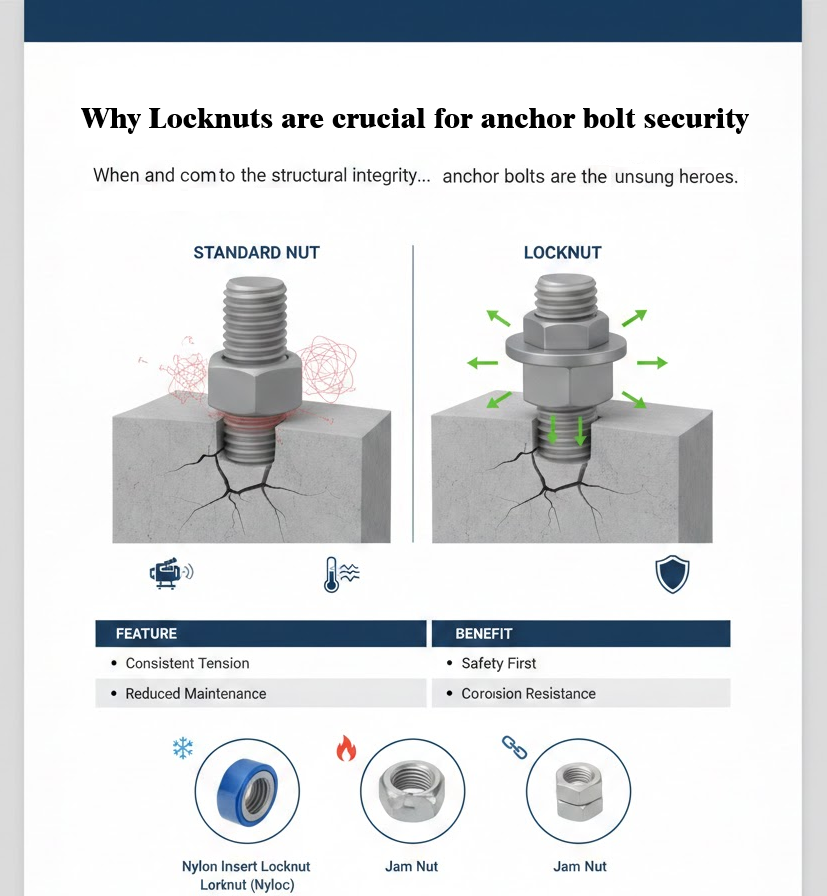
    Why Locknuts Are the Unsung Heroes of Anchor Bolt Integrity

    Anchor bolts are the literal foundation of structural stability. They secure steel columns, heavy machinery, and critical structural components to concrete foundations, resisting uplift, shear, and dynamic forces.

    But even the strongest anchor bolt is only as reliable as its ability to stay tight.

    In industrial environments where vibration, movement, and thermal cycling are constant, relying on a standard nut alone is often not enough. This is where locknuts become a non-negotiable component of anchor bolt assemblies.

    The Hidden Risk: Vibration-Induced Loosening

    When we think about structural failures, we often imagine snapped steel or crumbling concrete. However, one of the most common—and preventable—failure points is vibration-induced loosening. Enter the locknut – the small but mighty component that ensures your anchor bolts stay steadfast.

    The Mechanics of Loosening

    Standard nuts rely on the friction between the bolt threads and the nut threads, maintained by the tension (clamp load) of the bolt. However, two main factors can compromise this:

    Thermal Expansion: Fluctuating temperatures cause the bolt and the fixture to expand and contract, periodically reducing the clamp load.

    Vibration: Constant motion from machinery or wind loads can cause minute “slips” in the threads.

    What is a Locknut and Why Does it Matter for Anchor Bolts?

    A locknut is a specialized fastening device designed to resist loosening when subjected to vibration and torque. Unlike standard nuts, which rely solely on friction created by initial tension, locknuts incorporate various mechanisms to maintain their grip, even when external forces try to reduce that tension.

    Conclusion

    Don’t let a $2.00 part jeopardize a $200,000 project. Using high-quality locknuts on your anchor bolts ensures longevity, reduces maintenance costs, and—most importantly—guarantees structural safety.

  • Avoiding Errors In Updating Modified Drawings

    Avoiding Errors In Updating Modified Drawings

    When the model is amended after issuing the first set of drawings, the affected assembly drawings will appear as “Parts Modified” after numbering is completed. While updating such drawings, certain considerations are important to ensure effective and quick detailing.

    1. Freeze Option

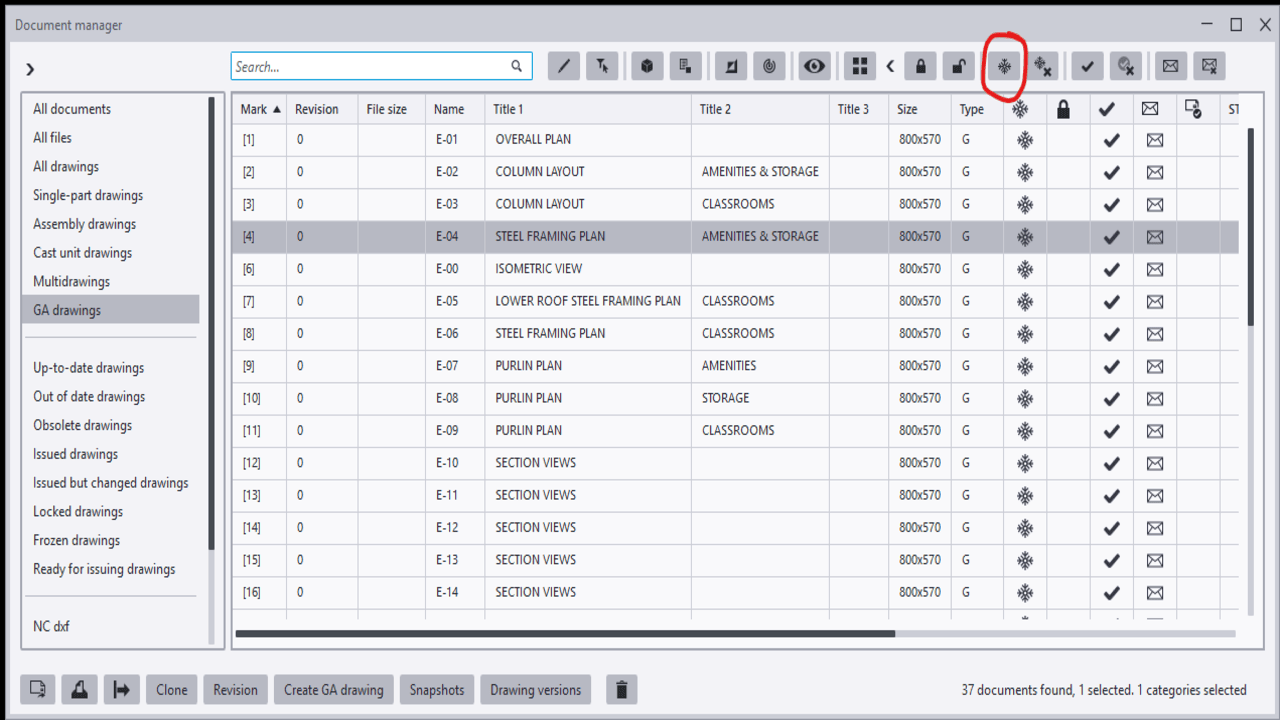
    When Freeze is OFF, Tekla automatically updates dimensions according to the movement of parts. While this may seem convenient, the decision to turn Freeze ON or OFF depends on the nature of the amendment.

    • If no new members are added to the assembly and only existing parts are moved, it is recommended to keep Freeze OFF, as Tekla will correctly update the dimensions.
    • If new parts are added to the assembly and Freeze is turned OFF, Tekla will automatically generate additional dimensions for the new members and may also alter existing dimensions. This can result in extra work to restore the original dimensioning arrangement.

    Guideline:

    • When no new parts are added, turn Freeze OFF.
    • When new parts are added, turn Freeze ON.

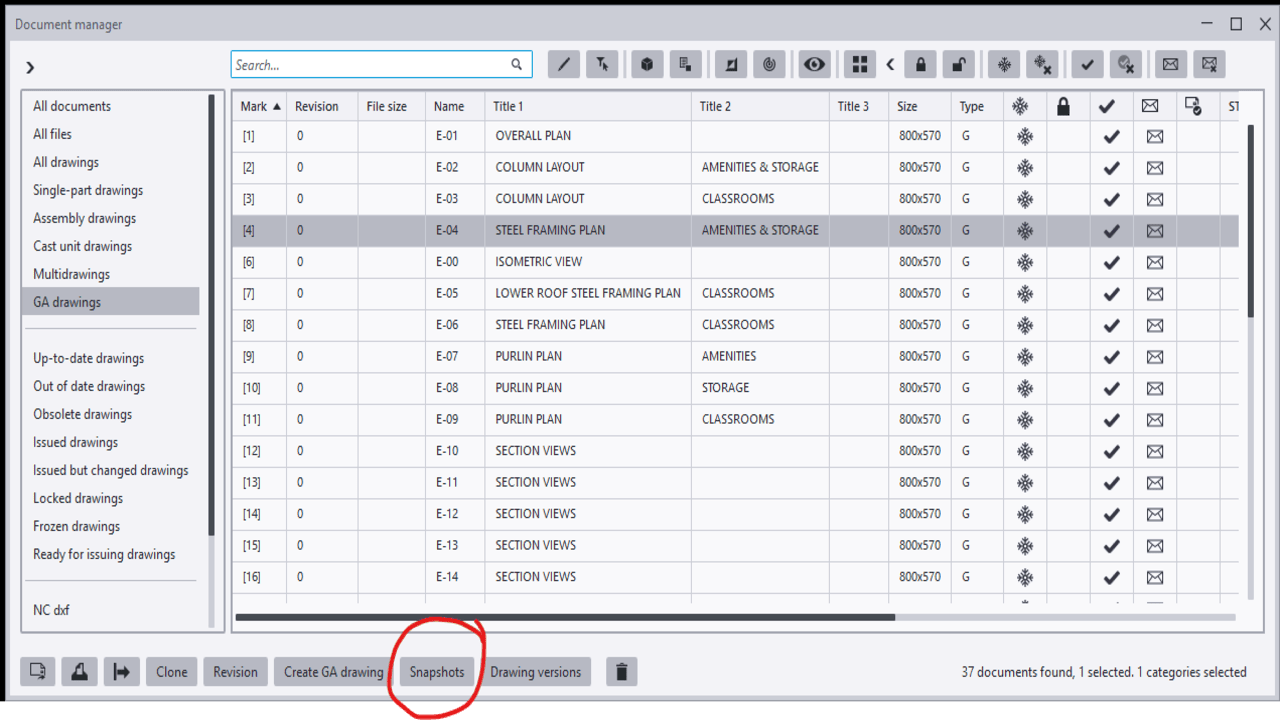
    2. Snapshot Option

    Among the drawings marked as “Parts Modified,” not all drawings necessarily contain actual changes. Some assembly drawings may appear as modified because they share common connection components with other assemblies that were amended.

    In such cases, the drawing may not have any visible changes and may only require an open-and-close action. However, there is a risk that certain dimensions may be automatically deleted or altered by Tekla during the update.

    To avoid missing dimensions or unintended changes, the Snapshot option is highly useful. It allows detailers to compare the drawing before and after the update. By reviewing the differences, any unnecessary or unintended modifications can be identified and corrected, thereby minimizing the risk of errors.

  • Bubble Deck Sample Drawings

    Typical Details Provided by Client

    Temp Hand Rail 280 thk with Set down, Rebate on Final Slab for curtain wall

    BD280 Typical Section (Includes 50 mm set down)

    CAST IN U BAR

    LOOSE U BAR

    TYPICAL SPLICE DETAIL

    UPSTAND

    Sample Drawings

    Panel with Upstand, Shear Lig, Hand rail tube

    Note the shear lig legend, and the color.

    Note schedule for upstand Volume, Biscuit volume

    Note how shear ligs are dimensioned

    Panel with Radius, circular pillar with shear lig