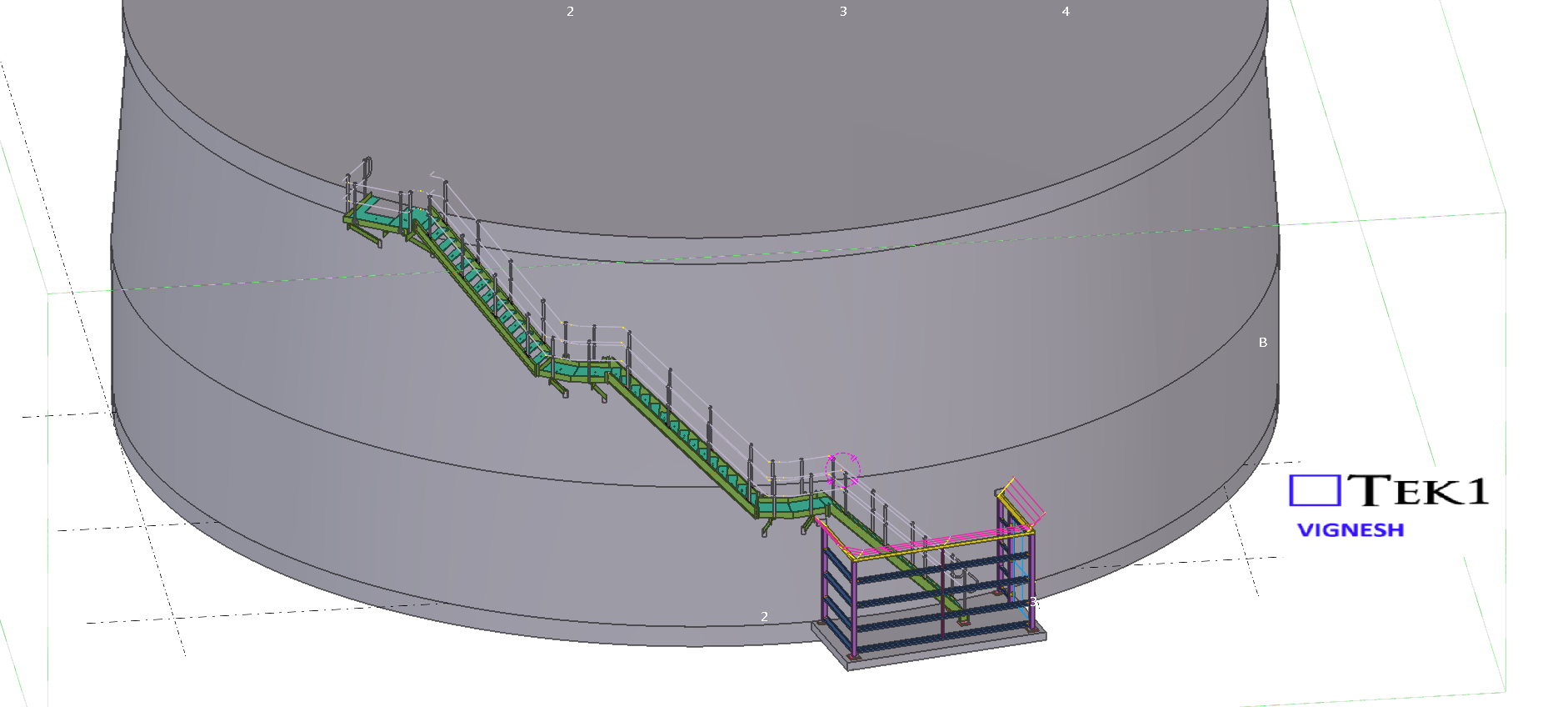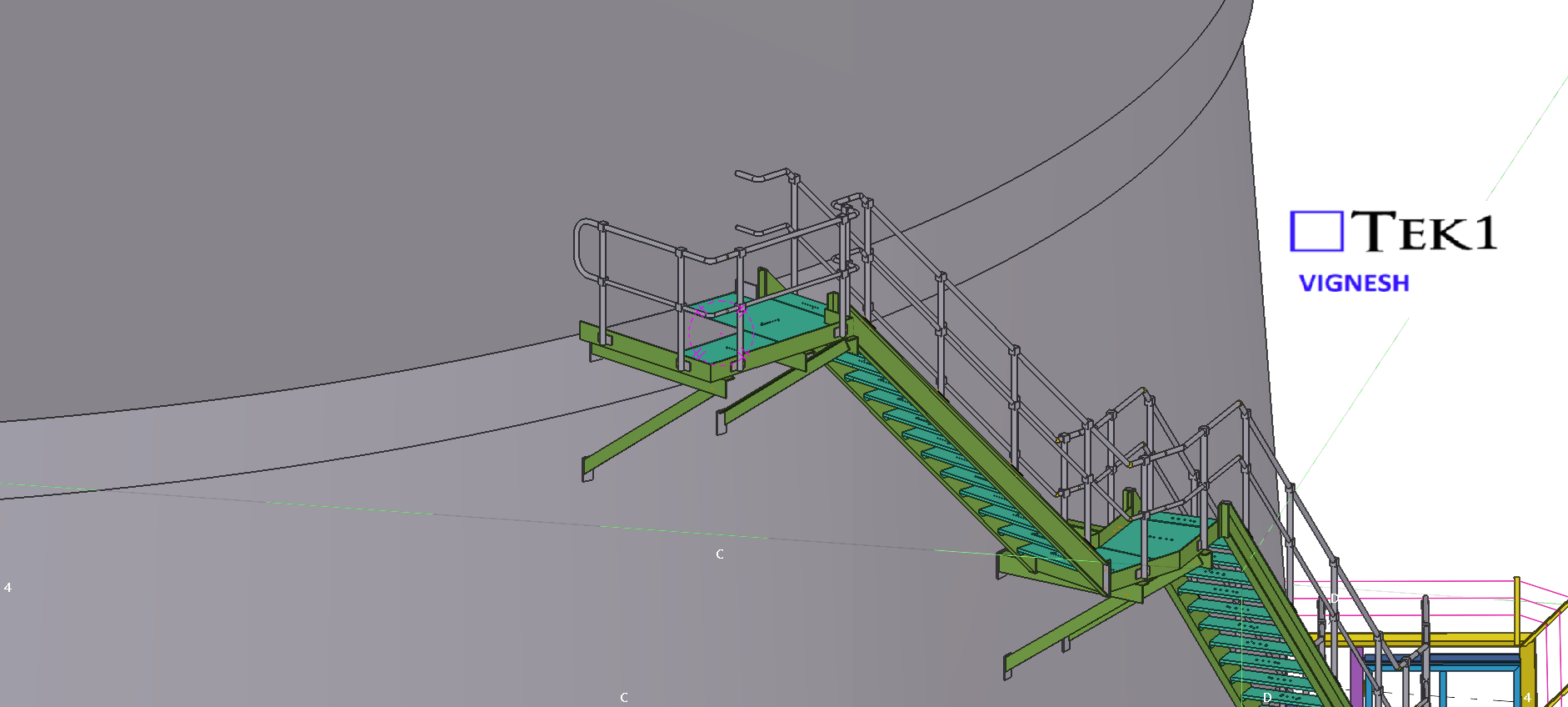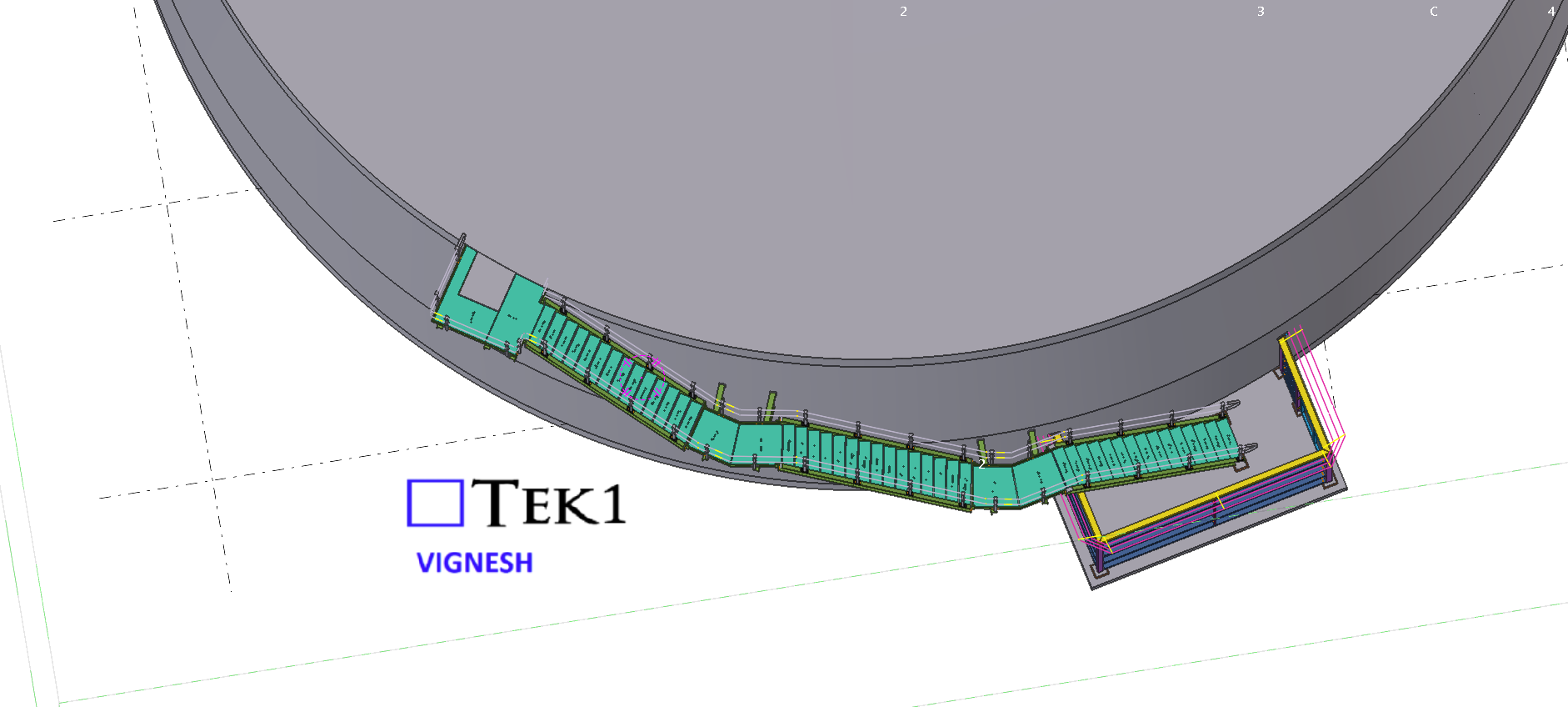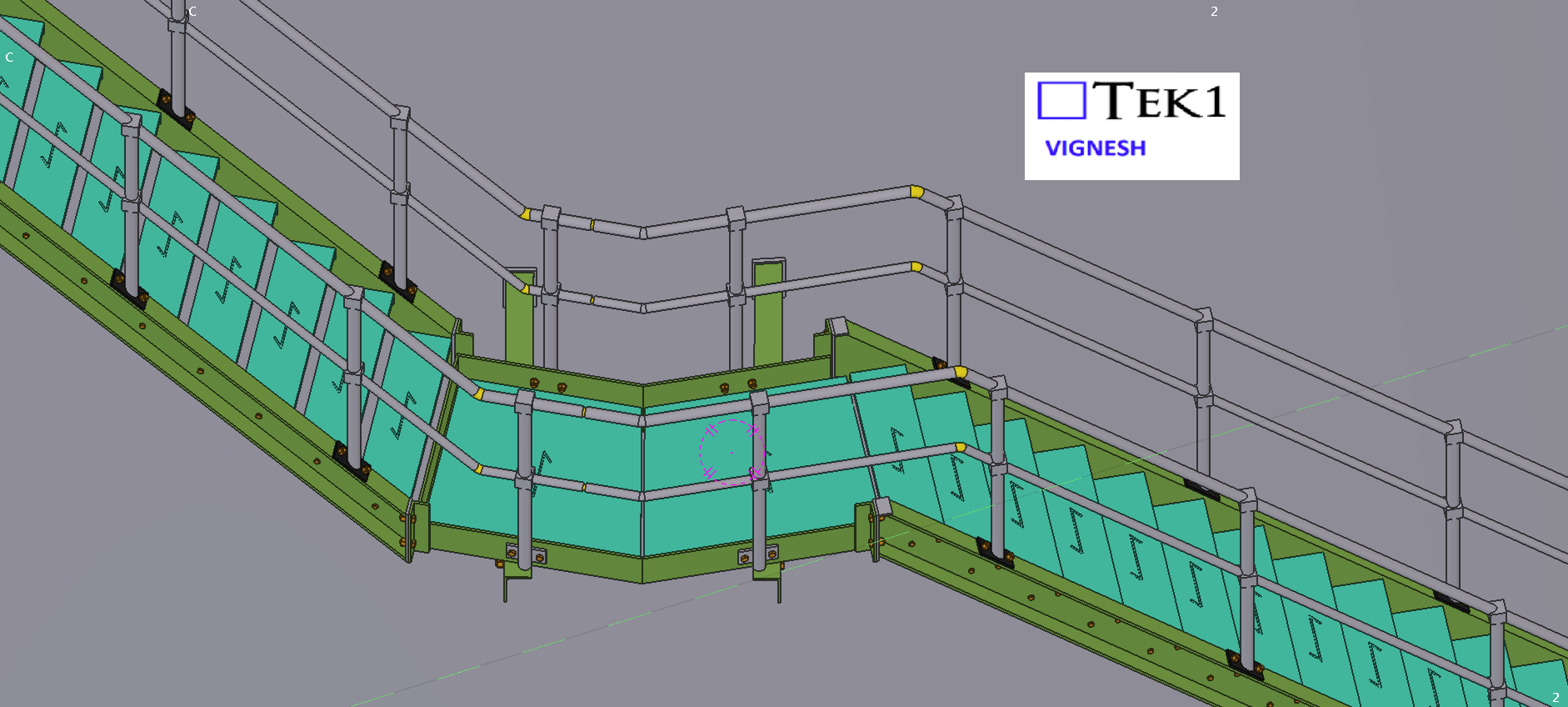
Category: Stair
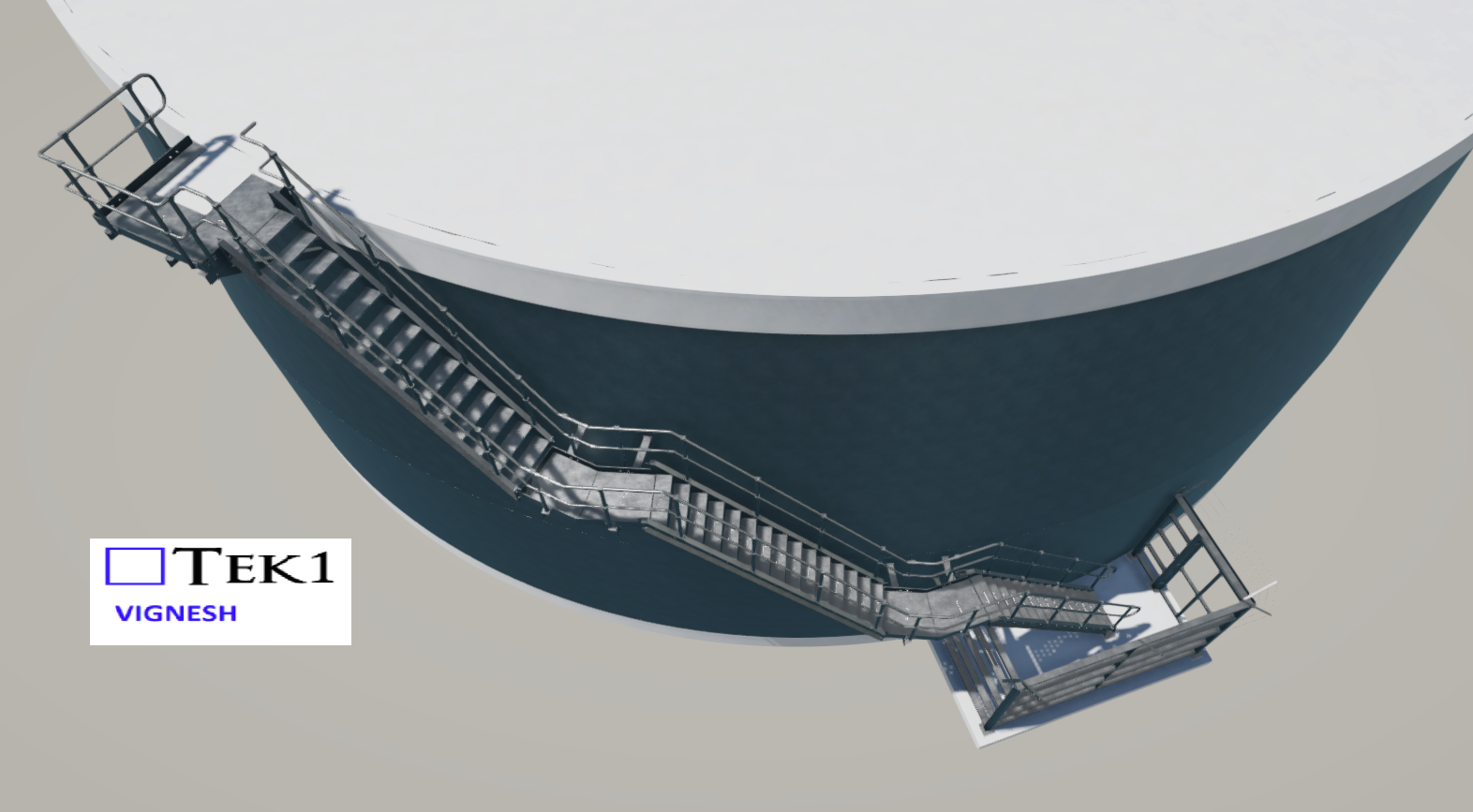
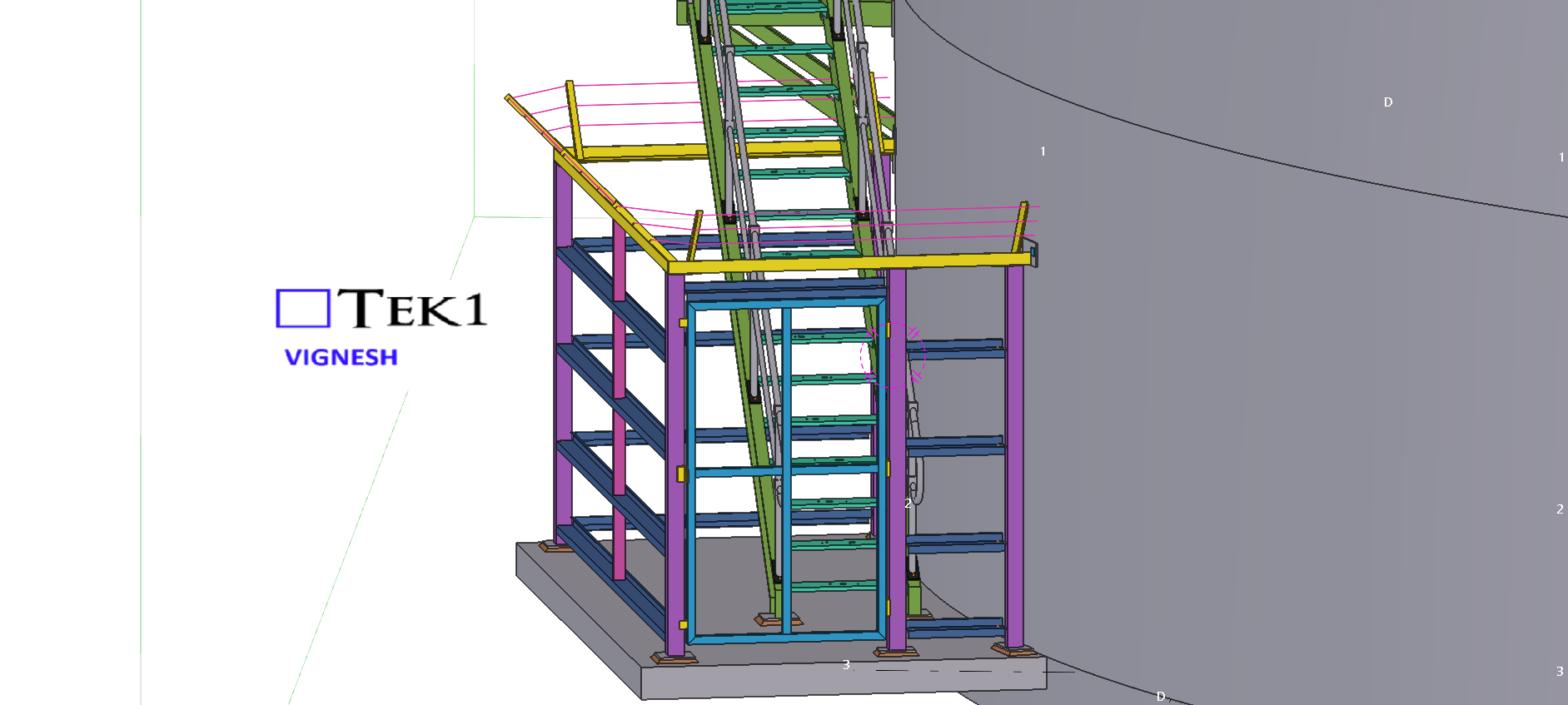
Tek1s stair projects at Sydney, melbourne, WA and SA.
While detailing any stair, we check compliance of stair to AS1428, AS1657 or applicable building code.
Tek1s stair projects at Sydney, melbourne, WA and SA.
While detailing any stair, we check compliance of stair to AS1428, AS1657 or applicable building code.
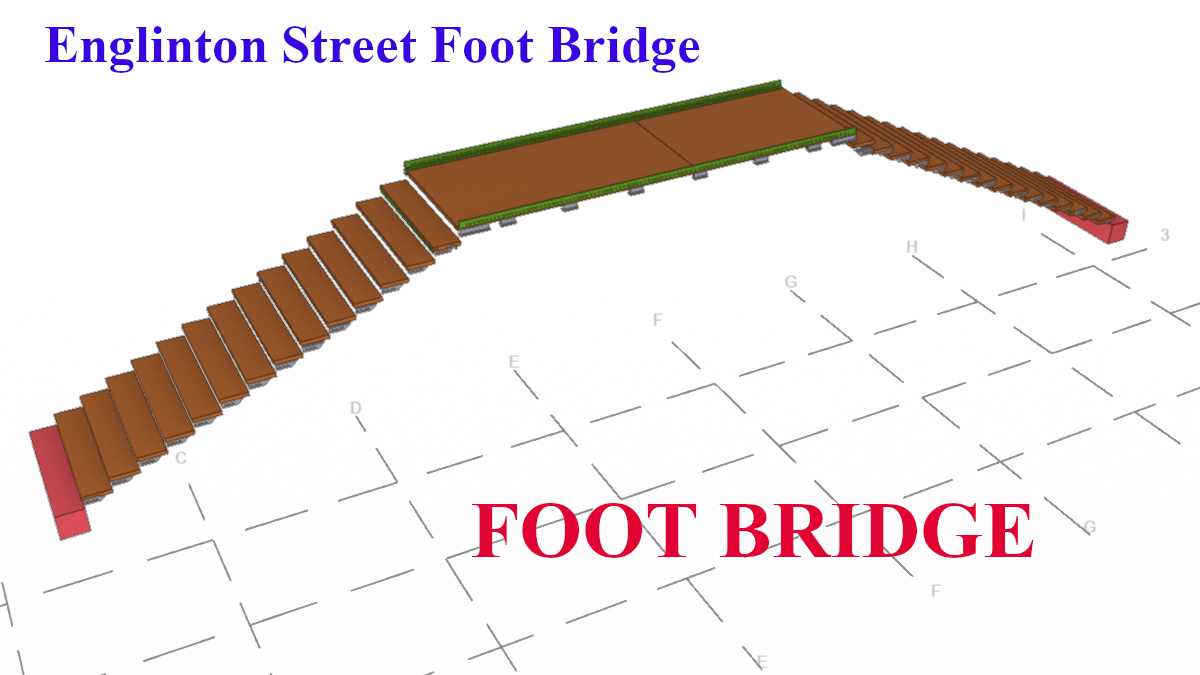
Project description
| The Standards we Follow | AS4100 AS 1428 AS1657 |
| Our Services | Steel Detailing, Precast Panel Detailing |
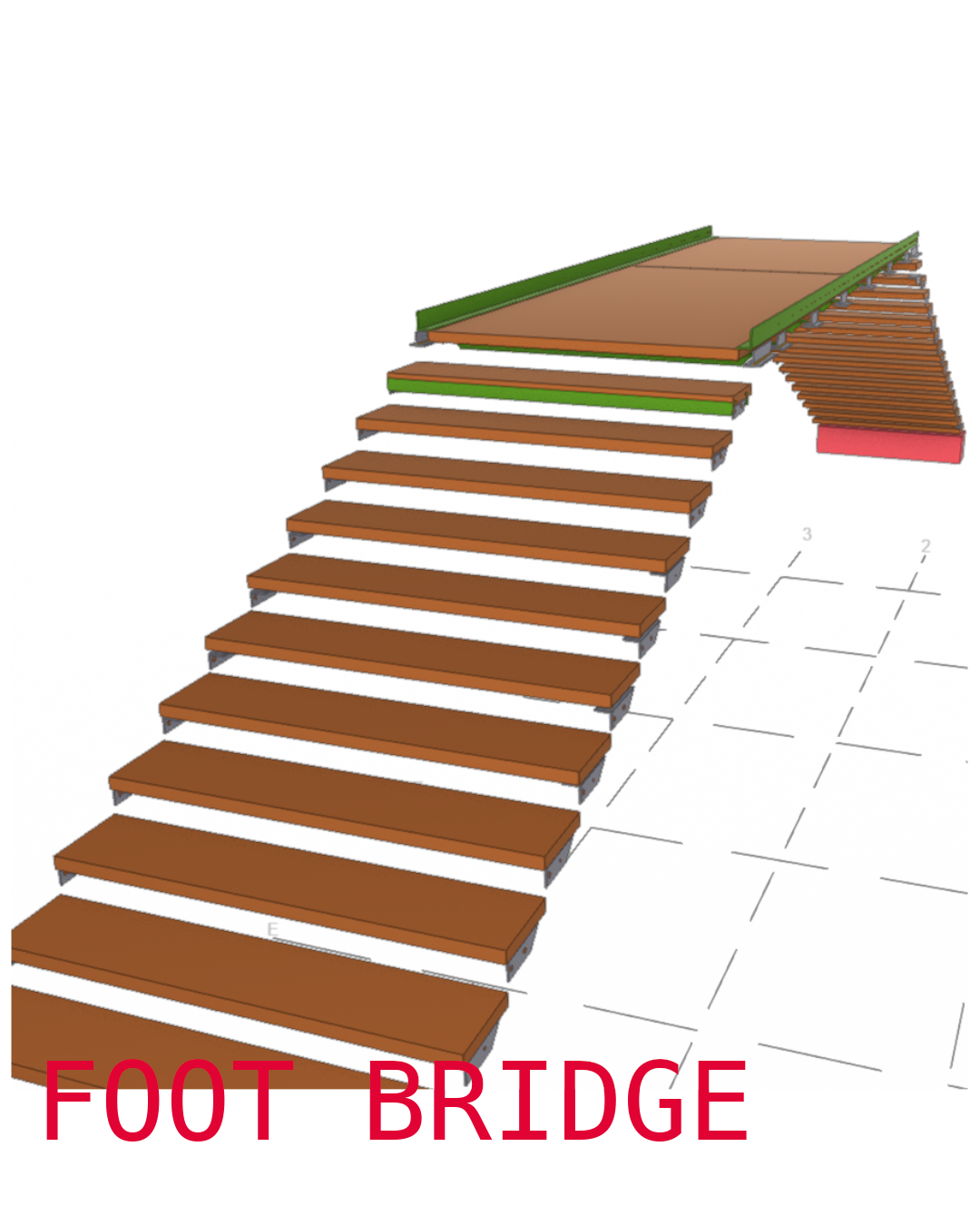
Fabricator – Third Angle
Lot depends on what is the type of building, where is the stair, what is the asthetics required.
In a residential building, probably what matters most is the asthics for a millionaire residence, cost and asthetics for a middle class house and probably just cost for a low end residential.
(more…)Lot depends on what is the type of building, where is the stair, what is the asthetics required.
In a residential building, probably what matters most is the asthics for a millionaire residence, cost and asthetics for a middle class house and probably just cost for a low end residential.
(more…)Lot depends on what is the type of building, where is the stair, what is the asthetics required.
In a residential building, probably what matters most is the asthics for a millionaire residence, cost and asthetics for a middle class house and probably just cost for a low end residential.
(more…)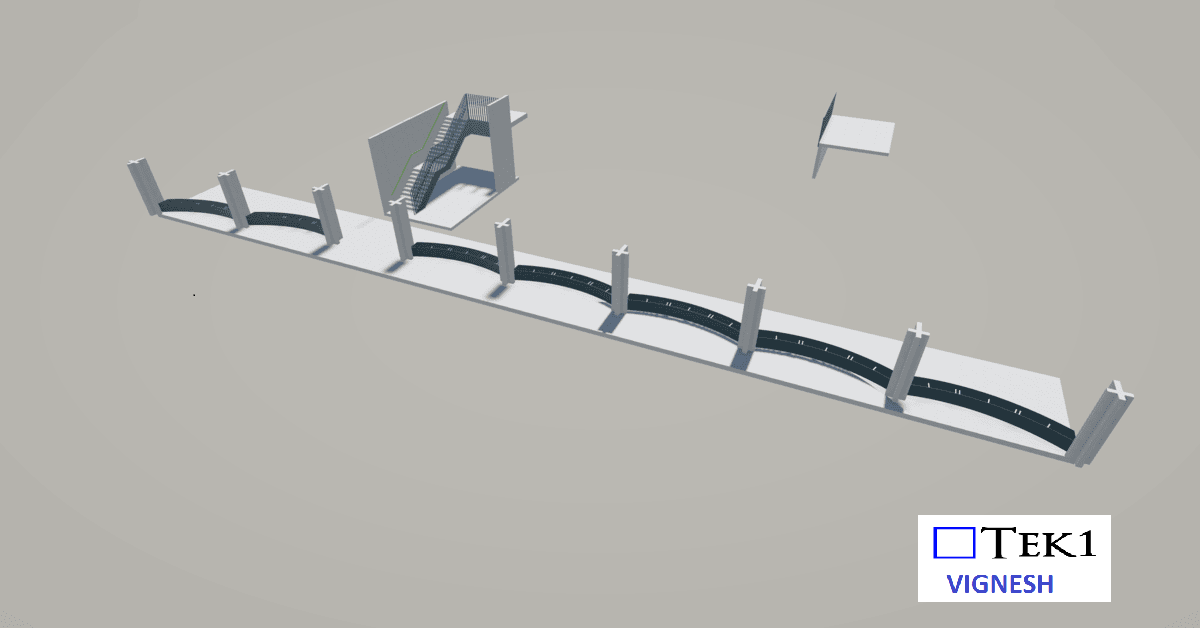
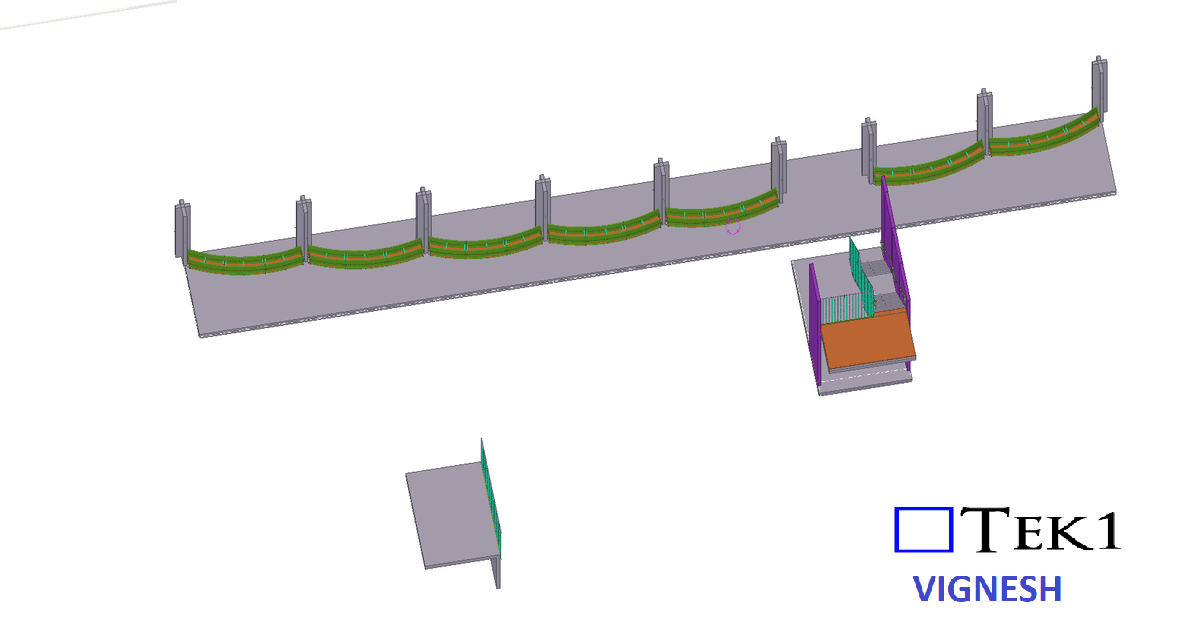
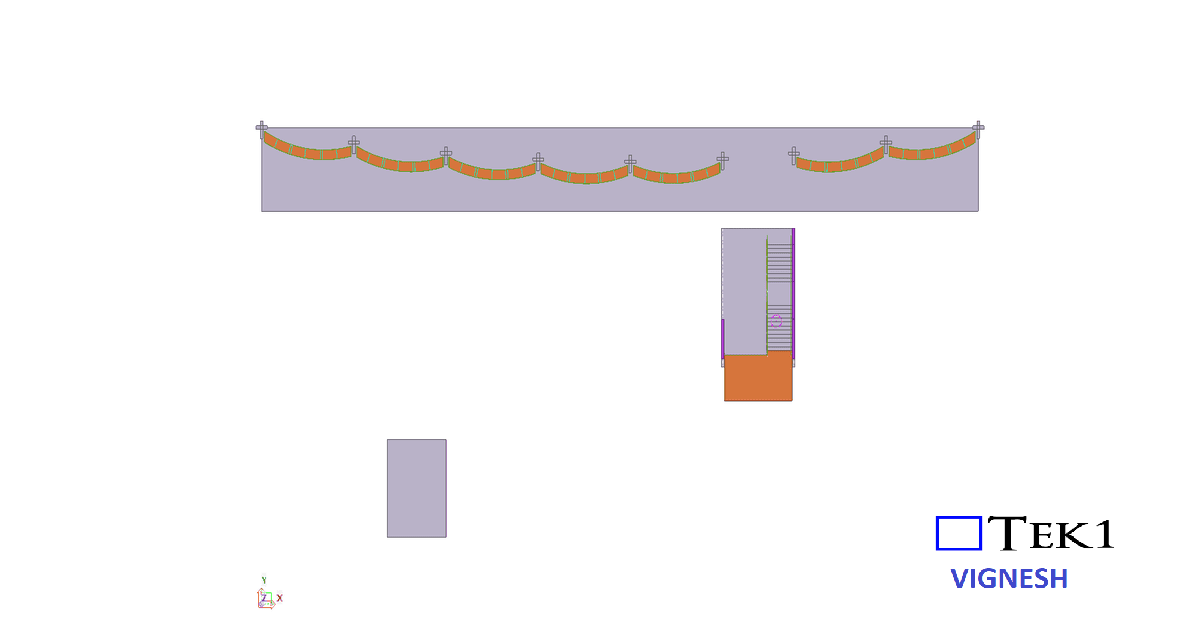
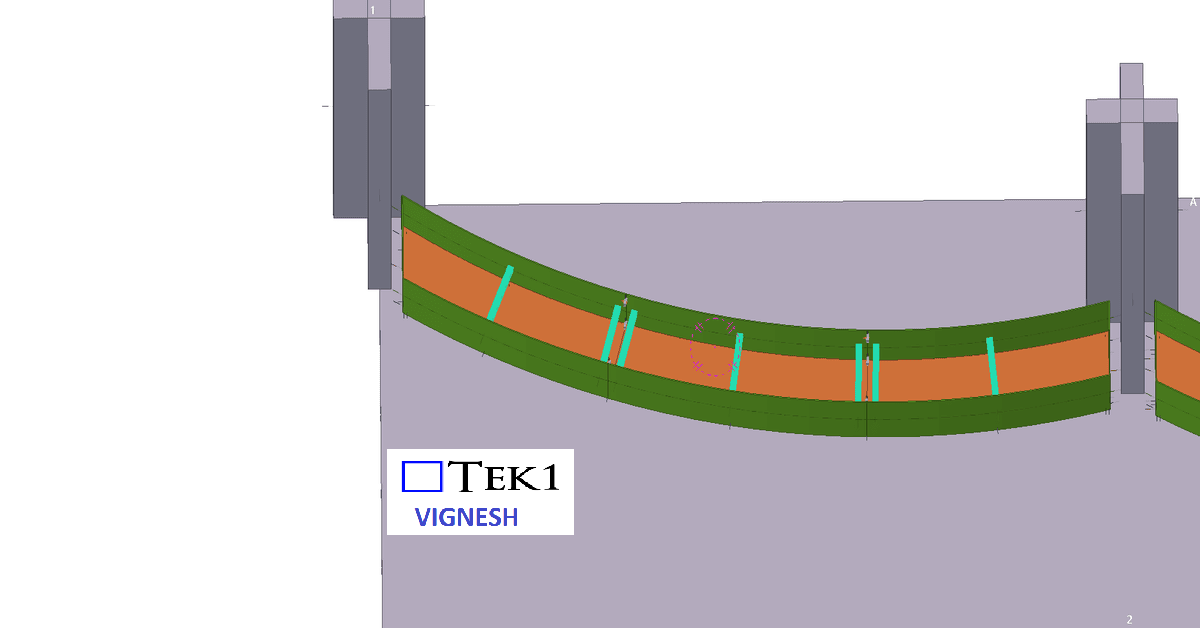
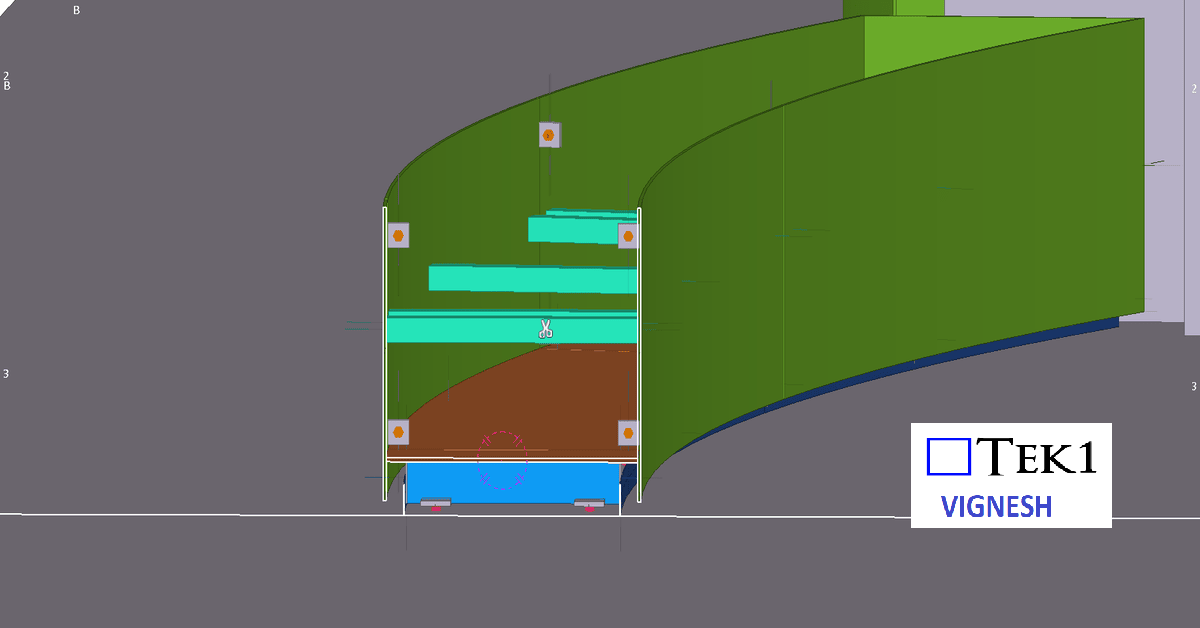
We are proud to be a part of the team in Marymede Planter box project.
Our detailing team worked closely with architects to ensure tolerances and offsets were met without compromising design intent With a limited fabrication and erection window, our detailing team adopted a fast-track workflow using Tekla Structures for 3D modeling.
This allowed us to provide early shop drawings for procurement and parallel review of sections still under coordination.
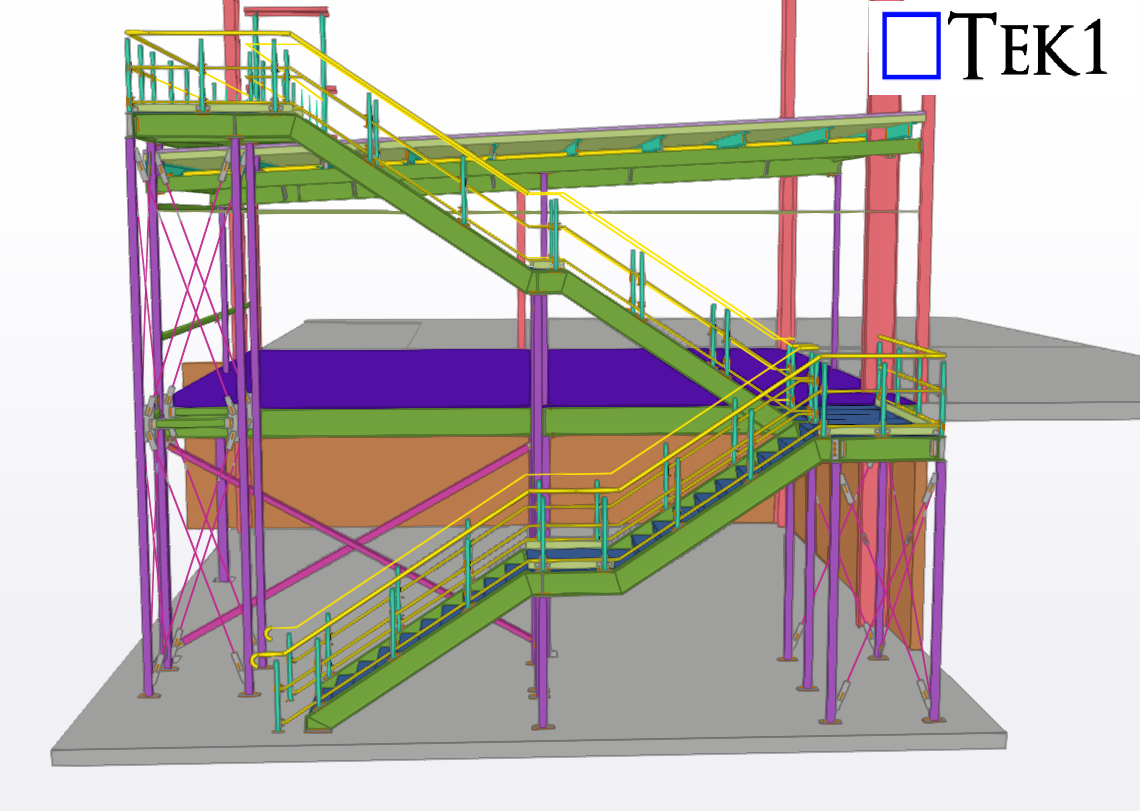
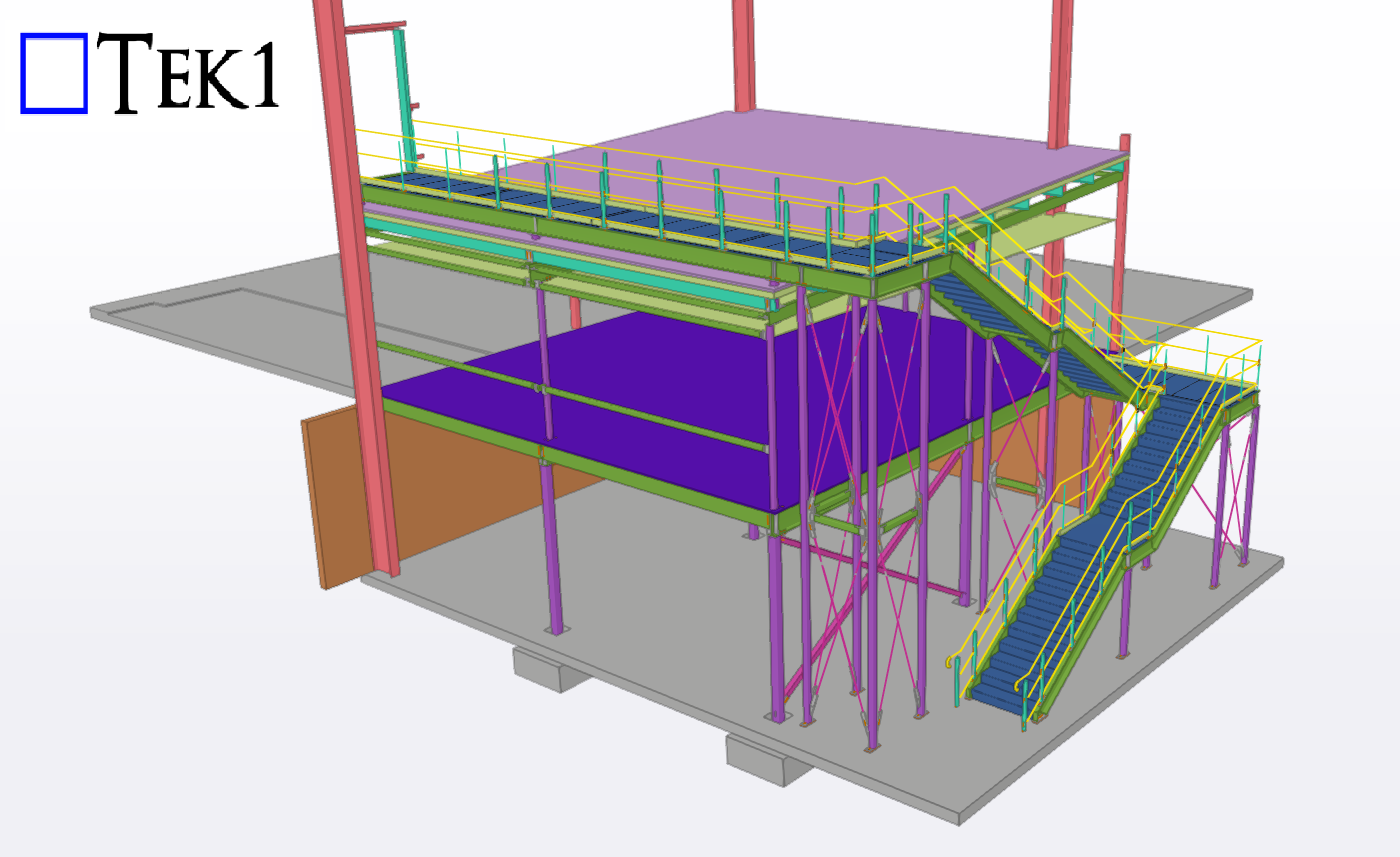
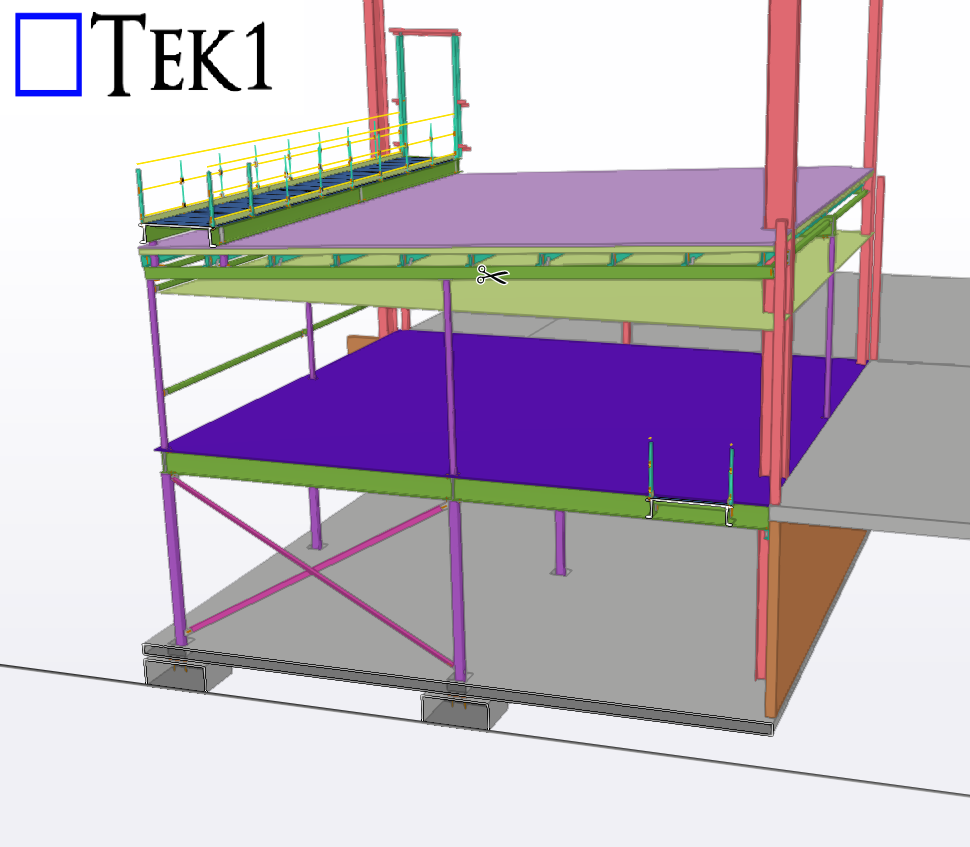
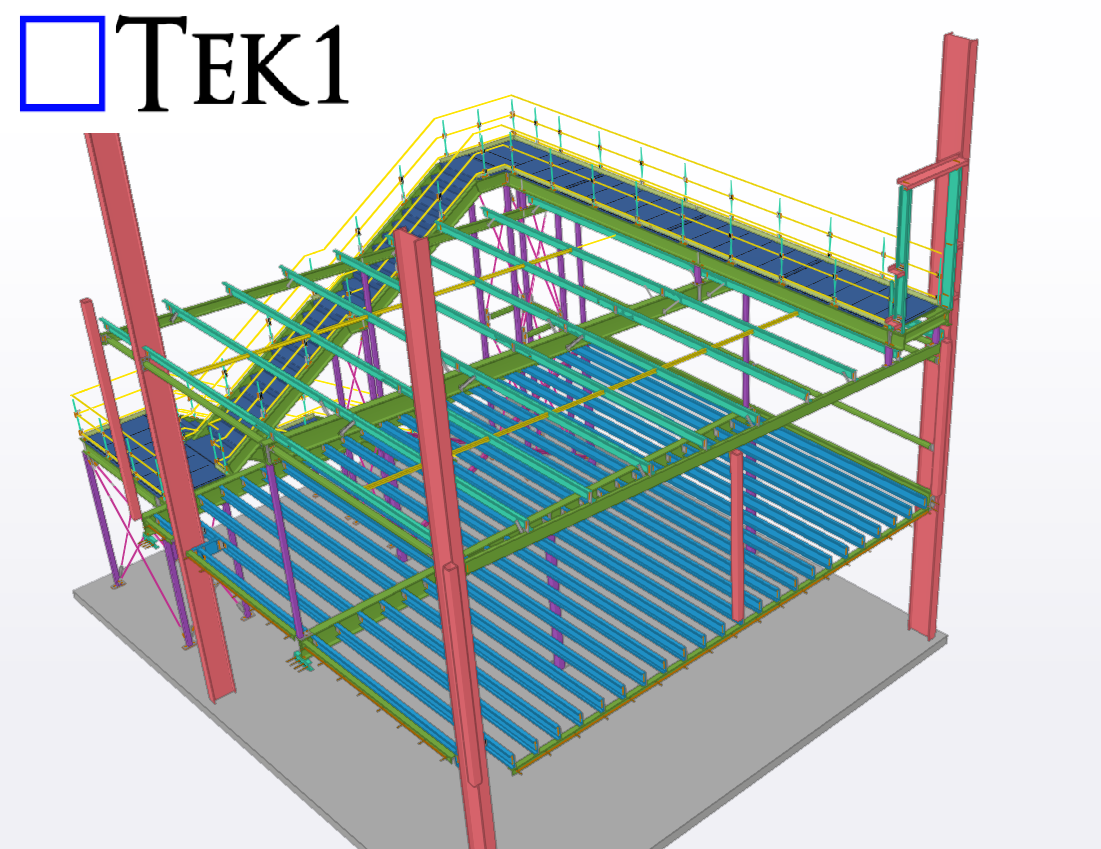
TEK1 recently completed a Mezzanine steel & stair for a prominent organization in Australia. The goal was to provide detailed support steelwork for mezzanine floor & stair including handrails.
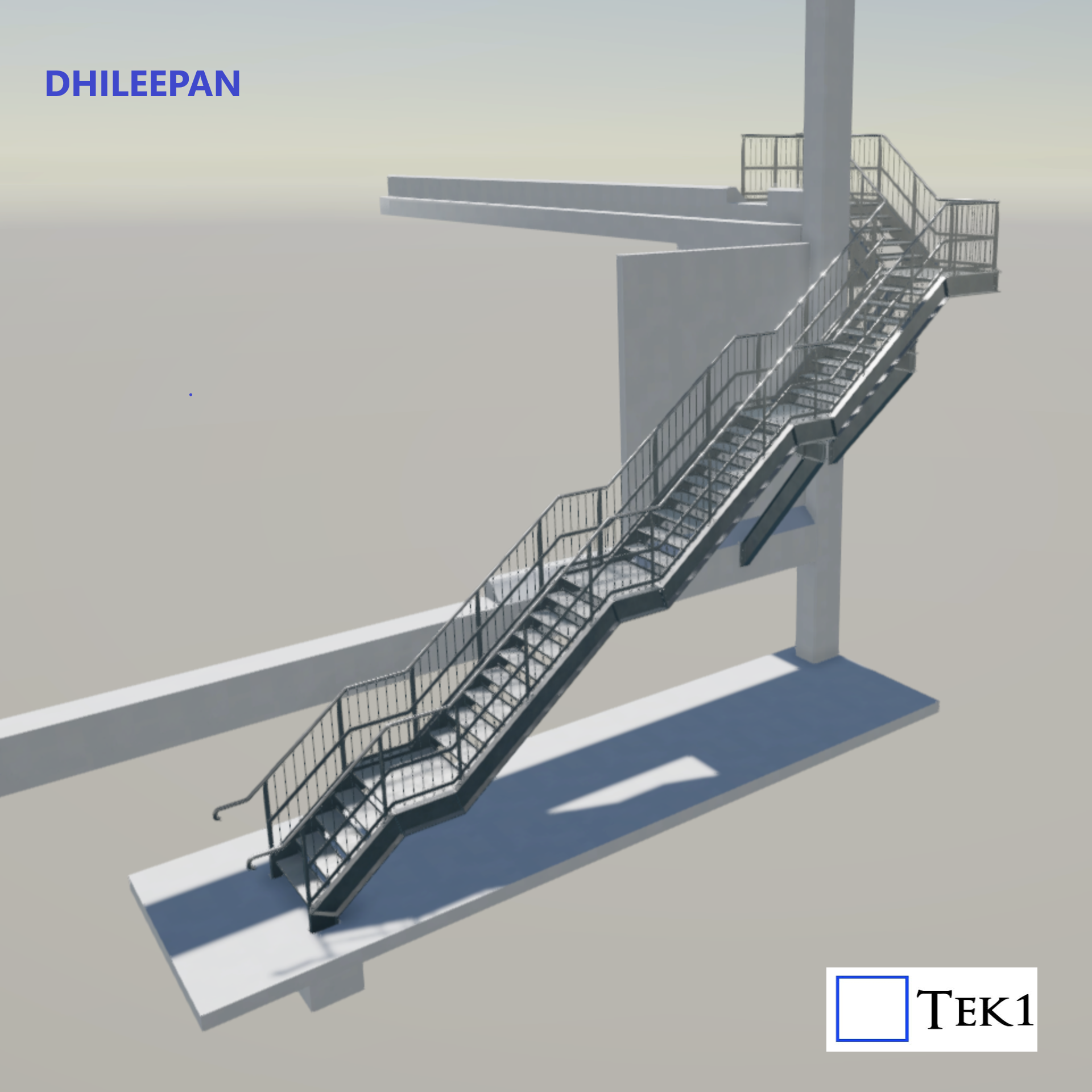
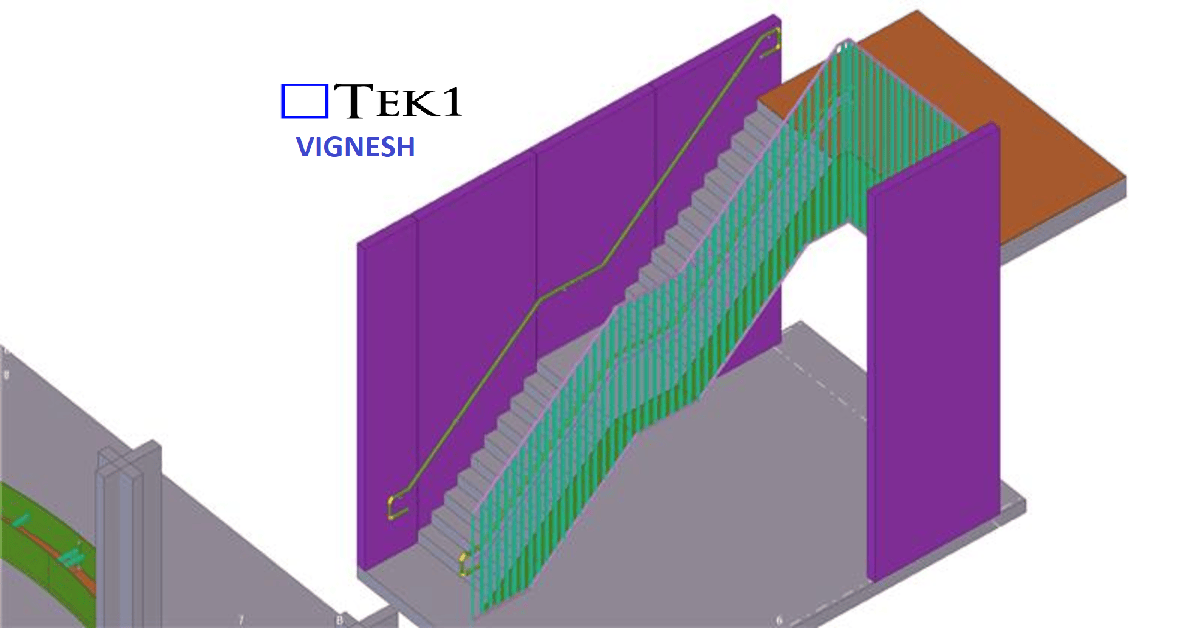
Recently, we received a stair project that had already been detailed by another party and even approved by the design consultants. For reasons unknown, the project eventually came to Tek1.
The scope involved a large five-flight stair with a 90° turn. We were provided with the GA drawings and assemblies prepared by the previous detailer, stamped with approvals, and instructed to simply follow the approved drawings for any RFIs raised.
At first glance, it would have been easy to assume everything was in order. But at Tek1, we believe that blindly following drawings — even “approved” ones — is risky. Every project deserves a careful check against standards.
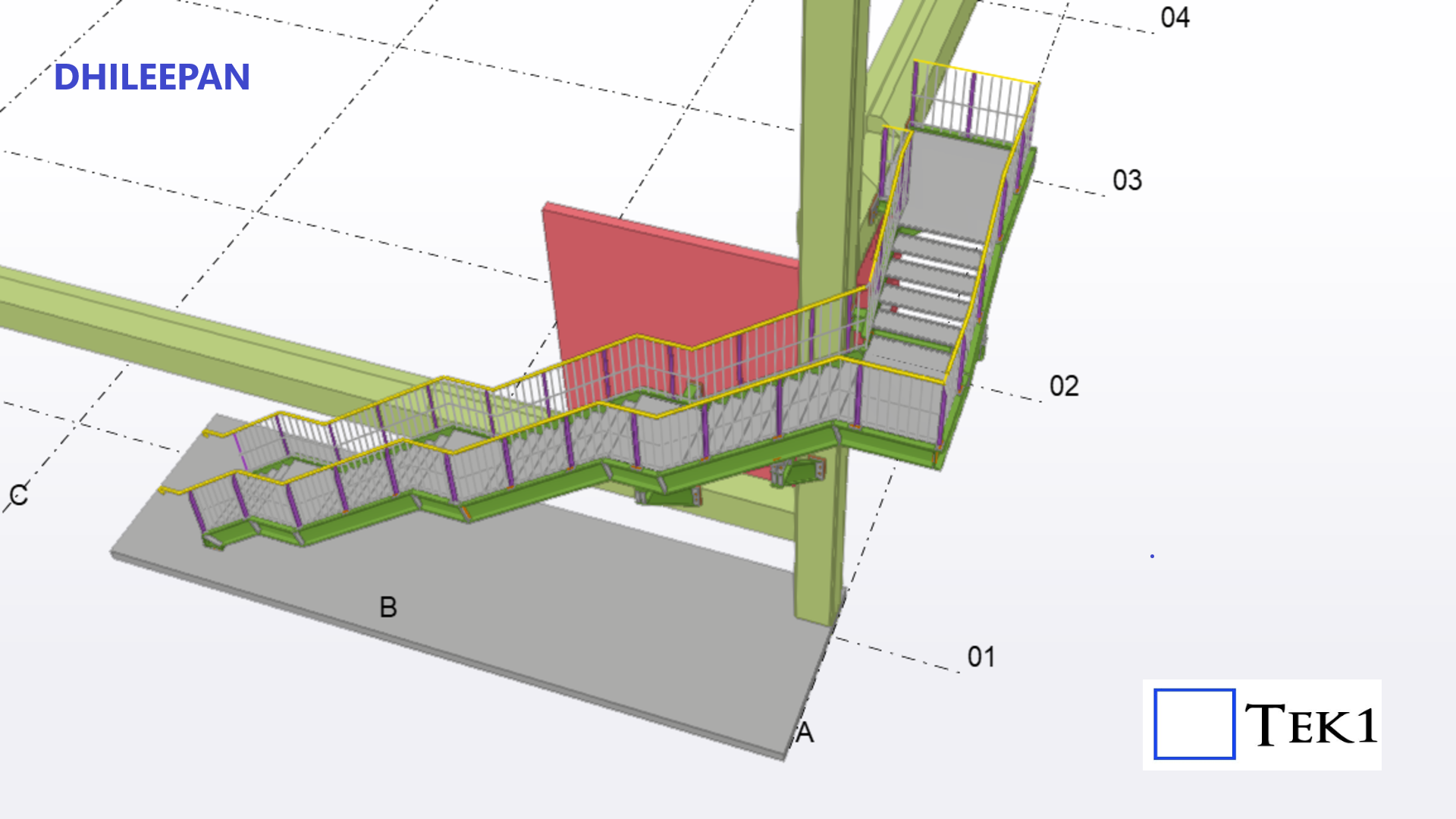
The Error That Changed Everything
During our review, we noticed a critical issue: while all risers were at 190 mm, one riser was set at just 149 mm. This not only broke the uniformity but also violated the applicable stair standards.
We immediately highlighted this to the client. What seemed like a “small” mismatch in a single tread had major implications. To correct it, the entire stair had to be revised:
In short, one overlooked error had a ripple effect on the entire structure.
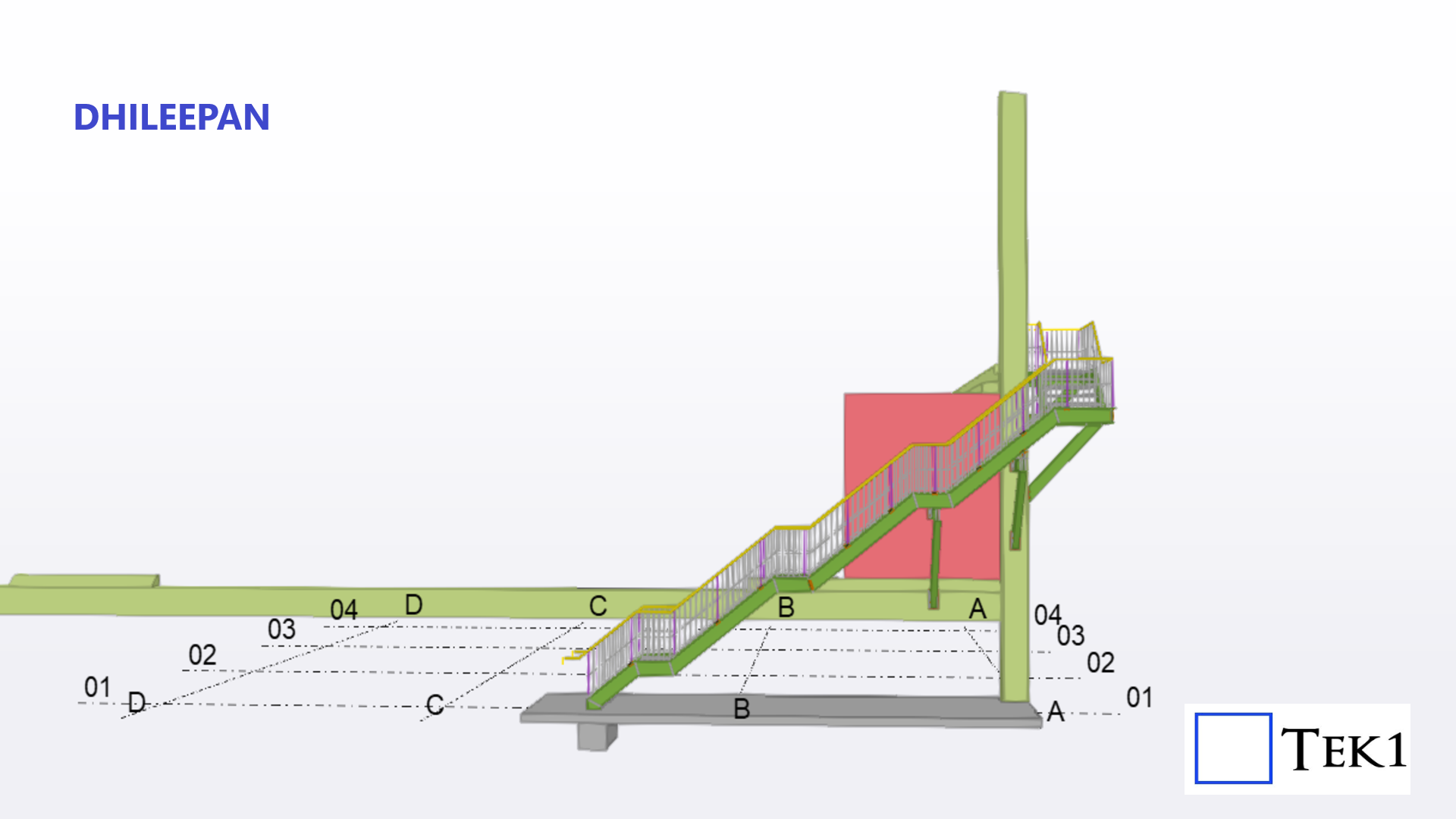
Lessons Learned
Projects that land with us after being dropped by other detailers often arrive with extreme urgency, as valuable time has already been lost. But no matter how hectic the schedule, Tek1 follows one principle: check the input drawings against standards before proceeding.
This extra step not only avoids costly errors but also ensures safety and compliance — something no deadline should compromise.
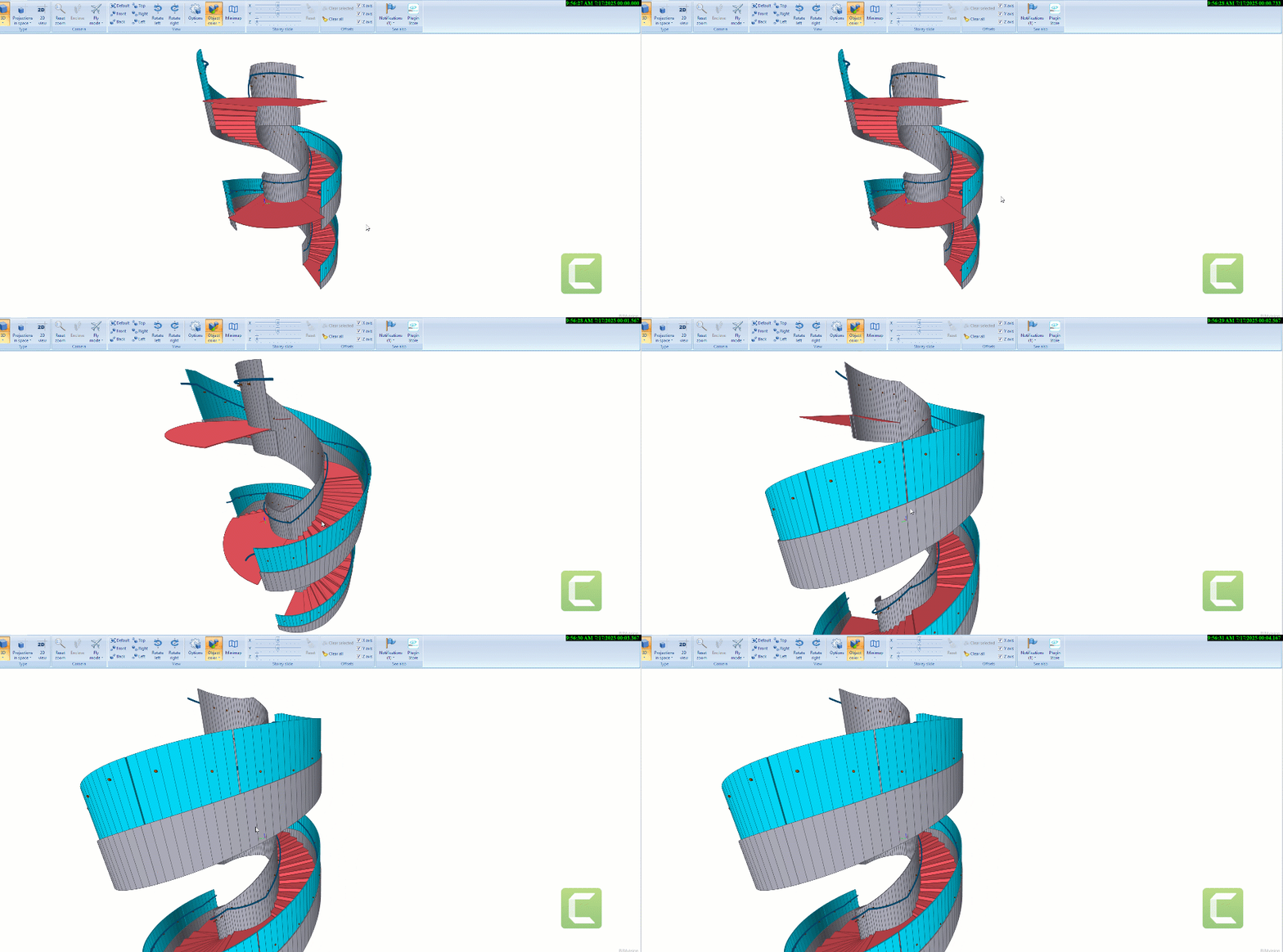
Expert detailiing of spiral stair with plate stringers.
Clear drawings and set outs for easy fabrication.
Here is and example.
Tek1 has the experience detailing different types of spiral stairs.
There are challenges for the fabricator. Good drawings help to reduce the issues the fabricator will be facing.
If you want the Tekla Model for this email me.