Author: RAJ (Arokiaraj Arputharaj)
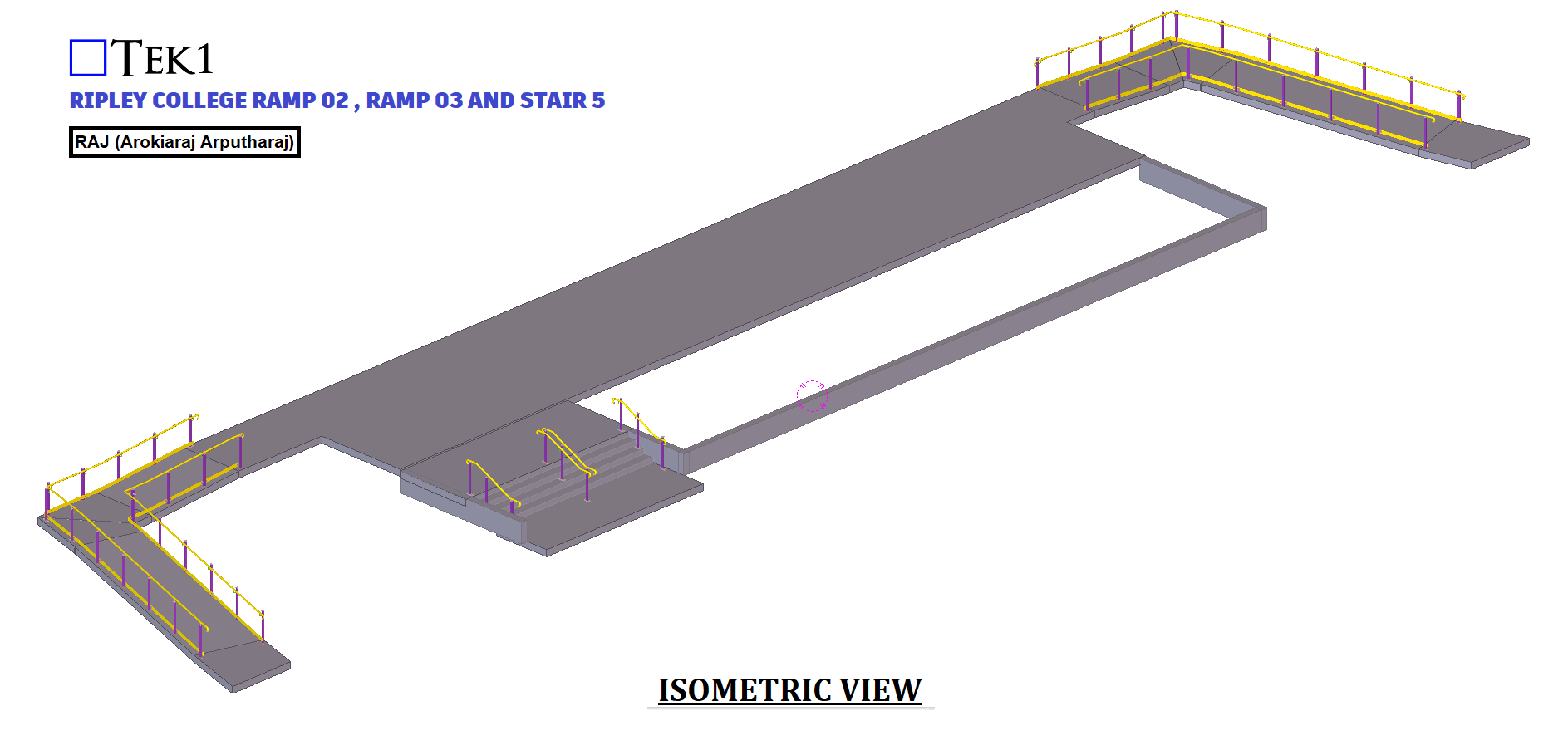
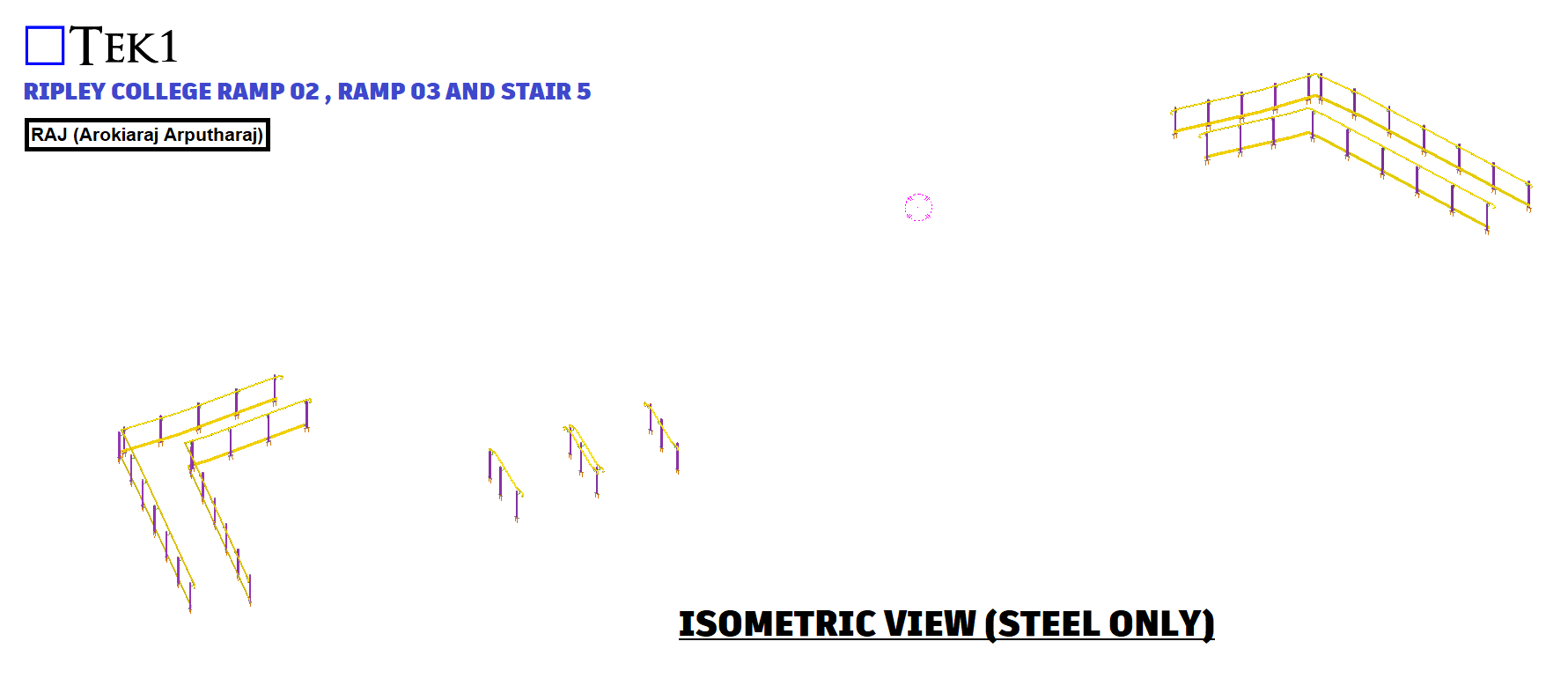
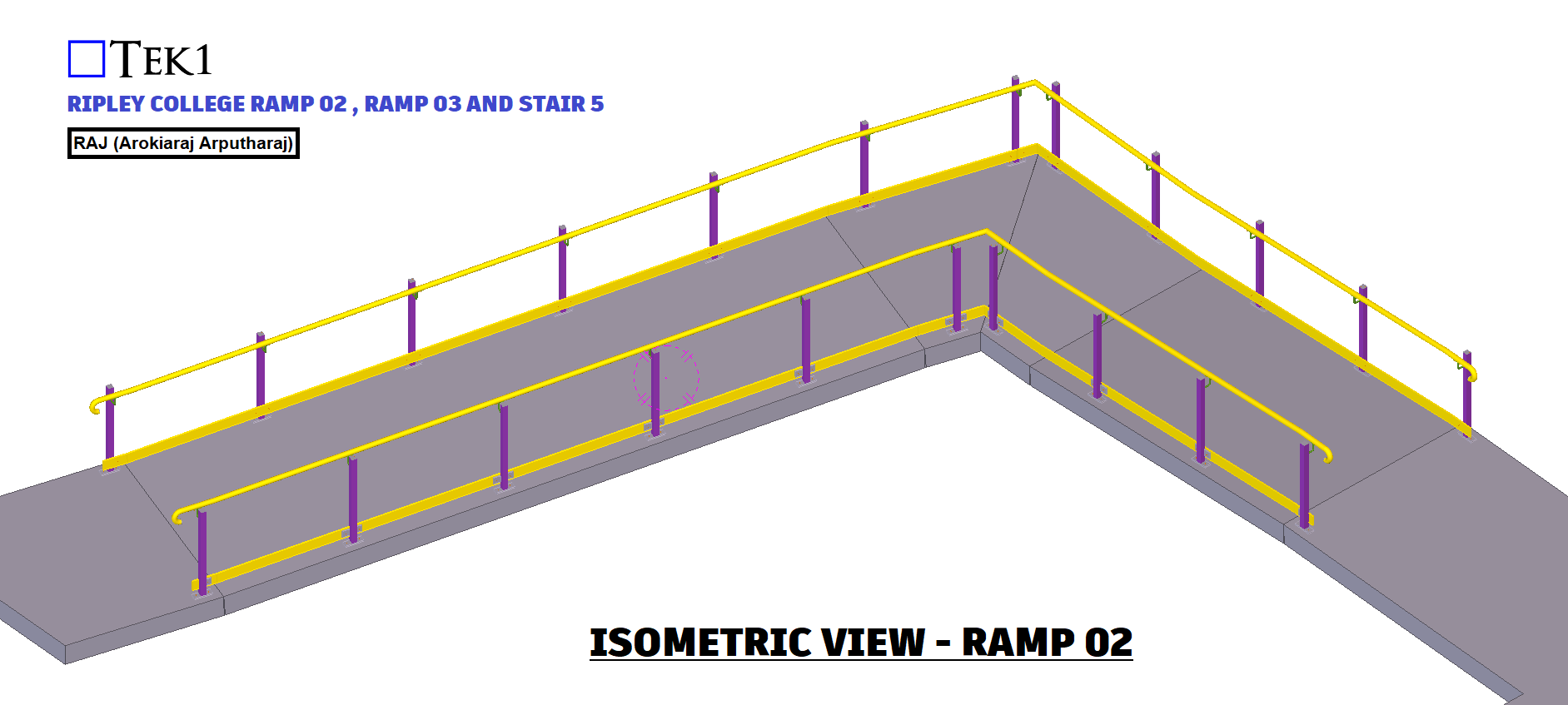
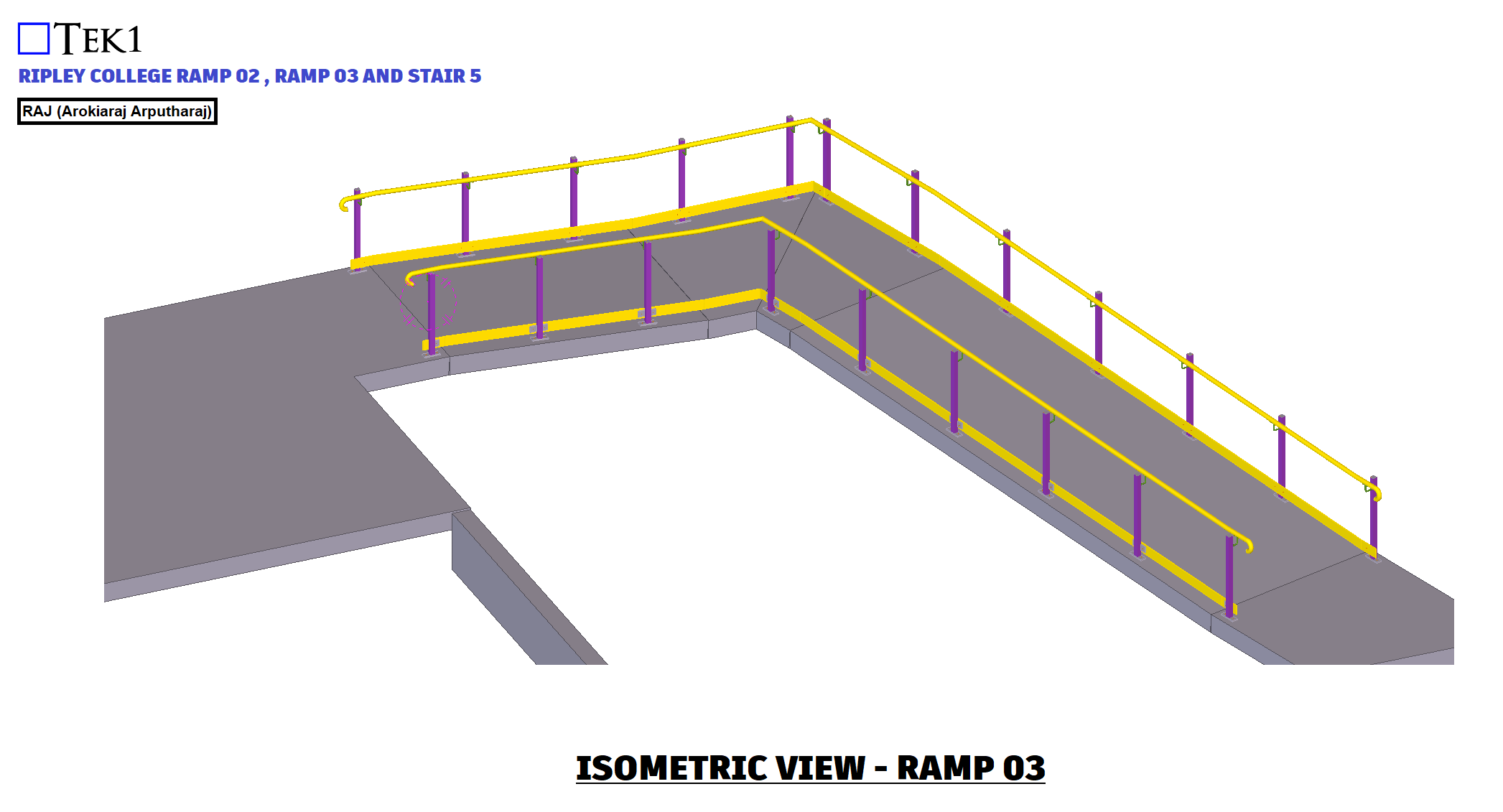
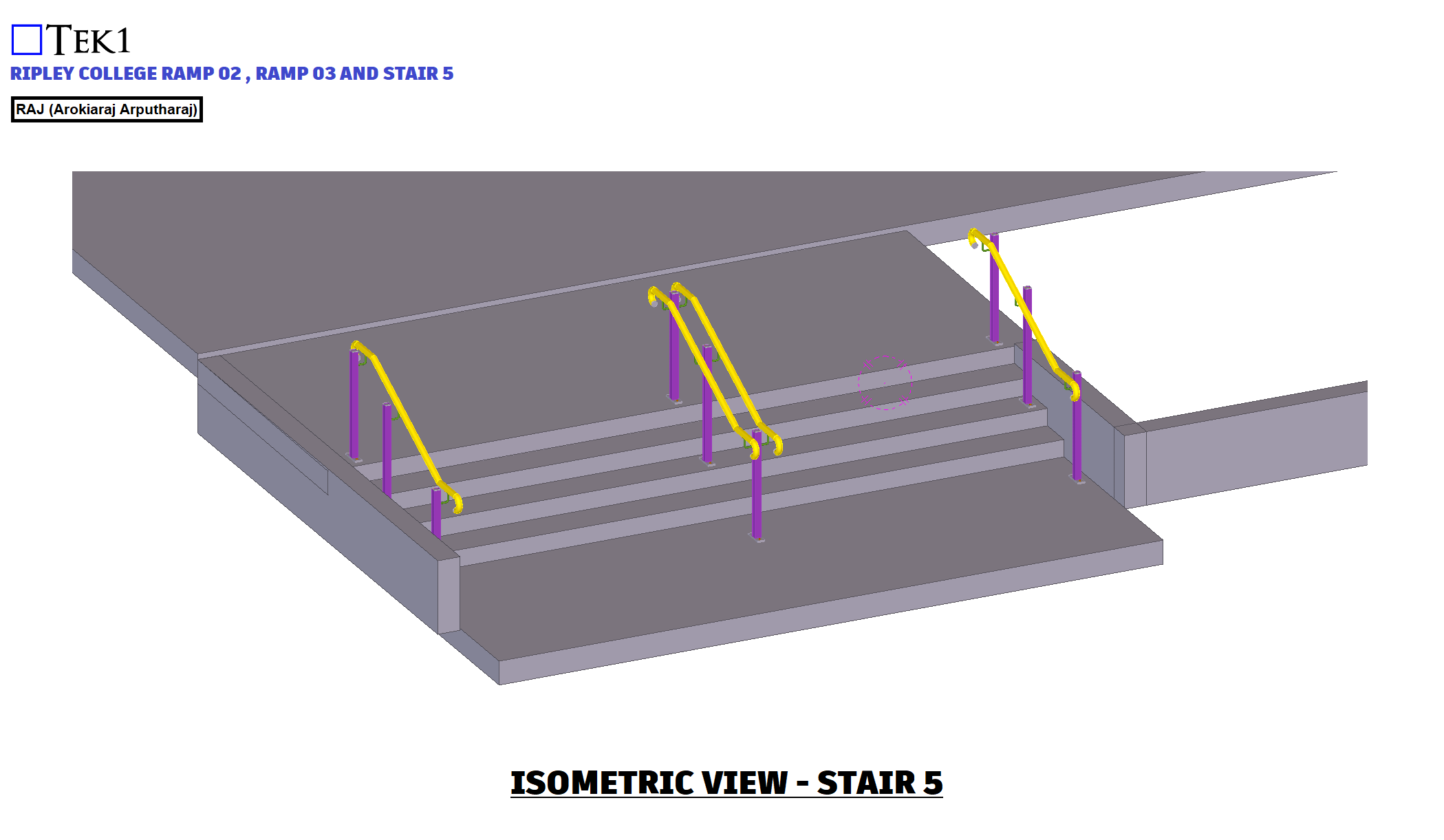
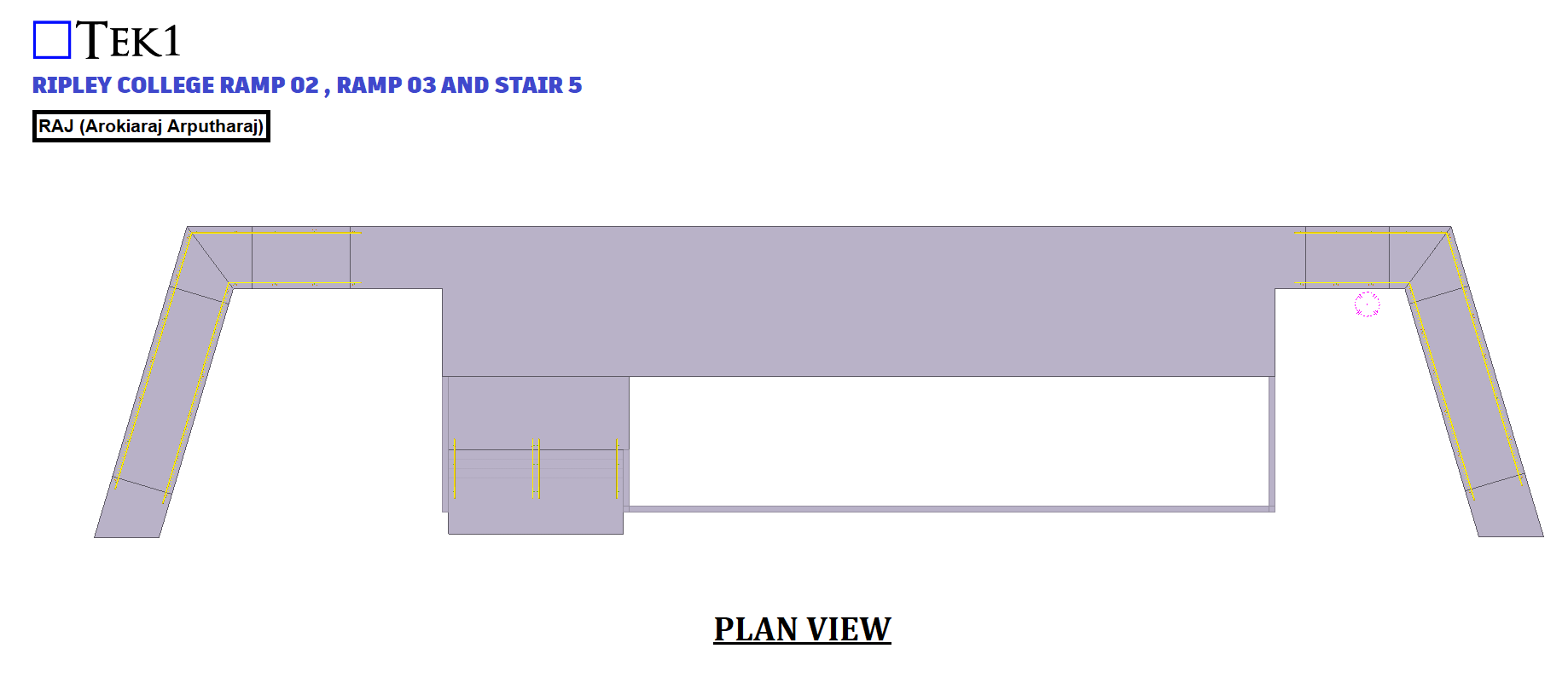
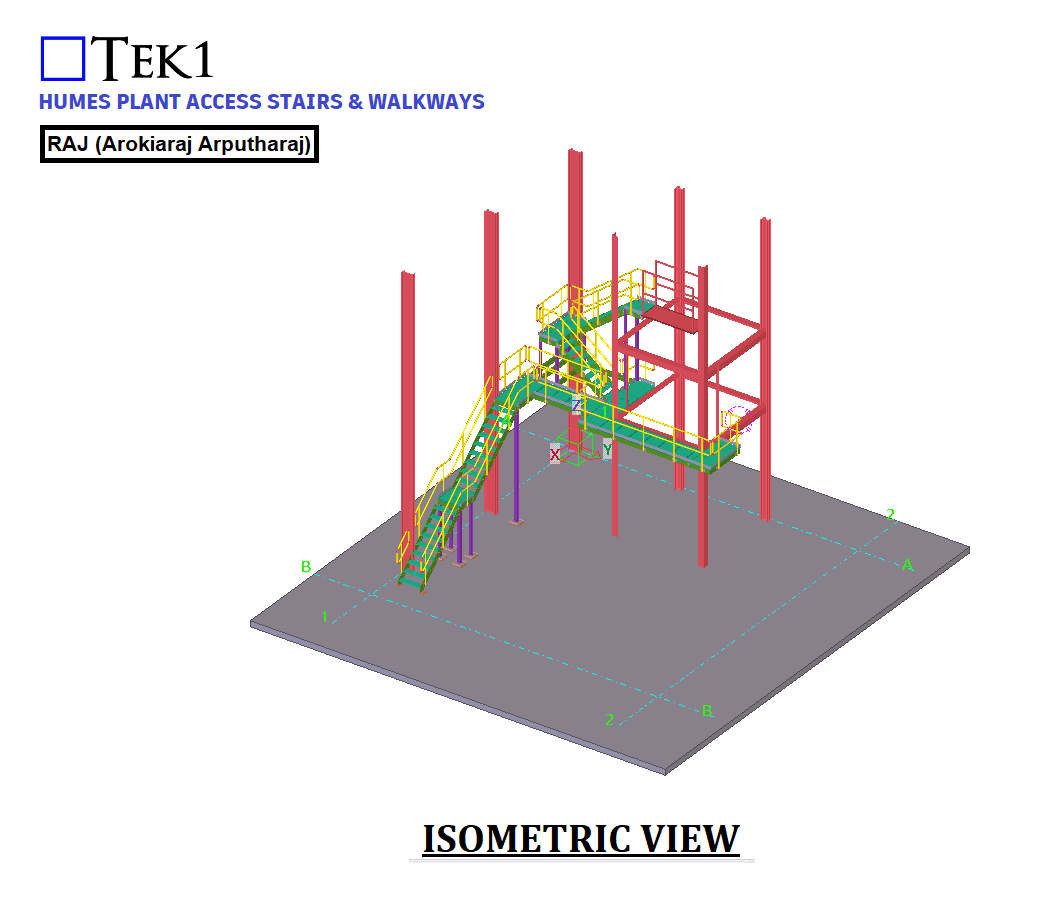
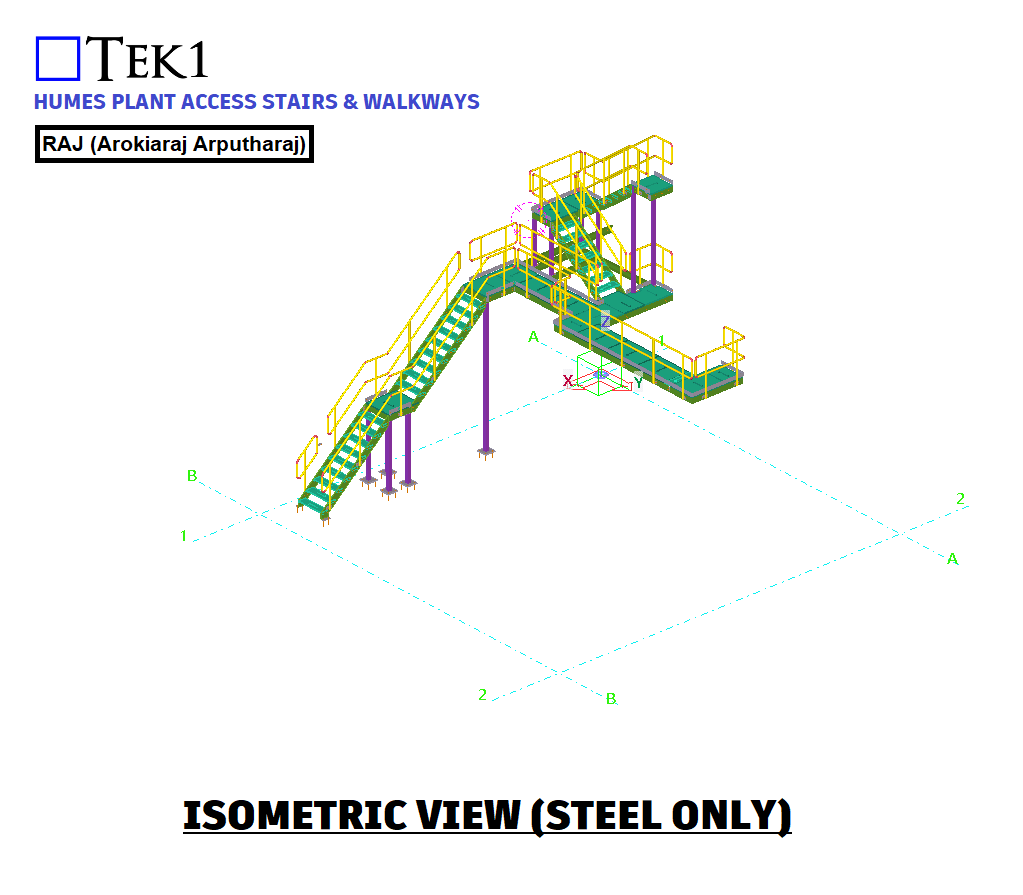
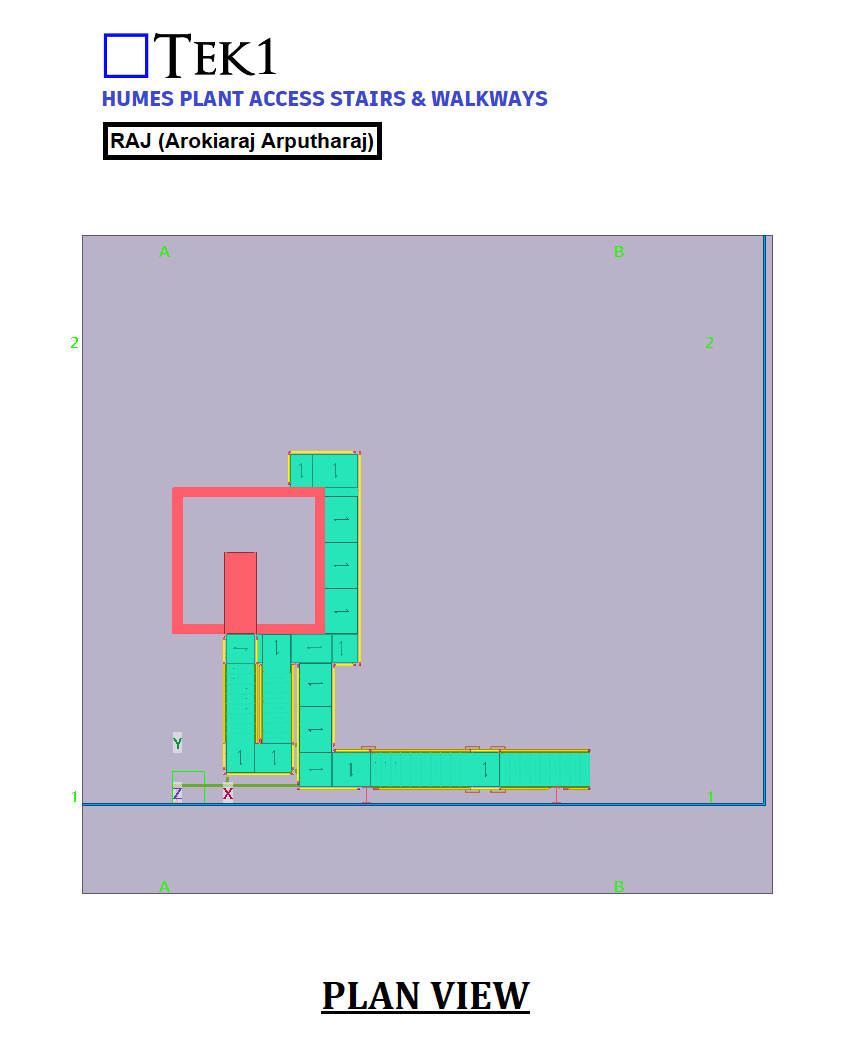
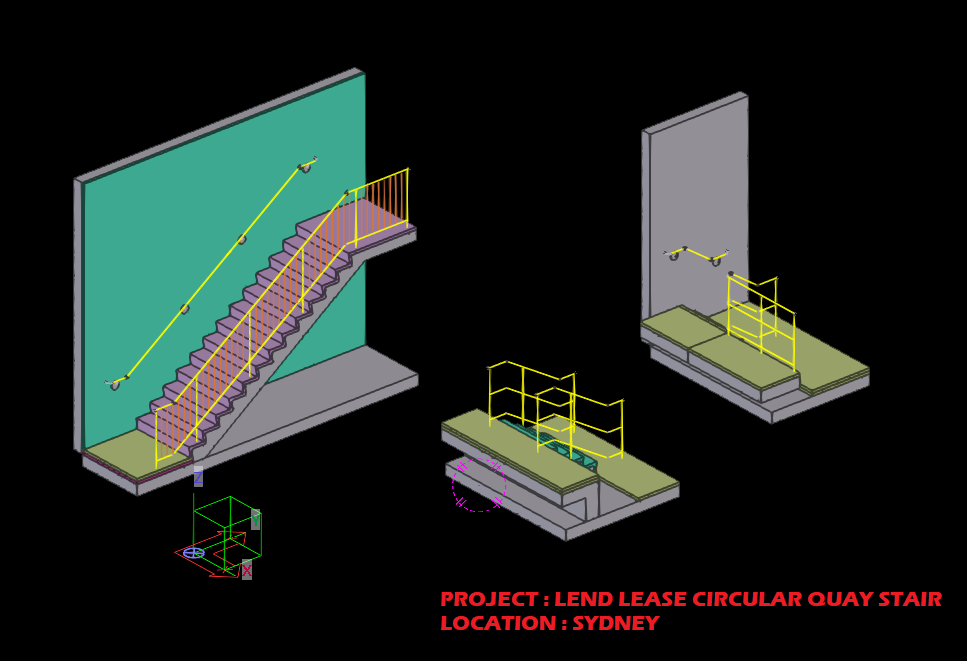
Tek1s stair projects at Sydney, melbourne, WA and SA.
While detailing any stair, we check compliance of stair to AS1428, AS1657 or applicable building code.
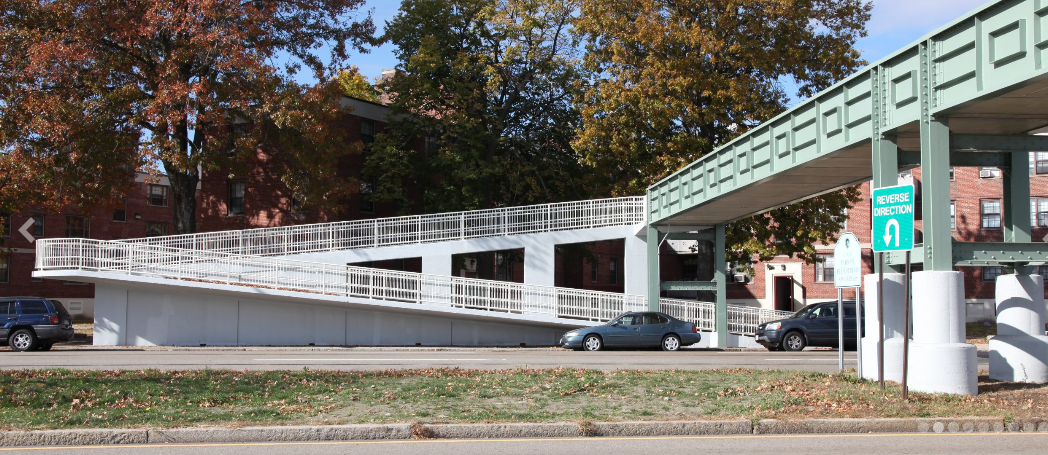
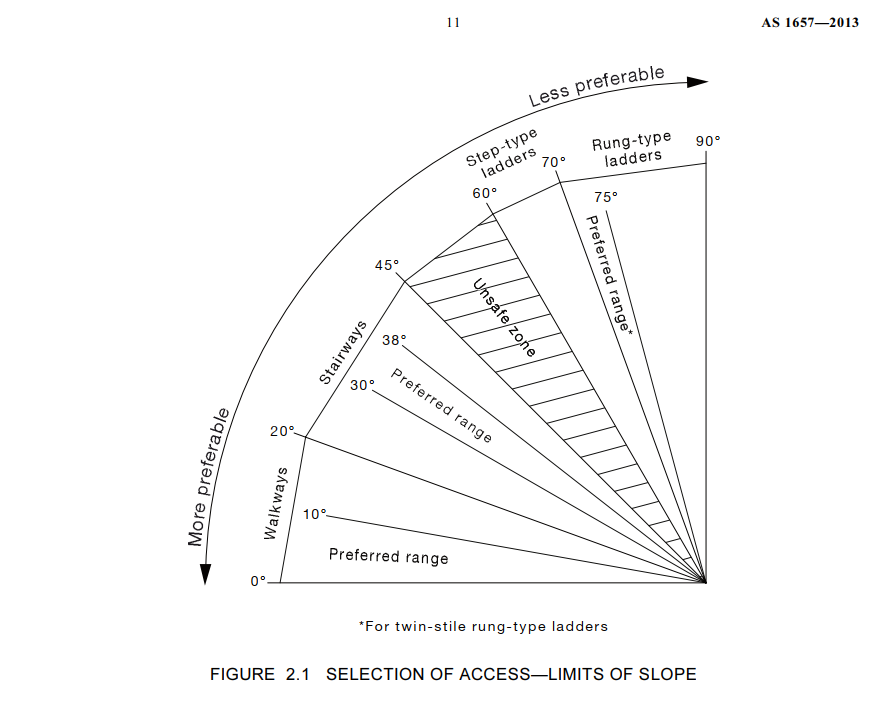
When it comes to constructing stairs or ladders, adherence to specific standards regarding access and slope limits is paramount. Understanding these guidelines, as outlined by the Australian Standards AS1657, ensures not only safety but also compliance with regulatory requirements.
1. Access Ramps and Pathways:
If you require access for height without steps, the slope must fall within a minimum degree range of 0-20°, with a preferred range of 0-10°. Public access ramps in Australia typically adhere to a 4° slope, which, while effective, can consume a significant amount of landing area. This slope range is predominantly utilized for ramps and access pathways.
2. Stairs in Residential and Commercial Settings:
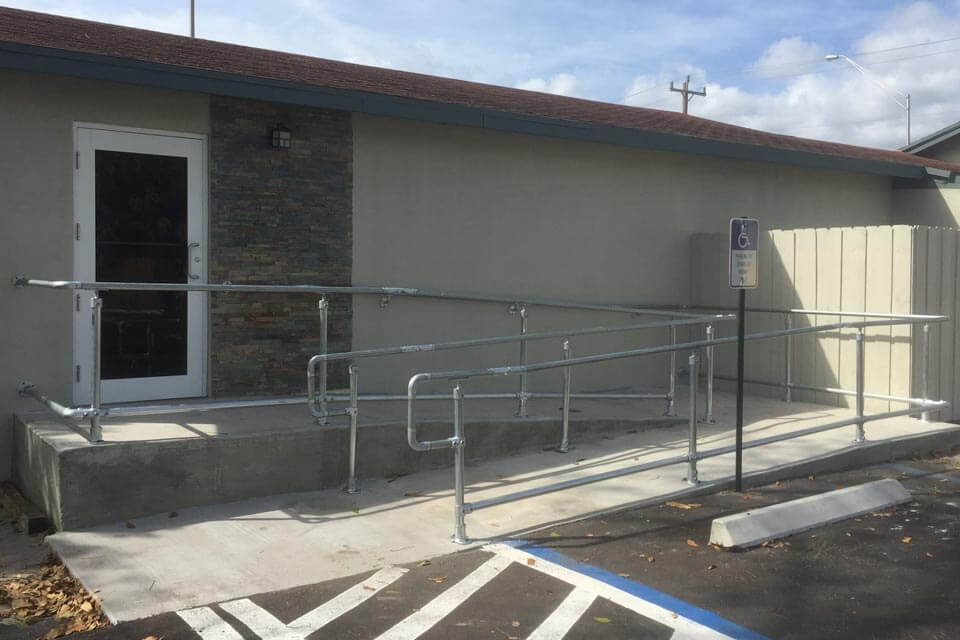
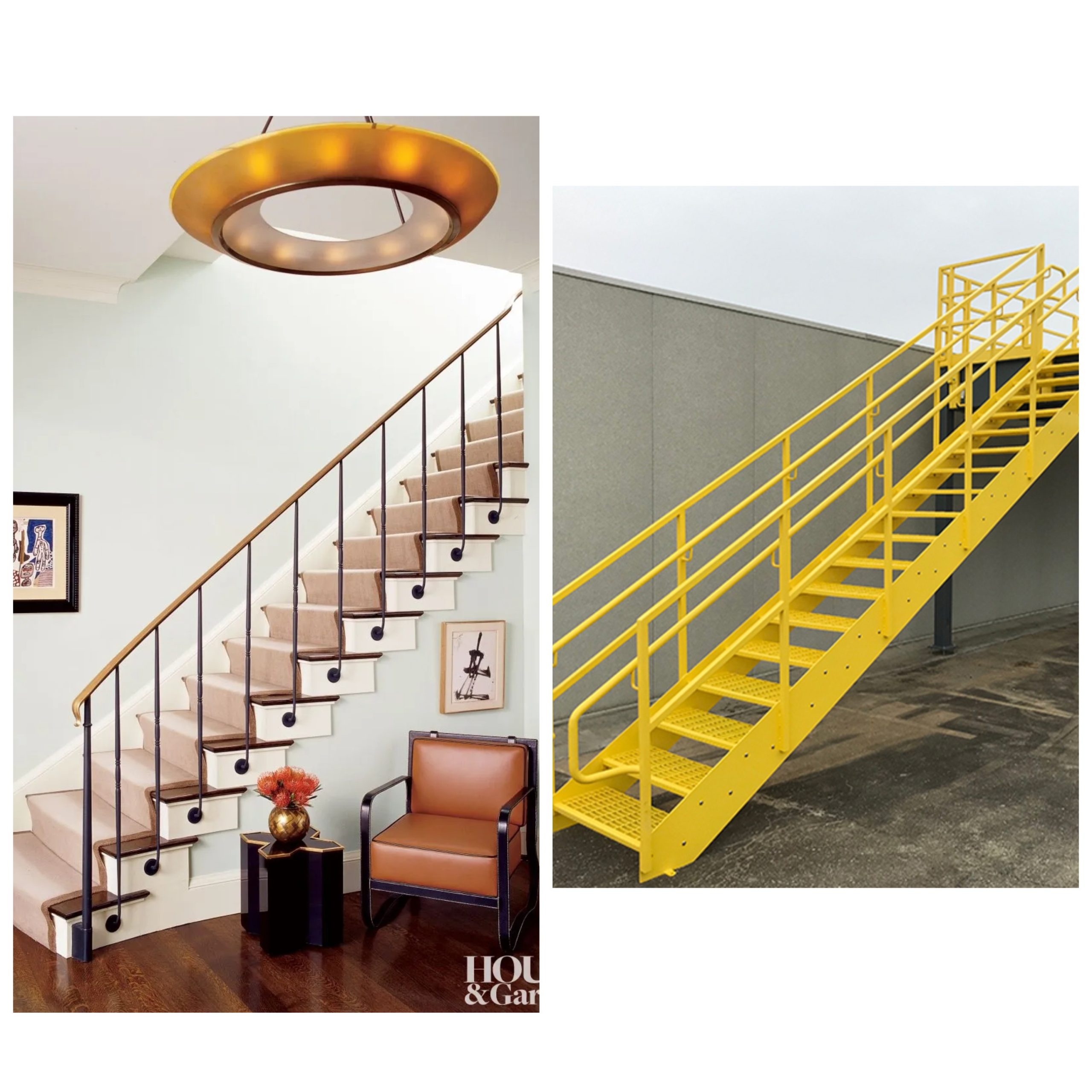
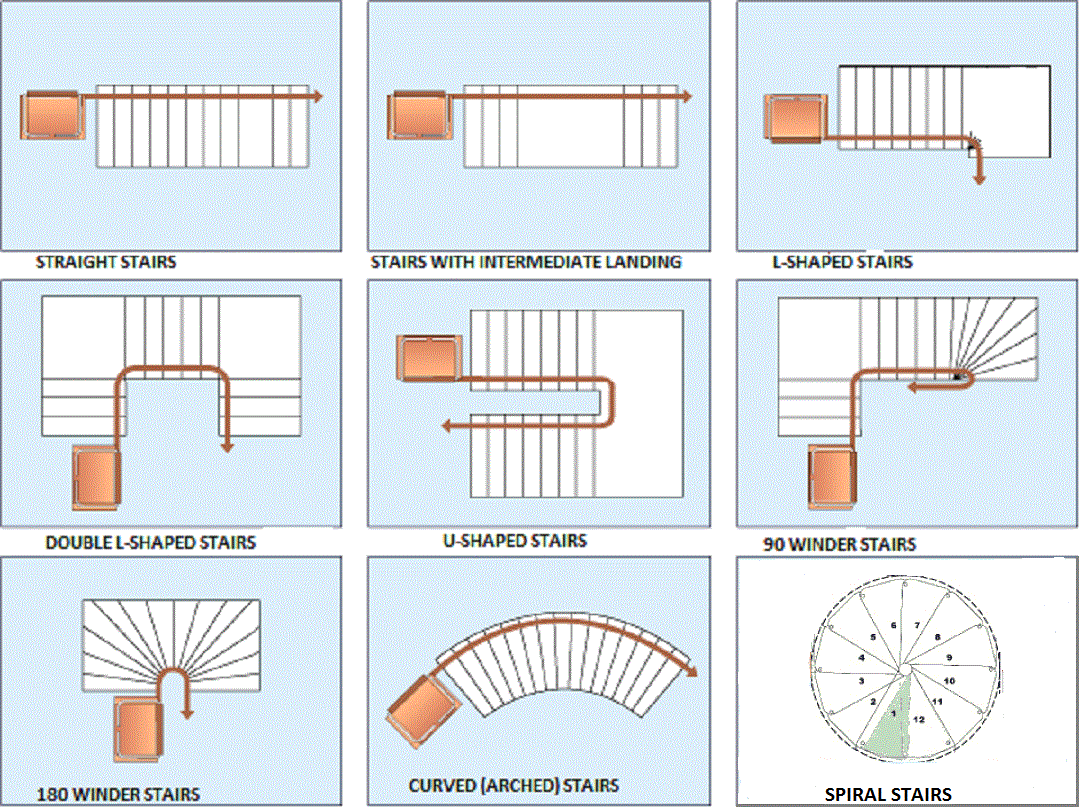
In residential and commercial areas, stairs are commonly employed, typically featuring a degree range between 30° to 38°. However, according to standards, stairs should ideally fall within the range of 20° to 45°. It’s important to note that stairs occupy a substantial amount of ground area and must be carefully designed for optimal functionality and safety.
3. Industrial Ladders:
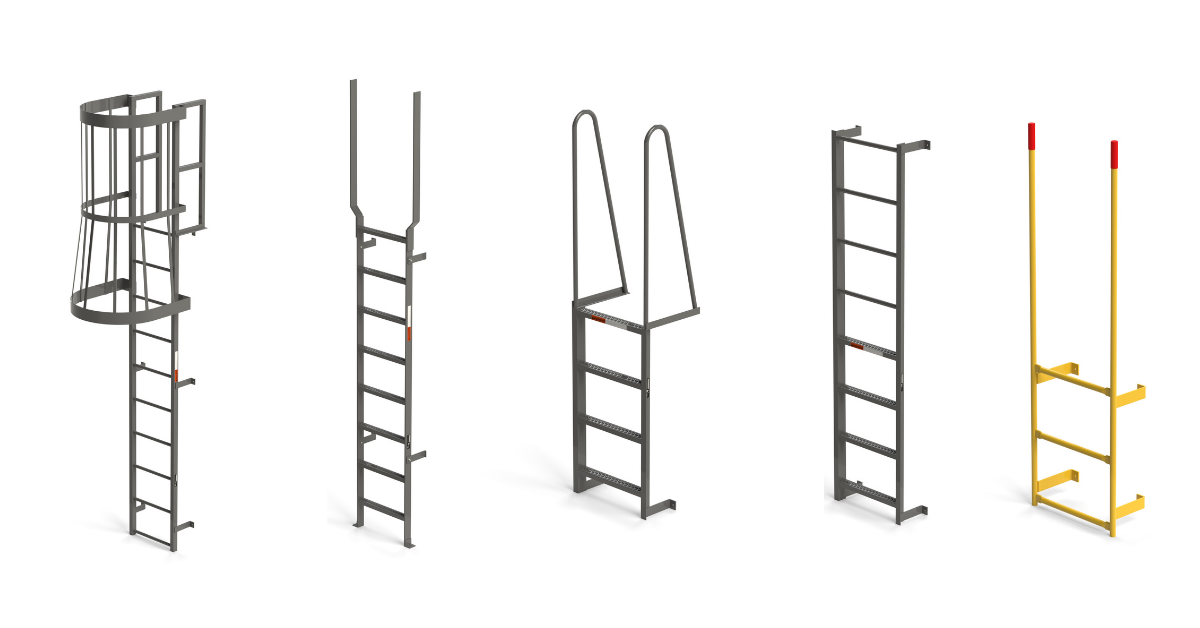
Industrial settings often utilize step-type ladders, which should ideally have a degree range between 60° to 70°. Treads are commonly incorporated for enhanced safety and stability.
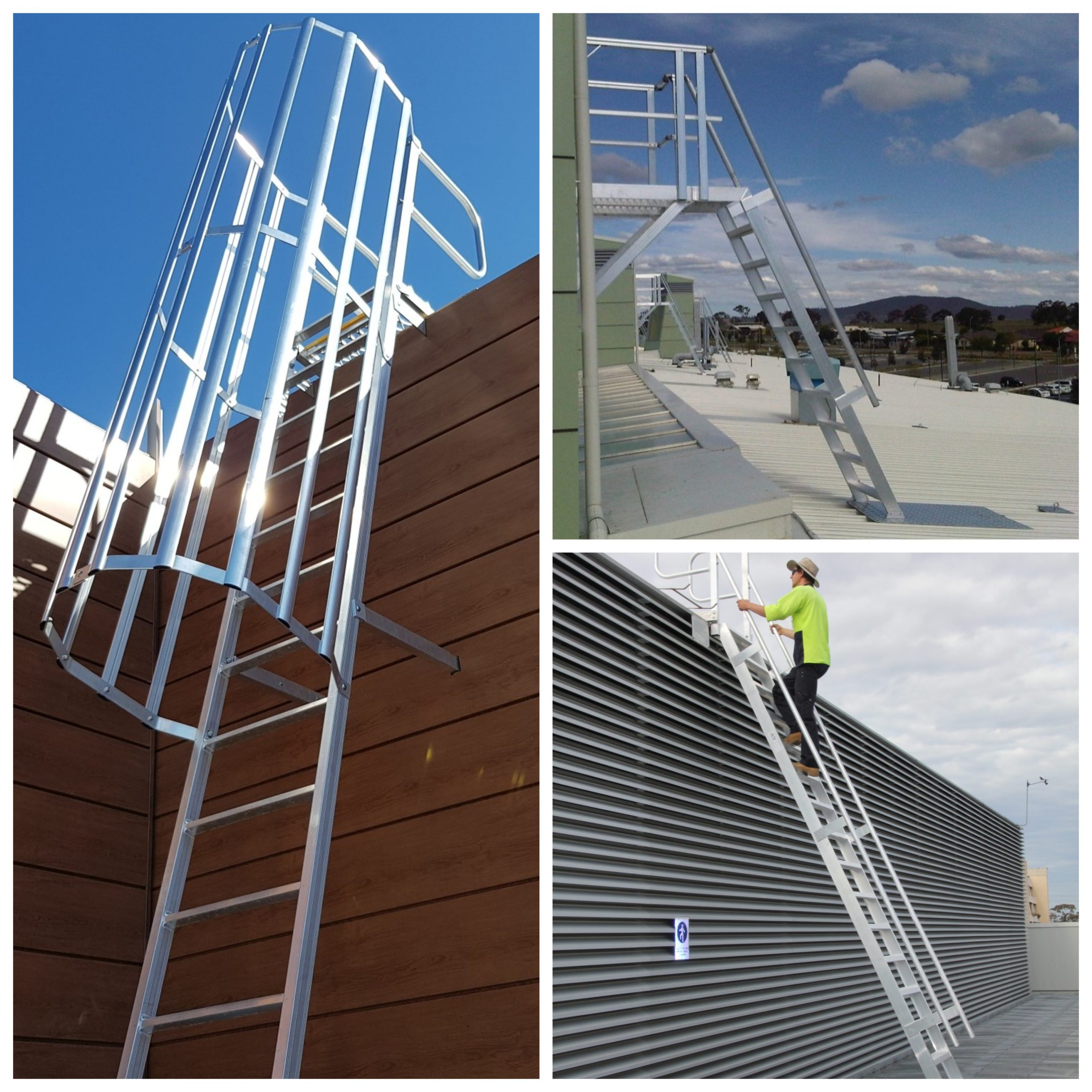
In cases where clearance is limited, rung-type ladders may be employed. Rung-type ladders, with a degree range of 70° to 90°, offer a compact alternative, making them suitable for confined spaces. Notably, 90° ladders are commonly found in locations such as ships and network towers, requiring minimal space.
Safety Considerations:
It’s crucial to emphasize that the degree range between 45° to 60° is deemed unsafe for both ladders and stairs. This zone presents heightened risks and should be avoided to ensure the safety of users.
In conclusion, adherence to prescribed access and slope limits is essential when constructing stairs and ladders. By following established standards, builders and designers can create structures that prioritize safety, functionality, and compliance with regulatory requirements.
As detailers, everyone should be familiar with these standards. Even when architects or engineers overlook these details, a detailer can catch them. This is also one of the important aspects for detailers to remember.
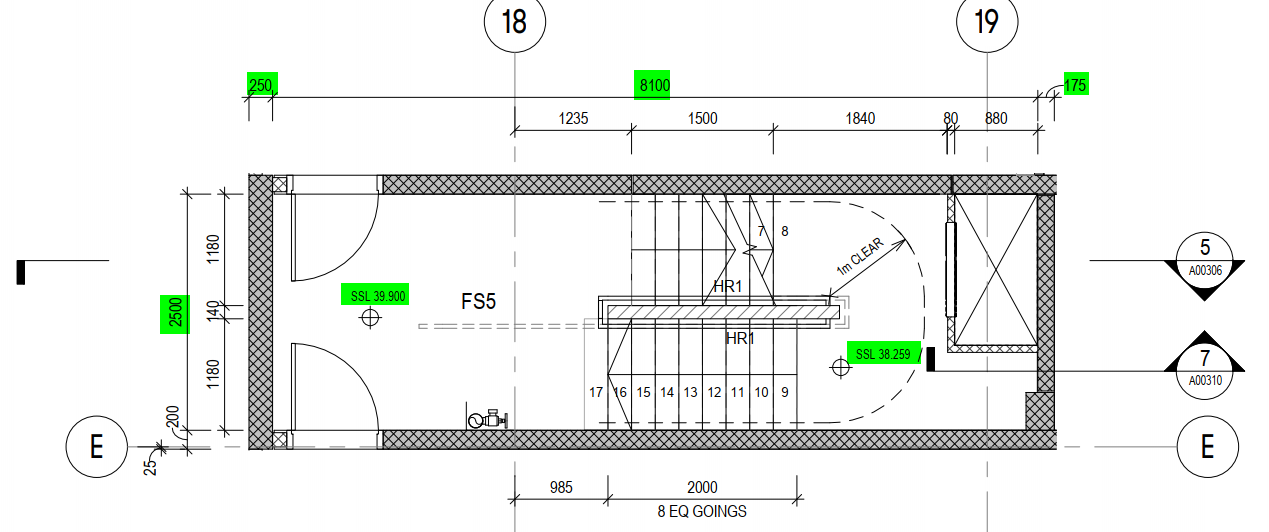
ARCHITECTURAL STAIR PLAN (Fig .01)
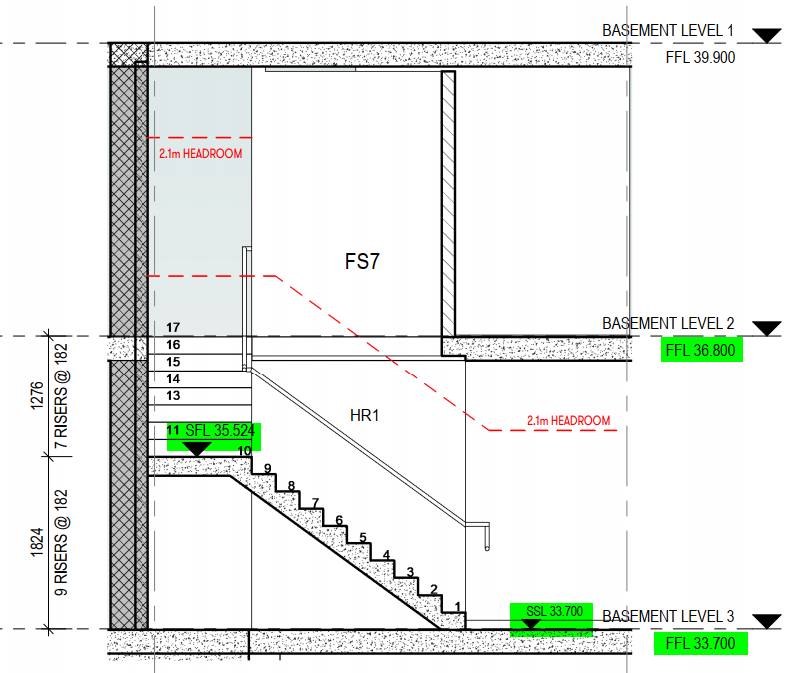
ARCHITECTURAL STAIR ELEVATION SECTION (Fig .02)
2013 Australian Standards have changed for AS1657-2013
Here are some of the changes most pertinent to the work we do:
No Overlap required.
There is no overlap required. A gap of 30 mm between treads from the trailing edge of a tread to the nosing point of the next tread is allowed.
Changed Calculations:
Also the calculations on whether stair complies have changed.
See below for further details:
Uniform Dimensions
Section 7.2.3.2: All Risers and goings in the same flight of stairs shall be of uniform dimensions within a tolerance of 5 mm. The previous version of AS1657 was not explicit about this. I wonder how many inspectors were rejecting stairs or, giving the client a hard time because of some insignificant variation.
Online Training Resources
Tek1 have opened up its internal AS 1567 and AS 1428 training documentation and testing to the world. Anyone is free to enroll and learn from our online training packages, gratis. A special thank you to our Managing Director for making this possible. You can check it out here.
And here: http://tek1engineeringservices.com/onlinetests/course/index.php?categoryid=5
My recommendation is to enroll as a new user rather than using the public account – that way you can track your own progress on quizzes etc without impediments.