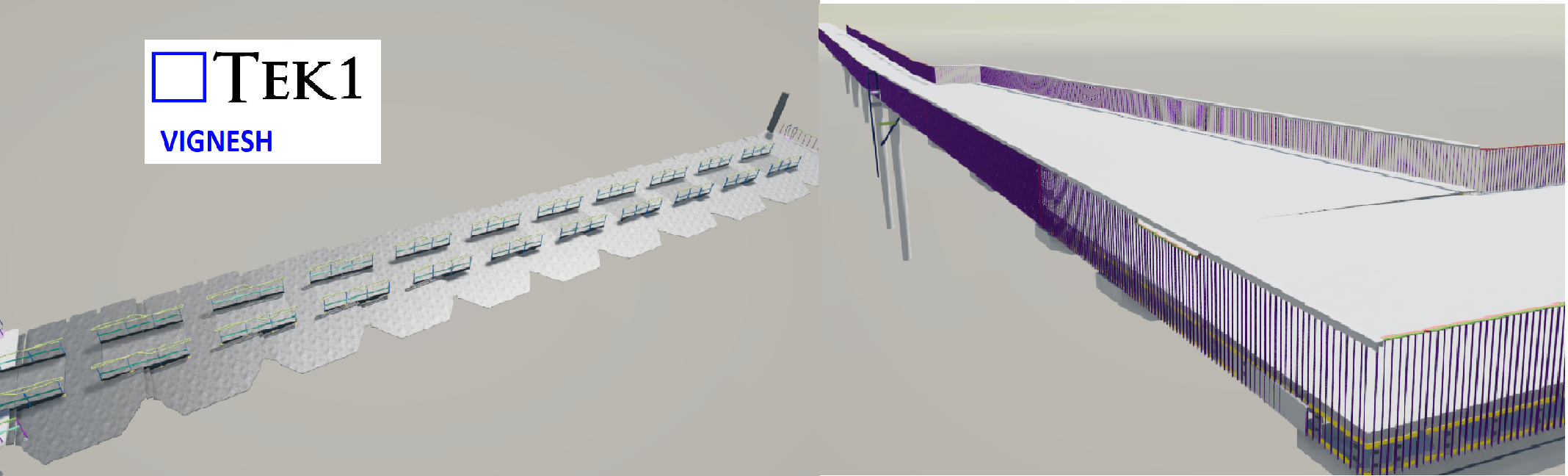
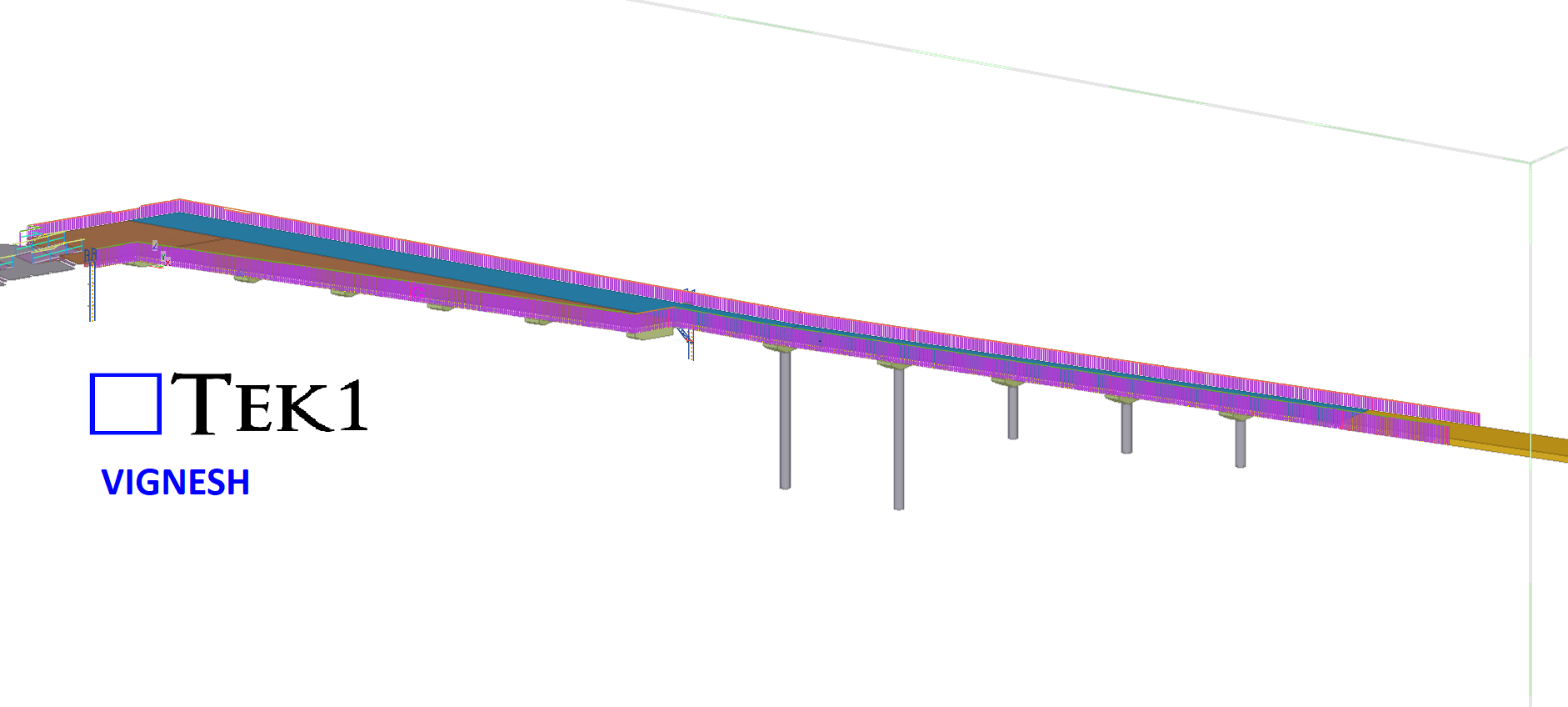
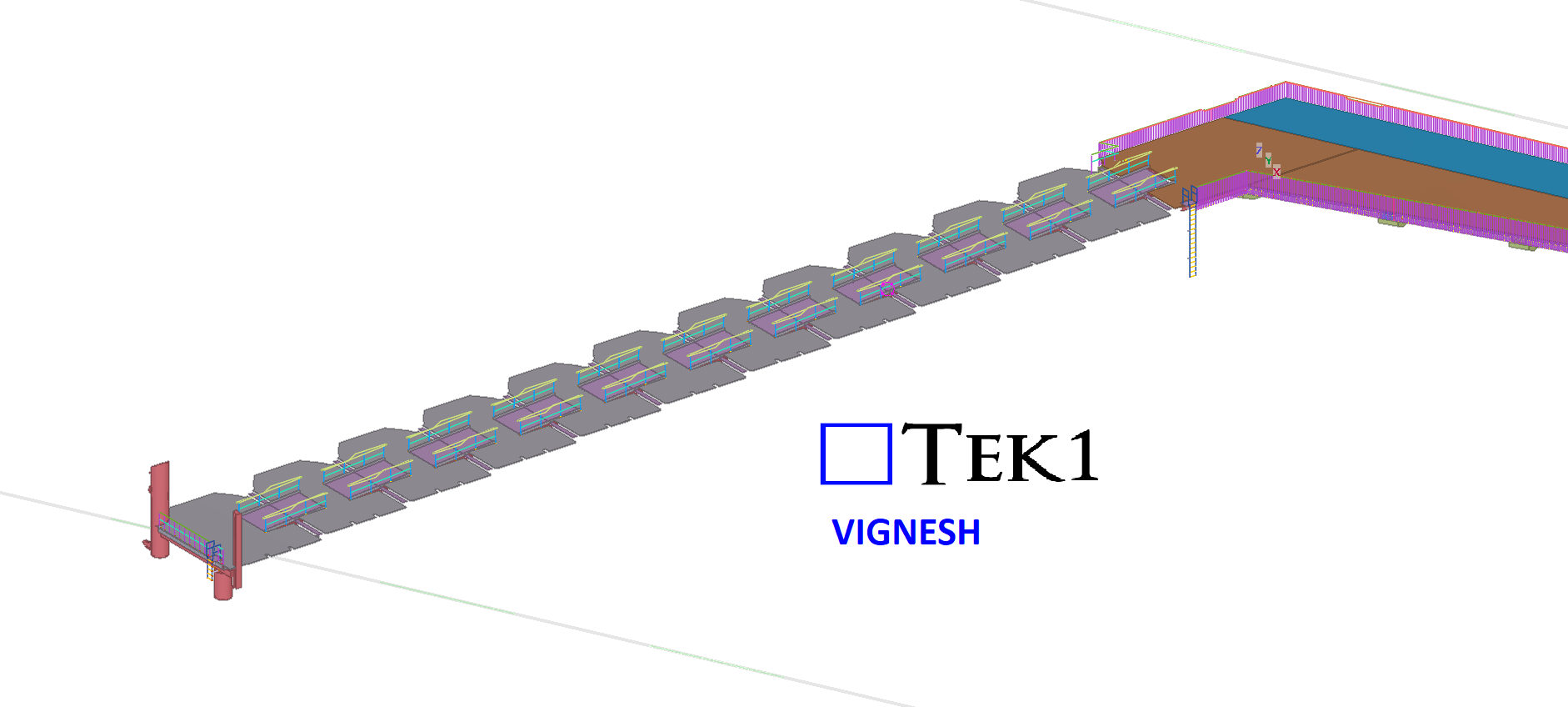
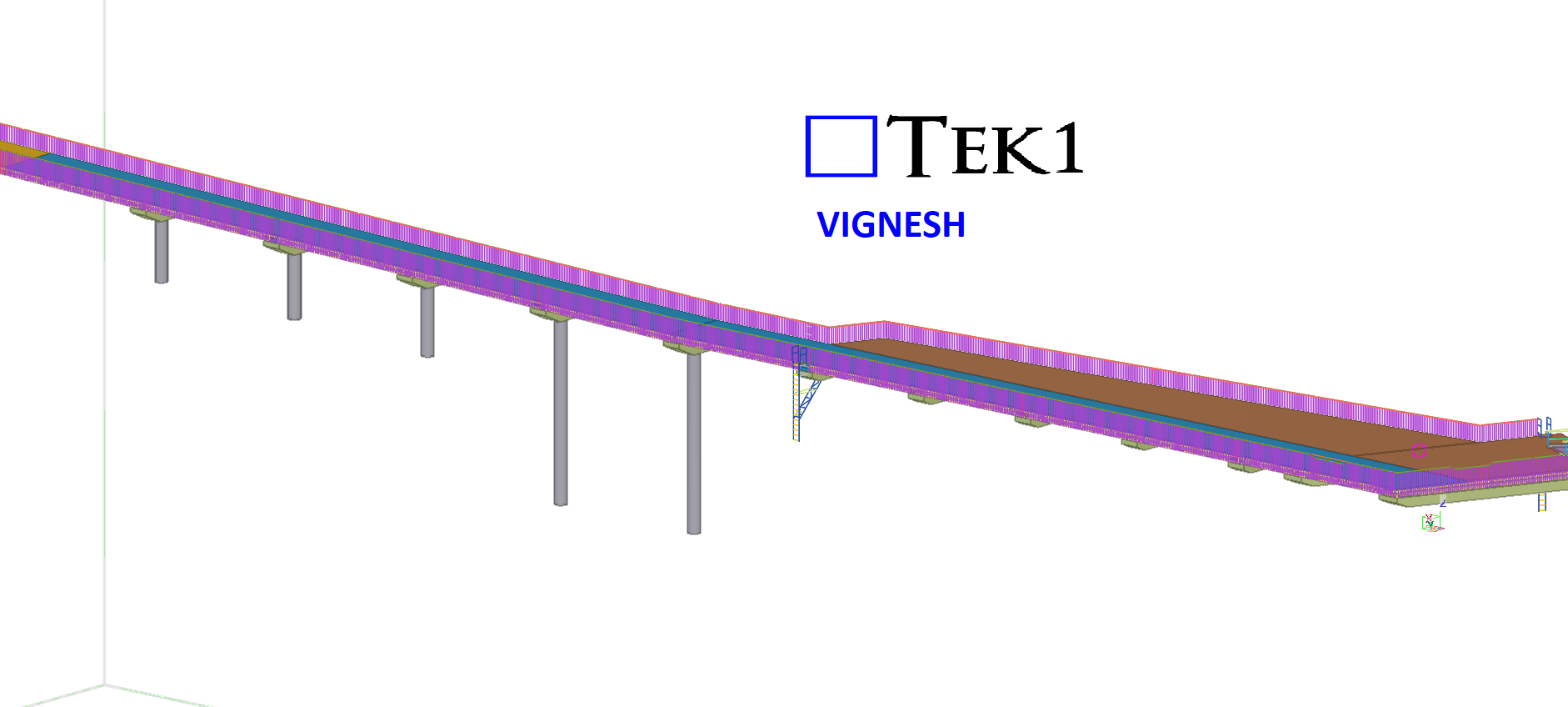
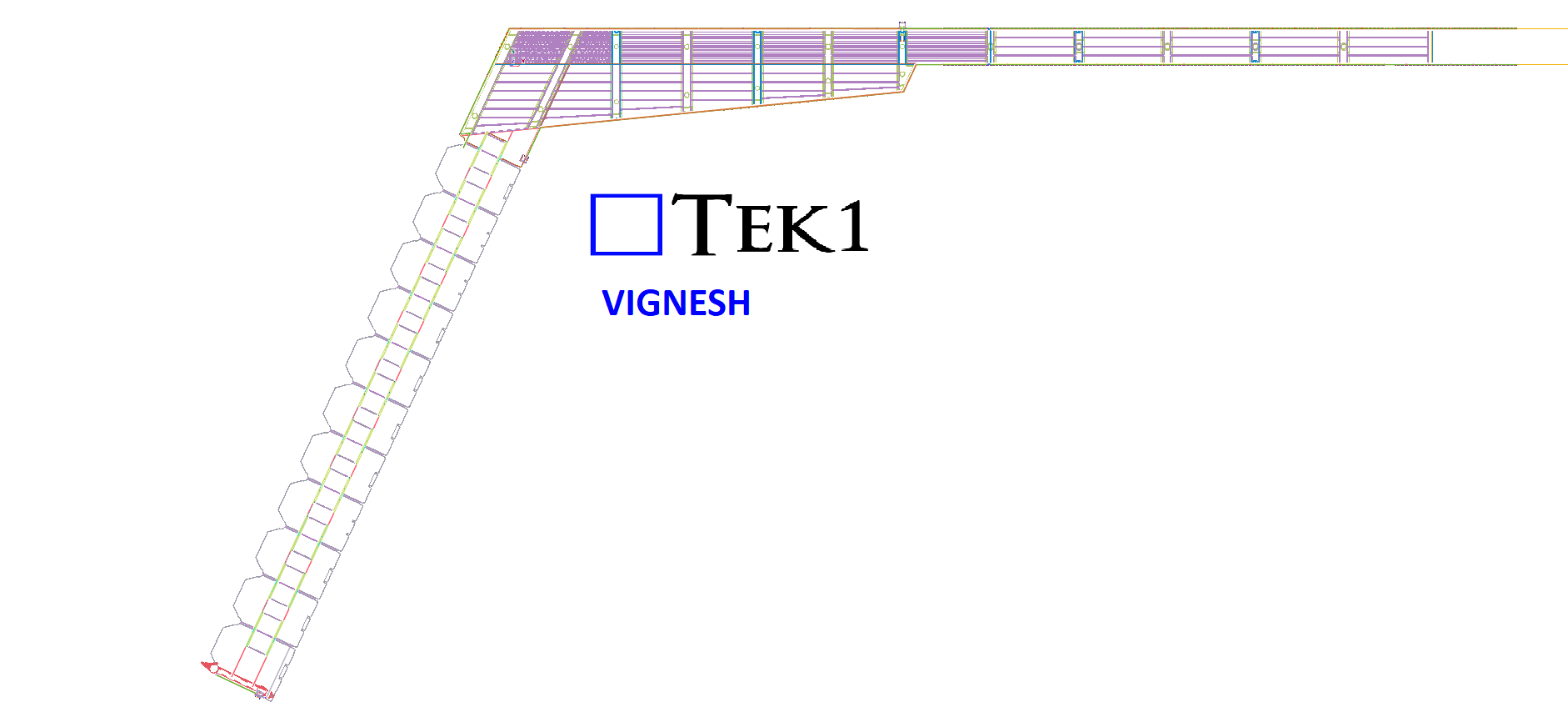
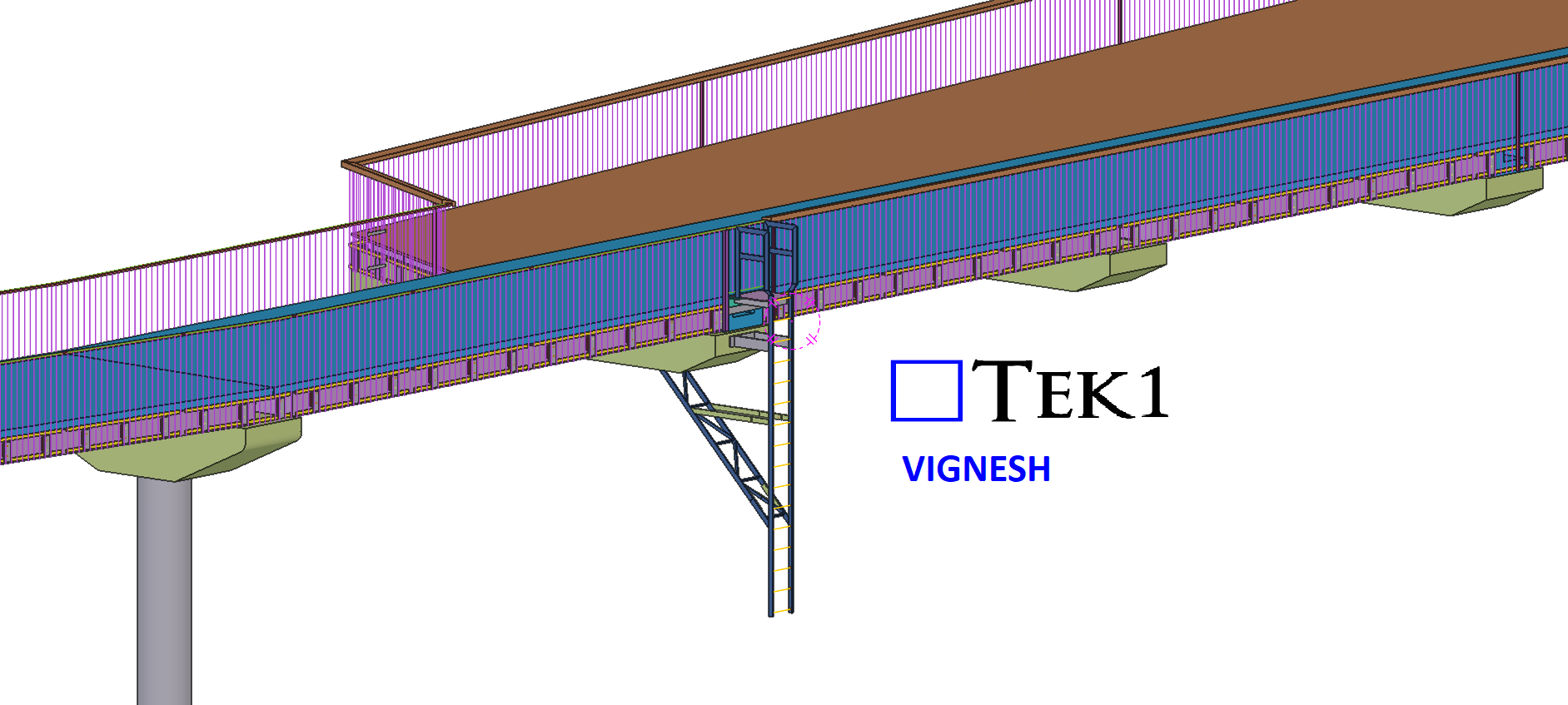
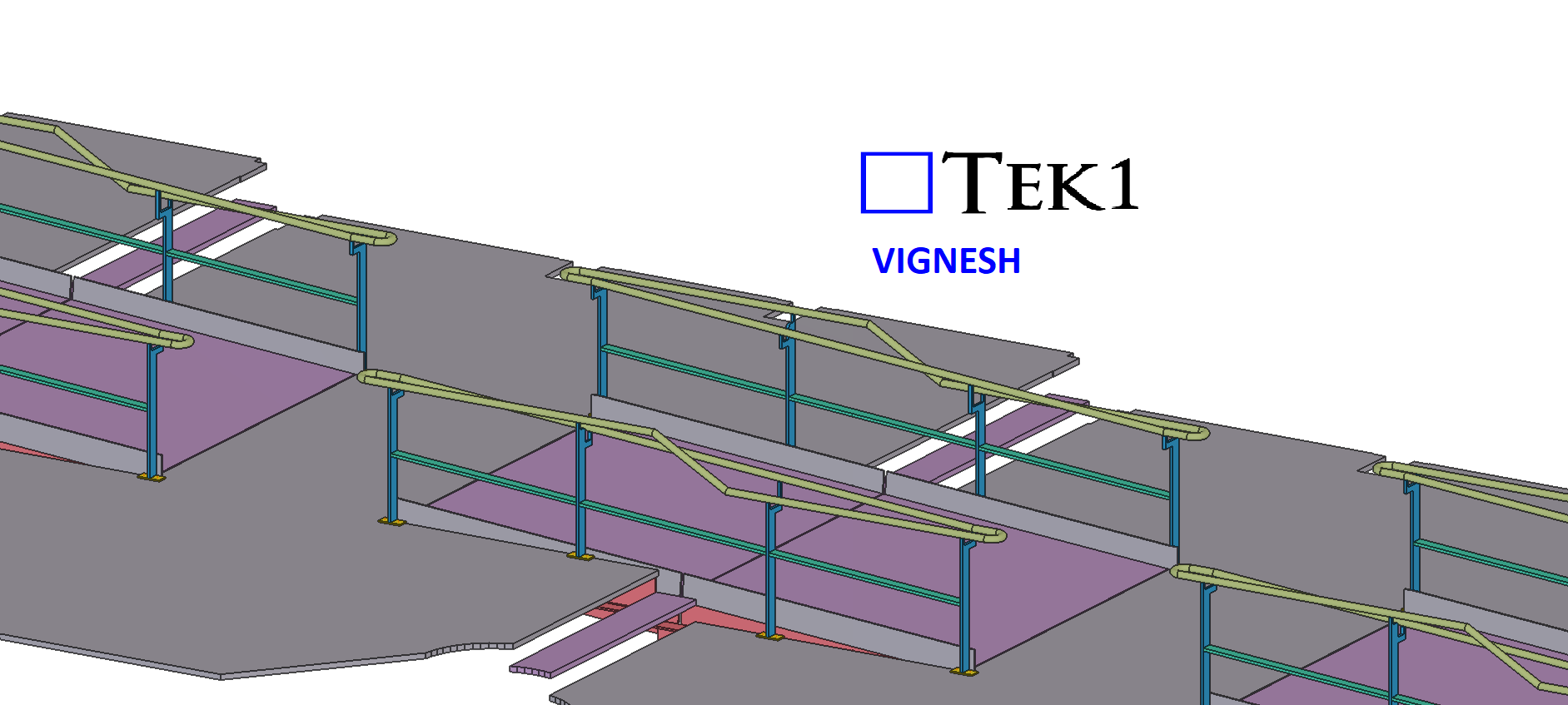
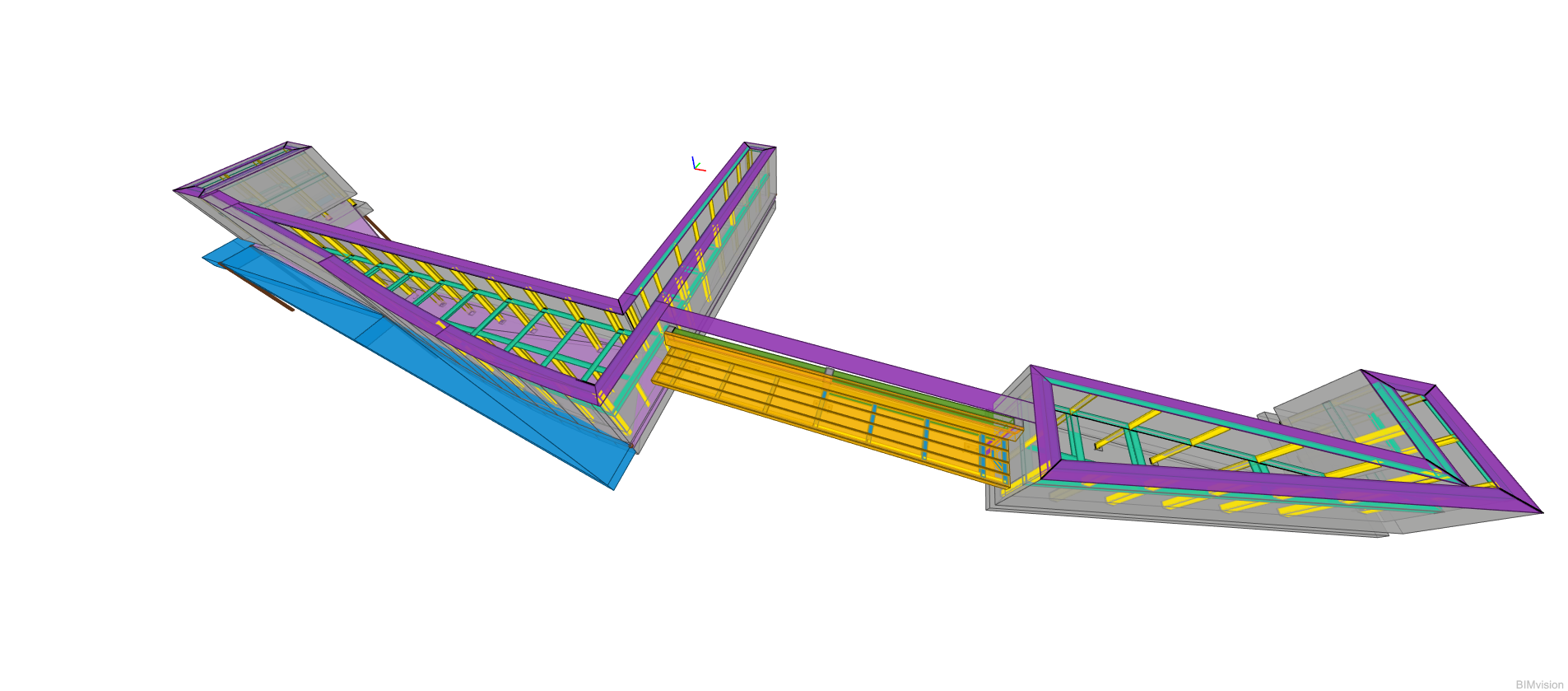
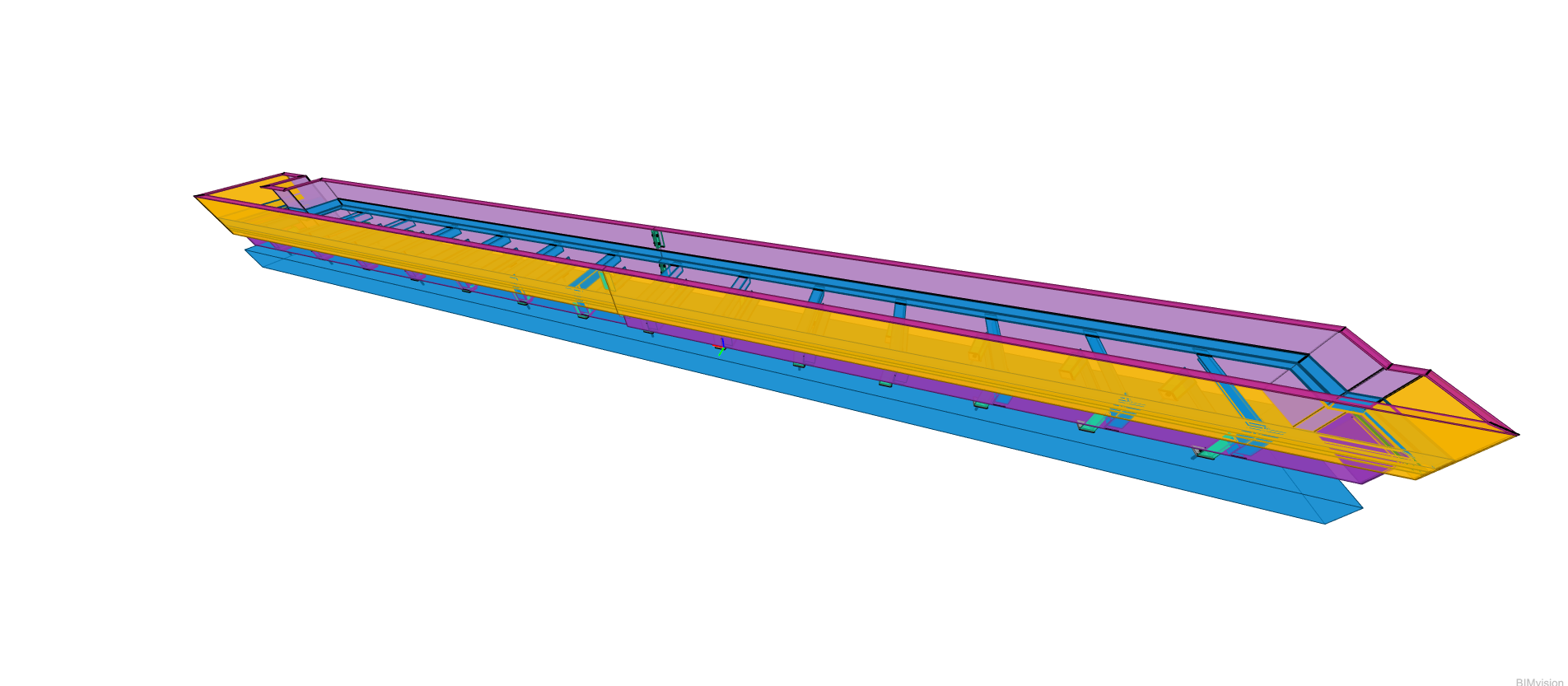
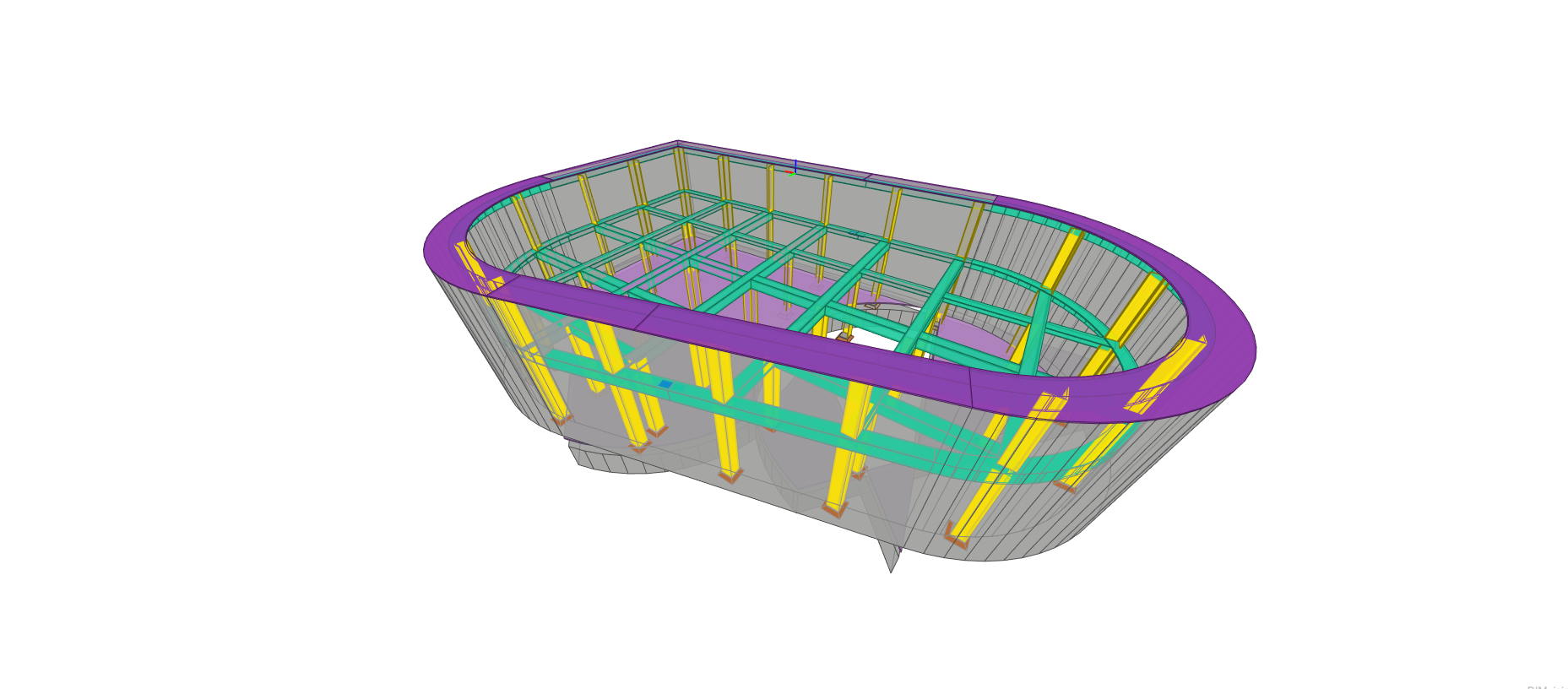
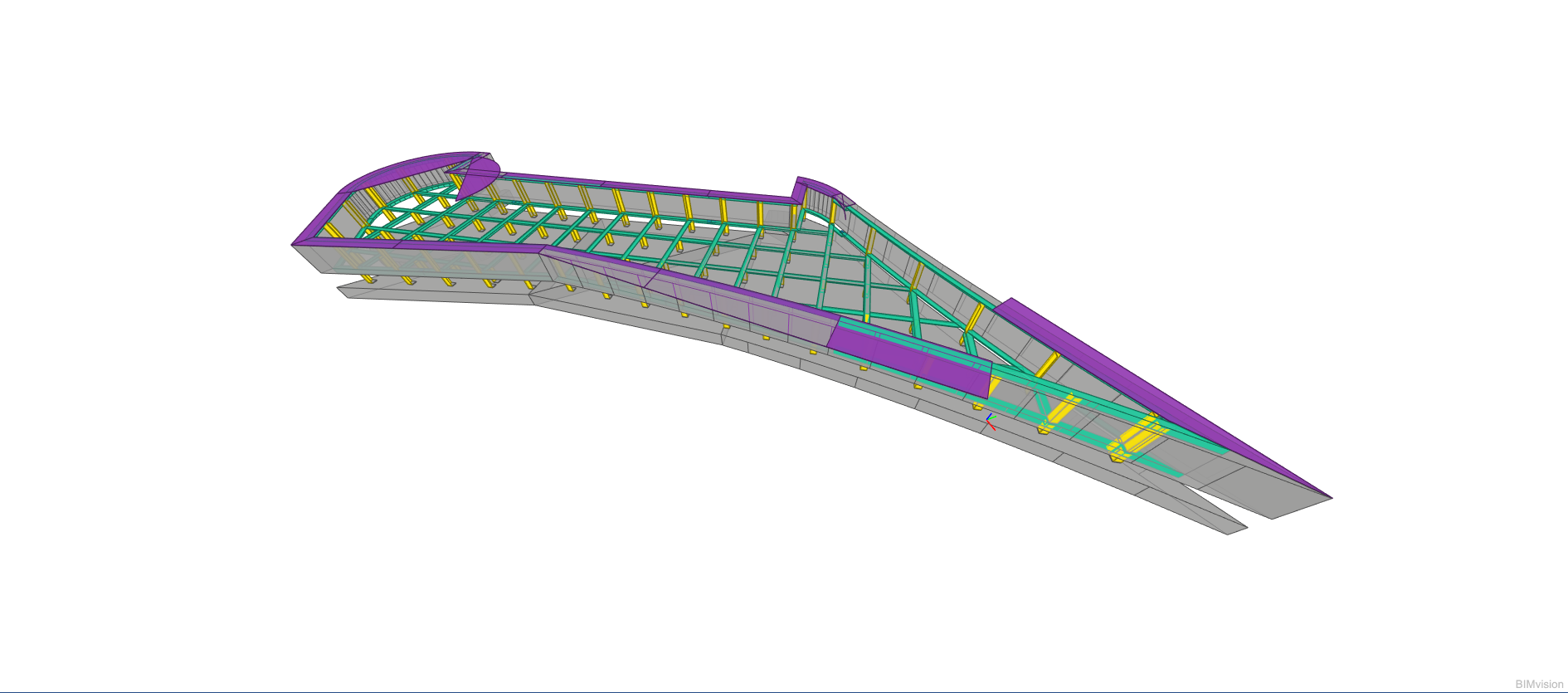
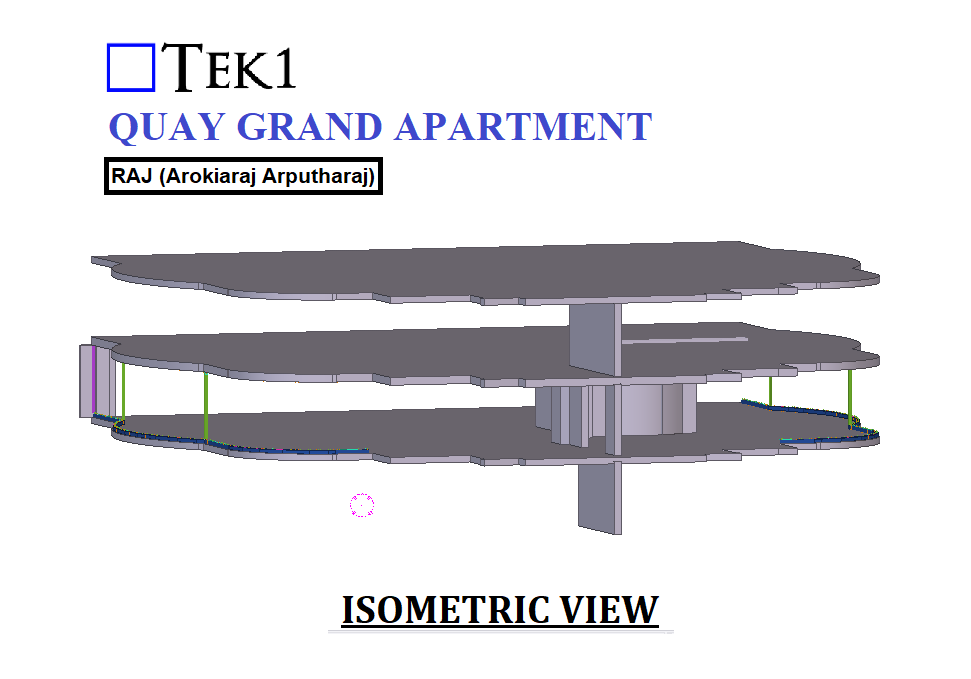
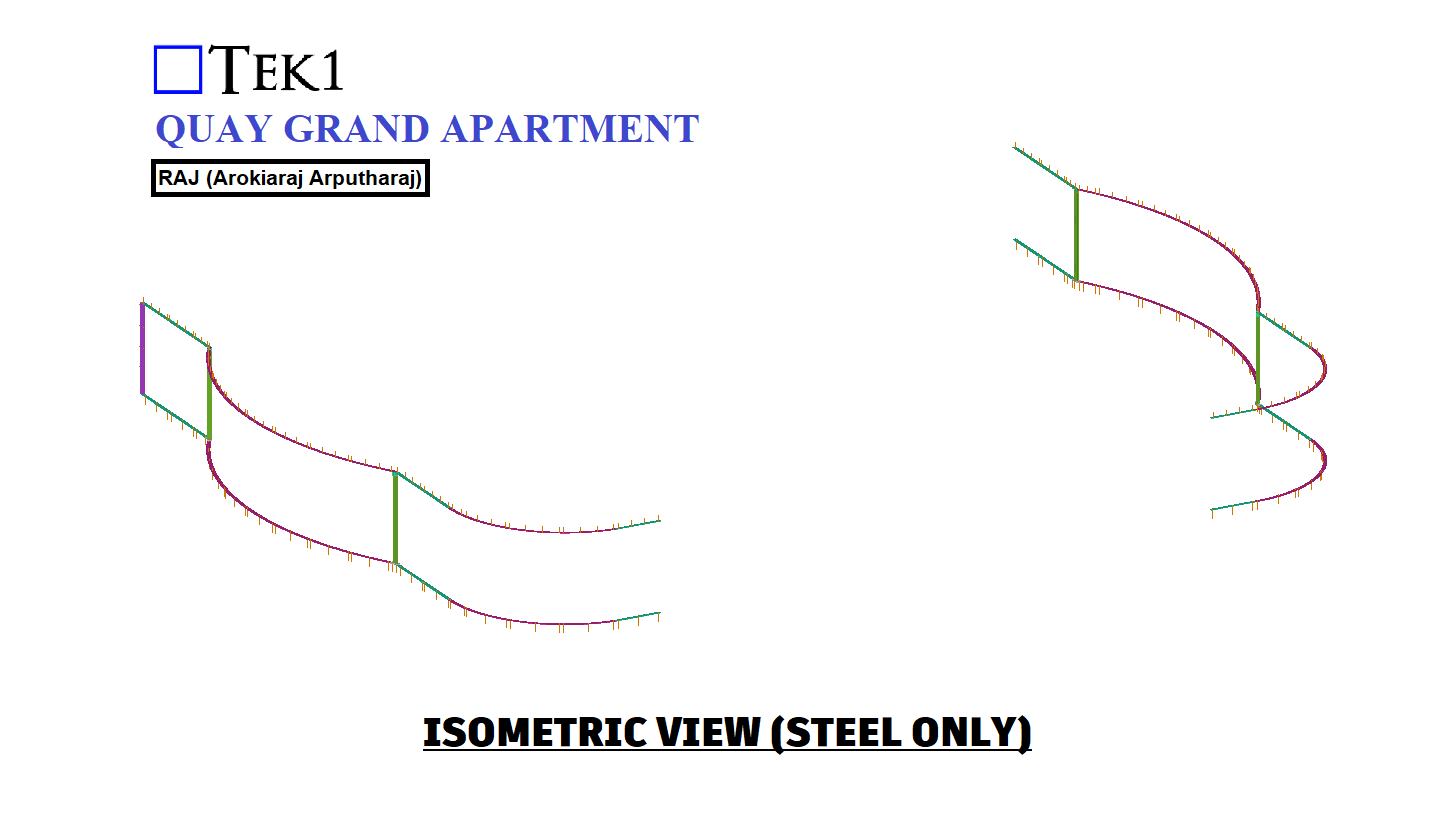
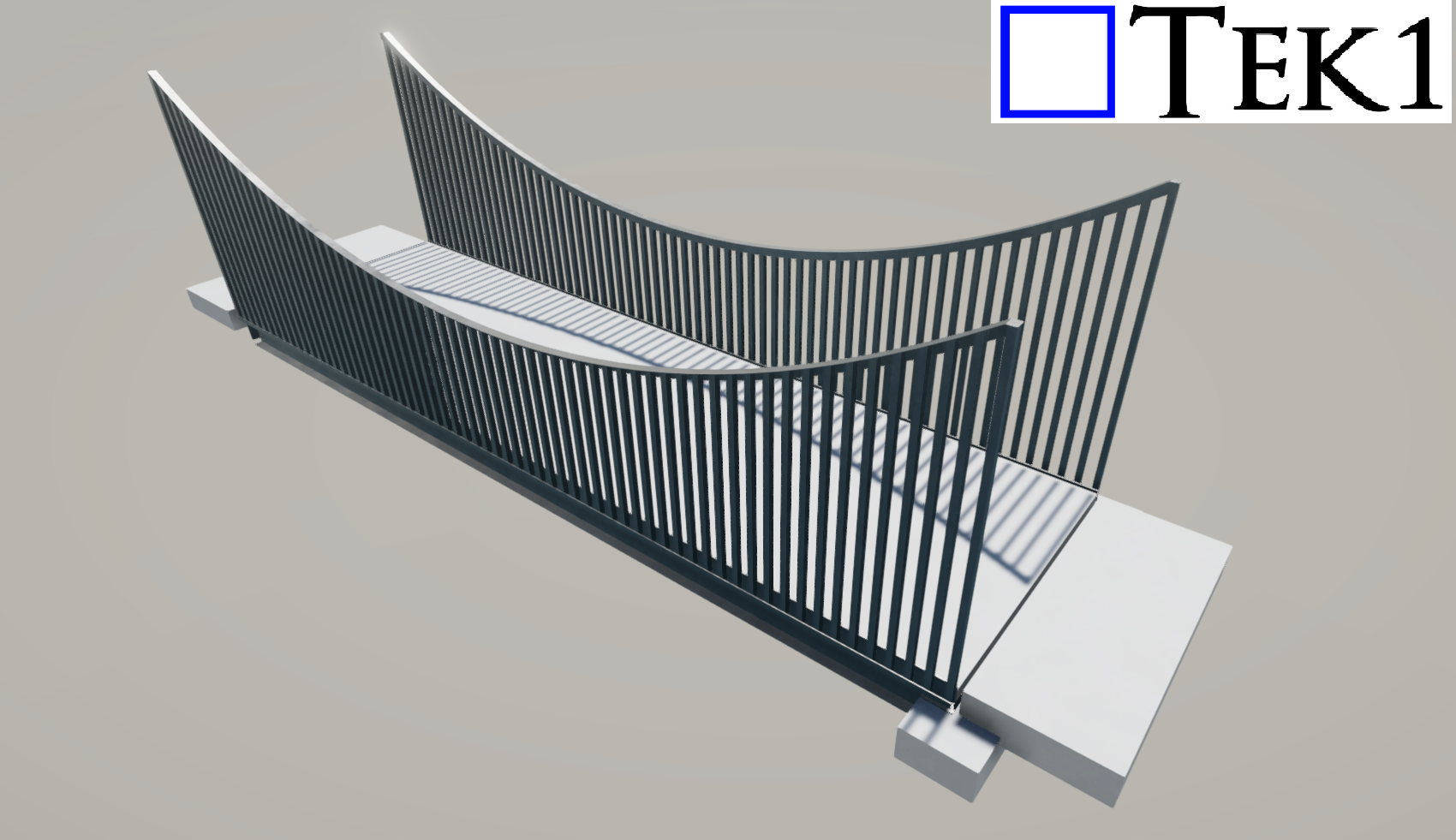
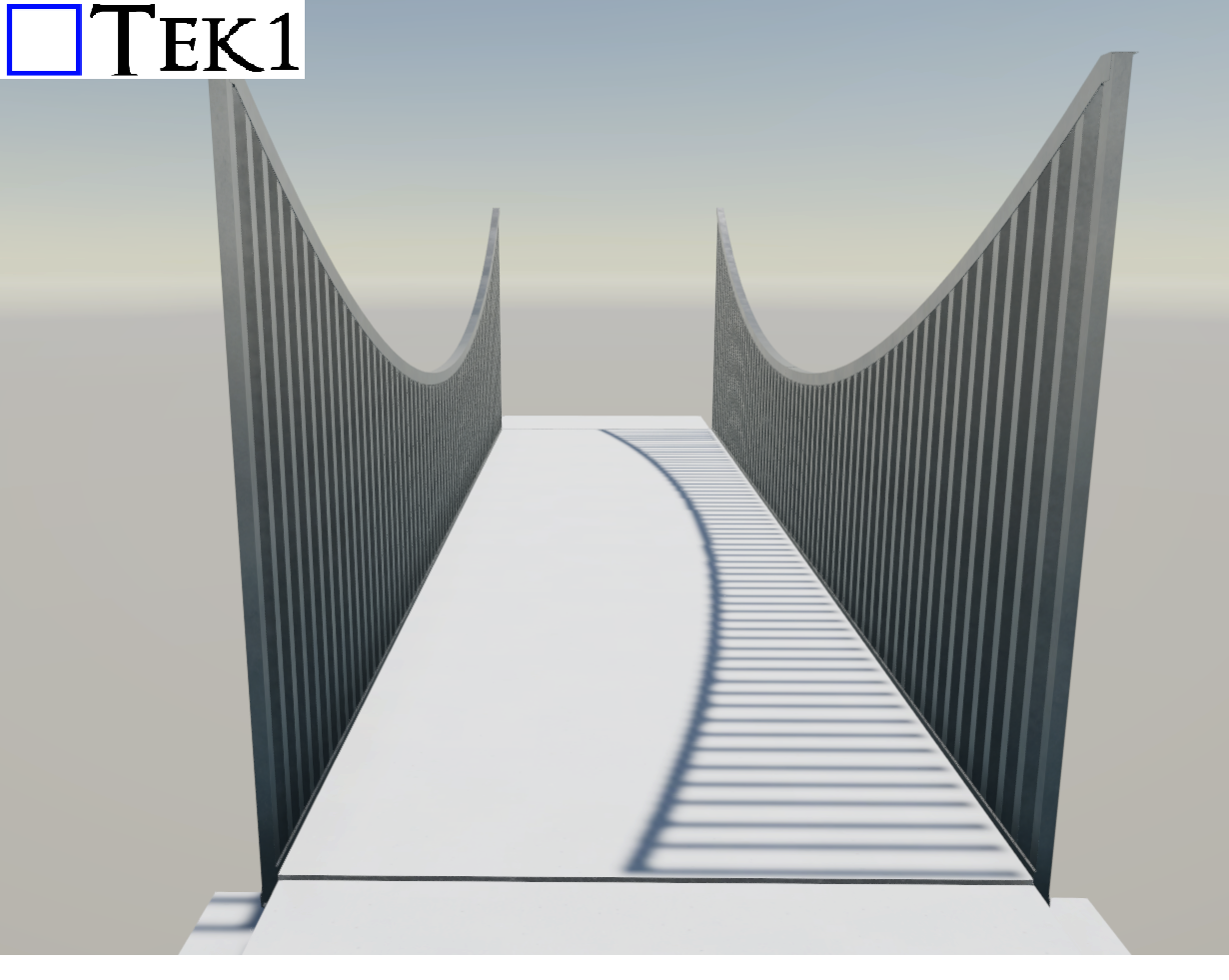
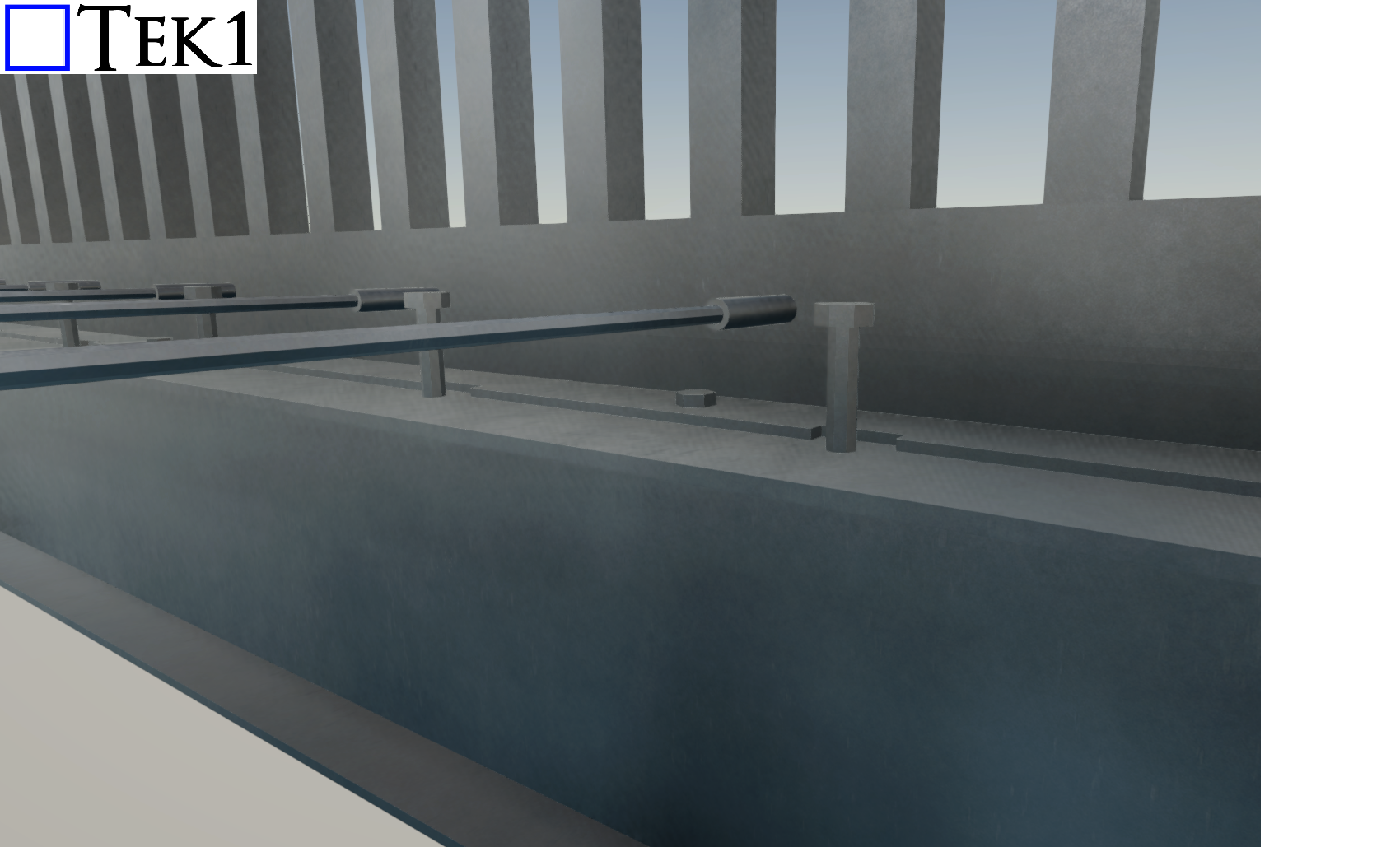
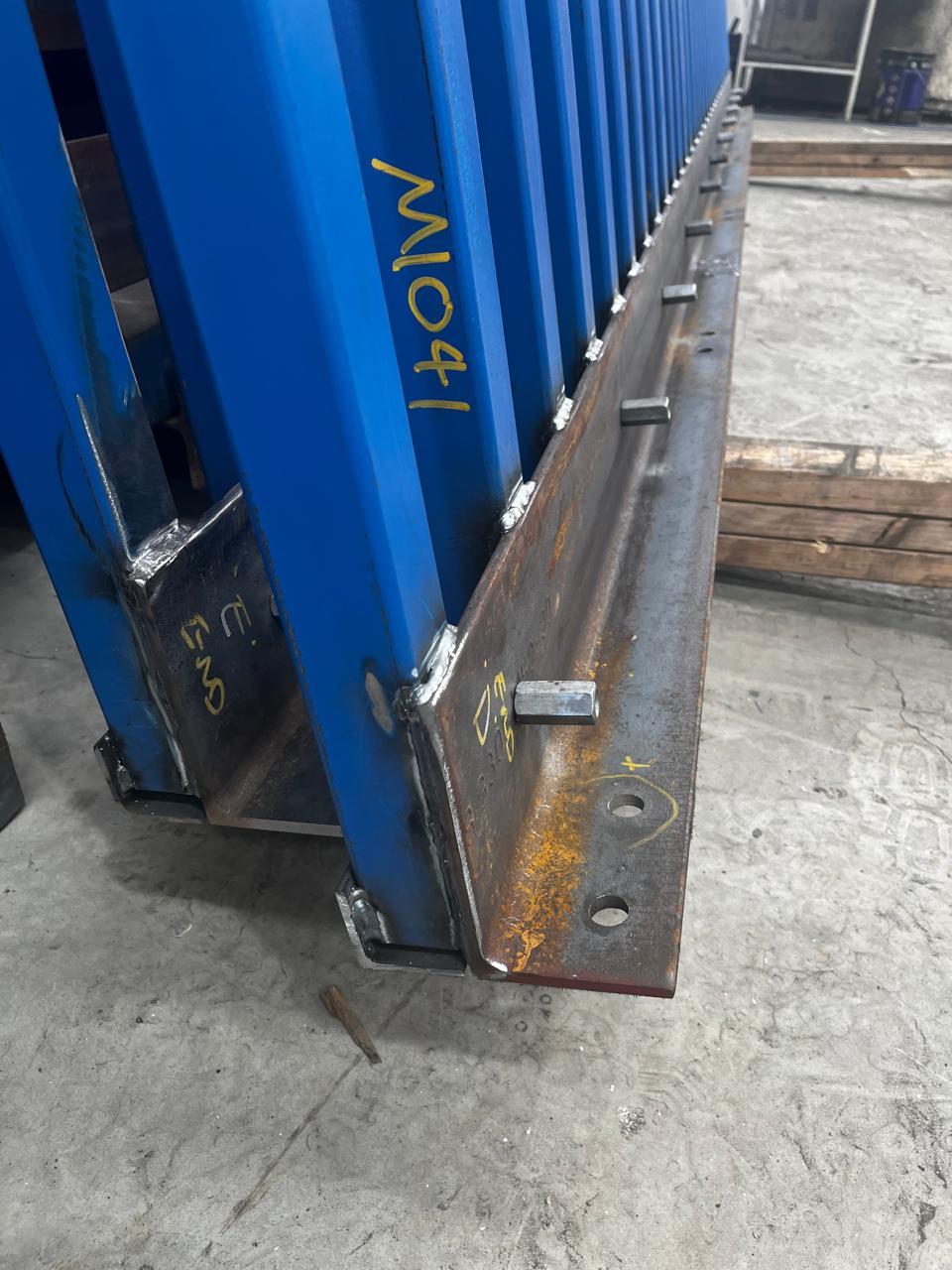
This was a complex project, but we successfully delivered it. Our scope included the balustrade around the bridge, which needed to be provided in multiple panels. By utilizing advanced modeling techniques, we were able to complete it within a significantly shorter timeline.
Since the structure is above the sea, we provided several cost-saving ideas for both erection and fabrication to optimize the process.
This was drawn by Tek1 (Vignesh), if you want shop drawings for a project you are working on, feel free to call Koshy on: (03) 9560 6397.
Here are some planters we have detailed for Straight UP. There are some steel planters and brick planters here. Each planter brings a unique aesthetic and functional appeal to your garden or patio.
Imagine trying to build a complex 3D structure using only flat, 2D puzzle pieces—every cut, weld, and alignment must be perfect. That’s exactly the challenge we faced with the Orange Rope project, where 3D CAD models had to be transformed into precise 2D fabrication drawings. How did we tackle this engineering puzzle? Let’s dive in!
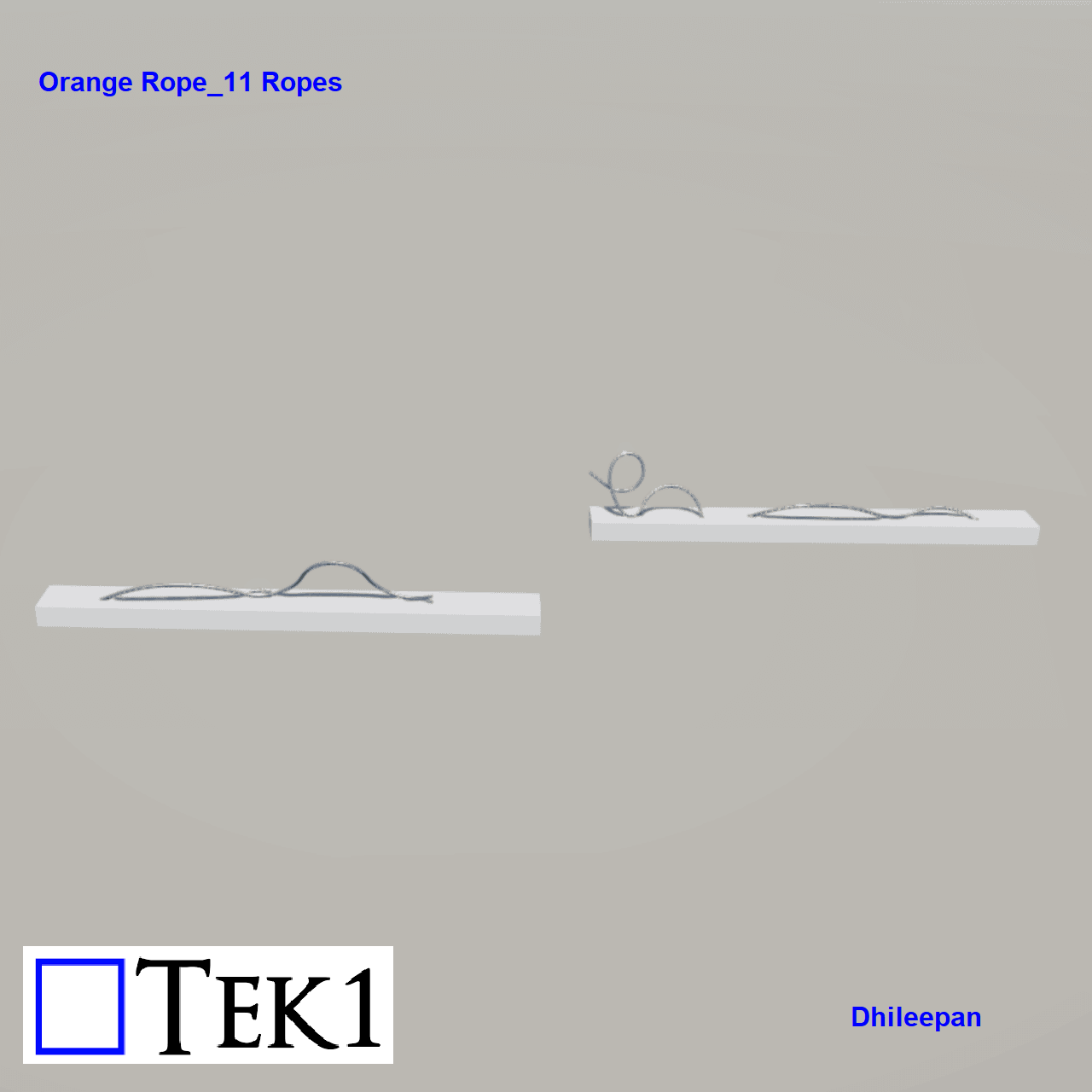
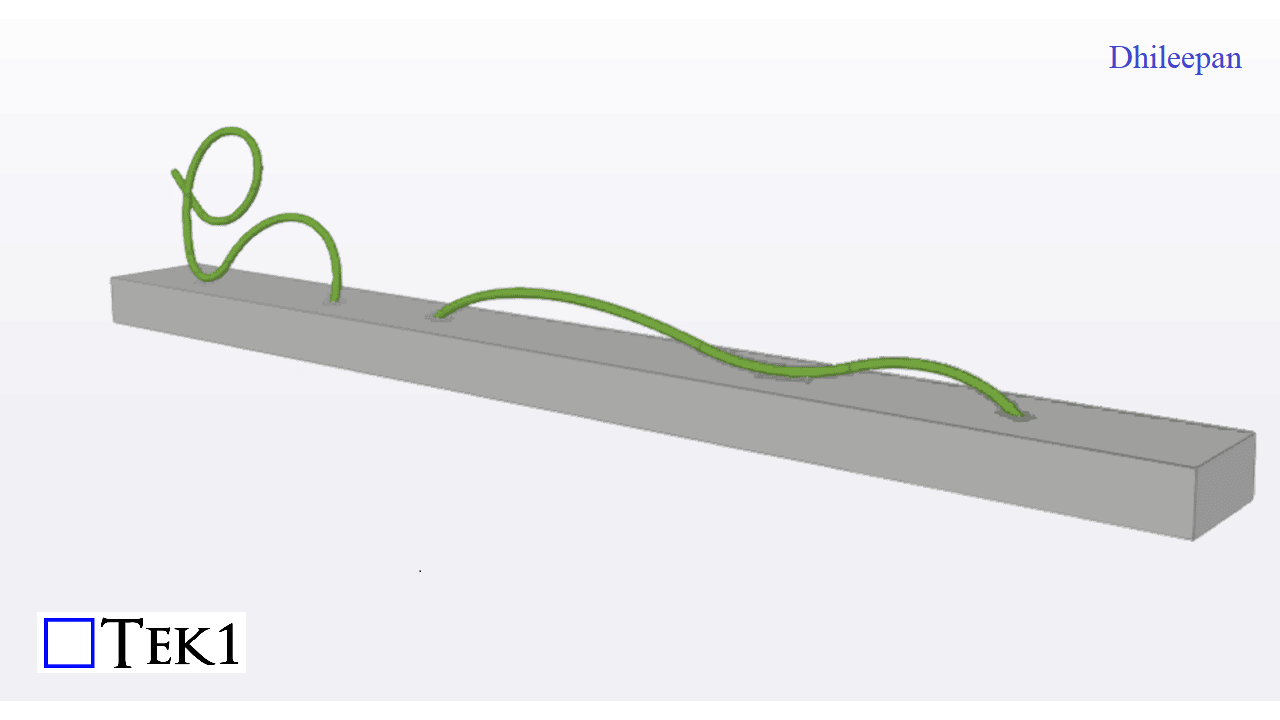
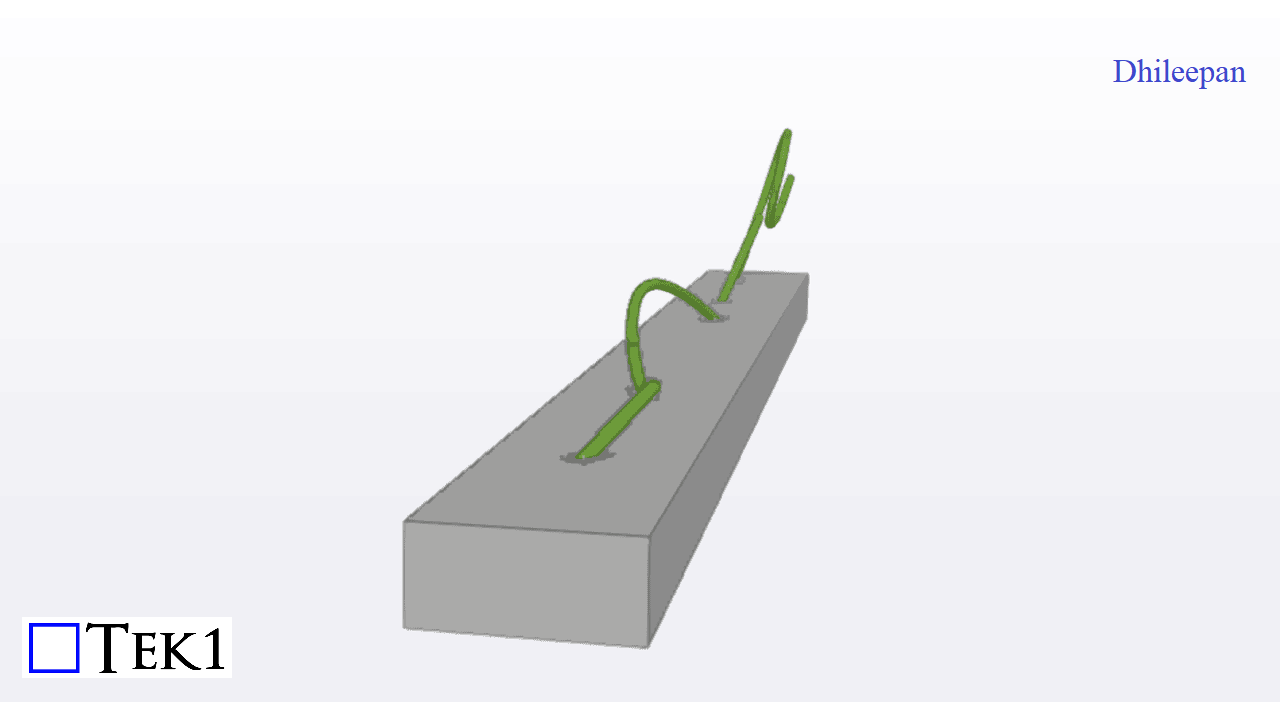
The “Orange Rope” is a series of rolled pipes placed between the piers in a bridge. This project involves a total of 11 ropes, with the following images showcasing a sample of a rope.
Challenges and Solutions
1. Converting 3D Models to 2D Fabrication Drawings
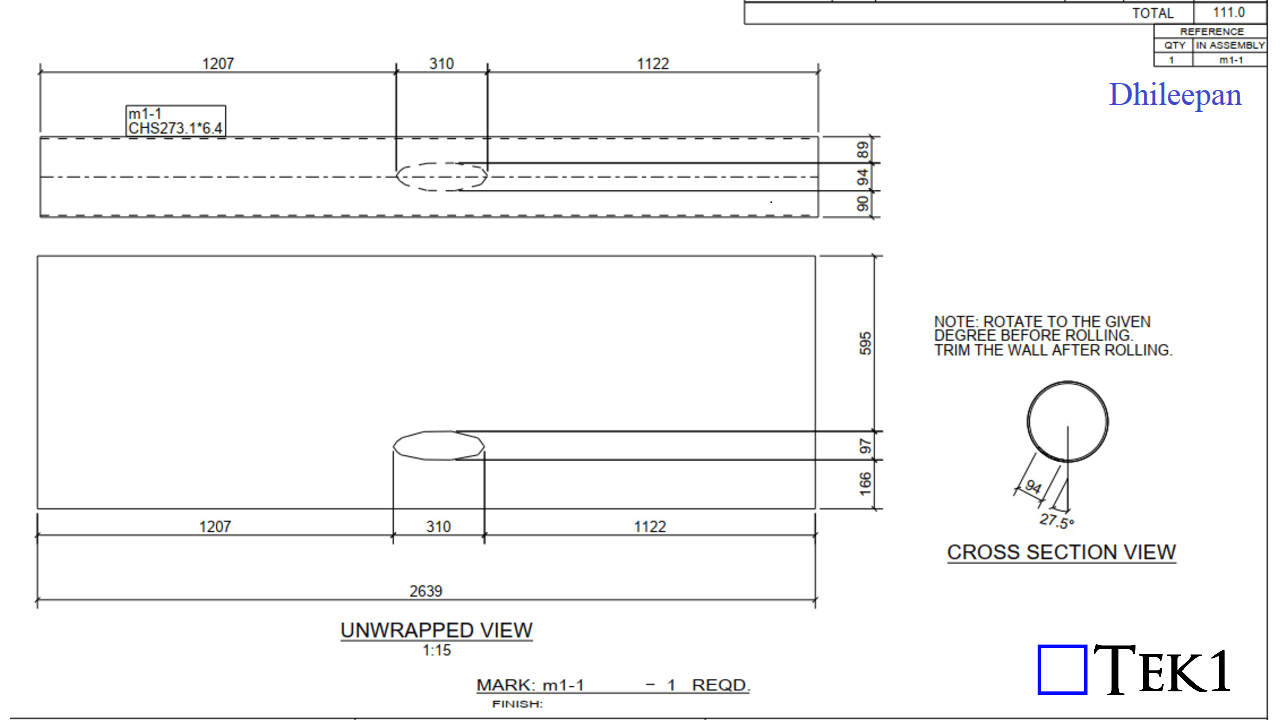
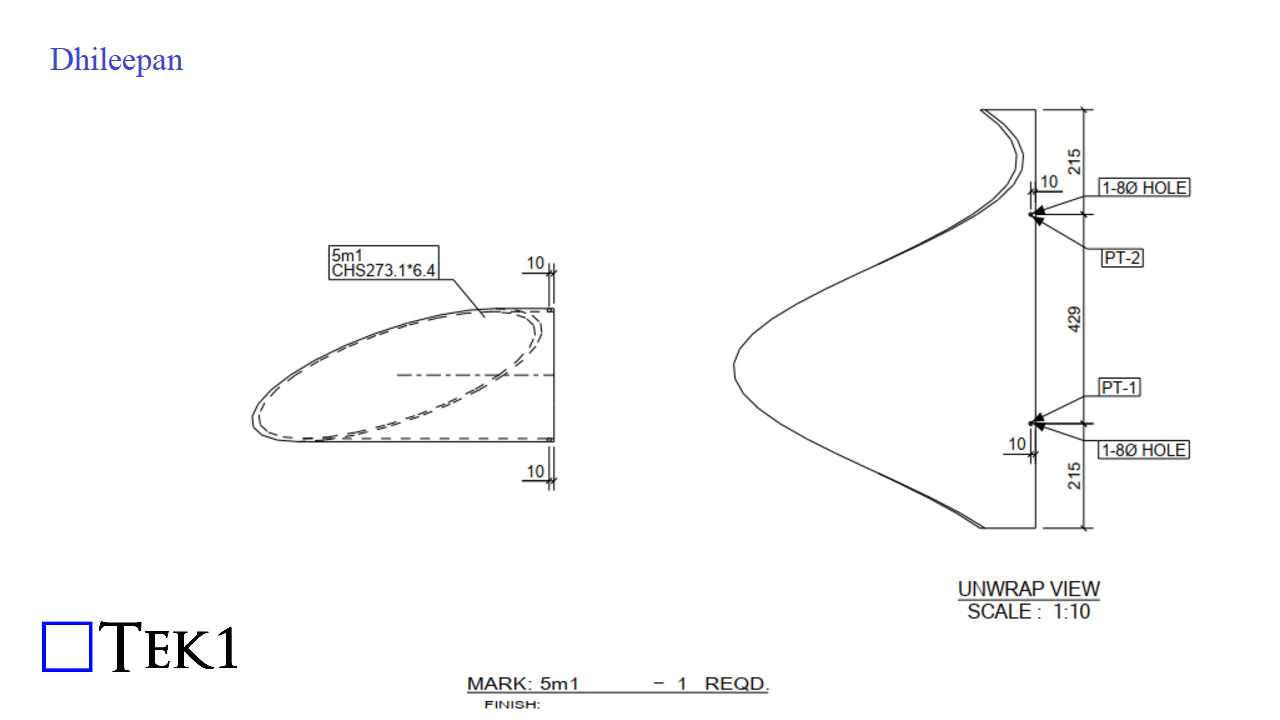
The initial input received was in the form of 3D CAD drawings, while the required output consisted of 2D drawings for fabrication. To achieve this, the 3D ropes were broken down into a series of 2D pipe members, which were then welded together to recreate the 3D structure. Each rope was divided into 4 to 5 assemblies, each containing multiple 2D pipes that, when assembled, would form the final 3D shape.
2. Welding and Alignment
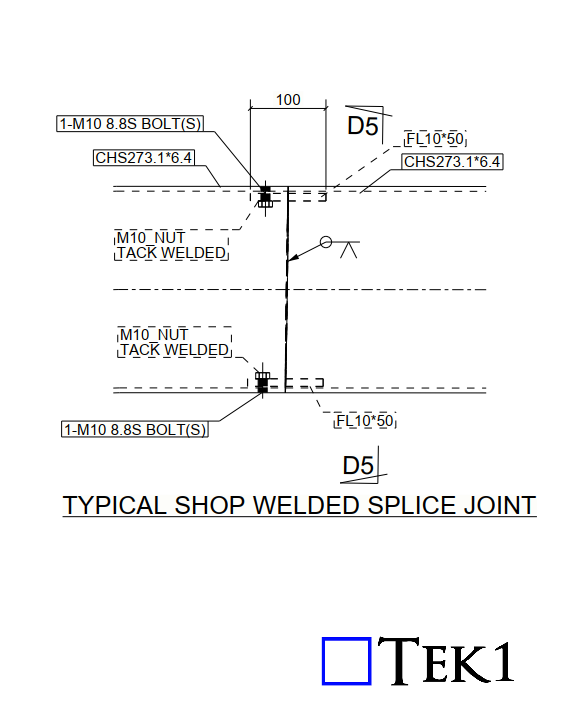
Welding each 2D pipe in the correct position to form the 3D structure presented a significant challenge. With intricate dimensions, aligning each pipe manually would be nearly impossible. To tackle this issue, a splice system was introduced. This system involved a welded plate with a nut affixed at the bottom of one pipe and a corresponding hole in the adjacent pipe. By bolting the pipes together through these holes, proper alignment was ensured before welding. Once the pipes were secured and welded, the bolts were removed, and the holes were plug-welded for a seamless finish.
3. Asymmetrical Cuts for Base Plate Fixing
Another major challenge was the presence of asymmetrical cuts in the pipes for fixing them onto the base plates. To ensure precise cuts, unwrapped views of the pipes were provided. These unwrapped views were printed on paper at a 1:1 scale and then wrapped around the pipe. This method allowed for accurate cutting directly from the template, ensuring proper fitment and alignment during installation.
This is Challenging Metal Works Project by Tek1 for one our long standing clients in Melbourne
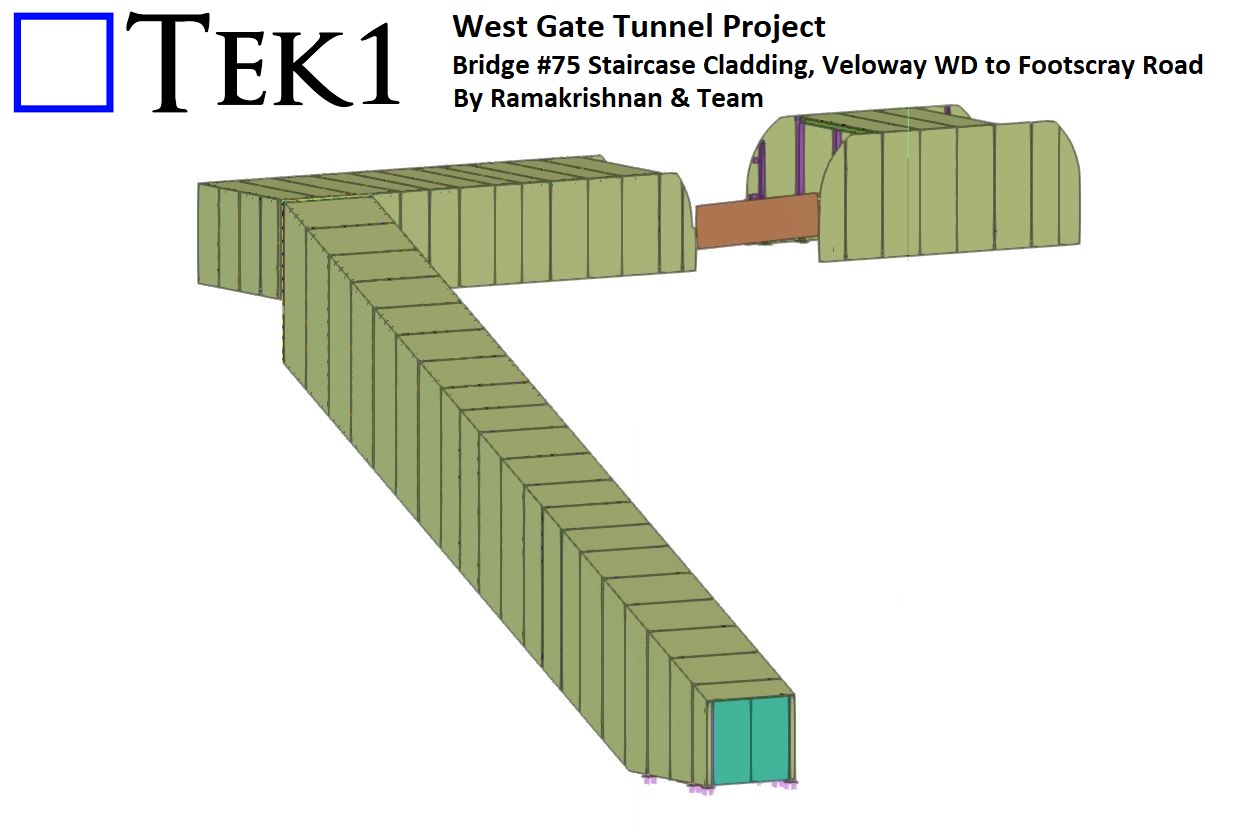
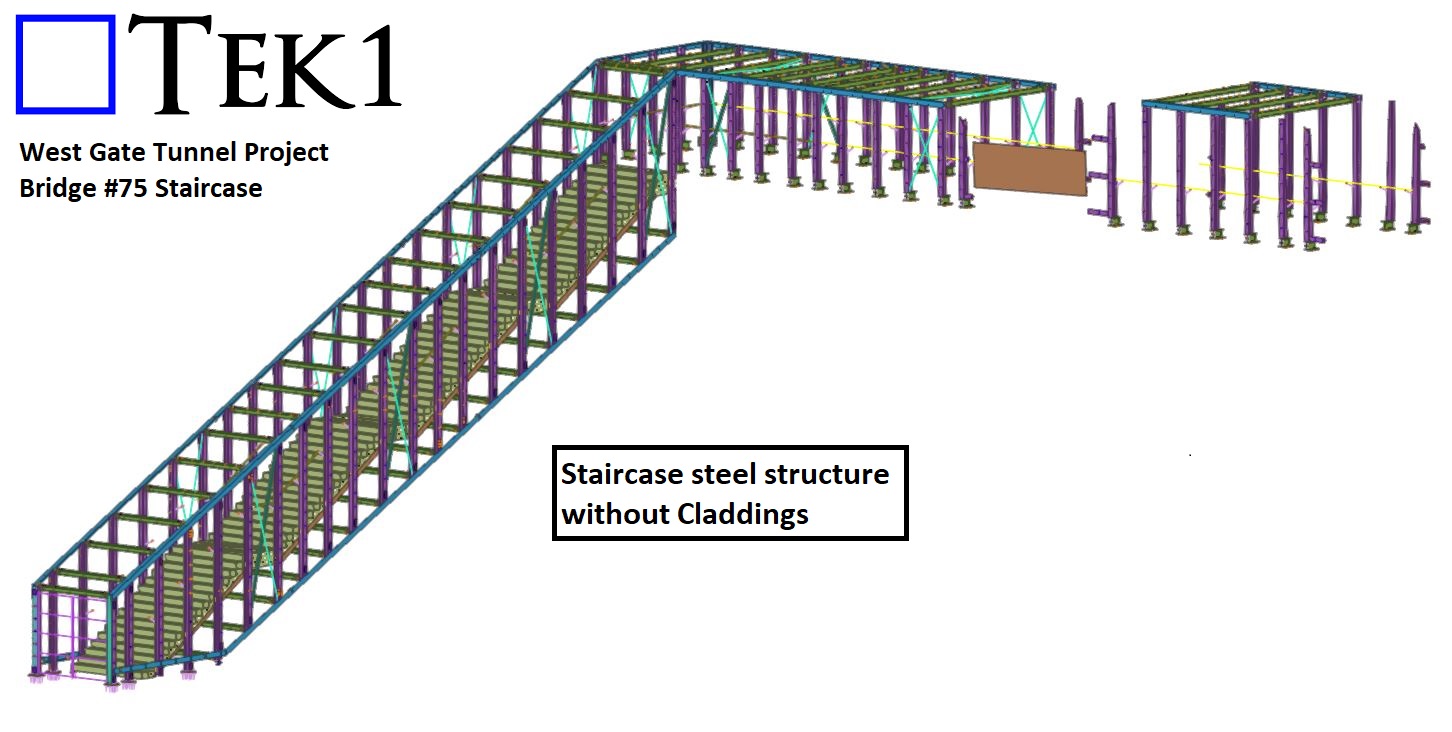
TEK1 is share our involvement in the West Gate Tunnel Project – specifically with Bridge #75 Veloway WD to Footscray Road. As part of this prestigious infrastructure development, we successfully detailed the steel staircase cladding, adding both functionality and visual appeal to the project.
The cladding is securely fixed to the main steel structure of the staircase, requiring precise coordination between steel and aluminium detailing. Our team at TEK1 ensured that all fixing points were carefully detailed to accommodate the unique requirements of perforated cladding, maintaining structural integrity and ease of installation.
The aluminium cladding for the staircase not only adds to the project’s aesthetic value but also demonstrates our expertise in combining materials for functional and visually striking results.
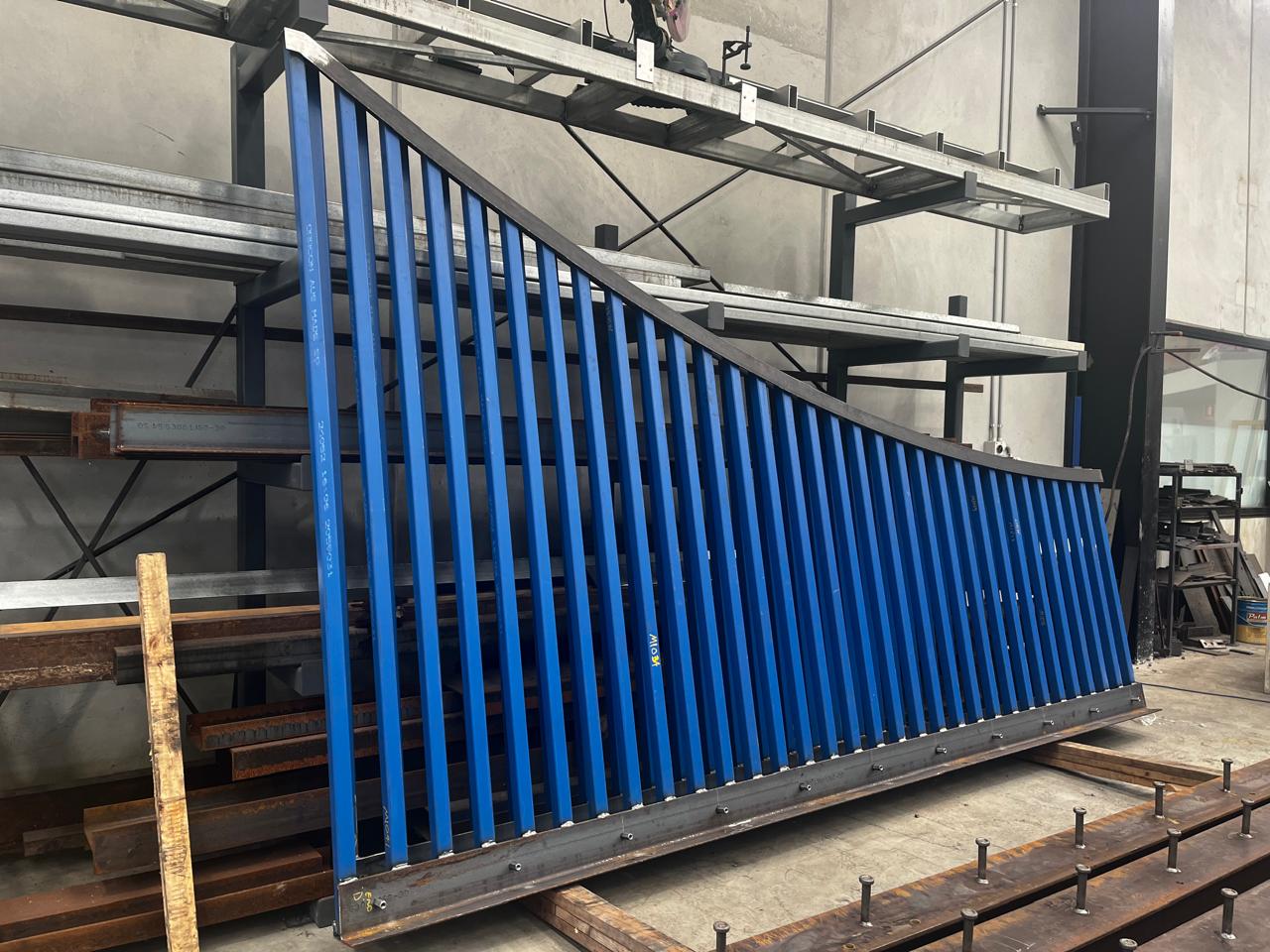
As a steel detailer, nothing compares to the satisfaction of seeing your detailed model come to life. I recently had the opportunity to witness the fabrication of one of my detailing projects in Australia. Balustrading for Foot Bridge
The detailing was executed seamlessly, with no challenges for the fabricator or erectors. It was fulfilling to see the effort and attention to detail pay off in real-world application.
This project was detailed a while before. However I am posting this now
We have detailed transfer structure, conveyors, Chutes, Vibrating Grizzlys on this particular projects. These Items are typical for mining projects. There is a fair bit of care required when it comes to bracing to avoid weld clash.
At Tek1, it is our standard practice to check all handrails , stairs, ramps ladder to relevant standard. We do not simply go by the Engineer Architect drawings. We check whether it will comply.
Actually, once can simply tell us, put a stair here, give us the heights and spacing available, we could detail a stair for you, which will comply to Australian standards (AS1657 or AS1428 as the case may be)
This video show cases a few elements of the mining structure.
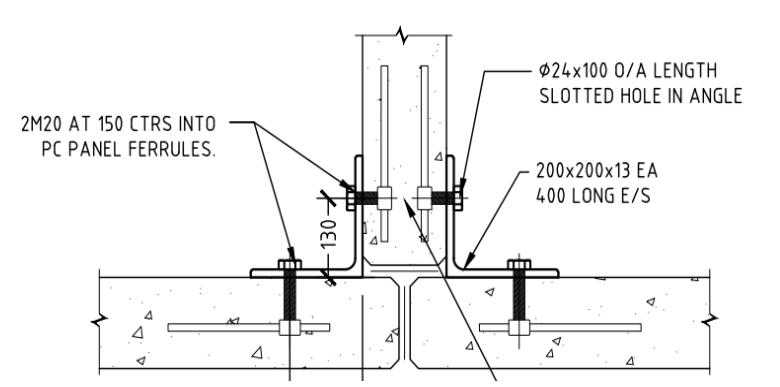
Steel detailers play a crucial role in ensuring that connections between precast & steel are both practical and efficient. In this blog, I’ll share my experience with the challenges I faced in steel-to-precast connections.
Design
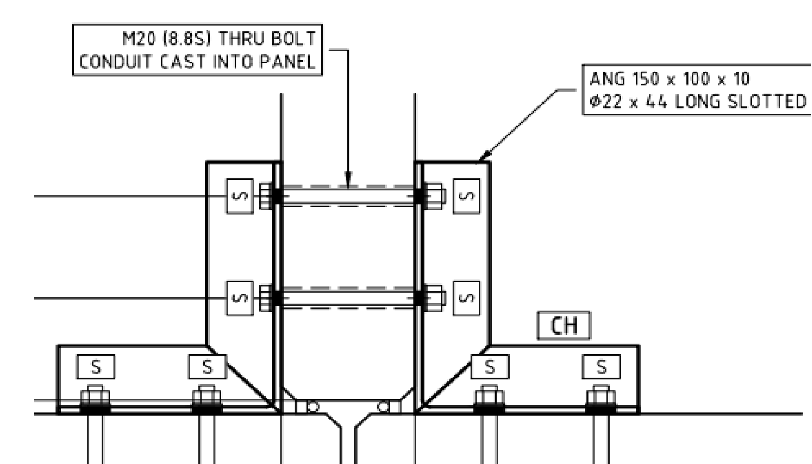
The design specified two ferrules on both sides of a precast wall. However, following this design may leads to clash between the ferrules.
The Proposed Solution
To address this, I suggested using a CHS (Circular Hollow Section) conduit. This approach would allow a single bolt to be used for both sides of the connection, ensuring proper alignment .(Providing ferrules at a different location will not be feasible as we do not have sufficient edge distance)
The Outcome
The structural engineer approved the proposal but recommended an alternative solution: double-ended ferrules. The query is now with the builder to decide which method suits their construction process best.
Key Takeaways
Understanding Precast Connections: Detailers should be aware of connection requirements and potential issues like concrete cover.
Collaboration is Key: Engaging with engineers and builders ensures practical solutions are implemented.
Flexibility Matters: Proposing alternatives opens the door to more efficient and cost-effective outcomes.