Category: Steel Detailing Blog

This page show cases some of the Steel Detailing projectgs completed in Melbourne, Sydney, WA, Brisbane Tek1 has completed

  • Steel shop drawings for Pergolas

    Steel shop drawings for Pergolas

    Shop drawings expertly drafted by very capable and experienced steel detailers useing Tekla Structures. Full reports, material list, IFC model provided. Training and experience generates profits for the fabricator. We do not disturb the engineer or architect unless it is absolutely essential

  • RIPLEY COLLEGE RAMP 02, RAMP 03 AND STAIR 5

    RIPLEY COLLEGE RAMP 02, RAMP 03 AND STAIR 5

    Author: RAJ (Arokiaraj Arputharaj)

    Ramp Shop drawing Model
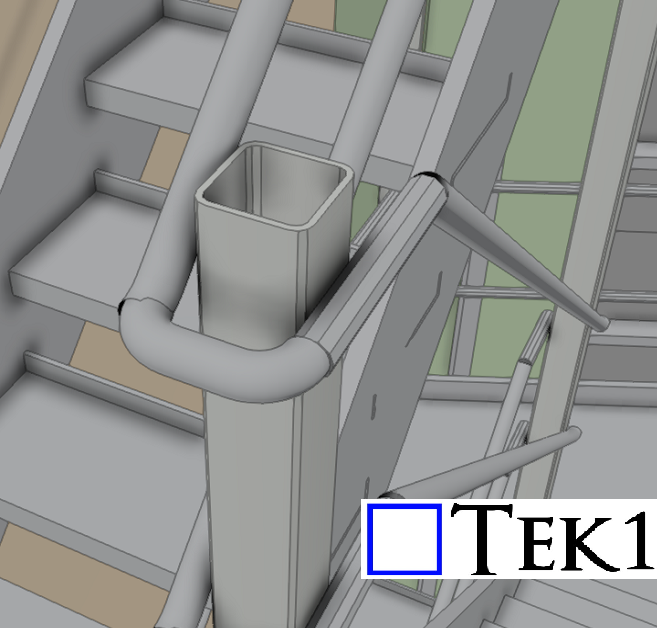
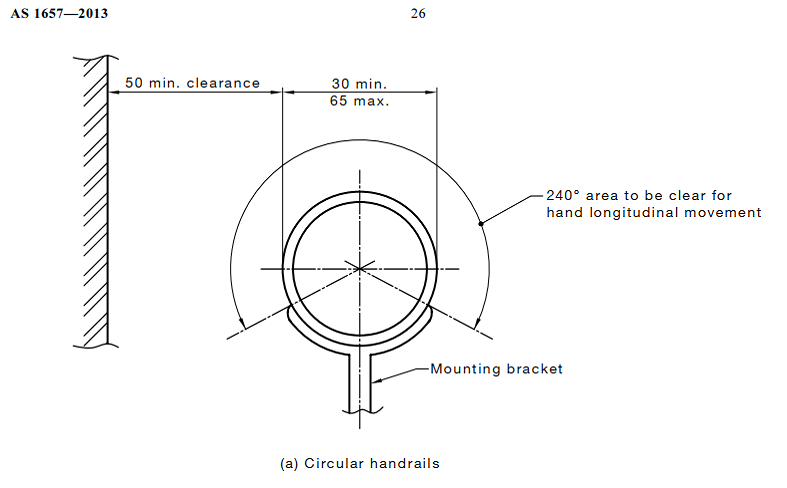
    L Type Ramp Balustrade
    Entry Stair Balustrade by steel draftsman
    Steel balustrade drawings by expert steel draftsman
  • CHIEFLY CAFE

    CHIEFLY CAFE

    Author: RAJ (Arokiaraj Arputharaj)

    Expert steel drafting of structural steel for cafe

    Chiefly Cafe Steel Model Snap shot
    Chiefly Cafe Sydney Steel Model for detailing
  • PORT BOTANY OFFICE BUILDING

    PORT BOTANY OFFICE BUILDING

    Author: RAJ (Arokiaraj Arputharaj)

  • Enhancing Solar Chimney Design for New Market S1 Building

    Enhancing Solar Chimney Design for New Market S1 Building

    In the recent New Market S1 building project, TEK1 participated in various design review meetings, provided numerous markups, and involved in finalizing the design. This project involved 11 flats in one of the blocks, each featuring a solar chimney on the backside of the building.

    Amendment 1: Addressing Structural Frame Issues

    Initially, the structural frame for the solar chimney was composed of two PFCs on each side running between level-1 slab & the roof. One PFC was fixed to the masonry wall with chemical anchors at regular intervals, while the other was anchored to the sides of the slabs at two different levels. However, we identified a 195mm gap between the steel PFC and the slab due to varying opening sizes for the chimney in the level-1 and level-2 slabs in the architectural layout. With this gap, it was not possible to anchor the PFC to the slab.

    Through detailed markups and discussions, TEK1 and the structural team agreed to amend the steel frame. UB members were introduced between level-1 and level-2, providing a wider support anchored on top of the level-1 slab. The PFC members were shortened to run between level-2 and the roof, with the PFC and UB connected by splice plates bolted at the top and bottom flanges. This solution effectively addressed the support issue and ensured structural integrity.

    Amendment 2: Refining the Top Frame of the Solar Chimney

    At the top of the solar chimney, the initial structural drawings provided rudimentary details. With 11 solar chimneys of varying heights and only one section view in the architectural drawings, TEK1 proposed several sketches with different options to achieve the required heights. After receiving finalization from the architect, we collaborated with the structural engineer to discuss supporting the top frame to the rafters. Stubs were introduced at the top of the rafter to secure the design.

    Ensuring Smooth Project Flow

    TEK1 ensured that these discussions and iterative markups did not disrupt the project’s workflow. While the solar chimneys were under design review, we focused on detailing other areas and supplied drawings in stages. This approach maintained the project’s momentum and avoided delays.

    If you’re interested in having TEK1 manage your project, please send a quote request to our principal, Koshy, at koshy@tek1.com.au, and specify that you want Dhileepan to manage your project. We look forward to bringing our expertise to your next venture.

  • Today I learned : Types of Footing

    Footings are the foundation elements that transfer the load from the structure to the ground ensuring stability and strength. Choosing the appropriate type of footing is crucial for the overall safety and performance of the building. Failure in ensuring appropriate footing is used or the if the footing lacks in strength or stability leads to the building to settle unevenly, develop cracks, tilt, and even face catastrophic failure. This jeopardizes safety and results in expensive repairs.

    Commonly used types of Footings:

    1. Strip Footing:

    Strip footings provide support for a row of columns or a continuous load-bearing wall. They are ideal for structures with a even distribution of load along a straight line. These are commonly used alongside steel framing.

    2. Isolated Footing:

    Isolated footings, also known as pad footings, are designed to support single columns. These are usually square, rectangular, or circular pads that provide stability for light to moderate loads.

    3. Combined Footing:

    When steel columns are spaced closely, combined footings serve as an efficient foundation. They prevent overlapping of individual footings and ensure stability under heavy loads.

    4. Strap Footing:

    Strap footings connect isolated footings with a concrete beam. This strap beam transfers the load from a heavily loaded column to a less loaded column, balancing the pressure on the soil . This is particularly useful for unevenly spaced steel columns.

    5. Stepped Footing:

    Stepped footings are ideal for sloped sites or uneven terrain. The steps help in maintaining level support for columns and walls while minimizing excavation.

    6. Raft Footings:

    Raft footings also known as mat footings are large, thick concrete slabs that support the entire building footprint, distributing loads evenly across the foundation area. They are particularly useful in steel structures with high loads or poor soil conditions.

    7. Pile Footings:

    Pile footings are deep foundations used when surface soil cannot support the structure. Piles are driven deep into the ground to reach more stable soil layers or bedrock.

    Factors for choosing the correct type of footing :

    • Soil Condition: The bearing capacity and stability of the soil determine which footing is suitable.
    • Load Requirements: The weight and distribution of the building’s load help decide the footing size and type.
    • Building Type: The design and purpose of the structure influence the selection of footing.
    • Space Availability: The available space for construction can necessitate certain footing types over others.
    • Budget Constraints: Cost considerations can affect the choice of footing material and design.
    • Environmental Factors: Local climate, water table level, and seismic activity are also important considerations.

    Sources :

    5 Types of footing – Best footing – Images – Uses [PDF] – Definecivil

    Types of footing Used in Building Construction (7 Different Types) (constructionor.com)