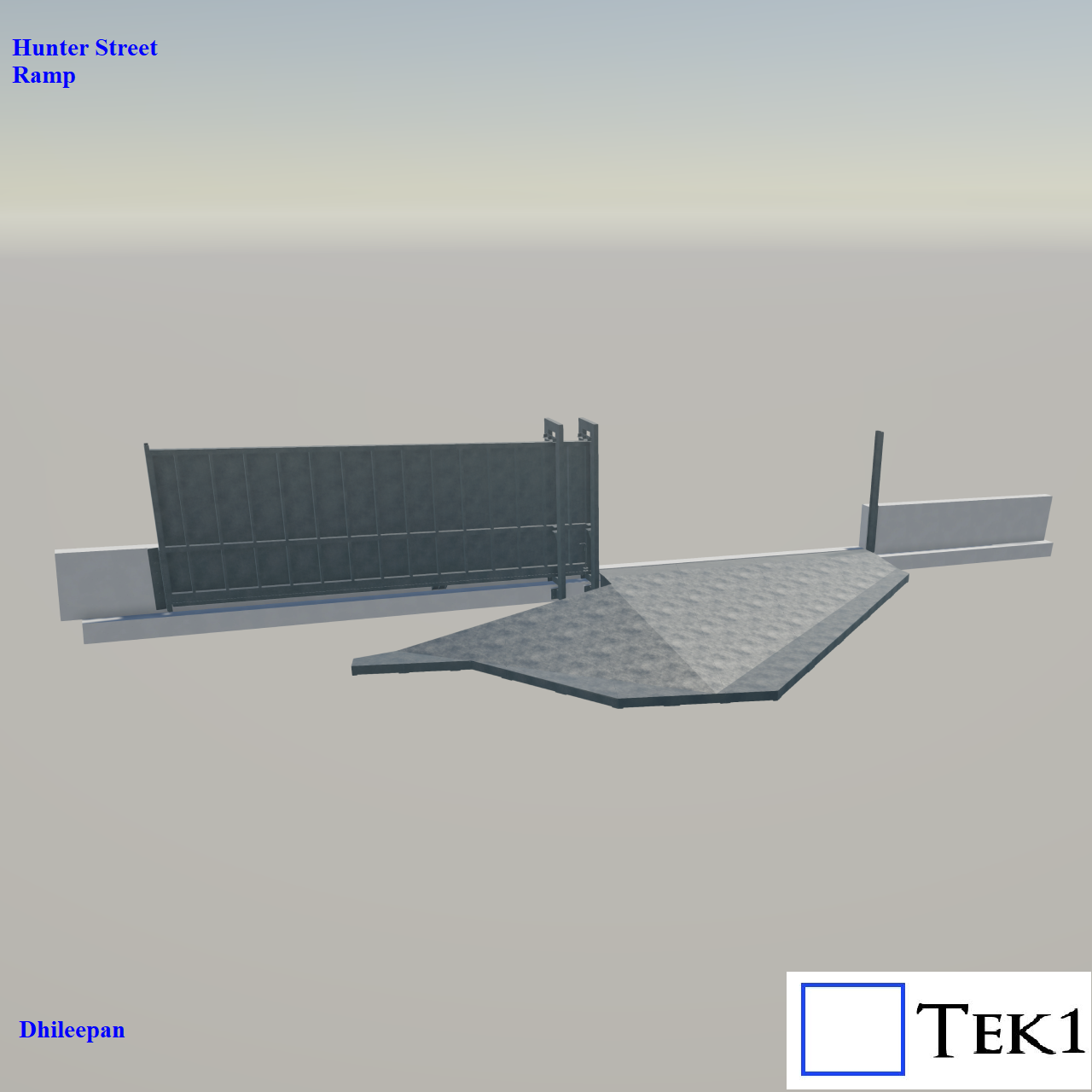
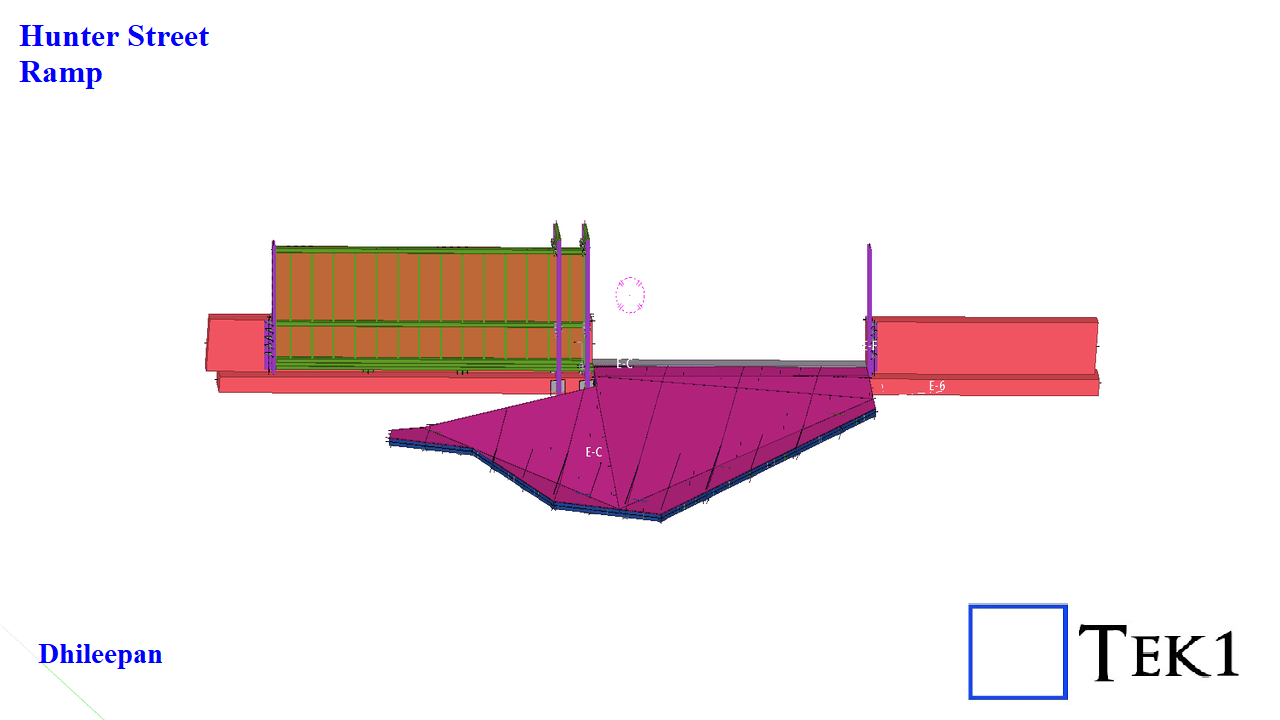
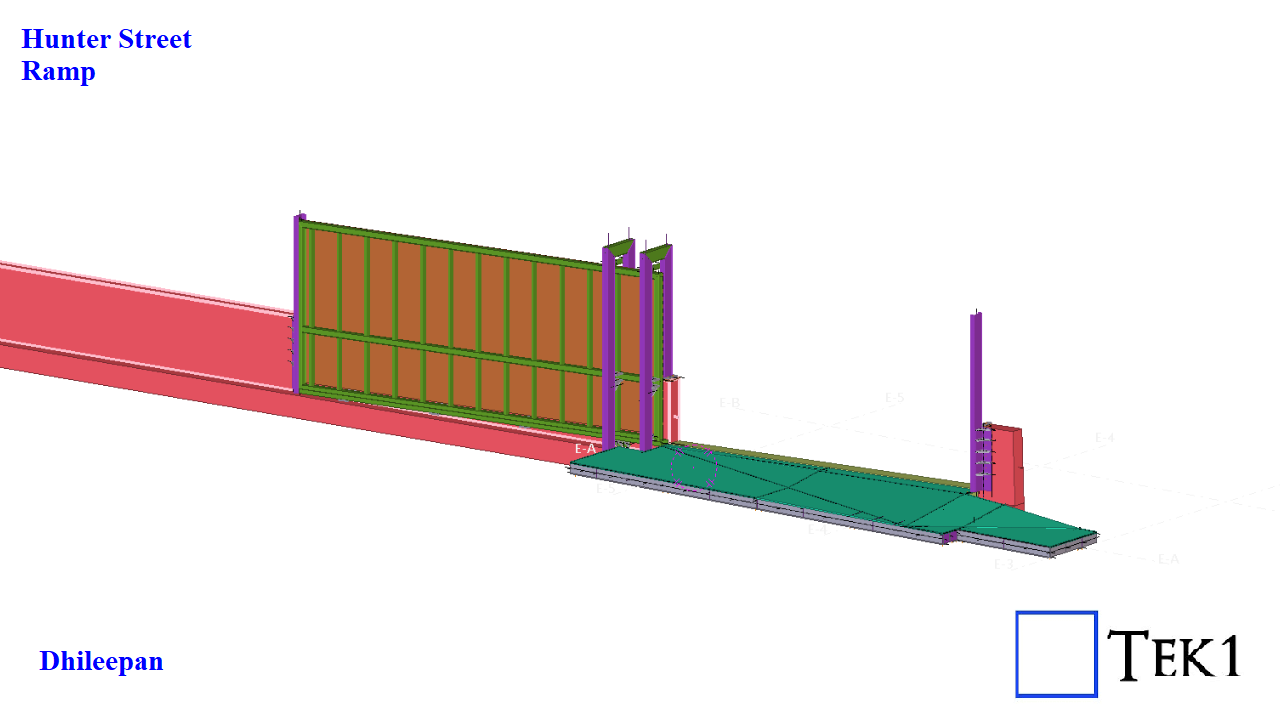
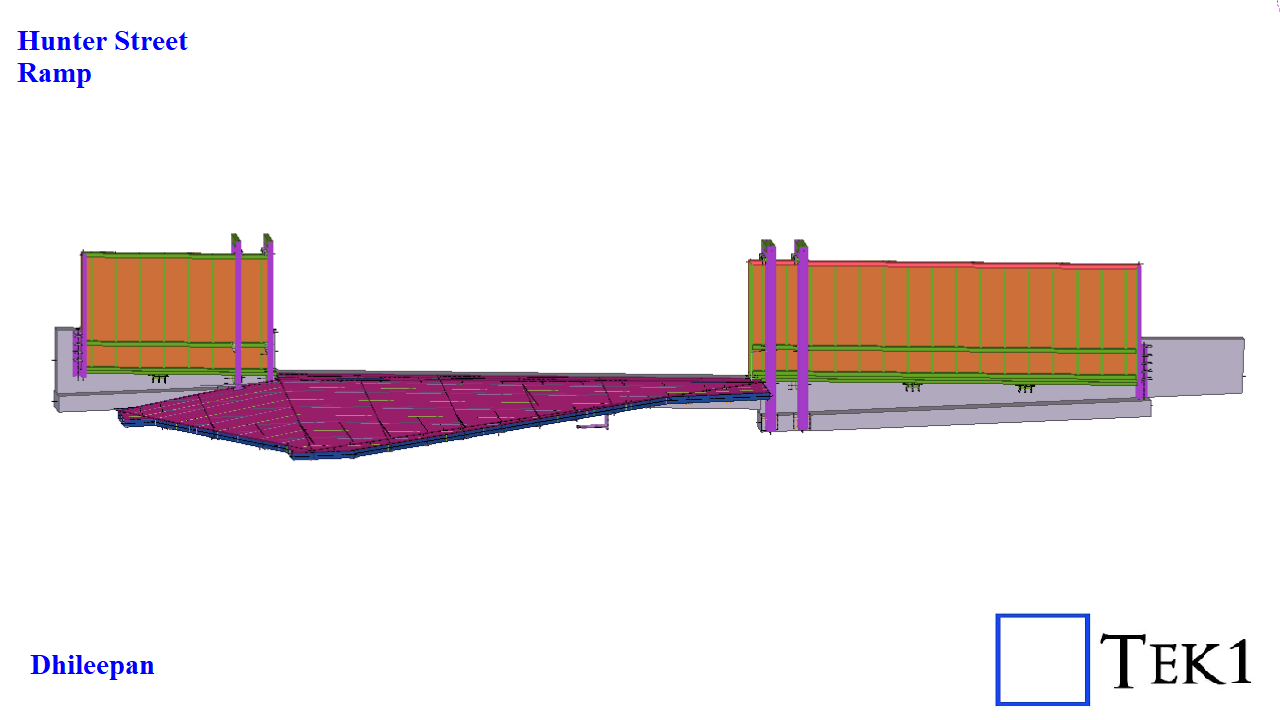
The Hunter Street Project involves a total of three unique ramp and gate assemblies, each designed with a distinctive geometry and function.
Unlike conventional ramps that slope in a single direction or follow a straight alignment, these ramps are far from ordinary. Each one features multiple slopes and apex lines, requiring precise modeling and coordination to achieve seamless transitions and accurate fitment on site.
The associated gate systems include both single-leaf and double-leaf sliding gates, each integrated carefully with the ramp slopes to ensure smooth operation and proper clearances.
Structurally, each ramp is composed of a series of 4 to 8 frames. Every frame includes:
A chequer plate deck at the top for slip resistance and durability.
A base plate at the bottom for connection and stability.
Waffle-type stiffeners sandwiched between, providing rigidity while minimizing weight.
This setup requires engineering precision and modeling expertise. Tek1 had to provide inputs and suggestions to design the slopes in a way that ensures smooth operation of the sliding gates without imbalance.
We hope you found our previous blogs on the Sydney Metro project insightful. If you missed them, check them out.
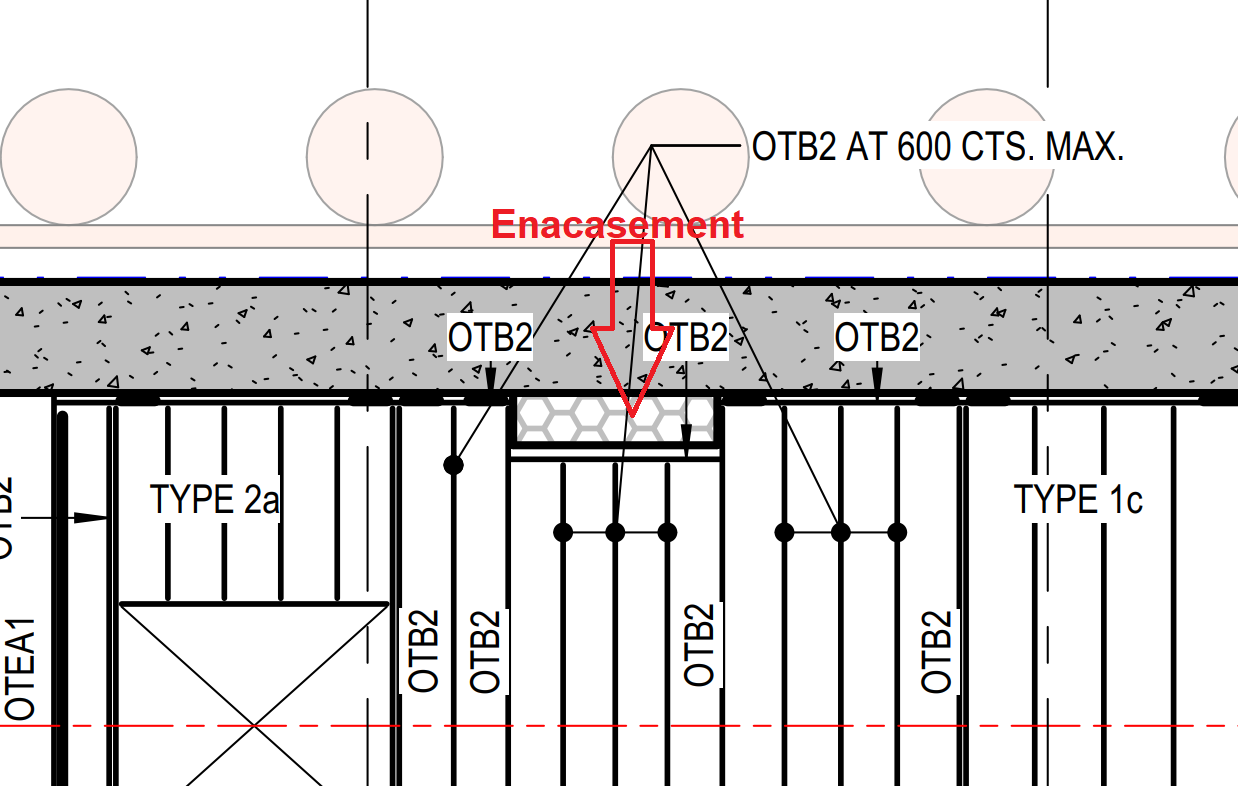
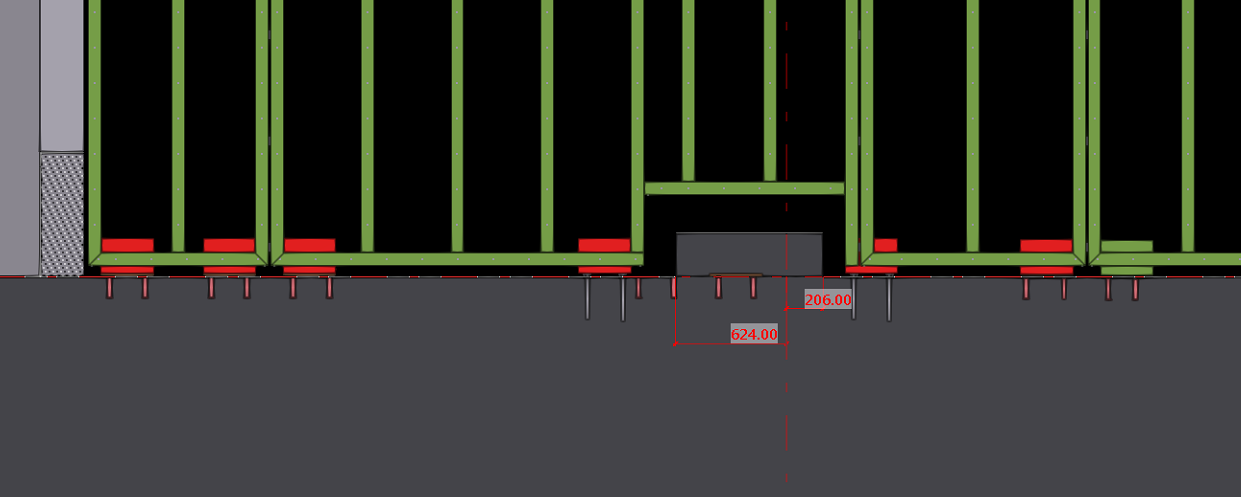
In this blog, I’d like to share an important lesson about concrete encasement for conduits that every steel detailer should keep in mind.Normally, conduit encasement falls under electrical scope, so detailers don’t focus much on it. However, the encasement’s location and size can directly affect the steel layout — as we discovered in one of our projects.
We detailed the steel as per design drawings, but on-site, the encasement dimensions varied. Some conduits were larger, others smaller, which caused clashes between the steel and the encasement, and in some areas, created unwanted gaps. This required on-site modifications to our steel.
When detailing steel near conduit encasements, always verify the actual encasement size and location before releasing fabrication drawings. Small checks early in the process can prevent major issues and rework on-site.
We hope you found our previous blogs on the Sydney Metro project insightful. If you missed them, check them out.
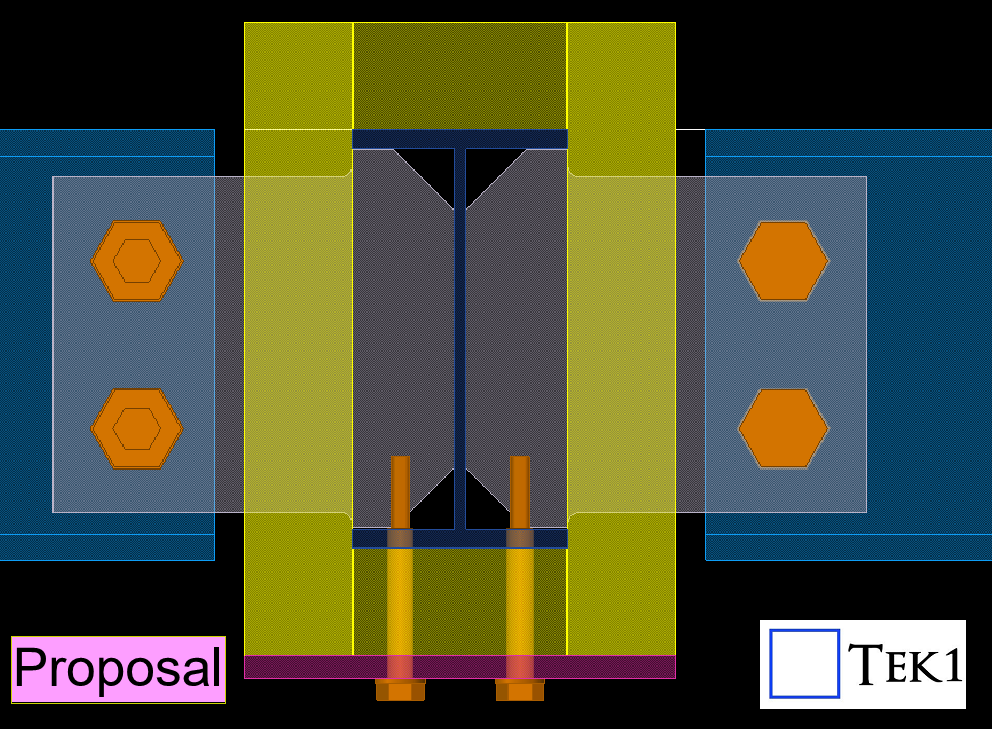
In this blog, I’d like to share another connection detail we proposed to the structural engineer on the Sydney Metro project
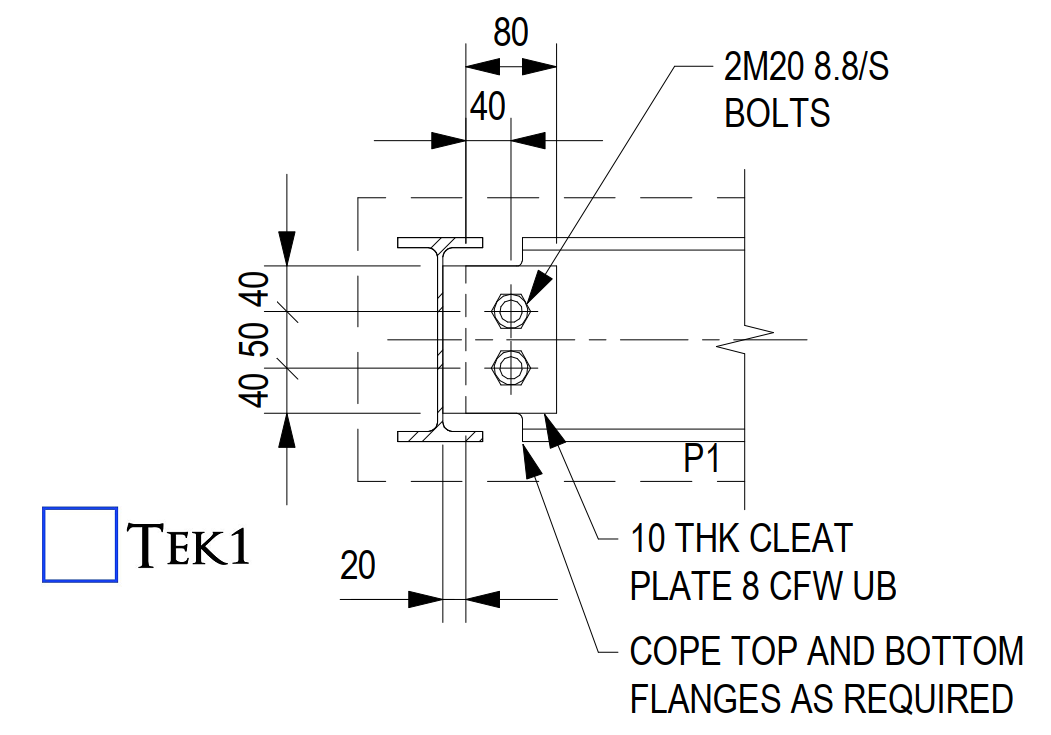
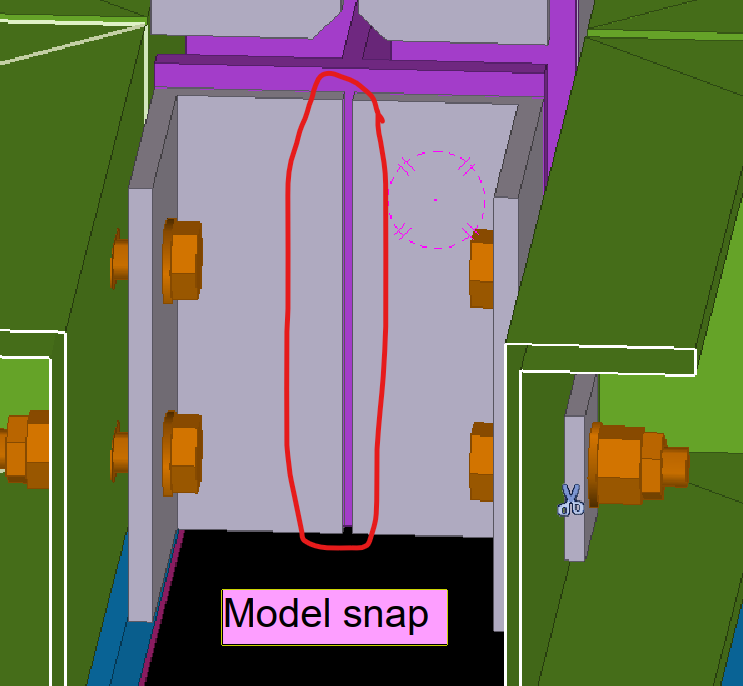
Since this is a metro project, fireproofing sheets are required on steel members as per the structural engineer’s specifications. However, the original connection details provided by the engineer were not feasible interms of installation of fireproofing sheets — they would make installing the fireproofing sheets difficult and time-consuming.
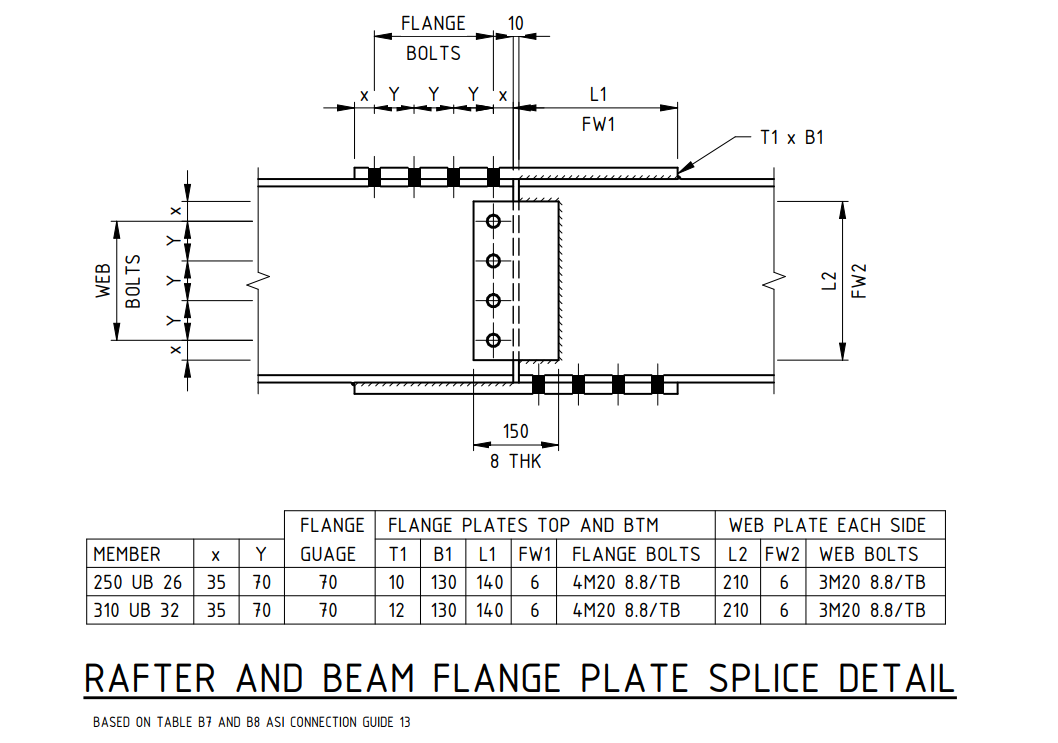
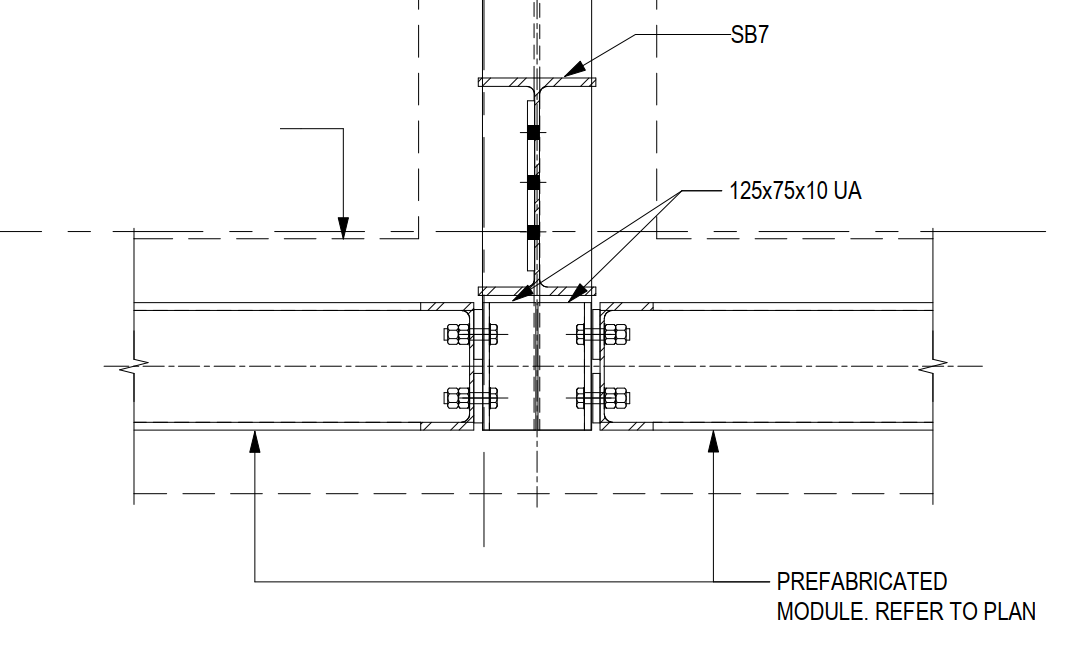
Please see the connection details below. These are the standard connection details typically used for the steel members.
However, applying these as-is may create difficulties during the installation of the fireproofing sheets.
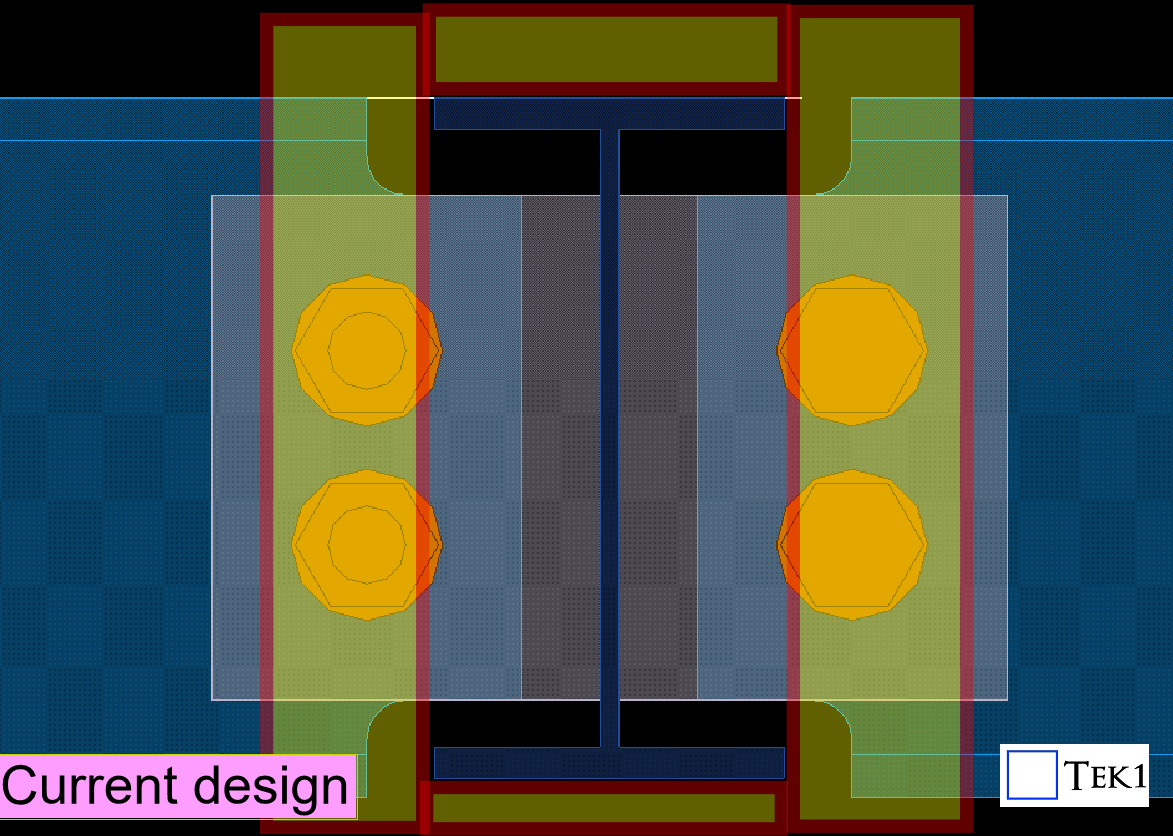
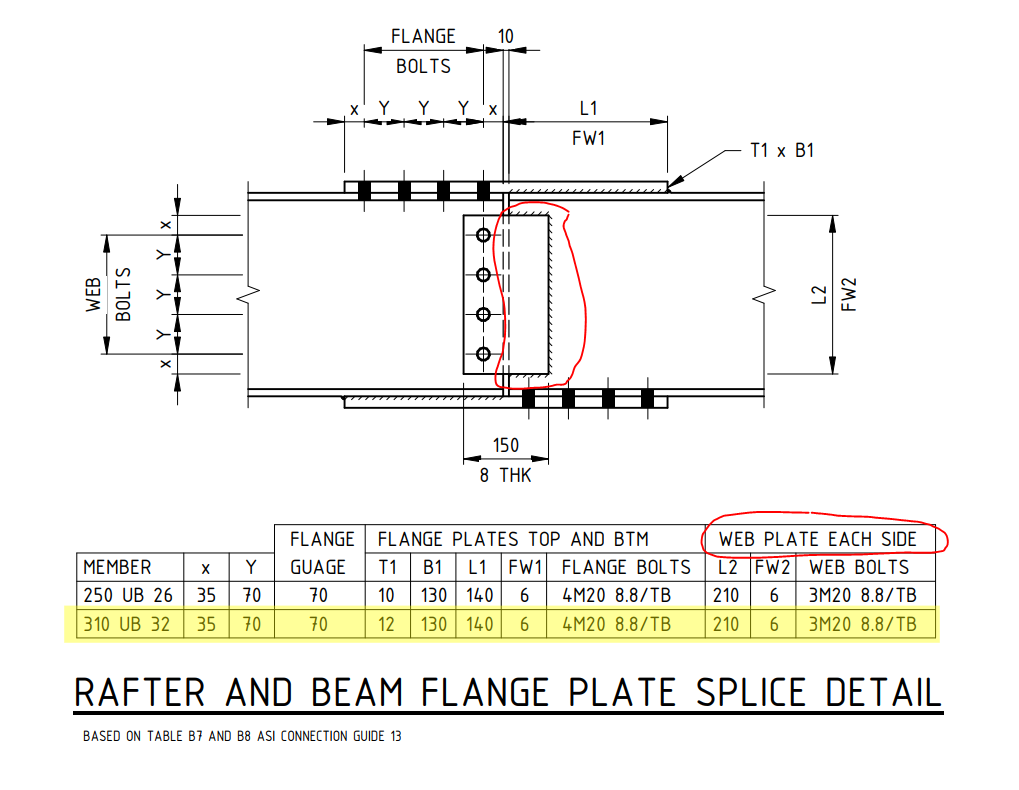
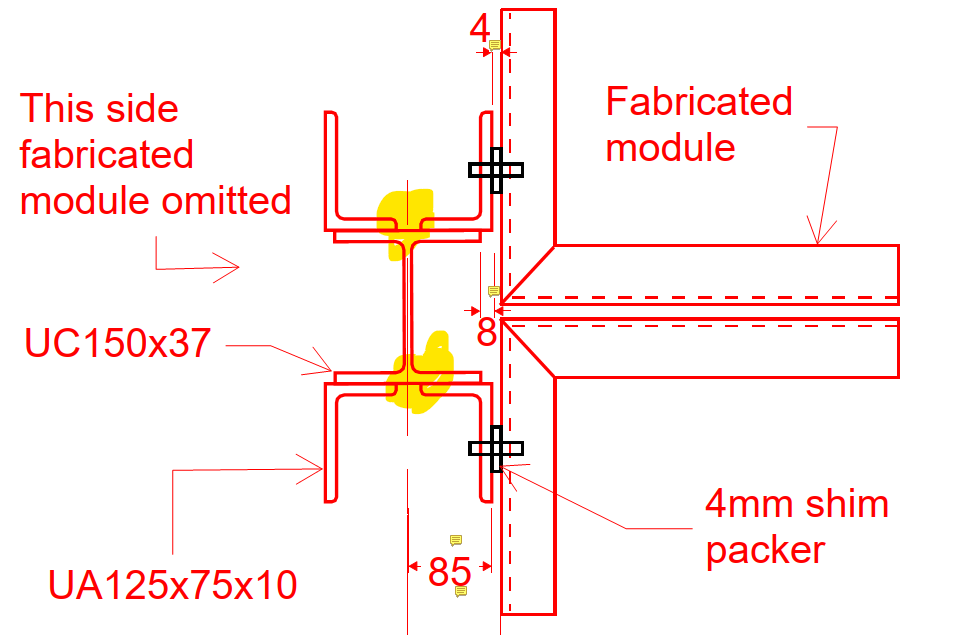
We identified this issue early in the detailing stage and proposed alternate connection details that would allow easier installation of the fireproofing sheets without compromising the structural requirement.
The engineer reviewed our proposal, suggested a few adjustments like thickness changes, and then approved our updated connection details.
Catching these issues early during detailing avoids major headaches later for installers and saves valuable time on-site
Stay with TEK1 for more updates on this sydney metro project
At TEK1, we believe great detailing is more than just precision—it’s about understanding real-world challenges and turning complexity into clarity.
The Challenge
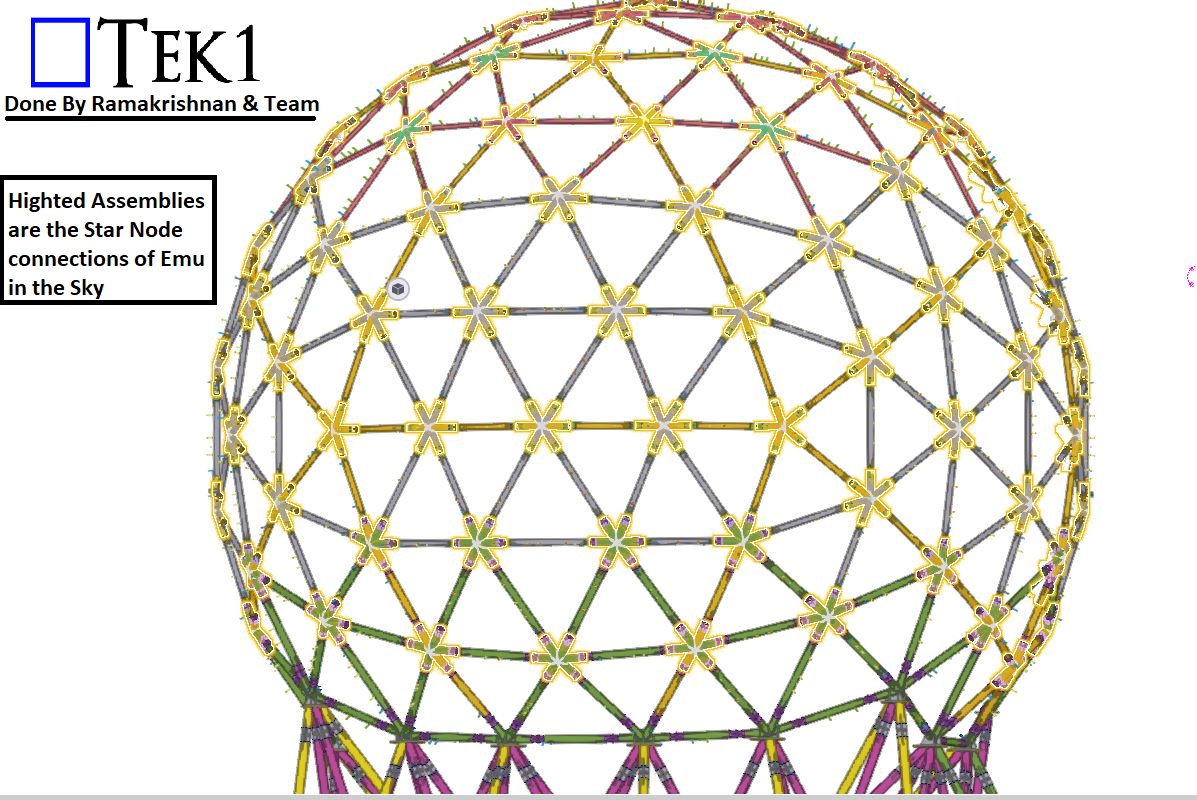
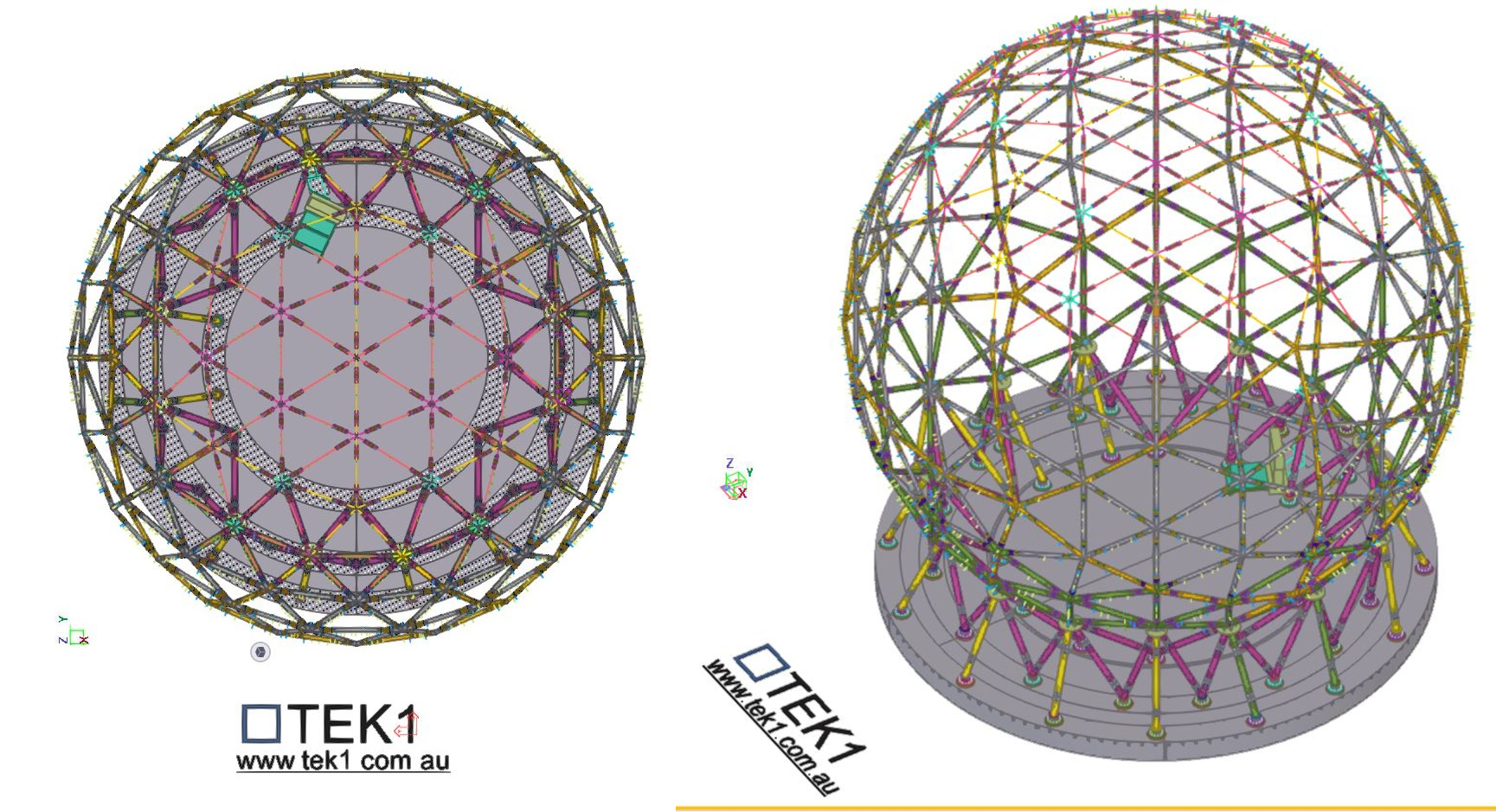
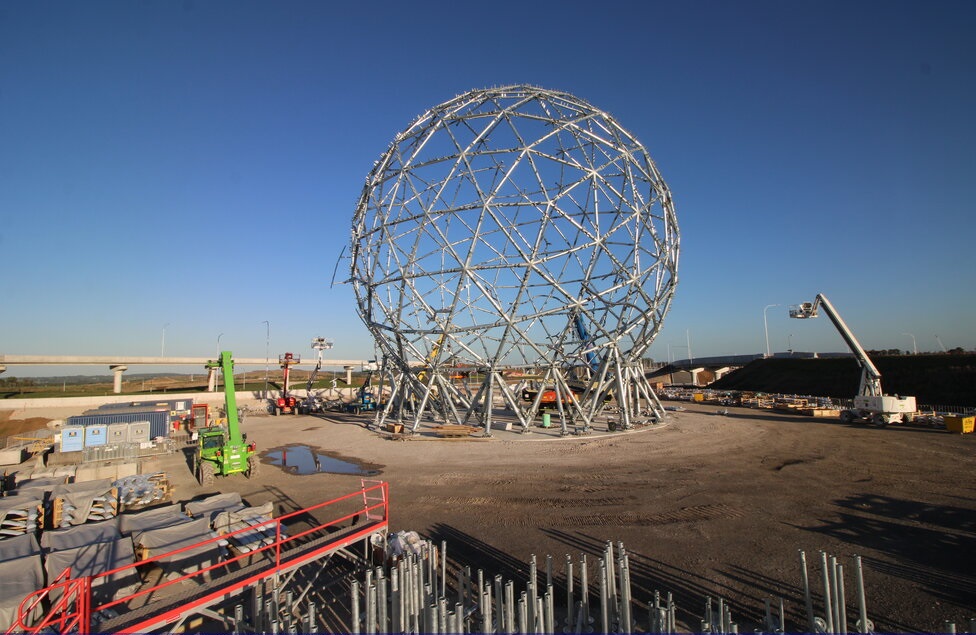
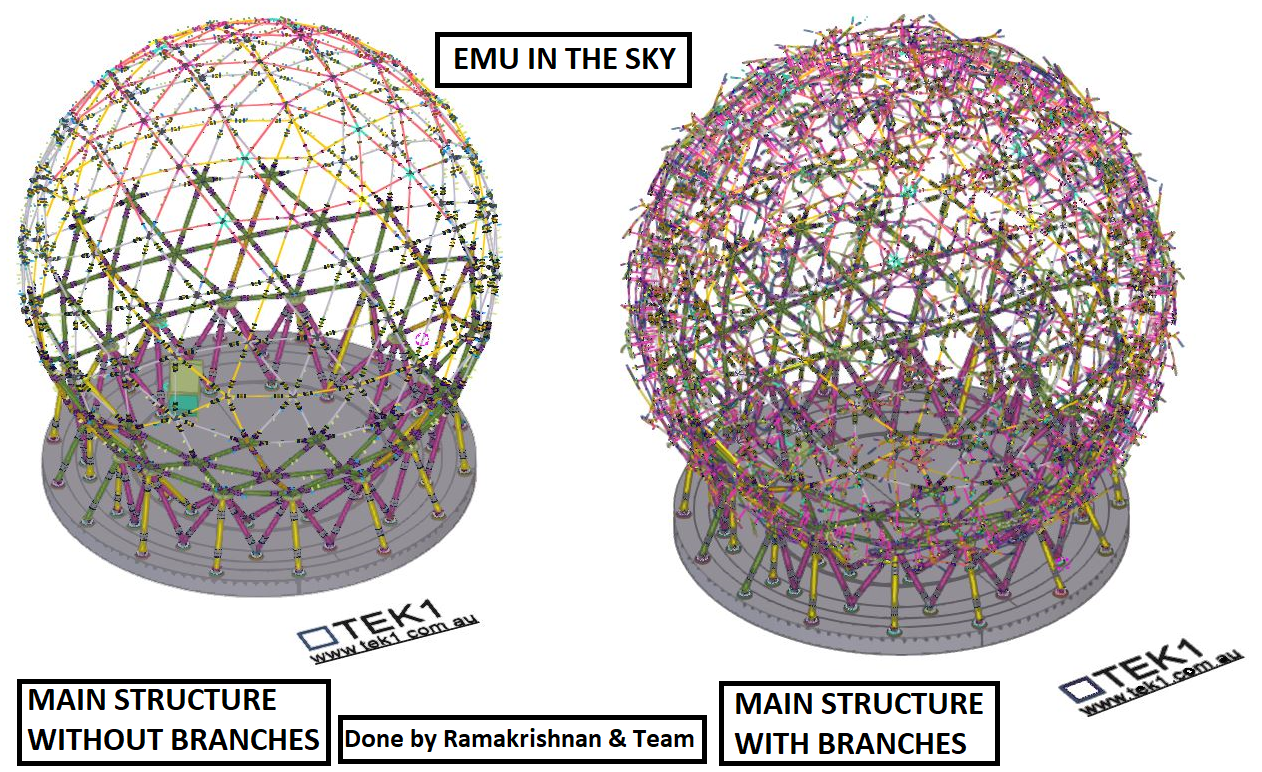
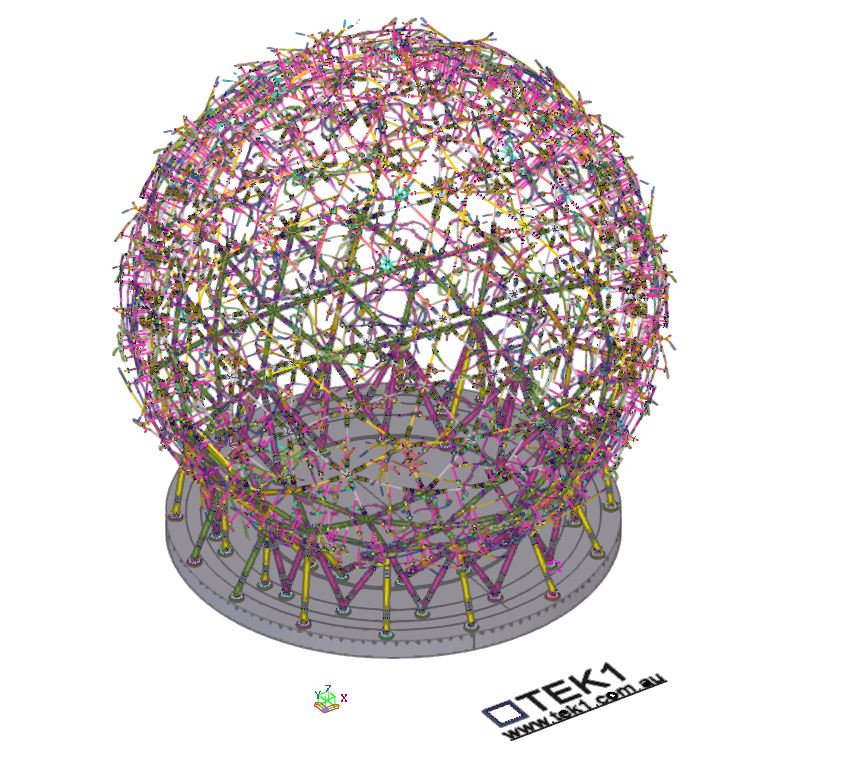
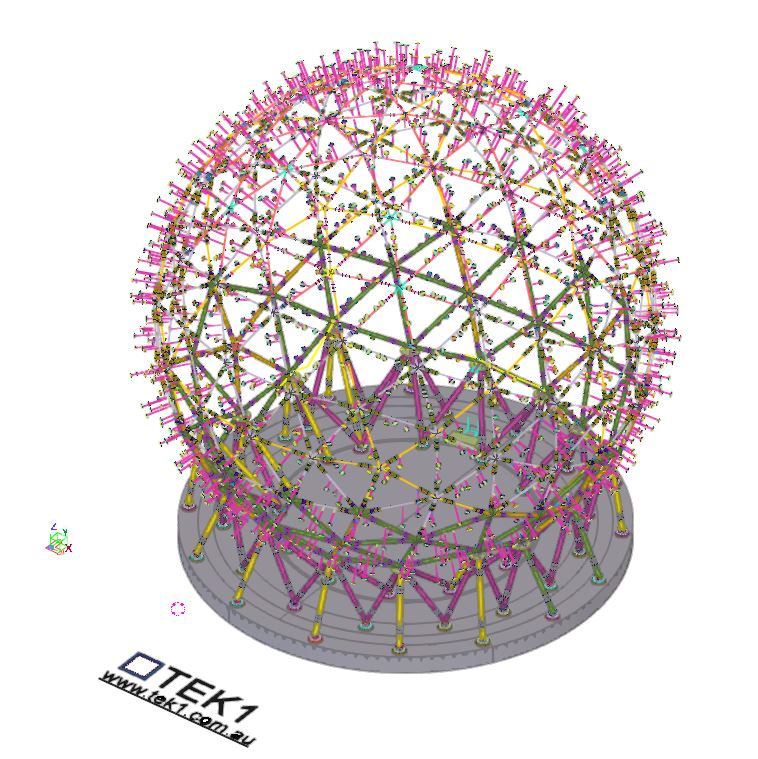
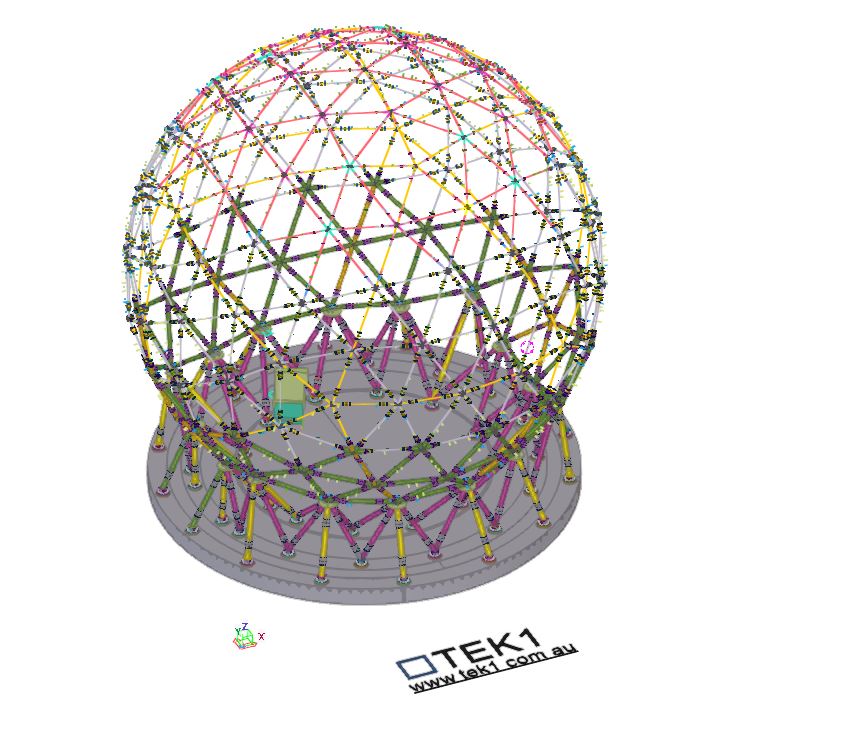
The Great EMU in the Sky project presented one of the most unique and technically demanding structures we’ve ever worked on—a 30-metre-wide globe made up of 128 intricate “star nodes” connecting the bracing members.
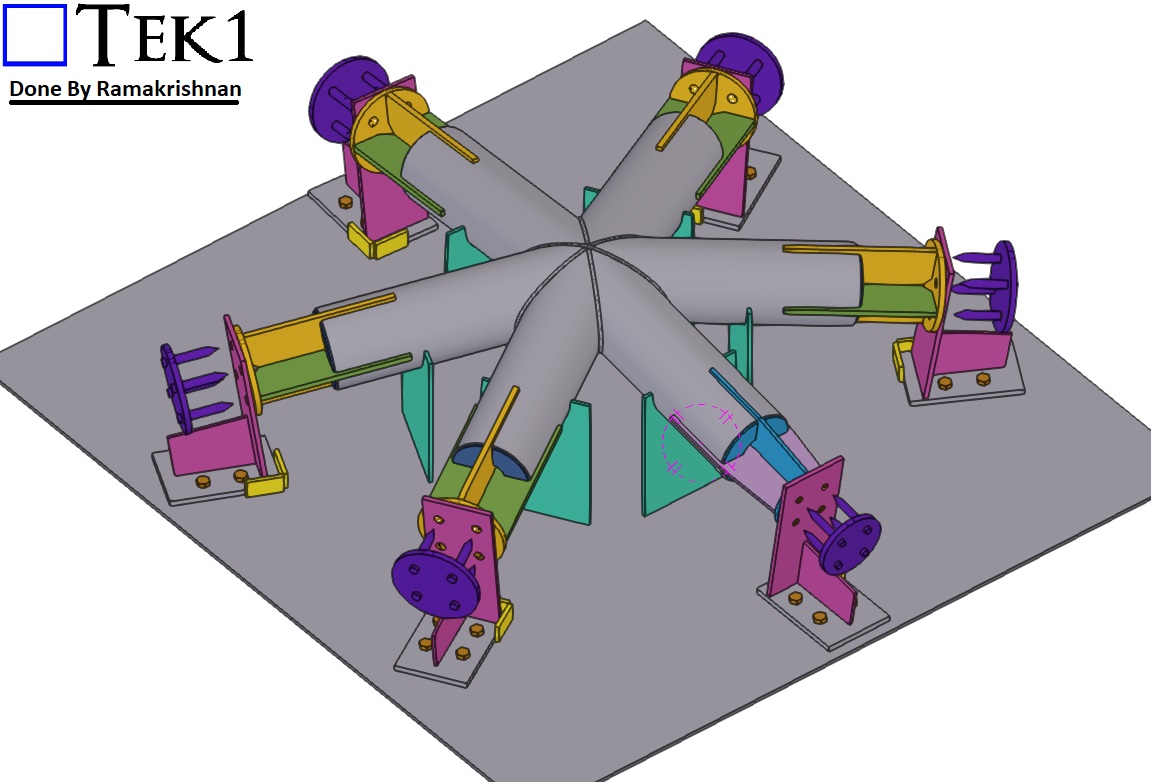
These nodes weren’t ordinary joints. Each featured 5 or 6 connection points and came in three different CHS sizes, with every arm set at unique, non-repeating angles.
For the fabrication team, this posed a significant challenge:
128 Complex Star Nodes, each with custom angles
Inconsistent geometries
Time-consuming and difficult to fabricate accurately
Even with precise 3D modelling, the practicality of fabrication was proving to be a serious bottleneck. Something had to change.
The Turning Point
That’s when TEK1 took the initiative.
Rather than simply delivering a model and walking away, we engaged directly with the fabricator to understand the issue from their perspective. We realized that even the most accurate detailing wasn’t enough—what the team needed was smarter, fabrication-friendly solutions.
The Solution
Our detailing team re-engineered how the star nodes were documented, presented, and ultimately fabricated. Key solutions included:
✅ Custom fabrication jig design: We developed a dedicated jig that allowed star nodes to be fabricated with greater ease and precision, regardless of the angle configuration.
✅ Standardized node sub-groups: We grouped similar nodes together to reduce variation and streamline production.
✅ Detailed templates: For common angle types, we provided accurate templates to guide fabrication.
✅ Visual fabrication aids: Clear drawings showing exact cuts, welds, and orientations for every node.
🤝 Stronger collaboration between design and workshop teams
Most importantly, the fabricators were able to work with confidence, knowing each node would come together exactly as intended.
Taking Detailing to the Next Level
This project reinforced one of TEK1’s core values: true excellence in detailing comes not just from precision—but from empathy. When we truly understand the needs of the people building the structure, we unlock practical, buildable solutions.
The Great EMU in the Sky is more than a globe—it’s a powerful example of what happens when detailers and fabricators work together as one team.
📢 Call to Action:
🚀 Have a complex structure or fabrication challenge? Partner with TEK1—where technical expertise meets buildability.
TEK1 is proud to be part of an iconic project—the ‘Great Emu in the Sky’ sculpture, a monumental 30-meter-high emu nest that will stand as a cultural landmark along Sydney’s M12 Motorway.
A Symbol of Dharug Heritage
The peanic structure celebrates the Dharug Community’s sacred creation story of the Great Emu constellation.
A Landmark Visible from Land & Sky
Positioned for maximum visibility, the sculpture will be seen by:
Road users
Pedestrians
Sydney Metro passengers
Even planes approaching and departing Sydney Airport
Blending Art, Culture & Engineering
The steel artwork will take on different forms depending on the time of day and viewing angles:We look forward to seeing this one-of-a-kind sculpture take its place in Sydney’s landscape, honoring history while welcoming the future.
By day, it will resemble an emu nest, crafted from signature steel “sticks” that reflect the natural landscape and traditional materials of the Dharug people.
By night, it will illuminate and reveal two emu forms, visible only from certain perspectives—mirroring the Great Emu constellation as it shifts throughout the six Aboriginal seasons.
TEK1’s Role in Detailing the Sculpture
A lot of technical challenges were navigated to ensure that this complex structure, could be fabricated and erected, cheaply and efficient. We will document this on our blog if you’re interested.
Please refer to the below video which represents the various stages of on-going erection
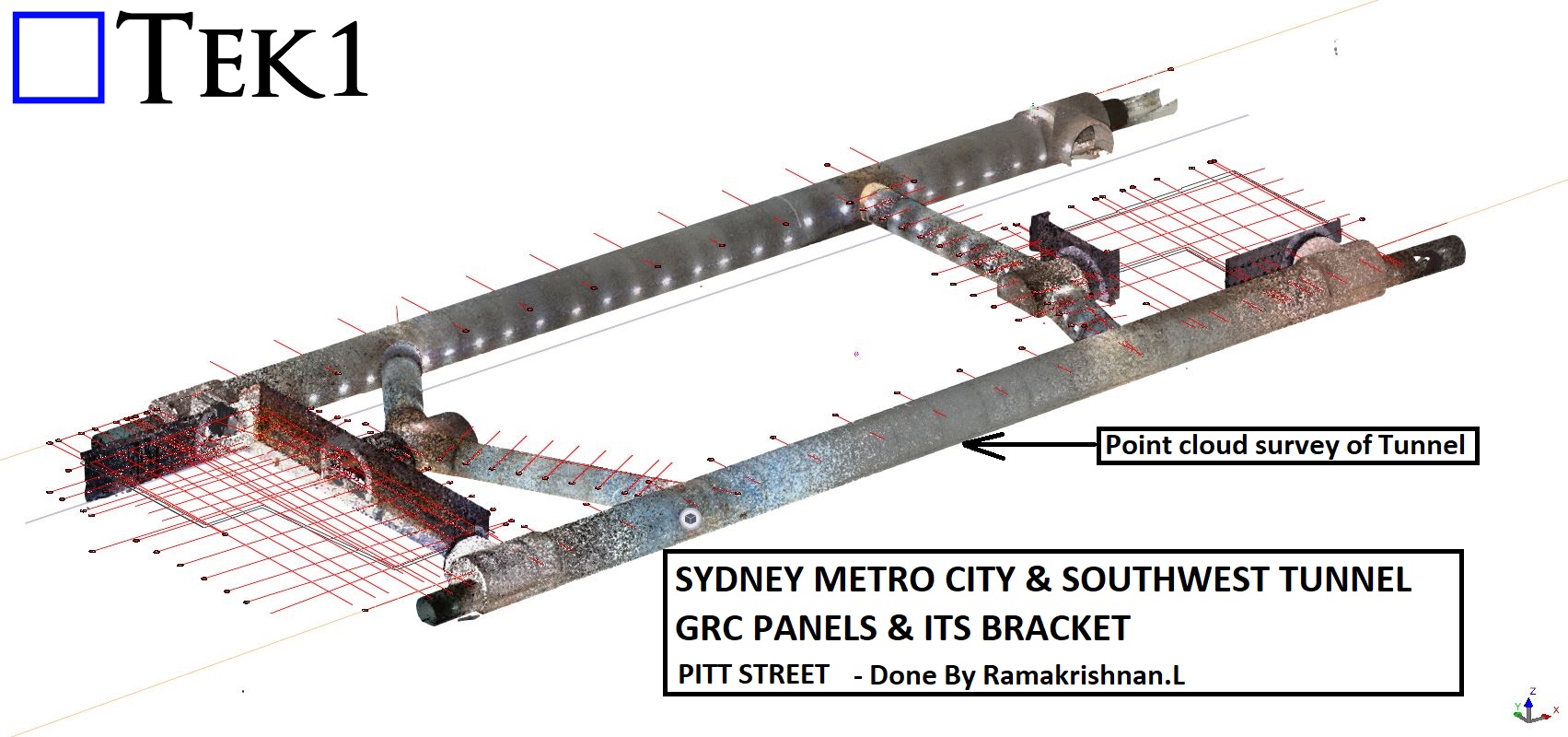
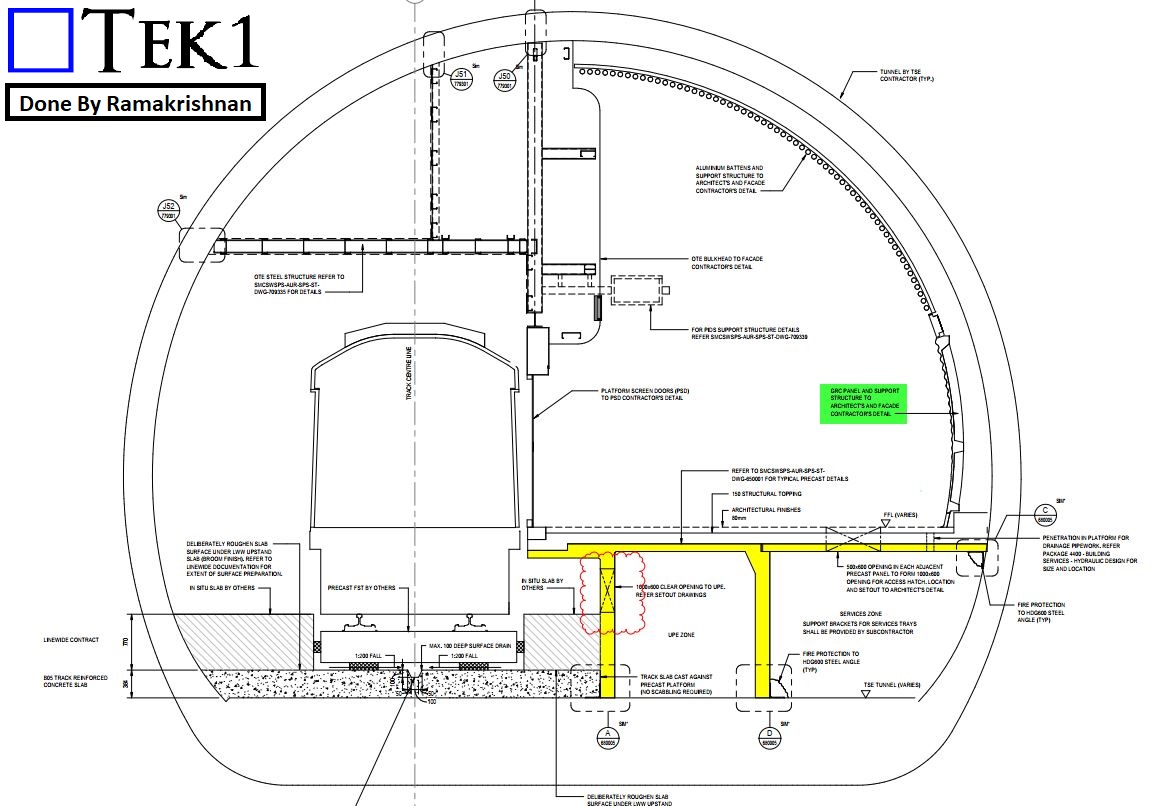
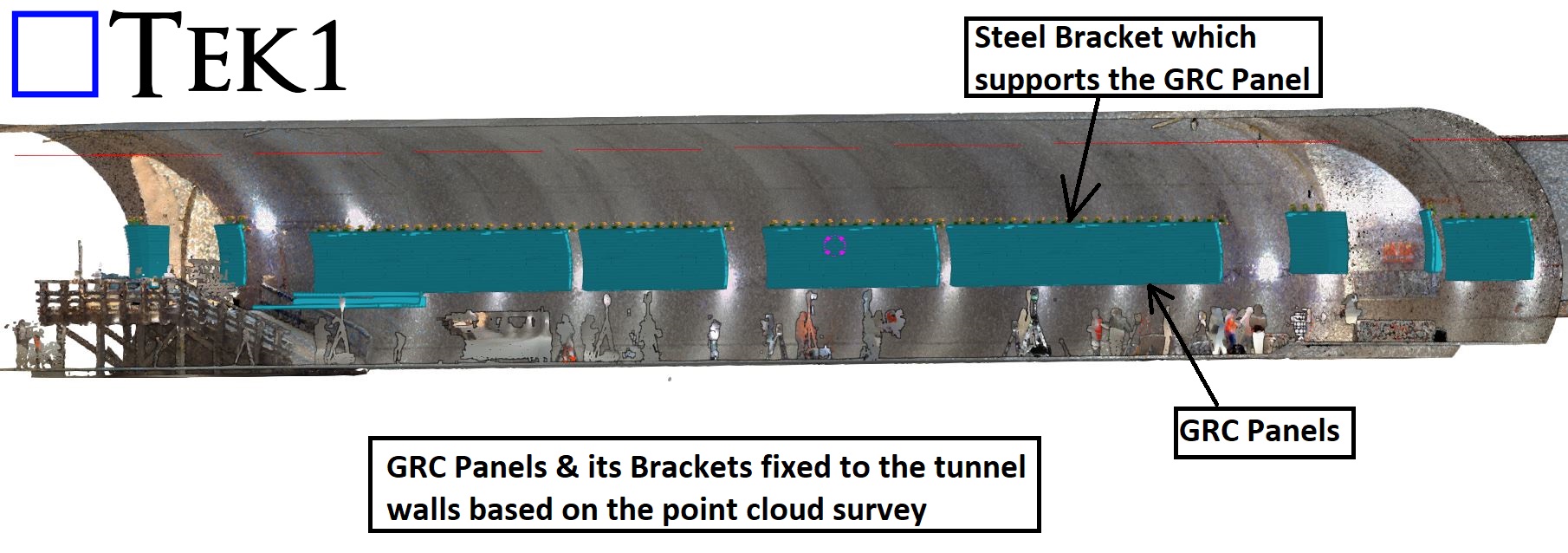
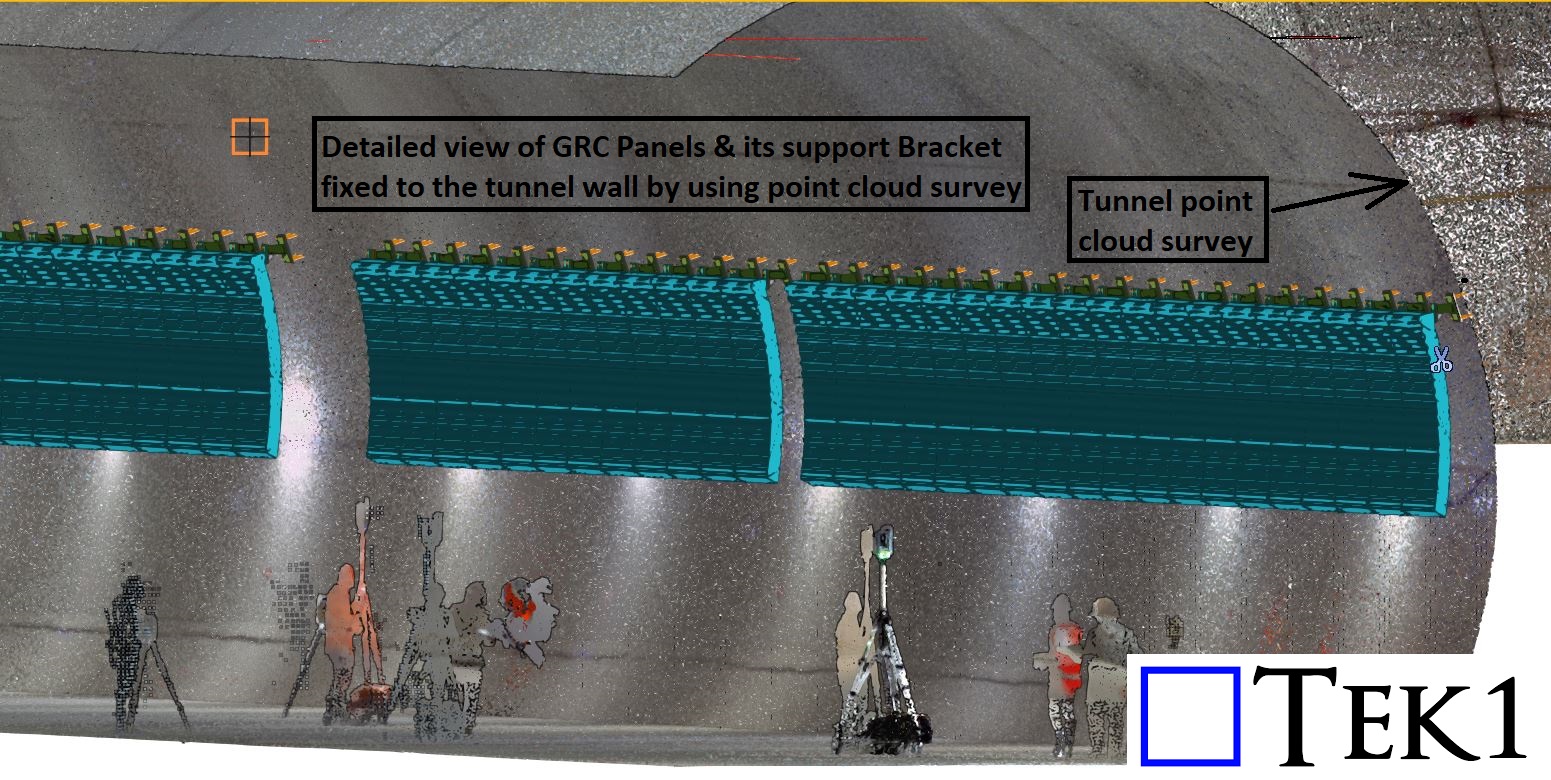
TEK1, we recently had the opportunity to detail GRC panel brackets for a section of the Sydney Metro Tunnel, utilizing a point cloud survey to ensure precise alignment and installation.
Project Overview
The client provided a point cloud survey of the tunnel, allowing us to accurately determine the placement of GRC panels and their supporting brackets. Since tunnel walls are rarely perfectly straight—often featuring irregularities, ups, and downs—extra attention was required to ensure each bracket was positioned correctly for a seamless fit.
Challenges & Solutions
Efficient Coordination – By leveraging point cloud technology, we minimized potential site adjustments, streamlining the installation process for our client.
As-Built Adjustments – The natural deviations in the tunnel wall’s shape meant that standard placements wouldn’t work. The point cloud data helped us fine-tune the bracket positions to match real-world conditions.
Precision Detailing – Each steel bracket was meticulously detailed to accommodate the GRC panels, ensuring a secure and uniform installation.
Conclusion
Working with as-built tunnel walls requires high accuracy and adaptability, and this project was a great example of how TEK1 effectively integrates advanced technologies like point cloud surveys into our detailing process.
Check out the snapshots below to see how the GRC panels are securely fixed to the tunnel wall using custom steel brackets.
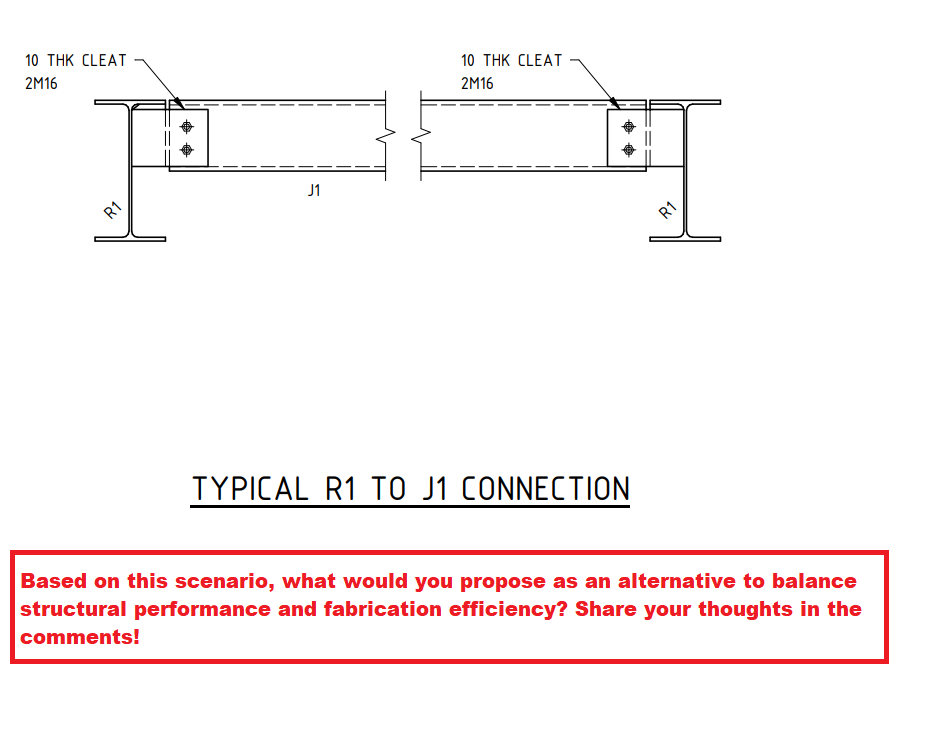
Based on this scenario, what would you propose as an alternative to balance structural performance and fabrication efficiency? Share your thoughts in the comments!
Introduction
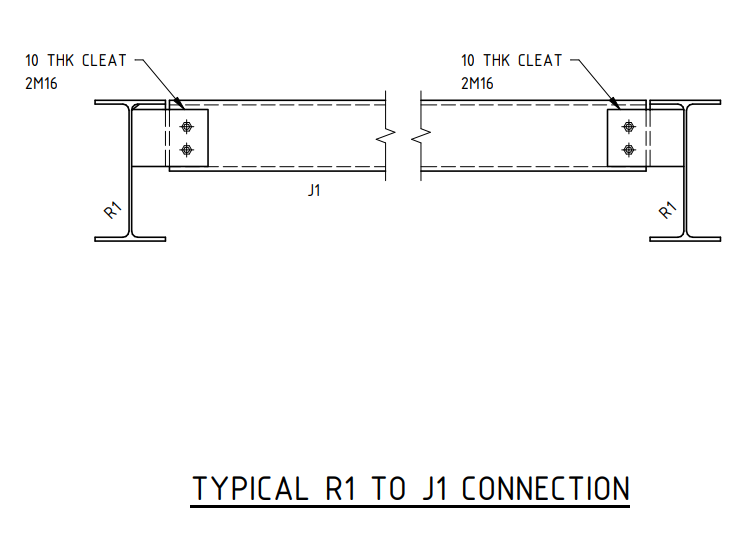
Shear connections play a crucial role in structural steelwork, ensuring the stability and strength of a framework. One common method is the extended shear plate connection, as seen in the R1 to J1 connection detail. However, this method introduces bolt eccentricity, which could impact the overall efficiency of the joint.
The Challenge
In the given design, the PFC (Parallel Flange Channel) shear connection is detailed using an extended shear plate. While this is a standard approach, it inherently results in increased eccentricity due to the offset load transfer through the bolts. This can lead to additional bending moments in the connection, requiring careful consideration in the design phase.
Possible Solution
A potential improvement is to introduce a cope in the PFC section and utilize a simple shear connection instead. This modification would:
Reduce bolt eccentricity
Simplify force transfer
Enhance structural performance
However, this approach was not accepted by the client due to fabrication ease considerations.
Key Learning for Junior Engineers
This case highlights a key engineering principle: design optimization vs. fabrication practicality. While structural efficiency is paramount, practical considerations such as ease of fabrication, cost, and site constraints often dictate final design choices.
TEK1 is currently engaged in steel detailing for the Sydney Metro project, working with a reputed organization in Australia. During the detailing process, we have encountered several design challenges. Here, we will share one such issue and how we resolved it.
The Issue
A design required two unequal angles welded to a small hanger with 10mm packer plates. This left insufficient weld space, making fabrication tough.
Recognizing this issue early, we raised a query with the concerned team. Our initial proposal was to cut both angles to create the required weld space.
After reviewing our concern, the team suggested an alternative solution that involved reducing the packer plate thickness from 10mm to 4mm. This adjustment allowed for a 6mm weld clearance on both sides without significantly affecting the design.
If this issue had gone unnoticed and we had followed the original design, it would have caused complications for both the fabricator and the designer. By identifying the problem early and addressing it proactively, we saved time and costs for the client.
Stay Tuned for More Insights
This is just one example of how TEK1 ensures seamless steel detailing by resolving design issues efficiently. Stay with TEK1 for more updates on steel detailing challenges and solutions in our upcoming blogs.