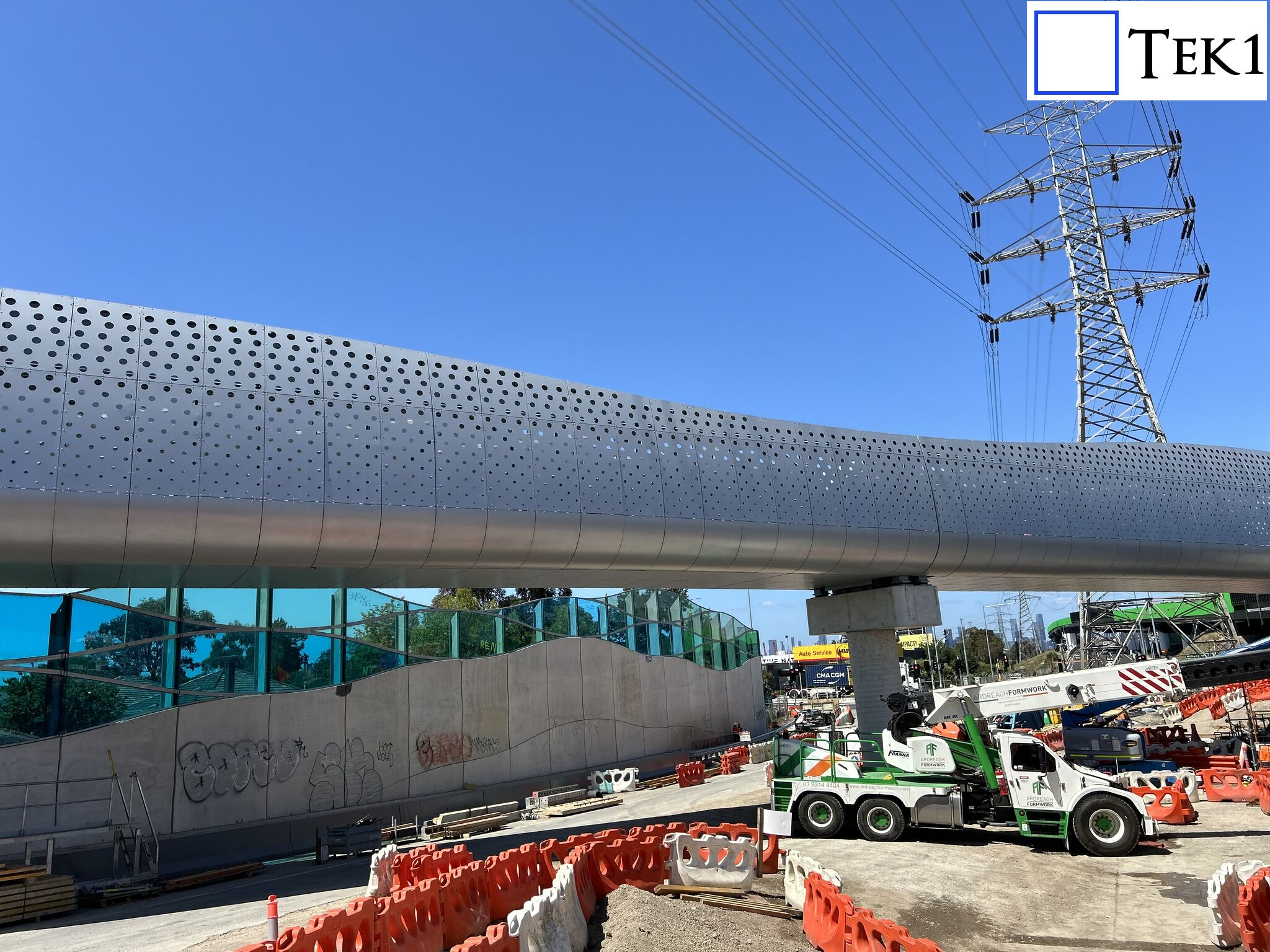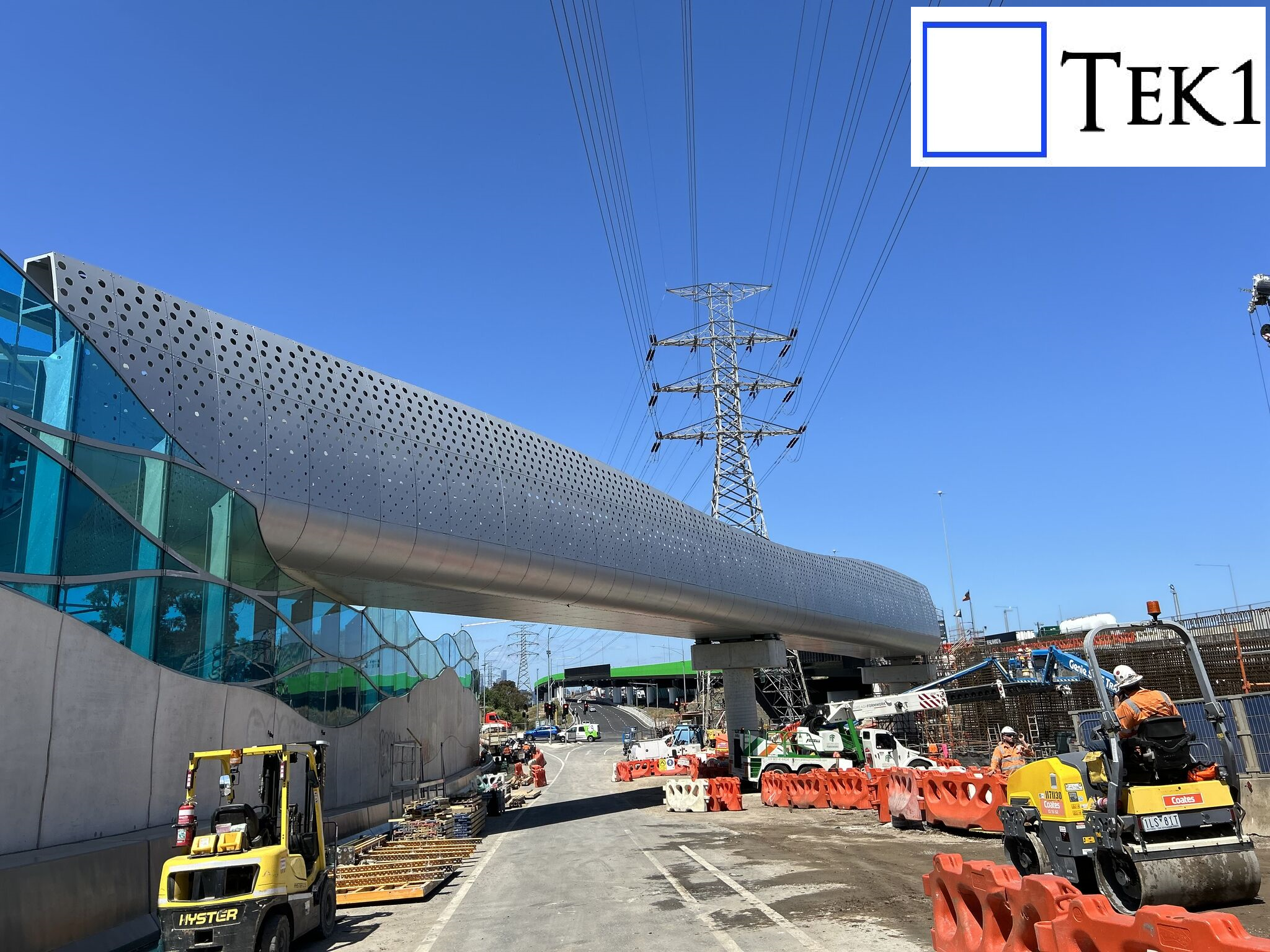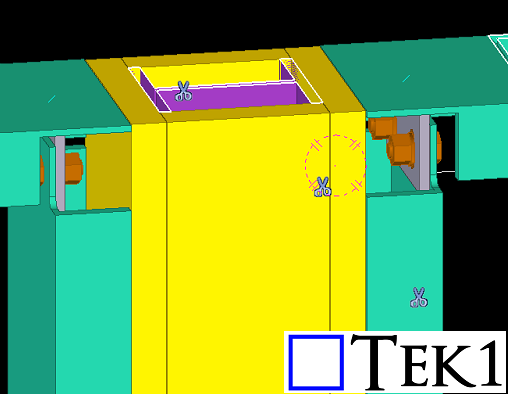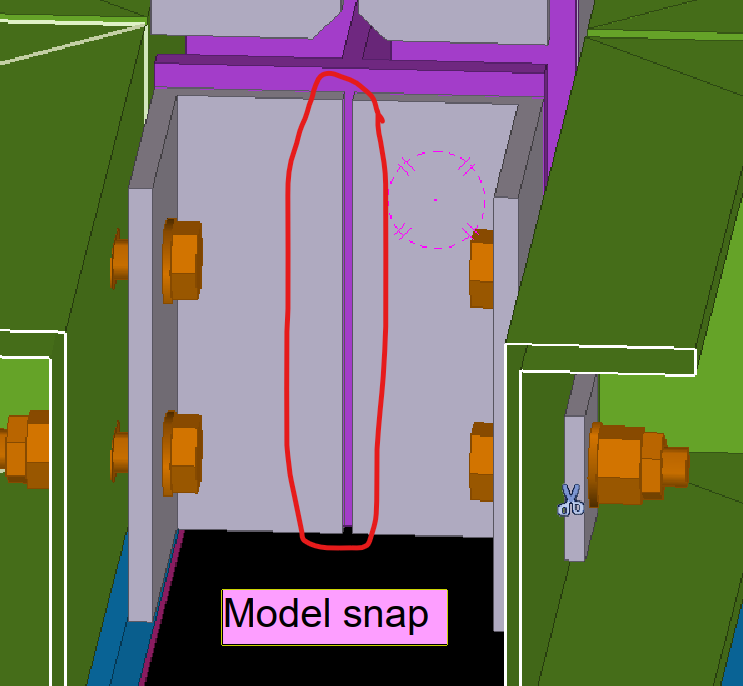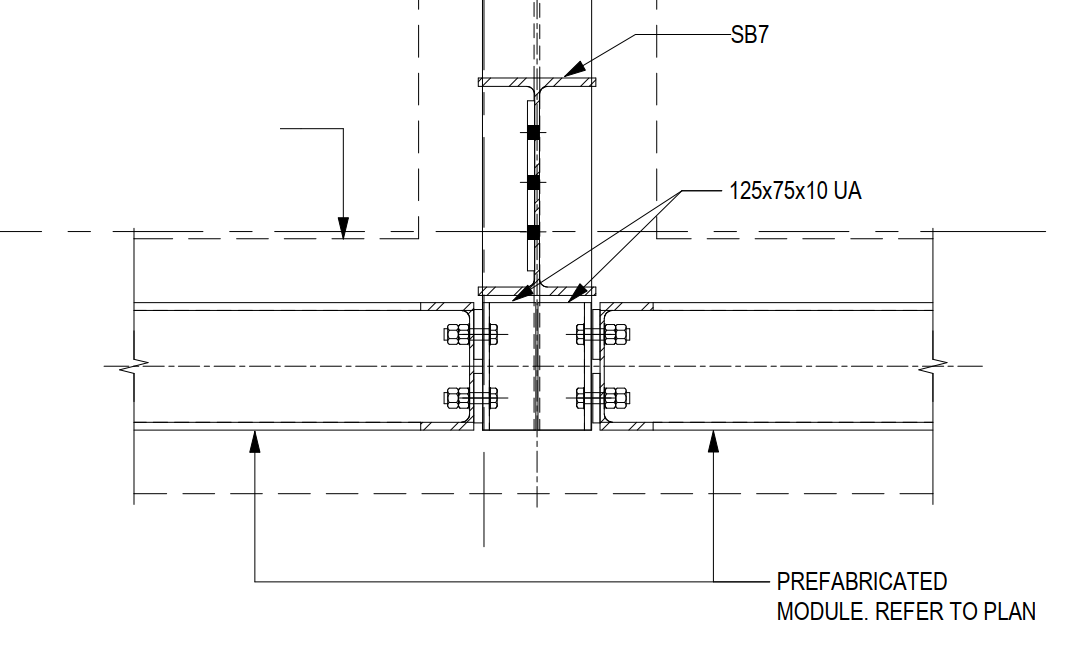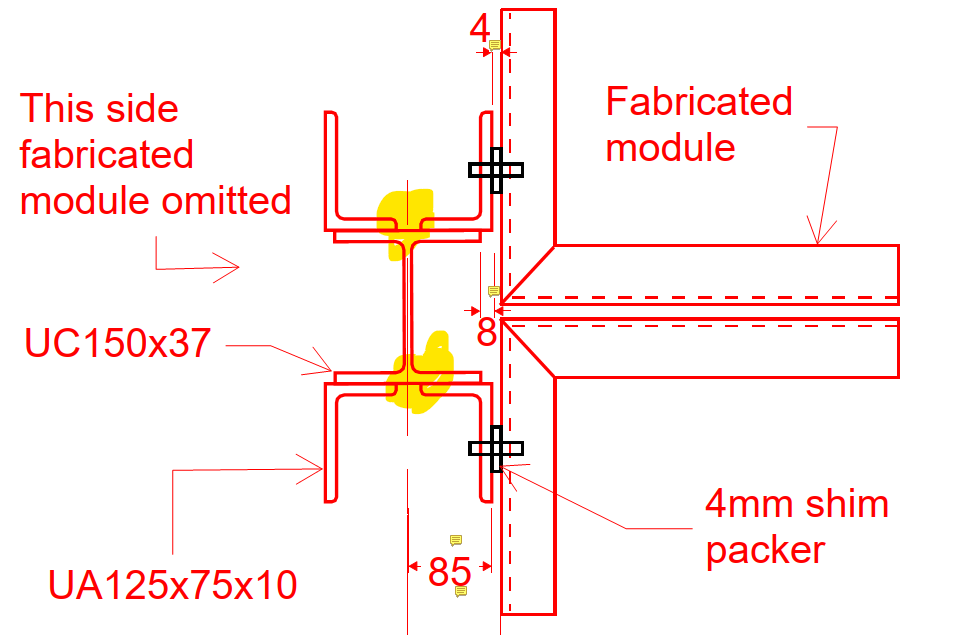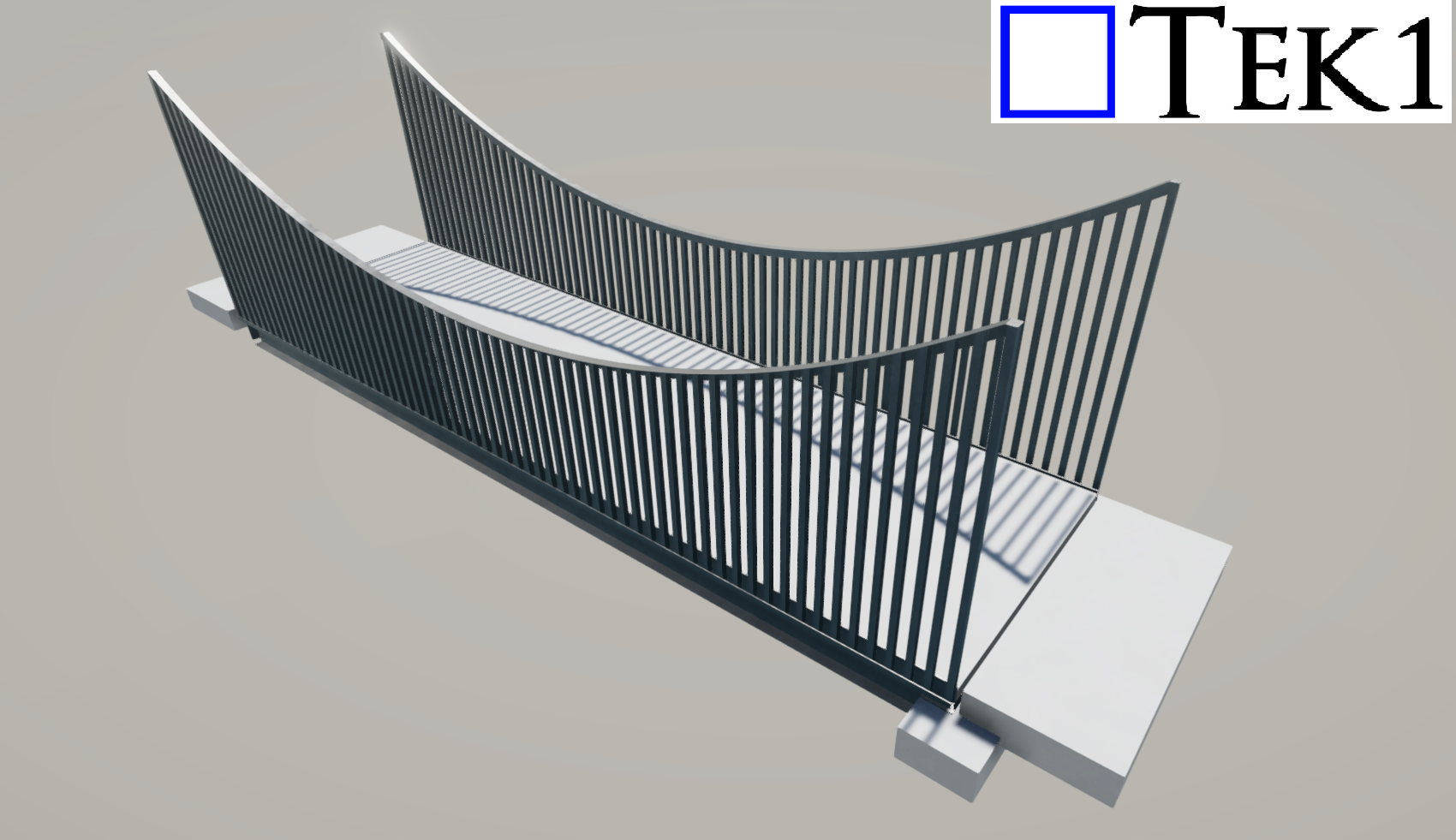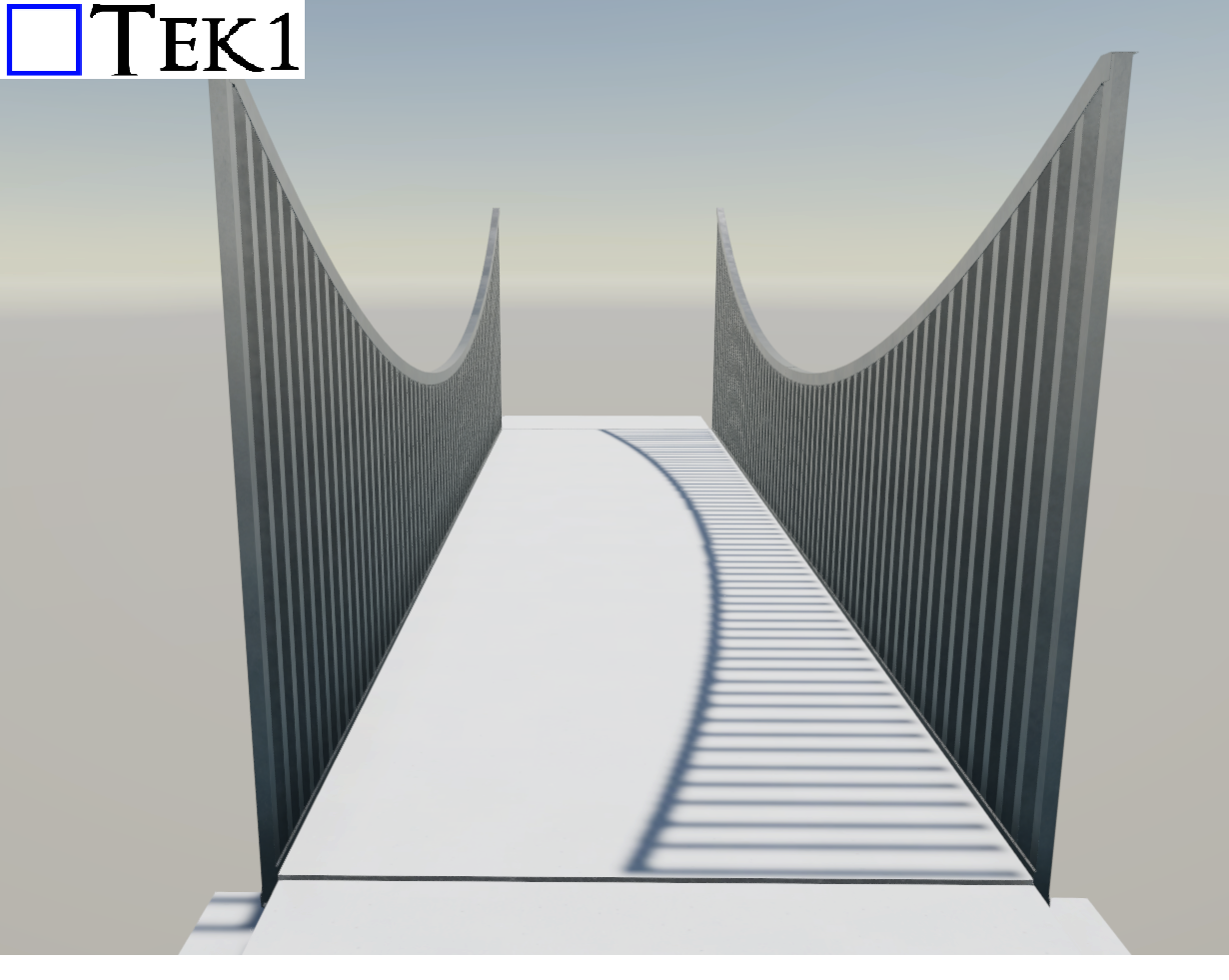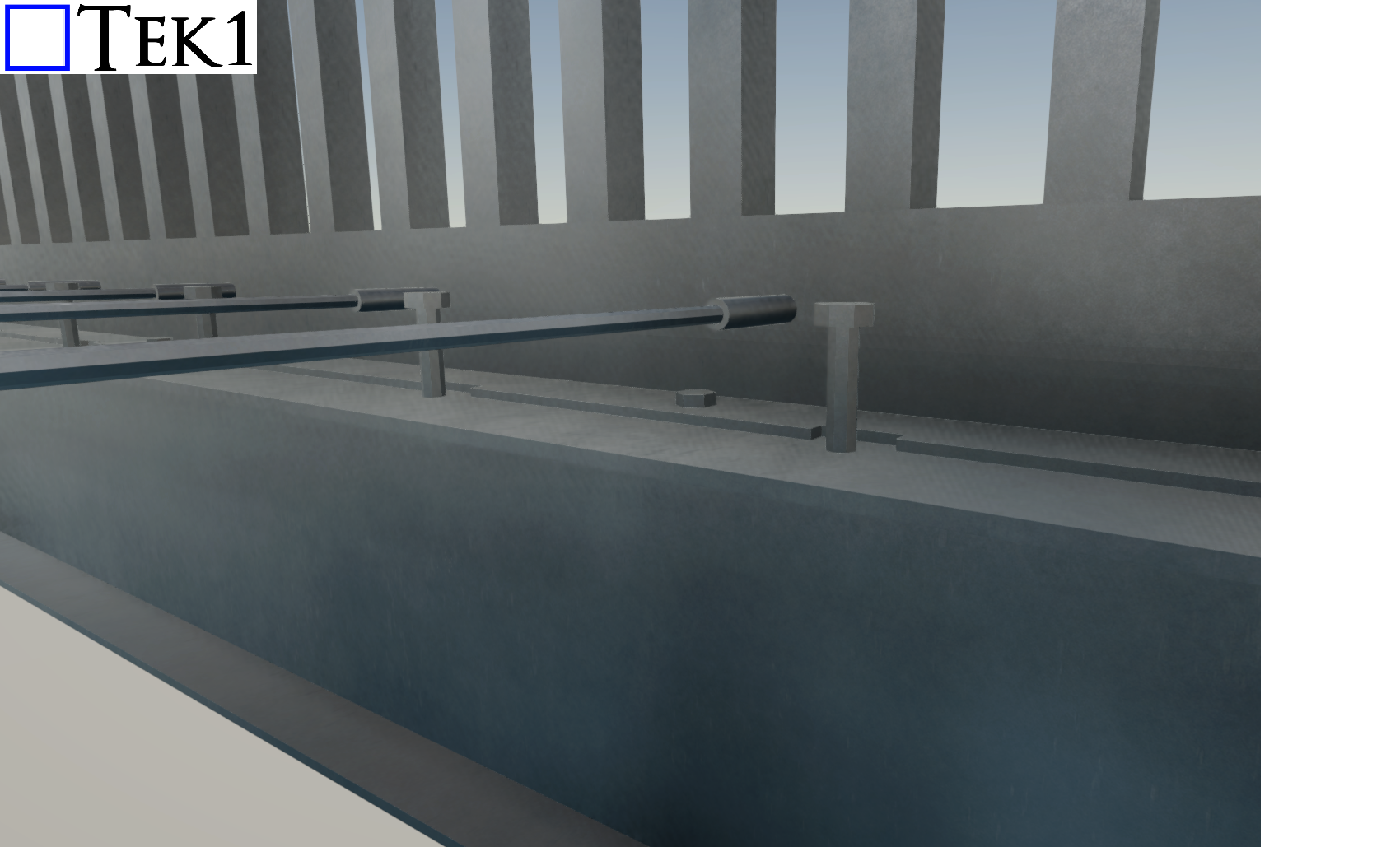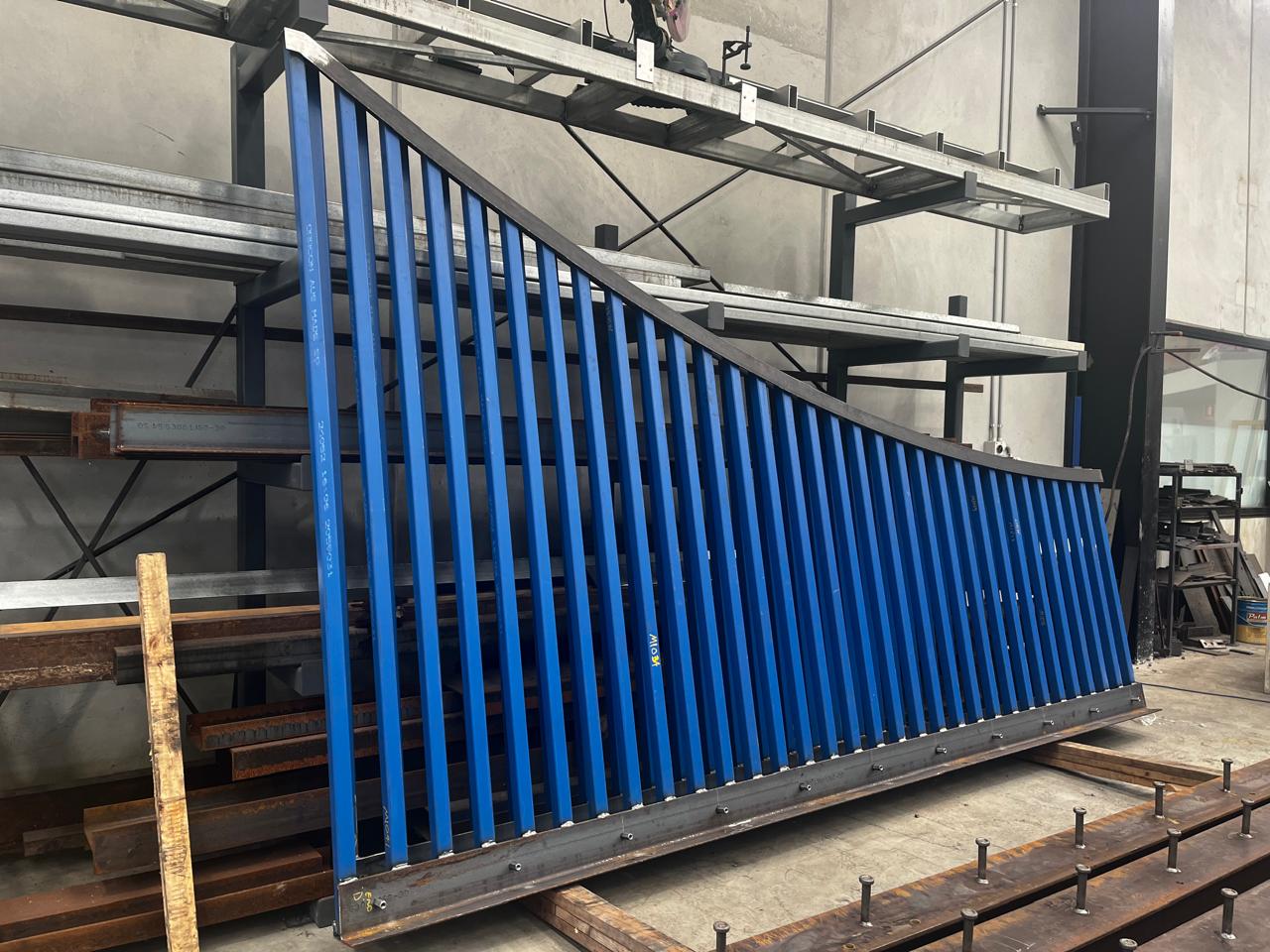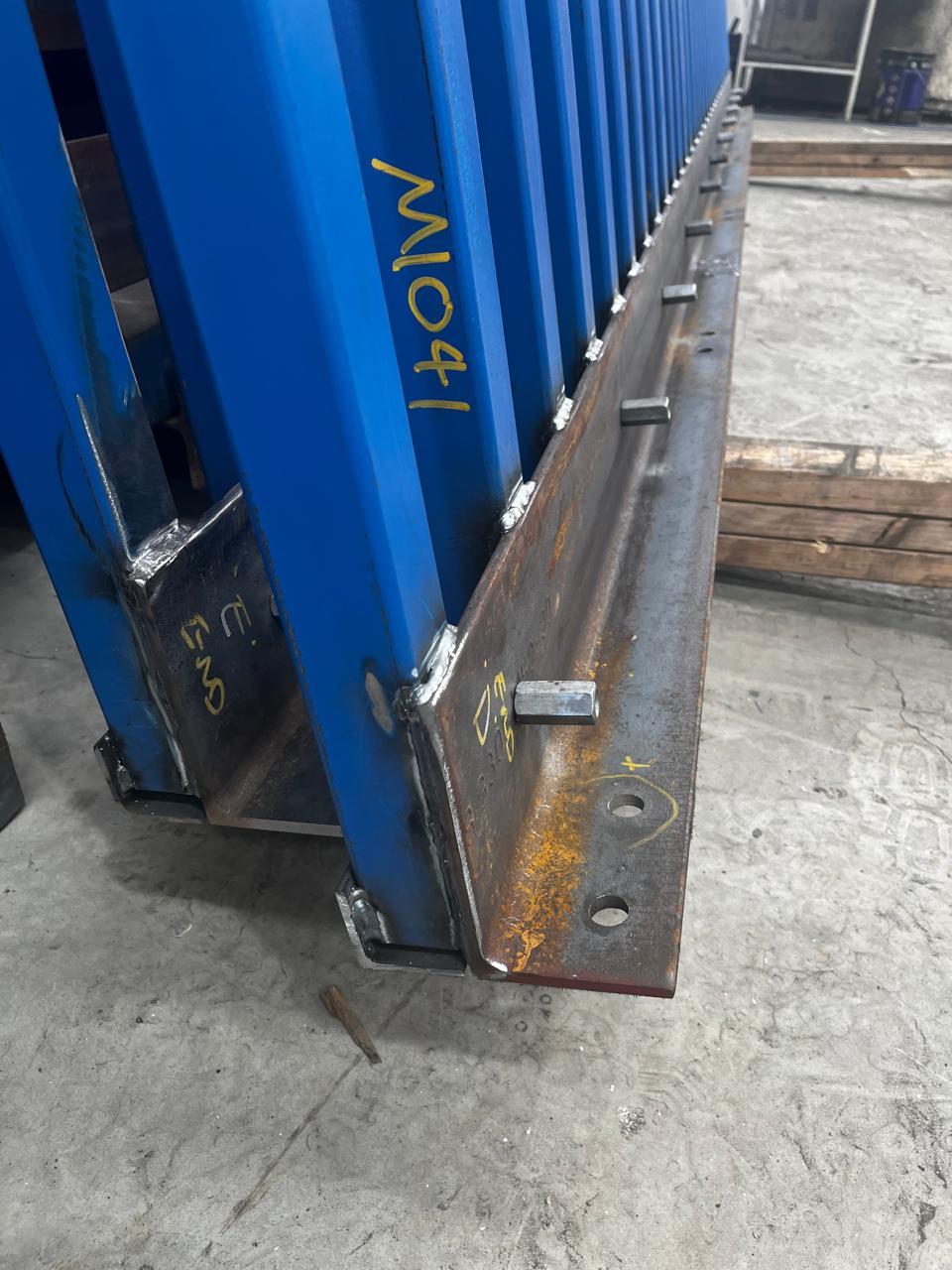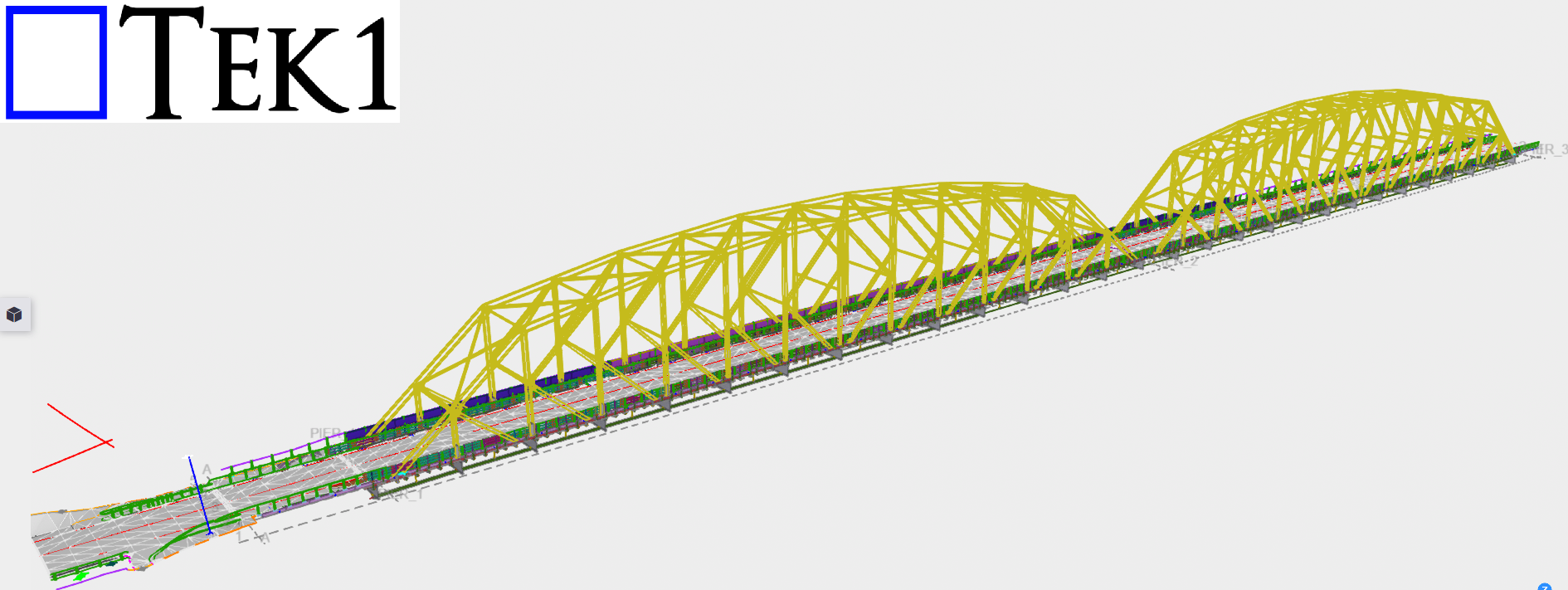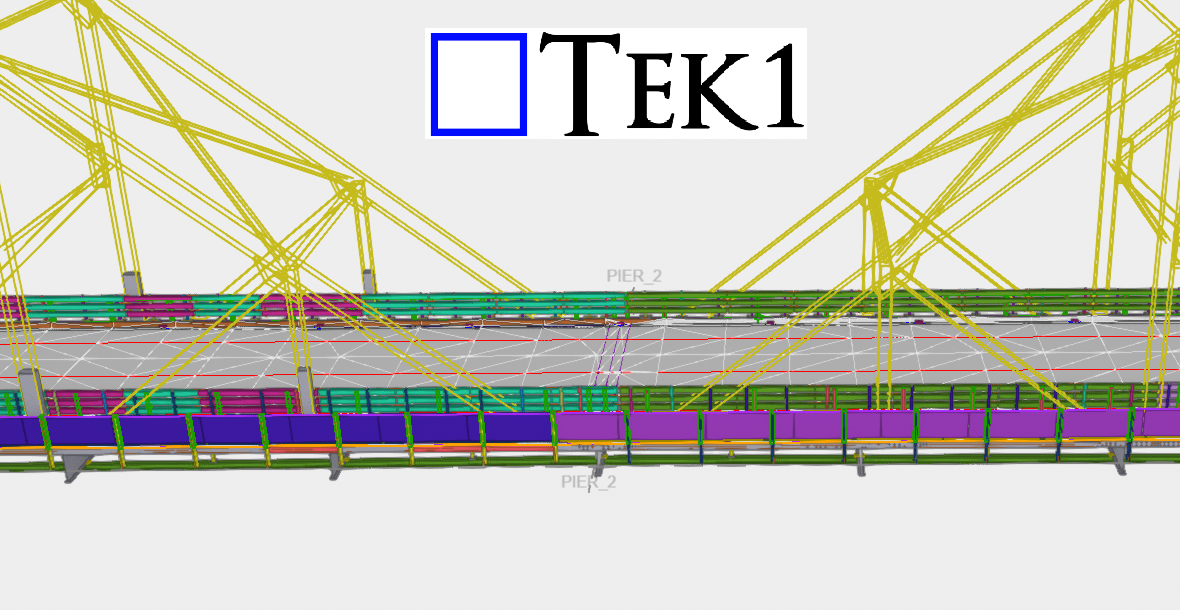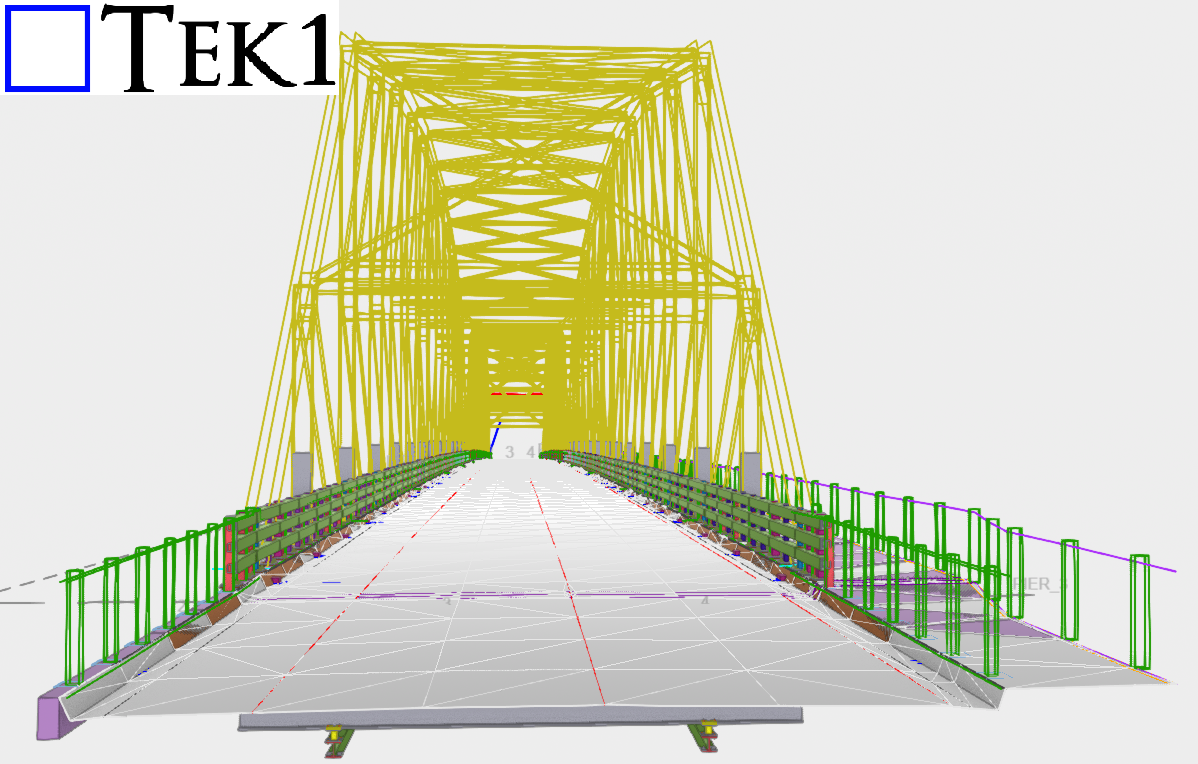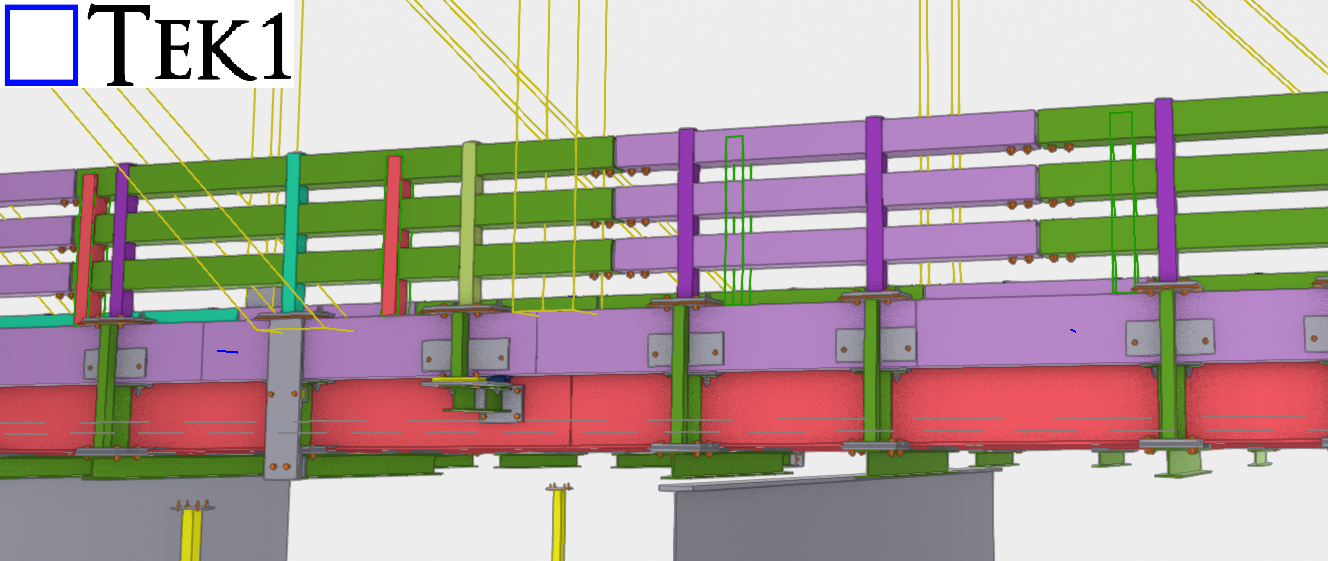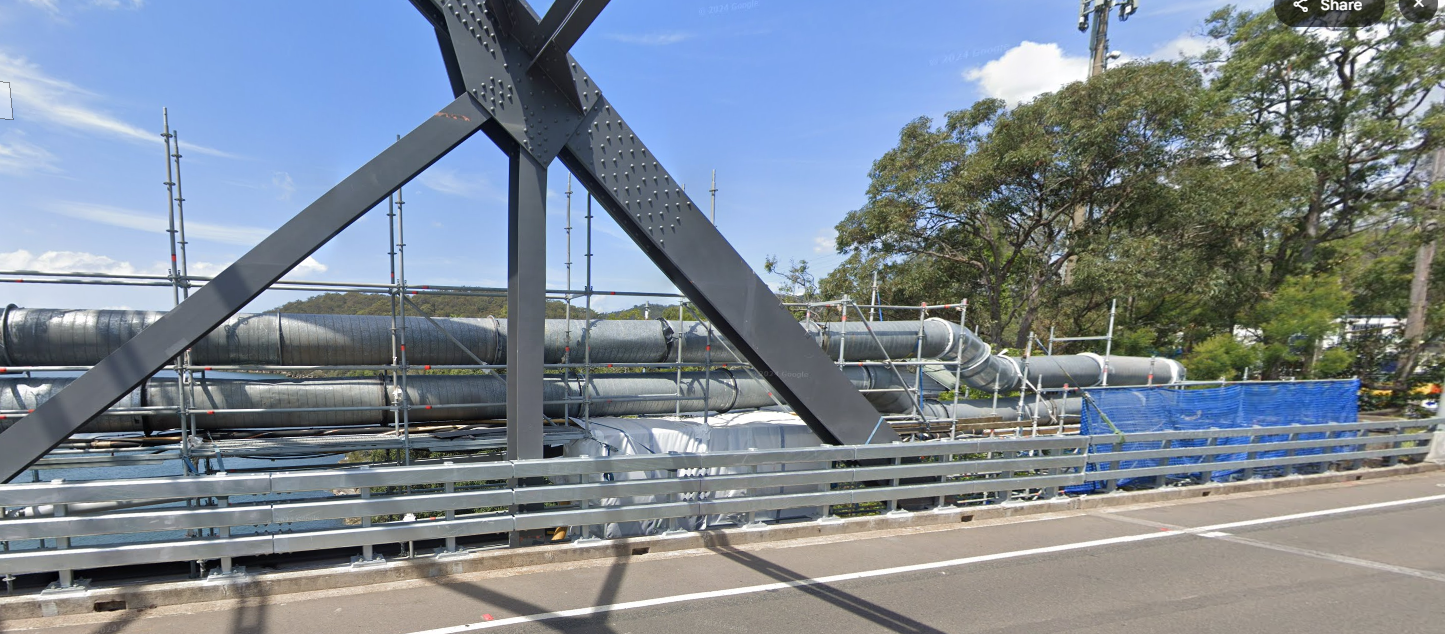
As a steel detailer, nothing compares to the satisfaction of seeing your detailed model come to life. I recently had the opportunity to witness the fabrication of one of my detailing projects in Australia. Balustrading for Foot Bridge
The detailing was executed seamlessly, with no challenges for the fabricator or erectors. It was fulfilling to see the effort and attention to detail pay off in real-world application.
Steel detailers play a crucial role in ensuring that connections between precast & steel are both practical and efficient. In this blog, I’ll share my experience with the challenges I faced in steel-to-precast connections.
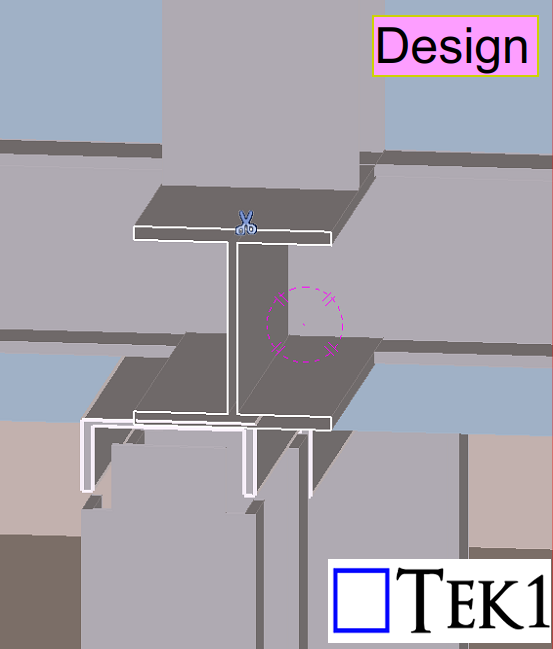
Design
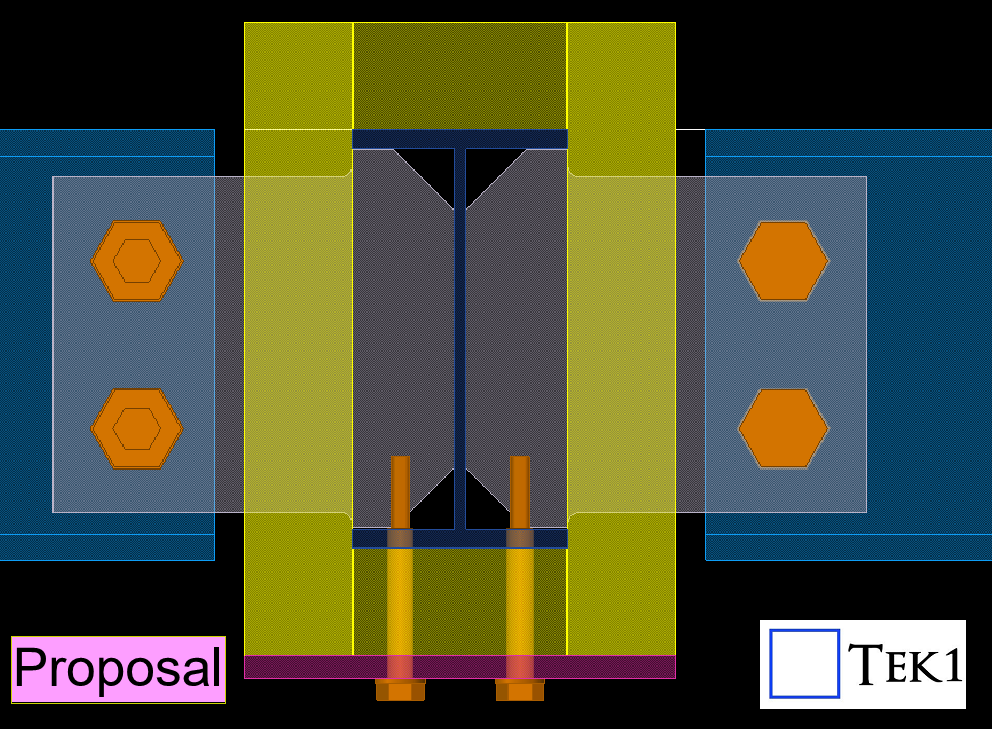
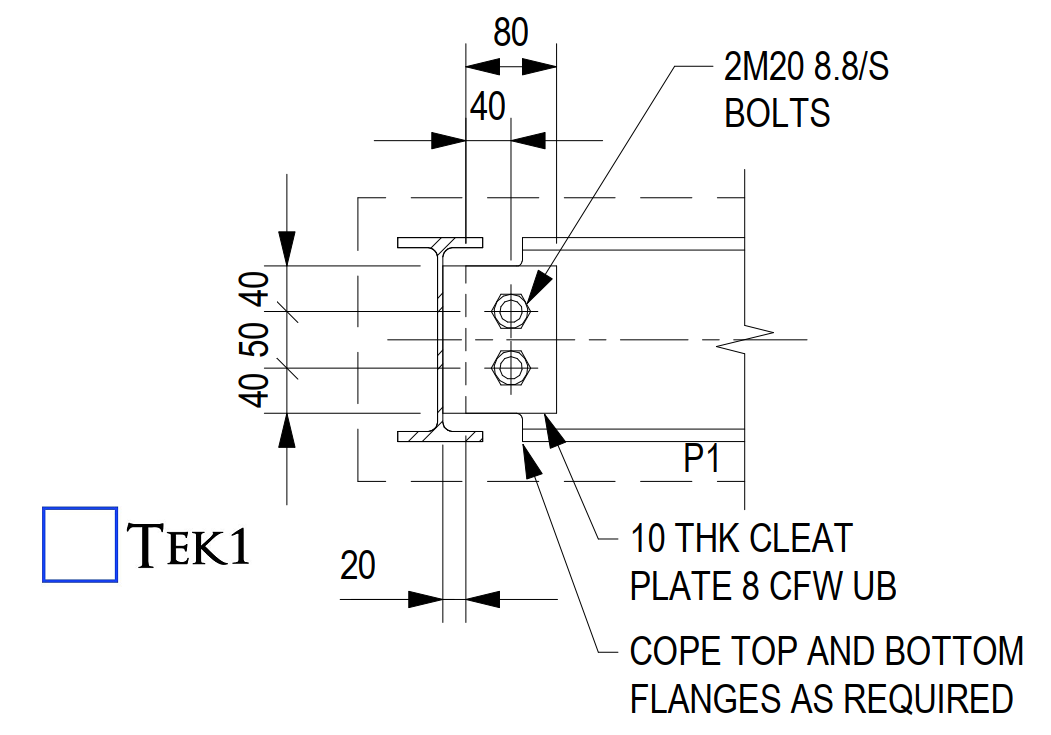
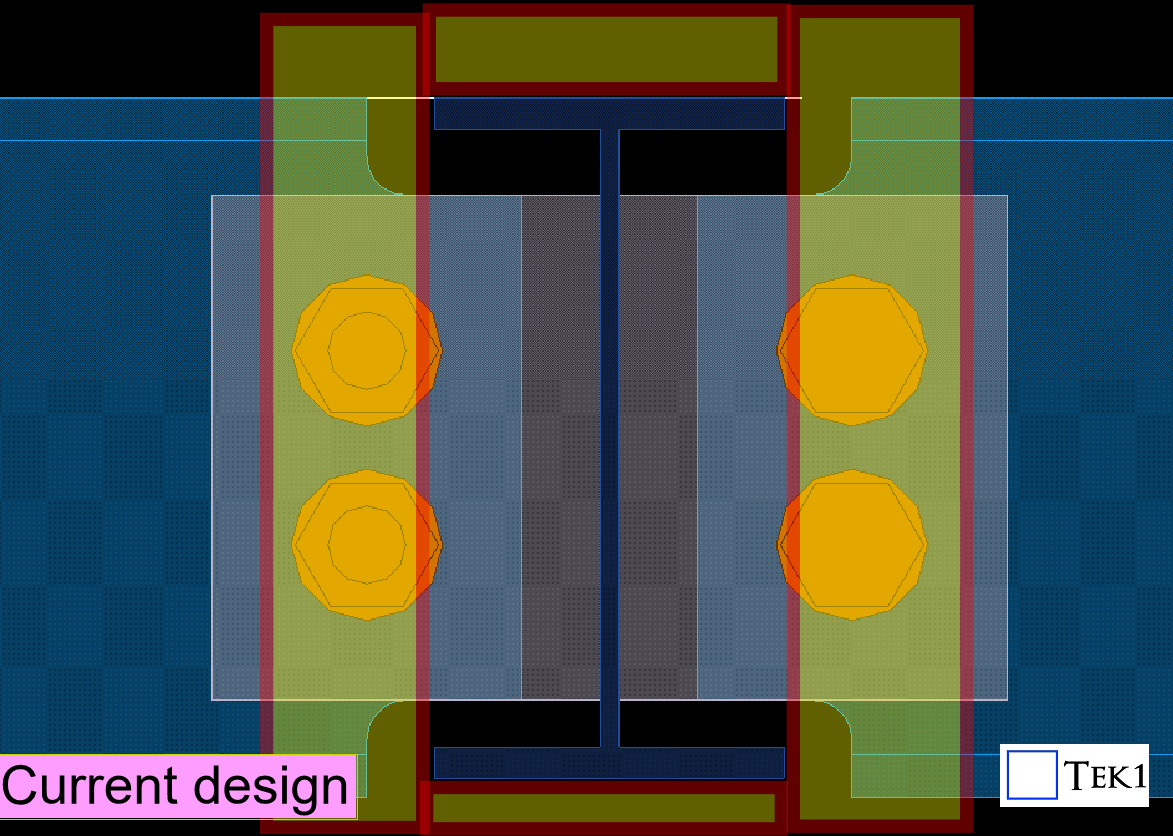
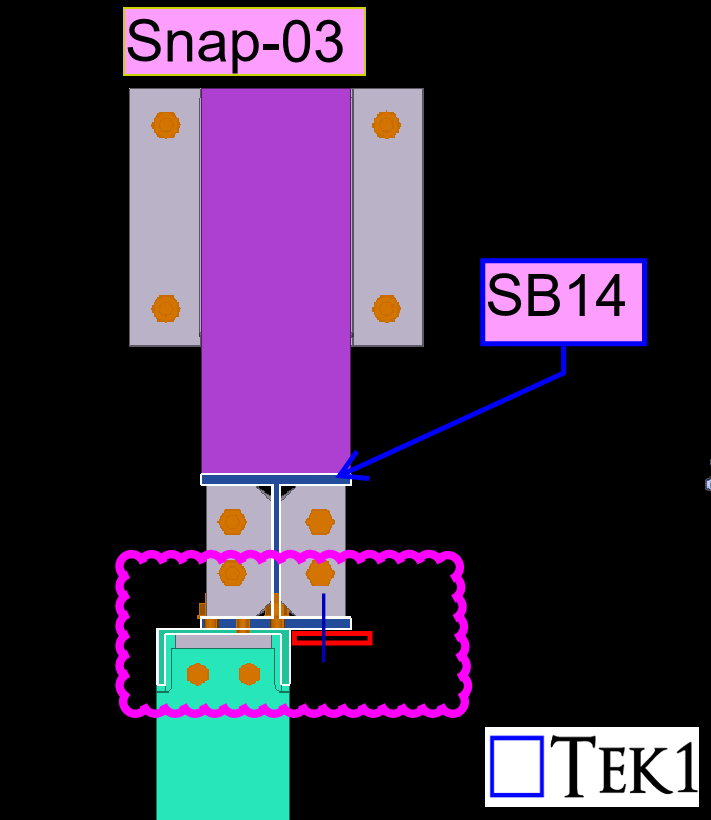
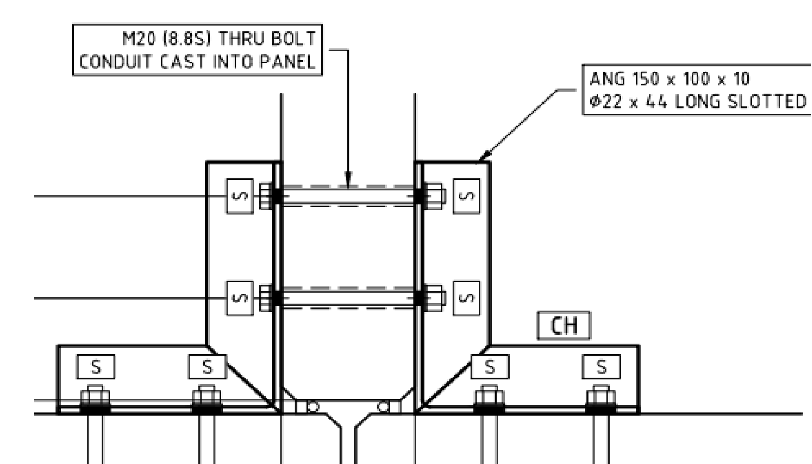
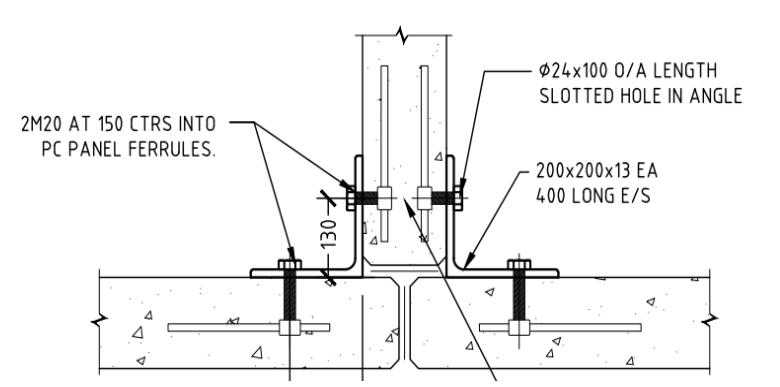
The design specified two ferrules on both sides of a precast wall. However, following this design may leads to clash between the ferrules.
The Proposed Solution
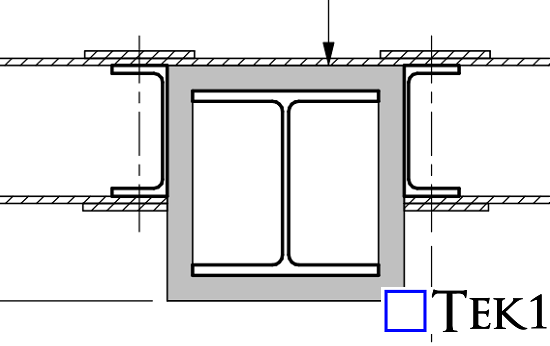
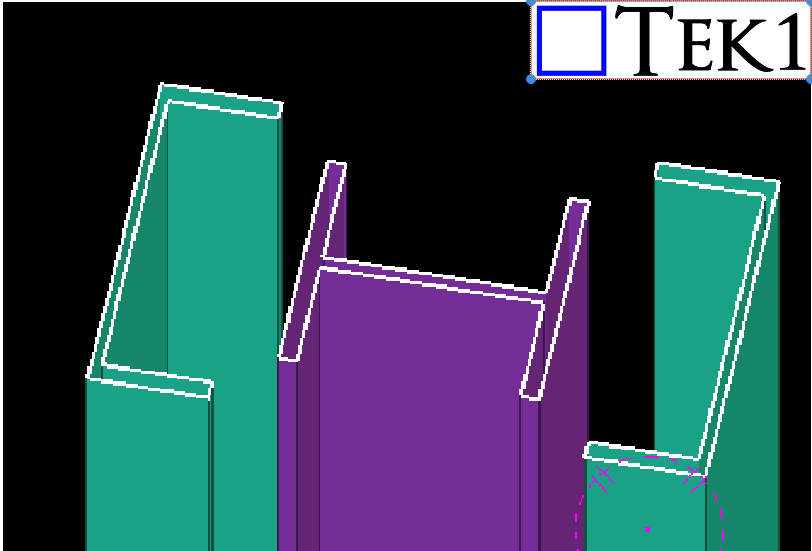
To address this, I suggested using a CHS (Circular Hollow Section) conduit. This approach would allow a single bolt to be used for both sides of the connection, ensuring proper alignment .(Providing ferrules at a different location will not be feasible as we do not have sufficient edge distance)
The Outcome
The structural engineer approved the proposal but recommended an alternative solution: double-ended ferrules. The query is now with the builder to decide which method suits their construction process best.
Key Takeaways
Understanding Precast Connections: Detailers should be aware of connection requirements and potential issues like concrete cover.
Collaboration is Key: Engaging with engineers and builders ensures practical solutions are implemented.
Flexibility Matters: Proposing alternatives opens the door to more efficient and cost-effective outcomes.
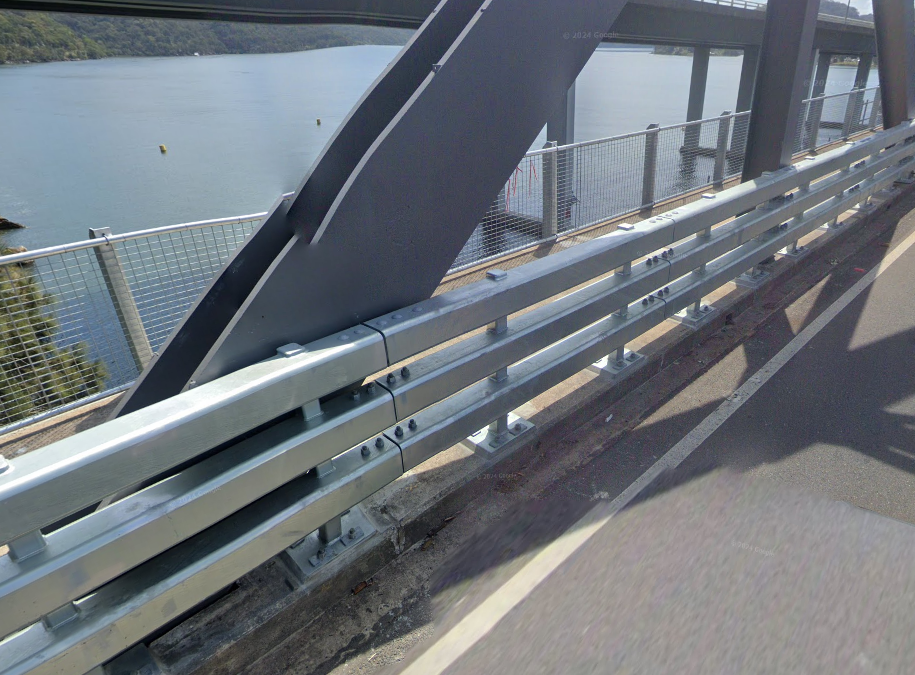
Tek1 recently completed a barrier replacement project for a renowned organization in Australia. This project, located near Sydney, involved replacing existing barriers with new ones, and it came with its unique challenges.
The task was to detail a new 536-meter-long barrier while ensuring the anchor holes for the new posts did not clash with the existing steel posts.
Aligning anchor holes without clashes presented difficulties in maintaining consistent linear post distances. This required precise planning and coordination.
Through multiple meetings with the client, we finalized the post locations that balanced structural integrity with practicality. This approach ensured the barrier was installed seamlessly without disrupting the existing infrastructure.
The result was a well-executed barrier replacement, meeting the client’s expectations and delivering a durable solution.
Bridging is commonly used to tie purlins together, and while structural engineers specify the type of bridging in the design, it’s up to the detailer to adapt it based on the purlin arrangement. In this blog, I’ll share how we handled a bridging connection scenario involving a concrete wall.
If you want to know ,more about bridigng. See our previous videos
Typically, bridging is tied to steel beams at one end. However, for this project, the client requested that the bridging be tied to a concrete wall instead, as there was no direct steel connection point available.
To meet the client’s request, we designed an additional support system: Equal Angle Support: An equal angle was anchored to the concrete wall using chemset bolts.
Welded Plate: A plate was welded on top of the angle to serve as the connection point for the bridging.
Bridging connections require careful consideration, especially when working with non-steel elements like concrete walls.
Continuing from our previous blog on the EMU IN THE SKY project, this post delves into the challenges and solutions for positioning the branches into the globe structure.
Challenges with the Original Design
The initial structural design, while visually impressive, posed significant challenges during the erection phase. The lack of tolerance in positioning the branches made the process more complicated, increasing the risk of errors and time-consuming adjustments.
EMU team proposal
To overcome this, the team introduced:
Circular Plates with Holes: A circular plate with pre-drilled holes was introduced, allowing for precise alignment of the branches.
Slotted Holes in the Outer Stub: Slotted holes were added to the outer stub welded to the globe. This innovation offers adjustable positioning, making the assembly process significantly easier and more efficient
In this method we can place the branches plate in any rotation.
Why This Design is Feasible
The updated design not only simplifies the erection process but also reduces the likelihood of rework. The added tolerances ensure that branches can be positioned accurately with minimal effort, saving both time and resources.
Stay tuned for more updates on the EMU IN THE SKY project as we continue to share insights and innovations from this iconic endeavor.
This blog focuses on a crucial aspect of detailing: collaborating with fabricators and understanding steel profiles.
Structural engineers typically specify steel profiles based on their calculations. However, as detailers, we need to consider two critical factors:
Product Availability: Is the specified material readily available in the market?
Fabrication Feasibility: Can the profile be easily fabricated?
Balancing these factors can save significant time and effort for both fabricators and detailers.
Real-World Example
In one case, an engineer specified a curved SHS (Square Hollow Section) beam.
While this profile met the structural requirements, bending an SHS beam is a challenging process .There are fabrication limitations. Instead, we suggested using two PFCs (Parallel Flange Channels), which are much easier to bend.
Before making the change, we sought the engineer’s approval, and they confirmed the modification. By doing so:
We avoided delays in fabrication.
We ensured the project stayed on schedule.
Why This Matters
If we had followed the original design without questioning it, the fabricator would have requested changes due to the difficulty of bending an SHS beam. This would have caused delays and disrupted the project timeline.
During a recent client visit, we encountered an issue with the size of vent holes. In Australian detailing, we typically use a standard catalogue for specifying galvanizing holes. We followed this standard and provided the holes in the end plate accordingly.
Adequate venting at correct location is very important for efficient galvanizing
However, the client pointed out that the caps used to seal these holes after the galvanizing process did not fit. This was the first time we faced this issue, and it highlighted a crucial point.
Key Takeaway
When providing galvanizing holes, it’s essential to confirm the hole size with the client rather than relying solely on the standard catalogue. This approach ensures compatibility with the caps used and can save a significant amount of money by preventing rework.
By aligning specifications with client requirements from the outset, we can avoid similar issues in the future and ensure a smoother project execution.
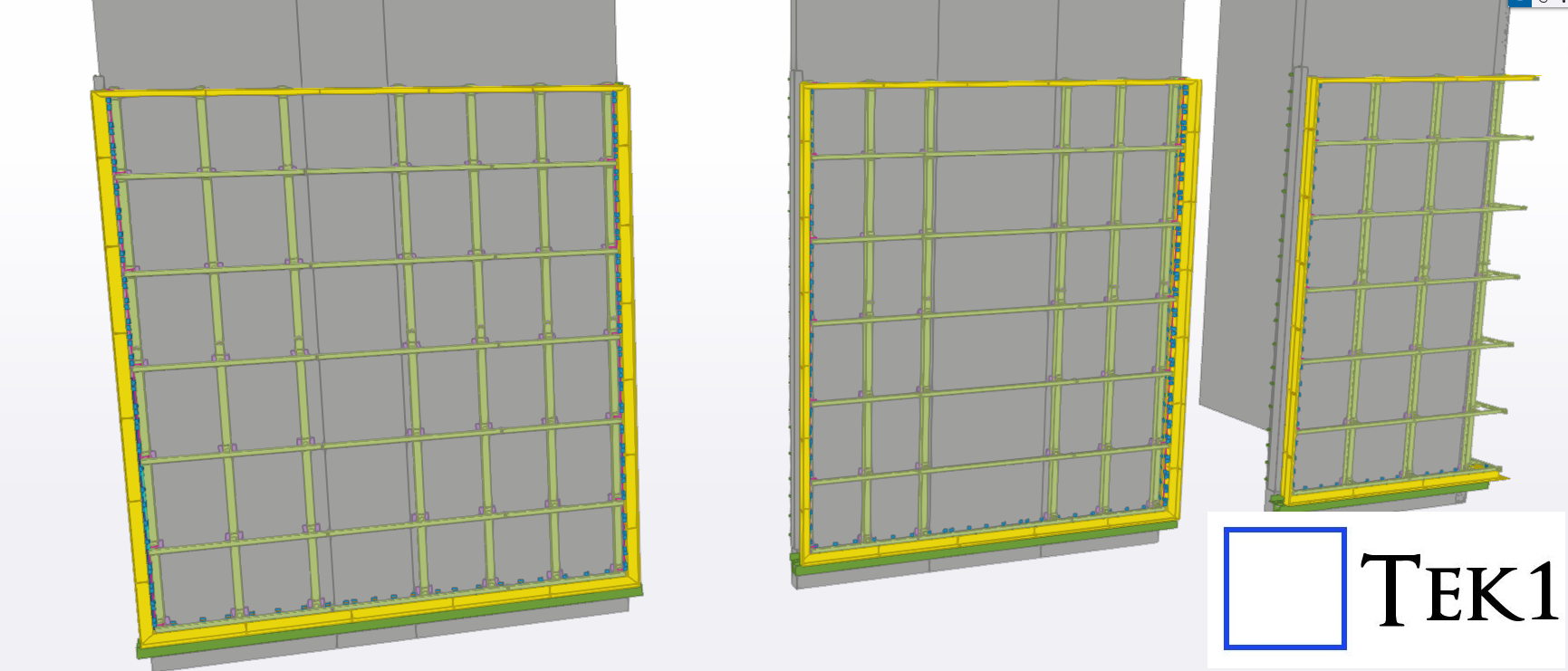
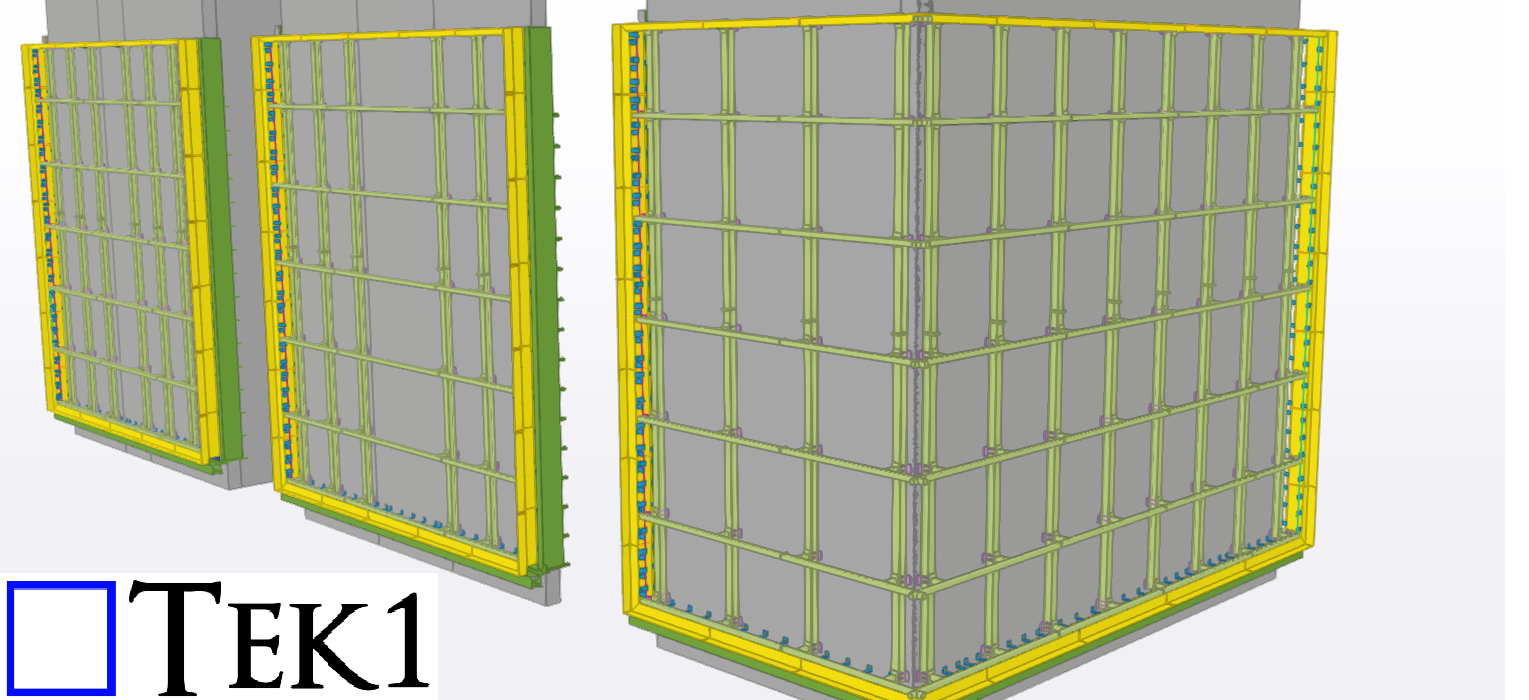
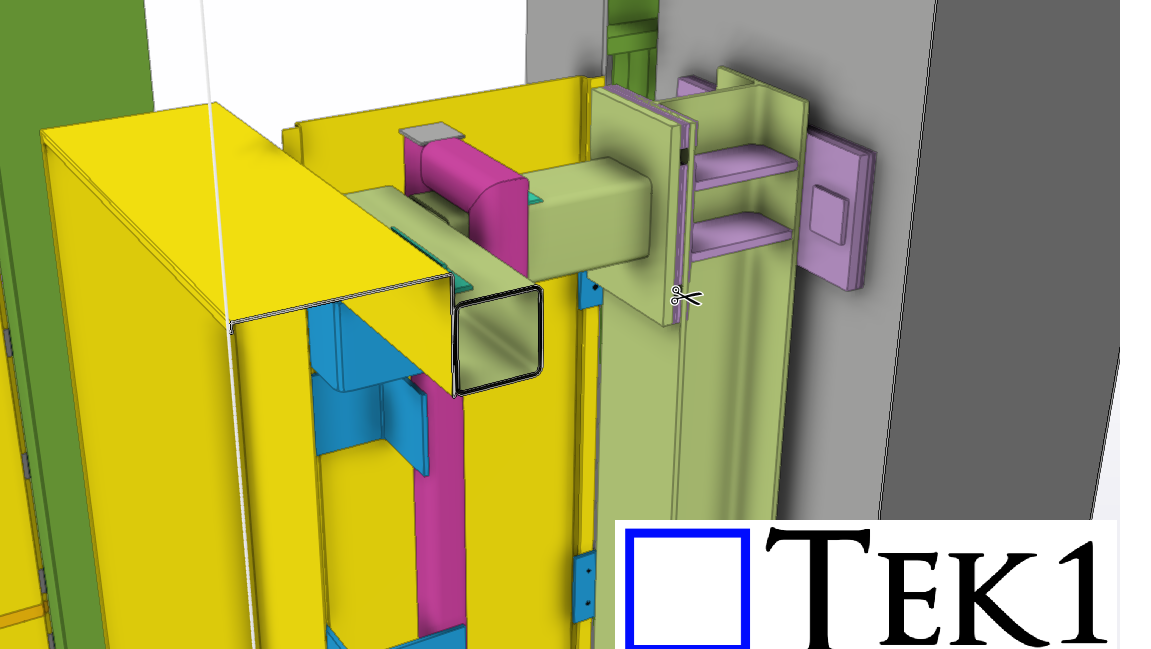
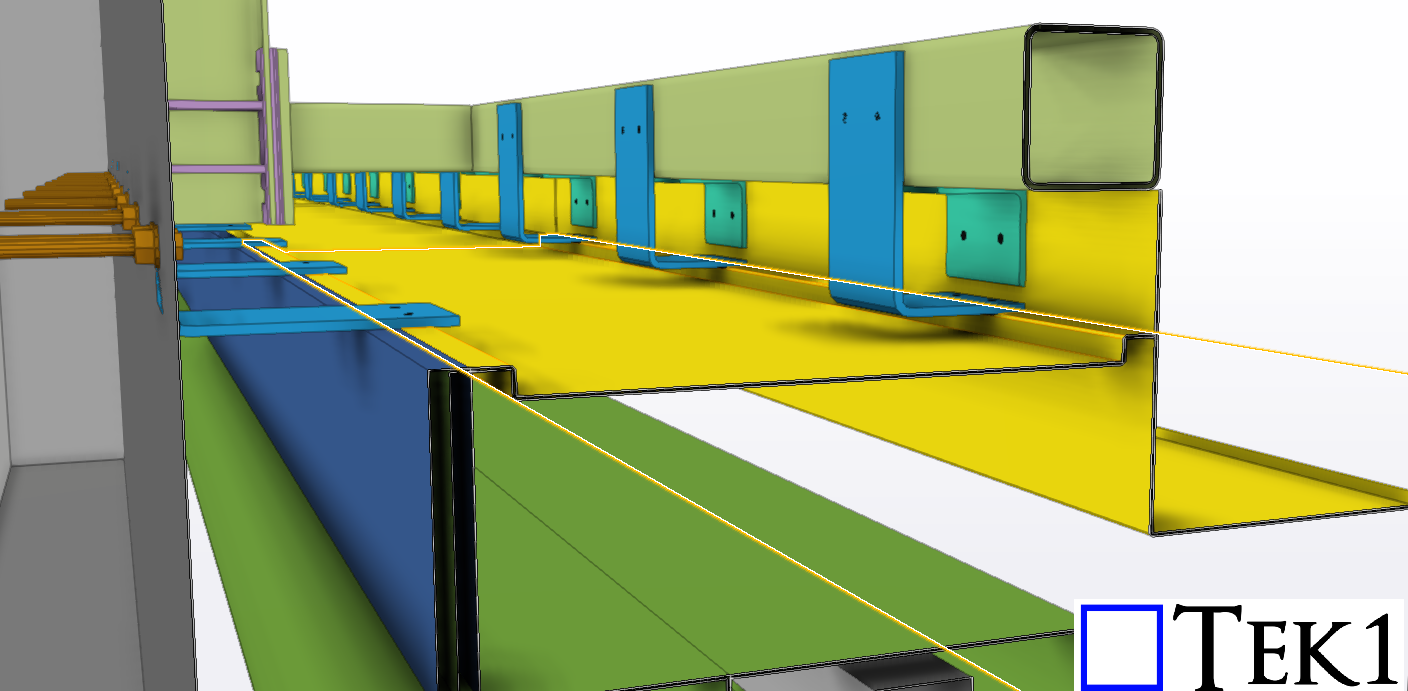
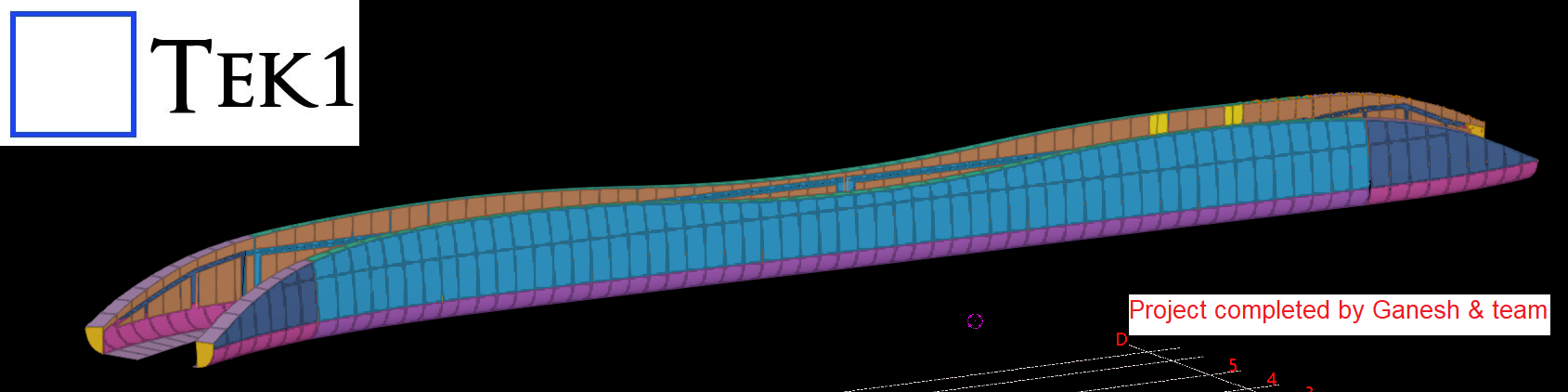
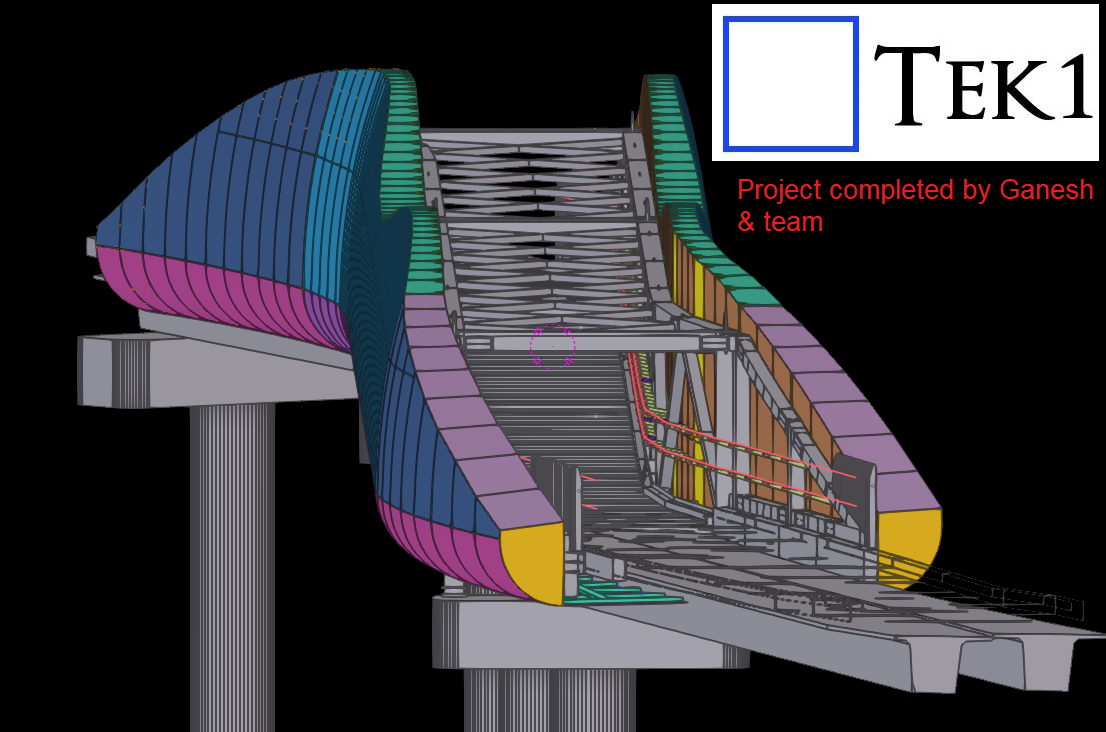
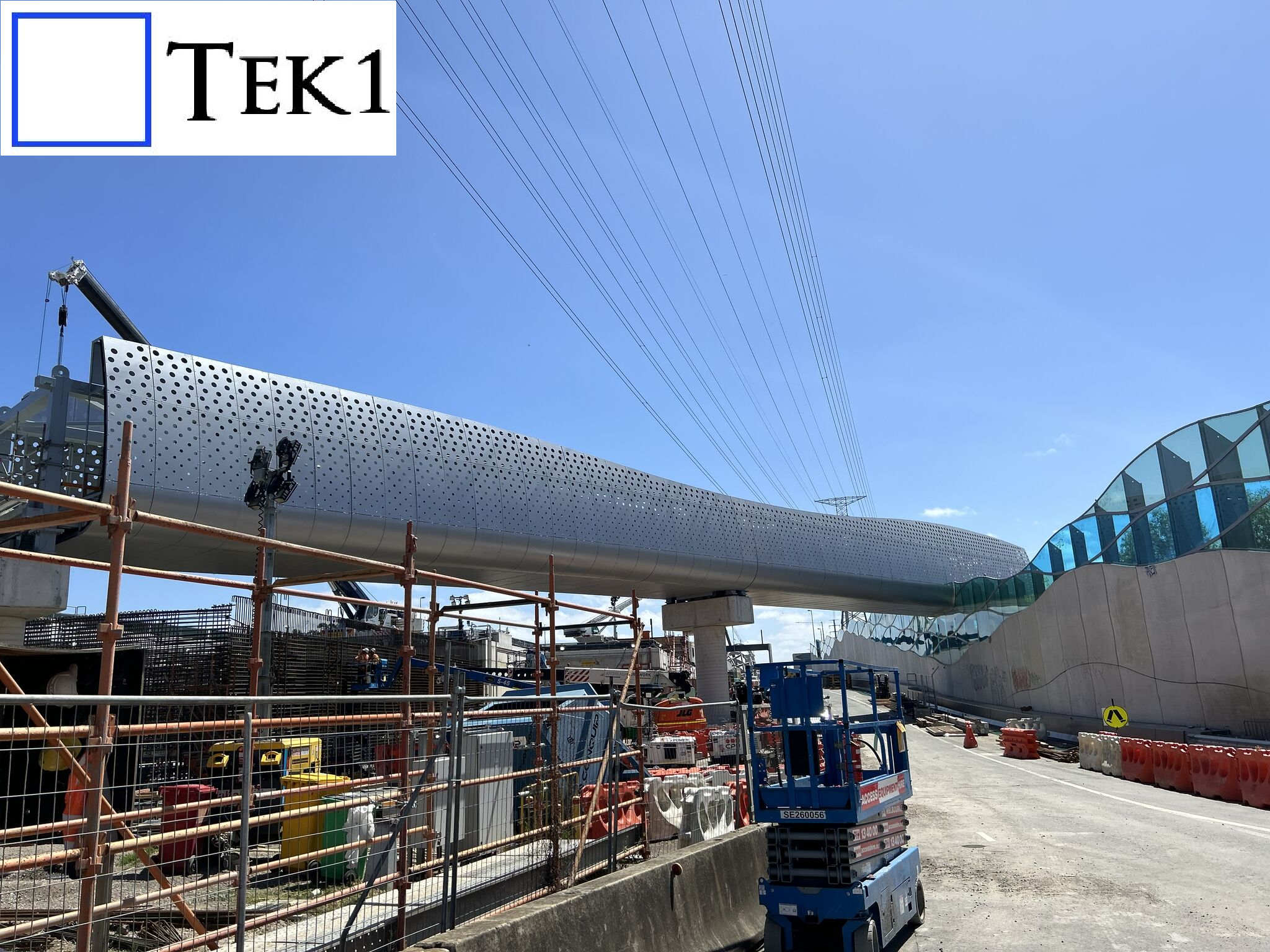
At TEK1, our extensive experience in detailing bridge projects has equipped us with the knowledge and foresight to minimize rework. Recently, we have been detailing two bridges for a leading company in Australia. Here’s a glimpse into how our expertise can prevent costly mistakes and ensure smooth project execution.
Addressing Cladding Design Challenges
We received design drawings for the cladding around the bridges, one of which showed cladding with only one horizontal split at the bottom location, while the rest was a single piece. However, to facilitate easier handling and reduce the risk of damage, we identified the need for two horizontal splits instead of one.
Why Split the Cladding?
Handling Issues: Large, single-piece cladding can be difficult to manage in the shop.
Material Sensitivity: The cladding is made from a small aluminum sheet with perforations, making it prone to damage.
When modeling this type of cladding, it is crucial to consider the fabricator’s handling challenges and potential issues they might face.
TEK1’s Proactive Approach
Given our extensive experience with similar bridge projects, we anticipated these issues. TEK1 arranged for our detailers to visit the factory directly, allowing them to understand firsthand the difficulties fabricators might encounter.
For this particular bridge job, TEK1 proactively raised queries about the maximum length of the cladding before starting the project. By addressing potential issues early on, we can significantly reduce the risk of rework.
The Benefits of Experienced Detailing
By leveraging our experience and proactive approach, TEK1 ensures:
1. Enhanced Efficiency: By identifying and solving potential issues early, we streamline the fabrication process. 2.Cost Savings: Minimizing rework leads to significant cost savings for our clients. 3.Quality Assurance: Ensuring that the design is practical and feasible reduces the likelihood of damage and maintains high-quality standards.
At TEK1, our goal is to deliver projects that not only meet client requirements but also stand the test of time. By understanding and addressing fabrication challenges, we ensure that our detailing work is both precise and practical, ultimately saving time and resources for everyone involved.
Stay tuned for more insights and updates on how TEK1 continues to lead the way in bridge detailing and beyond.
There are branches everywhere around the globe. But none of them are straight. They are in different angle and different curves.
Initially, we proposed creating molds for each branch type to make this branches shape, but the client preferred using jigs for shaping.
Our Solution: Angles and Plates for Jigs
After careful planning, we suggested using angles and plates for the jigs due to their:
Availability and Cost: Easily available and more affordable than other profiles.
Reusability: The jigs can be reused, enhancing cost-effectiveness.
Our client accepted this approach and is now in the process of creating the jigs.
Skilled Craftsmanship
Creating these jigs is not a structural task but requires the expertise of a skilled detailer. The precision and craftsmanship involved ensure that the branches meet the project’s aesthetic and functional requirements.
Project Progress
As the project is still ongoing, we are unable to showcase the complete picture of the branches. However, we have provided some images from our model for your reference.
Our Commitment
At our company, our primary aim is to satisfy our clients’ requirements. Equally important is our commitment to minimizing costs and rework, which ultimately supports our goal of client satisfaction.
Stay tuned for more updates on the EMU IN THE SKY project as we continue to bring this iconic vision to life.