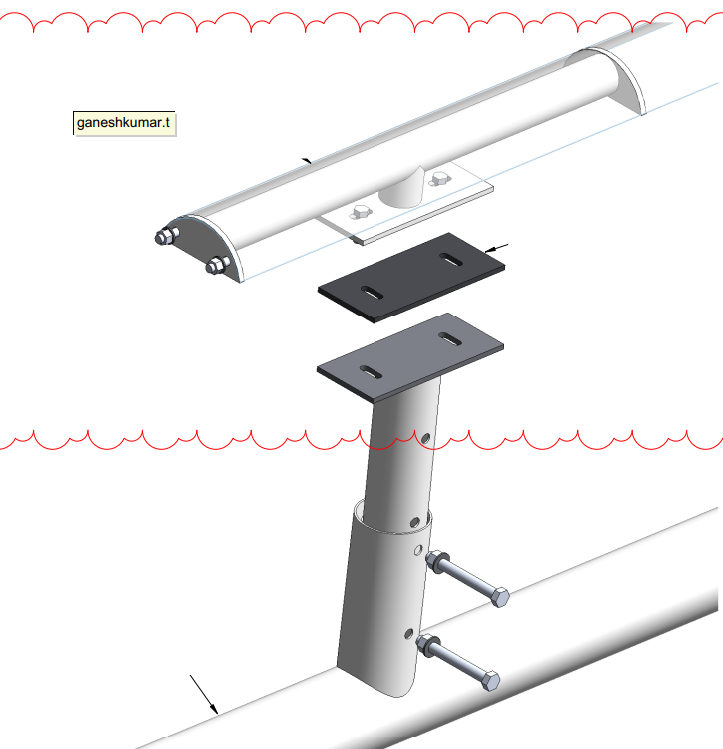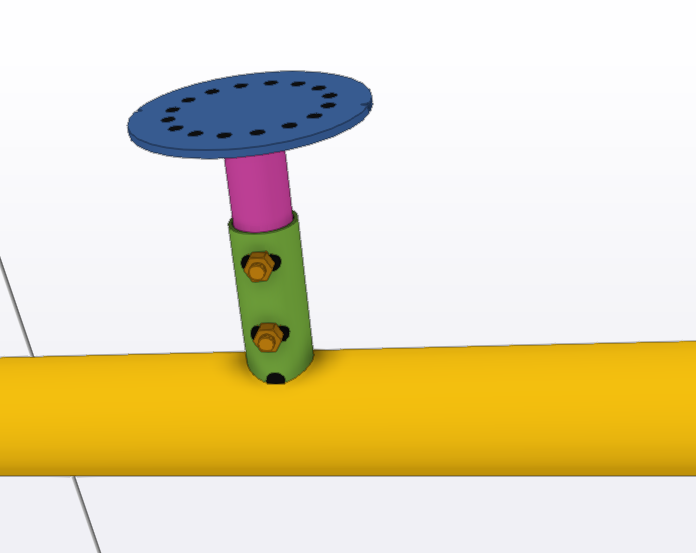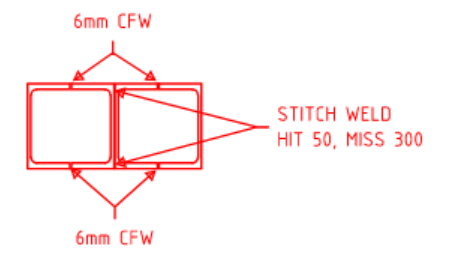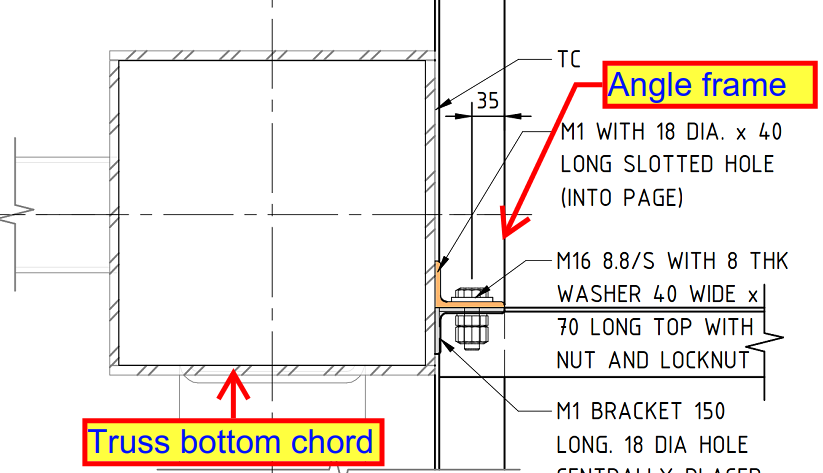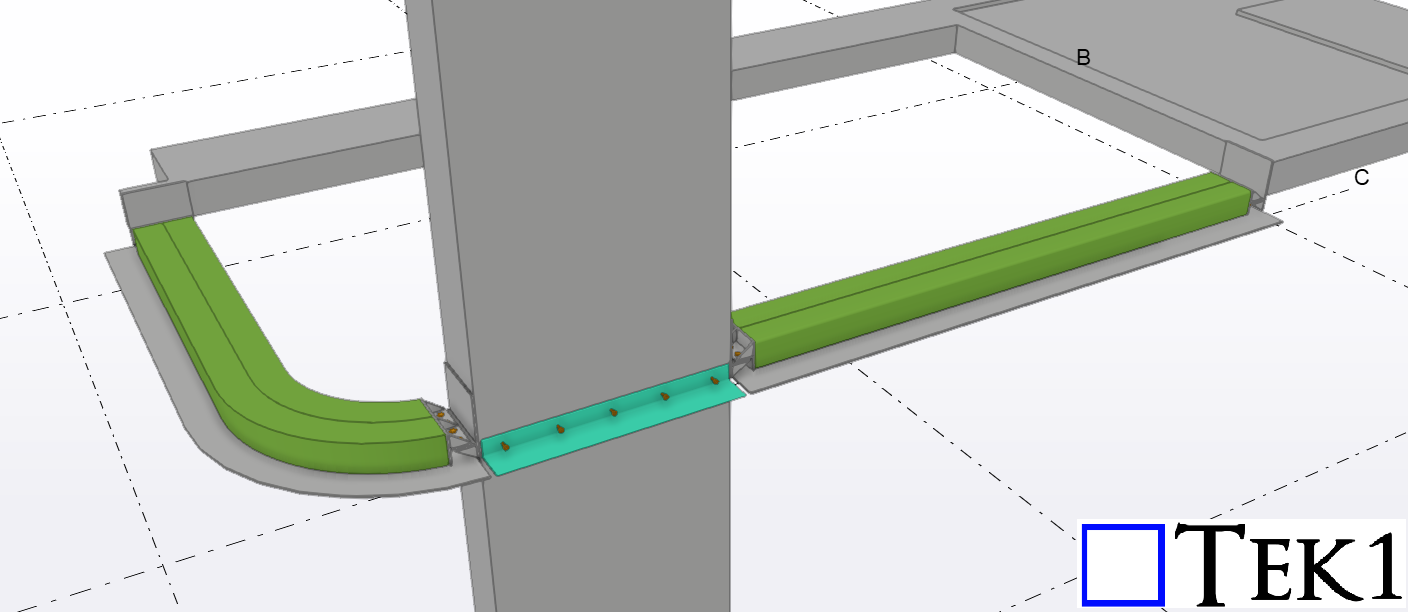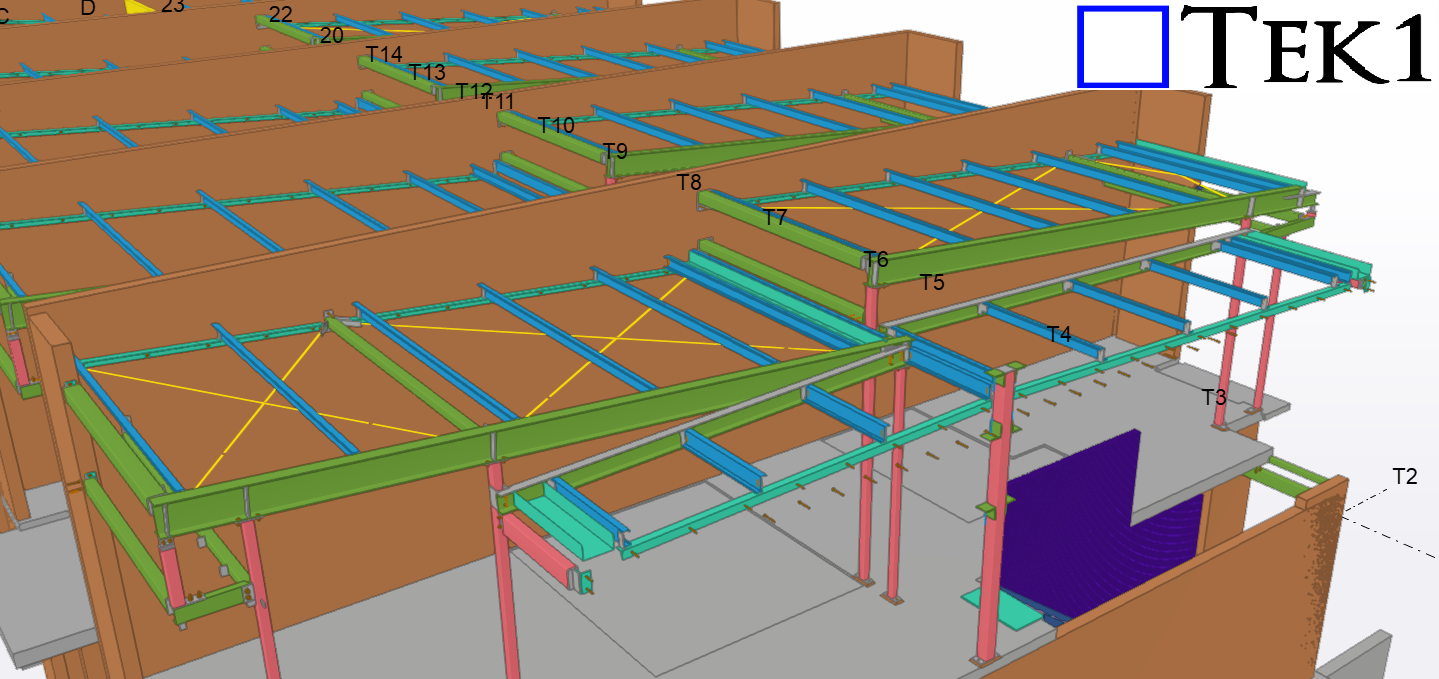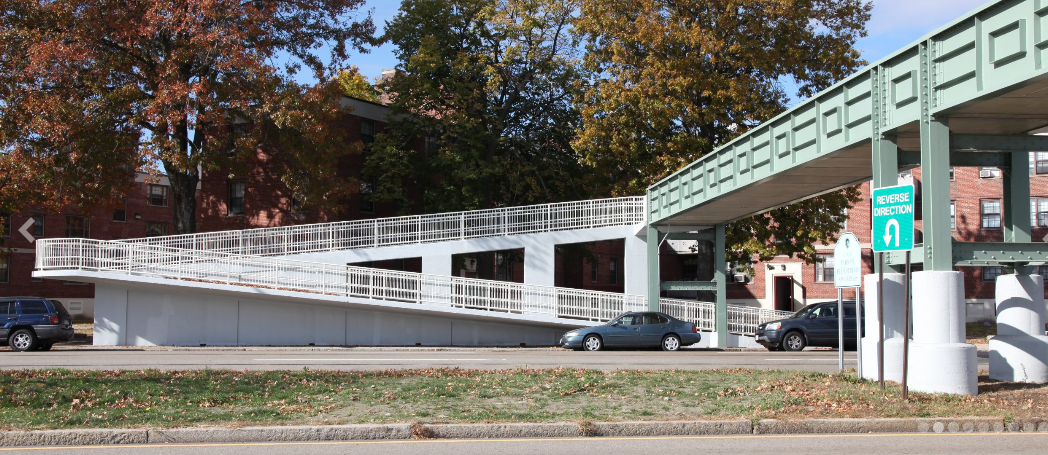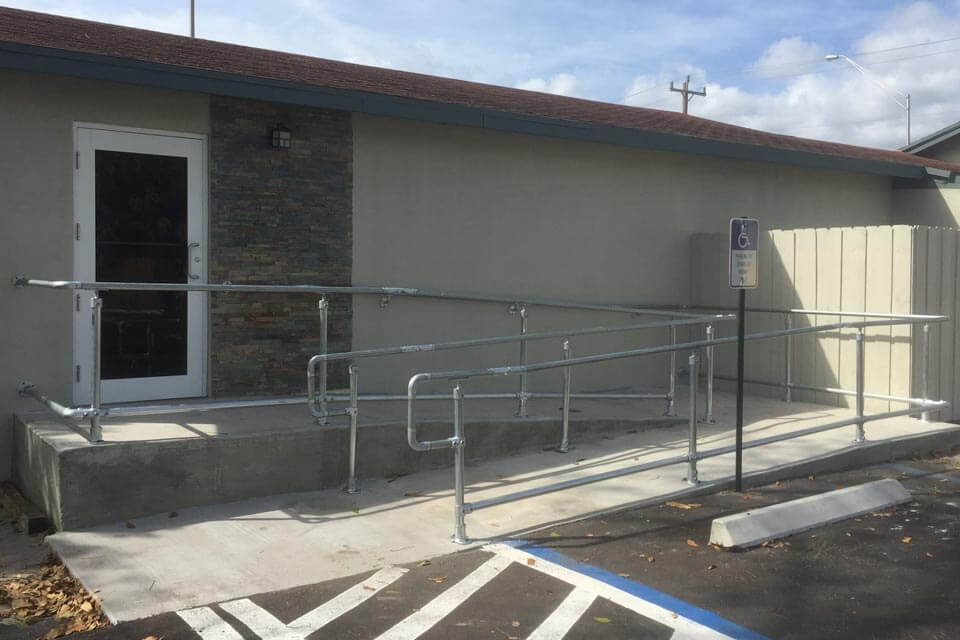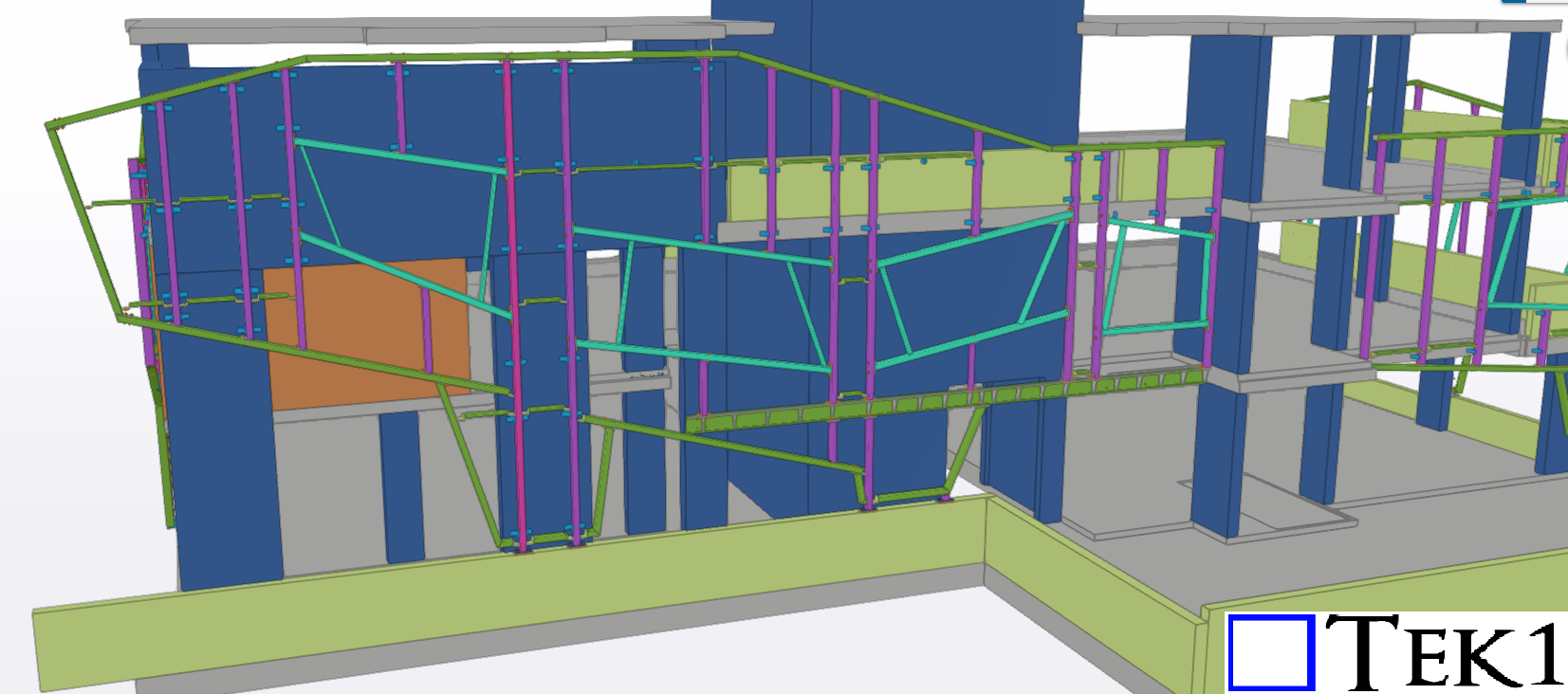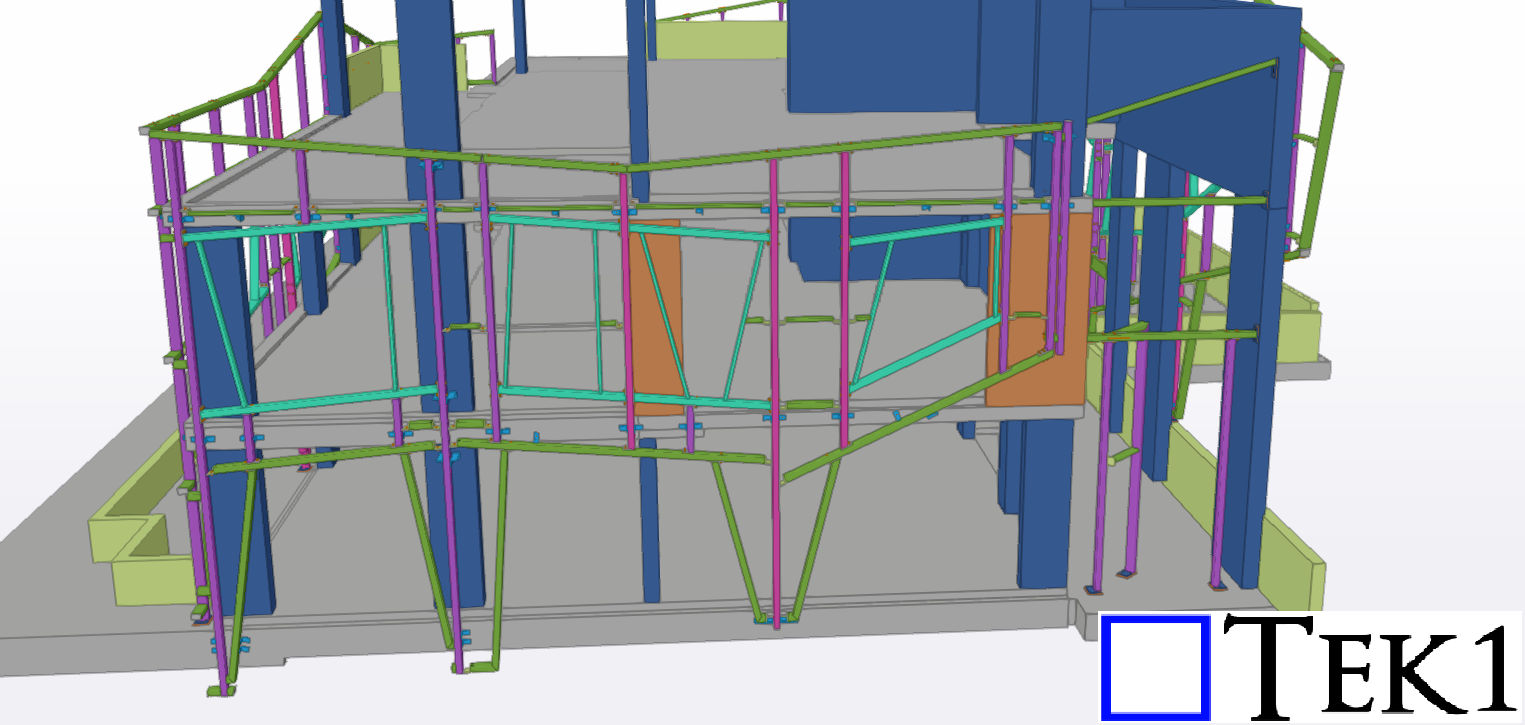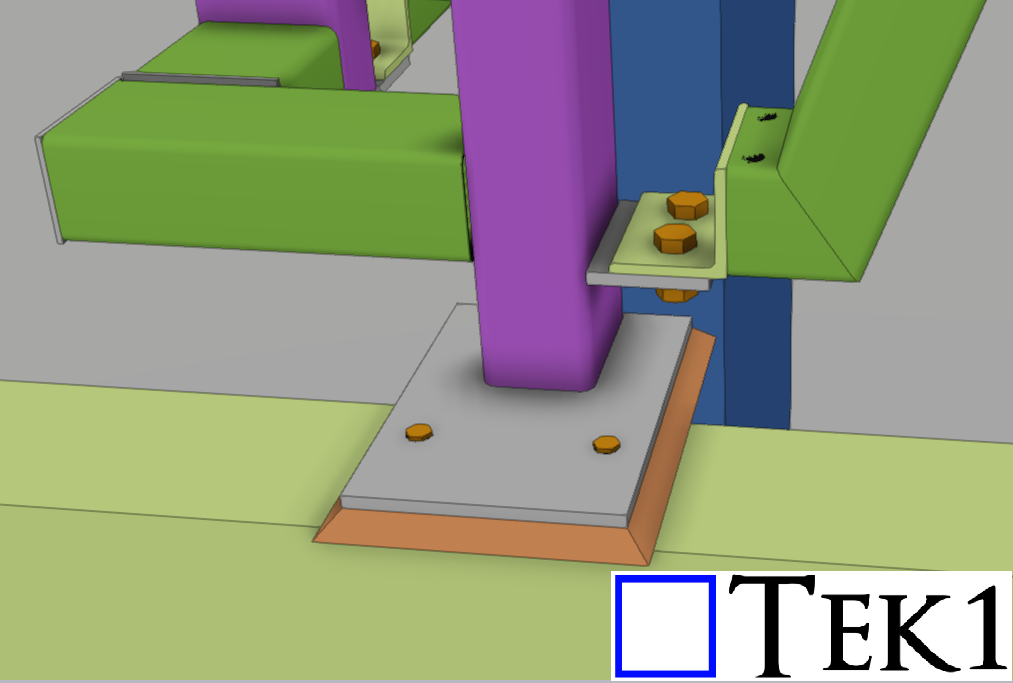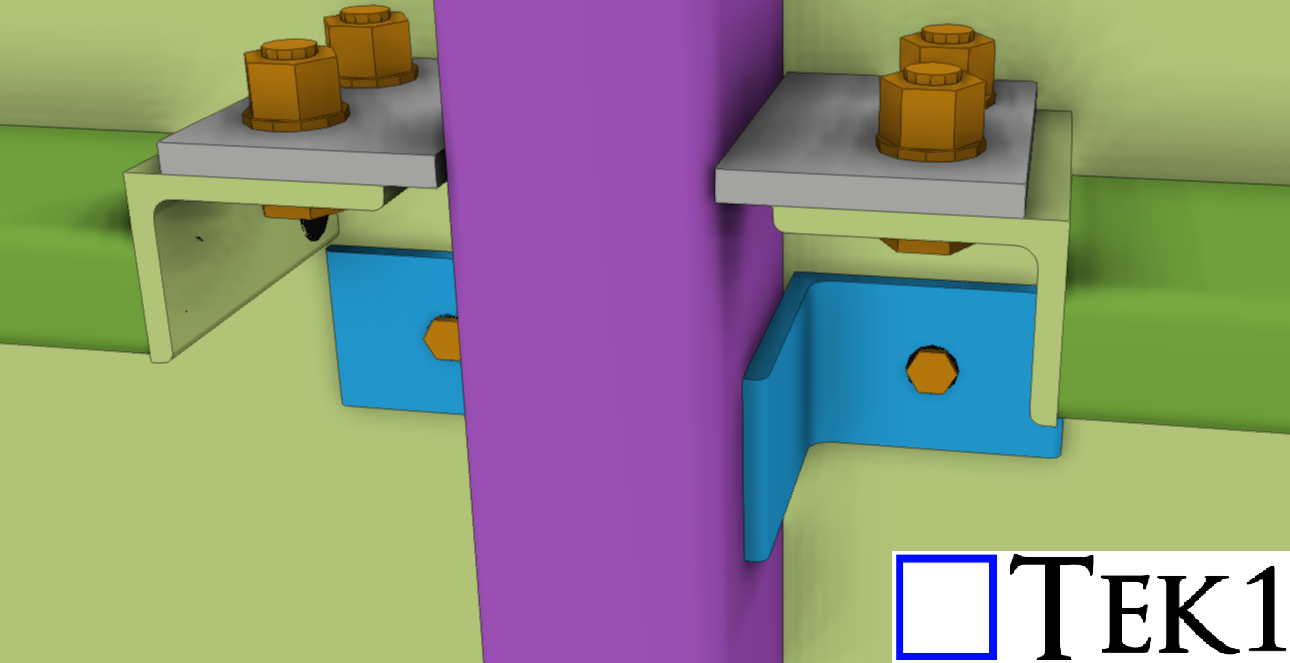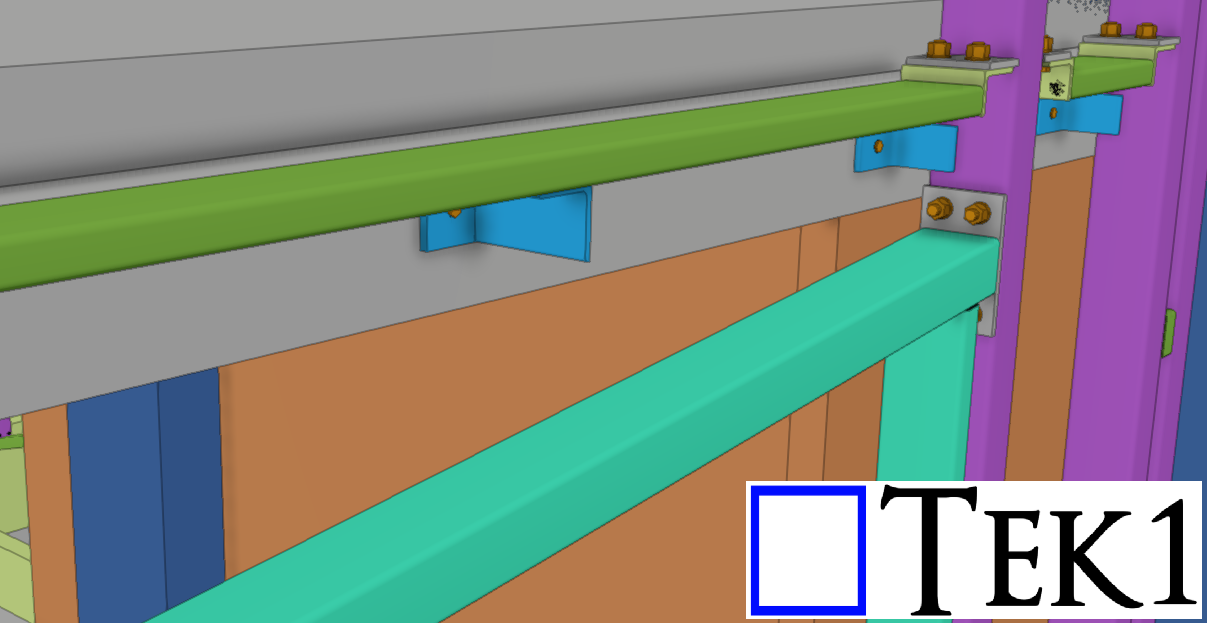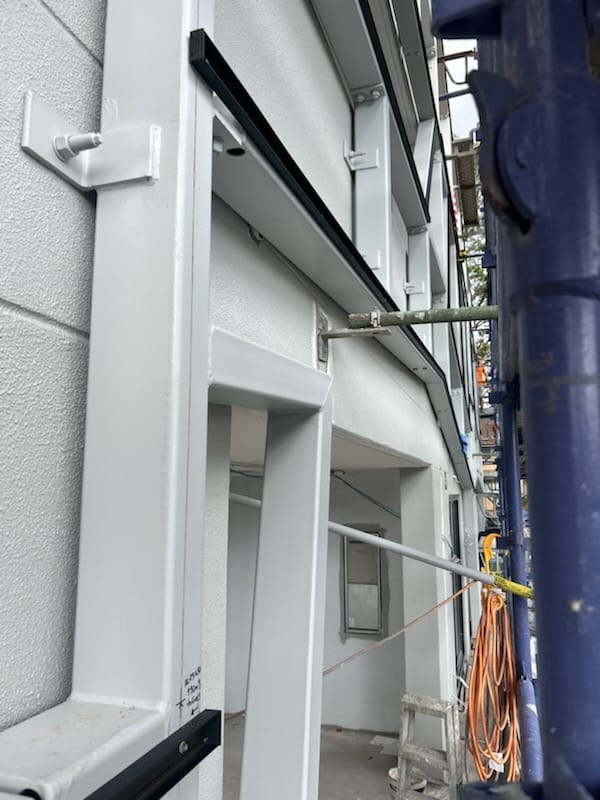
According to the design, the bottom angle (as shown in the below design) is welded to the truss chord and top angle is welded to another frame.
However, this creates a challenge when it comes to erecting the top angle, since both top and bottom angles need to be bolted together.
The all-around weld on the bottom angle complicates the positioning of the top angle, as the weld at the top obstructs proper placement.
How did we resolve the issue?
Ensure that no weld is applied at the top of the bottom angle. This makes it easier to position the top angle during erection.If the welding had already been completed, you could grind the weld at the top of the bottom angle. This would afford enough clearance for the top angle to be fitted.
In the realm of steel detailing, it’s not enough to simply follow design drawings and IFC models. As detailers, a thorough understanding of general standards is crucial to ensure accuracy and compliance.
The Importance of Standards
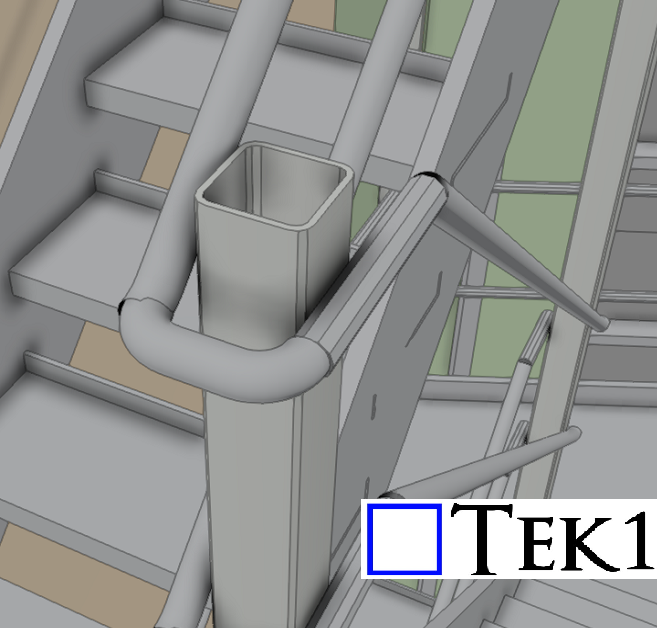
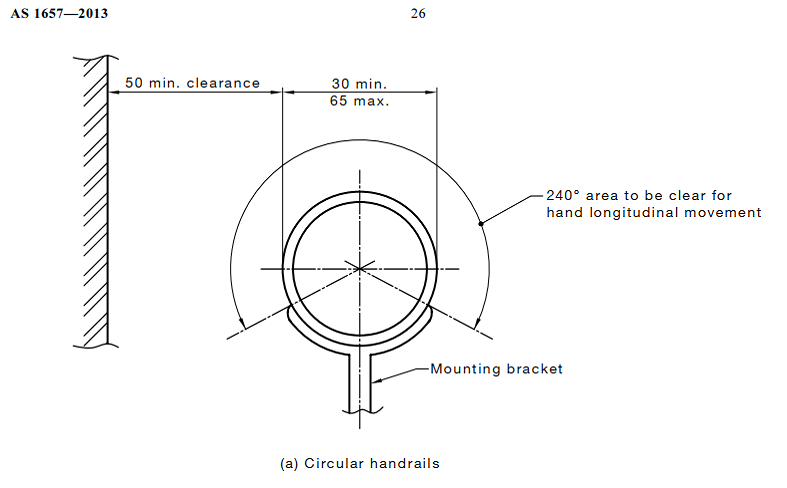
For instance, consider the Australian stair standards AS1657, which require a clear handrail area of 240° with a minimum clearance of 50mm. In the example below, the designer overlooked this standard, focusing solely on structural aspects without accounting for necessary clearances.
Identifying and Addressing Errors
As detailers, it is our responsibility to identify such discrepancies. In this case, the handrail does not meet the required clearance standards, which could lead to safety issues and non-compliance.
When we encounter designs that do not meet standards, it’s essential to raise queries with the client. This proactive approach ensures:
Compliance with Standards: Adhering to necessary safety and design standards.
Cost and Time Efficiency: Preventing costly rework and project delays. Enhanced Quality: Ensuring the final product is safe, functional, and compliant.
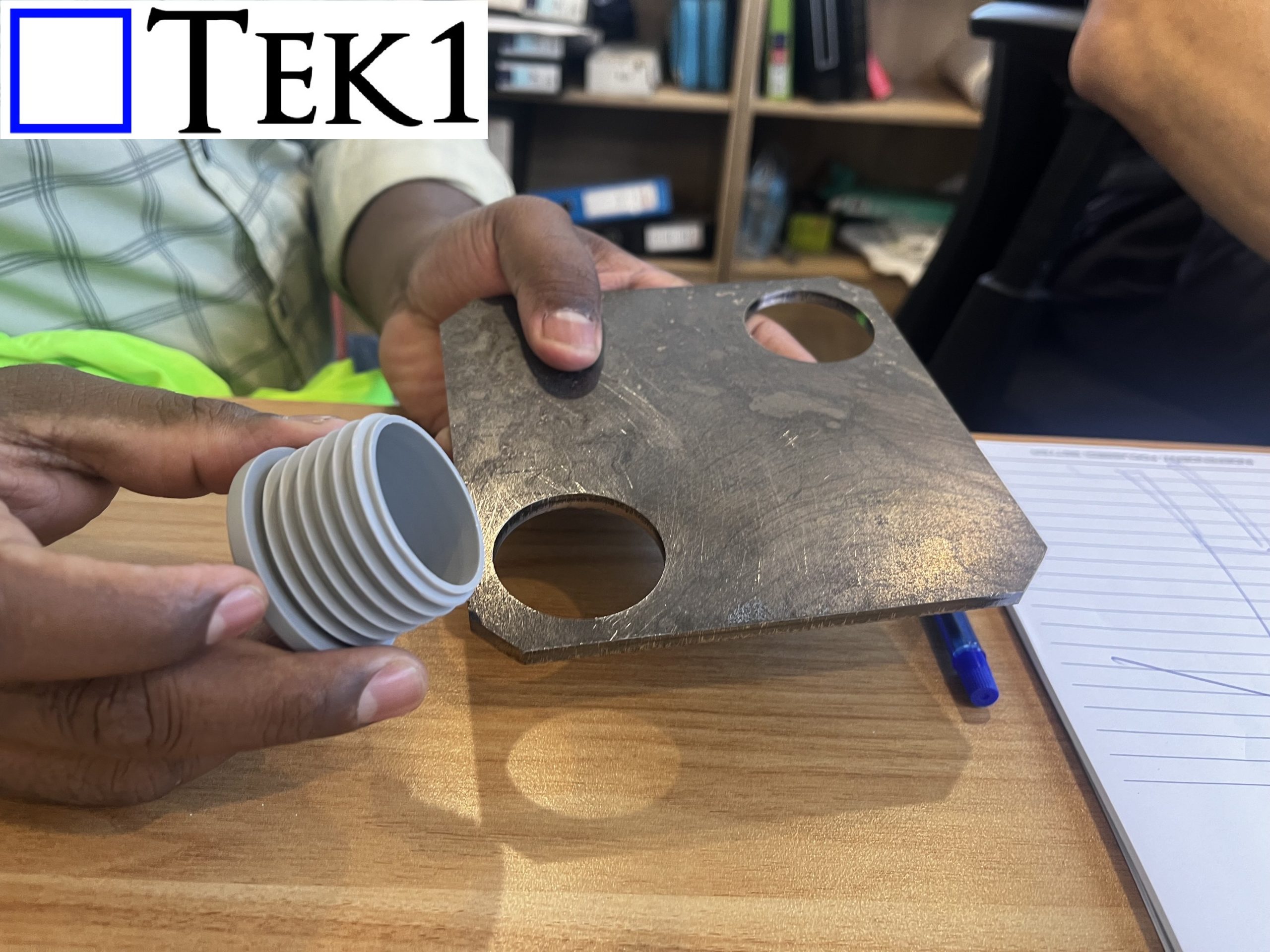
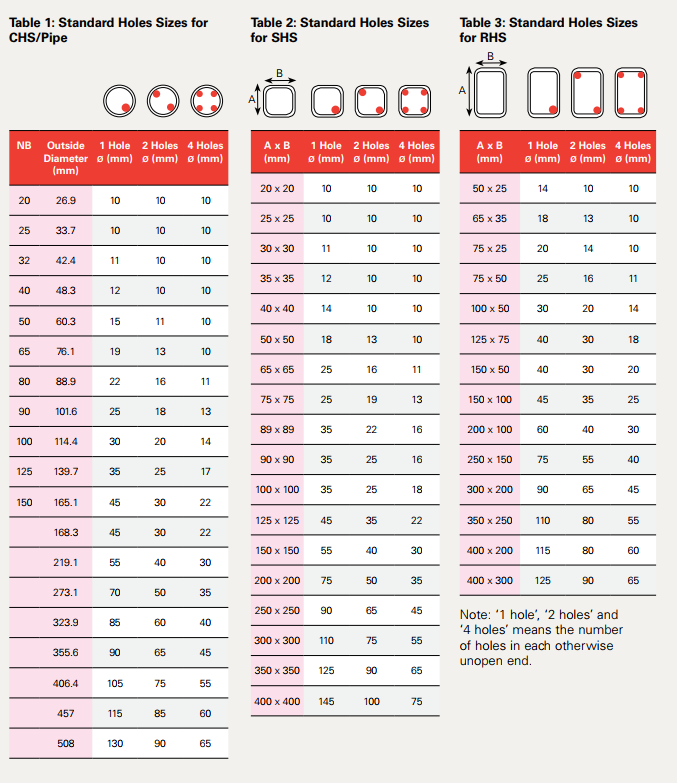
During a recent client visit, we encountered an issue with the size of vent holes. In Australian detailing, we typically use a standard catalogue for specifying galvanizing holes. We followed this standard and provided the holes in the end plate accordingly.
Adequate venting at correct location is very important for efficient galvanizing
However, the client pointed out that the caps used to seal these holes after the galvanizing process did not fit. This was the first time we faced this issue, and it highlighted a crucial point.
Key Takeaway
When providing galvanizing holes, it’s essential to confirm the hole size with the client rather than relying solely on the standard catalogue. This approach ensures compatibility with the caps used and can save a significant amount of money by preventing rework.
By aligning specifications with client requirements from the outset, we can avoid similar issues in the future and ensure a smoother project execution.
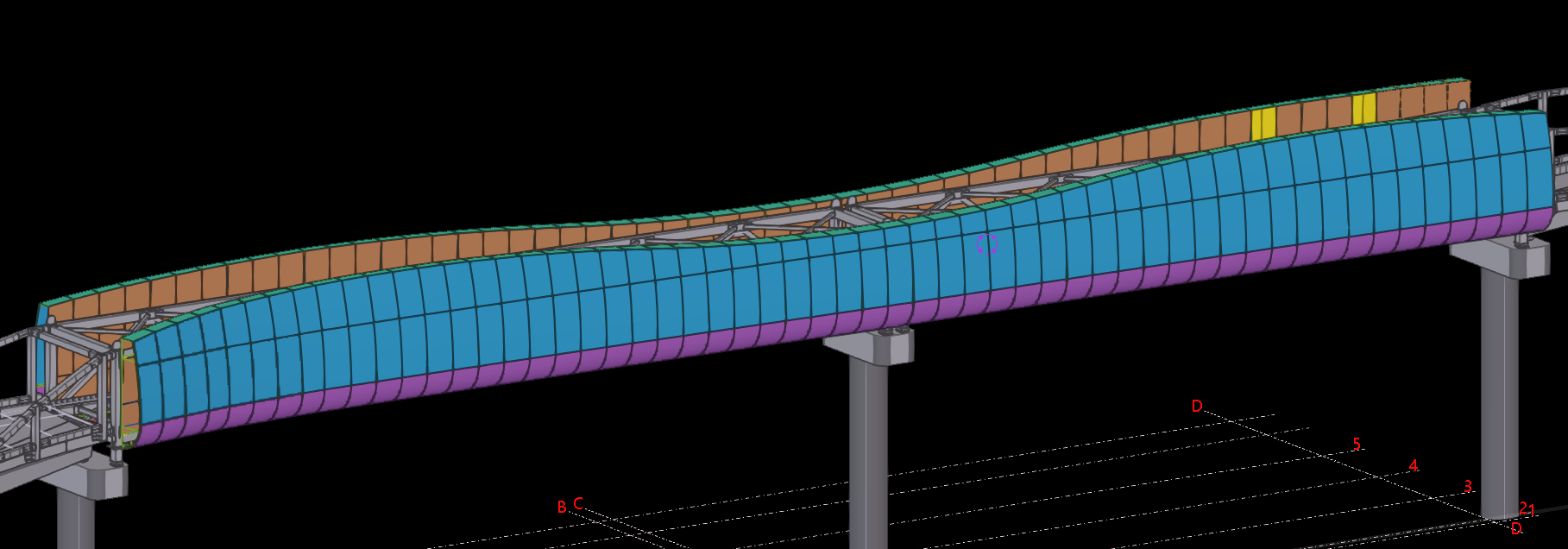
At TEK1, our extensive experience in detailing bridge projects has equipped us with the knowledge and foresight to minimize rework. Recently, we have been detailing two bridges for a leading company in Australia. Here’s a glimpse into how our expertise can prevent costly mistakes and ensure smooth project execution.
Addressing Cladding Design Challenges
We received design drawings for the cladding around the bridges, one of which showed cladding with only one horizontal split at the bottom location, while the rest was a single piece. However, to facilitate easier handling and reduce the risk of damage, we identified the need for two horizontal splits instead of one.
Why Split the Cladding?
Handling Issues: Large, single-piece cladding can be difficult to manage in the shop.
Material Sensitivity: The cladding is made from a small aluminum sheet with perforations, making it prone to damage.
When modeling this type of cladding, it is crucial to consider the fabricator’s handling challenges and potential issues they might face.
TEK1’s Proactive Approach
Given our extensive experience with similar bridge projects, we anticipated these issues. TEK1 arranged for our detailers to visit the factory directly, allowing them to understand firsthand the difficulties fabricators might encounter.
For this particular bridge job, TEK1 proactively raised queries about the maximum length of the cladding before starting the project. By addressing potential issues early on, we can significantly reduce the risk of rework.
The Benefits of Experienced Detailing
By leveraging our experience and proactive approach, TEK1 ensures:
1. Enhanced Efficiency: By identifying and solving potential issues early, we streamline the fabrication process. 2.Cost Savings: Minimizing rework leads to significant cost savings for our clients. 3.Quality Assurance: Ensuring that the design is practical and feasible reduces the likelihood of damage and maintains high-quality standards.
At TEK1, our goal is to deliver projects that not only meet client requirements but also stand the test of time. By understanding and addressing fabrication challenges, we ensure that our detailing work is both precise and practical, ultimately saving time and resources for everyone involved.
Stay tuned for more insights and updates on how TEK1 continues to lead the way in bridge detailing and beyond.
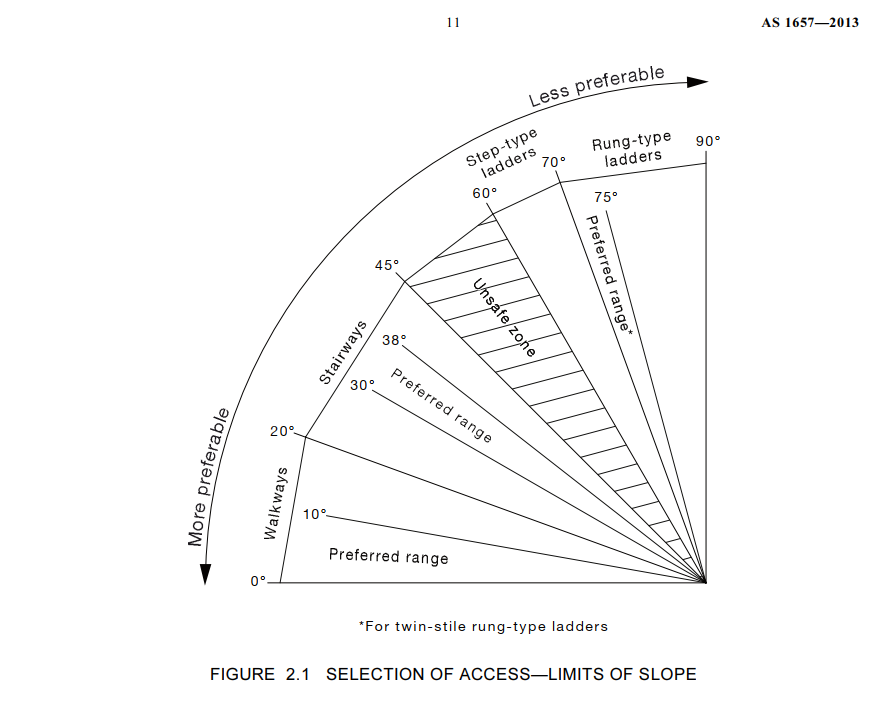
When it comes to constructing stairs or ladders, adherence to specific standards regarding access and slope limits is paramount. Understanding these guidelines, as outlined by the Australian Standards AS1657, ensures not only safety but also compliance with regulatory requirements.
1. Access Ramps and Pathways:
If you require access for height without steps, the slope must fall within a minimum degree range of 0-20°, with a preferred range of 0-10°. Public access ramps in Australia typically adhere to a 4° slope, which, while effective, can consume a significant amount of landing area. This slope range is predominantly utilized for ramps and access pathways.
2. Stairs in Residential and Commercial Settings:
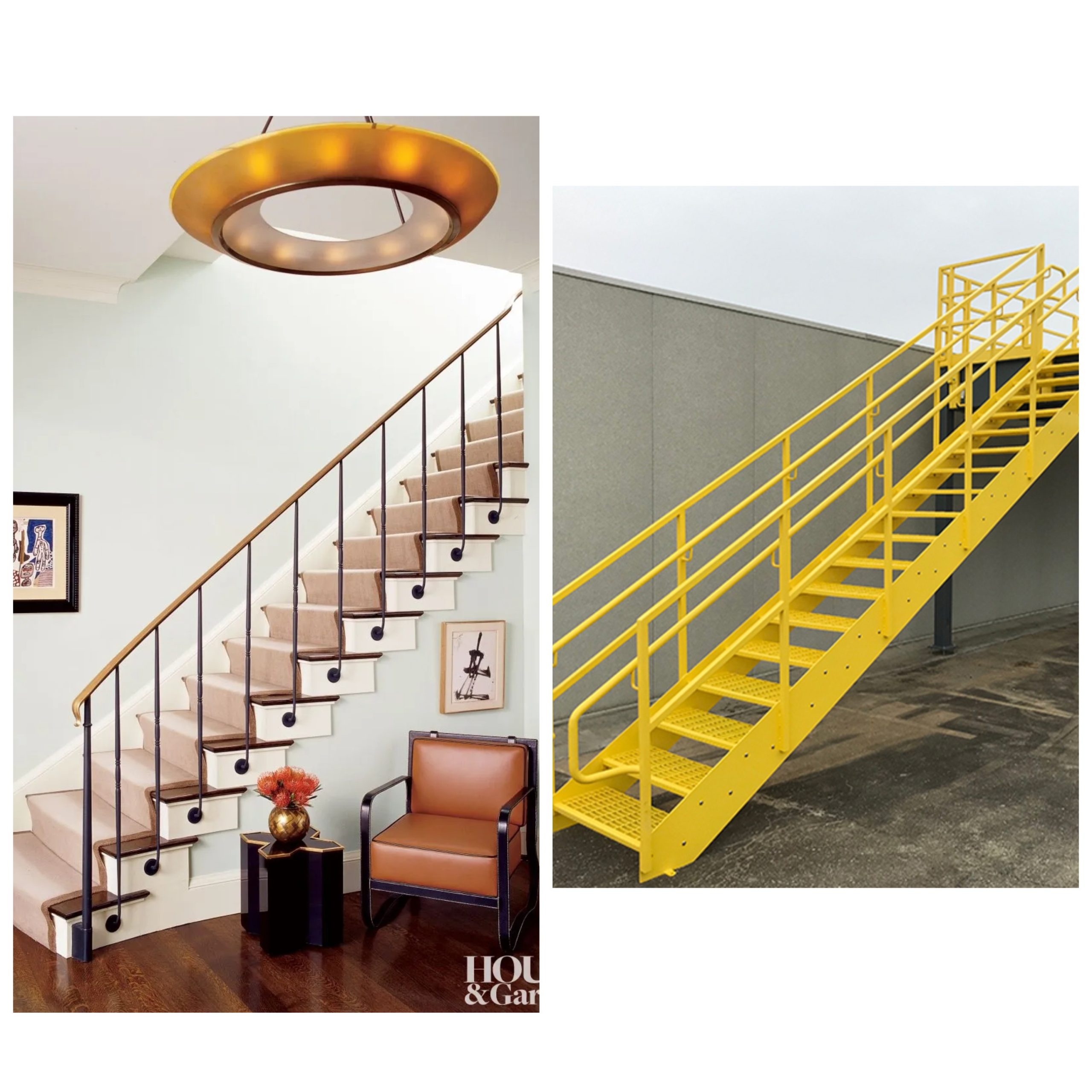
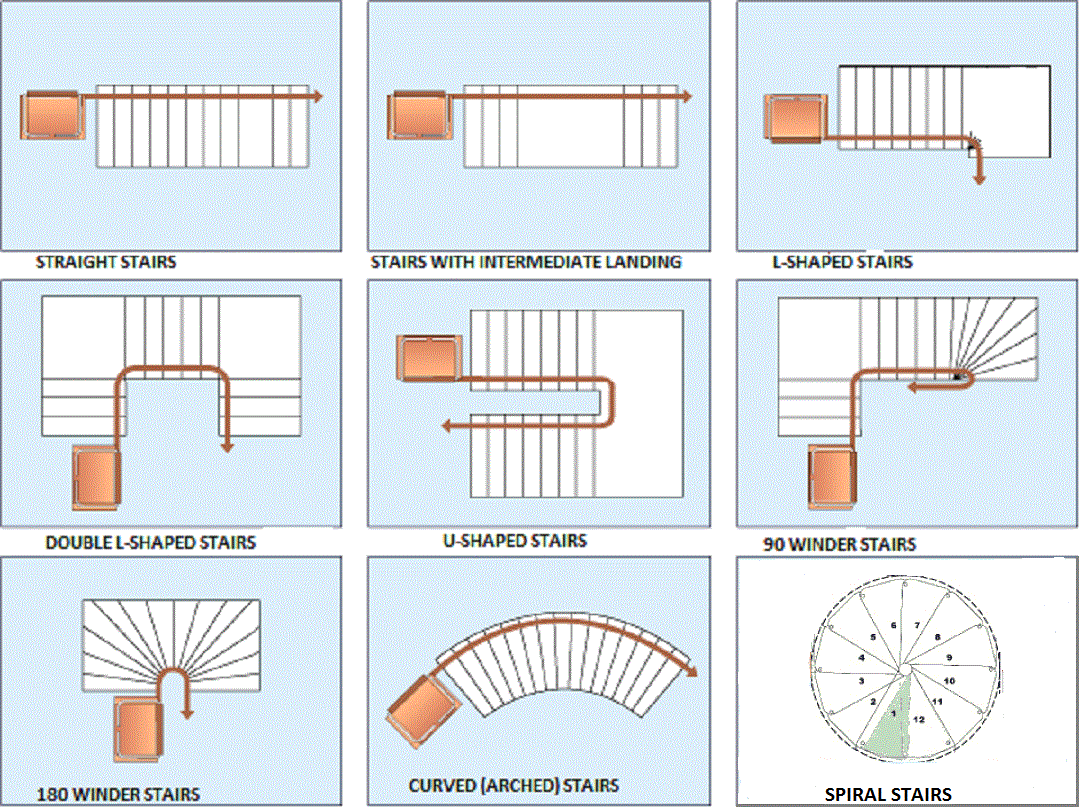
In residential and commercial areas, stairs are commonly employed, typically featuring a degree range between 30° to 38°. However, according to standards, stairs should ideally fall within the range of 20° to 45°. It’s important to note that stairs occupy a substantial amount of ground area and must be carefully designed for optimal functionality and safety.
3. Industrial Ladders:
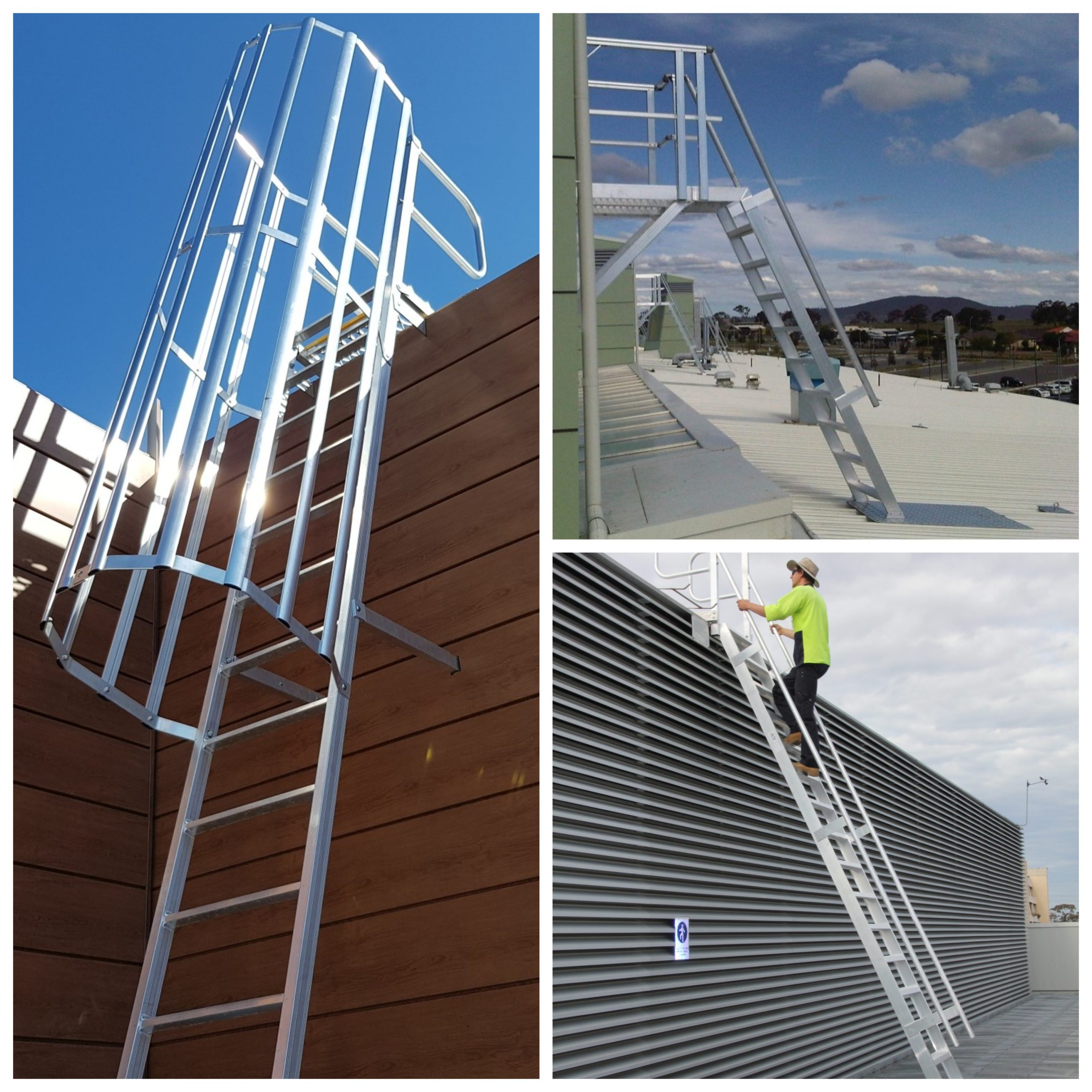
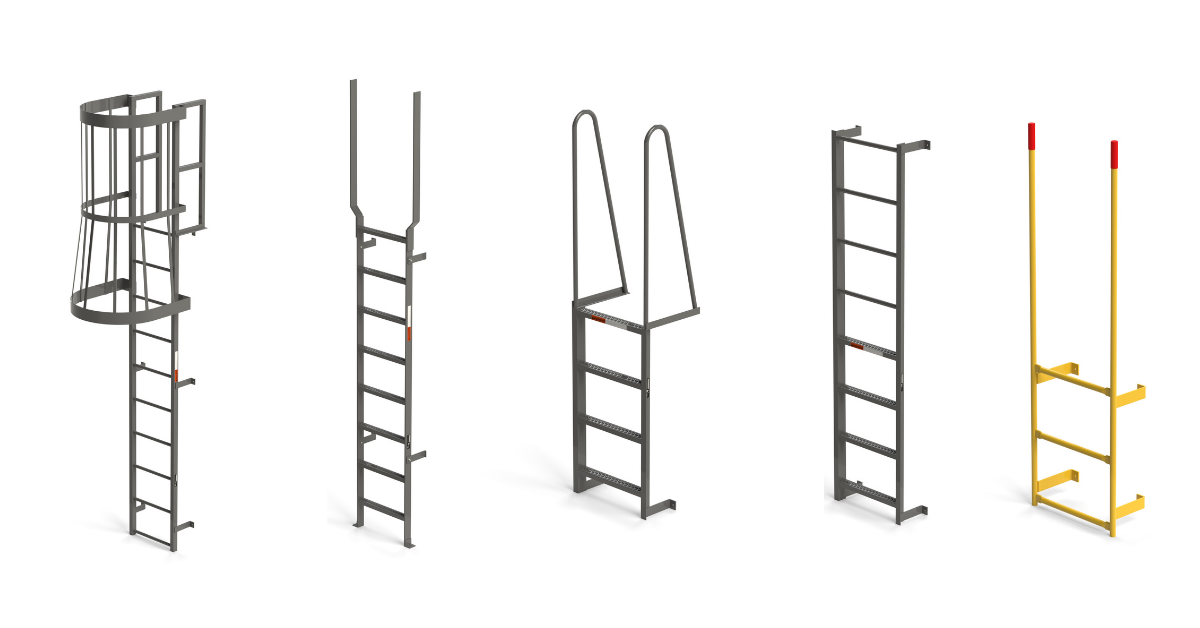
Industrial settings often utilize step-type ladders, which should ideally have a degree range between 60° to 70°. Treads are commonly incorporated for enhanced safety and stability.
In cases where clearance is limited, rung-type ladders may be employed. Rung-type ladders, with a degree range of 70° to 90°, offer a compact alternative, making them suitable for confined spaces. Notably, 90° ladders are commonly found in locations such as ships and network towers, requiring minimal space.
Safety Considerations:
It’s crucial to emphasize that the degree range between 45° to 60° is deemed unsafe for both ladders and stairs. This zone presents heightened risks and should be avoided to ensure the safety of users.
In conclusion, adherence to prescribed access and slope limits is essential when constructing stairs and ladders. By following established standards, builders and designers can create structures that prioritize safety, functionality, and compliance with regulatory requirements.
As detailers, everyone should be familiar with these standards. Even when architects or engineers overlook these details, a detailer can catch them. This is also one of the important aspects for detailers to remember.
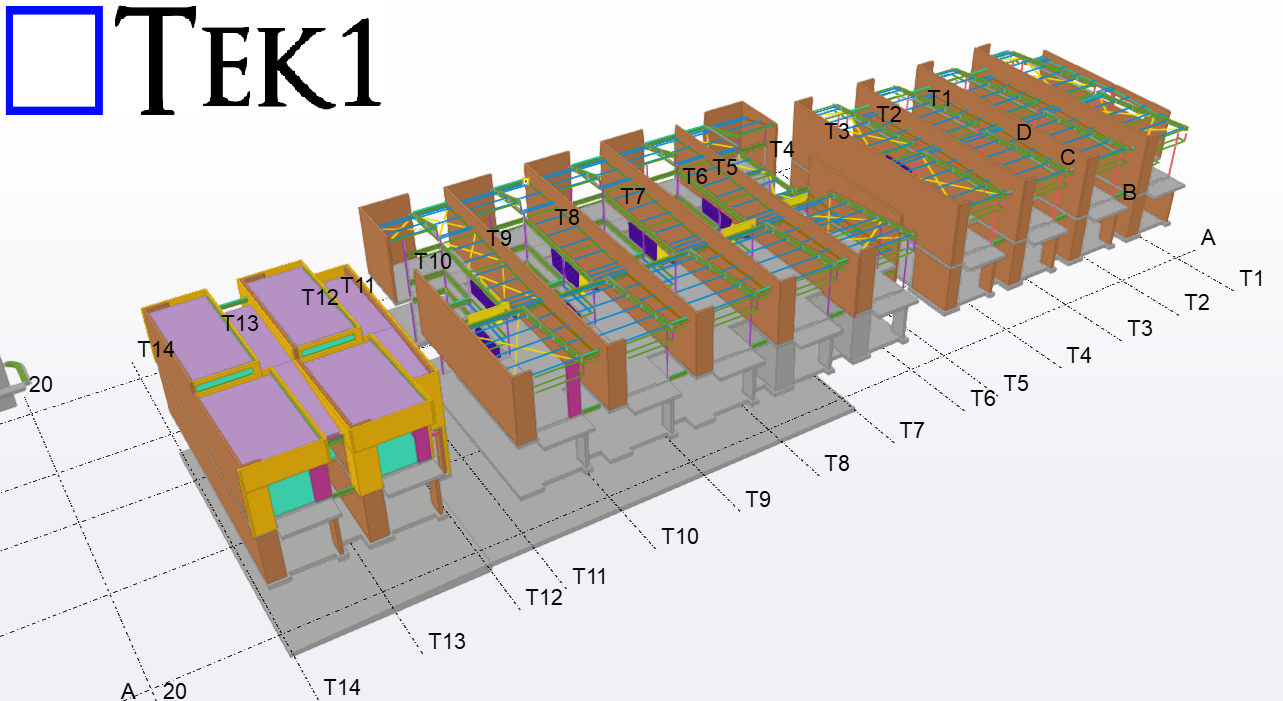
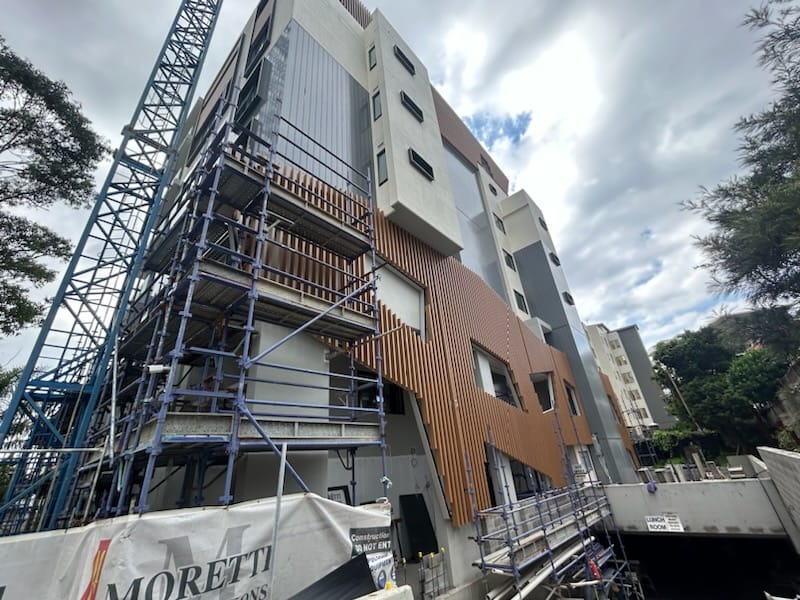
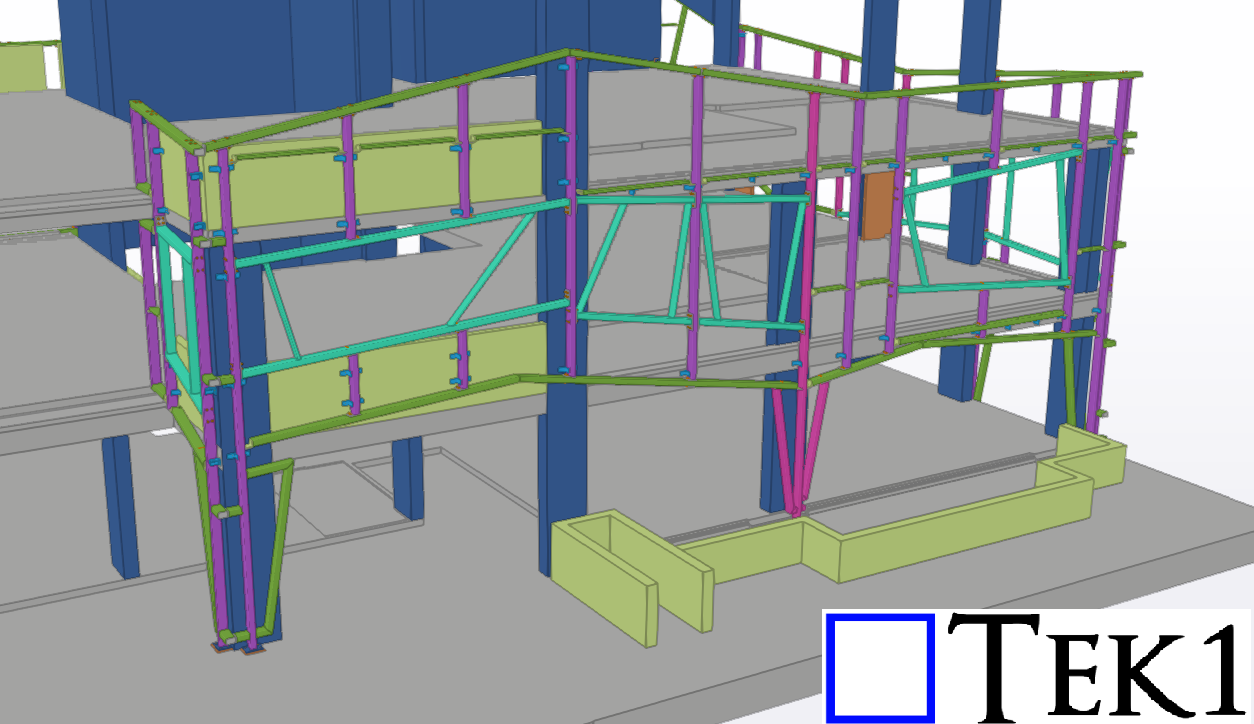
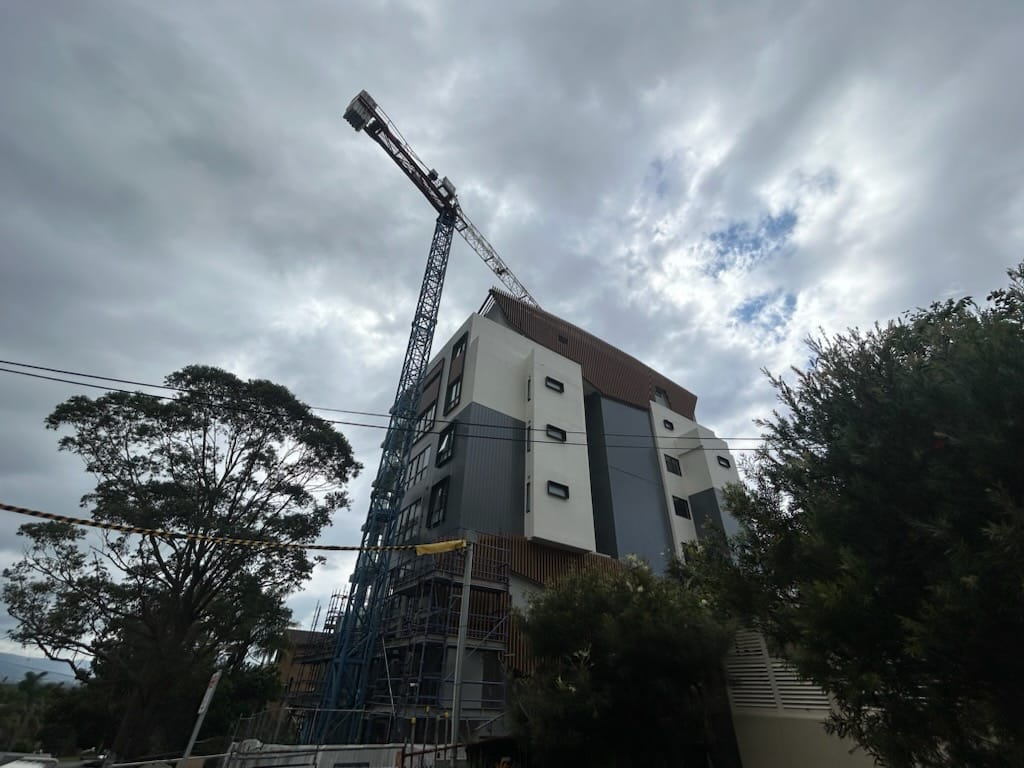
Building Facade Expertly detailed by Tek1 for this residential project for Sydney Fabricator
Despite encountering challenges with concrete connections, including incomplete details from the structural engineer, Tek1 rose to the occasion. We proposed additional connection details, which were promptly approved after collaboration with the engineer.
Despite the initial setbacks, Tek1’s commitment to excellence and proactive problem-solving approach prevailed, earning the satisfaction of our client.
This project underscores Tek1’s commitment to excellence and ability to overcome obstacles for successful project delivery.
Tek1 successfully completed a detailing work for stairs on the Rozelle Interchange & Western Harbour Tunnel project. Our scope of work encompassed providing stair steels and strategically placing holes for handrail posts, a task executed with precision and expertise.
A crucial aspect of the project involved coordinating with the existing concrete area to ensure seamless integration and structural integrity of the stairs. This required extensive collaboration with our client, involving numerous meetings to synchronize efforts and address any challenges related to existing concrete and handrail post holes.
Despite the complexities involved, Tek1 navigated the project without encountering any major obstacles, delivering exceptional results within the stipulated timeframe. Our meticulous attention to detail and proactive approach ensured that the project was completed seamlessly, exceeding expectations.
Tek1 recently completed a detailing work for miscellaneous items on the Walmer Bridge project. Our scope included handrails, balustrades, and seat framing, showcasing our expertise in comprehensive infrastructure solutions.
We have referred to a supplier catalogue and modeled an HR bracket as per requirements.
Coordination was essential as the bridge was designed by another detailer. Tek1 seamlessly integrated our work with theirs, utilizing their IFC model for reference. Despite challenges, our team navigated the project without any major hitches.
This success underscores Tek1’s commitment to excellence and ability to collaborate effectively. With each project, we strive to exceed expectations and uphold our reputation as a leader in the industry.