Tag: #TEK1-RAMKRISH-PROJECTS

  • Cloning of Assembly Drawings in Tekla

    Cloning of Assembly Drawings in Tekla

    Cloning of Assembly Drawings in Tekla is the Smartest Way to Improve Detailing Efficiency

    In structural steel detailing, efficiency and accuracy are critical to delivering projects on time. As projects grow larger and more complex, detailers must find smarter ways to manage repetitive components and maintain consistency across drawings. One powerful feature that helps achieve this in Tekla Structures is Assembly Drawing Cloning.

    Cloning assembly drawings is a highly effective method that allows detailers to duplicate an existing assembly drawing and apply it to similar assemblies within the model. Instead of creating drawings from scratch every time, detailers can reuse a well-configured drawing layout, saving significant time while maintaining uniform standards across the project.

    In steel structures, many assemblies such as beams, columns, bracing members, and connection components often share similar configurations. When these assemblies are modeled with comparable geometry and detailing requirements, cloning becomes an invaluable tool. By copying an existing drawing and adapting it automatically to another assembly, Tekla helps detailers maintain consistency in dimensions, views, marks, and annotations.

    Another advantage of cloning is its ability to intelligently adapt to small variations between assemblies. Tekla automatically adjusts views, dimensions, and annotations to match the geometry of the new assembly. This allows detailers to reuse drawings even when there are minor differences in member length, hole positions, or connection details

    Please refer to the video below, which elaborates on the cloning process and the working method in Tekla Structures
  • Locknut anchor bolt guide

    Locknut anchor bolt guide

    Why Locknuts Are the Unsung Heroes of Anchor Bolt Integrity

    Anchor bolts are the literal foundation of structural stability. They secure steel columns, heavy machinery, and critical structural components to concrete foundations, resisting uplift, shear, and dynamic forces.

    But even the strongest anchor bolt is only as reliable as its ability to stay tight.

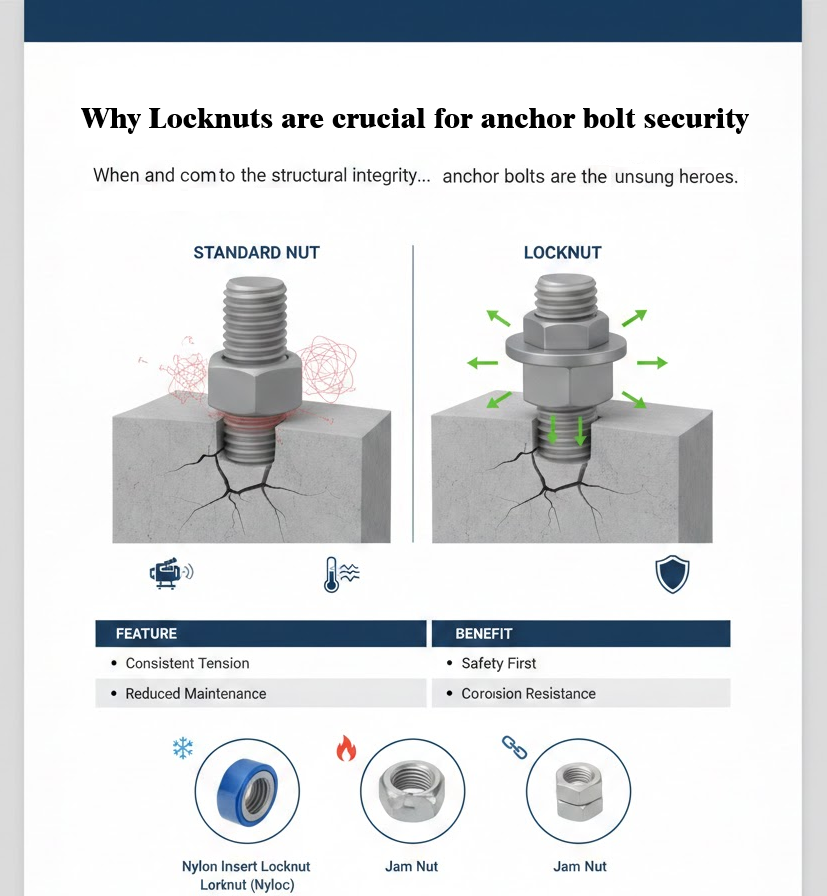
    In industrial environments where vibration, movement, and thermal cycling are constant, relying on a standard nut alone is often not enough. This is where locknuts become a non-negotiable component of anchor bolt assemblies.

    The Hidden Risk: Vibration-Induced Loosening

    When we think about structural failures, we often imagine snapped steel or crumbling concrete. However, one of the most common—and preventable—failure points is vibration-induced loosening. Enter the locknut – the small but mighty component that ensures your anchor bolts stay steadfast.

    The Mechanics of Loosening

    Standard nuts rely on the friction between the bolt threads and the nut threads, maintained by the tension (clamp load) of the bolt. However, two main factors can compromise this:

    Thermal Expansion: Fluctuating temperatures cause the bolt and the fixture to expand and contract, periodically reducing the clamp load.

    Vibration: Constant motion from machinery or wind loads can cause minute “slips” in the threads.

    What is a Locknut and Why Does it Matter for Anchor Bolts?

    A locknut is a specialized fastening device designed to resist loosening when subjected to vibration and torque. Unlike standard nuts, which rely solely on friction created by initial tension, locknuts incorporate various mechanisms to maintain their grip, even when external forces try to reduce that tension.

    Conclusion

    Don’t let a $2.00 part jeopardize a $200,000 project. Using high-quality locknuts on your anchor bolts ensures longevity, reduces maintenance costs, and—most importantly—guarantees structural safety.

  • Difference Between TEKLA “Export IFC” and IFC4

    Difference Between TEKLA “Export IFC” and IFC4

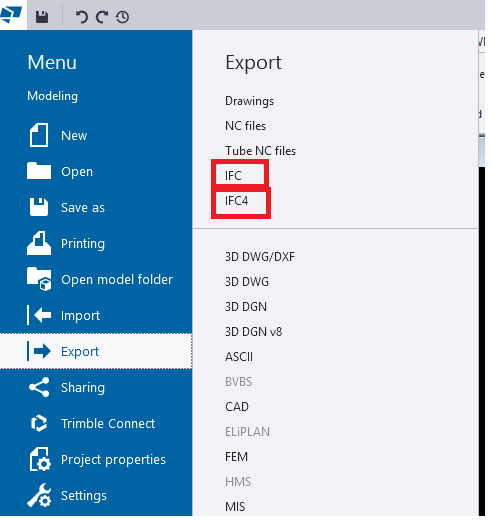
    When we export models from TEKLA Structures, we mainly see two options:

    • Export IFC (this mostly means IFC2x3 format)
    • IFC4 Export

    Both formats serve the same purpose—model interoperability—but they work differently, support different levels of data, and offer different quality of geometry.

    In this blog, we explore the key differences, benefits, and when to use each format.

    1. What is “Export IFC” (IFC2x3)?

    This is the old IFC format used by most companies for many years.

    Key points

    • Works in almost all BIM software
    • Shows Geometry is basic and sometimes rough
    • Limited property information
    • The File size is Bigger

    Best For

    ✔ General coordination
    ✔ Clients who request IFC2x3
    ✔ Old software compatibility

    2. What is “IFC4 Export”?

    This is the newer and more advanced format.

    Key Points

    • Geometry looks cleaner and smoother
    • Curved members (Hollow sections, pipes, elbows, etc.) look perfect
    • More detailed data (bolts, welds, assemblies)
    • Smaller file size in many cases
    • Better for new BIM tools

    Best For

    ✔ Modern BIM tools
    ✔ Better visual quality
    ✔ Detailed model sharing

    3. Quick Comparison

    FeatureIFC2x3 (Export IFC)IFC4
    GeometryBasic (Rough)Smooth & Accurate
    Curved ShapesApproximatePerfect & Precise
    File SizeLargerSmaller
    CompatibilityVery HighMedium
    Details LimitedMore Detailed
    convert IFC object to Steel MemberWork wellCan’t convert

    4. Which One Should You Use?

    • Use Export IFC (IFC2x3) if the client asks for it or if compatibility is important.
    • Use IFC4 if you want cleaner geometry and more detailed information.

    5. Final Summary

    • IFC2x3 (Export IFC) → Best for compatibility
    • IFC4 → Best for quality and smooth geometry

    If your client or BIM Execution Plan (BEP) does not specify the format, use IFC4 for best geometry

  • How TEK1 Solved the Complicated Star Node Puzzle in Great EMU in the Sky

    How TEK1 Solved the Complicated Star Node Puzzle in Great EMU in the Sky

    At TEK1, we believe great detailing is more than just precision—it’s about understanding real-world challenges and turning complexity into clarity.

    The Challenge

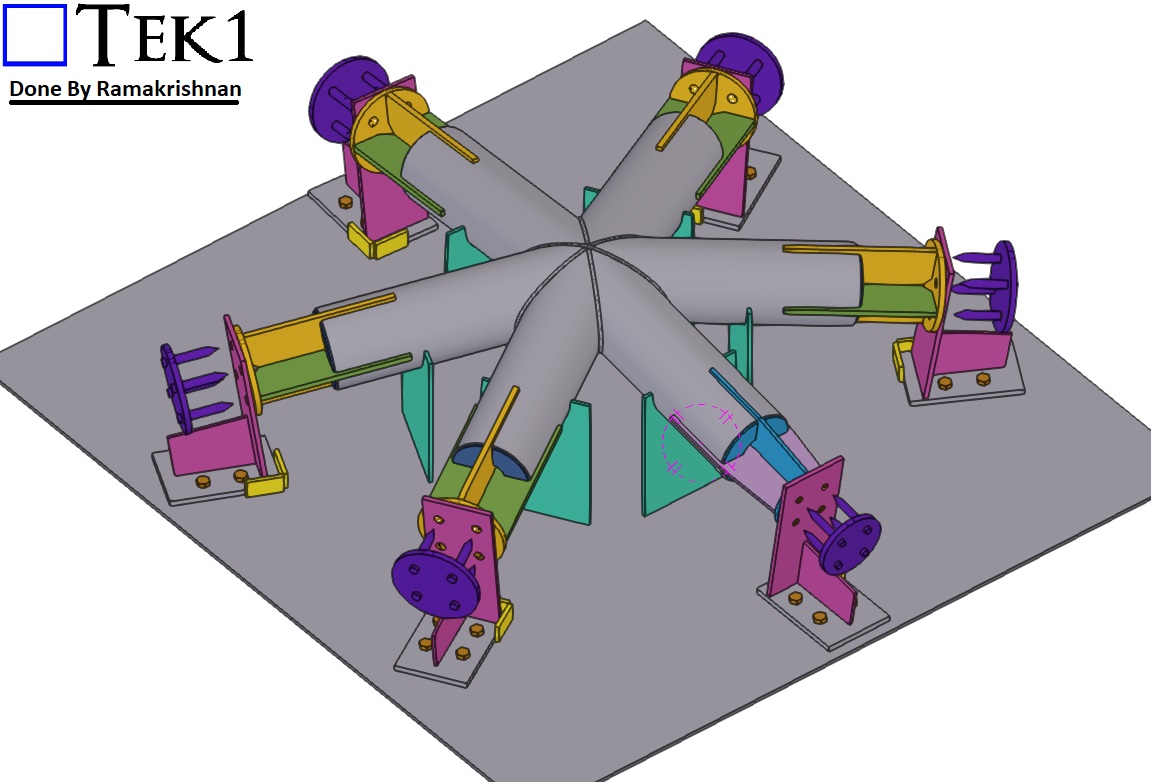
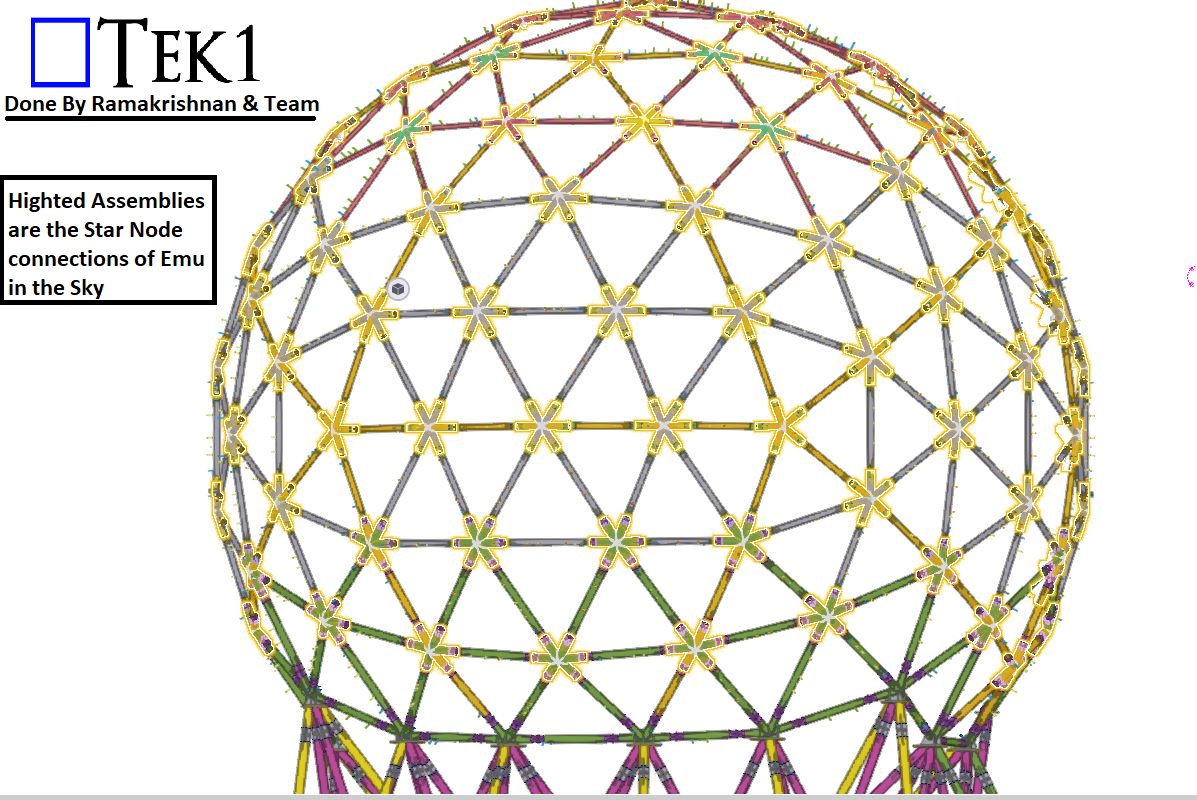
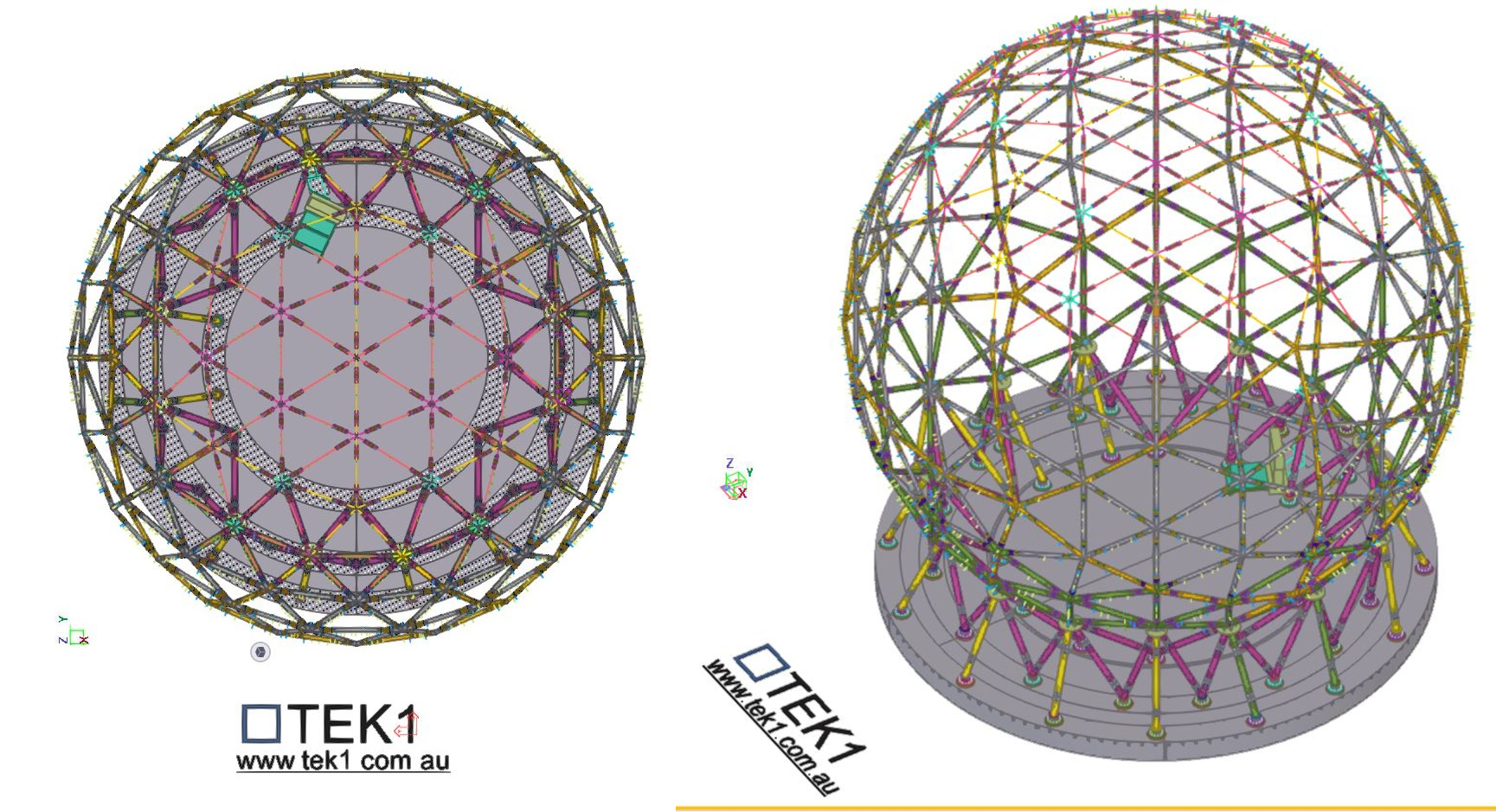
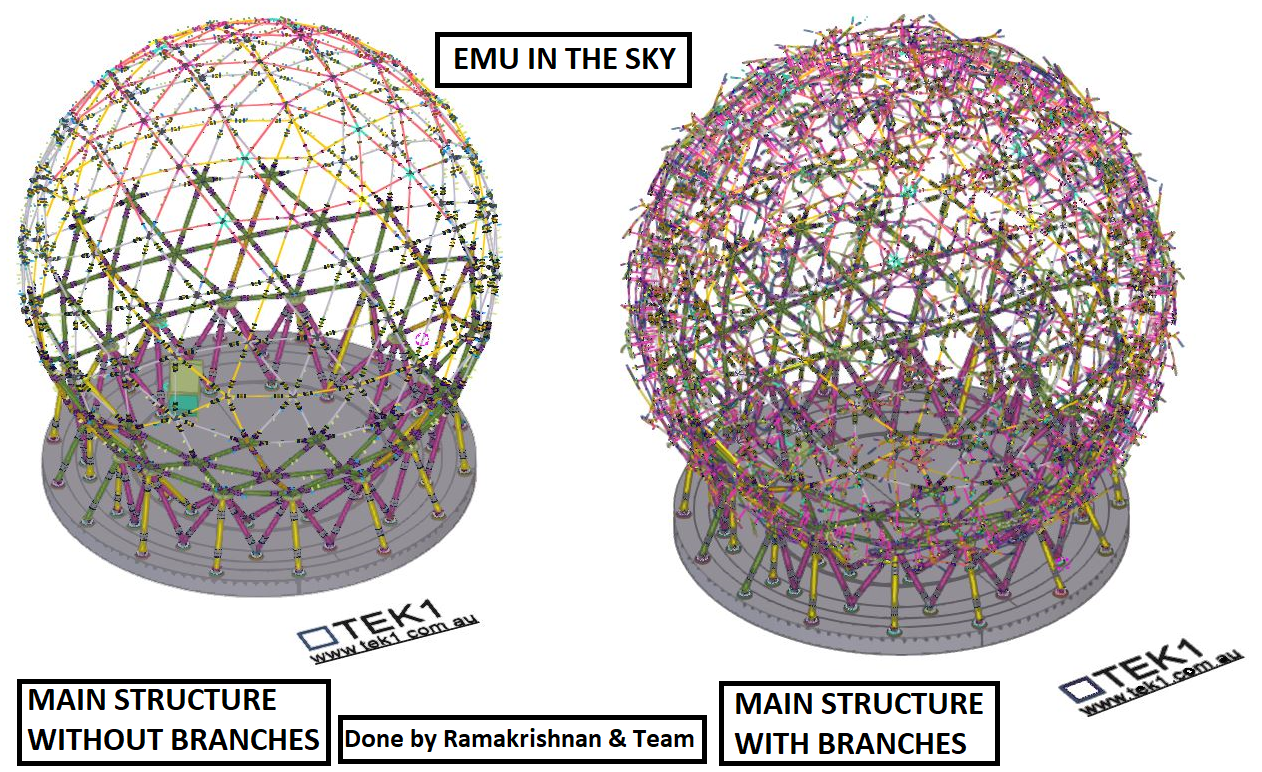
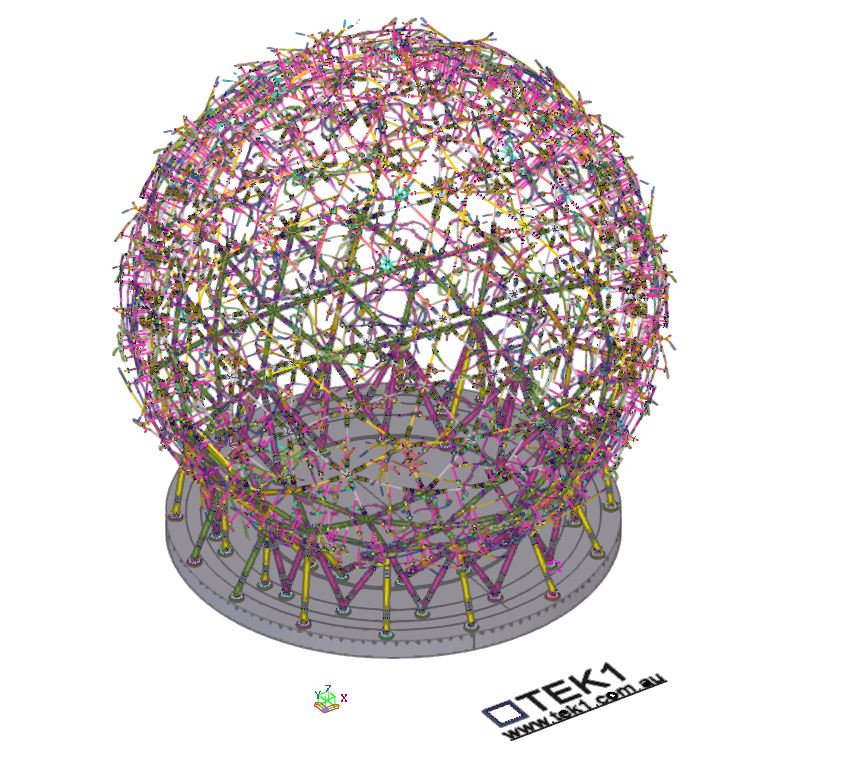
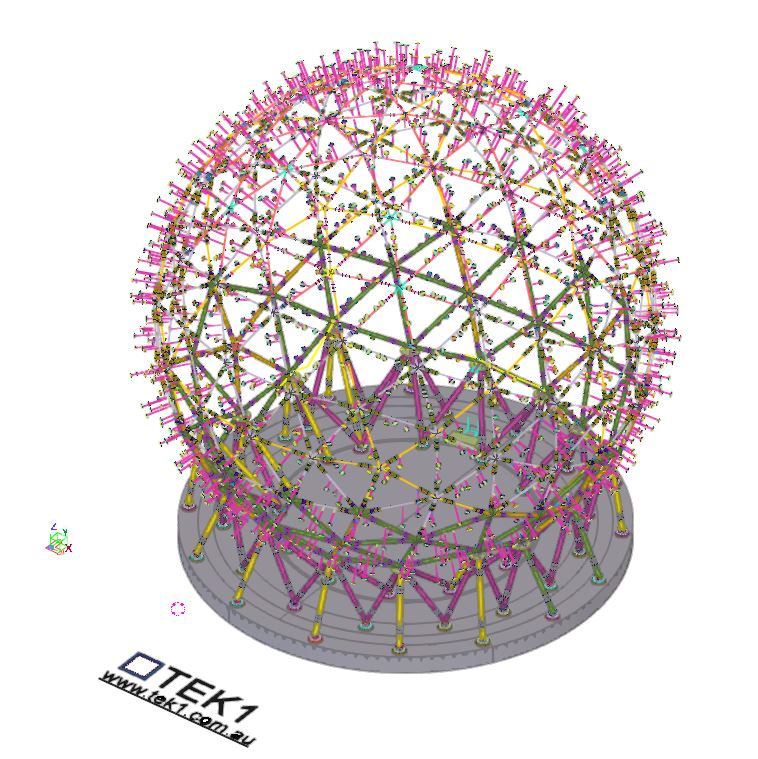
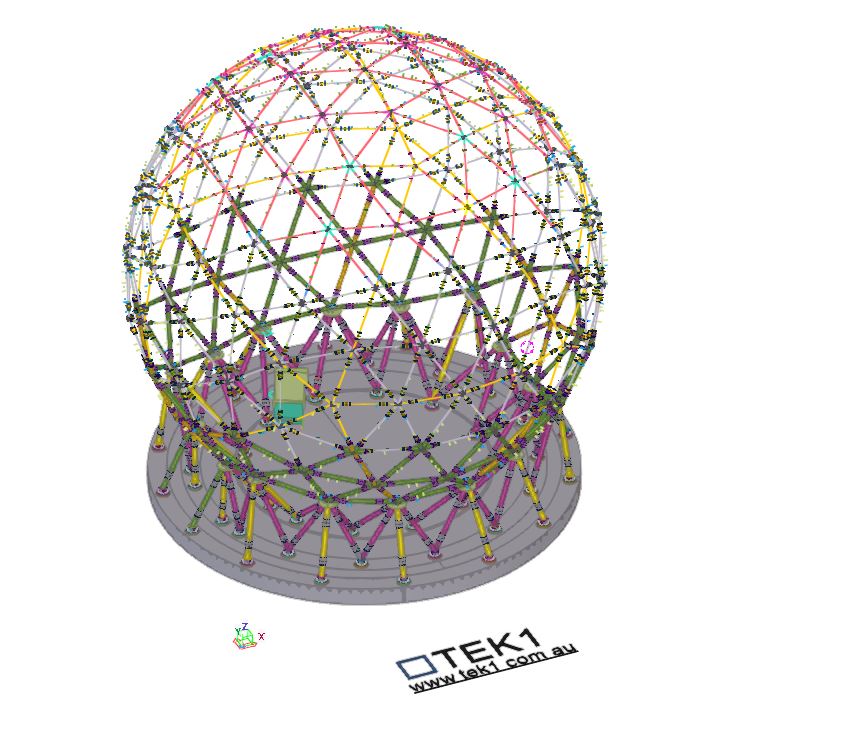
    The Great EMU in the Sky project presented one of the most unique and technically demanding structures we’ve ever worked on—a 30-metre-wide globe made up of 128 intricate “star nodes” connecting the bracing members.

    These nodes weren’t ordinary joints. Each featured 5 or 6 connection points and came in three different CHS sizes, with every arm set at unique, non-repeating angles.

    For the fabrication team, this posed a significant challenge:

    • 128 Complex Star Nodes, each with custom angles
    • Inconsistent geometries
    • Time-consuming and difficult to fabricate accurately

    Even with precise 3D modelling, the practicality of fabrication was proving to be a serious bottleneck. Something had to change.

    The Turning Point

    That’s when TEK1 took the initiative.

    Rather than simply delivering a model and walking away, we engaged directly with the fabricator to understand the issue from their perspective. We realized that even the most accurate detailing wasn’t enough—what the team needed was smarter, fabrication-friendly solutions.

    The Solution

    Our detailing team re-engineered how the star nodes were documented, presented, and ultimately fabricated. Key solutions included:

    • Custom fabrication jig design: We developed a dedicated jig that allowed star nodes to be fabricated with greater ease and precision, regardless of the angle configuration.
    • Standardized node sub-groups: We grouped similar nodes together to reduce variation and streamline production.
    • Detailed templates: For common angle types, we provided accurate templates to guide fabrication.
    • Visual fabrication aids: Clear drawings showing exact cuts, welds, and orientations for every node.

    The Result

    • Faster fabrication times
    • 🎯 Improved accuracy and alignment
    • 🔁 Reduced rework and error rates
    • 🤝 Stronger collaboration between design and workshop teams

    Most importantly, the fabricators were able to work with confidence, knowing each node would come together exactly as intended.

    Taking Detailing to the Next Level

    This project reinforced one of TEK1’s core values: true excellence in detailing comes not just from precision—but from empathy. When we truly understand the needs of the people building the structure, we unlock practical, buildable solutions.

    The Great EMU in the Sky is more than a globe—it’s a powerful example of what happens when detailers and fabricators work together as one team.

    📢 Call to Action:

    🚀 Have a complex structure or fabrication challenge? Partner with TEK1—where technical expertise meets buildability.

  • TEK1 Brings the ‘Great Emu in the Sky’ Sculpture to Life for Sydney’s M12 Motorway

    TEK1 Brings the ‘Great Emu in the Sky’ Sculpture to Life for Sydney’s M12 Motorway

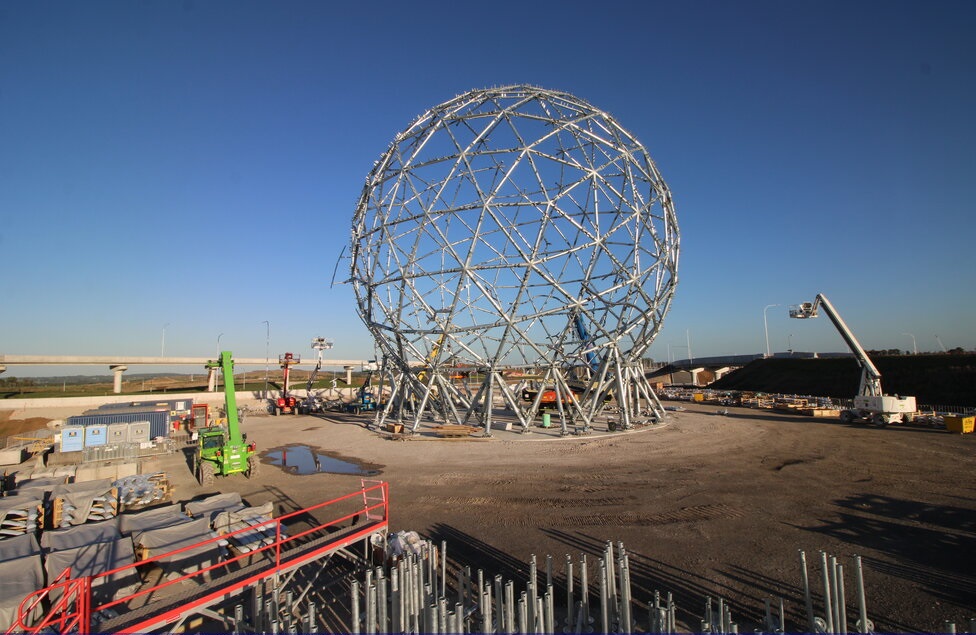
    TEK1 is proud to be part of an iconic project—the ‘Great Emu in the Sky’ sculpture, a monumental 30-meter-high emu nest that will stand as a cultural landmark along Sydney’s M12 Motorway.

    A Symbol of Dharug Heritage

    The peanic structure celebrates the Dharug Community’s sacred creation story of the Great Emu constellation.

    A Landmark Visible from Land & Sky

    Positioned for maximum visibility, the sculpture will be seen by:

    • Road users
    • Pedestrians
    • Sydney Metro passengers
    • Even planes approaching and departing Sydney Airport

    Blending Art, Culture & Engineering

    The steel artwork will take on different forms depending on the time of day and viewing angles:We look forward to seeing this one-of-a-kind sculpture take its place in Sydney’s landscape, honoring history while welcoming the future.

    • By day, it will resemble an emu nest, crafted from signature steel “sticks” that reflect the natural landscape and traditional materials of the Dharug people.
    • By night, it will illuminate and reveal two emu forms, visible only from certain perspectives—mirroring the Great Emu constellation as it shifts throughout the six Aboriginal seasons.

    TEK1’s Role in Detailing the Sculpture

    A lot of technical challenges were navigated to ensure that this complex structure, could be fabricated and erected, cheaply and efficient. We will document this on our blog if you’re interested.

    Please refer to the below video which represents the various stages of on-going erection

  • SYDNEY METRO CITY & SOUTHWEST TUNNELGRC PANELS & ITS BRACKET

    SYDNEY METRO CITY & SOUTHWEST TUNNELGRC PANELS & ITS BRACKET

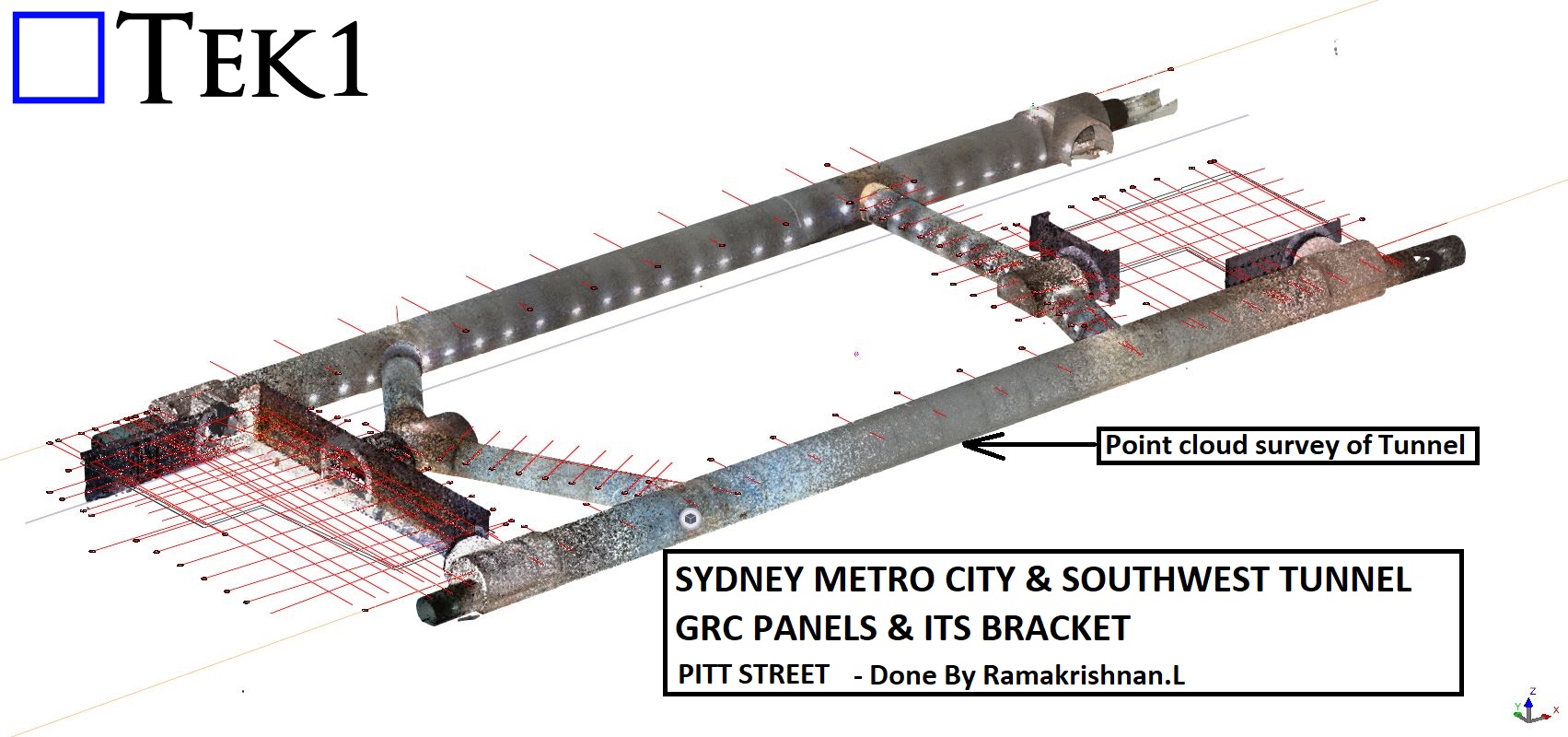
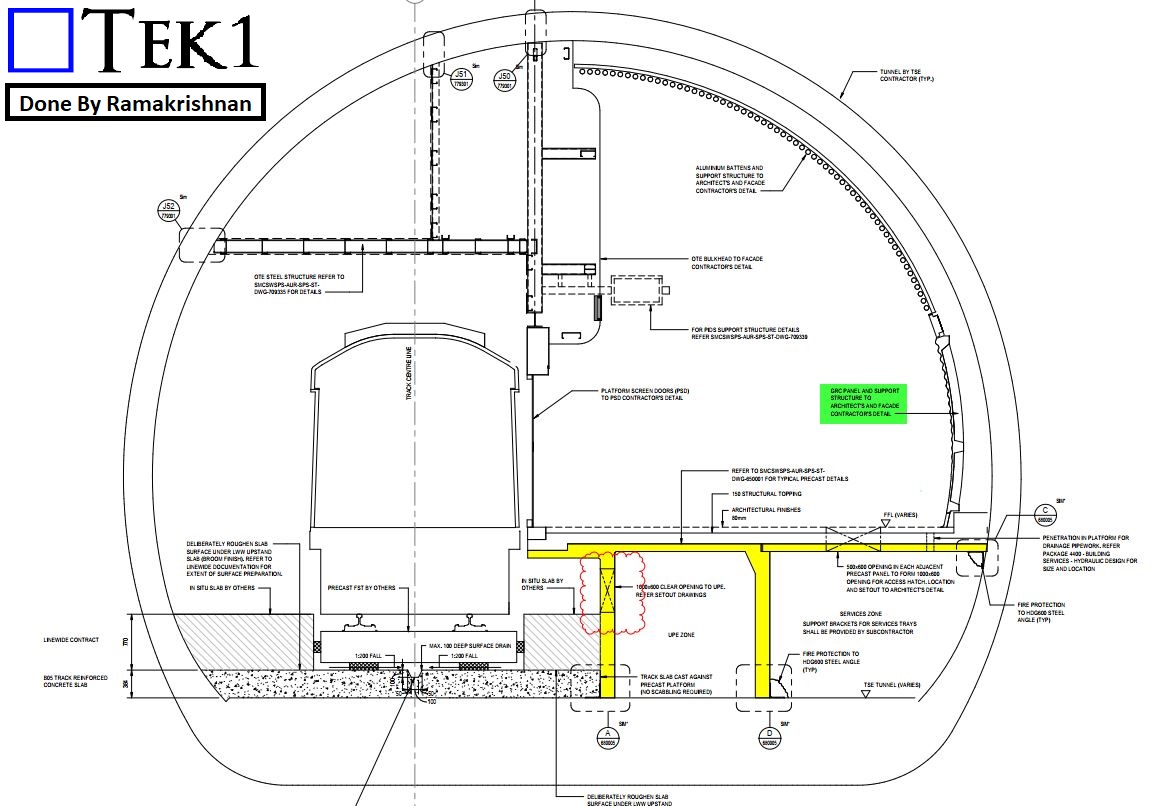
    TEK1, we recently had the opportunity to detail GRC panel brackets for a section of the Sydney Metro Tunnel, utilizing a point cloud survey to ensure precise alignment and installation.

    Project Overview

    The client provided a point cloud survey of the tunnel, allowing us to accurately determine the placement of GRC panels and their supporting brackets. Since tunnel walls are rarely perfectly straight—often featuring irregularities, ups, and downs—extra attention was required to ensure each bracket was positioned correctly for a seamless fit.

    Challenges & Solutions

    Efficient Coordination – By leveraging point cloud technology, we minimized potential site adjustments, streamlining the installation process for our client.

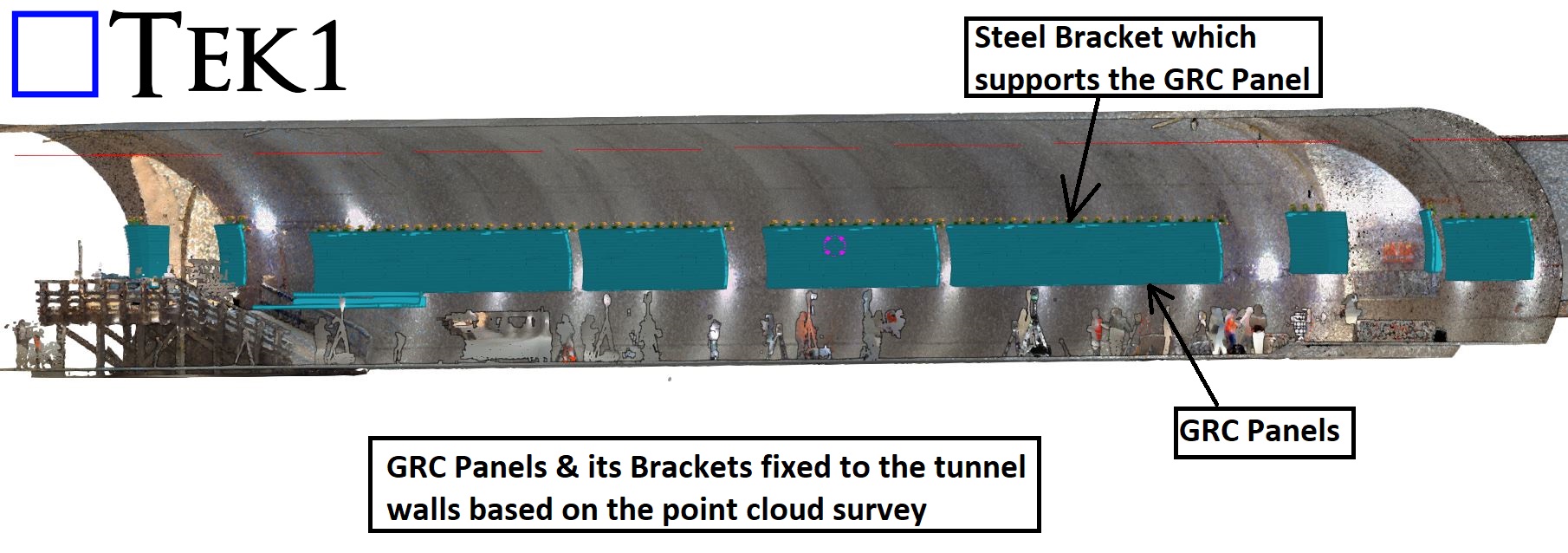
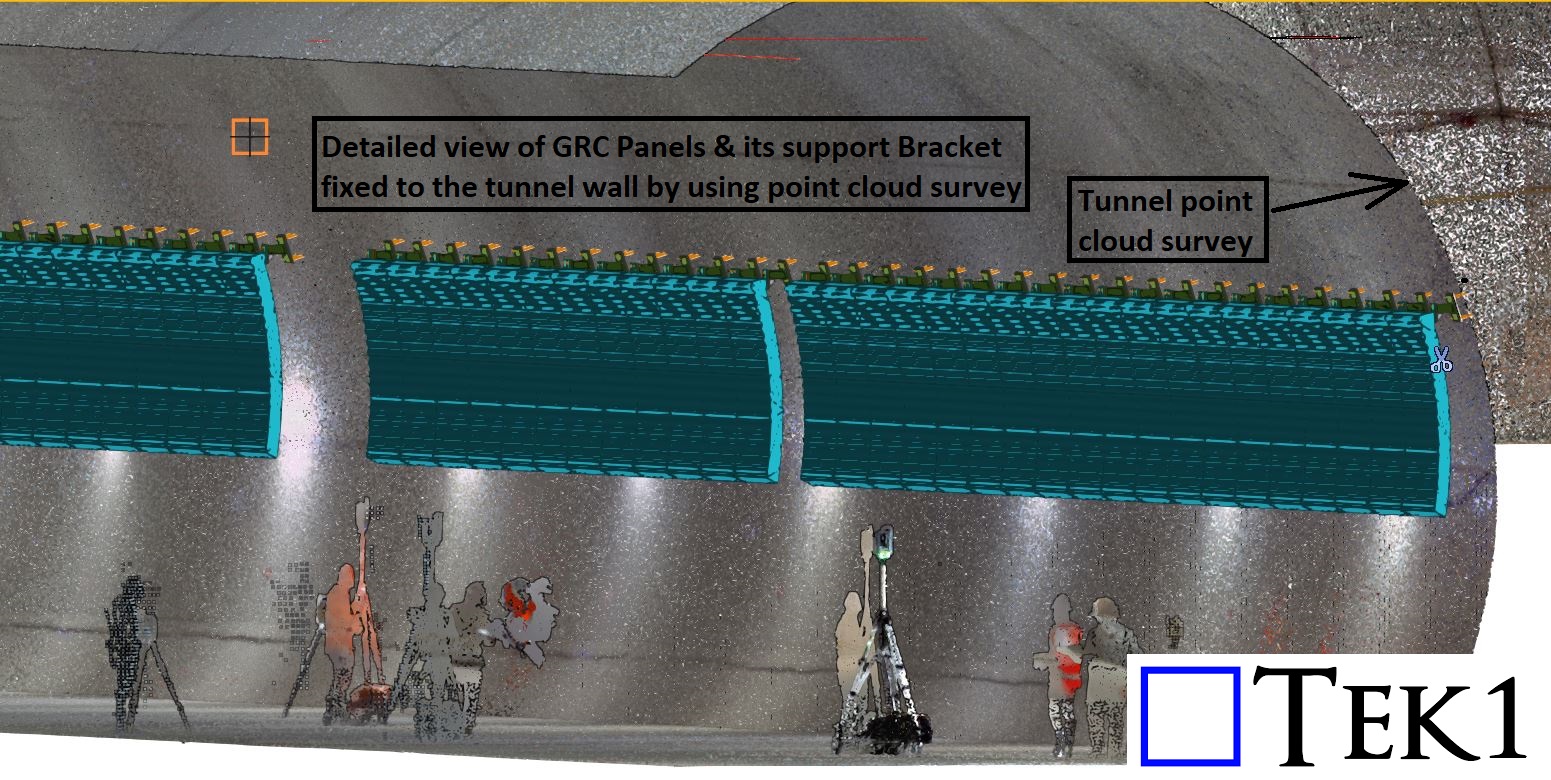
    As-Built Adjustments – The natural deviations in the tunnel wall’s shape meant that standard placements wouldn’t work. The point cloud data helped us fine-tune the bracket positions to match real-world conditions.

    Precision Detailing – Each steel bracket was meticulously detailed to accommodate the GRC panels, ensuring a secure and uniform installation.

    Conclusion

    Working with as-built tunnel walls requires high accuracy and adaptability, and this project was a great example of how TEK1 effectively integrates advanced technologies like point cloud surveys into our detailing process.

    Check out the snapshots below to see how the GRC panels are securely fixed to the tunnel wall using custom steel brackets.

  • TRAFFICE BARRIER RAILING

    TRAFFICE BARRIER RAILING

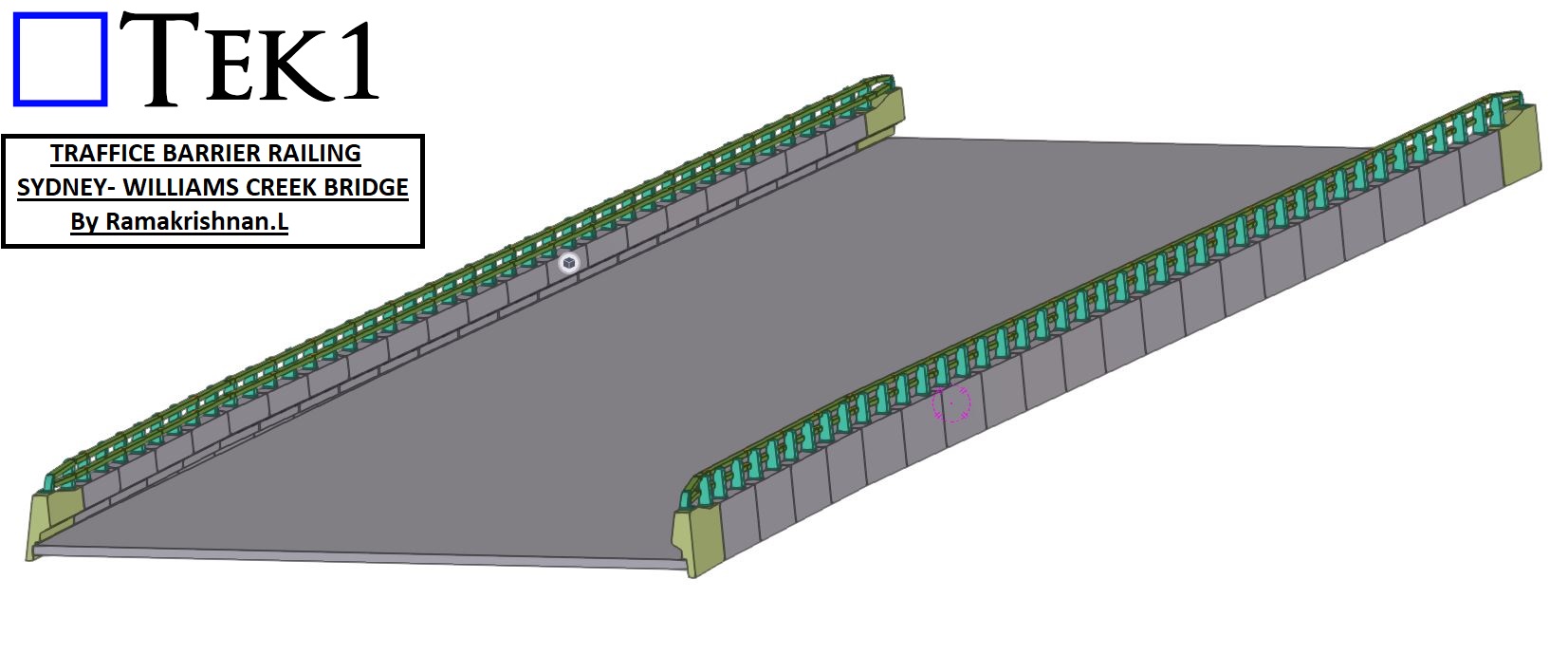
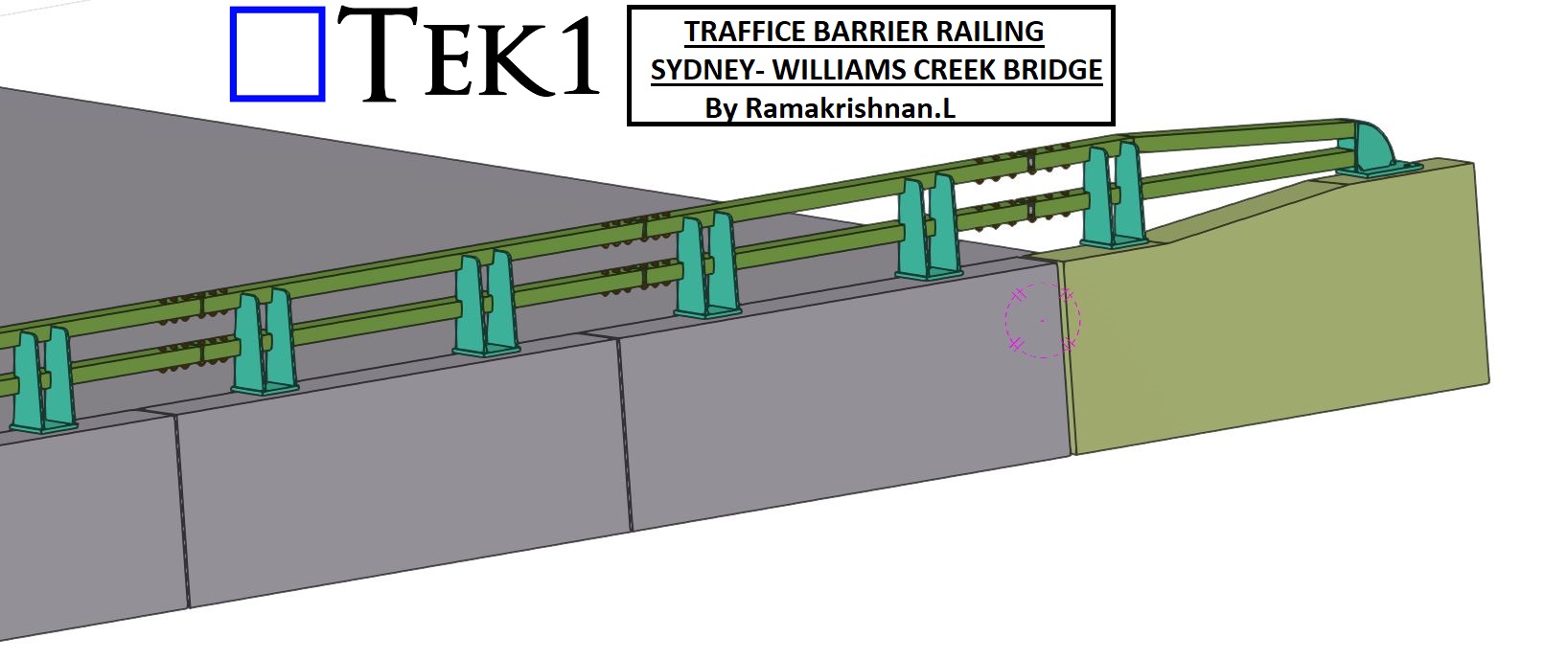
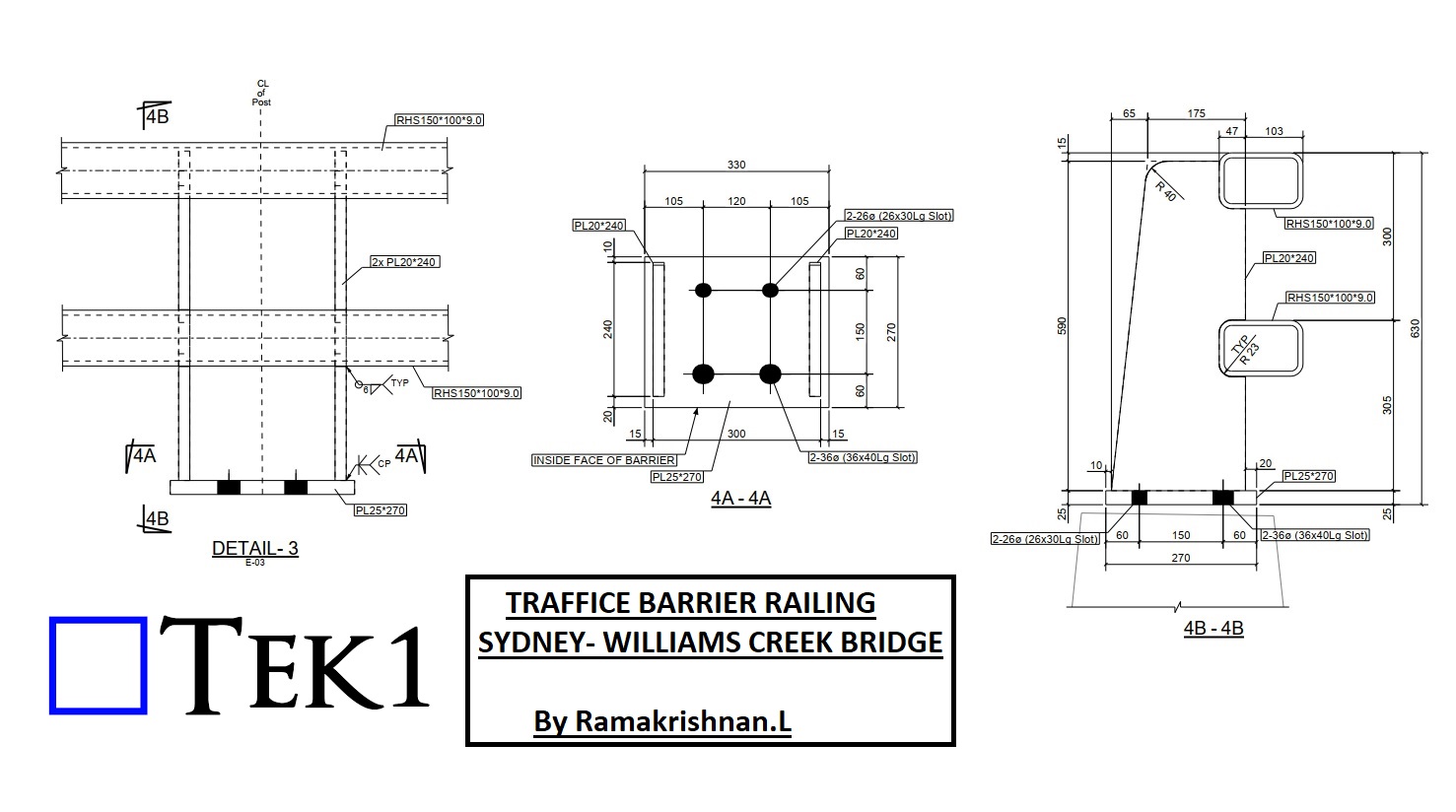
    TEK1 recently completed the project TRAFFICE BARRIER RAILING project for the William Creek Bridge in Sydney. .

    Project Overview

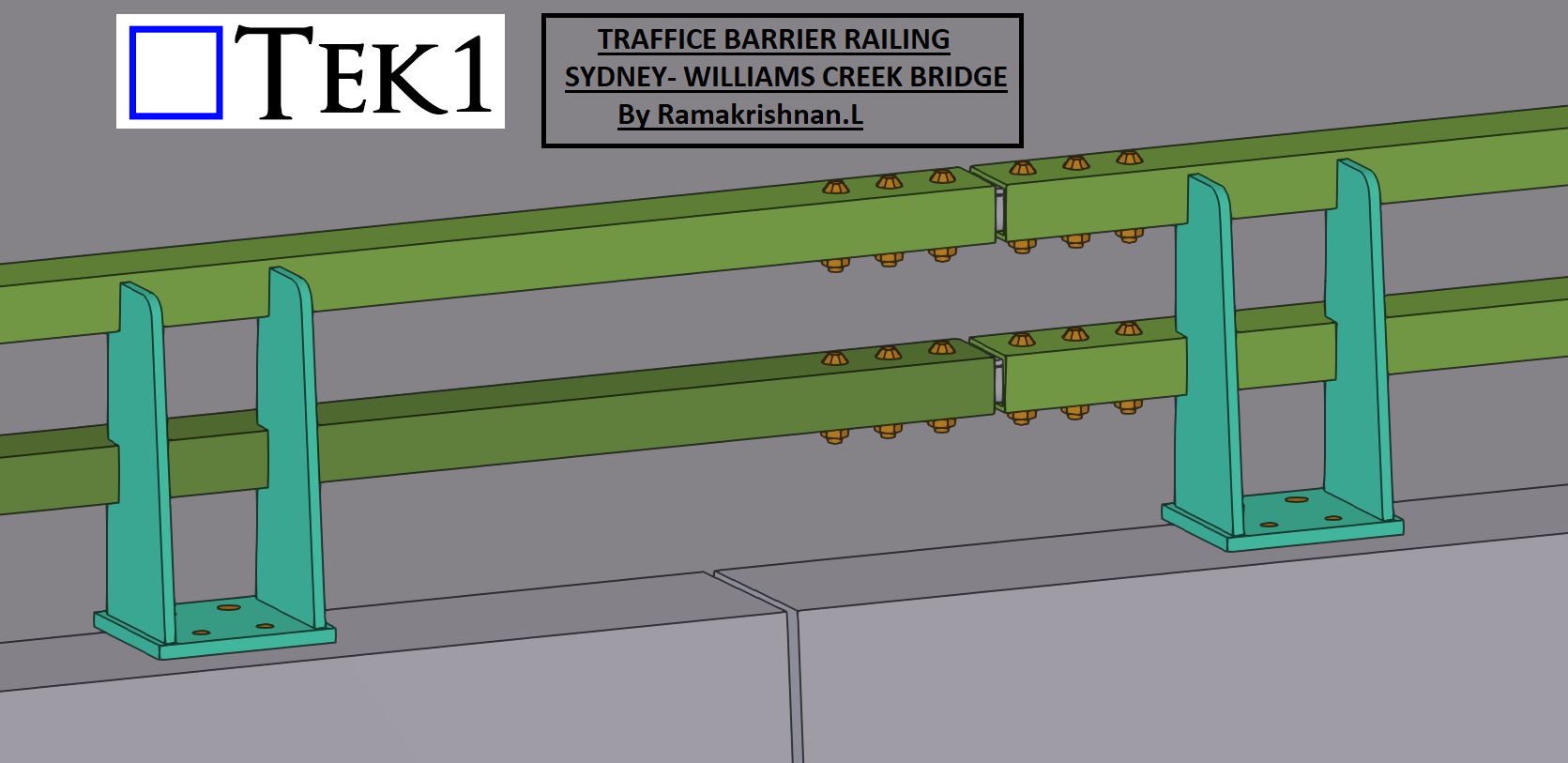
    The primary focus of this project was the detailing and coordination of the barrier railing connections with respect to the precast barrier. These connections are integral to ensuring the railing system’s strength, stability, and compliance with safety standards.

    Key Features of the Railing Connections

    • Structural Integrity: The railings are designed to withstand significant impact forces while maintaining their position and alignment.
    • Ease of Installation: Modular detailing allowed for efficient installation on-site, reducing time and labor.
    • Compliance: All railing connections were developed in accordance with Australian standards, ensuring public safety and long-term reliability.

    Conclusion

    TEK1’s work on the William Creek Bridge reflects our commitment to enhancing public infrastructure through precision detailing. By focusing on both safety and functionality, we’ve delivered a barrier railing system that meets the highest standards.

    Stay tuned for more updates as we continue to contribute to impactful projects that make a difference in our communities.

  • Project :Audi Centre – Myaree

    Project :Audi Centre – Myaree

    5 Carr Place, Myaree, WA 6154

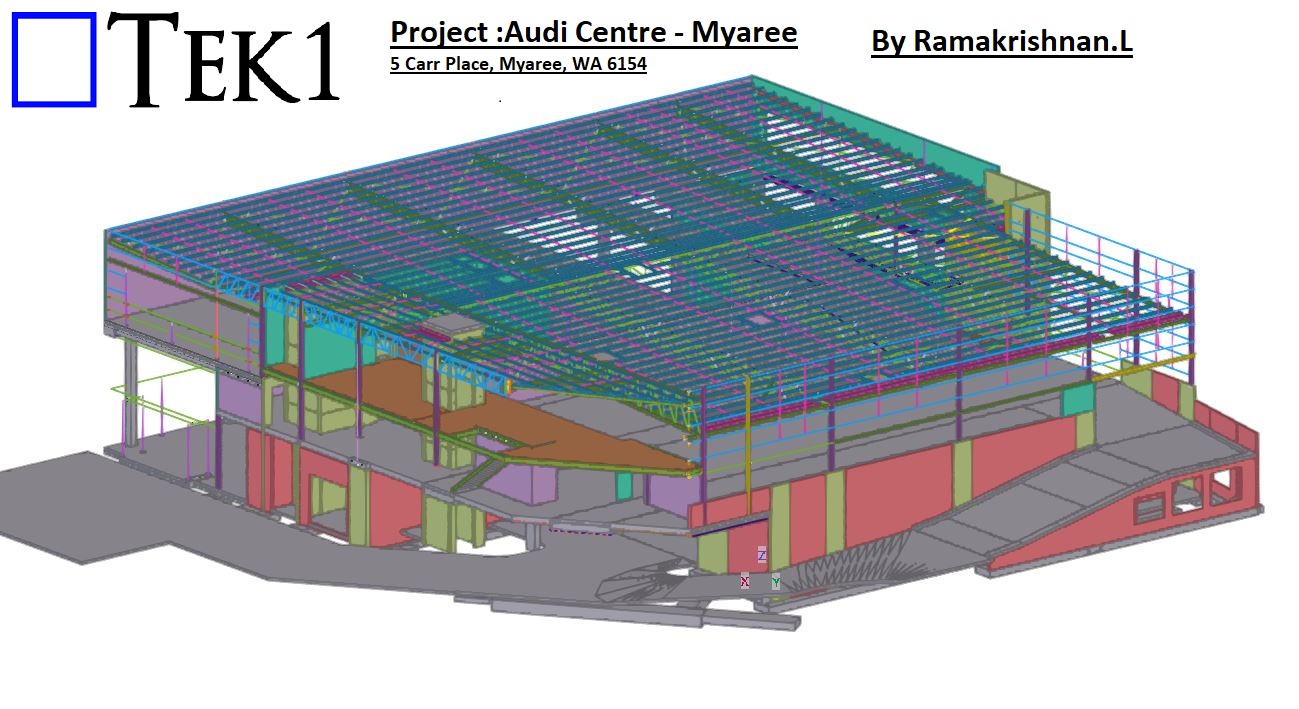
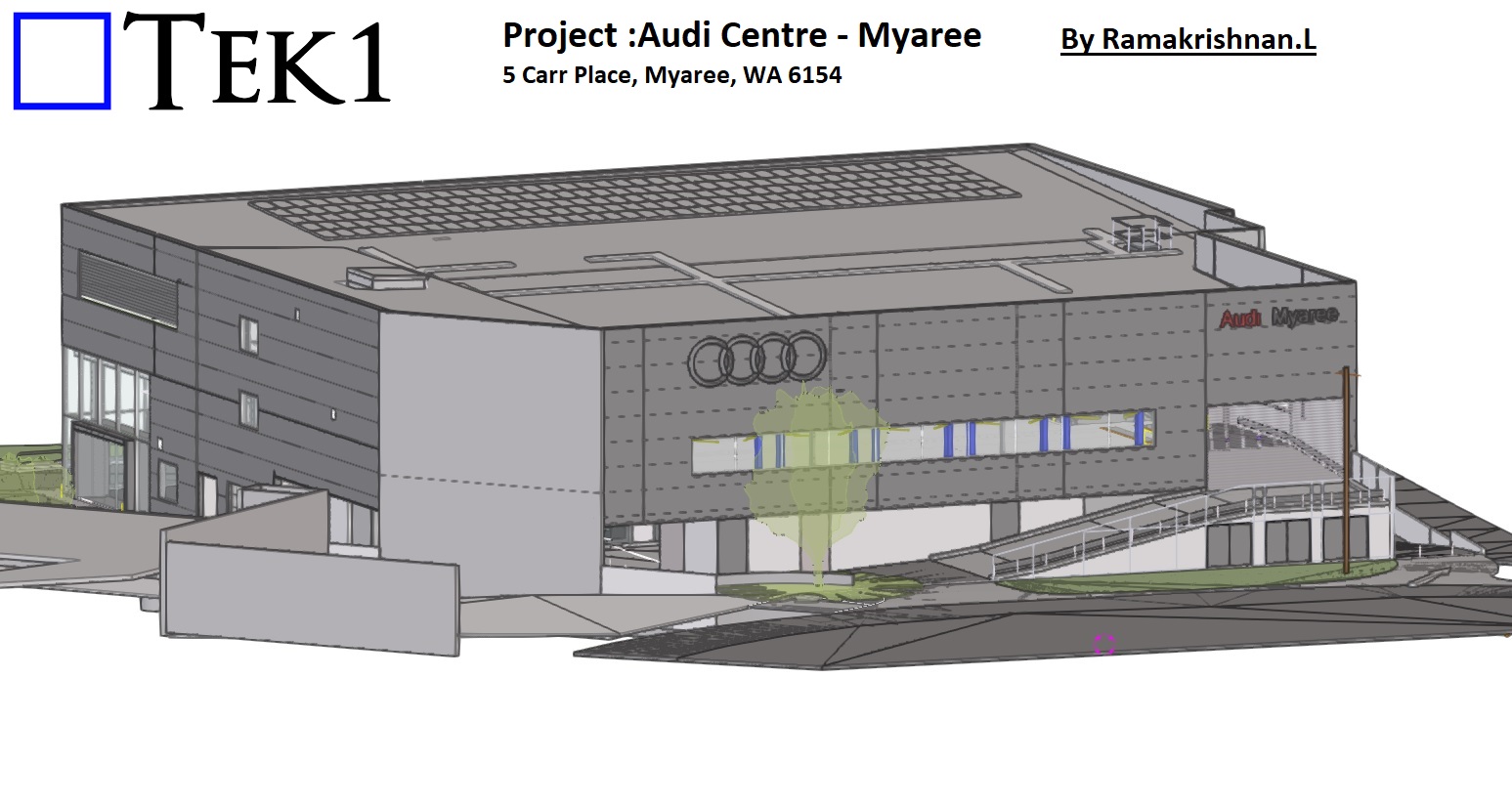
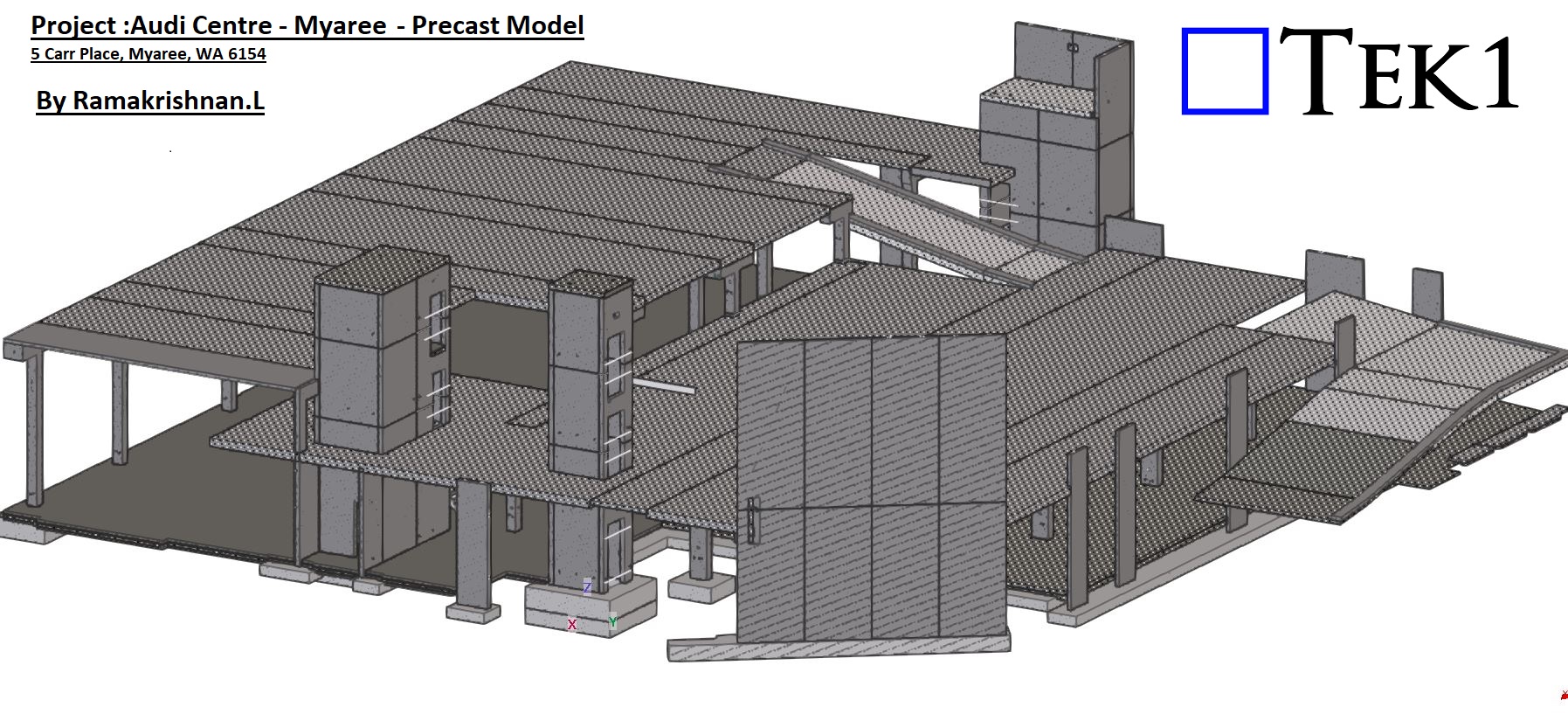
    TEK1 recently completed the project Audi Centre Myaree a Audi Car showroom in Western Australia. This impressive structure is a 100-tonne steel building, featuring two floors and a main roof, exemplifying modern design and engineering precision.

    Scope of Work: Steel and Precast Panels

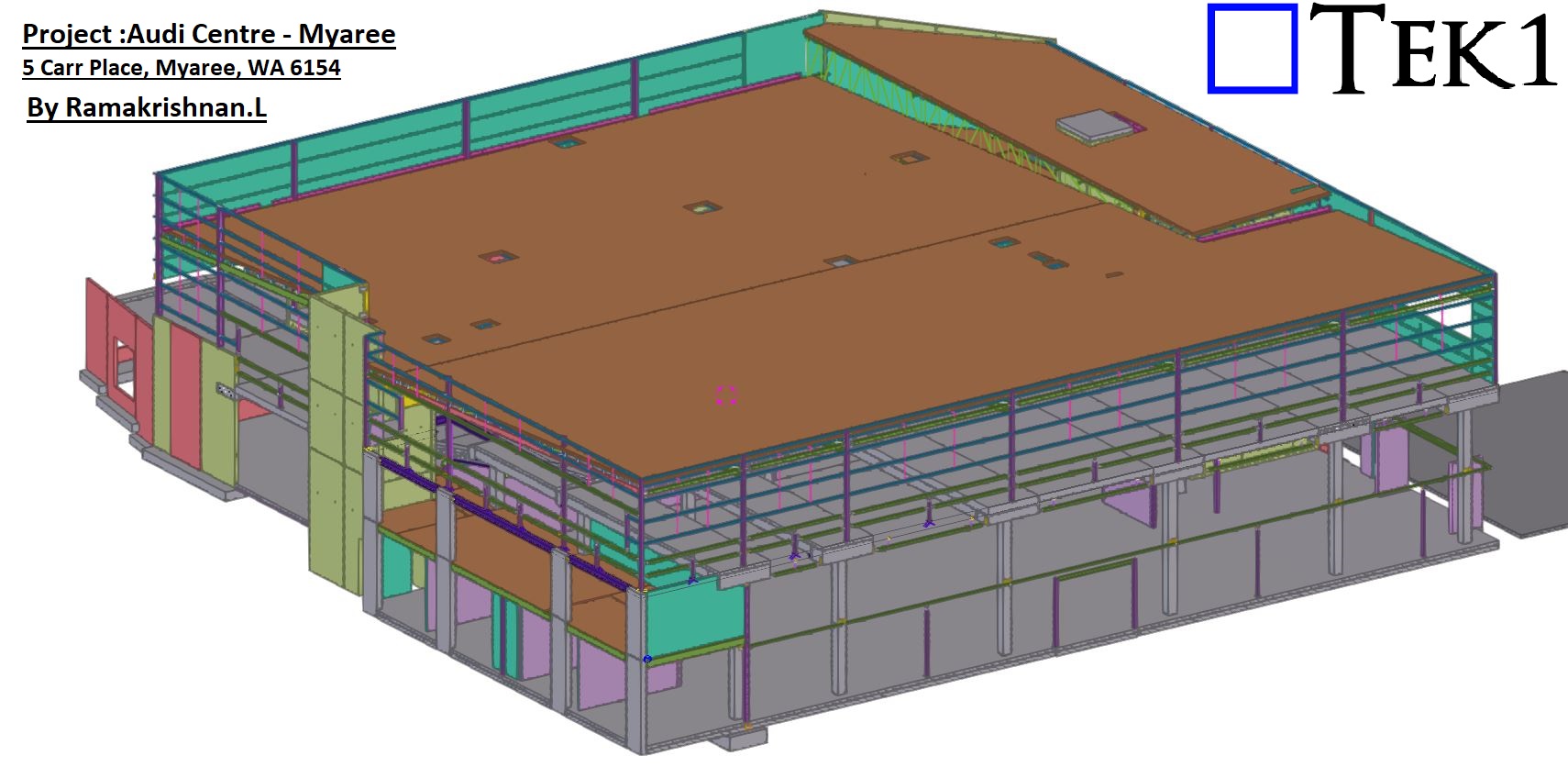
    Our scope for this project included detailing both steel and precast panels. Managing these two critical elements simultaneously required meticulous coordination and attention to detail. The integration of steel and precast detailing enabled us to ensure accurate connections between the two systems, delivering a seamless result.

    Overcoming Challenges with Precision

    Handling both steel and precast in a single project can often lead to coordination challenges. However, thanks to TEK1’s skilled team and advanced detailing processes, we completed the project without any hitches. Our approach ensured that all connections were detailed precisely, aligning perfectly with the design and site requirements.

    Precast Model

    Conclusion: A Milestone in Steel Detailing

    The Audi Centre Myaree stands as a testament to TEK1’s ability to manage complex projects involving multiple structural elements. By combining expertise, coordination, and a commitment to excellence, we delivered a showroom that reflects the high standards of the Audi brand.

    At TEK1, we continue to set benchmarks in steel and precast detailing, ensuring that every project we undertake is marked by efficiency, accuracy, and success.

  • Steel Fabrication Drawing

    Steel Fabrication Drawing

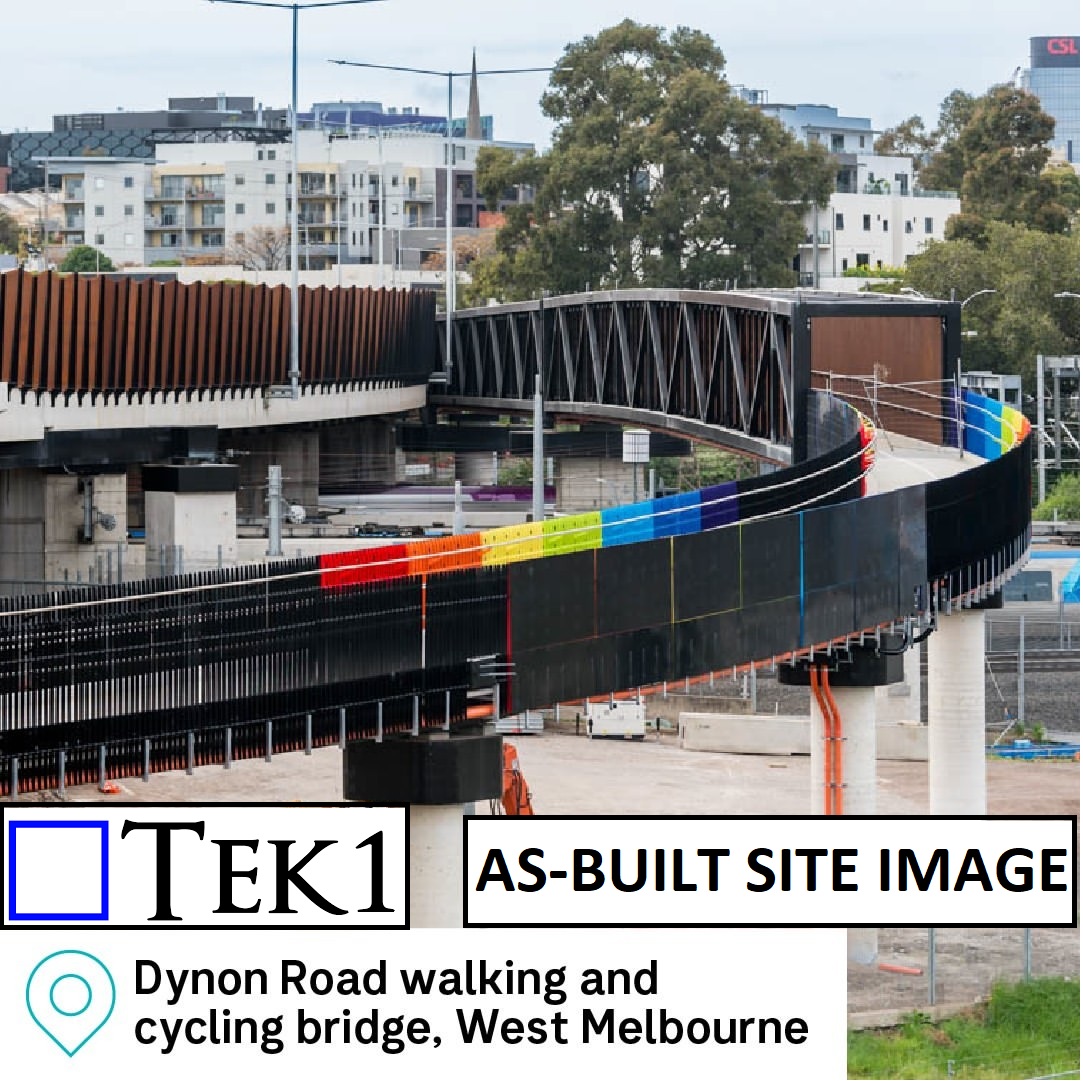
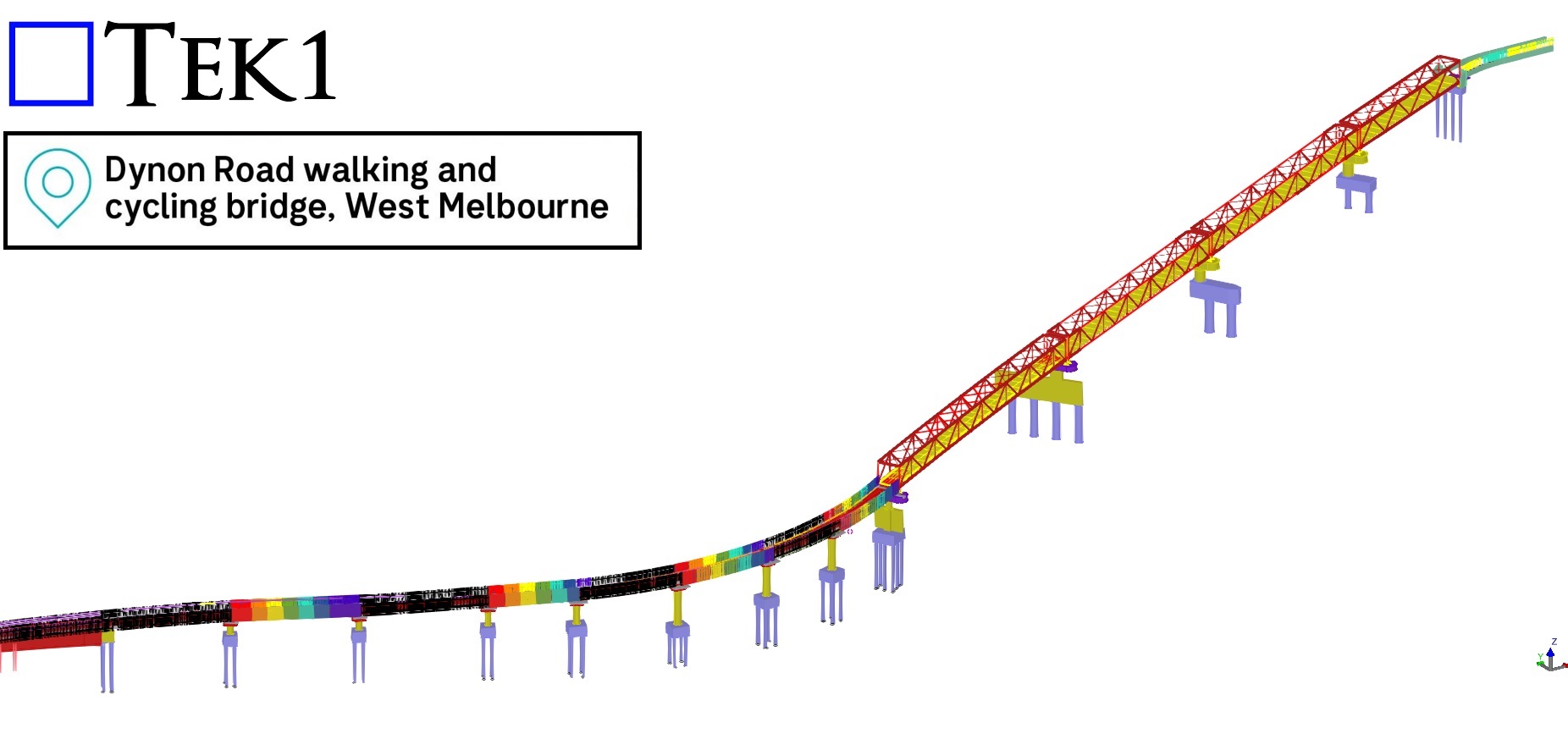
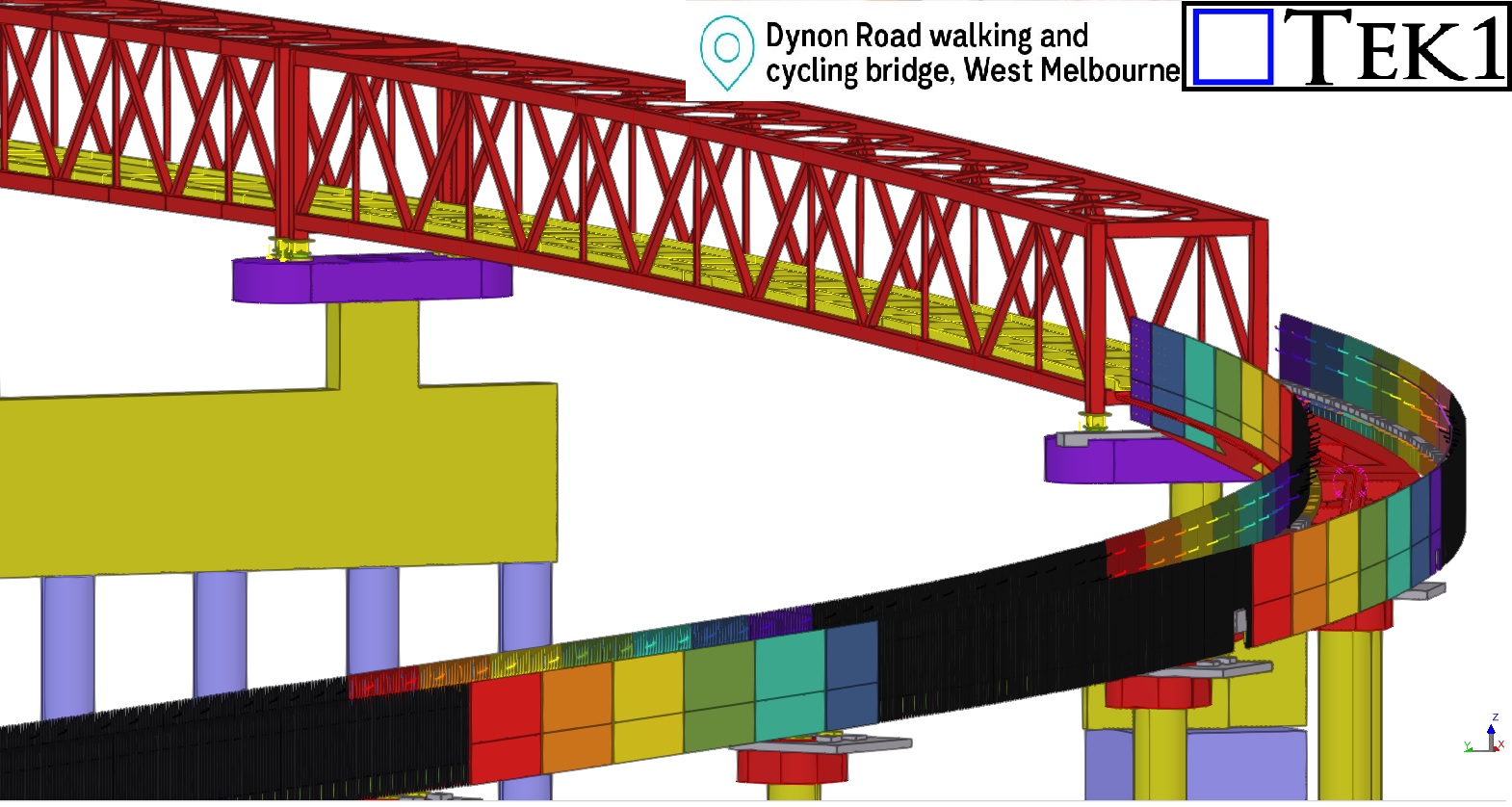
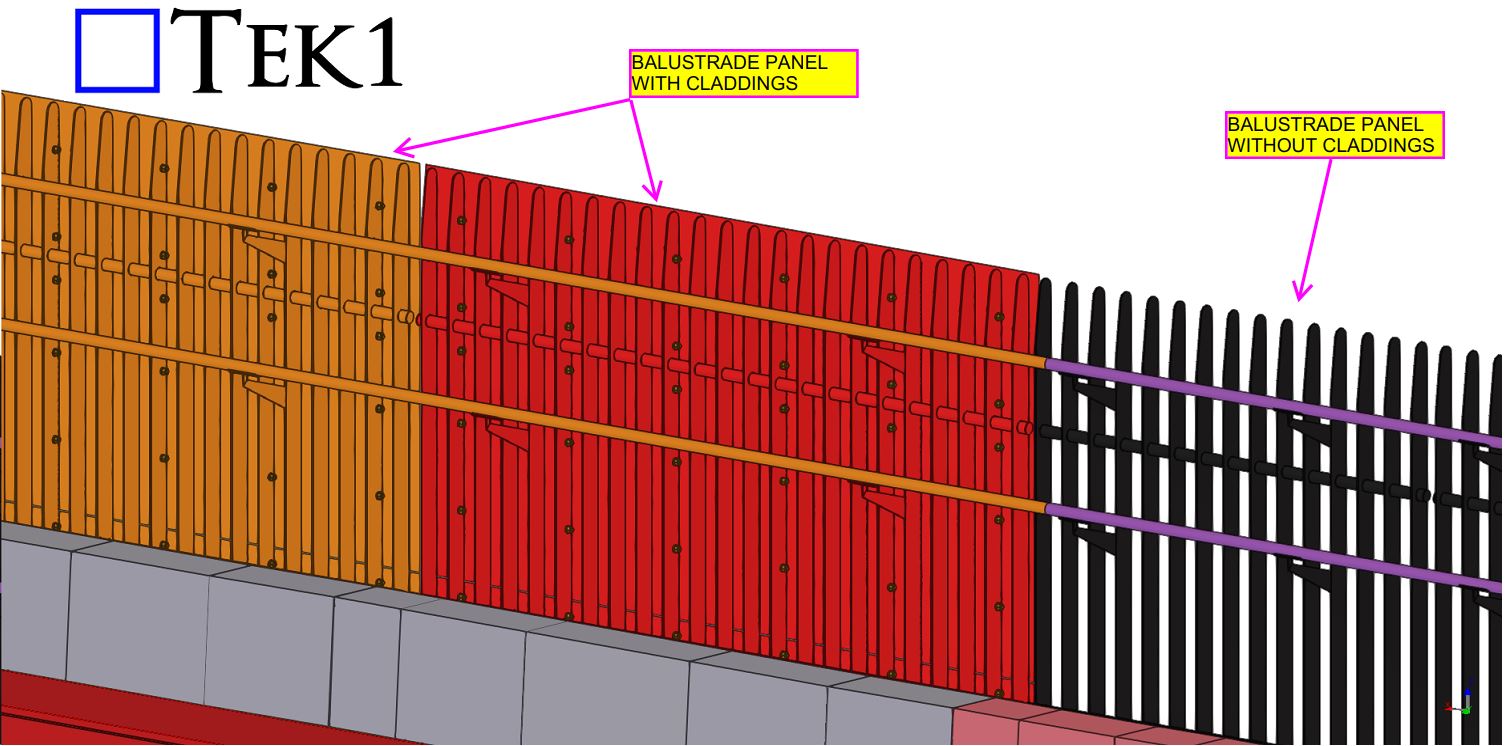
    Workshop drawings for balustrades of Bridge#84 Dynon Road Walking & Cycling bridge, West Melbourne.

    The fabrication drawings for the 230-meter-long balustrade panels, which feature vibrant, rainbow-colored finishes were delivered with NIL mistakes and on time.

    Challenges in the As-Built Stage

    One of the most intriguing aspects of this project was the challenge posed by the as-built ramp slope and its curve, which deviated significantly from the original design coordinates. These deviations added a layer of complexity to detailing the balustrades, as each panel had to align perfectly with the precast kerbs.

    To address this, we worked closely with the builder and requested precise site measurements. These measurements were essential for us to adjust our detailing to account for the as-built ramp’s unique coordinates, ensuring every panel fit perfectly into place.

    Tailored Solutions for On-Site Realities

    The balustrade panels were fixed to the precast kerbs using as-built ferrules, demonstrating the adaptability required in projects where site conditions differ from the initial design. By leveraging the site measurements provided, we completed the detailing of all balustrades with precision, overcoming the complexities introduced by the ramp’s deviations.

    Conclusion:

    The Dynon Road Walking & Cycling Bridge is not just a pathway; it’s a vivid example of how meticulous detailing and innovative problem-solving can overcome challenges to deliver exceptional results. Its rainbow-colored balustrades are now a standout feature in West Melbourne, adding vibrancy and charm to the community.