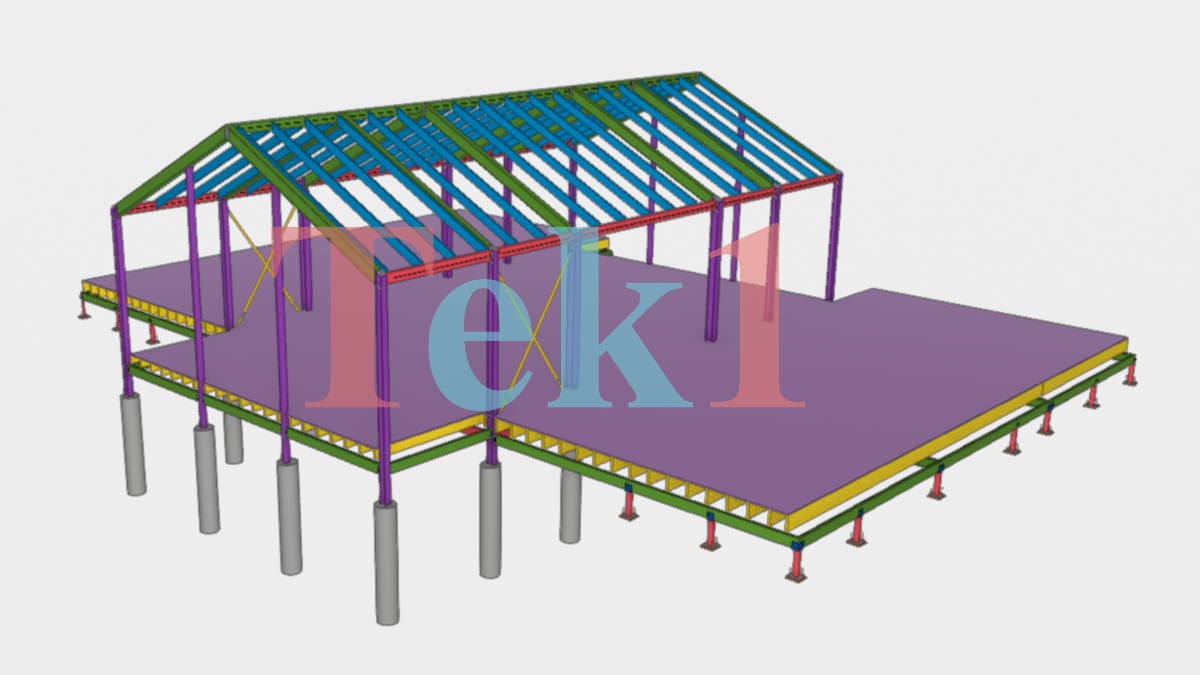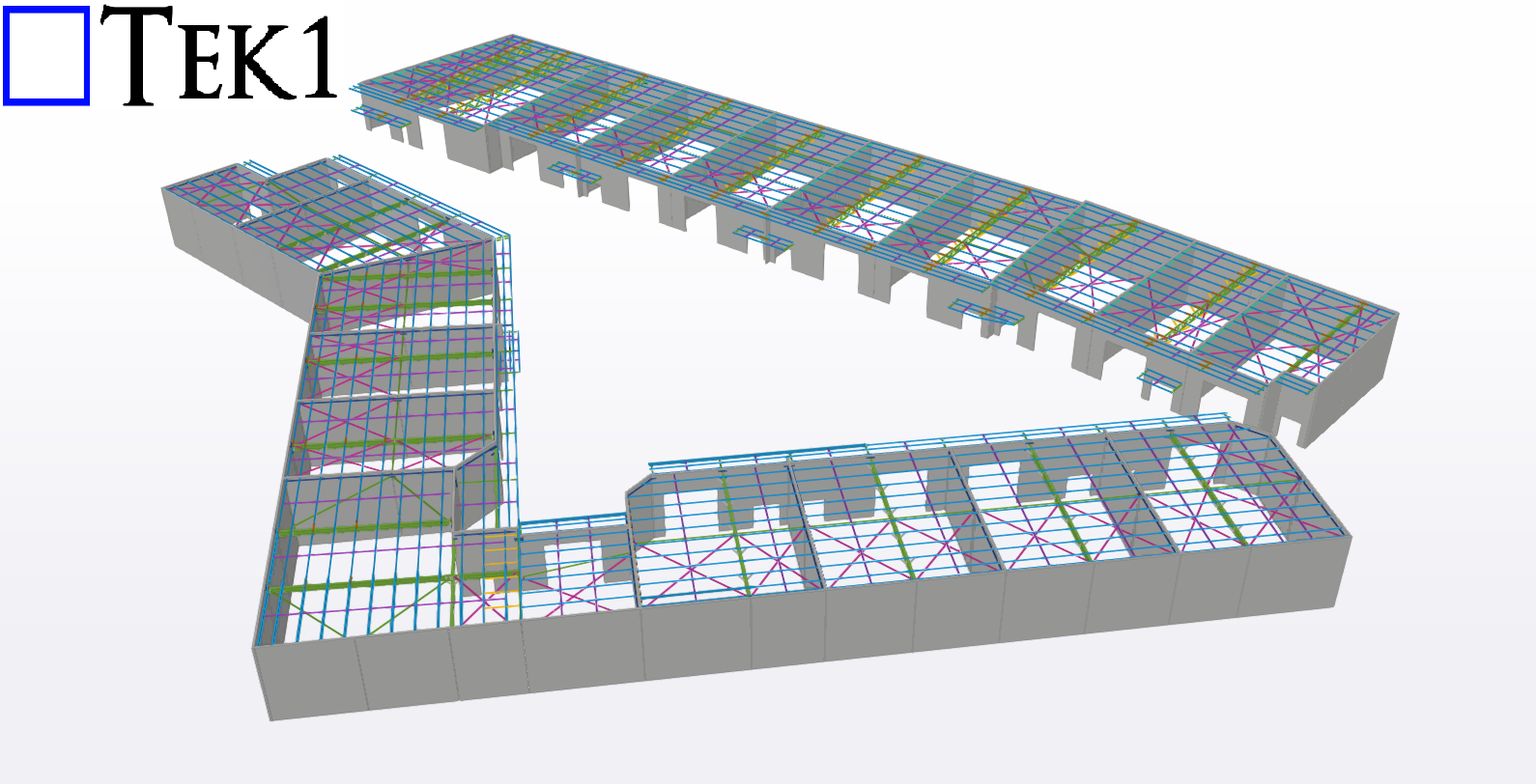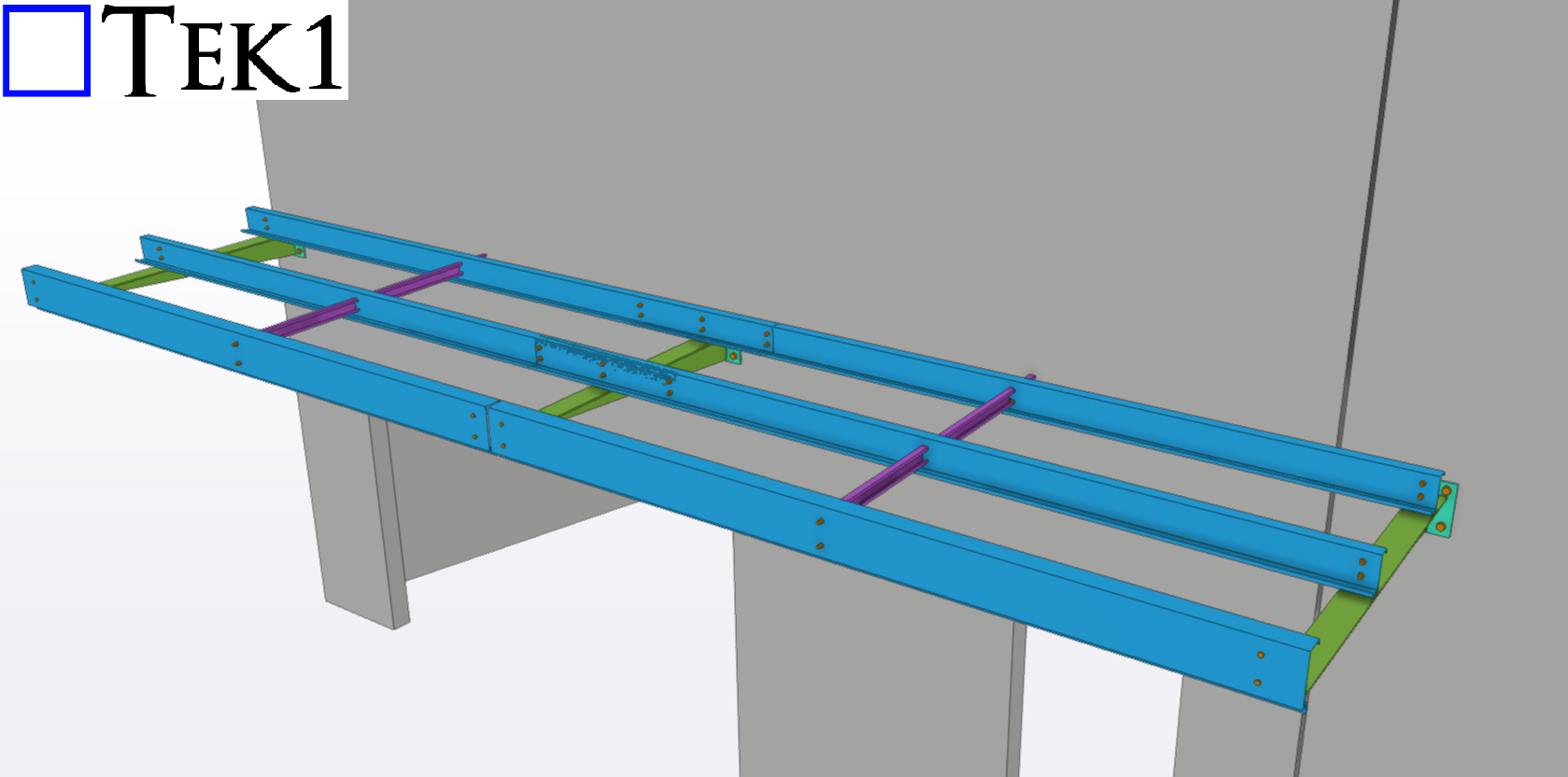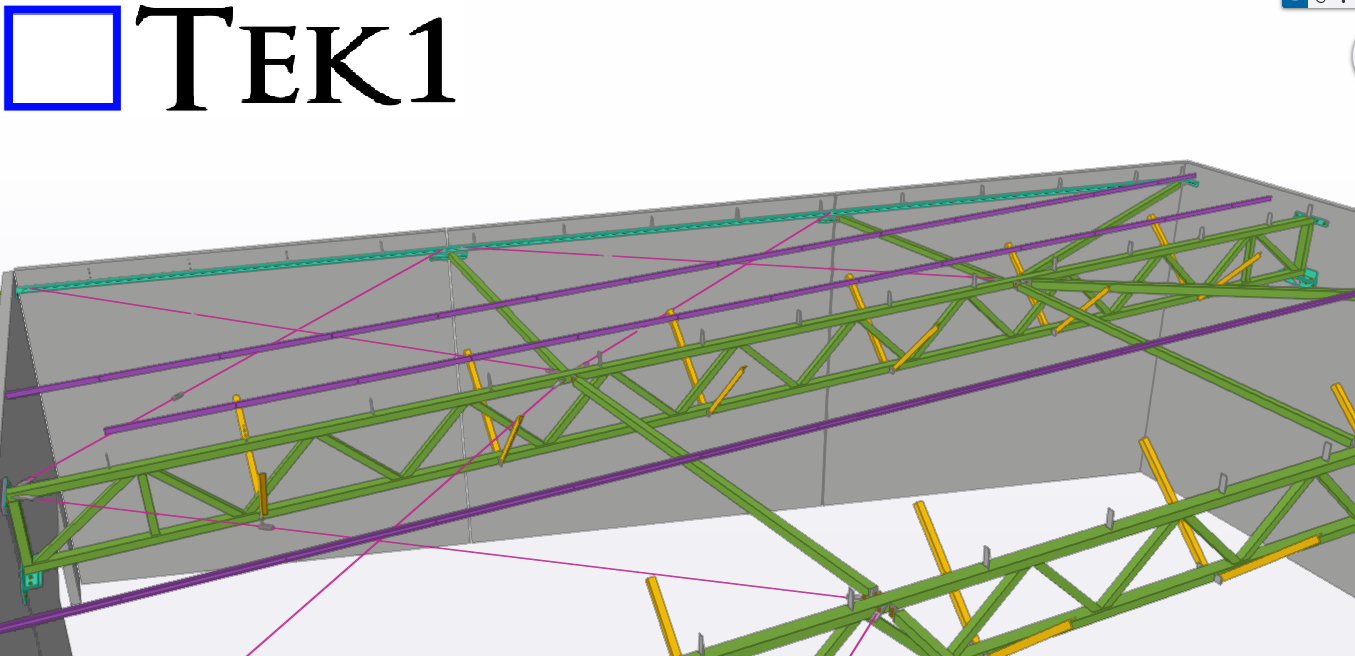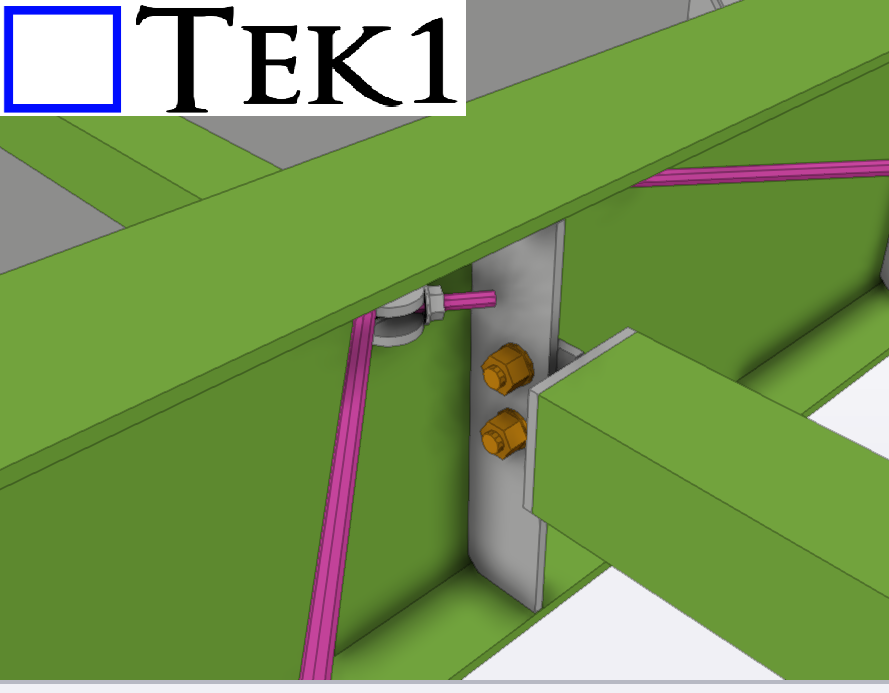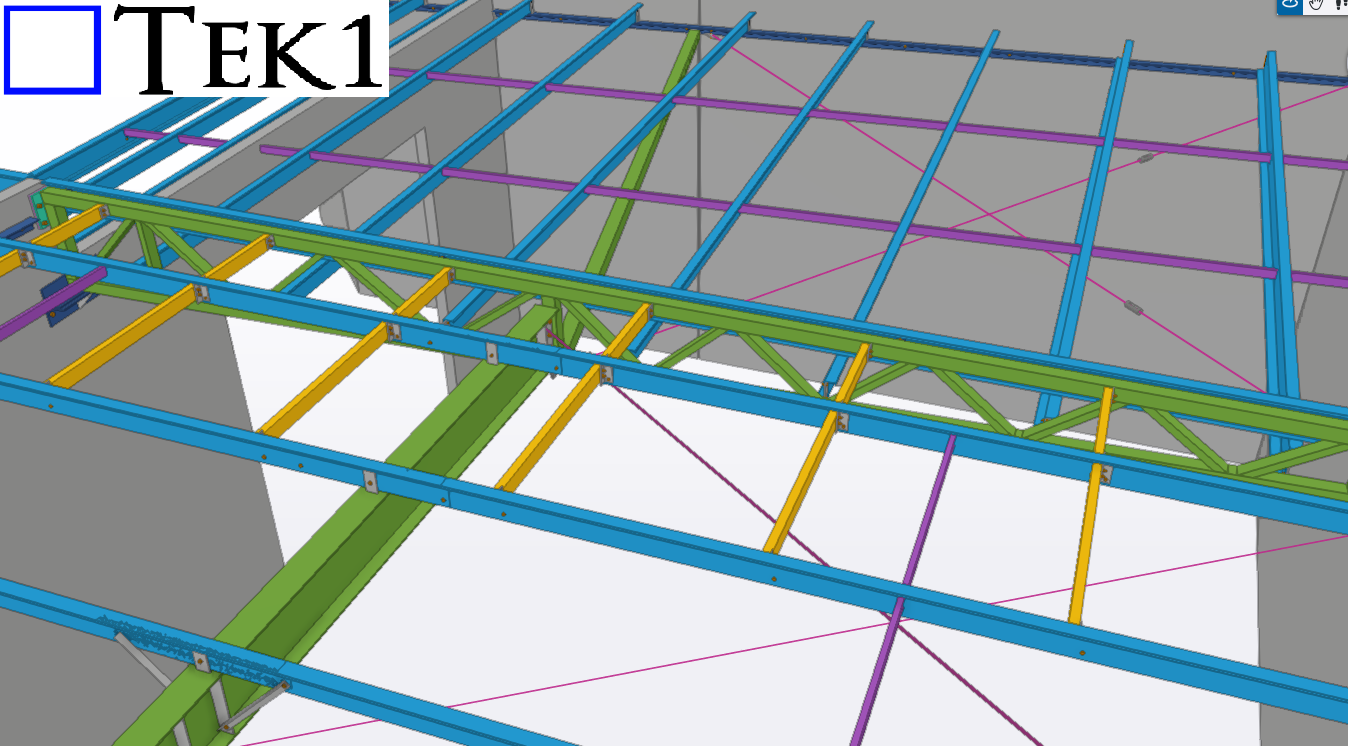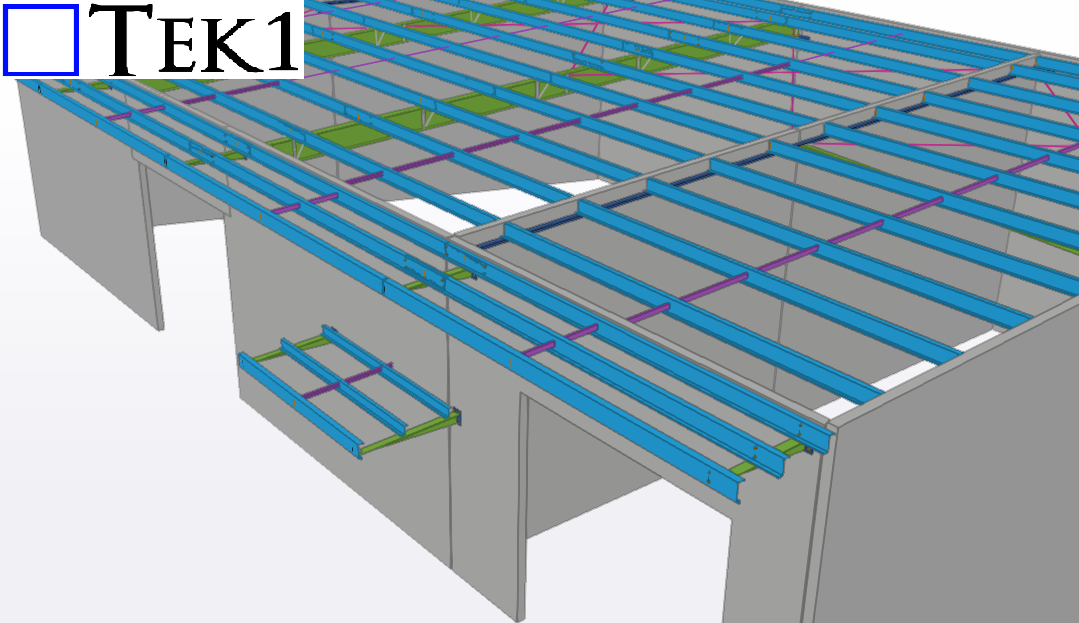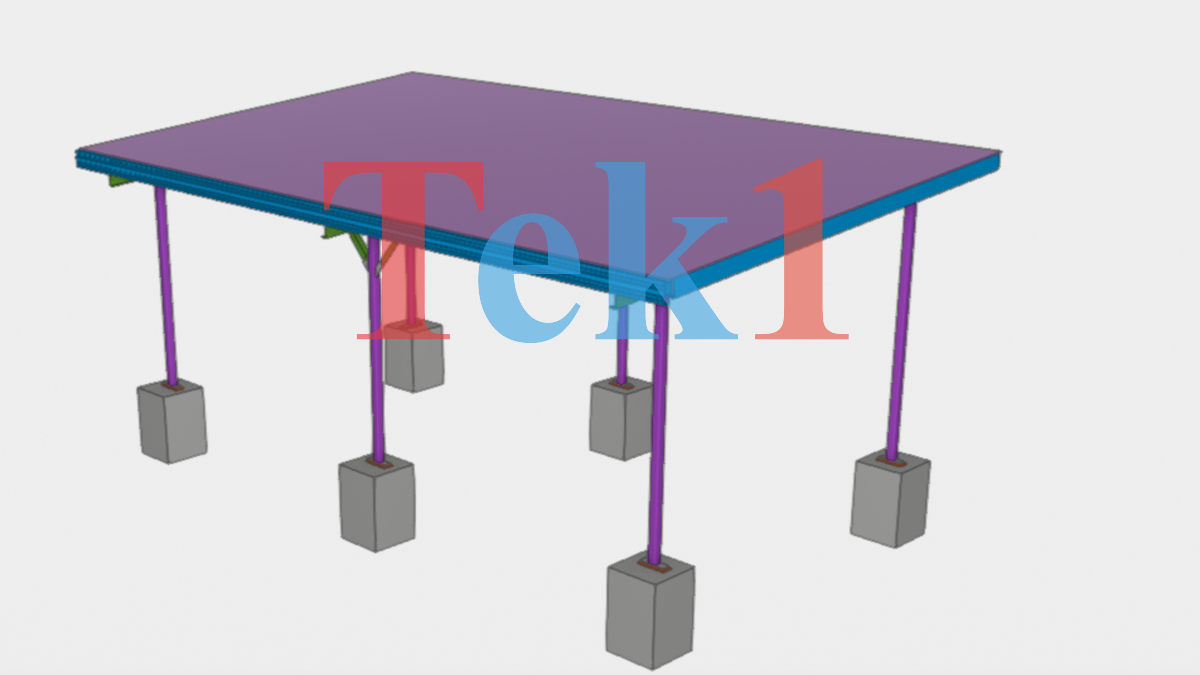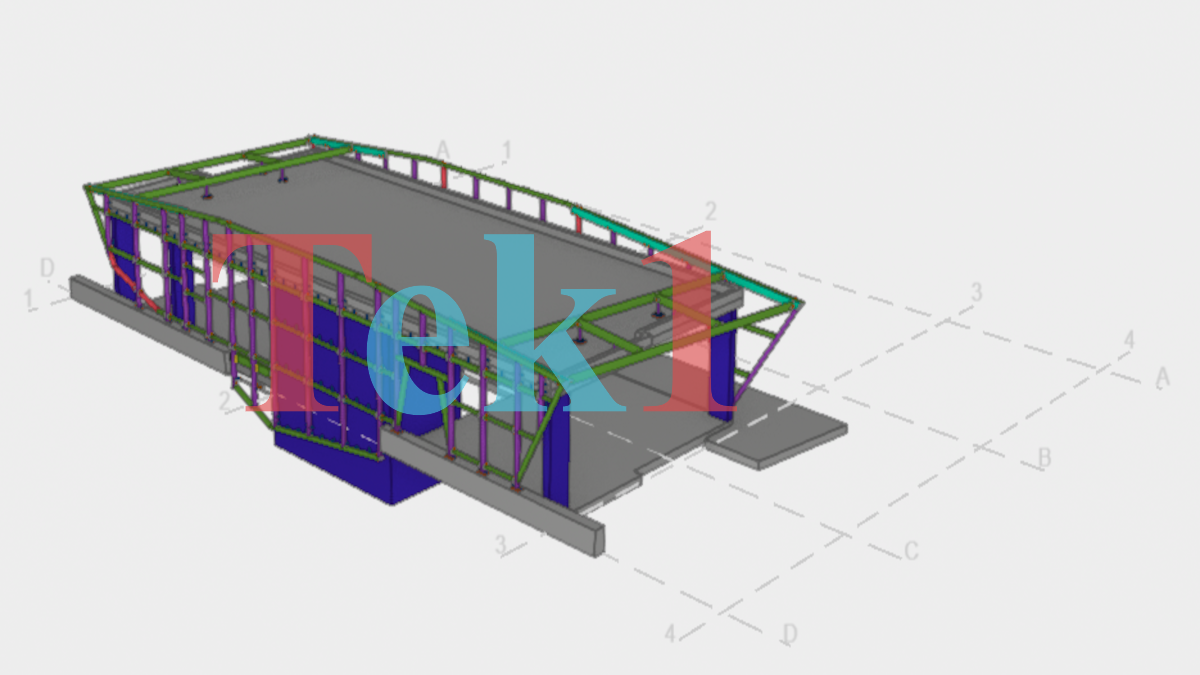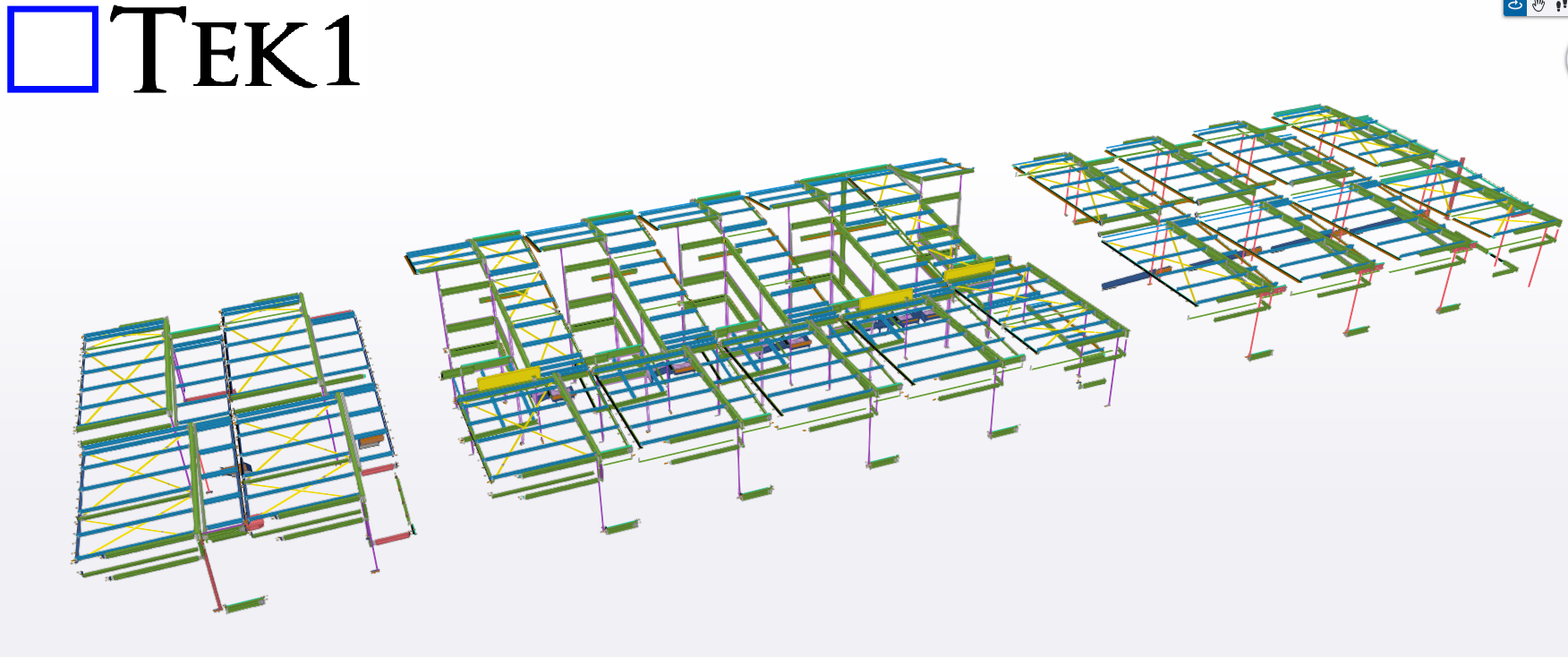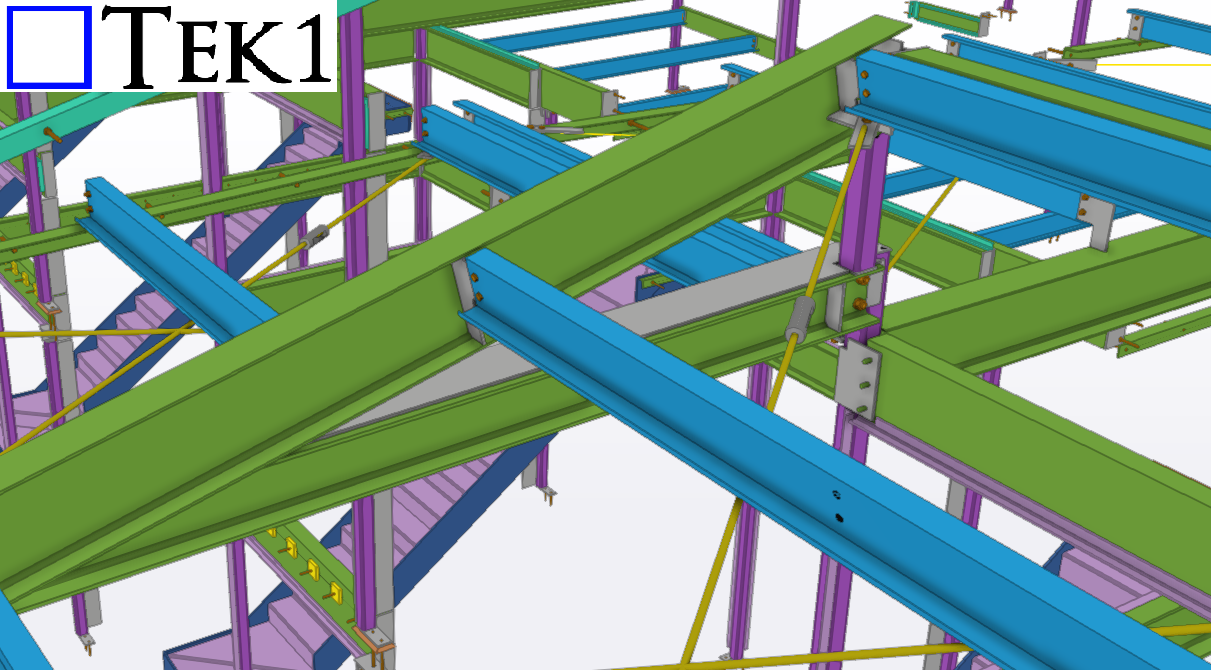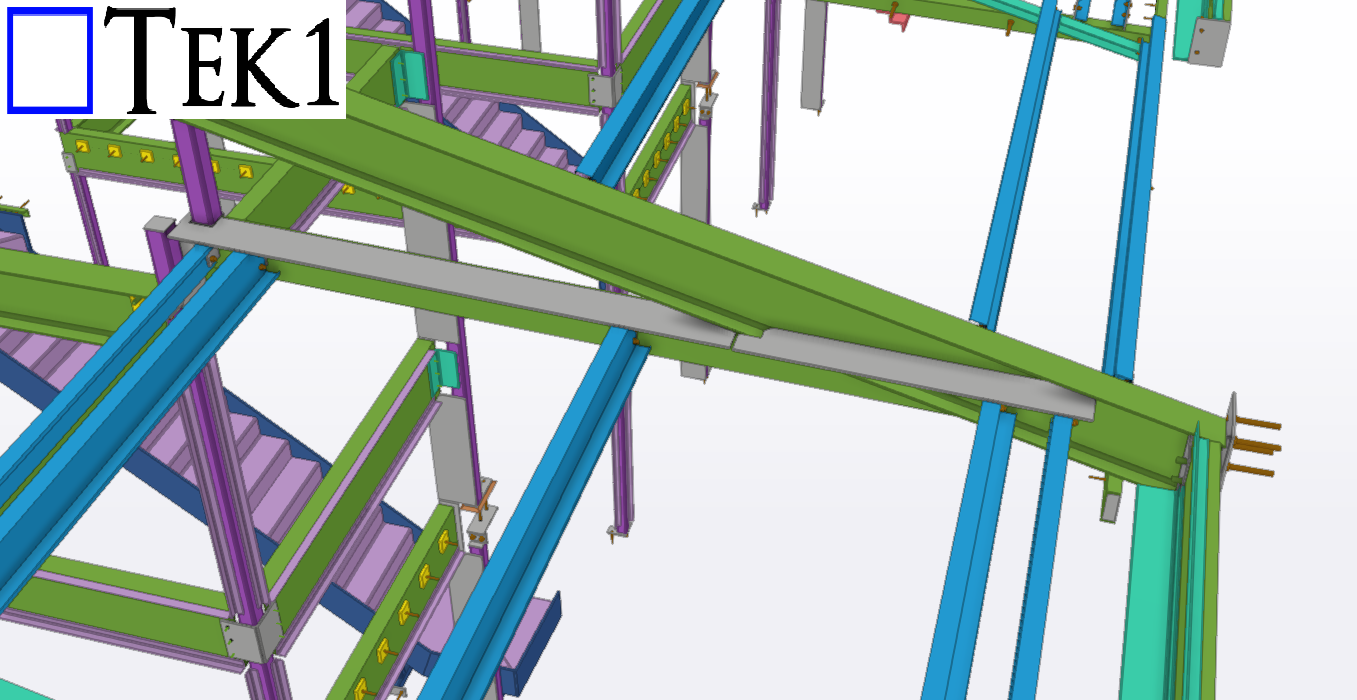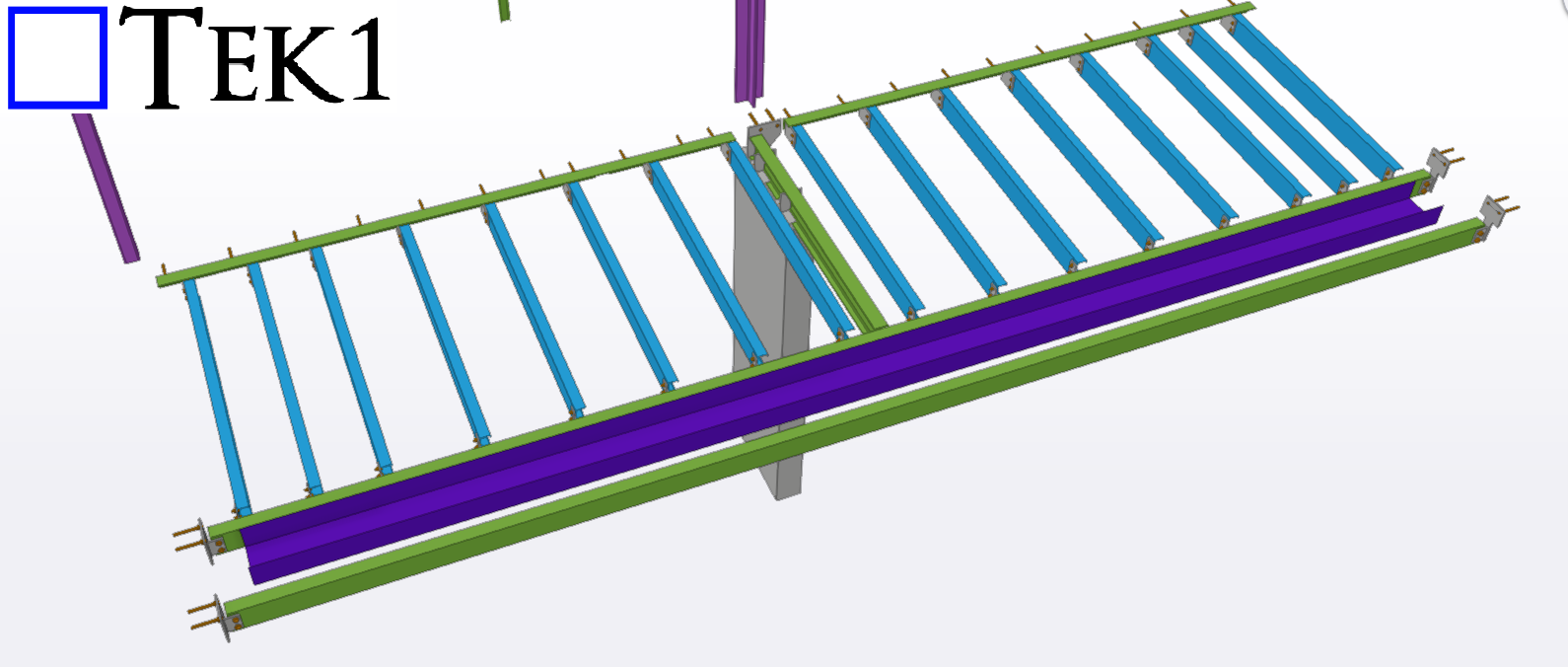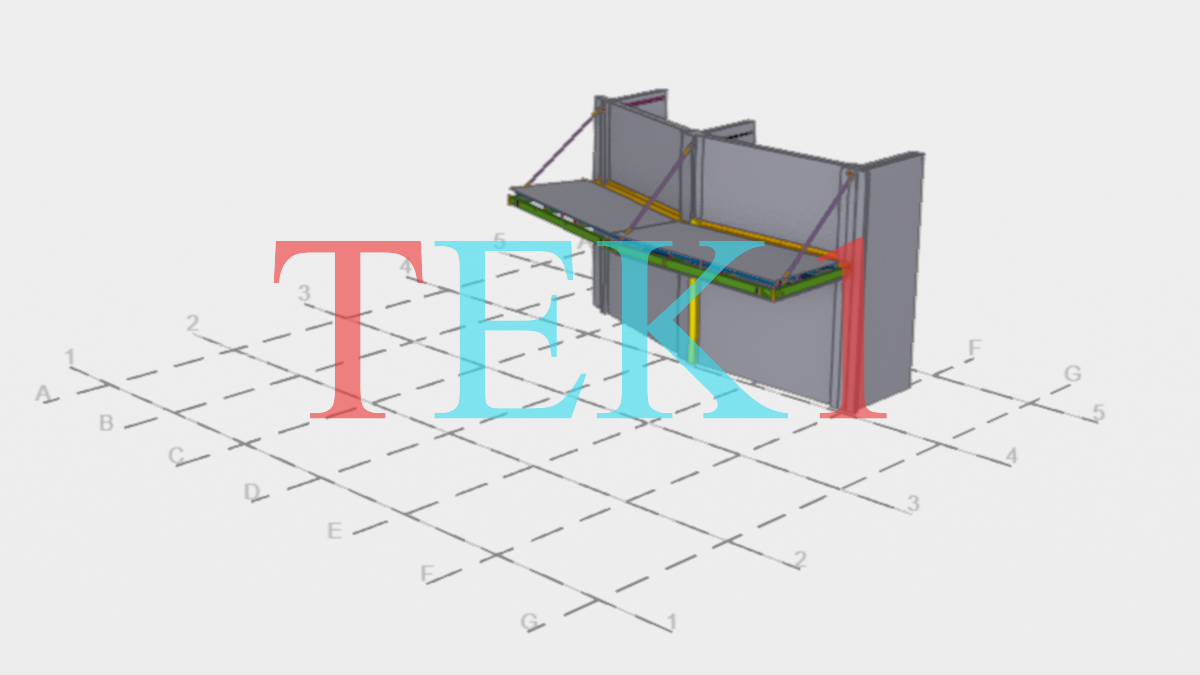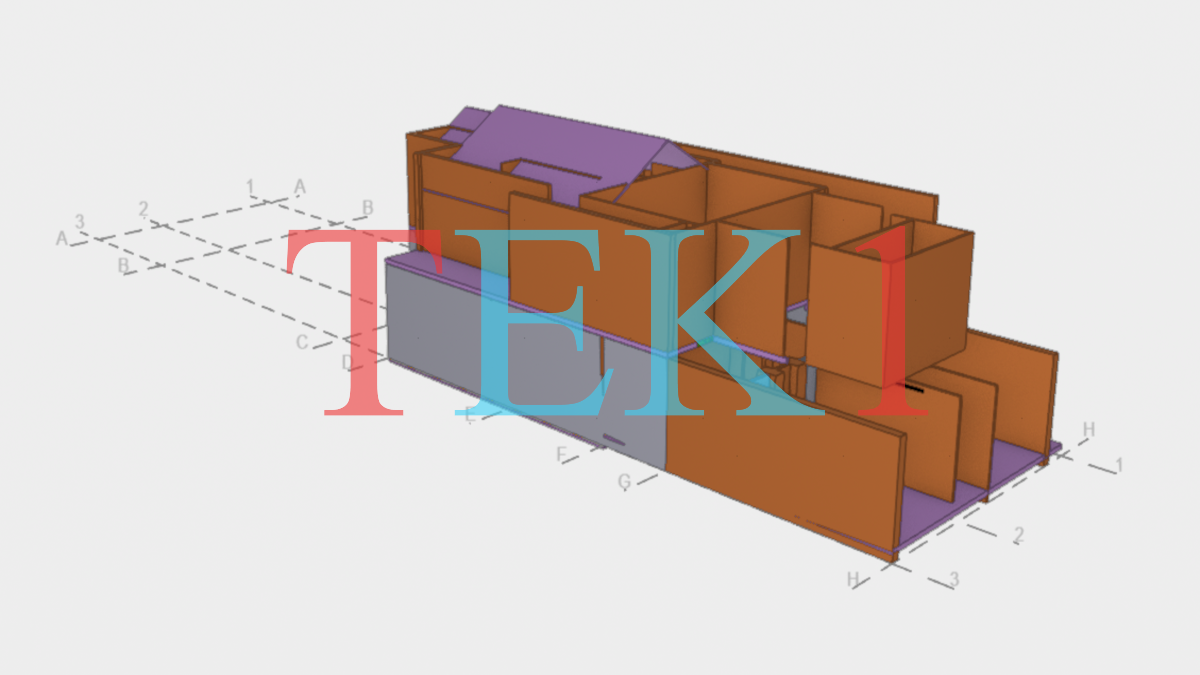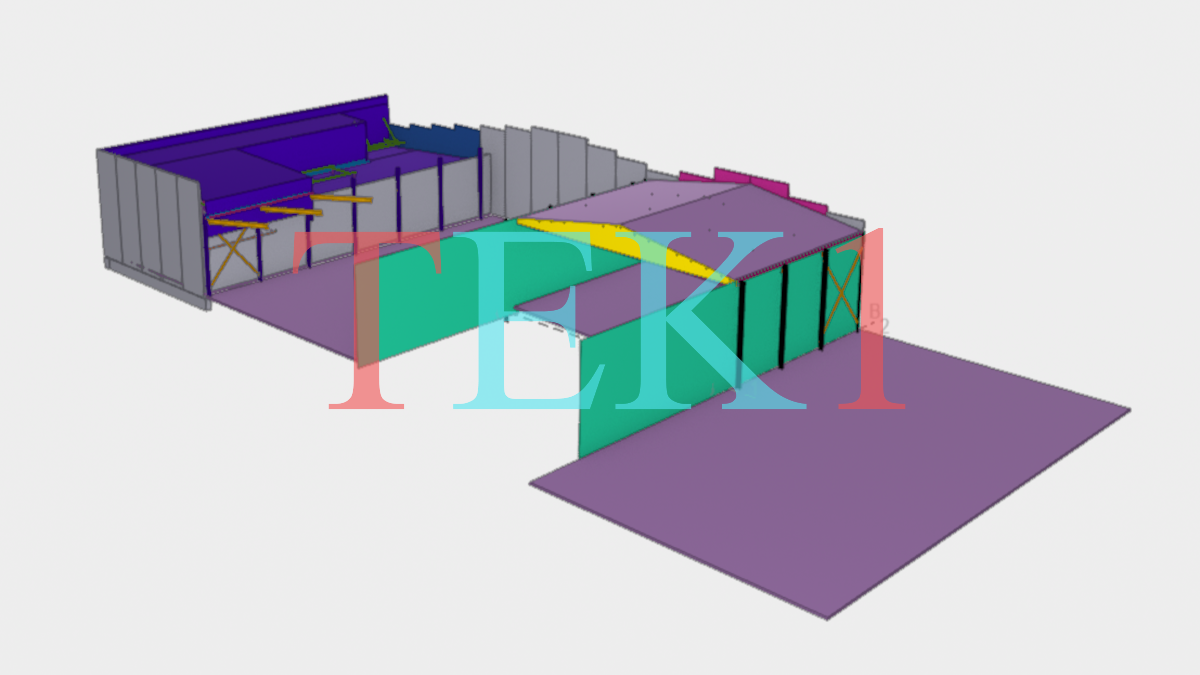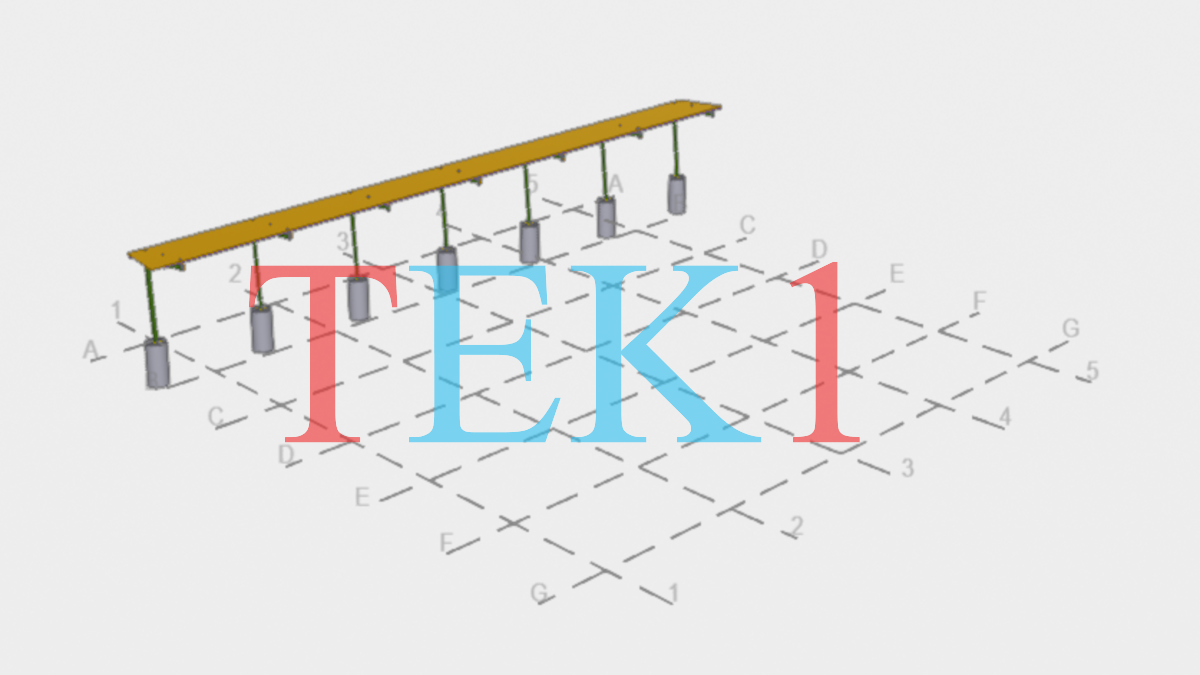
TEK1 completed a canopy project for a prominent organization in Australia. The goal was to provide detailed support for steelwork canopies.


Recently, we were awarded a project to detail a curved section on the bridge for a reputed organization in Australia. The geometry involved presented some unique challenges.

From the elevation, the structure followed a non-linear zig-zag curvature, creating a dynamic and aesthetically driven form.
(more…)
In this blog, we share a proposal we made to the builder to make installation easier on-site.
In the OTE platform steel, we provided a PSD beam (OTB5) to support the platform screen doors below. These beams will later need to coordinate with the door manufacturer’s system.

However, in practice, structural steel is rarely placed in the exact designed level due to factors like concrete alignment, mill tolerances, and site conditions. If the beam is installed as per the design without adjustment options, it may not match the required level for the doors.
To solve this, we proposed adding packer plates so the PSD beam level can be adjusted during installation.

The client accepted our proposal, and this solution will make the erection and alignment process much easier on site.

In Australian steel detailing, understanding roof and purlin specifications is essential for delivering precise and efficient designs. In this blog, I’ll share an experience highlighting the significance of addressing roof slope issues during detailing.
The Issue
In a structural drawing, the purlins were shown running north-south, which suggested that the roof slope would be east-west (since purlins are always perpendicular to the roof slope). However, when we reviewed the architectural drawings, the roof slope was indicated as running north-south—a direct contradiction.


The Resolution
We raised the issue with the client, who confirmed that the architectural drawings superseded the structural ones. Following this clarification, updated drawings were issued, with the roof slope correctly aligned in the east-west direction.
Key Takeaways
Roof and purlin alignment might seem straightforward, but even small errors can have significant implications. Attention to detail and proactive communication are key to successful detailing.

In this blog, I’d like to share an issue we faced while detailing Platform Screen Door (PSD) support beams in a metro station project.
Our scope was to provide structural beams to support the platform screen doors. The design also required stiffeners in these beams for structural strength.

The Issue We Identified
Before placing the stiffeners as per the design, we reviewed how the door frames would connect to the beams. During this check, we realized that the stiffeners could clash with the door frame supports.
As expected, when we reviewed the door frame support details, the clash became clear.

We raised this issue with the relevant team, and they advised us to modify the stiffener size so it would not interfere with the door frame supports.

As detailers, we shouldn’t just place elements exactly as shown in the design. We must also think about how other components will connect and function.
This is especially important when our steel supports secondary steel, equipment, or framing systems. A little extra attention during detailing can prevent major issues during installation.

Detailers must exercise caution when working with bolts and edge distances, as these are common areas for errors in structural detailing. In this blog, I’ll share my experience with a bolt edge distance issue and how it was resolved.
The Scenario

In a recent project, the design required a UB (Universal Beam) to sit on a 200mm-thick concrete wall, secured with M20 chemset bolts.
Upon review, it became clear this setup wasn’t feasible:
Additionally, the beam wasn’t centered on the wall, further complicating the bolt placement.
The Proposed Solution
To address the issue, I proposed welding plates to the bottom of the beam. This adjustment allowed the beam to be bolted to the side of the wall rather than its top.

The Engineer’s Feedback
After reviewing the proposal, the engineer suggested a simpler solution: using a single row of bolts instead of two. This change eliminated the edge distance problem.Engineer mentioned that one row of bolt is enough for this beam.
In this project, the engineer did not accept our proposal, as they determined that the beam does not require that level of support. However, as detailers, it is our responsibility to highlight the issue and propose suitable solutions.

When detailing steel, one important factor that’s often overlooked is the stock length of the beams. Confirming this early can prevent major rework later in the project.
Recently, we worked on a façade support steel project that involved several CHS beams. Normally, CHS sections are available up to 12 meters in length. However, in this case, the client informed us that for smaller CHS sizes, the maximum available length was only 6.5 meters.
Please see the below email from the client.
“Hi Ganesh
Have just noticed some of your Member lengths for the 101 CHS are longer than 6.5m stock lengths.”
Then we have raised RFIs for the stock lengths. See the below replies from the client.

Always confirm the available stock lengths with the client or fabricator before starting the detailing. Early coordination like this saves time, reduces rework, and ensures a smoother fabrication process.

In this blog, I’d like to share an issue we faced related to hanger locations.
In this job, the floor steel was supported from the slab soffit. Initially, we placed the hangers as per the design drawings. However, during coordination with the concrete model, we discovered a slab void exactly at one of the hanger locations — meaning there was no concrete support available for that hanger.


Fortunately, we identified the issue before fabrication and raised it with the respective manager for correction.
When detailing steel, especially hangers or supports connected to concrete, it’s crucial to check the concrete model. Focusing only on the steel scope can lead to such clashes. Always verify slab and concrete details at the steel connection points to avoid costly rework later.