TEK1 completed a Pergola project for a prominent organization in Australia. The goal was to provide detailed support steelwork for Pergolas.
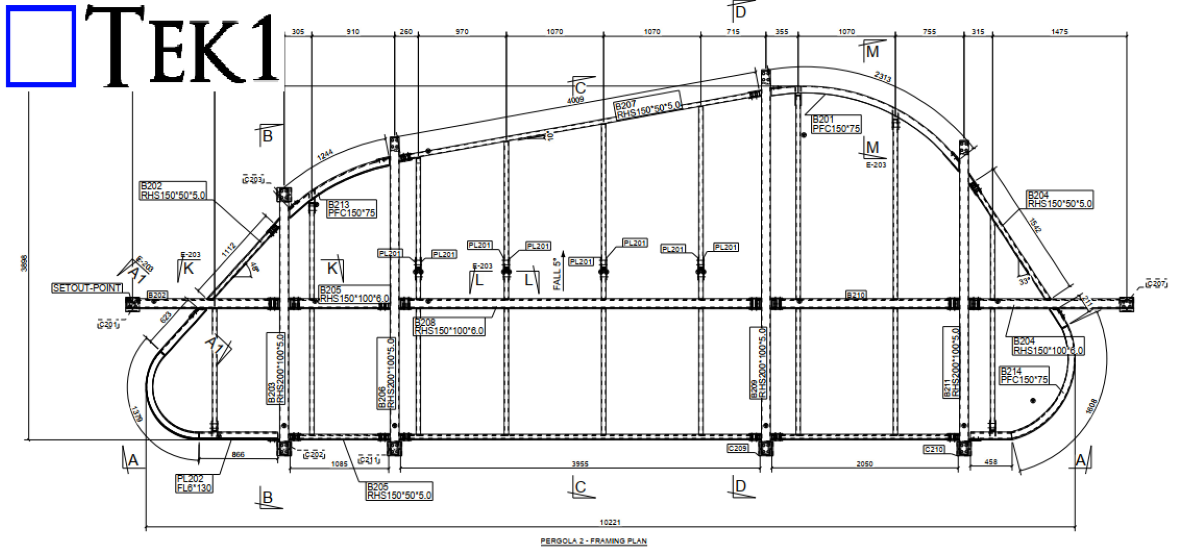
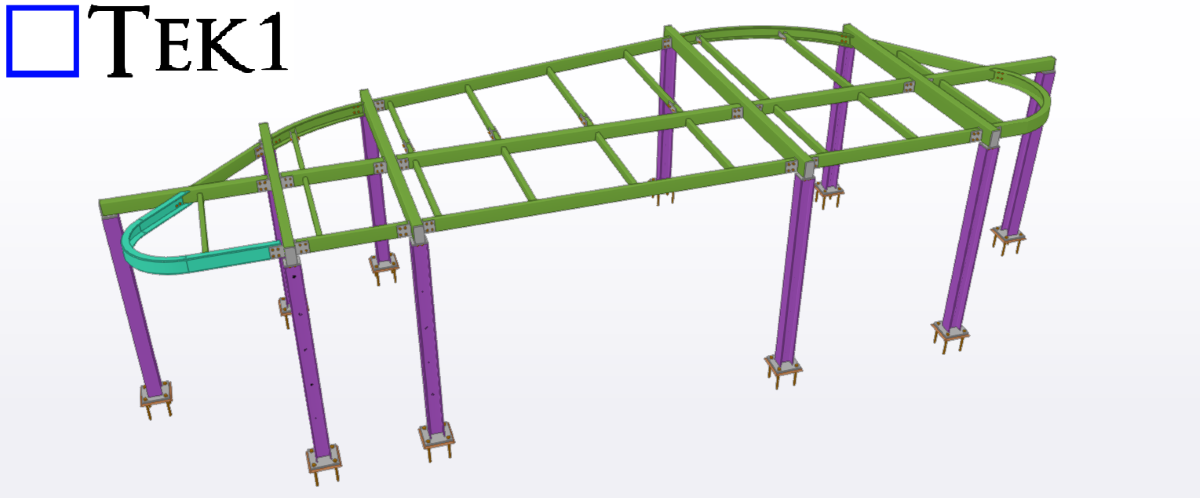
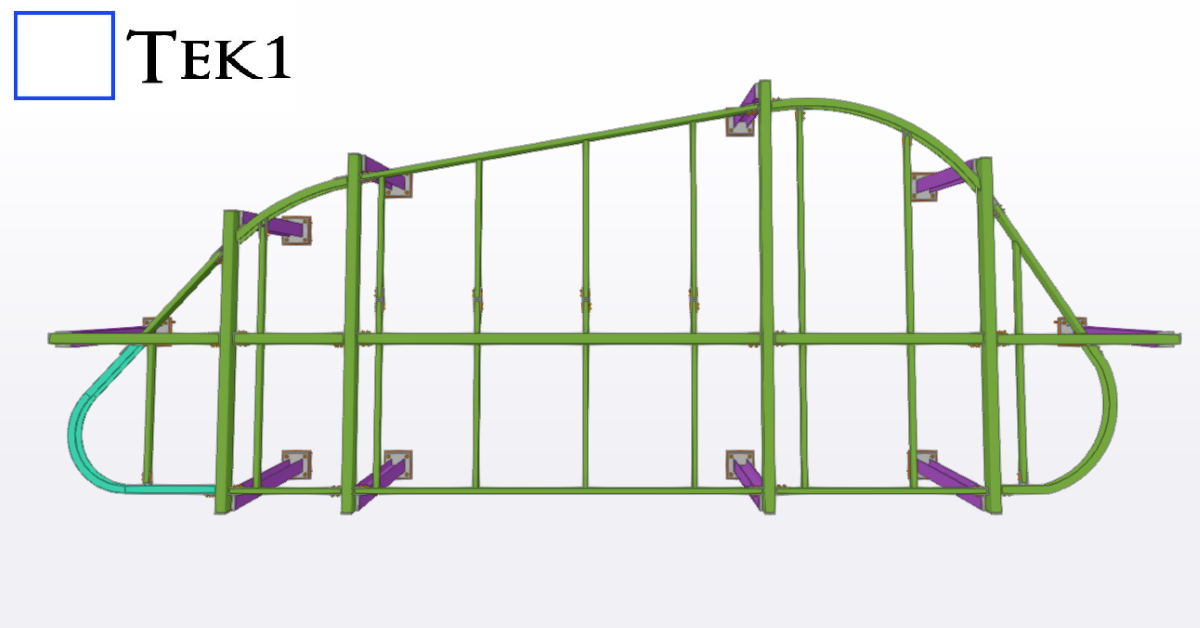
TEK1 completed a Pergola project for a prominent organization in Australia. The goal was to provide detailed support steelwork for Pergolas.
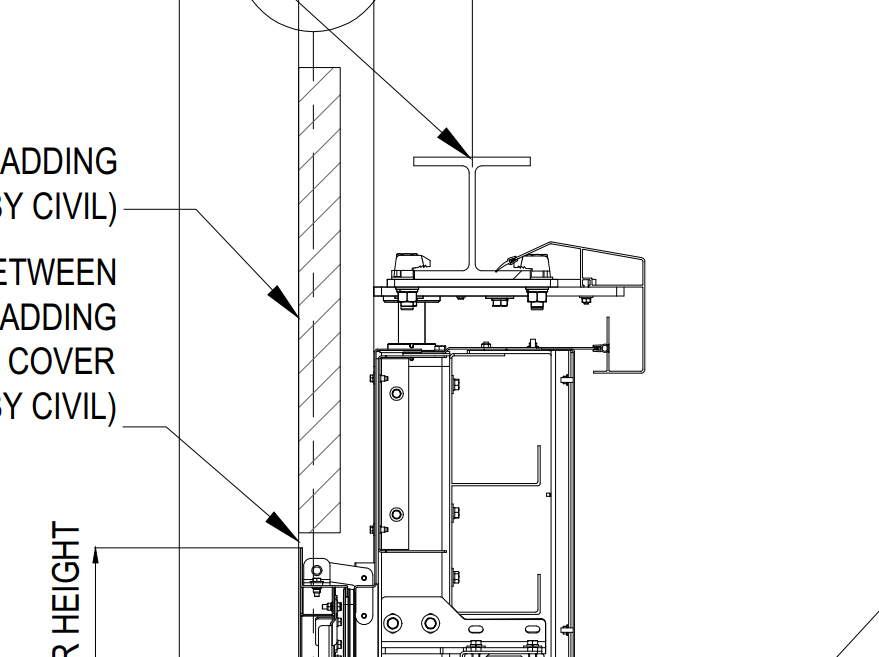
In this blog, I’d like to share an issue we faced while detailing Platform Screen Door (PSD) support beams in a metro station project.
Our scope was to provide structural beams to support the platform screen doors. The design also required stiffeners in these beams for structural strength.
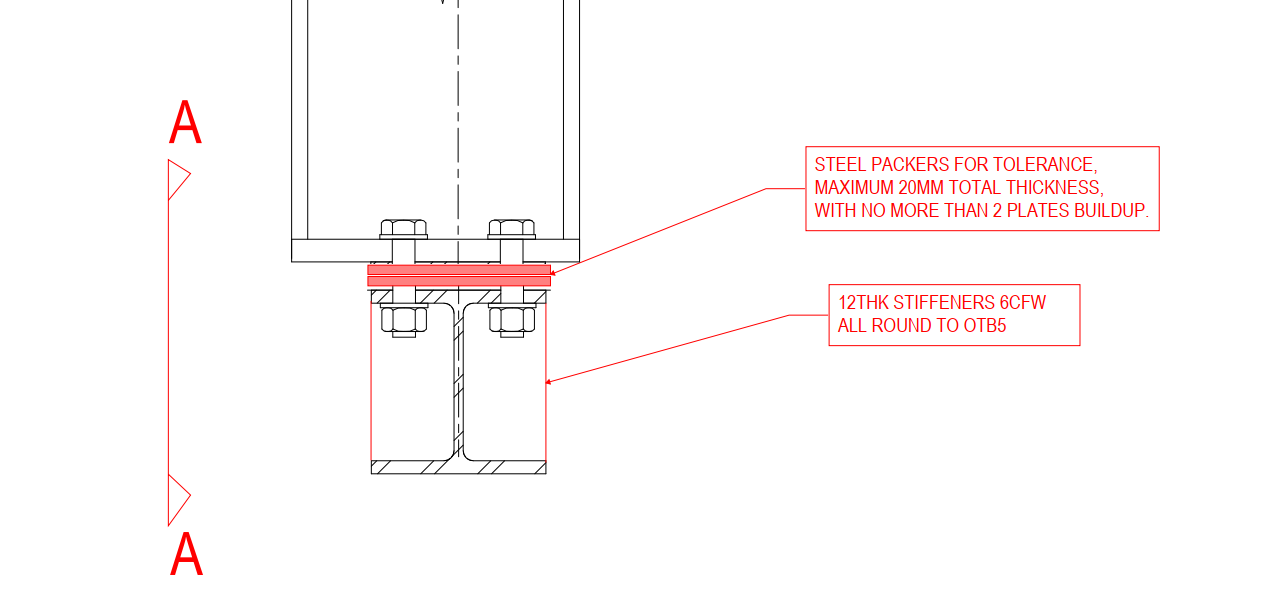
The Issue We Identified
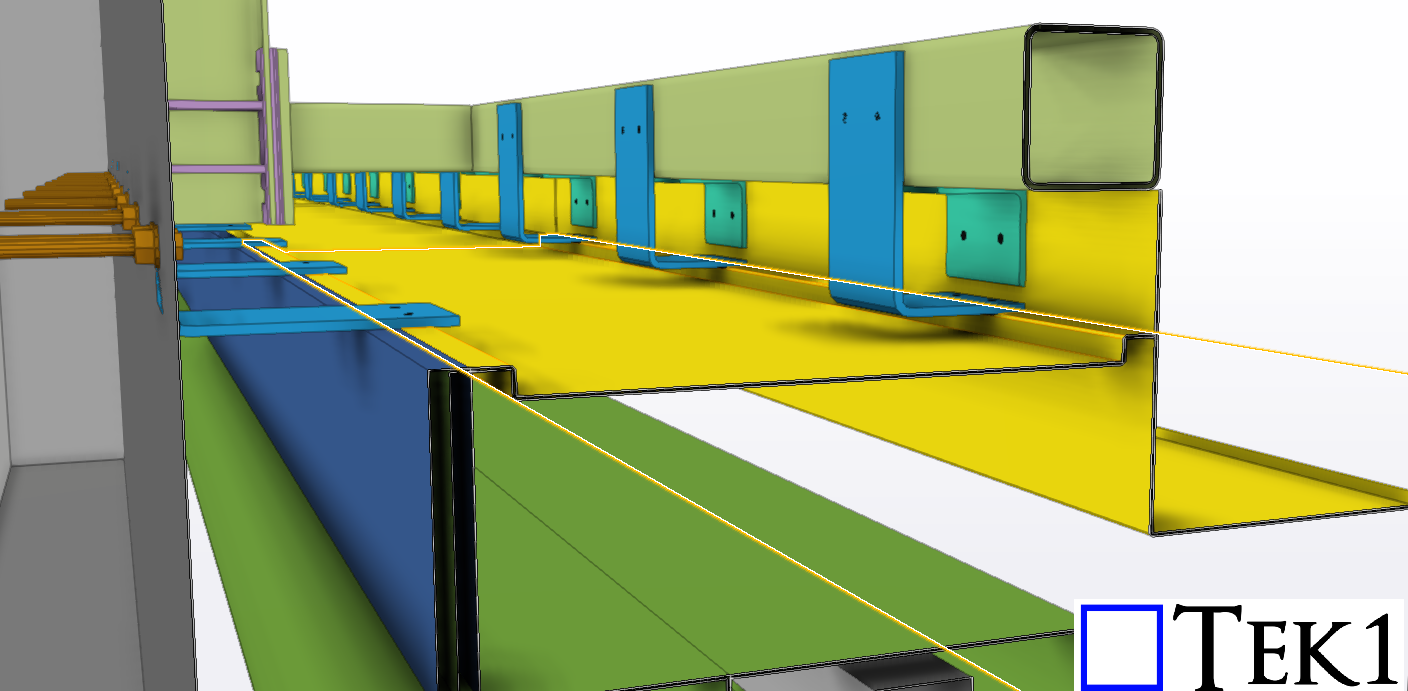
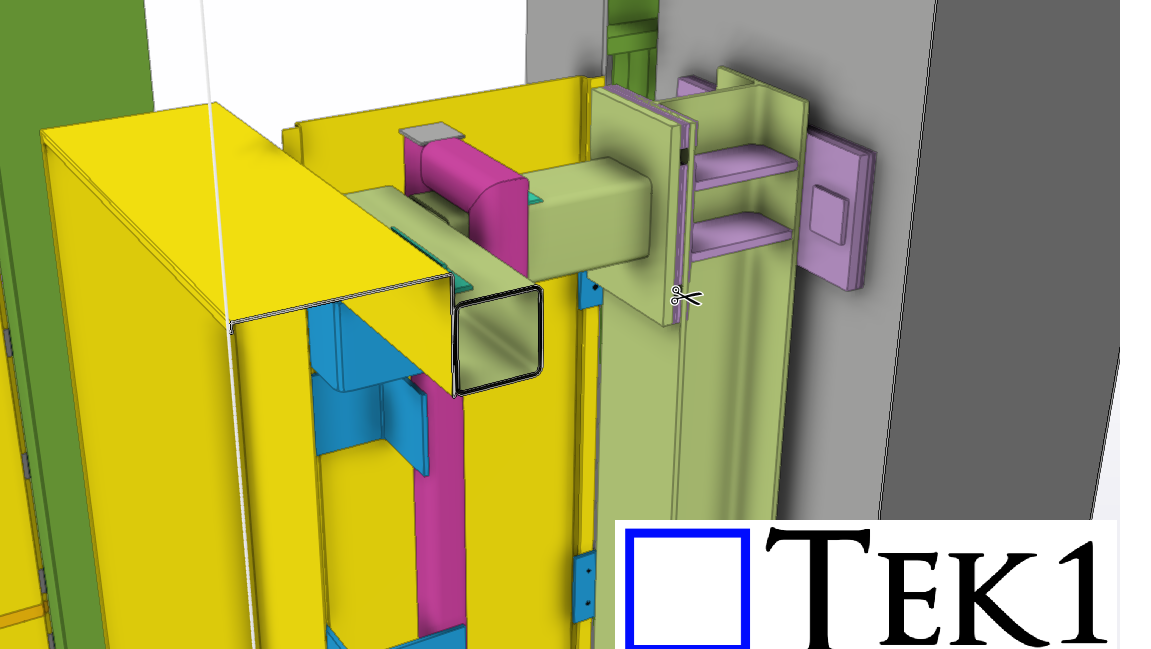
Before placing the stiffeners as per the design, we reviewed how the door frames would connect to the beams. During this check, we realized that the stiffeners could clash with the door frame supports.
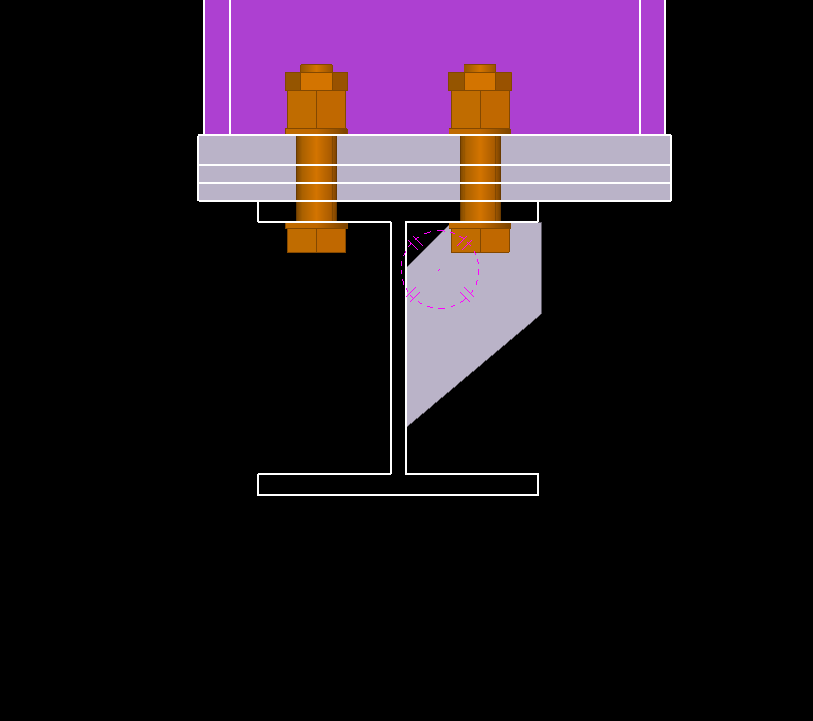
As expected, when we reviewed the door frame support details, the clash became clear.
We raised this issue with the relevant team, and they advised us to modify the stiffener size so it would not interfere with the door frame supports.
As detailers, we shouldn’t just place elements exactly as shown in the design. We must also think about how other components will connect and function.
This is especially important when our steel supports secondary steel, equipment, or framing systems. A little extra attention during detailing can prevent major issues during installation.
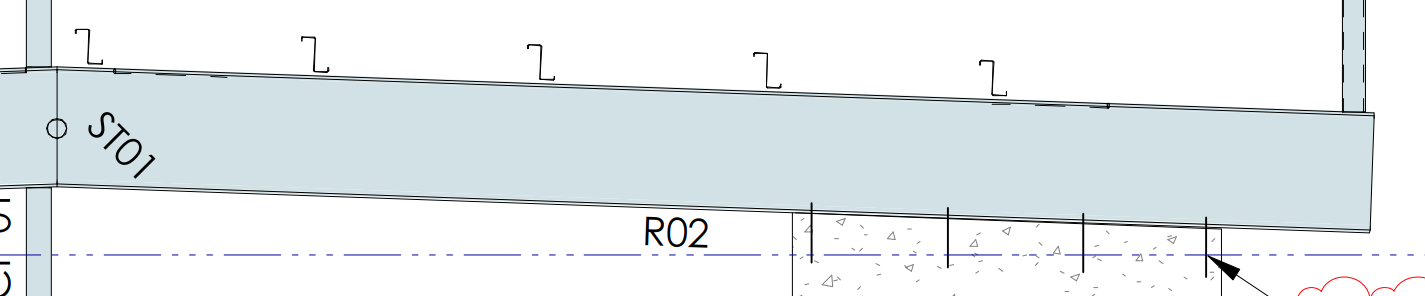
Detailers must exercise caution when working with bolts and edge distances, as these are common areas for errors in structural detailing. In this blog, I’ll share my experience with a bolt edge distance issue and how it was resolved.
The Scenario
In a recent project, the design required a UB (Universal Beam) to sit on a 200mm-thick concrete wall, secured with M20 chemset bolts.
Upon review, it became clear this setup wasn’t feasible:
Additionally, the beam wasn’t centered on the wall, further complicating the bolt placement.
The Proposed Solution
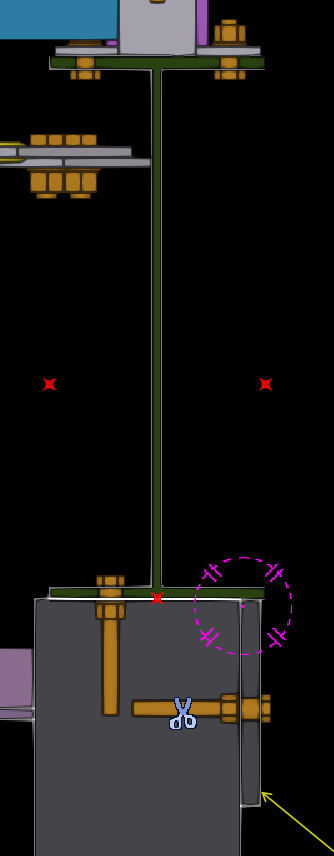
To address the issue, I proposed welding plates to the bottom of the beam. This adjustment allowed the beam to be bolted to the side of the wall rather than its top.
The Engineer’s Feedback
After reviewing the proposal, the engineer suggested a simpler solution: using a single row of bolts instead of two. This change eliminated the edge distance problem.Engineer mentioned that one row of bolt is enough for this beam.
In this project, the engineer did not accept our proposal, as they determined that the beam does not require that level of support. However, as detailers, it is our responsibility to highlight the issue and propose suitable solutions.
When detailing steel, one important factor that’s often overlooked is the stock length of the beams. Confirming this early can prevent major rework later in the project.
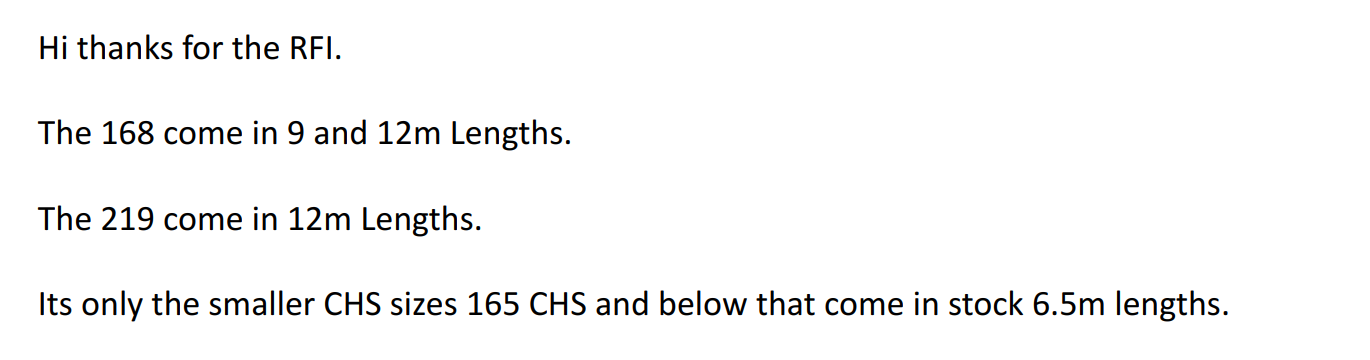
Recently, we worked on a façade support steel project that involved several CHS beams. Normally, CHS sections are available up to 12 meters in length. However, in this case, the client informed us that for smaller CHS sizes, the maximum available length was only 6.5 meters.
Please see the below email from the client.
“Hi Ganesh
Have just noticed some of your Member lengths for the 101 CHS are longer than 6.5m stock lengths.”
Then we have raised RFIs for the stock lengths. See the below replies from the client.
Always confirm the available stock lengths with the client or fabricator before starting the detailing. Early coordination like this saves time, reduces rework, and ensures a smoother fabrication process.
In this blog, I’d like to share an issue we faced related to hanger locations.
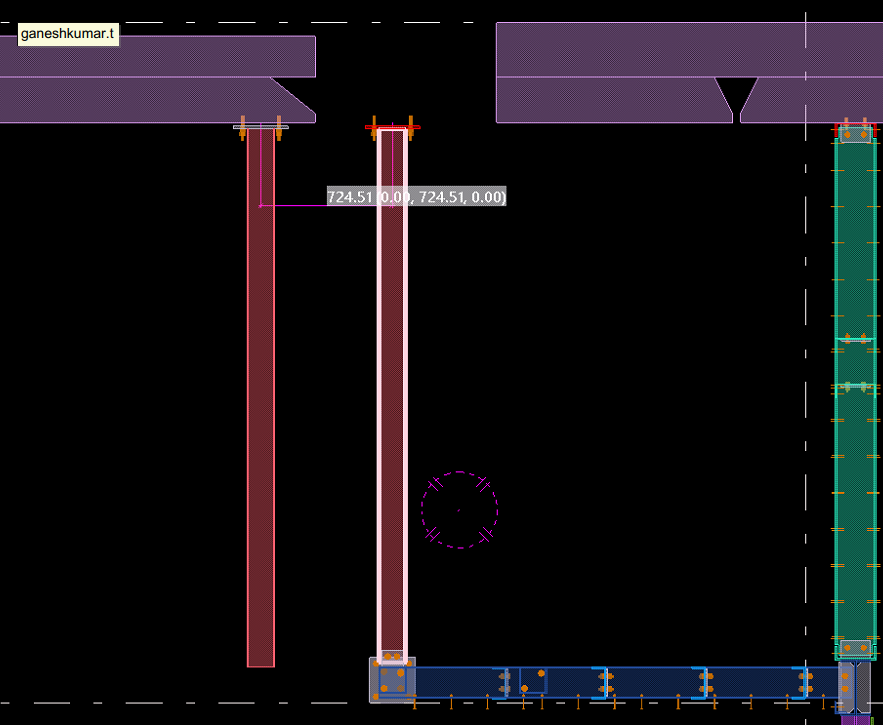
In this job, the floor steel was supported from the slab soffit. Initially, we placed the hangers as per the design drawings. However, during coordination with the concrete model, we discovered a slab void exactly at one of the hanger locations — meaning there was no concrete support available for that hanger.
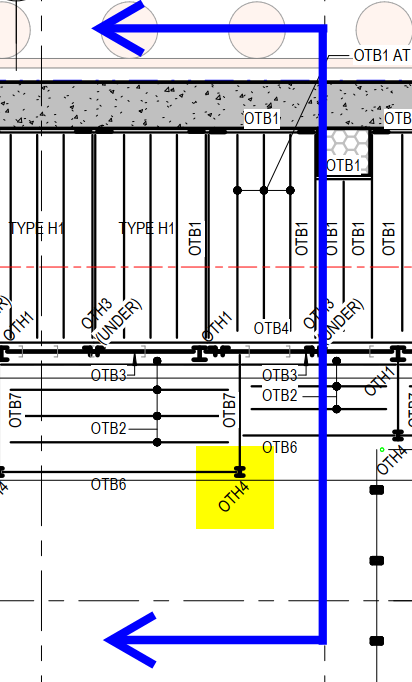
Fortunately, we identified the issue before fabrication and raised it with the respective manager for correction.
When detailing steel, especially hangers or supports connected to concrete, it’s crucial to check the concrete model. Focusing only on the steel scope can lead to such clashes. Always verify slab and concrete details at the steel connection points to avoid costly rework later.
We hope you found our previous blogs on the Sydney Metro project insightful. If you missed them, check them out.
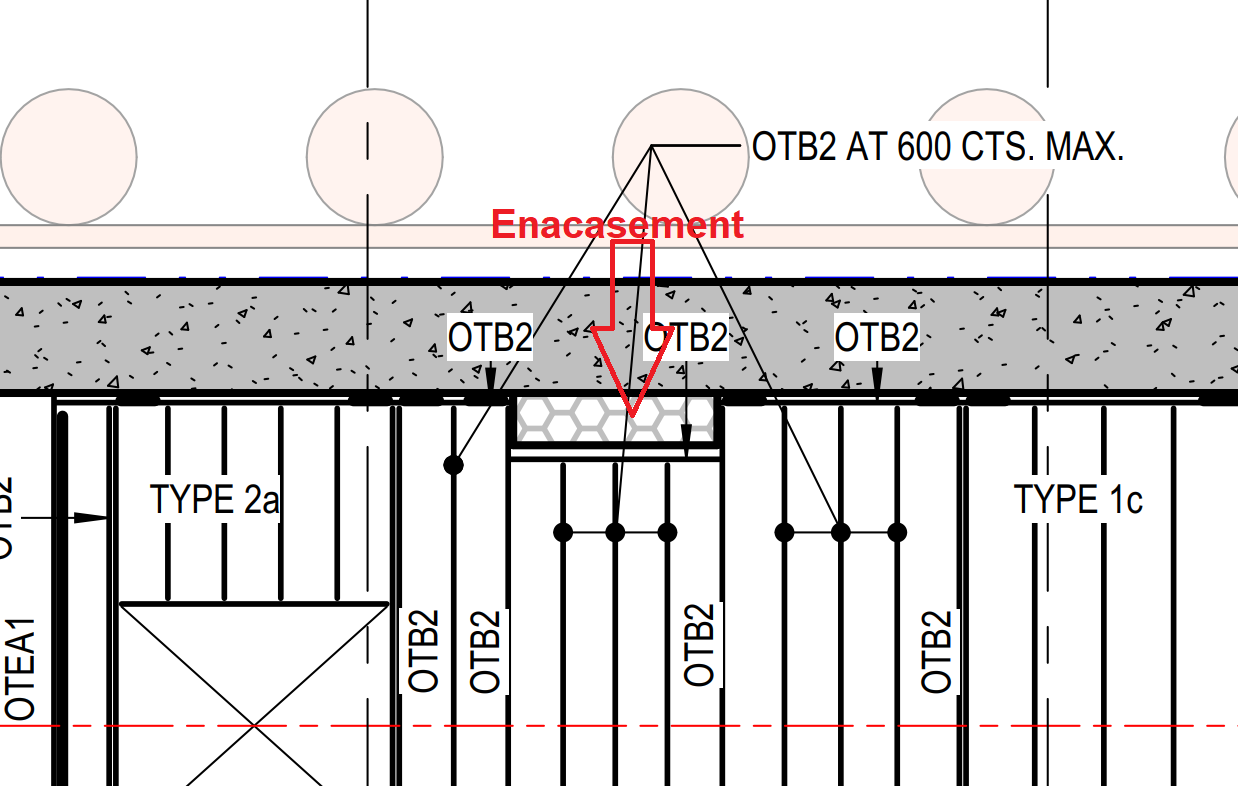
In this blog, I’d like to share an important lesson about concrete encasement for conduits that every steel detailer should keep in mind.Normally, conduit encasement falls under electrical scope, so detailers don’t focus much on it. However, the encasement’s location and size can directly affect the steel layout — as we discovered in one of our projects.
We detailed the steel as per design drawings, but on-site, the encasement dimensions varied. Some conduits were larger, others smaller, which caused clashes between the steel and the encasement, and in some areas, created unwanted gaps. This required on-site modifications to our steel.
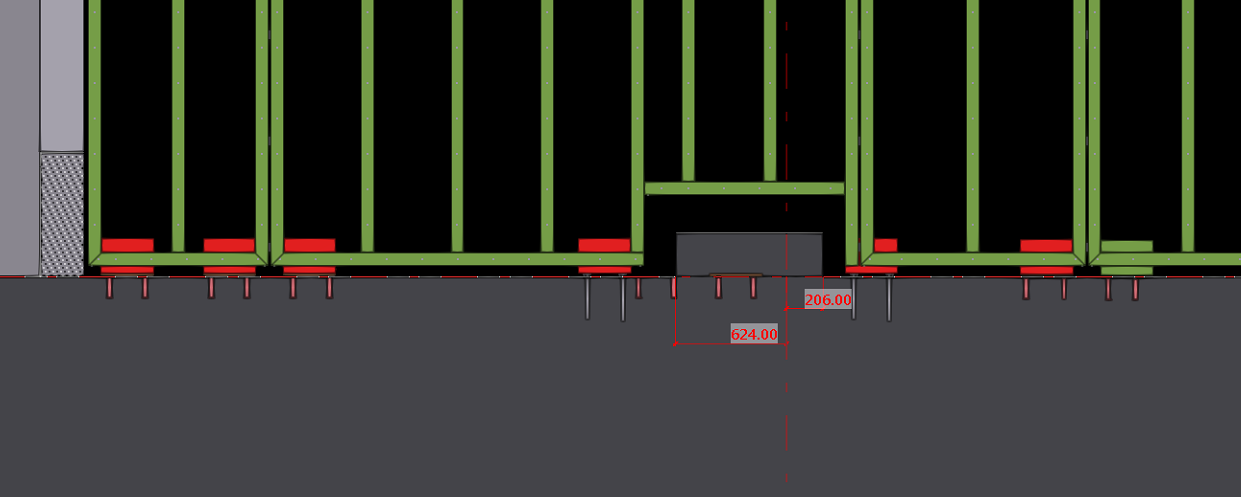
When detailing steel near conduit encasements, always verify the actual encasement size and location before releasing fabrication drawings. Small checks early in the process can prevent major issues and rework on-site.
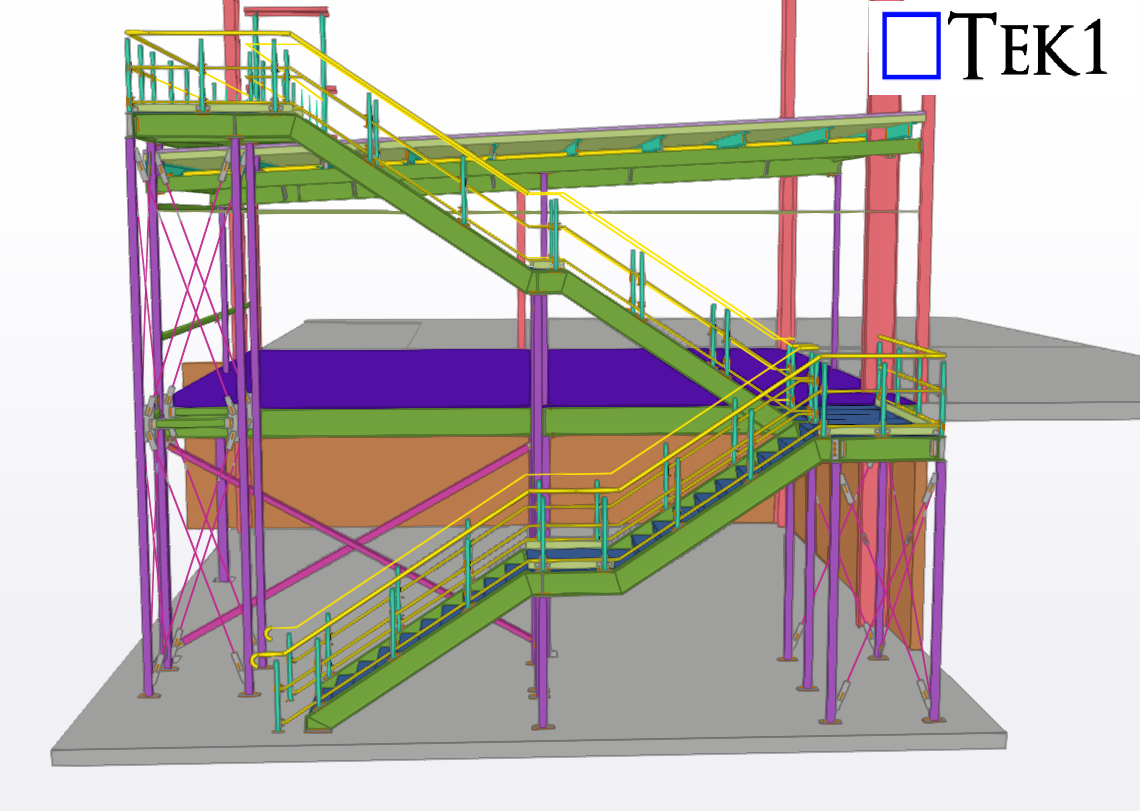
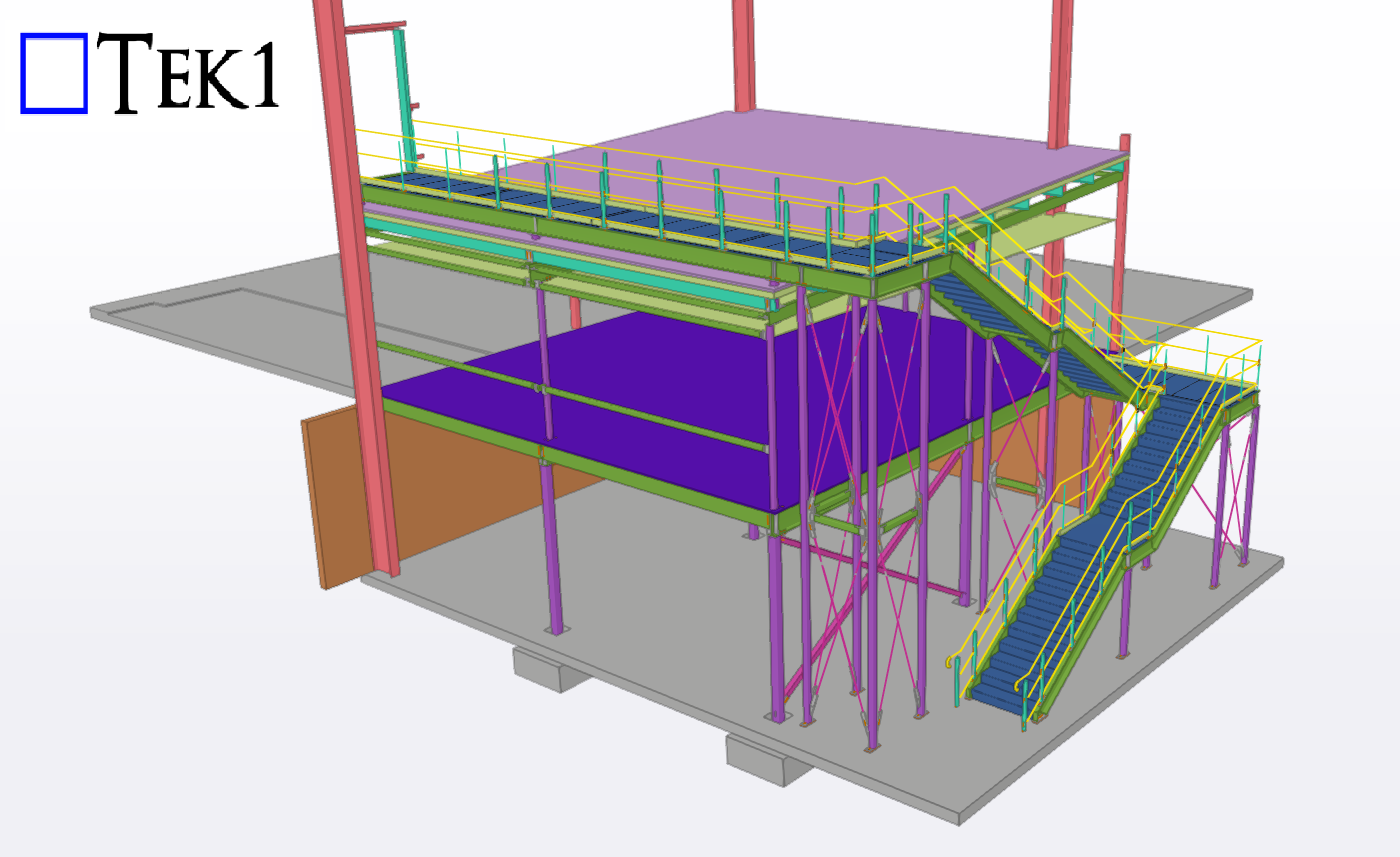
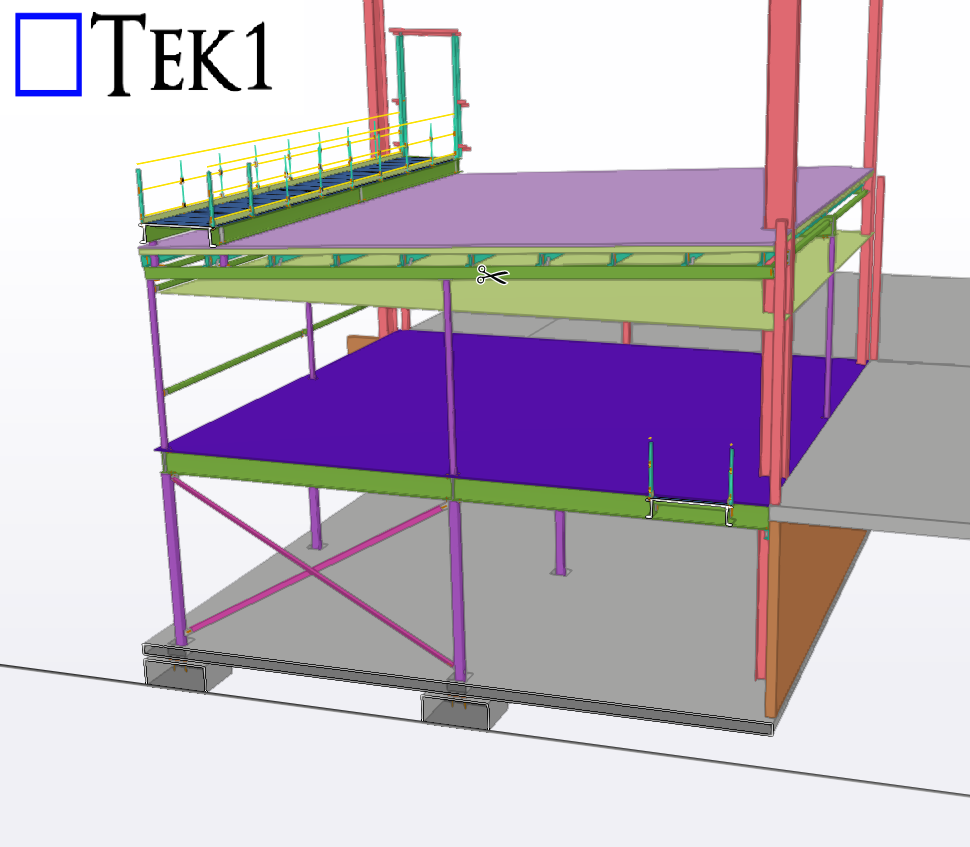
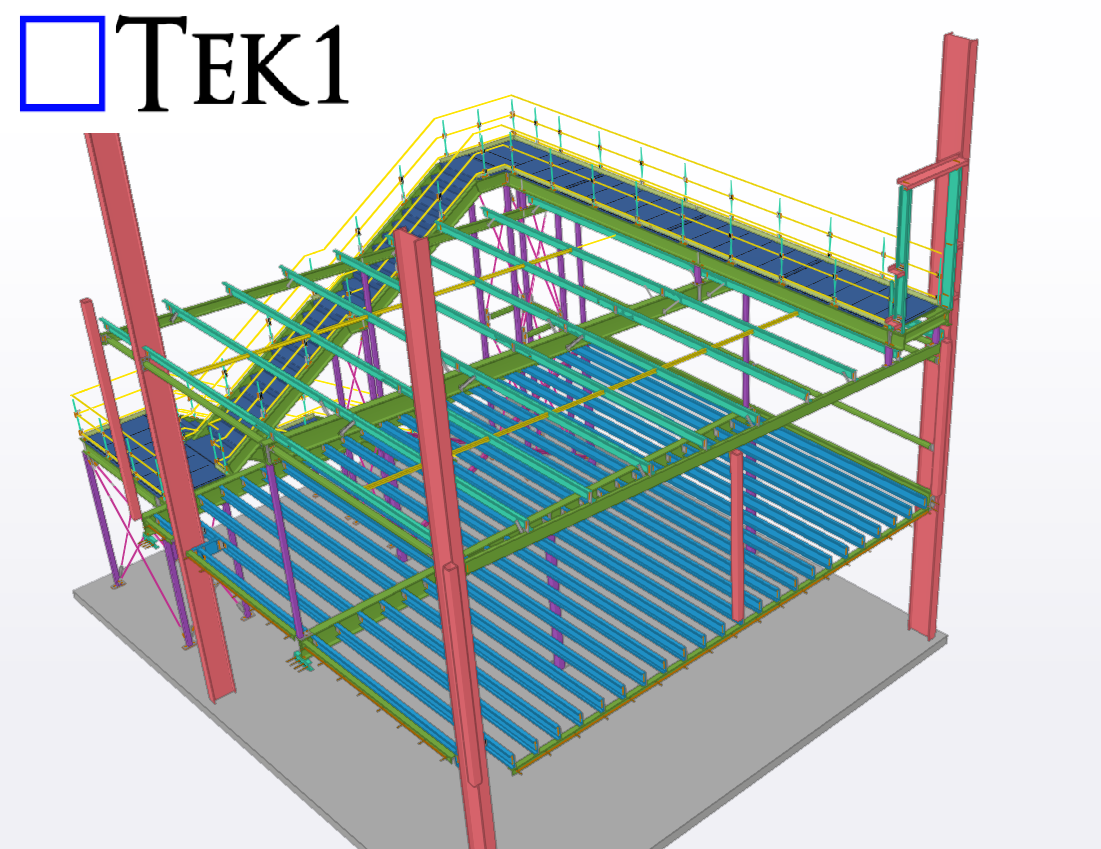
TEK1 recently completed a Mezzanine steel & stair for a prominent organization in Australia. The goal was to provide detailed support steelwork for mezzanine floor & stair including handrails.

While detailing a project for a leading organization in Australia, the client asked us to calculate material quantities for production and procurement.
However, this involves high risk.As detailers, we don’t control the nesting process — which depends on factors like sheet size, scrap management, and fabrication methods. Each fabricator uses different nesting techniques. If we provide material calculations without knowing their exact process, the numbers could be inaccurate.Any miscalculation could lead to over- or under-procurement, and the blame may fall on the detailer.
Even if the client is willing to pay for it, detailers should avoid taking on such high-risk tasks. Stick to your scope and let the fabricator handle material estimation based on their own nesting and production methods.
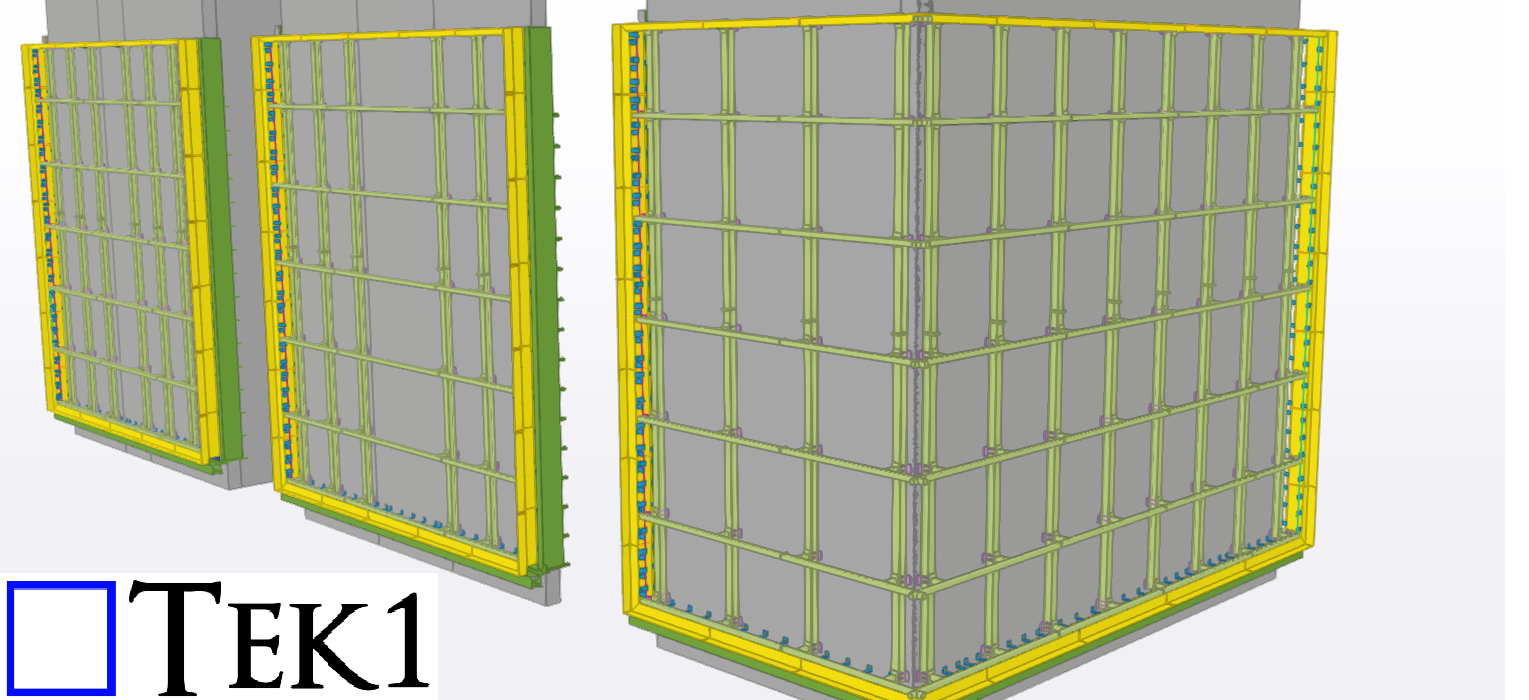
TEK1 recently completed a media wall support project for a prominent organization in Australia. The goal was to provide detailed support steelwork for a large media wall screen — with a unique challenge.
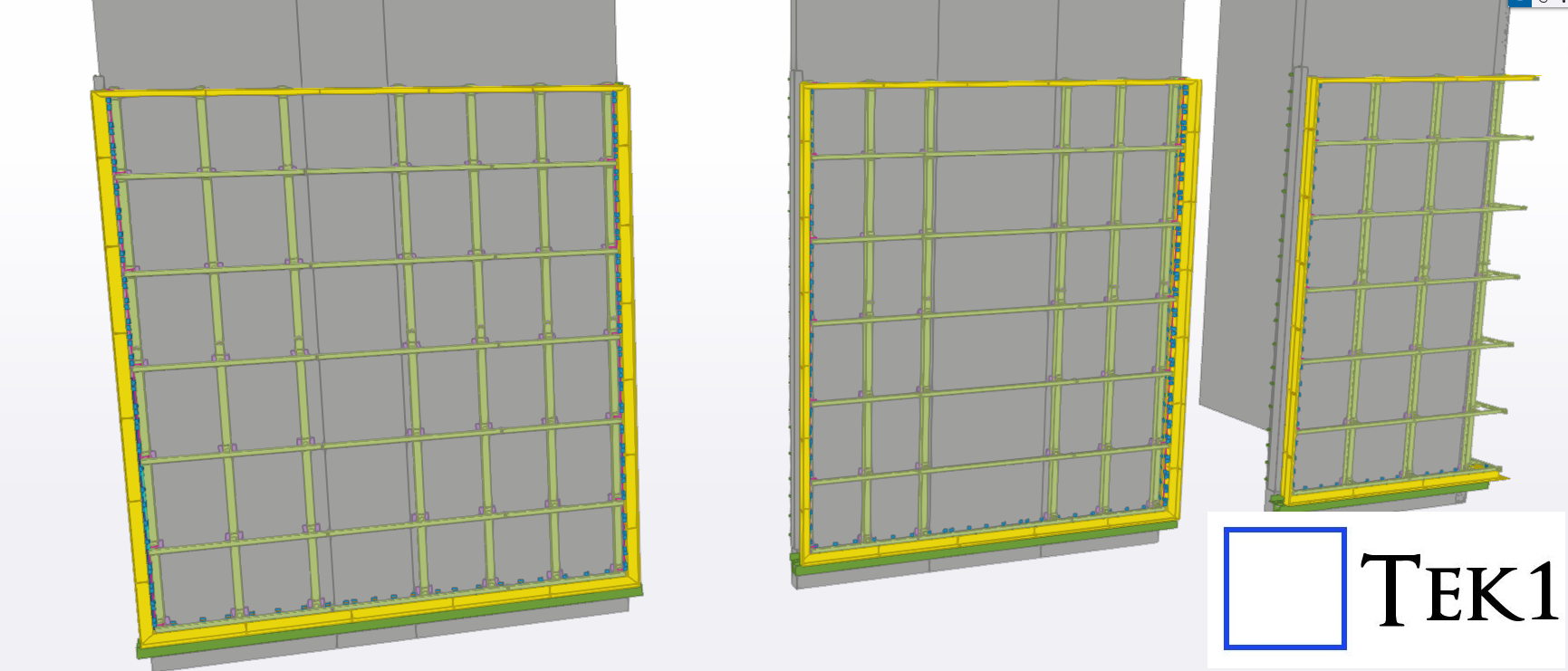
Unlike most projects, we didn’t receive any structural design drawings. Instead, we were given only a concept design, leaving it to TEK1 to determine suitable steel profiles and connection details.
Our team carefully studied the concept and nominated appropriate profiles for each connection based on feasibility, strength, and ease of fabrication. Once the detailing was complete, we submitted it to the structural engineer for review.
The engineer approved our detailing with minimal changes, which helped speed up the process and made things easier for the client. The use of different profile types also optimized the design for practicality and efficiency.