
Author: Ganesh Kumar

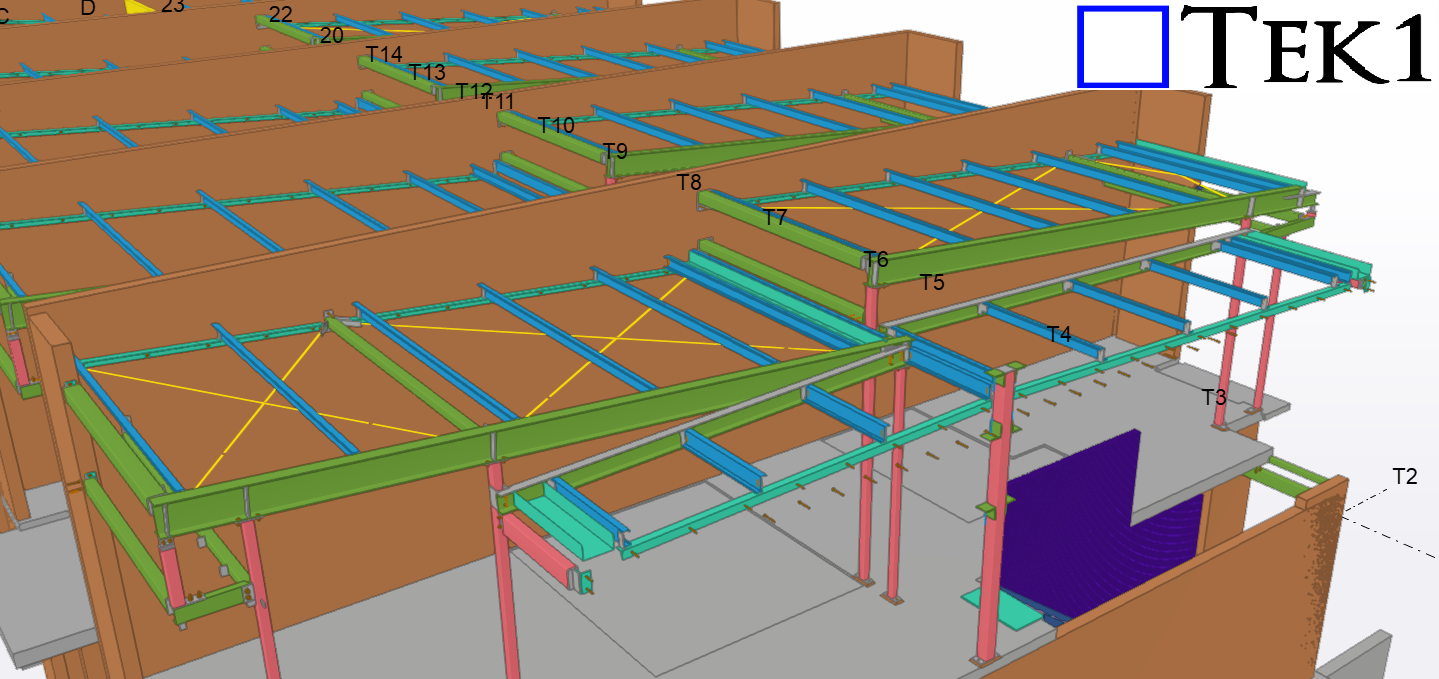
  • New Market stage 2 – Randwick

    #Sydney Projects #Steel Detailing #Commercial Structures

  • Navigating Access and Slope Limits for Stairs and Ladders

    Navigating Access and Slope Limits for Stairs and Ladders

    When it comes to constructing stairs or ladders, adherence to specific standards regarding access and slope limits is paramount. Understanding these guidelines, as outlined by the Australian Standards AS1657, ensures not only safety but also compliance with regulatory requirements.

    1. Access Ramps and Pathways:

    If you require access for height without steps, the slope must fall within a minimum degree range of 0-20°, with a preferred range of 0-10°. Public access ramps in Australia typically adhere to a 4° slope, which, while effective, can consume a significant amount of landing area. This slope range is predominantly utilized for ramps and access pathways.

    2. Stairs in Residential and Commercial Settings:

    In residential and commercial areas, stairs are commonly employed, typically featuring a degree range between 30° to 38°. However, according to standards, stairs should ideally fall within the range of 20° to 45°. It’s important to note that stairs occupy a substantial amount of ground area and must be carefully designed for optimal functionality and safety.

    3. Industrial Ladders:

    Industrial settings often utilize step-type ladders, which should ideally have a degree range between 60° to 70°. Treads are commonly incorporated for enhanced safety and stability.

    In cases where clearance is limited, rung-type ladders may be employed. Rung-type ladders, with a degree range of 70° to 90°, offer a compact alternative, making them suitable for confined spaces. Notably, 90° ladders are commonly found in locations such as ships and network towers, requiring minimal space.

    Safety Considerations:

    It’s crucial to emphasize that the degree range between 45° to 60° is deemed unsafe for both ladders and stairs. This zone presents heightened risks and should be avoided to ensure the safety of users.

    In conclusion, adherence to prescribed access and slope limits is essential when constructing stairs and ladders. By following established standards, builders and designers can create structures that prioritize safety, functionality, and compliance with regulatory requirements.

    As detailers, everyone should be familiar with these standards. Even when architects or engineers overlook these details, a detailer can catch them. This is also one of the important aspects for detailers to remember.

  • Park street – Multi Residential Facade support – Level 3

    Park street – Multi Residential Facade support – Level 3

    Building Facade Expertly detailed by Tek1 for this residential project for Sydney Fabricator

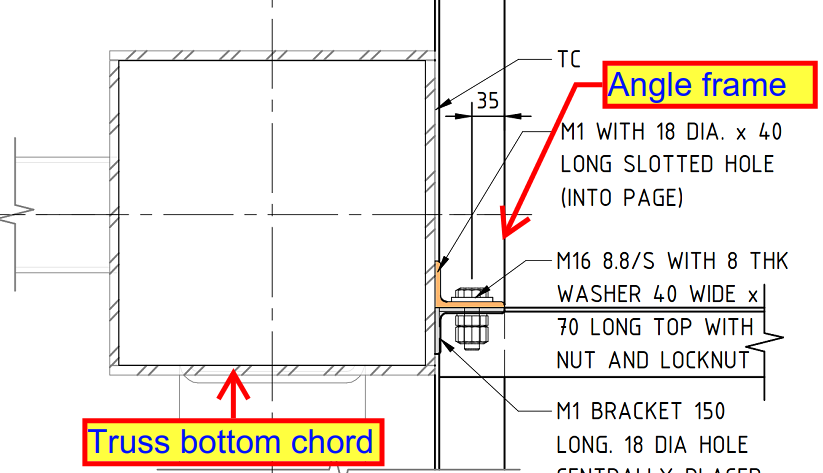
    Despite encountering challenges with concrete connections, including incomplete details from the structural engineer, Tek1 rose to the occasion. We proposed additional connection details, which were promptly approved after collaboration with the engineer.

    Despite the initial setbacks, Tek1’s commitment to excellence and proactive problem-solving approach prevailed, earning the satisfaction of our client.

    This project underscores Tek1’s commitment to excellence and ability to overcome obstacles for successful project delivery.

  • Rozelle interchange – stairs

    Rozelle interchange – stairs

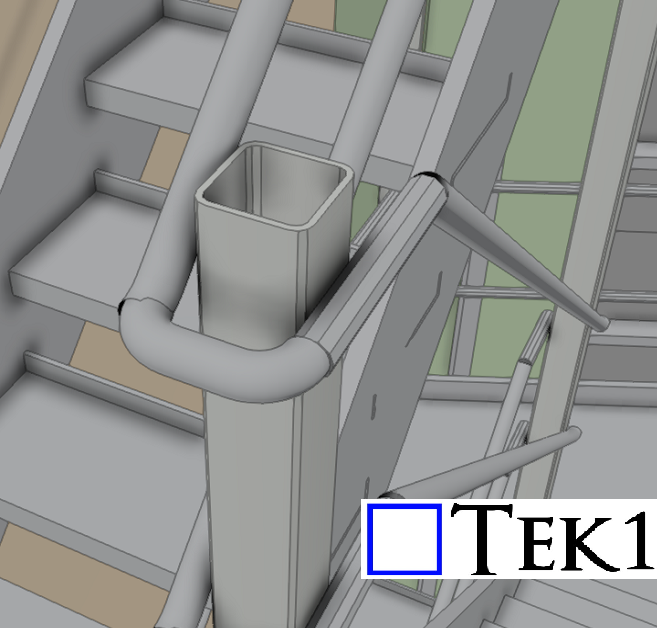
    Tek1 successfully completed a detailing work for stairs on the Rozelle Interchange & Western Harbour Tunnel project. Our scope of work encompassed providing stair steels and strategically placing holes for handrail posts, a task executed with precision and expertise.

    A crucial aspect of the project involved coordinating with the existing concrete area to ensure seamless integration and structural integrity of the stairs. This required extensive collaboration with our client, involving numerous meetings to synchronize efforts and address any challenges related to existing concrete and handrail post holes.

    Despite the complexities involved, Tek1 navigated the project without encountering any major obstacles, delivering exceptional results within the stipulated timeframe. Our meticulous attention to detail and proactive approach ensured that the project was completed seamlessly, exceeding expectations.

  • Walmer bridge misc items

    Walmer bridge misc items

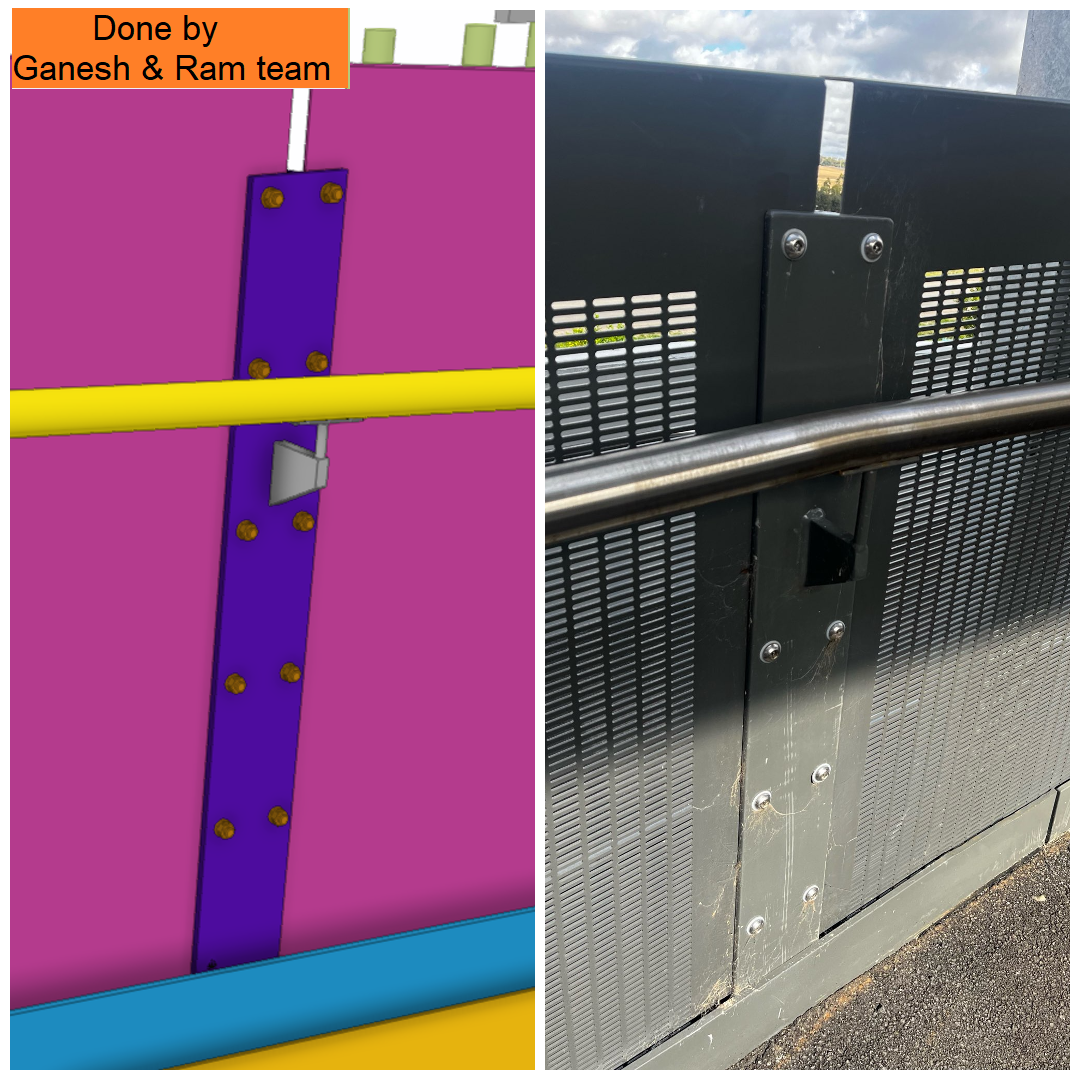
    Tek1 recently completed a detailing work for miscellaneous items on the Walmer Bridge project. Our scope included handrails, balustrades, and seat framing, showcasing our expertise in comprehensive infrastructure solutions.

    We have referred to a supplier catalogue and modeled an HR bracket as per requirements.

    Coordination was essential as the bridge was designed by another detailer. Tek1 seamlessly integrated our work with theirs, utilizing their IFC model for reference. Despite challenges, our team navigated the project without any major hitches.

    This success underscores Tek1’s commitment to excellence and ability to collaborate effectively. With each project, we strive to exceed expectations and uphold our reputation as a leader in the industry.

  • Deer park -Noise wall

    Deer park -Noise wall

    Tek1 has successfully completed a commercial project for a reputable organization in Australia.

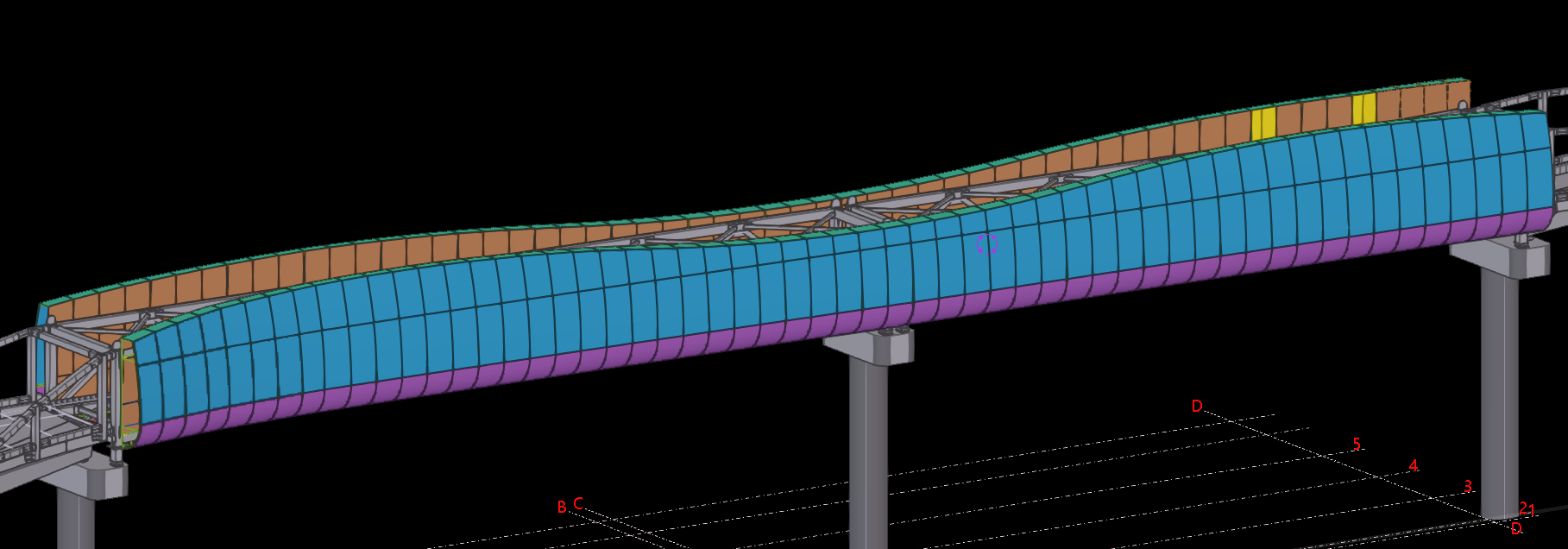
    The scope of work involved providing walls for the railway track. These walls are constructed using 3mm sheets, meticulously modeled to form zigzag patterns with varying heights, adhering to the provided design specifications.

    Additionally, detailed drawings, including unfolded views, were provided to the fabricators, accompanied by precise dimensions and folding angles, indicating the appropriate folding sides.

    With this comprehensive documentation, the fabrication process commenced smoothly, devoid of any missing dimensions or details. This efficient coordination not only saved significant time for the fabricators but also streamlined the construction process for the builders.

    As a result, the walls were erected within the scheduled timeframe, meeting project deadlines seamlessly. The client expressed high satisfaction with the quality and timeliness of our work, further affirming Tek1’s commitment to delivering exceptional outcomes.

  • Navigating Kick Plate Dimensions:Unveiling the Distinctions Between AS1428 and AS1657 Standards

    Navigating Kick Plate Dimensions:Unveiling the Distinctions Between AS1428 and AS1657 Standards

    In the realm of architectural and structural standards, the dimensions of kick plates play a crucial role in ensuring safety and accessibility.

    When it comes to ramps, AS1428 sets a minimum height requirement of 150mm for the top of the kerb rail from the floor. This standard aims to provide optimal support and guidance for individuals with diverse mobility needs.

    However, the story takes a nuanced turn when we shift our focus to stairs. AS1657, the standard specifically addressing fixed platforms, walkways, stairways, and ladders – dictates a different criterion.Here, the top of the kick plate is mandated to be at least 100mm above the floor.

    Navigating these standards requires a keen understanding of the specific contexts in which they apply, showcasing the meticulous nature of design considerations in the pursuit of both safety and inclusivity.

  • Tekla – Error in STP file export

    Tekla – Error in STP file export

    As a TEKLA user, this blog will help you prevent mistakes in the fabrication shop. It can also save a lot of costs for you if you read it fully.

    Some clients request STP files for fabrication purposes, but it’s important to note that there may be errors in the Tekla export. Generally, Tekla lacks a built-in option for the STP format. We use an extension called multi converter, obtained from the Tekla warehouse, for STP exports.

    But, unfortunately, some parts don’t export properly, and we’ve encountered issues in our project.

    Please see the below nc file snap for part no m513.

    But when we export the same part in multi converter for STP format , We have got some errors.Please see below snap.The exported STP file shows only a small part instead of the entire component.

    Most of the parts export successfully without any errors. However, a few parts with a maximum number of cuts are encountering issues, as shown in the snapshot. Therefore, I recommend checking the exported STP format files before sending, particularly for parts with a higher number of cuts in the model.

    We have contacted TEKLA support regarding this issue. Please wait for a while, and we will update you once we receive a response from them.

  • Residential development – Hall road

    Residential development – Hall road


    Tek1 has successfully completed a commercial project for a reputable organization in Australia.

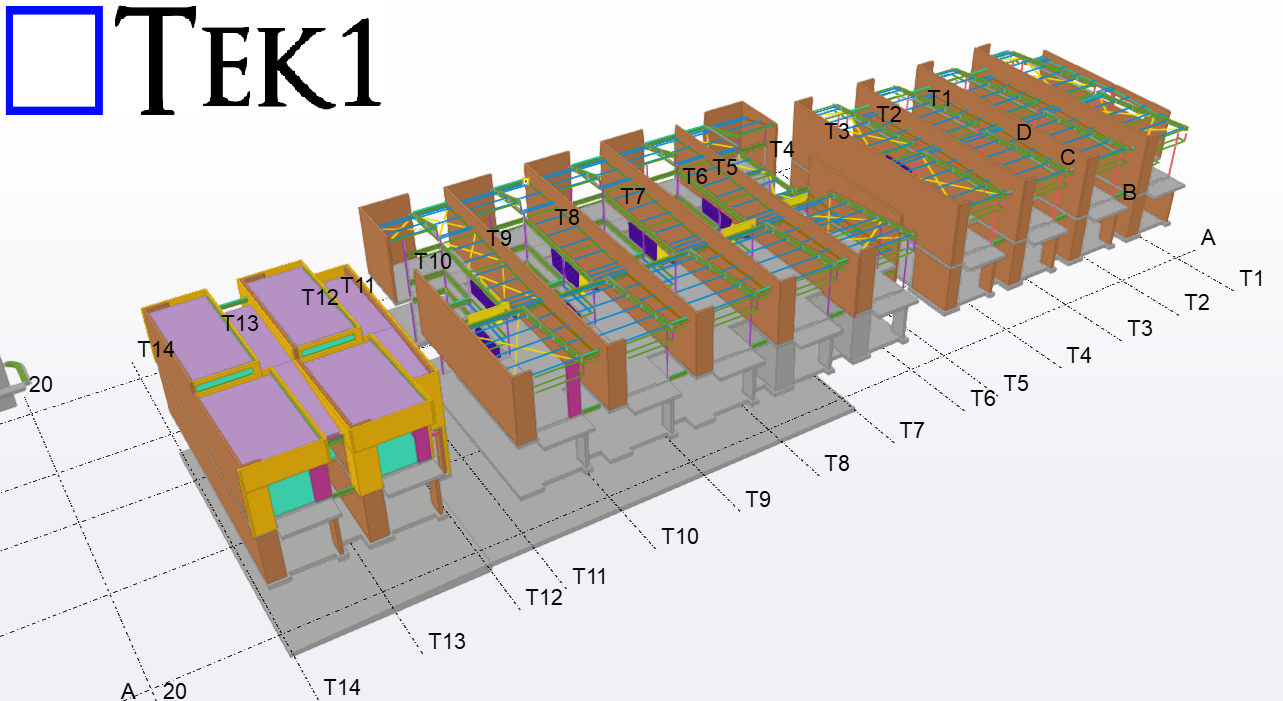
    The scope of work involves providing support for the cladding walls and awning roof. Due to frequent changes in the structural design, we have coordinated directly with the structural designer to update our model accordingly. This approach minimizes variation costs for both the client and the designer.

    We held numerous meetings with the client to ensure there would be no mistakes during the installation process. As expected, the installation was carried out without any issues.

    The client is highly satisfied with our work.