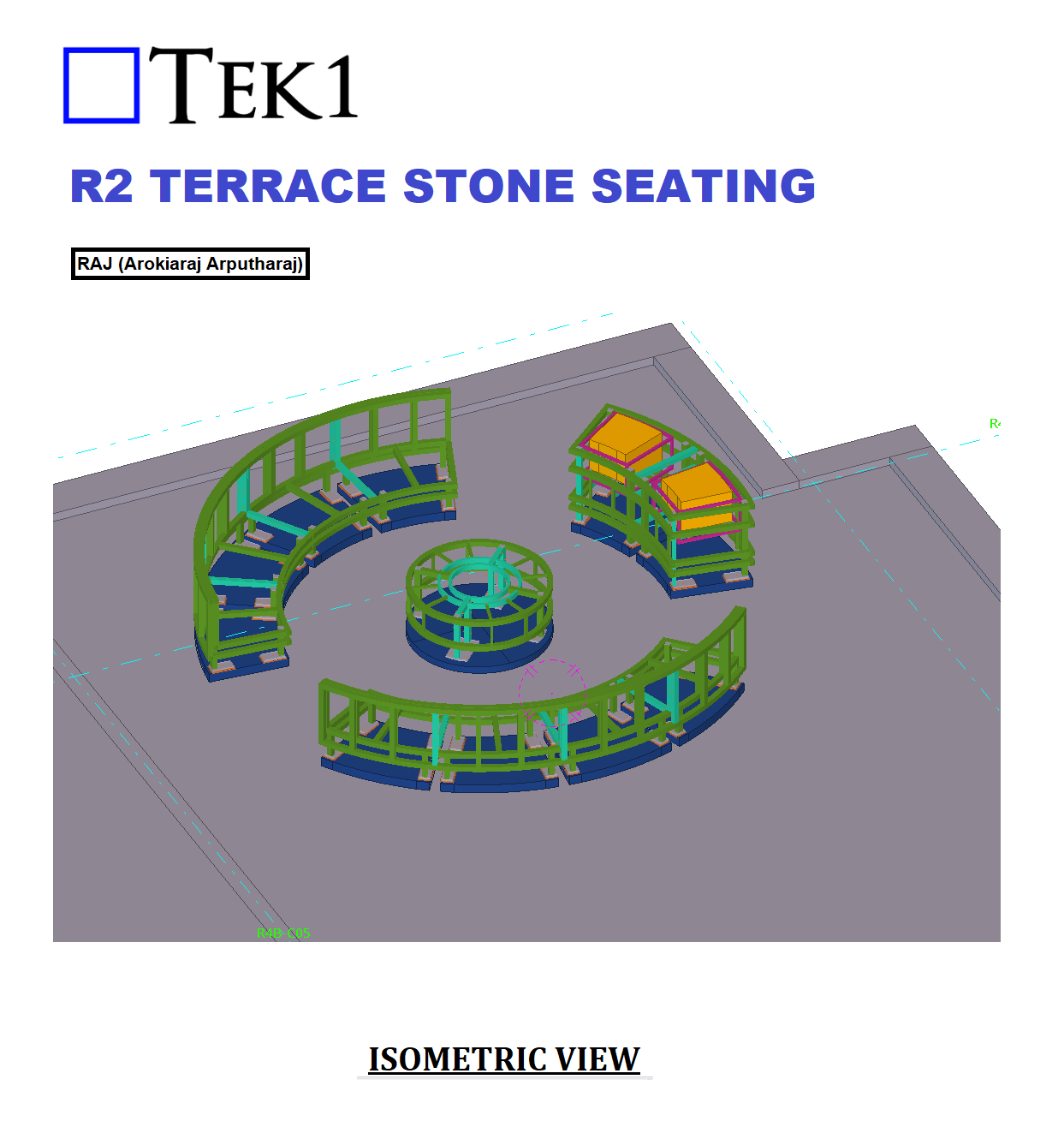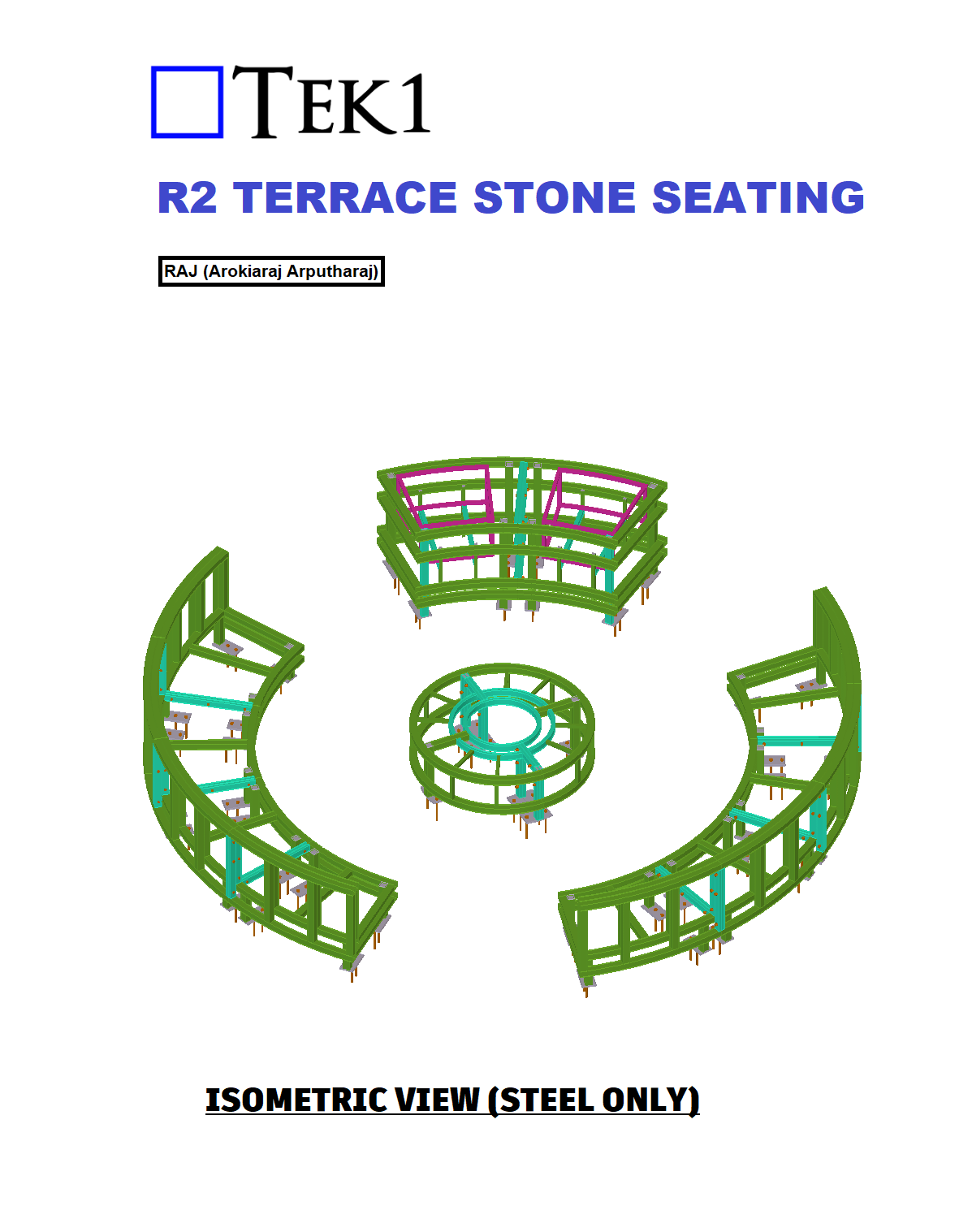
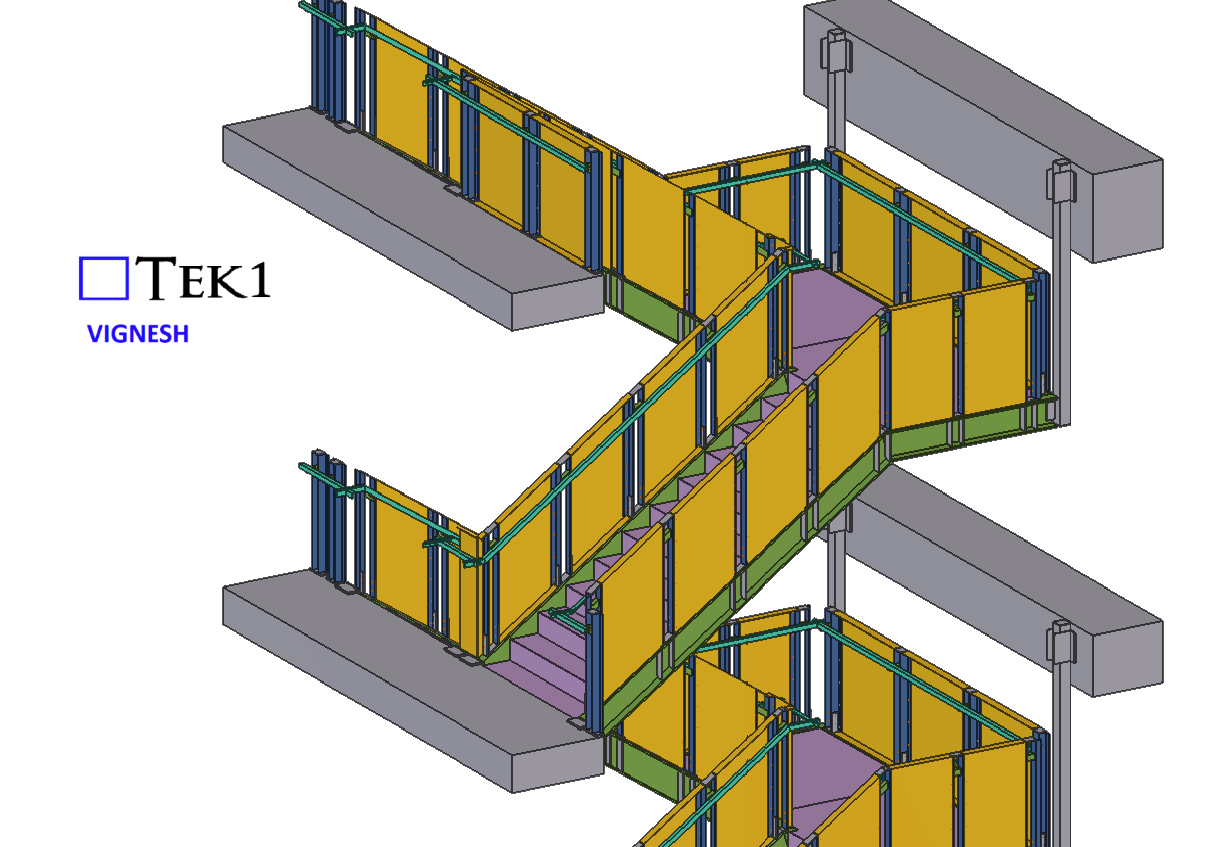
This page show cases some of the Steel Detailing projectgs completed in Melbourne, Sydney, WA, Brisbane Tek1 has completed
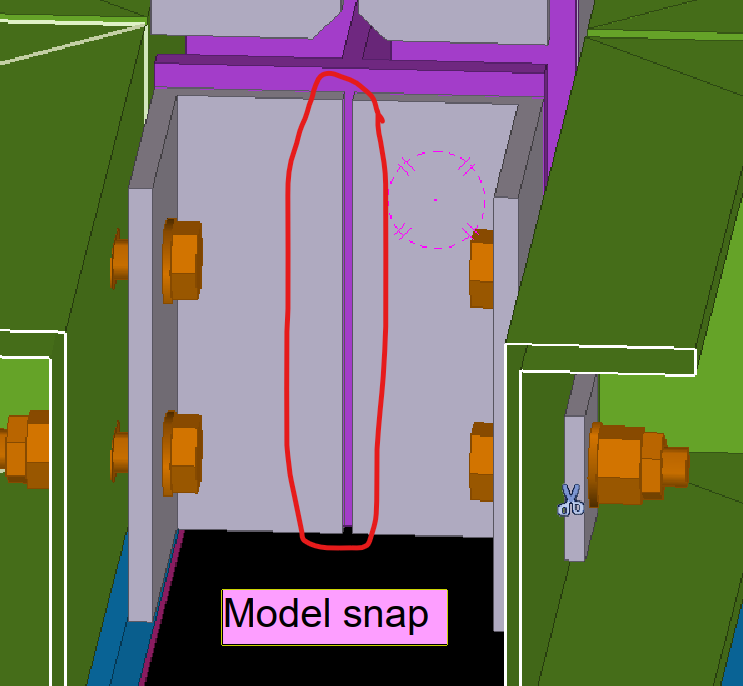
TEK1 is currently engaged in steel detailing for the Sydney Metro project, working with a reputed organization in Australia. During the detailing process, we have encountered several design challenges. Here, we will share one such issue and how we resolved it.
The Issue
A design required two unequal angles welded to a small hanger with 10mm packer plates. This left insufficient weld space, making fabrication tough.
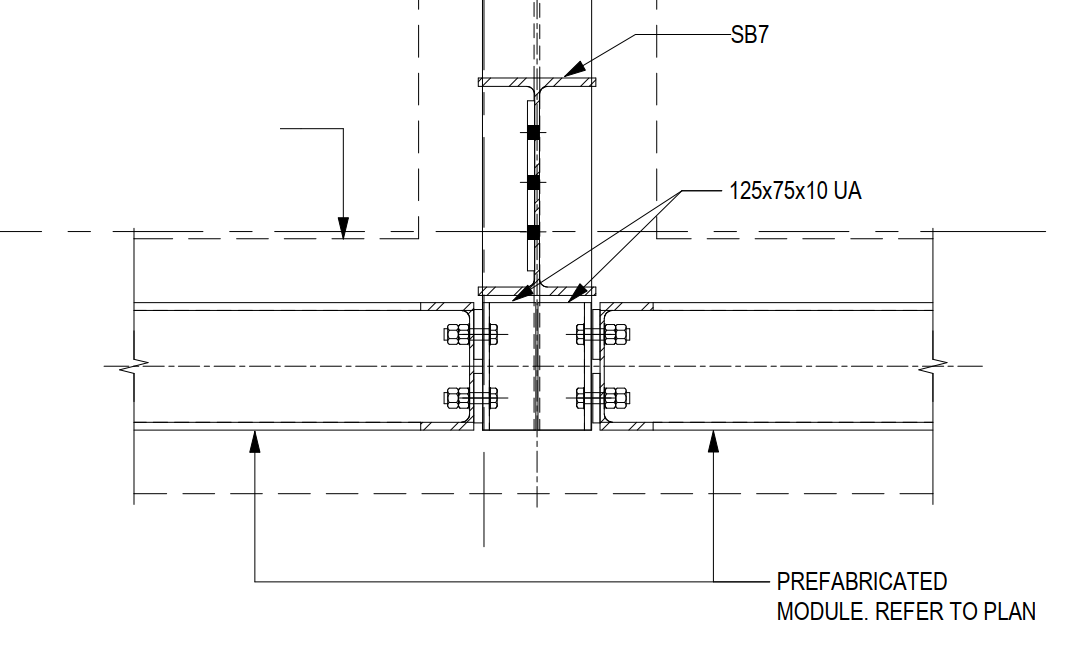
Recognizing this issue early, we raised a query with the concerned team. Our initial proposal was to cut both angles to create the required weld space.
After reviewing our concern, the team suggested an alternative solution that involved reducing the packer plate thickness from 10mm to 4mm. This adjustment allowed for a 6mm weld clearance on both sides without significantly affecting the design.
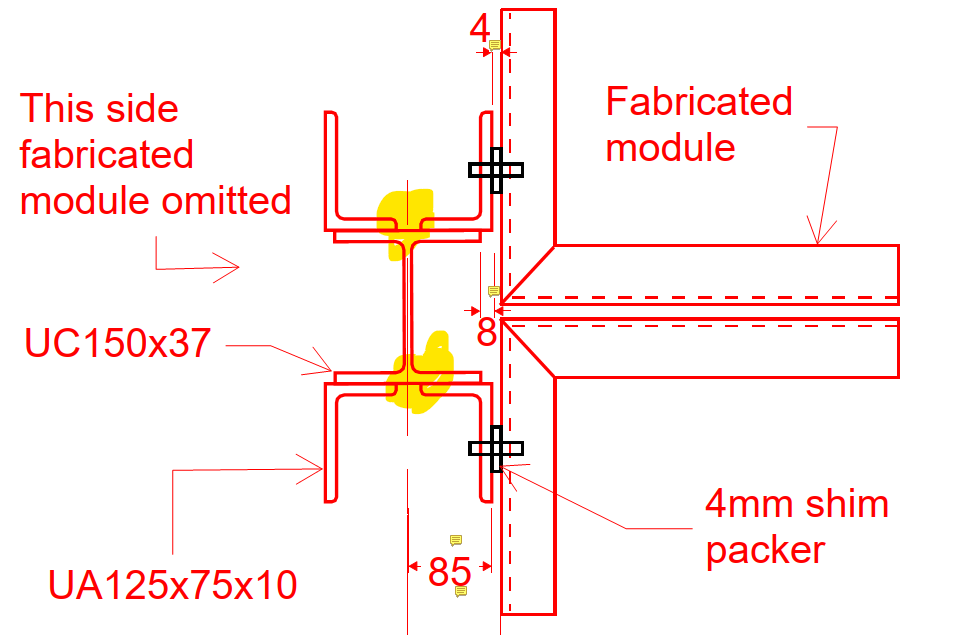
If this issue had gone unnoticed and we had followed the original design, it would have caused complications for both the fabricator and the designer. By identifying the problem early and addressing it proactively, we saved time and costs for the client.
Stay Tuned for More Insights
This is just one example of how TEK1 ensures seamless steel detailing by resolving design issues efficiently. Stay with TEK1 for more updates on steel detailing challenges and solutions in our upcoming blogs.
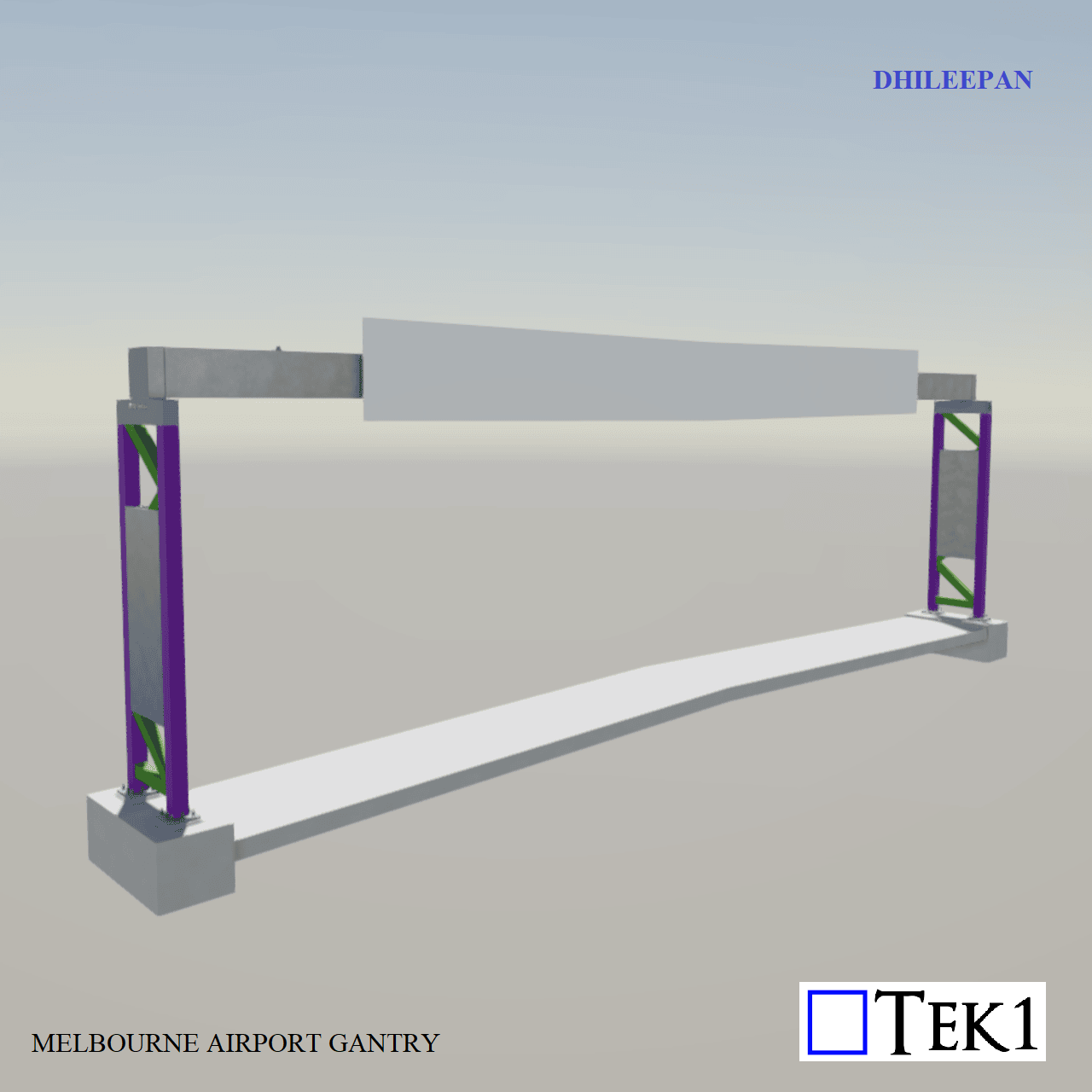
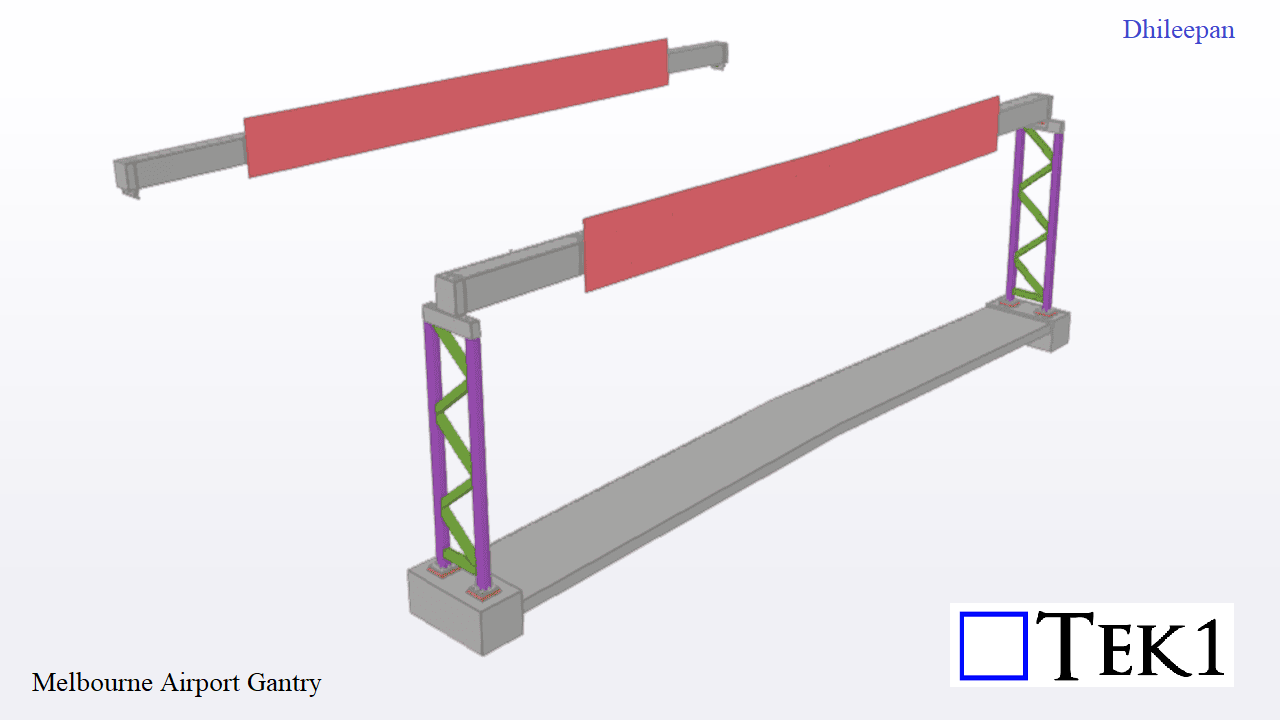
At Melbourne Airport, a gantry supporting a signboard spans 26 meters between laced columns without intermediate supports. The box gantry alone weighs 8 tonne. Since the gantry would bend because of to its self weight, pre-camber of 170mm was provided at the middle.
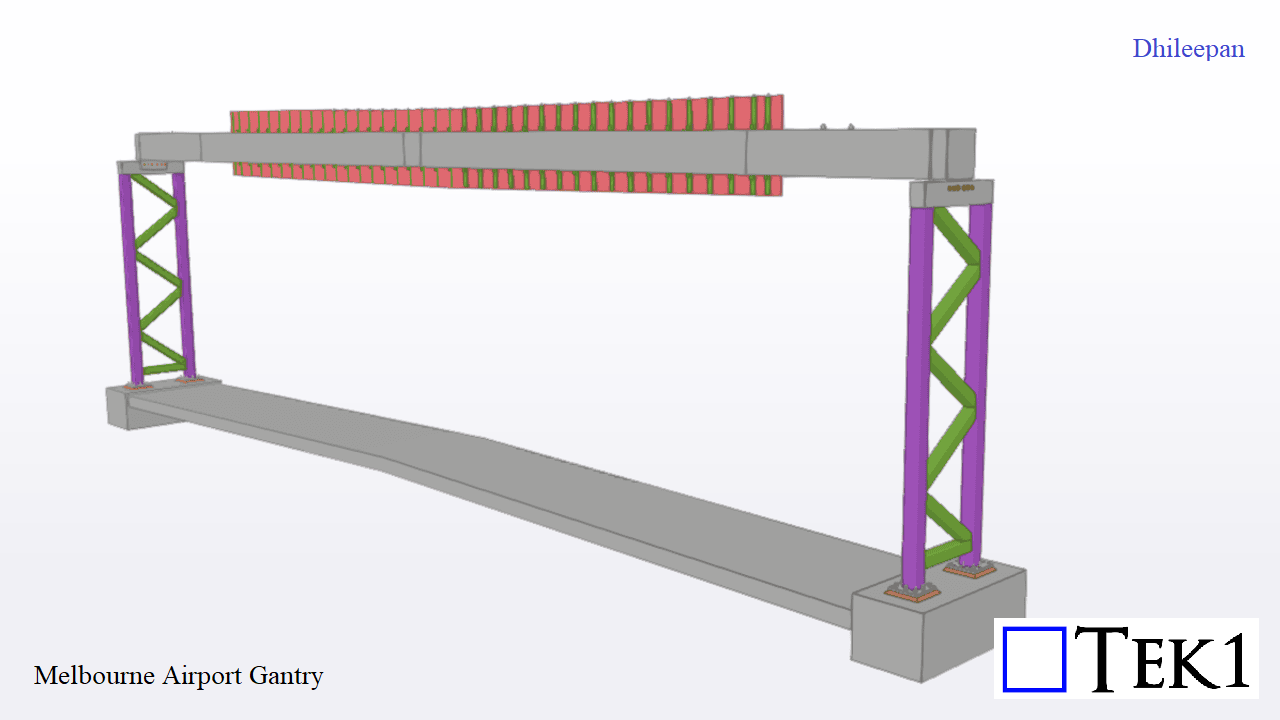
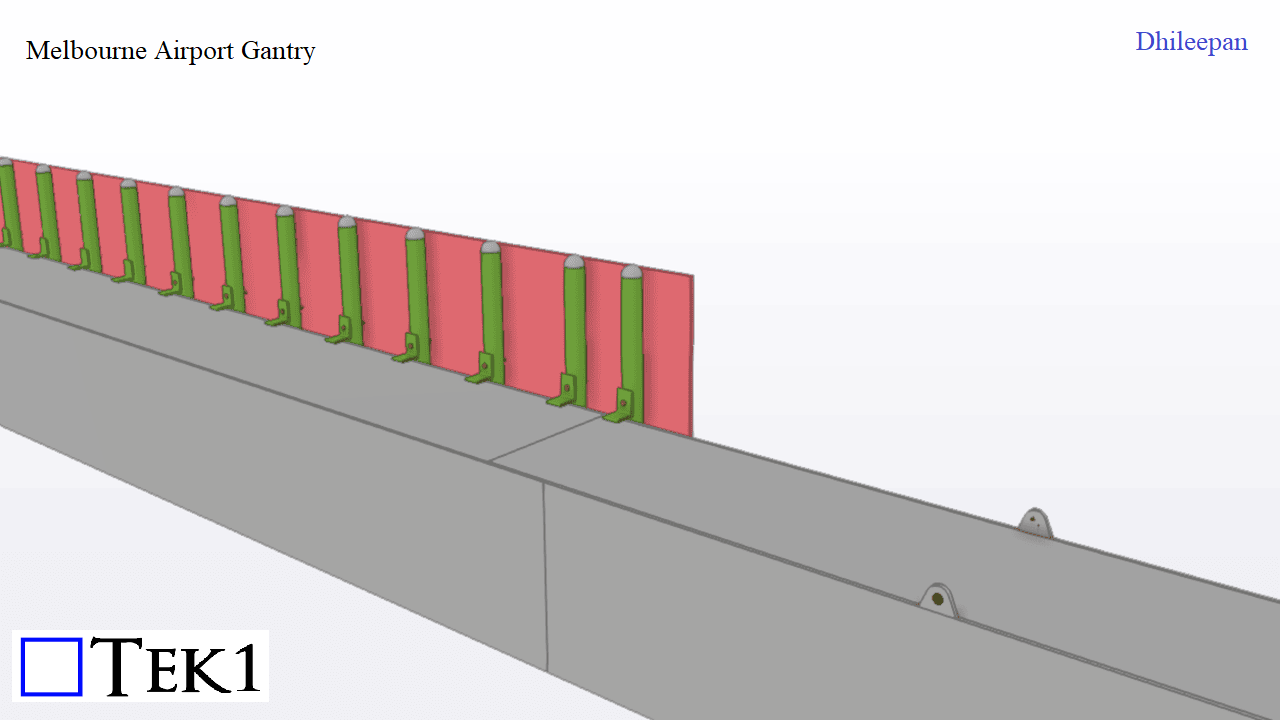
For accurate representation, two models were created: one with pre-camber for assembly drawings and another without for general arrangement (GA) drawings. This approach ensures clarity in fabrication and erection, maintaining structural integrity while achieving the desired final alignment.
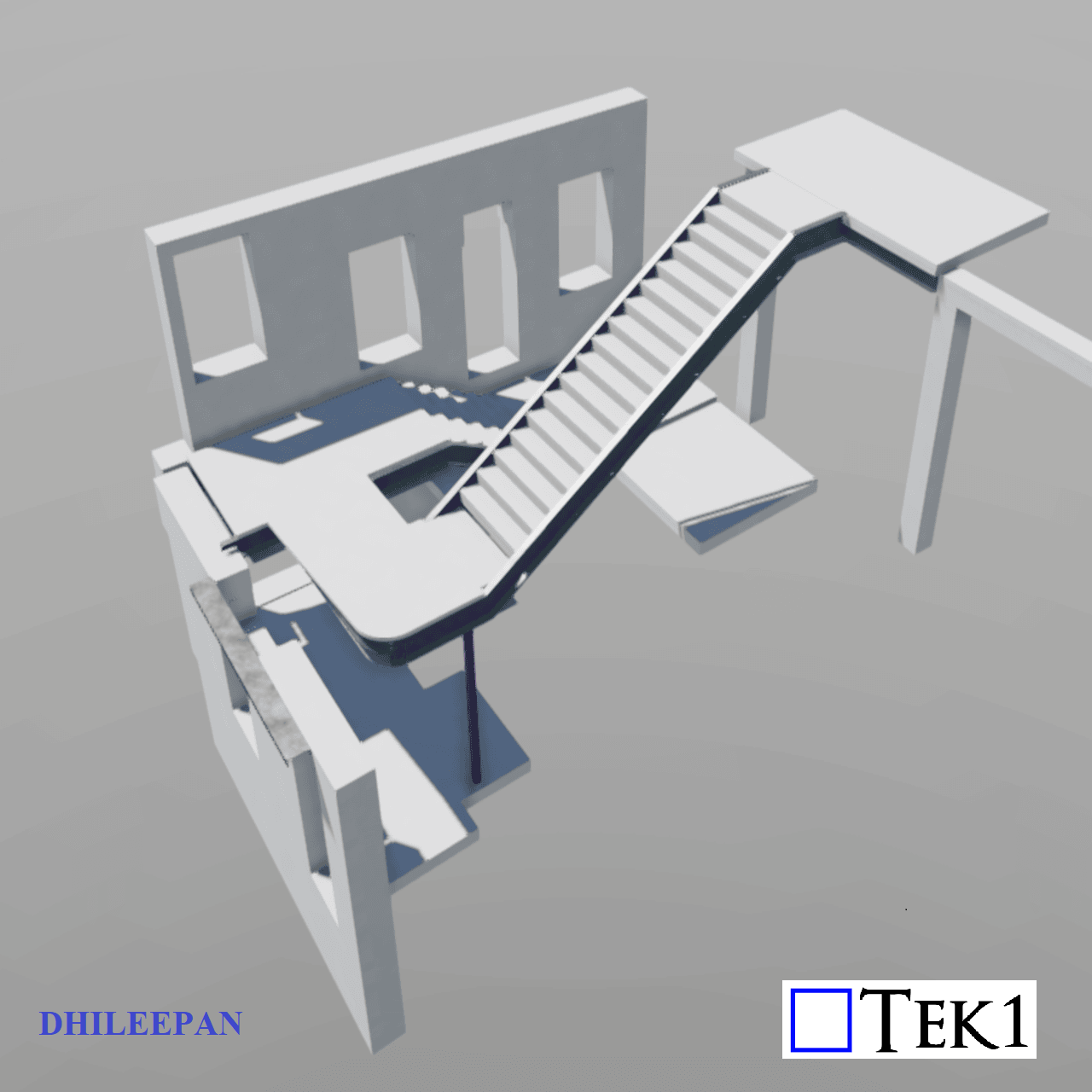
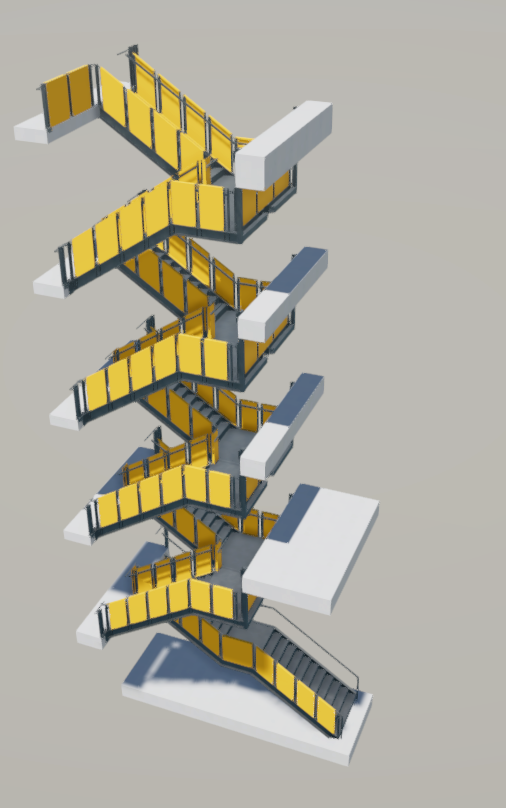
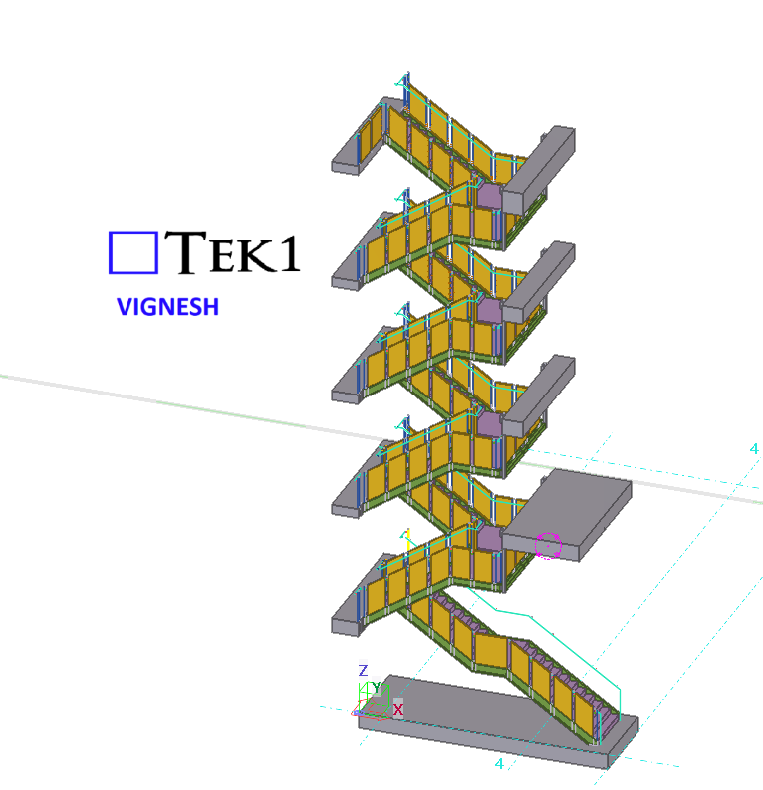
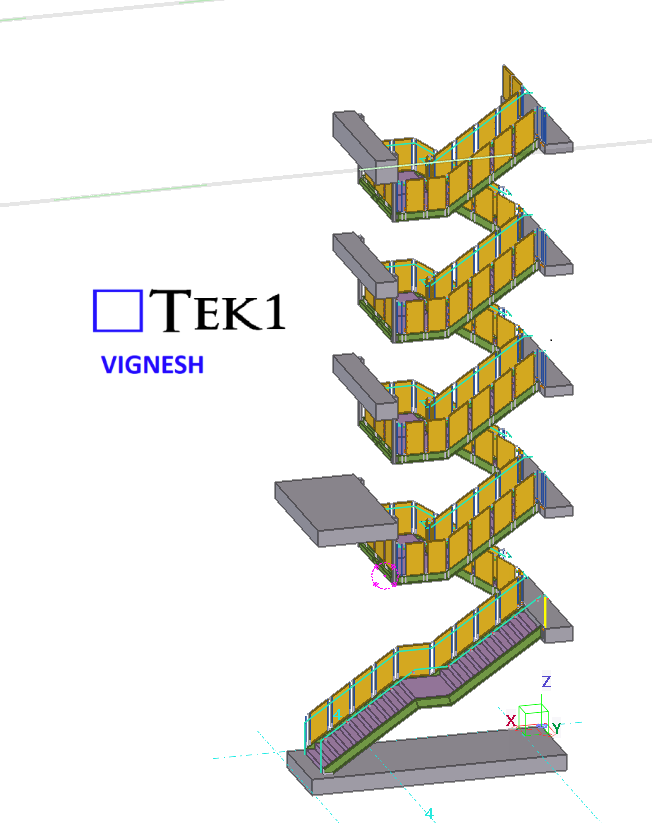
When designing a staircase, one of the most overlooked aspects is the correct distribution of risers, especially when integrating a mid-landing with a falling finish.
Understanding the Mid-Landing Design:
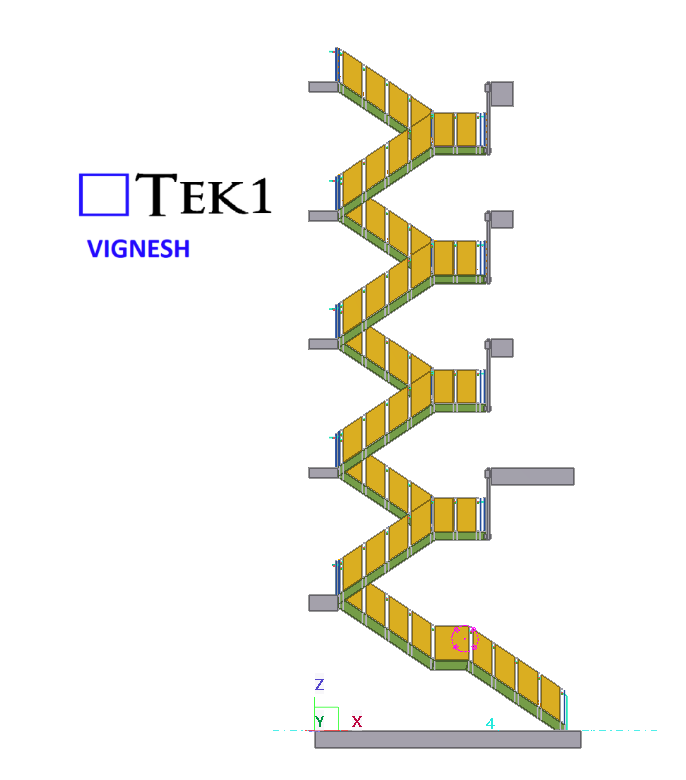
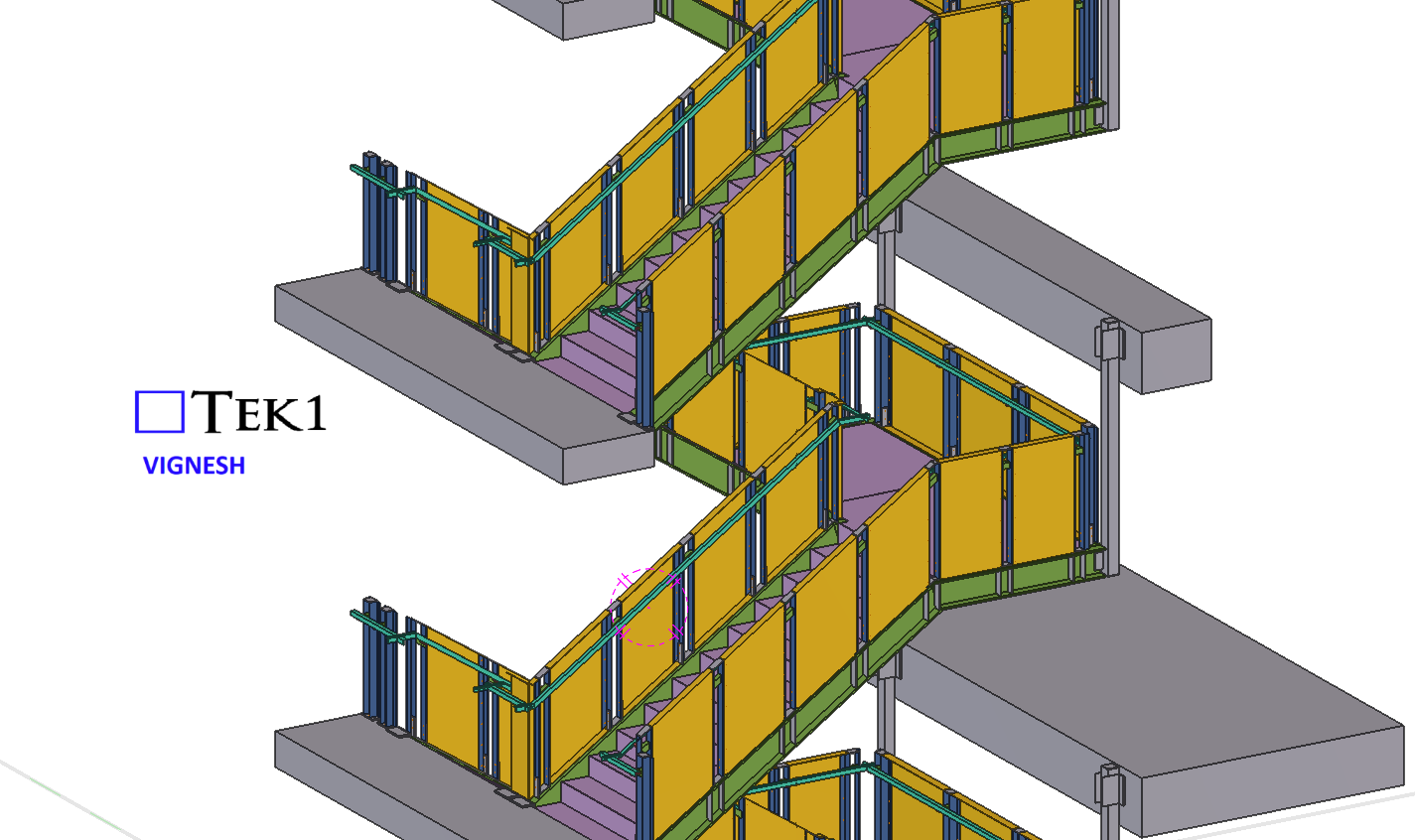
In this case, the staircase consists of two flights turning 180° with a mid-landing. The purpose of this stair is not only to provide access between Ground Floor (GF) and Level-01 but also to facilitate movement to the mezzanine level from the mid-landing. The design for the mid-landing incorporates a 10mm plate with a 50mm paver on top. However, an important requirement was added: allowing for a fall in the paver to prevent water stagnation.
We received an instruction to keep the landing RL 20mm lower than the door near the mezzanine level to incorporate falls in the paver.
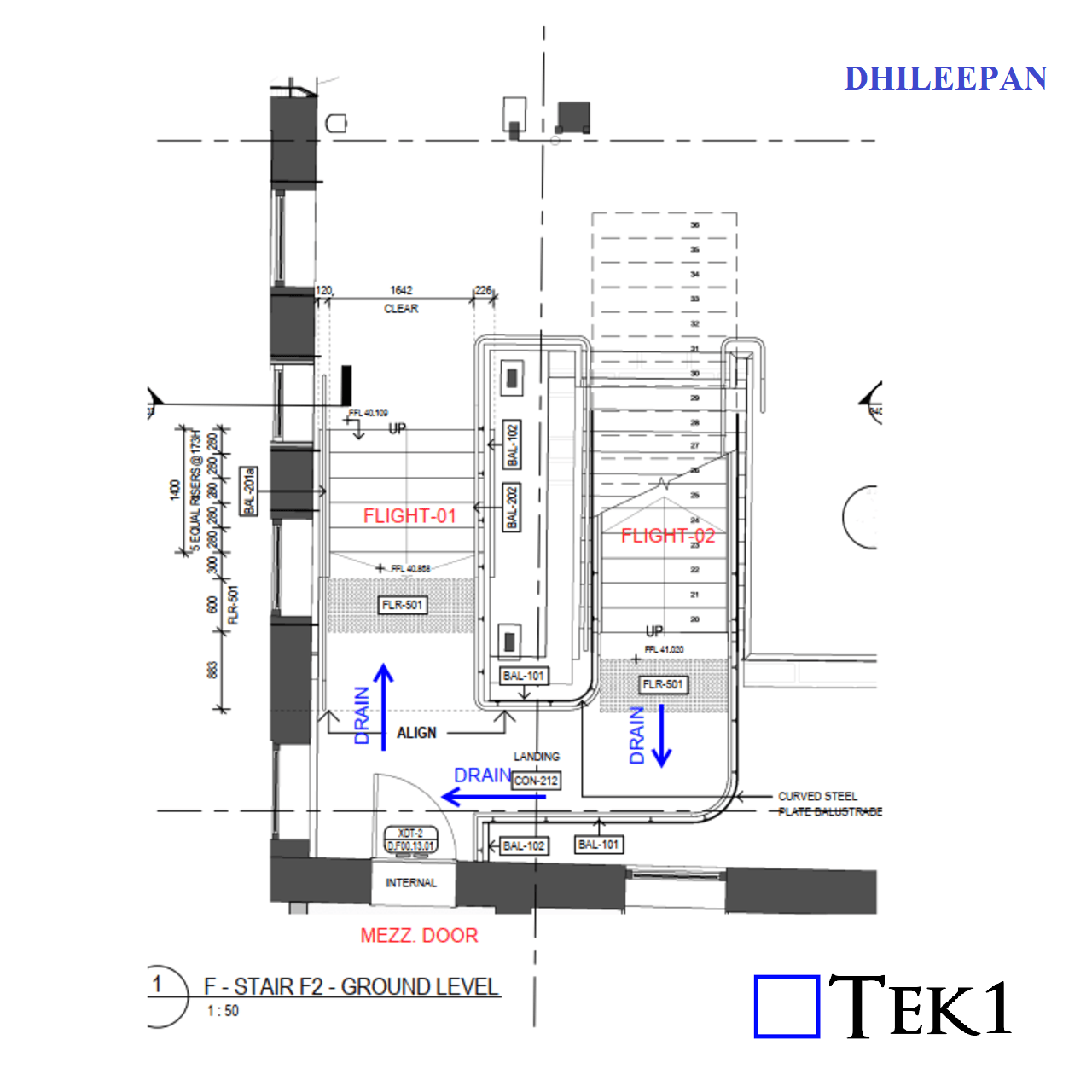
Common Mistake in Flight-02 Design:
For a steel detailer, just paver RL which is 20 mm below the door level & 50mm paver thickness is enough to place the steel below. The sloping surface in the paver will be taken by some other parties. But the key thing to notice here is, the slope continues to the bottom of flight-02 as well.
At the end of Flight-01, the paver thickness remains 50mm.
Near the mezzanine door, the thickness increases to 70mm (50mm + 20mm fall).
A frequent error occurs when designing Flight-02. Many assume the risers should be evenly divided between Level-01 FFL (Finished Floor Level) and the RL of the mid-landing, neglecting the impact of the paver thickness variation.
To achieve the correct stair profile:
The mid-landing RL should be set based on the increased paver thickness near the flight-02.
Flight-02 risers should be distributed between Level-01 FFL and the actual top surface of the paver (which is 70mm at the bottom of Flight-02, not 50mm).
Else, the first riser in the flight-02 will be comparatively smaller than the rest of the risers.
Key Takeaways for Stair Detailing:
Account for varying thickness: Do not assume uniform paver thickness; adjust accordingly at different points.
Correct riser distribution: Ensure the risers of the second flight are calculated based on the actual mid-landing RL, factoring in paver thickness variations.
Clarify detailing instructions: Steel detailers do not need to model the paver exactly but must ensure the mid-landing RL is accurately set.
By paying close attention to these details, staircases can be designed more efficiently, reducing costly rework and ensuring a smooth construction process. Proper coordination between architectural and structural teams is essential to avoid misalignment and achieve a seamless build.
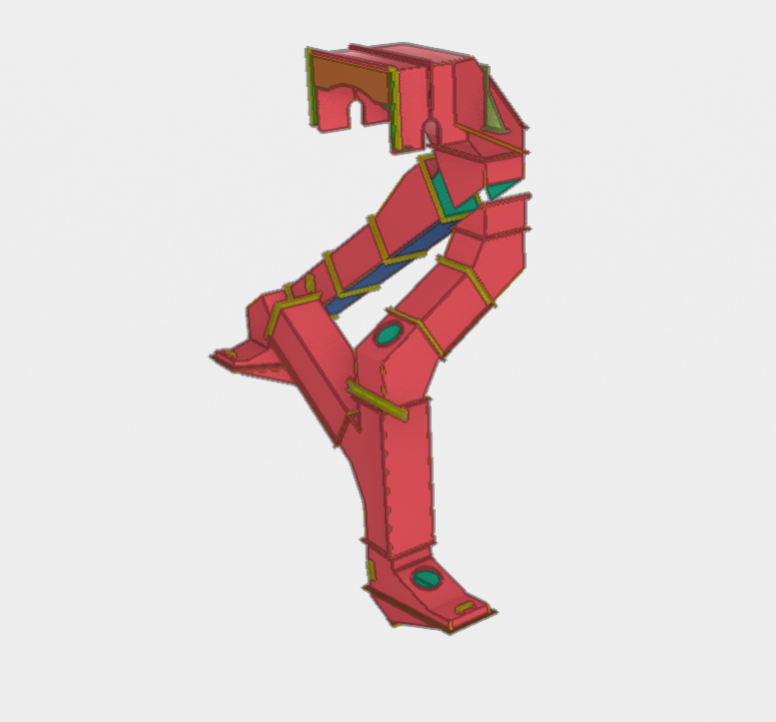
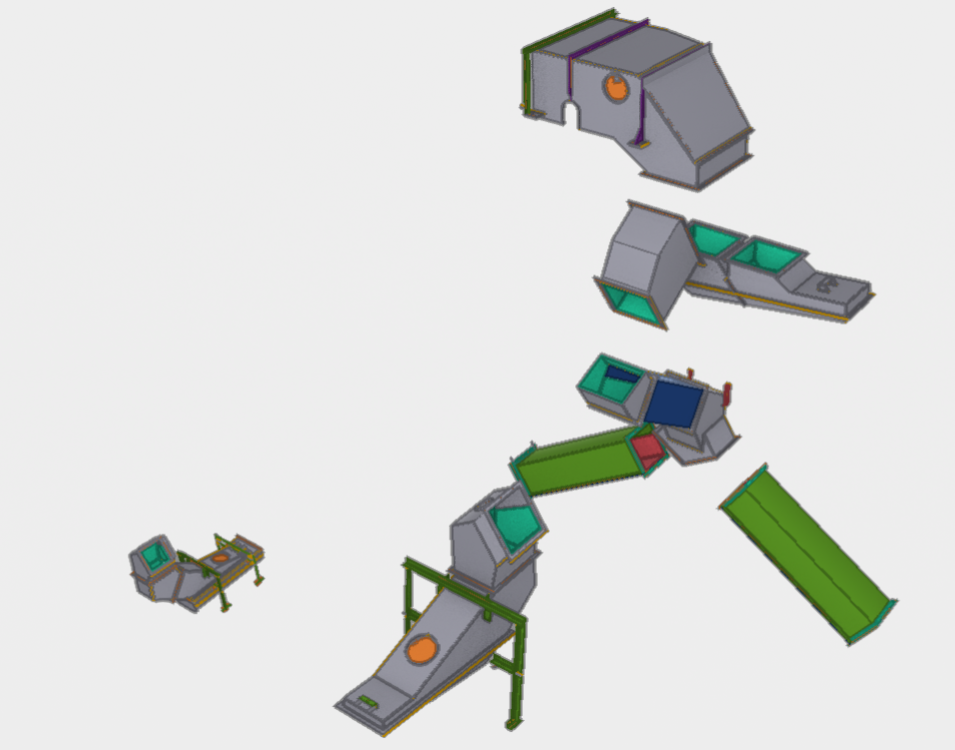
Input information was an Inventor model and pdf drawings
We have extracted the information from inventor, cross checked with pdf drawings, Checked constructurability, Resolved design details so that items can be fabricated at lowest cost.
These chutes were submitted for approval, and was approved without any issues.
Eventhough these chutes are for grain transfer, mining projects have similar requirements.
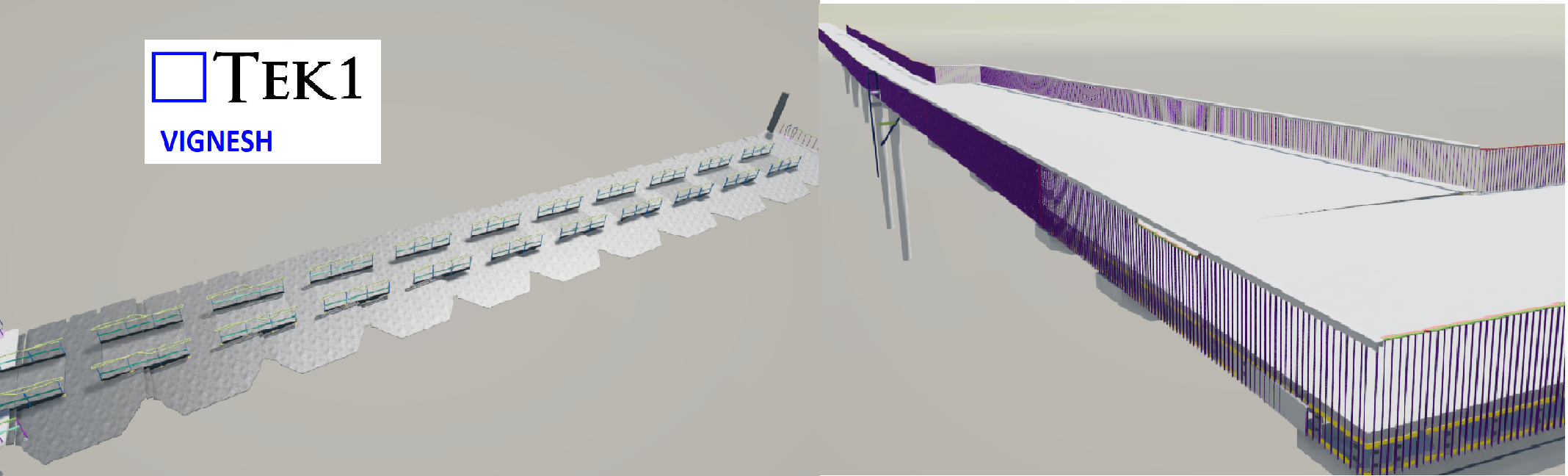
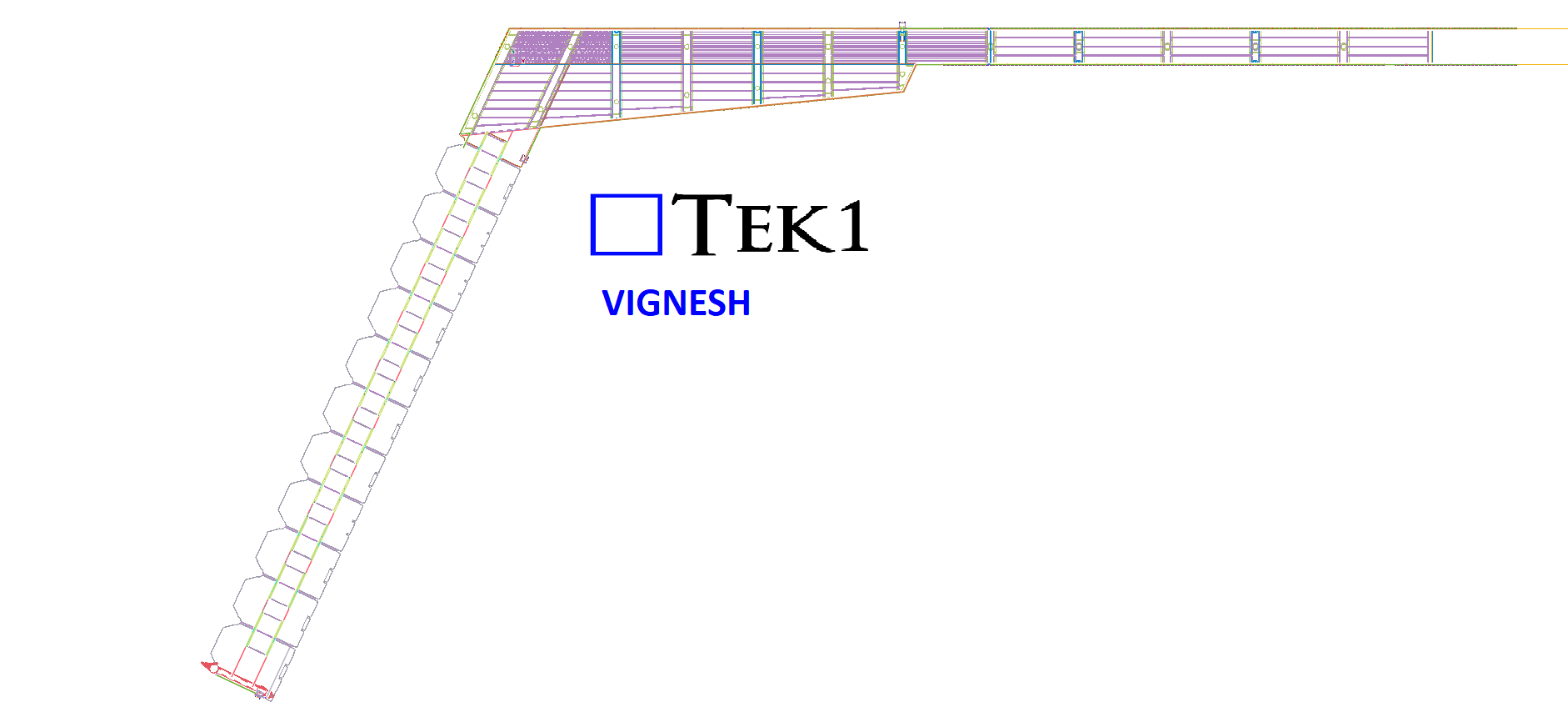
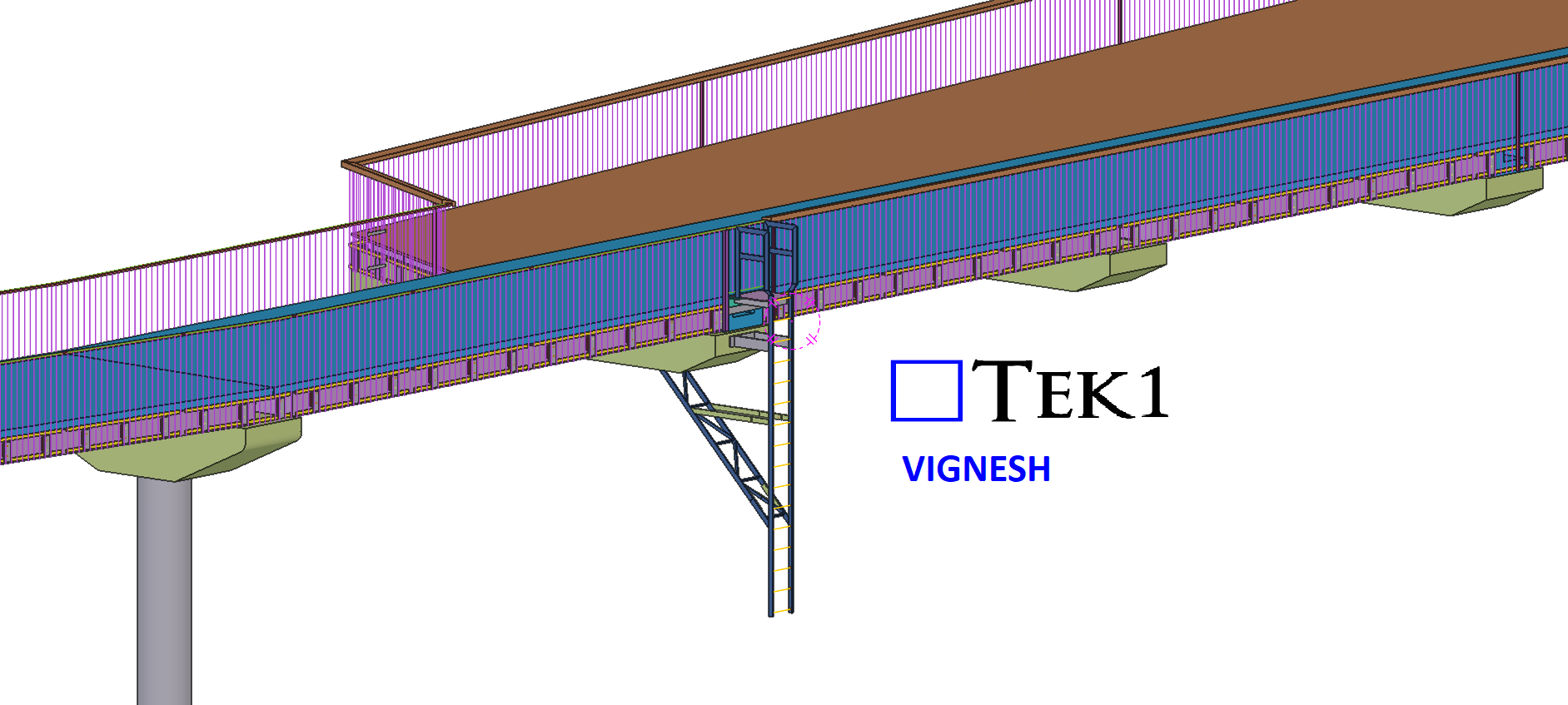
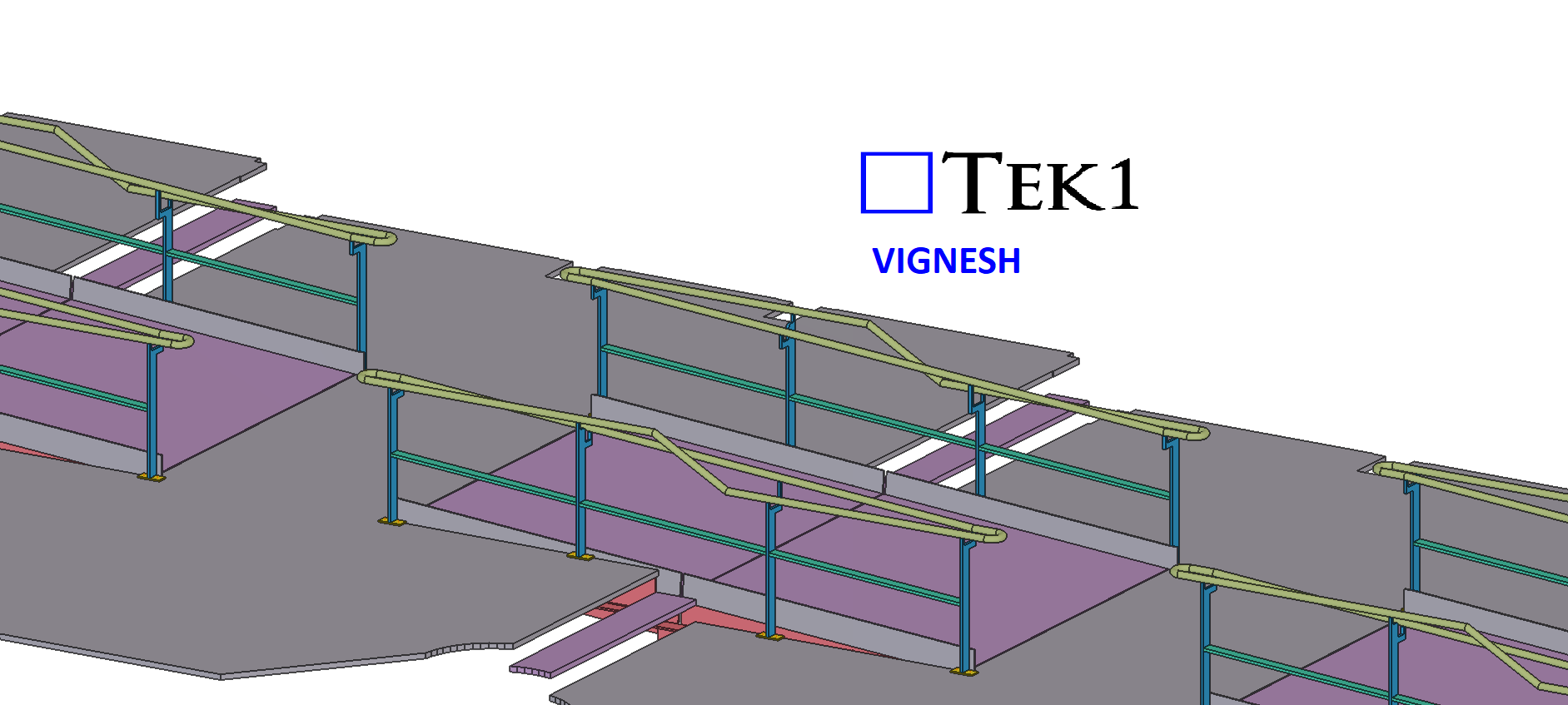
This was a complex project, but we successfully delivered it. Our scope included the balustrade around the bridge, which needed to be provided in multiple panels. By utilizing advanced modeling techniques, we were able to complete it within a significantly shorter timeline.
Since the structure is above the sea, we provided several cost-saving ideas for both erection and fabrication to optimize the process.
This was drawn by Tek1 (Vignesh), if you want shop drawings for a project you are working on, feel free to call Koshy on: (03) 9560 6397.
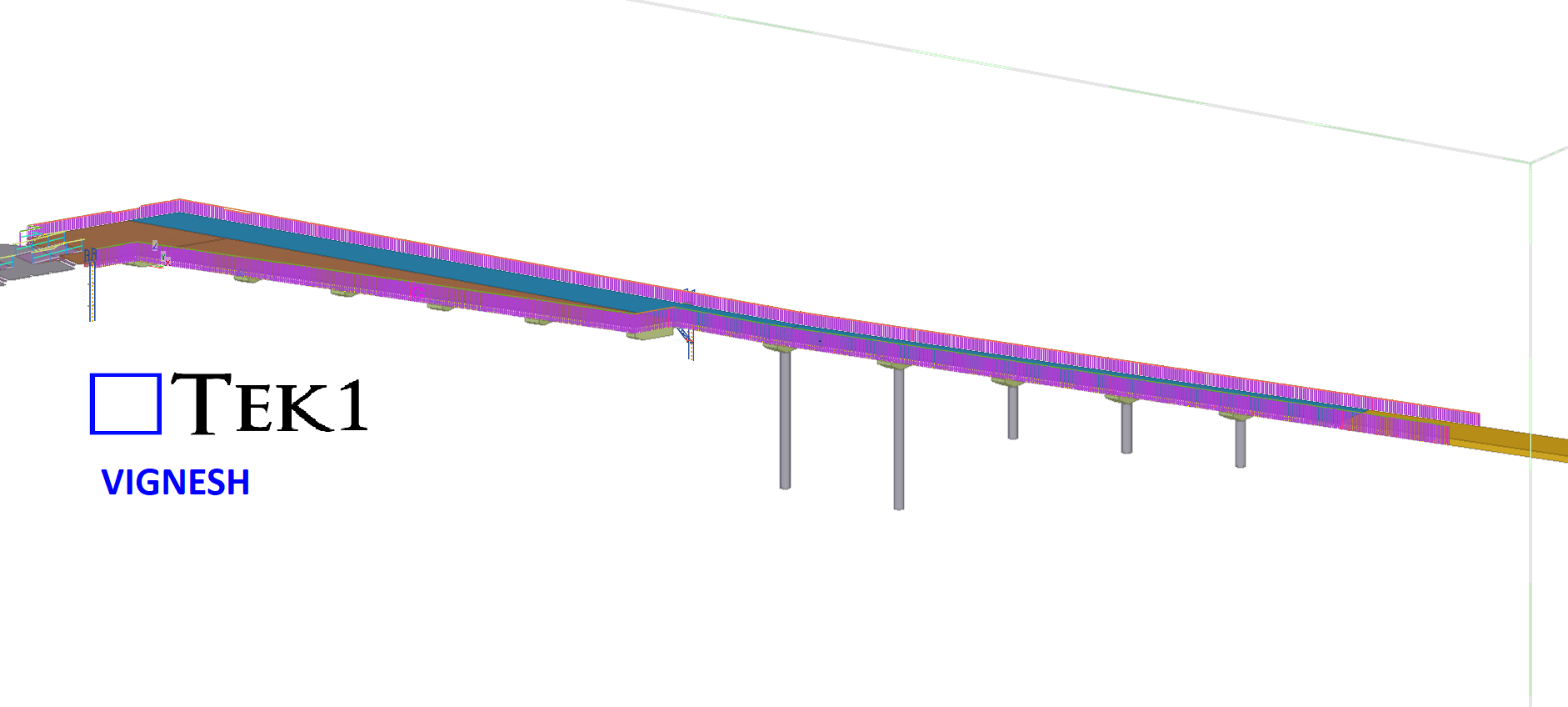
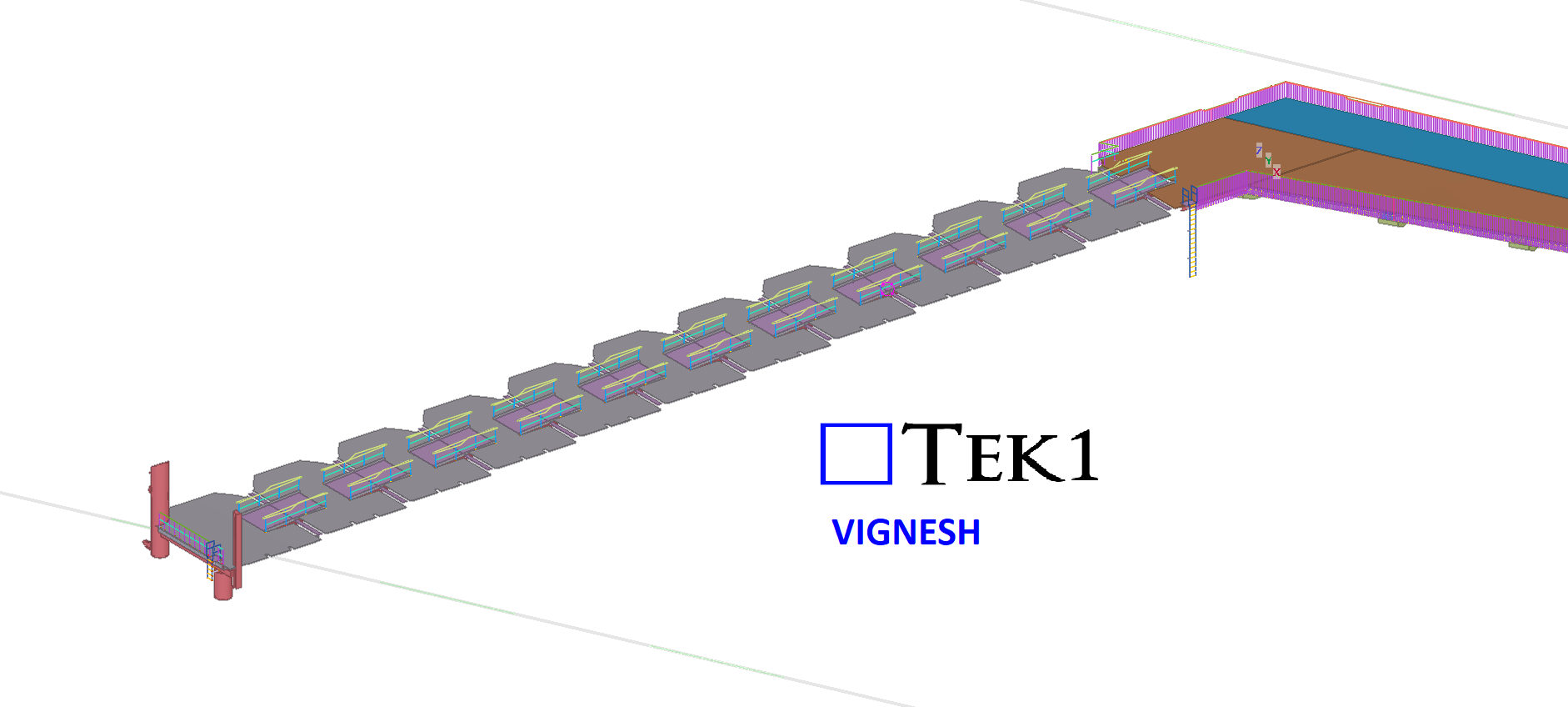
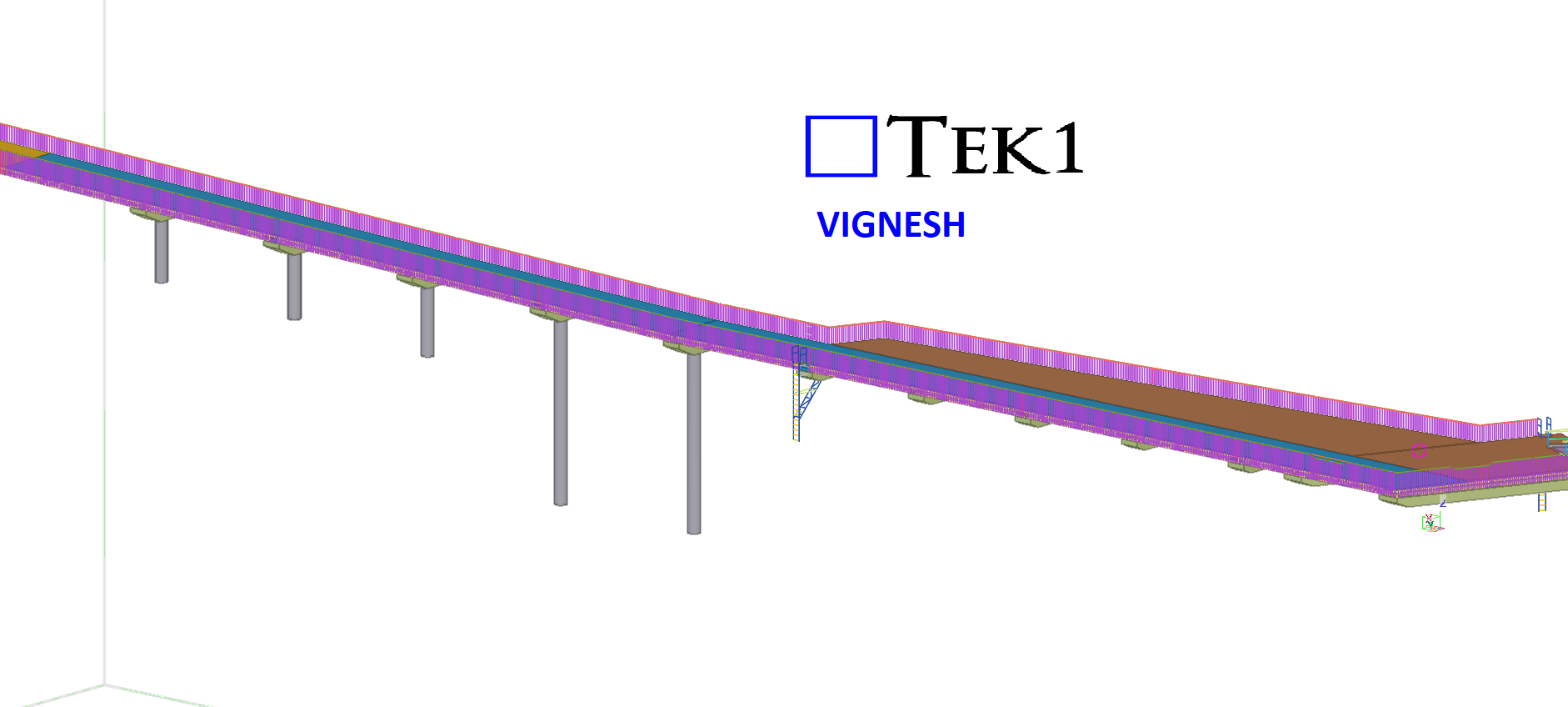
Here are some planters we have detailed for Straight UP. There are some steel planters and brick planters here. Each planter brings a unique aesthetic and functional appeal to your garden or patio.
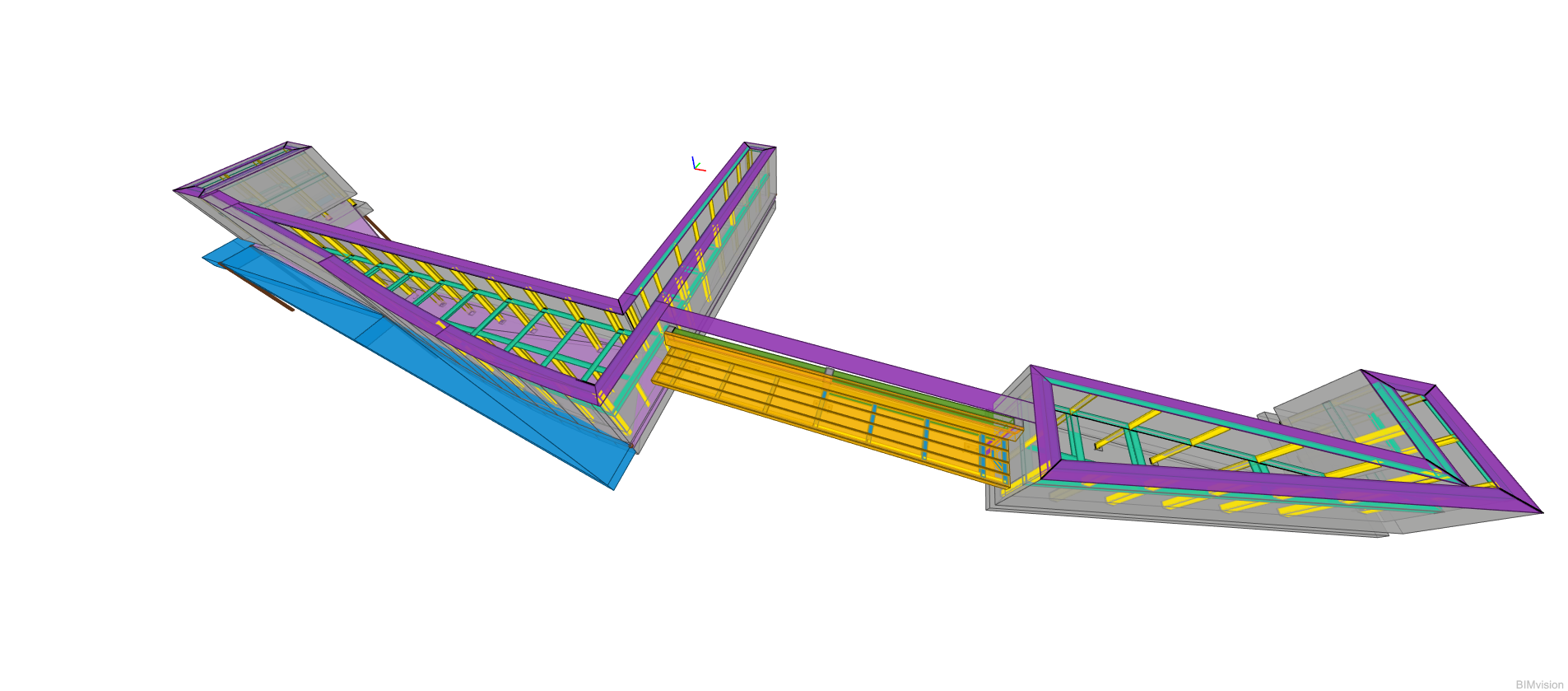
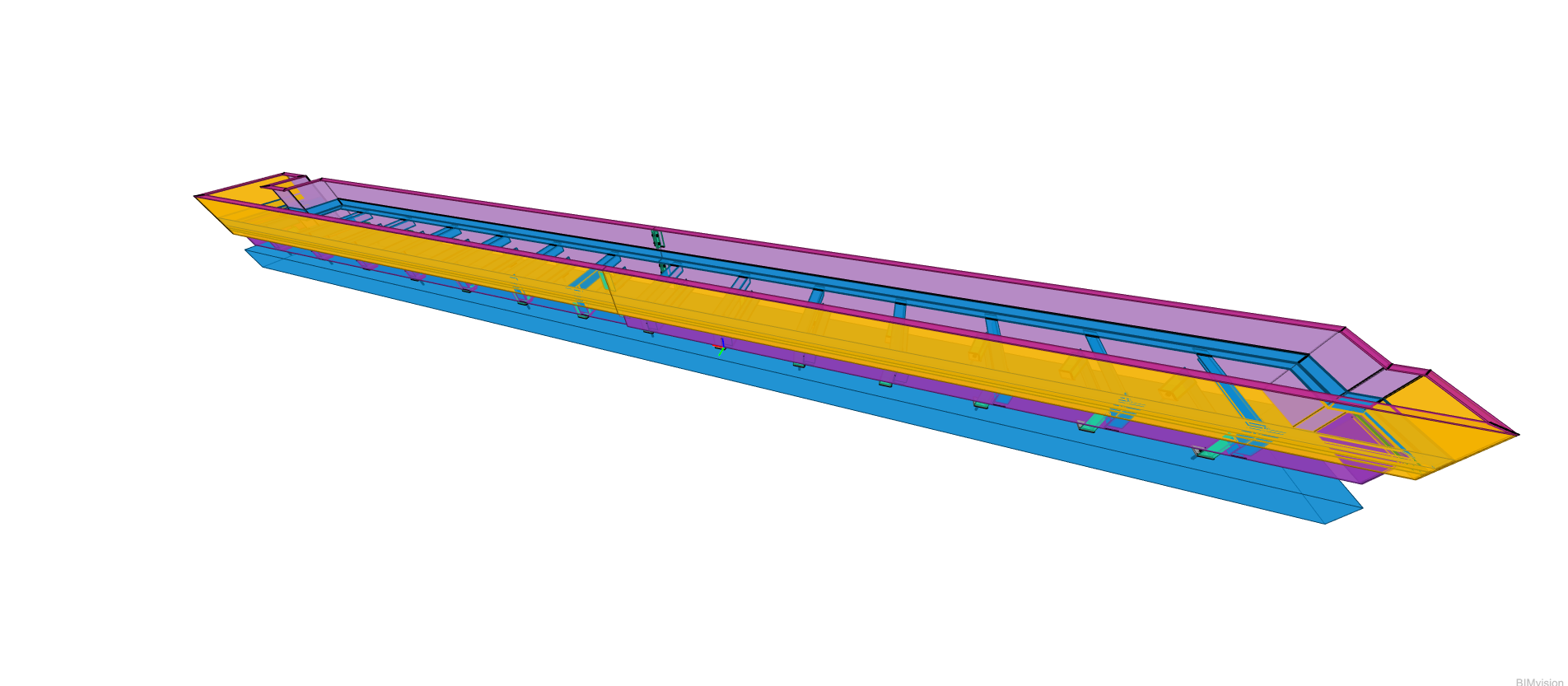
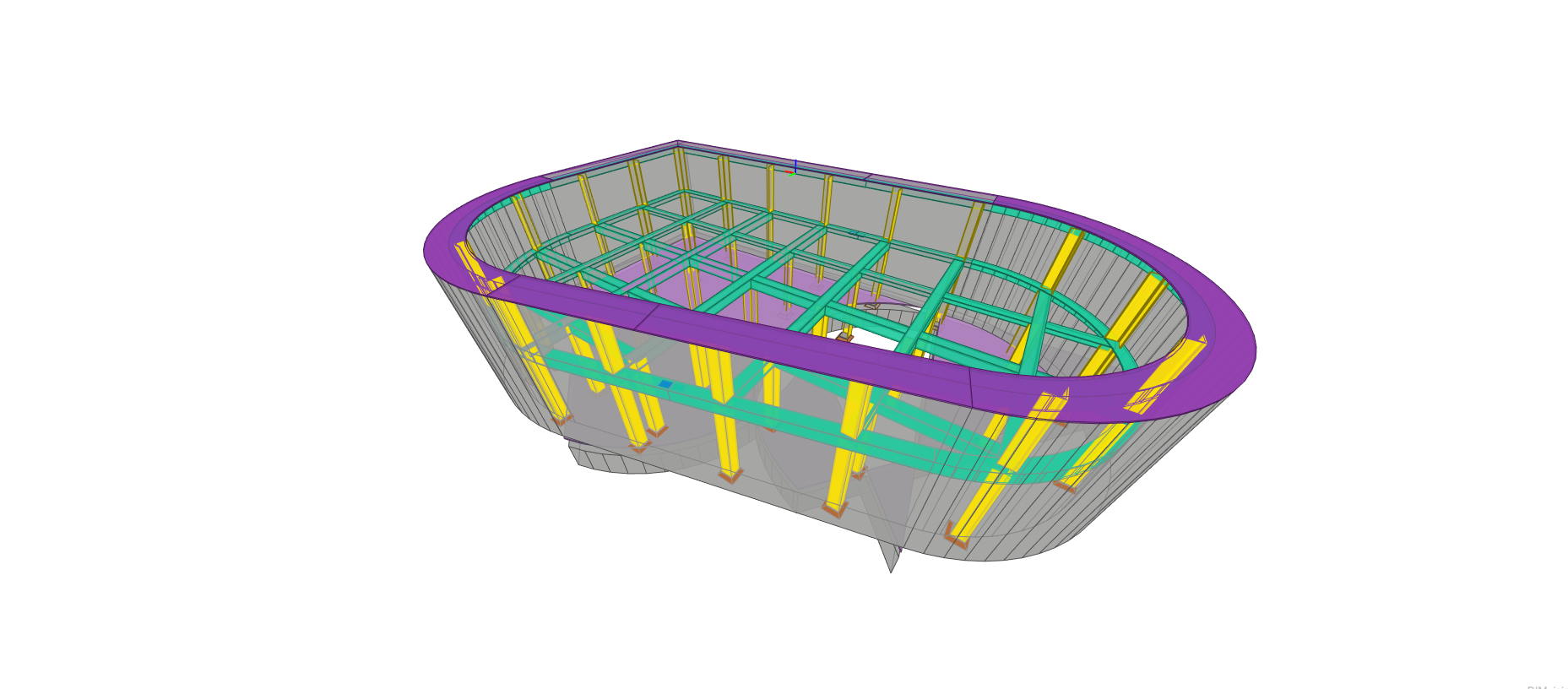
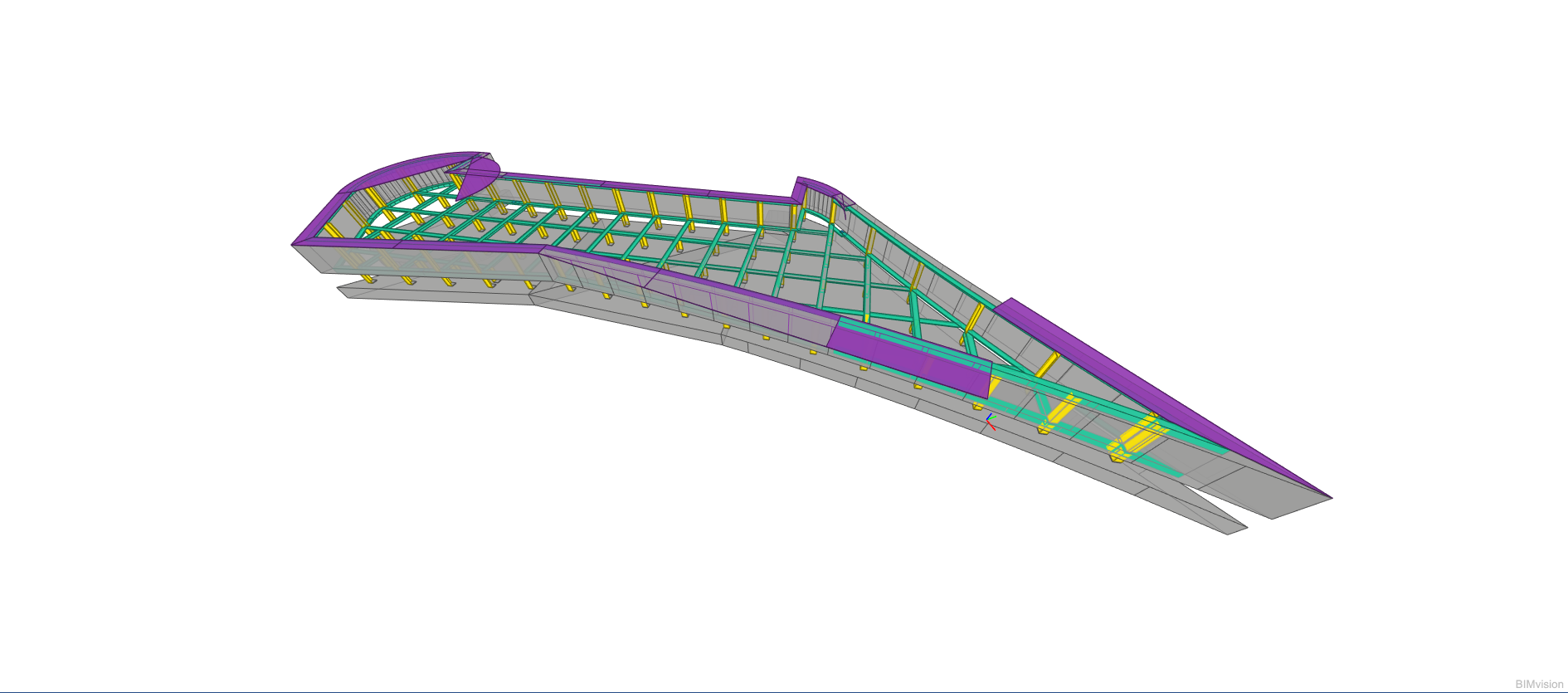
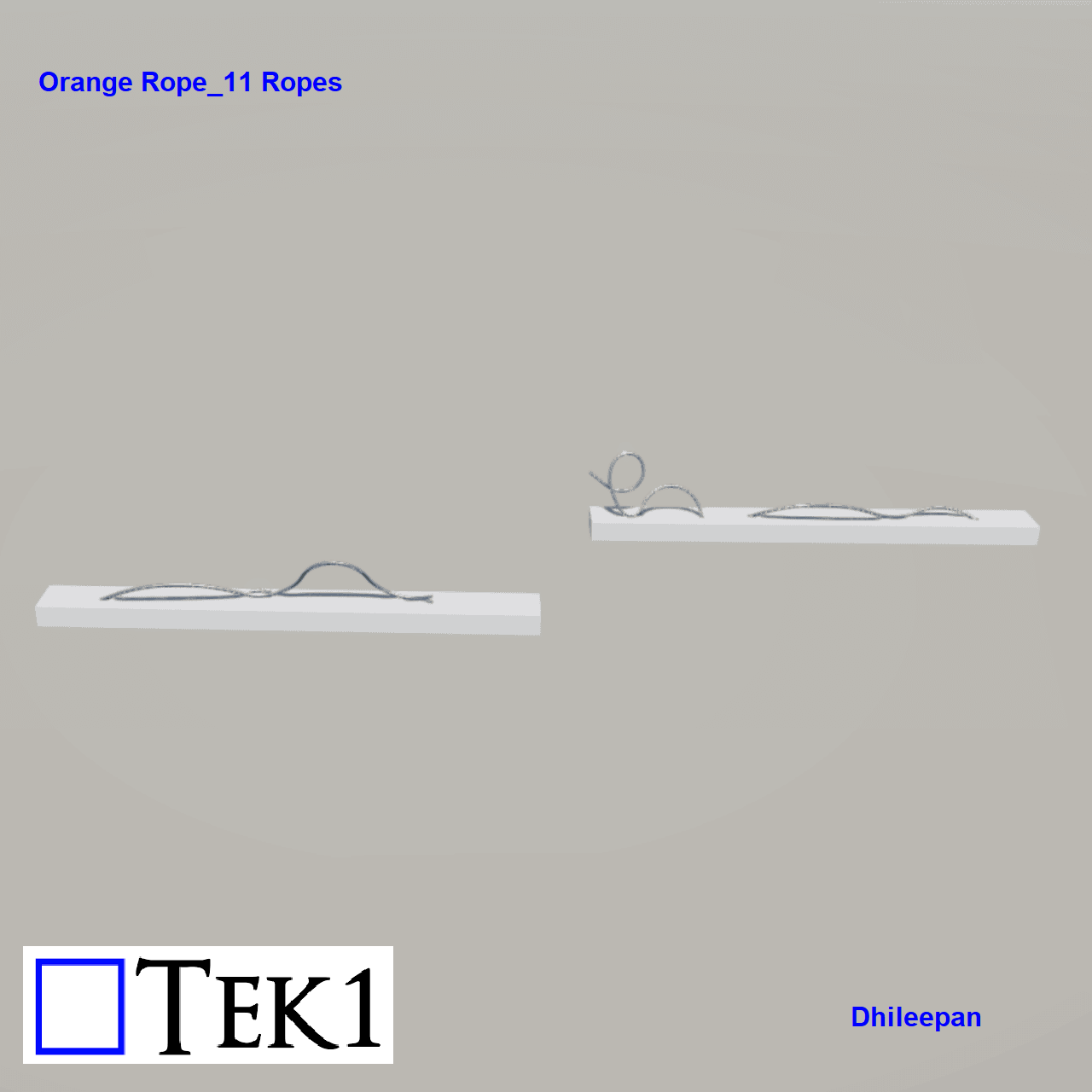
Imagine trying to build a complex 3D structure using only flat, 2D puzzle pieces—every cut, weld, and alignment must be perfect. That’s exactly the challenge we faced with the Orange Rope project, where 3D CAD models had to be transformed into precise 2D fabrication drawings. How did we tackle this engineering puzzle? Let’s dive in!
The “Orange Rope” is a series of rolled pipes placed between the piers in a bridge. This project involves a total of 11 ropes, with the following images showcasing a sample of a rope.
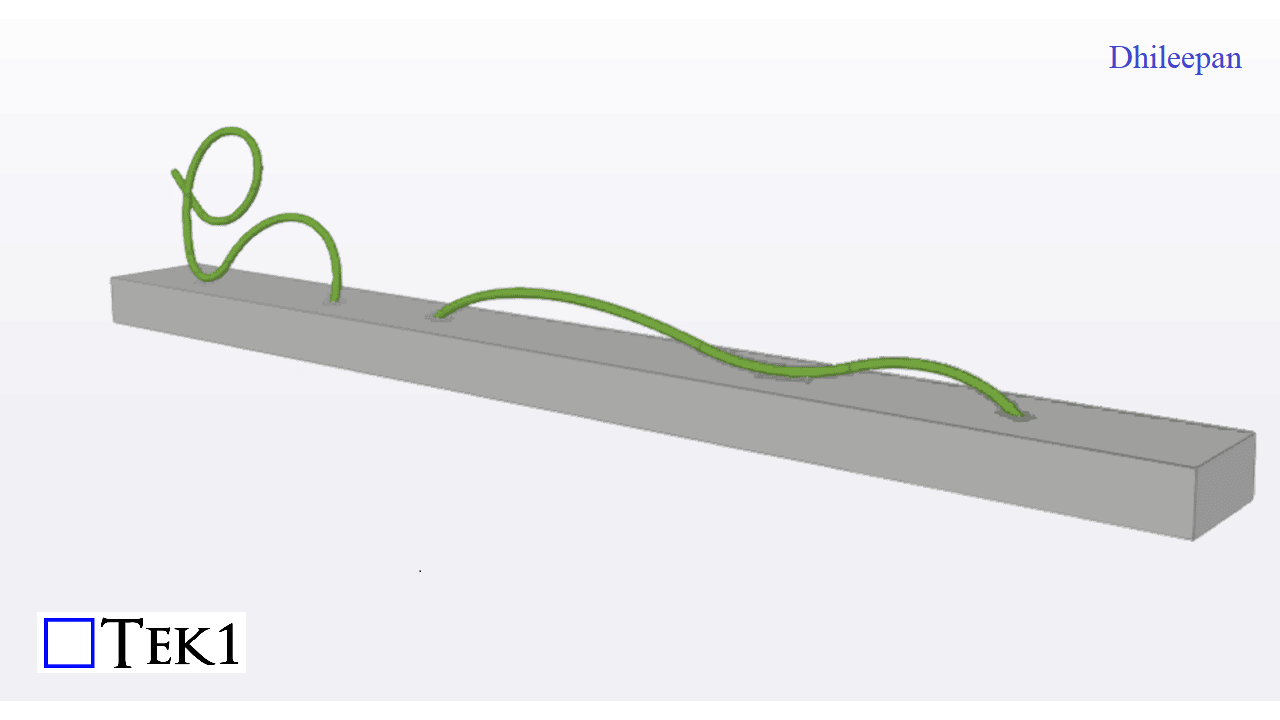
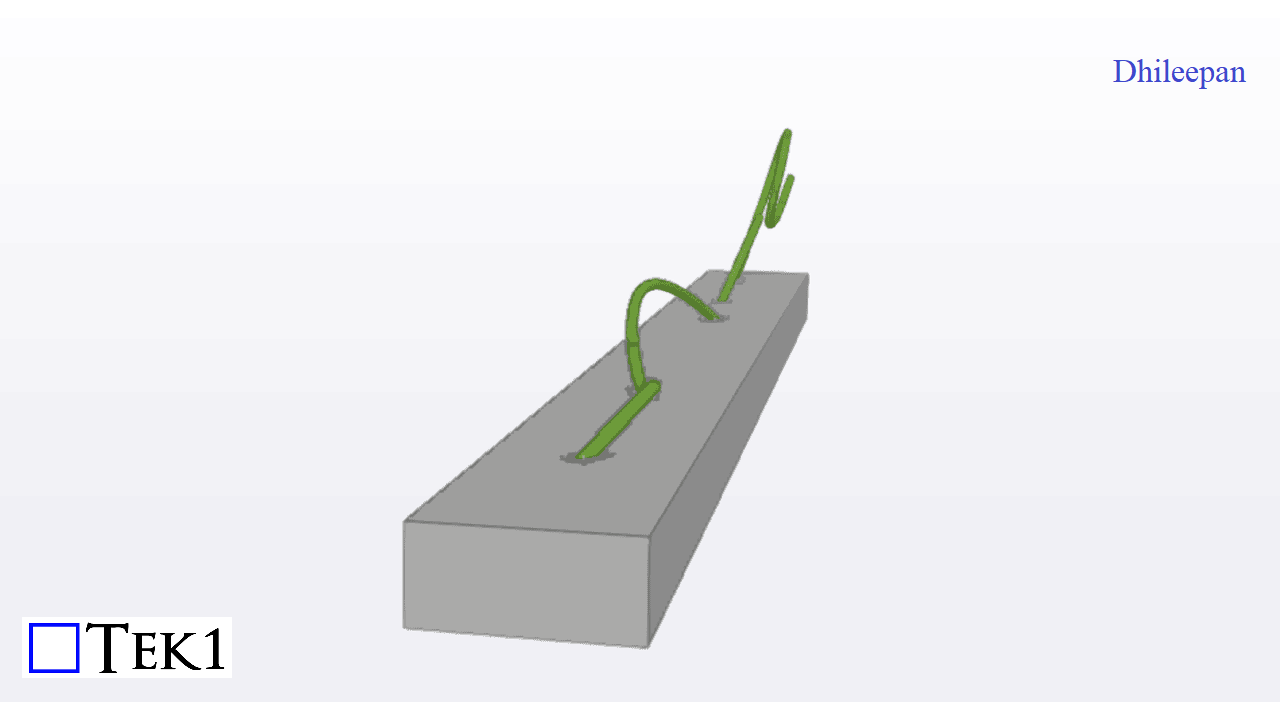
The initial input received was in the form of 3D CAD drawings, while the required output consisted of 2D drawings for fabrication. To achieve this, the 3D ropes were broken down into a series of 2D pipe members, which were then welded together to recreate the 3D structure. Each rope was divided into 4 to 5 assemblies, each containing multiple 2D pipes that, when assembled, would form the final 3D shape.
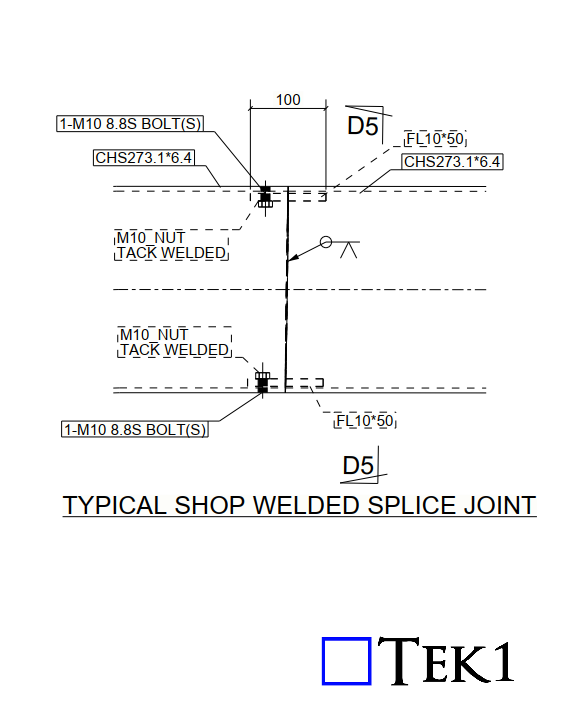
Welding each 2D pipe in the correct position to form the 3D structure presented a significant challenge. With intricate dimensions, aligning each pipe manually would be nearly impossible. To tackle this issue, a splice system was introduced. This system involved a welded plate with a nut affixed at the bottom of one pipe and a corresponding hole in the adjacent pipe. By bolting the pipes together through these holes, proper alignment was ensured before welding. Once the pipes were secured and welded, the bolts were removed, and the holes were plug-welded for a seamless finish.
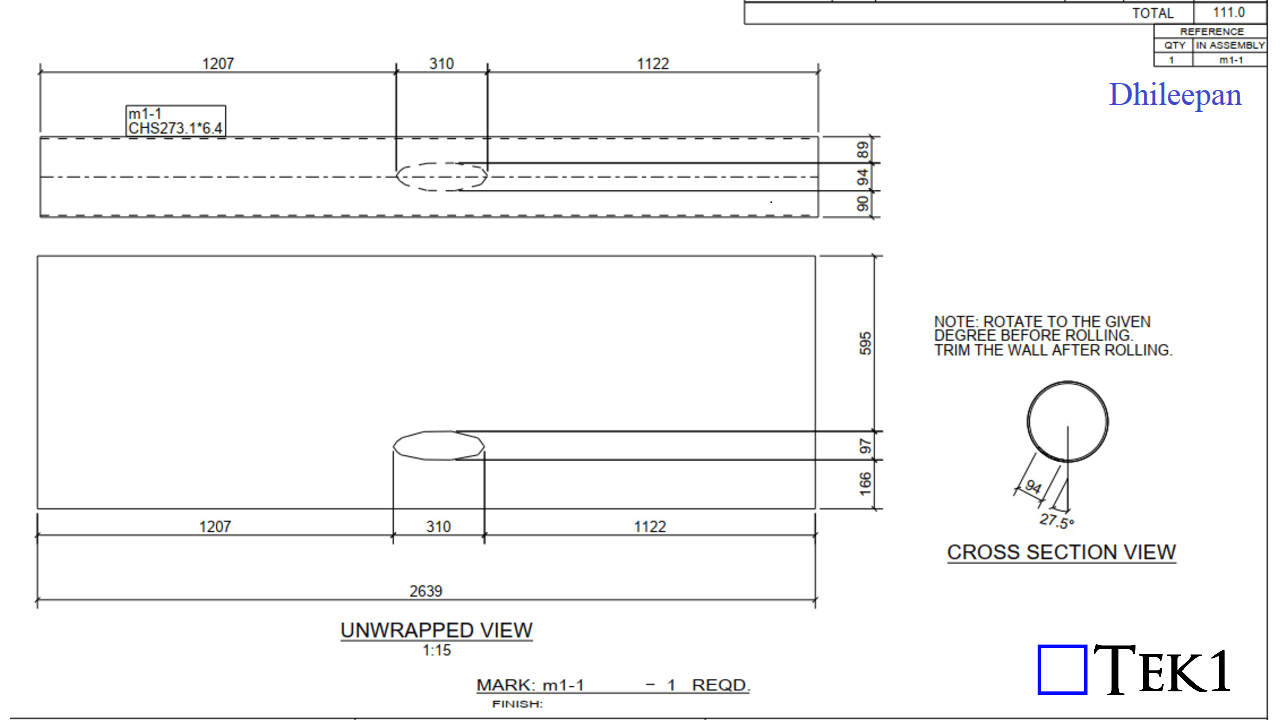
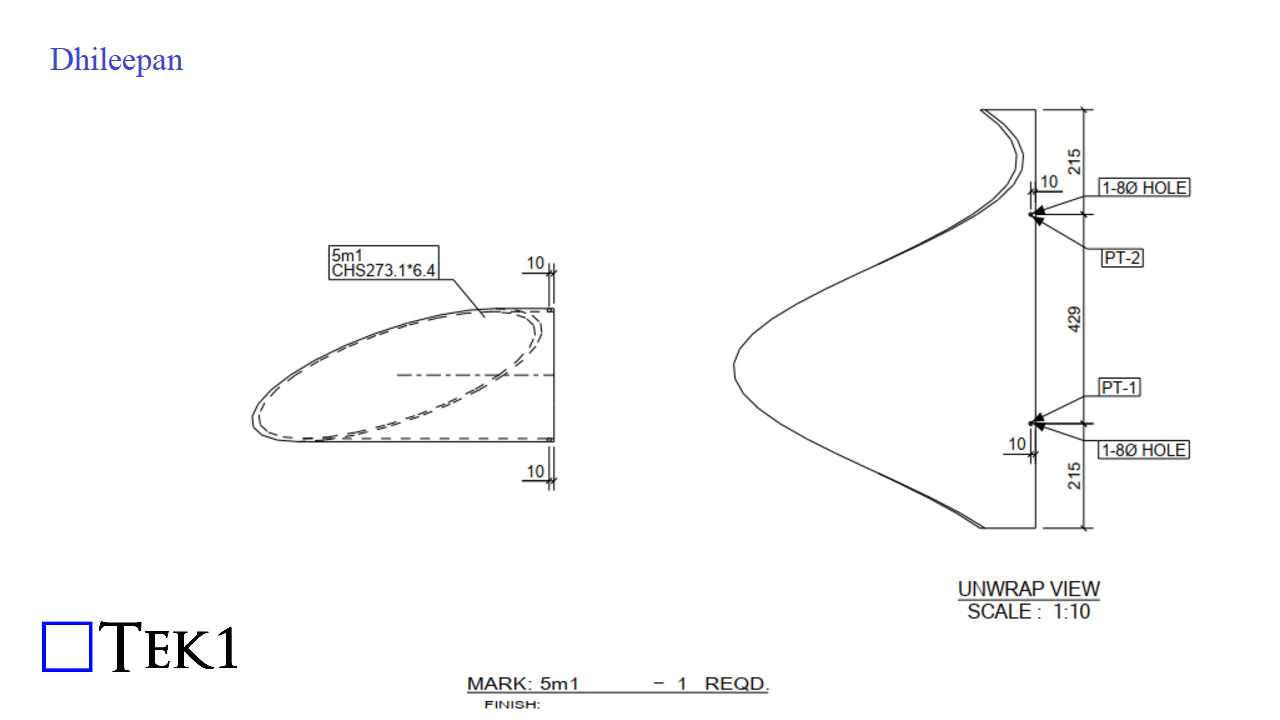
Another major challenge was the presence of asymmetrical cuts in the pipes for fixing them onto the base plates. To ensure precise cuts, unwrapped views of the pipes were provided. These unwrapped views were printed on paper at a 1:1 scale and then wrapped around the pipe. This method allowed for accurate cutting directly from the template, ensuring proper fitment and alignment during installation.