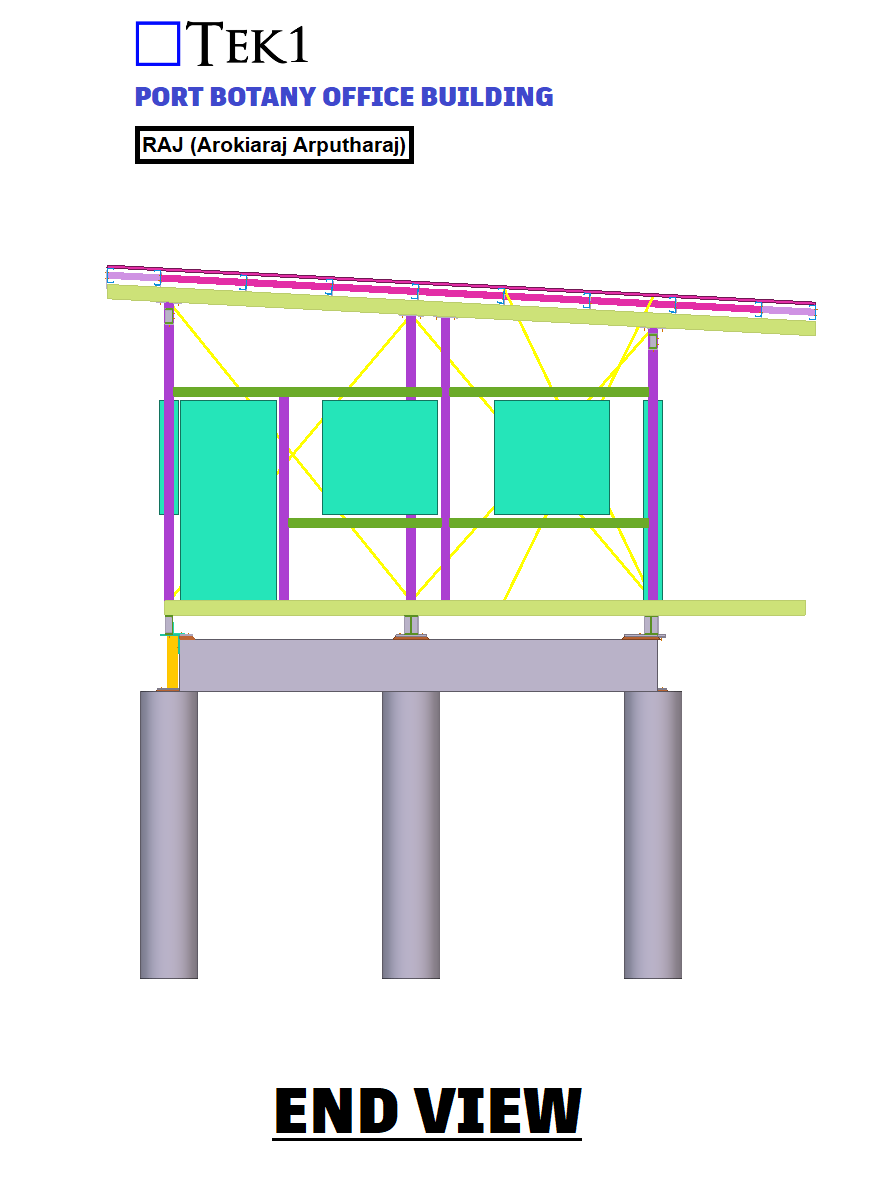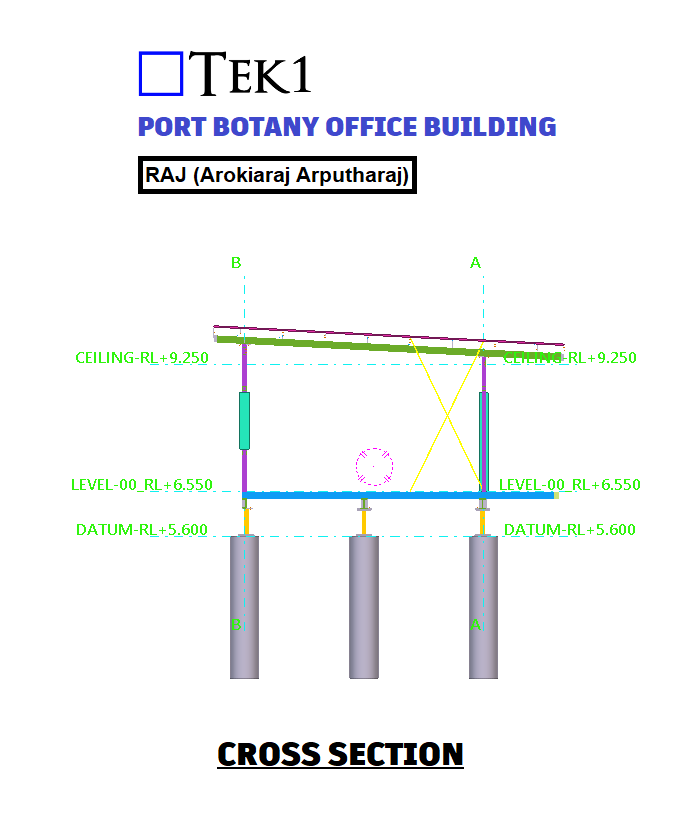
Author: RAJ (Arokiaraj Arputharaj)
Author: RAJ (Arokiaraj Arputharaj)
Expert steel draftsman detailing Structural steel jobs for Melbourne | Sydney
Author: RAJ (Arokiaraj Arputharaj)
Shop drawings expertly drafted by very capable and experienced steel detailers useing Tekla Structures. Full reports, material list, IFC model provided. Training and experience generates profits for the fabricator. We do not disturb the engineer or architect unless it is absolutely essential
As a steel detailer working on projects for public access areas or residential buildings, you must be familiar with the essential standards to ensure safety and compliance.
In this blog post, we’ll delve into the significance of following standards, with a specific focus on AS1428, AS1657, and BCA, through a real-world case study near the iconic Melbourne Cricket Ground (MCG).
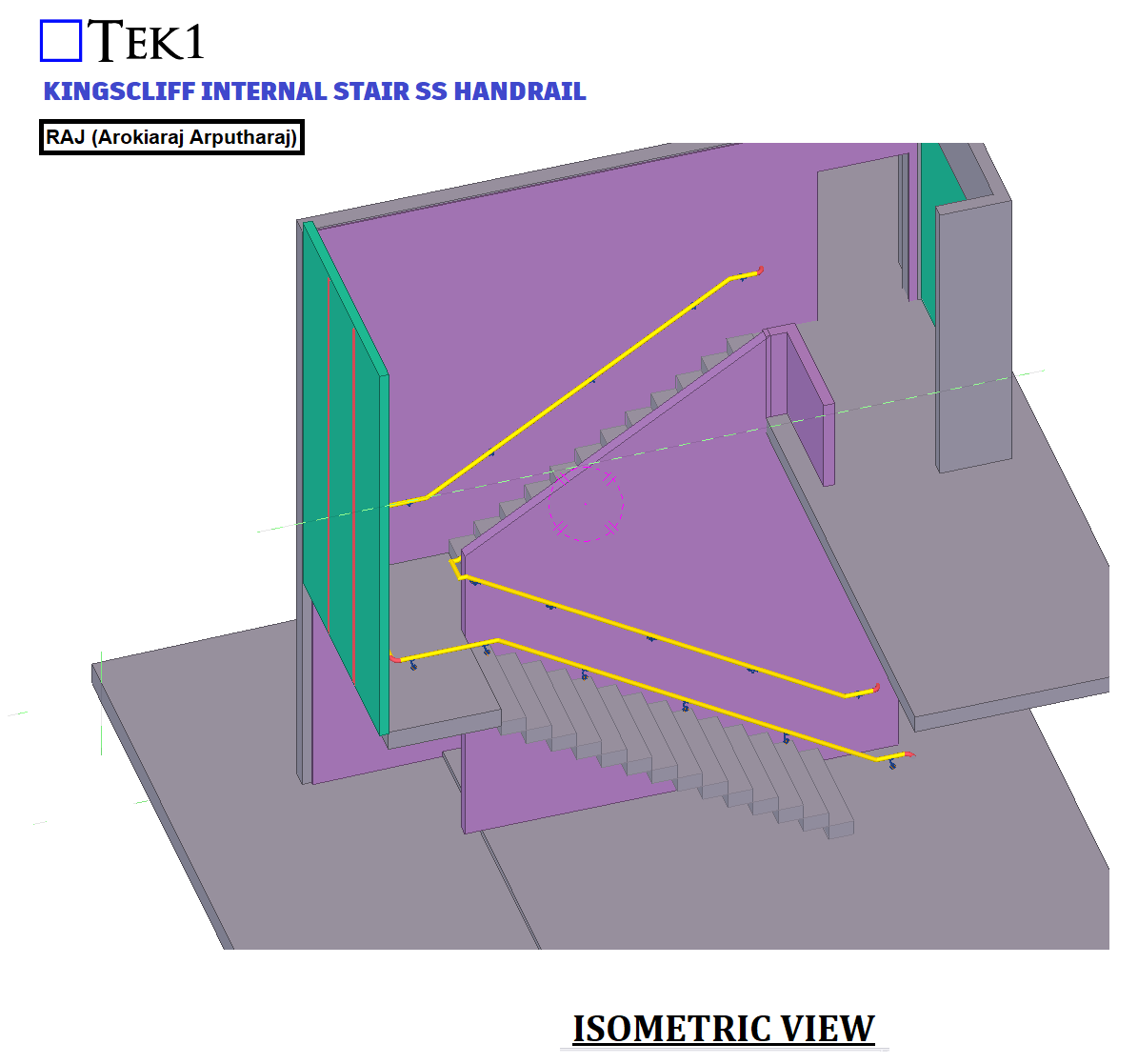
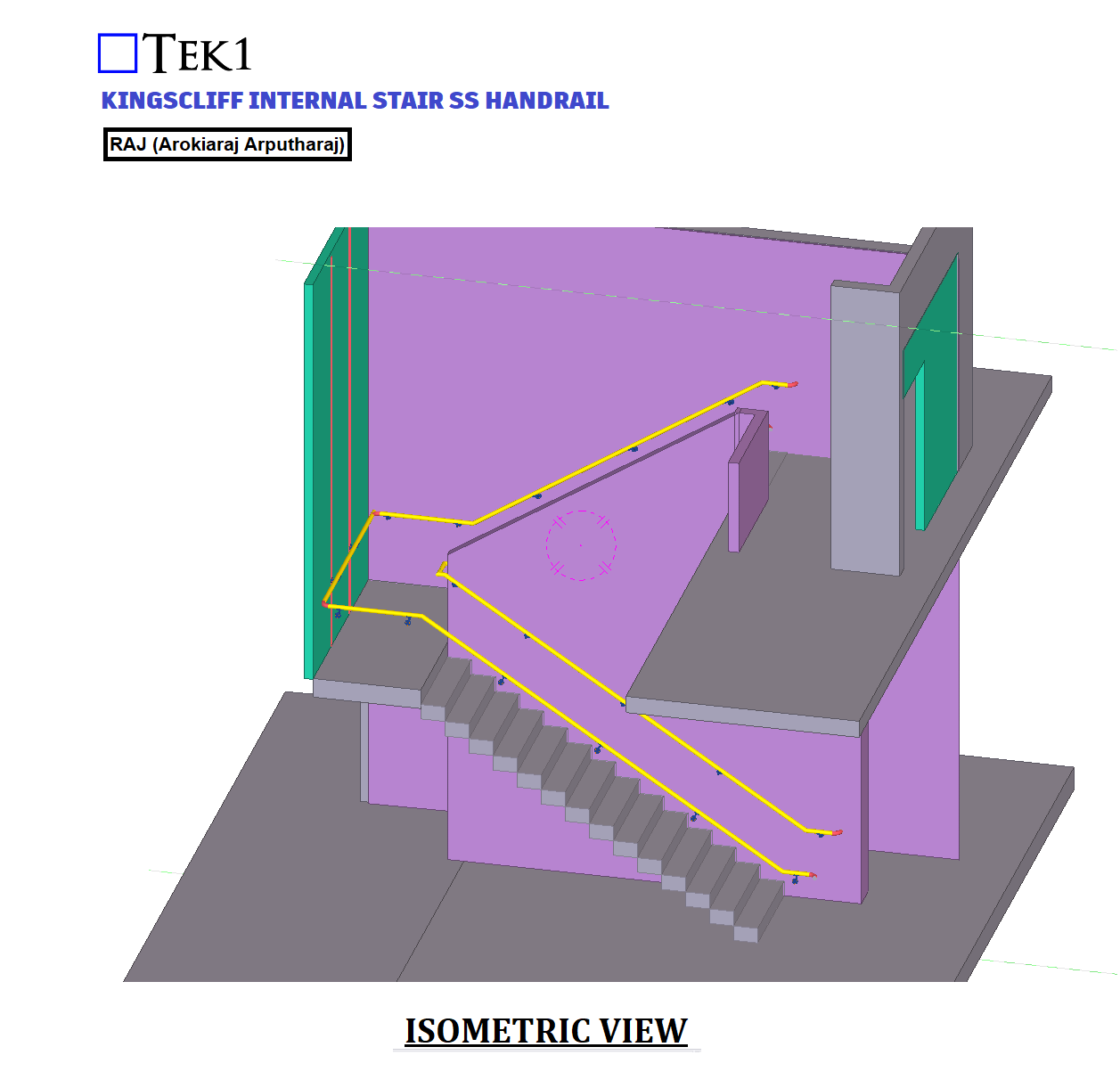
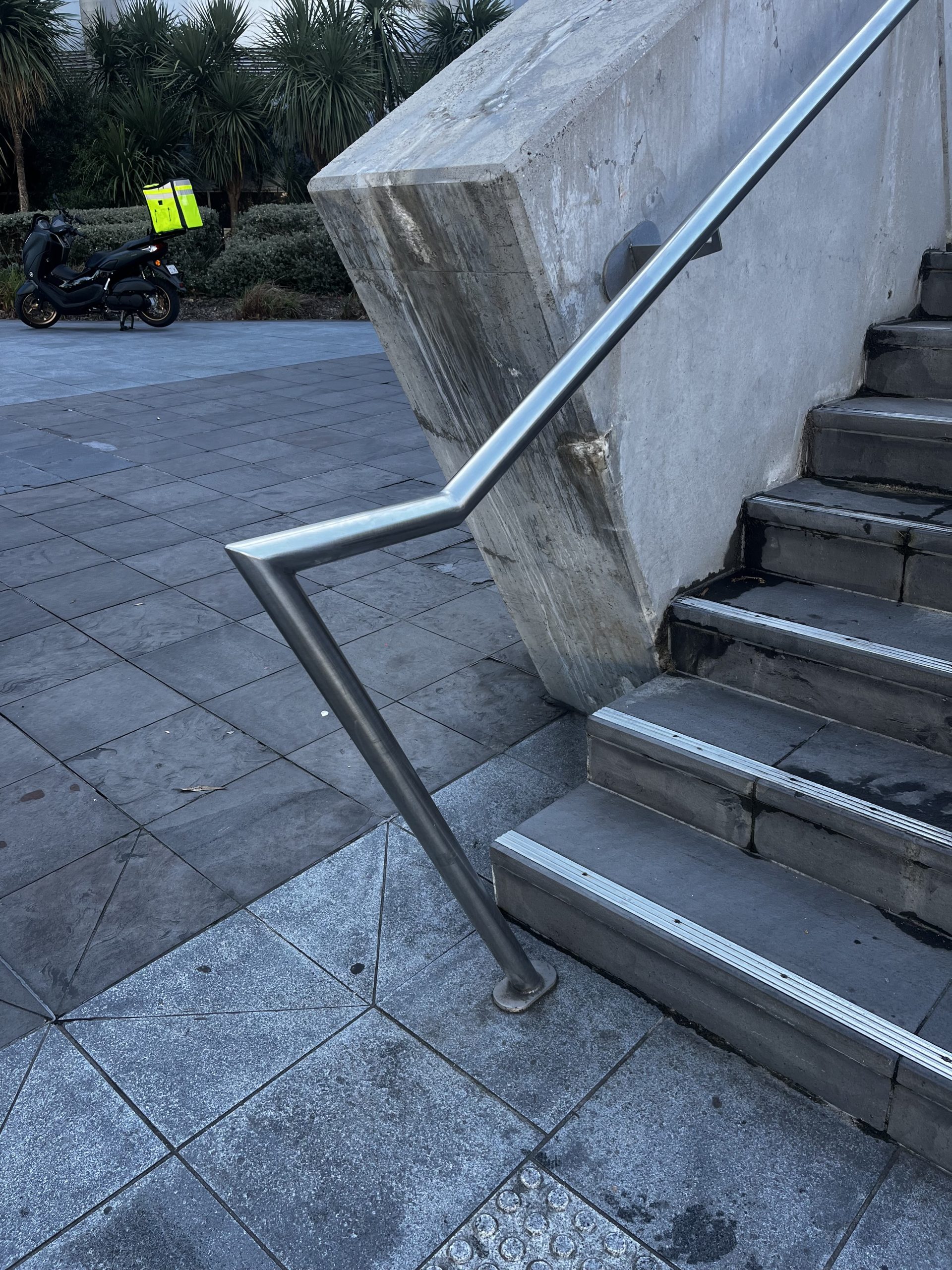
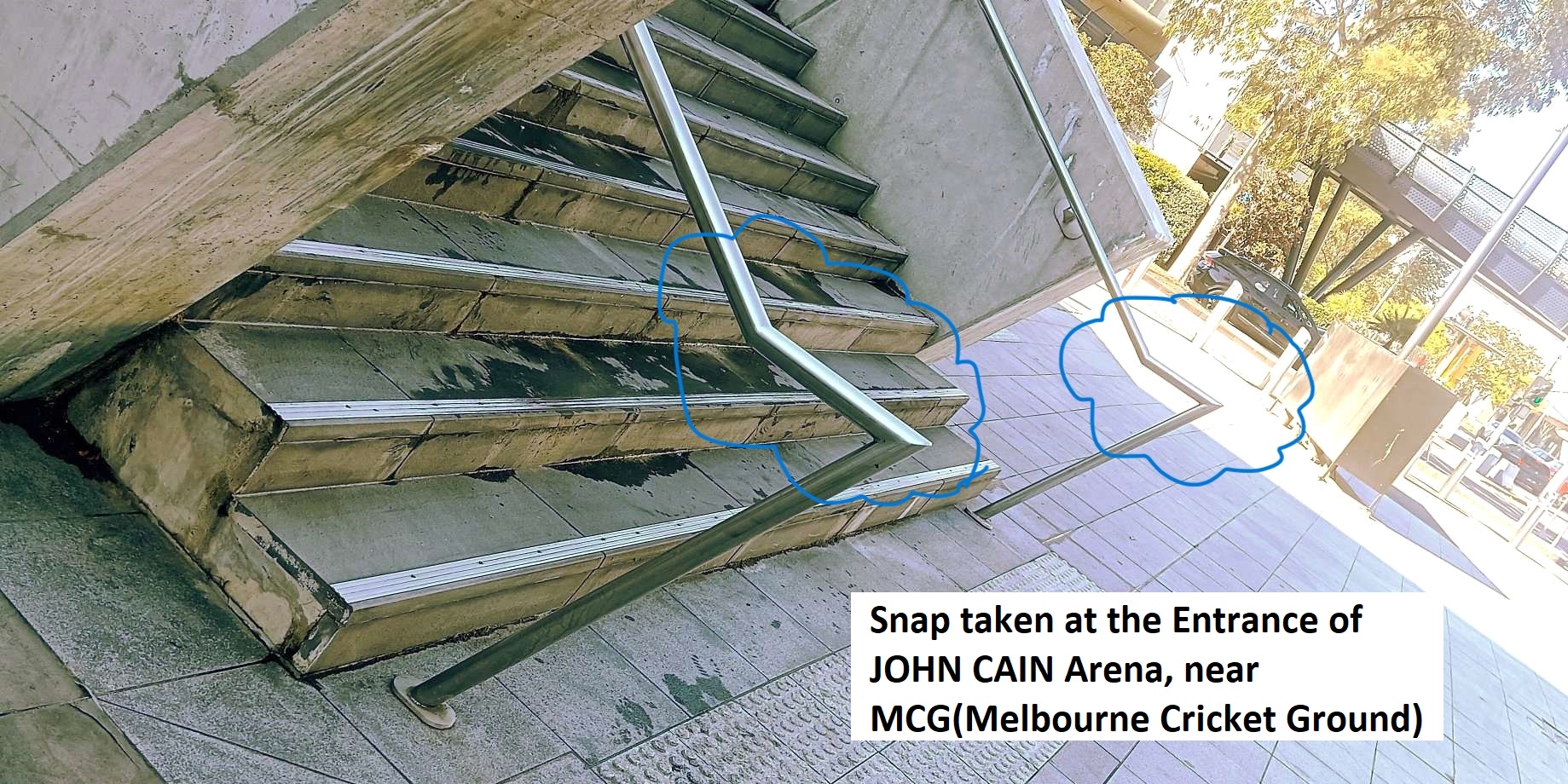
During a recent visit to the vicinity of the Melbourne Cricket Ground, I observed that the installed stair handrail did not meet the compliance as specified in AS1428. The end handrail protrudes with sharp edges, causing safety issues for the public.
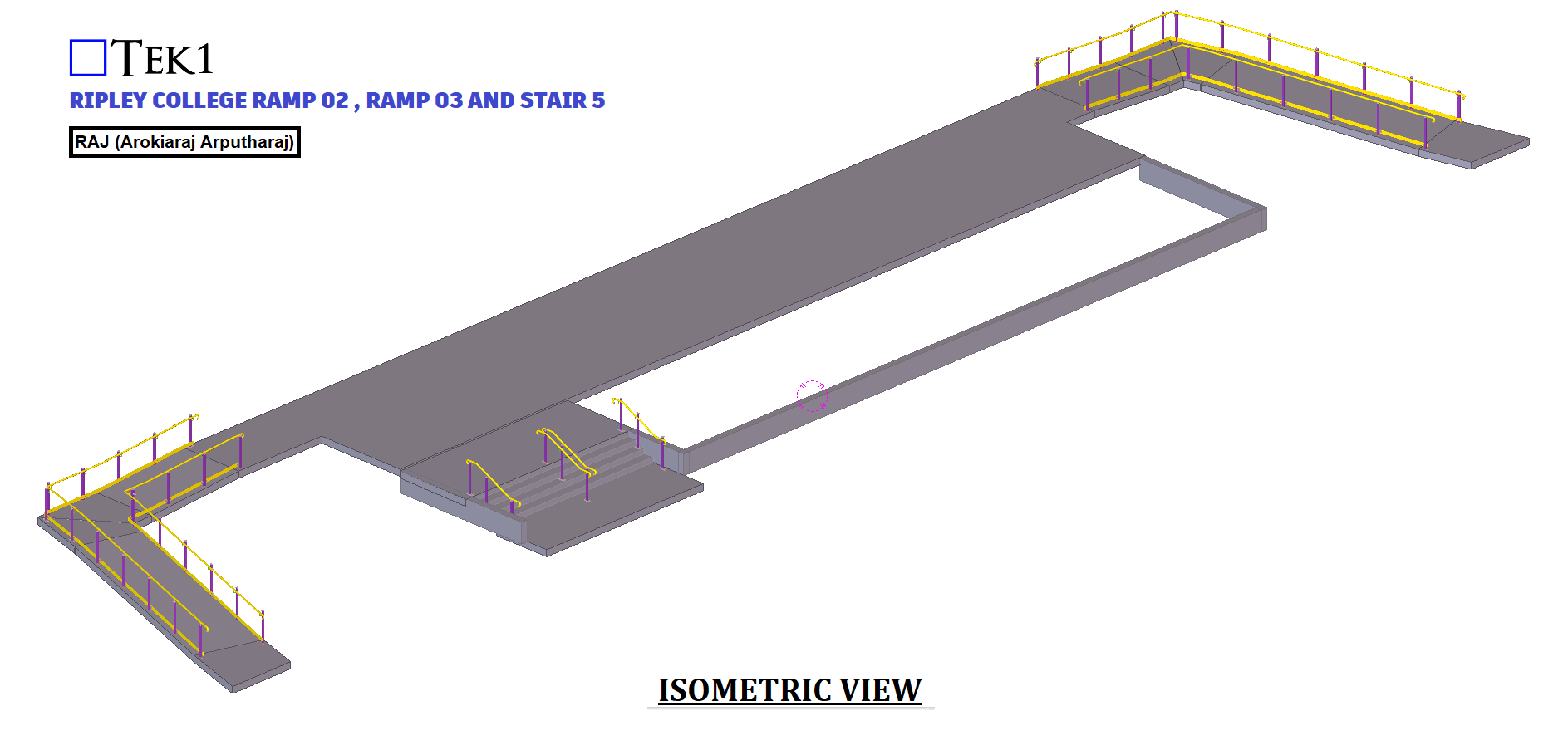
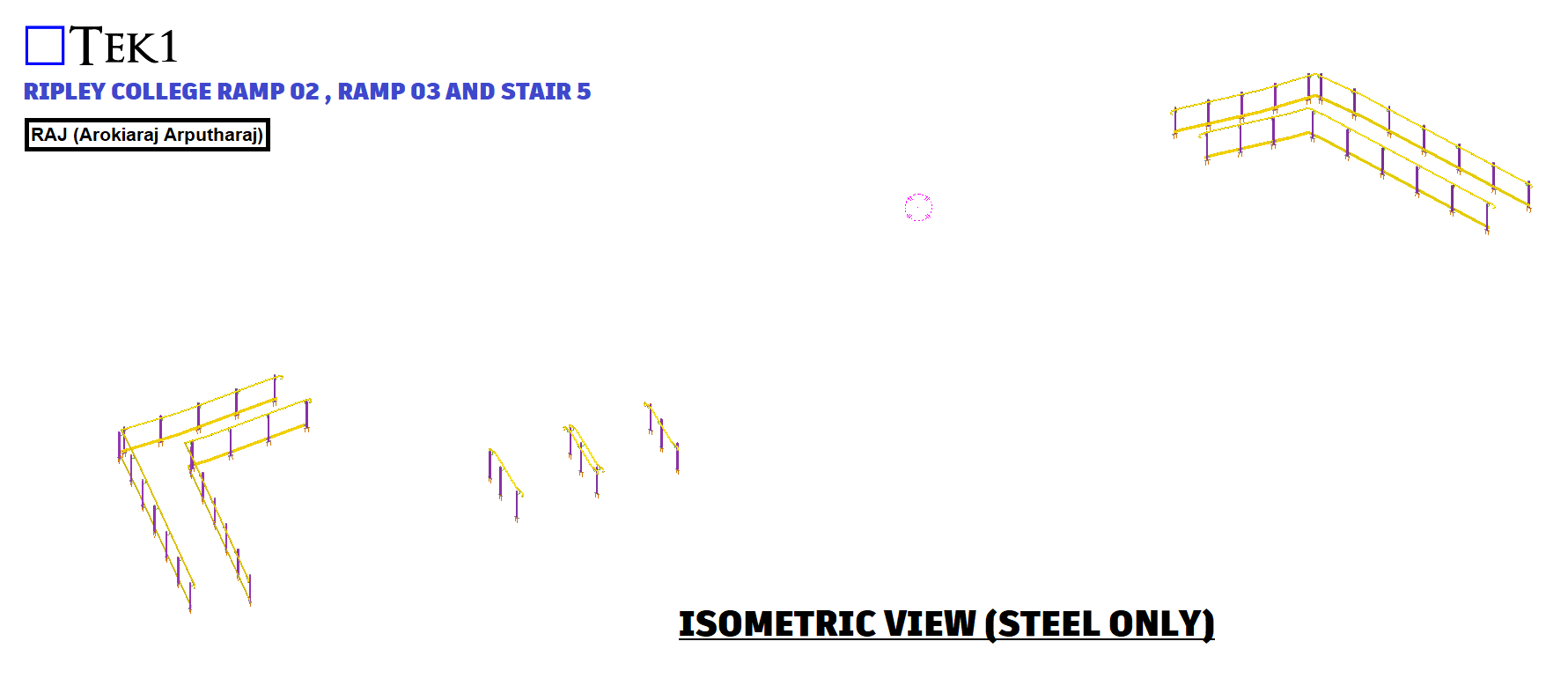
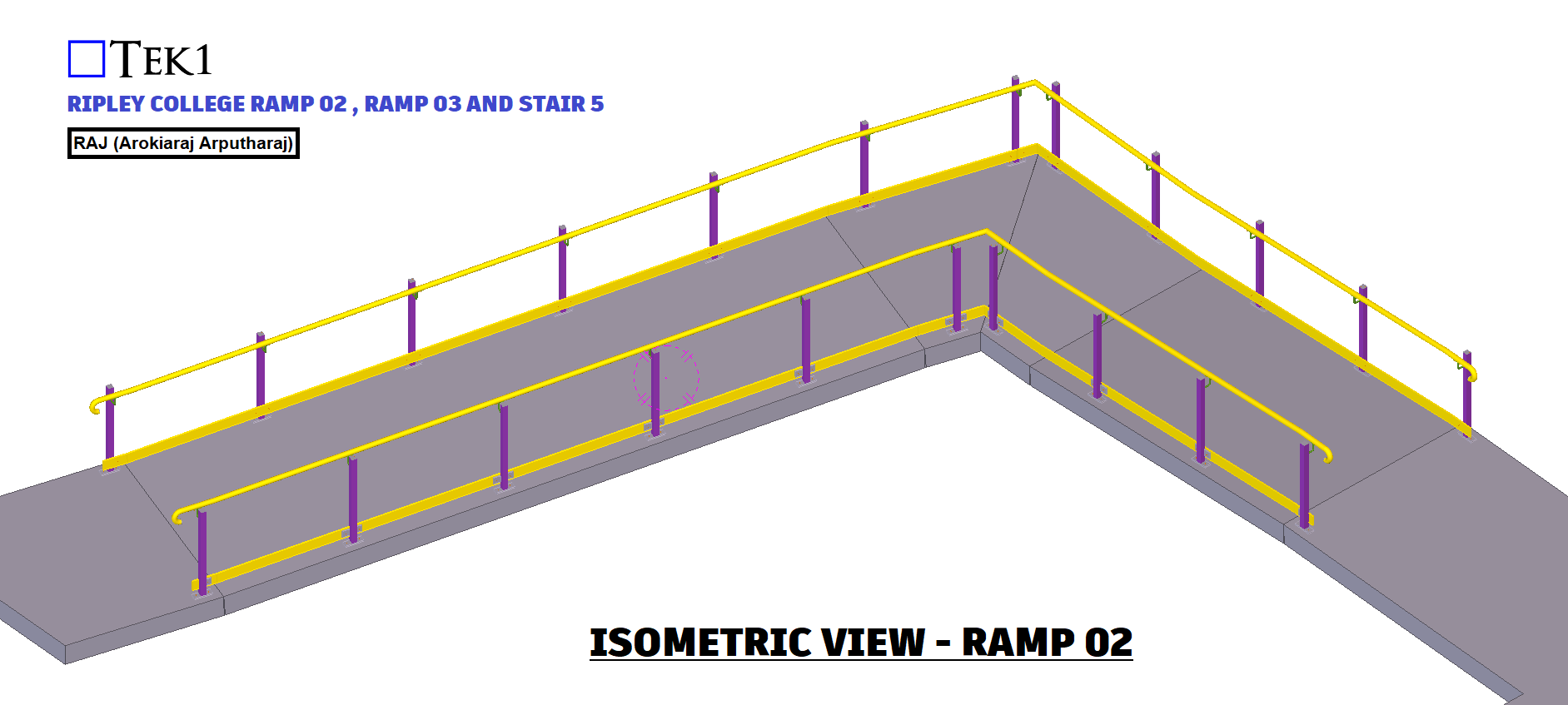
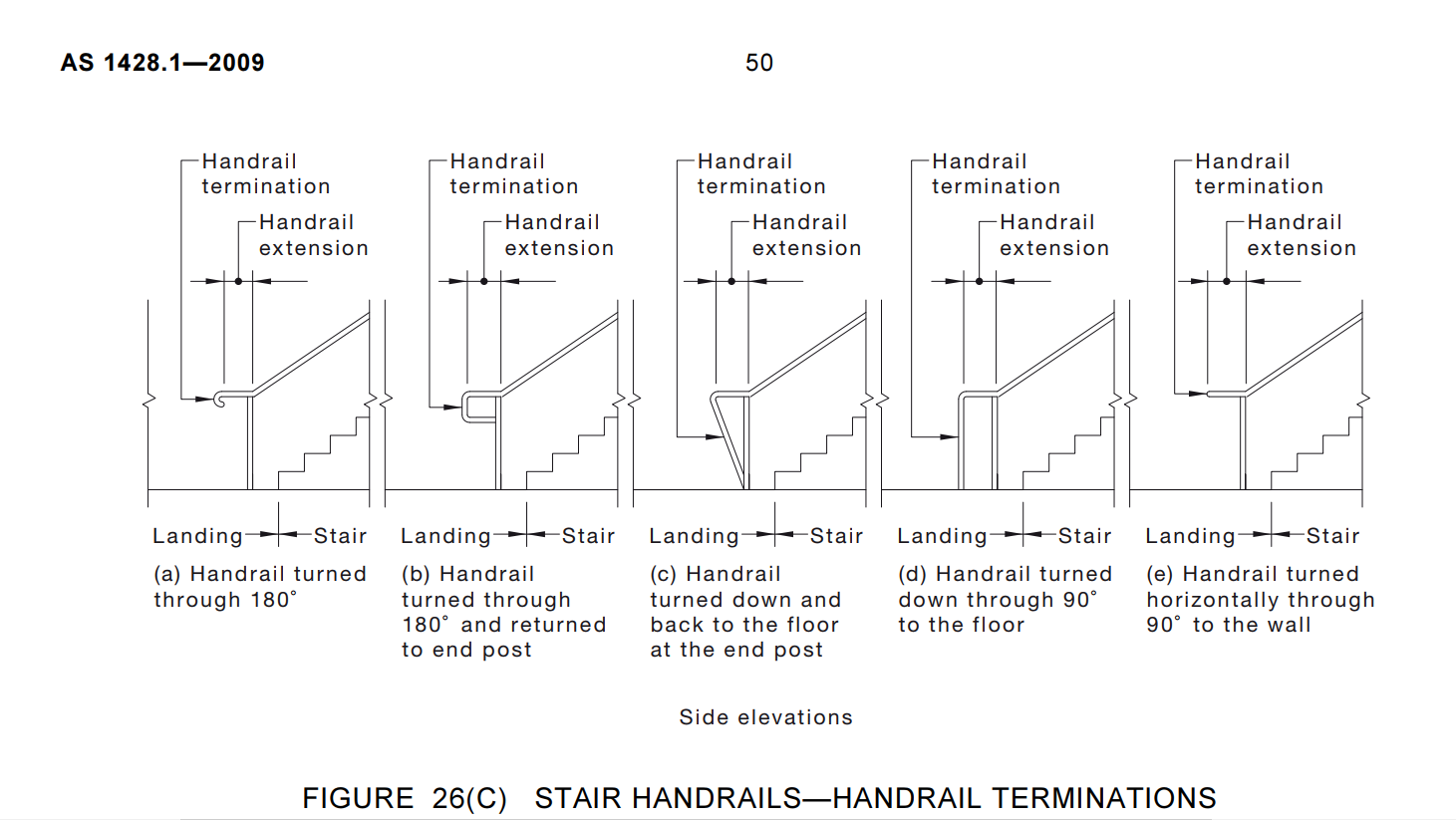
Please refer to the snapshot below, taken at the entrance of JOHN CAIN Arena, Near MCG. Additionally, we have attached another snapshot that refers to the standard handrail which needs to be used in public areas.
Understanding the Standards: AS1428, AS1657, and BCA
Before commencing any detailing project, it’s crucial to have a comprehensive understanding of the relevant standards. AS1428 covers design for access and mobility, providing guidelines for elements such as handrails, ramps, and doorways to ensure accessibility for all individuals. AS1657 specifies requirements for fixed platforms, walkways, stairways, and ladders, emphasizing safety and structural integrity. Meanwhile, the Building Code of Australia (BCA) sets forth regulations governing construction, including provisions for structural adequacy and fire safety.

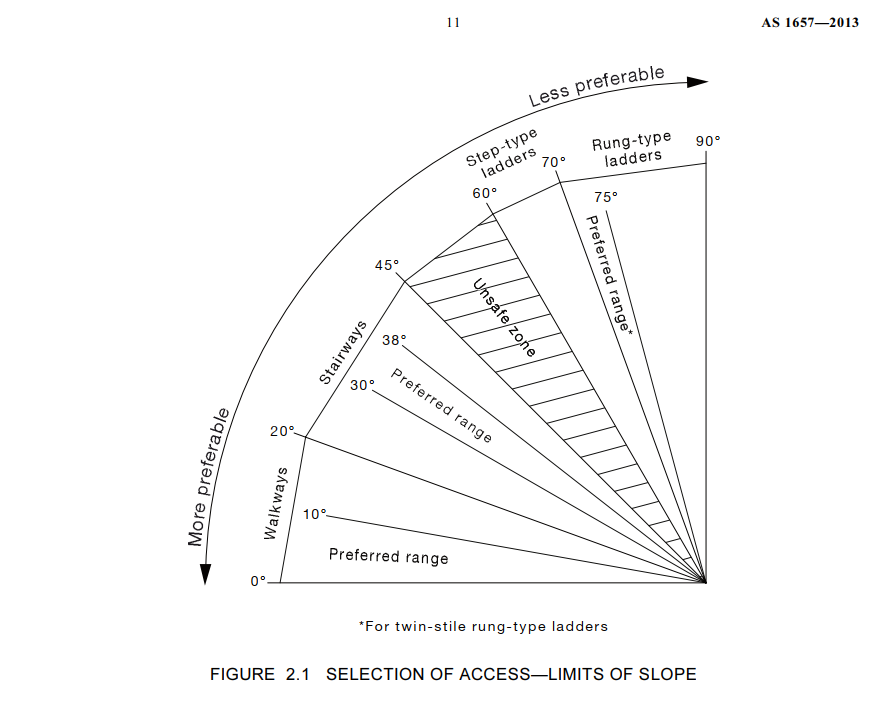
When it comes to constructing stairs or ladders, adherence to specific standards regarding access and slope limits is paramount. Understanding these guidelines, as outlined by the Australian Standards AS1657, ensures not only safety but also compliance with regulatory requirements.
1. Access Ramps and Pathways:
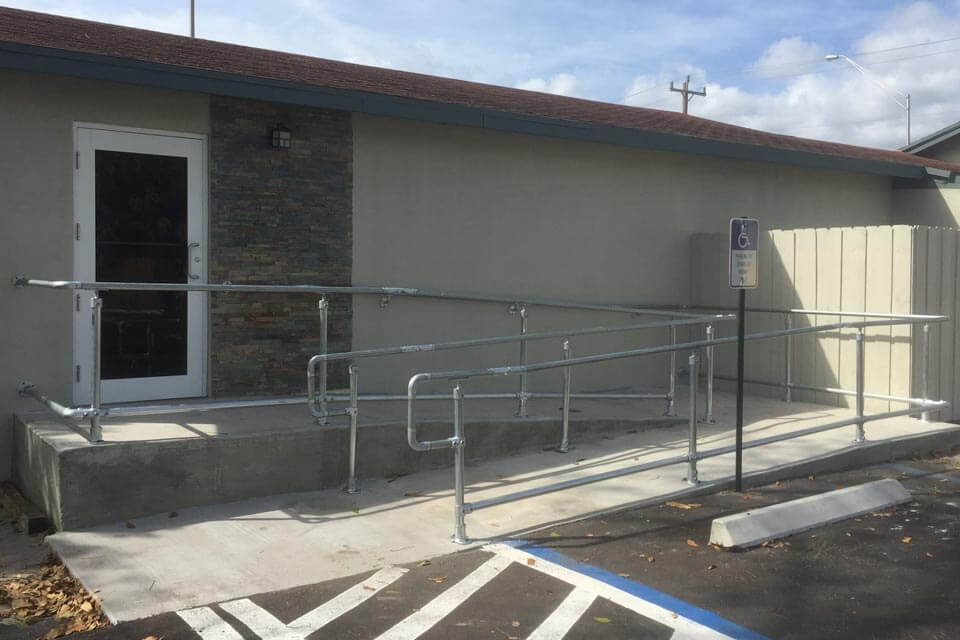
If you require access for height without steps, the slope must fall within a minimum degree range of 0-20°, with a preferred range of 0-10°. Public access ramps in Australia typically adhere to a 4° slope, which, while effective, can consume a significant amount of landing area. This slope range is predominantly utilized for ramps and access pathways.
2. Stairs in Residential and Commercial Settings:
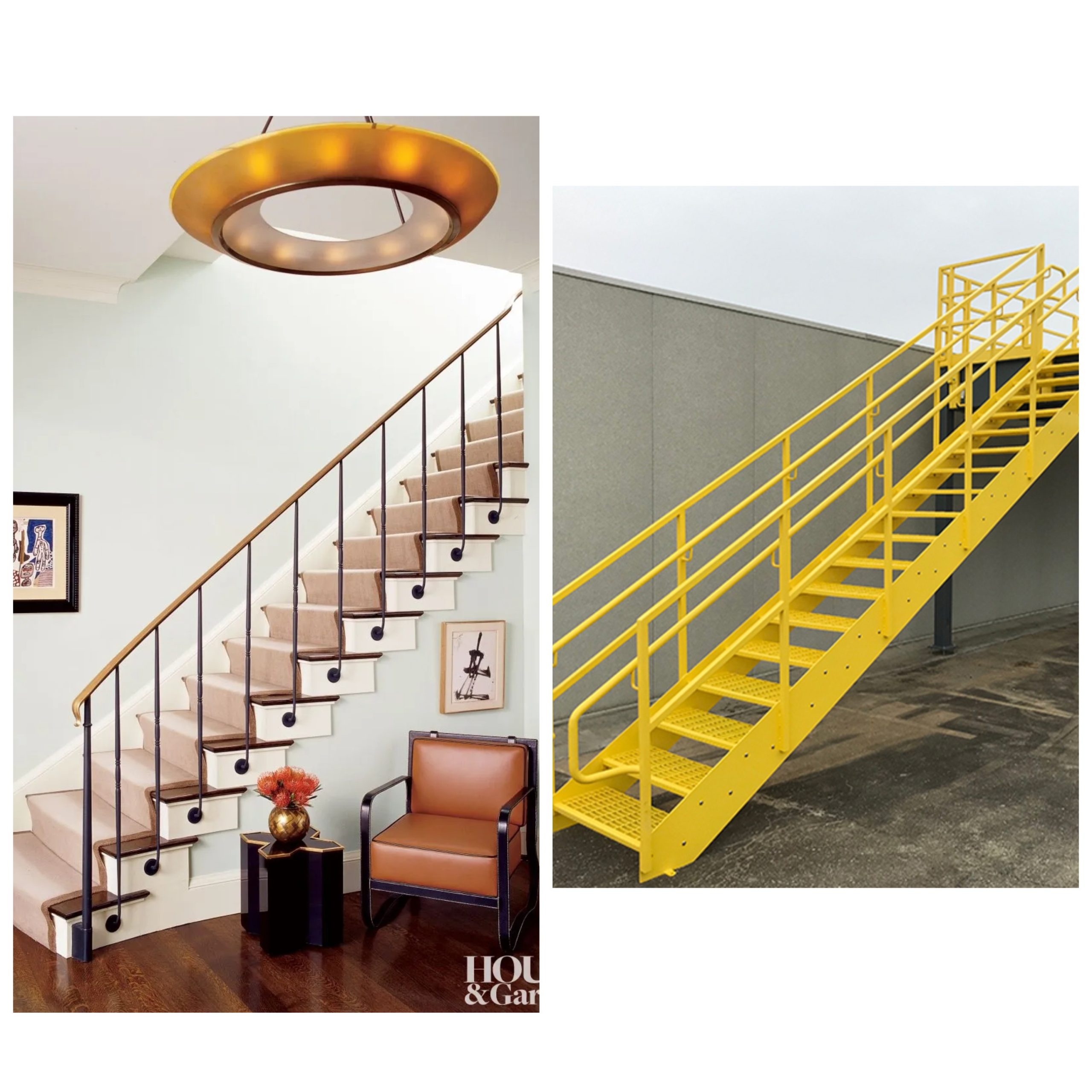
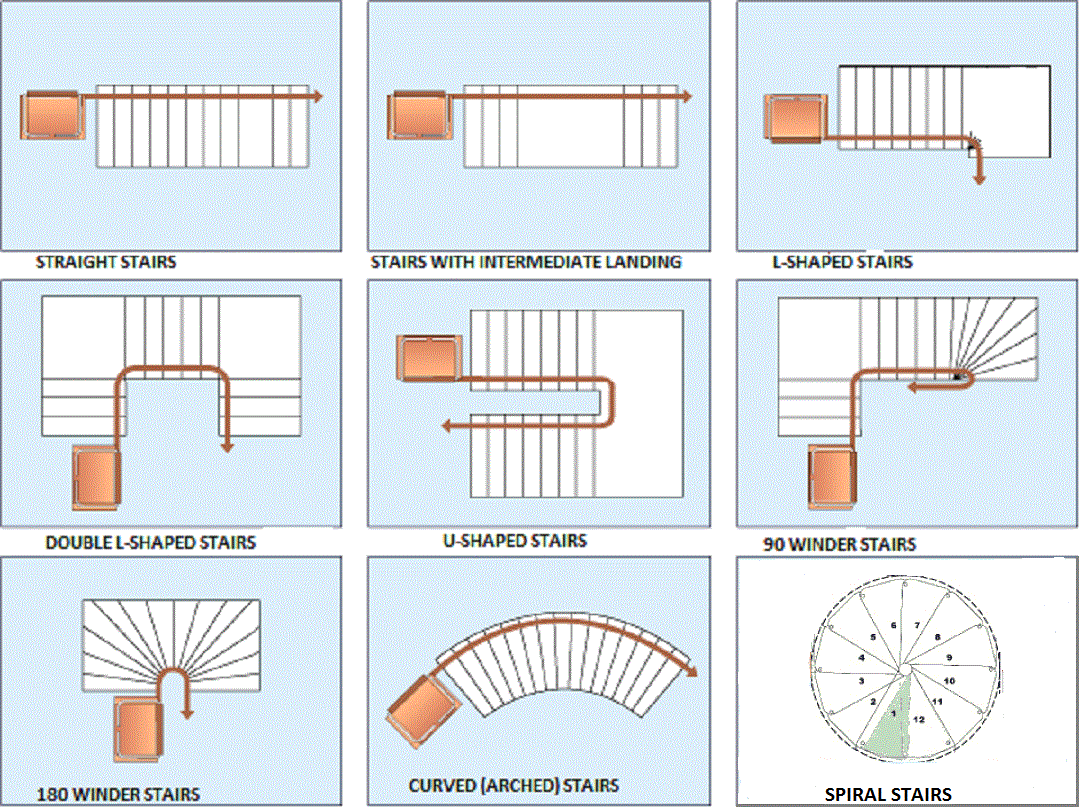
In residential and commercial areas, stairs are commonly employed, typically featuring a degree range between 30° to 38°. However, according to standards, stairs should ideally fall within the range of 20° to 45°. It’s important to note that stairs occupy a substantial amount of ground area and must be carefully designed for optimal functionality and safety.
3. Industrial Ladders:
Industrial settings often utilize step-type ladders, which should ideally have a degree range between 60° to 70°. Treads are commonly incorporated for enhanced safety and stability.
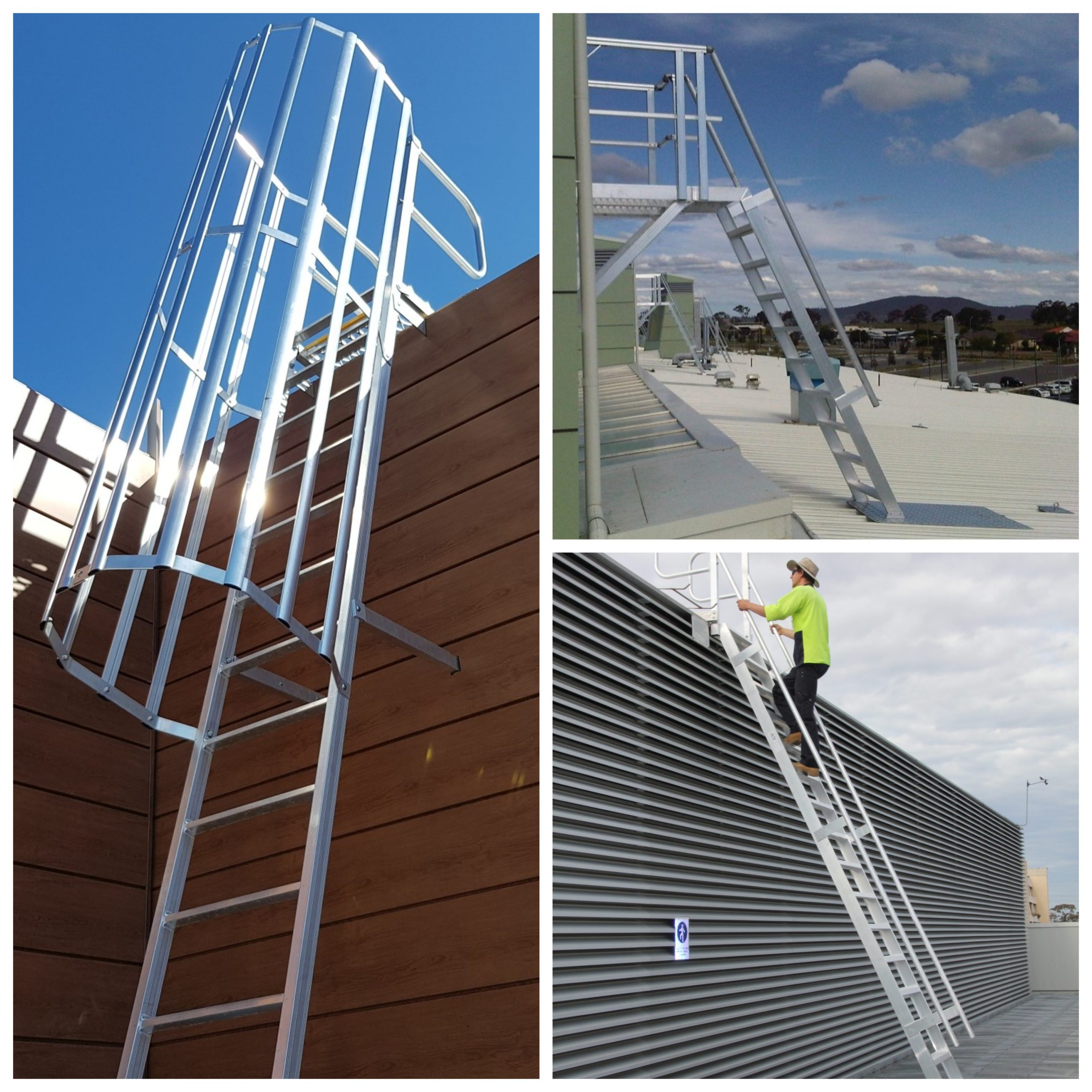
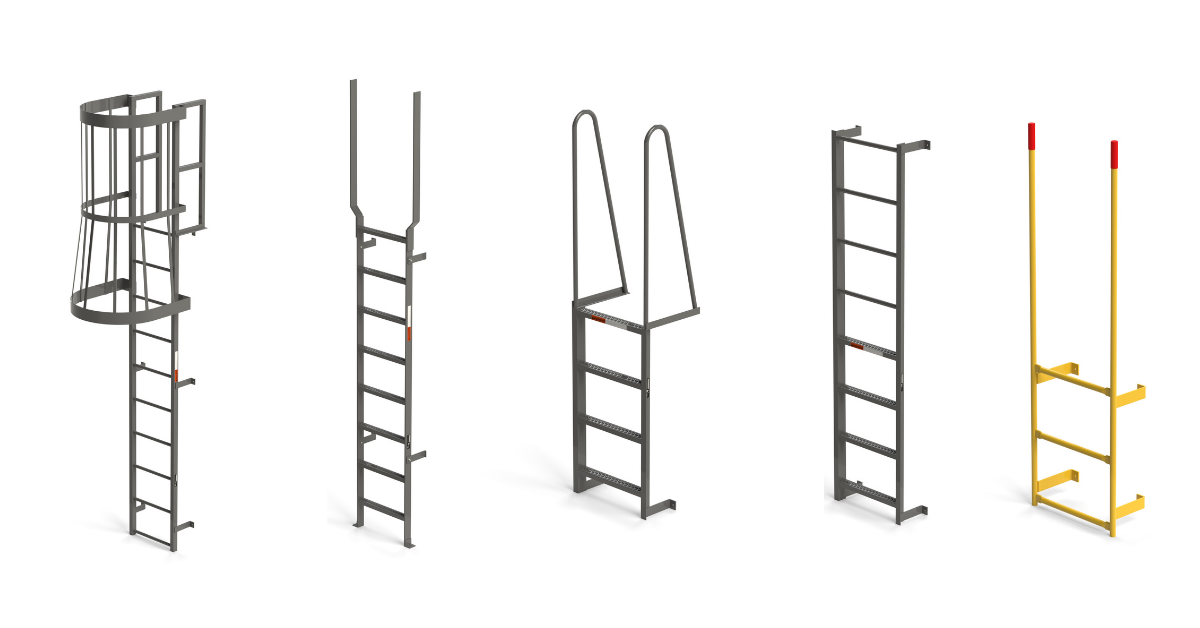
In cases where clearance is limited, rung-type ladders may be employed. Rung-type ladders, with a degree range of 70° to 90°, offer a compact alternative, making them suitable for confined spaces. Notably, 90° ladders are commonly found in locations such as ships and network towers, requiring minimal space.
Safety Considerations:
It’s crucial to emphasize that the degree range between 45° to 60° is deemed unsafe for both ladders and stairs. This zone presents heightened risks and should be avoided to ensure the safety of users.
In conclusion, adherence to prescribed access and slope limits is essential when constructing stairs and ladders. By following established standards, builders and designers can create structures that prioritize safety, functionality, and compliance with regulatory requirements.
As detailers, everyone should be familiar with these standards. Even when architects or engineers overlook these details, a detailer can catch them. This is also one of the important aspects for detailers to remember.