Category: Precast Blogs

Tek1 has detailed over 100,000 precast panels over 19 years.
over 90,000 were detailed under a proxy name Advanced Pretty Pictures Pty Ltd

PRECAST PANEL DETIAILING
EXPERT PRECAST PANEL DETIAILING
  • Drawings to be used to draw Precast Panels

    Architectural Drawing

    1. Concrete layout drawing
    • describes the location and layout of the precast
    1. General arrangement drawing
    • describes the building’s space arrangement, such as rooms, bathrooms, and so on.
    1. Window Plan and Elevations
    • describes the size and location of the windows and doors.
    1. Arch elevation and its sectional elevations
    • describes the architectural finishes and presentations on the exterior and interior.
    1. Stair plan & elevation drawings
    • describes the details of the stairs, steps, and landing.
    1. Core wall plan and elevations
    • describes the lift shaft drawings and their specifics.

    Structural drawings

    1. Column schedules & details
    • describes the column size and its reinforcement details.
    1. Core wall plan and elevation details
    • describes the details of the lift/stair wall reinforcement.
    1. Typical Precast Details
    • describes the general reinforcement and its details.
    1. Typical stair details
    • describes the stair landing slab and steps, as well as the reinforcing details.
    1. Slab profile plan and sectional details
    • describes the thickness of the slab, the beam, and the reinforcement details (up and down).
    1. Ramp plan, section, and elevation details
    • The Ramp Angle, Reinforcement, and Thick Sails are all described.
    1. Precast elevations & sectional details
    • describes the reinforcement, grade of concrete, and additional reinforcement details.  

    Service drawings

    1. Crane details
    • describes the loading area and crane weights at various lifting points.
    1. Hydraulic drawings
    • describes the drain or overflow opening and its details, among other things.
    1. Mechanical Penetration Details
    • describes the AC duct opening, etc.
    1. Post-tensioning slab details
    • describes the PT tendon passing areas and their specifics.
    1. Lift shaft drawing
    • describes the lift shaft opening, the controller box, and its details.
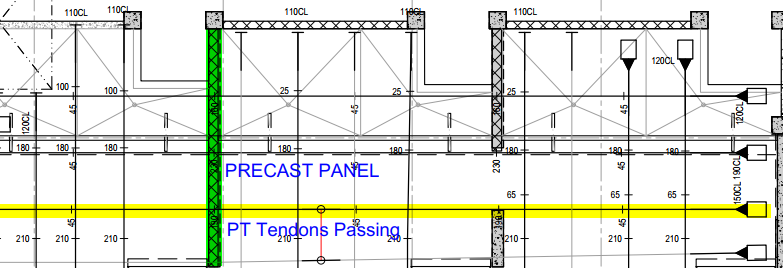
  • Post tension Tendons Passing in Precast Panel

    Subject: Things to do when we have post-tensioning cables passing through precast panels

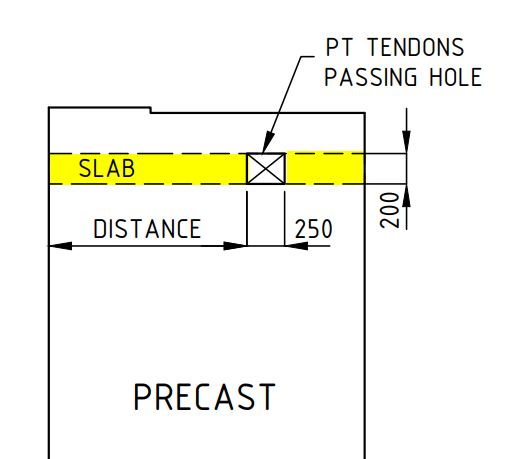
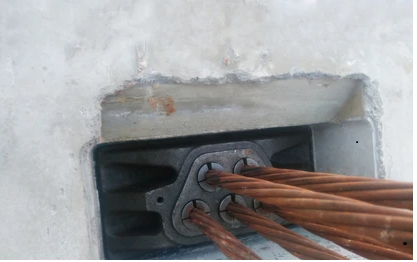
    If we have both post-tensioning slabs in the location of precast, we have to provide a block-out hole in the precast to pass the tendons through the precast.

    What we care to take when detailing precast panel.

    We have to provide an opening in the panel for PT cables to pass through. Do not place any precast hardware closer than 100 mm from the hole/block-out.

    How it looks

  • STRONGBACK AND TYPES

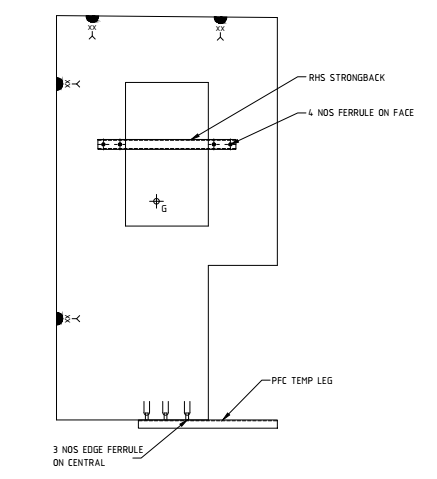
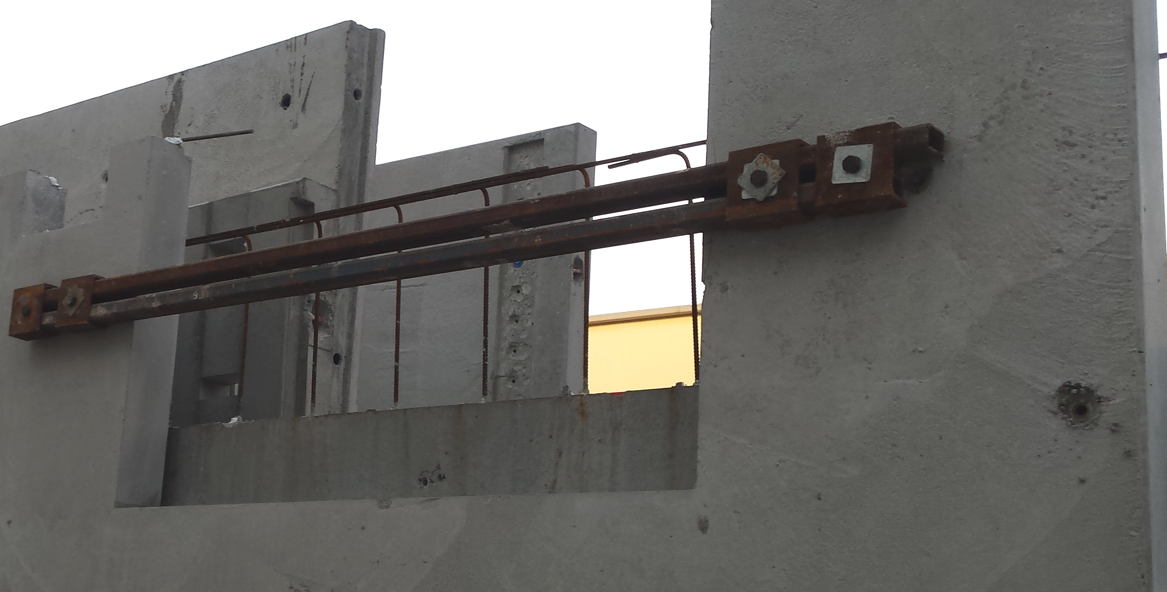
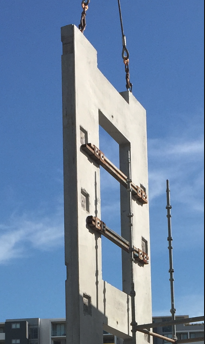
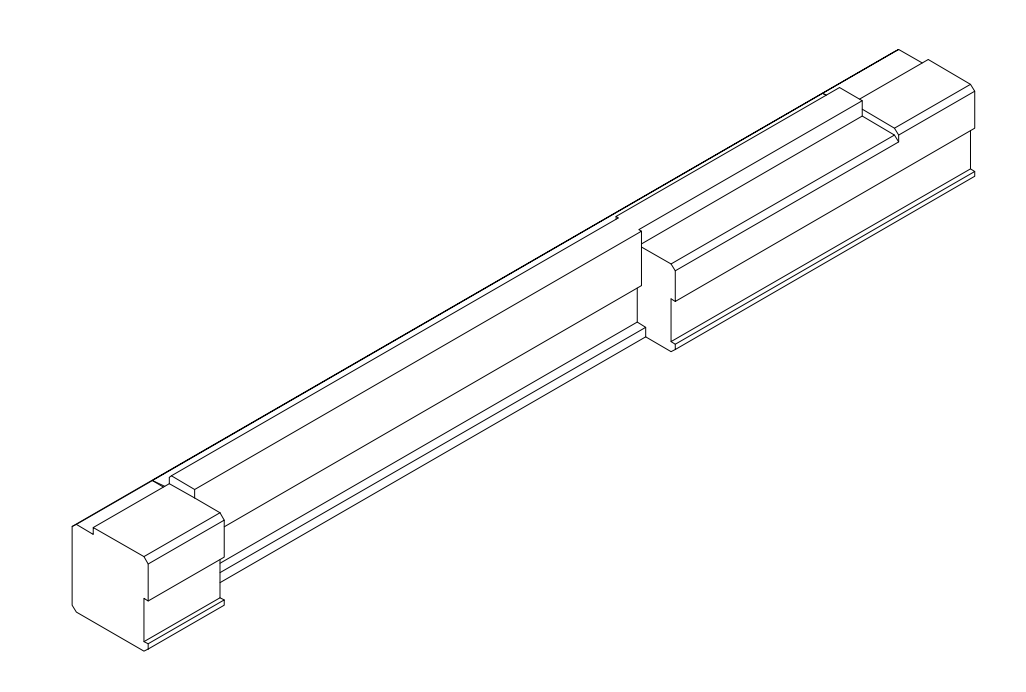
    Normally we are using the strongback in window, Door opening, uneven profile and panel handling purpose. It’s used to avoid the panel breakup, crack and damage during the panel lifting from table, Transportation (Loading & Unloading) and Panel erection on site. We are using three types strongback based on the required strength.

    1. PFC Strong back.
    First is the PFC member which can be bolted to the face or welded to plates on edge.

    2. RHS (Right hand side) Strongback.

    Second is the New and preferred RHS which is bolted to the panel face.

    3. Elbow Strongback.
    Third is the Elbow strongback which is bolted to the panel face and hangs over one edge.

    PFC and RHS Strongback used in SHOP DRAWING.

    Strongback Photos reference for PRECAST PANEL.

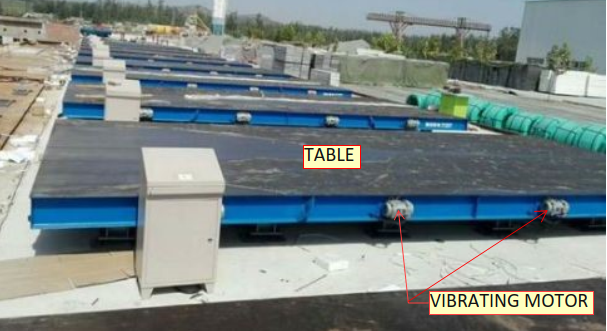
  • VIBRATING TABLE FOR PRECAST FABRICATION

    • Vibrating table using for compacting and consolidating the stiff and harsh mixes in precast structures on factory or yards.
    • While using this vibrator the concrete will be spreads equally at all corners of the precast structure in mold.
    • It will help to improve the strength and quality of precast concrete structure.
    • The void or bubble formation will be avoided.
    • So, the cracks formation also to be reduced.
    • It will reduce the man power.
    • The fabrication time is less.

    Fig.01 (Vibrating table)

  • POST FIXED PRECAST PANEL

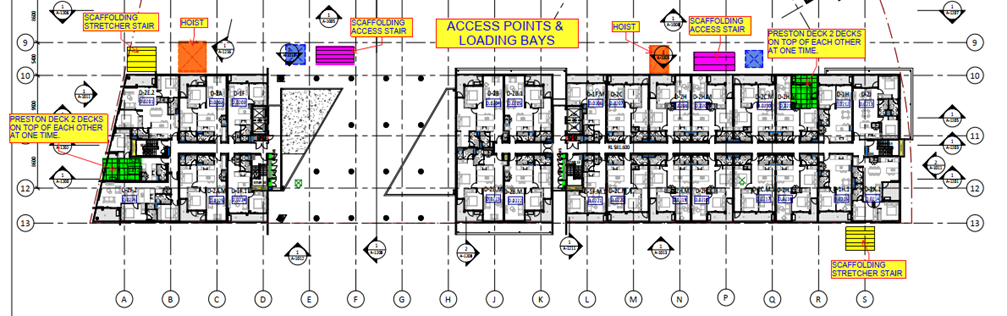
    Every multi story buildings typically need the loading bay or hoist for each and every level during construction. A loading bay or loading dock is an area of a building where goods are loaded and unloaded to it from vehicle or site. On hoist or loading area of façade walls is being unbuilt up to end of construction. Final stage of construction only it needs to be built. Refer below picture for different types of loading bays are highlighted.

    If the rest of the building is constructed by the precast, the hoist area also needs to be covered or fixed by precast panel. This type of covering panels are named post fix panel. Which means the panel will fix on the existing structure after completion of required task.

    These post fix panels have different type of erection procedure, connection details compared to the all-other precast panels.

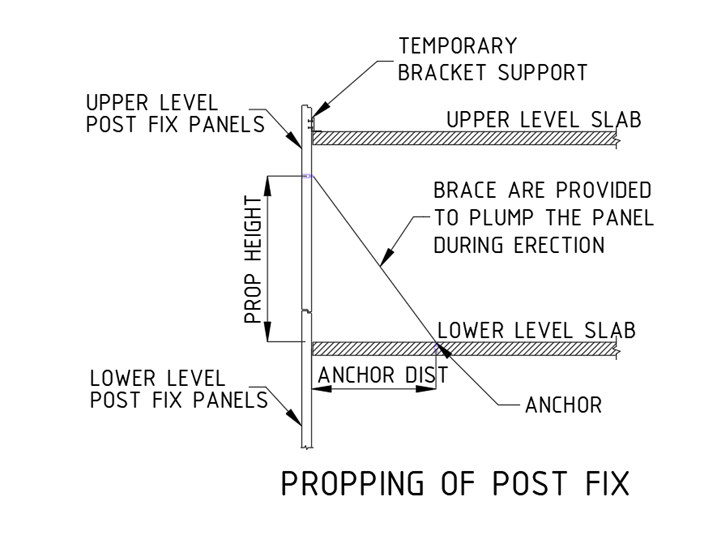
    Propping Method for Post Fix Precast:

                The temporary bracket connection between panel and to the slab need to be done at the top of the panel. The rest of the panel hanging below slab where braces are connected to plumb the panel as well as support. That the brace is anchored below level slab. The bottom of post fix panels is connected with dowel & grout tube arrangement to the below level precast panel. Refer the propping snap.

    Permanent Connection of post fix panel:

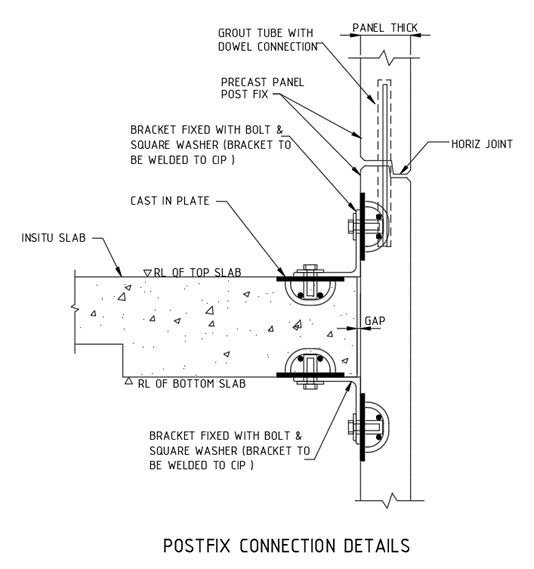
                The grout tube with dowel connection between the panels are only resist the horizontal movement, the additional permanent connection is made between panel and the slab through cast in plate and weld on site at both top and bottom the slab. The structural connections details are need structural engineer approvals. Refer below picture for typical connection details.

  • TYPES OF BEAMS – Depending on how they are supported.

    According to the types of supports provided for the beams, they are classified as:
    1. Simply supported beam.
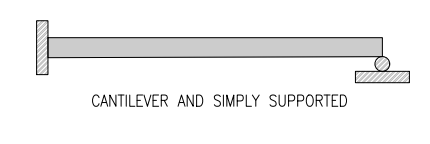
    2. Cantilever beam.
    3. Continuous beam.
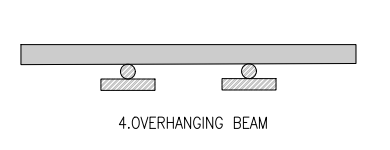
    4. Overhanging beam.
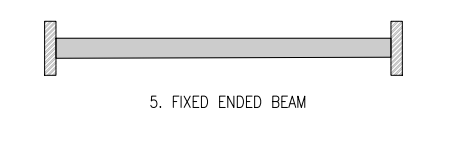
    5. Fixed beam.

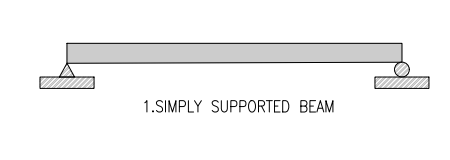
    1. SIMPLY SUPPOETED BEAM:
      This type of beam is supported at both ends consisting of pin support at one of the ends and roller support at the other end.
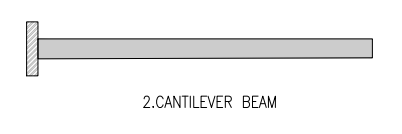
    2. CANTILEVER BEAM:
      A beam with one end free and the other end is fixed is called Cantilever.
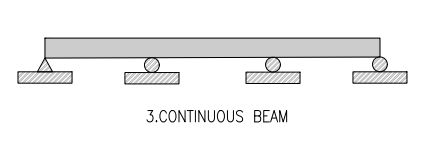
    3. CONTINUOUS BEAM:
      A beam which is supported on more than two supports is called a continuous beam.
    4. OVERHANGING BEAM:
      Overhanging beam is the combination of cantilever and a simply supported beam. This type of beam in which the end portion of the beam extends more from the support. It’s divided in to two types.

    A) Single overhanging beam (This type of beam is extended beyond the support at one end only)
    B) Double overhanging beam. (This is of beam is extended beyond the support at both ends)

    1. FIXED BEAM:
      This type of beam is fixed at both ends it called fixed beam.


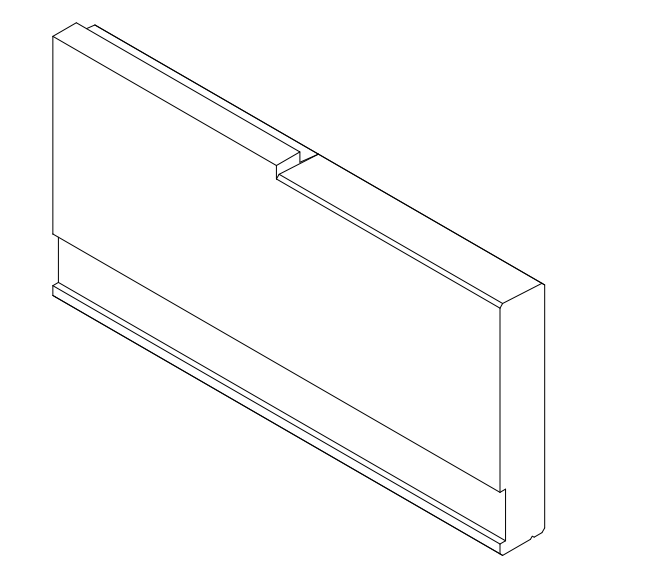
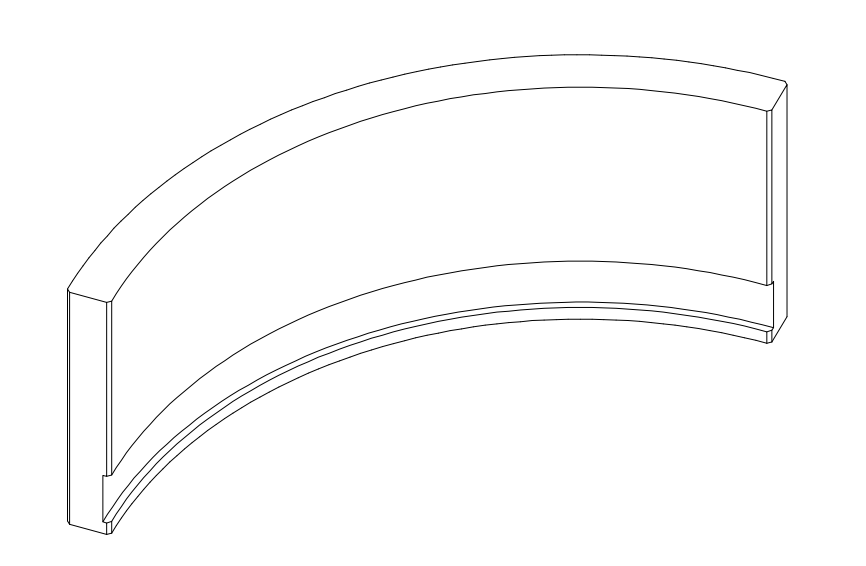
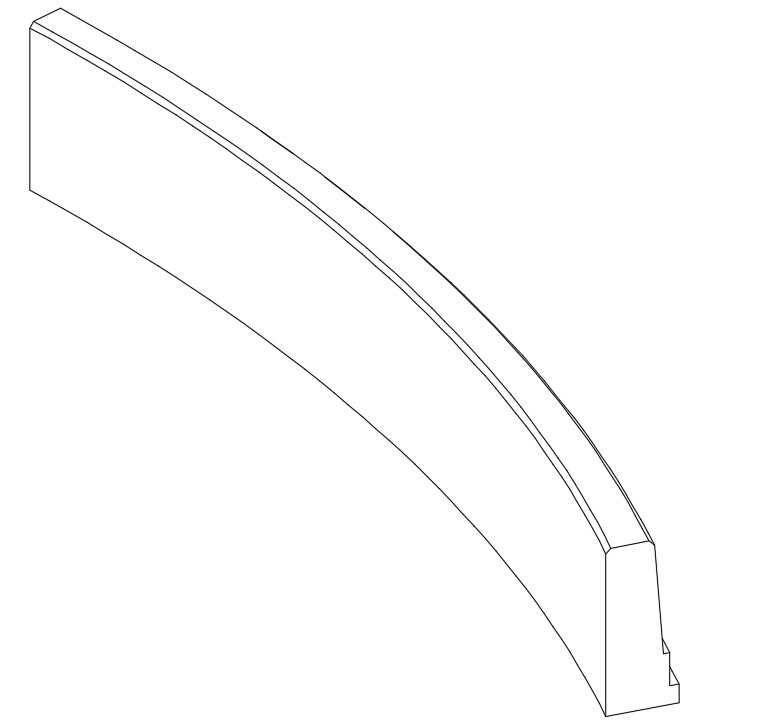
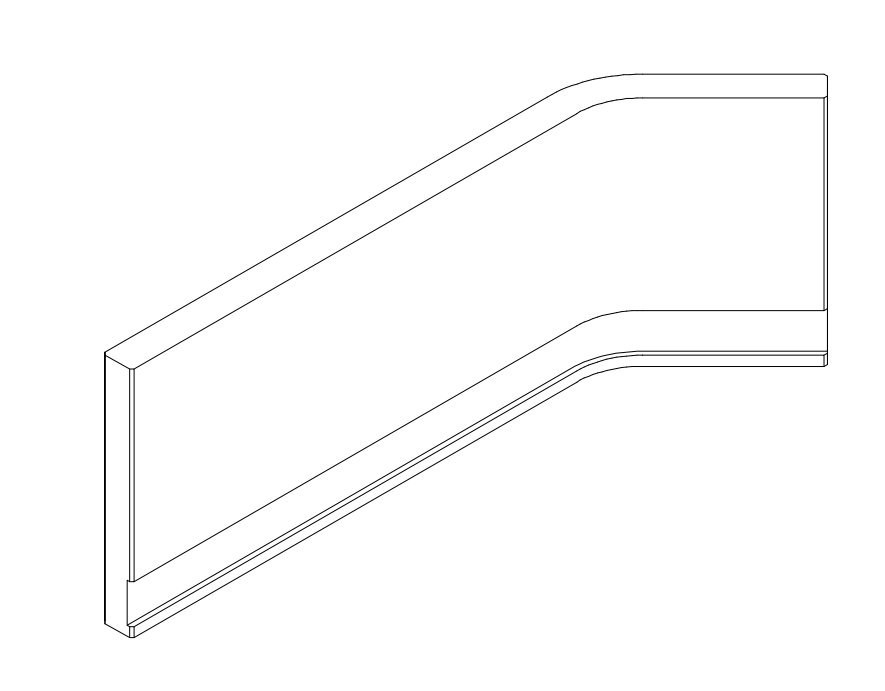
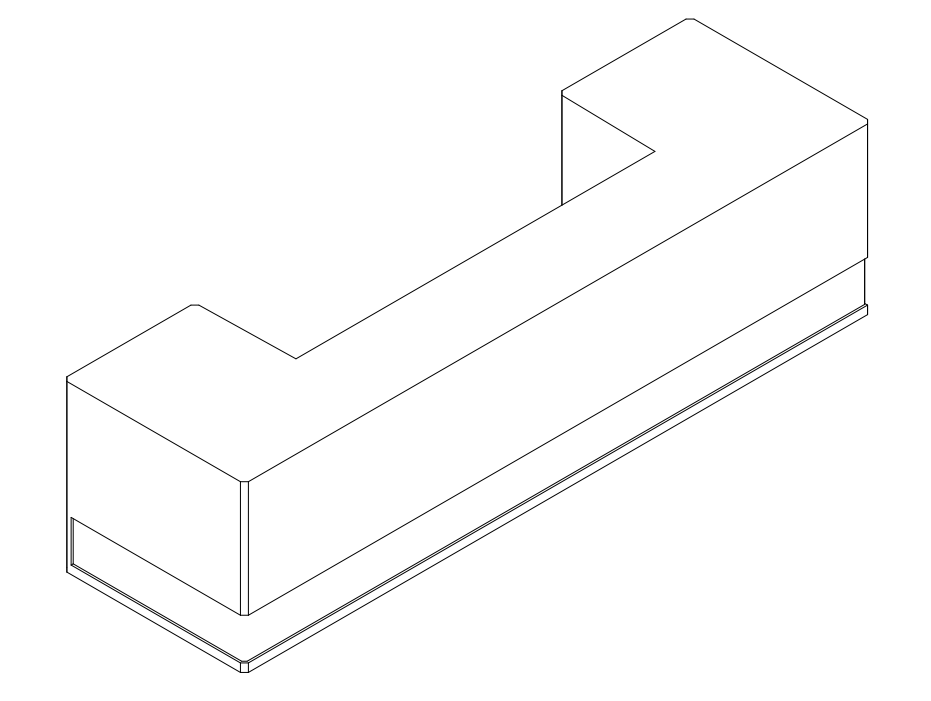
  • VARIOUS SPANDREL PROFILES

    • Spandrel profiles are designed based on architectural aspects on Elevation purpose.
    • When doing this kind of profiles, it’s challenging and more interesting to achieve.
    • And also, it will help to improve our drawing knowledge and skill.
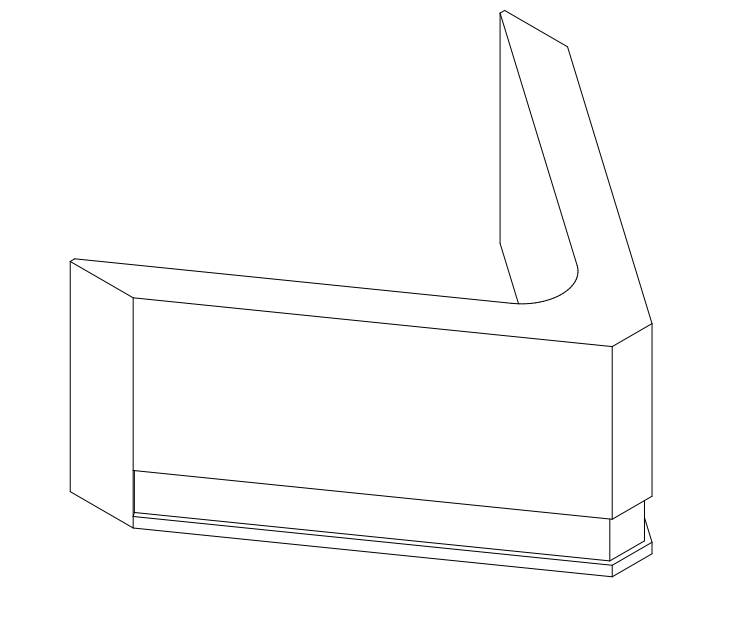
    • We handled and come across different types of precast spandrel profiles as per below,
    1. Spandrel with straight profile
    2. Spandrel with curve profile
    3. Spandrel with curve & triangle profile
    4. Spandrel with L shaped profile
    5. Spandrel with U shaped profile
    6. Spandrel with V shaped profile
    7. Beam type spandrel1. Spandrel with straight profile (Ref. Fig.01)

    Fig.01

    2. Spandrel with curve profile (Ref. Fig.02)

    Fig.02

    3. Spandrel with curve & triangle profile (Ref. Fig.03)


    Fig.03

    4. Spandrel with L shaped profile (Ref. Fig.04)

    Fig.04

    5. Spandrel with U shaped profile (Ref. Fig.05)

    Fig.05

    6. Spandrel with V shaped profile (Ref. Fig.06)

    Fig.06

    7. Beam type spandrel (Ref. Fig.07)

    Fig.07

  • TYPES OF CRANES FOR PRECAST BUILDING CONSTRUCTION

    About Crane:

    Cranes are used for loading and unloading the precast walls on yard or site. Each precast walls or components are usually large and heavy weight, so cranes are required to lift them. And also, cranes are easily done when set the precast position while erecting on site. It will help to reduce manpower and cost of precast wall lifting and also to reduce construction time delay.

    We mainly used two types of cranes on both factory and site.

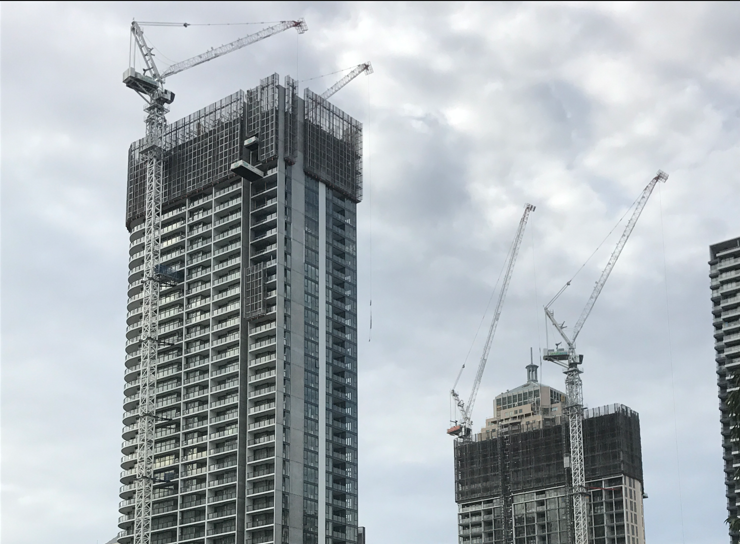
    1. Tower crane (Ref. Fig 01)
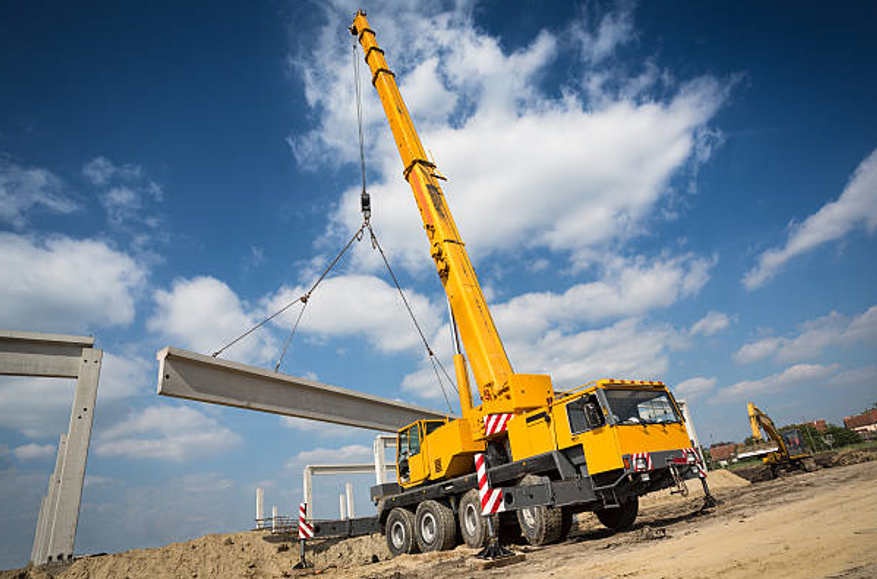
    2. Mobile crane (Ref. Fig 02)

      1. Tower Crane:
    • For precast construction the tower cranes are playing major role to handle precast walls in the yard and also during erection on site.
    • It’s mainly used for multi storied building construction.
    • Tower cranes are inbuilt on site. So, safety, selection, placement, and reliability of tower cranes are very important to completion of Precast buildings on time.
    • It is proven to be safe, long lasting and very fast in construction
    • The big issue is wind acting on the tower crane. The small collision may lead to big accidents or damage the precast elements and also delay in completion of job. So, while fixing the tower crane we need to fix in proper placement to avoid unwanted damages and waste of cost.
    • Tower cranes are fixed on site so it can’t be moved to one place to another.
    • Tower crane is used to multi-levels building’s to lifting the panels from ground floor to needed level. But it has limitations to cover wide area.


    Fig.01

    2. Mobile crane:

    • Mobile cranes can be used to lift, carry, and place materials in many applications.
    • For tilt-up construction jobs can be completed quickly, accurately, and safely.
    • Sometimes mobile cranes are help for tower cranes to rotate and move the precast walls from truck or site.
    • It will also help for loading and unloading the precast walls from the truck.
    • The wind energy will not affect while lifting precast walls when compared to tower cranes.
    • Mobile cranes are movable. So, if we need to move any other places it is easy.
    • And it’s used for mainly single-story building construction.
    • It is compact in size so it’s can’t occupy more place on site.
    • Compare to tower crane we can’t use this crane for multi-levels building. But it’s used to cover the wide range of area on site.

    Fig.02

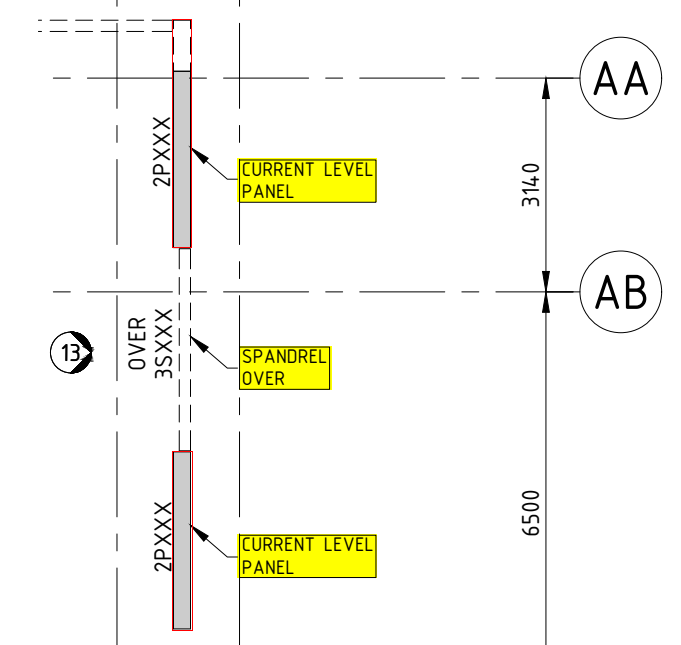
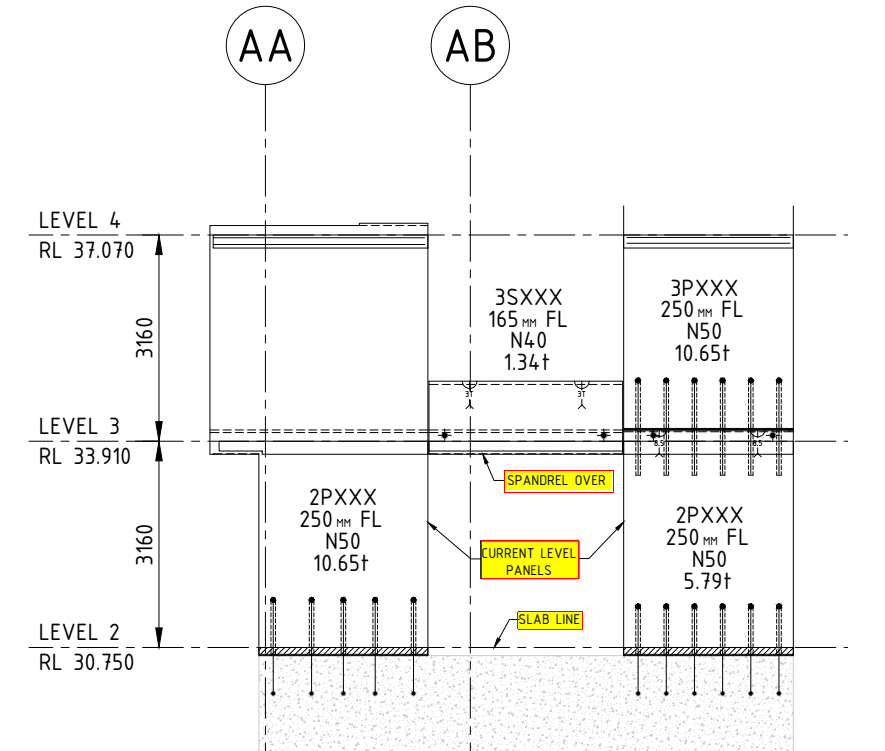
  • PURPOSE OF SPANDREL OVER ON MARKING PLAN

    • When preparing marking plans, we need to show all spandrels set-outs on the plan layout that are fixing into the slab over. (Refer Fig.01 & 02)
    • It will help to find out which spandrel comes at level above.
    • While scheduling the current level panels, mean time it will helps to scheduling the above level spandrels.
    • And, it will help to manufacturing and erecting the spandrels with lower-level panels at same time.
    • For site crews, they also aware when pouring slab and erecting panel sequence without any time delay on site with reference marking plan.
    • It will reduce time consumption to plan for both manufacturing and erecting panels.
      Fig. 01 (Snap for Reference Marking Plan)


    Fig. 02 (Snap for Reference Elevation)