Author: GH

  • Bathroom Pods — The Future of Modular Construction, Powered by LGS

    Bathroom Pods — The Future of Modular Construction, Powered by LGS

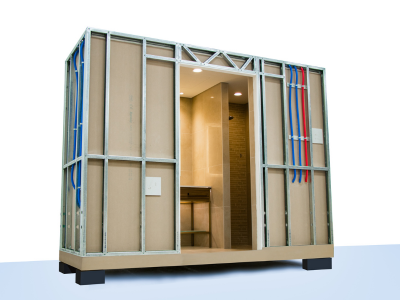
    Tek1 introduces Light Gauge Steel (LGS) Bathroom Pods — a complete, prefabricated, and installable bathroom solution designed to bring unmatched speed, accuracy, and reliability to your construction projects. Manufactured off-site in a quality-controlled environment, these pods arrive fully finished and ready to connect, minimizing on-site work and maximizing efficiency.

    ⚙️ What is a Bathroom Pod?

    A bathroom pod is a self-contained, factory-built unit that includes all the essential components — toilet, shower, vanity, plumbing, and electrical connections — ready to be installed directly into the building. Using LGS framing, these pods are lightweight yet robust, making transport, installation, and long-term performance seamless.

    🚀 Why Choose Tek1 LGS Bathroom Pods?

    Our pods are crafted using Scottsdale’s automated LGS technology, ensuring precision-built steel frames within ±0.5 mm accuracy.
    Each pod is detailed and engineered using the same AutoCAD layout received from the client, eliminating dimensional mismatches and design rework.

    Key Benefits:

    • Off-site fabrication = faster project delivery
    • Consistent quality with factory-controlled manufacturing
    • Fire, pest, and corrosion resistance
    • Easy installation and minimal site disruption
    • Design flexibility to match your project’s aesthetics
    • Ideal for apartments, hotels, hospitals, student housing & modular projects

    🧰 Tek1 Advantage:

    • Design-to-Delivery Workflow: From client sketches or CAD layouts to final installation.
    • Fast-Track Detailing: Complete LGS detailing and reports within a day for smaller pods or shed frames.
    • On-Time Documentation: Approval drawings, fabrication files, and reports delivered efficiently.
    • Scalable Solutions: Start small, scale big — from site cabins and temporary sheds to fully integrated modular bathrooms.

    🌍 Applications:

    • Apartments & Multi-story buildings
    • Hotels & Resorts
    • Hospitals & Healthcare facilities
    • Student accommodations & Hostels
    • Remote sites, labor camps, and container units
    • Portable cabins and prefab sheds

    🧩 Simple Installation:

    Each Tek1 bathroom pod arrives on site fully assembled and pre-plumbed — ready to “plug and play.” Just position, connect to services, and it’s ready for use. With minimal on-site labor and reduced coordination hassles, you save both time and cost.
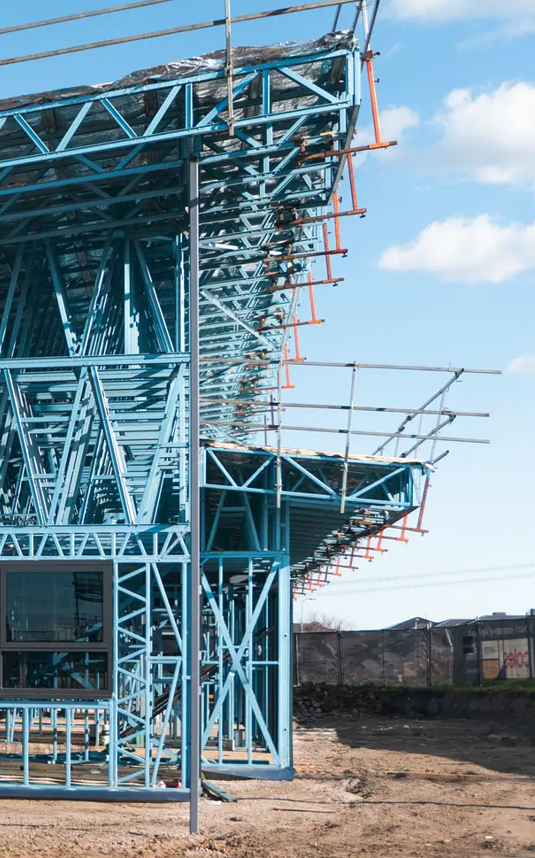
  • Transforming Construction Efficiency with LGS Bathroom Pods

    Transforming Construction Efficiency with LGS Bathroom Pods

    In today’s construction world, speed, precision, and consistency are no longer optional — they’re essential for achieving construction efficiency.

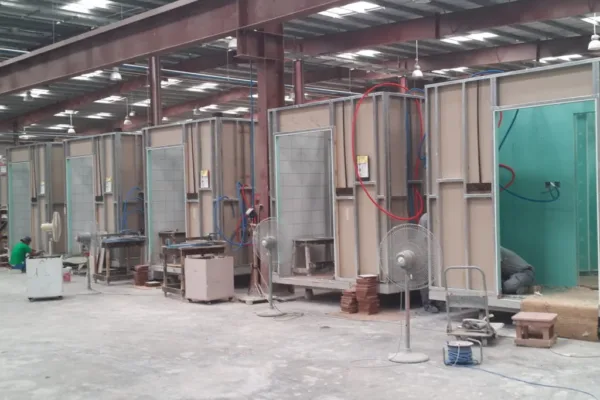
    I’ve seen firsthand how Tek1’s approach is redefining the process. Instead of building bathrooms on-site, we now build them inside a precision-controlled manufacturing setup — where every frame, fixture, and finish is handled with engineering accuracy, improving construction efficiency considerably.

    Using Scottsdale’s advanced LGS framing system, Tek1 produces lightweight yet incredibly durable bathroom modules — all designed for plug-and-play installation. These features enhance construction efficiency with LGS bathroom pods significantly, meeting modern demands.

    Each pod starts as a concept and moves seamlessly through AutoCAD detailing and 3D DXF modeling, before reaching the production stage. Every step is digitally linked, ensuring precision that traditional methods simply can’t match. Thus, construction efficiency with LGS bathroom pods achieves unparalleled quality assurance.

    Why LGS Bathroom Pods Work:

    1. Speed of Construction: Built off-site, installed on-site in hours.
    2. 🧱 Quality Assurance: Factory-controlled builds ensure consistent finish, enhancing efficiency.
    3. 👷‍♂️ Reduced Labor: Replaces up to 12 trades with one complete module.
    4. 🎨 Design Flexibility: Fully customizable in layout, fixtures, and finishes.
    5. 🌱 Sustainability: Minimal waste, fully recyclable steel frames.

    Commitment:

    Our goal has always been simple — to build smarter.
    Whether it’s a single bathroom pod, a portable cabin, or a modular complex, the team’s expertise in LGS detailing and engineering ensures construction efficiency with these bathroom pods, faster timelines, better quality, and predictable outcomes. Construction efficiency with LGS bathroom pods translates to a paradigm of building cleaner, faster, and smarter than ever before.

    It’s a new way of thinking — combining technology, design, and manufacturing precision to make construction cleaner, faster, and smarter.

    Closing:

    The future of construction is modular — and LGS Bathroom Pods are leading that transformation.

    Storyteller’s Note — by Priyan Gandhi:
    Every great build starts with a smarter idea.
    If modular precision inspires you like it does us, let’s connect.
    Together, we can shape the future of construction — one pod at a time.

  • Why Detailing is the Hidden Hero of Zero-Error Projects

    Why Detailing is the Hidden Hero of Zero-Error Projects

    When people admire a perfectly built structure, they rarely see the detailing behind it — the hundreds of micro-decisions that make “zero-error” projects possible.
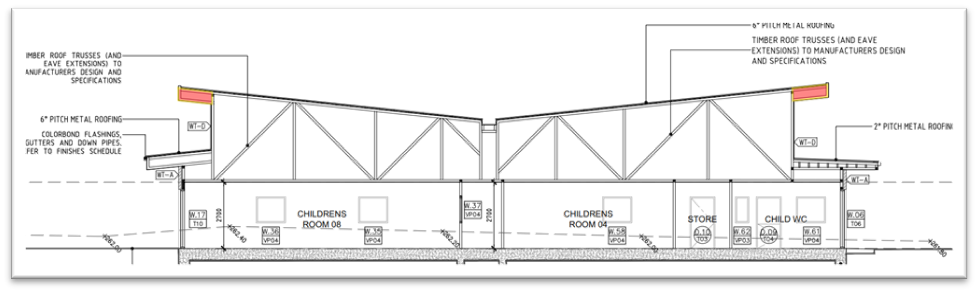
    In one of our recent projects, a simple roof overhang turned into an unexpected test of coordination, precision, and creative problem-solving.

    The Challenge — Roof Overhang Dilemma

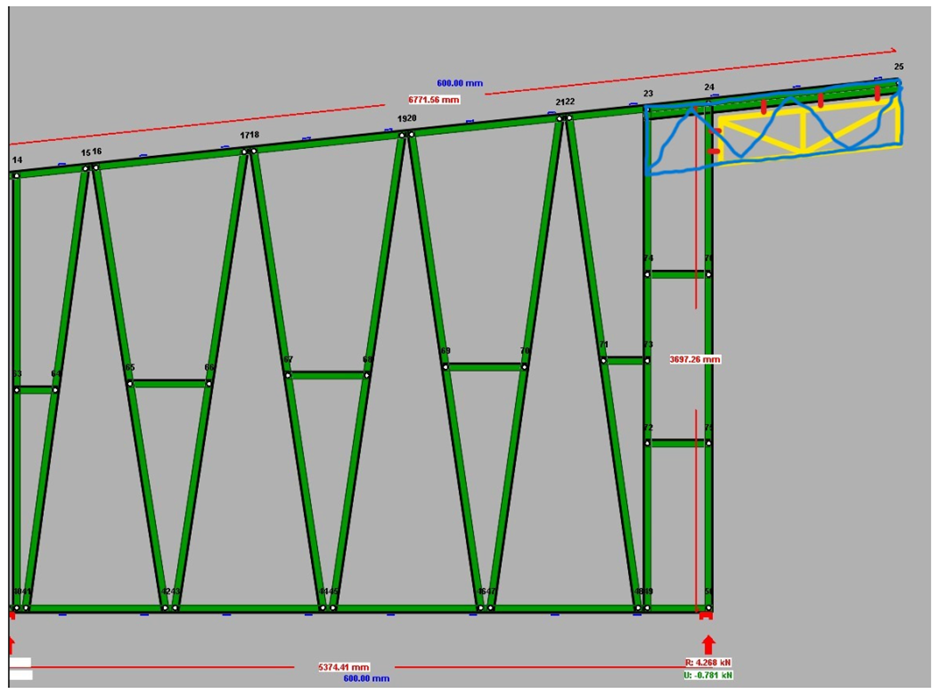
    The project had a roof overhang of 1450mm length and 450mm depth, designed to be done with LGS framing.

    While this may sound straightforward, the reality was far from it — the overhang design needed to balance aesthetic, transport, and structural limits all at once.

    My First Approaches

    I explored three options for solving the problem:

    1. Double Top Chord Approach
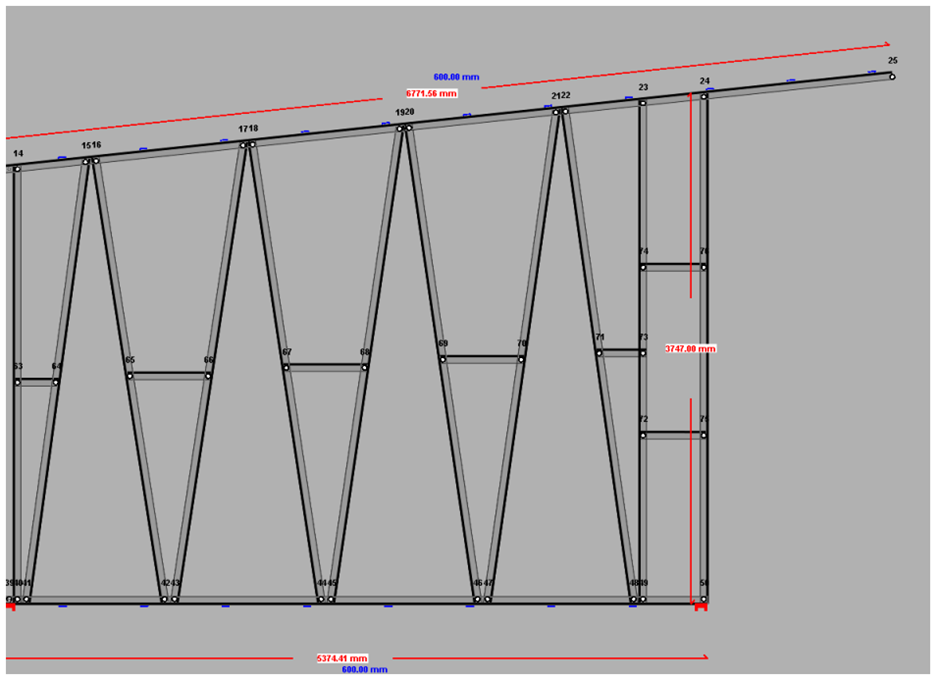
      I doubled the top chord to allow a separate fixing for the Overhang during installation.
      (This option seemed viable — simple, yet effective.)

    2 . Extended Top Chord Approach
    I extended the top chord to carry the soffit, allowing on-site fixing flexibility.
    (Good for design, but not effective and required transport consideration.)

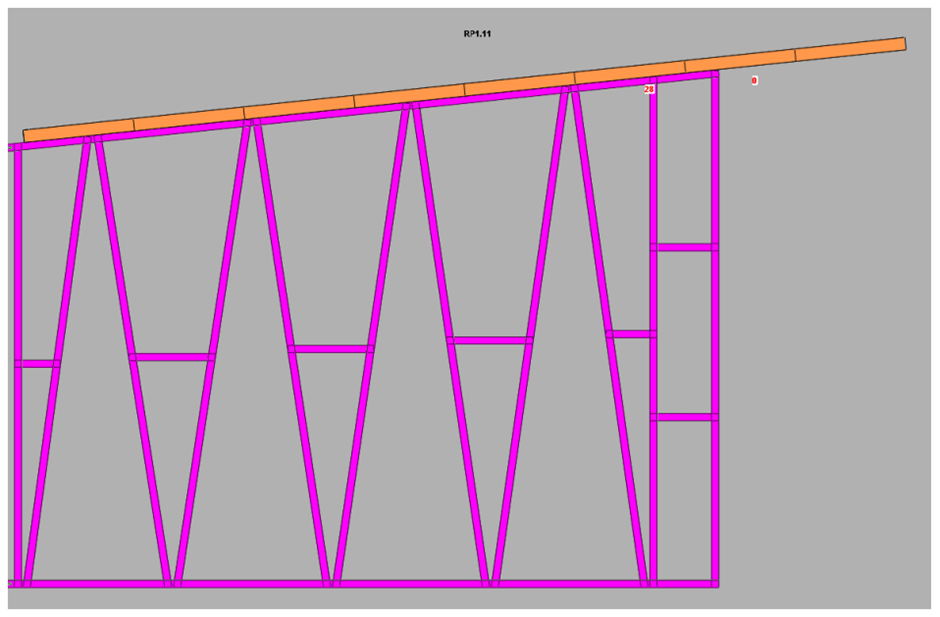
    3 . Trimmed Top Chord + Roof Panel Approach
    Here, I trimmed the top chord to align with the truss heel, added a roof panel, and extended it to the overhang — ensuring a neat soffit installation later.
    (Structurally solid, but introduced additional material use.)


    Client Collaboration — The Turning Point

    After reviewing my proposal, the client replied:

    “The issue with the eave bit sticking out is that it creates transport challenges, so we’d prefer to avoid overhangs altogether.
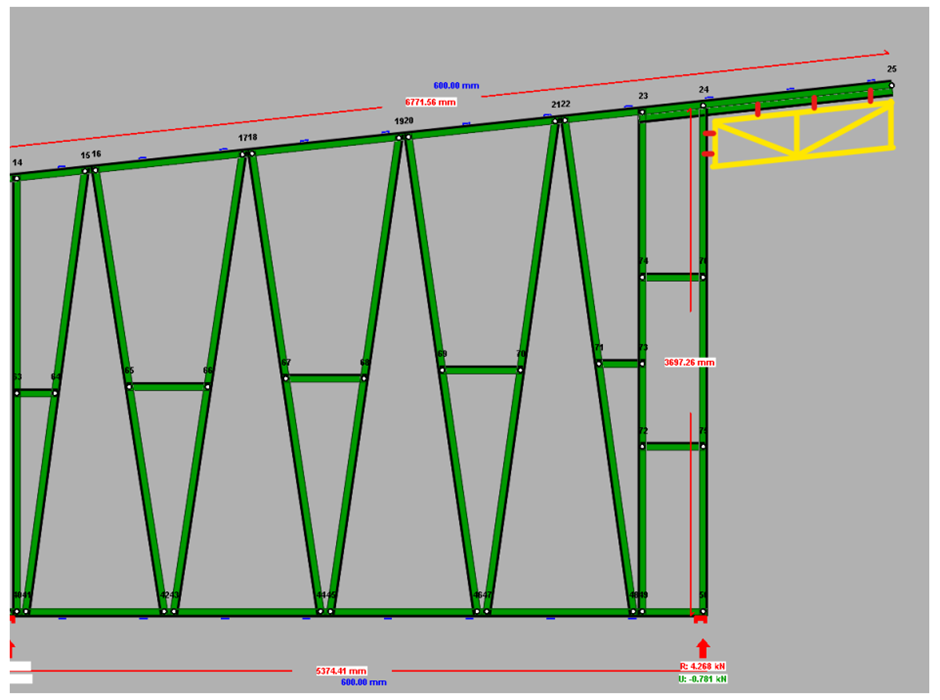
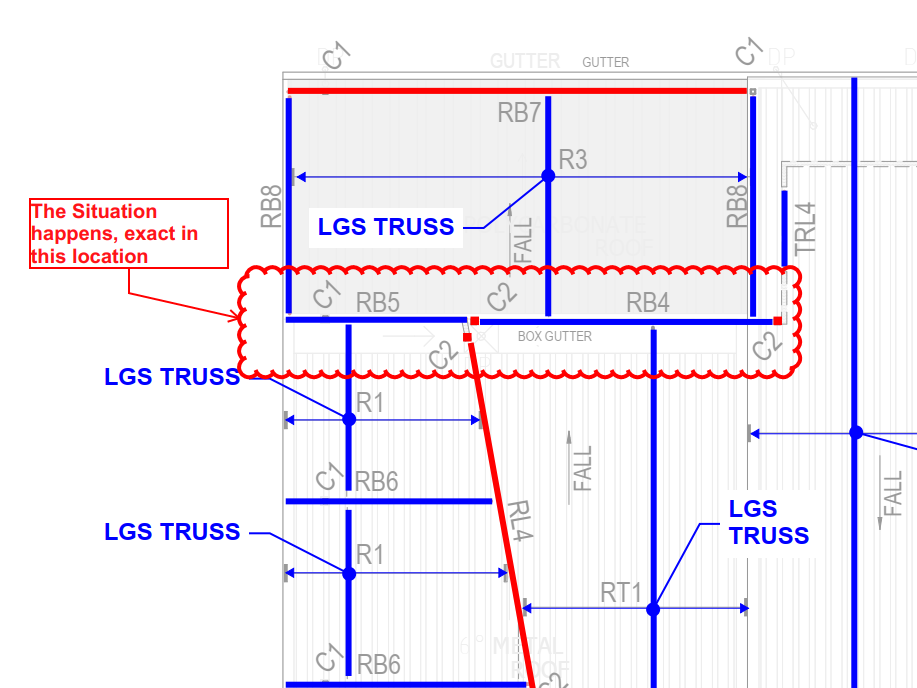
    Would it be possible to design the truss as shown in the attached image — with the blue section as a separate truss fixed on-site and the green truss cut to receive it?”

    That feedback led to the best possible outcome — a practical, transport-friendly solution without compromising design intent.


    The Result — From Coordination to Perfection

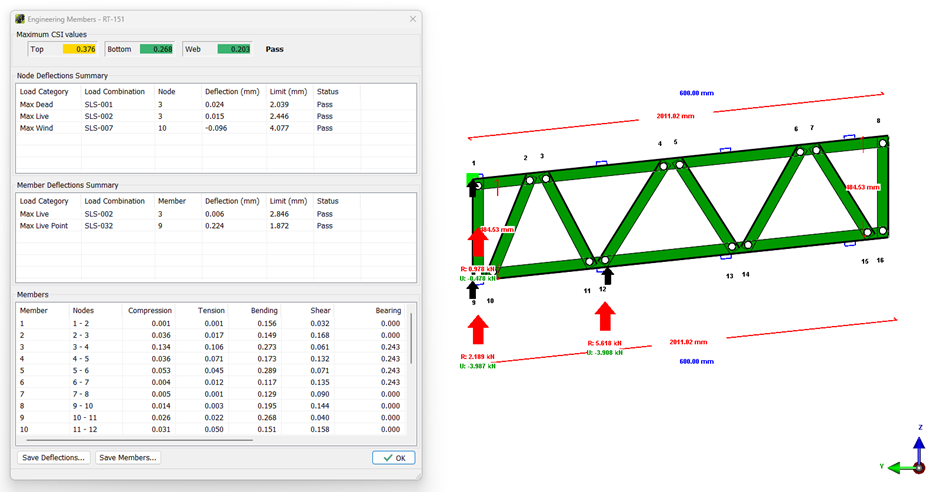
    I incorporated the proposed changes into the model, checked the load transfer through truss engineering, and validated every connection.

    The on-site erection went smoothly — no clashes, no rework, no errors.


    Lessons Learned

    This project reinforced one key truth:

    Detailing is not just drawing lines — it’s engineering foresight in action.

    Every “minor” RFI, every sketch review, and every coordination call contributes to something bigger — a zero-error build that saves time, cost, and credibility on site.


    I believe coordination and detailing excellence turn complex designs into effortless builds.

    If you’ve faced a similar challenge or want to see how our detailing approach ensures precision from model to site — let’s connect.

    Priyan Gandhi
    LGS Detailer, TEK1 Pty Ltd


  • When an LGS Truss Isn’t Enough : Why We Replaced It with a Hot Rolled Steel Beam

    When an LGS Truss Isn’t Enough : Why We Replaced It with a Hot Rolled Steel Beam

    Introduction – The Hidden Challenge

    Would you choose safety over deadlines if your truss design failed?

    On a recent project, I faced this exact situation. What began as a standard detailing exercise turned into a real test of structural limits, client expectations, and project timelines.

    1️⃣ The Problem – Missing Structural Member

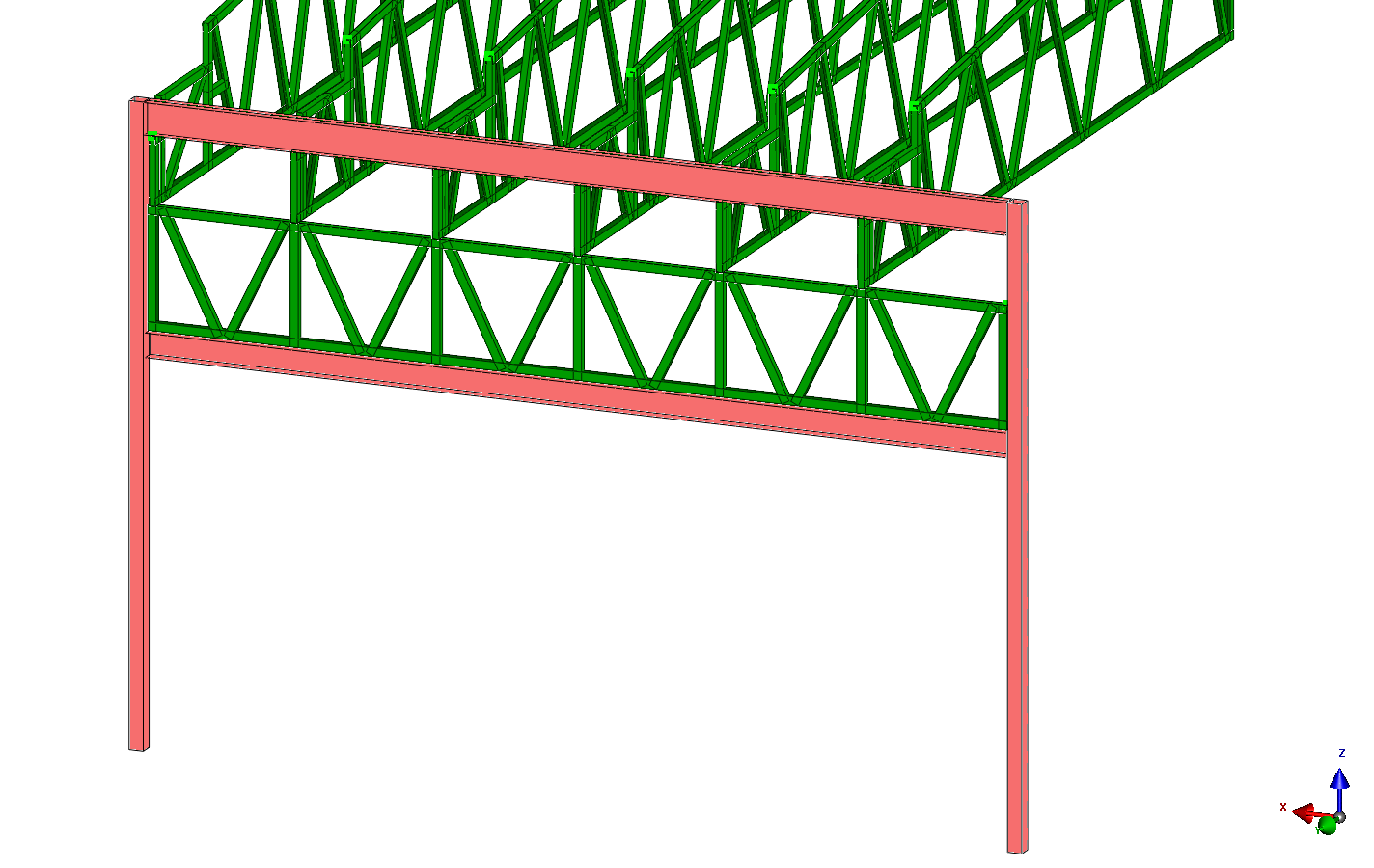
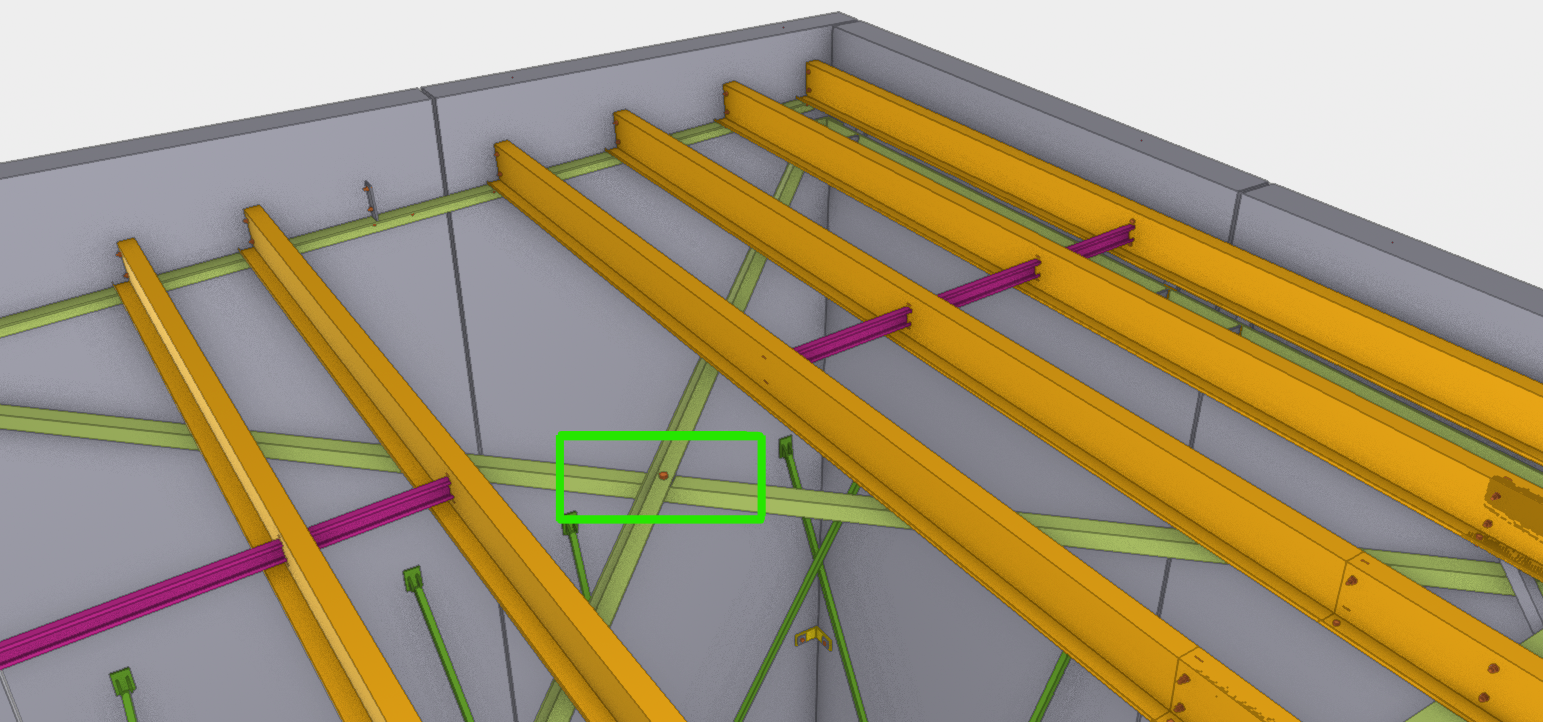
    The original structural drawings didn’t specify any steel member in a critical load path.
    👉 So, we designed a 2-inch top hat LGS truss and tested it with truss engineering software.

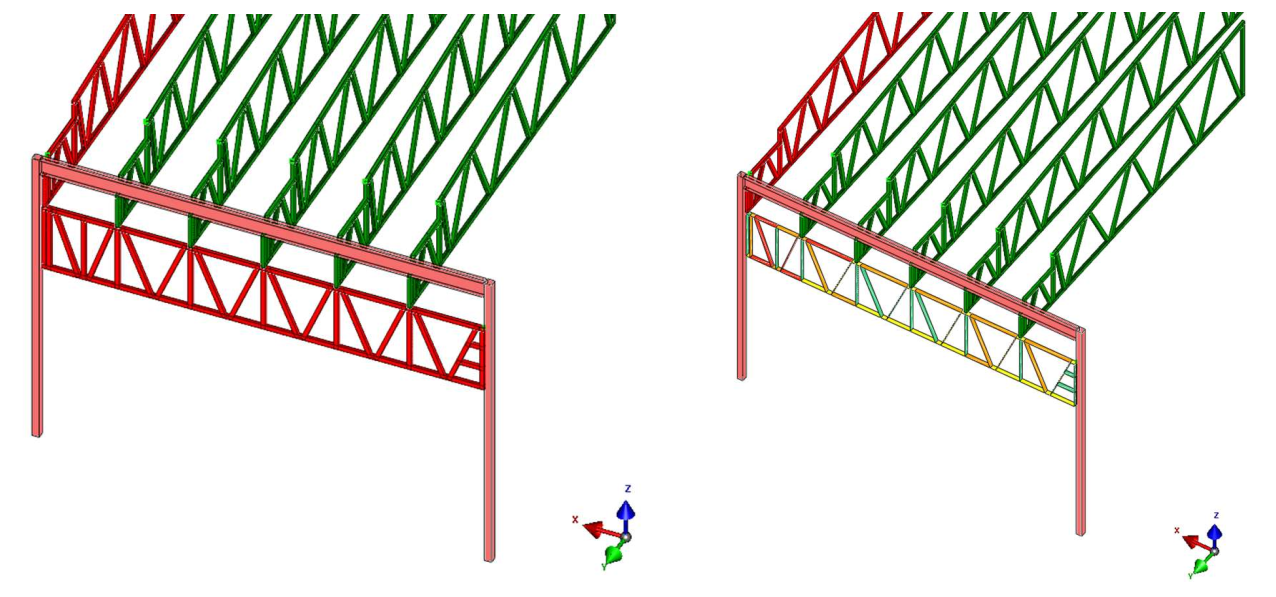
    But this truss had a bigger responsibility: it sat under seven roof trusses, carrying their combined load.

    Even after reorienting webs and adding reinforcements, the truss kept failing.

    2️⃣ The Risk – Why It Failed

    The lightweight section simply wasn’t enough for the load path.
    If left uncorrected, this would have caused:
    ❌ Roof instability
    ❌ Unsafe installation on site
    ❌ Expensive rework

    3️⃣ The Solution – Switching to a Hot Rolled Steel Beam

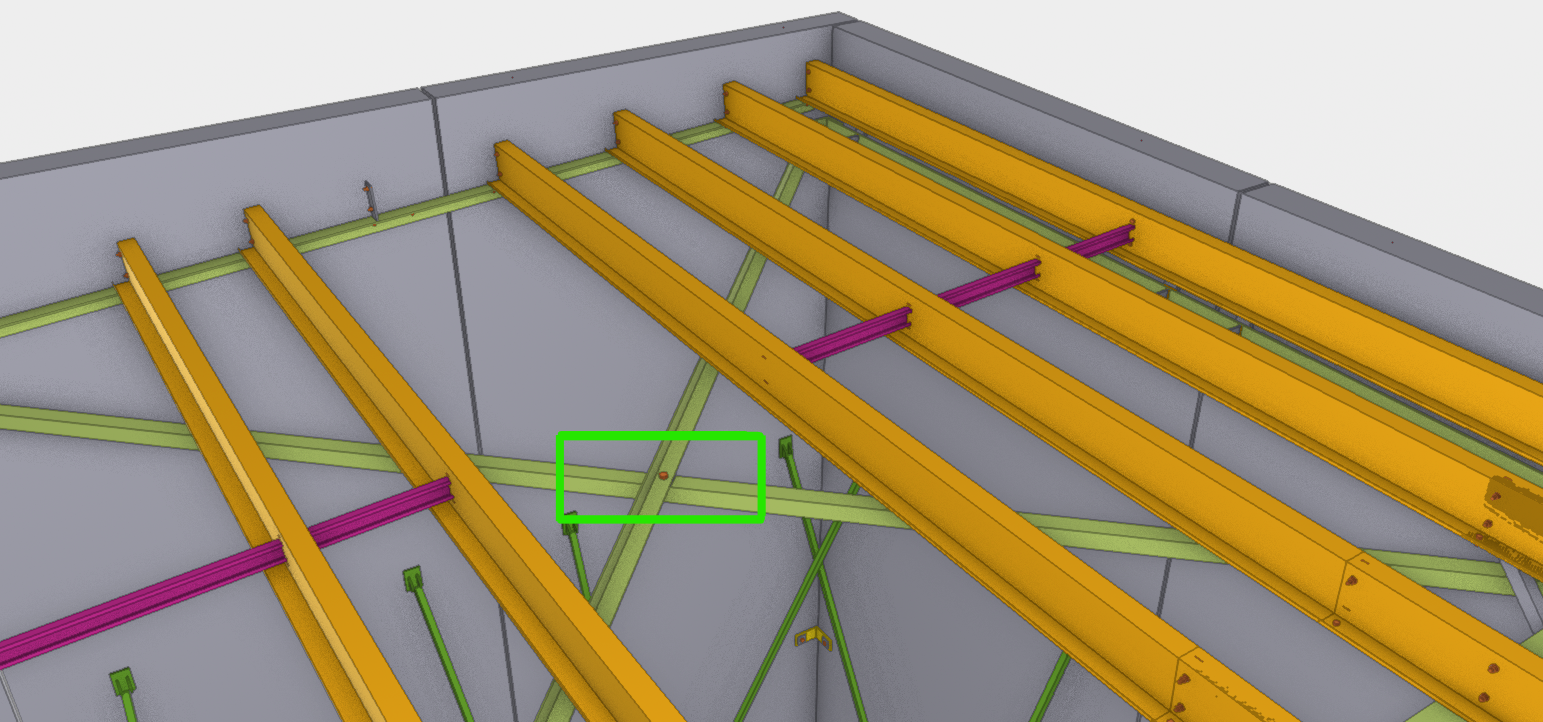
    Instead of forcing a weak solution, I raised an RFI and proposed using a Hot Rolled Steel Beam.

    This solved multiple issues at once:
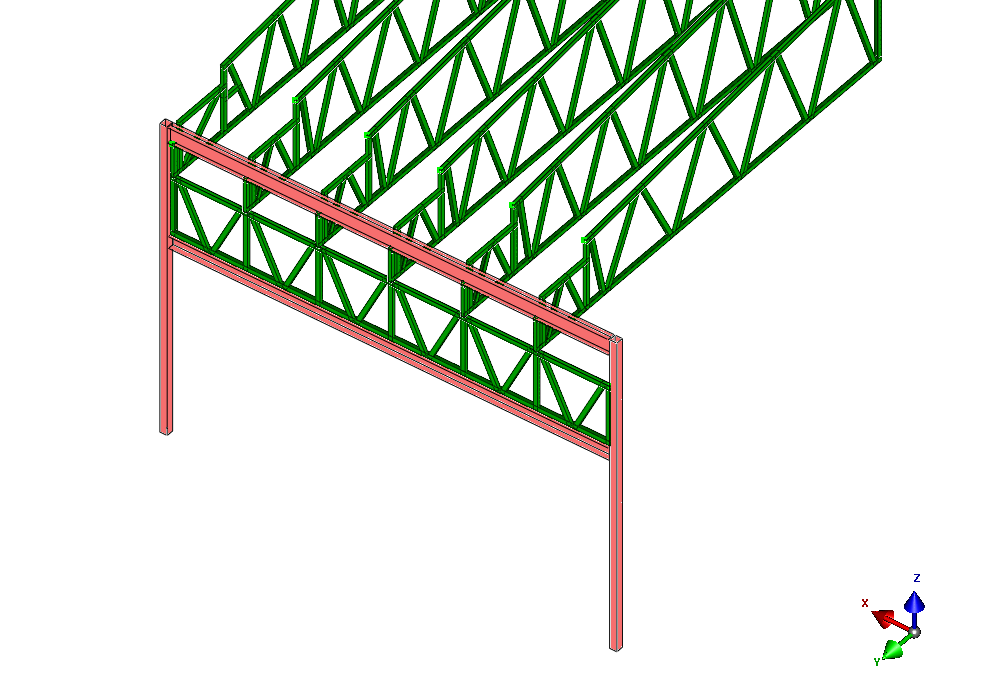
    ✅ The truss could sit on the beam
    ✅ Loads transferred clearly from Roof → Truss → Steel Beam → Columns
    ✅ The beam doubled as a door opening header

    Got Approval from Client

    4️⃣The Hidden Cost of Such Situations

    Here’s the part nobody talks about:

    • The client got a stronger, safer structure — but we absorbed extra costs and faced blame for delay.
    • This type of deep analysis and truss engineering wasn’t factored into the initial quote timeline.
    • If it was quoted as a 1-week job stretched much longer due to RFIs, redesign, and steel conversion.

    5️⃣Lessons for Every Project

    This project taught us an important truth:

    👉 Sometimes LGS detailing alone cannot solve every load scenario.
    👉 Clients must also recognize the value of RFIs, engineering checks, and redesigns to avoid unsafe or delayed outcomes.

    For detailers and builders alike, this is a reminder that engineering isn’t just drawing lines — it’s about ensuring real-world performance.

    Closing Thoughts

    In the end, the client got a zero-compromise roofing system. But the journey reminded us: strong detailing means asking hard questions and proposing better solutions, even when it’s outside the original scope.

    If you’ve faced similar detailing dilemmas — where LGS meets its limit — let’s connect. I’d be glad to share how careful coordination can prevent costly site surprises.

    Priyan Gandhi
    LGS Detailer, TEK1 Pty Ltd

    💬 Have you faced this kind of detailing challenge? Comment below.

  • RFI to Reality: The Coordination Journey of Aspire Mickleham

    RFI to Reality: The Coordination Journey of Aspire Mickleham

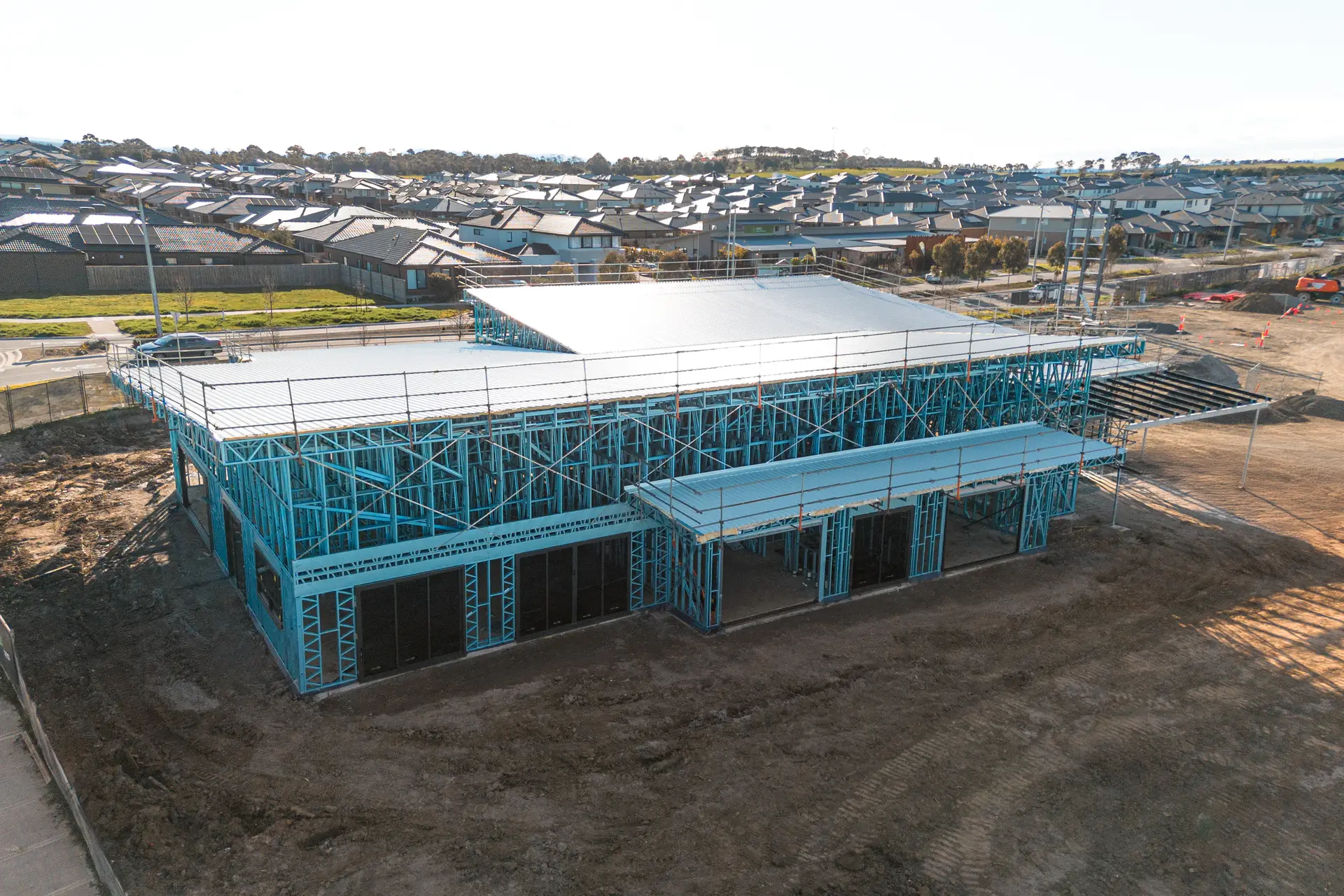
    When people look at the Aspire Mickleham Childcare Centre today, they see a bold design and complex roof structure. But what they don’t see is the weeks of questions, clarifications, and coordination that turned a challenging concept into a buildable reality.

    As the detailer on this project, I had the privilege of leading that journey from RFI to reality.

    Asking the Right Questions

    Every RFI (Request for Information) was a chance to uncover something critical. Far from being “extra paperwork,” they became the backbone of accuracy.

    Some of the key clarifications included:

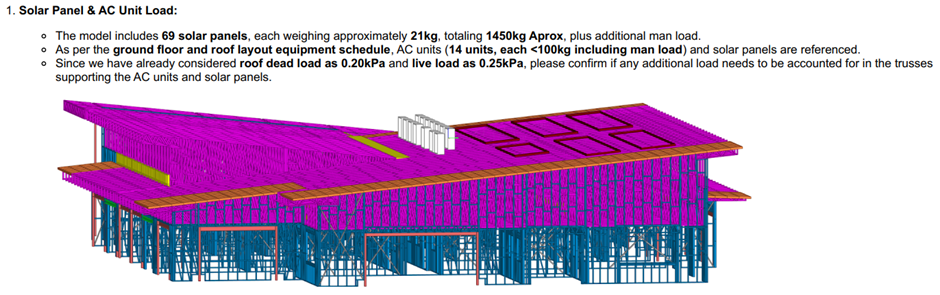
    • Solar Panel & AC Unit Load: Confirming the additional loads (approx. 1450kg from solar panels + AC units) and ensuring trusses were engineered accordingly.
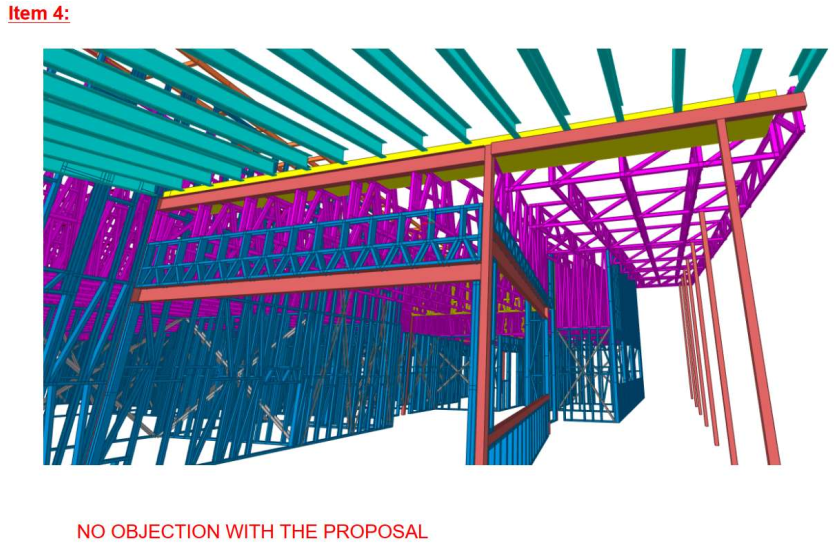
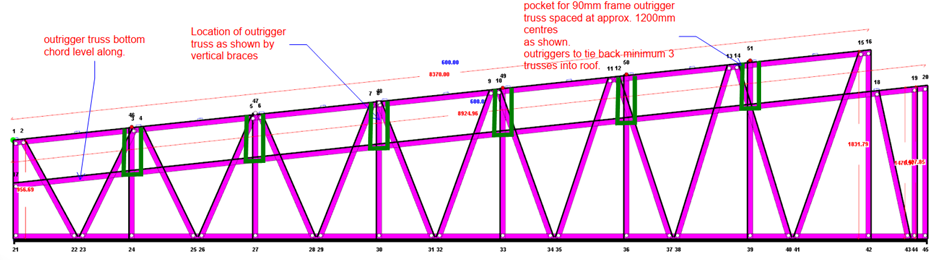
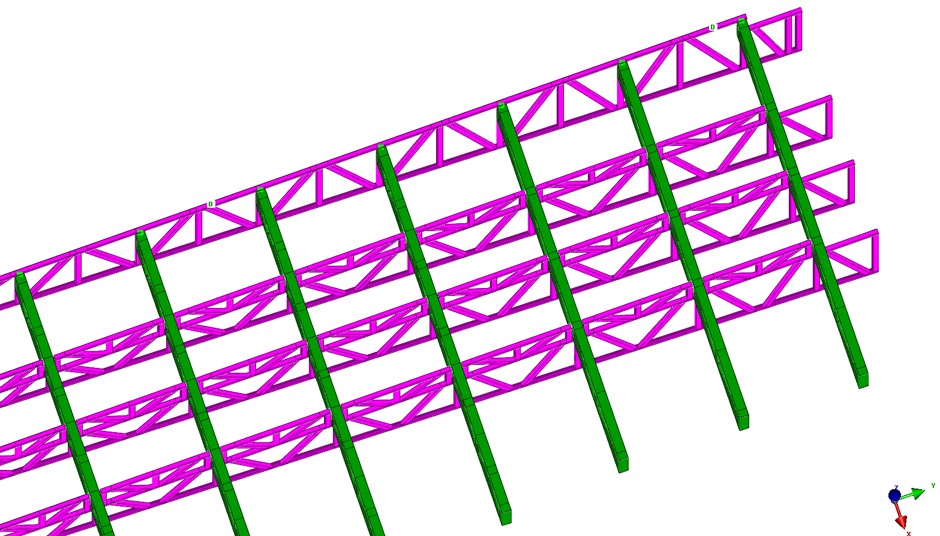
    • Cavity in Truss: Adjusting designs to receive and hold perpendicular trusses as per client sketches.
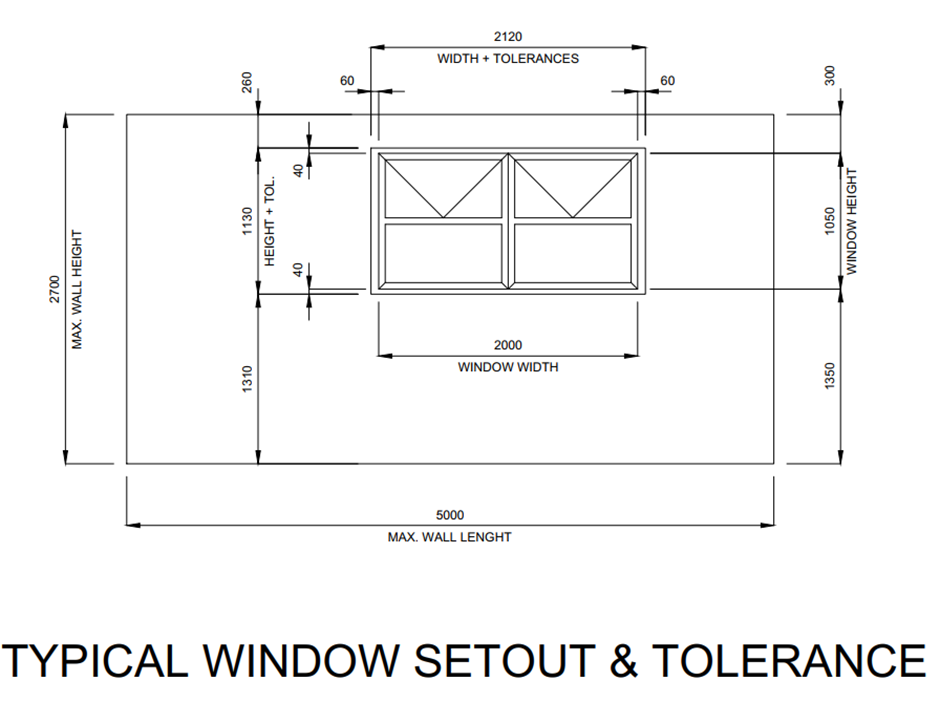
    • Opening Tolerance: Using a standard CAD template to confirm values and avoid site confusion.
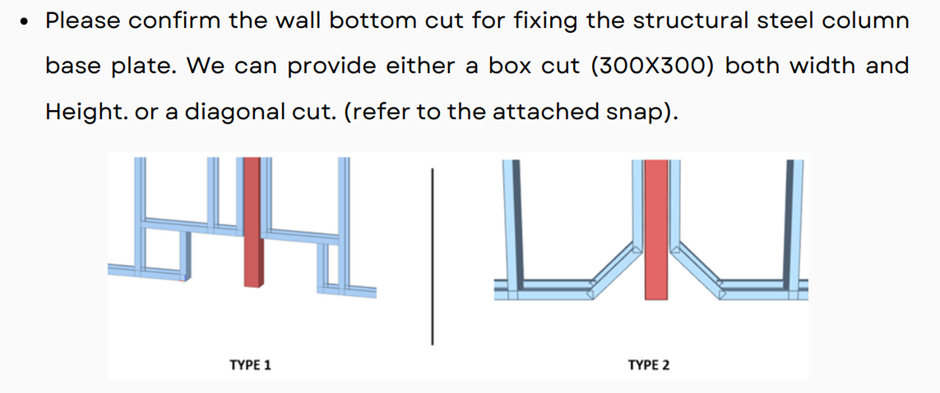
    • Zero Wastage Detailing: Requesting RFIs for baseplate cut-outs and fixing strategies to avoid rework and material waste on site.
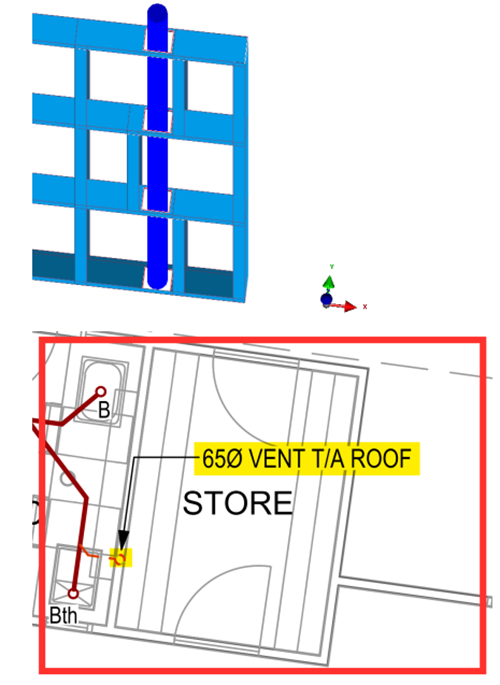
    • Plumbing pipe cutout in walls to avoid wastage

    Each question was about more than just an answer — it was about preventing future problems.


    From Model to Site – Zero Errors

    The best part of this journey came when the frames finally reached site:
    ✔️ No clashes.
    ✔️ No cutting or rework.
    ✔️ Every frame and truss installed as detailed.

    That’s when all the late-night checks and careful RFIs paid off.

    Lessons Learned

    For me, Aspire Mickleham reinforced one truth:
    👉 Great projects are always built twice — first in detailing, then on site.

    RFIs aren’t obstacles. They are opportunities to make a design smarter, safer, and truly buildable. Without them, risks multiply. With them, complexity becomes precision.

    Closing Thoughts

    This project wasn’t just about steel frames — it was proof that coordination can transform complexity into a zero-error success.


    Behind every great project is detailing that asks the right questions.
    If you’ve faced RFI challenges or detailing issues on site,
    I’d love to hear your story — and share how we solved ours at Aspire Mickleham.

    Priyan Gandhi
    Light Gauge Steel Detailer, TEK1 Pty Ltd.


  • How to Overcome Transportation Limits in Large Truss Projects

    How to Overcome Transportation Limits in Large Truss Projects

    In large-span steel projects, the challenge isn’t always about strength or design — it’s about logistics. Transport regulations often cap dimensions at 12m length x 2.6m width, meaning oversized trusses designed in software can’t physically reach site in one piece.

    At the Aspire Mickleham Childcare Centre project, I faced exactly this issue with trusses reaching 26.6m wide and 3.8m high. Without careful detailing, these trusses would have been impossible to transport.

    Turning Constraints into Smart Detailing

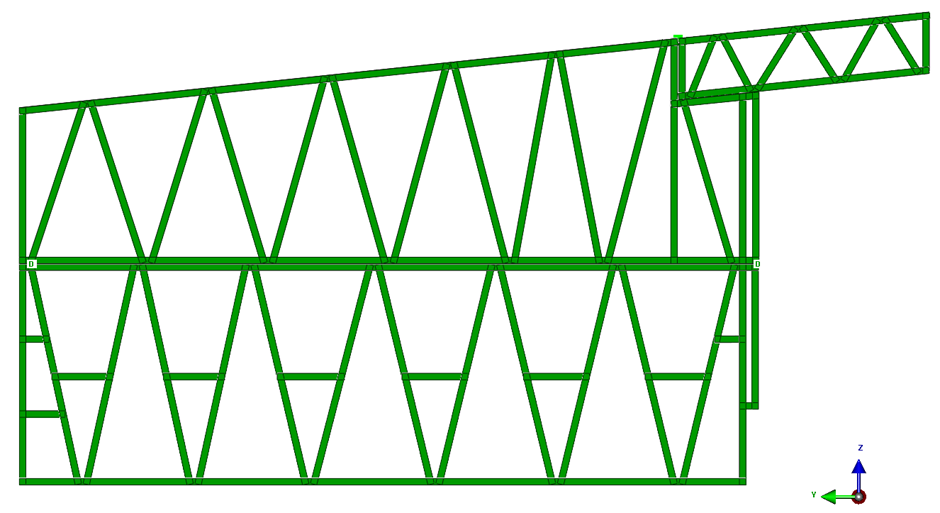
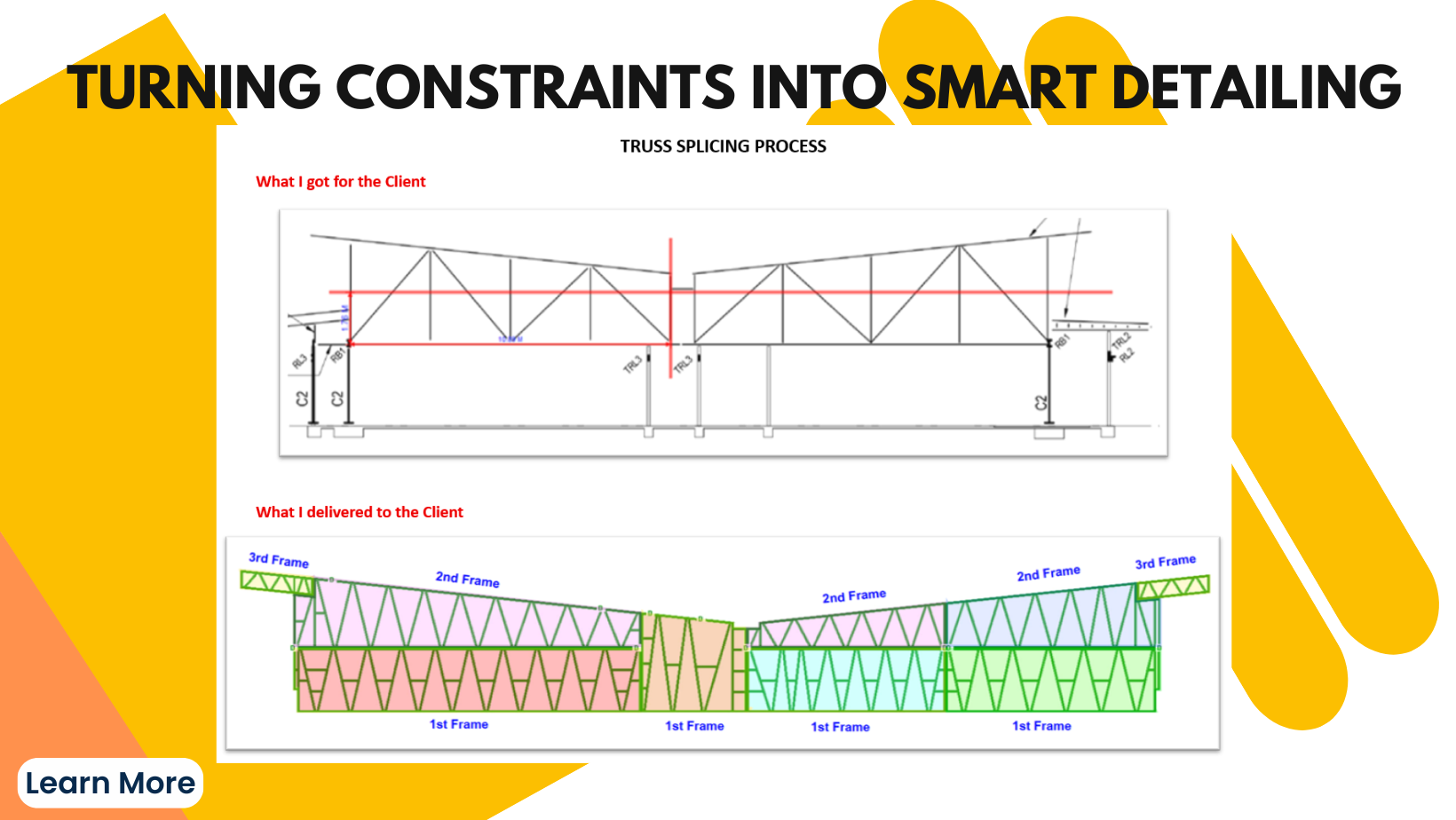
    We introduced splice points at logical structural positions, allowing the massive trusses to be split into transportable modules.

    Every splice was carefully designed so that the full structural load transferred seamlessly across the joints, ensuring strength was never compromised.

    By breaking trusses into modules, each unit fit within transport limits — making delivery simple and compliant.

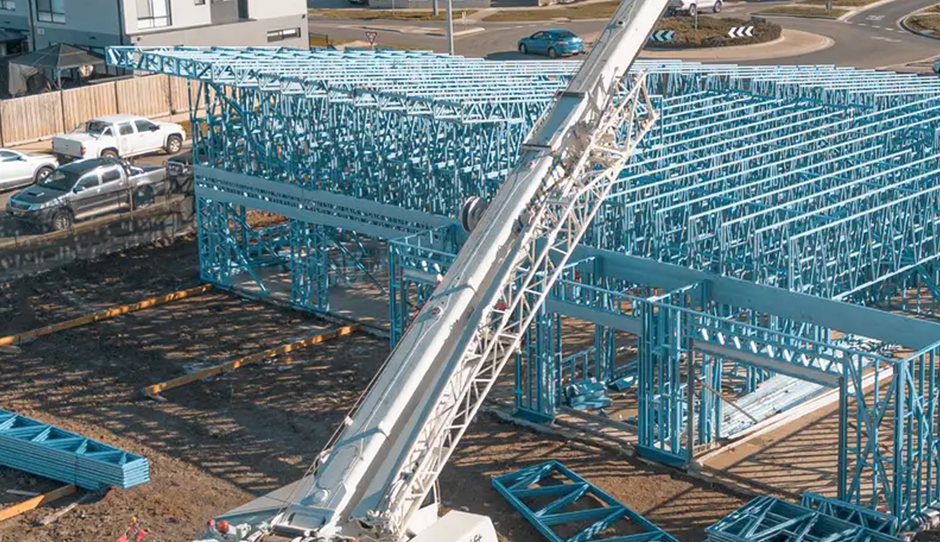
    Detailed erection drawings guided the crane lifting and reassembly process, ensuring safe and efficient on-site construction.

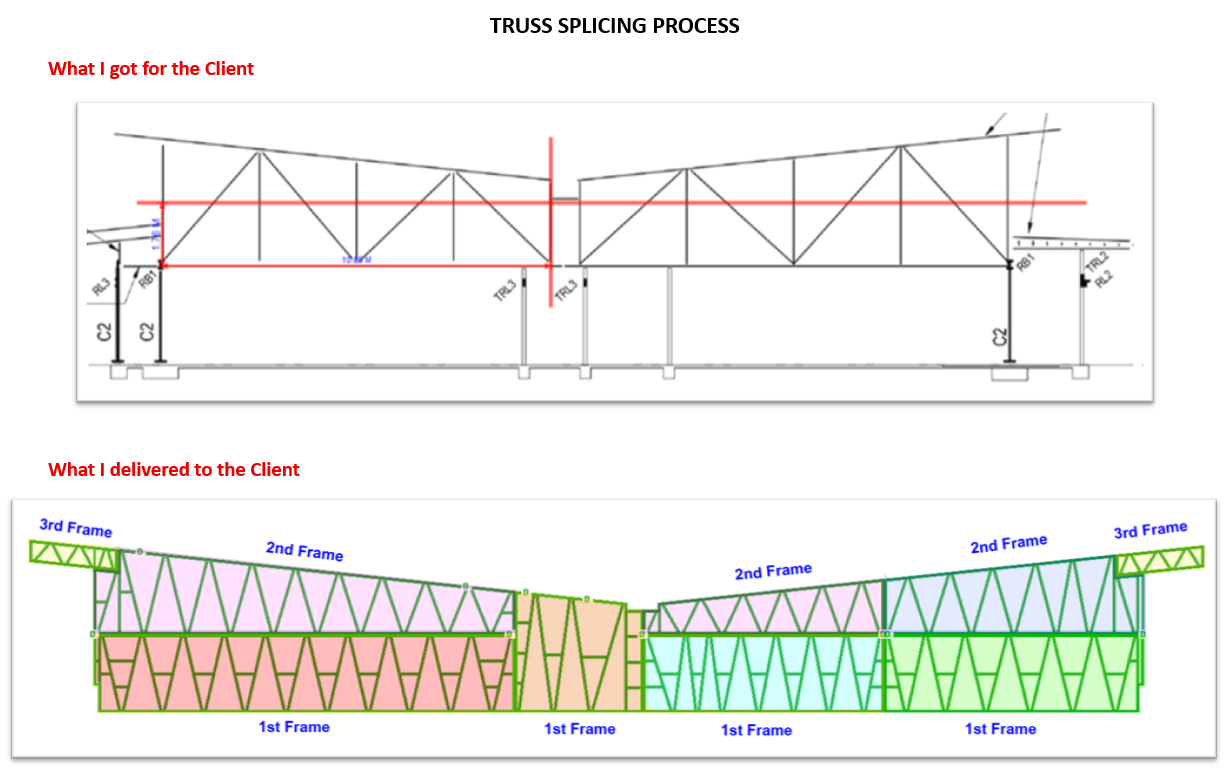
    Client’s Initial Splice Proposal

    Initially i have got input like below for client’s end for splicing the length trusses

    Optimized Splicing for Seamless Load Transfer

    My Detailing Approach for Smart Splicing for Stronger Load Transfer

    Finalized Spliced Truss Frame Arrangement

    Smart Truss Frame Arrangement for Transport & Strength

    On-Site Erection — From Plan to Reality

    From Drawing Board to Construction Site

    The Outcome — Buildability First

    This approach not only solved the transport issue but also ensured:

    ✔ Zero on-site rework
    ✔ Safe and efficient installation
    ✔ Perfect alignment between design, fabrication, and assembly

    👉 Takeaway: Smart detailing bridges the gap between ambitious design and practical construction.

    I always ensure that every project is not just strong on paper but buildable in the real world.

    🚀 Every project has its own challenges — the key is finding practical detailing solutions that work on-site, not just on paper.

    I’d love to hear your thoughts or experiences with large-span trusses.
    📩 Connect with me, Priyan Gandhi | LGS Detailer, to discuss smarter detailing strategies.

  • Changing Vertical Leg Position for Easier Steel Erection

    Changing Vertical Leg Position for Easier Steel Erection

    The Issue

    • One common problem during steel erection is the incorrect orientation of bracing.
    • The correct orientation is bracing toes facing uphill.
    • When bracing is installed the wrong way, it must be taken down, rotated, and reinstalled—wasting time and increasing risk at height.

    Best Practice Solution

    1. Model braces with toes facing uphill
      • Provides a clear reference.
      • Reduces ambiguity for riggers.
    2. Review vertical leg positioning during detailing
      • Show correct orientation in shop drawings and models.
    3. Integrate checks into workflows
      • Add bracing orientation to erection checklists.

    Benefits

    • Efficiency: No wasted rework.
    • Safety: Fewer adjustments at height.
    • Consistency: Standardised practice across projects.

    Takeaway
    Standardizing bracing orientation and vertical leg position is a small design decision that prevents major site issues.

  • Smooth Start: Step-by-Step Guide to Installing Tekla Structures with Environment, Catalogue & MTO Setup

    Smooth Start: Step-by-Step Guide to Installing Tekla Structures with Environment, Catalogue & MTO Setup

    Whether you’re reinstalling Tekla or setting it up on a fresh system, getting everything aligned for our internal workflow – including the Material Take Off (MTO) process – is crucial for smooth operation.

    Here’s a complete, easy-to-follow guide to installing Tekla Structures, configuring the Australasia environment, and setting up our Effective MTO DLL for seamless detailing work.

    Installation Steps:

    1. Download Tekla Structures:
    2. Download the Australasia Environment:
    3. Download the Required Catalogue Files:
    4. Install Tekla Structures:
    5. Install the Australasia Environment:
    6. Install the Catalogue Files:

    For Access Shared License Requirements:

    VPN Access:

    • Connect to the Melbourne office VPN to access the shared License for Tekla

    Setting Up MTO Conversion Tools (AutoCAD Integration):

    1. Download the Latest MTO DLL:
      • Obtain the latest version of the MTO DLL file for AutoCAD-based conversion.
    2. Load the DLL in AutoCAD:
      • Open AutoCAD.
      • Use the command: NETLOAD and browse to load the downloaded DLL file.
    3. Open Existing MTO File:
      • Open a previously or any sample created MTO file in AutoCAD for testing and verification.
    4. Verify Profile Table:
      • Ensure the MEMBER-SCHEDULE is properly filled and in the same location as MTO file.
      • Confirm all profiles are copied correctly from the our Bepin site.
    5. Unlock Layers and Validate:
      • Freez or isolate all layers in the drawing file and test with the single beam or column
      • Test the conversion with a single profile.
    6. Run MTO Command:
      • Use the command: ConvertToTeklaWCS to generate the conversion output.
    7. Check the Tekla Model:
      • Open Tekla and verify that the steel items have been correctly converted and appear in the model space.

    Important Note:

    For further clarification or formatting guidelines related to MTOs, please refer to our internal:

    This memo contains essential information for ensuring accuracy and consistency in your MTO files.

  • Double-Story Precision: LGS Framing at Osgood Street, Guildford

    Double-Story Precision: LGS Framing at Osgood Street, Guildford

    Project Overview – New Double-Story Dwelling, Osgood Street

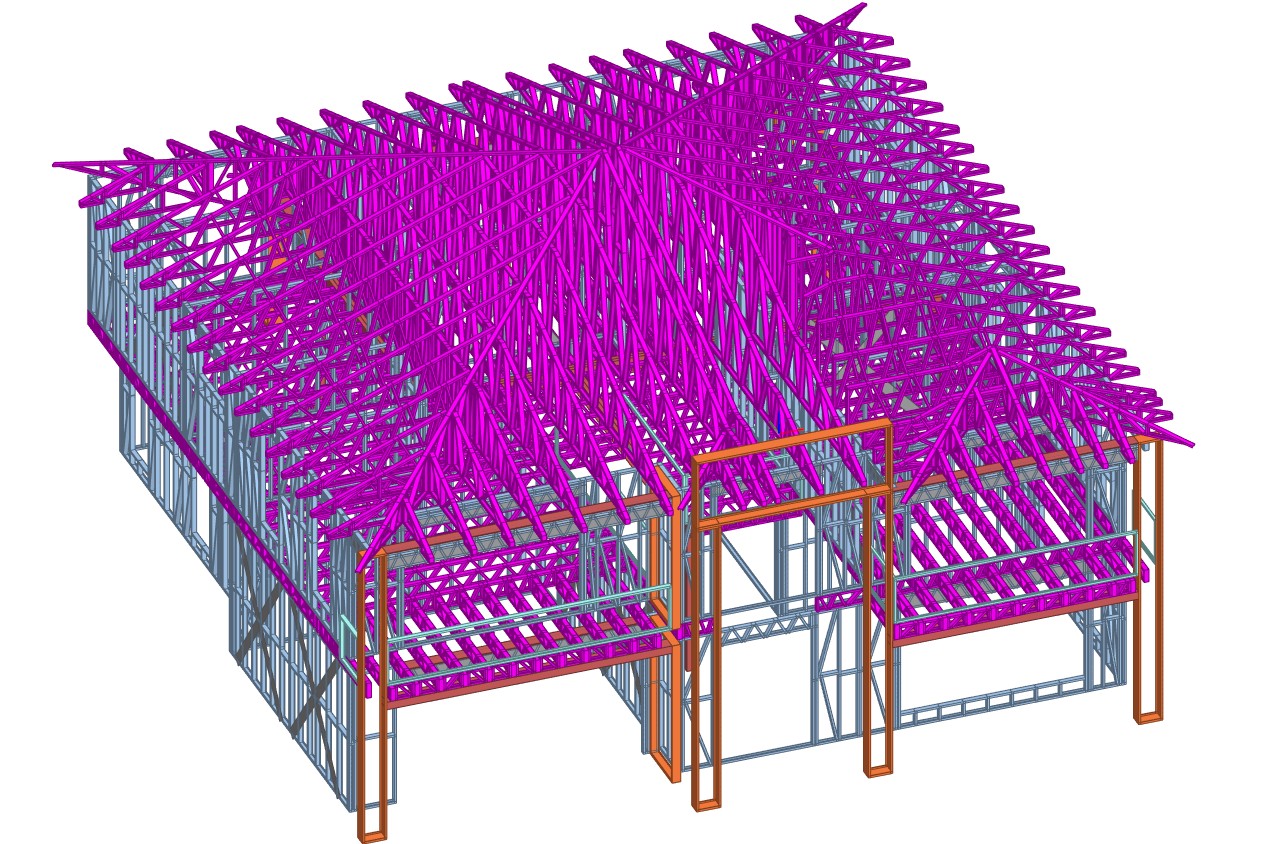
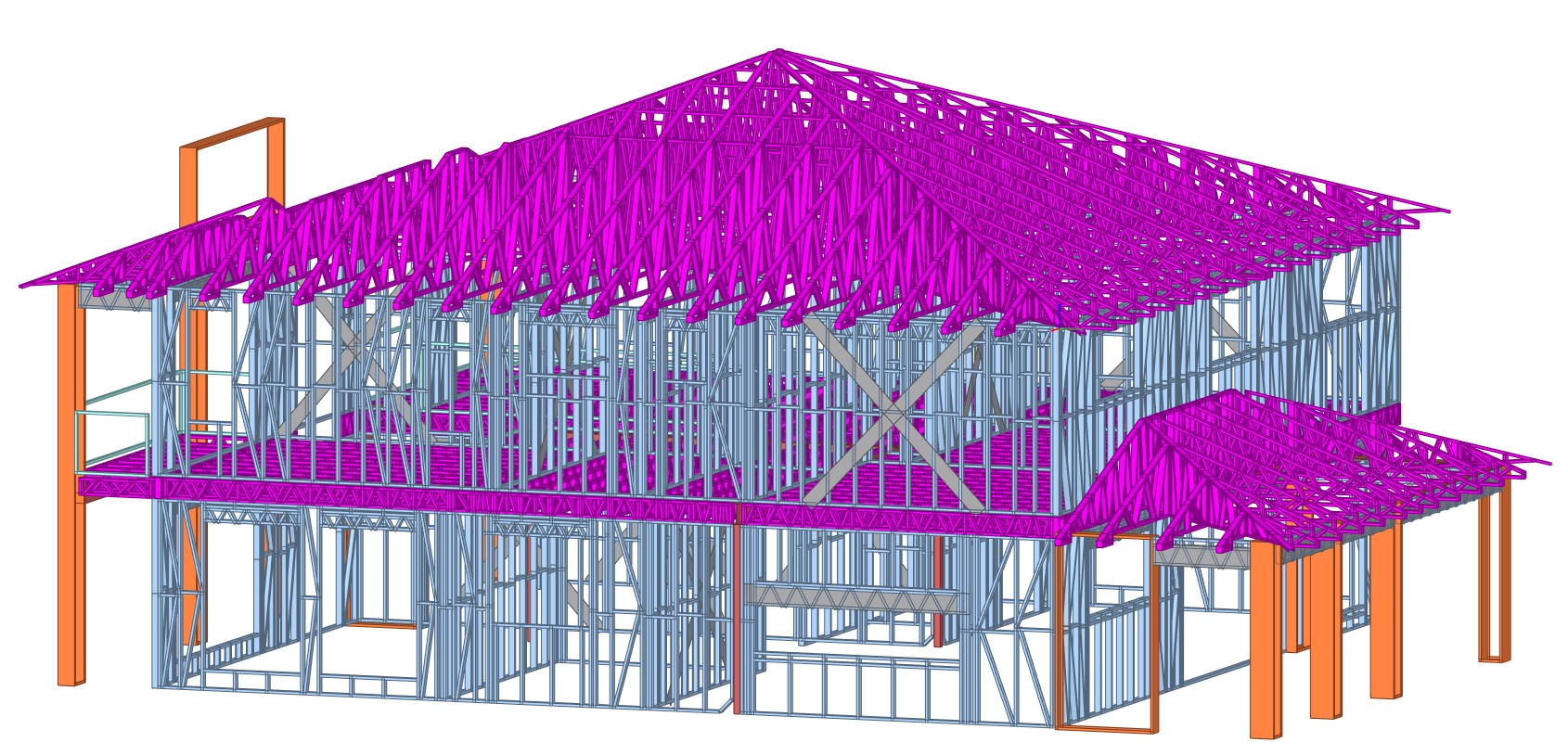
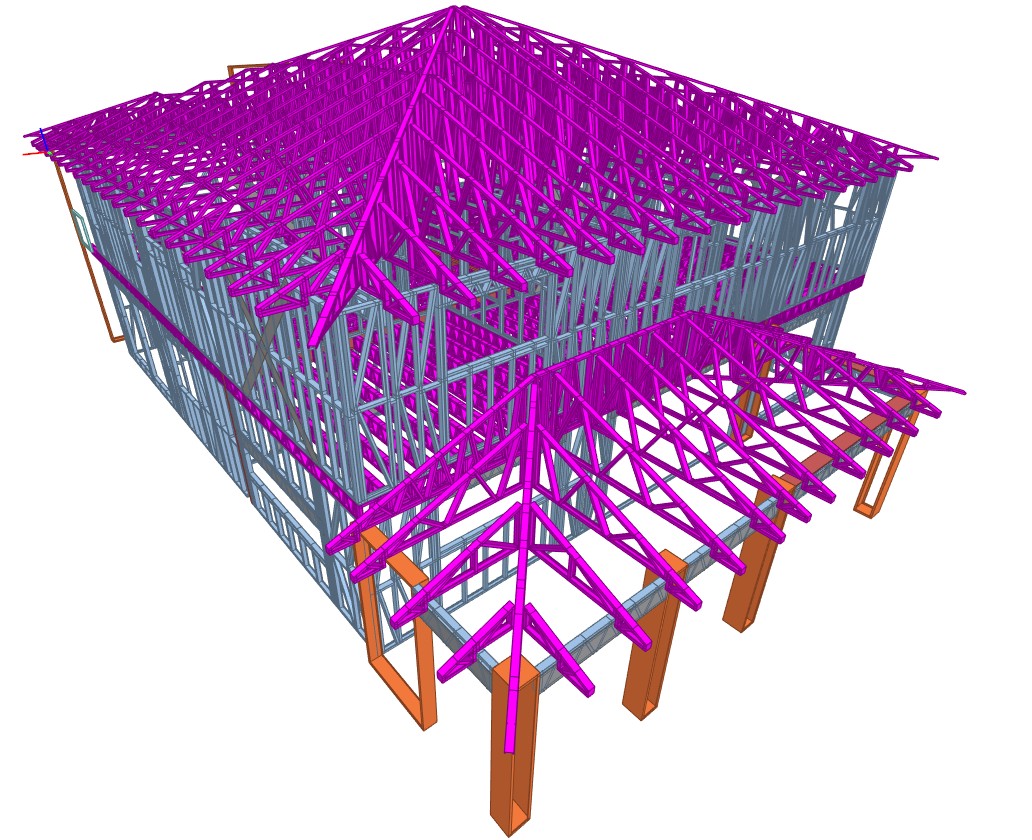
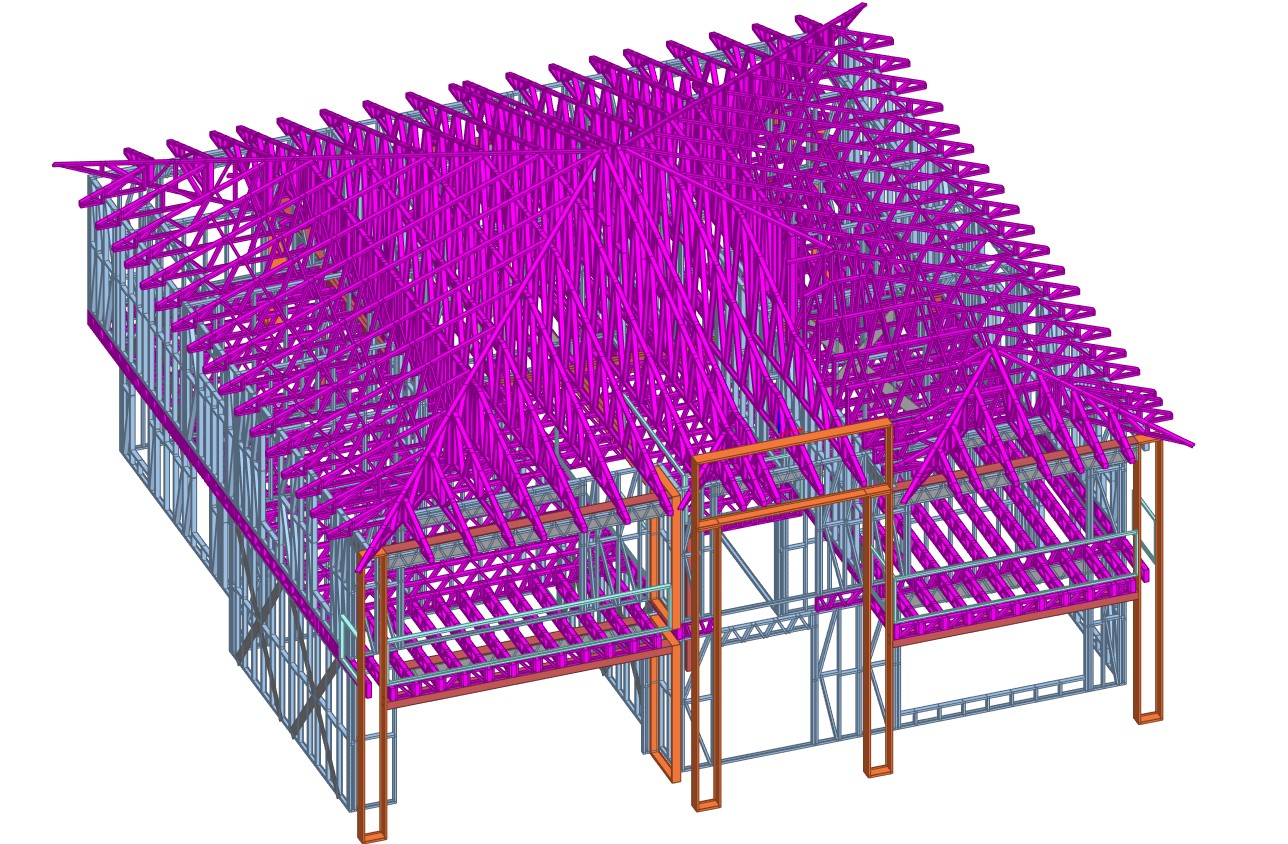
    This residential project at 14 Osgood Street, Guildford, NSW, exemplifies the smart use of Light Gauge Steel (LGS) framing to meet both structural and design expectations. Delivered in collaboration with Ausgreen Steel Frames, the scope included the supply and detailing of LGS floor joists and roof trusses.

    The two-storey dwelling covers a total area of 210 sq.m, and a hip roof design was selected for both aesthetic and practical advantages. With a total LGS tonnage of 10.2T, this project was efficiently framed for long-term durability and simplified on-site assembly.

    📌 Project Details:

    • Client: Ausgreen Steel Frames
    • Location: 14 Osgood Street, Guildford, NSW
    • Total Area: 210 sq.m
    • No. of Levels: 2
    • Total LGS Tonnage: 10.2T
    • Roof Type: Hip
    • Scope: LGS floor joists and roof trusses

    This project is another example of how LGS systems streamline the framing process in modern home construction, especially for multi-level builds requiring speed, precision, and consistency.