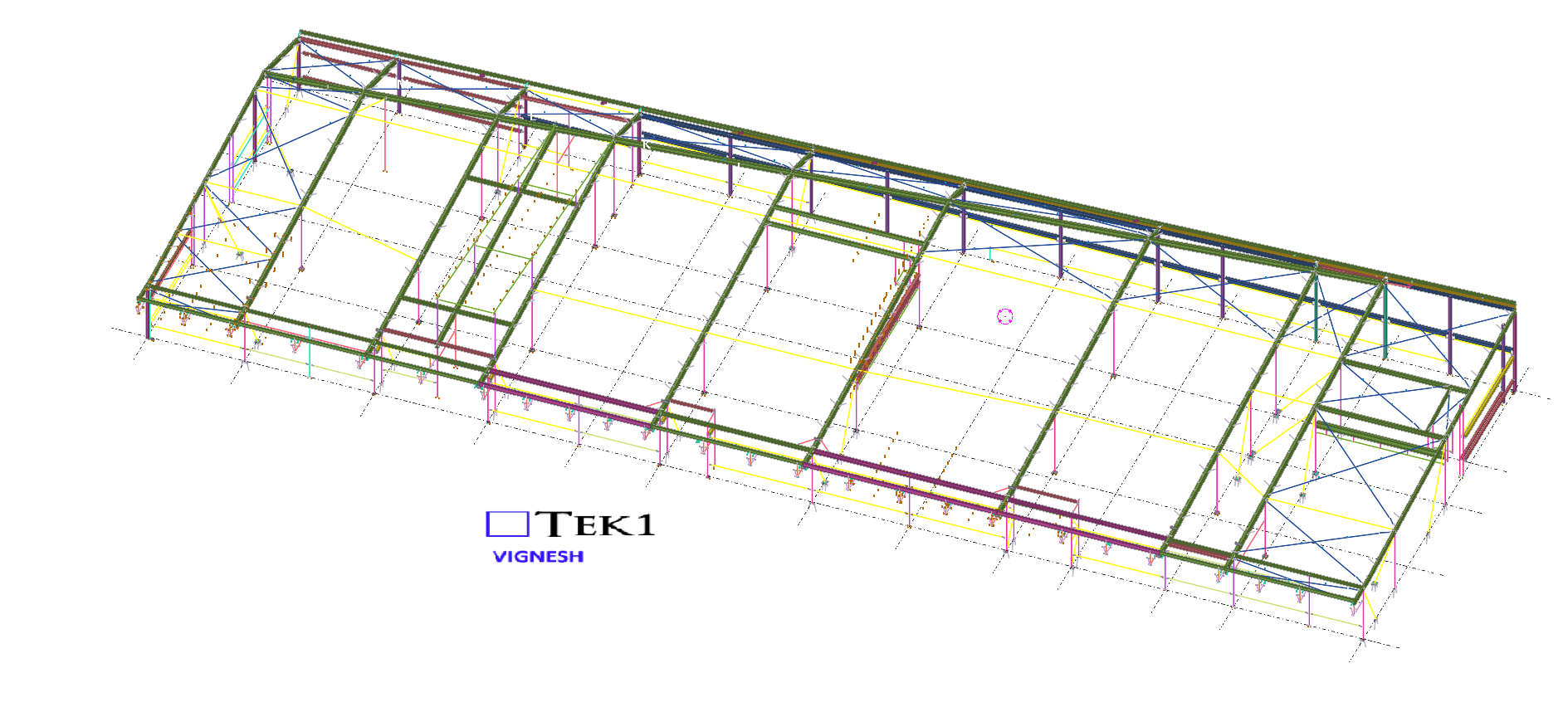
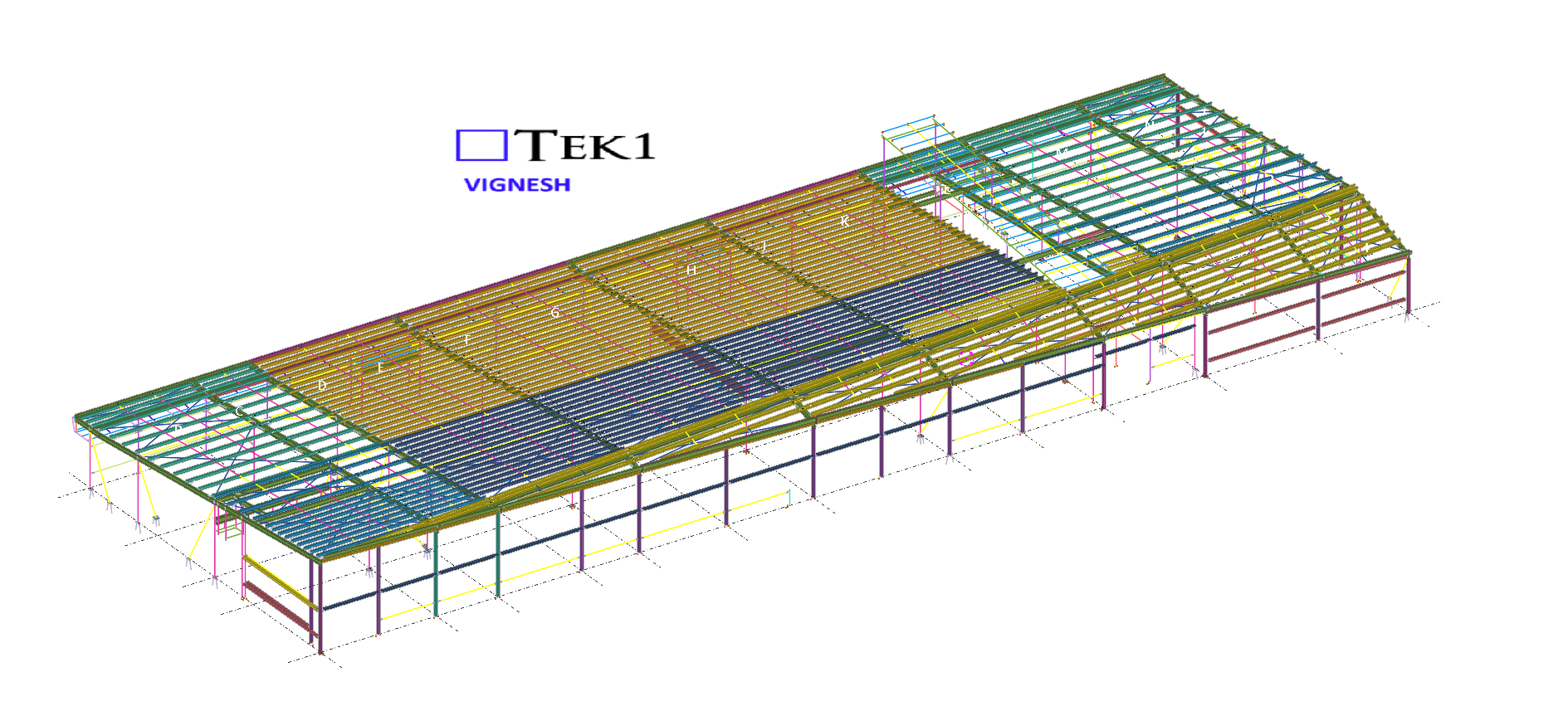
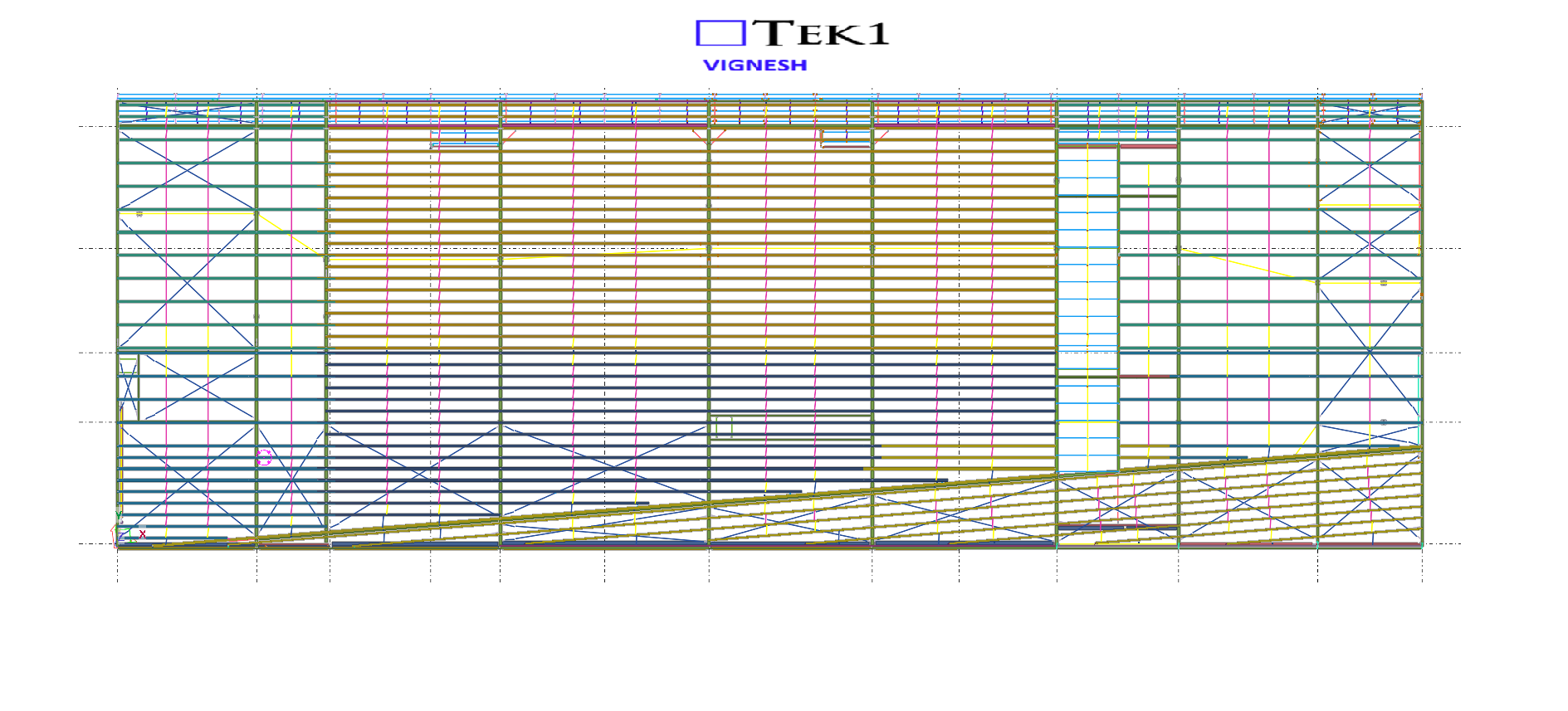
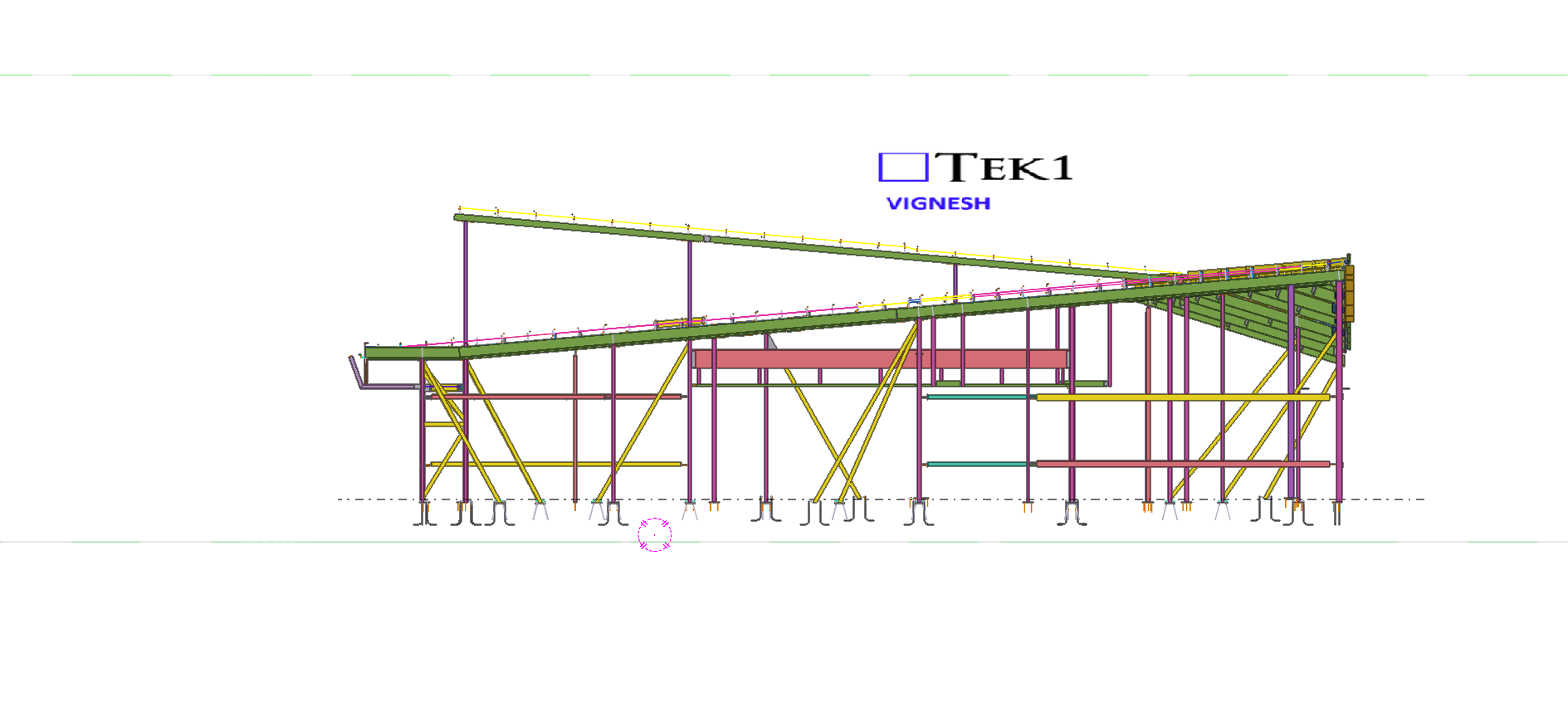
Recently, we received a stair project that had already been detailed by another party and even approved by the design consultants. For reasons unknown, the project eventually came to Tek1.
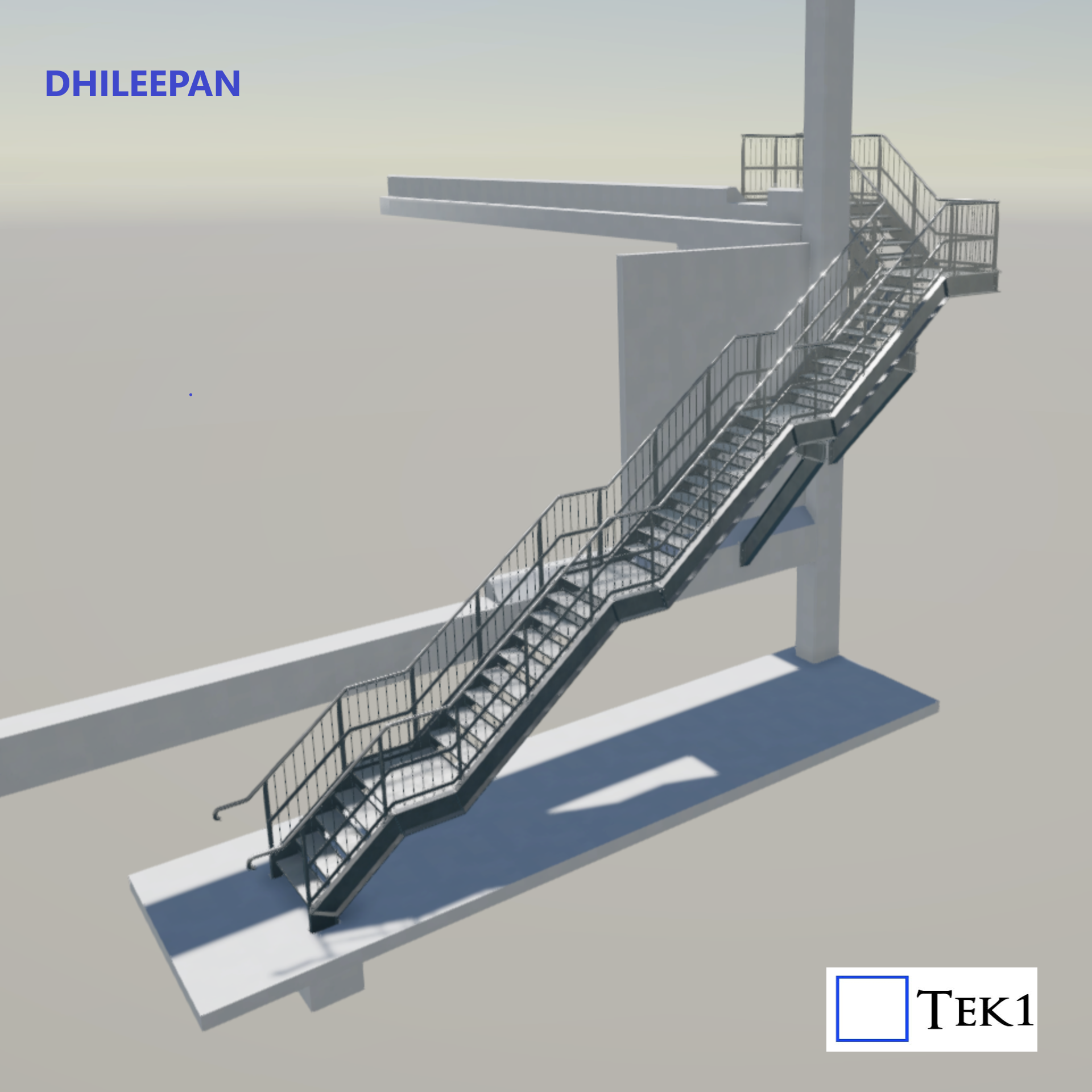
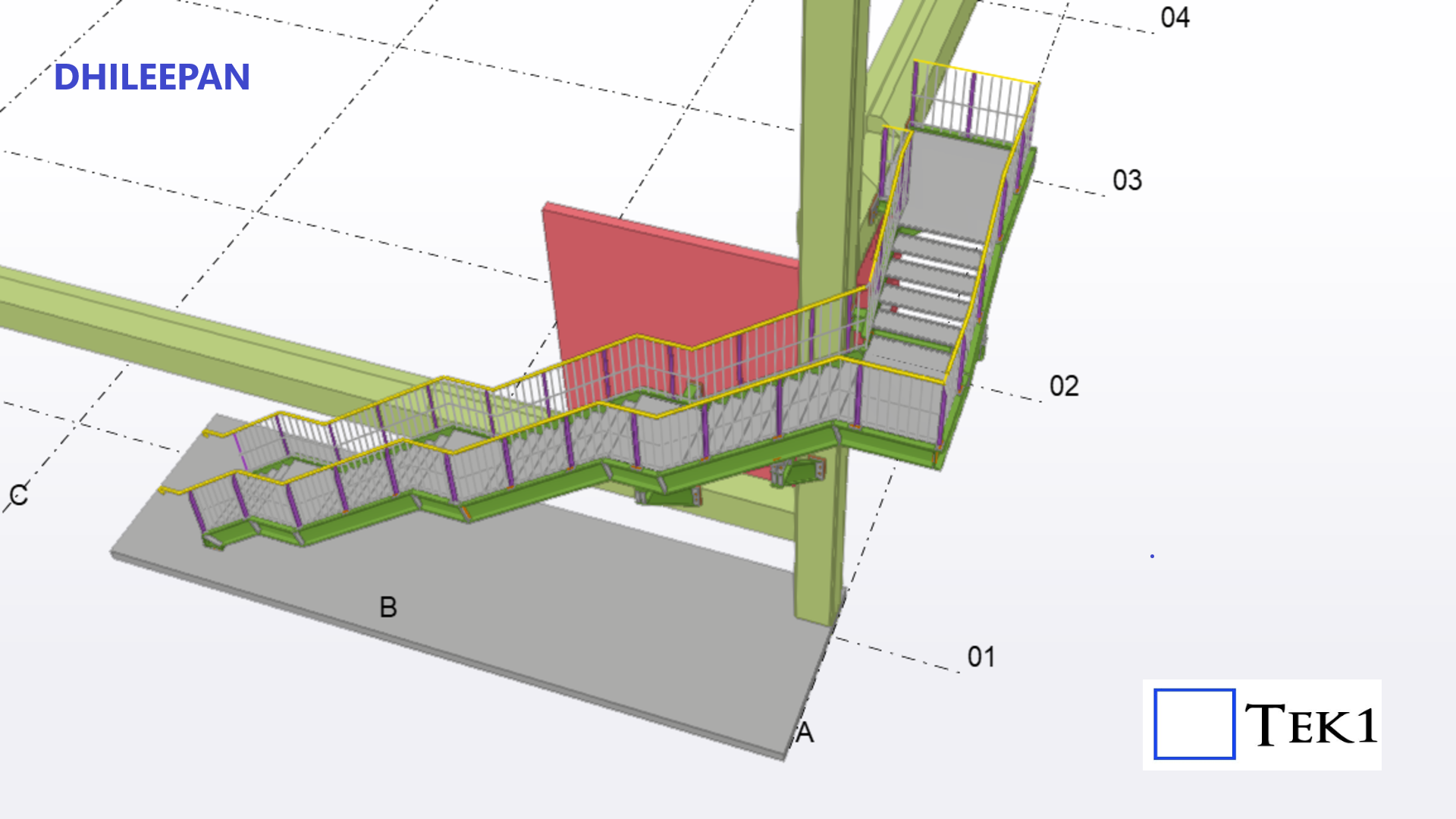
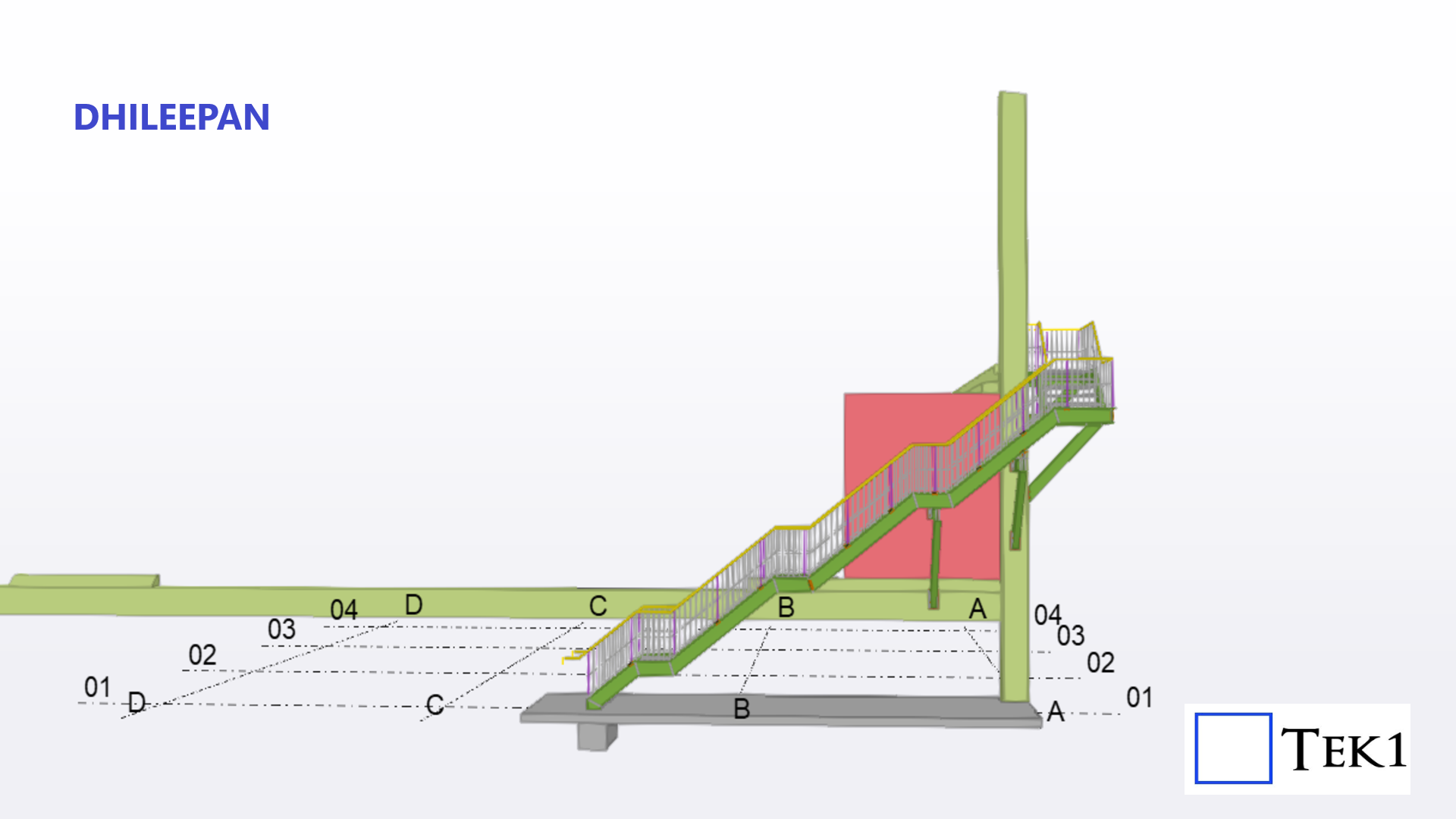
The scope involved a large five-flight stair with a 90° turn. We were provided with the GA drawings and assemblies prepared by the previous detailer, stamped with approvals, and instructed to simply follow the approved drawings for any RFIs raised.
At first glance, it would have been easy to assume everything was in order. But at Tek1, we believe that blindly following drawings — even “approved” ones — is risky. Every project deserves a careful check against standards.
The Error That Changed Everything
During our review, we noticed a critical issue: while all risers were at 190 mm, one riser was set at just 149 mm. This not only broke the uniformity but also violated the applicable stair standards.
We immediately highlighted this to the client. What seemed like a “small” mismatch in a single tread had major implications. To correct it, the entire stair had to be revised:
Riser height was adjusted to 188 mm.
All mid-landing RLs shifted.
Stringer slopes changed.
Handrails and support frames were reworked.
In short, one overlooked error had a ripple effect on the entire structure.
Lessons Learned
Projects that land with us after being dropped by other detailers often arrive with extreme urgency, as valuable time has already been lost. But no matter how hectic the schedule, Tek1 follows one principle: check the input drawings against standards before proceeding.
This extra step not only avoids costly errors but also ensures safety and compliance — something no deadline should compromise.
Please note that once we assign a job to the team members, the next step is to provide your ETA.
Whether our ETA is within or beyond the client’s expected date, it must be clearly updated in the status.
If the client decides to cancel the job due to late delivery, they will respond to the status, and Ben will inform us.
If there are any RFIs in the received documents, they must be raised immediately, and the status should be updated as “RFI raised on [date]” & “xxx days required to deliver the take-off reports.”
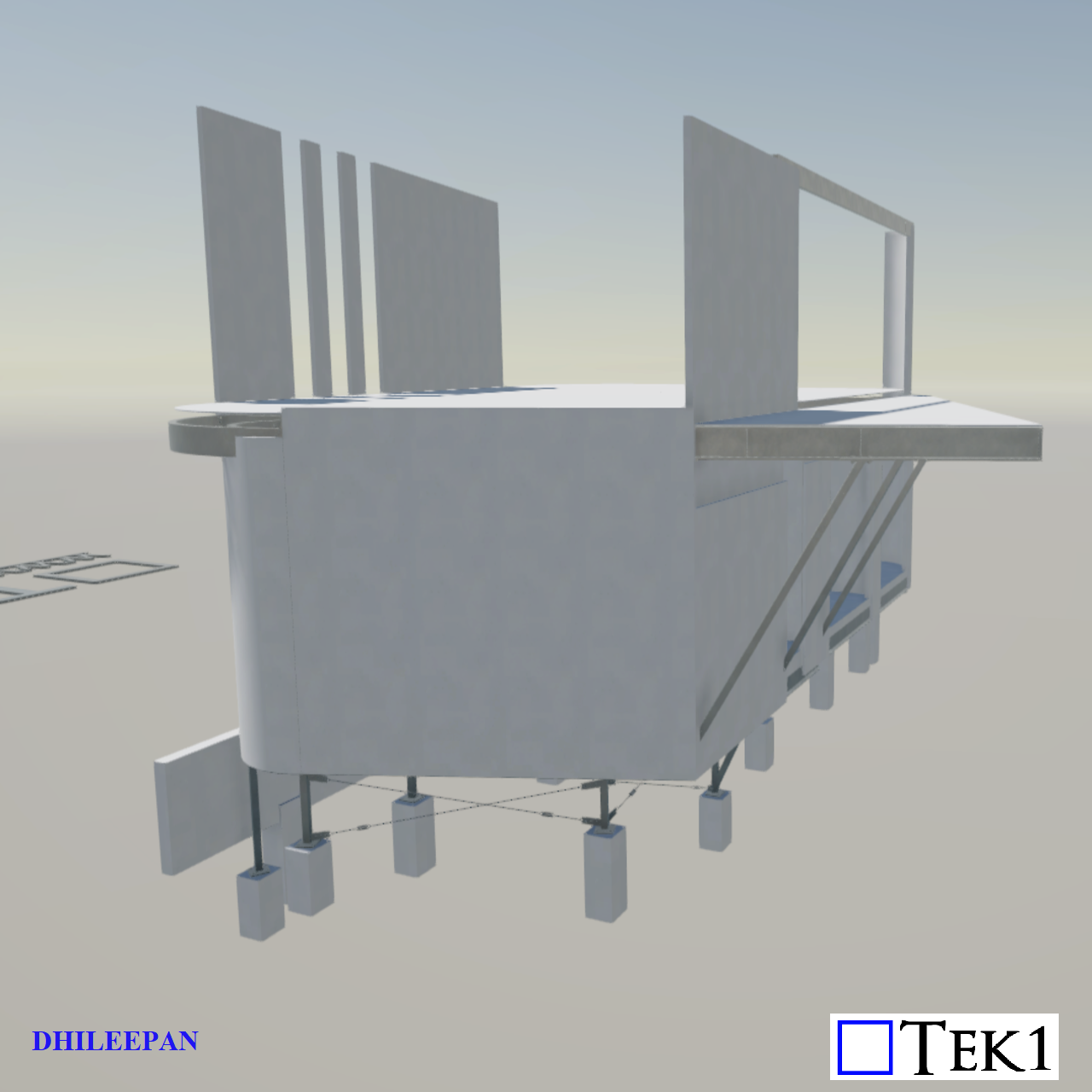
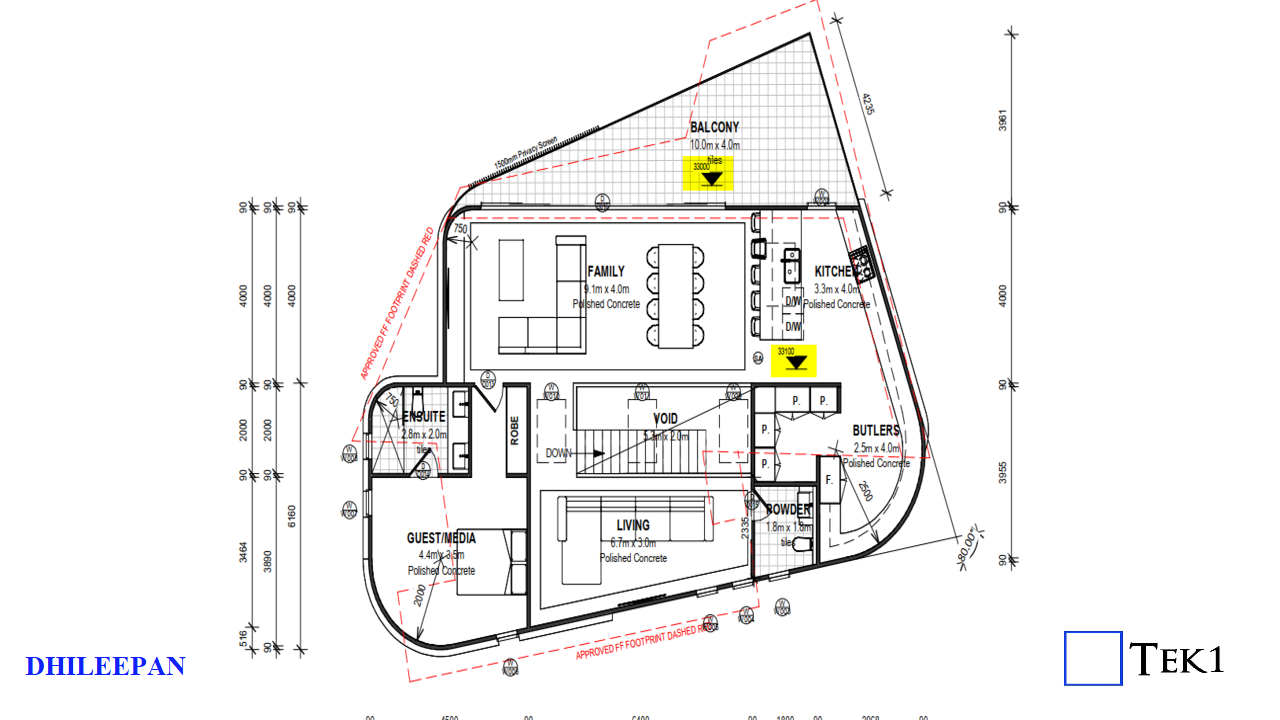
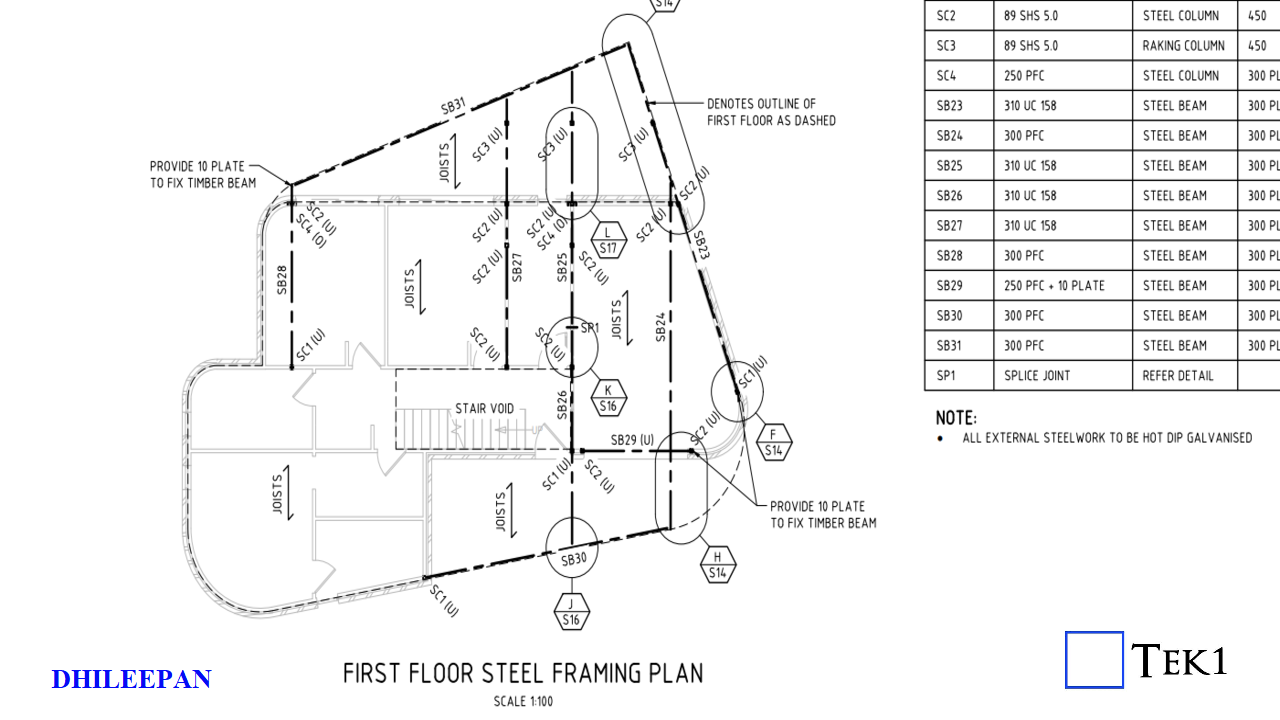
In a residential project nestled in the scenic suburb of Scarborough, Bundeena, a critical coordination issue surfaced during the construction of the first-floor balcony. Originally designed to sit 100mm lower than the internal first-floor level (with the balcony at RL+33.000 and the floor level inside the residence at RL+33.100), the structural drawings, however, did not reflect this intended step-down.
ARCHITECTURAL PLANSTRUCTURAL PLAN
Floor Depth Conflict
Adding to the complexity, the vertical space between the first-floor Finished Floor Level (FFL) and the ground floor Ceiling Level (FCL) was only 300mm, while the structural floor members specified were 327mm deep. This created an unintended exposure of the first-floor framing—both below the ceiling and above the balcony floor.
Level Adjustment Solution
Upon identifying the discrepancy, Tek1 promptly flagged the issue to both the structural engineer and the architect. A collaborative resolution was achieved by adjusting the levels: the internal FFL was raised to RL+33.253 and the balcony FFL to RL+33.153, restoring the 100mm step-down while maintaining all ground floor steel members at their original elevations. The level variation was managed by introducing floor joists of different depths—an efficient solution that avoided reworking the base structure.
Splice Connection Clash
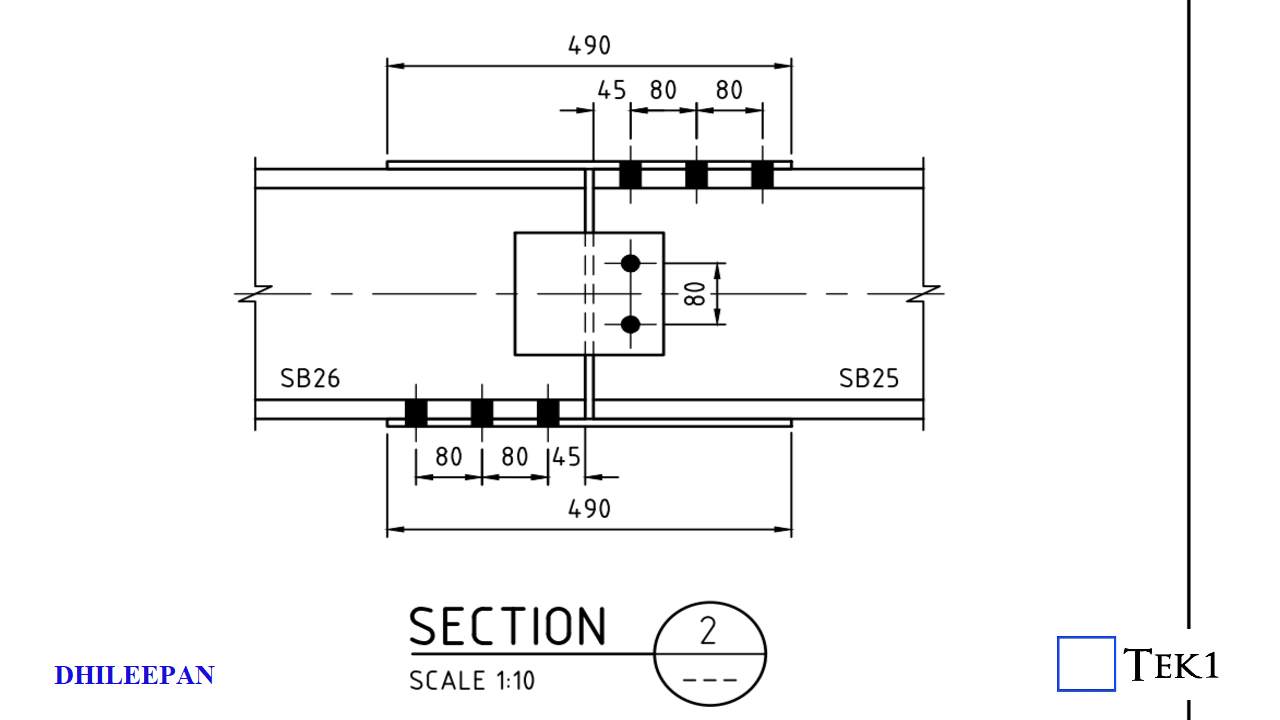
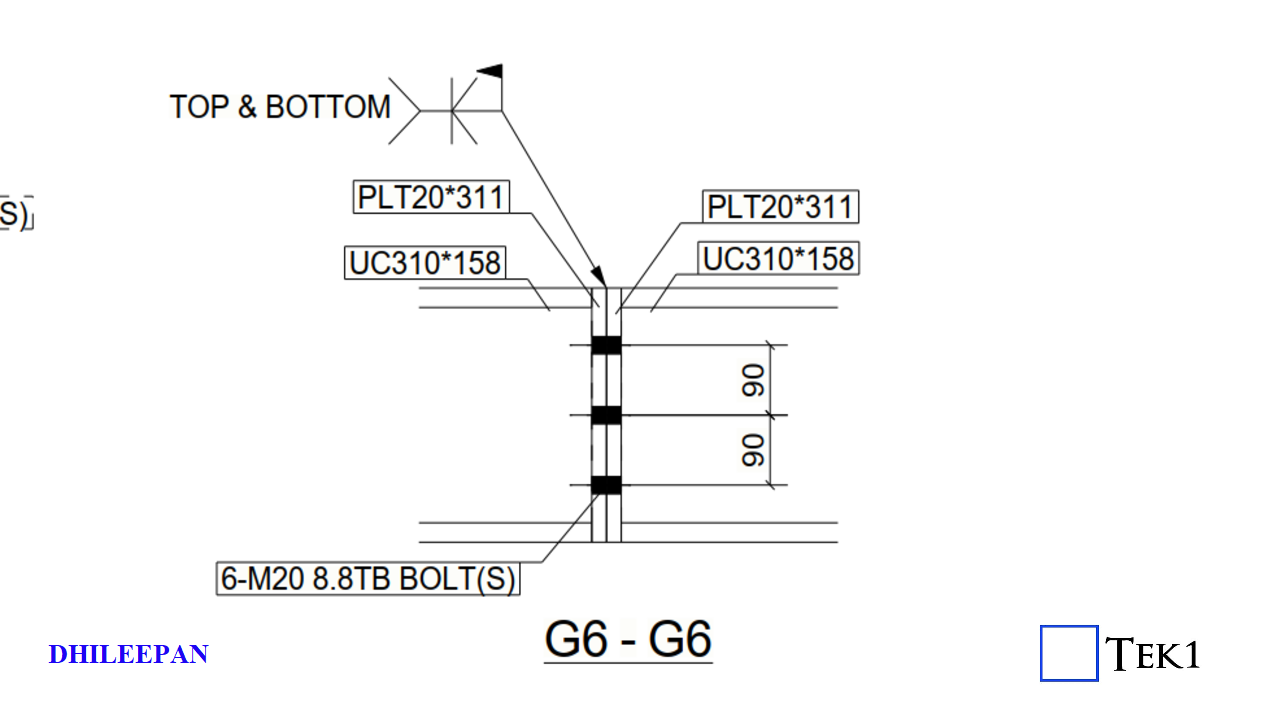
Another issue surfaced in the form of a splice connection detail provided in the structural drawings. The original design called for splice plates on both the top and bottom flanges of the beam. However, the bottom plate posed a risk of clashing with the ceiling board. Tek1 proactively suggested an alternative splice configuration that avoided interference with the ceiling. This revised detail was reviewed and subsequently approved by the structural engineer.
DESIGN SPLICEPRPOPOSED SPLICE
Conclusion
This case serves as a strong example of how early-stage detection, open communication, and thoughtful coordination between teams can lead to efficient, buildable solutions—ensuring design intent is met without compromising on functionality or aesthetics.
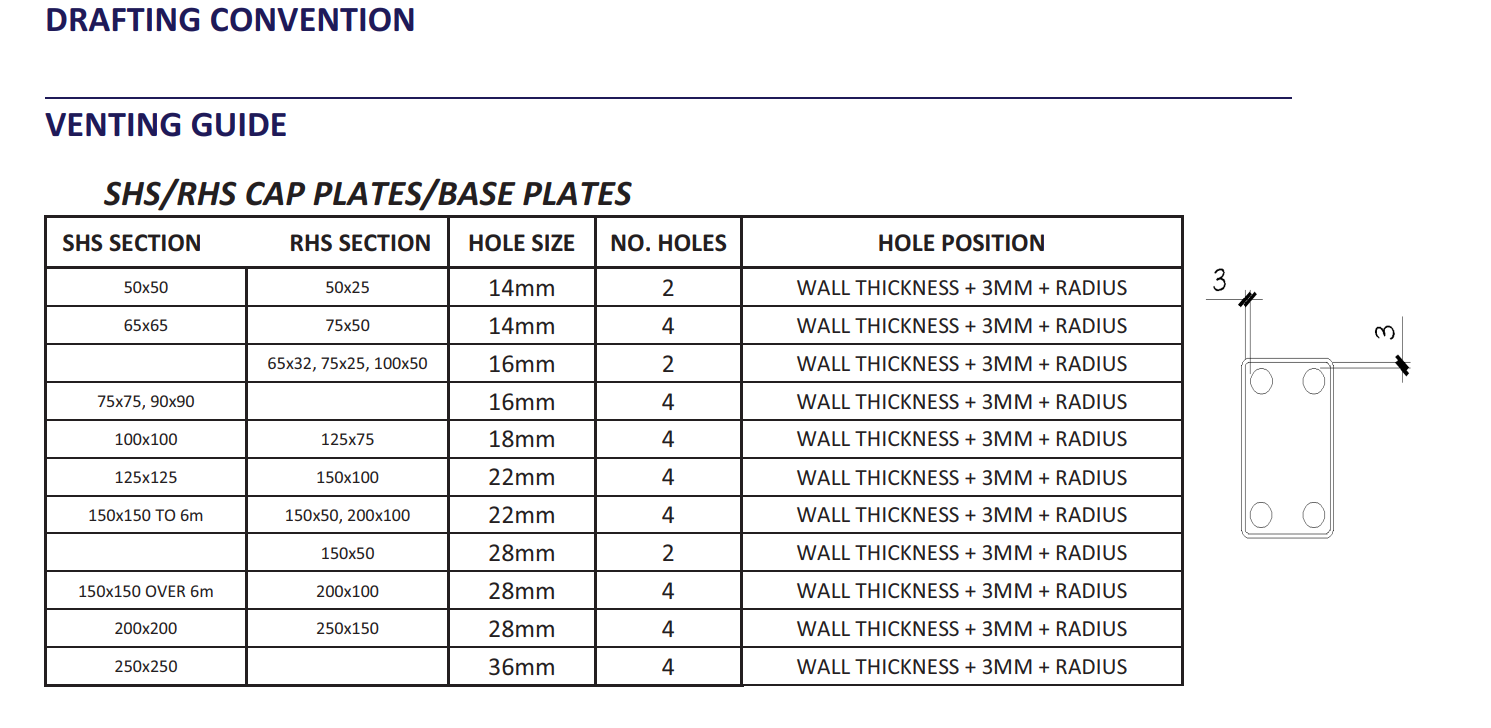
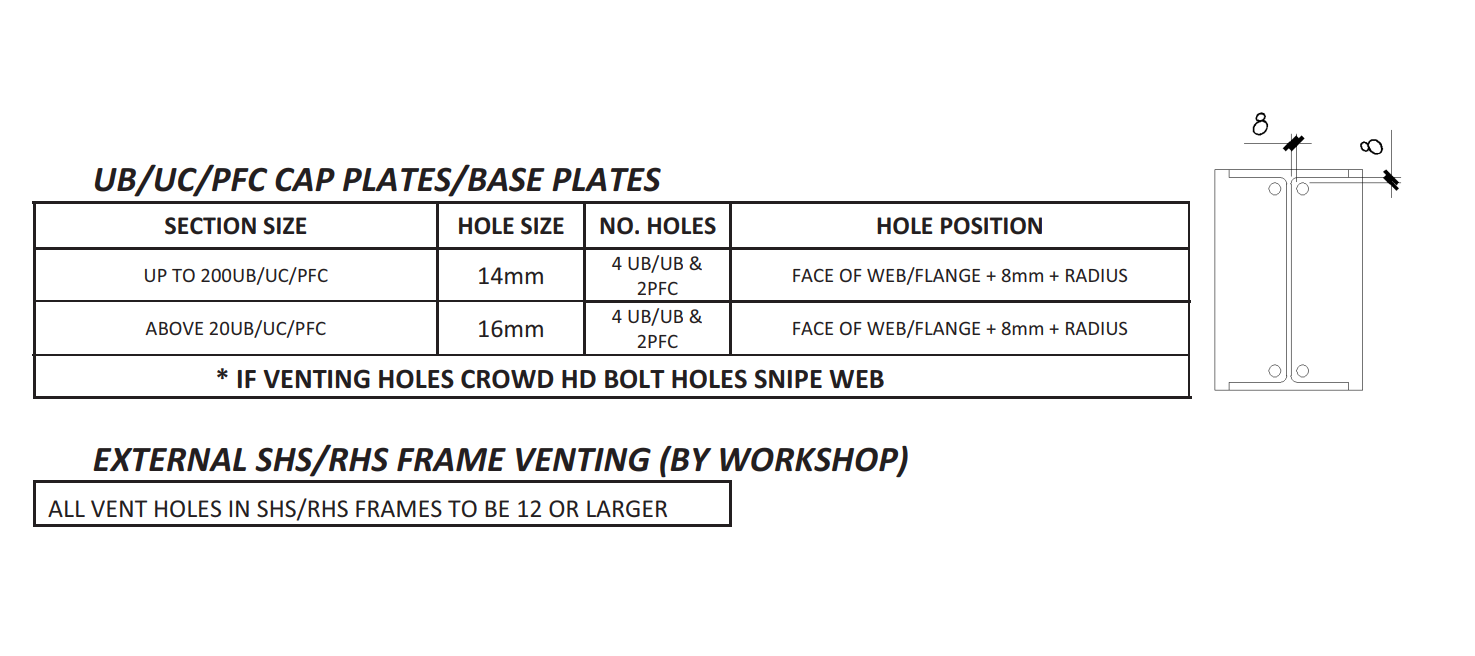
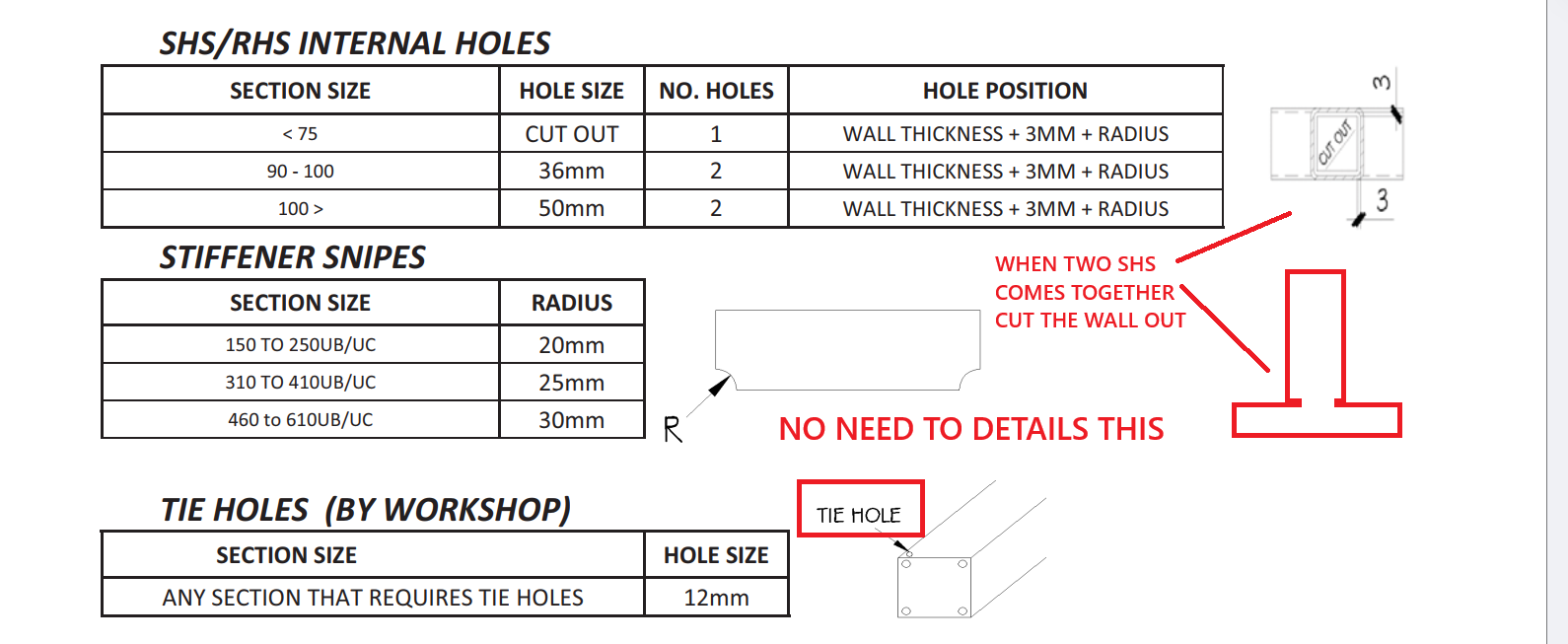
Note: you will need to prepare steel in order to galvanise. This may involve adding holes to the steel, in order explosions in the galvanising bath, so that air can always escape.
What is primer?
It is a coating you apply to steel, in order to help paint stick on to it. It can also have some durability benefits e.g. preventing corrosion.
You must follow the finish notes listed in Engineer and Architectural drawings.
If the steel is exposed to the elements, it will usually be specified as Hot Dip Galvanized (HDG). For interior structural steel, a primer coating is typically applied. And perhaps, where required, a top coat finish will be applied to make it look aesthetically pleasing.
What happens if you ignore or avoid finishes?
Rework & Labor Costs: Mistakes in applying paint, primer, or epoxy can lead to complete rectivication works. HDG requires a lead time and is particularly expensive.
Increased Maintenance: with poorly applied finishes.
Structural Damage Repair: with mis-specified finishes.
Legal and Warranty Implications: You could lose insurance.
Financial Impact: Could be significant.
What is the lesson learned?
When steel detailing, it is critical that you look carefully at the finishes of steel.
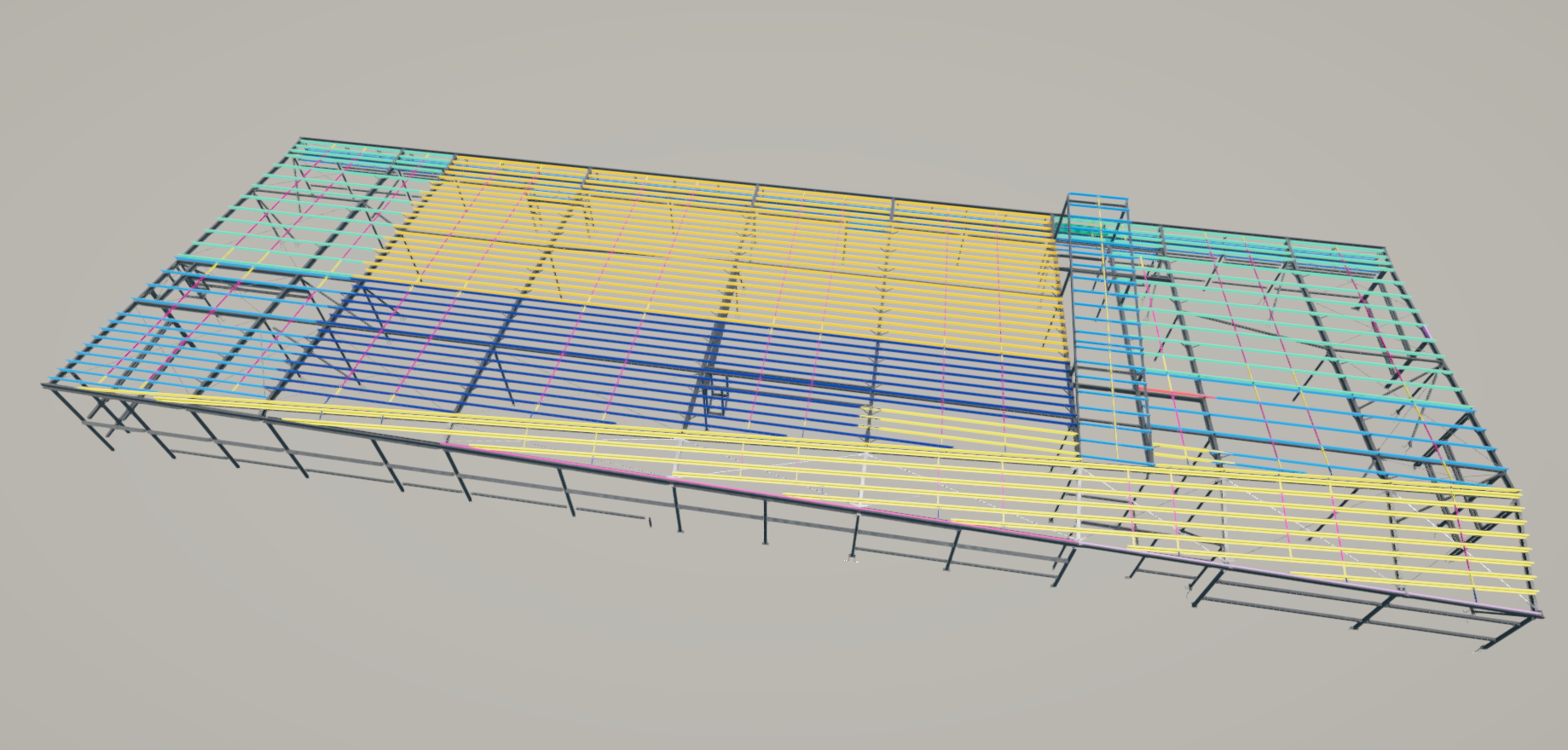
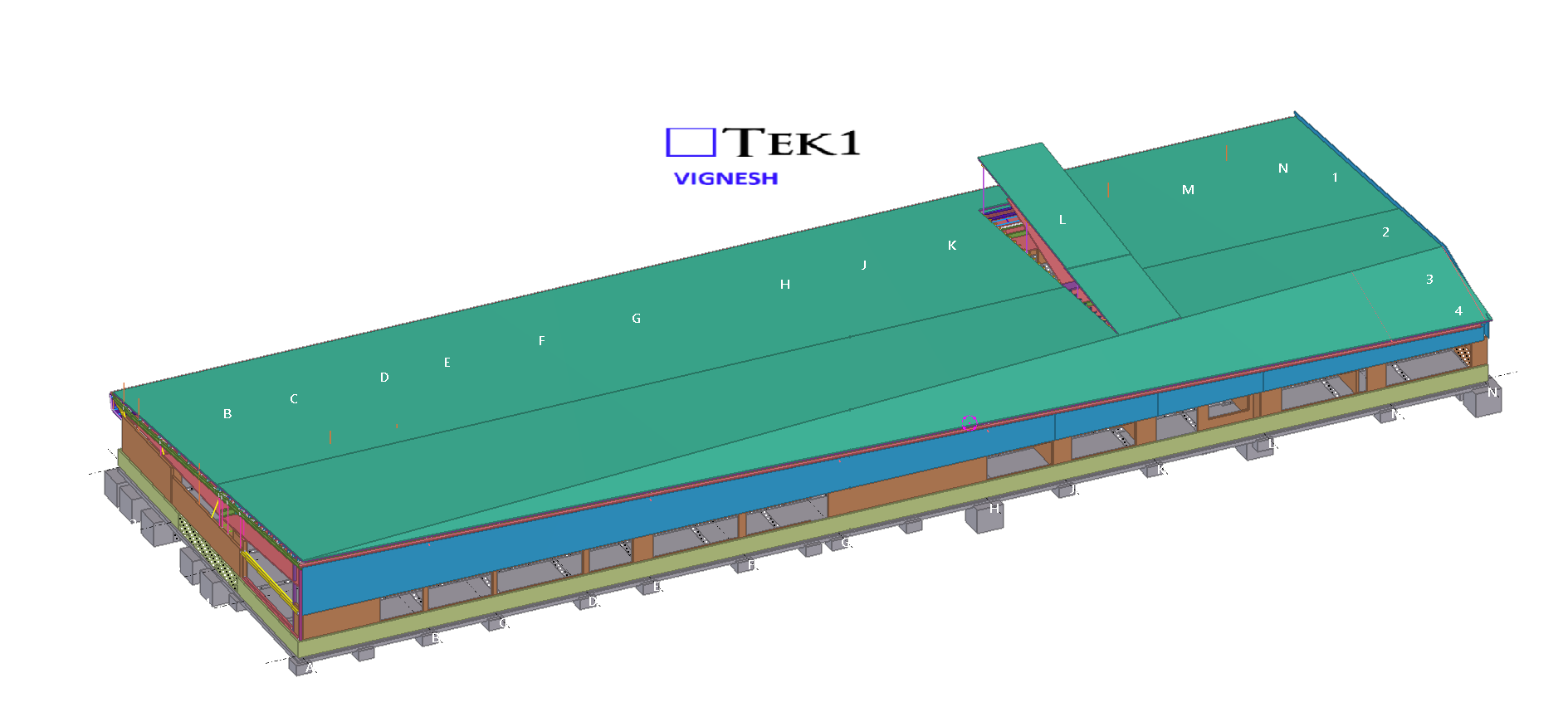
We are proud to be a part of the team in VSBA School-51 project.
Our detailing team worked closely with architects to ensure tolerances and offsets were met without compromising design intent With a limited fabrication and erection window, our detailing team adopted a fast-track workflow using Tekla Structures for 3D modeling.
This allowed us to provide early shop drawings for procurement and parallel review of sections still under coordination.